 swissmediavision, Getty Images, Modified
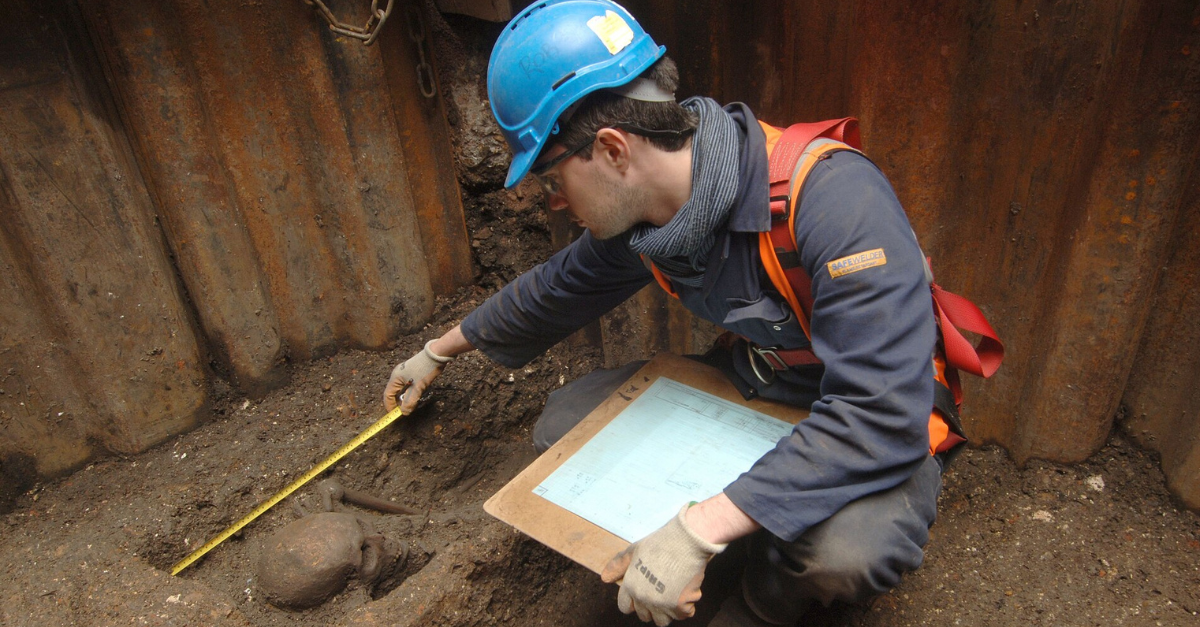
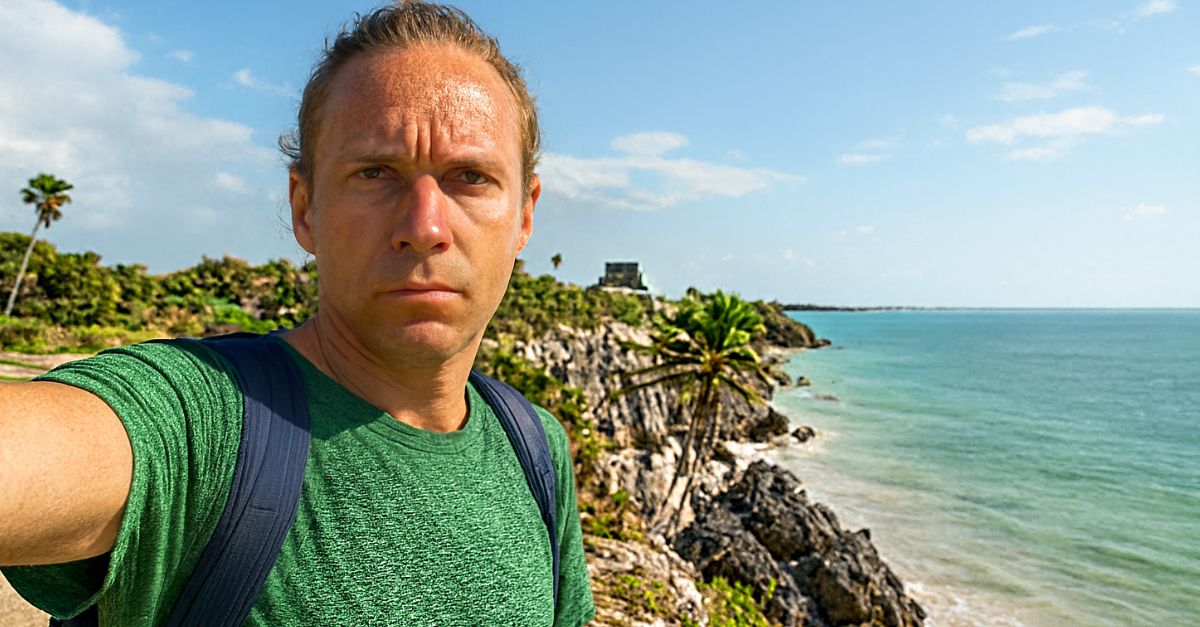
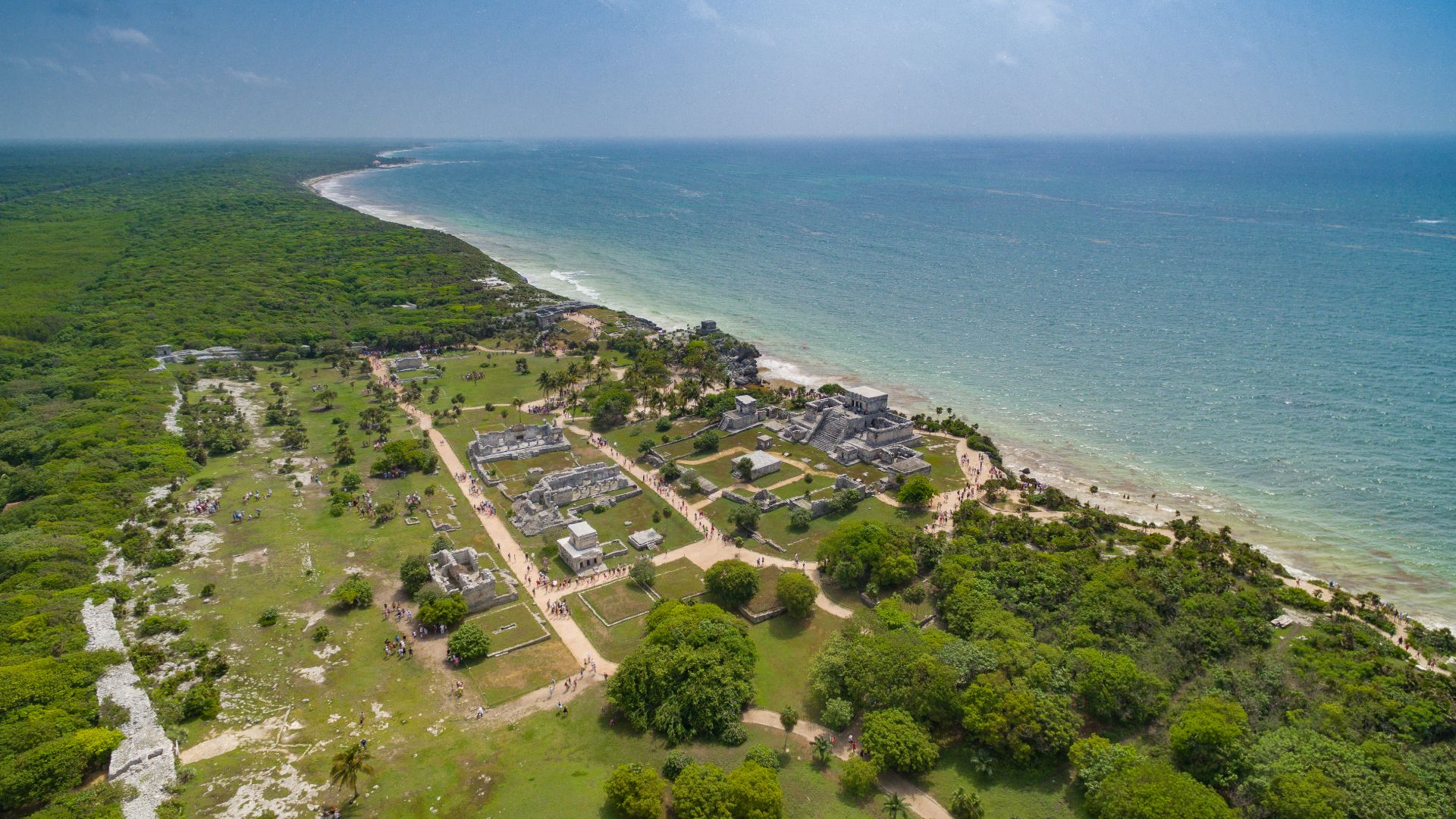
The discovery began with a blocked opening deep inside the Tulum archaeological zone, where archaeologists noticed a stone positioned in a way that suggested it had been intentionally placed to seal something significant. Once they removed it, the entrance revealed a narrow, low-ceilinged passage that forced the team to move slowly and carefully. The confined corridor eventually opened into chambers untouched since the Late Postclassic period, preserved in complete darkness for centuries. What the team uncovered inside would broaden the understanding of funerary customs practiced in one of the most influential coastal cities of the ancient Maya world.
A Sealed Space Built For The Dead
The first chamber revealed several adult human skeletons arranged in positions that made it clear the burials were intentional. The cave’s structure required archaeologists to crawl through spaces barely half a meter high, yet despite these limits, the Maya had managed to place individuals with care. The preservation was exceptional, largely because the cave had remained sealed for centuries. Small ceramic fragments near the burials helped date the deposit within the Late Postclassic, a period when Tulum functioned as a major trade center along the Caribbean coast. The ceramics resemble domestic vessels, hinting that everyday objects were used in these burials rather than ceremonial pieces, a contrast to other regional ritual contexts that point to local customs instead of elite practices.
The physical layout of the cave also contributes important information. Two narrow chambers, each only a few meters long, formed the core of the mortuary space, and their size implies the cave was never intended for repeated entry. Instead, it was likely opened only when necessary, with burials placed and the space resealed. The boulder found at the entrance confirms this pattern. Its location also suggests a coordinated effort, likely requiring several people to maneuver it into place. Its placement was too precise to be accidental and shows the community intended to permanently close the cave after its final use.
Faunal Remains That Point To Ritual Complexity
Alongside the human skeletons, archaeologists recorded a diverse collection of animal remains representing species from land, sea, and freshwater environments. The presence of both terrestrial and marine animals indicates that the people who used this cave drew from multiple environmental zones surrounding Tulum. Cut marks on some bones show that portions of the animals were processed before their placement. Other bones had been shaped into tools such as awls and needles, suggesting a secondary function before burial. These modified items add context to daily life in Tulum, which reflects specialized work with bone and the reuse of materials in ritual settings.
Marine species such as tiger sharks reveal direct engagement with the coastal economy to show how fishing and shoreline activity influenced symbolic and practical choices. Modified animal bones, in particular, help archaeologists differentiate between everyday refuse and purposeful deposits. Tools made from bone suggest skilled workmanship occurring before the burial event. Some of these pieces show wear patterns that indicate repeated use prior to their placement. Their presence in the cave indicates that the objects had symbolic value or were intentionally repurposed for the funerary setting.
A Rare Chance To Study An Undisturbed Maya Context
Because the cave remained sealed, researchers have a rare opportunity to study a burial environment exactly as it was left. This helps reconstruct not only the funerary activity but also the broader environment surrounding the cave at the time. Soil samples can be analyzed for pollen and microfauna, offering insights into human activity around Tulum during its final centuries. The snail shell set into the wall near the cave entrance adds another archaeological clue. While simple in appearance, its placement suggests it served as a boundary marker or symbol, possibly connected to Tulum’s maritime identity.
The location of the cave inside the city’s defensive walls also raises new questions. Unlike cenote burials or open-air tombs found elsewhere in the Yucatan, this chamber was enclosed within an urban center. This implies that the individuals buried here belonged to a specific group—possibly a family lineage or a community with defined roles. In the coming years, further analysis of bone chemistry and DNA may help determine where the individuals were born and whether they were related. Combined with faunal analysis, these studies may clarify how Tulum’s people worked through their coastal environment.