

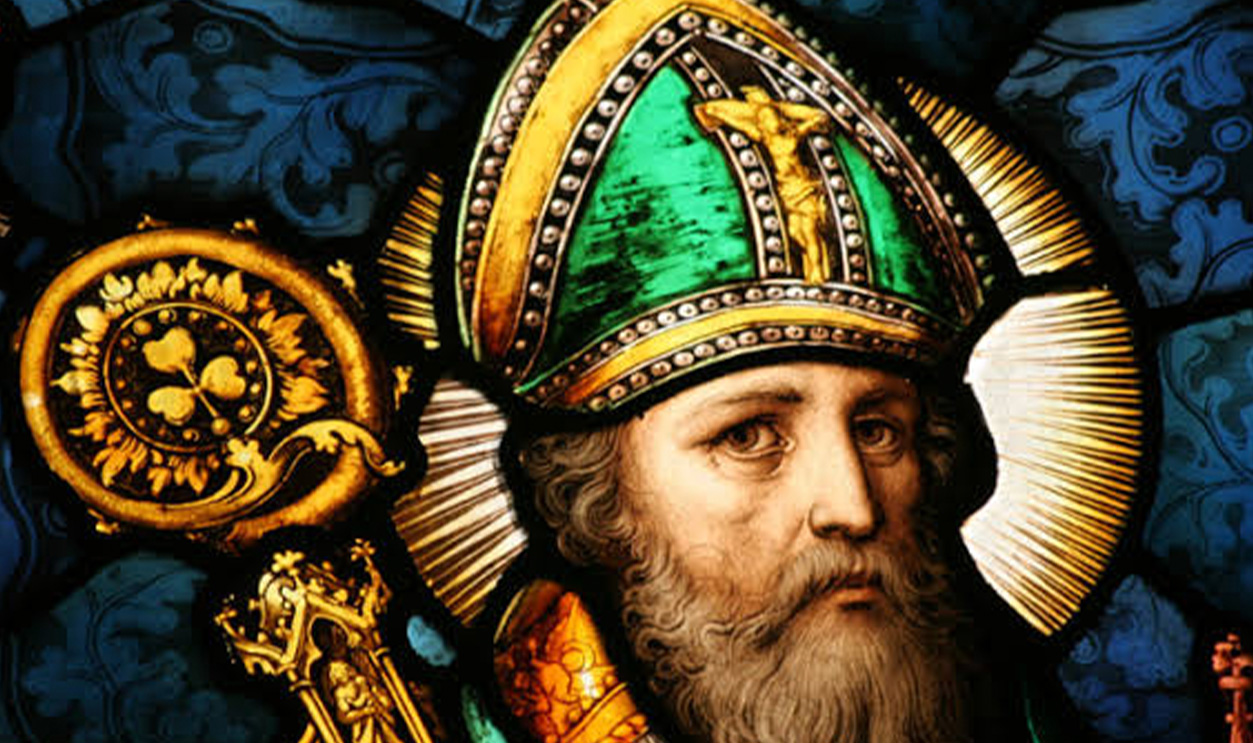
Who Was Saint Patrick?
St. Patrick, the patron 'saint of Ireland, was born Maewyn Succat to a Christian family in Roman Britain in the late fourth century AD.
Shortly before he was 16, Patrick was captured from the villa of his father, Calpurnius,by a group of Irish raiders who took him to Ireland and forced him into slavery. Six years later he escaped home to Britain, his religious faith strengthened during his time in slavery.
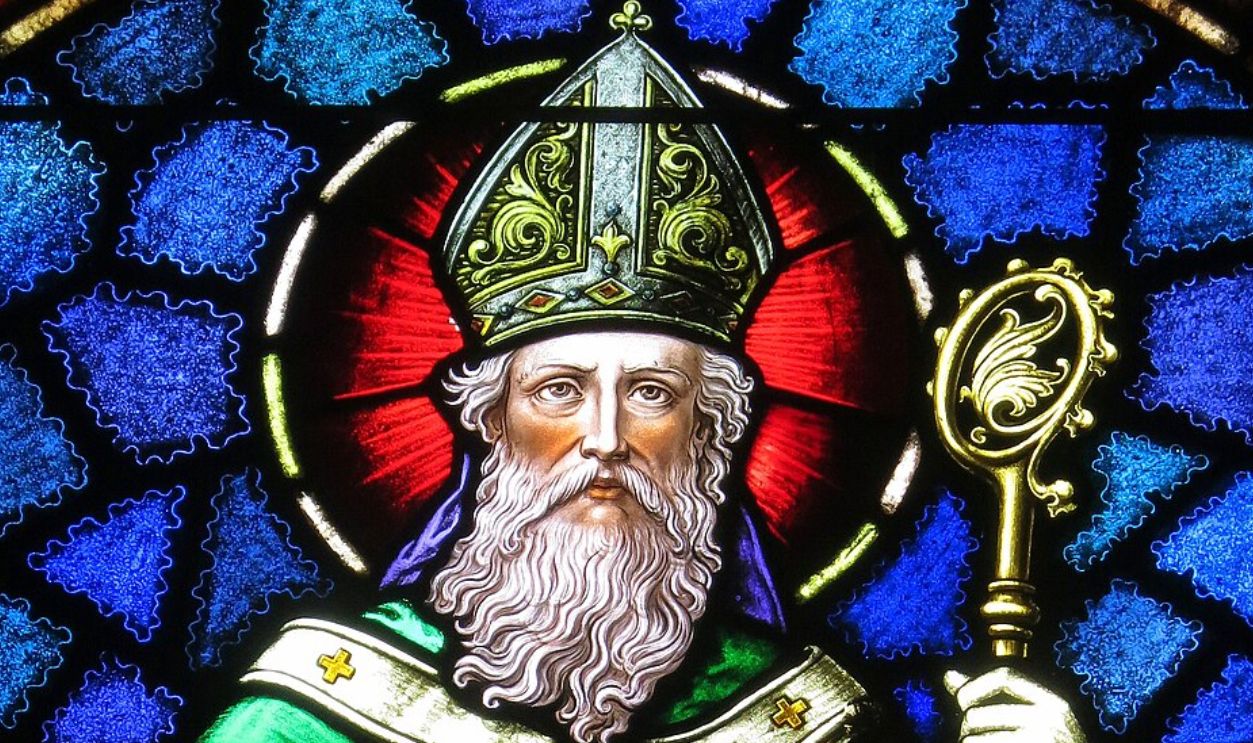
He Returned As A Missionary
Believing he had been called by God to Christianise Ireland, he later returned to Ireland as a missionary of the Catholic church (adopting the name Patricius, or Patrick, which derives from the Latin for ‘father figure’). He played an important role in converting the native Irish to Christianity, travelling around the country performing baptisms and confirmations.
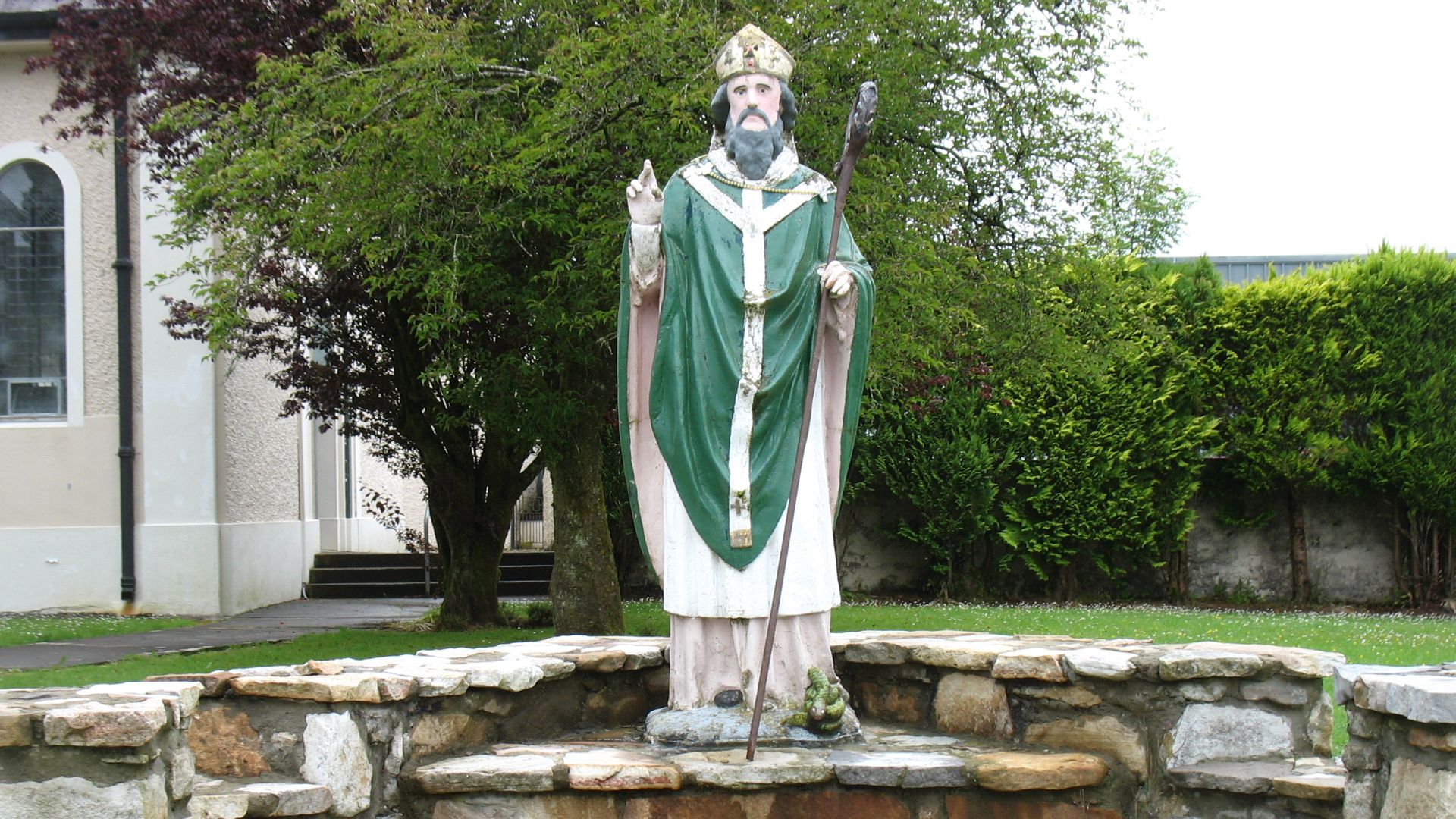 David Purchase , Wikimedia Commons
When Was St Patrick’s Day First Celebrated?
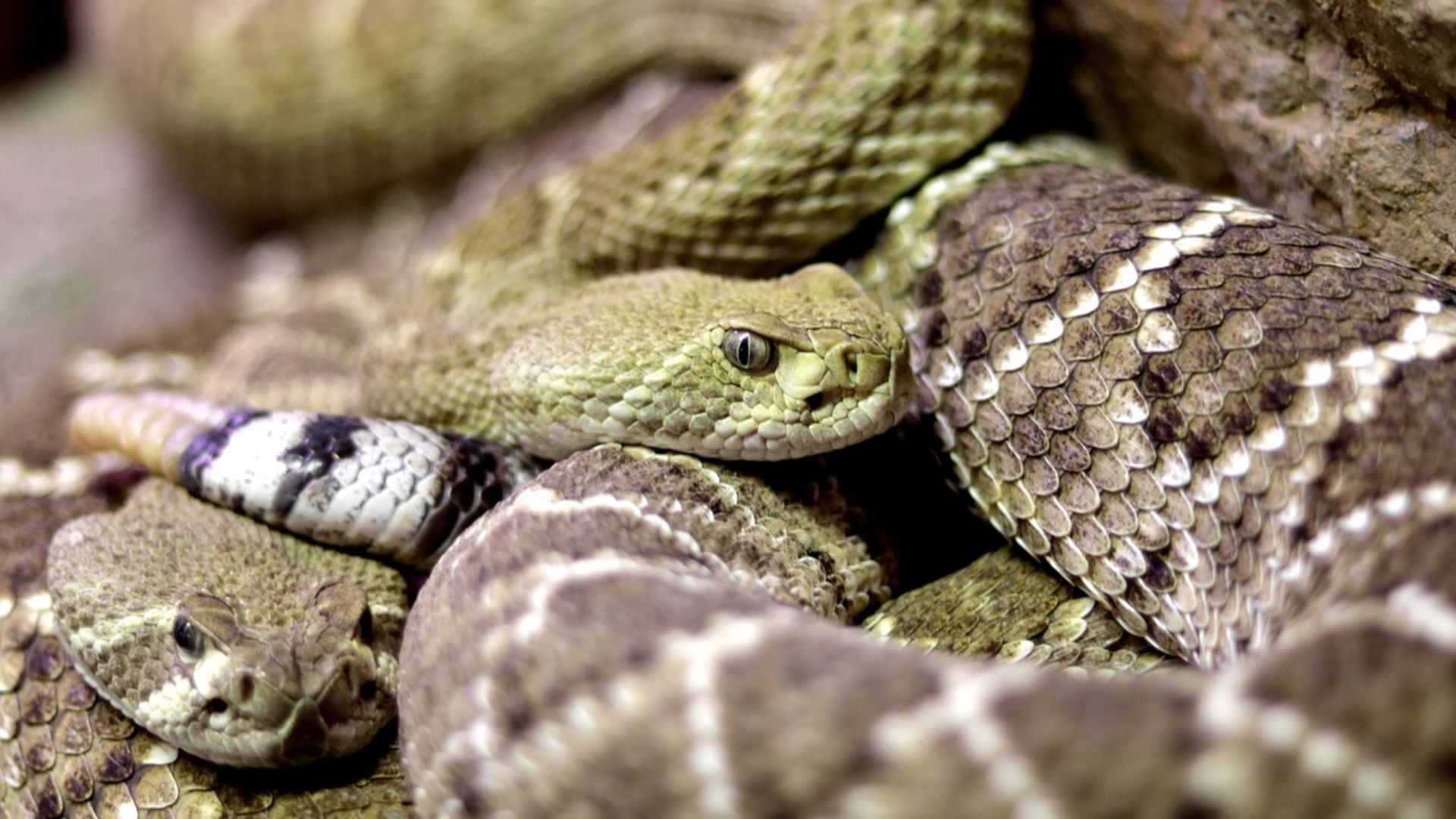
By the end of the 7th century, St Patrick had become a legendary figure and was venerated as a saint – although he was never formally canonised. Legends around St Patrick – which are still told today – include the story that he drove the snakes of Ireland into the sea to their destruction, supposedly after they began attacking him during a 40-day fast.
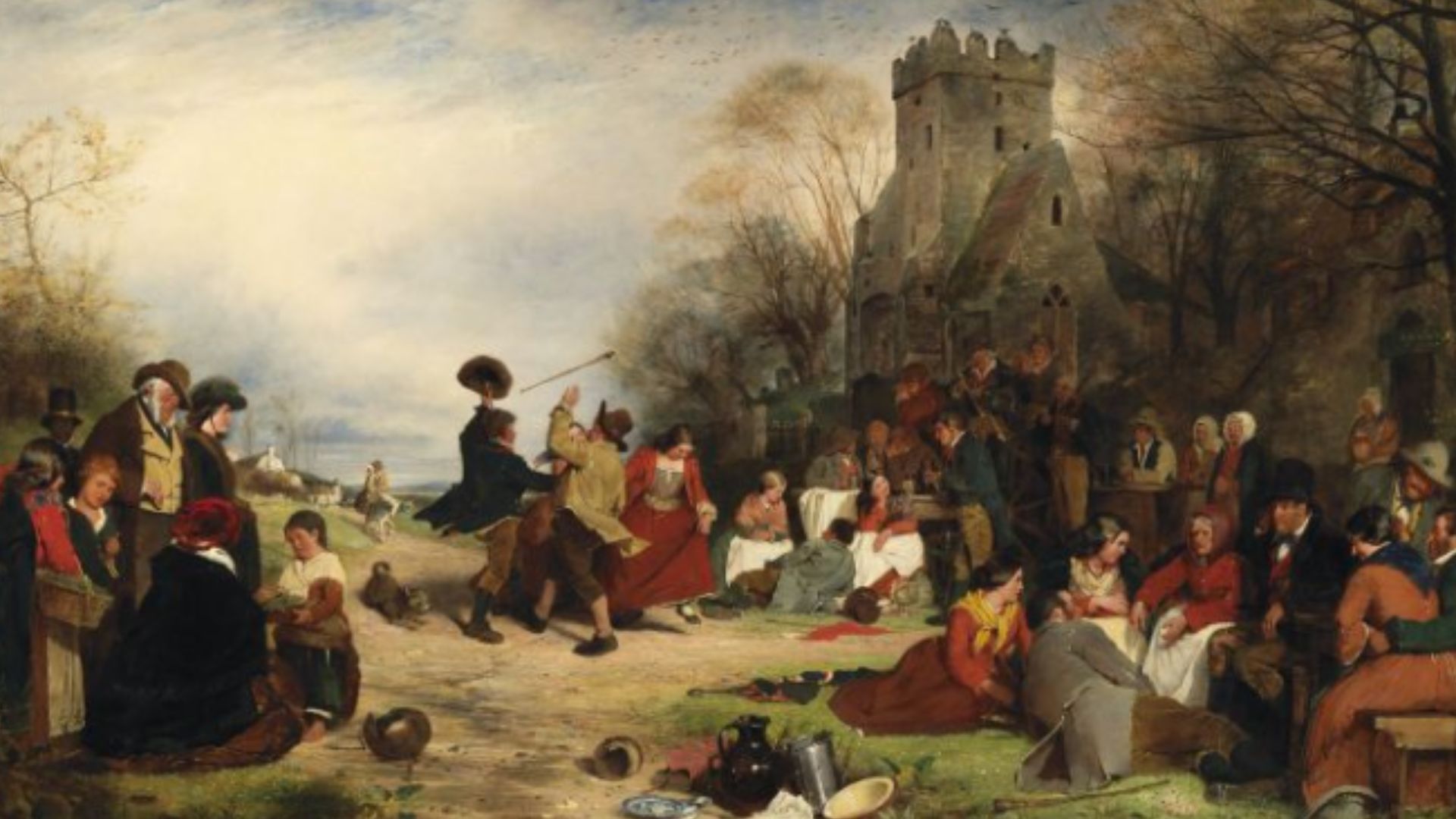 National Gallery of Ireland, Erskine Nicol, Wikimedia Commons
Except There Are No Snakes In Ireland
Natural historians have suggested that there is no evidence of snakes having ever existed in Ireland, as the country was too cold during the Ice Age for reptiles to survive. (Though, of course, many have highlighted the metaphorical link between the snakes of the legend and Patrick’s promotion of the Christian faith).
It Started As The Feast Of St Patrick
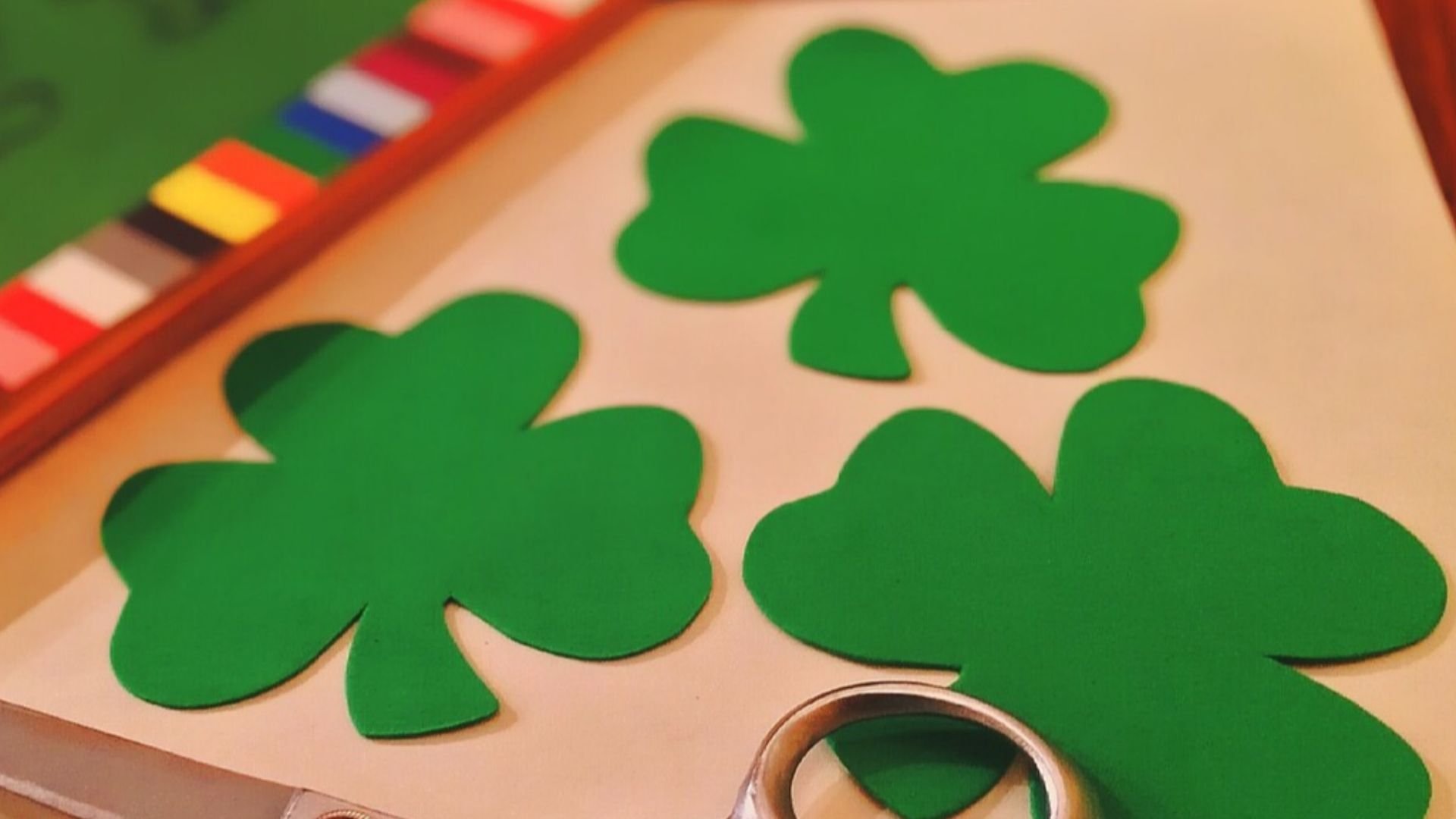
It wasn’t until the 1630s that 17 March, the traditional day of St Patrick’s death, was added to the Catholic breviary (a book of prayers) as the Feast of St Patrick. By the late 17th century, Irish people were celebrating the day by wearing crosses, ribbons or shamrocks – the latter which St Patrick used (according to tradition) to explain the concept of the Holy Trinity to an ‘unbeliever’ by showing him the three-leaved plant with one stalk.
Why Green?
Though green dominates the celebrations today, it was the colour blue – a shade known as St Patrick’s blue – that was first associated with the saint. The earliest depictions of St Patrick show him in blue garments, and the colour also appears on ancient Irish flags.
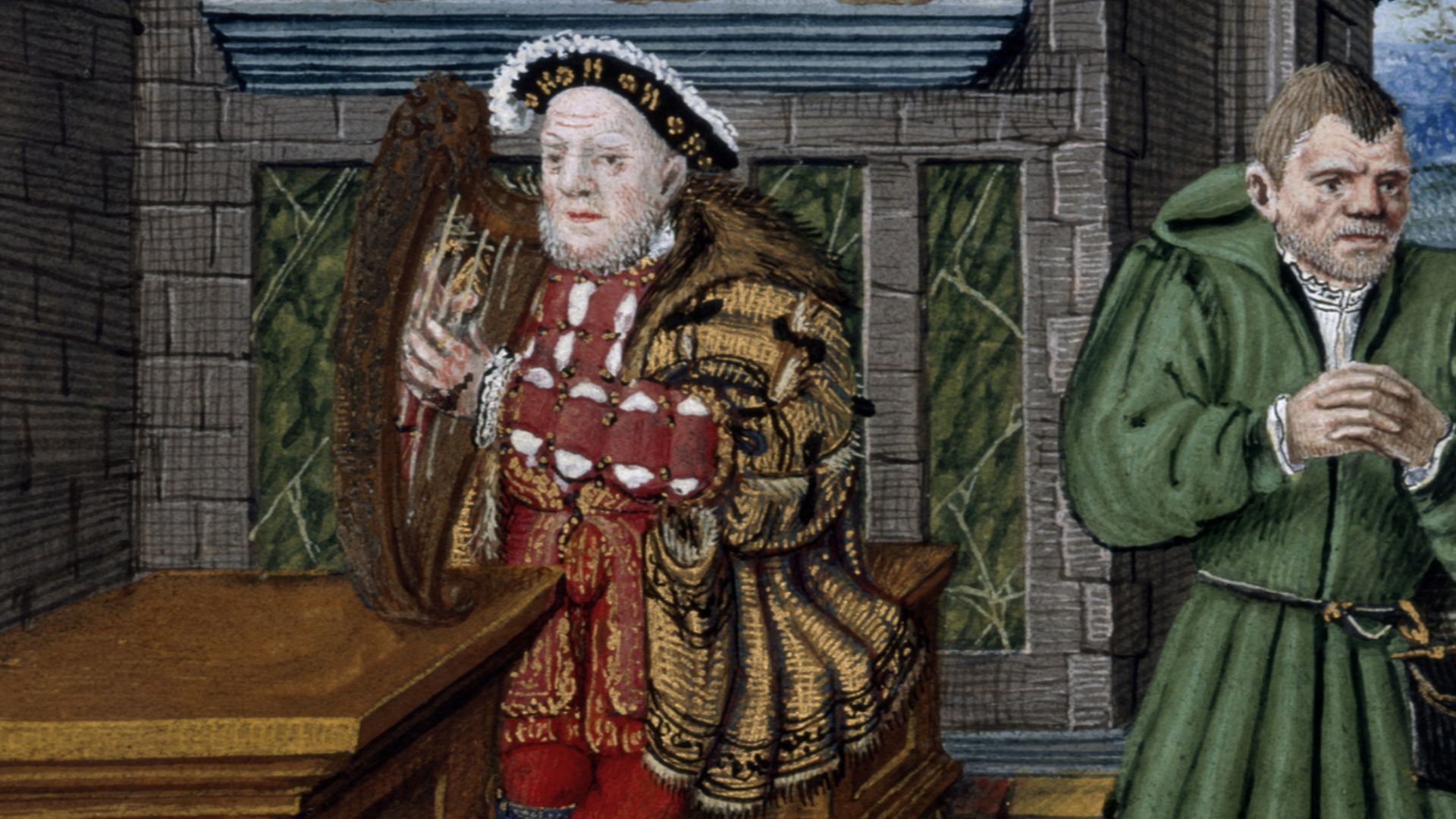
In 1541, when King Henry VIII was declared the first English king of Ireland, he used a gold Irish harp on a blue flag for the Irish coat of arms. The blue shade also appears on the 18th-century Order of St Patrick, an order of chivalry created by George III.
Green Became A Symbol Of Rebellion
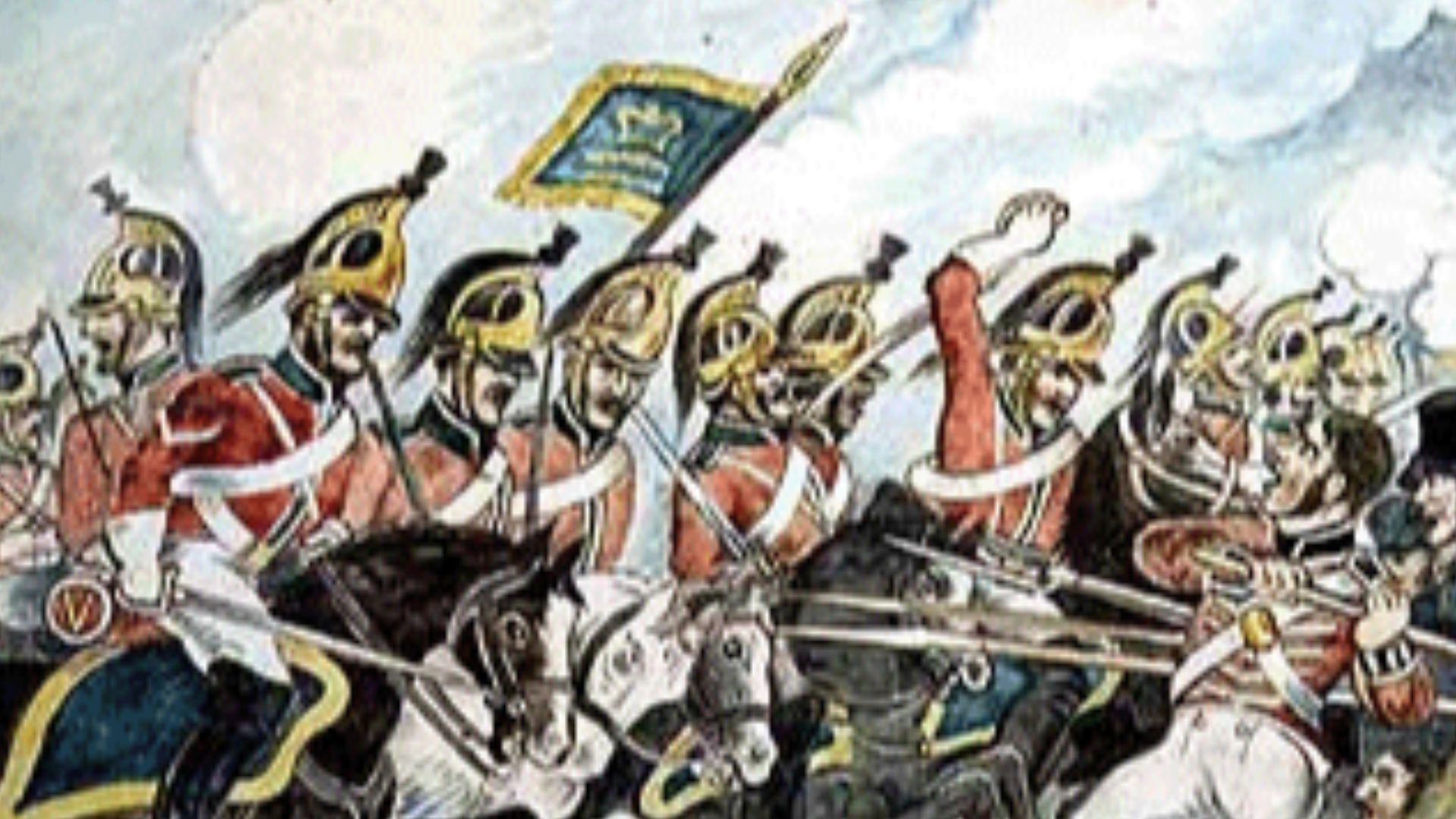
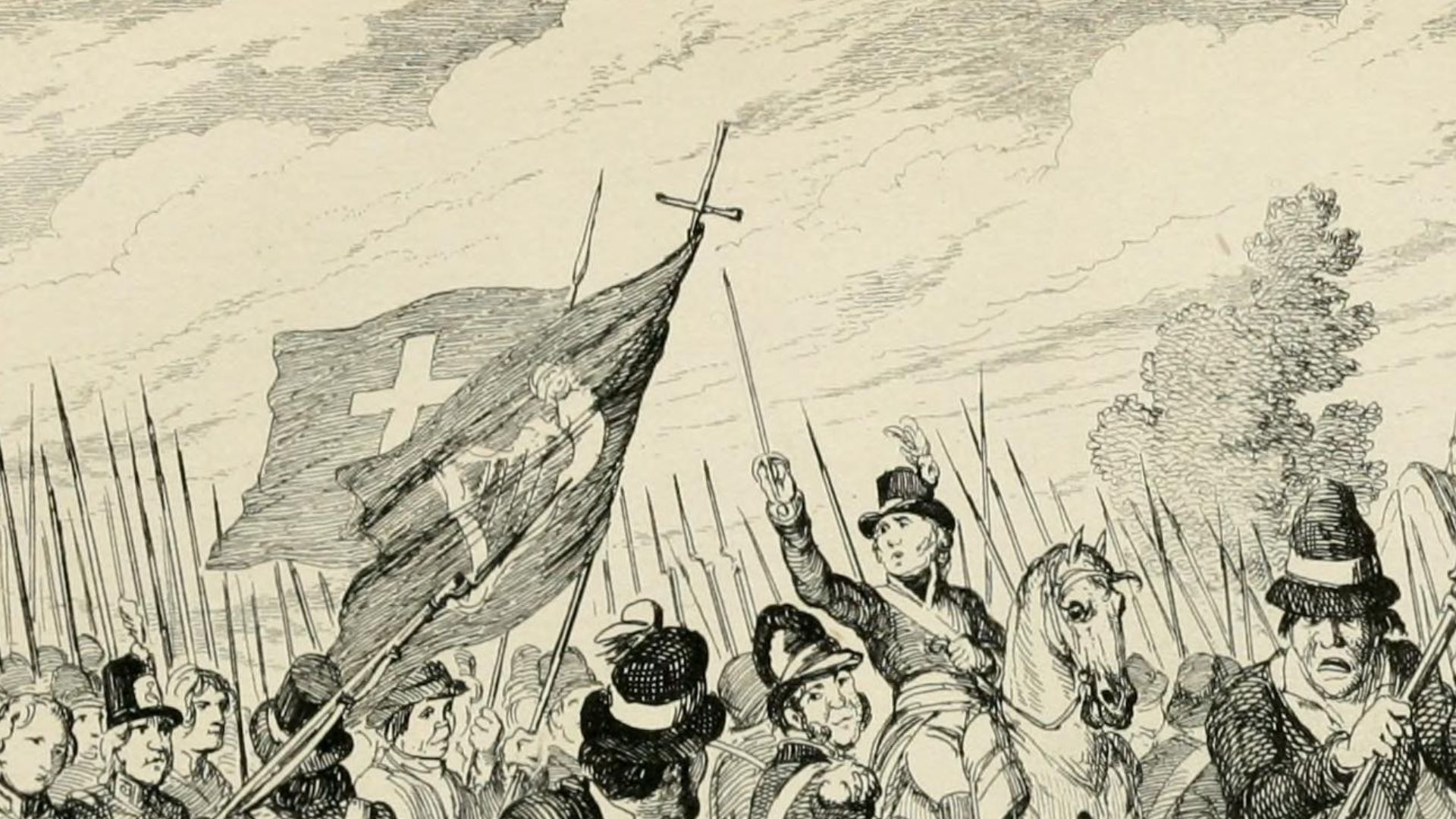
As the blue symbols became more associated with English rule, green grew in popularity as a symbol of rebellion. During the 1798 Irish Rebellion, the shamrock became a symbol of nationalism and the ‘wearing of the green’ on lapels became regular practice.
 Renamed user 1000000008, Wikimedia Commons
When Was St Patrick's Day First Celebrated?
Although Patrick was venerated as a saint in Ireland from the seventh century he was never formally canonised. It wasn’t until the 1630s that 17 March, the traditional day of his death, was added to the Catholic breviary (a book of prayers) as the Feast of St Patrick. By the late 17th century, Irish people were celebrating the day by wearing crosses, ribbons or shamrocks (tradition had it that he had used the three-leafed plant to explain the Holy Trinity).
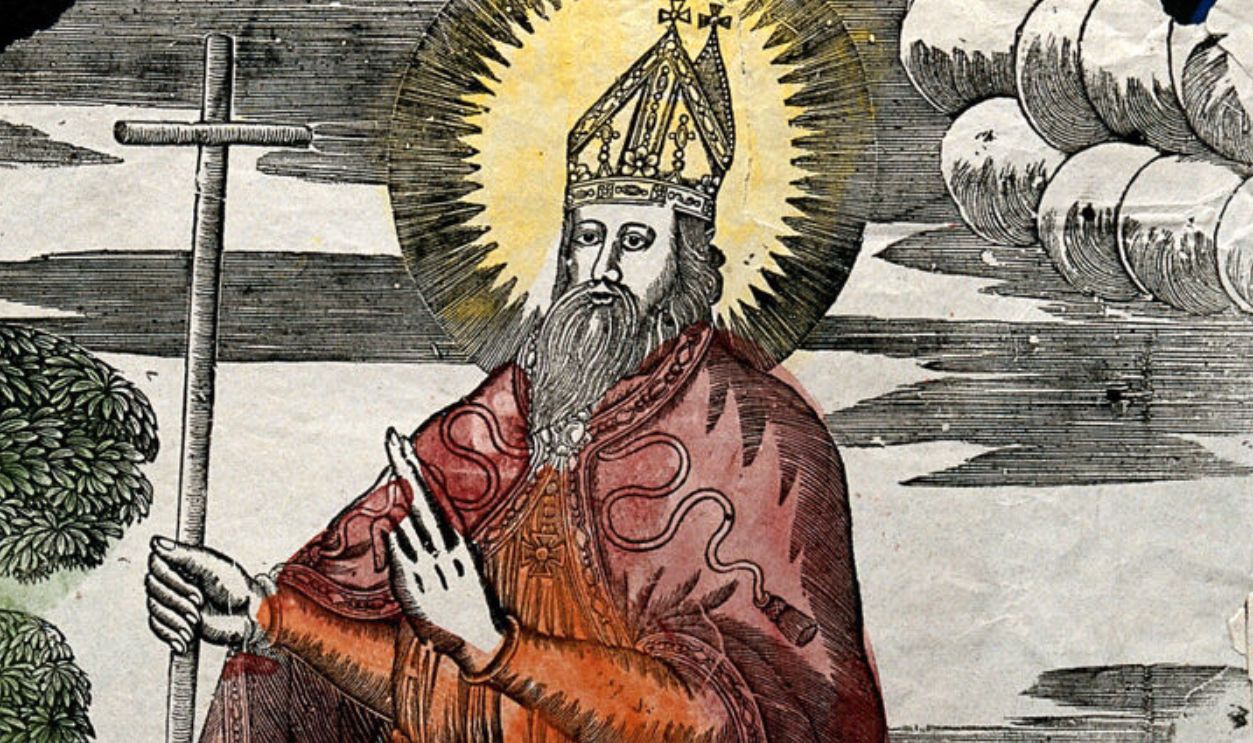 Saint Patrick banishing reptiles from Ireland. Coloured woodcut (?), Wellcome Collection
It Started As A Low-Key Affair
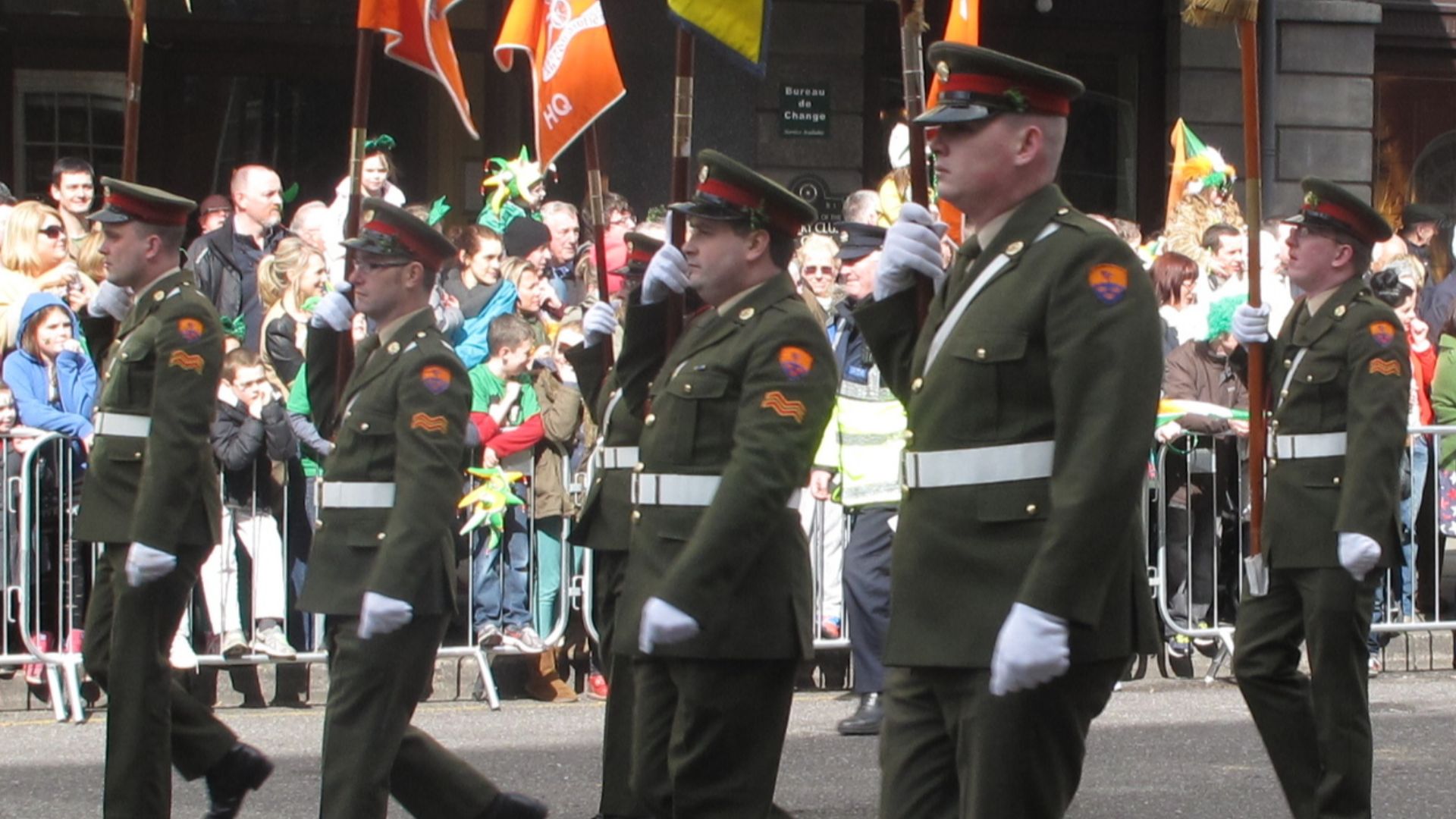
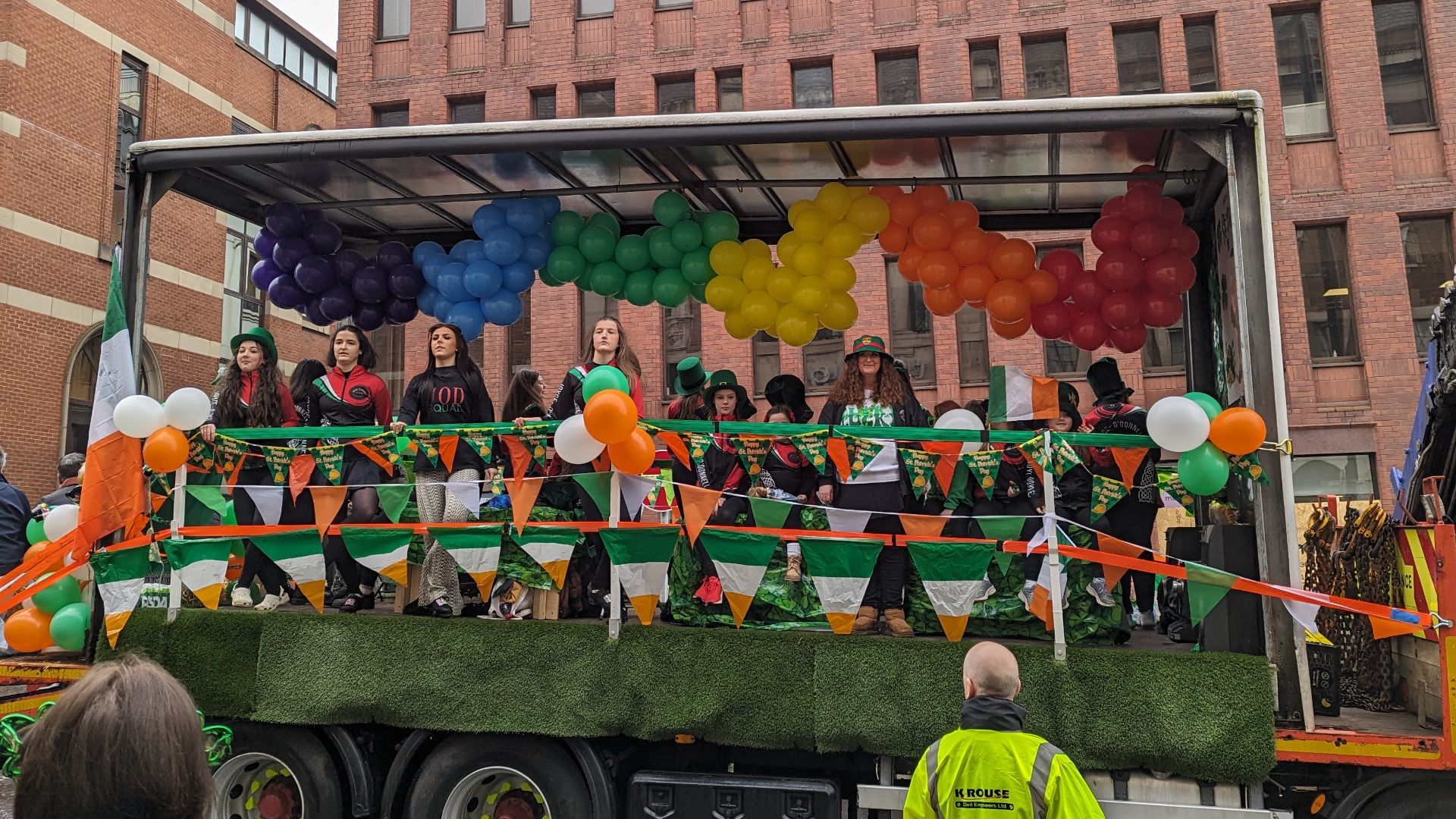
These early celebrations of St Patrick’s Day in Ireland were relatively low-key affairs. It took emigrants, particularly to America, to begin the transformation of St Patrick’s Day into the largely secular celebration commonly marked by boisterous revelry across the world. The large events we see across the world today, with their banners and music, can trace their roots back to New York in 1762 when Irish soldiers in the British Army marched to a St Patrick’s Day celebration with their band playing and their regimental colours flying.
Were The Parades Always Expressions Of Irish Nationalism?
No. Initially they were dominated by Protestants loyal to Britain. It was only after American independence, the suppression of the 1798 Irish Rebellion and the flood of Irish Catholic immigrants into America in the mid-19th century that the ethos changed. There was also a change in colour as blue, traditionally associated with St Patrick, was gradually replaced with the Irish green that defines the event today.
 Internet Archive Book Images, Wikimedia Commons
When Did The First St Patrick's Day Parade Take Place?
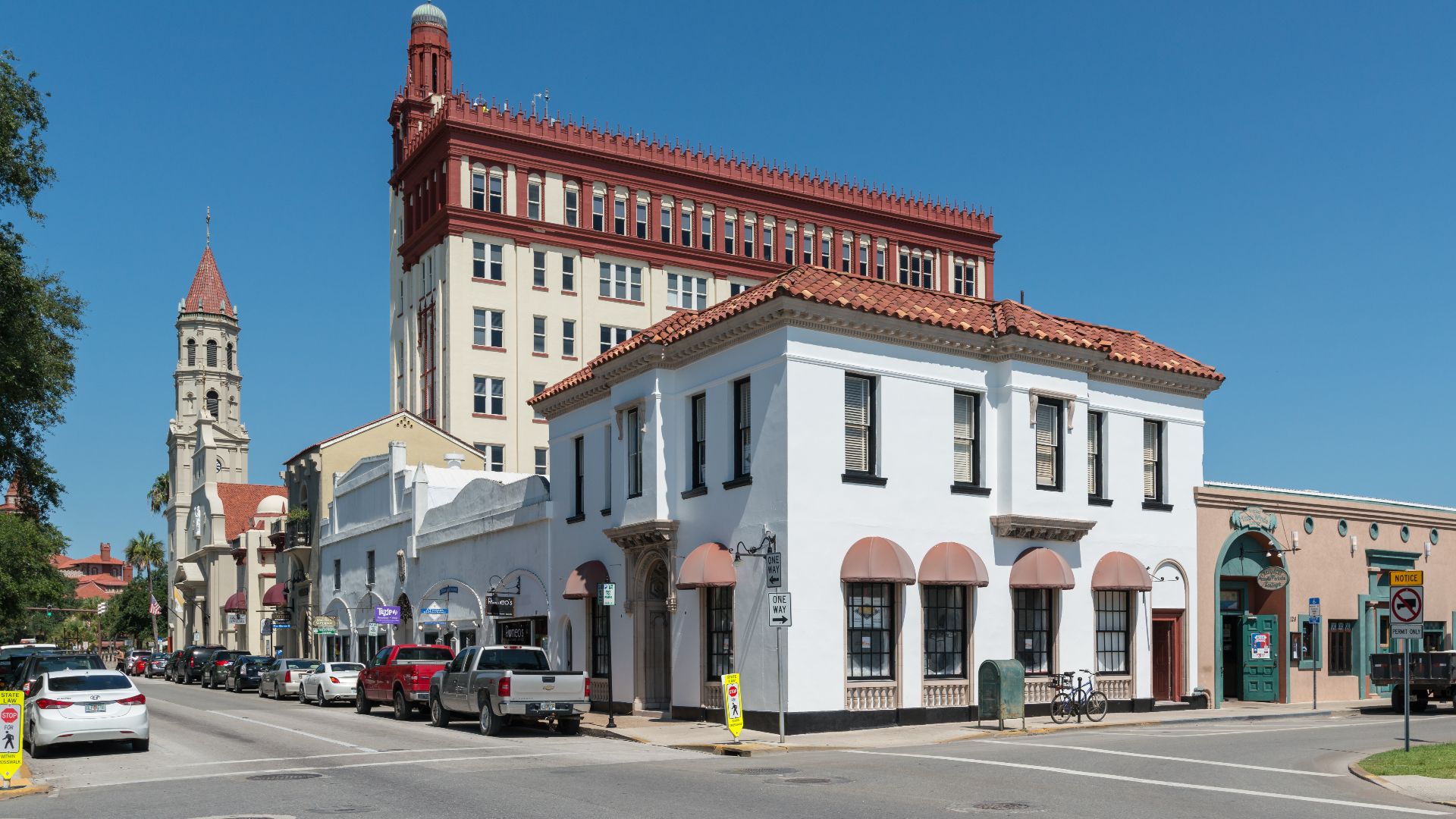
The first parade has long been believed to be a small celebration by Irish colonists, held in Boston, Massachusetts, in 1737. However, in 2018 historian J Michael Francis of the University of South Florida found evidence to suggest that, in March of 1601, residents of St Augustine in Spanish Florida gathered together and processed through the city’s streets in honour of St Patrick, who seems to have served as the official ‘protector’ of the city’s maize fields.
The Date Can Be Moved
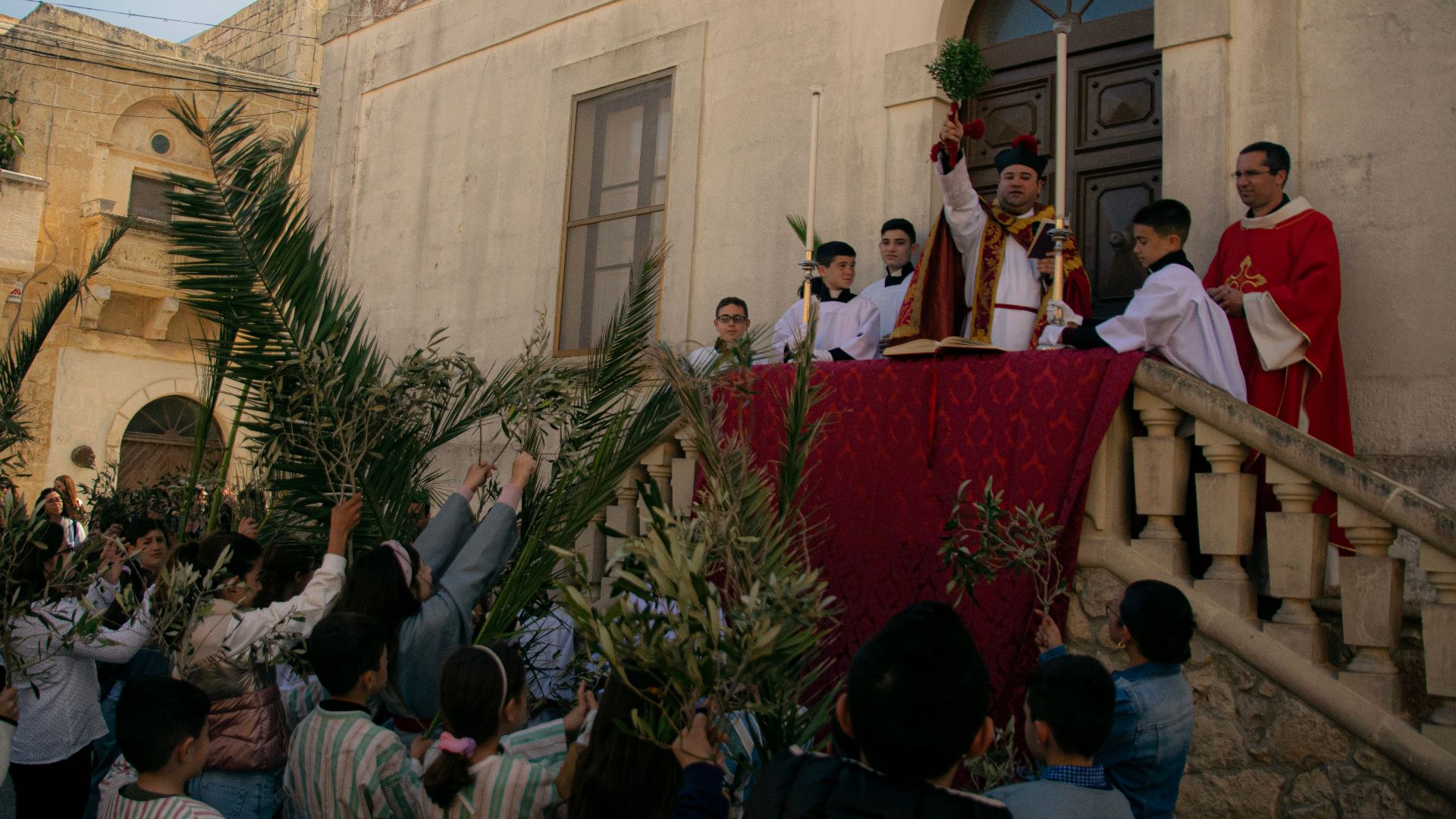
In 2008, St Patrick's Day religious celebrations in Ireland were moved forward two days to 15 March because 17 March 2008 fell on the second day of Easter Week, a celebration which takes priority over any other feast days. In 1940, the religious celebrations of St Patrick's Day were also moved when the day clashed with Palm Sunday. However, secular celebrations usually take place on 17 March, regardless.
 AntonellaVella, Wikimedia Commons
Why Corned Beef?
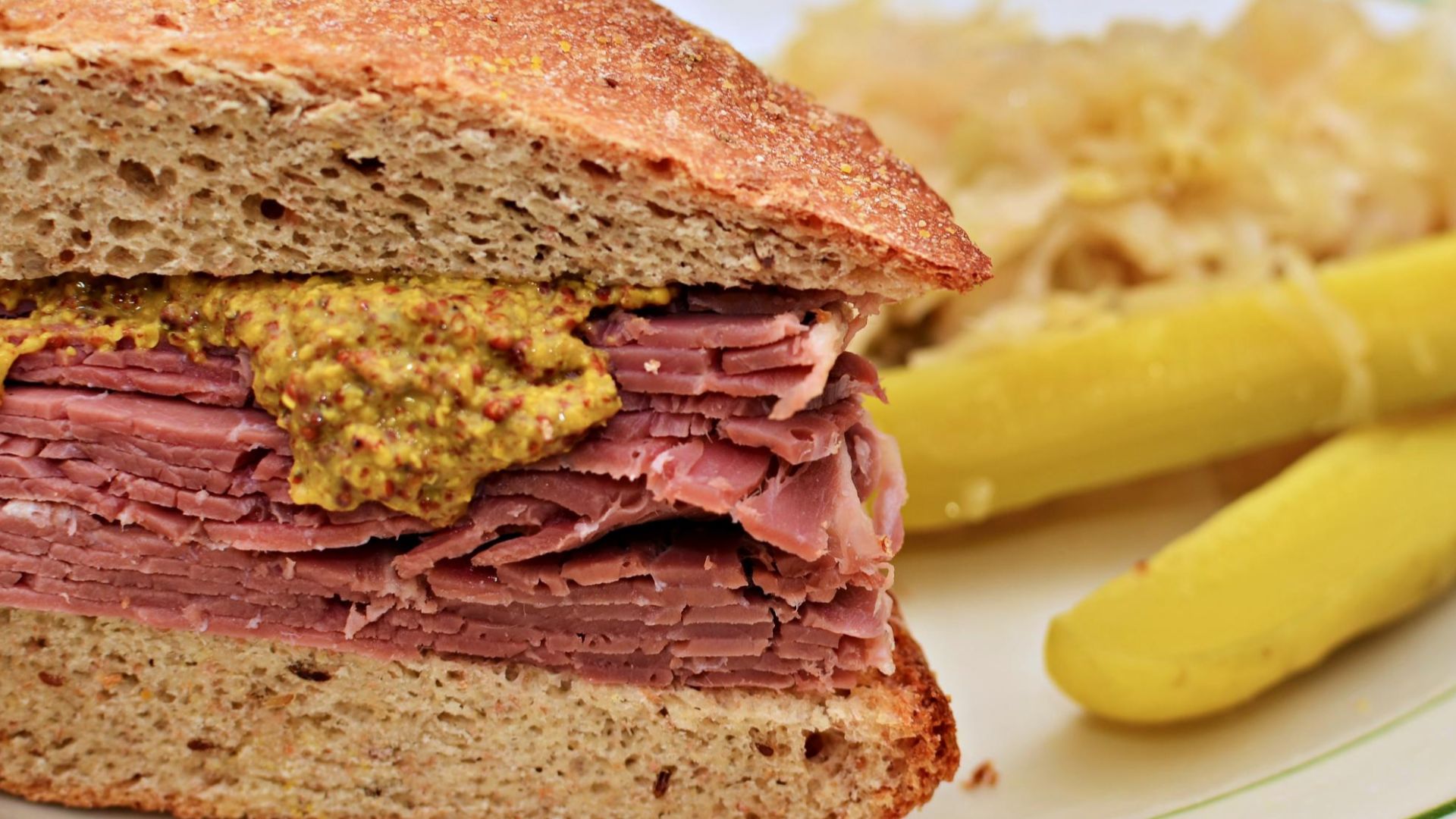
When he was inaugurated on 4 March 1861, the 16th president of the United States chose a meal of mock turtle soup, followed by corned beef and cabbage, a dish traditionally associated with St Patrick’s Day feasting.
Beef was not traditionally an Irish dish; it was under British rule that the cow came to be farmed for meat. In the era of colonial rule, beef’s prohibitive cost in Ireland meant that it “became synonymous with the well-fed British aristocracy and middle class.”
Settlers Moved To America
Later, with the invention of ‘corned beef’ in the 17th century (and the ‘corn’ did not refer to corn kernels but to the kernel-sized salt crystals used to cure the beef) it was Ireland’s substantially lower salt tax, and not the beef itself, that cemented its reputation as an Irish export.
As large numbers of settlers moved to America and gained greater prosperity, beef was back on the menu – and once Irish Americans popularised St Patrick’s Day as a celebration, the corned beef and cabbage of their ancestors became the traditional fare of the day.
Why Does Chicago Turn Its River Green?
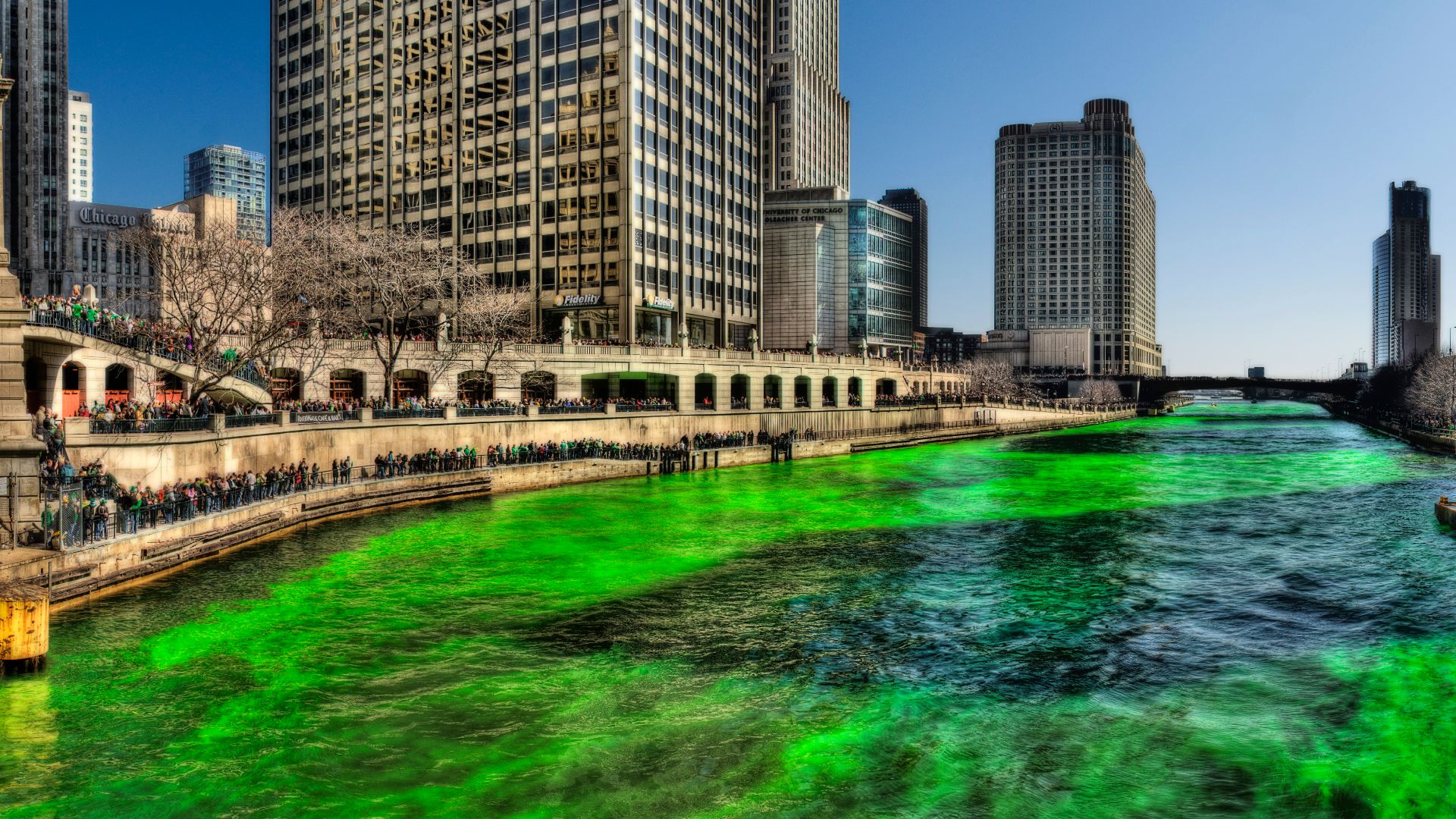
The city of Chicago, Illinois, has coloured its river green to mark the holiday since 1962. In 1961 sanitation workers realised that the green vegetable dye they used to check for dumped sewage could double as a St Patrick's Day decoration – and so a tradition was born. It reportedly takes 40lbs of dye to achieve the verdant hue, while the colour can last anything from a few hours to two days.
 Mike Boehmer from Chicago, IL, USA, Wikimedia Commons
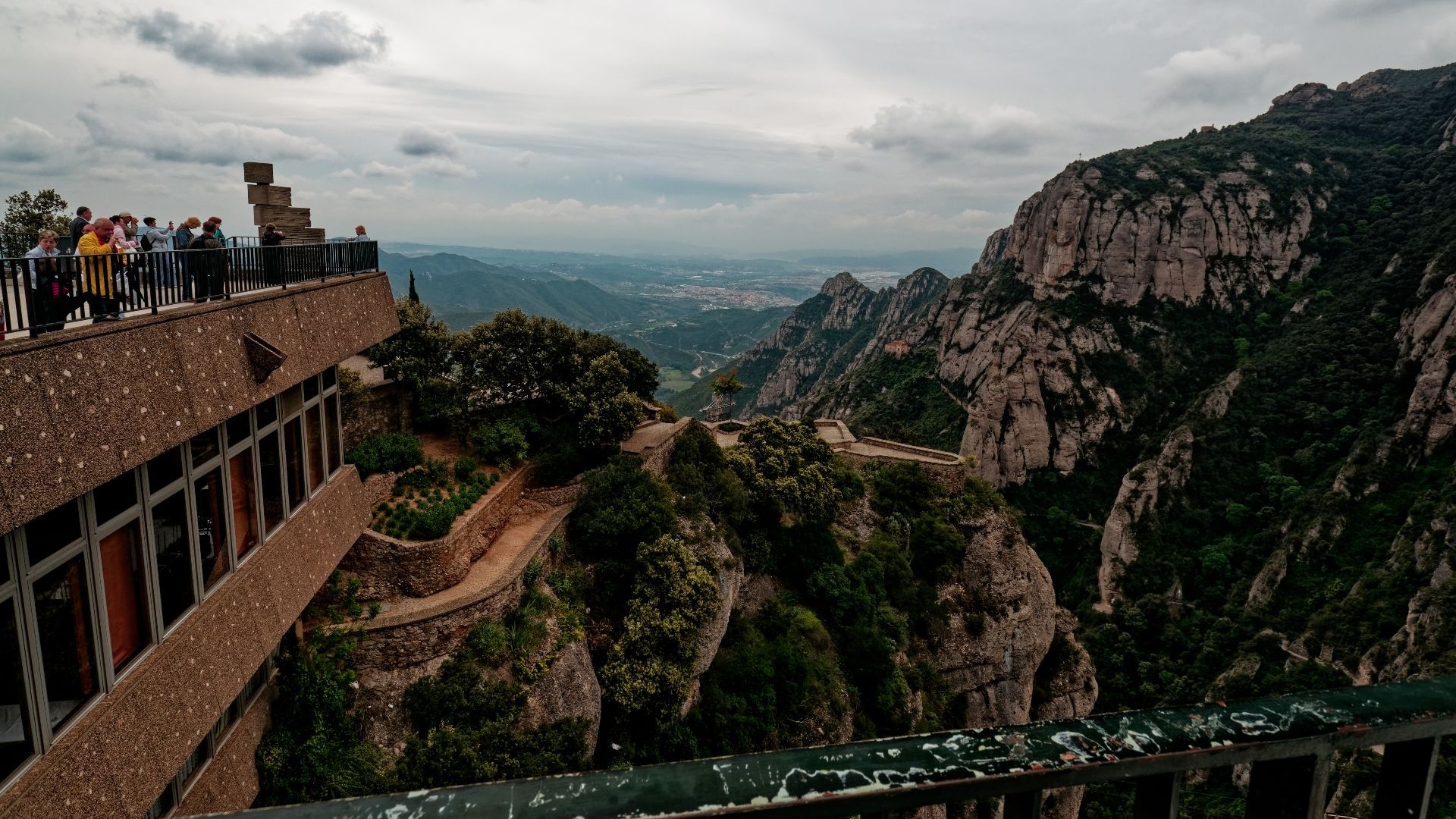
Montserrat's Celebration Can Last 10 Days
Meanwhile, the Caribbean island of Montserrat stages its own celebration that lasts between a week and 10 days each year, commemorating both the island’s Irish settler history (in 1678, more than half of the Caribbean island’s white population was Irish Catholic, including labourers and plantation owners) and also an unsuccessful slave uprising that occurred on 17 March 1768.
 Txllxt TxllxT, Wikimedia Commons
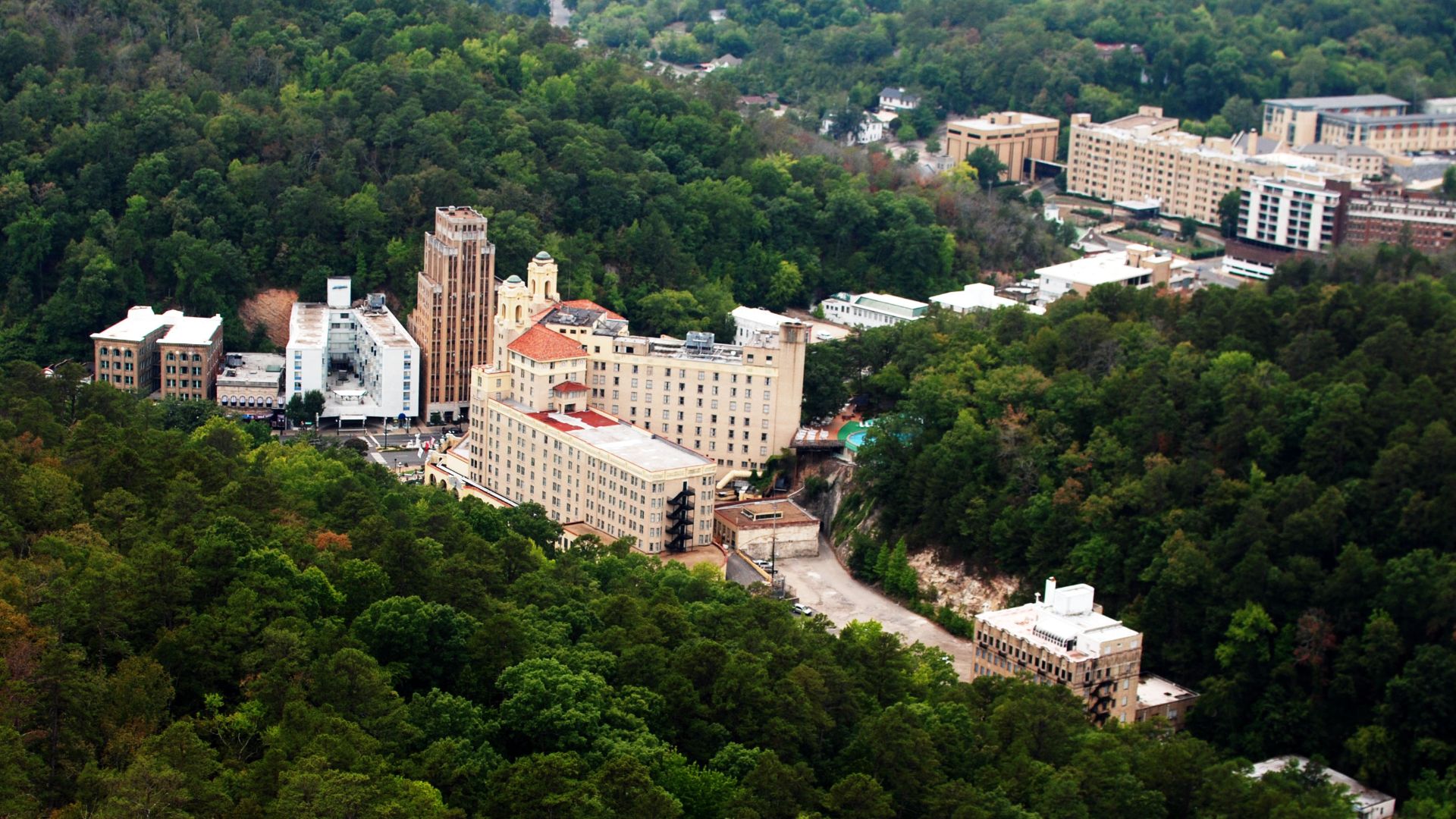
A 98 Foot Parade
The honour of the shortest parade is held by Hot Springs, Arkansas, which travels over just 98 feet, while the town of New London in Wisconsin (population 7,000) changes its town name to New Dublin for St Patrick’s Day and attracts more than 30,000 visitors each year.
This content was created in partnership with HistoryExtra.




_-_stained_glass,_Saint_Patrick_-_detail.jpg)