The Knock You Never Wanted
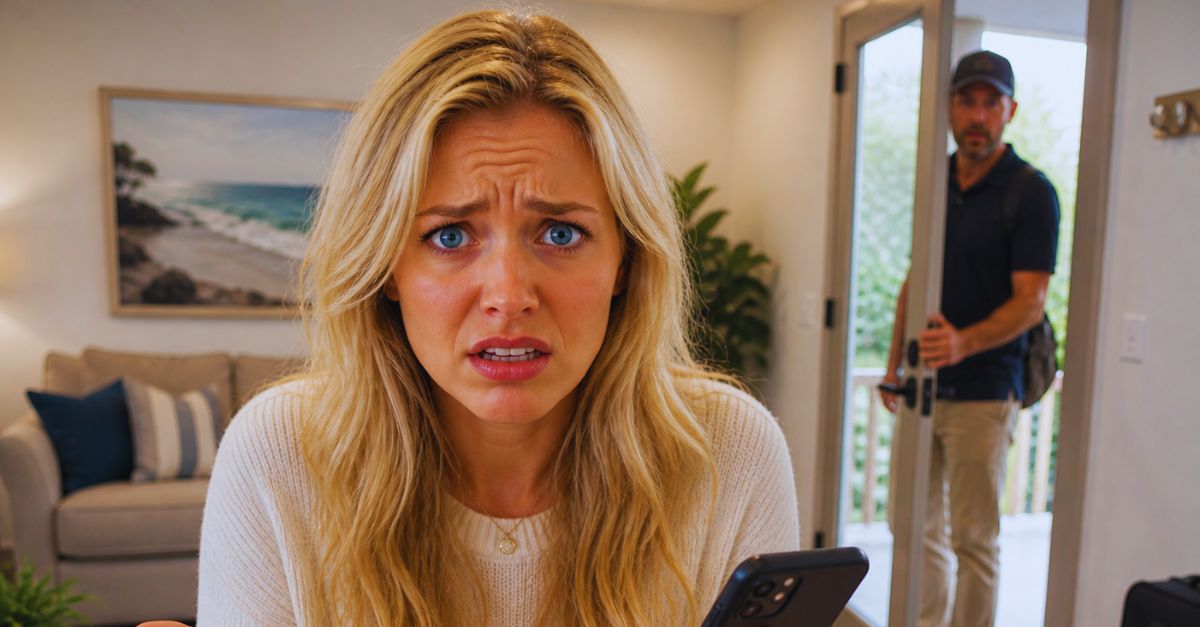
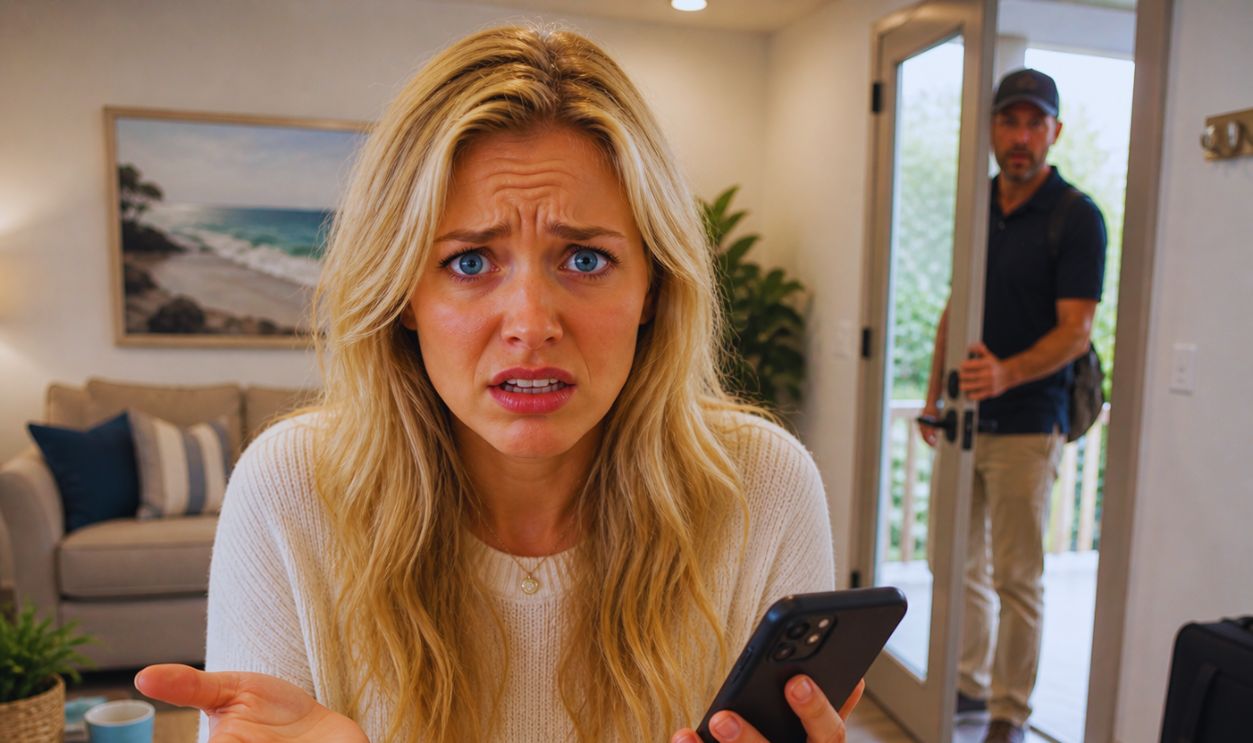
You book an Airbnb to have your own, private place to lay your head during a busy holiday. So when you're trying to unwind and a stranger suddenly walks through your space, it's a shock and a complete violation. Even if the stranger owns the apartment, such intrusions may violate Airbnb’s rules, and in some places it can raise real legal issues too.
Why It Feels So Wrong
Most travelers book a short-term rental expecting privacy, especially when the listing says it is an entire place. An unannounced entry can feel invasive even if nothing was taken and nothing was damaged. That reaction makes sense, because privacy is a big part of what guests think they are paying for.

What Airbnb Says About Host Access
Airbnb’s ground rules for hosts are pretty clear: hosts are supposed to respect guest privacy. The company says hosts should not access a stay without prior permission while a guest is there, except in emergencies or when there is an obvious issue like a maintenance problem the guest already agreed to. In other words, surprise drop-ins are not how Airbnb says hosting should work.
The Rule That Matters Most
Airbnb’s help materials also say hosts may re-enter their property or a guest’s dedicated space during a stay only when it is reasonably necessary, allowed under the agreement with the guest, and consistent with applicable law. That is not a blank check to walk in whenever they want. The big questions are simple: was the visit necessary, were you told, and did local law allow it?

Emergency Access Is Different
Some situations can justify immediate entry. A gas leak, major water damage, fire risk, or another urgent safety problem may require a host to get in right away. Even then, the better move is to tell the guest as soon as possible and explain exactly why entry was necessary.

Routine Problems Usually Require Notice
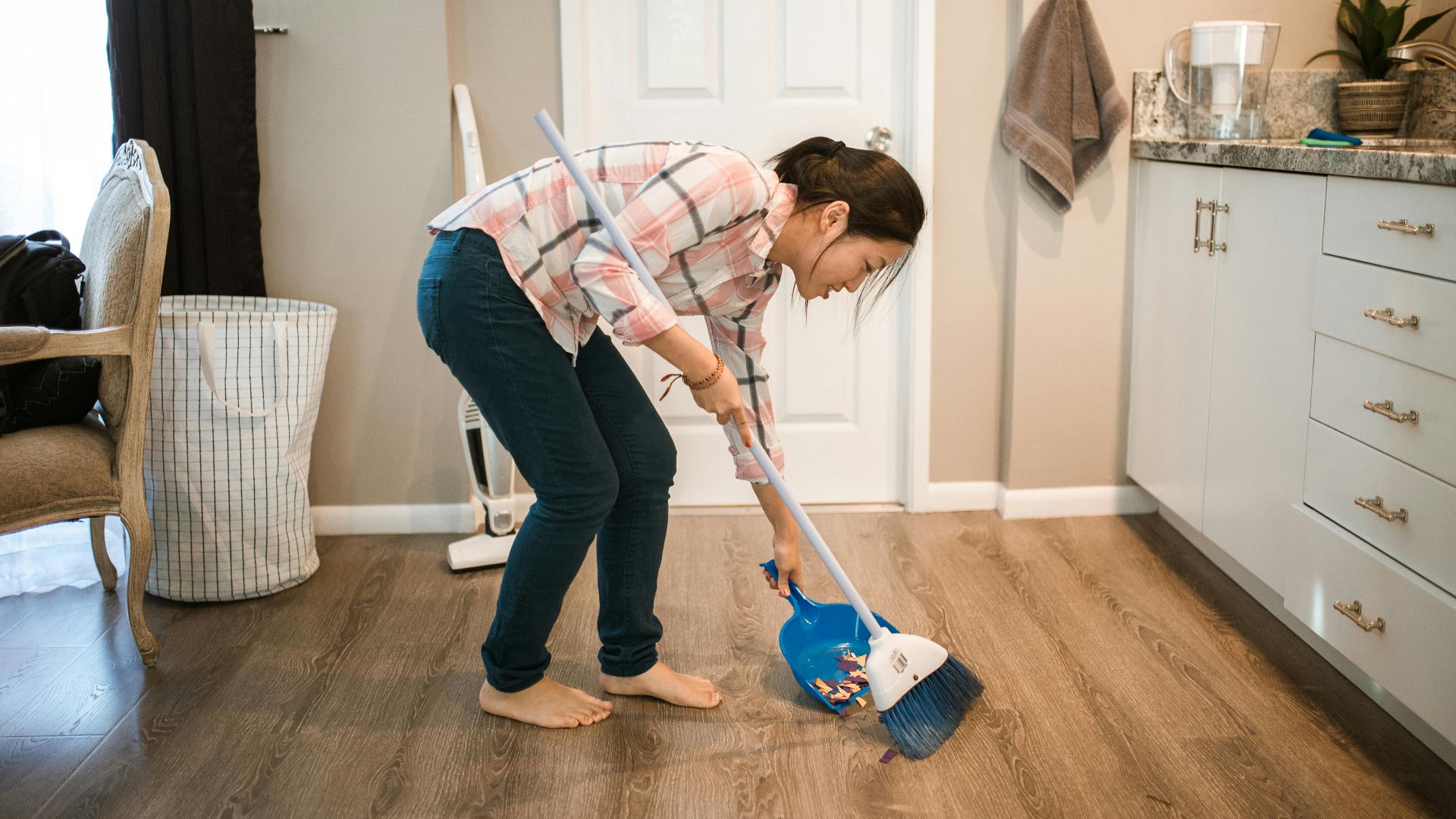
If the reason was cleaning, repairs, changing filters, yard work, or checking on an appliance, surprise entry is much harder to defend. Airbnb’s own rules point toward notice and guest agreement for that kind of access. If there was no emergency and no warning, guests usually have a strong reason to complain.
Local Law Can Matter Just As Much
Airbnb is the platform, but the property is still in a real city and state with real rules. Laws vary, and short-term rentals do not always fit neatly into one box. Even so, many places require advance notice before an owner enters an occupied property unless there is an emergency.

California Is A Good Example
California Civil Code section 1954 is often cited in these situations. It generally requires reasonable notice, often understood as 24 hours for many non-emergency entries, and limits entry to certain reasons such as repairs or agreed services. Short-term rentals are not exactly the same as long-term leases, but the law shows how seriously many places take an occupant’s right to notice.

New York Sends A Similar Message
New York’s attorney general has published guidance saying landlords generally may enter only at reasonable times and with reasonable notice, except in emergencies. That guidance is aimed at traditional housing, but it reflects a broader legal principle. If your host acts like notice does not matter, local law may say otherwise.

Hotels Usually Make This Simpler
In a hotel, housekeeping schedules, maintenance procedures, and staff support are usually more standardized. In a home rental, the lines can get blurrier, especially when the host lives nearby or manages the place personally. That does not excuse privacy problems, but it does mean guests should document issues carefully.

Shared Stays Are A Little Different
If you rented a private room in a shared home, a host may legally move through common areas you do not exclusively control. Your bedroom and any private space set aside for you are a different story. The type of listing matters a lot when deciding whether an entry was expected or out of line.

Entire-Place Bookings Come With More Privacy
When a listing is sold as an entire home or apartment, guests usually expect exclusive use during the reservation. That does not erase a host’s right to enter in an emergency, but it does make casual drop-ins much harder to justify. If the host expected regular access, that should have been spelled out before booking.

House Rules Do Not Override Everything
Some hosts try to protect themselves with broad house rules or rental agreements. But a clause saying the host may enter at any time does not automatically trump Airbnb policy or local law. If a term is unfair, vague, or illegal where the property is located, it may not hold up.

Cameras And Smart Devices Raise Another Question
When a host enters without warning, guests often start wondering about surveillance too. Was the host also using cameras or recording devices in ways that were not fully disclosed? That concern got more attention after Airbnb tightened its privacy rules in 2024.

Airbnb Tightened Camera Rules In 2024
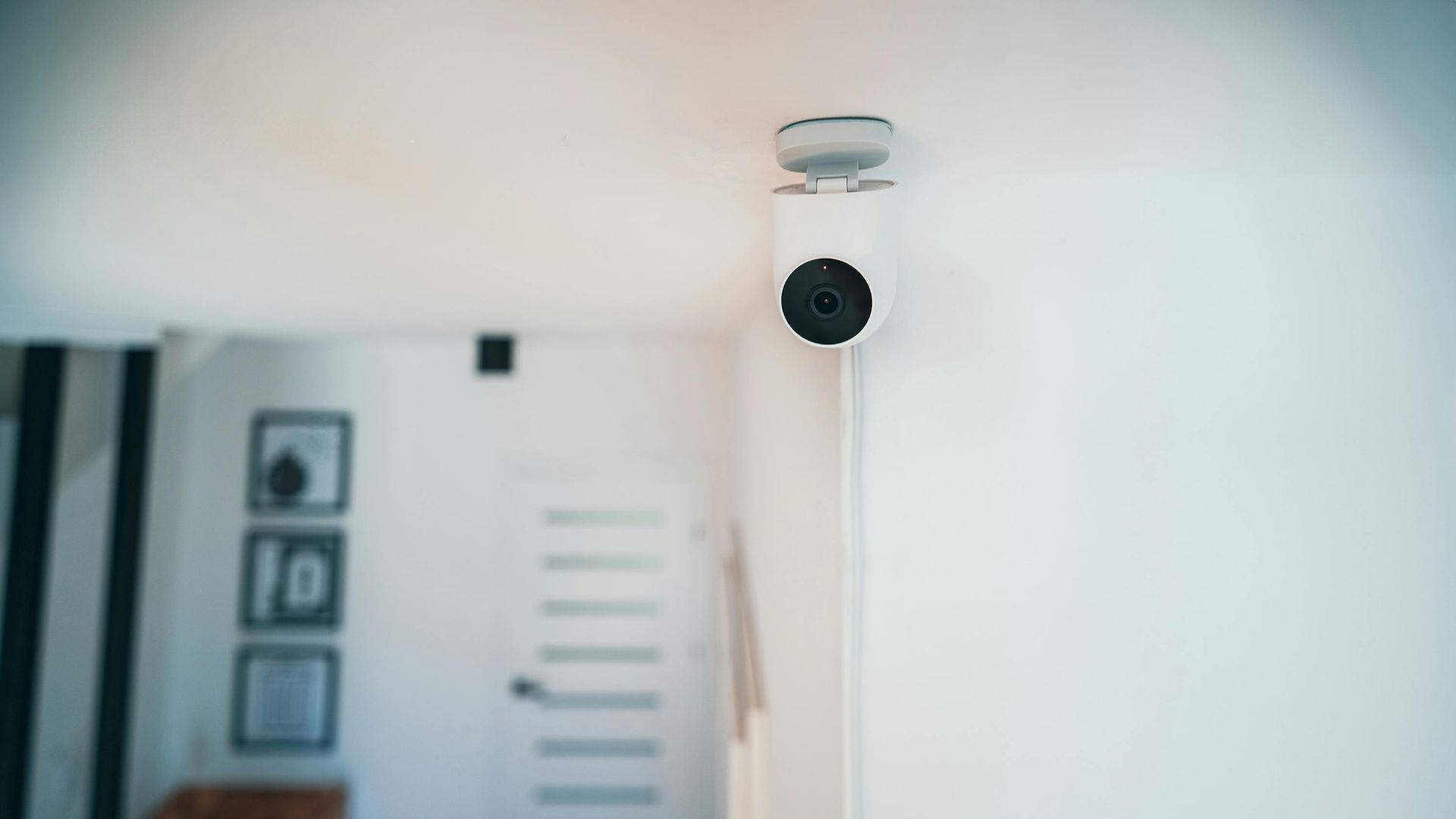
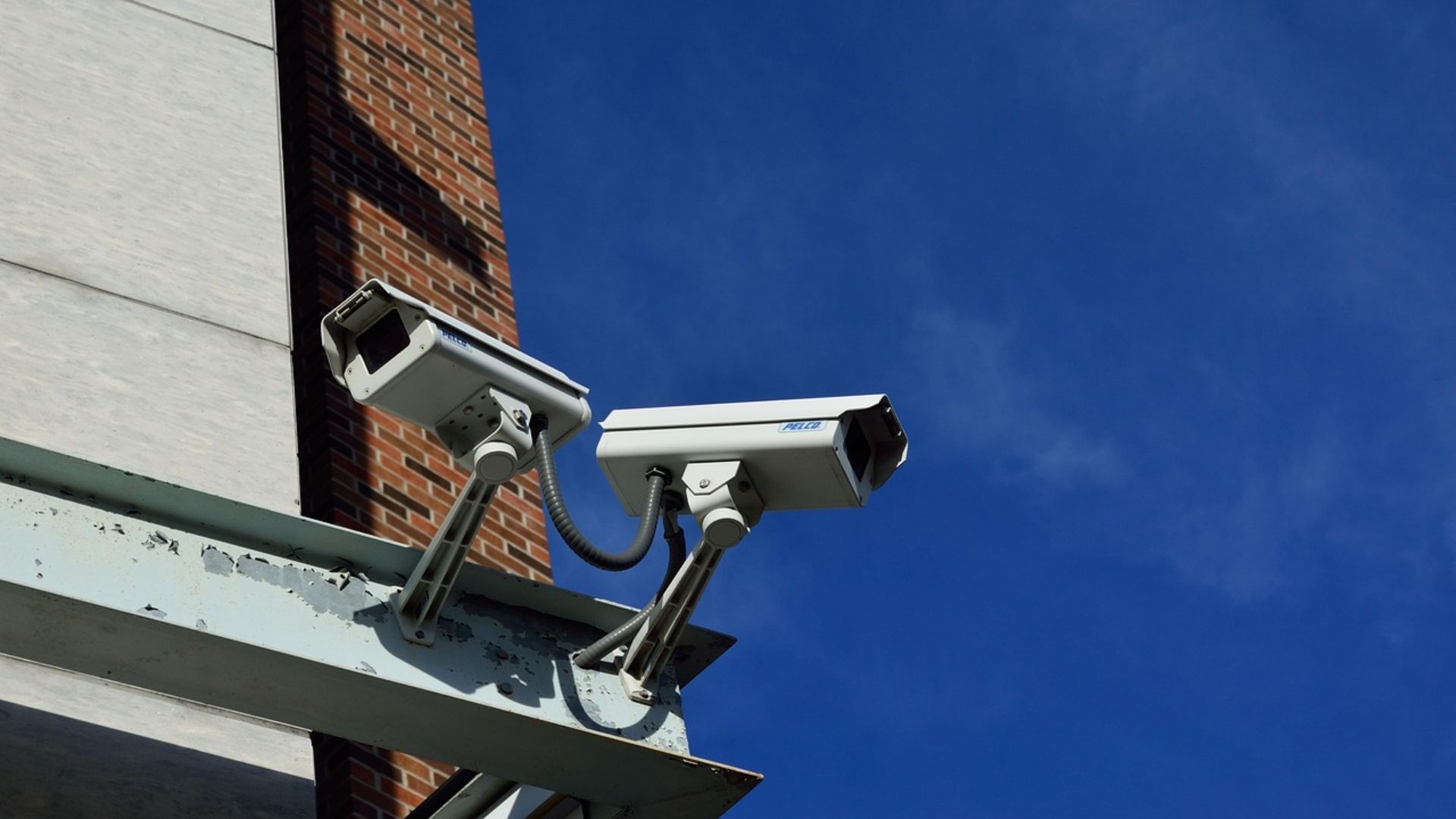
On March 11, 2024, Airbnb announced that it would ban indoor security cameras in listings around the world and strengthen its rules on outdoor cameras and noise monitors. The company said the change was meant to simplify the policy and better protect privacy. For guests, it was a clear sign that privacy complaints were being taken seriously.
Outdoor Cameras Still Have To Be Disclosed
Airbnb says outdoor cameras and noise decibel monitors are allowed only in certain cases and must be disclosed in the listing. These devices cannot monitor indoor spaces or certain outdoor areas where privacy is expected, such as enclosed outdoor showers or saunas. If a host entered without telling you and also failed to disclose monitoring devices, that makes the situation worse.
What To Do Right Away
Your first priority is safety. If the host’s entry made you feel threatened, leave the property if you can do so safely and contact local emergency services if needed. If it was not an active emergency, start documenting what happened right away.

Gather Evidence While It Is Fresh
Take screenshots of your reservation, the listing description, house rules, and message history. Write down the date, time, who entered, what they said, and whether they used a key code or unlocked door. If a neighbor, travel companion, or building staff member saw anything, note that too.

Keep The Conversation On Airbnb
Try to communicate with the host through Airbnb’s messaging system instead of only by text or phone. Ask politely why they entered and whether there was an emergency or some notice you missed. Keeping the conversation on the platform creates a better record if Airbnb later reviews the case.

Report It To Airbnb Quickly
Airbnb’s help center tells users to contact support when there is a safety or privacy issue. Explain whether the booking was for an entire place or a shared stay, whether notice was given, and whether the host entered your private space. If you want to leave early or ask for a refund, say that clearly and ask what options are available.

Refunds Are Possible, But Not Guaranteed
Whether you get money back often depends on the details and the evidence you provide. Airbnb may look at whether the host broke policy, whether the issue seriously affected your stay, and whether you reported it quickly. The stronger and more specific your documentation is, the better your chances.

When To Ask For A New Place To Stay
If you no longer feel safe staying there, ask Airbnb about rebooking or relocation. A host entering without notice can turn a normal stay into a stressful one fast. Guests should not feel pressured to remain somewhere after their privacy has already been crossed.

When Authorities May Need To Get Involved
If the entry involved intimidation, suspected theft, assault, hidden devices, or repeated access after you objected, this may be more than a customer-service issue. In those cases, a police report or local housing complaint may make sense. Airbnb support and public authorities serve different roles, and sometimes both matter.
 LOGAN WEAVER | @LGNWVR, Unsplash
How To Lower The Risk Before Booking
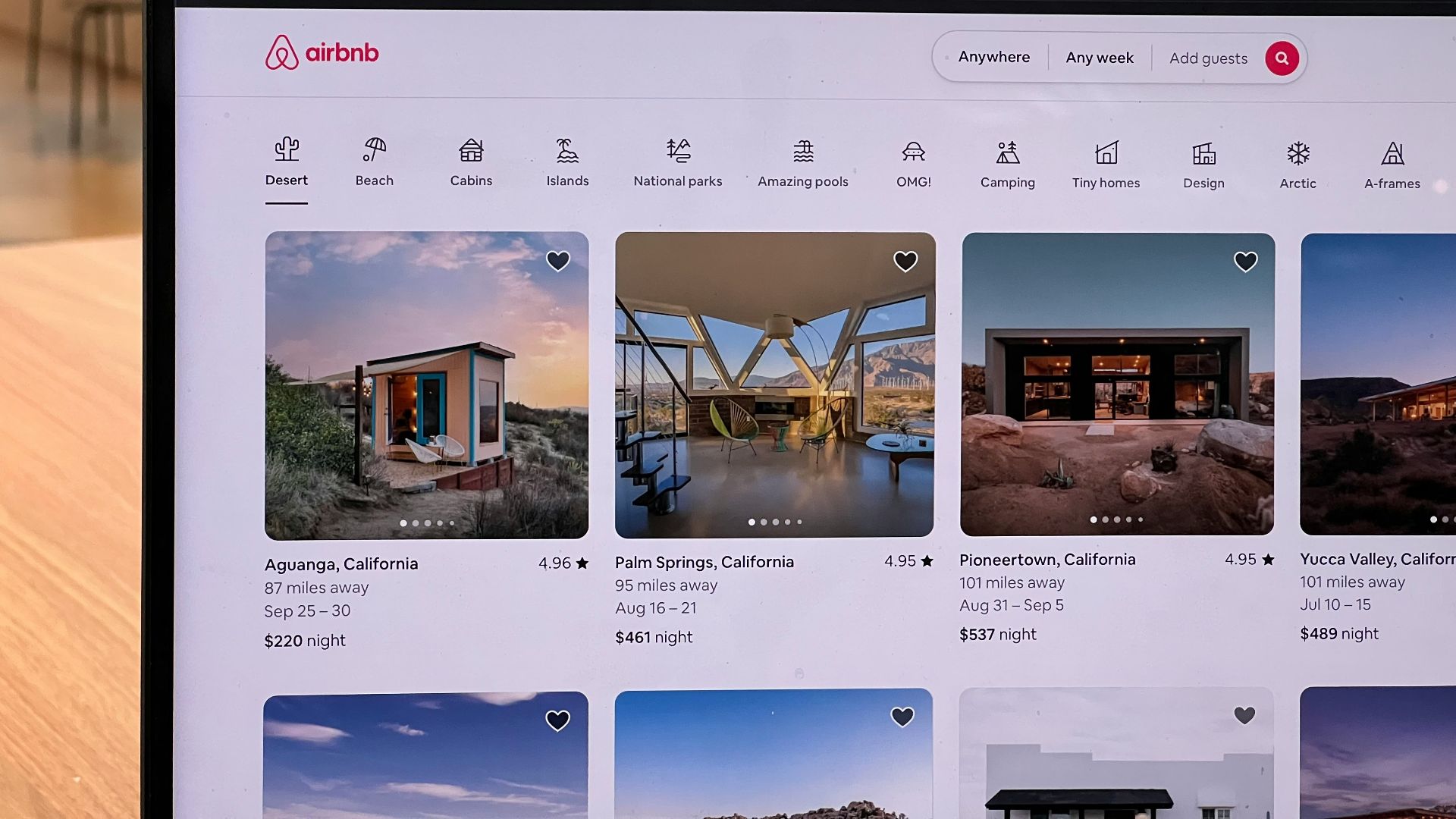
Read the listing closely and look for anything about host access, maintenance visits, shared spaces, and exterior surveillance. Reviews can be useful too, especially if multiple guests mention surprise visits, odd check-ins, or weak privacy. If the language is vague, message the host before booking and ask directly who can enter and under what circumstances.
 Oberon Copeland @veryinformed.com, Unsplash
Questions Worth Asking Before Check-In
You can ask whether anyone besides the named host has access during your stay. You can ask whether routine maintenance, cleaning, or restocking ever happens mid-stay. You can also ask whether there are any cameras, noise monitors, or smart devices on the property and where they are located.
Good Hosts Usually Answer Clearly
Professional hosts usually answer privacy questions clearly and without getting defensive. They explain how emergencies are handled, who has keys or access codes, and how much notice they give for non-urgent visits. When a host gets evasive, that tells you something too.

So, Is It Allowed?
Usually not without a good reason, notice, and compliance with local law. Emergency entry can be allowed, and shared homes come with somewhat different expectations, but casual or unannounced entry into a guest’s private space is hard to justify under Airbnb’s stated rules. If it happened to you, document everything, contact Airbnb quickly, and trust your instincts if the situation feels unsafe.