
The Group Trip Glow-Up Can Get Messy Fast
It starts off sounding perfect. The group chat fills up with beach photos, city ideas, and everyone saying they are interested. Then one friend gets ahead of the plan and books non-refundable flights before the dates are fully locked in, and suddenly the fun part of trip planning turns into a fight about money.

The Short Answer Is Usually No
If nobody actually agreed on the dates, the rest of the group usually does not owe that traveler reimbursement. In simple terms, one person spending money early does not automatically make everyone else responsible for the cost. That lines up with basic contract rules and with airline policies on non-refundable tickets.

Why This Hits So Hard
Disputes like this are rarely just about plane tickets. They are about assumptions, crossed wires, and the strain that money can put on friendships. Once a booking happens, people can feel backed into a corner, even if they never really said yes.

What Counts As A Real Agreement
The key question is whether there was an actual agreement. Cornell Law School's Legal Information Institute explains that an enforceable contract usually requires mutual assent, meaning both sides clearly agree to the same thing. If the dates were still unsettled, that piece may be missing.

Mutual Assent In Plain English
Mutual assent just means there was a clear meeting of the minds. Saying “we should go sometime in June” is not the same as saying “we all agree to fly out on June 14 and split the costs.” If that second conversation never happened, it is hard to say everyone is on the hook.

Group Chat Excitement Is Not Consent
People often confuse enthusiasm with commitment. A thumbs-up emoji, a “sounds fun,” or even a long discussion about possible dates is not the same as agreeing to pay for a specific flight. That difference matters once real money is involved.

Non-Refundable Usually Means Exactly That
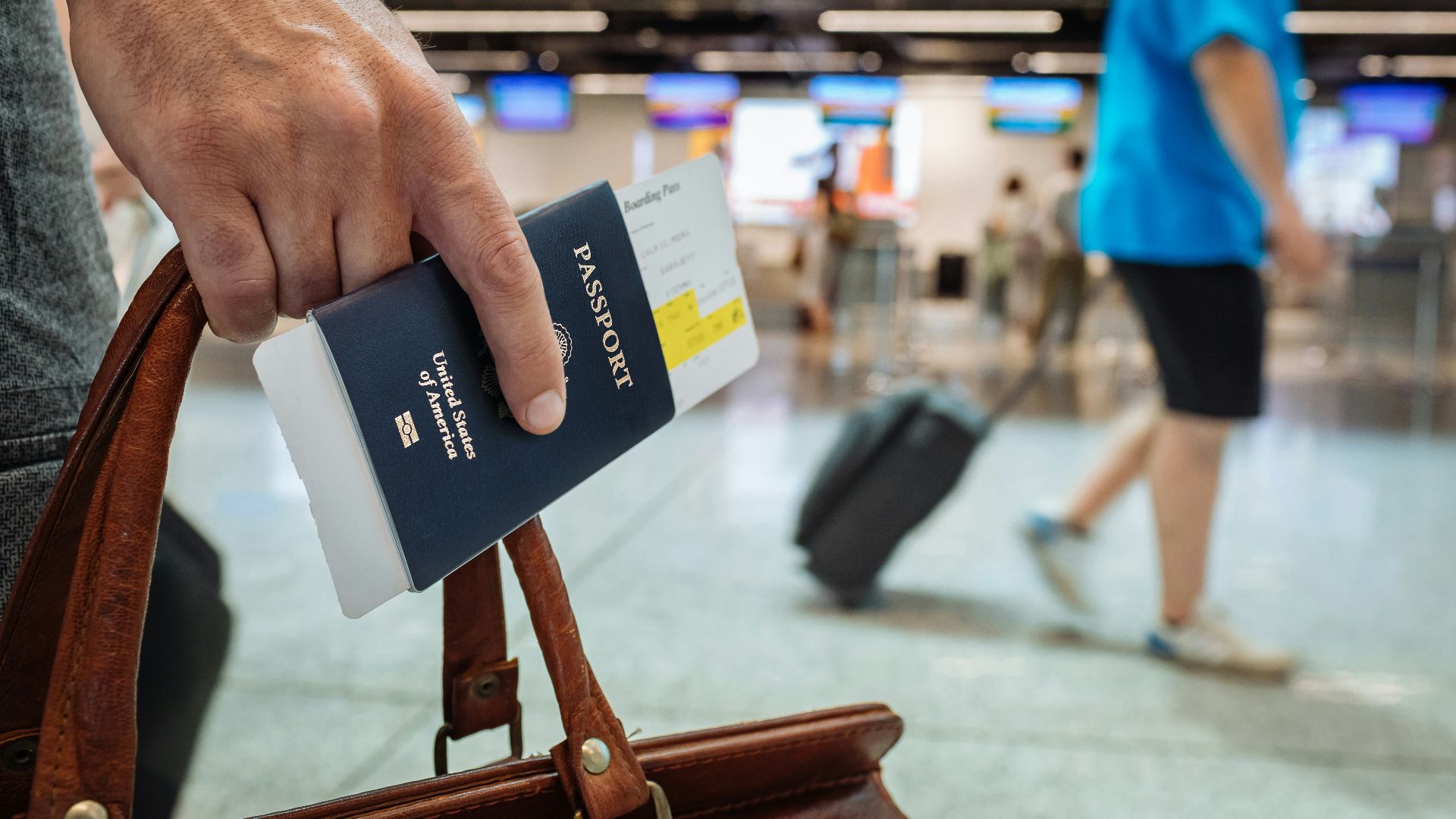
The Department of Transportation says airlines must clearly disclose fare rules, including whether a ticket is non-refundable. Once someone buys that kind of fare, the risk usually falls on the buyer unless a specific refund rule applies. That is what makes booking before the group agrees such a gamble.
 Global Residence Index, Unsplash
The 24-Hour Rule Can Save The Day
There is one important exception. The Department of Transportation says airlines selling to U.S. consumers must either let customers hold a reservation at the quoted fare for 24 hours without payment or cancel without penalty within 24 hours of purchase, as long as the booking was made at least seven days before departure. If your friend booked recently, that deadline matters immediately.

If They Booked Yesterday, Act Fast
Timing can turn a big conflict into a simple fix. If the ticket was purchased within the last 24 hours and the trip is at least a week away, your friend should check the airline's cancellation policy right away. In many cases, moving quickly can erase the problem before anyone has to argue about who should pay.

Flight Credits May Be More Likely Than Cash
After the 24-hour window closes, many non-refundable tickets will not come with a cash refund. Instead, the traveler may get a flight credit, depending on the airline and the fare. That may not be ideal, but it is still better than assuming friends have to cover a loss created by an early booking.
 LinkedIn Sales Solutions, Unsplash
Basic Economy Can Make It Worse
The fine print matters here. Some basic economy fares have tighter change rules than standard economy tickets, even though many airlines have become more flexible in recent years. Before anyone starts talking about reimbursement, the traveler should check the exact fare class and see what options are still available.

Travel Insurance Usually Will Not Fix This
People sometimes think insurance will clean up any travel mistake. Usually it will not. The New York Times has reported that standard travel insurance generally covers specific problems listed in the policy, not regret or poor planning between friends.

Cancel For Any Reason Is Not Automatic
Even more flexible coverage has limits. The New York Times noted that Cancel For Any Reason coverage is usually an optional upgrade, not a standard feature. It also often pays back only part of the prepaid cost and usually has to be purchased within a set time frame.

What Fairness Looks Like In Real Life
Legally, the group may owe nothing. Socially, things can feel a little less black and white if the friend booked after getting strong signals from everyone else, like repeated verbal promises or an almost-final itinerary. Even then, any money from others would be a goodwill gesture, not a requirement.

Start With The Most Important Question
Before talking about who should pay, figure out what was actually said and when. Did everyone agree to a specific date in writing, or were people still saying they needed to check work, schedules, or childcare? The timeline usually clears things up fast.

Screenshots Matter More Than Vibes
This is one of those situations where receipts help. Go back through the messages and look for a clear yes to exact dates, not just general excitement. If that clear confirmation is missing, then the booking was one person's decision.

Pressure Is Not The Same As Obligation
A lot of people feel they should pay just to keep things from getting awkward. That reaction makes sense, but pressure does not equal responsibility. Paying to smooth things over may solve the moment while creating resentment later.

If You Want To Help, Set A Limit
You can be kind without taking the blame. You might say that you are sorry the ticket was booked too early, but you never approved those dates and cannot cover the cost. That keeps the message calm, clear, and fair.

Try The Airline Before Fighting With Friends
Practical fixes should come first. That means checking the 24-hour rule, looking into a credit, reviewing change fees, and seeing whether the ticket can be used later. A customer service call may not work miracles, but it can reveal options that were easy to miss during checkout.

Credit Card Protections Only Go So Far
It is also worth checking the credit card used to buy the ticket. Some cards include travel protections, but those benefits usually apply to covered problems like delays, baggage trouble, or trip interruption, not to booking before a group has actually agreed. The benefits guide will spell out what is covered.

Verbal Promises Get Murky Fast
Once money is lost, people often remember the planning stage very differently. One person heard “let's do it,” while someone else only meant “I like the idea.” That is why exact dates, payment timing, and cancellation terms should be written down before anyone books.

One Simple Rule Prevents Most Of This
For future trips, make a firm rule that nobody books non-refundable travel until every person confirms in writing. A single message saying “I agree to these dates and I am ready to book today” can prevent a lot of chaos.

Deposits Can Be Smarter Than Surprise Flights
If the group wants to keep momentum without going all in, it may make more sense to start with options that allow flexible cancellation or refundable hotel rates. That keeps the trip moving without locking people into flights too early.

Set Deadlines Before Anyone Spends Money
A good group trip needs a real decision date. By a certain deadline, each traveler should confirm availability, budget, and willingness to book. If someone has not answered by then, the group should treat that as a no.
So Should The Rest Of You Pay Anyway
In most cases, no. If the flights were booked before everyone agreed on the dates, the person who booked took that risk alone. Others can still choose to help as a gesture of friendship, but they generally should not be treated as financially responsible.

The Best Way To Protect The Friendship
Be direct, polite, and consistent. Stick to the facts, especially what was and was not agreed to before the purchase, and avoid turning the conversation into a judgment about anyone's character. A calm response now gives the group a better shot at taking a real trip later, with fewer surprises and much better planning.