The Awkward Tip Talk No Traveler Wants
You enjoyed the sights, learned a lot, and honestly, your guide was genuinely funny and informative. But when the tour was over, he suddenly gives you the hard sell on a hefty tip, crossing the line from suggestion to expectation. That can get uncomfortable fast, and it can leave a bad stink on what was otherwise a great experience. But is this kind of thing normal and expected? That's the real question.
The Short Answer
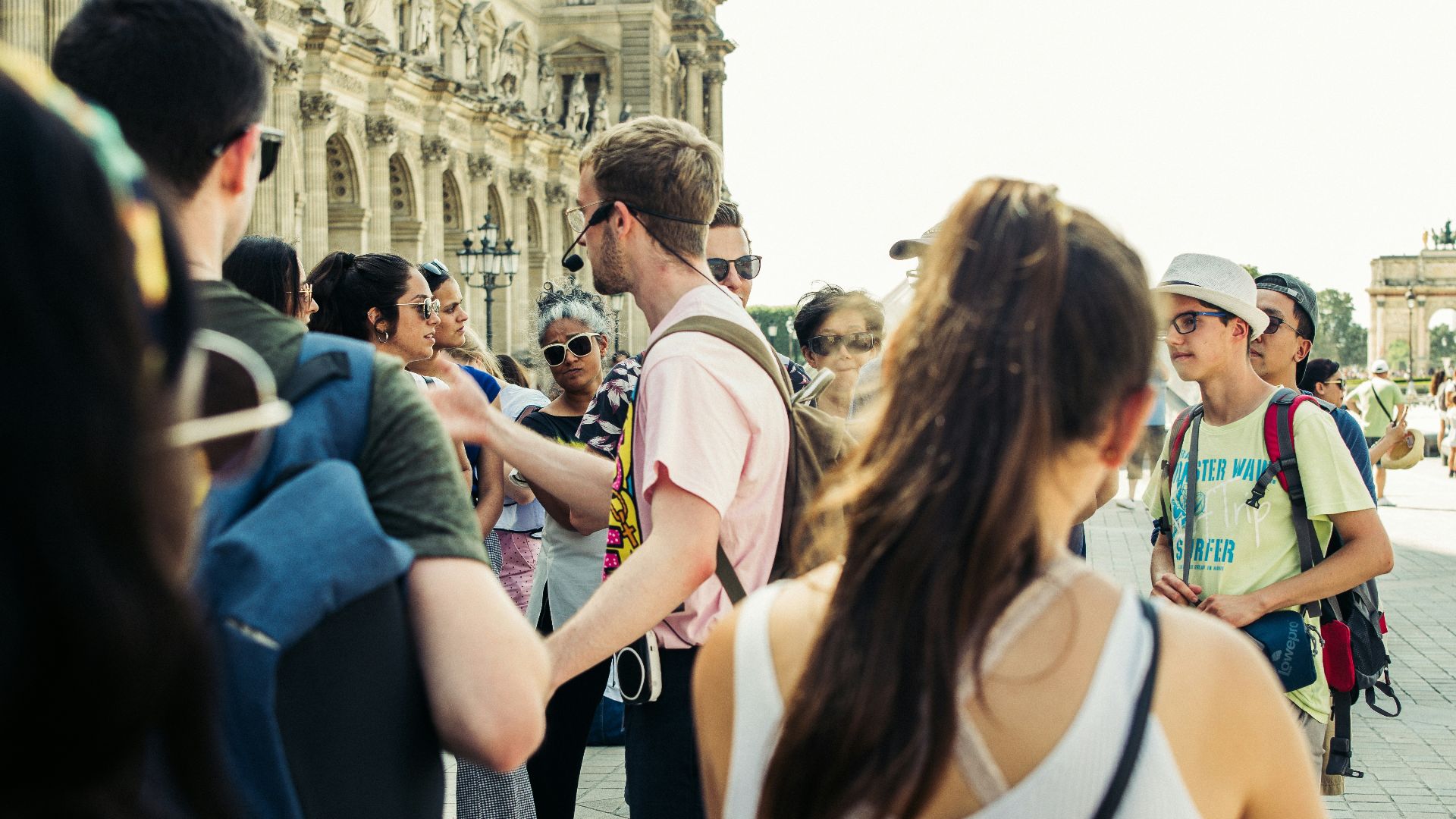
Tipping a tour guide is common in many places, especially on guided day trips, walking tours, and multi-day tours. Pressuring guests to hand over a large tip is a separate issue. Advice from major travel companies and consumer travel sources shows that tips may be customary, but they should still feel optional, not forced.
Why This Gets Confusing
Tipping is one of travel’s murkier areas because customs change a lot from one country, company, and tour type to another. In some places, guides depend on tips as a real part of their pay. In others, service charges, higher wages, or local norms mean big tips are far less expected.

What Major Tour Companies Say
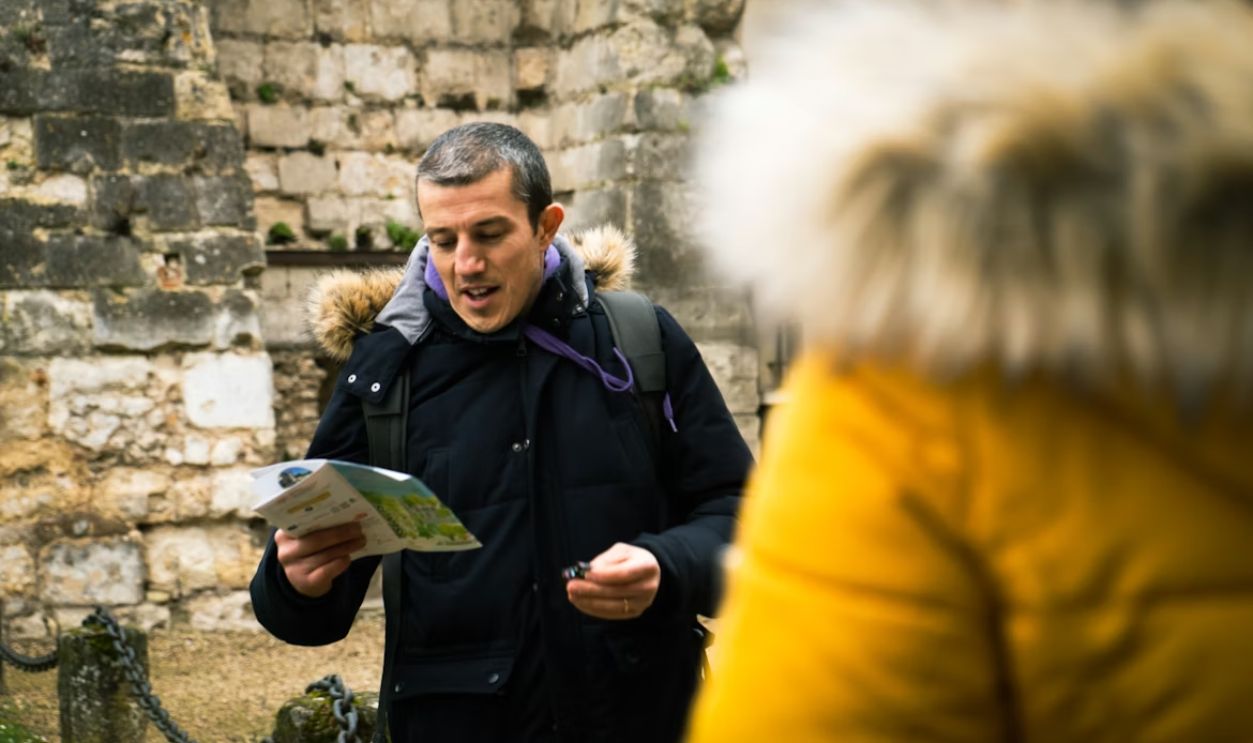
Several big tour operators publish suggested tipping ranges before a trip starts. Rick Steves, for example, gives recommended amounts for guides and drivers on its organized tours, while making clear that they are guidelines rather than mandatory fees. That difference matters because a suggested norm is not the same as a guide putting guests on the spot at the end.
Suggested Is Not The Same As Required
Gate 1 Travel also publishes tipping guidance for escorted tours and says gratuities are customary for certain staff. Intrepid Travel does the same, offering tipping advice by trip and region. These companies may describe tips as expected, but they usually share those expectations ahead of time so travelers are not caught off guard.

The First Red Flag
The biggest warning sign is surprise. If a guide brings up a large expected tip only at the very end, especially after never mentioning it earlier, that is not a great sign. Clear and well-run operators usually explain gratuity policies in booking details, pre-trip materials, or FAQ pages before the tour begins.

When A Guide Crosses The Line
A guide may be acting inappropriately if they demand a fixed amount, shame guests who give less, or call out travelers in front of the group. The same goes for repeated pressure, guilt trips, or comments suggesting the tour is not really over until a certain amount is paid. A tip is supposed to reward service, not work like a surprise bill.

Why It Happens
There is a real reason this keeps coming up. In some parts of the tour industry, guides and drivers are paid fairly modest base wages and rely on gratuities to boost their income. That helps explain the pressure, but it does not make uncomfortable or pushy behavior okay.

Walking Tours Are Their Own Case
Free walking tours are a little different because the whole model is built around tips. Companies that advertise no upfront fee often tell travelers the guide is working for gratuities. Even then, the amount should still be your choice, and aggressive pressure at the end can still be worth complaining about.

There Is No One Rule For Every Tour
A half-day city tour, a private guide, and a luxury safari do not all follow the same tipping norms. Advice from Fodor’s and Tripadvisor makes that clear by stressing destination and service level. The best way to judge what is normal is to look at the country, the kind of tour, and what the company said before departure.
In The United States, Tips Often Run Higher
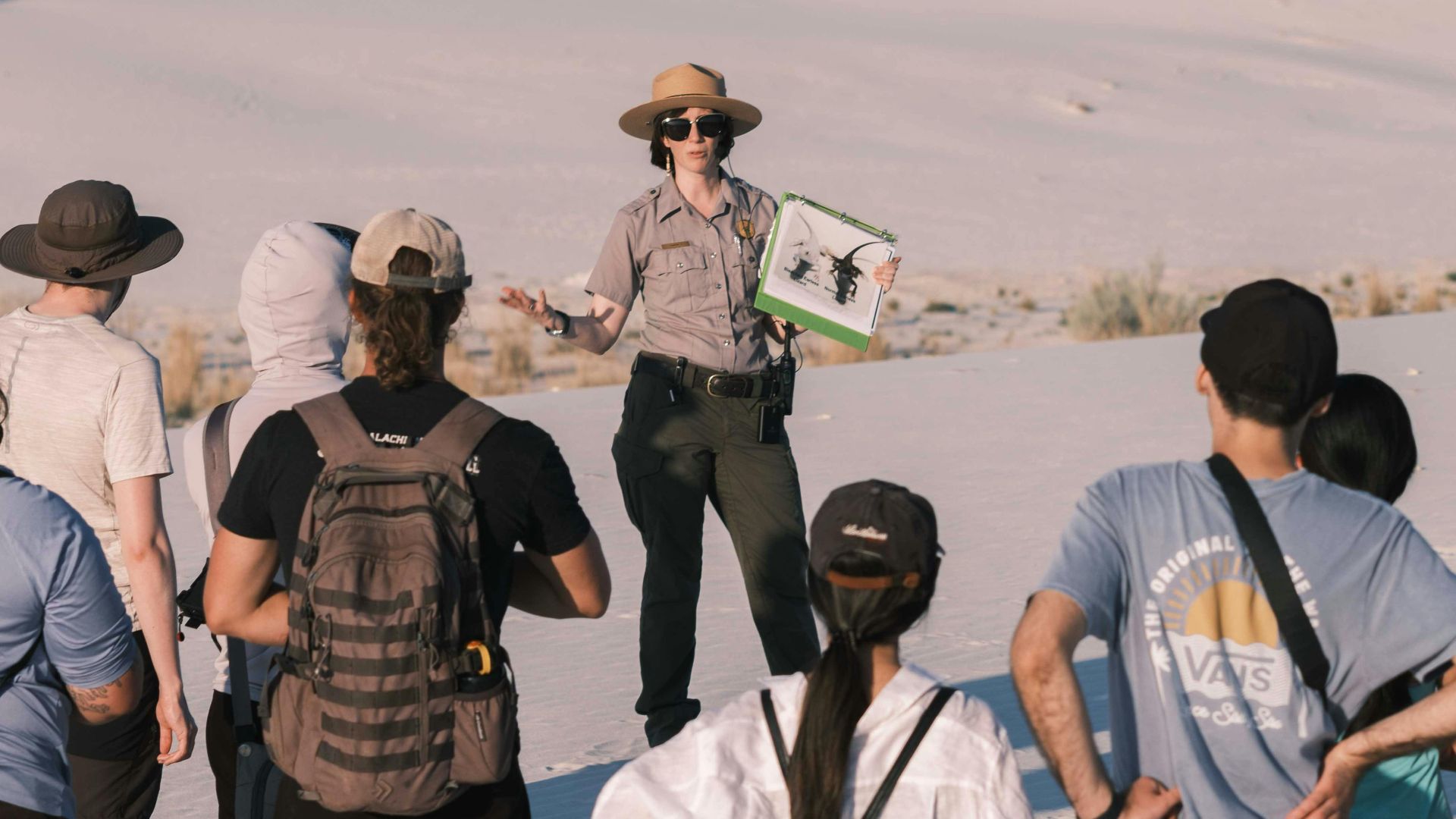
Travel culture in the United States tends to normalize tipping more than in many other parts of the world. That can shape expectations on tours in American cities and on U.S.-based travel products abroad. Even so, professional service should not depend on public pressure at the final stop.

In Europe, Expectations Can Be Lower Or More Nuanced
Tipping culture in Europe often changes from one country or city to the next. Some guided tours may come with modest customary tips, while others fold more labor costs into the listed price. That helps explain why some American travelers are surprised when a guide asks for an amount that feels closer to a restaurant tip back home.
Group Tours Usually Come With Written Guidance
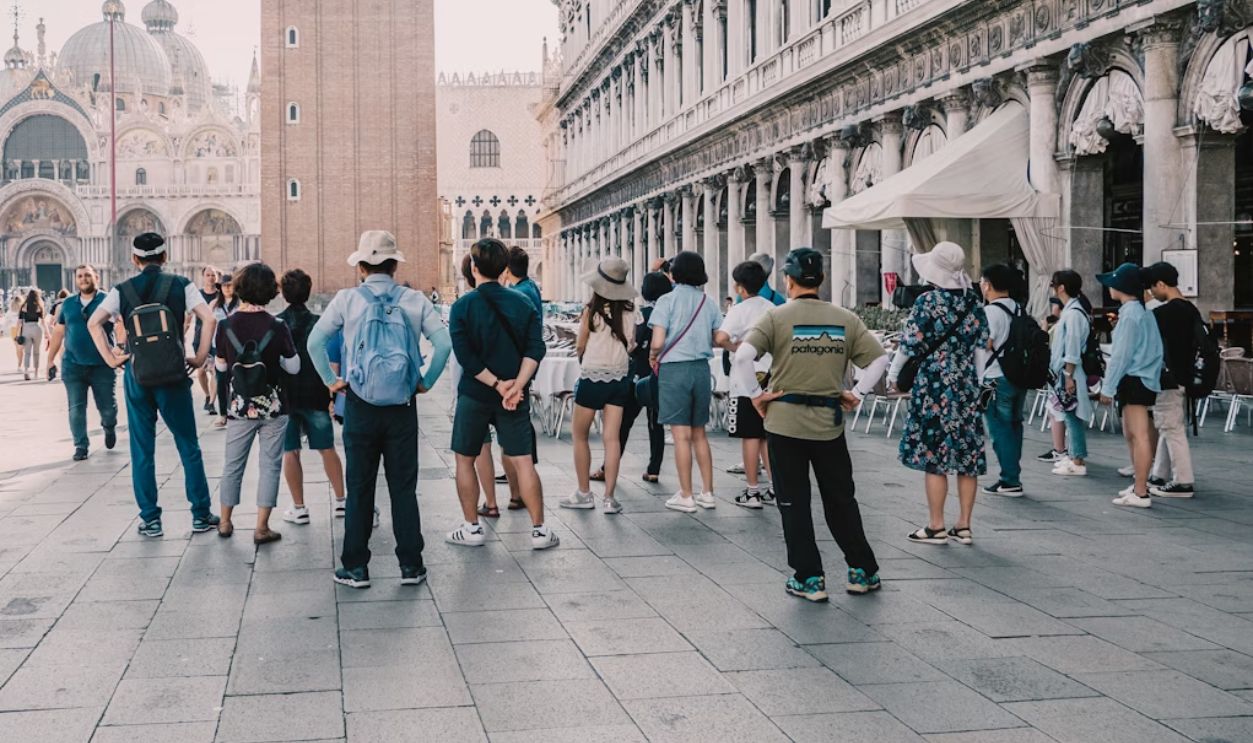
On escorted group tours, tip suggestions are often listed in trip documents. Sometimes they are quoted per day for the tour director and separately for the driver. If your guide suddenly asks for much more than the company’s written guidance, that is a strong clue that something is off.

Private Tours Leave More Room For Judgment
Private tours usually give travelers more freedom to decide because the service is more personal. People often tip based on the length of the tour, how involved it was, and how good the guide actually was. A private guide can explain local custom if asked, but pushing a hard minimum is where basic etiquette starts to fall apart.
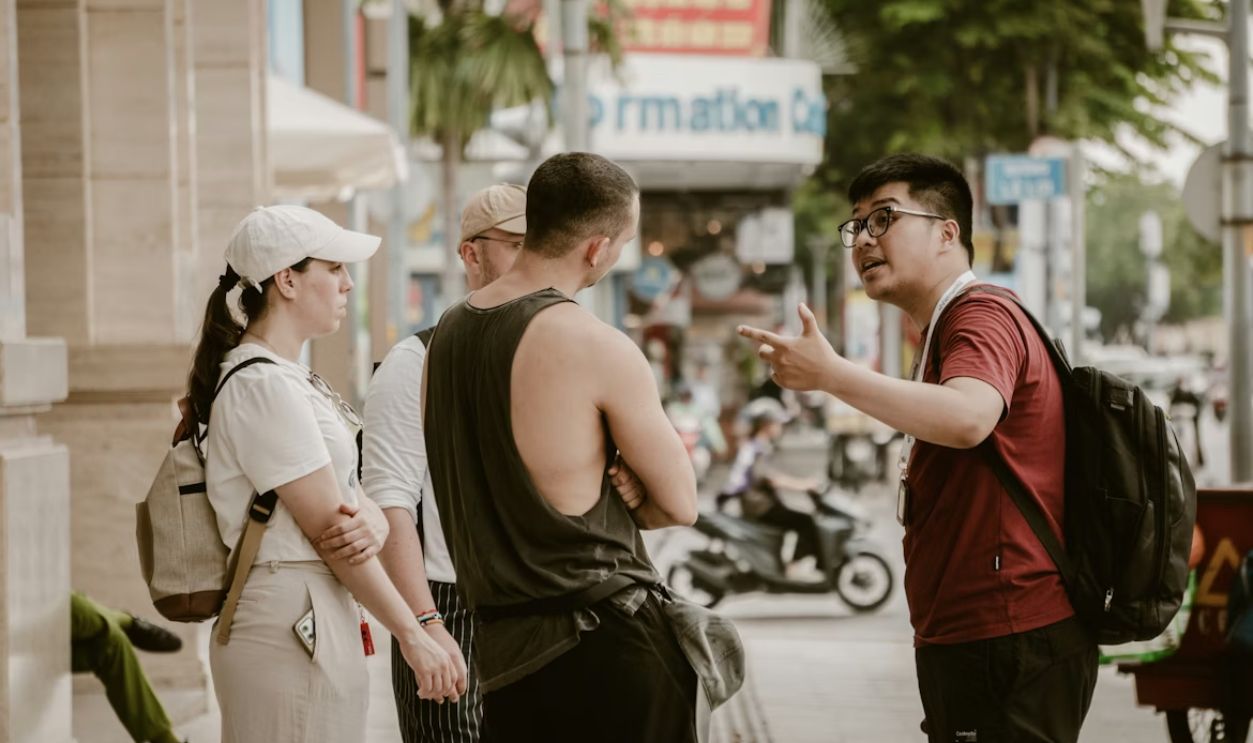
Luxury Travel Does Not Mean Endless Tipping
Some travelers feel extra pressure on expensive tours because everything already costs a lot. That can make a guide’s push for a big gratuity feel even harder to resist. But a high-end price tag does not remove the need for transparency and respectful communication.

What To Do In The Moment
If you feel pressured, keep your response calm and simple. You can say, “Thank you, I’ll tip what I’m comfortable with,” and leave it there. A short, polite answer usually works better than getting pulled into a back-and-forth in front of everyone else.
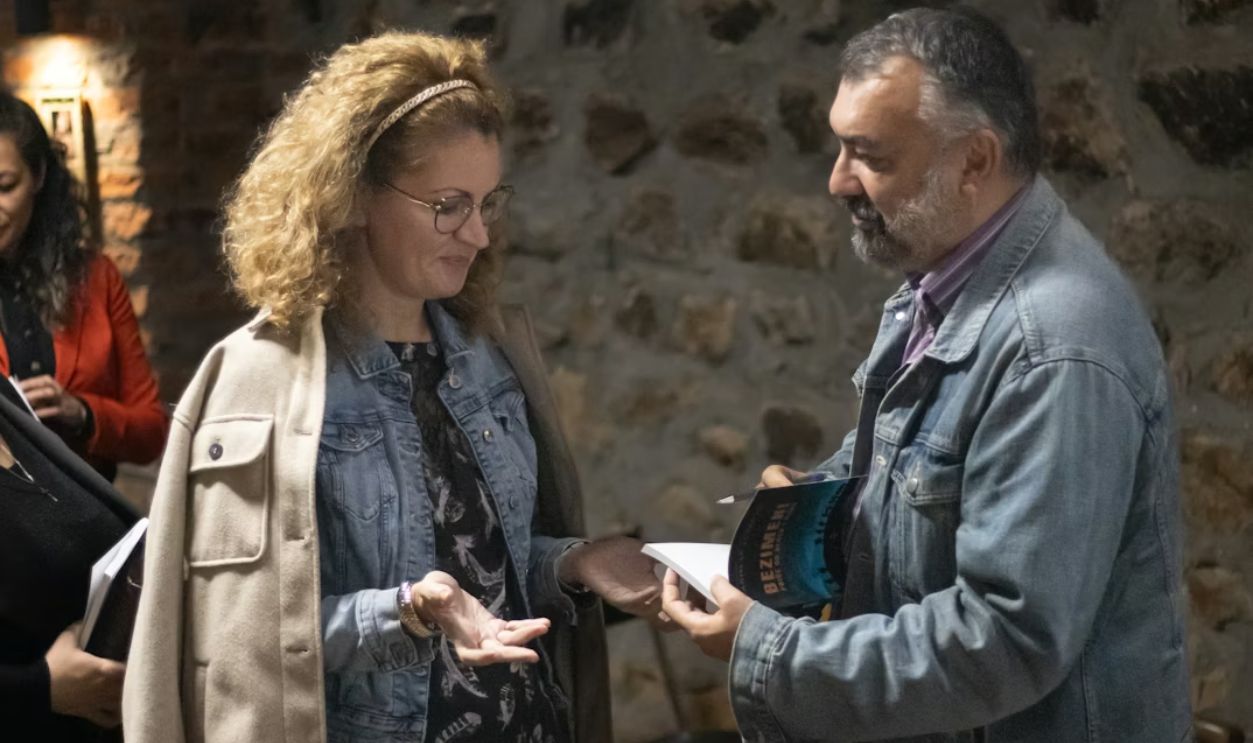
How Much To Give If You Are Unsure
Your safest move is to check the operator’s website, confirmation email, or FAQ before handing anything over. If the company gave no guidance, compare the request with published norms from well-known tour companies. That gives you a real benchmark instead of forcing you to decide in a tense end-of-tour moment.

Cash Pressure Can Be A Warning Sign Too
Sometimes the problem is not just the amount but the way it is collected. A guide may push everyone to hand over cash on the spot, leaving little time to think. If that feels manipulative, it may be, especially if the company never said tips would be handled that way.

You Can Say No Without Being Rude
Many travelers worry that refusing a demanded amount means disrespecting local culture. It does not. You can respect local customs and still draw a line when someone is pressuring you. Travel etiquette advice generally separates normal gratitude from coercion, and that is an important difference.
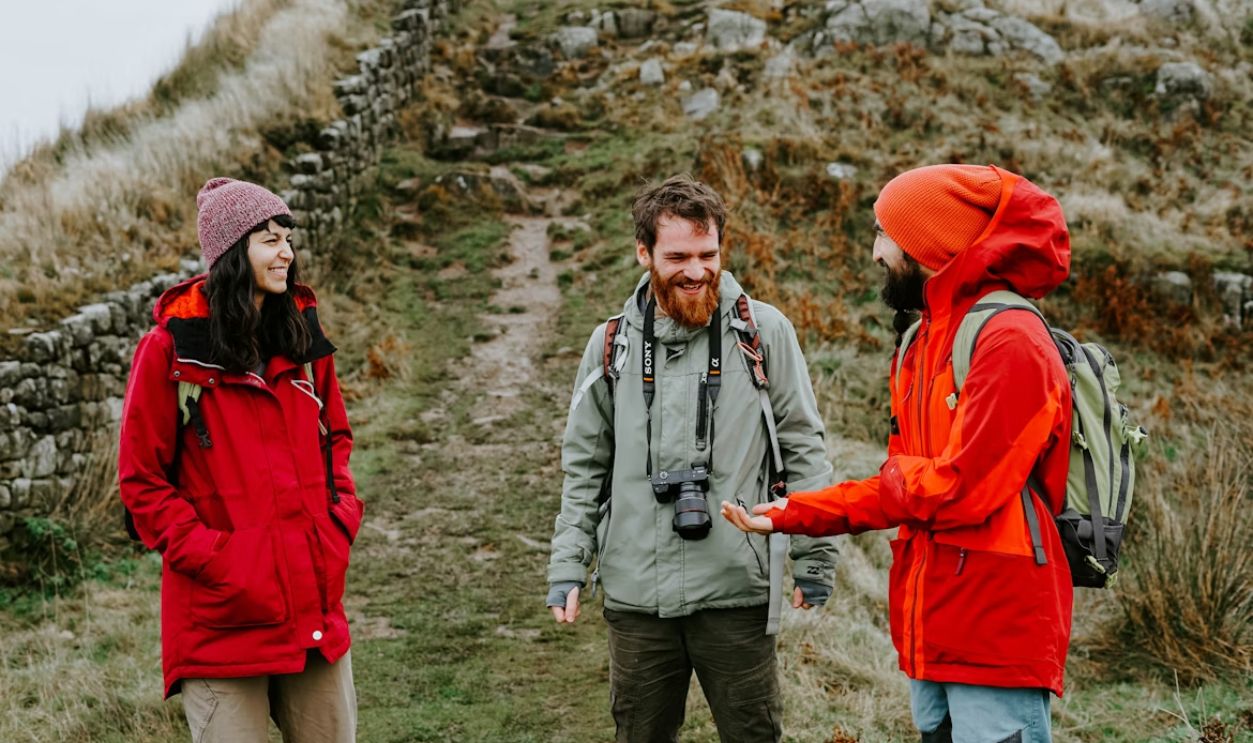
If The Tour Was Excellent, Tip Well Because You Want To
Many guides do excellent work and truly earn strong tips through knowledge, timing, problem-solving, and warmth. If that was your experience, tipping generously can be a meaningful way to show appreciation. The important part is that the choice should be yours.

If The Tour Was Poor, You Do Not Have To Reward It
A tip is usually tied to service quality unless a mandatory service charge was clearly disclosed in advance. If the guide was late, inaccurate, rude, or pushy throughout the trip, a smaller tip or no tip at all may be reasonable. Honest feedback to the operator can matter just as much as the money.

Write Down What Happened
If the exchange felt especially aggressive, jot down the details soon after the tour ends. Note the date, place, company name, the amount requested, and what was said. Specific details can help if you later contact customer service or leave a review.

Tell The Company
Tour operators usually want to know when a guide is causing complaints or not following company policy. A factual report has the best chance of being taken seriously. Be sure to mention whether tipping guidance was disclosed before the trip, since that is at the heart of the issue.

Reviews Can Help Other Travelers
Posting a calm, accurate review can help warn future guests without overdoing it. Stick to clear facts, like the amount requested, whether the guide treated it as mandatory, and whether the company had published any tipping guidance. That gives other travelers something useful to work with.
The Best Way To Avoid A Surprise
The smartest move is to check before you book. Search the operator’s FAQ, trip notes, or terms for words like tipping, gratuities, guide, and driver. If you do not see anything, ask in writing so you have a clear answer before the tour starts.

So, Expected Or Inappropriate?
A tip itself may be expected, depending on the destination and the kind of tour. Pressure to hand over a large amount at the end is where things start to look inappropriate, especially if that expectation was never explained ahead of time or the guide made people feel embarrassed for giving less. The basic rule is simple: tipping can be normal, but coercion should not be.