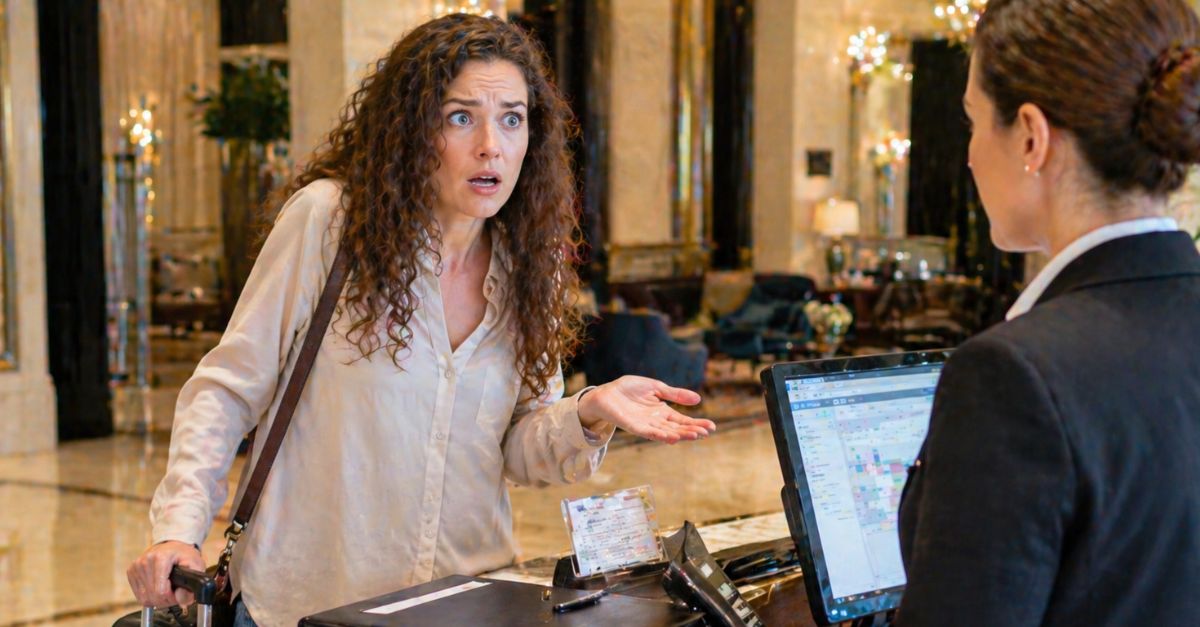
The Front Desk Call Nobody Wants
You check in, unpack, maybe order dinner, and then the hotel drops a bomb: It needs the room back after one night. It sounds absurd, but whether that is legal depends on why it happened, what your reservation promised, and where you are staying.
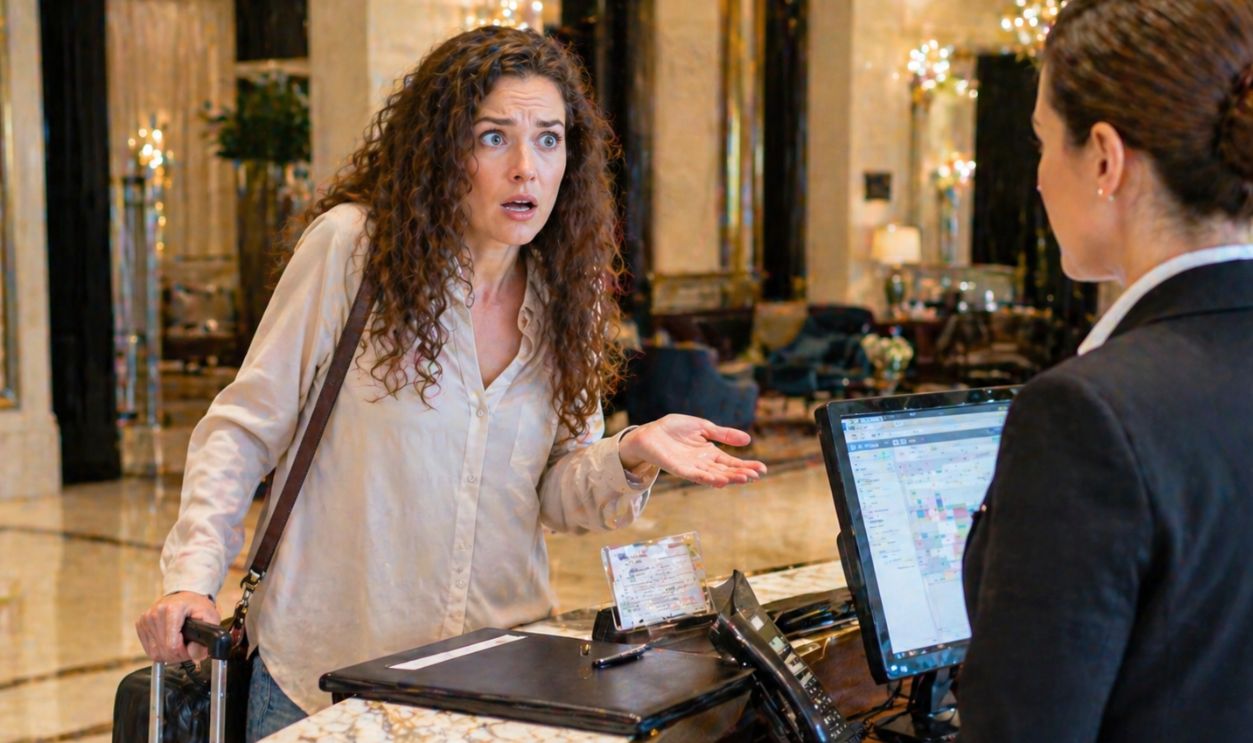
Yes, It Happens More Than You Might Think
Hotels run into overbooking, maintenance problems, staffing issues, and simple reservation mistakes. The industry even has a term for it: walking a guest. That means sending someone to another hotel when the original property cannot honor the stay. The American Hotel & Lodging Association says overbooking happens because hotels try to account for cancellations and no-shows.

A Confirmed Reservation Is Not Always A Forever Guarantee
That is what catches many travelers off guard. A confirmed reservation usually means the hotel accepted your booking for those dates, but the fine print still matters. If the hotel cannot give you the room, the real question is what it owes you next.

Hotels Usually Cannot Just Throw You Out
In general, a hotel cannot remove a guest for no reason when that guest is lawfully staying there and following the rules. Hotels do have broad rights to refuse service in some cases, including nonpayment, illegal activity, dangerous behavior, or violating hotel policies. But forcing someone out just because the hotel wants the room for a better booking can create legal trouble.

The Key Question Is Why The Hotel Wants You Gone
If there is a burst pipe, a fire safety issue, or some other real emergency, the hotel may have a strong reason to move guests. If it is only about making more money, the situation looks much worse for the hotel. That difference can affect whether you are owed a refund, a replacement stay, reimbursement, or more.

Industry Guidance Says Hotels Should Relocate Walked Guests
AHLA says that when a guest is walked, the hotel should help arrange a stay at a comparable property. The group also says the original hotel will usually cover the room rate difference and transportation to the new hotel. That is not the same as a law, but it does show what standard practice looks like.

Travel Booking Sites Say Much The Same
Expedia says that if a hotel cannot honor a booking, the property should generally help find a comparable place to stay. It also tells travelers to keep receipts if they pay out of pocket. That matters because reimbursement fights are a lot easier when you have proof.

State Law Often Matters More Than Hotel Policy
There is no single federal law that spells out exactly what every hotel in the United States must do in every overbooking dispute. Instead, state innkeeper laws, local consumer rules, and contract law usually shape the outcome. So the answer in California may not be exactly the same as the answer in New York or Texas.

California Gives Guests Some Clear Protection
California Civil Code section 1865 says that if a hotel agrees to provide a room for a set time and then fails to do so without just cause, it can be liable for damages. That does not automatically mean a huge payout, but it does mean the hotel may owe actual losses caused by the problem. The key words are without just cause.
 cottonbro studio, Pexels, Modified
New York Gives Hotels Some Rights, But Not A Free Pass
New York law gives hotels room to act in some situations, especially when payment, safety, or guest conduct is involved. But that does not mean a hotel can cut short a valid stay simply because it wants the room for someone else. If a guest is removed unfairly, contract and consumer law may still come into play.

Your Reservation Is A Contract, Even If It Is A Simple One
When a hotel confirms your booking and takes payment or a payment guarantee, that usually creates a contract. If the hotel breaks that deal without a valid legal reason, you may have a breach of contract claim. In plain terms, that often means the hotel may owe the extra room cost, transportation, and other related expenses.

What Counts As Just Cause
Just cause usually means a real reason the hotel could not safely or legally keep you in the room. Think major plumbing damage, unsafe conditions, code issues, or your own violation of hotel rules. It is very different from saying a VIP showed up and the hotel decided your reservation mattered less.

What If The Hotel Simply Overbooked
Overbooking may explain what happened, but it does not erase the hotel’s responsibility. In many cases, the expected fix is a comparable replacement hotel plus payment of the cost difference and transportation. The problem may be common, but that does not make it your problem to absorb.

If You Already Stayed One Night, It Feels Even Worse
Being forced out in the middle of a stay is more disruptive than being turned away at check-in. By then, you may have unpacked, made plans, and built your schedule around that location. That is why documentation matters even more when the hotel cuts short a stay it already started honoring.
The FTC Focuses On Deceptive Practices, Not Surprise Ejections
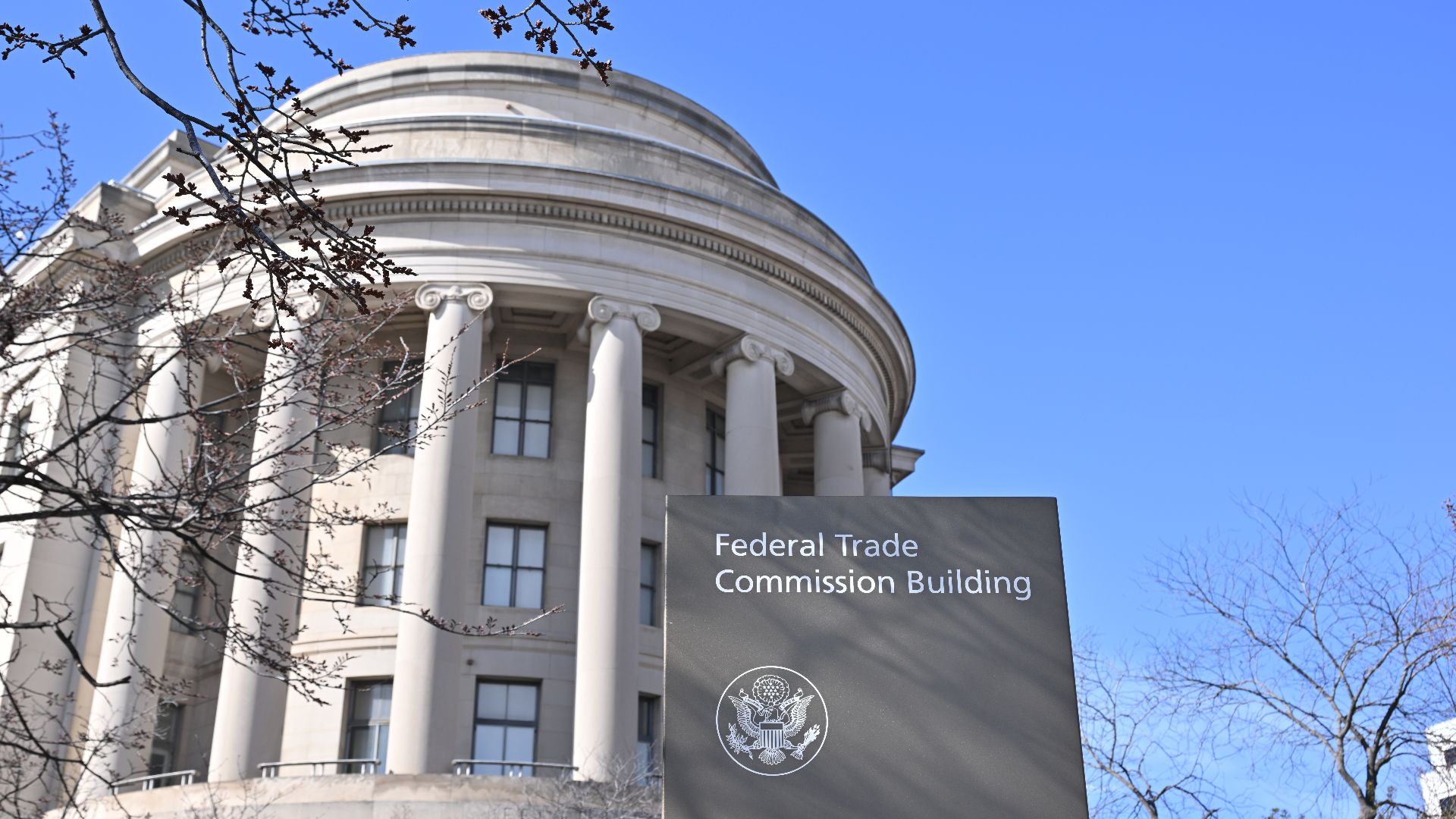
The Federal Trade Commission has recently focused on hidden fees and deceptive pricing in lodging. That is not the exact same issue as being walked, but the FTC’s broader consumer protection role can still matter if a hotel made misleading claims about availability or guaranteed accommodations. Promises that turn out to be false can become part of a complaint.
 G. Edward Johnson, Wikimedia Commons
Do Not Ignore The Fine Print
Some hotel terms say the property may relocate guests if it cannot honor a reservation. That language can help the hotel’s position, but it does not always wipe out your rights. Courts and regulators can still look at whether the terms were clear and whether the hotel acted reasonably.

Third-Party Bookings Add Another Layer
If you booked through a site like Expedia or Booking.com, the hotel may have caused the immediate problem, but the platform may be able to help solve it quickly. Many booking sites have support channels for reservations that are not honored. Contact both the hotel and the booking platform right away.

Elite Status Can Help, But It Is Not A Legal Shield
Loyalty members sometimes get priority when a hotel is oversold. That can lower the odds that they will be the ones moved. But status is a perk, not a legal guarantee that your room can never vanish.

The Best First Move Is To Stay Calm And Ask Direct Questions
Ask why the hotel needs the room and whether the issue is overbooking, damage, or something else. Then ask what comparable hotel it is providing, who is paying the difference, and how transportation will work. If possible, get those answers in writing.

Ask For A Comparable Hotel, Not Just Any Empty Room
Comparable should mean similar quality, location, and amenities when possible. If you booked a downtown business hotel, a roadside motel half an hour away is probably not a fair substitute. That matters if you later need to show the hotel did not do enough to limit the disruption.
Keep Every Receipt
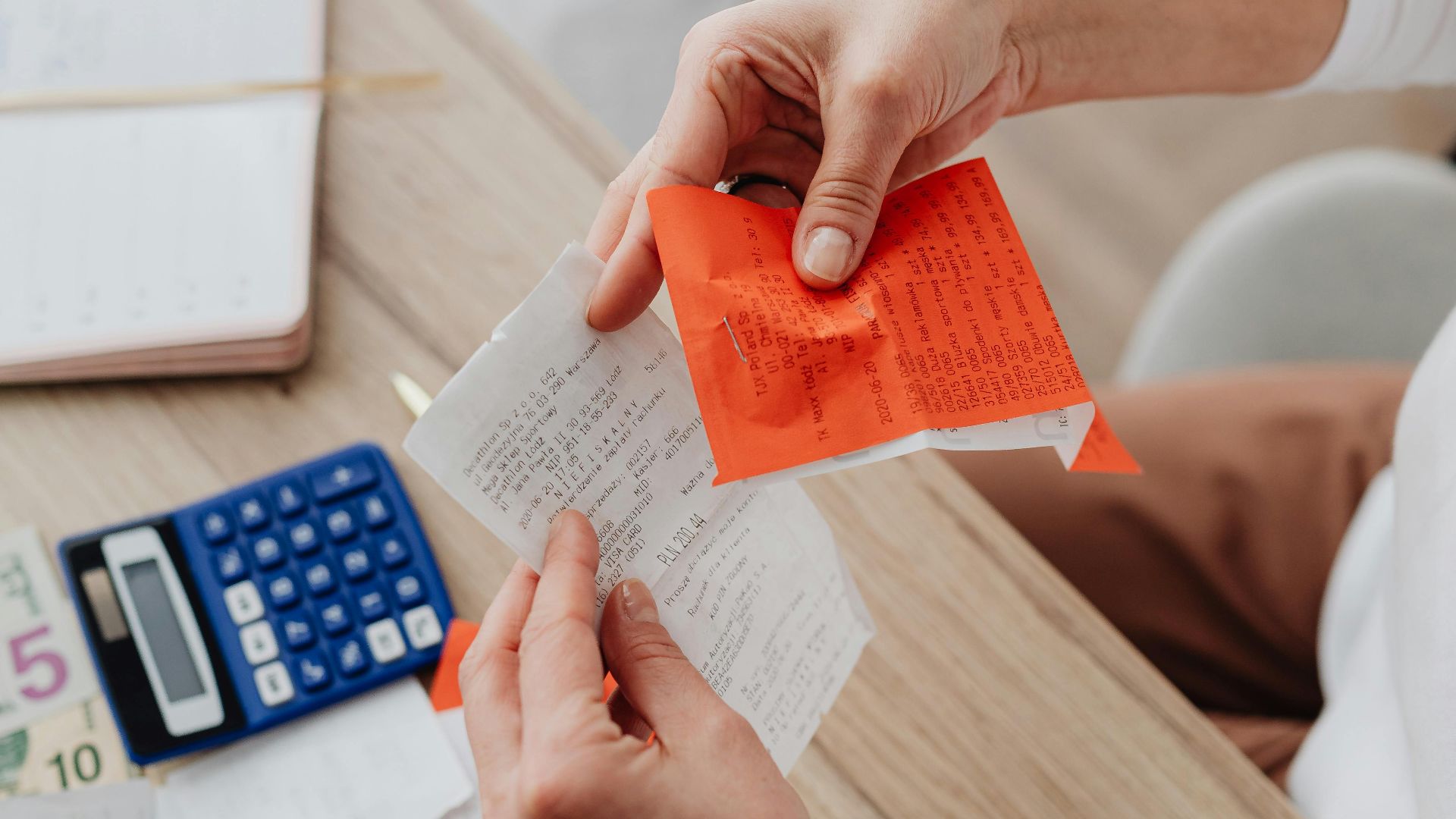
Save receipts for the replacement hotel, taxi or rideshare costs, parking changes, and meals caused by the move. If you miss a prepaid event or rack up work-related costs because of the switch, keep records of that too. A claim is much stronger when every expense is documented.
Take Screenshots Before Anything Changes
Screenshot your confirmation, room type, rate, dates, and any promises shown on the hotel or booking site. If the hotel later says the reservation terms were different, those screenshots can matter a lot. Save emails, texts, and app messages too.

Chargebacks Are A Last Resort
If the hotel refuses a refund or reimbursement it clearly owes, a charge dispute with your credit card issuer may help. The Consumer Financial Protection Bureau advises consumers to act quickly and keep supporting records. But it usually makes sense to try solving the issue directly first, since a chargeback may not cover all the extra losses beyond the room charge.

Complaints Can Go Beyond The Front Desk
If the hotel gets nowhere with you, escalate to corporate customer care if it is part of a chain. You can also file a complaint with your state attorney general’s consumer office or a local consumer protection agency. The Better Business Bureau is not a regulator, but some companies do respond there.

Short Stays And Long Stays Are Not Always Treated The Same
In some places, guests who stay long enough may gain added protections that look more like tenant rights, though the exact threshold varies a lot. Most normal business or vacation stays do not reach that point. Still, the longer the stay, the more important it is to check local law before assuming the hotel can simply push you out.

Accessibility Needs Raise The Stakes
If you booked an accessible room because of a disability, being forced to move can create serious practical and legal problems. Ask for an equally accessible replacement, not just any available room. If the hotel fails to meet disability-related needs, that may raise issues under disability law as well as contract law.

International Travel Can Be More Complicated
Outside the United States, the rules vary even more. Some countries give travelers stronger consumer rights, while others give less protection. Package travel laws can also change the picture. If this happens abroad, contact the booking platform and your travel insurer as quickly as possible.

So, Can A Hotel Legally Make You Leave After One Night
Sometimes yes, but usually not without consequences. If there is a real safety or operational reason, the hotel may be able to move you, especially if it provides a comparable replacement and covers the added costs. If it cuts your stay short without just cause and leaves you paying for the mess, you may have a strong claim for a refund and damages.

The Practical Rule For Travelers
If a hotel tells you to leave after one night because it suddenly needs the room, treat it like a business dispute and start gathering proof right away. Ask for the reason, push for a comparable relocation, save every receipt, and escalate fast if the hotel refuses to help. The law is not the same everywhere, but the basic idea is simple: if a hotel breaks your stay, it usually owes more than an apology.