The Family Vacation Problem No One Plans For
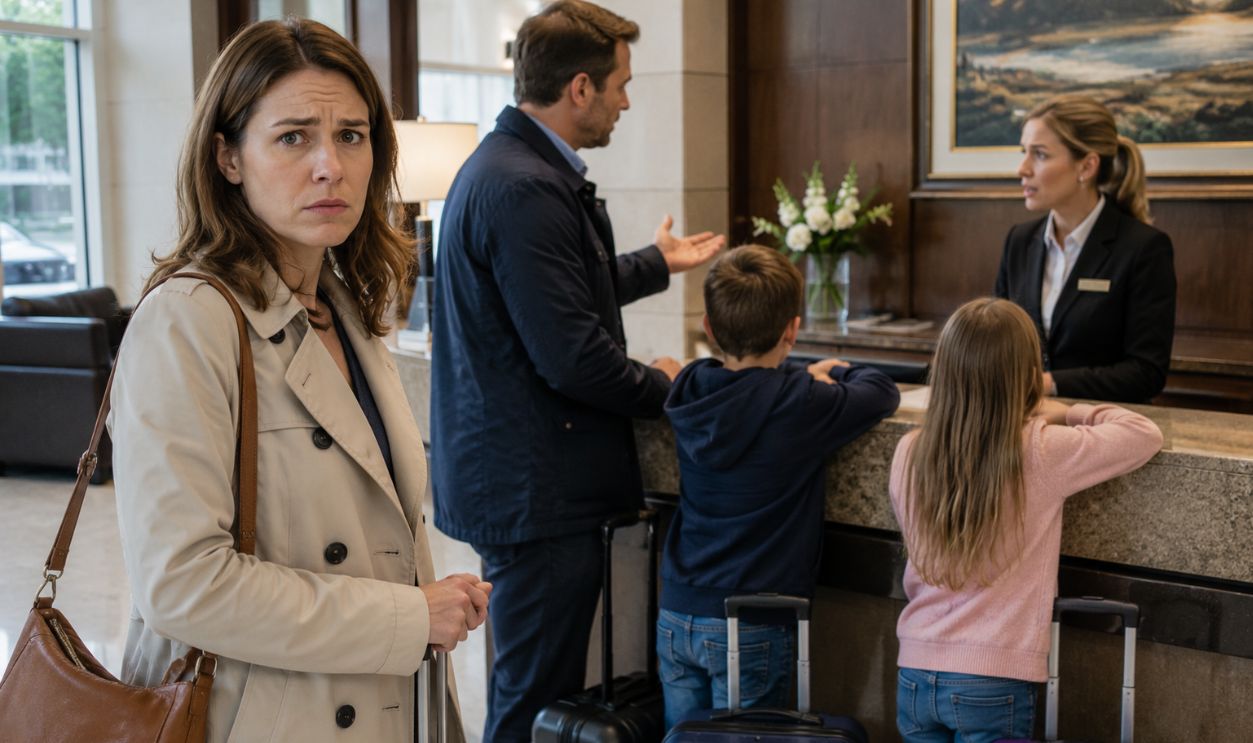
You show up expecting connecting rooms, only to find out the hotel gave them away and put what was supposed to be the kids room on another floor. That's the kind of check-in surprise that can quickly turn a simple trip into a mess. The real question is whether this is just run-of-the-mill bad service or something that also creates a real safety issue for your family.
What “Connecting” Really Means
Hotels often toss around “connecting,” “adjoining,” and “adjacent” like they mean the same thing, but they do not. Connecting rooms usually mean two separate guest rooms with a door between them, while adjacent rooms may just be next to each other. That difference matters because many parents book connecting rooms so their kids are close while still having a little separate space.
Why Families Feel This So Strongly
If adults traveling together get split up by a floor, it is annoying. If parents with kids get split up, it can feel totally unworkable. The problem is simple: parents cannot easily keep an eye on their children overnight, get to them fast in an emergency, or relax knowing they are out of reach.

Hotels Often Do Not Guarantee Room Types
Here is the frustrating part: many hotels do not truly guarantee specific room assignments, even if a request shows up on your booking. Room location, floor, and connecting-door availability are often treated as preferences, not promises. So even if the note is there, it can still fall apart at check-in if the hotel is oversold, a room is out of service, or something else goes wrong.

The Fine Print Usually Helps The Hotel
Hotel terms often say room types and special requests are subject to availability at check-in. In real life, that gives hotels a lot of wiggle room when things get messy. It may feel unfair, but a confirmed reservation does not always mean a guaranteed connecting setup unless the hotel clearly says it does.

So Is It A Safety Issue
Sometimes, yes. A lot depends on the children’s ages, the hotel layout, and whether the family can reasonably supervise them. If young kids are placed alone on a different floor, most parents would see that as more than a travel headache because it creates an obvious supervision and emergency problem.

Federal Safety Rules Usually Do Not Cover Family Room Placement
There is no broad federal rule in the United States saying hotels must place children in the same room or on the same floor as their parents. Hotel safety rules usually focus on building systems like smoke alarms, sprinklers, and exits, not family room assignments. That is one reason these situations are often treated as customer-service failures instead of clear legal violations.

Fire Safety Is Part Of The Risk
The National Fire Protection Association advises travelers to check the evacuation plan posted on the back of the hotel room door and find exits as soon as they arrive. It also recommends keeping the room key near the bed and knowing what to do if a fire breaks out. Those steps are much harder to carry out if your kids are sleeping on another floor and you cannot reach them right away.
Experts Stress Fast Action In Emergencies
Hotel emergencies are rare, but when they happen, seconds matter. The U.S. Fire Administration and NFPA both stress responding quickly to alarms, knowing the exits, and having a plan. If parents have to leave one floor, race to another, and then reach their children, that is clearly more complicated than opening a connecting door.

Safety Is Not Just About Fire
This is not only about evacuation. It can also mean a child getting sick in the middle of the night, getting scared and wandering, dealing with a lock problem, or opening the door to the wrong person. Even if nothing dramatic happens, having children sleep out of immediate reach can be a real safety concern for many families.

Hotels Still Have A Duty Of Care
Hotels owe guests a general duty to keep the property reasonably safe. In plain terms, that means they are expected to take sensible steps to reduce obvious risks. Whether placing children on another floor crosses that line depends on the details, but the concern is serious enough that many hotels will try to change the room setup when families push back.

Why Hotels Sometimes Give Away Reserved Rooms
The usual reasons are overbooking, maintenance issues, housekeeping delays, and room blocks that change at the last minute. Hotels also have to juggle loyalty upgrades, group arrivals, and rooms that suddenly go out of order. None of that makes things easier when you arrive late with tired kids, but it helps explain how a requested setup can disappear.
Overbooking Is Common
Hotels, like airlines, sometimes overbook because they expect a certain number of cancellations or no-shows. Industry guidance and travel reporting have long treated this as a normal part of revenue management. When the hotel guesses wrong, someone ends up arriving to find there are fewer usable rooms than the booking system suggested.

Connecting Rooms Are Limited
Even big hotels may have only a small number of true connecting room pairs. That means one maintenance problem or one guest extending a stay can wipe out a big share of the family-friendly options. If you arrive late, the chances can get worse because earlier guests may have already taken what was left.
 Fernanda da Silva Lopes, Pexels
Late Arrival Can Hurt Your Chances
If your reservation is not specifically protected, arriving late can make it more likely that the hotel has reassigned your preferred room setup. Some families call on the day of arrival to confirm and ask the front desk to note how important it is to keep everyone together. It is not a guarantee, but it can help.

Booking Direct Can Give You More Leverage
When you book directly with the hotel or brand, the property can usually see and adjust your request more easily. Third-party bookings can create extra friction because the room category may be less flexible, and the hotel may tell you to chase any refund or compensation through the booking site. Direct booking does not guarantee connecting rooms, but it can make the conversation simpler.

What To Do At The Front Desk
If the hotel tries to split your family across floors, say clearly that the arrangement does not work because of your children’s ages and your need to supervise them. Ask for alternatives like two rooms on the same floor, one larger room, a suite with a sofa bed, or a rollaway if allowed. Stay calm, but be firm, and ask for a manager if needed.

Other Setups That Might Work
Sometimes the best answer is not two connecting rooms but one room that legally sleeps everyone. A suite, studio, or family room may be a safer option than splitting up. If the hotel cannot accommodate your family in a reasonable way, ask whether it will move you to a comparable nearby property and cover any price difference.
Document Everything Before You Agree
Take screenshots of your confirmation, save app messages, and photograph any room-assignment paperwork. If the booking mentioned connecting rooms or a staff member confirmed them in writing, keep that proof. It can help later if you ask for a refund, dispute a charge, or file a complaint with the brand.

Ask The Biggest Question First
Do not start by asking for compensation. Start by asking whether the hotel can give your family a safe sleeping setup that night. Once that is settled, then you can ask for a partial refund, points, food credits, parking relief, or something else that fits the trouble.
 Zoshua Colah, Unsplash, Modified
When To Walk Away
If your children are young and the hotel insists on putting them alone on another floor, many parents would reasonably decide not to stay. Trust your instincts. Losing money on a nonrefundable rate is painful, but sleeping in a setup where you cannot properly supervise your children may be a bigger risk than it is worth.

How Travel Advice Frames Hotel Safety
The U.S. State Department tells travelers to think about hotel safety features, including room location and escape routes, when deciding where to stay. Family travel experts also often suggest avoiding high floors when possible and making sure everyone knows where the exits are. The bigger point is simple: room placement can affect safety, not just convenience.

Why Upper Floors And Separation Matter
A room on another floor adds both distance and delay. In an ordinary moment, that may just be frustrating. In an urgent one, whether it is a fire alarm or a sick child, it can slow a parent’s response in a way that really matters.

If The Kids Are Teens, The Answer Can Change
There is a big difference between a toddler, an eight-year-old, and older teens. Some families may feel fine with mature teenagers in a nearby room or even on another floor, depending on the hotel. The younger the child, the stronger the argument that another-floor placement is a safety issue rather than just bad service.

What Consumer Protection Usually Covers
Consumer protection law is usually most helpful when a hotel fails to provide the room category it actually sold, uses misleading advertising, or refuses a promised remedy. Things get less clear when the dispute is over a request rather than a guarantee. That is why the exact wording in your booking matters so much.

The Best Way To Prevent This
Call the hotel after booking and again a day or two before arrival. Ask the staff to note that connecting or same-floor rooms are essential because you are traveling with children, and ask whether there is a room type that guarantees that setup. Then try to arrive as early as you can, because check-in time can affect what is still available.

A Better Script For Booking
Try saying, “We are traveling with minor children and cannot accept rooms on different floors. What room type can you confirm that keeps us together?” That works better than simply asking for connecting rooms and hoping for the best. It pushes the hotel to be clear about what it can and cannot promise.

So Bad Luck Or Safety Issue
It can be both. The cause may be bad luck, overbooking, or a hotel scrambling to manage rooms, but the result can still create a real safety concern, especially for younger children. If a hotel splits your family across floors, treat it as more than an inconvenience and push for a safer option before you settle in.
 Monkey Business Images, Shuttestock