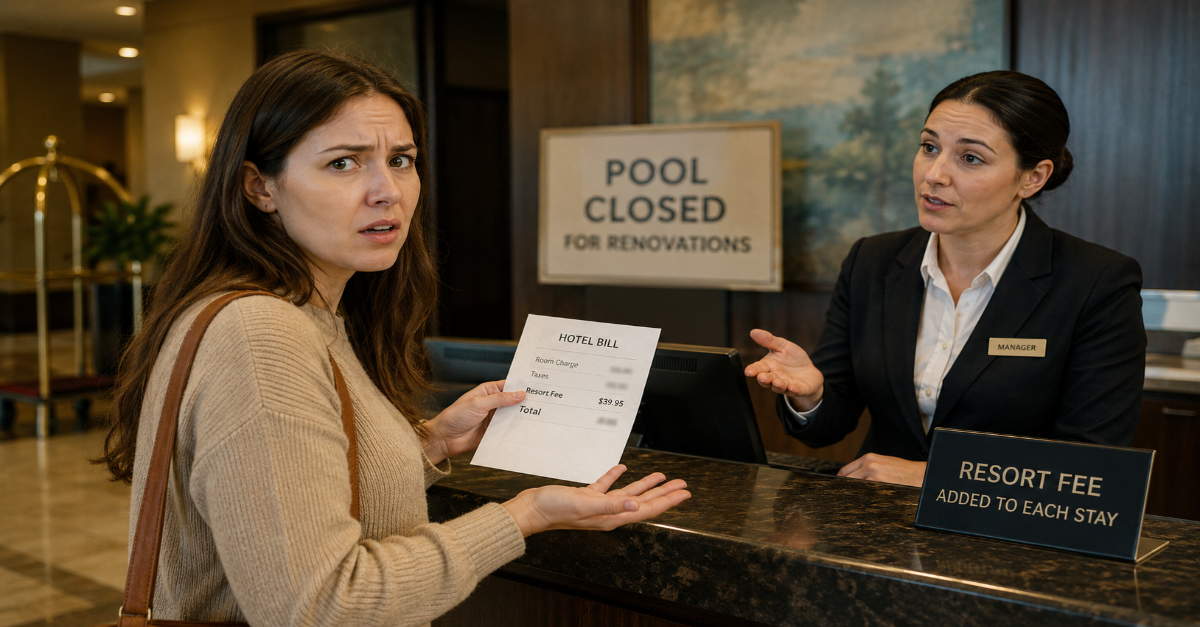
The Pool Was Empty But The Fee Was Not
You check in, and that's when you spot the boarded-up pool, the darkened spa, and the “closed for renovations” signs. So when you still see "resort fee" tacked onto your bill, you're understandably annoyed. But as frustrating as it is, hotels have often been able to charge these fees unless a law, regulator, or contract term says otherwise.
What A Resort Fee Actually Is
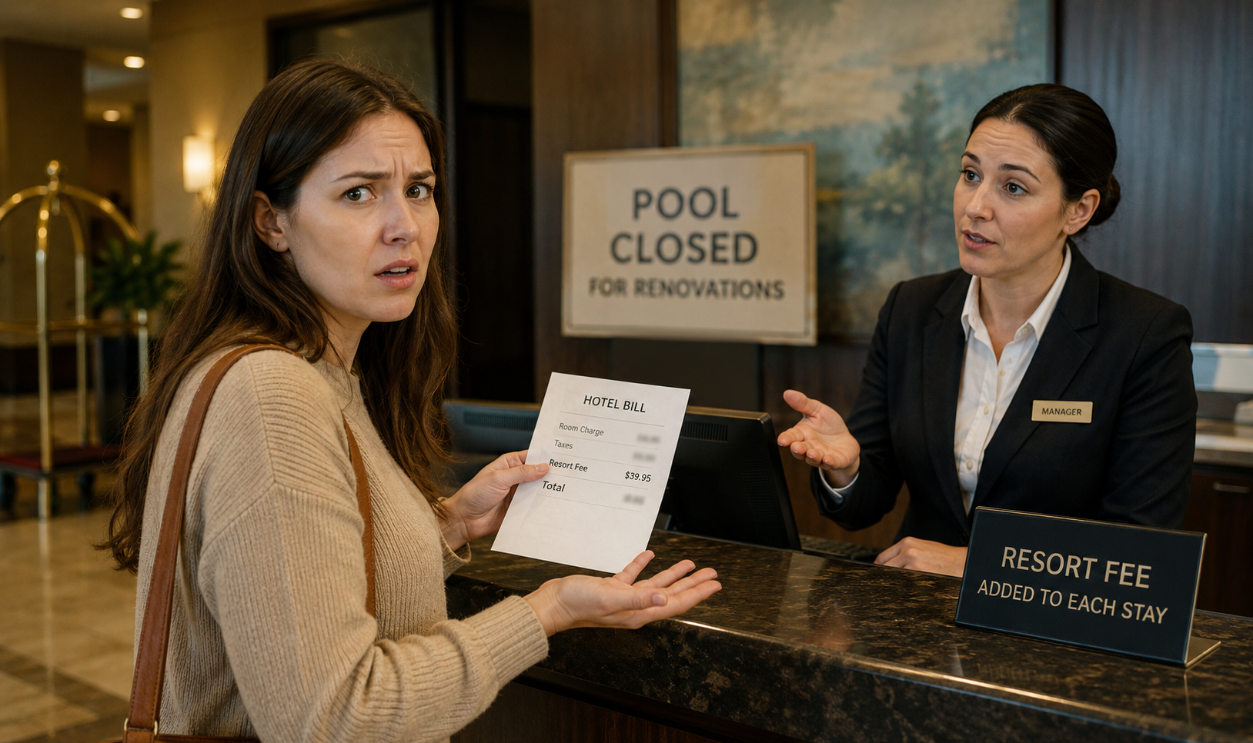
A resort fee is a mandatory charge added on top of the room rate for a bundle of amenities or services. Hotels often say it covers things like Wi-Fi, gym access, pool towels, beach chairs, or local calls. Because the fee is mandatory, consumer advocates and regulators have long argued it should be included in the advertised price from the start.
 Rodolfo L. Hernandez, Wikimedia Commons
Why Travelers Feel Blindsided
The problem is not just the extra cost. It is the gap between what guests expected and what they actually got. If the pool, spa, gym, or shuttle is closed, many travelers assume the fee should be reduced or waived. In practice, that usually does not happen unless someone pushes for it.
 Park Weggis (Nutzungsrechteinhaber), Wikimedia Commons
The Fee Fight Has Been Brewing For Years
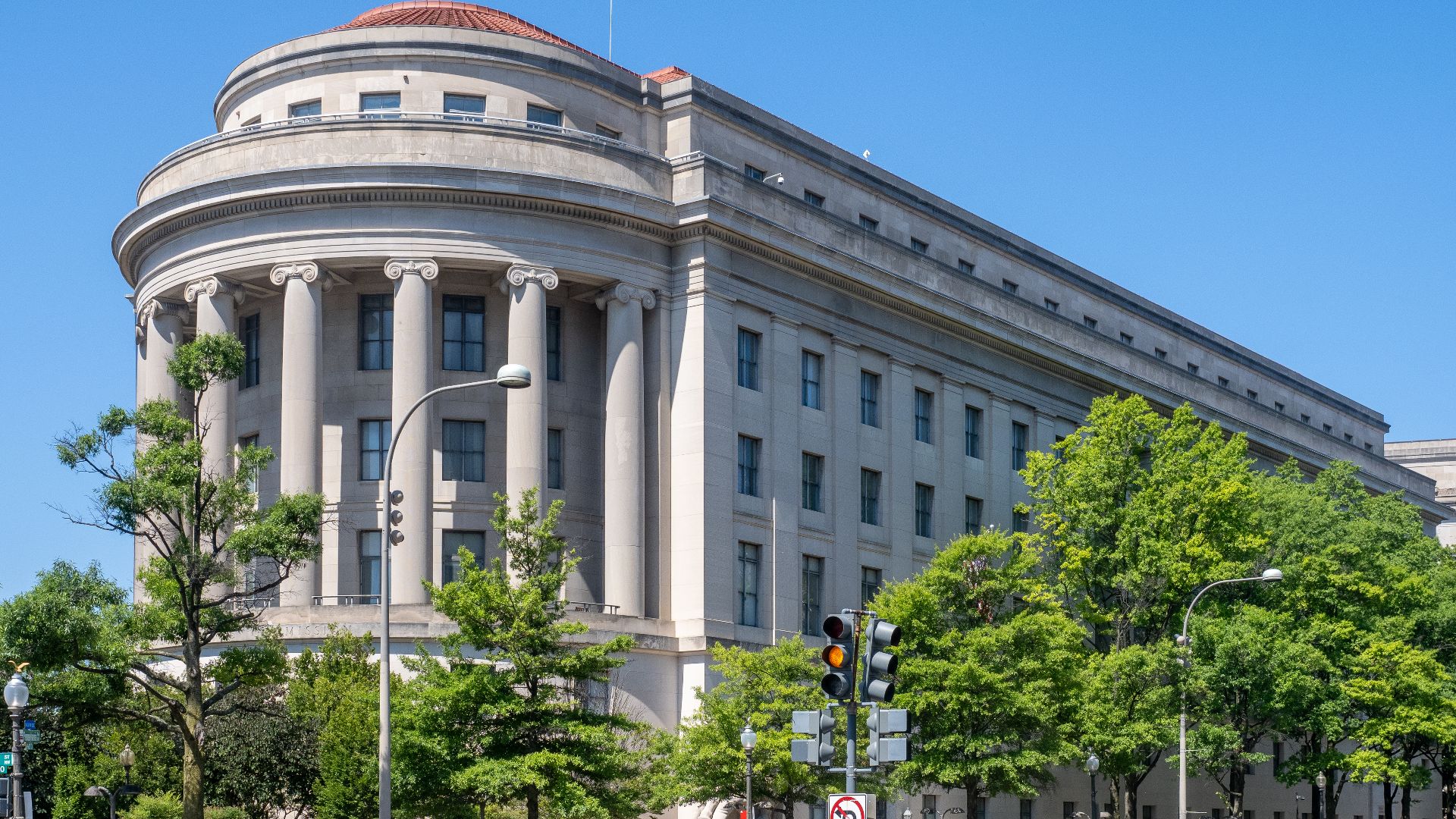
Federal regulators have been looking at hotel pricing for a long time. In 2012, the Federal Trade Commission sent warning letters to 22 hotel operators saying that leaving mandatory resort fees out of advertised room rates could mislead consumers under the FTC Act. That put the industry on notice that these charges were not just unpopular, but potentially deceptive.
The FTC Put Its Concerns In Writing
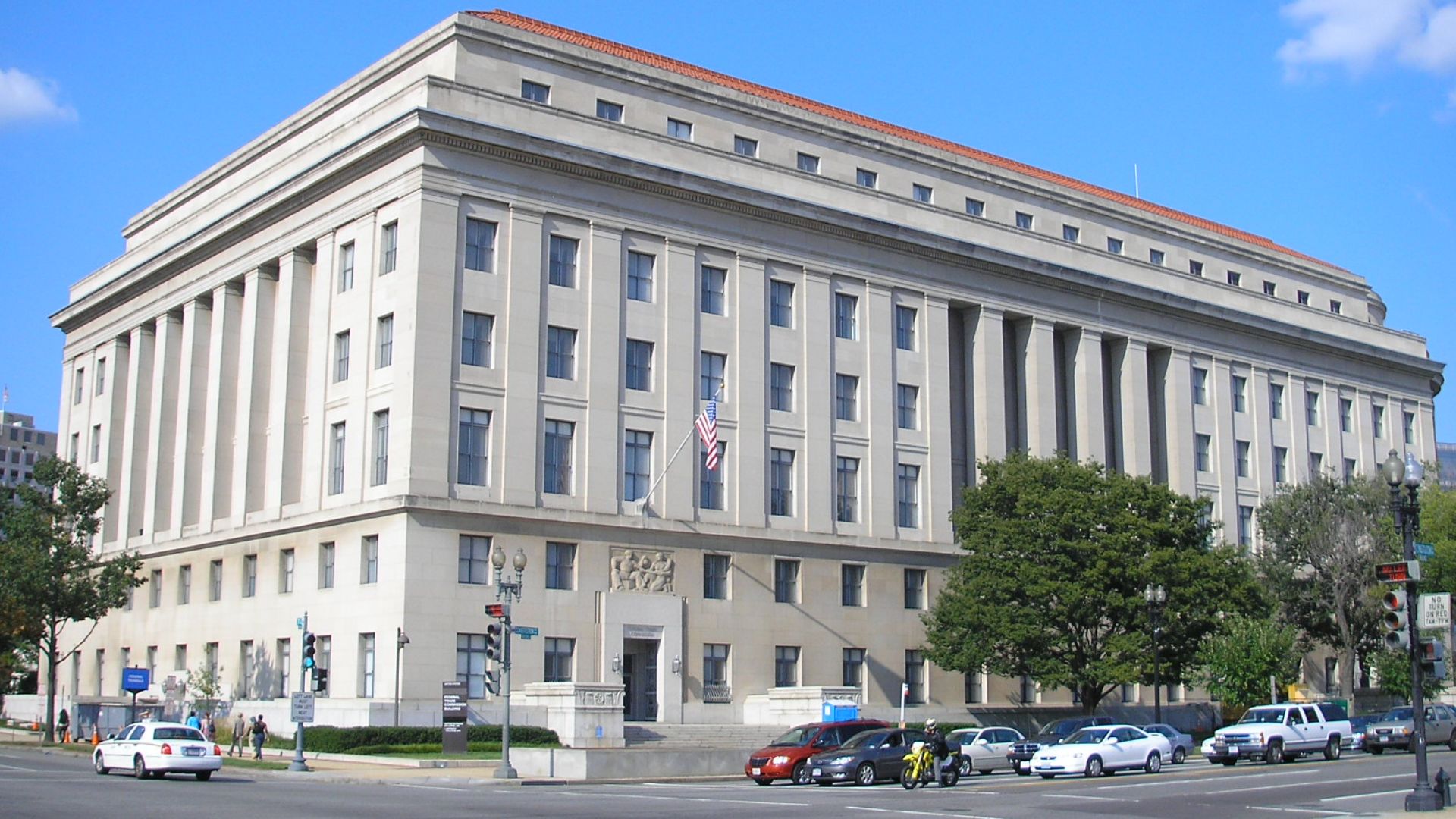
The FTC’s 2012 warning letters were made public in 2017, giving travelers a clearer look at the agency’s thinking. The FTC said splitting mandatory resort fees from the room rate likely hurt consumers by making comparison shopping harder and increasing search costs. In plain English, travelers were being drawn in by a lower headline price than the one they would really pay.
 ajay_suresh, Wikimedia Commons
Then Came A Major Federal Rule
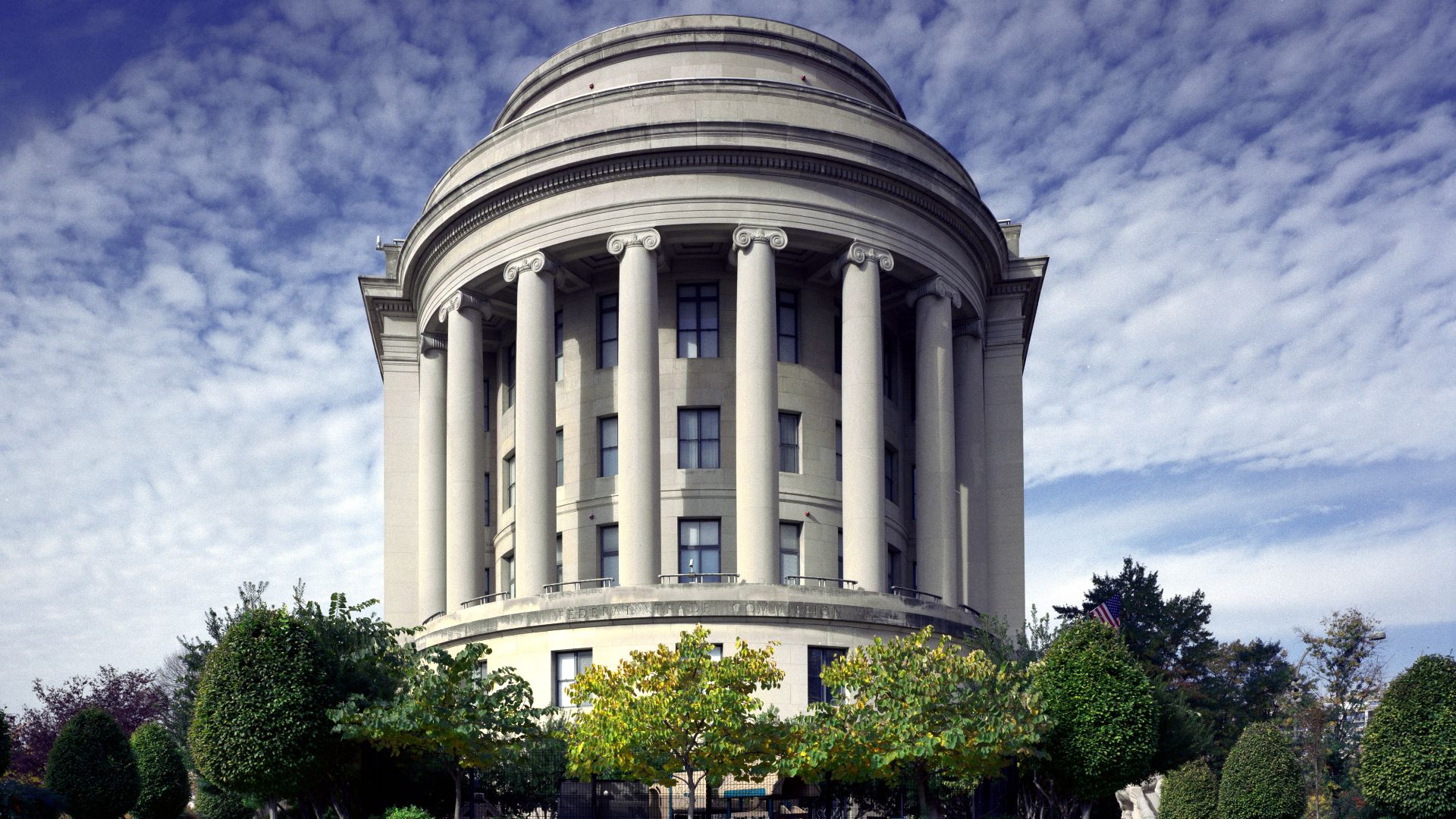
In December 2024, the FTC announced a final Rule on Unfair or Deceptive Fees. The agency said the rule bans bait-and-switch pricing and other tactics used to hide total prices and bury junk fees in live-event ticketing and short-term lodging. For travelers, that was a big development because hotels and vacation rentals would have to show total prices more clearly upfront.
 Carol M. Highsmith, Wikimedia Commons
What The New FTC Rule Covers
The FTC’s final rule focuses on short-term lodging and requires businesses to display the total price more prominently than other pricing information. The agency said the rule covers mandatory fees that consumers must pay, excluding only taxes, shipping, and certain government charges. That means a mandatory resort fee generally should not be missing from the main advertised price.

What The Rule Does Not Automatically Do
The FTC rule goes after deceptive price displays, but it does not guarantee that every closed amenity leads to a refund. A hotel can still try to justify a mandatory fee if it properly discloses the total price and the terms. At that point, the issue shifts from hidden pricing to whether the hotel misrepresented what the fee covered or failed to provide promised services.

California Went After Marriott
One of the biggest state actions came in California. In 2024, Attorney General Rob Bonta announced a settlement with Marriott International over allegedly misleading drip pricing practices, including mandatory resort fees that were not included in the initial room rate. The settlement required Marriott to disclose the total price for California consumers before booking.
 JCruzTheTruth, Wikimedia Commons
Why The Marriott Settlement Matters
The California settlement showed that states were not waiting for federal action. It also reinforced a simple point for travelers. If a fee is mandatory, regulators increasingly expect it to be part of the price you see upfront, not a surprise that appears near checkout.
 Sebastian Wallroth, Wikimedia Commons
Nebraska Took Aim At Hilton
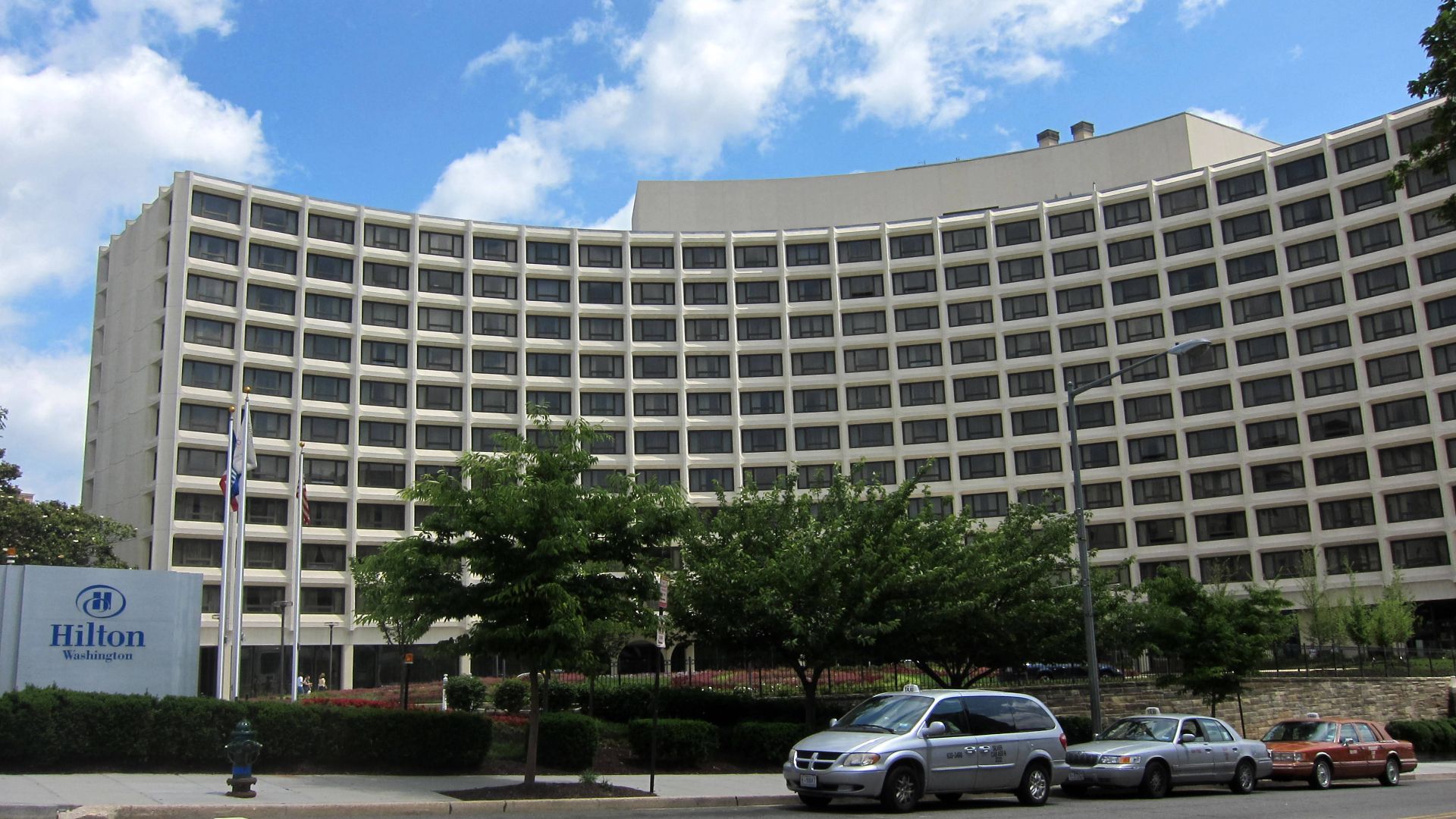
Another important state action came from Nebraska. Attorney General Mike Hilgers announced in 2024 that Hilton would make changes to pricing displays after the state challenged hidden resort and destination fees. According to the attorney general’s office, Hilton agreed to show Nebraskans the full price more clearly when booking.
Pennsylvania Also Pressed Marriott
In 2024, Pennsylvania Attorney General Michelle Henry announced a settlement with Marriott over allegedly deceptive resort and destination fee practices. The office said Marriott would display these mandatory fees in the total advertised price for consumers. That was another sign at the state level that regulators did not see this as a minor annoyance.
 (PCatalunya) from the skyscrapercity.com forum, Wikimedia Commons
Why Closed Amenities Create A Different Problem
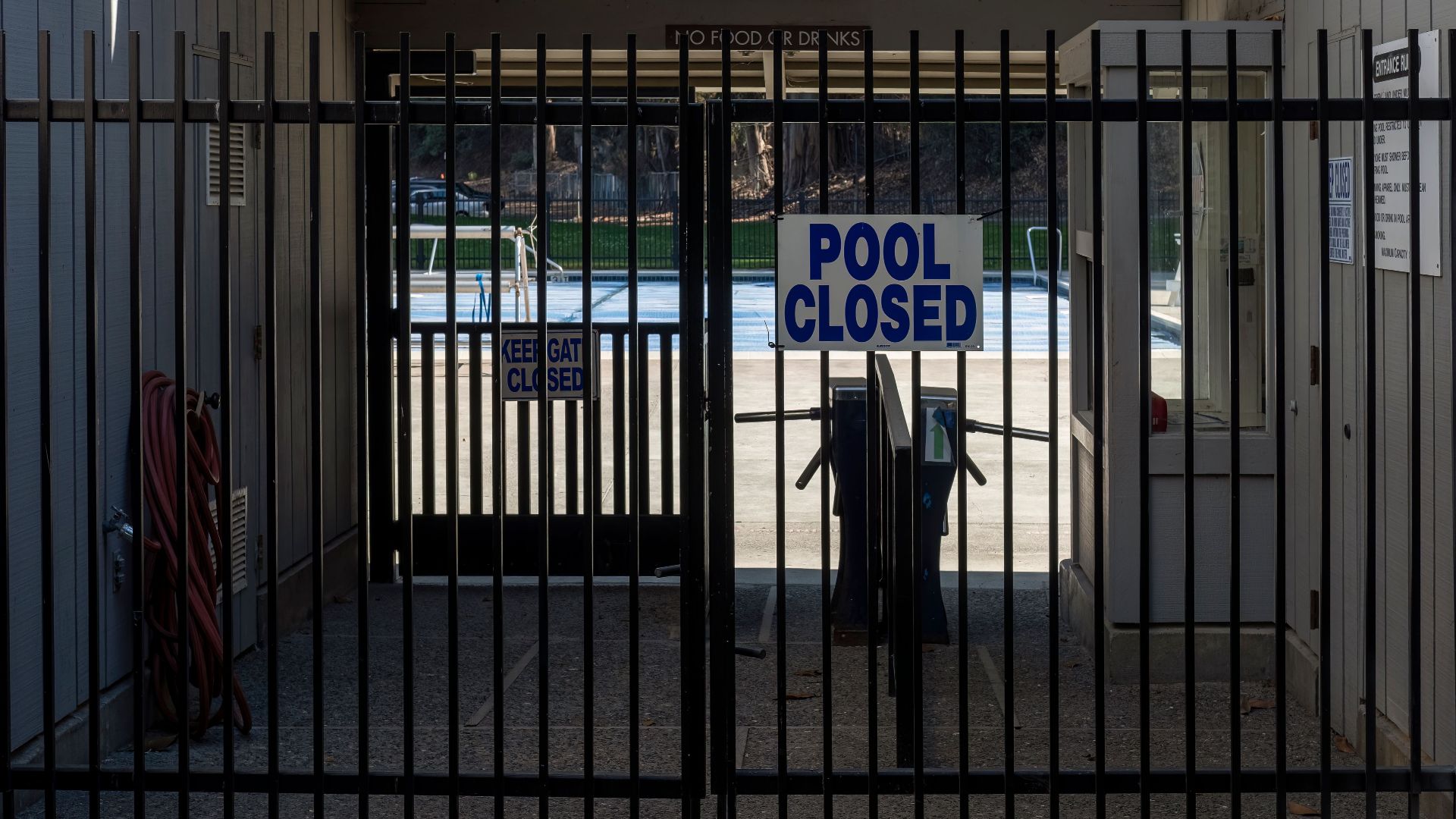
There are really two separate issues here. One is whether the hotel hid a mandatory fee during booking. The other is whether the hotel charged for amenities or benefits it did not actually provide because of renovations, seasonal closures, or other shutdowns.

Can Hotels Still Charge The Fee If Things Are Closed
Sometimes, yes. If the fee is described broadly and the hotel still provides some included services, it may still try to collect the full charge even when a pool or spa is unavailable. That does not necessarily make the charge fair, but it helps explain why front desks often say the fee is “standard” or “required.”

The Contract Fine Print Often Decides It
Your booking confirmation, the hotel’s terms, and the property’s amenity disclosures matter a lot. If the hotel promised access to specific facilities and those facilities were closed, you may have a stronger case that the fee was misrepresented. If the hotel used vague language and disclosed possible closures, getting a refund becomes harder.

Renovations Should Be Disclosed Before You Book
Hotels usually know when a major renovation will affect guest amenities. If a pool, spa, restaurant, or beach access point is closed, that can matter to someone deciding whether to book. The more central that amenity is to the resort experience, the stronger the argument that failing to disclose it could mislead guests.
The FTC Warned About Misleading Price Practices, Not Specific Pools
It helps to be precise here. The FTC’s hotel fee actions have focused on deceptive pricing and hidden mandatory charges, not on a blanket rule saying every closed pool wipes out every resort fee. That matters because many renovation disputes turn on state consumer protection law, advertising claims, and the exact language the hotel used.

What You Should Do At Check In
If you discover closures when you arrive, do not wait until checkout. Ask the front desk right away for a written note confirming which amenities are unavailable, and request a resort fee waiver or partial credit on the spot. It is much easier to build a paper trail in real time than after the trip is over.

What To Say When You Ask For A Waiver
Be polite but direct. Say that the mandatory fee was presented as covering amenities that are not available, and ask which services are still open that justify the charge. Then request either a full waiver or a partial reduction based on the closures.

Take Screenshots Before You Arrive
One of the smartest things you can do is save the booking page, amenity list, and any promotional language before the trip. If the website highlighted a pool, spa access, or resort activities without clearly warning about closures, those screenshots can help support your complaint. They are especially useful if the hotel later changes the listing.

Escalate Beyond The Front Desk If Needed
If the property says no, ask for the general manager and then the brand’s customer care department. Large chains often have centralized guest relations teams with more flexibility to offer points, statement credits, or partial refunds. Keep your complaint factual and include your screenshots and photos of closure notices.

Credit Card Disputes Can Help In Some Cases
If the hotel charged a mandatory fee for amenities it clearly failed to provide, you may consider disputing that portion with your credit card issuer. This tends to work best when you have strong documentation showing that the hotel’s representations were inaccurate or incomplete. A card dispute is not guaranteed, but it can put pressure on a merchant to resolve the issue.

State Attorneys General Are Worth Knowing About
If your complaint points to a broader deceptive pricing practice, a state attorney general’s office may want to hear about it. Recent actions in California, Nebraska, and Pennsylvania show that states have been active on resort fee issues. Individual complaints can help regulators spot patterns worth investigating.
 California Attorney General's office, Wikimedia Commons
The CFPB Has Also Targeted Junk Fees More Broadly
The Consumer Financial Protection Bureau has spent the past few years highlighting junk fees across industries, even though hotel resort fees are not its main enforcement area in the same way lodging falls under the FTC’s work. The bigger point for travelers is that mandatory surprise charges have drawn steady attention from multiple regulators. That makes it harder for the industry to argue that consumers are fine with these fees.
 Tony Webster, Wikimedia Commons
Industry Pushback Has Been Predictable
Hotel companies have argued that resort fees help fund bundled services and let them present room pricing in a certain way. Critics respond that if the fee is mandatory, it is part of the room price no matter what name is attached to it. That criticism gets even sharper when core amenities are closed and guests still pay the same extra charge.

How To Reduce The Odds Of Getting Stuck
Before booking, search the hotel name along with terms like “renovation,” “pool closed,” and “resort fee.” Check recent reviews on more than one platform, and look for traveler photos taken within the past few weeks. If the resort fee is substantial, call the hotel directly and ask which amenities are currently unavailable, then ask for that answer by email.

When A Resort Fee Might Be More Defensible
A hotel may have a stronger argument if the fee covers several services and only one minor amenity is closed. For example, if Wi-Fi, gym access, bottled water, and local transportation are still available, a full waiver may be harder to win. But if the signature pool complex, spa, and main restaurant are all offline, the hotel’s position starts to look much weaker.

The Bottom Line For Travelers
Yes, hotels have often been allowed to charge resort fees even when some amenities were closed, especially if the fee was disclosed and the terms were broad. But regulators are cracking down more aggressively on hidden mandatory charges, and guests can still challenge fees tied to services that were not actually delivered. If it happens to you, act fast, document everything, and push for a waiver while you are still on the property.