That Checkout Clock Can Get Surprisingly Serious
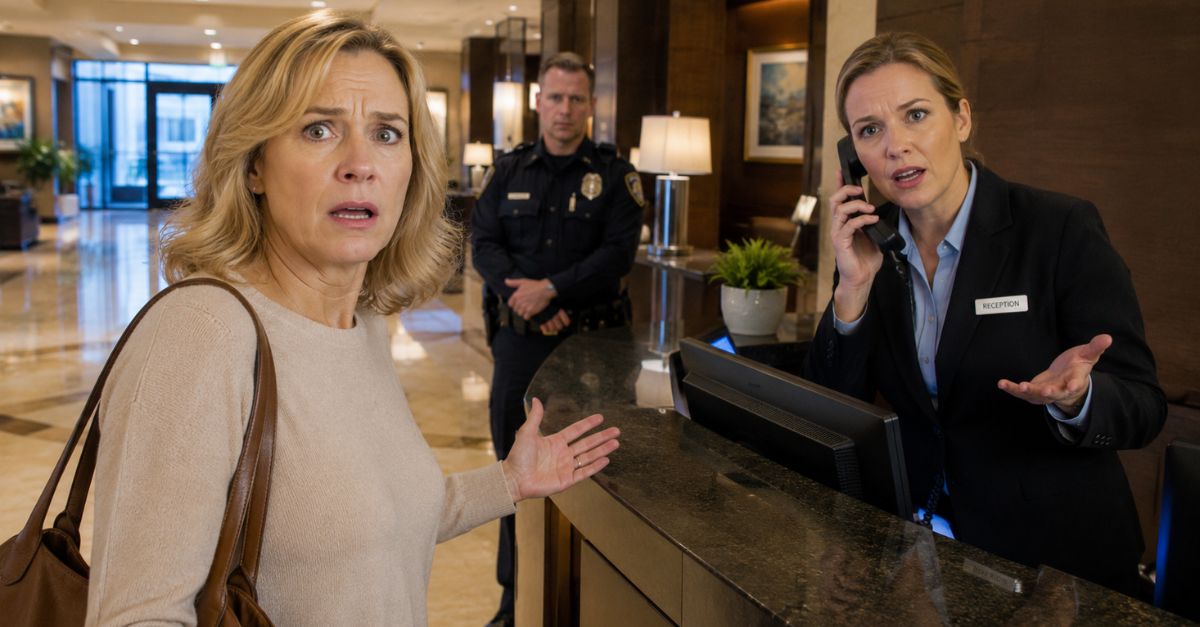
Missing checkout by an hour can seem like no big deal, especially after a bad night, a delayed flight, or a kid who finally fell asleep. But at some hotels, staying past checkout can shift fast from an awkward front desk call to a legal problem. The short answer is that calling police over a one-hour late checkout is definitely abnormal, but it can actually happen under certain hotel policies and state laws.
Hotels Usually Start With A Much Simpler Response
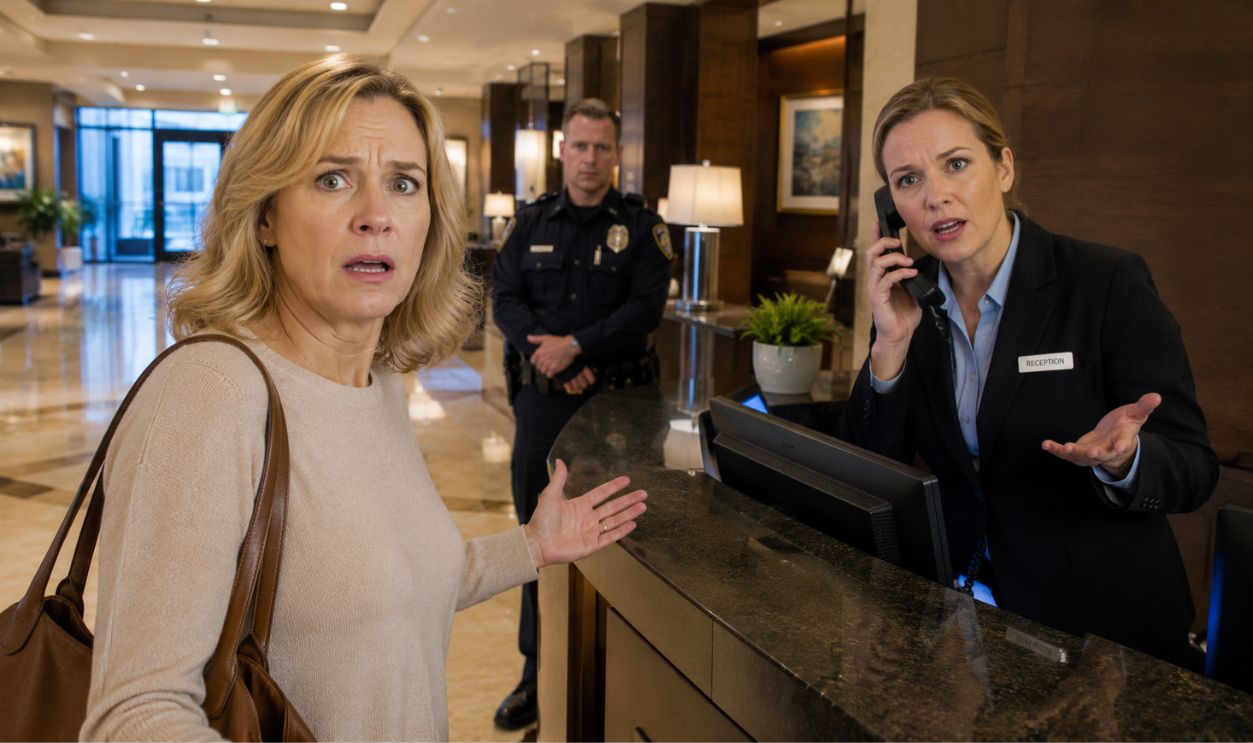
Most of the time, a hotel deals with late checkout by charging a fee, extending the stay if rooms are available, or sending staff to contact the guest. Industry guidance for hotel operators generally treats late checkout as a billing and operations issue first. So an immediate call to police over a short delay would usually be an escalation, not the standard first step.
Why Hotels Care So Much About One Extra Hour
Hotels are not just protecting a room key and a minibar. They are running on a tight turnover schedule that affects housekeeping, arriving guests, and sometimes a fully booked property. The American Hotel & Lodging Association has long pointed to room readiness as a core operations issue, which helps explain why even a short delay can get a firm response.

The Important Distinction Is Permission
The biggest legal question is often not whether you stayed one hour too long, but whether the hotel told you to leave and you refused. Once a hotel takes back permission for you to stay in the room, some states may treat it as trespass instead of a simple billing issue. That is when police involvement becomes a lot more likely.

Innkeeper Laws Give Hotels Broad Control
Many states have innkeeper laws that let hotels remove guests under certain conditions, including nonpayment or breaking house rules. These laws exist because hotels are often treated differently from long-term rentals. The exact line depends on the state, which is why one hotel may just add a fee while another may warn that law enforcement could be called.
Florida Shows How Quickly A Hotel Stay Can Become Trespass
Florida law is one of the clearest examples in these disputes. Under Florida Statutes section 509.141, a guest who stays after being told to leave by the operator can be treated as trespassing. The law also says that law enforcement must remove the guest if notice has been given and the guest still refuses to leave.

What That Florida Law Actually Says
The Florida statute covers lodging guests who refuse to leave after being directed to do so by the operator or an agent of the operator. It also covers nonpayment and other grounds for removal. That matters because it shows that in some places, police involvement is built into the law and not just something a hotel made up on the spot.

Texas Also Gives Hotels A Structured Removal Process
Texas law offers another clear example. Under the Texas Occupations Code, a hotel can remove a guest who does not leave by the posted checkout time after getting notice. The law lays out notice procedures and gives hotels a path to treat the guest as someone who no longer has the right to stay in the room.

Notice Matters More Than The Exact Number Of Minutes
Being an hour late by itself does not automatically sound like a police matter. But if the hotel posted the checkout time, called the room, knocked on the door, and clearly told you to leave, the legal picture changes. In states with hotel-specific removal laws, refusal after notice is the key fact.

Consumer Advice Usually Assumes Fees, Not Squad Cars
Mainstream travel advice from places like NerdWallet and other consumer travel guides usually describes late checkout as something handled with an extra fee or an approved extension. That reflects how most hotels prefer to deal with it. Police usually enter the picture only when communication breaks down or the guest refuses to leave.

Why Police Calls Feel So Extreme To Guests
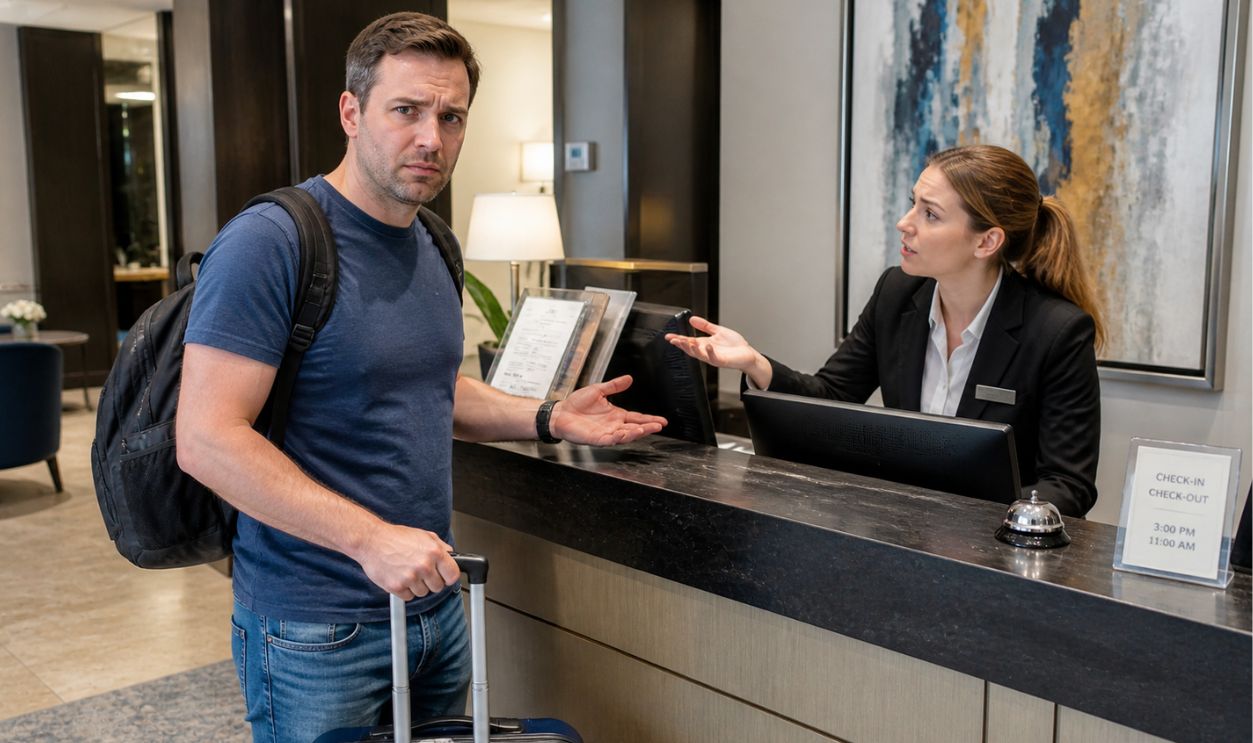
To travelers, a checkout dispute often feels like a paperwork issue, not a criminal one. You may think you are asking for a little grace period while the hotel believes it already ended your right to stay. That mismatch is exactly why these situations can spiral so quickly and catch guests off guard.
Hotels Are Not Landlords In A Typical Short Stay
This is one of the biggest points people miss. In a normal hotel stay, guests usually do not have the same protections that tenants have under landlord-tenant law. That legal difference is why a hotel can often move much faster than an apartment complex when someone refuses to leave.

Longer Stays Can Change The Equation
The rules can get less clear if someone has stayed long enough to possibly qualify for tenant-like protections under state law. That cutoff varies, and it is one reason extended-stay and weekly-rate properties can be more legally tricky. But for a standard short booking, hotels usually keep broader power to remove a guest.

Standard Practice Depends On The Property
A luxury resort, an airport hotel, and a budget motel may all respond differently to the same late departure. Some quietly charge a half-day rate and move on. Others follow stricter procedures, especially when occupancy is high or staff warnings have already been ignored.
 KONSTANTIN_SHISHKIN, Shutterstock
Sold Out Nights Make Staff Less Flexible
If the hotel is full and another guest is due into that room, every late checkout creates pressure. Housekeeping falls behind, front desk staff deal with complaints, and management may have little reason to negotiate. In those cases, the odds of a tougher response go up.

Late Checkout Is Usually Negotiable Before It Becomes A Problem
Most major hotel brands let guests ask for late checkout through the front desk, hotel apps, or loyalty perks, depending on availability. If it is approved, the hotel updates the reservation and the stay stays authorized. Trouble usually starts when guests assume silence means yes.

Assumptions Are Where Checkout Disputes Go Wrong
A traveler may think, “I am only an hour late, they can just charge me.” A hotel may think, “We gave notice, the stay is over, and staff safety matters.” Both sides may think they are being reasonable, but only one side controls the room.

Police Involvement Does Not Always Mean Arrest
Even when police are called, the situation may end with an officer simply telling the guest to pack up and leave. In some cases, no charges follow if the person complies. The call is still serious, but it is often used to enforce removal rather than to start a criminal case over a checkout fee.
But Arrests Can Happen If A Guest Refuses
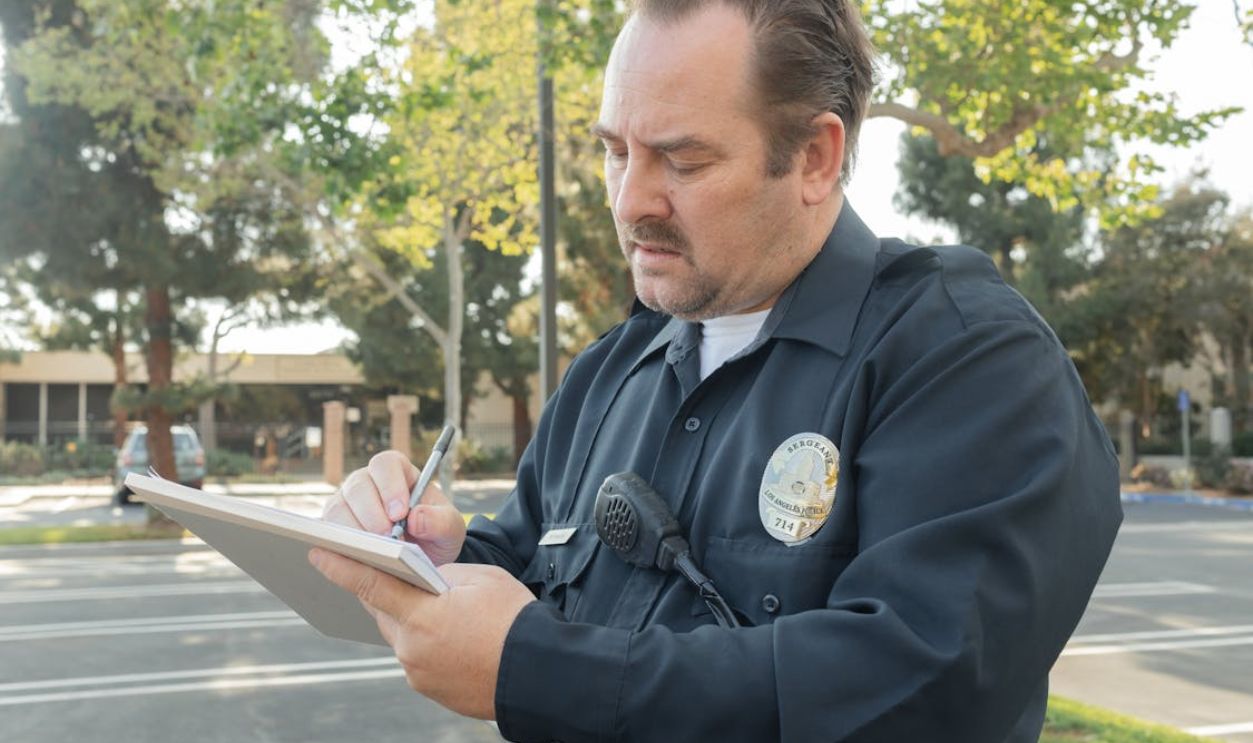
If a guest keeps refusing to leave after notice and after police show up, trespass charges can become a real possibility in places with relevant laws. That is why arguing that “it is only one hour” can be risky. Once the hotel moves the issue from billing to unauthorized occupancy, the stakes change.

How To Tell If A Hotel Is Overreacting
If no one contacted you, no one denied an extension, and the hotel jumped straight to police over a short delay, many travelers would see that as excessive. Hotels usually have several lower-level options first. In situations like this, the exact timeline matters.

How To Tell If The Hotel Is Following Procedure
If checkout time was posted, staff tried to reach you, an extension was denied, and you were clearly told to leave, the hotel may be following normal legal procedure for that state. That does not make it pleasant. It does mean the hotel may be relying on established innkeeper or trespass rules instead of improvising.

Travel Advisors Often Give The Same Simple Tip
If you know you need more time, ask early and get the answer in writing if you can. A note on the reservation, an in-app confirmation, or a quick message at the desk can save a lot of trouble. The best late checkout is the one housekeeping already knows about.

What To Do If You Wake Up Late
Call the front desk right away and be direct. Ask whether you can get a short extension and what fee, if any, applies. If the answer is no, start packing immediately and do not let a fee issue turn into a trespass issue.

What Not To Do In A Checkout Standoff
Do not assume you can sort it out later by paying more. Do not ignore knocks, keep the deadbolt on, or make staff repeat themselves while you argue about policy. That makes it much more likely that management will treat the situation as a refusal to leave.

If Police Are Called, Keep It Calm
If officers show up, the smartest move is usually to comply first and complain later. Gather your things, leave the room, and write down the timeline once you are somewhere safe and calm. If you think the hotel acted unfairly, you can dispute charges, contact corporate, or ask a lawyer afterward.
The Best Evidence Is Boring Evidence
Save texts, app messages, folio details, call logs, and any receipt showing a late checkout approval or fee. If the hotel says you were warned, your records may help show what was actually communicated. In disputes like this, timestamps matter much more than outrage.

So Is Calling Police Over One Hour Late Standard Practice
Usually not as the first move. At many hotels, standard practice is to charge a fee or deny extra flexibility next time, while police involvement is more likely after a guest has been told to leave and refuses. The real dividing line is not the extra hour itself, but whether your permission to stay had ended and whether you left once you were told to.