The Incognito Myth That Refuses To Die
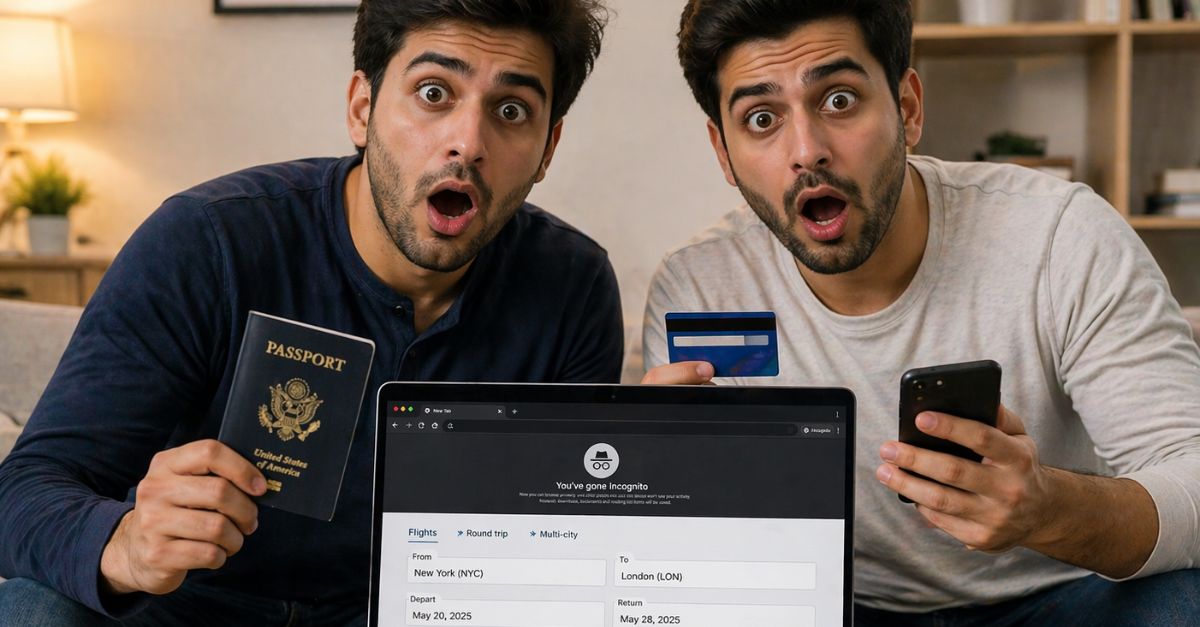
If you have searched for flights more than once, you've probably heard the warning. Check too often, the story goes, and airlines or booking sites will spot your interest and quietly raise the fare—but incognito mode can get around this shady practice. It's one of the internet’s most stubborn travel myths, partly because it sounds just believable enough to be true.
Why The Idea Feels So Real
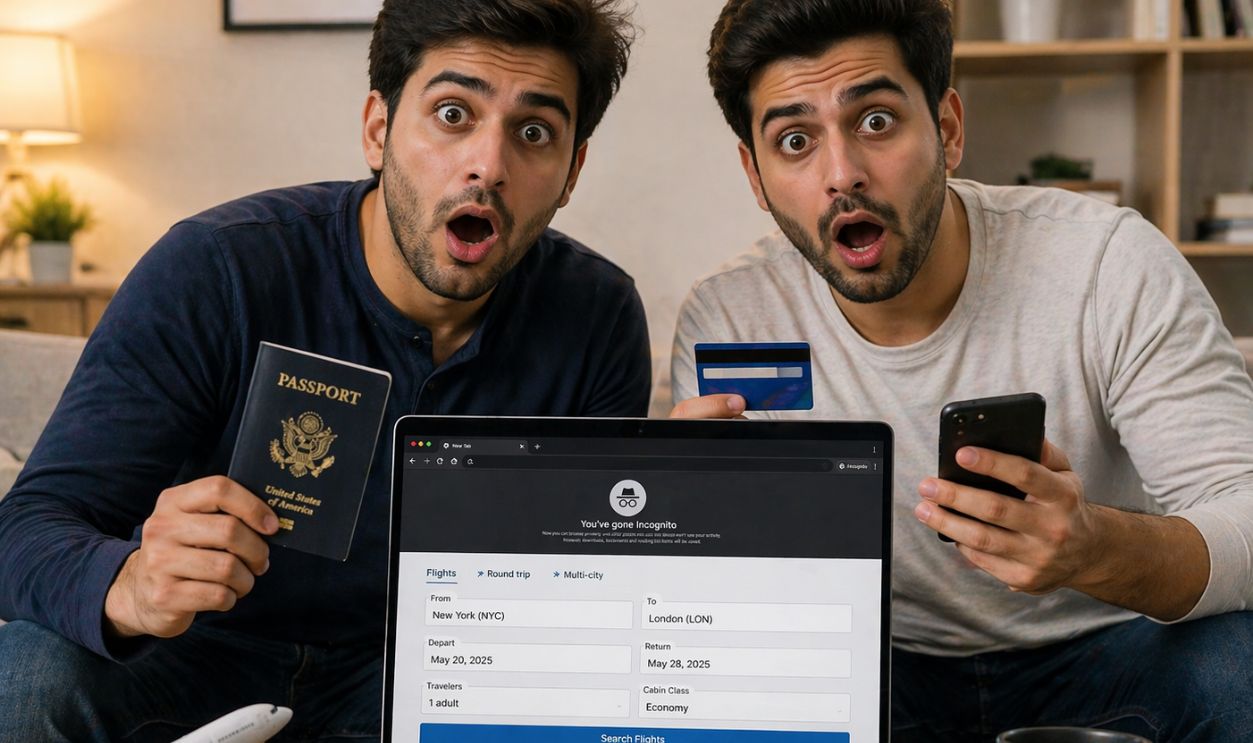
Anyone who has watched a fare jump in a matter of hours knows the feeling. You search a route, think it over, come back later, and the price is suddenly higher. It is easy to blame cookies, browser tracking, or your own repeated searches.

What Incognito Mode Actually Does
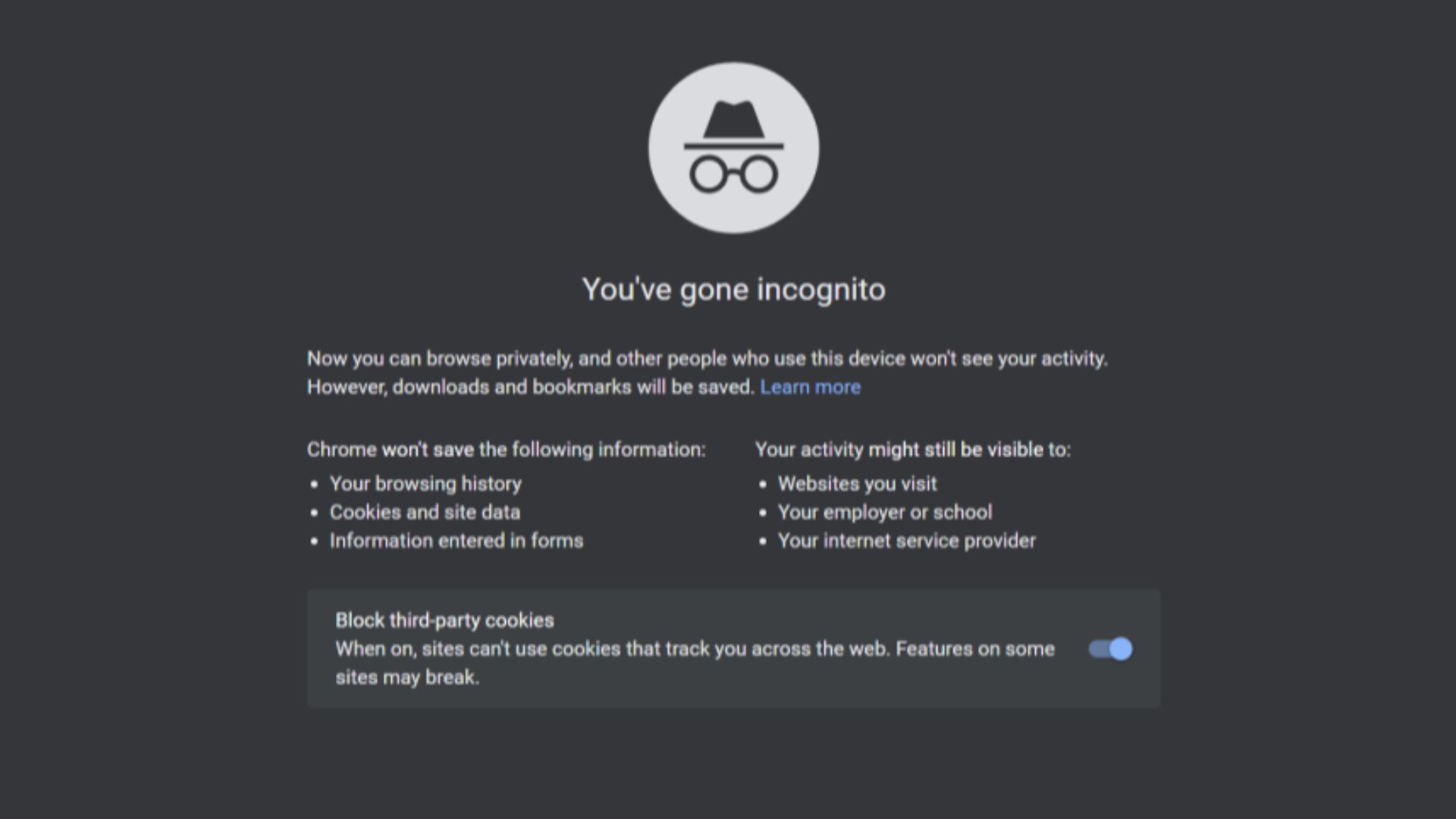
Incognito mode, also called private browsing, mainly stops your browser from saving local history, cookies, and form data after the session ends. Google says it does not make you invisible to websites, your internet provider, your employer, or the sites you visit. In other words, it helps with local privacy, not secret flight deals.
 The Incognito Guy, Wikimedia Commons
The Claim Has Been Tested Again And Again
This rumor has not just lived on social media. Journalists, consumer groups, and travel companies have looked into it for years. The key point is simple: repeated testing has not turned up solid evidence that using incognito mode by itself gets you cheaper airfare.

A Big 2016 Study Helped Shape The Debate
In 2016, CheapAir.com published results from a large airfare study that tracked 1.3 billion airfares. The company said it found no evidence that airlines were raising prices because of a customer’s search history or cookies. That finding became one of the most cited pushbacks against the incognito booking myth.
 JeremyBryant6, CC BY-SA 3.0, Wikimedia Commons
Google Has Addressed The Rumor Too
Google, which runs both Google Flights and the Chrome browser, has pushed back on the claim. Its public guidance on booking flights says prices can change often because of supply and demand, route popularity, and timing. That matches what most airfare analysts say: market forces matter far more than private browsing.
Expedia Said The Same Thing Earlier
Back in 2015, Expedia told The Washington Post that it does not use cookies to increase prices based on repeated searches. That was a notable public denial from one of the biggest online travel companies. It did not kill the rumor, but it added another major voice saying the theory was off base.

Consumer Reports Found Little Support For The Hack
Consumer Reports has also looked at flight-booking myths and found little evidence that incognito mode leads to lower prices. Its advice has focused more on comparison shopping, flexible dates, and price alerts. That may be less dramatic than a browser trick, but it is far more useful.
So Why Do Prices Change So Fast
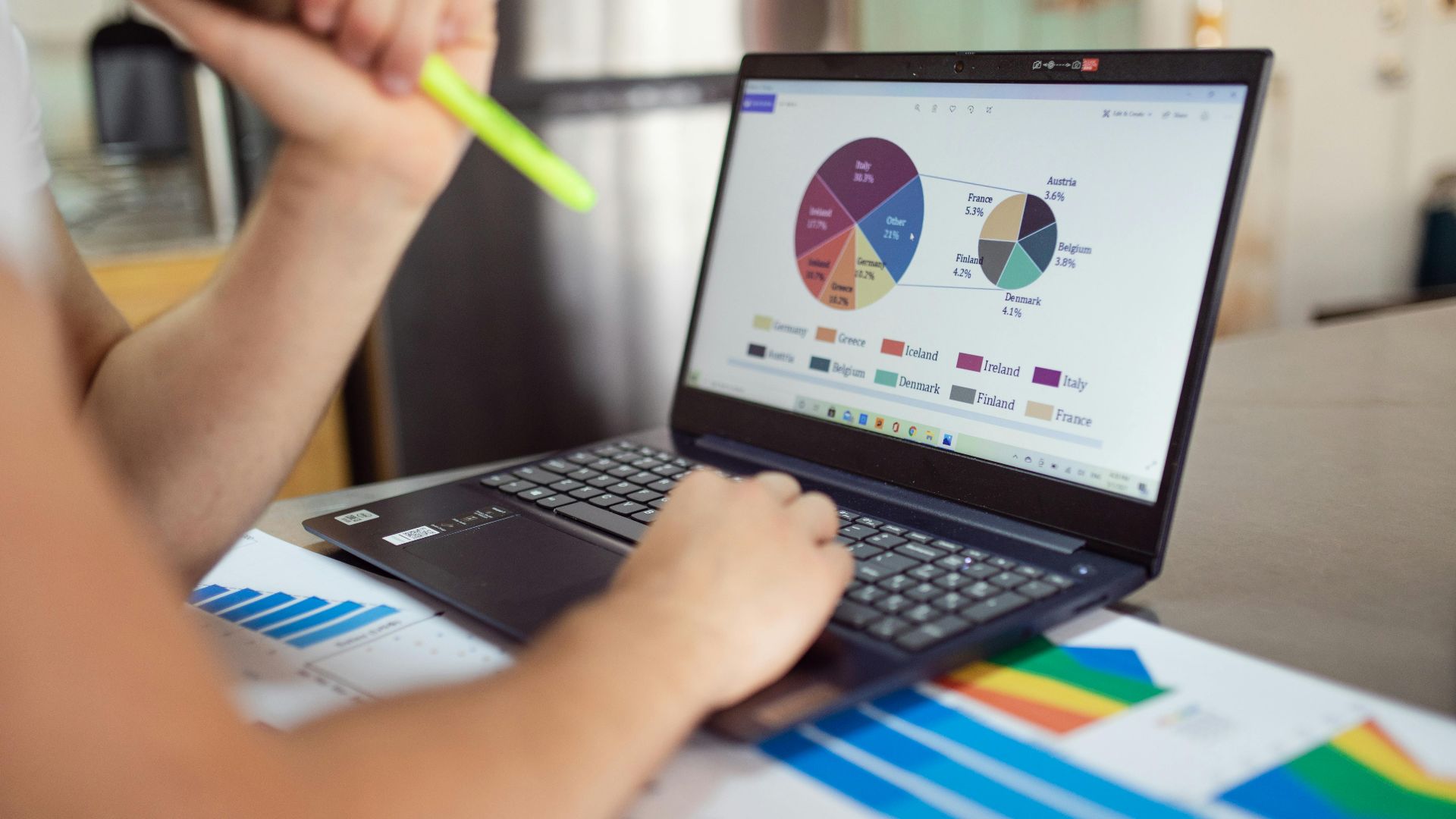
Airfares are dynamic, and that is the real reason this myth sticks around. Airlines and booking platforms change prices all the time based on inventory, demand, competition, season, and how close the departure date is. A fare can rise while you are making coffee, whether you are in a regular browser window or an incognito one.
Airline Pricing Is Designed To Move
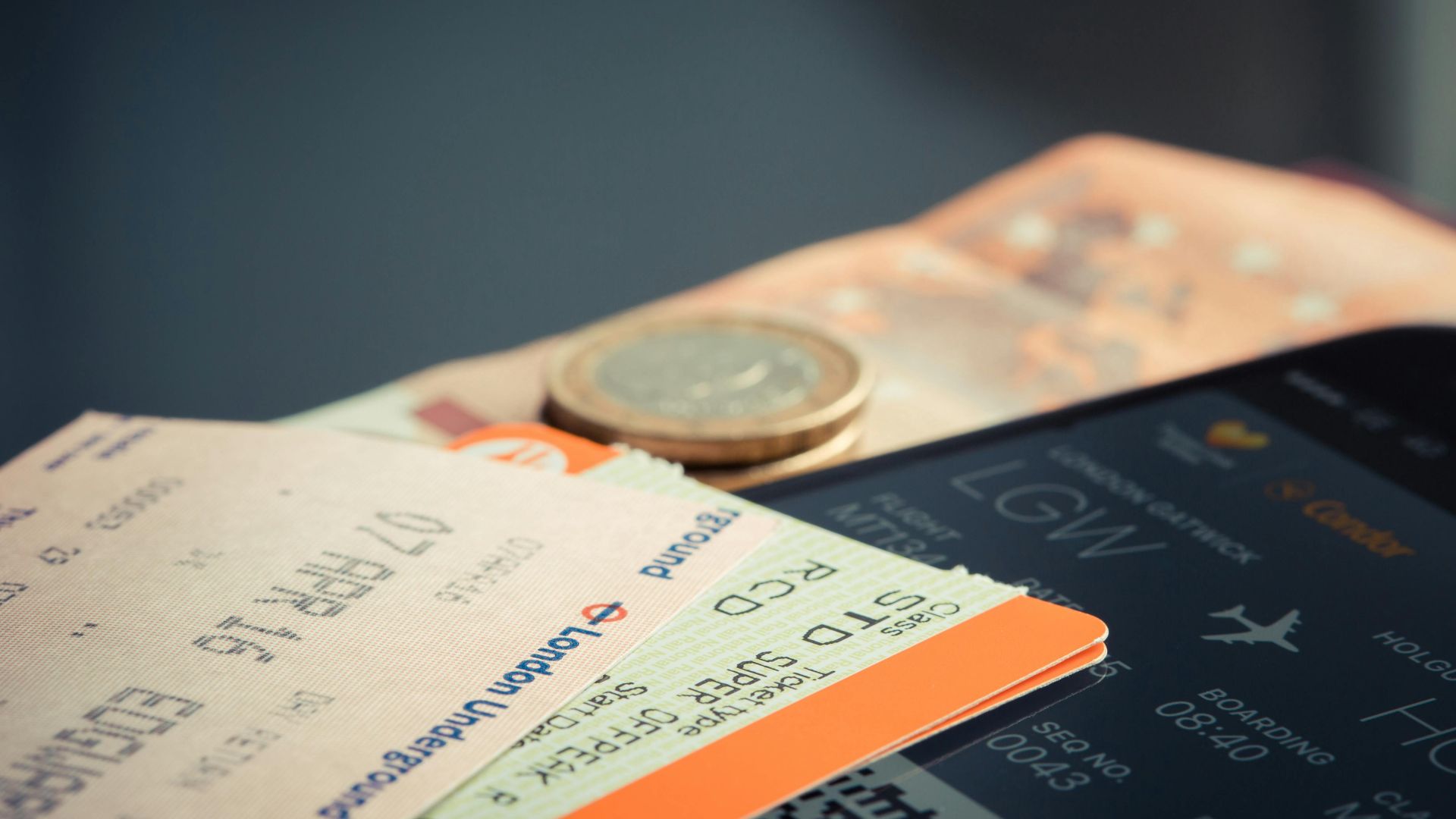
Modern airline pricing systems have been doing this for decades. Airlines sort seats into fare buckets, and once the cheaper buckets sell out, the next seat can cost more. To travelers, that can feel personal. Usually, though, it is just inventory shifting in real time.
There Is A Small Grain Of Truth Behind The Suspicion
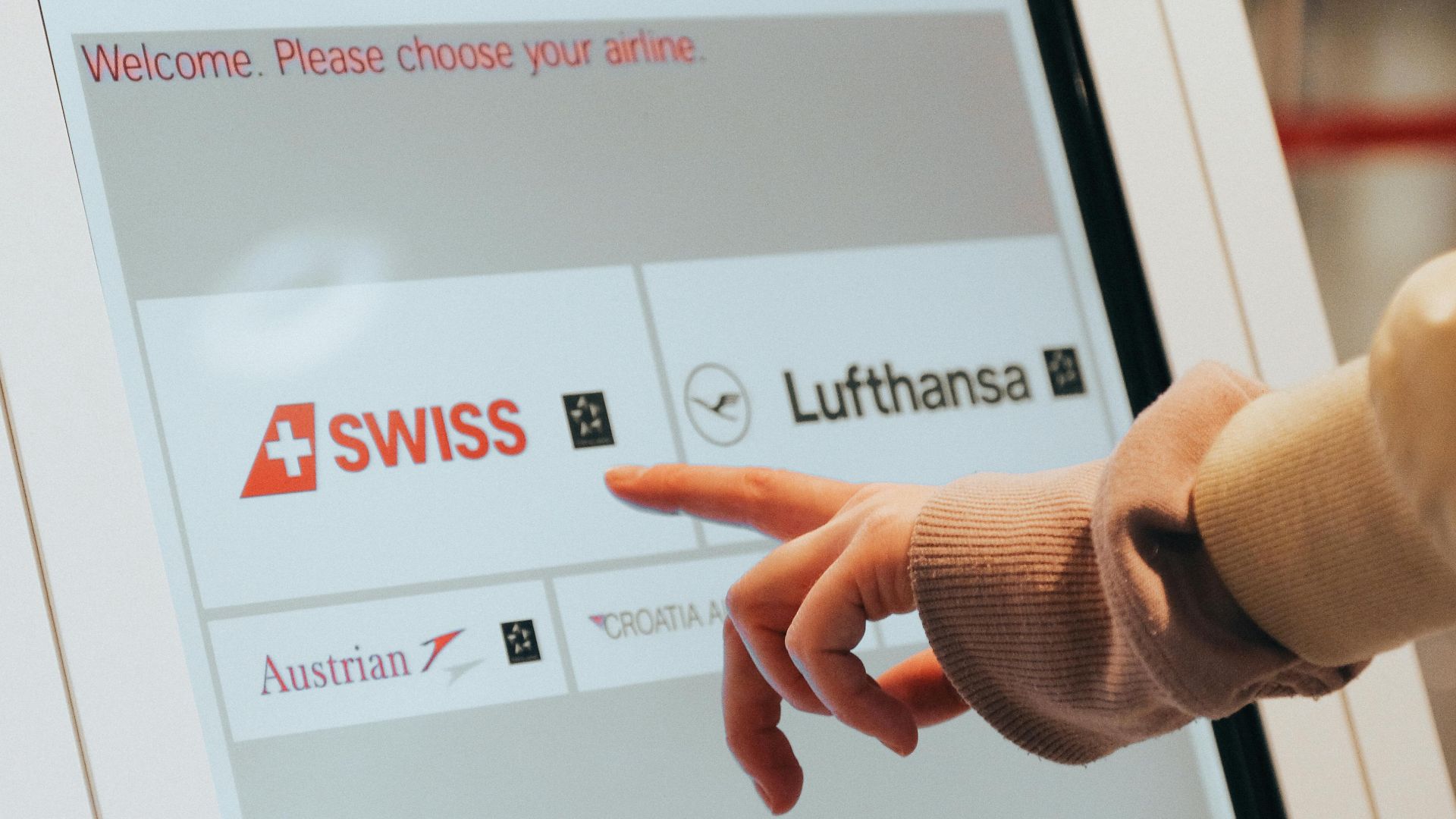
Travel sites can personalize parts of the online experience, just not in the simple way the rumor claims. Cookies may remember your preferences, language, currency, or login details. But that is very different from proving that an airline is charging you more just because you searched the same route twice.

Private Browsing Is Not Anonymous Browsing
Even in incognito mode, websites can still see broad signals like your IP address, device type, and location. Google is clear about that in its help pages. So if a site wanted to adjust pricing by market or geography, private browsing alone would not fully stop that anyway.
Location Can Matter More Than Incognito Mode
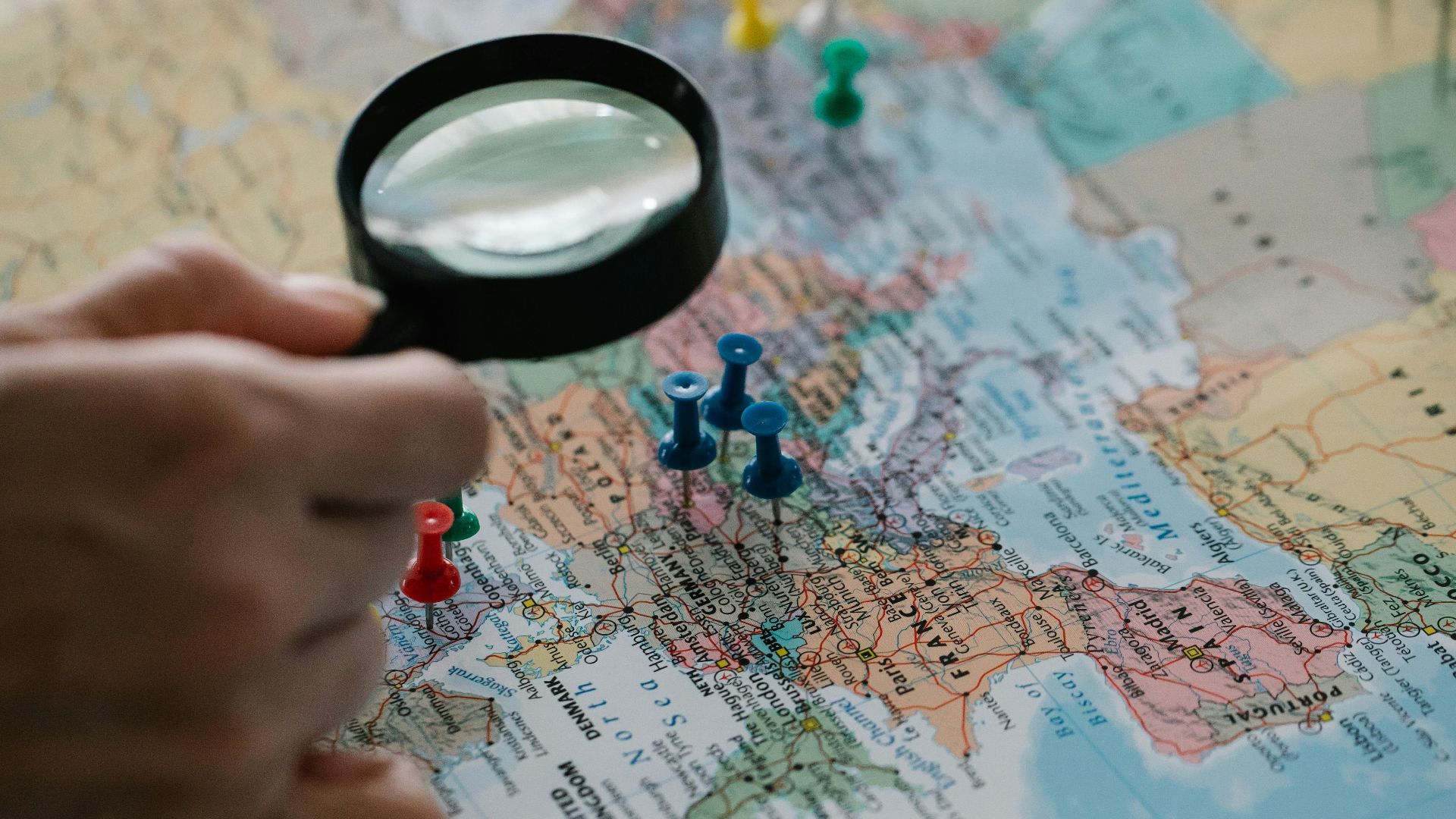
One detail that does have some basis in reality is point-of-sale and market-based pricing. Some fares can differ by country, currency, or where the ticket is issued. That is not the same as punishing repeat searchers, but it helps explain why some travelers see different prices on different devices or networks.
Currency Differences Add To The Confusion
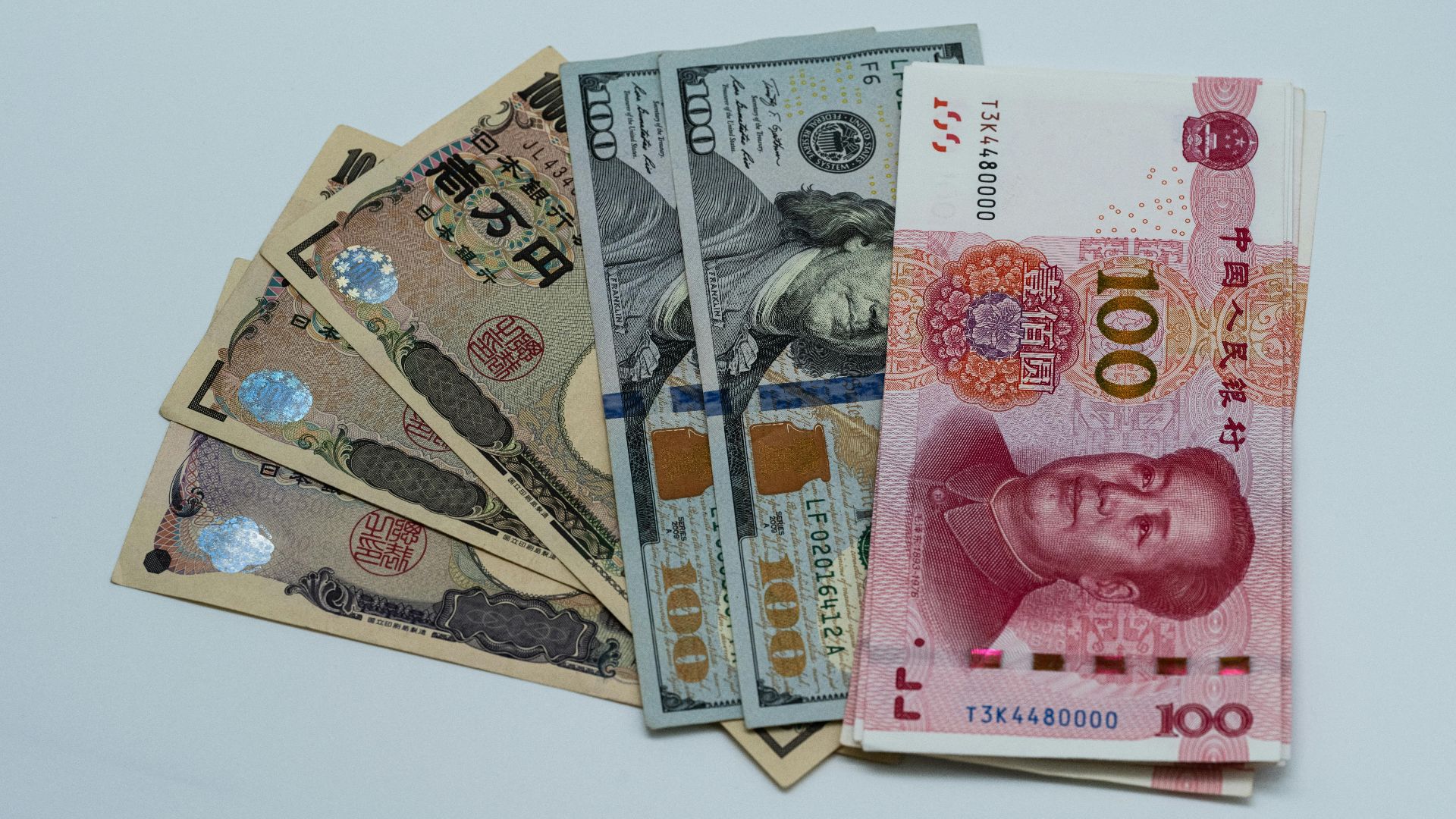
A fare shown in one currency can seem cheaper or more expensive after conversion, taxes, and card fees. Some booking sites also show region-specific offers or bundles. That can make it look like private mode worked when the real difference came from geography or currency settings.
Flash Sales And Fare Buckets Create False Patterns
Another reason this myth survives is timing. A cheap fare might vanish because a limited number of seats sold out, not because the site recognized your browser. If you clear cookies or switch to incognito right after that, it is easy to give credit to the browser change for a price shift that was already happening.

Travel Reporters Have Tried To Catch It In Action
News outlets and travel writers have run side-by-side searches in regular and incognito windows for years. The usual result is inconsistency, not a reliable incognito discount. Sometimes the prices match exactly, and sometimes they differ for reasons that are hard to pin on cookies alone.

What Experts Recommend Instead
Instead of relying on private browsing, airfare experts usually recommend tools like fare tracking and price alerts. Google Flights and similar search tools let you monitor routes over time, which helps you see whether a jump is part of a larger trend. That gives travelers something better than a hunch.
Timing Still Matters, Just Not In The Way People Think
Buying earlier can help on many routes, especially for holidays and peak travel periods. Waiting until the last minute often means fewer cheap fare classes are left. That kind of timing has a real, well-known effect, unlike the incognito trick.

Flexibility Beats Browser Tricks
If you want a lower fare, changing your departure day by even a day or two can matter more than clearing cookies ever will. Flying midweek, using a nearby airport, or avoiding peak departure times often opens up cheaper options. Those tricks may be less mysterious, but they are the ones that actually work.

Comparing Across Platforms Still Makes Sense
It is smart to check a few booking channels before you buy. Google Flights, airline websites, and large online travel agencies can show slightly different displays, bundles, or seat availability. But compare because inventory and booking rules vary, not because incognito mode is revealing secret prices.
There Is Still One Good Reason To Use Incognito
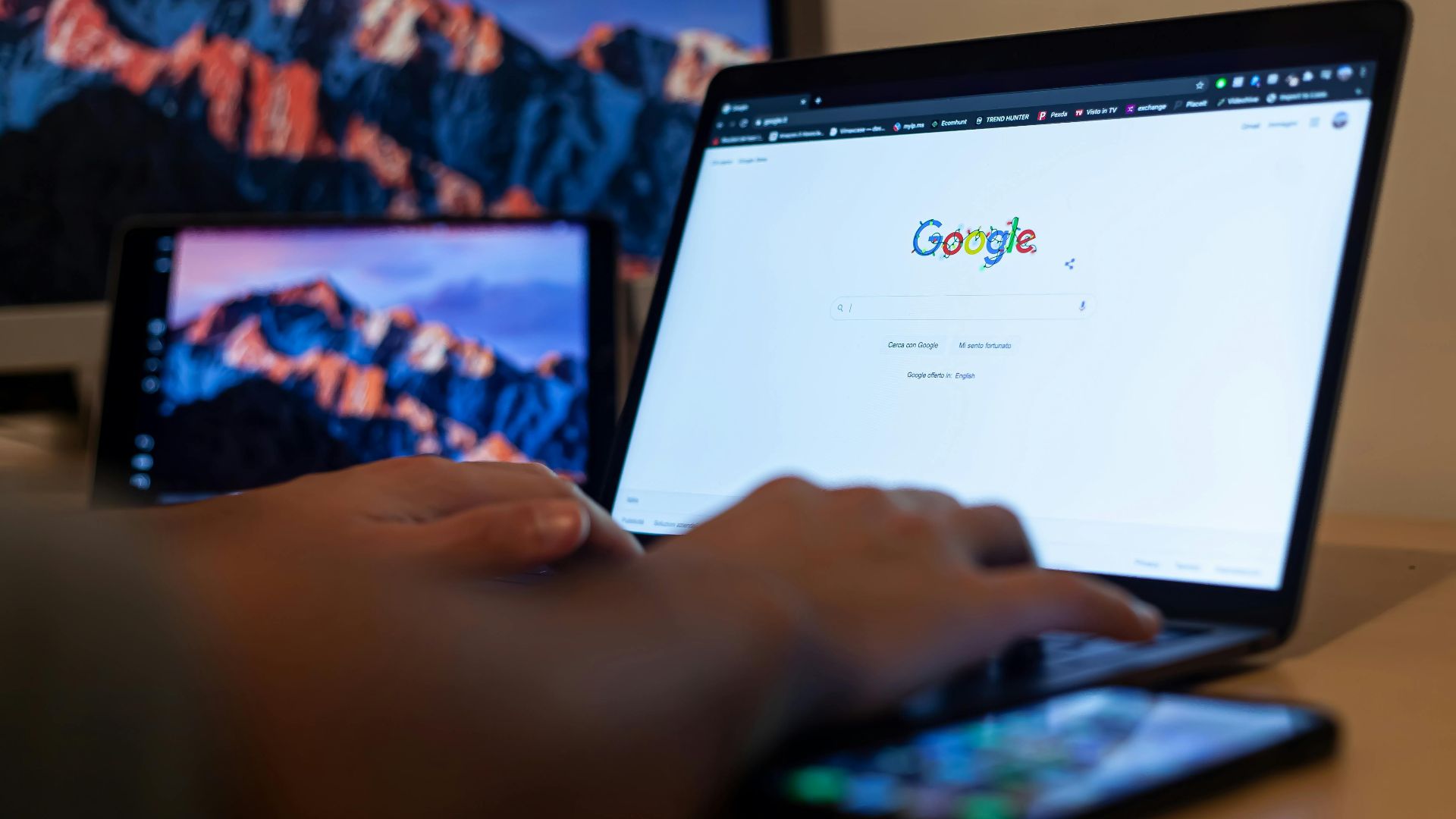
Private browsing can be useful if you want a cleaner search session. It can keep old logins, cached pages, and saved cookies from cluttering the experience. That can make results look cleaner, but cleaner does not mean cheaper.
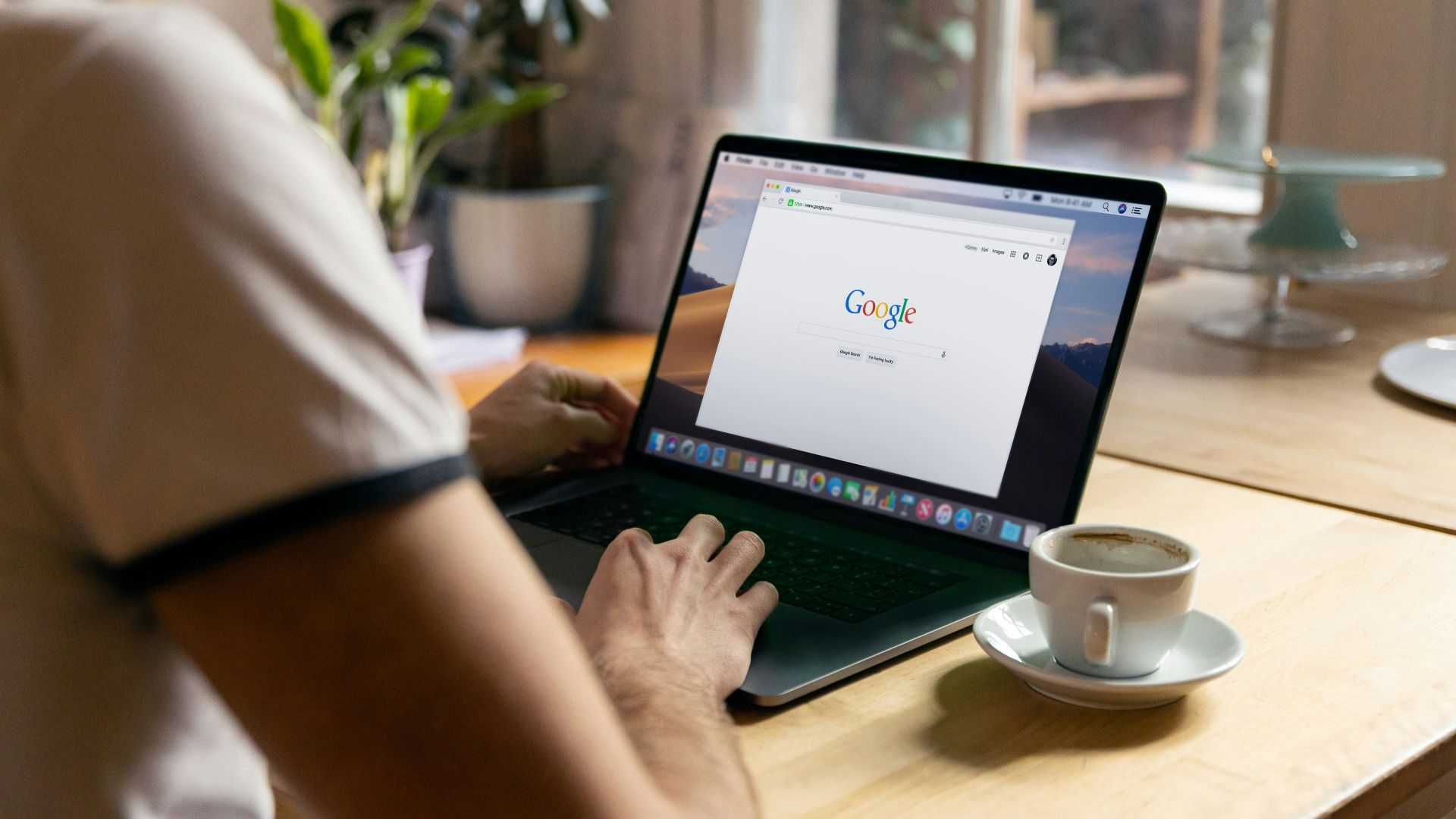
What To Do If A Fare Suddenly Jumps
If a price rises, first check the same itinerary on another device or browser to rule out a display glitch. Then compare nearby dates, different airports, and the airline’s own website. If the higher fare shows up everywhere, it is probably a real inventory or demand change, not a browser issue.

When Booking Directly Can Help
Even when the fare is the same, booking directly with the airline can make changes and disruptions easier to deal with. Airlines can usually rebook and support direct customers faster than travelers who booked through a third party. That matters a lot more than chasing a browser-based savings trick.

The Verdict Is Less Dramatic Than The Myth
Incognito mode does not appear to be a reliable way to get cheaper flights. Major travel companies, browser guidance, and consumer reporting all point in the same direction. The fare changes people notice are usually better explained by dynamic pricing, inventory shifts, and ordinary market movement.
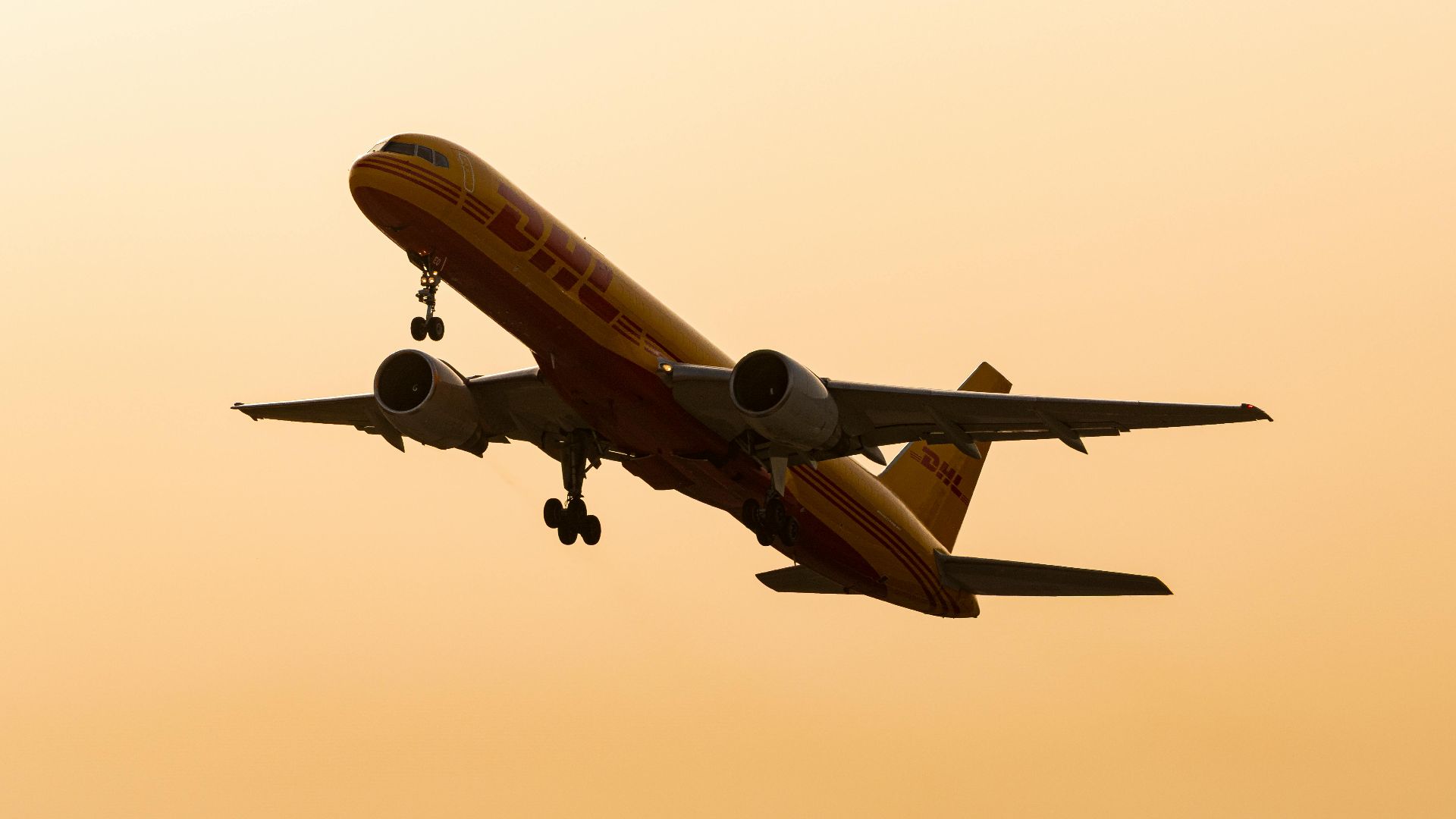
The Best Flight Hack Is Still Pretty Old-School
The most dependable strategy is not secret at all. Track prices, stay flexible, compare platforms, and book when the fare fits your budget and plans. It may not feel as satisfying as beating the algorithm in a dark browser window, but it is the advice that actually holds up.

A Simple Rule For Nervous Shoppers
If using incognito mode makes you feel better, it probably will not hurt. Just do not confuse peace of mind with proof of savings. When it comes to finding cheap flights, evidence beats folklore every time.