
The Seat Fee That Feels Wrong
Travelling with a disabled family member is already a stressful situation. That makes it all the more frustrating to hear you can only sit with your disabled father if you pay extra for assigned seating. It sounds harsh, and in some cases it may cross a legal line. The key question is where the flight is, which airline is involved, and what kind of help your father needs.

Why This Question Matters Right Now
Families have complained for years that seat fees can split up people who need to travel together. Disability advocates have pushed regulators to make clear that assistance is not some premium add-on. In both the United States and Europe, rules and guidance can help travelers push back.
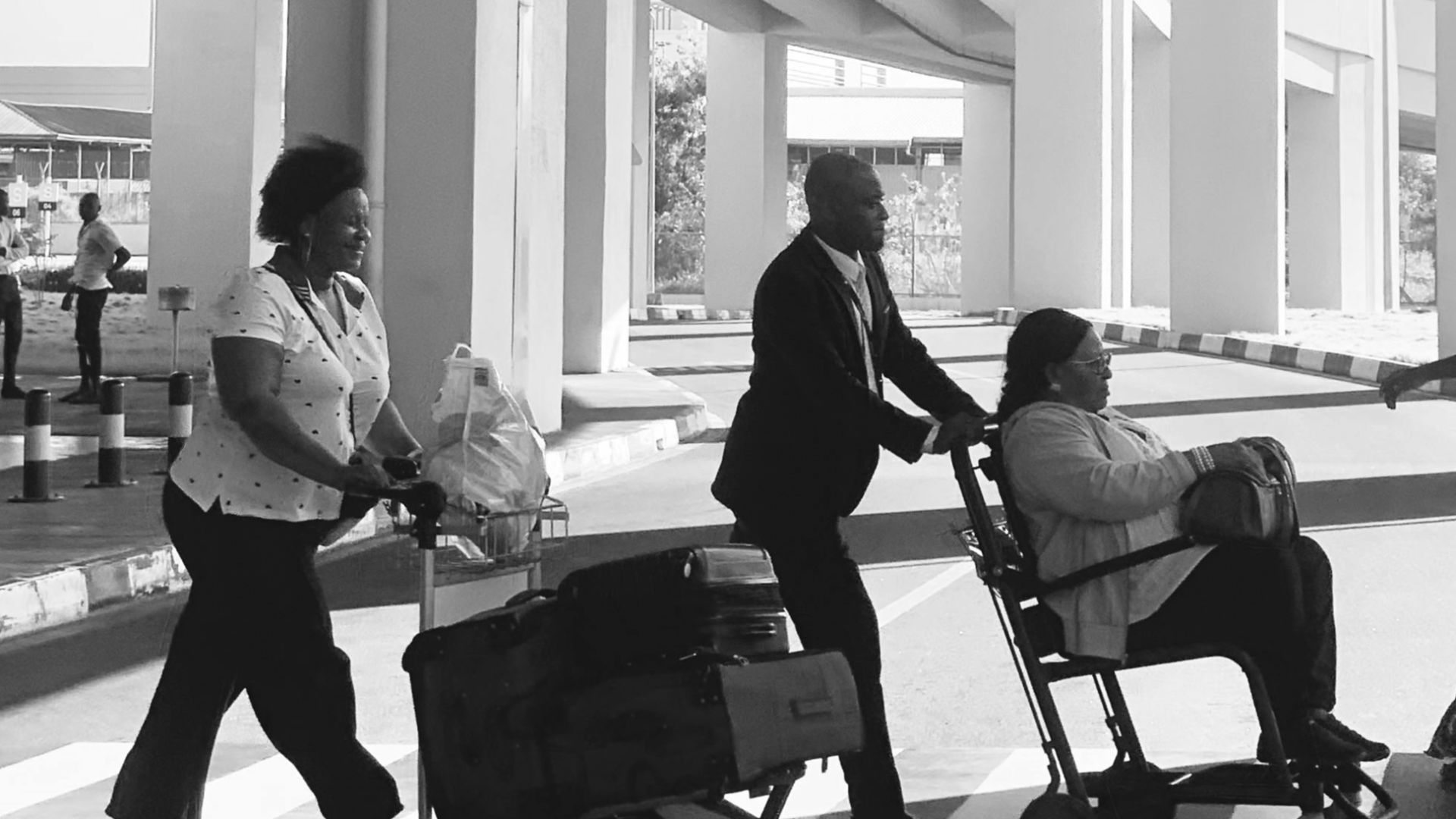
The Big Legal Distinction
Airlines are usually allowed to charge for preferred seats, extra legroom, or advance seat selection. But they cannot always charge extra when a seating setup is needed to accommodate a disabled passenger. That is where normal airline pricing can clash with disability law.
What U.S. Law Says
In the United States, the main law is the Air Carrier Access Act, often called the ACAA. The U.S. Department of Transportation enforces it through rules found in 14 CFR Part 382. Those rules spell out when airlines must provide seating accommodations for passengers with disabilities.
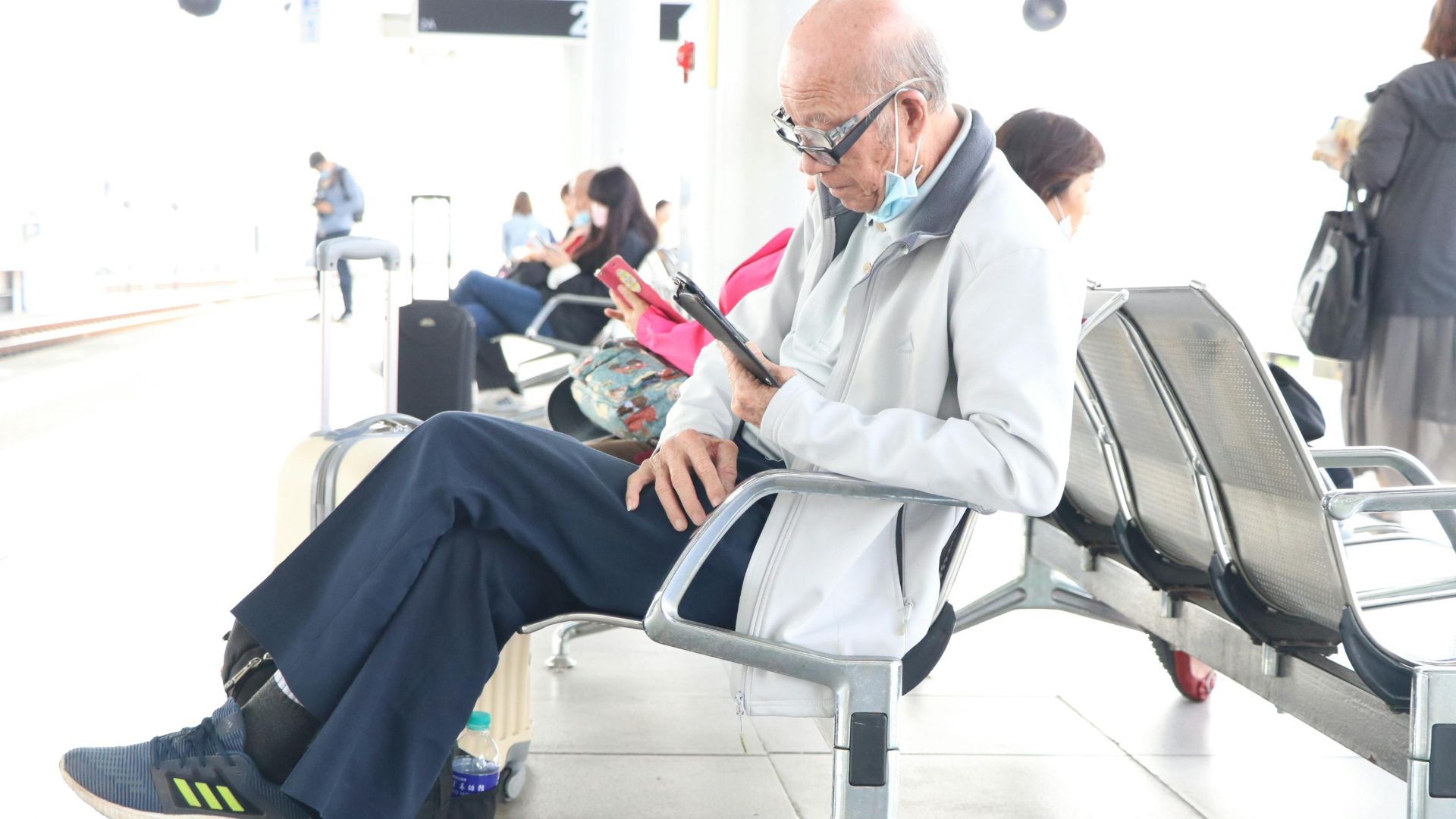
The Rule Many Families Need To Know
Under DOT disability rules, airlines must provide certain seating accommodations when a passenger with a disability needs them. That includes seating a passenger's attendant next to the passenger when the attendant is required to help during the flight. If that applies, the airline cannot make that accommodation depend on paying a seat fee.

When A Companion Counts As An Attendant
The legal issue often comes down to whether the family member is simply a travel companion or an attendant needed for disability-related help. DOT guidance says an attendant is someone who performs tasks airline staff are not required to perform. If your father needs you to help with communication, medical needs, orientation, eating, or other personal help during the flight, that can make all the difference.

Who Must Be Seated Together
The DOT's seat assignment rules require airlines to provide adjoining seats for a passenger with a disability and a safety assistant or attendant in several situations. They also cover seating for a person who uses a service animal and, in some cases, seating for a passenger with a fused or immobilized leg. The point is simple: disability-related seating is not treated the same as an ordinary seat preference.

The No Extra Charge Principle
DOT guidance says airlines may not charge for accommodations required under Part 382. Even if the airline normally charges for a certain seat, it still has to waive that fee when the seat is needed as a disability accommodation. That is the part many travelers never hear when they book.

What If Your Father Is Disabled But Does Not Need You Beside Him
If your father has a disability but does not actually need you seated next to him for help or safety reasons, the legal case gets weaker. In that situation, the airline may say this is a normal seating request rather than a required accommodation. The law protects necessary accommodations, not every preferred arrangement.
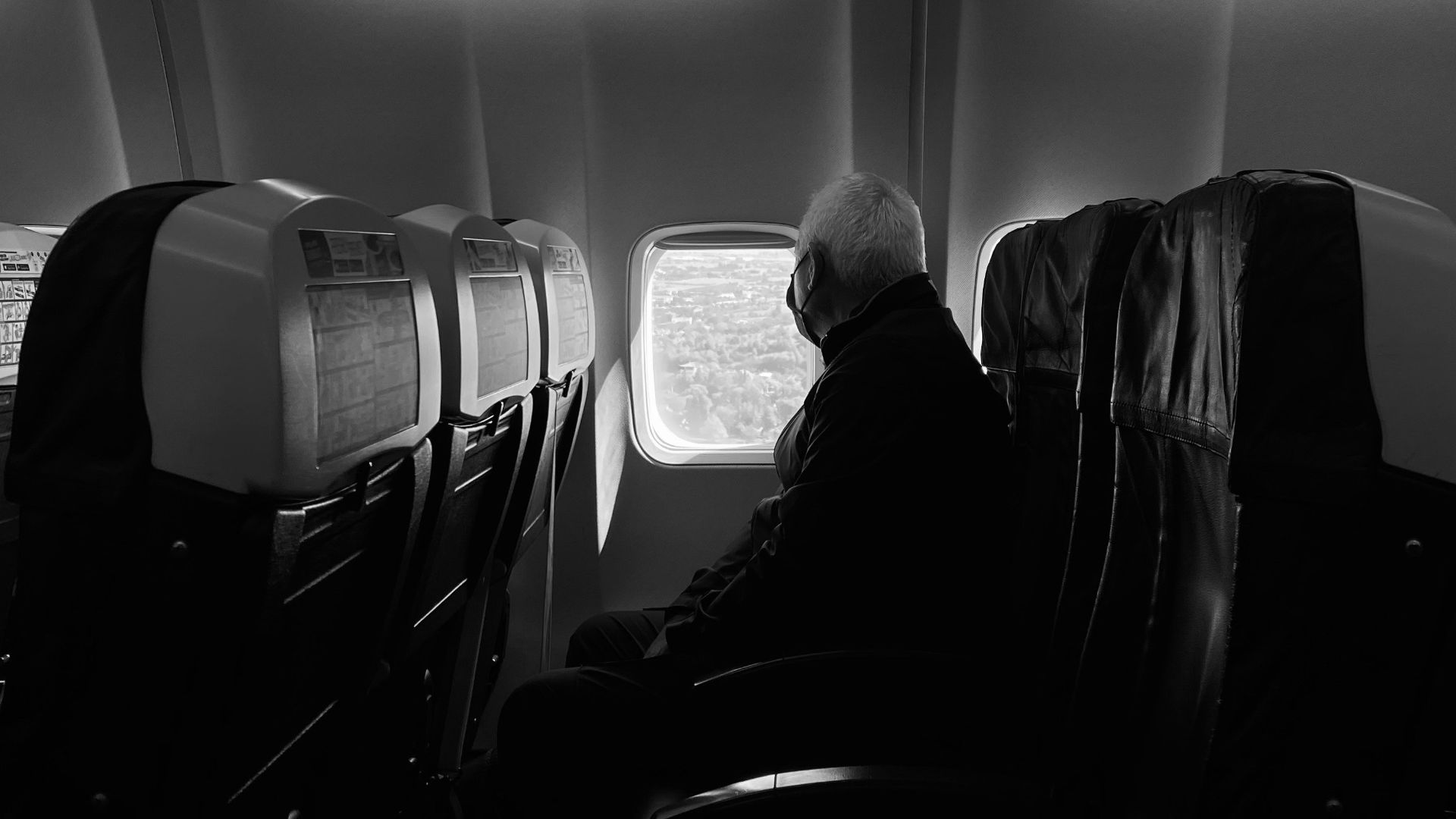
The Airline Cannot Shrug And Say The Seats Are Gone
U.S. rules also require airlines to make requested seating accommodations using the best available seat. If an airline blocks seats for extra fees or elite status, those policies do not automatically beat disability obligations. Staff may have to move assignments around to comply.

There Is A Practical Catch
The accommodation usually has to be requested, and the airline needs enough information to understand why the seat is required. You do not need to hand over every private medical detail, but you should clearly explain the disability-related need. Saying "we want to sit together" is much less effective than saying "my father needs me to assist him during the flight."
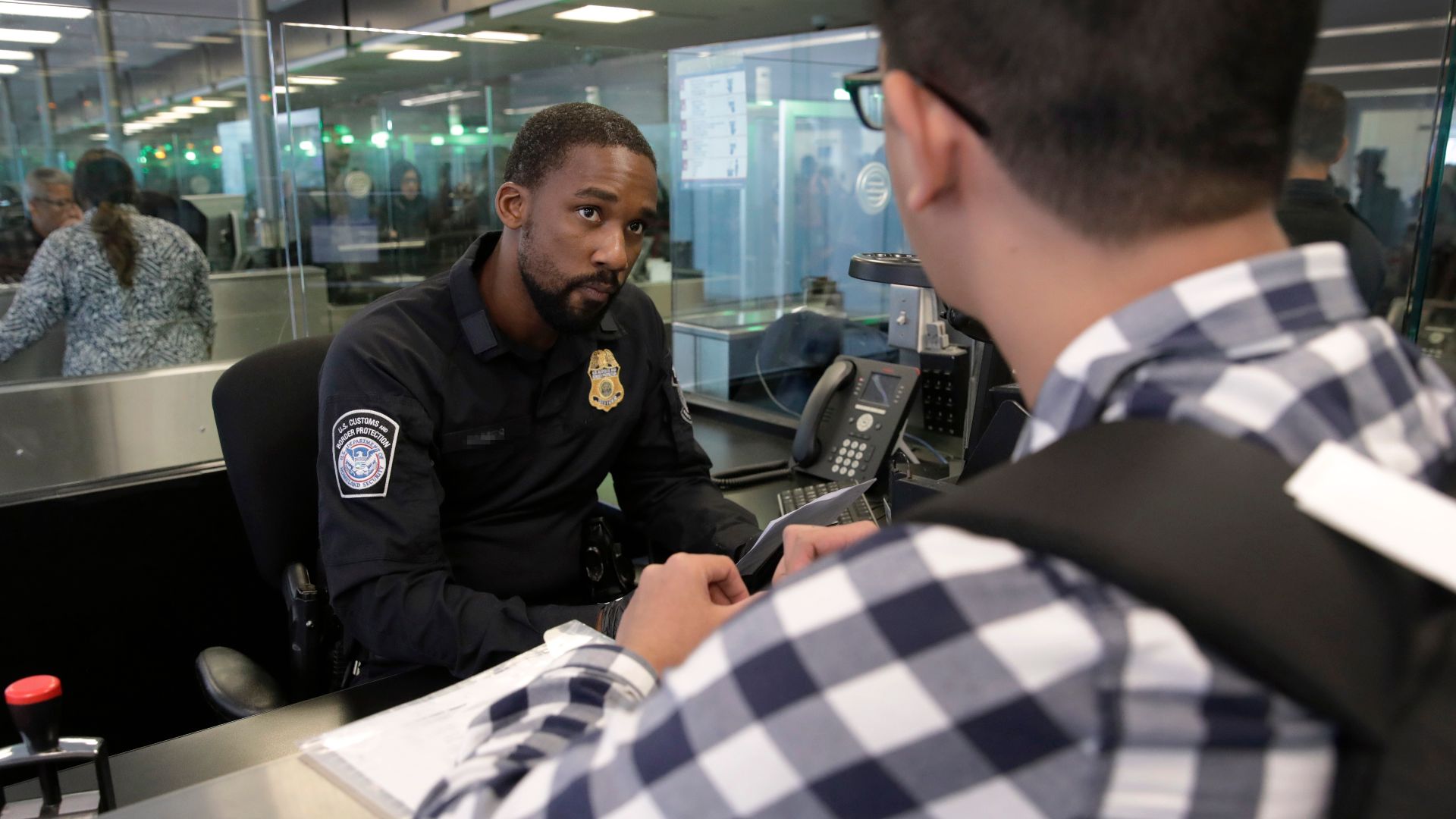 CBP Photography, Wikimedia Commons
What Europe Says
In the European Union and the United Kingdom, the main framework is Regulation (EC) No 1107/2006 on the rights of disabled persons and persons with reduced mobility when traveling by air. It requires airlines and airports to provide assistance without extra charge. The rule was meant to stop disability support from being treated like a paid upgrade.

The European Rule Is Broad But Not Unlimited
The European regulation clearly bans extra charges for required assistance, but it does not work exactly like a universal family seating law. The strongest protection applies when the disabled traveler needs a companion or assistant as part of the assistance arrangement. Just like in the U.S., necessity matters.

Why Enforcement Can Be Messy
This is where many fights start. A booking system may only see a seat map and a fee, while disability law requires a human decision about accommodation. That gap is why travelers are often told to call a special assistance line or file a complaint after the trip.

The DOT Has Been Paying Attention
The U.S. Department of Transportation has repeatedly warned airlines about disability compliance, including seating obligations. In July 2022, the agency issued a notice reminding carriers of the rights of passengers with disabilities, including the duty to provide specific seating accommodations under Part 382. The message was hard to miss: disability rights do not vanish just because seat selection has become a money maker.

A Fresh Push On Family Seating Helped Spotlight The Problem
In 2022 and 2023, U.S. regulators also highlighted broader concerns about family seating and airline junk fees. Those efforts were aimed mostly at parents traveling with young children, not disability law. Even so, they drew more attention to the way seat fees can separate people who need to be together.
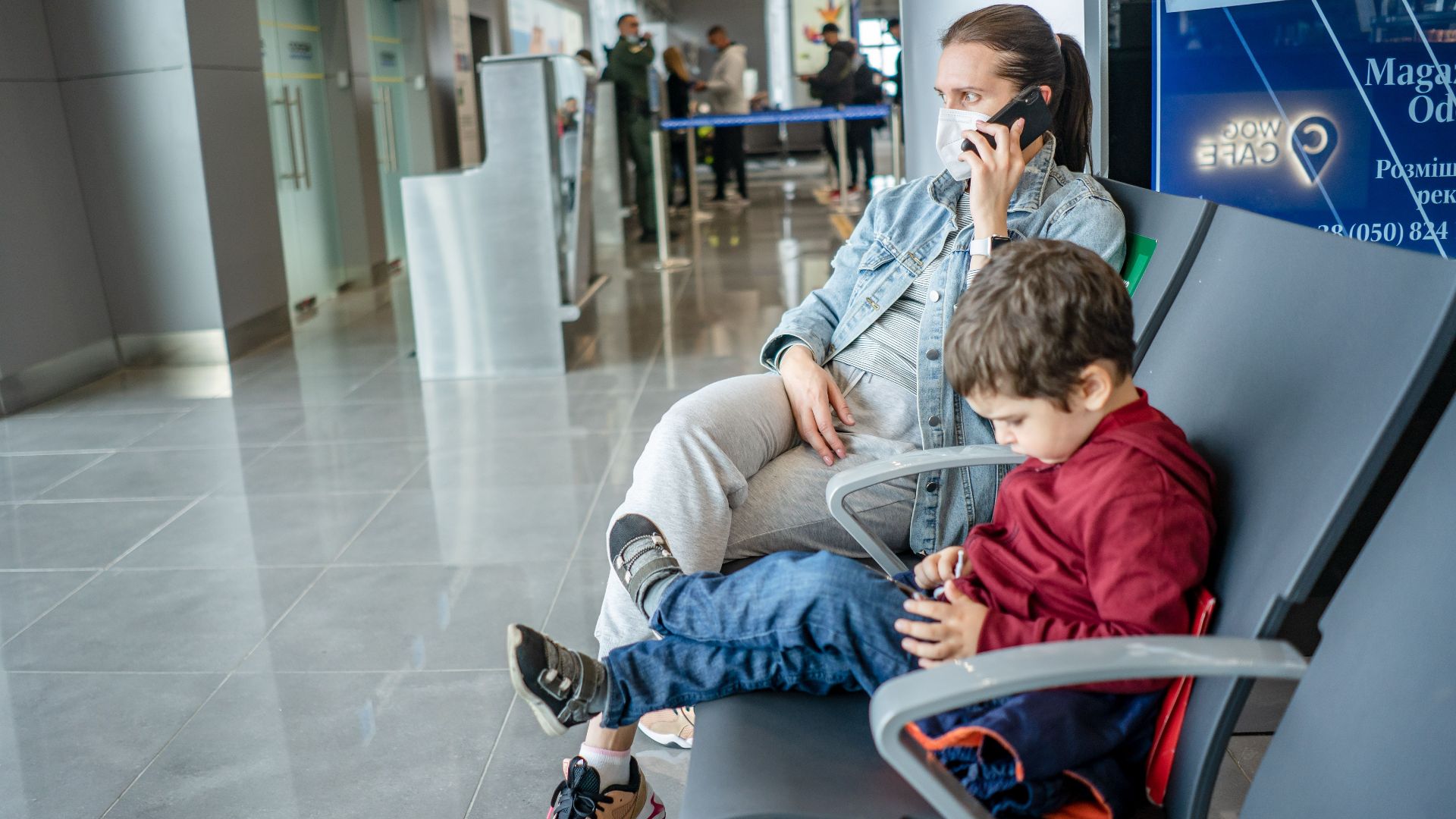
What Airlines Usually Argue
Airlines often say they are not charging for disability help itself, only for advance selection of certain seats. That can be true in ordinary cases, but it does not settle the issue if the seat is required as an accommodation. Once a seat assignment becomes necessary for disability-related help, the legal analysis changes.

What A Strong Complaint Looks Like
The strongest complaints are clear and specific. State the date, flight number, route, the disability-related need, and exactly what the airline told you. If you were asked to pay extra to sit next to your father so you could help him during the flight, say that plainly and save screenshots or chat logs.

Say These Words Clearly
If you are still at the airport or on the phone, use direct language. Say, "This is a disability accommodation request under the Air Carrier Access Act" if you are in the U.S. Ask for a Complaint Resolution Official, or CRO, because U.S. airlines are required to make one available for disability-related issues.
 CBP Photography, Wikimedia Commons
The CRO Can Be A Game Changer
A Complaint Resolution Official is trained in disability rules and has authority to deal with compliance problems. Under DOT rules, airlines must have a CRO available in person or by phone during operating hours. Many disputes that go nowhere at the check-in desk start moving once a CRO gets involved.
 CBP Photography, Wikimedia Commons
In Europe, Ask For Special Assistance Early
For flights covered by European rules, notify the airline or travel agent as early as possible, ideally at least 48 hours before departure. That timing appears in the regulation because assistance systems work best with advance notice. If the need is obvious and urgent at the airport, ask for the airline's special assistance team and document what happens.

What About Online Booking Systems
Booking systems are often part of the problem because they may not offer a clear path for disability accommodations. If the website only offers paid seat selection, do not assume that means payment is legally required. Contact the airline directly, note the time and agent name, and ask for the accommodation to be added to the reservation.

Documentation Helps, But Keep It Sensible
Most of the time, travelers do not need to produce stacks of medical records just to sit with the person they assist. A short explanation of the practical need is usually more useful than a pile of paperwork. If your father has a condition that makes your help essential during the flight, say exactly what help you provide.
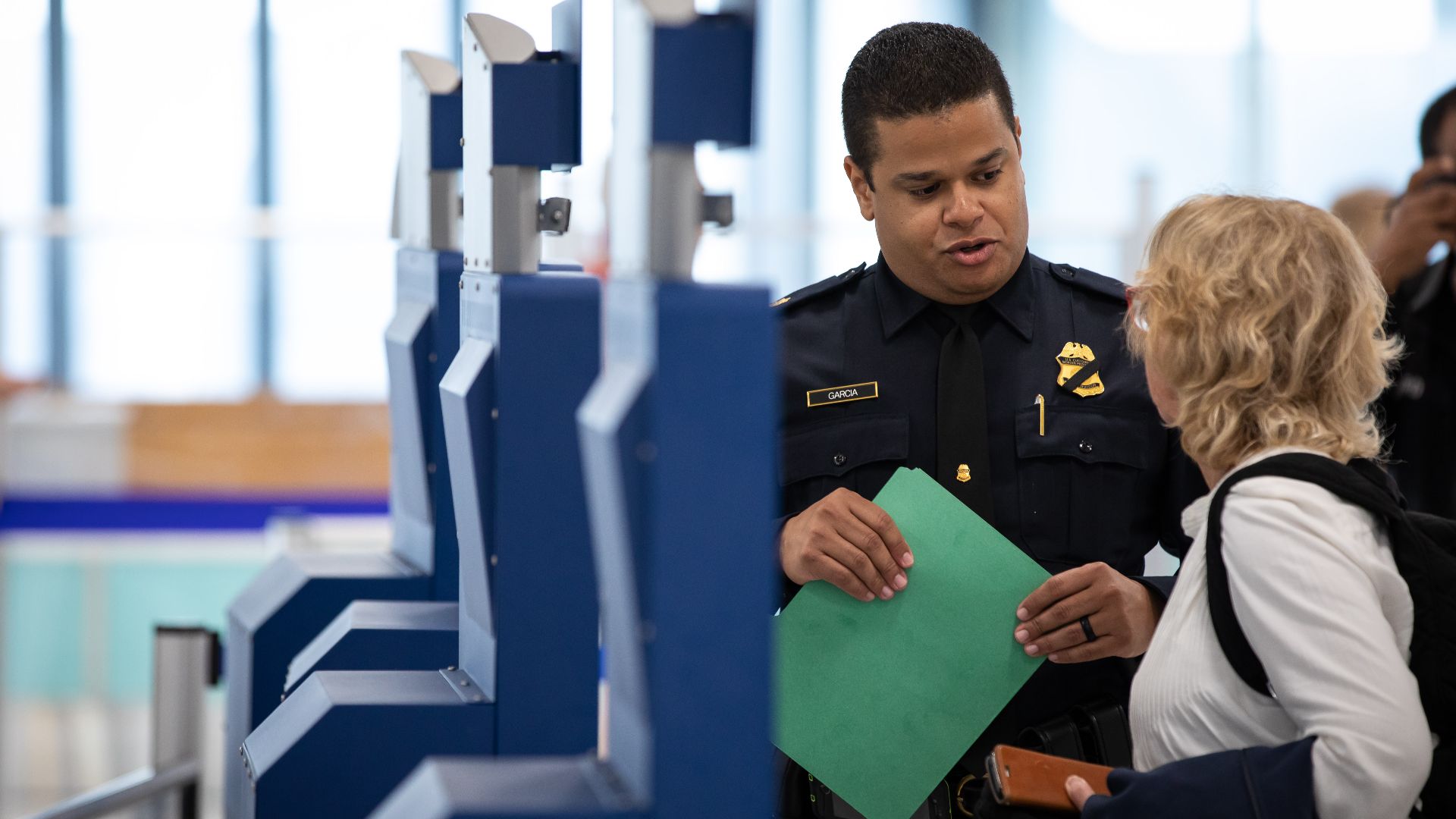 CBP Photography, Wikimedia Commons
When The Answer Is Probably Yes, It Could Be Illegal
If the airline refused to seat you with your disabled father unless you paid extra, and your being next to him was necessary so you could help him during the flight, there is a strong chance the charge was not lawful under U.S. disability rules. A similar principle can apply in Europe, where required assistance must be provided without extra charge. The legal issue turns on necessity, not just the family relationship.

When The Answer Is Probably No, It May Be Legal
If you and your father simply wanted to sit together but he did not need your in-flight help, the airline may be on firmer ground charging for seat selection. That may still feel unfair, but unfair and illegal are not the same thing. The law is strongest when separation gets in the way of disability-related support.
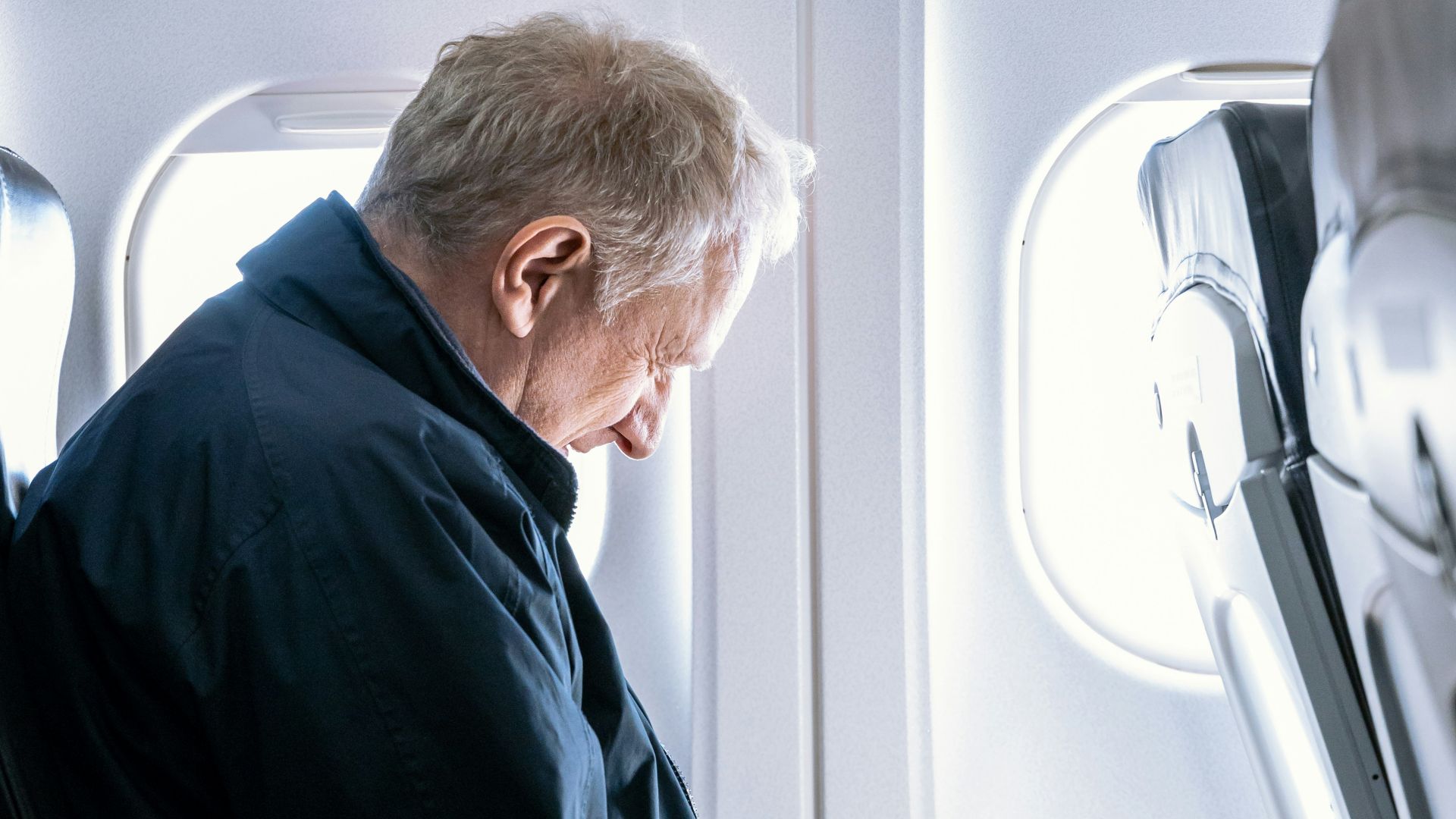
What To Do After The Flight
If the airline would not fix the problem on the day of travel, file a written complaint with the airline and with the relevant regulator. In the U.S., that means the Department of Transportation's Aviation Consumer Protection office. In the EU or UK, complaints may go first to the airline and then to the national enforcement body for the country involved.

The Bottom Line For Travelers
The short answer is that an airline cannot just hide behind seat fees if sitting together is required so you can help your disabled father. If the seating is a disability accommodation, extra charges may violate the rules. The smartest move is to ask early, use the right legal language, escalate to disability specialists, and keep a paper trail.