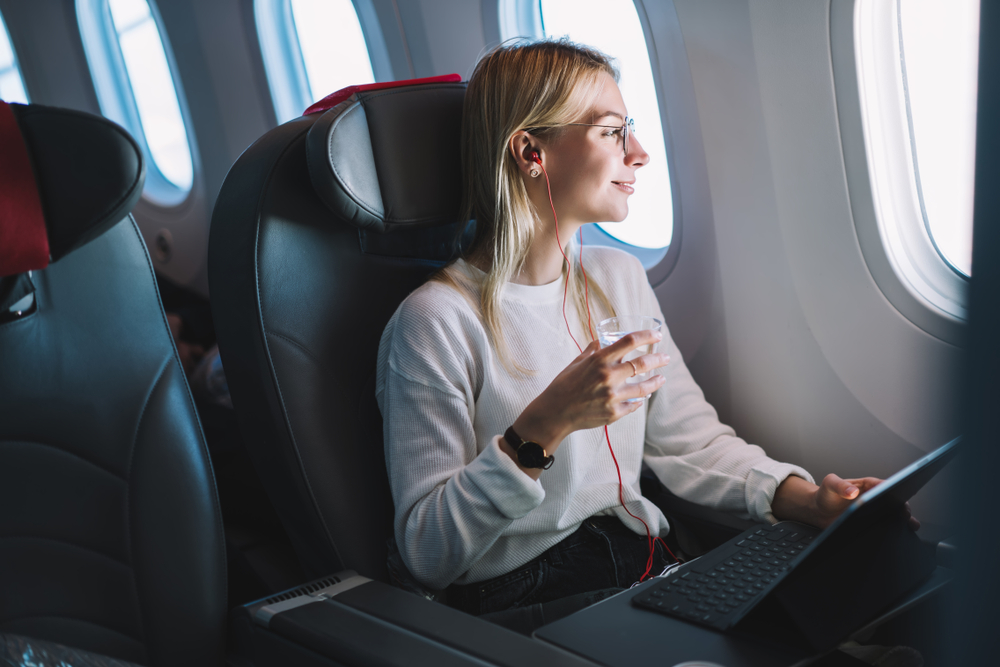
The Seat Shuffle Nobody Sees Coming
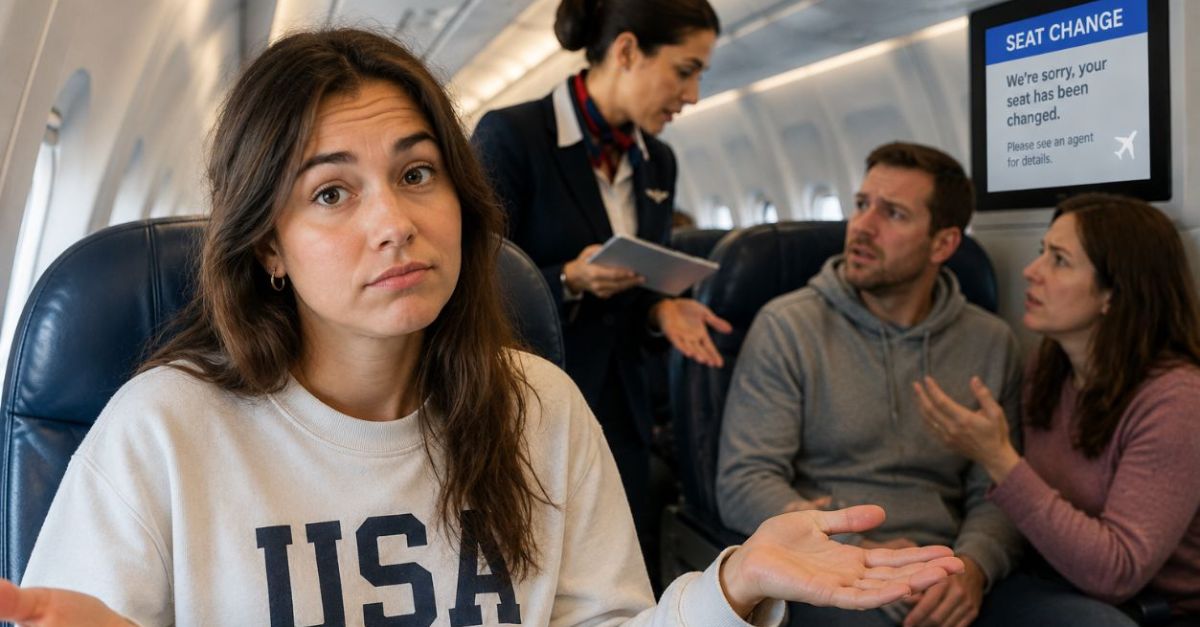
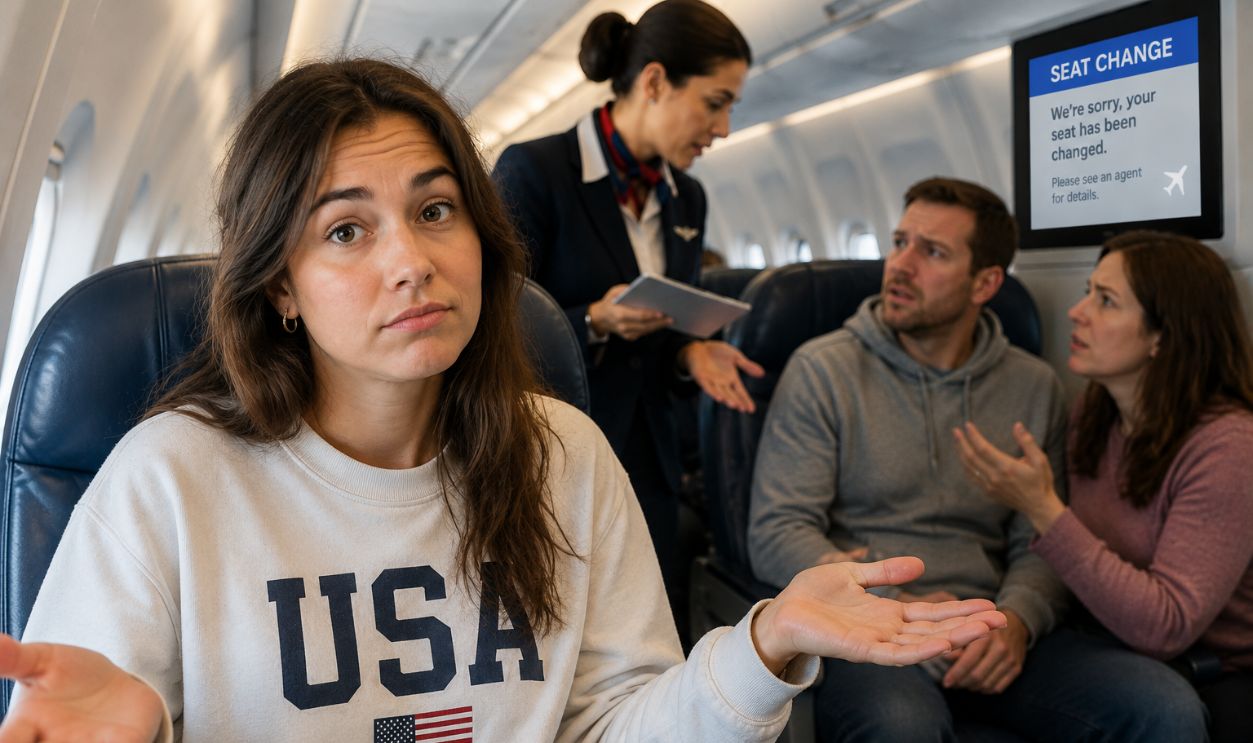
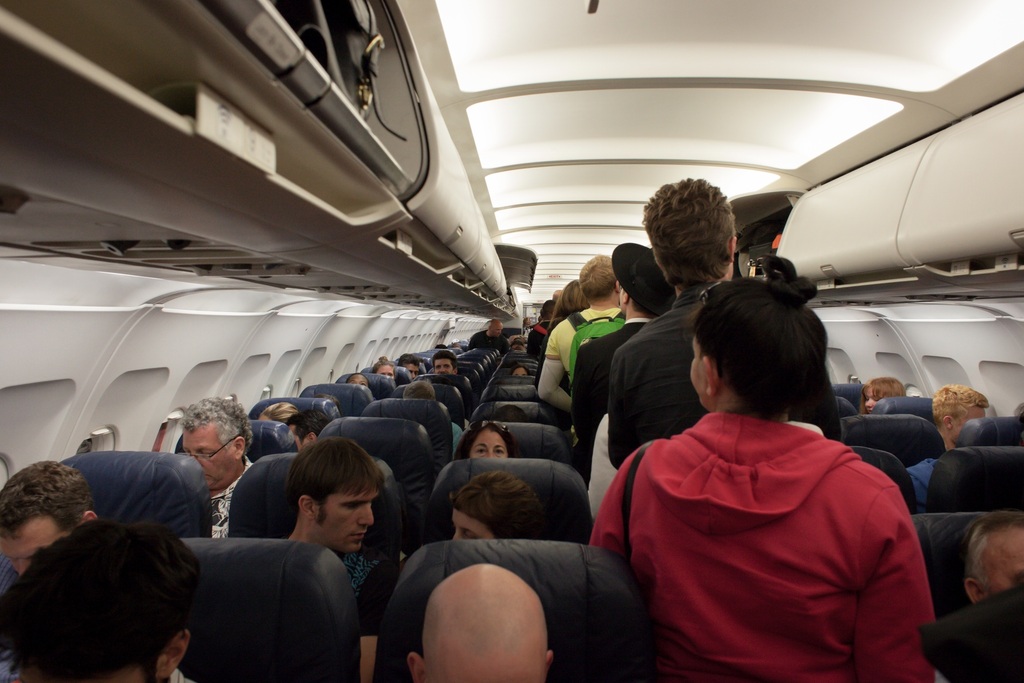
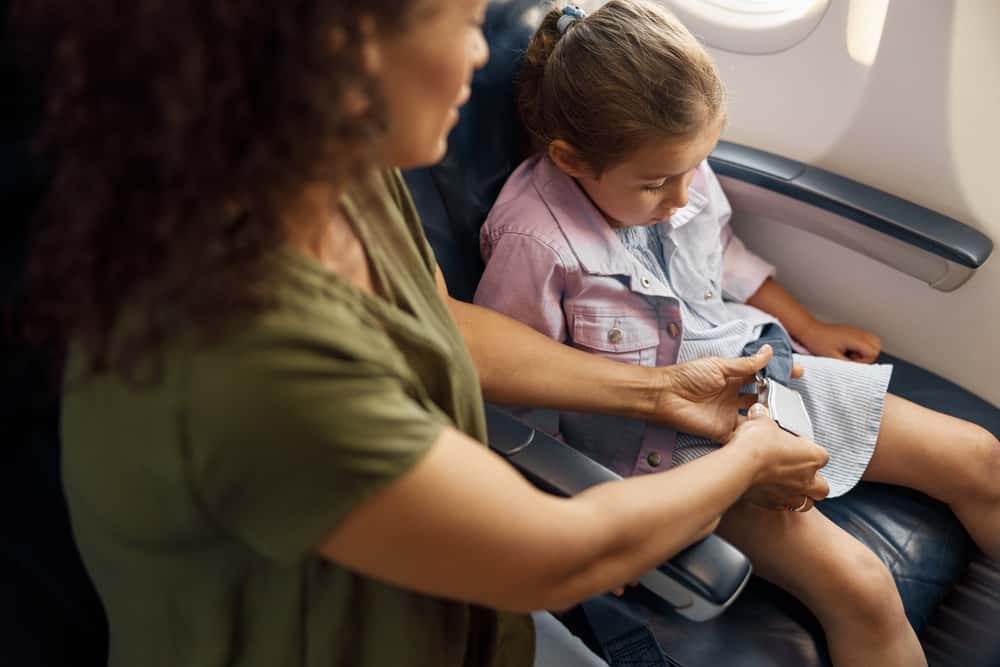
You board the plane with your kids, and it quickly becomes clear that they broke up another family so you could all sit together. Suddenly, the other mom is glaring at you and the whole flight feels uncomfortable. It can seem random, but most of the time it comes down to seat-assignment software, aircraft swaps, and growing pressure on airlines to keep young children next to an adult.
Why This Keeps Happening
Airlines reassign seats all the time for operational reasons. The most common ones are aircraft changes, schedule problems, and efforts to seat children with a parent or guardian. When there are not enough similar seats left, somebody gets moved.
The Biggest Reason Is An Aircraft Swap
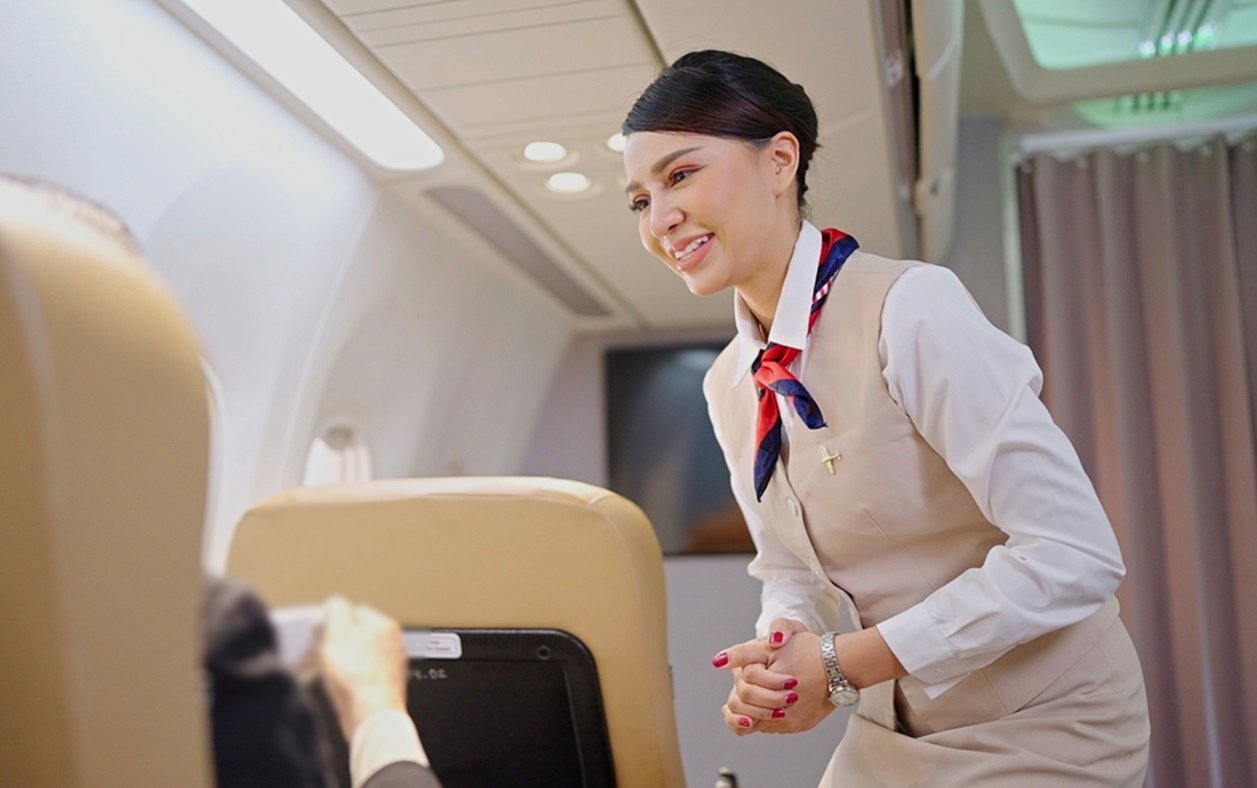
If an airline swaps one plane for another, the seat map can change in seconds. A row on the original plane may not exist on the replacement, or the new aircraft may have fewer seats in a certain section. When that happens, the airline has to rebuild assignments, and some travelers lose the seats they picked.
Families Sitting Together Became A Federal Priority
In July 2022, the U.S. Department of Transportation, under Secretary Pete Buttigieg, renewed pressure on airlines to seat young children next to an accompanying adult without extra fees. In March 2023, the department launched a family seating dashboard. That changed the math for airlines and gave them one more reason to reshuffle seats when things get tight.
The DOT Put Airlines On Notice
The Transportation Department has said children age 13 or younger should be seated next to an accompanying adult at no extra cost whenever possible. That is not a blanket law guaranteeing every family the exact seats they want. But it is a strong policy signal, and airlines know they can face complaints and bad publicity if they do not make a real effort.
What The Family Seating Dashboard Actually Shows
The DOT dashboard lists which U.S. airlines say they will seat children 13 and under next to an accompanying adult at no extra charge. Several major carriers made those commitments after pressure from the department in 2022 and 2023. Those promises matter because they can lead to last-minute seat changes when the cabin is nearly full.
American Airlines Has A Written Family Seating Process
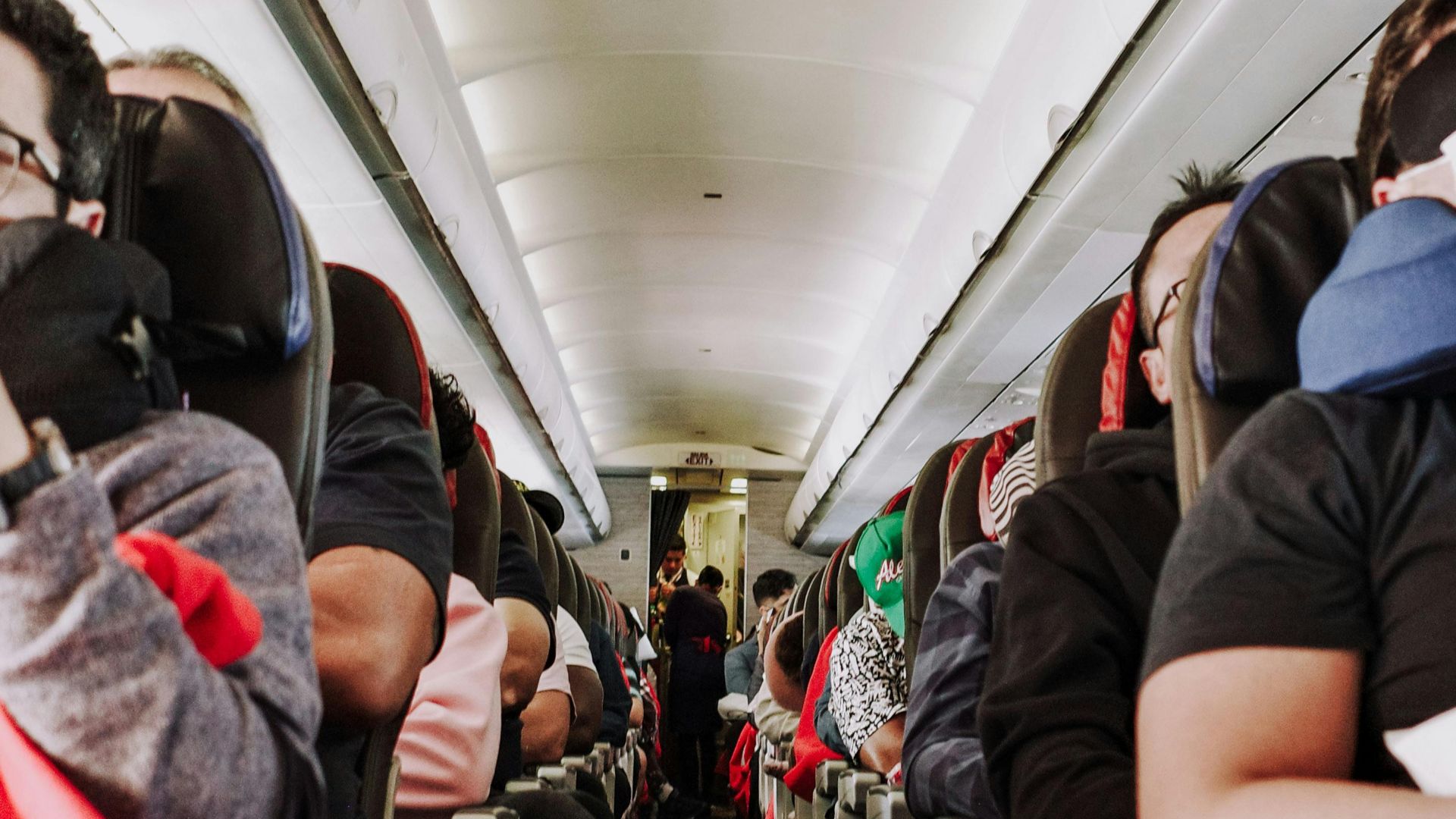
American says it uses an automated system that tries to identify reservations with children age 14 and younger and seat them with an accompanying adult before departure. The airline says it first looks for adjacent seats in the same cabin. If those are not available, it may move other passengers to create seats together.
American Says It Tries To Limit The Damage
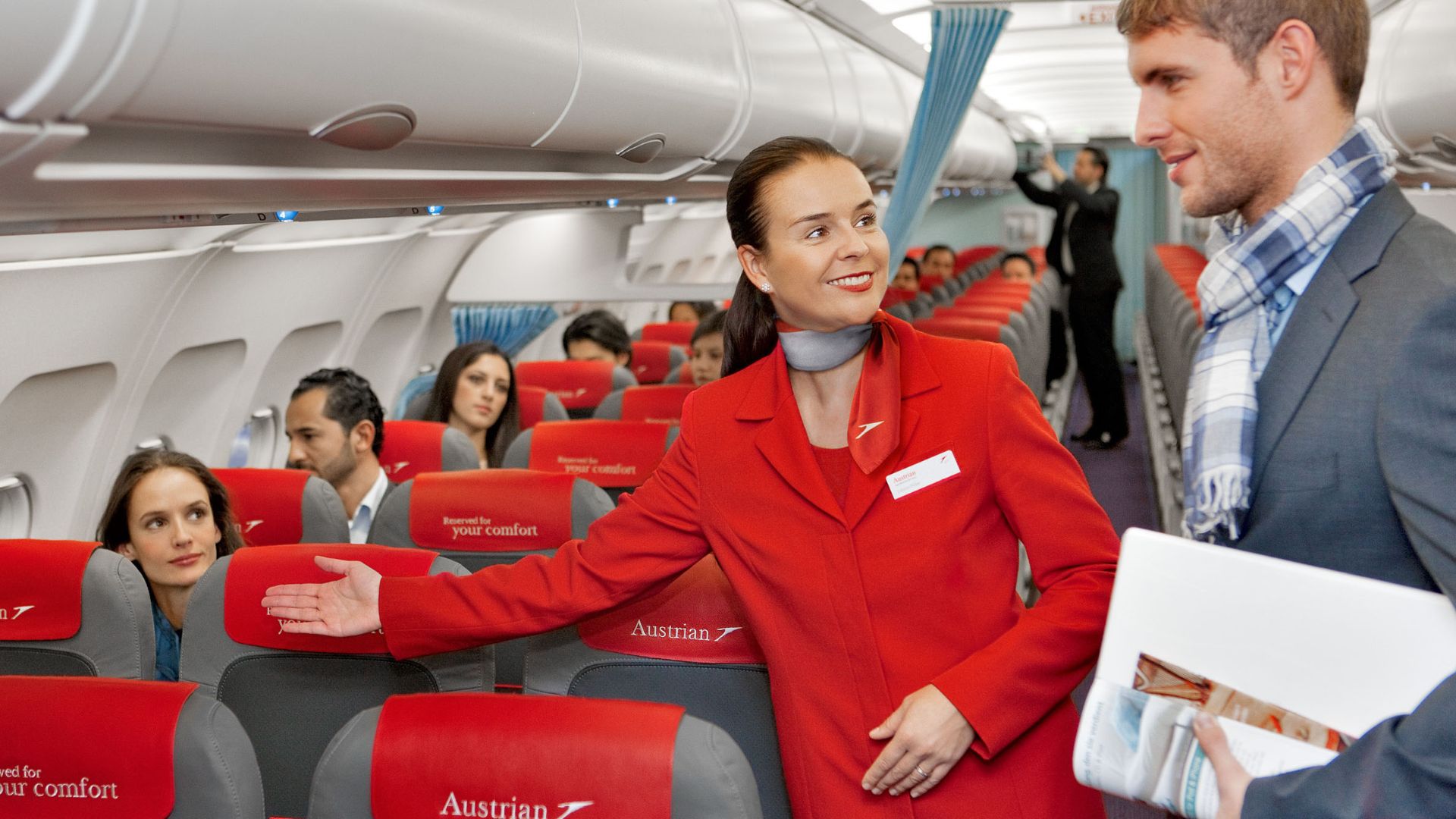
According to American's policy page, if a seat move is needed to accommodate a family, the airline says it tries not to downgrade anyone and aims to move the fewest customers possible. It also says it would rather reseat one traveler than split up a group that is already together. That helps explain why one family may get broken up so another family with a child can be grouped.
 Austrian Airlines, Wikimedia Commons
United Also Spelled Out Its System
United announced in March 2023 a new seat-mapping tool meant to help children under 12 sit next to an adult in their party for free. The airline said the system scans available economy seats and can open complimentary access to preferred seats if needed. If no adjacent seats are available before travel, United says families can switch to another flight with the same destination for free if space is available.
That Means Some Seats Are More Vulnerable Than Others
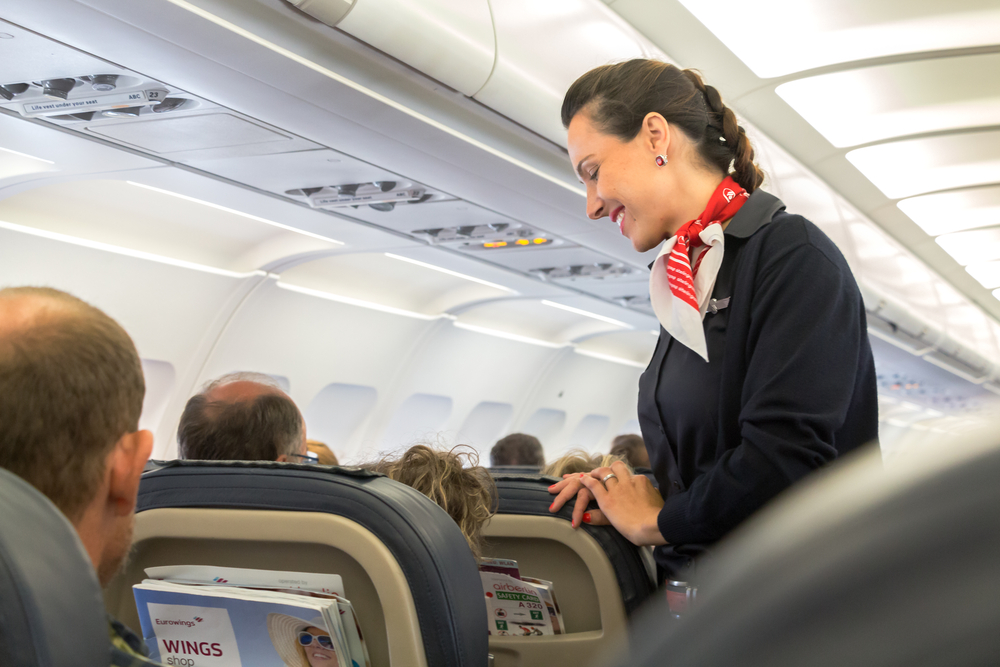
Not every seat assignment is equally safe. Basic economy seats, seats assigned late, and seats on flights that are close to full are more likely to move. Standard economy seats can also be reshuffled before departure if the airline needs to create a parent-child pairing and the system sees a low-disruption way to do it.
Who Usually Gets Bumped First
Airlines do not usually publish a simple list showing exactly who gets moved first every time. But their policies and customer-service guidance suggest a pattern. Travelers in standard seats, solo passengers, later bookers, and customers without elite status or paid premium seat assignments may be easier for the system to relocate.
Paid Seats Often Have Extra Protection
If you paid a seat fee for a specific spot, the airline can still move you for operational reasons, but it may owe you a refund if it cannot provide a comparable seat. That does not mean your seat is locked in. It does mean the airline treats a purchased seat differently from a free assignment.
Elite Status Can Matter Quietly
Airlines usually give better treatment to frequent flyers, even if they do not say that outright in family seating policies. Elite customers often have more seat options and better access to agents who can step in. In a crunch, the system may find it easier to move a non-status solo traveler than a high-value customer.
Basic Economy Is Often The Weakest Position
Basic economy fares usually come with the least control over seats. On many airlines, those travelers get assignments later and have fewer protections if the map changes. If the flight is full and the airline needs to seat a child next to an adult, basic economy passengers are often among the most exposed.
Why Another Family Might Get Split Instead Of A Solo Traveler
This is the part that really stings. American's published policy says it prefers not to split existing parties, but it also says it tries to move the fewest customers possible. Sometimes moving one person from a pair solves the problem faster than shifting several solo travelers scattered around the cabin.
Aircraft Type Matters More Than Most Travelers Realize
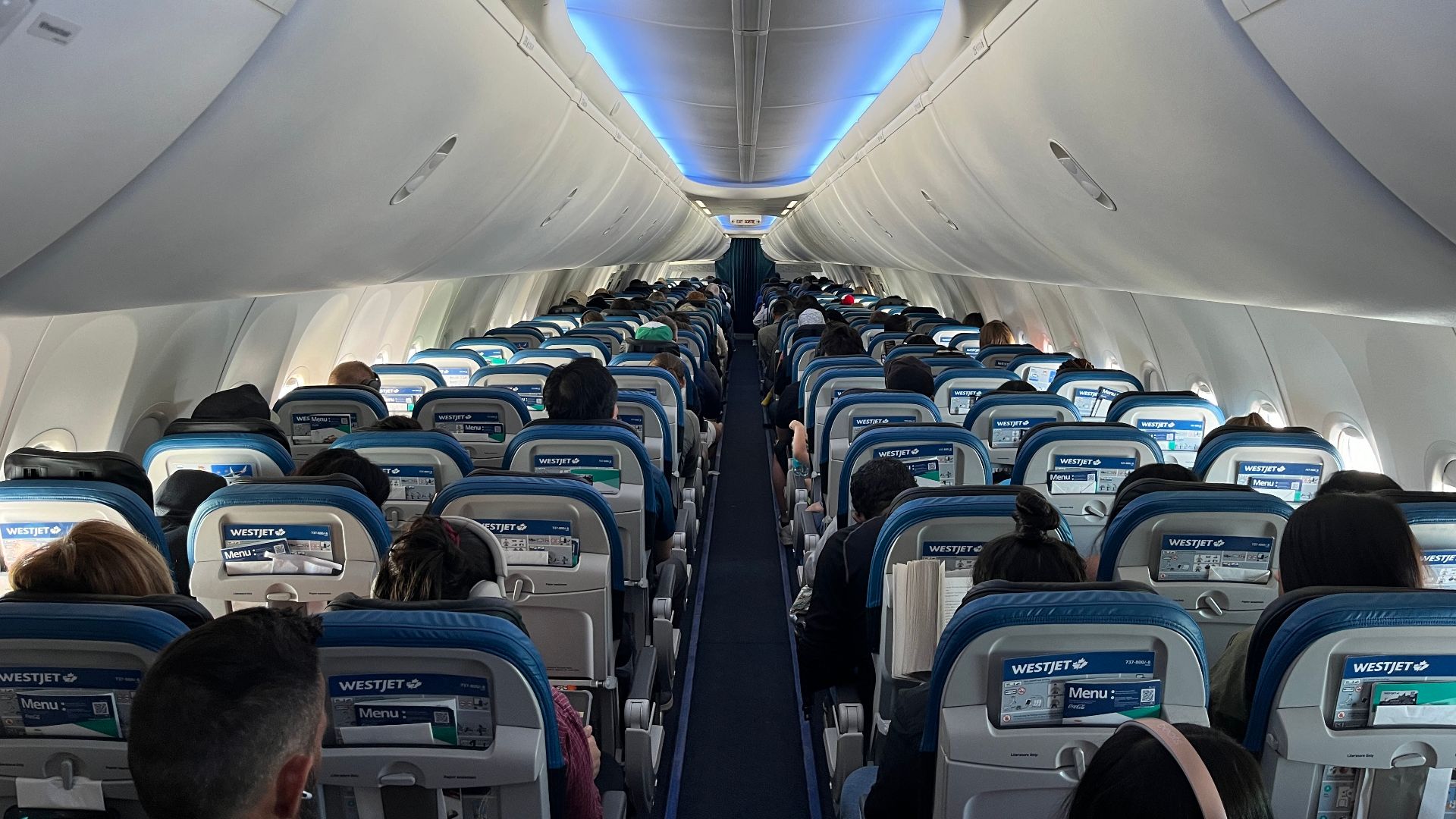
A switch from one Boeing 737 layout to another, or from an Airbus to a different subfleet, can scramble rows and seat letters. Premium economy, extra-legroom, and exit rows may shrink, shift, or disappear. Once that happens, the airline is solving a new puzzle, not the one you booked.
 Troutfarm27, Wikimedia Commons
Exit Rows Can Complicate Family Seating
Children cannot sit in exit rows, and airlines have to follow safety rules about who can use those seats. If many of the remaining seats are in exit rows or split by aisle and middle-seat layouts, the system has fewer legal options. That can force deeper reshuffling elsewhere in the cabin.
Check-In Timing Still Counts
Families that wait until the airport to sort out seating are taking a risk. Airlines like American say they try to seat families together automatically before departure, but earlier booking and earlier check-in still help. By the time the gate area is crowded, the remaining seat combinations may be much worse.

The Government Wants Airlines To Fix This Before The Gate
The Biden administration's family seating push was aimed at ending the old routine where parents had to beg gate agents or pay extra fees. The DOT dashboard rewards airlines that publicly commit to family seating. That puts pressure on airlines to solve problems earlier, even if it means moving other passengers behind the scenes.
There Is Still No Universal Rule For Adults Traveling Together
The strongest policy focus is on young children and an accompanying adult, not on keeping every adult couple or friend group together. If you and another adult are split so a child can sit with a parent, the airline may see that as an acceptable tradeoff. The logic is safety and child welfare, not perfect fairness in every seat dispute.
What Agents Usually Look For In A Crunch
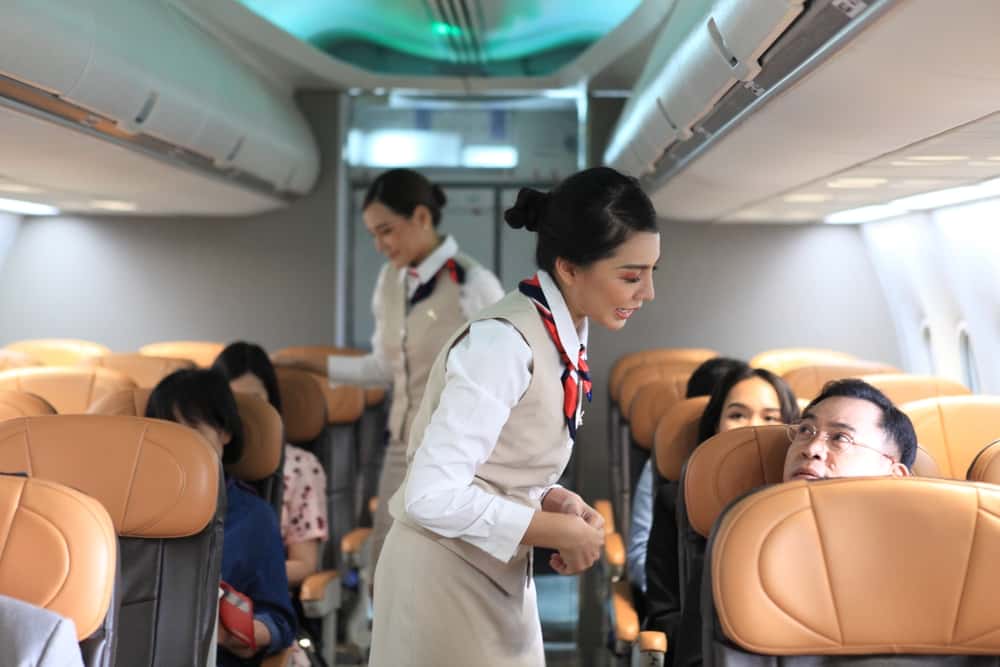
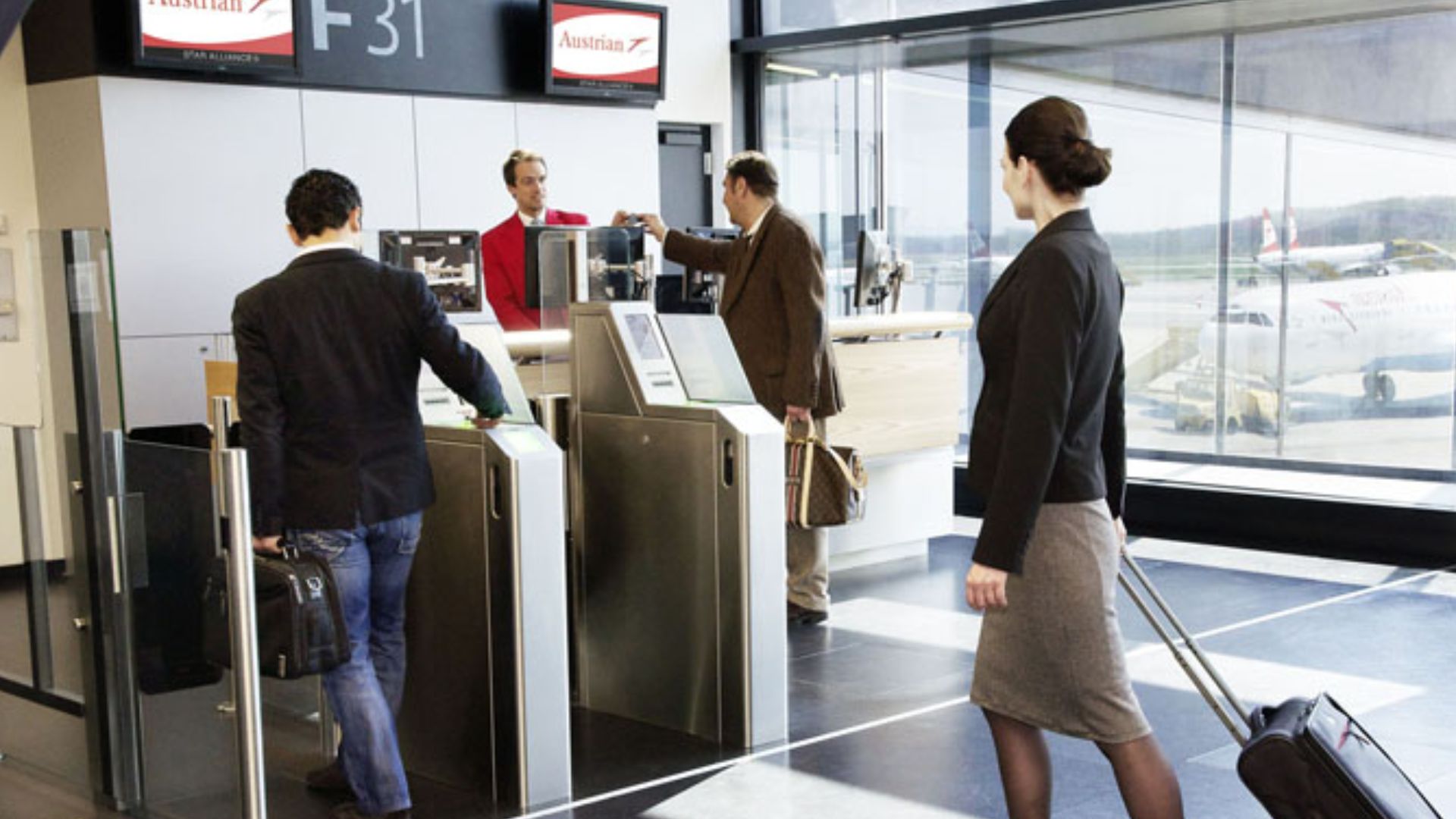
When the automated system cannot solve it, airport and gate agents usually look for the least disruptive swap. They may target a single traveler, someone in a standard seat, or someone whose move will not trigger a chain reaction of new conflicts. They also have to avoid downgrading paid cabins unless there is no other choice.
 Austrian Airlines, Wikimedia Commons
Can The Airline Move You After You Already Chose Seats
Yes. A seat assignment is generally not guaranteed in the same way a ticketed itinerary is. Airlines reserve the right to change seats for operational, safety, or security reasons, and those terms are usually built into the contract of carriage or customer policies.
What You Can Do To Lower Your Odds Of Being Moved
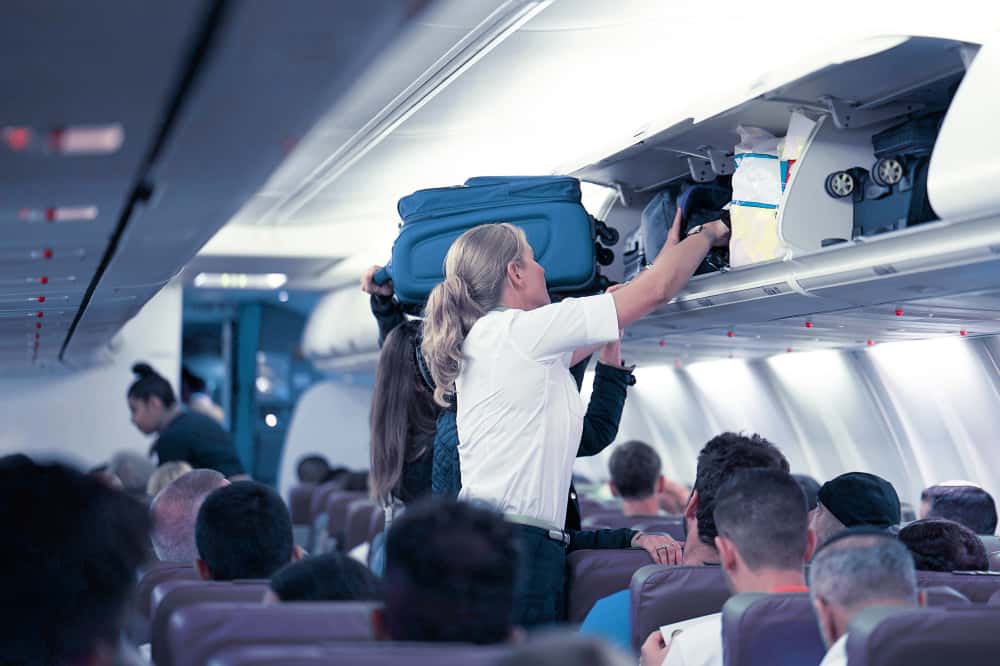
Book early, choose seats as soon as you can, and avoid fragile-looking seat clusters on nearly full flights. If you are traveling with children, use the airline's family seating tools or call early if the website cannot place you together. If you are not traveling with children and want to protect your seat, paying for one or having elite status may help, though nothing is guaranteed.

What To Do If Your Family Gets Split
Act fast in the app, then call the airline, and if needed speak to an agent before boarding starts. Mention the children's ages and note that DOT guidance says young children should sit next to an accompanying adult at no extra charge when possible. If the flight is still days away, your odds are much better than if you wait until the gate.
What To Do If You Were The One Who Got Moved
Stay calm and check whether you lost a paid seat benefit, an extra-legroom seat, or a preferred seat assignment. If you paid for a specific seat and did not get a comparable one, ask for a refund of the seat fee. If the new seat separates your own young child from an adult, escalate right away because that creates the same family seating problem the airline is trying to fix.
The Core Answer To Who Gets Bumped
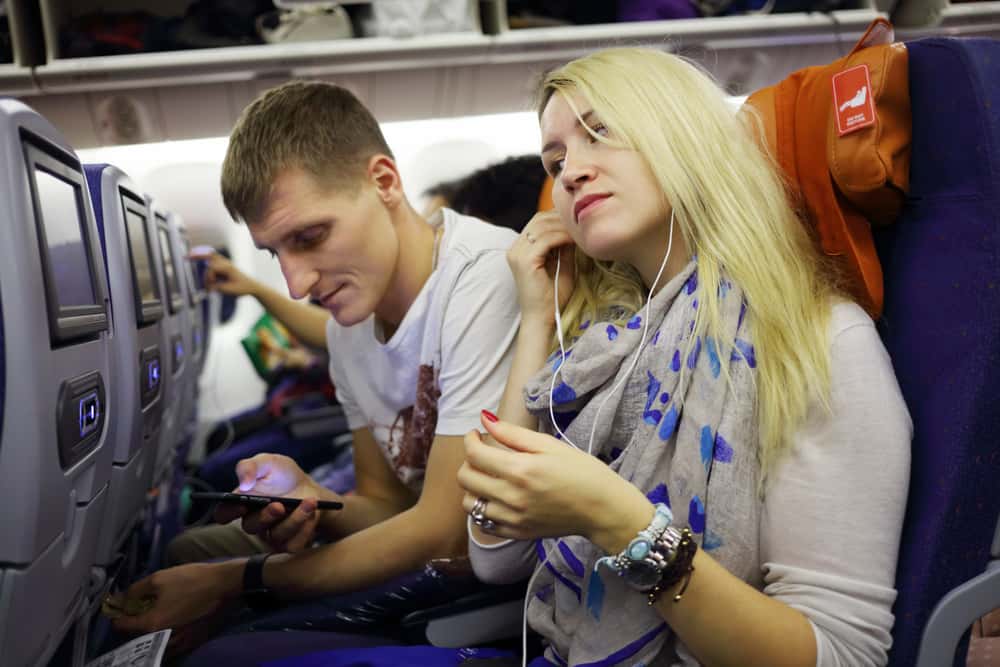
Usually, the person who gets bumped is the traveler the airline thinks it can move with the least operational fallout. That often means someone in a standard seat, sometimes a solo traveler, and sometimes one member of another party if that creates the cleanest fix. It may not feel fair, but it is usually driven by software, seat maps, safety rules, and the growing expectation that young children should not be seated away from their adult.
The Bottom Line Before Your Next Flight
If your family was moved together and another family was split, the airline probably was not picking winners and losers on instinct. It was applying a mix of policy, software, and real-time limits that became more important after the federal family seating push in 2022 and 2023. The best defense is to book early, watch the seat map, and remember that on a full flight, every seat assignment is a little less secure than it looks.