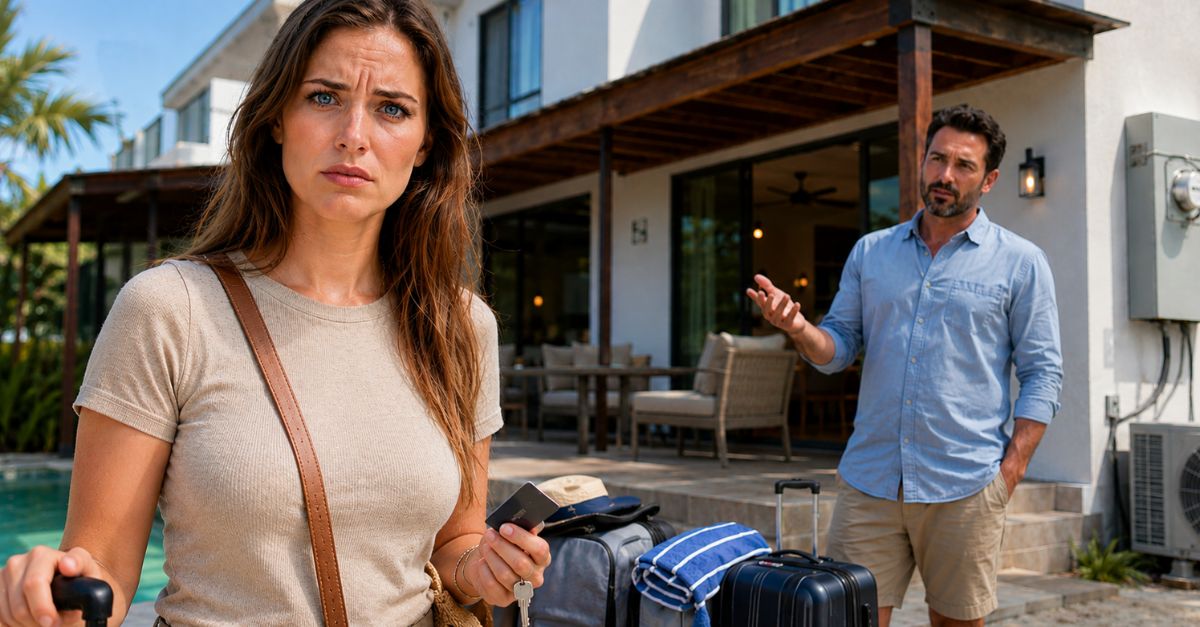
A Surprise Charge After Checkout
You leave your summer Airbnb thinking the trip is over, then a message lands in your inbox. The host wants extra money for “excessive electricity usage.” What did they expect you to do, boil in the heat? It's frustrating, but whether that charge holds up depends on what was disclosed before you booked and what Airbnb’s rules allow.

Why This Comes Up In Summer
Summer is when air conditioning becomes one of the biggest expenses in many rentals. A host may see a sharp jump in the utility bill after guests run the AC nonstop, especially during a heat wave. But that does not automatically mean the guest has to pay more.
Start With Airbnb’s Price Transparency Rules
Airbnb says hosts must disclose mandatory fees in the listing’s price breakdown before booking, with limited exceptions like taxes or certain approved charges. The company rolled out clearer total-price displays in 2022 and 2023. That matters because a surprise electricity fee after the stay can clash with Airbnb’s rule that required costs should be shown up front.

Hidden Fees Have Been A Big Regulatory Target
The Federal Trade Commission announced a final Rule on Unfair or Deceptive Fees in December 2024. It targets bait-and-switch pricing and hidden mandatory charges in live-event ticketing and short-term lodging. The basic point is simple: regulators want travelers to see the real price before they book.

What Airbnb Says Hosts Can Charge After A Stay
Airbnb does allow some post-stay payment requests through its Resolution Center. These can include claims for damage, extra services, or costs tied to rule violations, but they still have to fit Airbnb’s policies and the booking terms. A host cannot just create a new mandatory fee after checkout if it was never disclosed and was not clearly allowed by the listing.

The Resolution Center Is Where These Disputes Usually Go
If a host wants reimbursement, they usually have to submit a request through Airbnb’s Resolution Center. Guests can accept, decline, or try to negotiate, and Airbnb may review the evidence if the dispute continues. That matters because a complaint in chat is one thing, but a real platform claim usually needs proof.

Documentation Is Everything
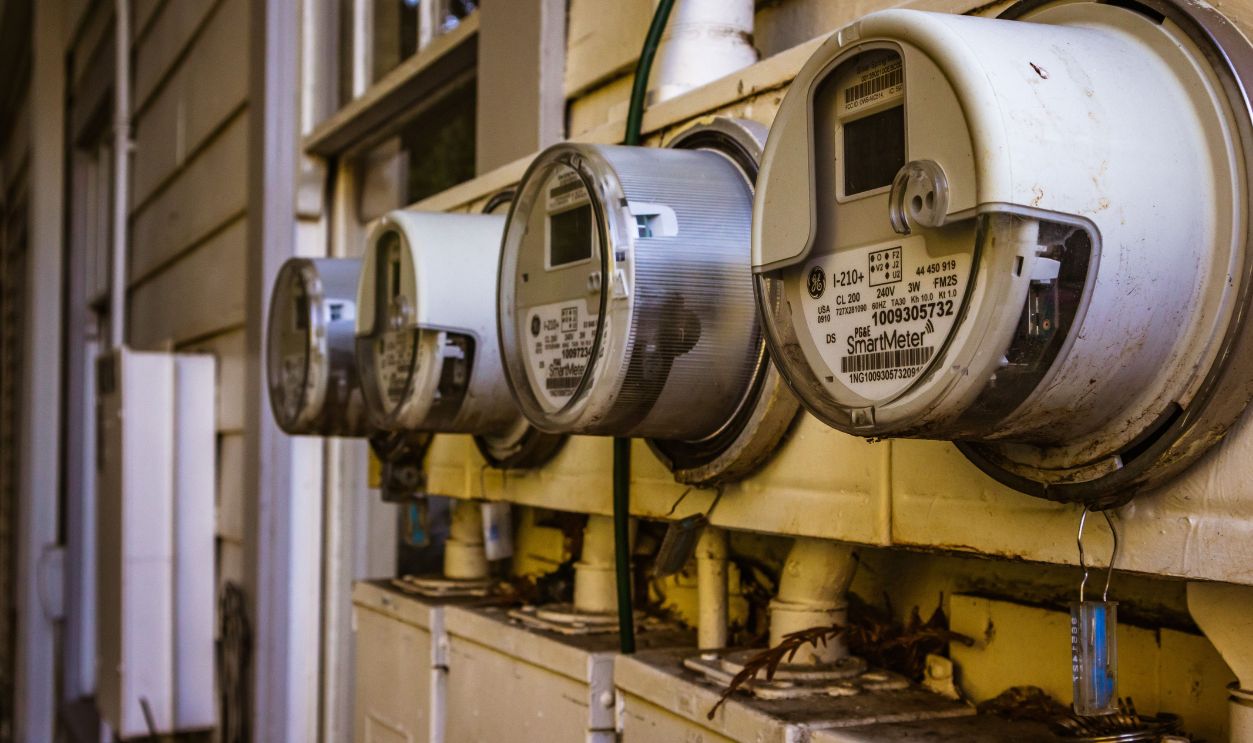
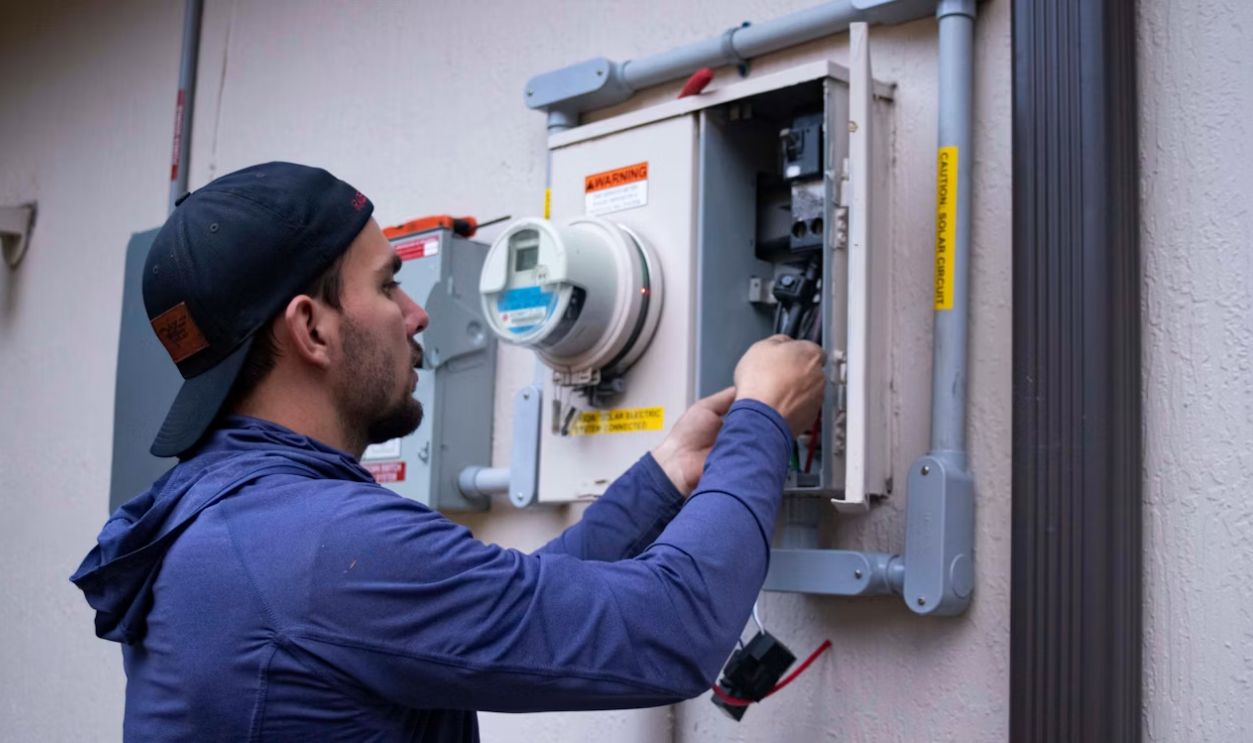
If a host says the usage was “excessive,” the first question is excessive compared to what. A solid claim would need meter readings, utility bills covering the exact dates of the stay, and proof that a usage cap or house rule was disclosed ahead of time. Without that, the charge can look more like irritation than an actual contract term.
Was There A Utility Cap In The Listing?
This is the first thing to check. If the listing clearly said electricity was included only up to a certain amount and explained how overages would be calculated, the host has a stronger argument. If there was no cap in the listing, house rules, or booking terms, the guest usually has the stronger case.

Airbnb’s Rules On Offline Fees Matter Too
Airbnb limits when hosts can collect fees outside the platform. Hosts generally must disclose required fees in the listing and collect them through approved methods where Airbnb allows it. So if a host is pushing a guest to send money privately for power use that was never disclosed, that is a clear warning sign.
Consumer Protection Law Is Not Friendly To Surprise Charges
Across the United States, basic consumer protection law usually does not look kindly on undisclosed mandatory charges. The FTC’s 2024 rule made that even clearer for short-term lodging. Even before that, many state laws gave consumers arguments against hidden fees that appeared only after the stay.

But Hosts Are Not Always Wrong
There are cases where a host may have a real claim. If the listing included a clear electricity allowance, or if the guest broke stated rules by running power-hungry equipment that was not allowed, the host may have a better shot. The key question is whether the charge was disclosed, measurable, and tied to terms both sides agreed to.

Heat Waves Make The Facts Messier
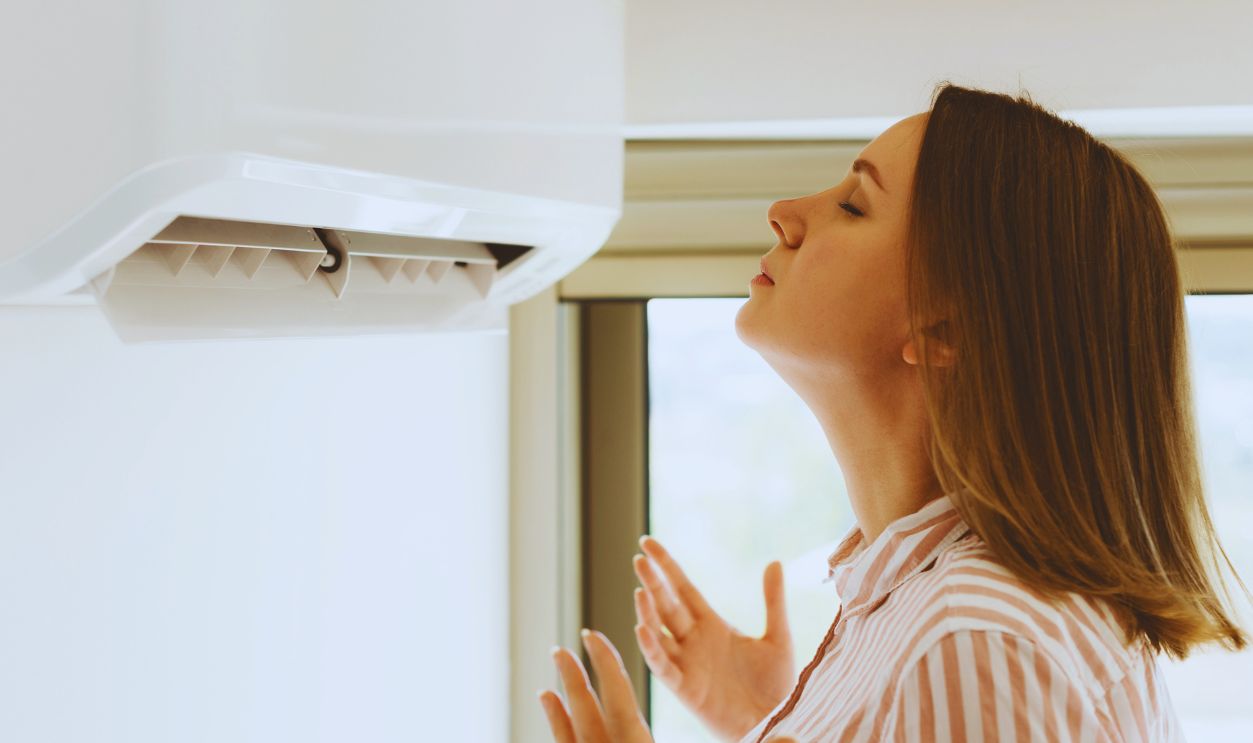
During a brutal summer, heavy AC use may be normal, not abusive. If the area was dealing with extreme temperatures, a guest can argue that cooling the rental was ordinary use of an advertised amenity. A host who advertises air conditioning should expect guests to use it when the weather turns dangerous.
What Counts As Ordinary Use
Ordinary use usually means using the property the way a normal traveler would. Running the AC, charging phones, cooking meals, and doing laundry in a place that offers those amenities are all standard. A host usually needs something more unusual to make an “excessive usage” claim convincing.

The Fine Print Can Make Or Break The Case
Check the listing description, house rules, checkout instructions, and message thread from before booking. Sometimes a host mentions a utility surcharge in one spot but not another, which creates confusion. If the policy was not presented clearly before payment, it is harder to enforce.

Airbnb’s Terms Give The Platform A Big Role
Airbnb’s Terms of Service and payment rules give the company broad control over how disputes are handled on the platform. So enforceability is not just about local contract law. It is also about whether Airbnb agrees with the host under its own process. In real life, many guests pay only if Airbnb approves the request or they want to avoid a longer fight.

If The Host Wants A Security Deposit Style Recovery
Airbnb no longer uses the old broad cash security deposit system for most bookings the way many travelers remember. Instead, hosts usually seek reimbursement through damage claims or payment requests. That can make utility disputes tougher for hosts, because electricity use is not the same as broken furniture or a stained rug.

Evidence Guests Should Gather Right Away
Take screenshots of the original listing, especially the pricing page, amenities, and house rules. Save all messages with the host and any demand for extra payment. If possible, note the weather during your stay and whether the listing advertised air conditioning as an included amenity.

How To Respond Without Making Things Worse
Keep your reply calm and short. Ask the host to point to the listing language or rule that allowed the charge, and ask for meter readings or the utility bill covering your dates. A simple request for proof often shows very quickly whether the claim is solid or shaky.

When To Decline The Request
If there was no disclosed electricity cap and no clear way to calculate overages, declining is usually reasonable. The same goes if the host offers only vague accusations with no records. Guests should not feel pressured to pay a made-up amount just because it arrives in a stern message after checkout.

When Paying Might Be The Smart Move
If you find a clear pre-booking rule saying, for example, that electricity is included only up to a certain number of kilowatt-hours and overages will be billed at a stated rate, the host may be acting within the agreed terms. In that case, negotiating the amount may make more sense than disputing the whole idea. The details matter more than the tone of the message.
Local Law Can Still Matter
Short-term rentals are also governed by state, provincial, or national consumer and contract law. Some places take a harder line on hidden fees and unfair terms than others. If the amount is large, it may be worth checking with a consumer protection agency or getting local legal advice.

Europe Has Also Pushed For Price Clarity
European consumer authorities have also pushed major booking platforms on transparent pricing over the years. The trend is clear. Travelers are supposed to know the real cost before they click book, not after they are back home unpacking.

Why Hosts Try This In The First Place
Utility bills have become a sore spot in many destinations, especially where electricity prices are high and summers are getting hotter. Some hosts feel squeezed and look for ways to recover costs after the fact. That pressure is real, but it does not cancel disclosure rules.
What Airbnb Is Likely To Ask For
If Airbnb reviews the dispute, expect it to look for booking terms, written rules, and proof of the amount claimed. A host who cannot show how the overage was measured may struggle. A guest who can show the fee was never disclosed may be in a strong position.

A Practical Script You Can Use
You can say: “I am happy to review any documentation. Please send the listing language or house rule that disclosed an electricity cap before booking, along with the meter readings and the calculation for the amount requested.” That keeps the exchange factual and avoids an emotional back-and-forth.

The Bottom Line On Enforceability
Yes, an electricity overage charge can be enforceable in some cases, but only if it was clearly disclosed in advance and backed by evidence. If it appeared out of nowhere after a summer stay, it is much less likely to hold up under Airbnb’s rules or modern fee transparency standards. The real issue is not the message itself. It is whether the host can prove you agreed to pay it.
How To Protect Yourself Before The Next Booking
Before booking a warm-weather stay, scan the listing for utility caps, extra fees, and odd house rules. If anything is unclear, ask in writing before you reserve. One minute of checking can save you a long argument later.