A Vacation Surprise No Guest Wants
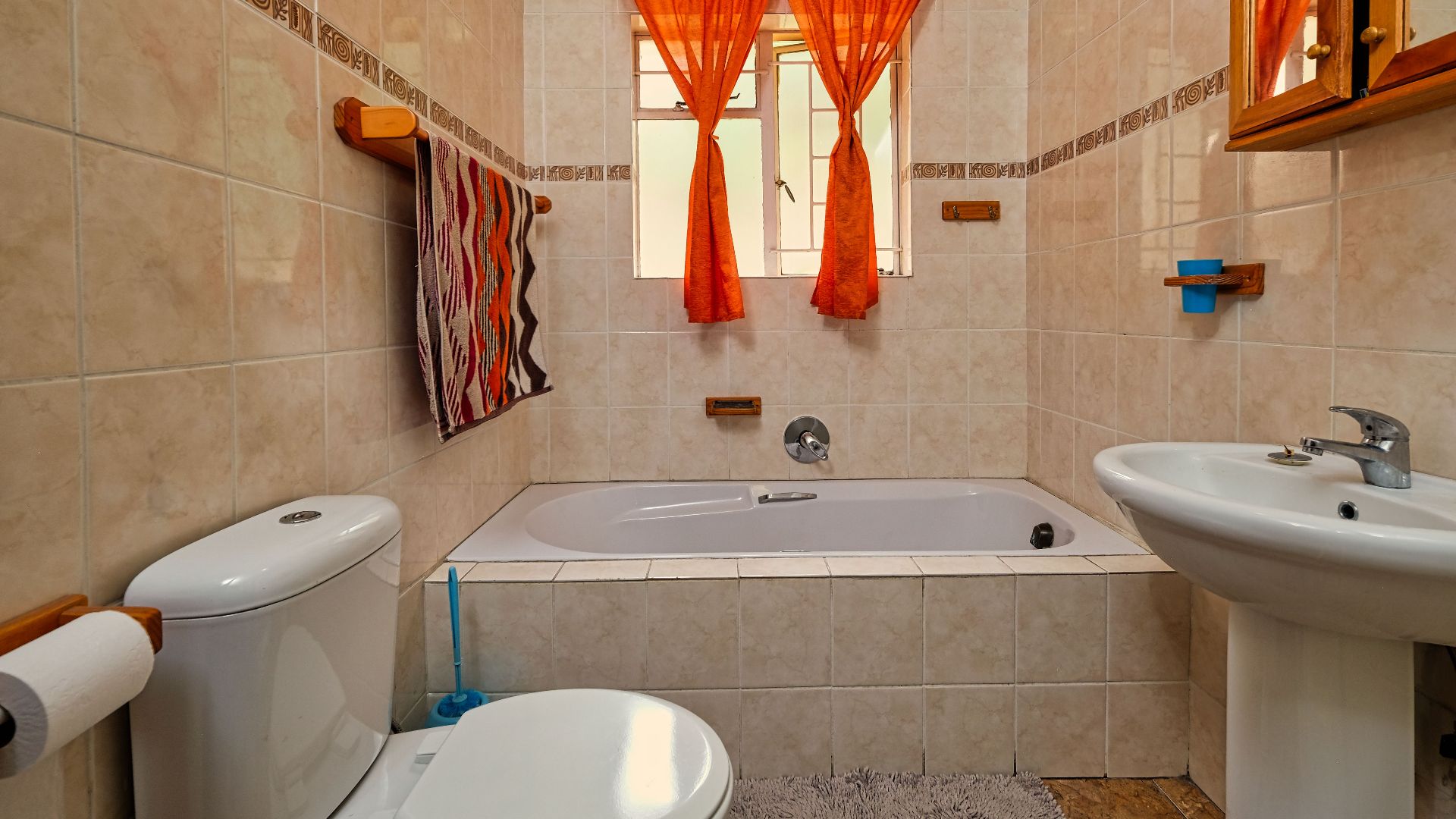
You arrive at your Airbnb, let your bags drop to the floor, and head to freshen up. Then you see the laminated note in the bathroom. Your Airbnb host says not to flush toilet paper because of plumbing issues. That's a pretty basic amenity that you were expecting to have. In cases like this, it's important to know what can the host reasonably ask of you, and what's the bare minimum that should be expected of any Airbnb.

Why This Question Matters Before You Book
For most travelers, a working toilet is not a bonus. It is a basic expectation. When a host shares a major bathroom limitation only after check-in, it is fair to ask whether that should have been in the listing before anyone booked.
What Airbnb Tells Hosts To Do
Airbnb’s ground rules for hosts say listings should be accurate and not misleading. Hosts are supposed to give complete and current information about the space, including details that could affect a guest’s choice to book. If a bathroom comes with unusual rules, that is the kind of thing many guests would want to know.
Accuracy Is Not A Small Print Issue
Airbnb’s help materials make clear that hosts should not leave guests feeling misled. A rule about not flushing toilet paper is not a tiny detail like a creaky door. It affects sanitation, comfort, and everyday use, especially on a longer stay or when children are involved.
What Counts As A Material Detail
Airbnb does not publish one master list covering every issue that must be disclosed in every listing. Even so, its policies keep coming back to accuracy, honesty, and clear descriptions. A toilet-use restriction is something many guests would likely see as material because it affects cleanliness, smell, convenience, and how the bathroom works.
There Is A Real World Reason This Sometimes Happens
In some destinations, guests are routinely told not to flush toilet paper because sewer or septic systems cannot handle it. That does not automatically mean the property is poorly maintained. In parts of Greece, for example, travel guidance and local lodging advice often mention this plumbing reality, so the setting matters.

Destination Norms Can Change The Expectation
If a property is in a place where not flushing paper is common practice, many travelers may accept it. Even then, the host should still say so before booking. A local norm is not the same thing as a hidden rule, and guests should be able to decide ahead of time whether they are fine with it.

When The Rule Feels Like A Red Flag
The picture changes if the listing is in a place where guests would normally expect standard toilet use. In that situation, a no-flush instruction can point to an unresolved maintenance issue or a property feature that was not fully explained. That is when disclosure matters even more.
Airbnb’s Rebooking And Refund Policy Comes Into Play
Airbnb’s policy on reservation problems says guests may qualify for help if a place is materially different from what was advertised. Airbnb’s examples include missing amenities and inaccurate listing details. A bathroom limitation that was never mentioned could fall into that broader issue, depending on the facts.

What “Materially Different” Can Mean For A Bathroom
If a listing shows a normal private bathroom but only reveals after arrival that toilet paper cannot be flushed, some guests may argue the amenity was not described accurately. That does not mean every complaint leads to an automatic refund. It does mean the guest may have a solid reason to ask Airbnb to review the stay and the listing.
Health And Comfort Are Part Of The Story
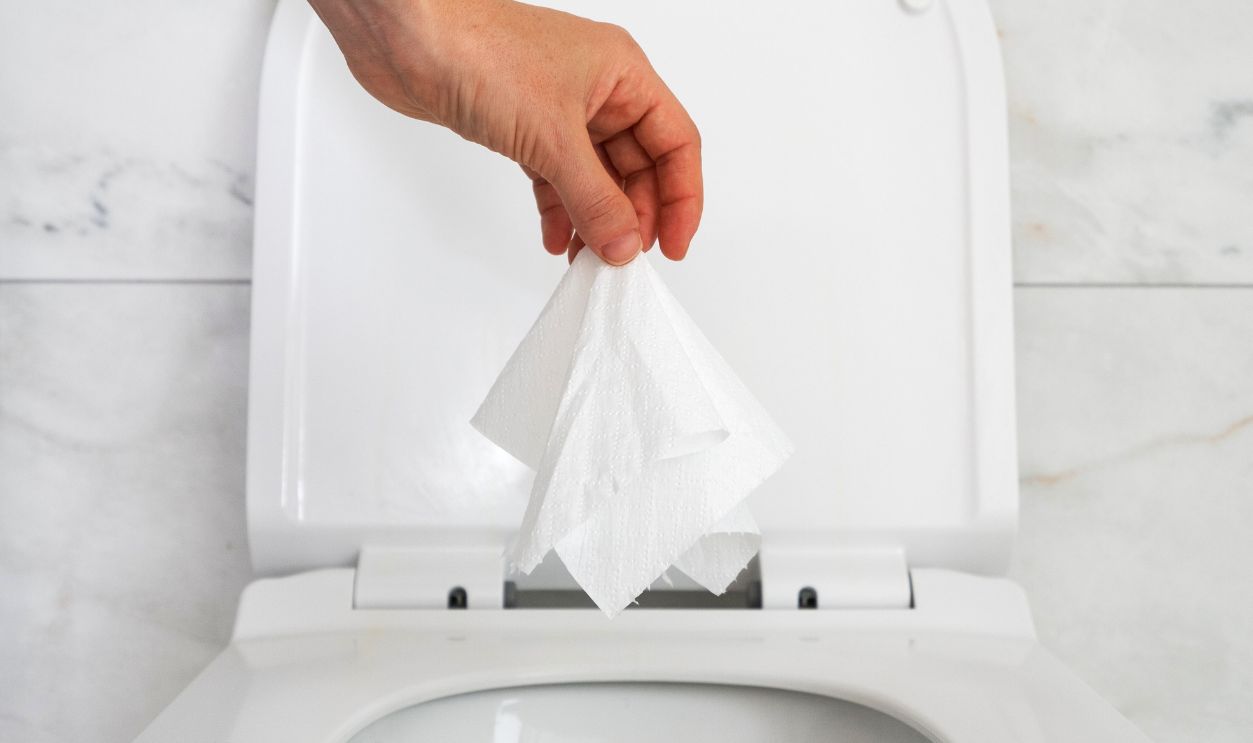
A no-flush policy often means used toilet paper has to go into a waste bin. If that setup is not handled well, it can create odor and hygiene issues. For many travelers, especially in a small shared space, that can noticeably change the quality of the stay.

Why Timing Of Disclosure Is So Important
Being told before booking gives you a real choice. Being told after check-in leaves you with far fewer options, especially late at night, during peak travel season, or in a remote area. That is exactly why clear listing details matter so much in short-term rentals.

What Consumer Expectations Usually Look Like
Most guests assume toilets in a private rental can be used the usual way unless they are clearly told otherwise. In many markets, that expectation is normal and reasonable. If a host knows there is a major exception, the safest and fairest move is to say so clearly in the listing and house rules.
How To Judge Whether The Host Was Fair
Start with the listing itself. Check the description, amenities, house rules, and any pre-booking messages for mention of plumbing limits or septic restrictions. If nothing appears until after arrival, the host did not give you the full picture soon enough for you to make an informed choice.

Document Everything Right Away
If this happens to you, take screenshots of the listing as it appeared when you booked. Save the host’s message telling you not to flush toilet paper. Good records make it much easier if you decide to ask for a partial refund, rebooking help, or support from Airbnb.

Contact The Host First
Airbnb generally encourages guests to raise issues with the host before escalating them. A calm message can sometimes lead to a practical fix, such as extra cleaning, a discount, or even a penalty-free cancellation. Keeping the conversation inside Airbnb’s messaging system is smart because it creates a written record.

When To Contact Airbnb Support
If the host did not disclose the issue and the limitation seriously affects your stay, contact Airbnb as soon as possible. Airbnb’s help pages say guests should report problems promptly. Timing matters because support options are often easier to discuss while the reservation is still active.
Ask For The Remedy That Matches The Problem
Not every undisclosed issue calls for a full refund. If the stay is still usable but clearly less comfortable than advertised, a partial refund may be the more realistic ask. If the bathroom setup makes the property unacceptable for you, ask Airbnb whether rebooking support is available.

Reviews Matter More Than Ever Here
Before booking any rental, read recent reviews for clues about plumbing, odors, septic systems, or unusual bathroom rules. Guests often reveal the practical truth in ways glossy photos do not. If several reviews mention disposal bins for toilet paper, that is useful information even if the listing itself is vague.
Hosts Should Treat This As A Front And Center Detail
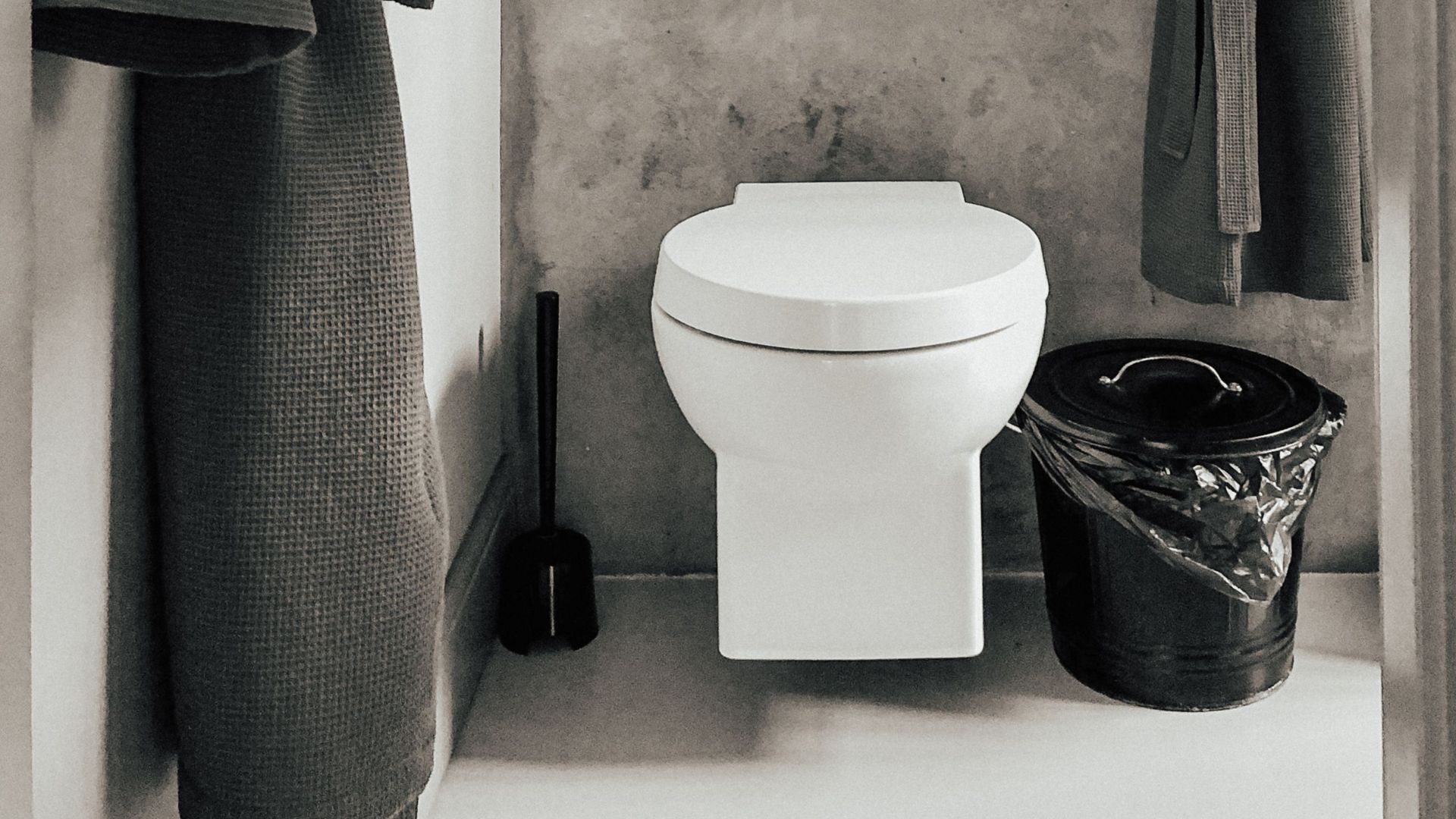
From a host’s side, honesty is not just the right thing to do. It can also help avoid bad reviews, disputes, and refund requests. One clear line in the listing about the plumbing setup can prevent a stressful argument on arrival day.
There Are Places Where This Is Common, Not Shocking
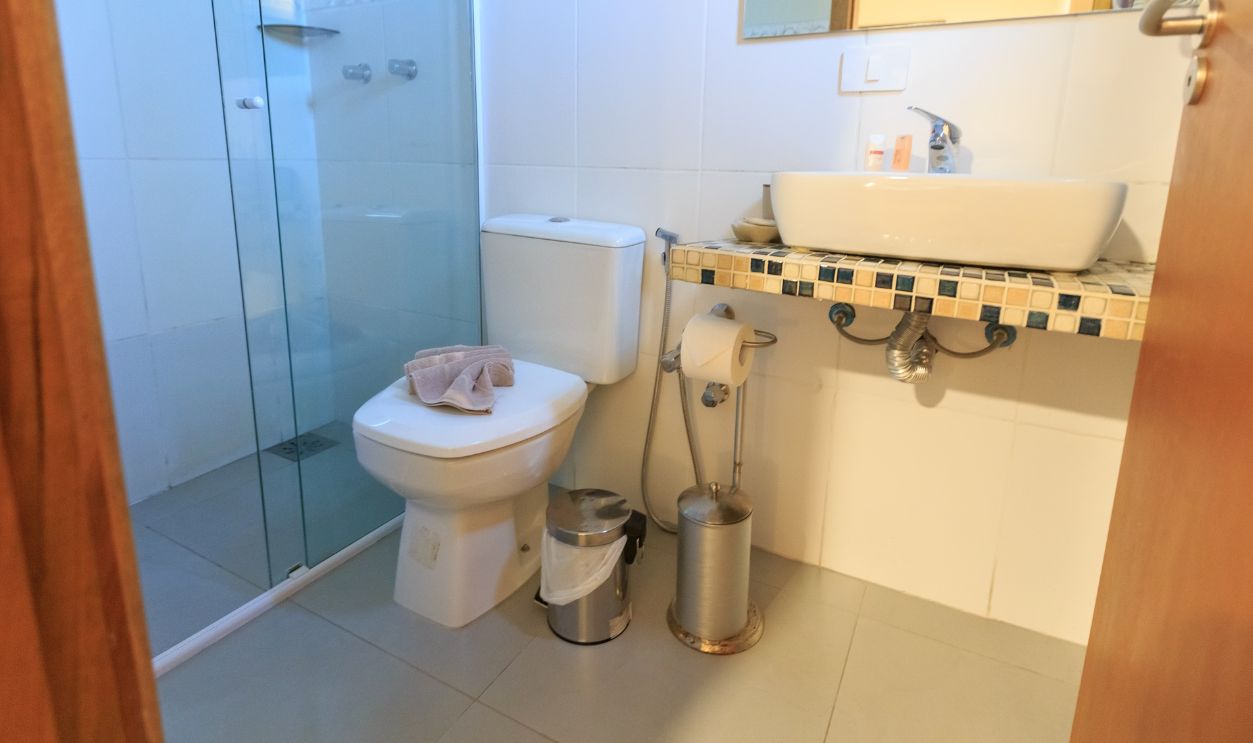
Travel guidance for some countries and islands regularly tells visitors not to flush toilet paper. In those destinations, bathroom waste bins may be standard. But even where the rule is common, clear disclosure still helps travelers prepare and know what to expect.
There Are Places Where It Would Be Highly Unusual
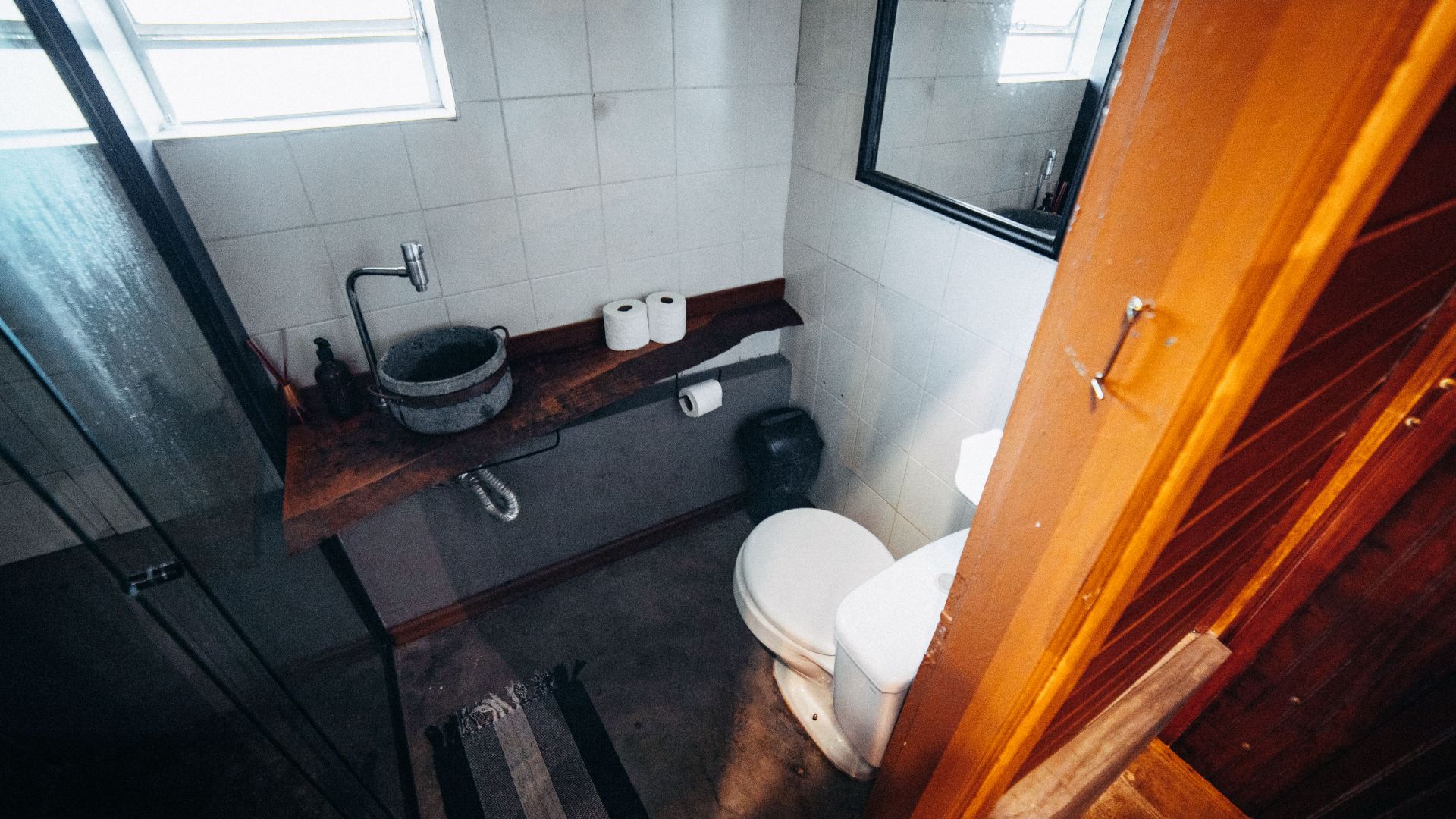
In many U.S. cities and Western European stays, guests usually expect toilets to work the normal way. An after-the-fact instruction not to flush paper can feel like a bad surprise because it breaks from that norm. That gap between expectation and reality is what makes disclosure so important.
Could This Violate Airbnb Policy
No public Airbnb rule says in those exact words that every host must disclose every toilet-paper restriction. But Airbnb’s accuracy standards point strongly in that direction. If the limitation is significant enough that a reasonable guest would care about it before booking, leaving it out can create a real policy issue.
What A Reasonable Guest Would Likely Think
Most adults would want to know this before committing to a stay. The restriction affects comfort, privacy, cleanliness, and how normal the property feels. That makes it more than a minor house quirk.

What A Reasonable Host Should Likely Do
A reasonable host should disclose the issue clearly in the listing and again in the house rules. If the restriction is due to local infrastructure, the host can explain that briefly and plainly. Being upfront can make an awkward detail feel manageable instead of misleading.
The Bottom Line For Travelers
Yes, in most cases, this should have been disclosed before booking. The strongest exception is when the property is in a destination where the practice is widely understood, but even then, upfront notice is still best. If you only learned about it after arrival, document it, message the host through Airbnb, and contact support if the stay feels materially different from what you booked.

The Smartest Rule Of Thumb
If a bathroom comes with a special instruction that might make some guests hesitate, it belongs in the listing. That is the simple test. And if you are the guest who got blindsided, you are not being unreasonable for asking whether you should have been told sooner.