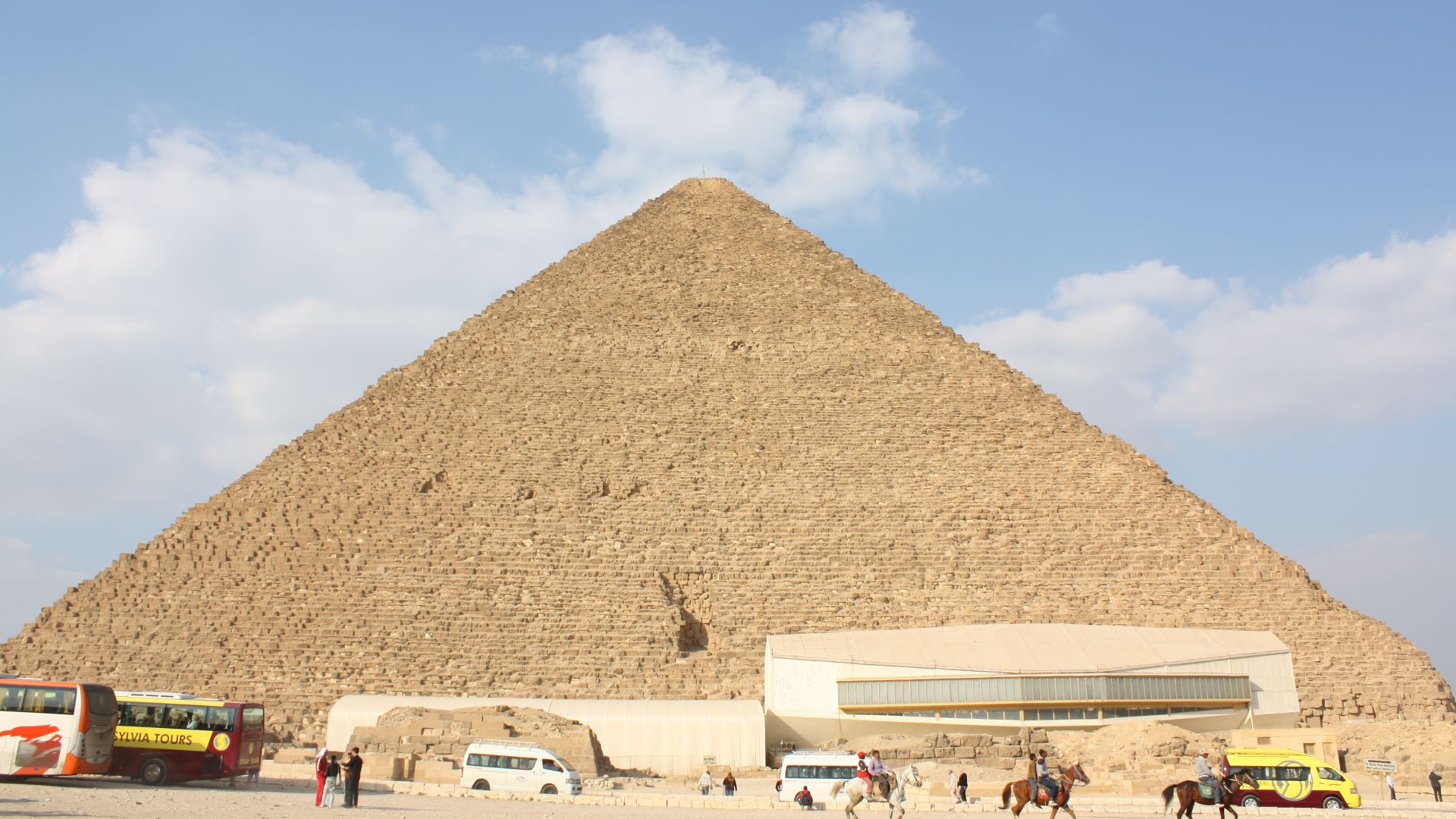
When you gaze at the mighty Great Pyramid of Giza—sometimes called the Pyramid of Khufu—you’re looking at four and a half millennia of human effort. And in 2017, researchers revealed there’s more than meets the eye: using cosmic-ray muons. Here, they discovered what appears to be a massive hidden chamber inside the stone giant.
Join us as we explore how this piece of ancient architecture still surprises science—and why you should care about what lies beneath its surface.
How The Invisible Became Visible
Scientists from the ScanPyramids project deployed muon detectors inside and around the pyramid to peer deep into its structure. These detectors captured cosmic-ray muons. Mouns are charged particles produced in the atmosphere and can pass through rock.
What they found is a void of at least 30 meters (about 98 feet) long, with a cross-section comparable to the famous Grand Gallery inside the pyramid.
This discovery marked the first major internal space found in the Great Pyramid since the nineteenth century—an architectural marvel whose surprises are still unfolding.
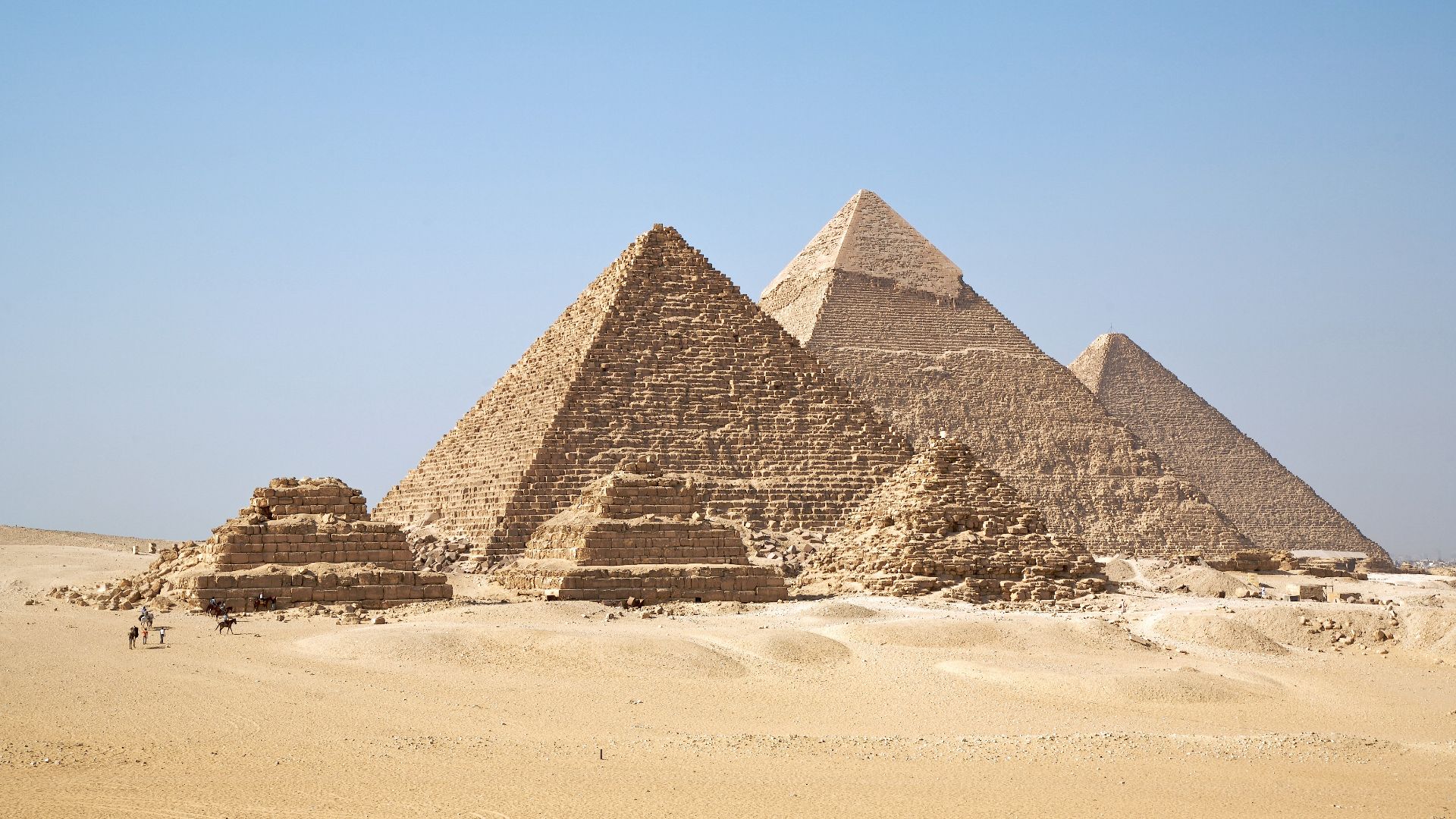 Ricardo Liberato, Wikimedia Commons
What The Void Might Be
Here are three leading ideas about what this hidden space might represent:
First, if it served as a structural relief zone, then the builders demonstrated astonishing engineering. The Great Pyramid’s immense weight required clever internal designs to avoid collapse—so this space might reflect mechanical planning rather than ritual design.
Next, if the void represents an unfinished corridor or chamber, then it hints that the pyramid’s initial plan changed mid-construction. Builders may have shifted the design and left this space unused as an undocumented chapter in ancient construction.
Finally, if this space reflects ancient practices we don’t yet grasp, then it underscores how much remains to be learned. Even after four thousand years, this pyramid still holds secrets.
Why This Discovery Means
You might wonder: What does this mean for someone far from Giza?
It reminds you that human creativity and ambition can still produce surprises today—you’re watching modern physics meet 2500 BC architecture in unexpected ways. By using non-invasive tools like muon-radiography, researchers can explore without damage, ensuring the heritage you value stays intact. This discovery underscores why preservation and continual research still matter: there’s always room for wonder in ancient monuments.
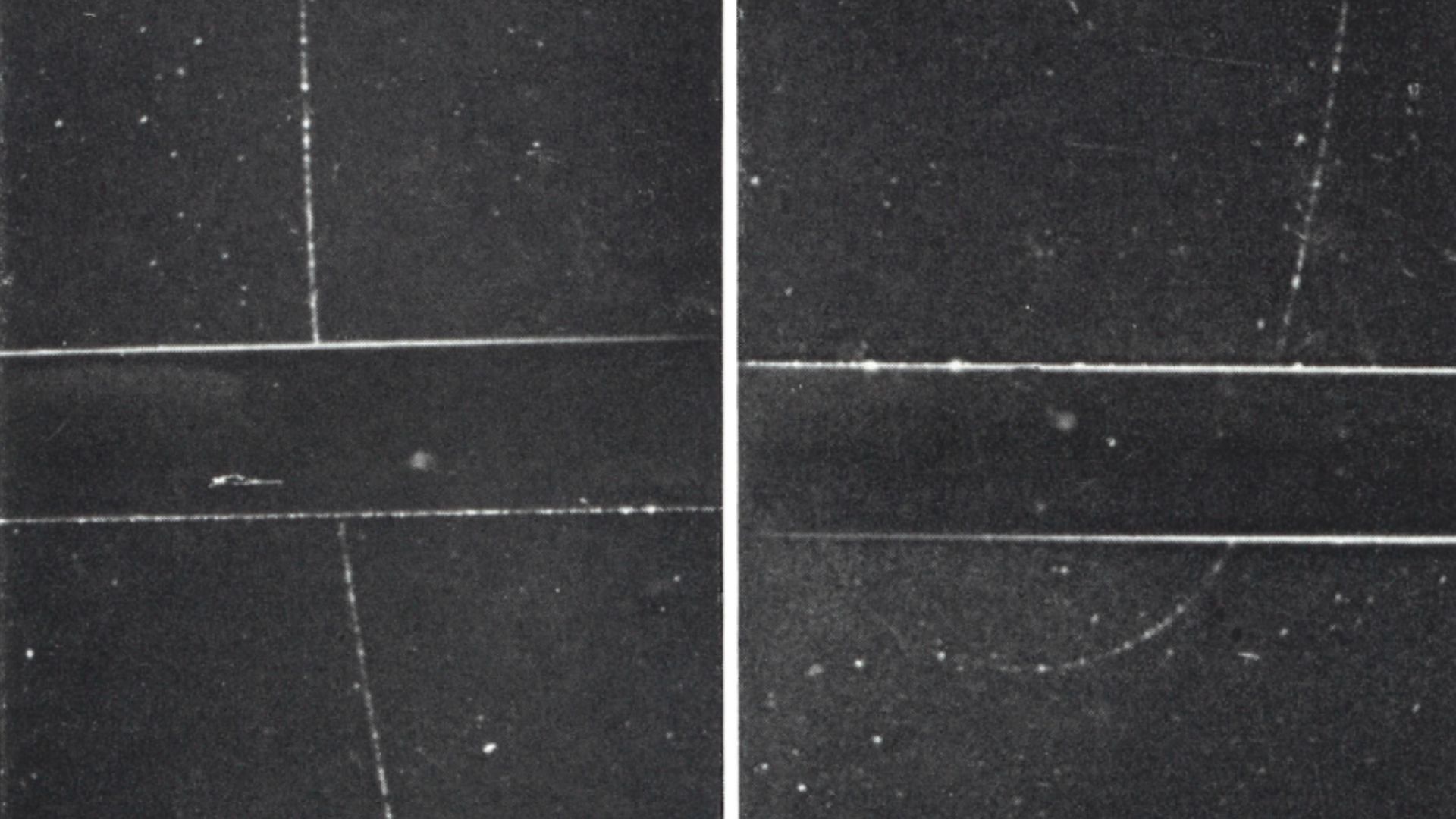 Jino john1996, Wikimedia Commons
Looking Ahead With Curiosity
The next step involves refining our understanding of that void’s shape, orientation, and purpose. Recent work published in 2023 described a narrower corridor-shaped void just behind the north face of the pyramid, and it measures roughly 30 feet in length and about 6.6 feet by 6.6 feet in cross-section.
For now, you hold a piece of this story: a world-famous monument that still yields surprises thanks to science and good old-fashioned curiosity. It invites you to imagine—without embellishment—the unseen space within one of humanity’s greatest stone monuments.