


A Strange Return to Pompeii
A small package arrived in Pompeii in 2020. It was worn and addressed to a local travel agent. Inside was a confession from a Canadian woman named Nicole. She admitted she had taken ancient artifacts from the ruins fifteen years earlier. She begged for their return.

The Letter That Started It All
Nicole’s handwritten note explained her actions. She had visited Pompeii in 2005 when she was in her early twenties. She wrote that she wanted a piece of history that nobody else could have. The letter listed the artifacts and described her growing sense of guilt.
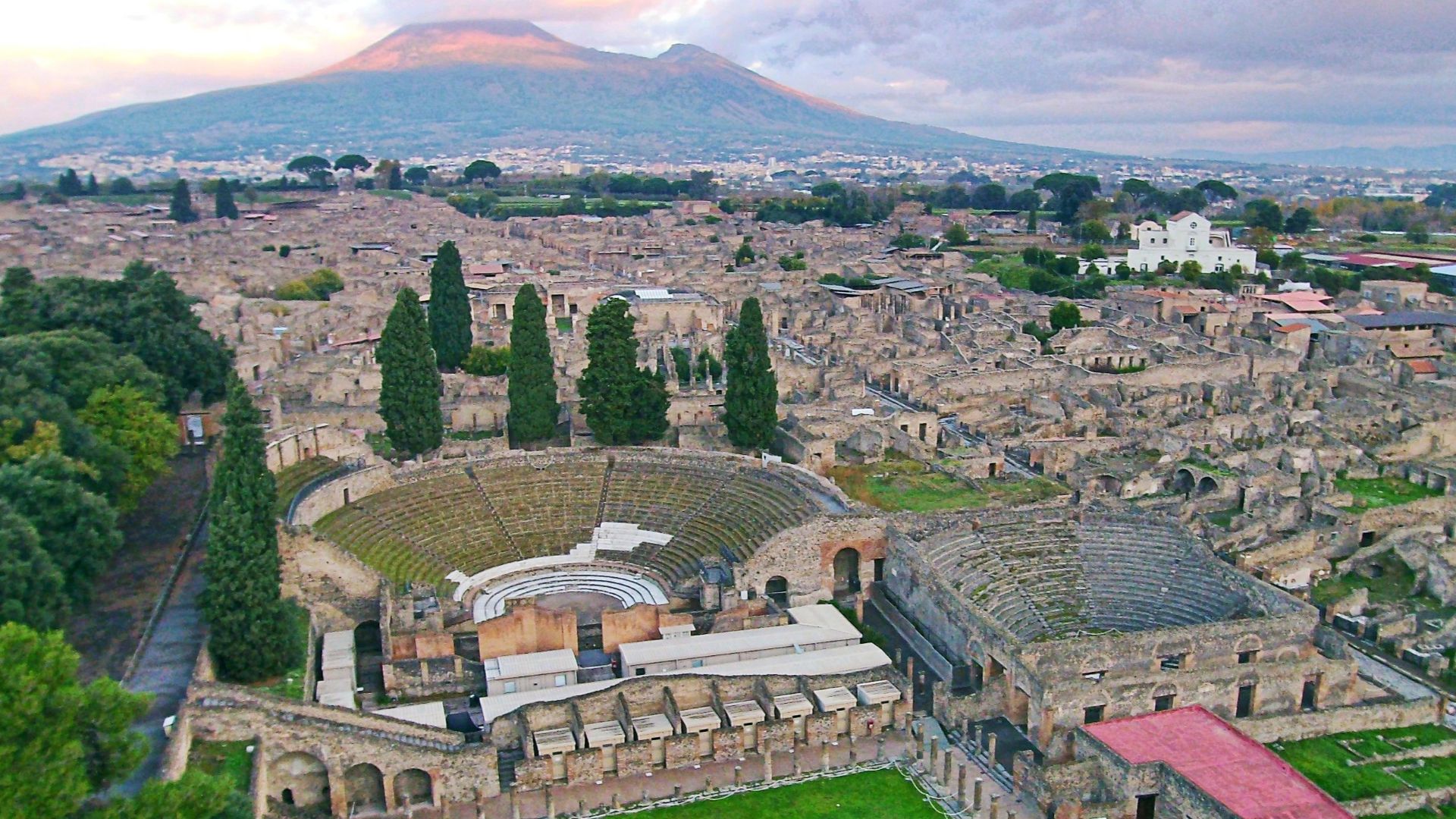
A Bundle of Ancient Fragments
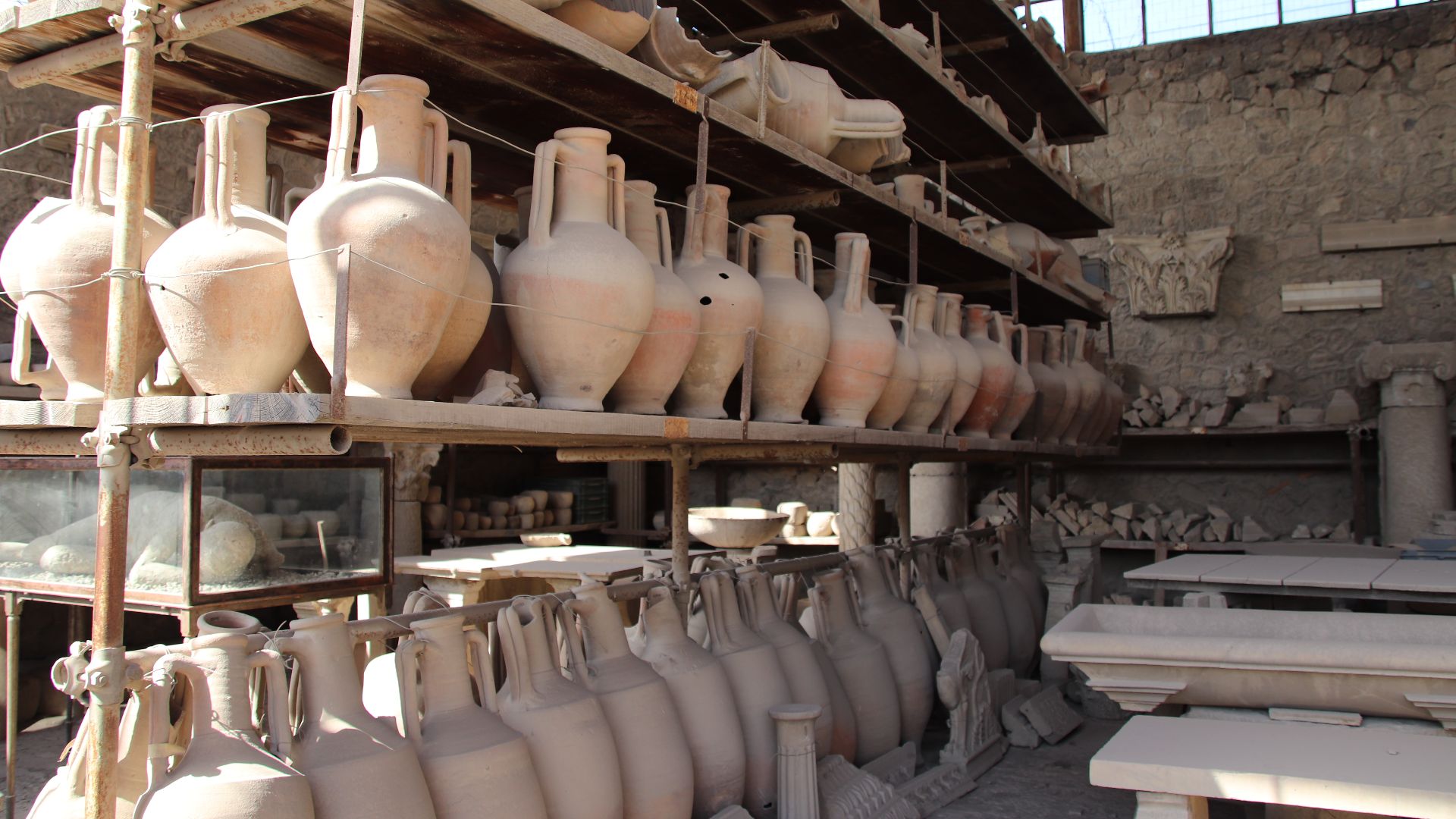
Inside the package were several artifacts. Nicole returned two mosaic tiles. She also enclosed parts of an amphora and a ceramic or wall fragment. Each piece had been removed directly from the archaeological site. They formed part of Pompeii’s ancient environment.
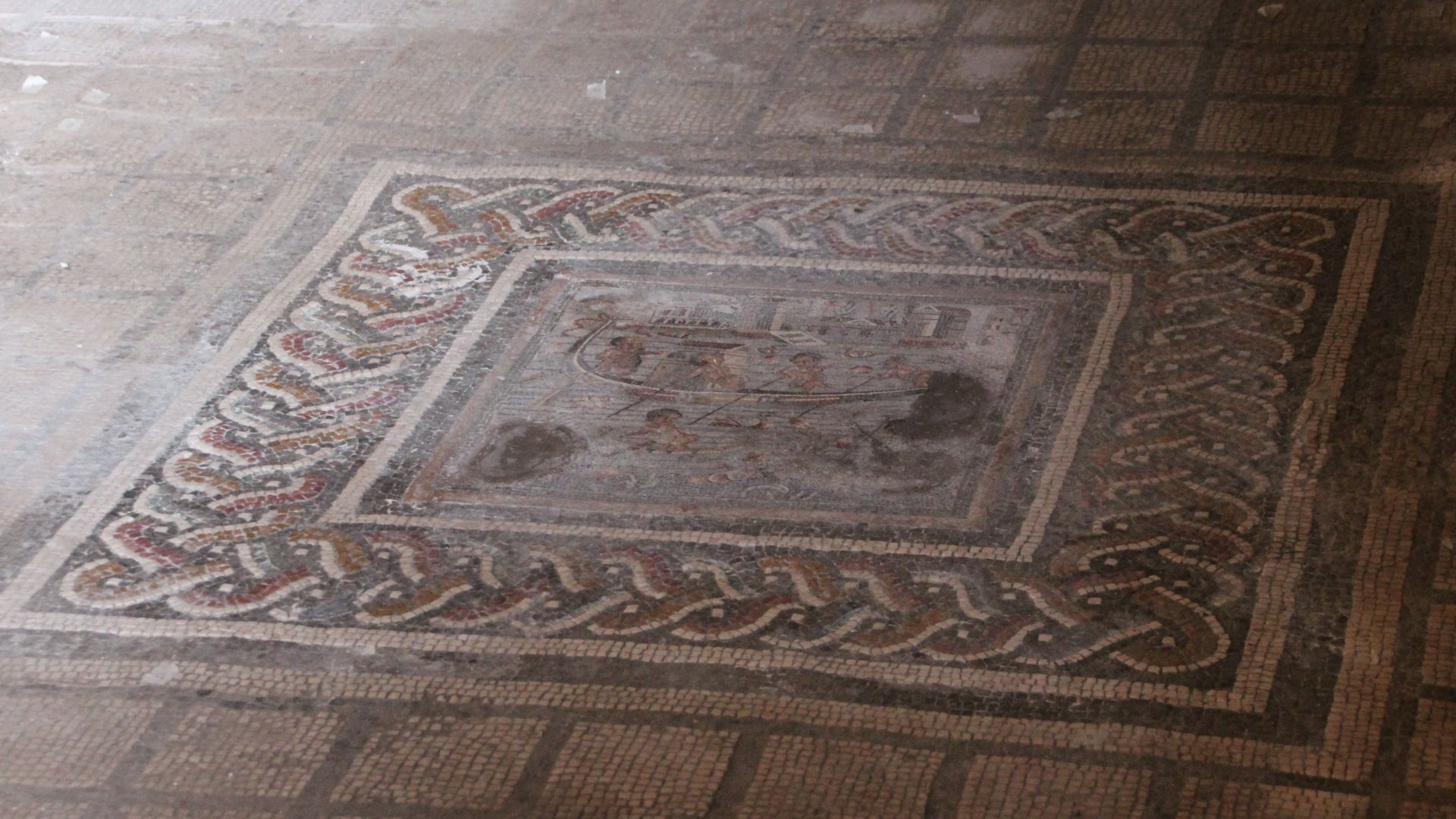 Takver from Australia, Wikimedia Commons
A Confession Across Continents
Nicole apologized repeatedly in her letter. She expressed a desire to make amends by sending the objects back. She addressed the package to a travel agent, who passed everything to the authorities. Her message revealed how heavily the matter weighed on her.

Fifteen Years of Fear
Nicole wrote that her life had spiraled downward after the theft. She said she had experienced breast cancer twice. She wrote that she had undergone a double mastectomy. She also described financial problems affecting her family. She believed the objects carried a curse.
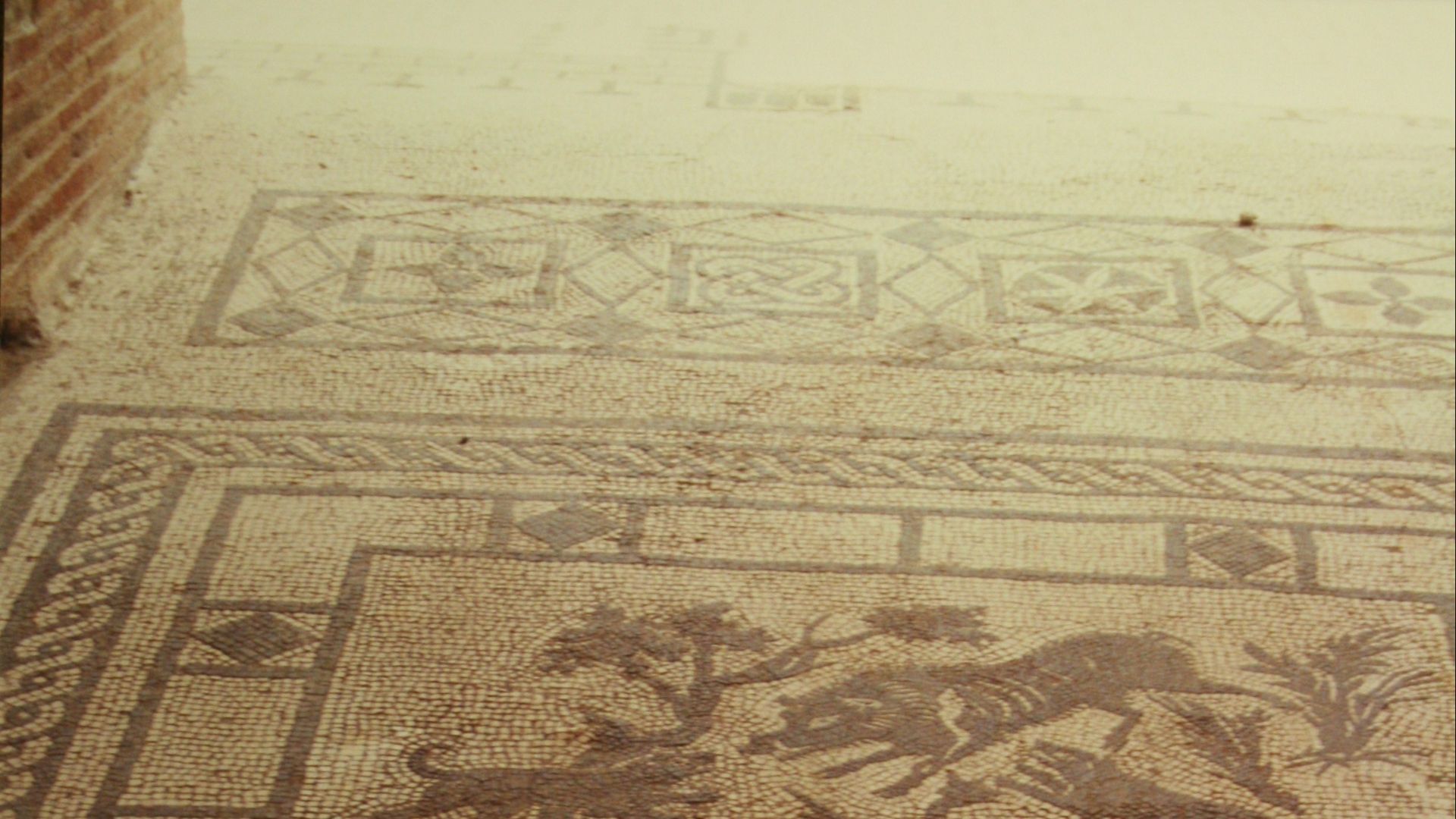 Gary Todd from Xinzheng, China, Wikimedia Commons
The Shadow of Bad Luck
Nicole described her misfortune as a consequence of taking the artifacts. She said she feared passing any bad luck to her children. Her letter asked that the objects be restored to their rightful place. Her words showed a deep desire to undo her mistake.
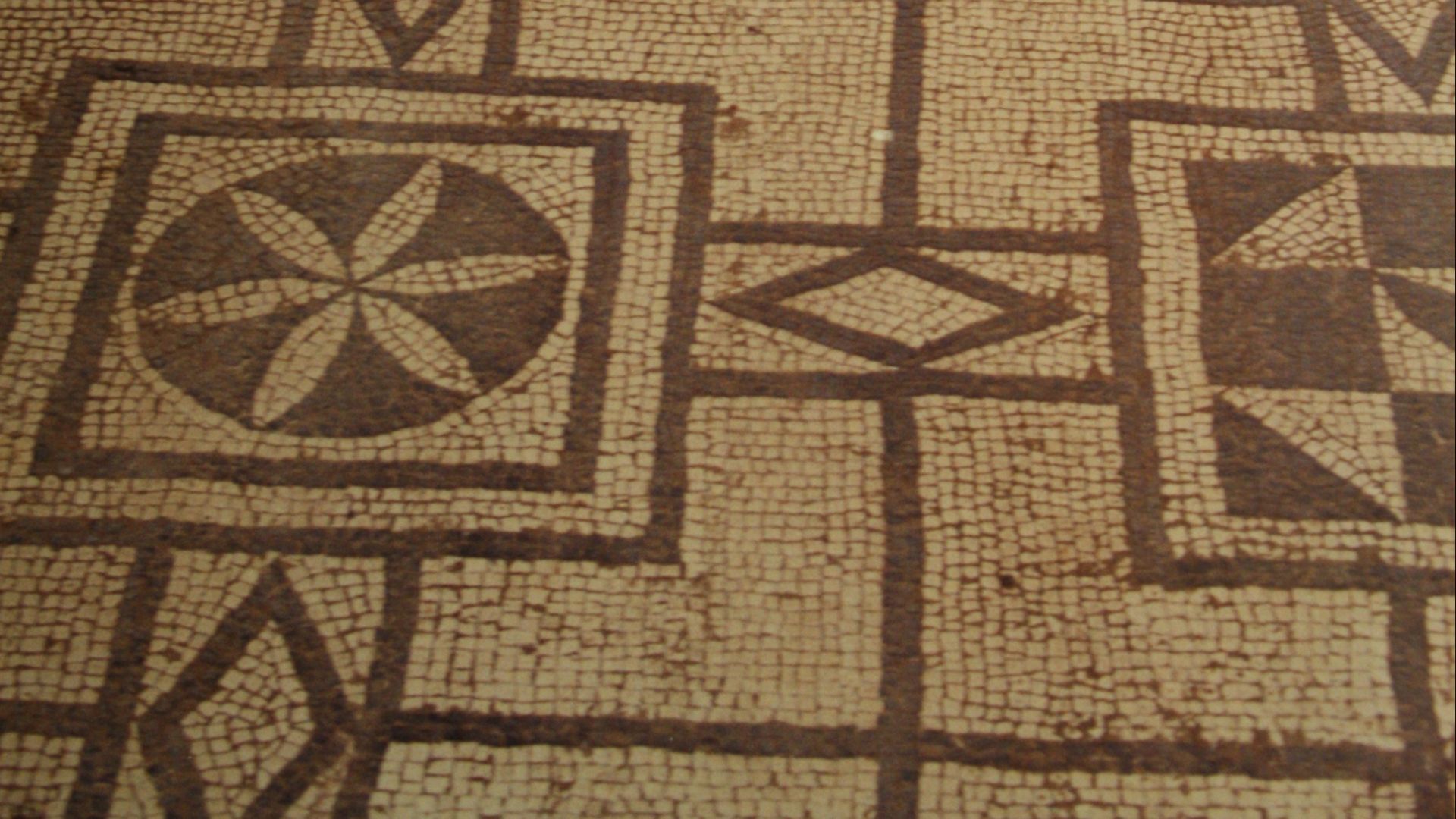 Gary Todd from Xinzheng, China, Wikimedia Commons
Pompeii’s Reputation for Curses
Her story echoed many others that Pompeii officials have received. Tourists often send stolen fragments back. They confess that they suffered illness, accidents, or family problems. Many believe the artifacts brought misfortune. The pattern has become well known.
 Gary Todd from Xinzheng, China, Wikimedia Commons
A Growing Pile of Apologies
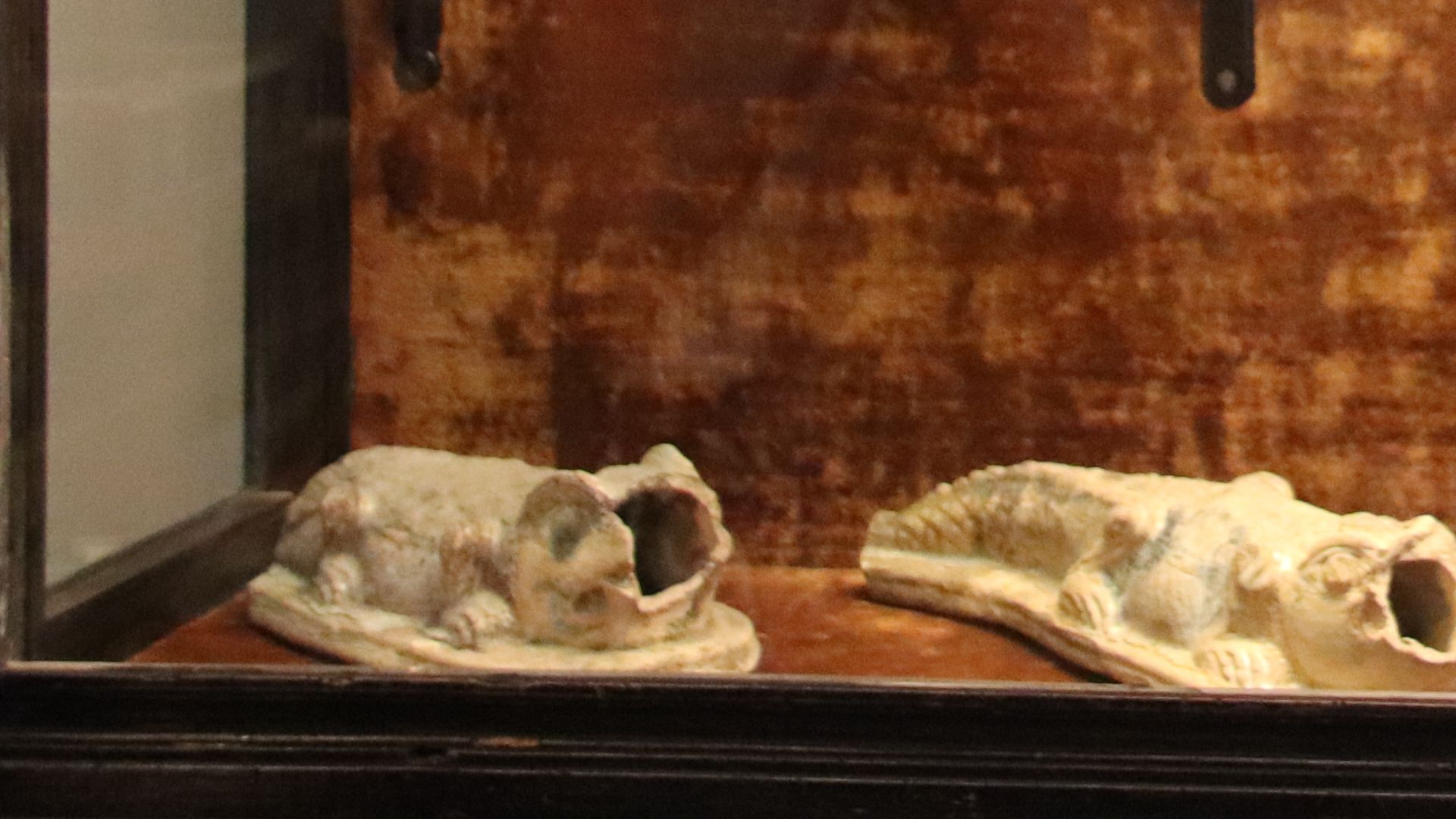
So many parcels arrive that Pompeii created a display for them. It contains returned tiles, pottery, stones, and small fragments. Letters accompany many of these items. The collection shows how widespread the belief in a Pompeii curse has become among returning visitors.
 Gary Todd from Xinzheng, China, Wikimedia Commons
A Second Letter in the Box
Nicole’s package also included a message from a Canadian couple. They had visited Pompeii in the same year and taken stones from the site. Their letter apologized for removing pieces of a city marked by the suffering of its ancient residents. They asked for forgiveness.

A Familiar Pattern
The couple’s letter reflected a larger trend. Many visitors later express guilt about disturbing a city destroyed by sudden disaster. Their notes describe an emotional burden. They recognize that Pompeii holds the final moments of a Roman community preserved in ash.

An Archaeological Treasure Preserved in Ash
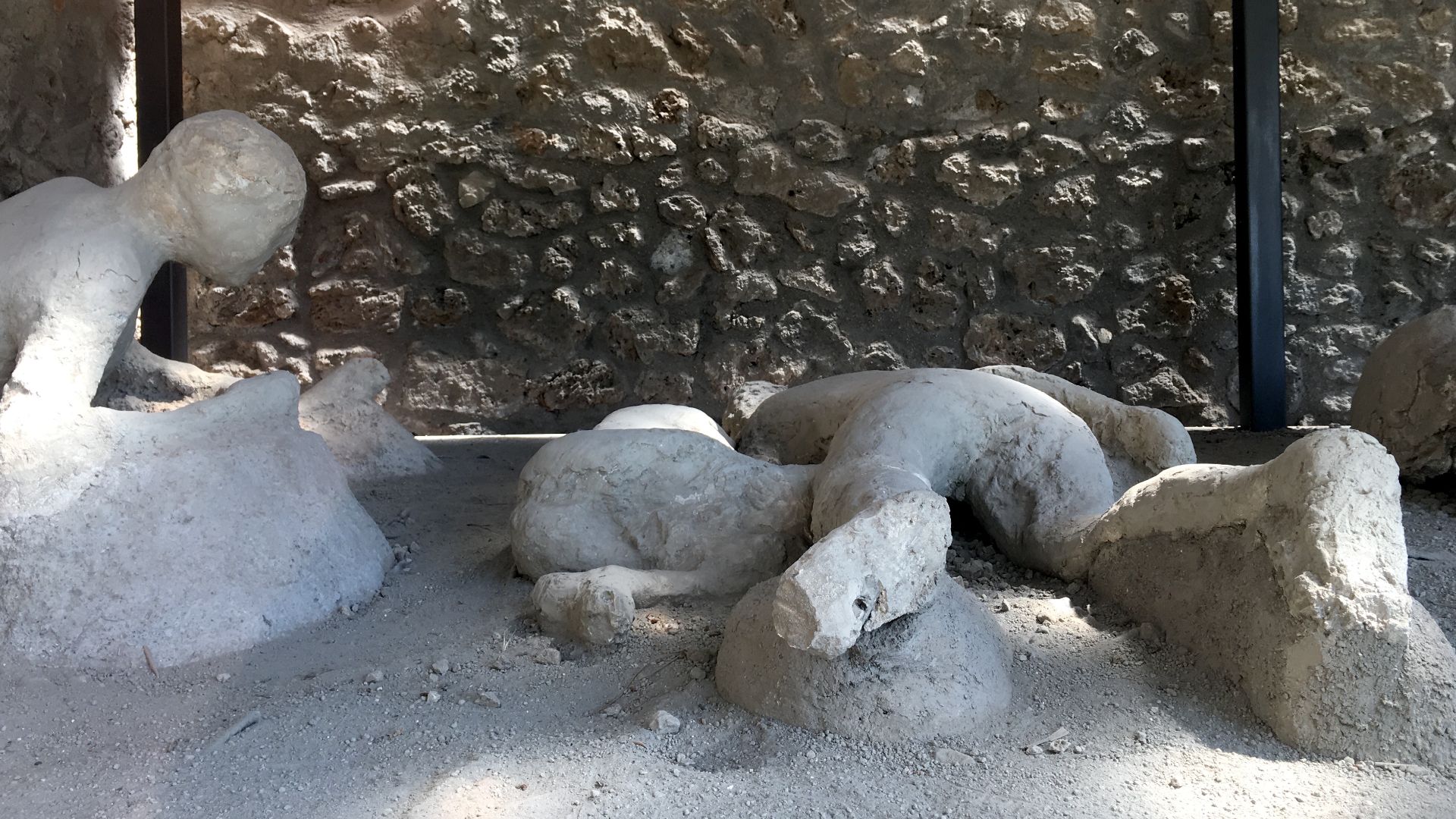
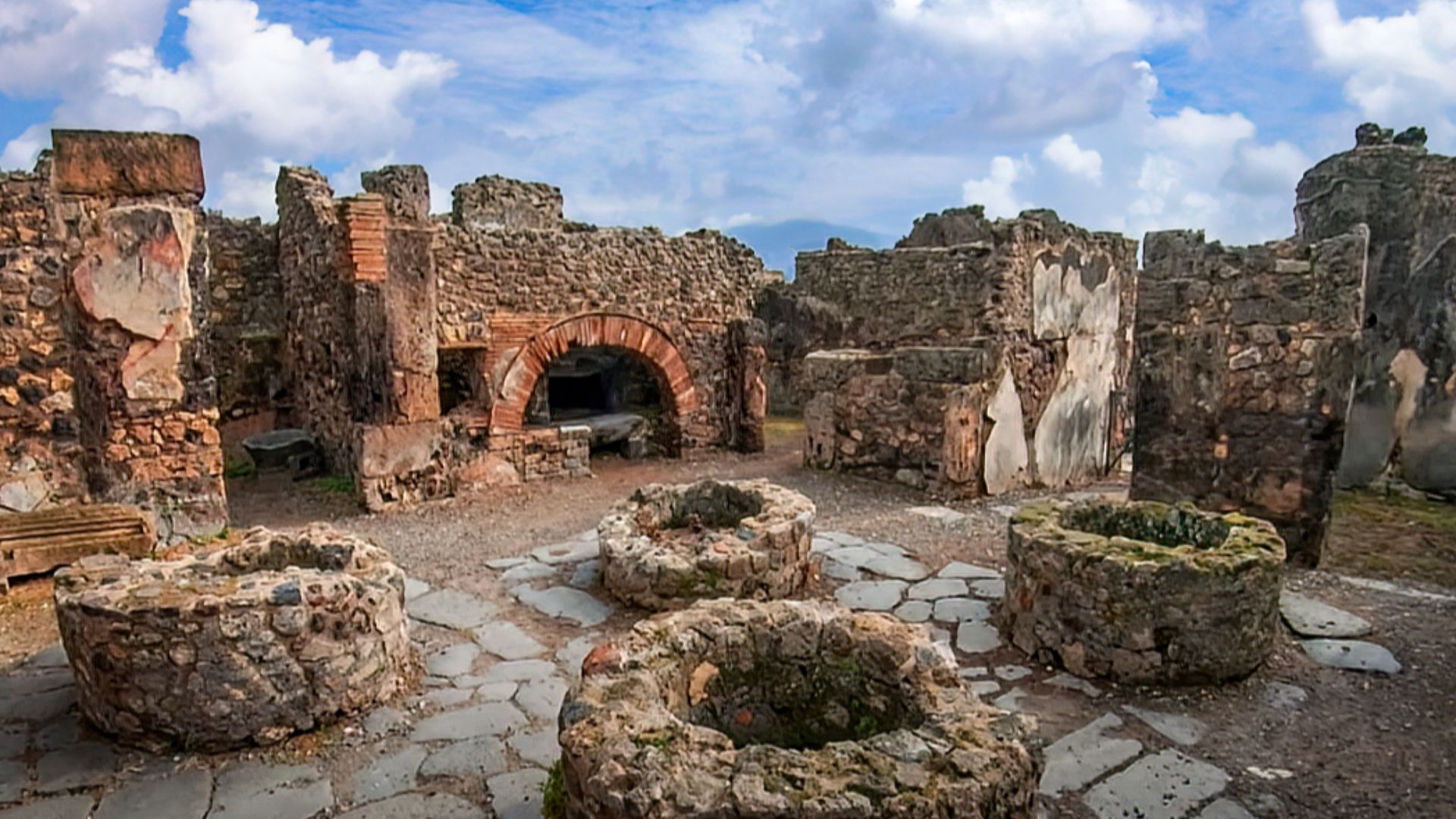
Pompeii’s tragic history shapes its modern significance. The eruption of Mount Vesuvius buried the Roman city beneath ash and pumice. Buildings, objects, and human remains were sealed in place. Excavations later revealed a vivid picture of ancient life that continues to captivate travelers.
 Miguel Hermoso Cuesta, Wikimedia Commons
Streets Caught in Time
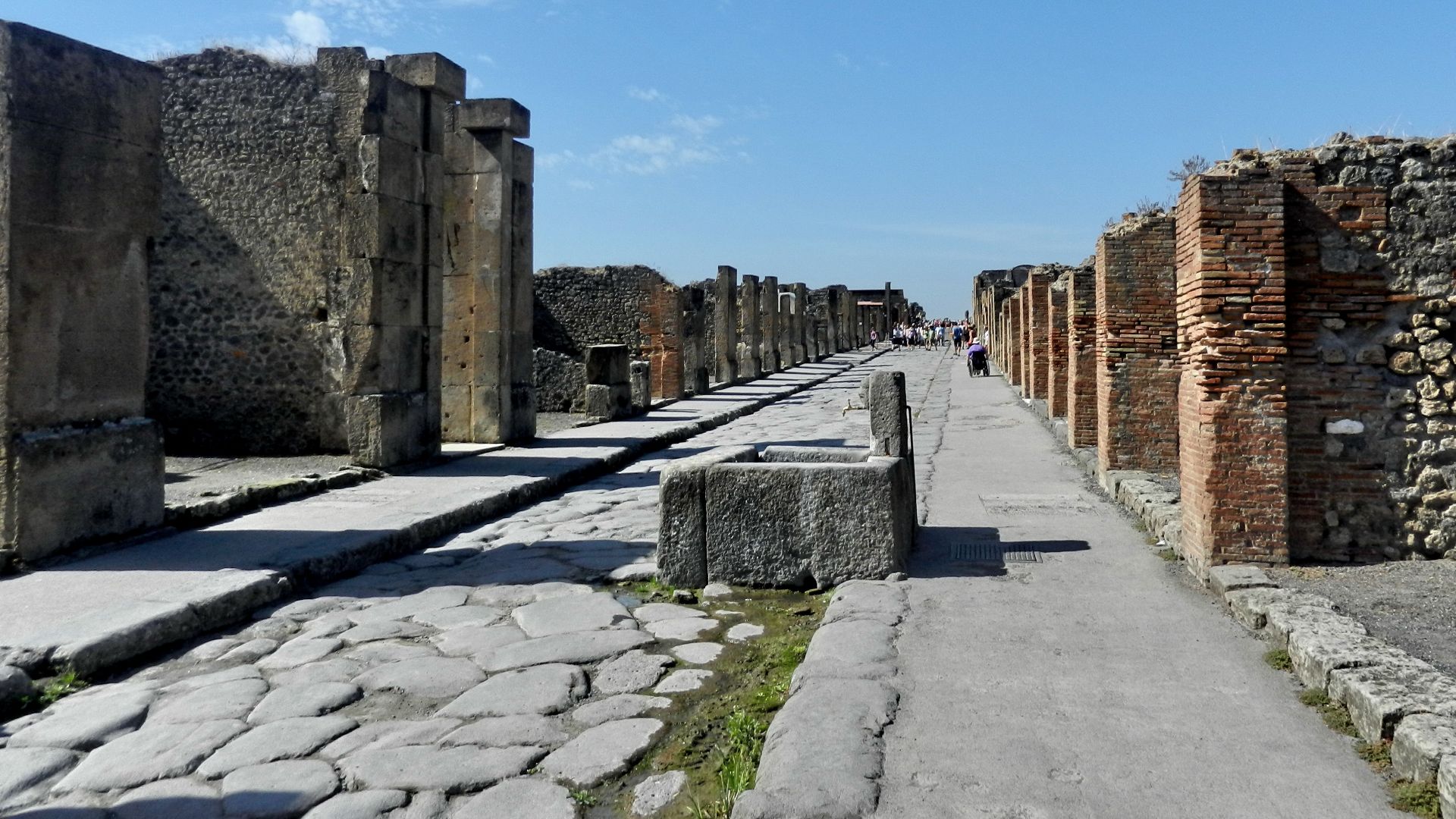
Visitors walk along original Roman roads. Houses still hold frescoes and mosaics. Shops show traces of daily routines. Every object provides information about ancient life. Removing even a small fragment disrupts an archaeological context that took nearly two millennia to uncover.
 Tanya Dedyukhina, Wikimedia Commons
Protecting a Fragile City
Pompeii is protected under Italian cultural heritage law. Removing artifacts is illegal. Italy enforces these laws through police units dedicated to cultural property. Recent cases show tourists facing penalties for trying to take stones or fragments home as souvenirs.
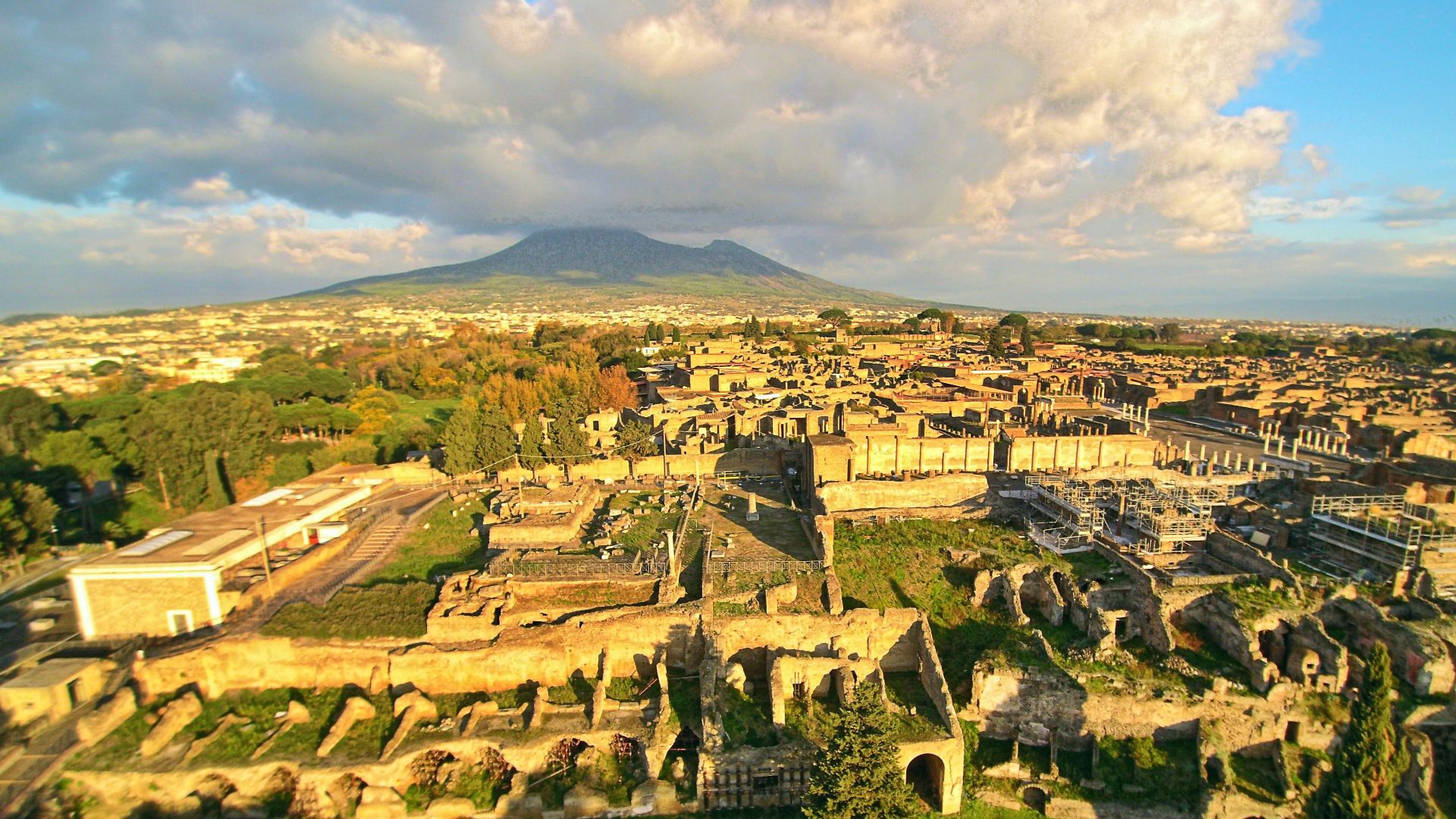
Why Theft Still Happens
Despite strict rules, souvenir theft continues. Pompeii receives high visitor numbers in a normal year. The site stretches across a wide area. Small pieces of pottery or tile can look like stray debris. Their appearance makes them easy to slip into a pocket unnoticed.
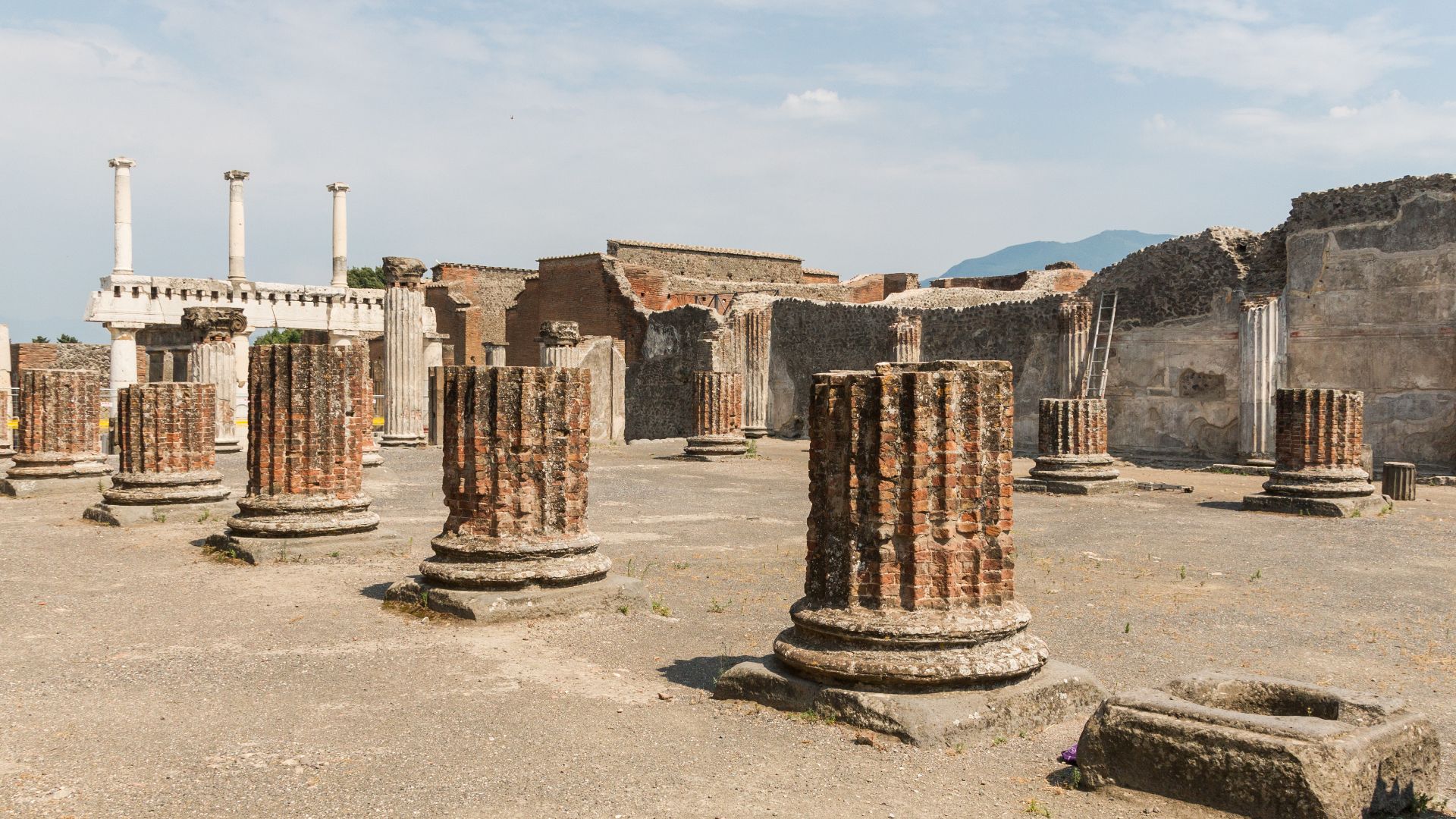
The Emotional Pull of Ancient Objects
Pompeii’s artifacts feel personal because they belonged to real Roman households. A mosaic once decorated a living room. A shard of pottery may have served a family’s kitchen. That intimacy attracts visitors. It also magnifies the loss when pieces disappear.
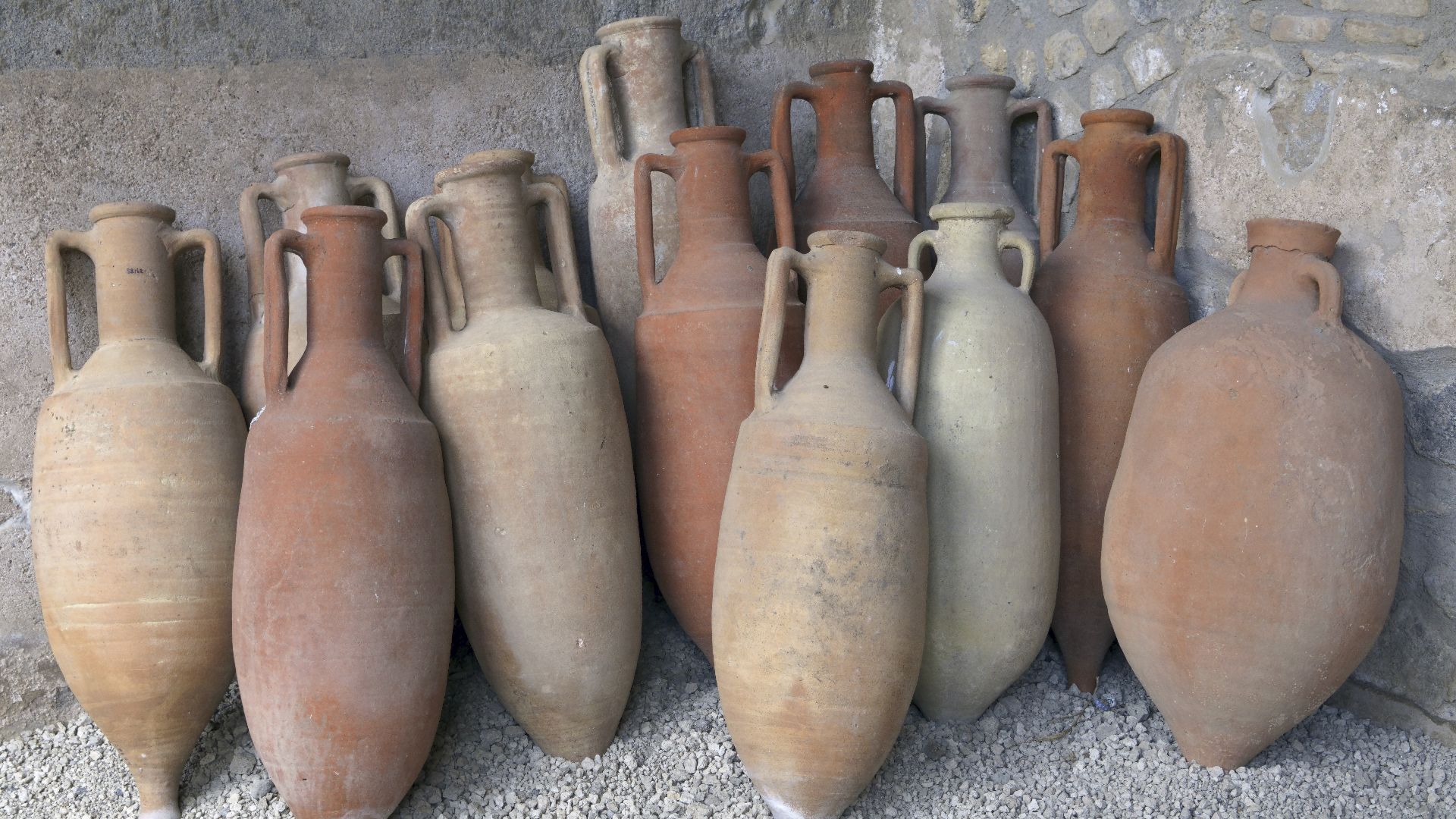
A City Overwhelmed by Visitors
In recent years, officials introduced daily visitor caps of around twenty thousand people. These limits help protect the ruins from accidental damage and overtourism. They may also make it easier for staff to monitor vulnerable areas and safeguard fragile remains.
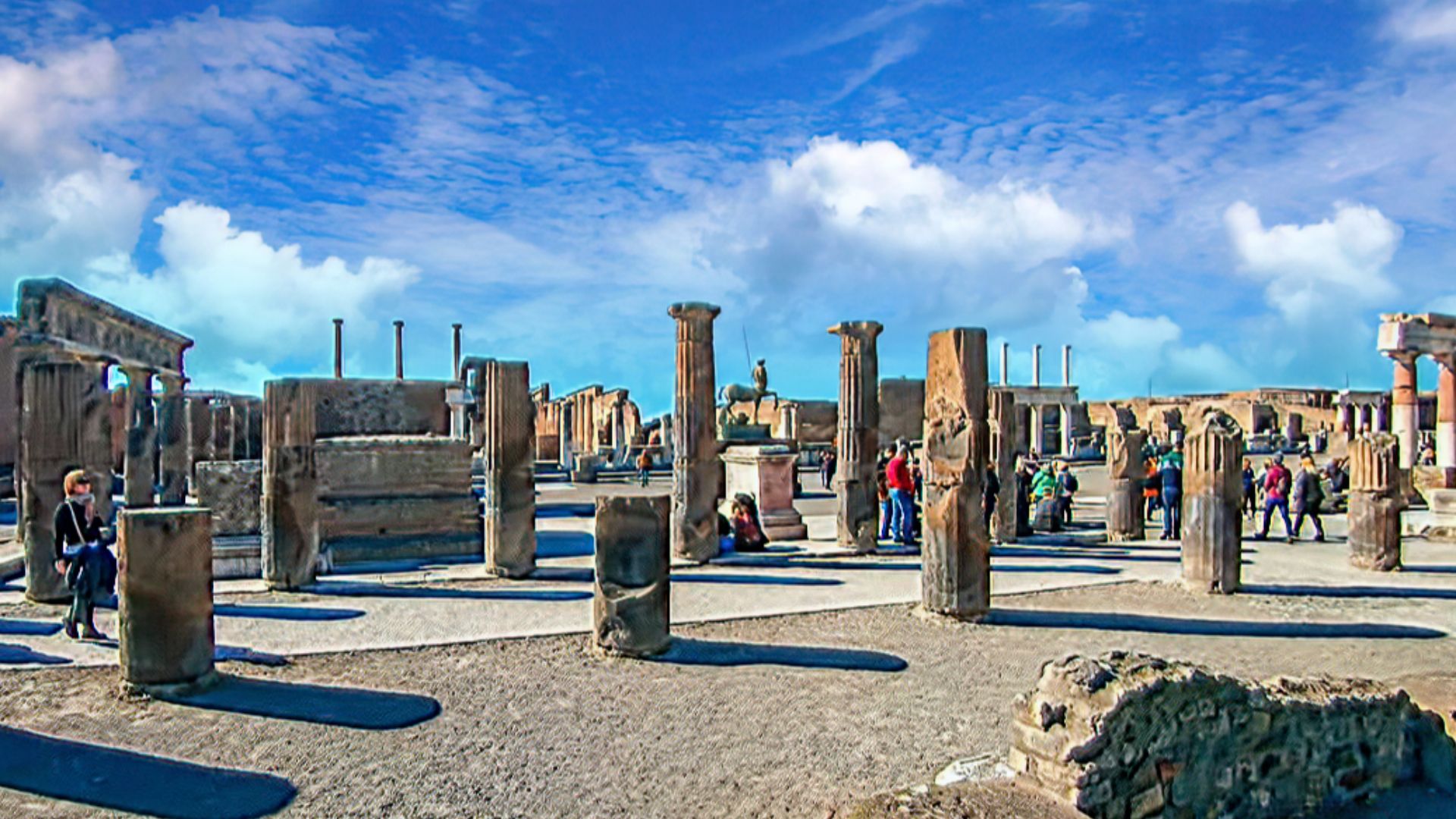
A Site Under Pressure
Wear on the structures has become a serious concern. Heavy foot traffic stresses walls and floors. Archaeologists worry about erosion from careless handling. The theft of small items adds another challenge. Each missing piece weakens the story the ruins can tell.
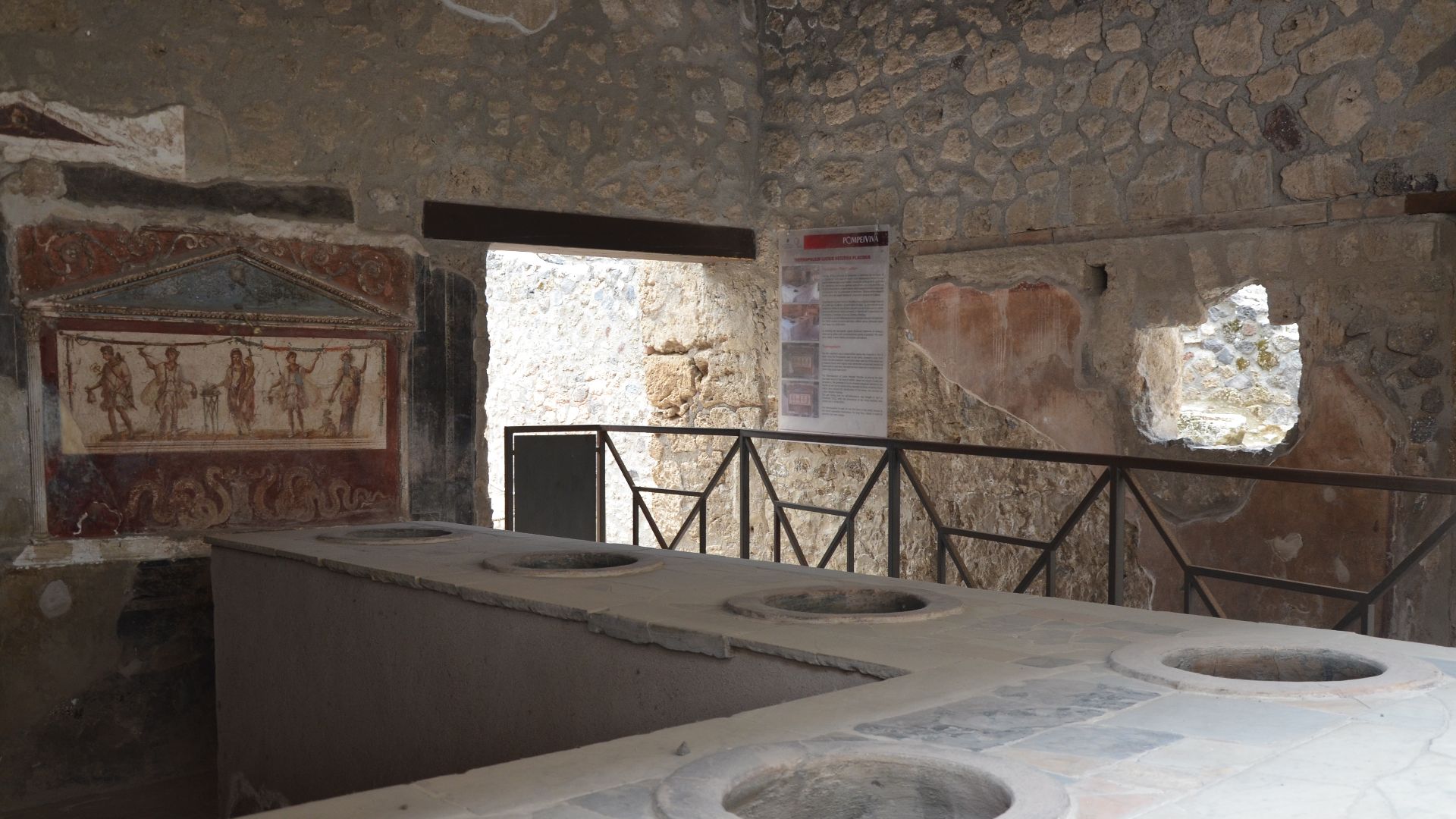 Carole Raddato from FRANKFURT, Germany, Wikimedia Commons
Returning What Was Lost
Many who stole from Pompeii eventually feel compelled to return what they took. Some respond to stories of the so-called curse. Others feel respect for the memories preserved in the city. Their packages help restore fragments that were once removed.
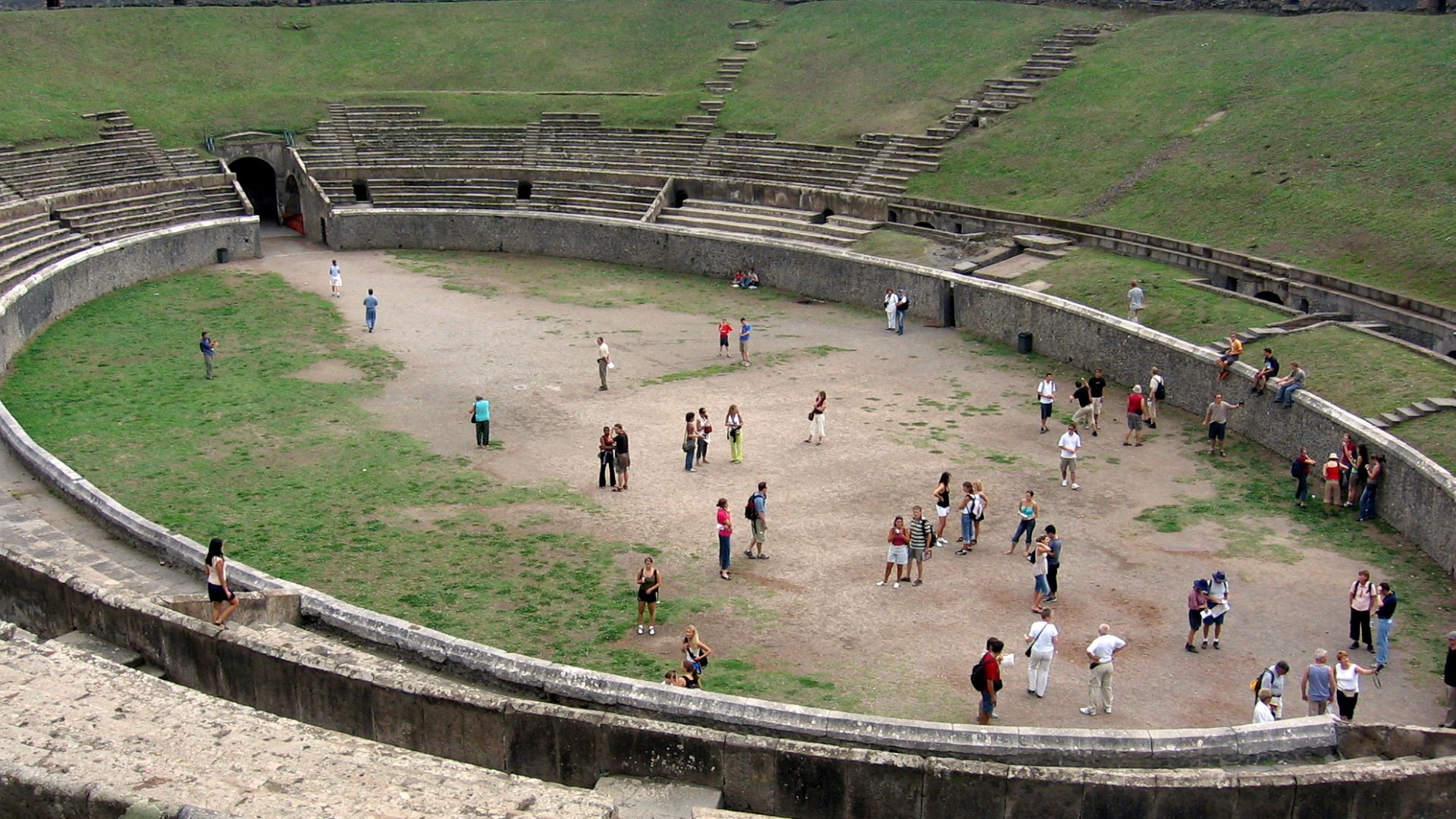
A Museum of Regret
The display of returned items has become an unofficial archive of remorse. It brings together fragments with the letters that accompanied them. The notes describe guilt and sadness. They show how deeply people respond to Pompeii’s preserved past.
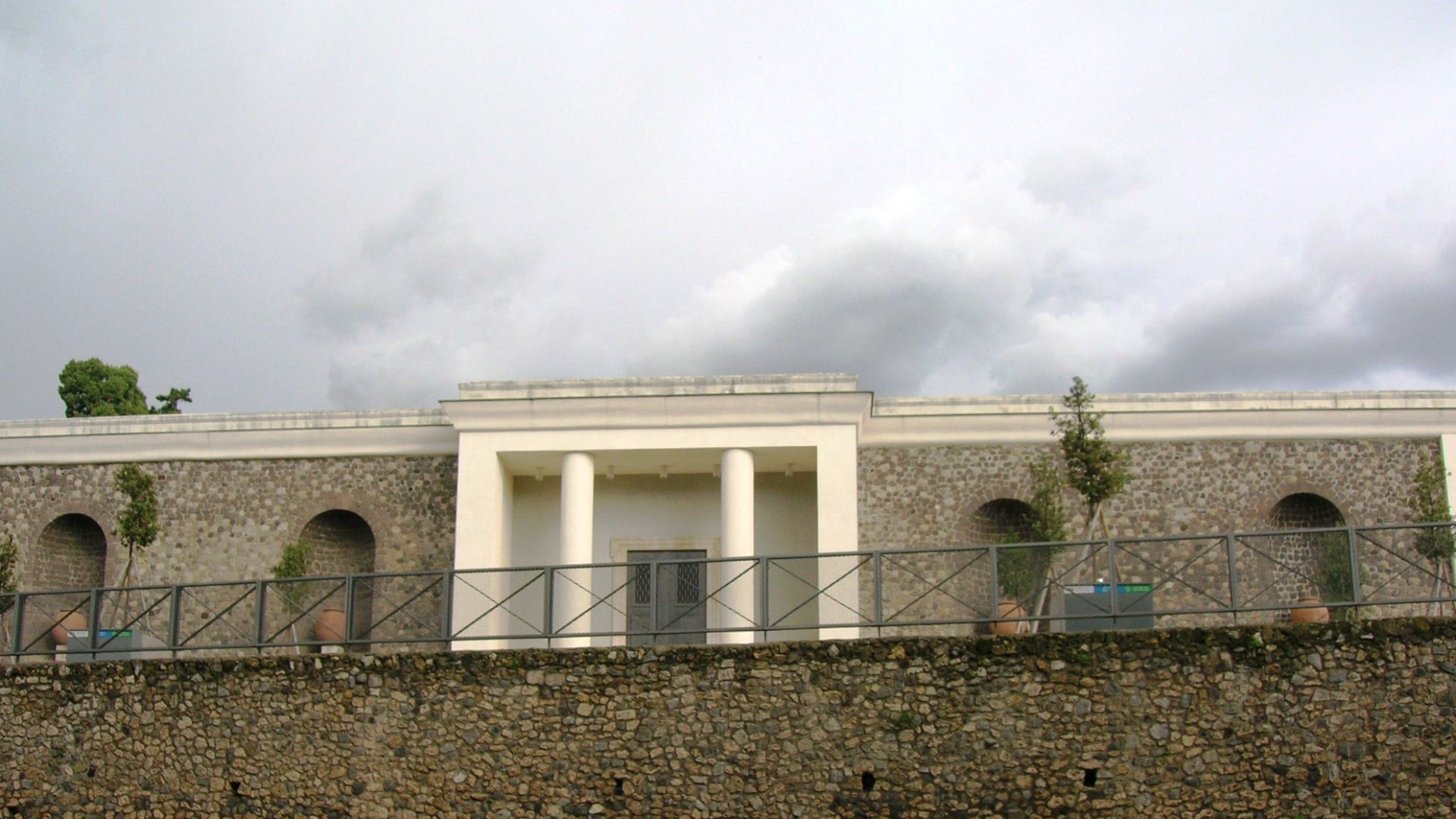 Mentnafunangann, Wikimedia Commons
Science Versus Superstition
Skeptical commentary describes the curse stories as confirmation bias. Misfortune can occur at any time. People may connect it to stolen artifacts after the fact. The belief endures because the events feel dramatic and personal to those who experience them.

Why the Curse Persists
The idea survives because Pompeii’s ruins evoke strong emotions. The site shows sudden loss. It reveals the final moments of ordinary life. Visitors may feel they have disturbed something solemn when they remove an object. Later hardships can intensify that fear.
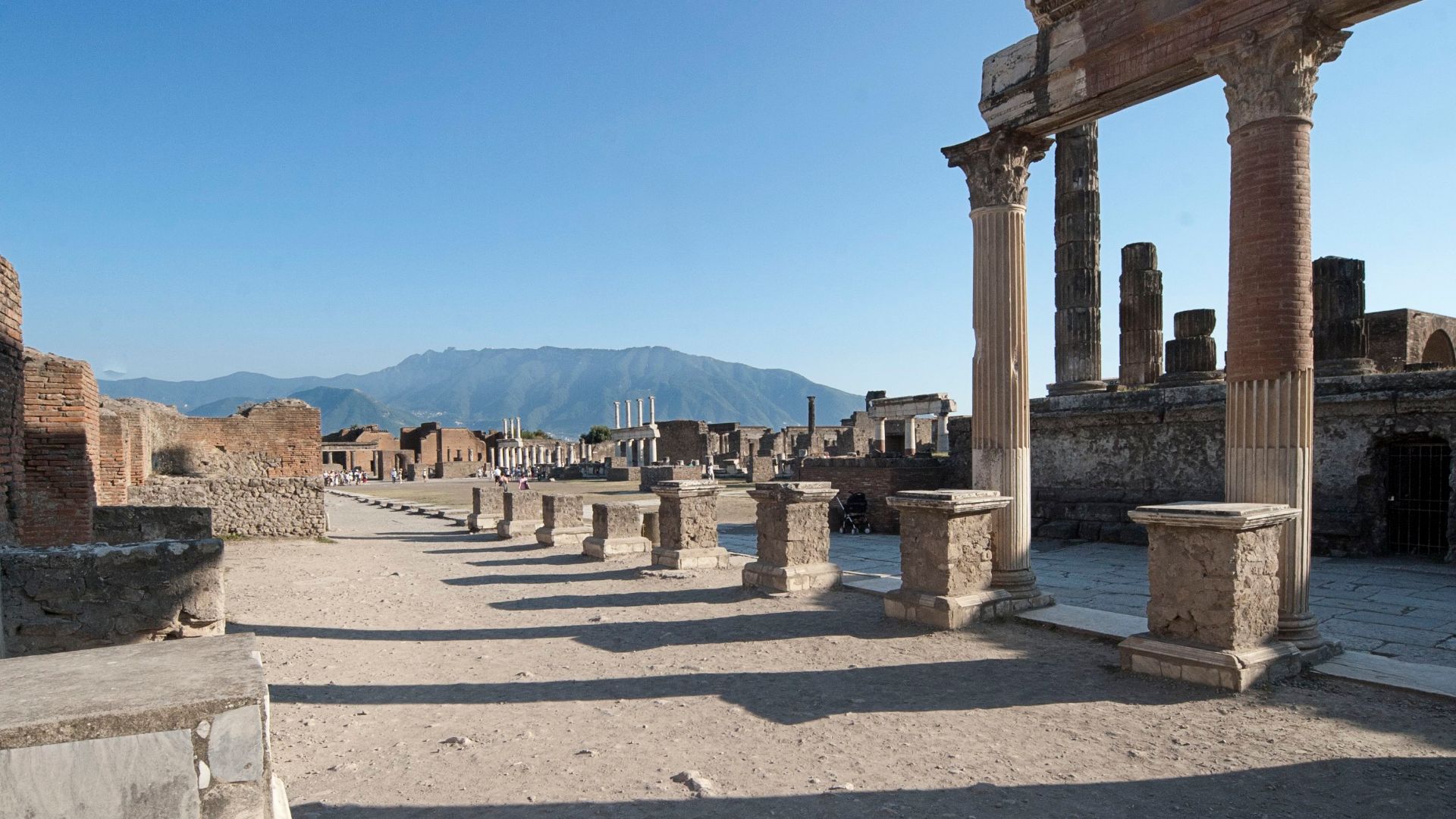
The Archaeological Cost
Small thefts cause real damage. Removing artifacts erases information about where they were found. Archaeologists lose clues about decoration, household activity, or building structure. Even tiny fragments help researchers understand how Roman families lived.
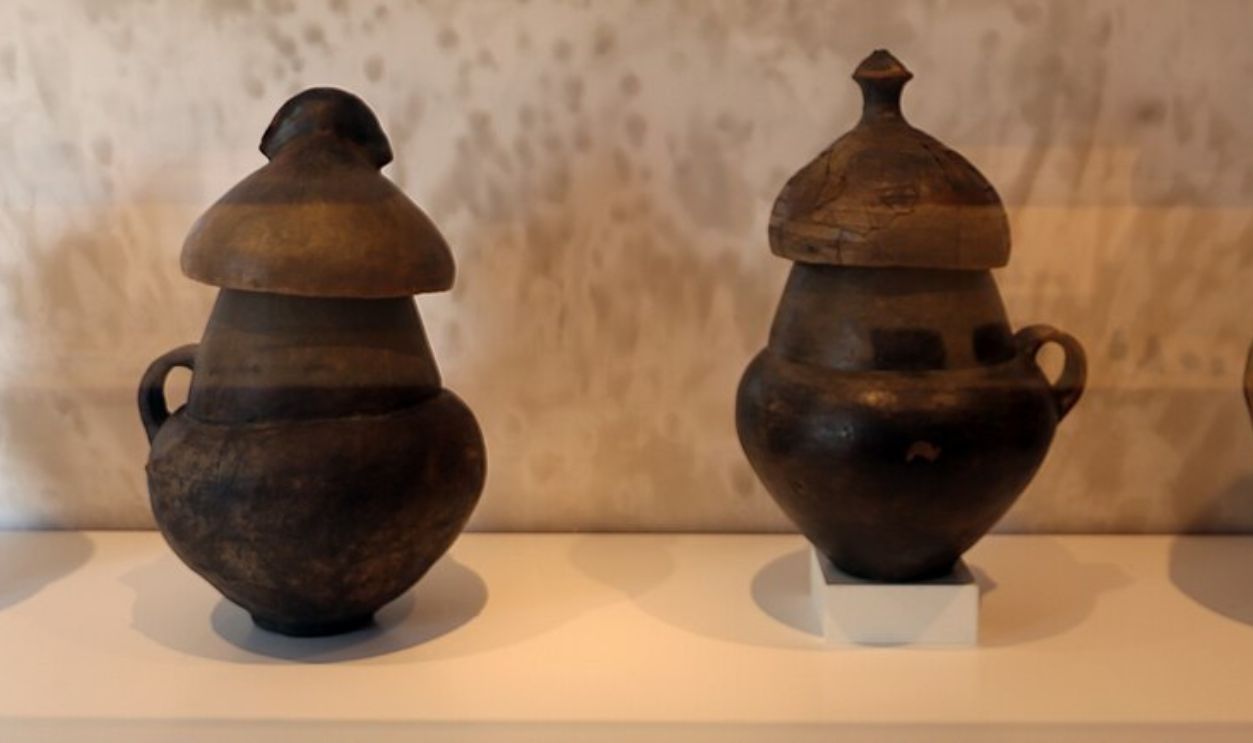
Nicole’s Turning Point
Nicole wrote that she did not want her children to inherit her mistakes. She hoped to free her family from the bad luck she believed she had brought home. Returning the artifacts was her way of breaking the curse she feared.
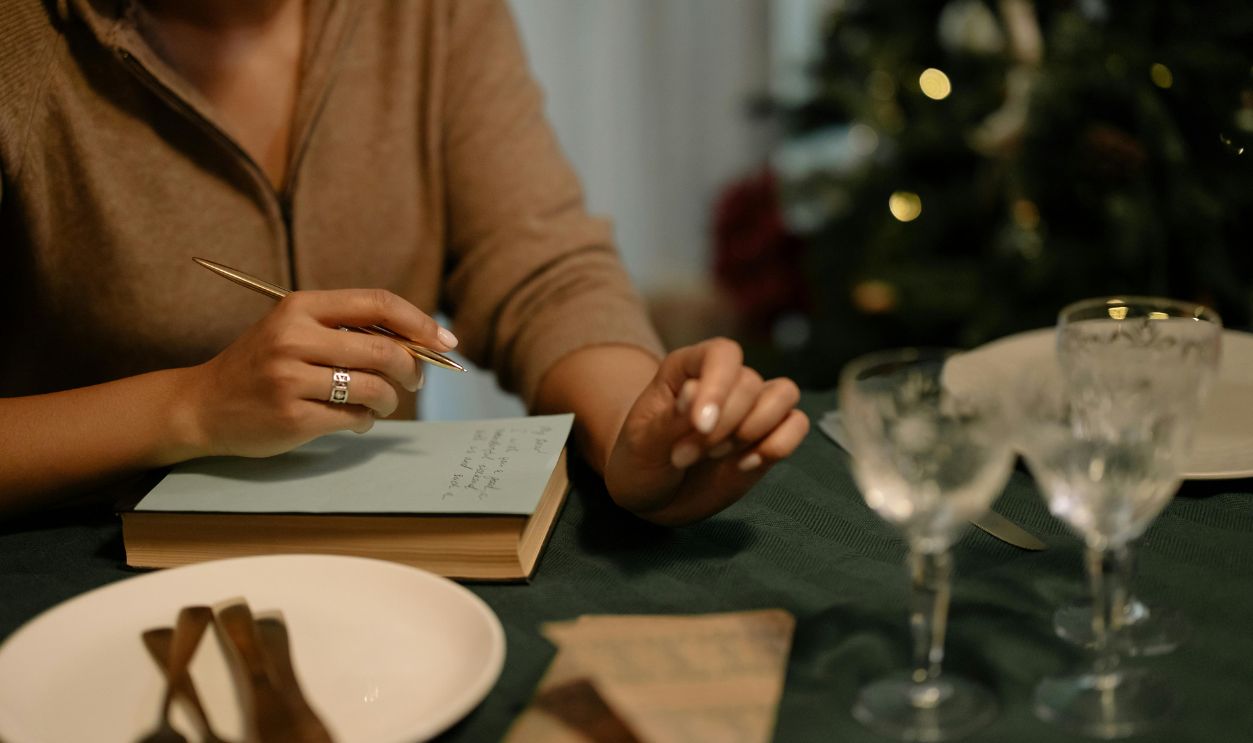
The Journey Back to Italy
Authorities received the package and verified the items. The fragments joined the collection of returned artifacts. Nicole’s confession became one more story in Pompeii’s modern legacy. It sits alongside many others from visitors who wished to undo their actions.
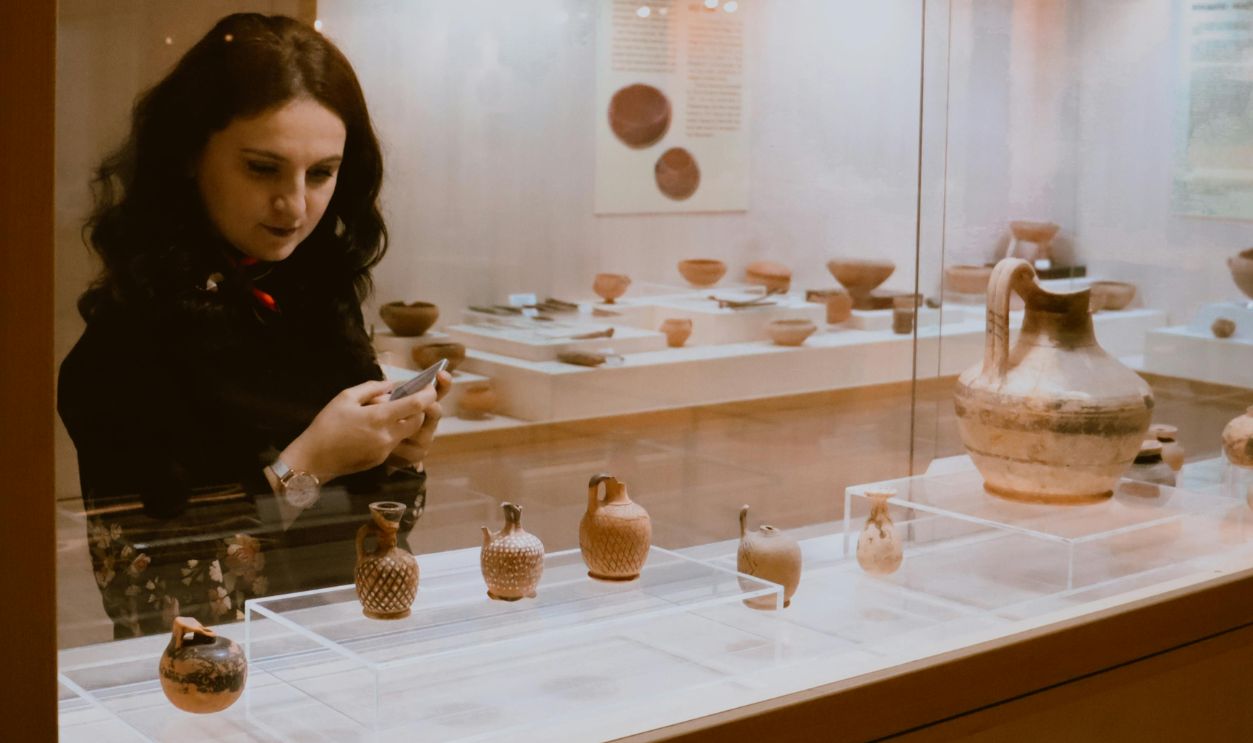
A Warning to Future Travelers
Nicole’s experience has been retold in international media. Her story illustrates the consequences of removing artifacts from archaeological sites. It encourages visitors to respect Pompeii’s remains. It also shows how a single impulsive moment can lead to years of regret.
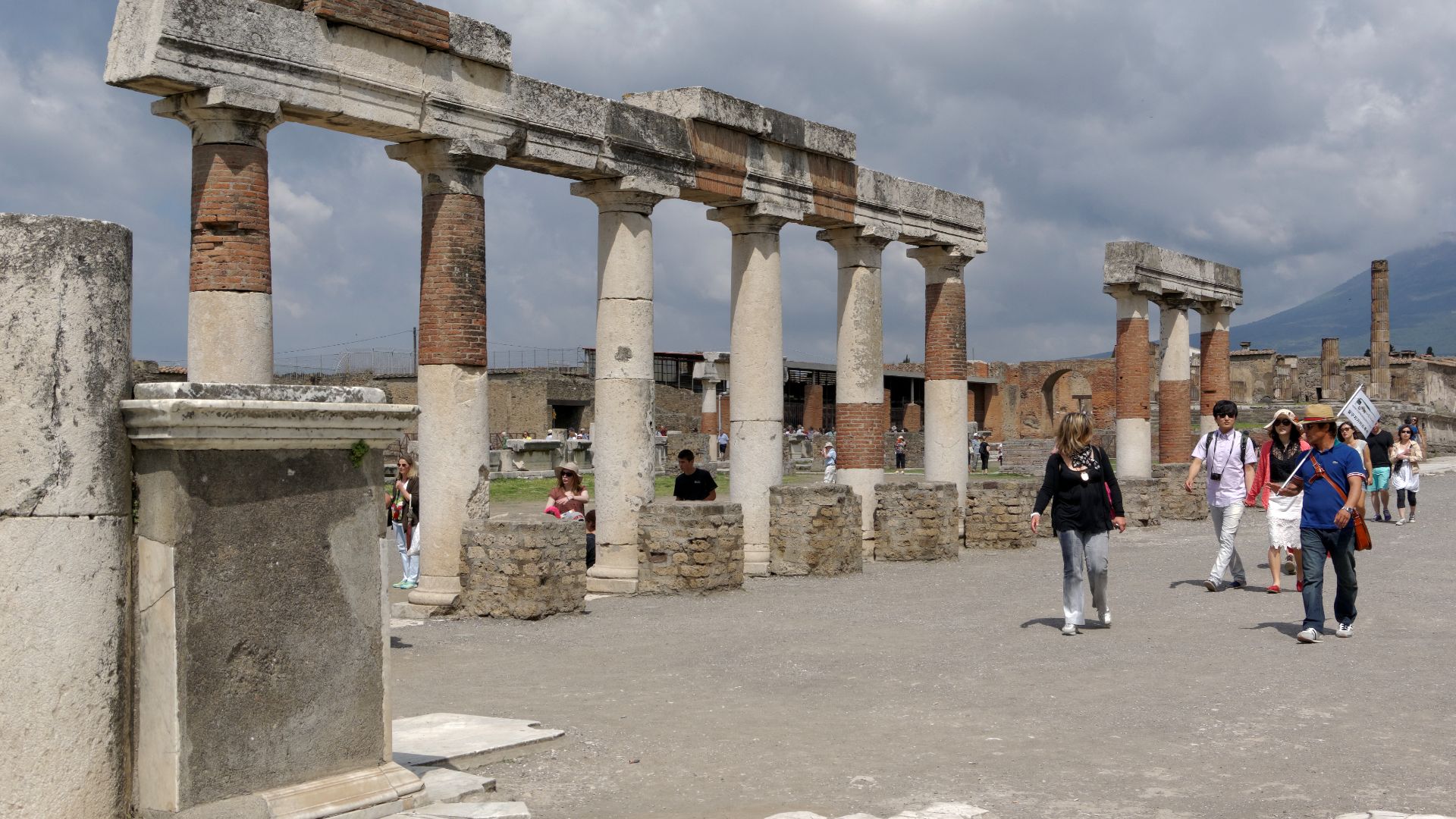 Berthold Werner, Wikimedia Commons
A City That Still Teaches Lessons
Pompeii continues to reveal the fragility of daily life. It reminds visitors that archaeological sites depend on careful stewardship. The returned fragments demonstrate how modern choices shape the preservation of the past. They also highlight the need for respect.
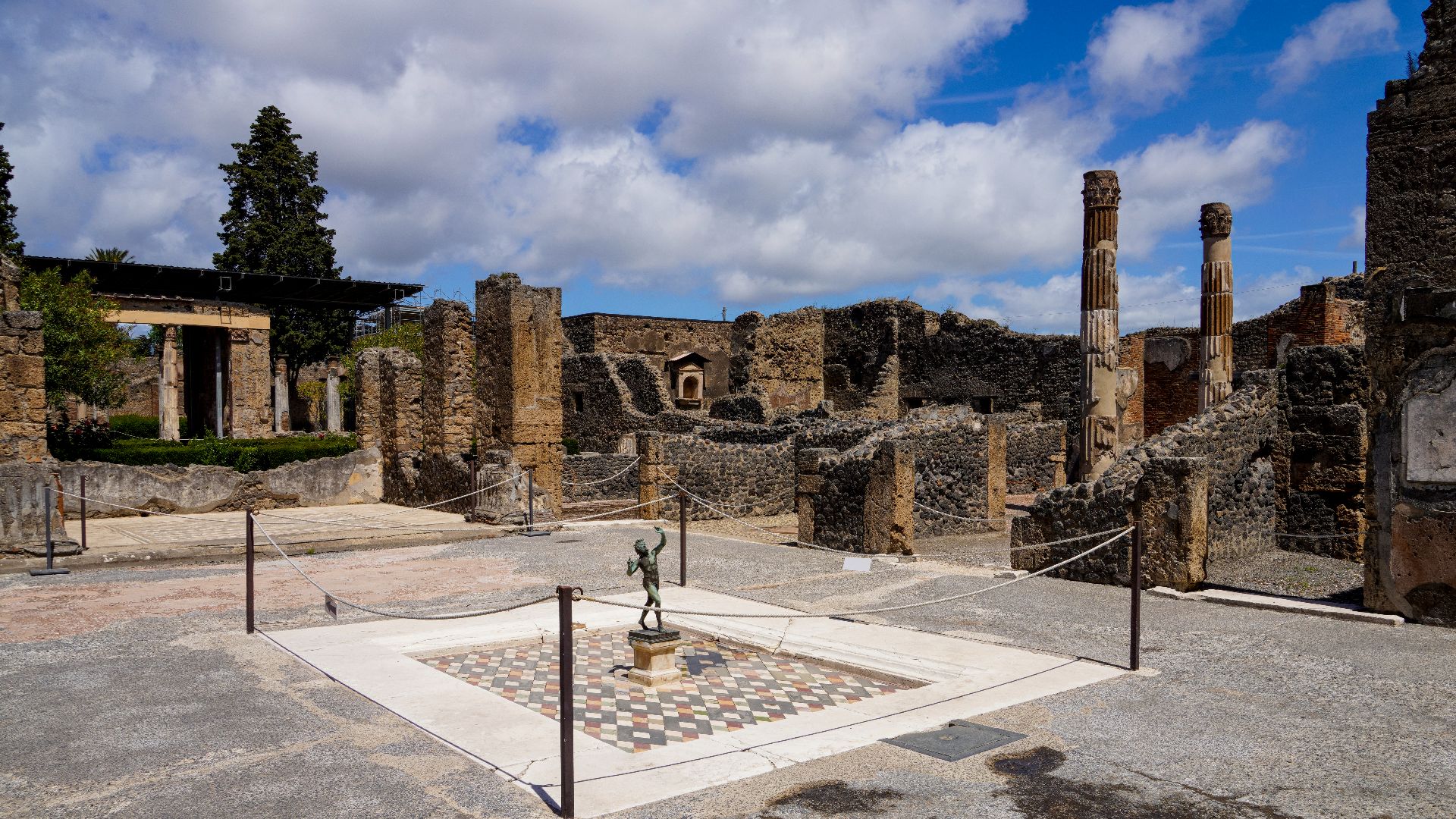
The Weight of a Borrowed Past
Travelers often want souvenirs. Pompeii challenges that instinct. The ruins hold the lived moments of a Roman city caught in disaster. Removing pieces is widely seen as disrespectful to that memory. Returning them restores a small measure of care.
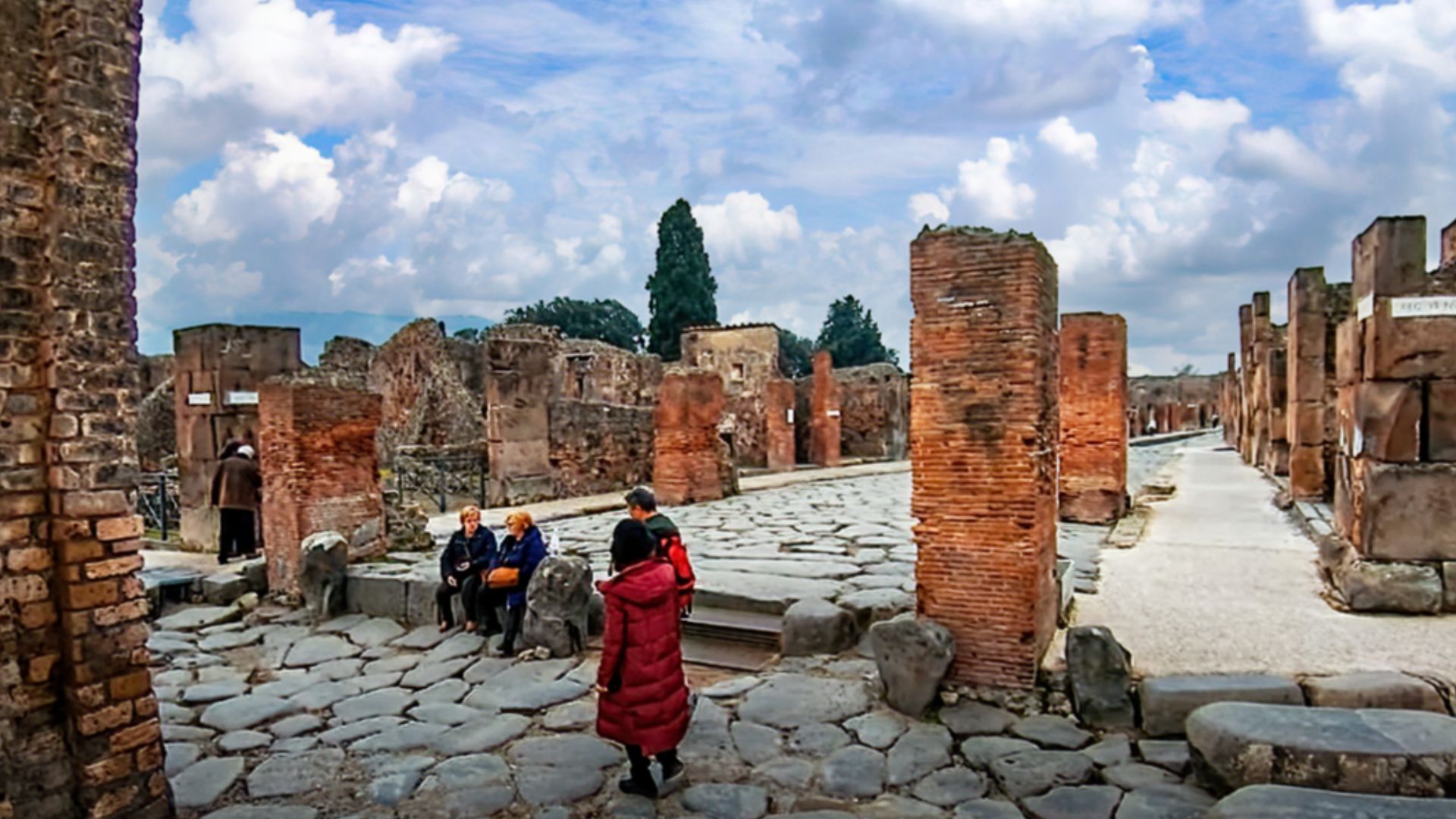 Mary Harrsch, Wikimedia Commons
The Human Side of Archaeology
Nicole’s letter shows how people react to ancient places. Fear, guilt, and fascination often combine. Archaeology involves scientific study. It also involves human emotion. Stories like hers show how deeply the past can influence the present.
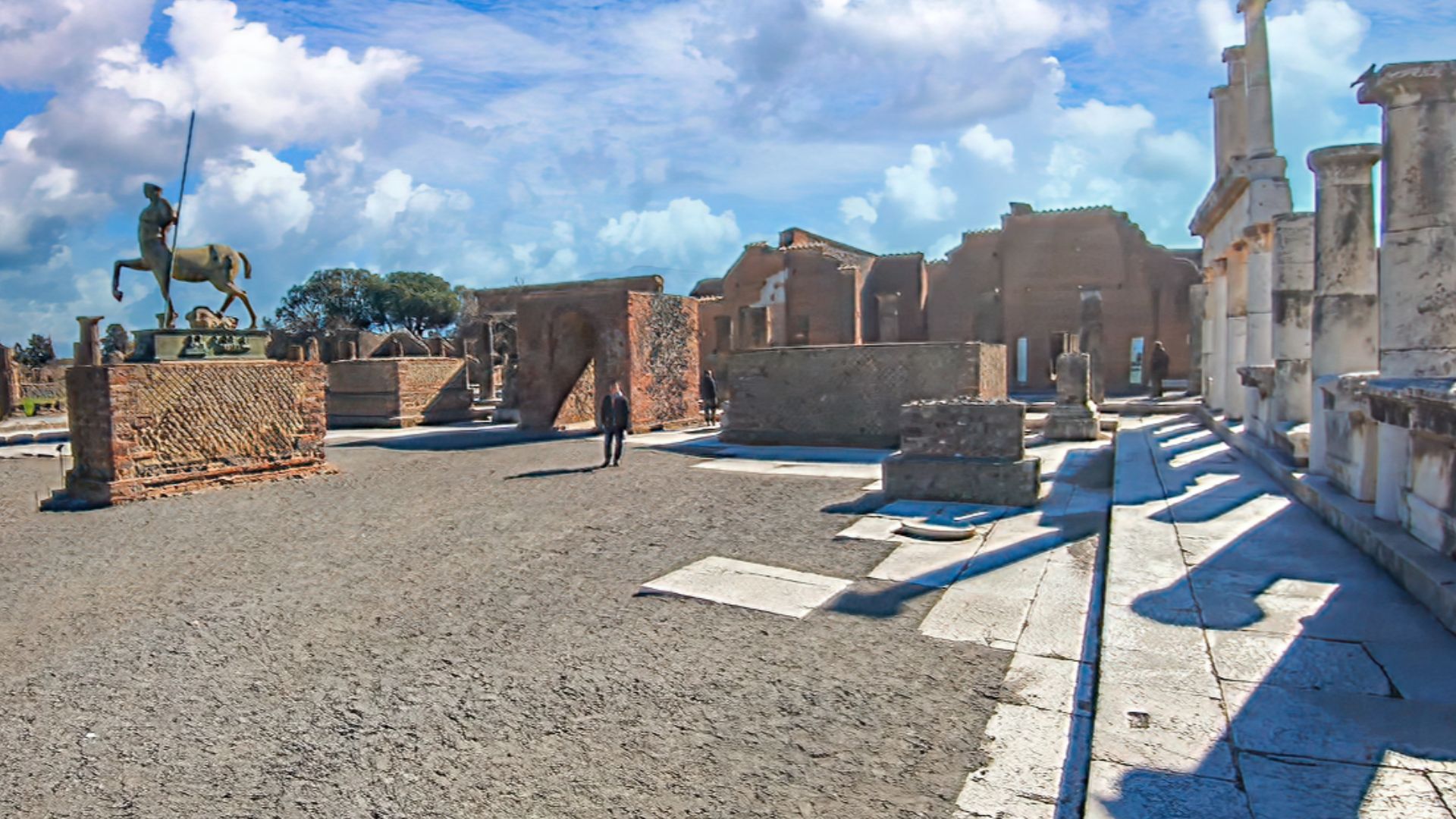
A Reminder Beneath the Ash
The curse stories underline a larger truth. Pompeii’s power comes from the real lives that ended there. Visitors sense that weight. That emotional reaction is part of what makes the site extraordinary. It also shapes how people try to correct their mistakes.
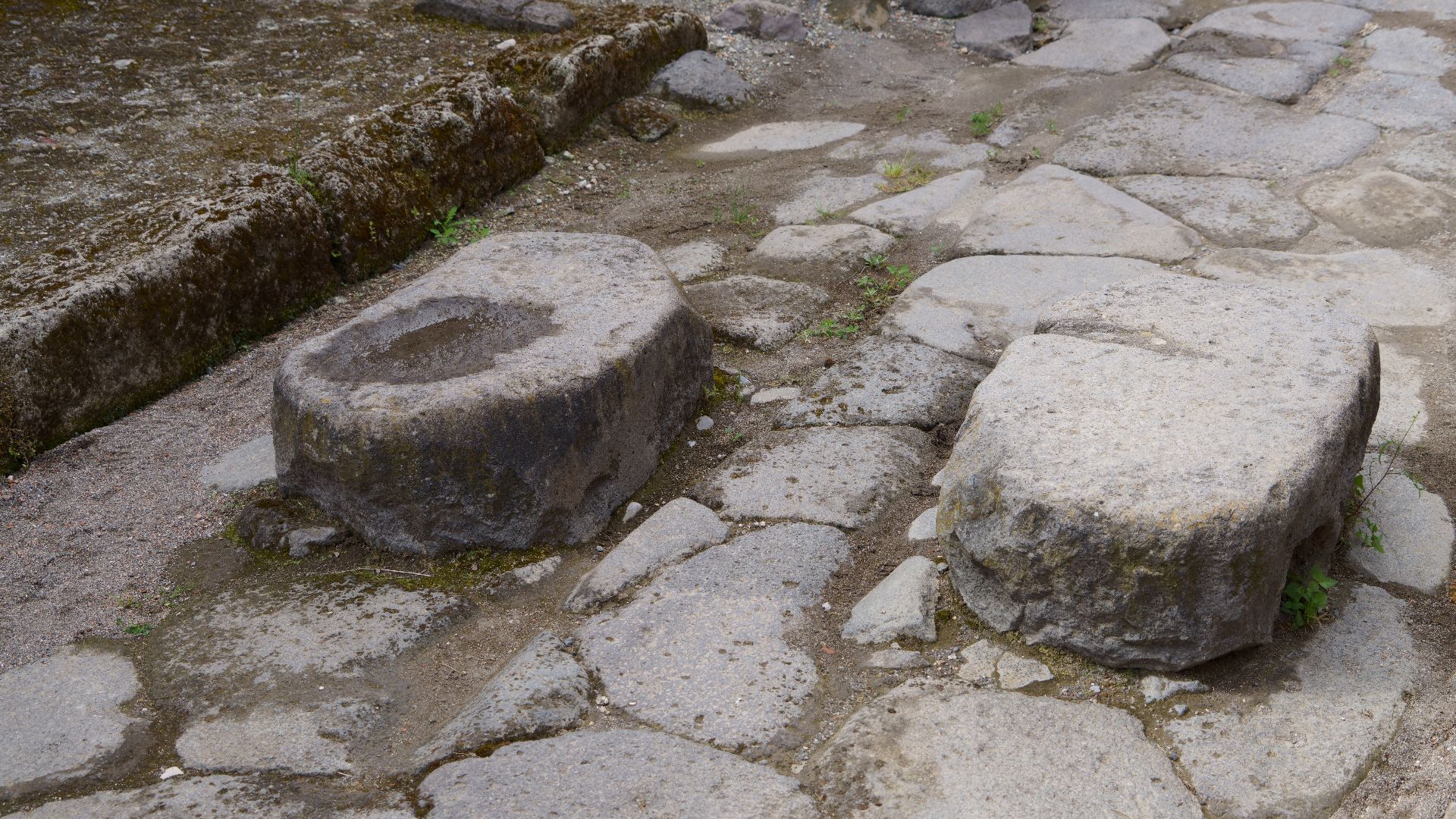
Leaving Pompeii Intact
Nicole’s package returned what should never have left. Her confession now guides future visitors toward responsible behavior. Pompeii’s ruins survive because people learn from moments like these. The past remains present, and it asks for careful hands.
You May Also Like:
Photos Of The Ancient Tribe Whose Handmade Creations Outlasted Empires
Archaeologists Find Ancient God In A Sewer
 Mary Harrsch from Springfield, Oregon, USA, Wikimedia Commons




_e_tre_da_pontecagnano_(dx),_IX-VIII_secolo_ac._(man_di_paestum_e_di_pontecagnano).jpg)