
The Awkward Welcome
There’s no stranger small talk than the kind that happens under fluorescent lights at an international border. You’re tired, you’re jet-lagged, and suddenly someone in uniform wants to get personal. They ask things you’d barely tell your friends—let alone a stranger with a badge. It feels invasive—but is any of it actually optional?
What Border Agents Are Actually Allowed to Ask
The truth is that border agents have unusually broad legal authority. They can ask about your travel plans, employment, finances, past trips, and who you’re staying with. None of it has to be relevant in the everyday sense—it just has to help them decide whether you’re admissible.
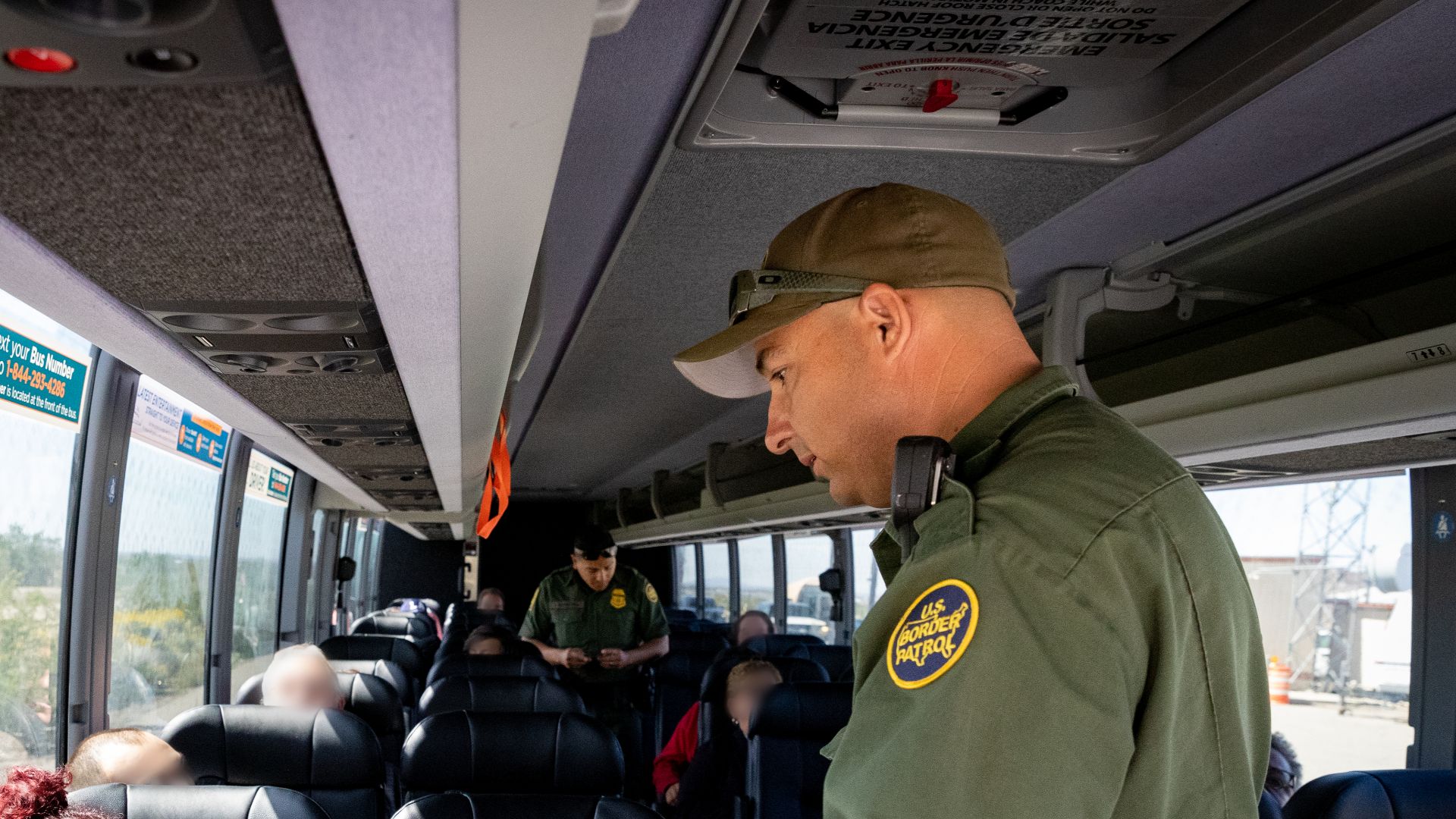 CBP Photography, Wikimedia Commons
The Line Between Legal and Inappropriate
A question can be perfectly legal yet still feel wildly personal. Asking “Are you bringing in any food?” is routine. Asking “Why aren’t you married yet?” is intrusive and unprofessional—but still not illegal in many border jurisdictions.
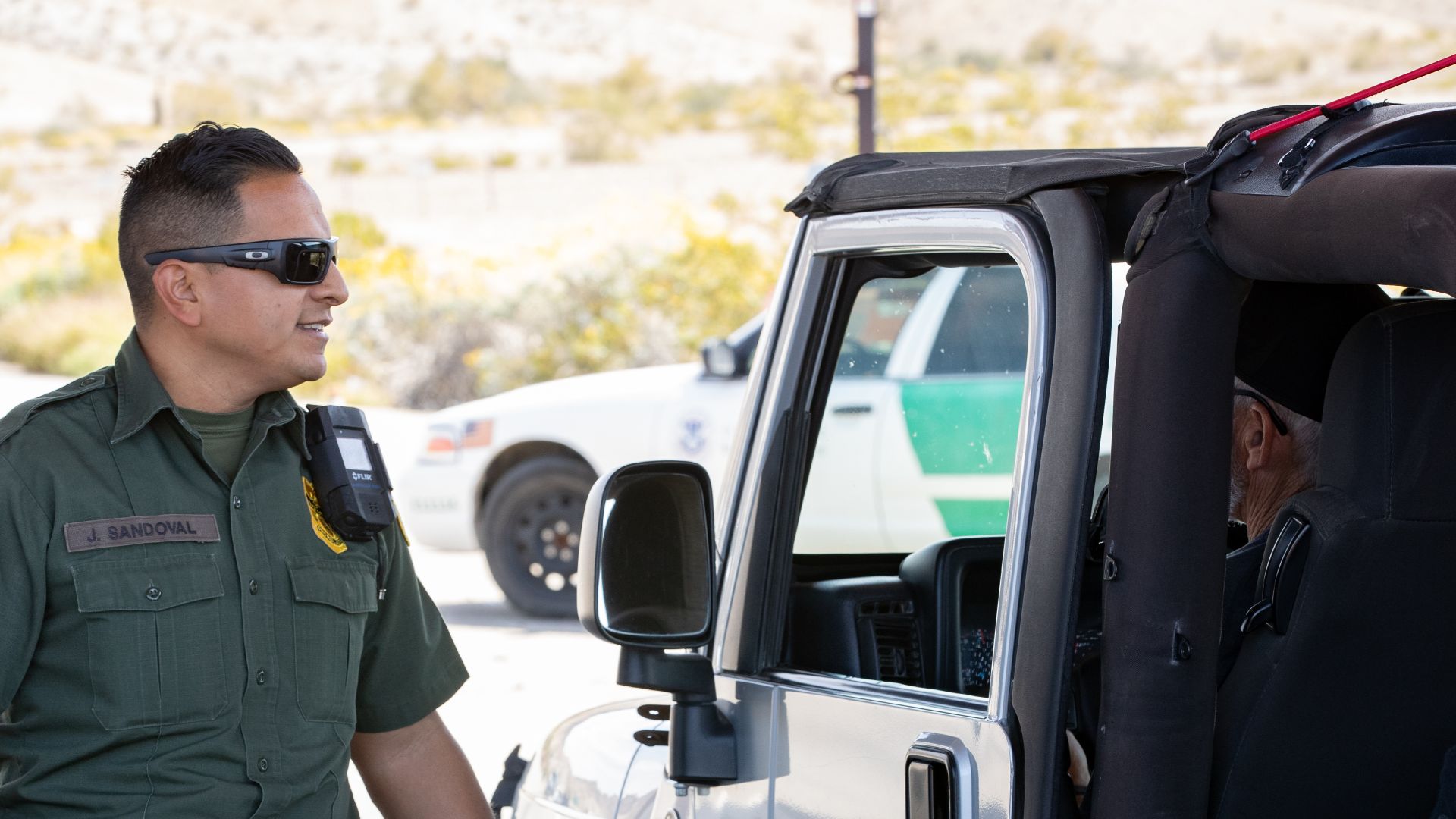 CBP Photography, Wikimedia Commons
Why the Questions Feel So Personal
Travelers usually expect a quick stamp and a welcome, not an interrogation about relationships, income, or who they’re visiting. These questions feel nosy, but agents use them to spot inconsistencies, catch potential immigration violations, and flag situations like trafficking or undeclared work. The goal isn’t chit-chat—it’s screening.
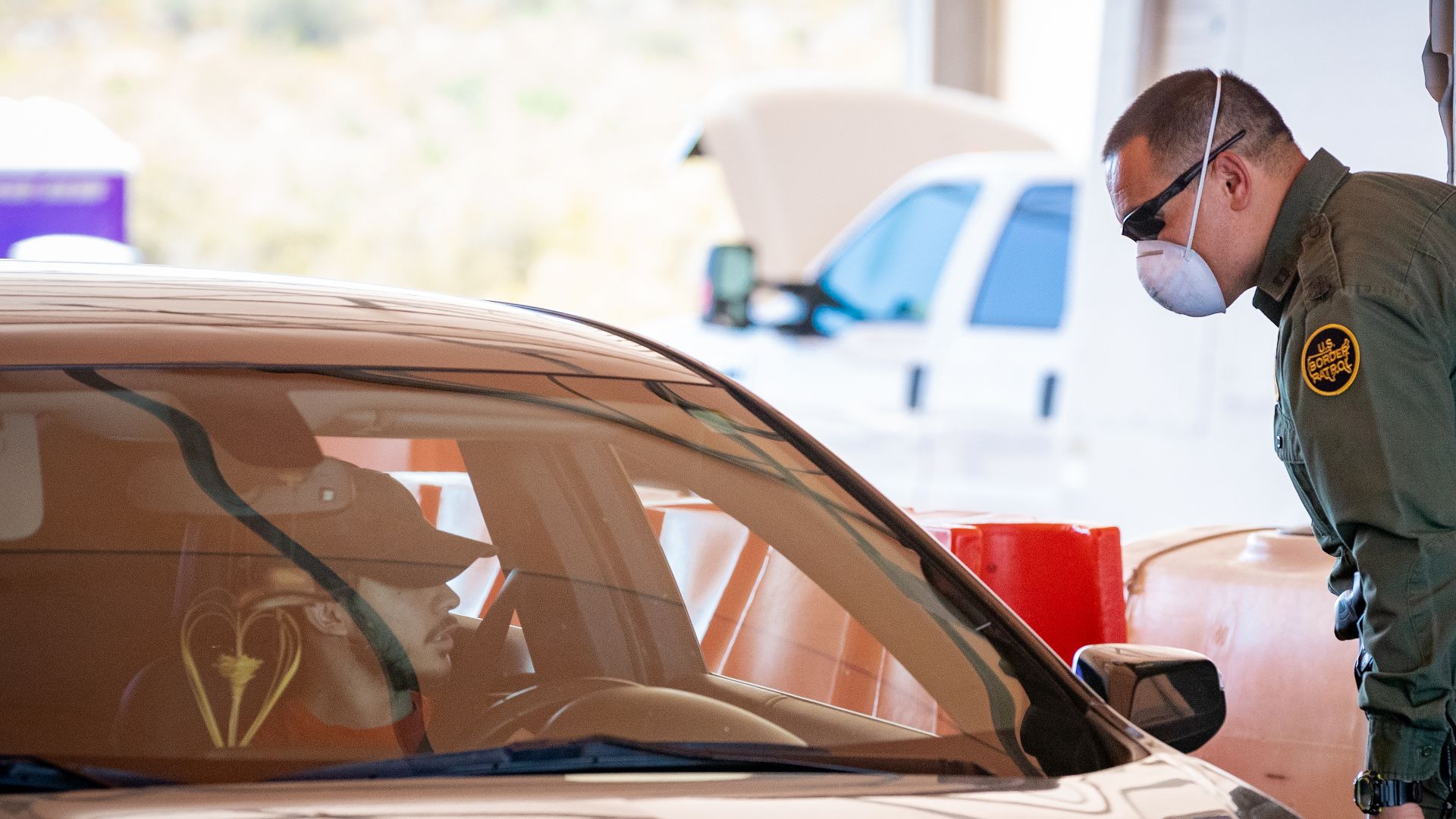 CBP Photography, Wikimedia Commons
Can You Actually Refuse to Answer?
Technically, yes—you can refuse. But practically, refusing almost always results in secondary screening, delays, and possibly being denied entry if you’re not a citizen. Border crossings aren’t like normal police encounters; cooperation is a major factor in whether you’re allowed into the country.
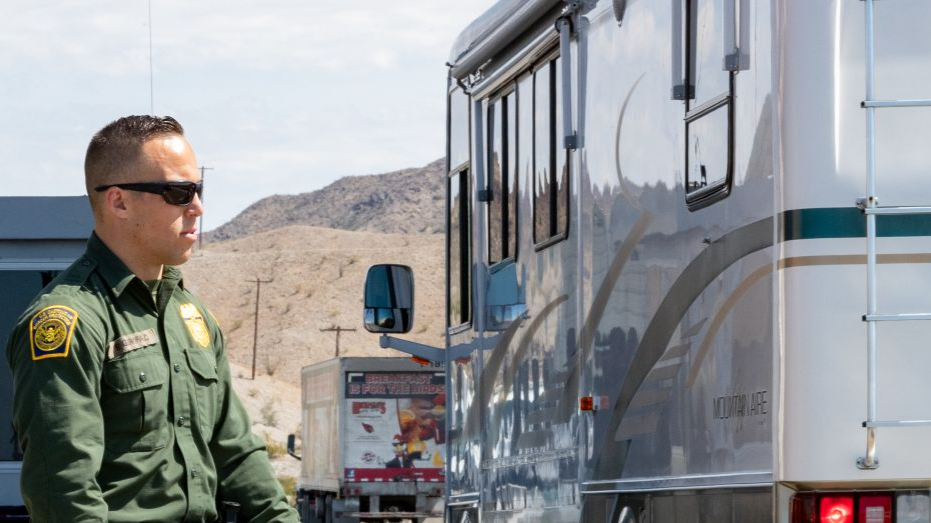 CBP Photography, Wikimedia Commons
If You’re a Citizen, the Rules Shift
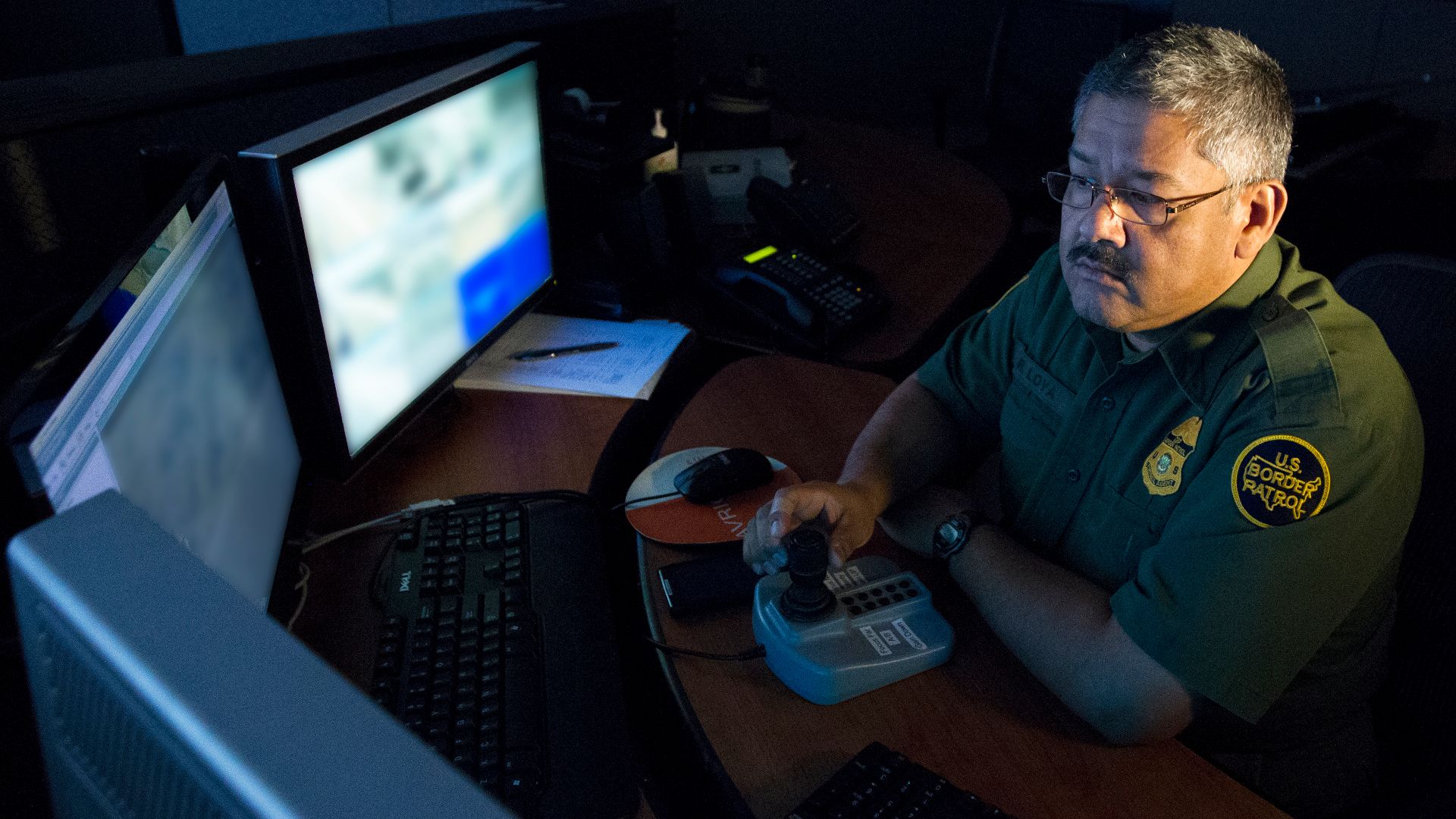
Citizens must be allowed back into their home country, even if they decline certain questions. But refusing to cooperate can still lead to delays, bag searches, and an unpleasant experience. You’ll eventually get in—but you may pay in time and frustration.
 U.S. Customs and Border Protection, Wikimedia Commons
Why They Sometimes Get…Overly Curious
Agents are trained to notice inconsistencies, vague answers, or nervous behavior—even if the nerves come from travel stress. If your story changes or you seem unsure of simple details, the questions can escalate quickly. Sometimes too many questions is simply an agent trying to make sense of uncertainty.
 CBP Photography, Wikimedia Commons
You Can Ask Them Questions Too
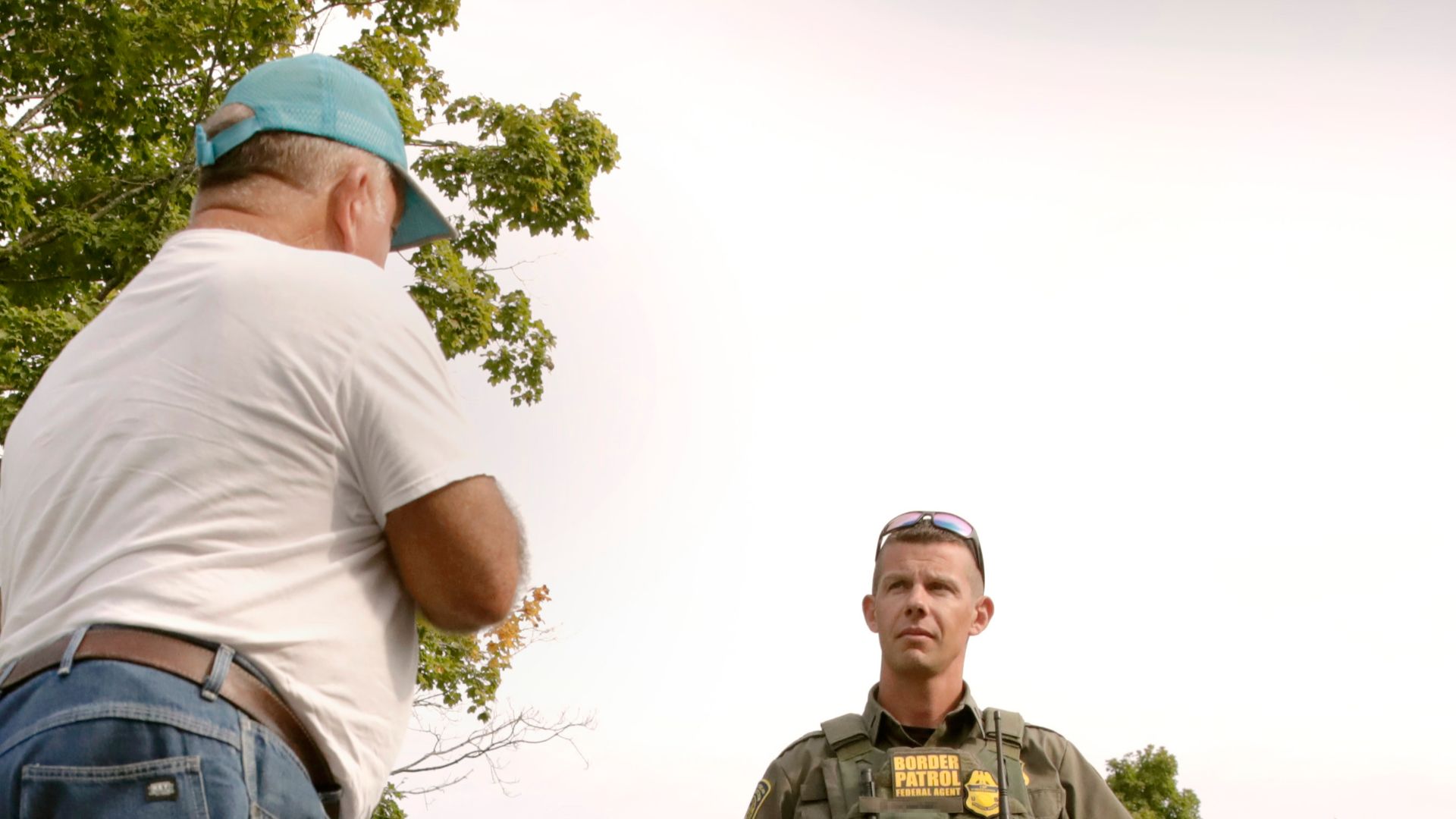
You’re allowed to say, “Can you help me understand why you need that information?” Asking politely can ease the interaction and give you a sense of what they’re looking for. Just avoid anything that sounds confrontational. Border desks are famously humor-free zones.
 CBP Photography, Wikimedia Commons
What Happens If You Push Back
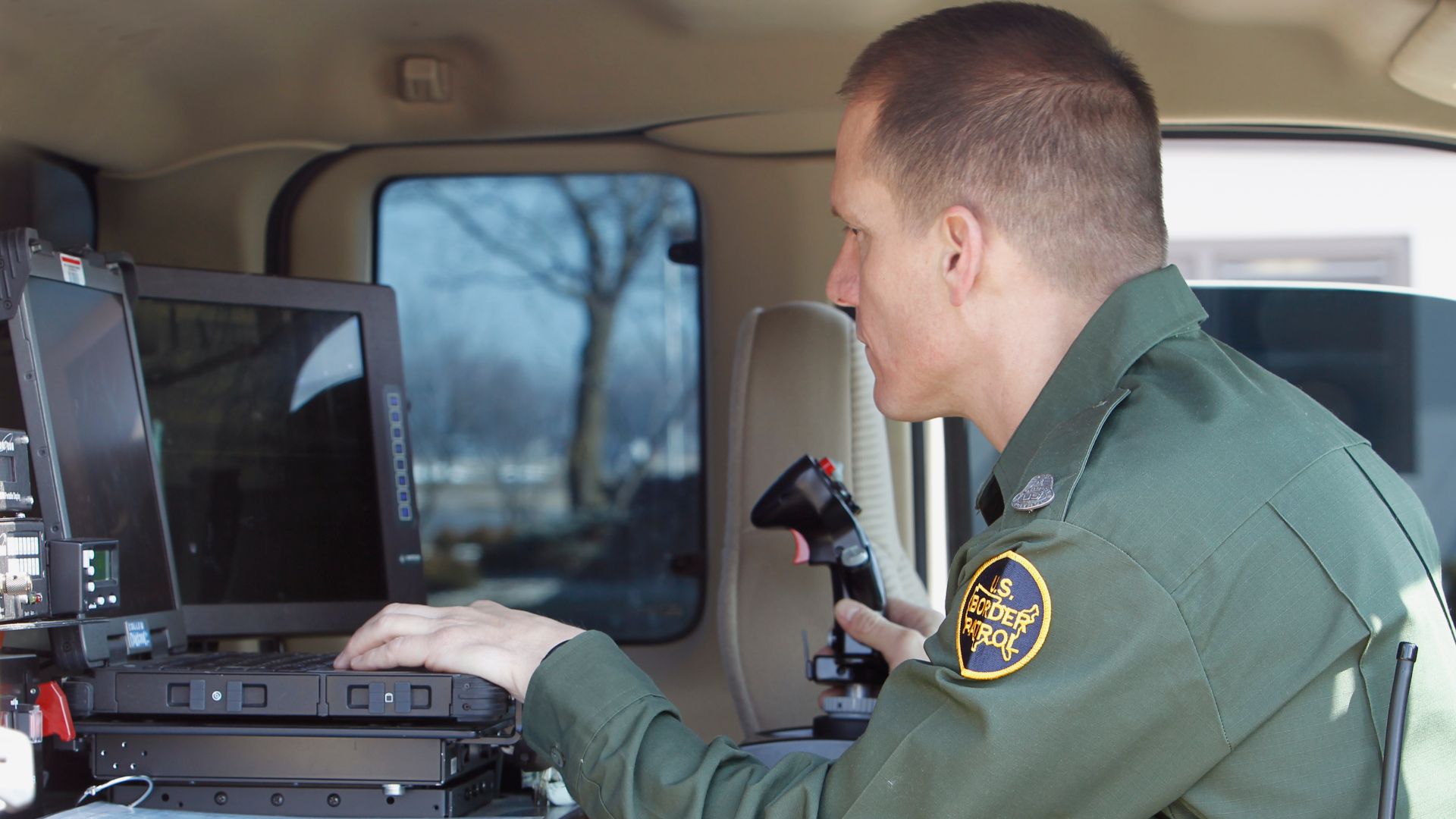
If you challenge every question or hesitate repeatedly, agents may escalate to bag searches or longer interviews. Even travelers doing nothing wrong sometimes end up in secondary screening simply for appearing difficult or overly defensive.
 CBP Photography, Wikimedia Commons
When You Should Absolutely Answer
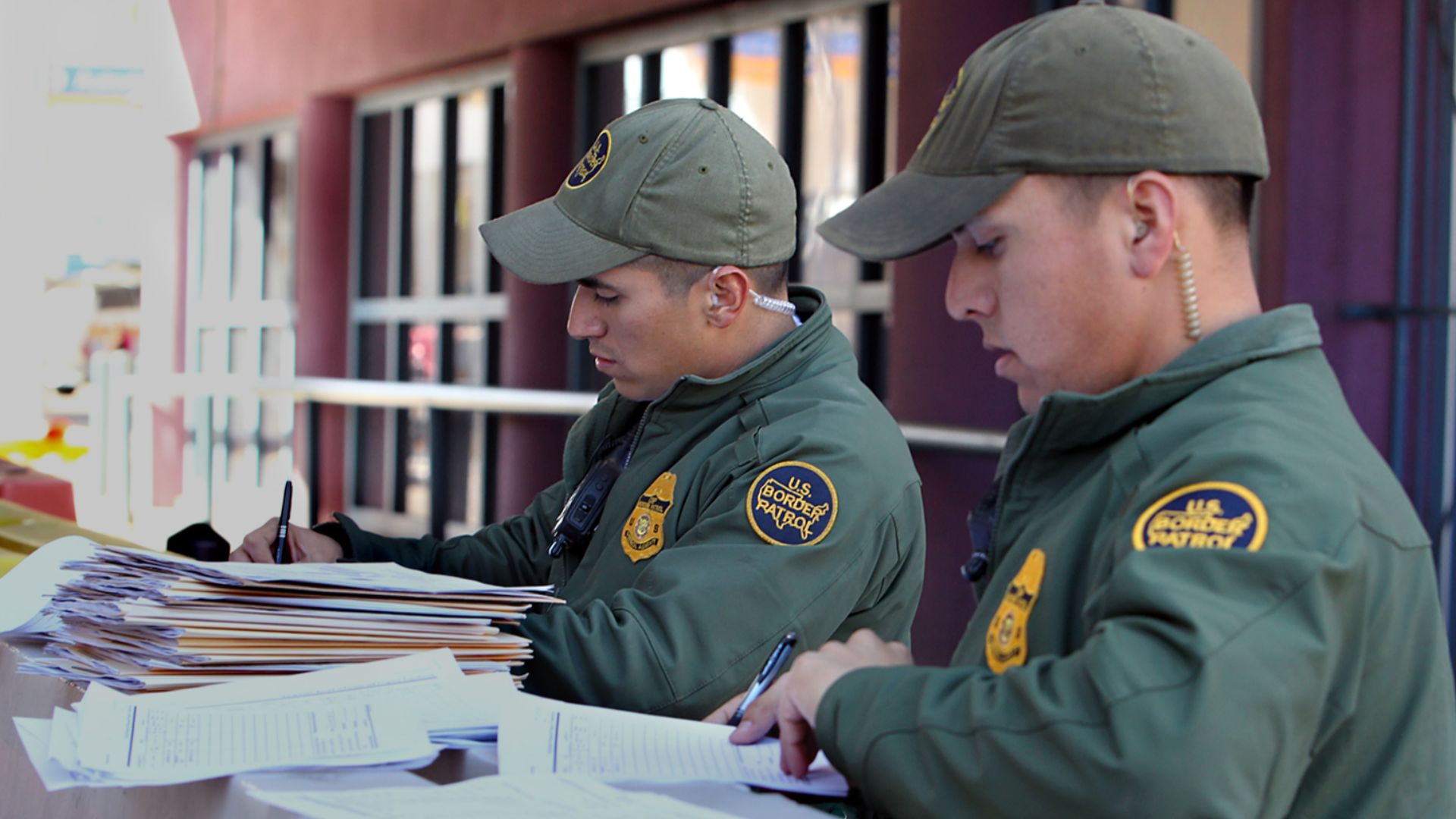
Anything related to customs declarations, prohibited items, immigration eligibility, or your reason for entering the country is essential. Lying—or trying to dodge the question—can result in being denied entry or flagged for future trips. Concise honesty is safer than long-winded explanations.
 CBP Photography, Wikimedia Commons
When It’s Okay to Be Vague
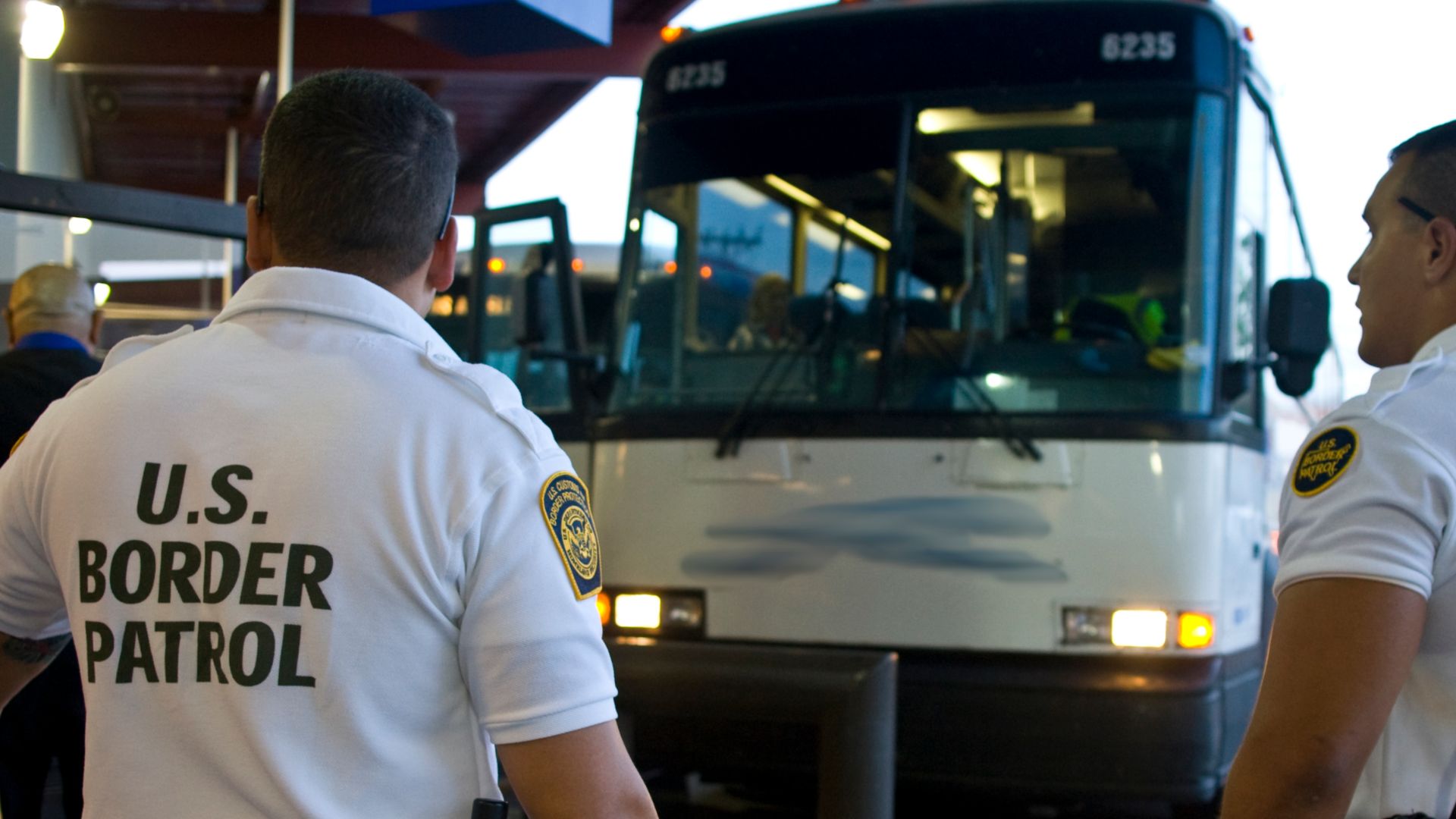
You don’t need to overshare. A short, simple answer is usually enough. Instead of explaining your entire relationship timeline, “I’m visiting a friend” works fine. Think of border interviews as fact-checking moments, not opportunities to narrate your life story.
 CBP Photography, Wikimedia Commons
Your Phone Is a Different Issue
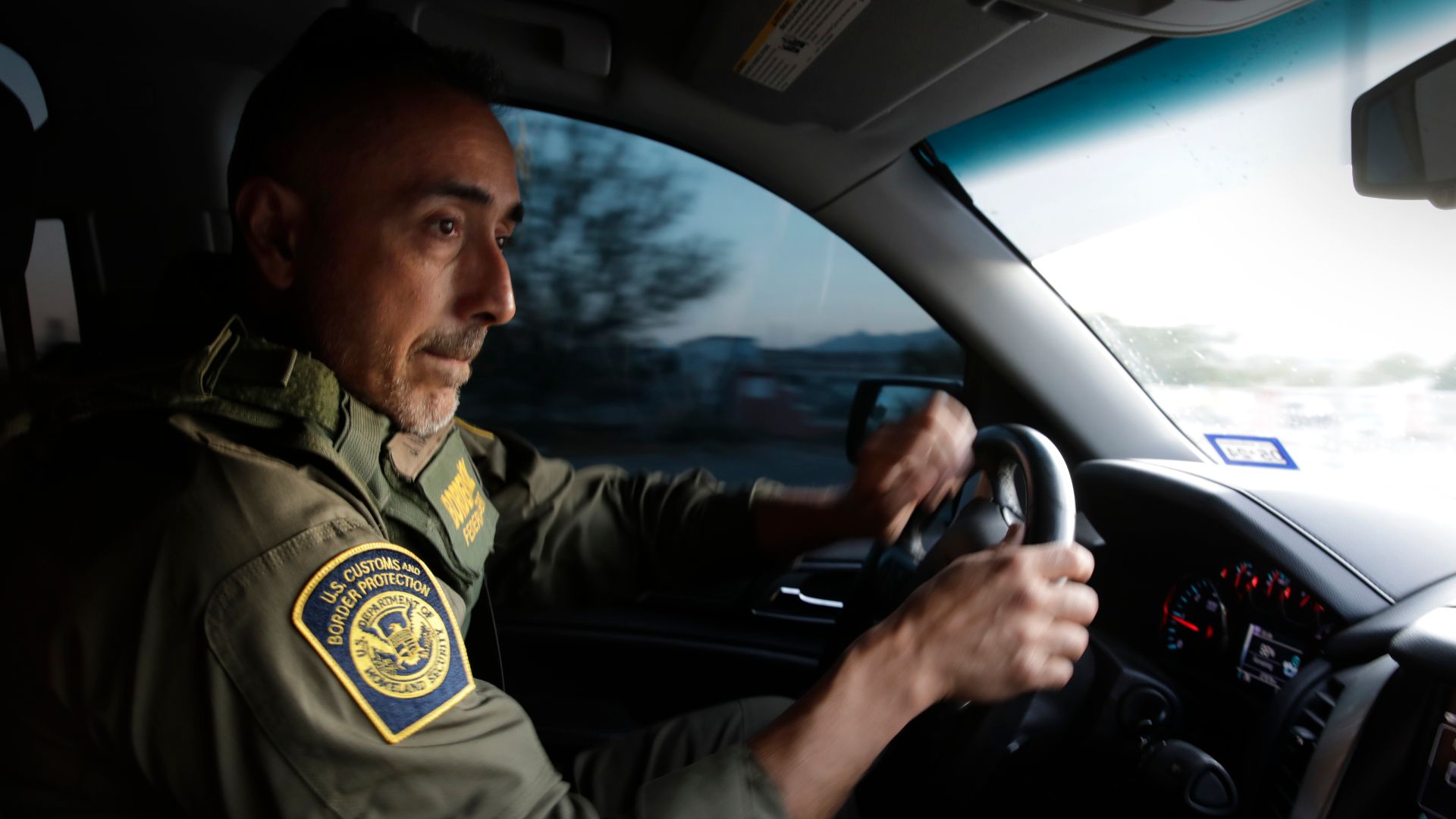
In some countries, including the U.S., border agents can search your electronic devices. If you’re not a citizen, refusing can mean denied entry. Citizens can refuse, but agents may seize the device or detain you longer. Phones are treated differently than verbal questions—legally and practically.
 CBP Photography, Wikimedia Commons
Why They Can Search Without a Warrant
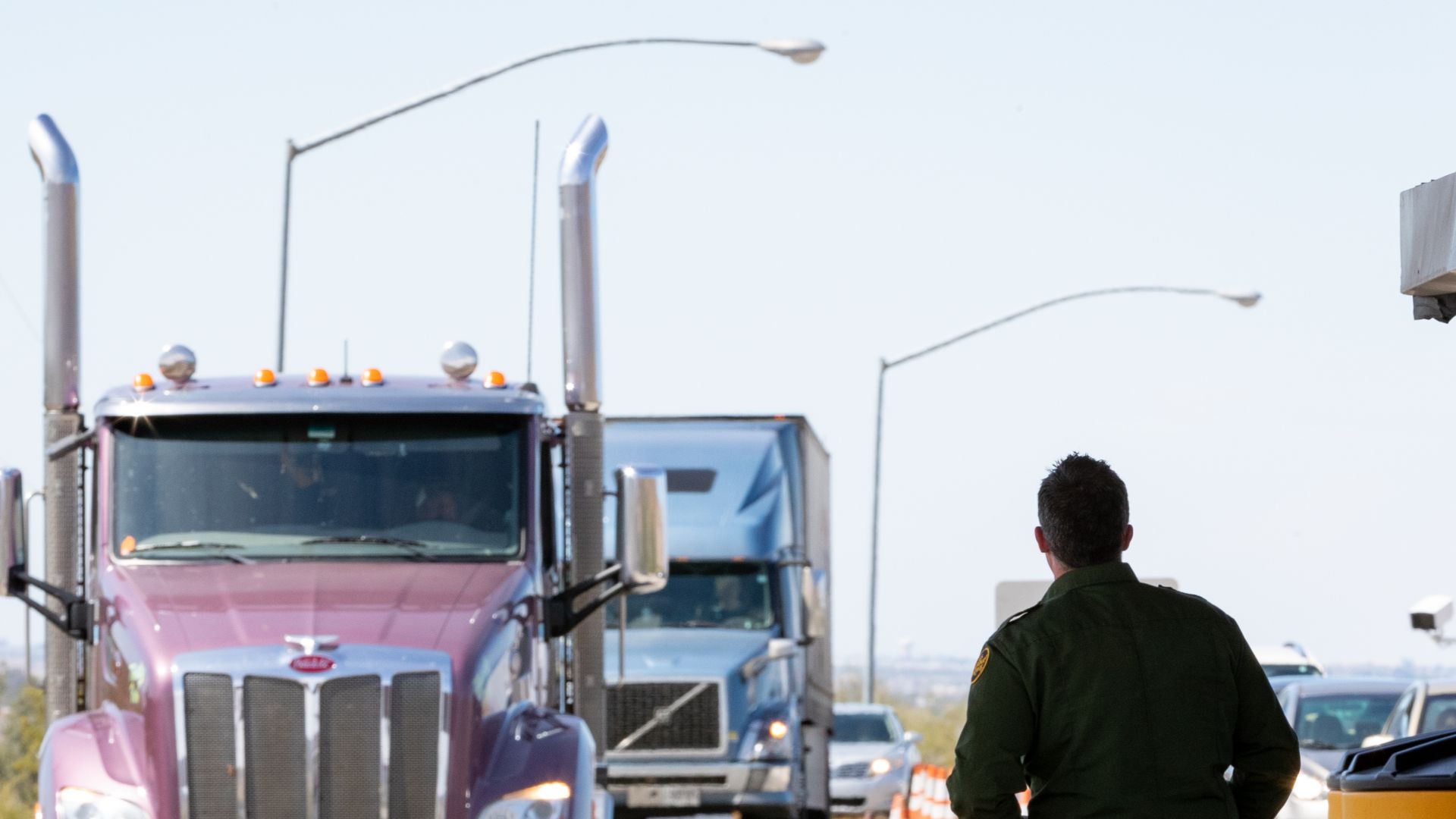
At borders, there’s a reduced expectation of privacy. Legally, routine searches don’t require suspicion the way they would inside the country. It’s one of the biggest exceptions to normal search-and-seizure rules, and it surprises many travelers the first time they learn it.
 CBP Photography, Wikimedia Commons
If You Think a Question Crossed the Line
You can ask to speak to a supervisor. You can also file a complaint later with the customs agency or airport authority. Just avoid escalating in the moment unless something truly feels off. The quickest path through the checkpoint is usually cooperation.
How to Avoid Drawing Extra Attention
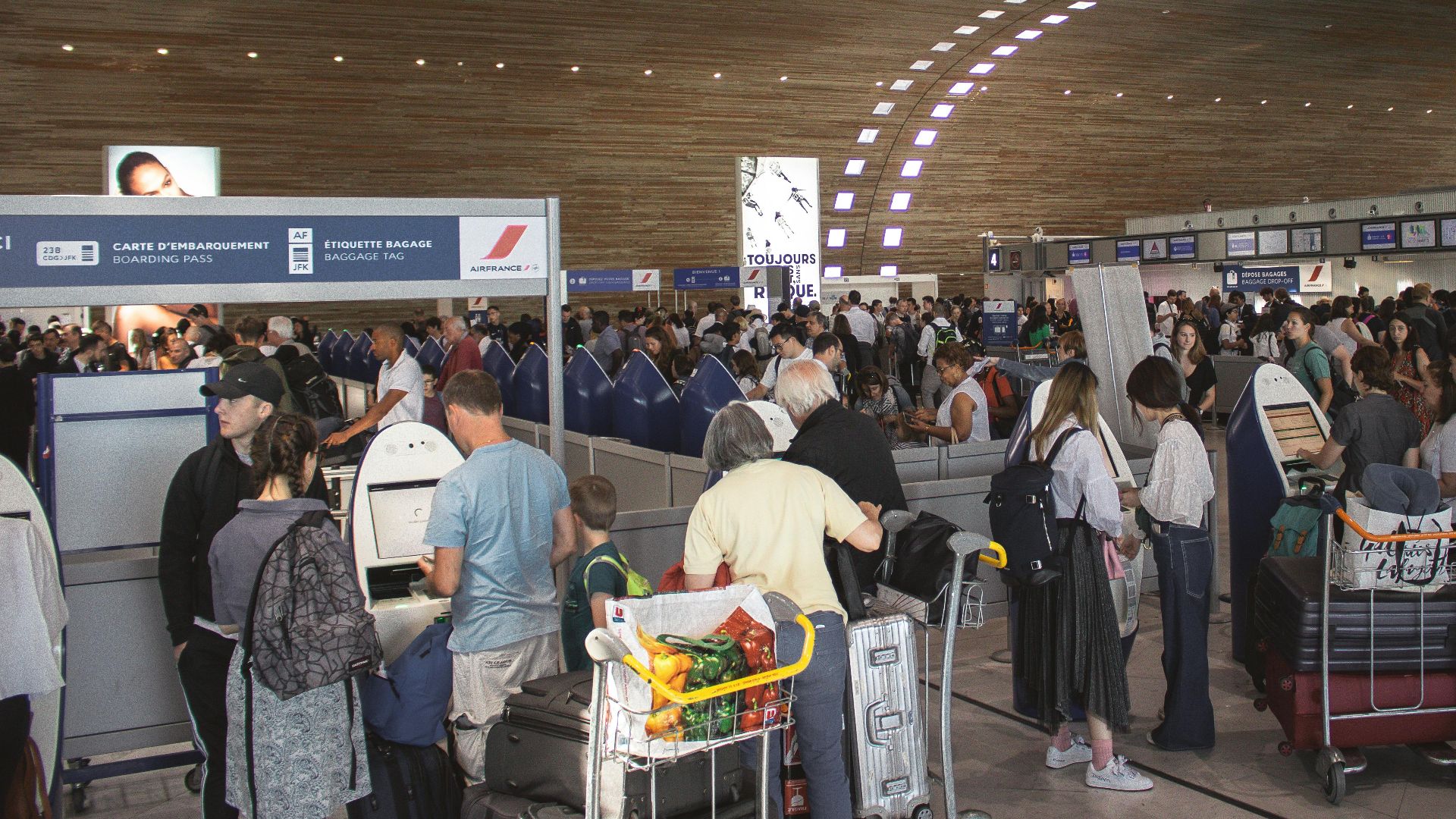
Agents notice confidence and clarity. Having your address, itinerary, and documents ready goes a long way. One of the biggest red flags, according to officers, is a traveler who seems unsure of where they’re staying or why they’re entering the country.
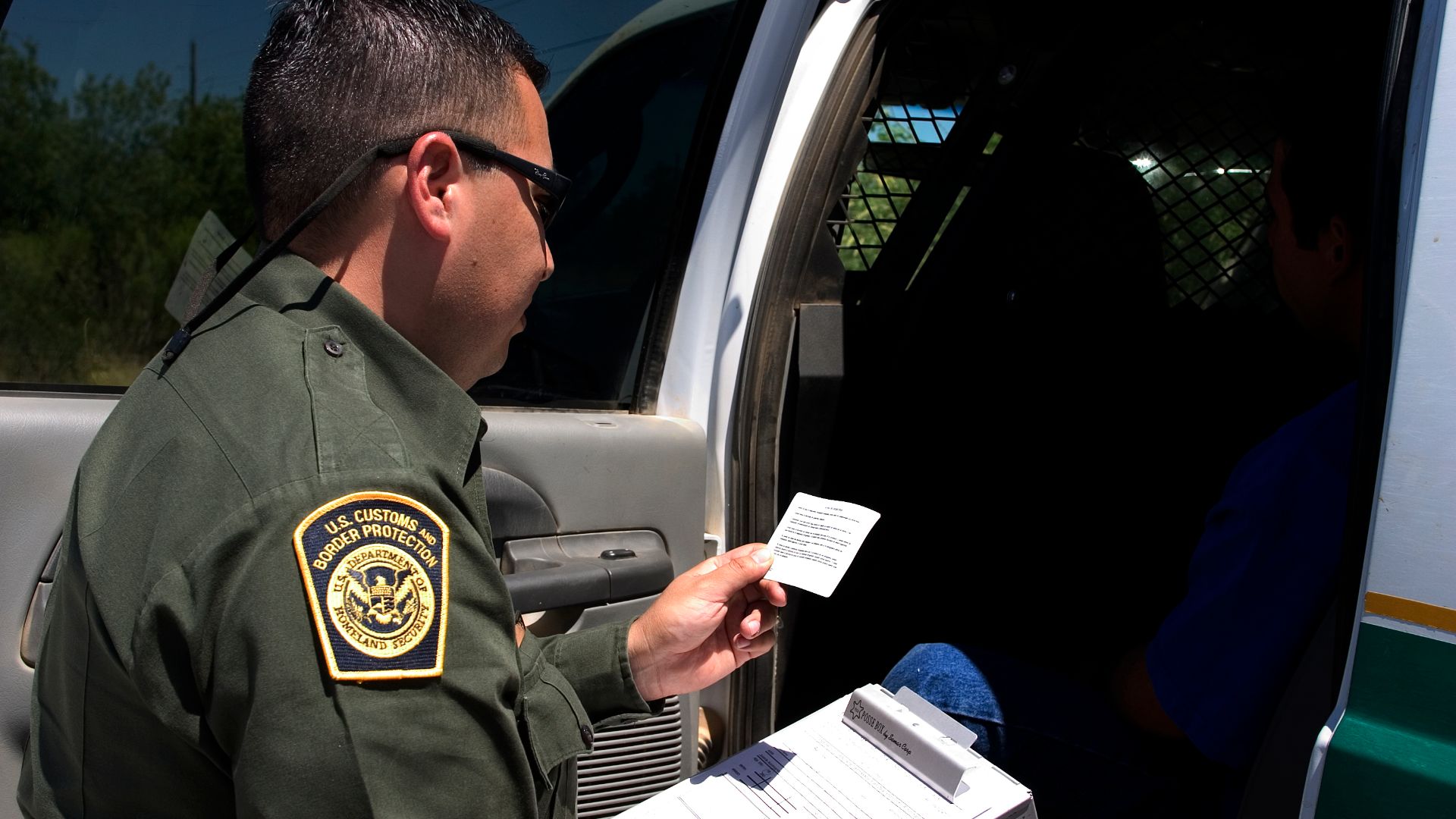 Gerald L. Nino, CBP, U.S. Dept. of Homeland Security, Wikimedia Commons
The Missing-Documents Mishap
If you can’t produce a hotel reservation or address, agents may assume you don’t actually have accommodations. Even innocent travelers get stuck in secondary screening simply because their details are scattered or stored in multiple apps they can’t find quickly.
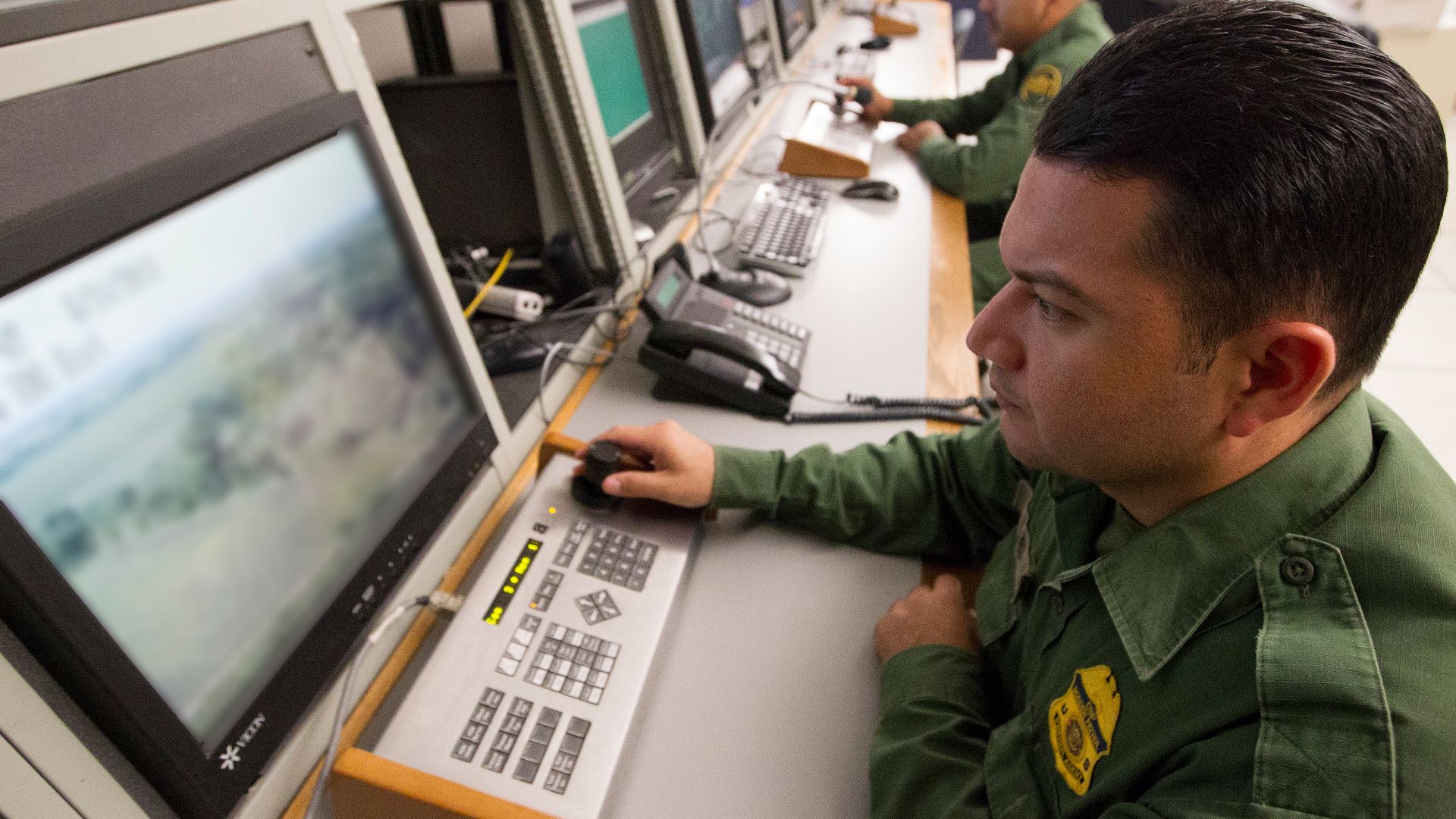 U.S. Customs and Border Protection, Wikimedia Commons
Why You Should Never Joke
Border agents have heard every funny comment imaginable, and none of them land. Jokes about smuggling, overstaying, or breaking the law can instantly derail your entry. Save your humor for after baggage claim—border counters are not the place for improv.
 CBP Photography, Wikimedia Commons
What Secondary Screening Really Means
Secondary screening isn’t punishment—it’s just a deeper check. You may wait in a room, answer more detailed questions, or have your bags searched. Sometimes it lasts ten minutes; sometimes hours. It depends on staffing, suspicion, and your answers.
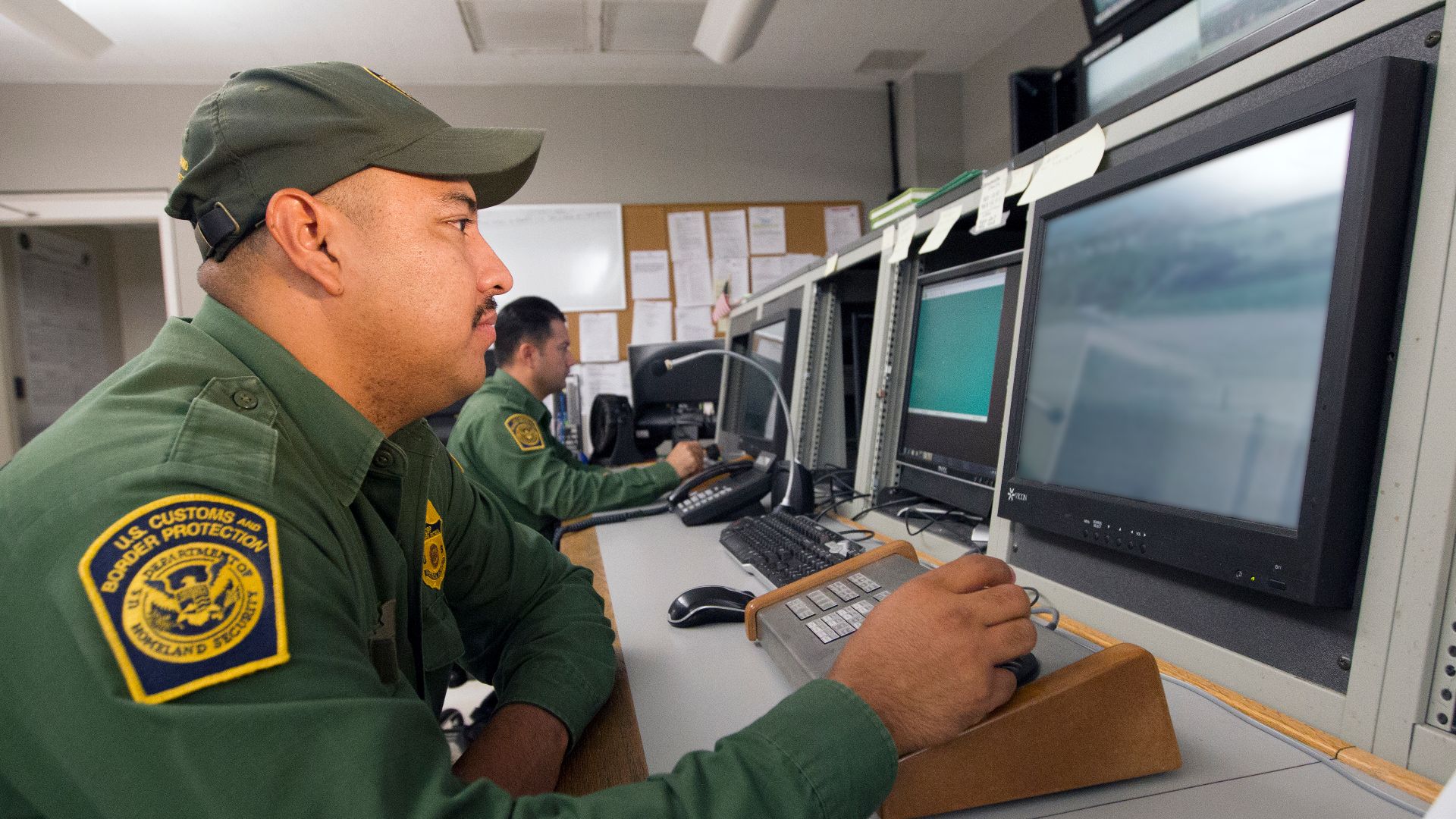 U.S. Customs and Border Protection, Wikimedia Commons
If You’re Traveling With Someone Else
Agents may separate you and compare stories. Even harmless inconsistencies—like whether you met two years ago or a couple years ago—can grab attention. Keeping your answers simple helps avoid accidental contradictions.

Red Flags You Don’t Realize You’re Giving
Long explanations, contradicting your itinerary, having no return ticket, or acting overly rehearsed can all raise suspicion. Border interviews reward simplicity. The shorter and clearer your answers, the faster you get through.

Traveling for Romance? Expect Questions
Visiting a partner abroad is common, but it often triggers extra questions. Agents want to make sure you’re not planning to secretly work, move in, or marry without the right visa. Be honest, but there’s no need to share personal details beyond the basics.
 CBP Photography, Wikimedia Commons
When Silence Actually Becomes Your Right
If you’re detained beyond normal immigration processing—meaning things have shifted from entry screening to law enforcement—your rights expand. At that point, you may have the right to remain silent or request legal counsel, depending on the country.
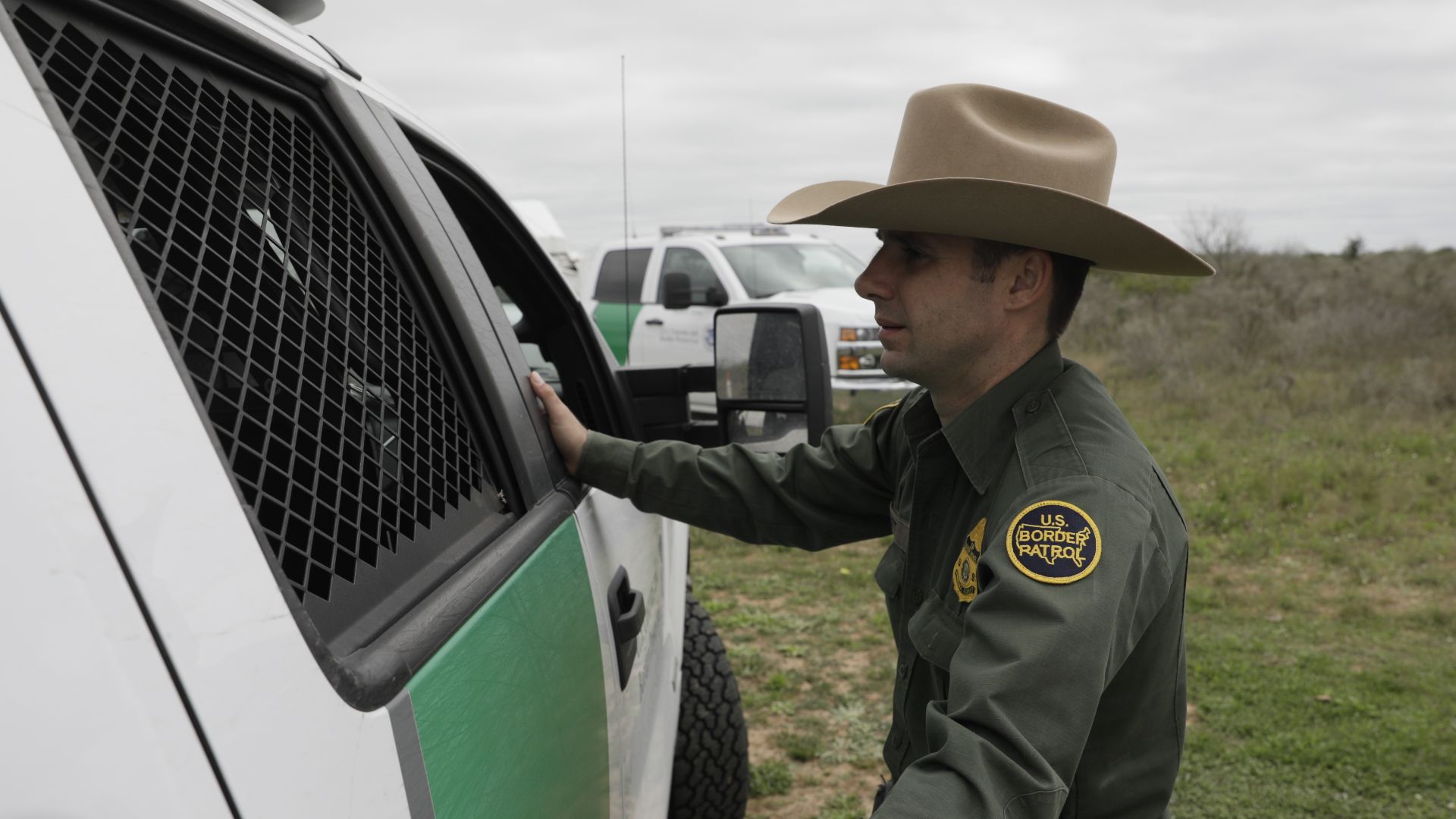 CBP Photography, Wikimedia Commons
So…Can You Refuse?
Technically, yes. Practically, it’s almost never worth it. Refusing questions usually means delays, searches, or denied entry if you’re not a citizen. Borders aren’t designed around privacy—they’re designed around screening. The smoother path is staying calm and answering concisely.
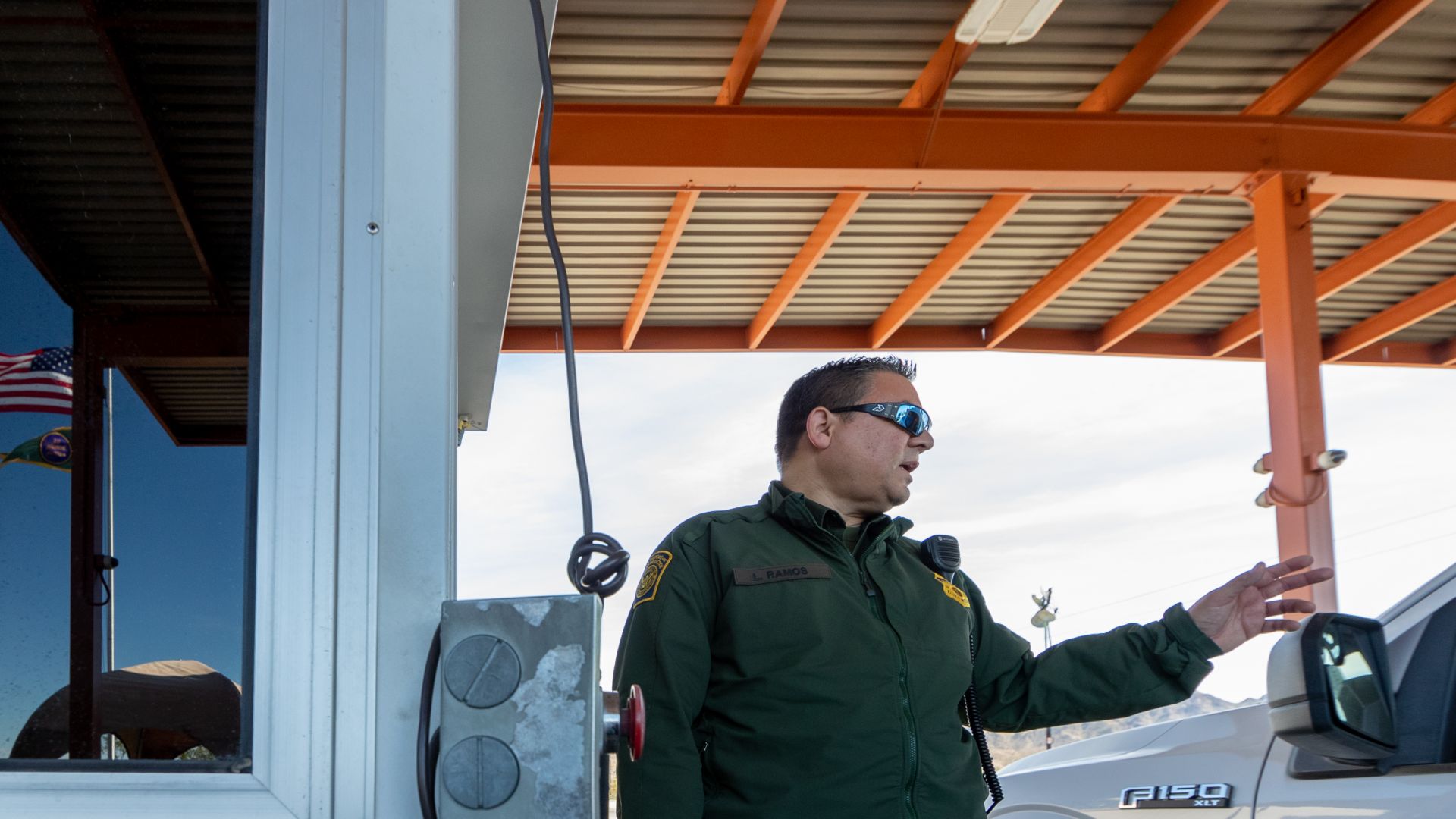 CBP Photography, Wikimedia Commons
The Bottom Line
You can refuse certain personal questions, but you might not like the consequences. The safest strategy is to give brief, straightforward answers, avoid over-explaining, and keep everything consistent. Once you’re through the checkpoint, then you can unpack how weird the whole experience was.

You Might Also Like:
I accidentally typed the wrong name on my airline ticket. Do I have to buy a new one?