

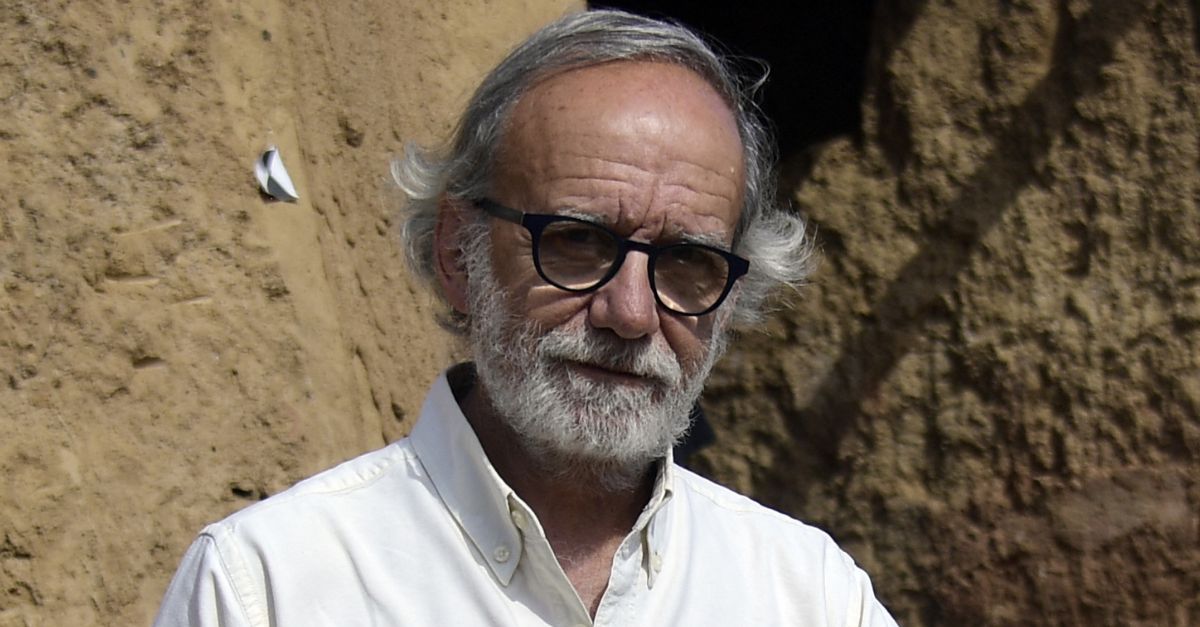
Where Humanity’s First Neighbors Once Gathered
An excavation in southeastern Turkey didn’t look special at first glance. Yet, its buried rooms and carved stones revealed the moment people stopped drifting and started building lives together thousands of years before cities ever existed.
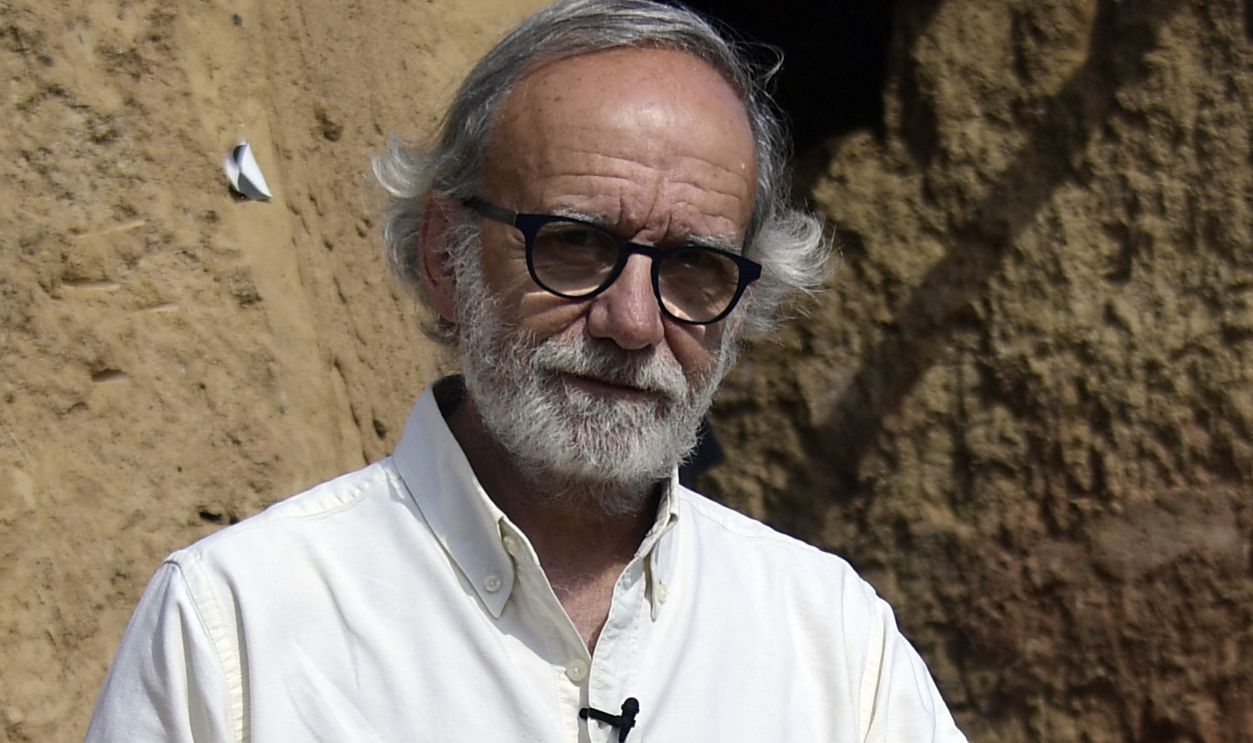
A Glimpse Into A Forgotten World
In southeastern Turkey, archaeologists uncovered a village hidden for nearly 10,000 years. Long before pyramids or Stonehenge, it turns out people here built permanent homes instead of roaming. Walking into the site feels like stepping into humanity’s earliest chapter
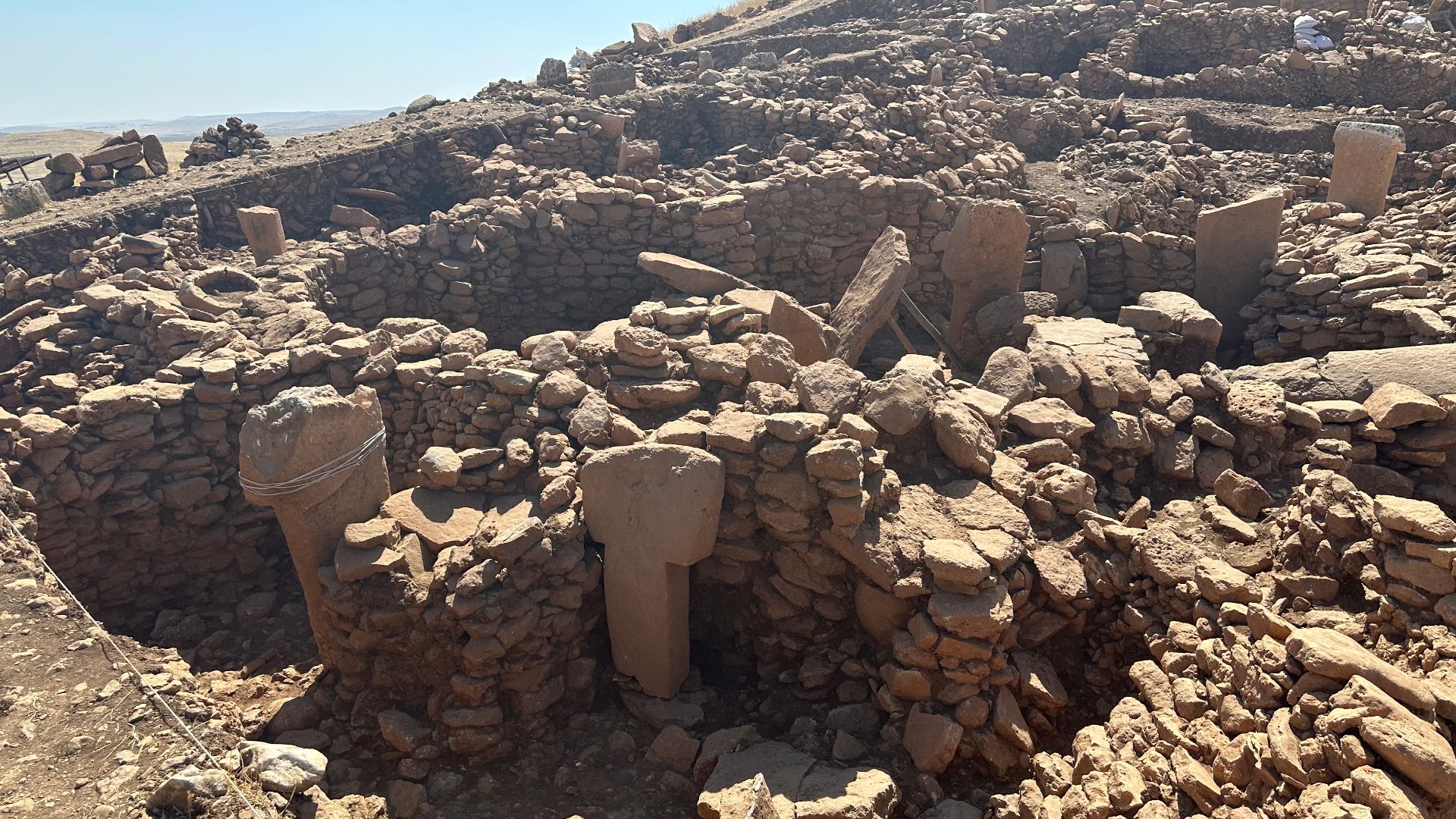 Vincent Vega, Wikimedia Commons
Why The Village Was Intentionally Covered
Archaeologists discovered these sites were deliberately filled with soil and sealed, not abandoned naturally. The reasons remain unclear—perhaps a ritual closure, a shift in population. Whatever the motive, this careful burial preserved the village for 10,000 years.
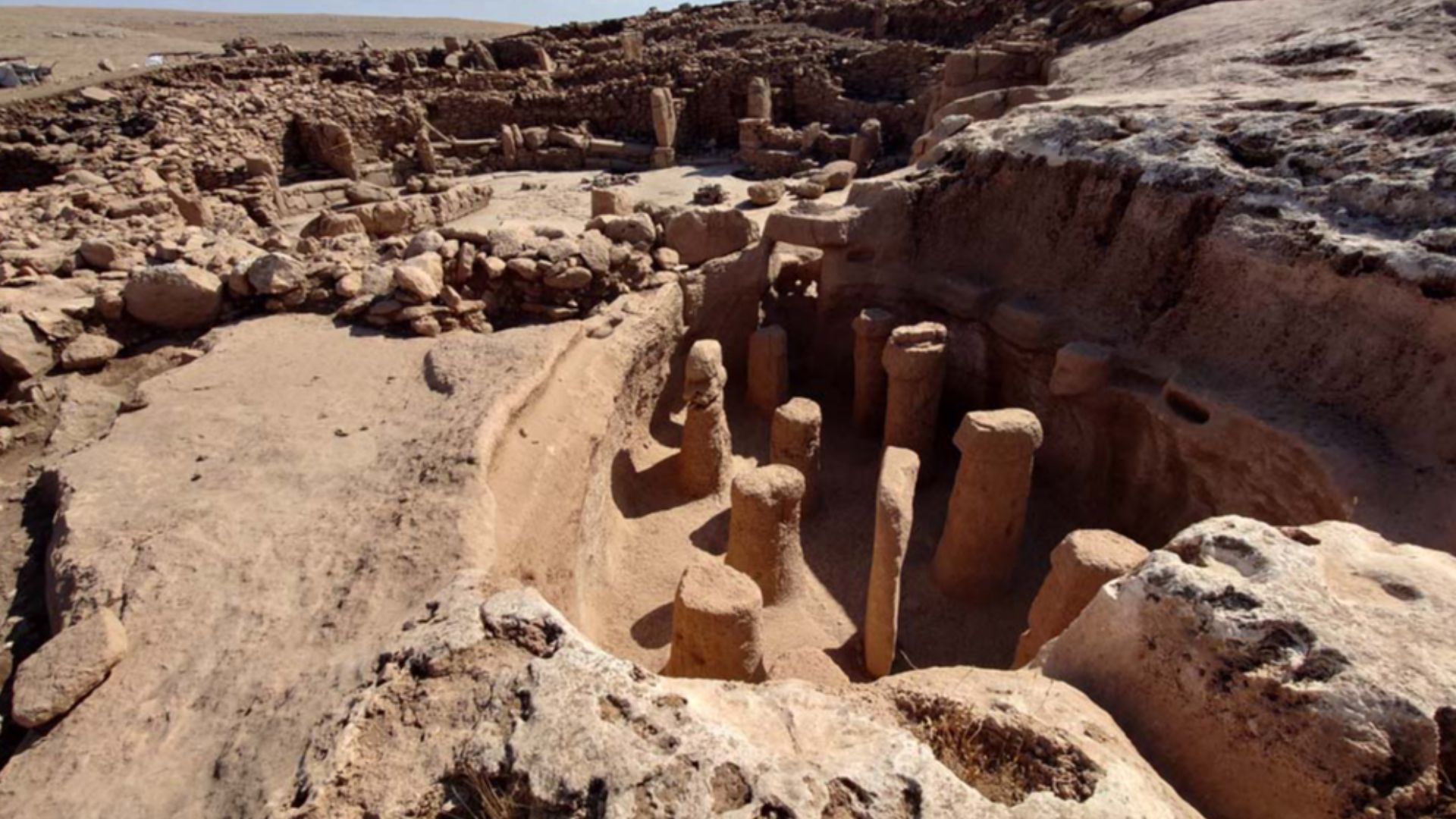 Mahmut Bozarslan (VOA), Wikimedia Commons
Understanding The Setting
This ancient village sits in a region called Tas Tepeler, which means “Stone Hills,” home to several early settlements. All lie close together to form one of the world’s oldest cultural clusters.
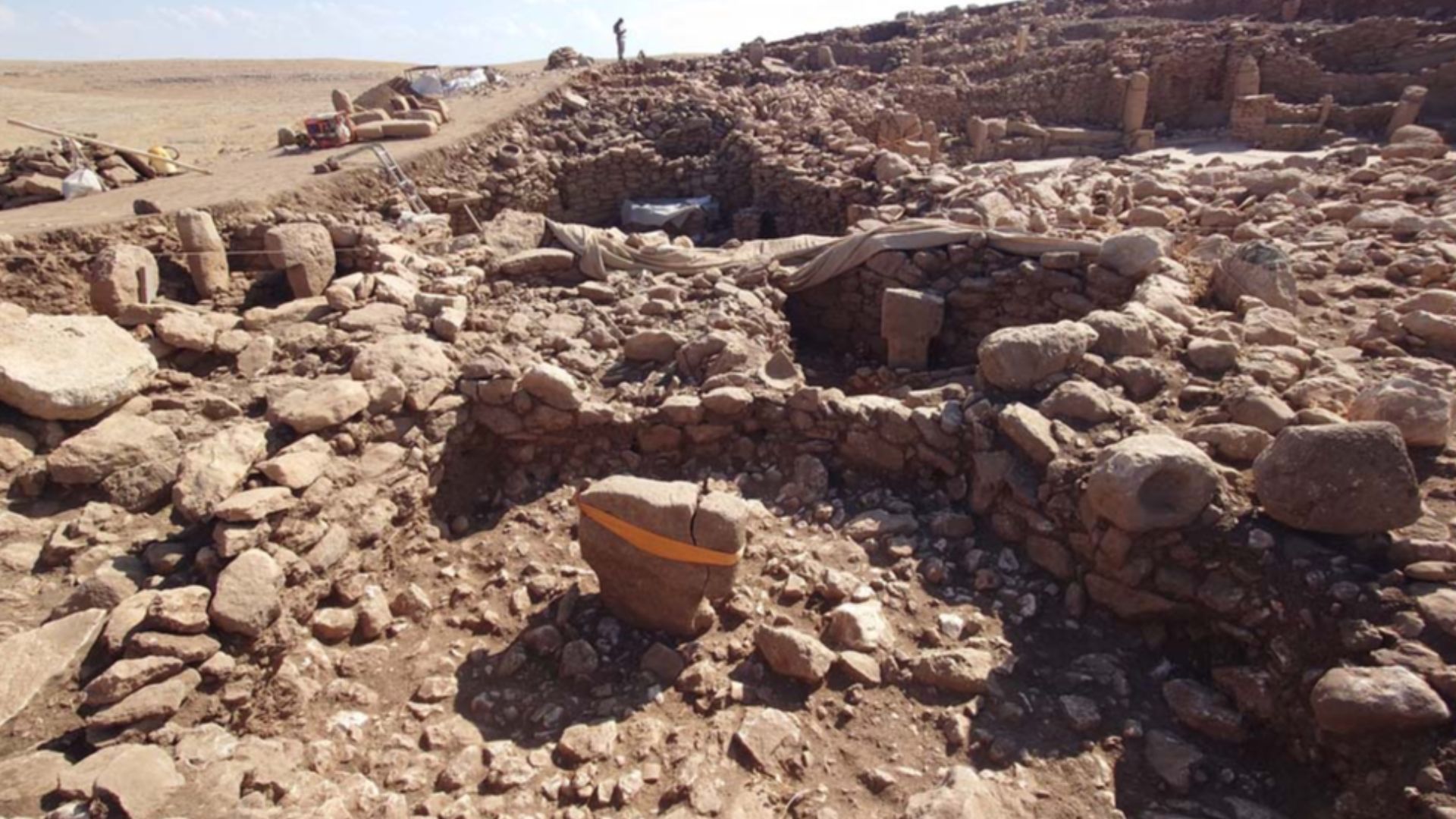 Mahmut Bozarslan (VOA), Wikimedia Commons
The First Hint Of Something Extraordinary
Nearby Gobekli Tepe revealed massive T-shaped pillars carved with foxes, snakes, and birds. At more than 11,000 years old, it predates Egypt’s pyramids, and the craftsmen of those days knew their craft because the site’s benches and monuments carry astonishing detail.
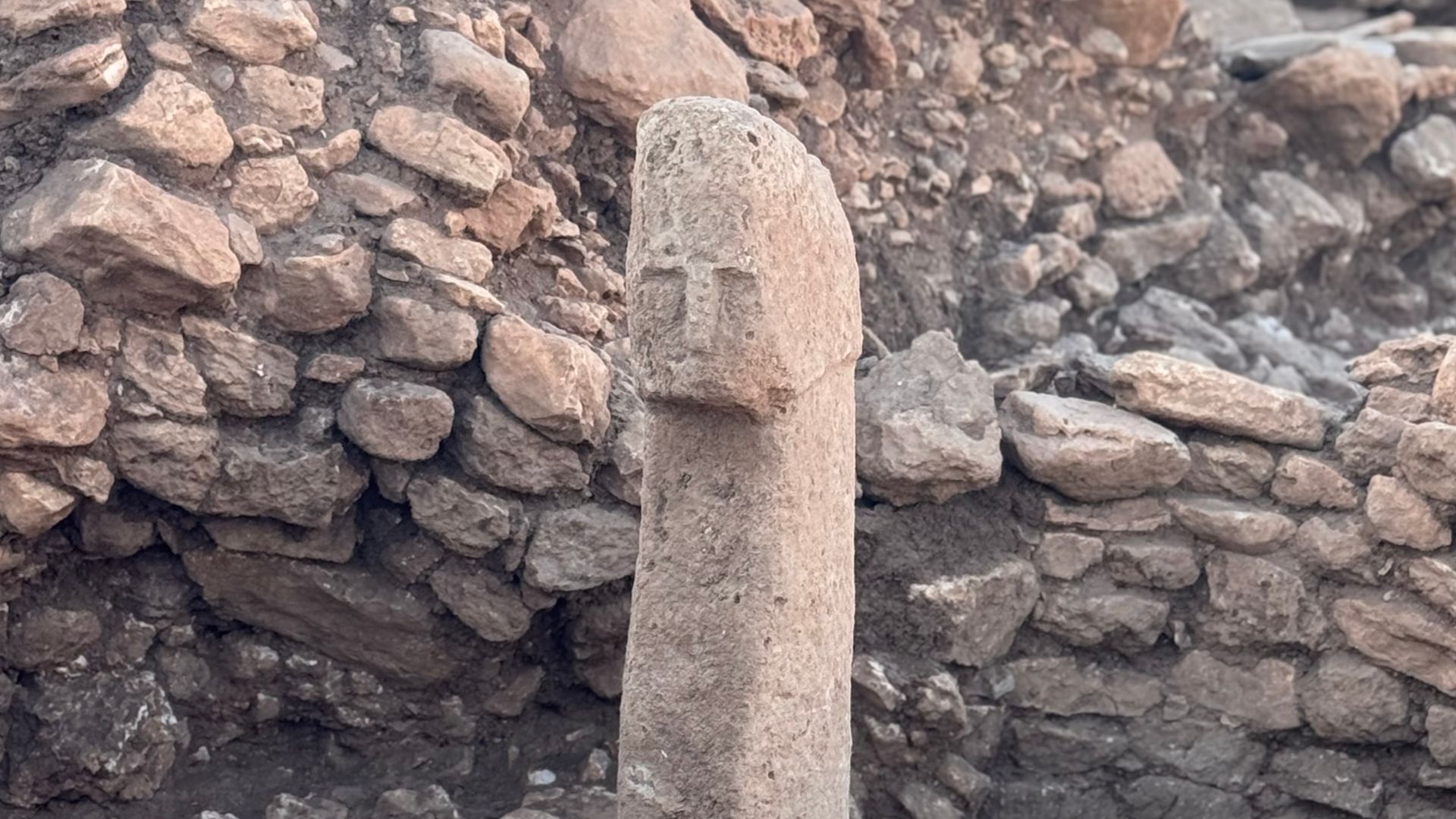
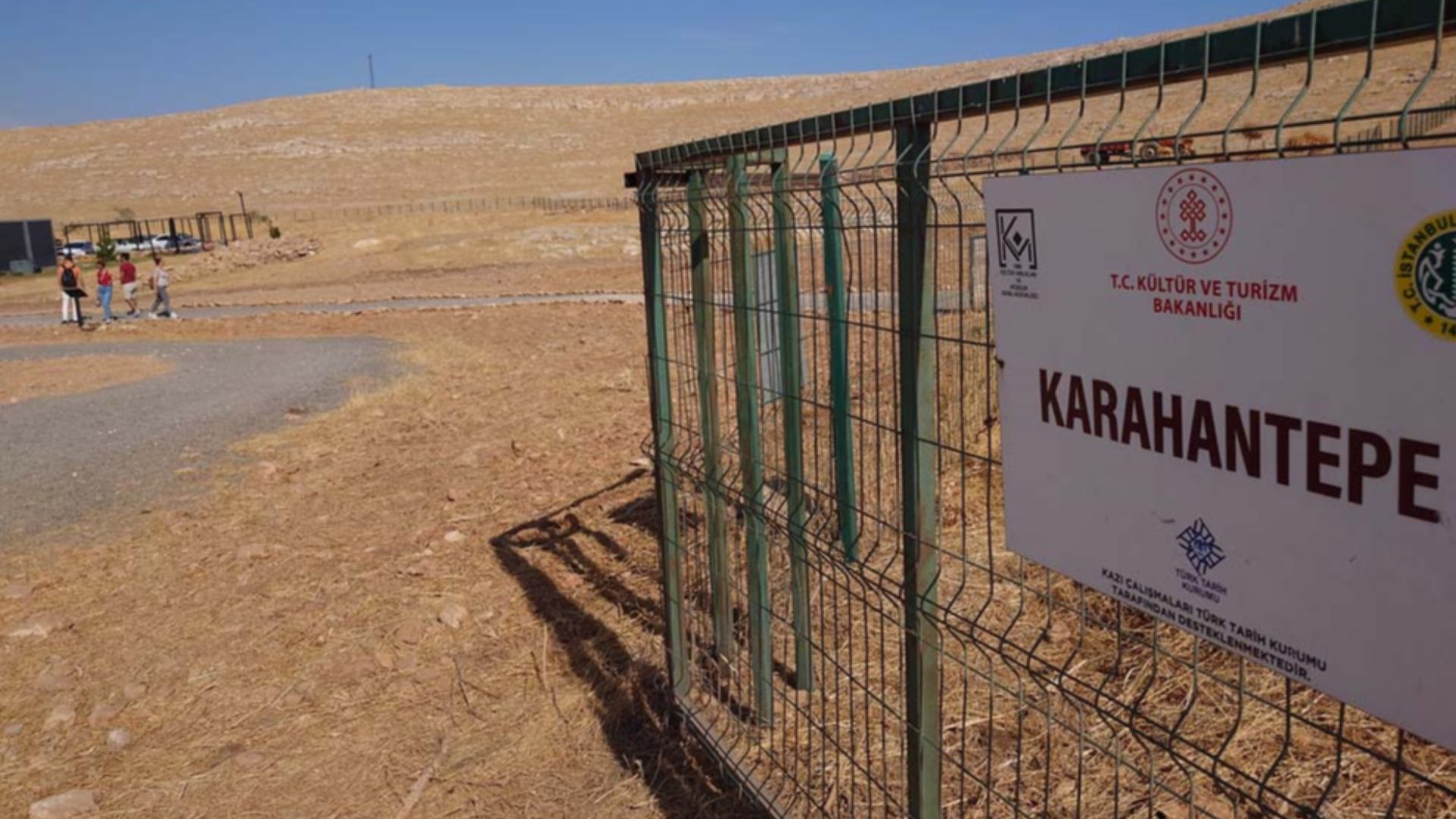
Introducing Karahantepe
Karahantepe, another dig site in this region, shows something different—actual rooms and human-carved heads from people living here. Unlike Gobekli Tepe’s monument-heavy design, it looks like a real, living and breathing village.
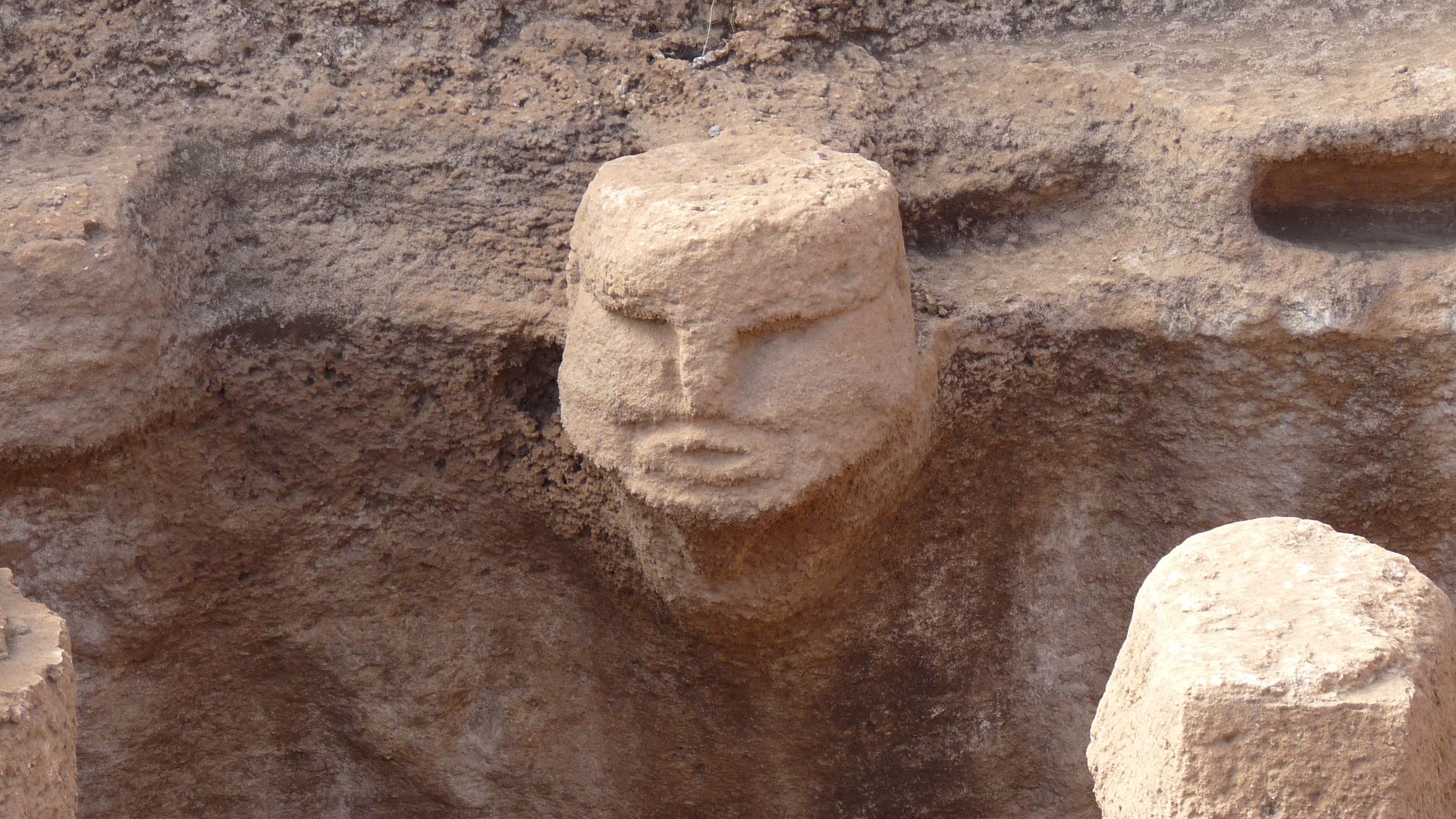 Frantisek Trampota, Wikimedia Commons
How People Lived Here
These discoveries upend the old notion of wandering, primitive bands. The picture now shows people who could plot, gather, and commit. Clues around the site hint at groups pausing their endless circuits to raise structures that nudged them toward early village life.
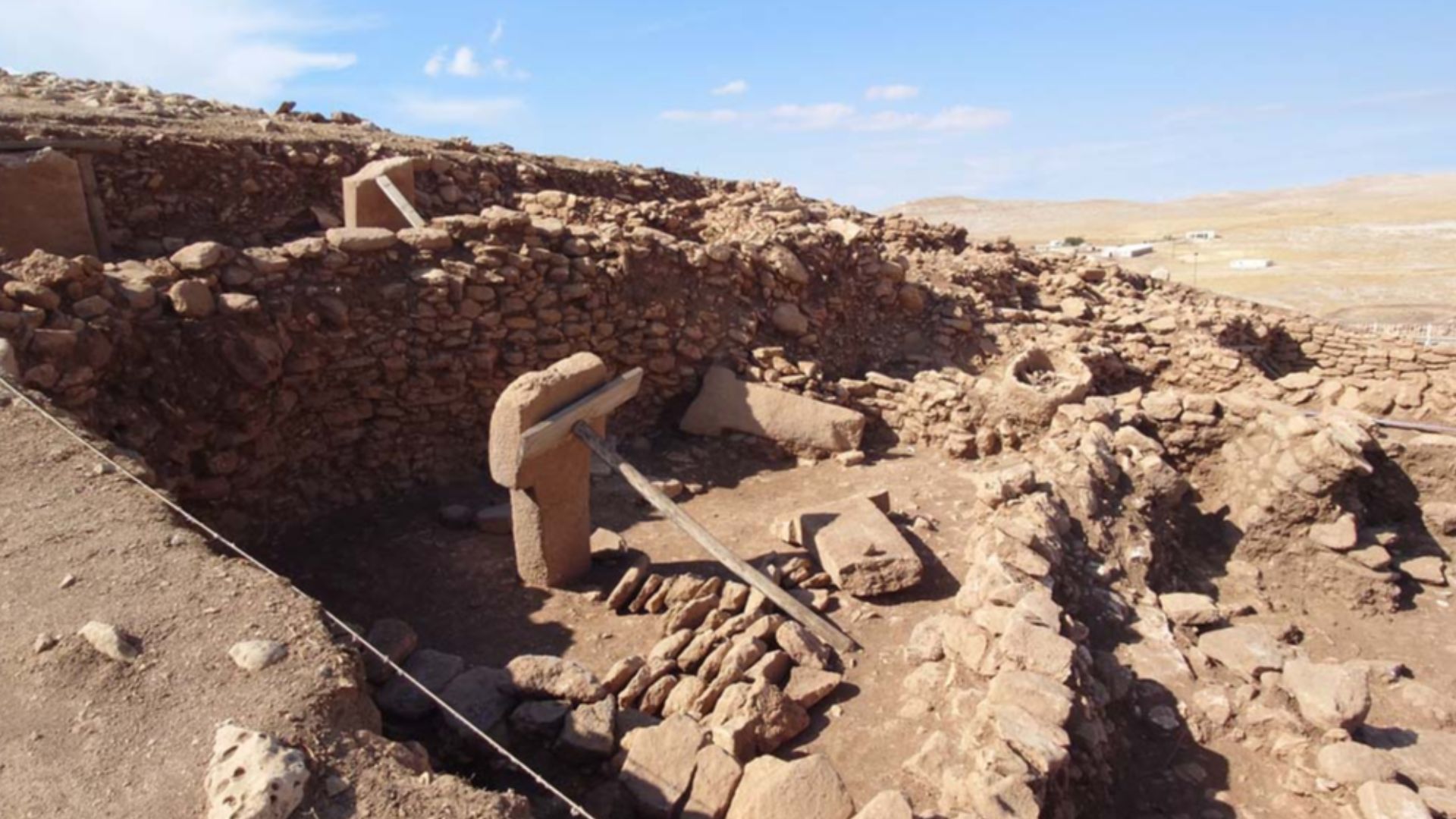 Mahmut Bozarslan (VOA), Wikimedia Commons
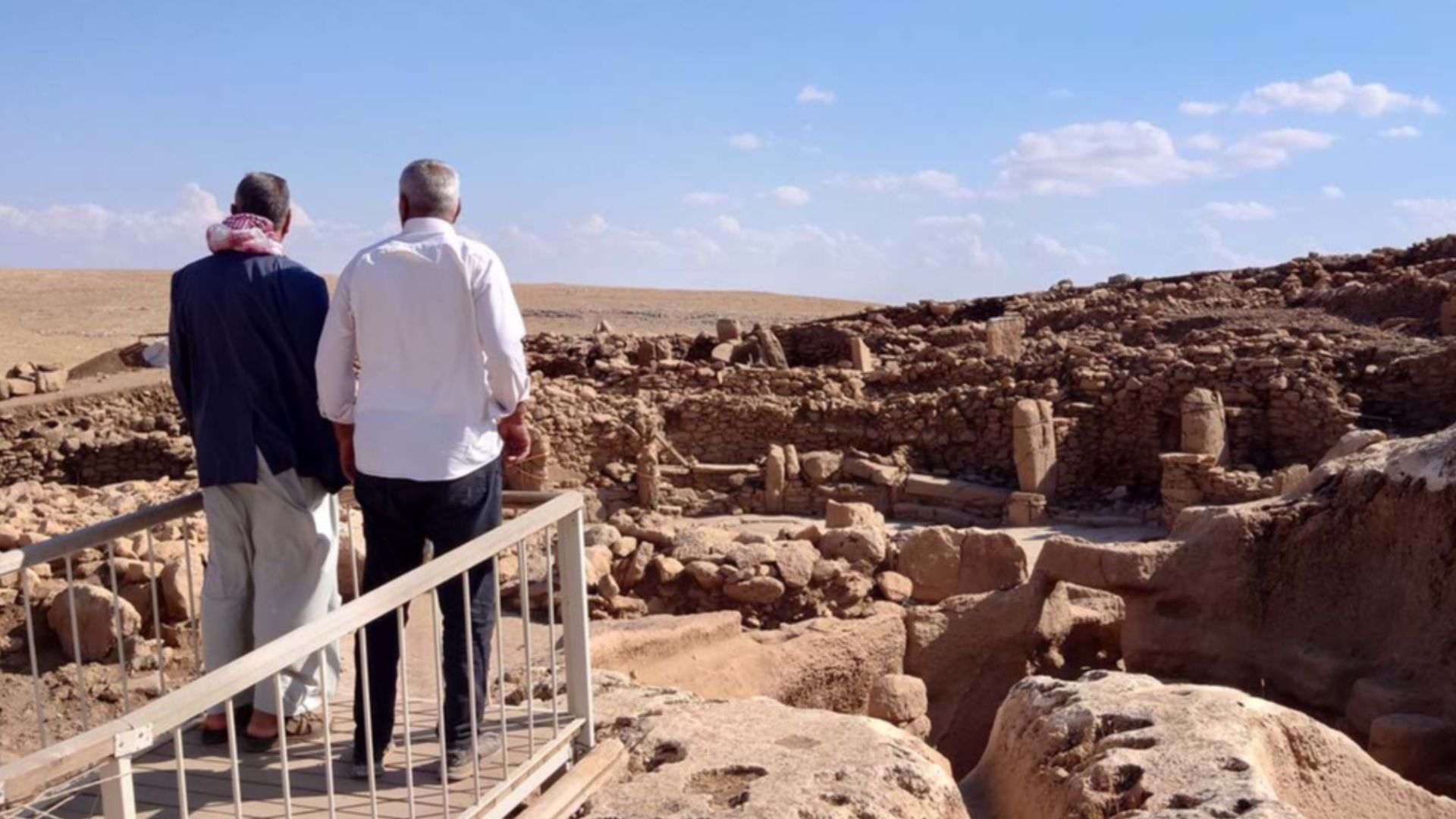
The Moment Everything Changed
At Karahantepe, the move from temporary shelters to permanent rooms marks a clear shift in how people lived. Durable walls with shared spaces and organized layouts reflect a population choosing to stay together and form stable, cooperative communities over many seasons.
 Mahmut Bozarslan (VOA), Wikimedia Commons
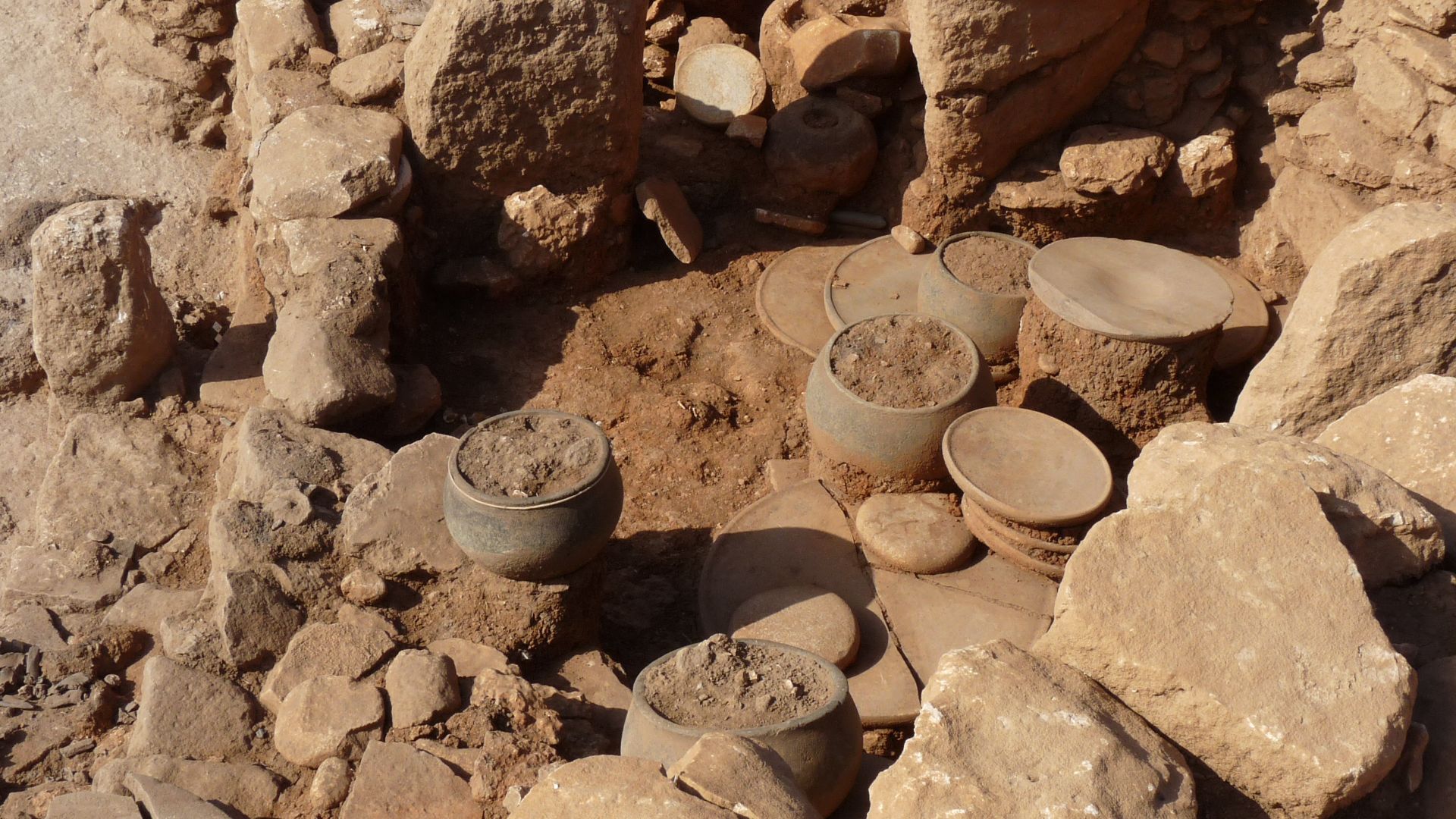
How Researchers Uncovered The First Clues
The first clues were tiny fragments: flint tools, limestone chips, and compacted earth, which suggests repeated activity. These small finds convinced researchers they weren’t dealing with a campsite, but a place where people spent long stretches of time together.
 Frantisek Trampota, Wikimedia Commons
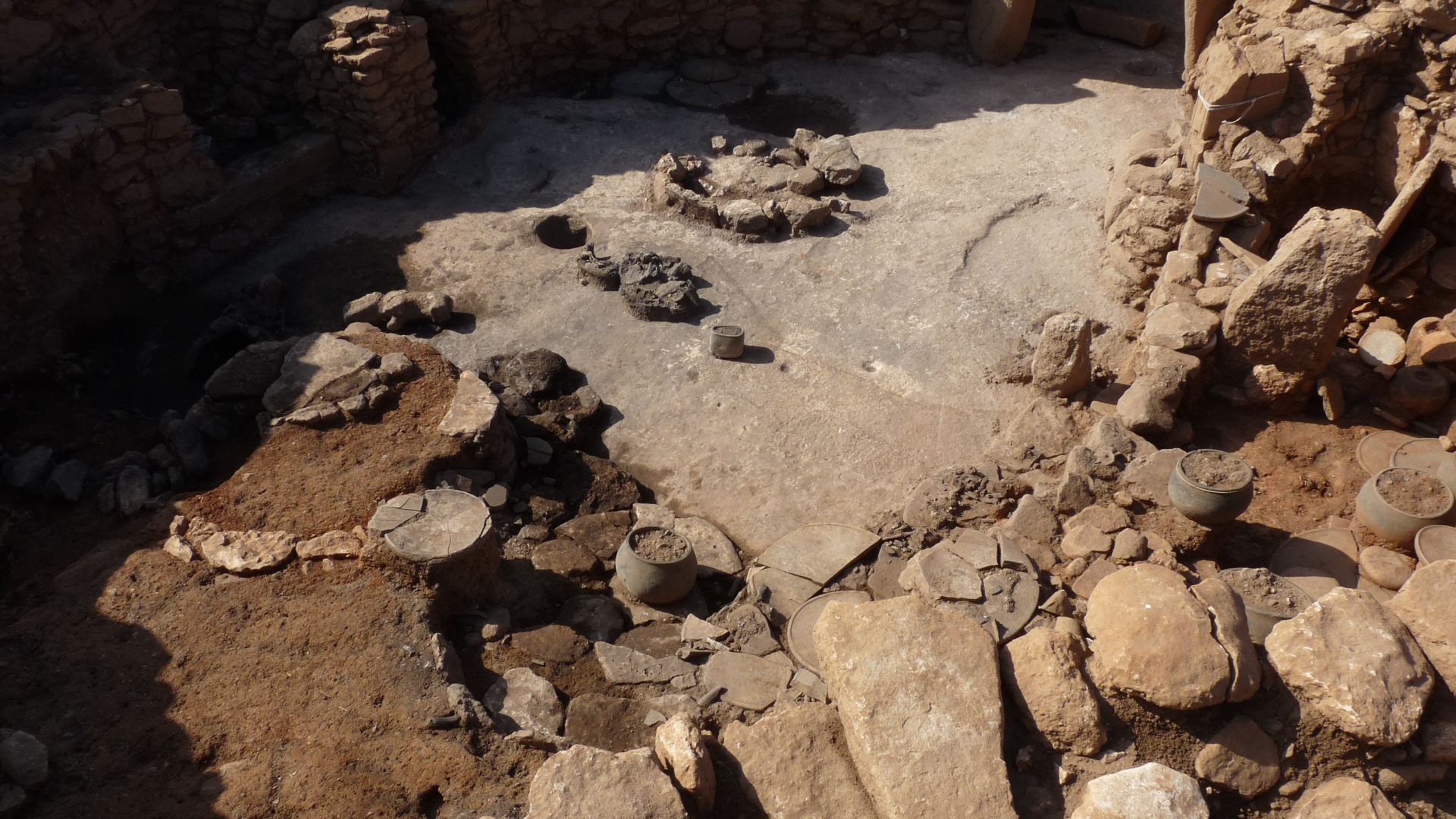
Piecing Together An Ancient Neighborhood
The uncovered layout shows a surprising organization of sunken chambers and aligned stone walls designed to manage their life perfectly. Some spaces appear deliberately hidden, which suggests specialized activities rather than general living. This also hints at early forms of functional zoning within a settlement.
 Frantisek Trampota, Wikimedia Commons
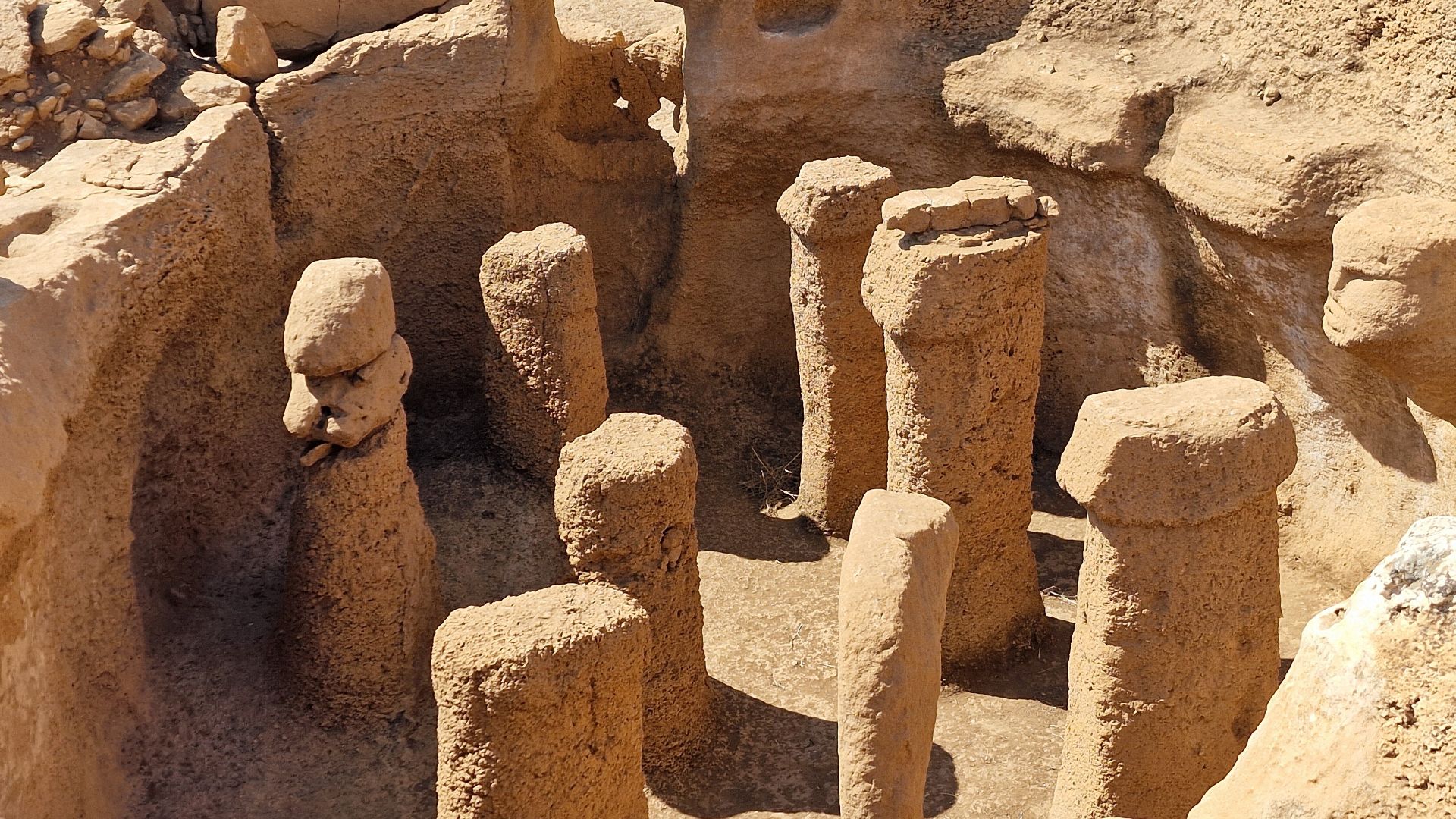
Carved Pillars That Tell Stories
Unlike the domestic rooms, the pillars carry a different purpose. Their carvings depict animals rarely hunted for food, suggesting symbolic meaning rather than survival. Some animals appear in repeated positions, possibly marking stories or shared beliefs passed through generations.
 tobeytravels, Wikimedia Commons
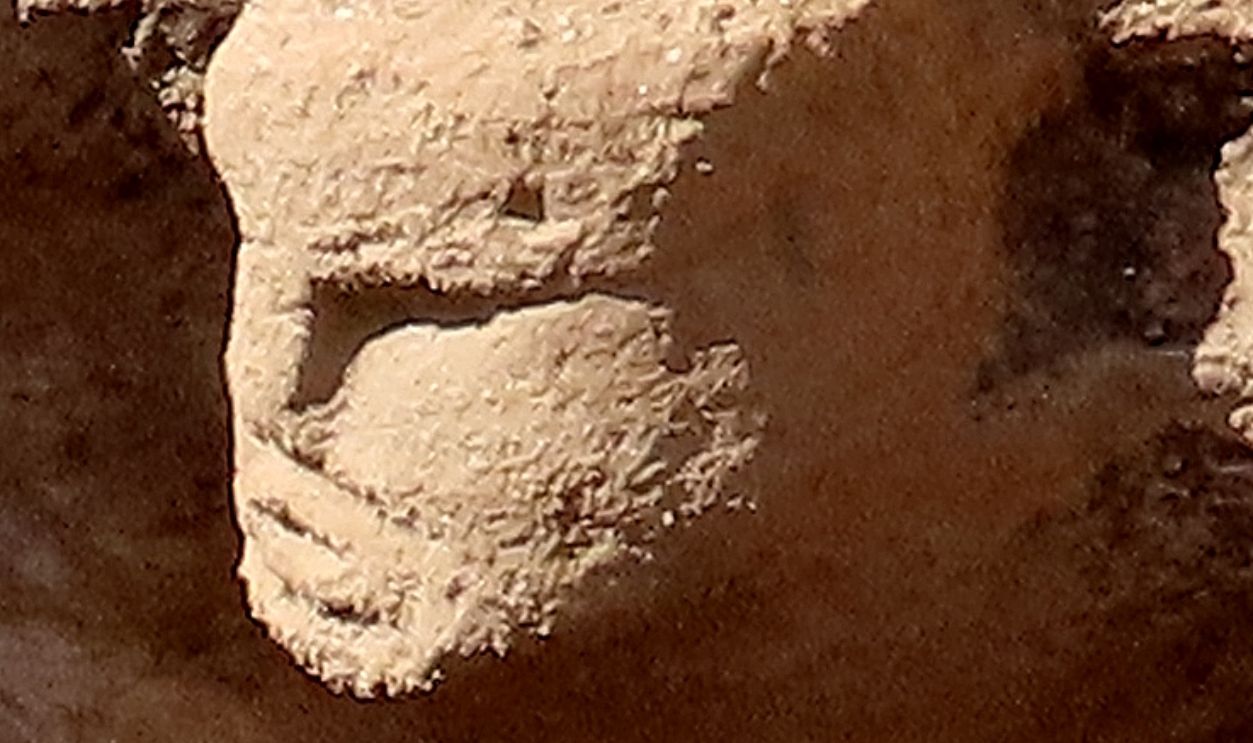
The Mystery Of Human Faces In Stone
The human faces found at Karahantepe show an artistic leap in figures with body parts made with surprising accuracy. These drawings look intentional, almost portrait-like. You could actually look at this from the lens of artists practicing or recording their skills.
 Tobey Travel, Wikimedia Commons
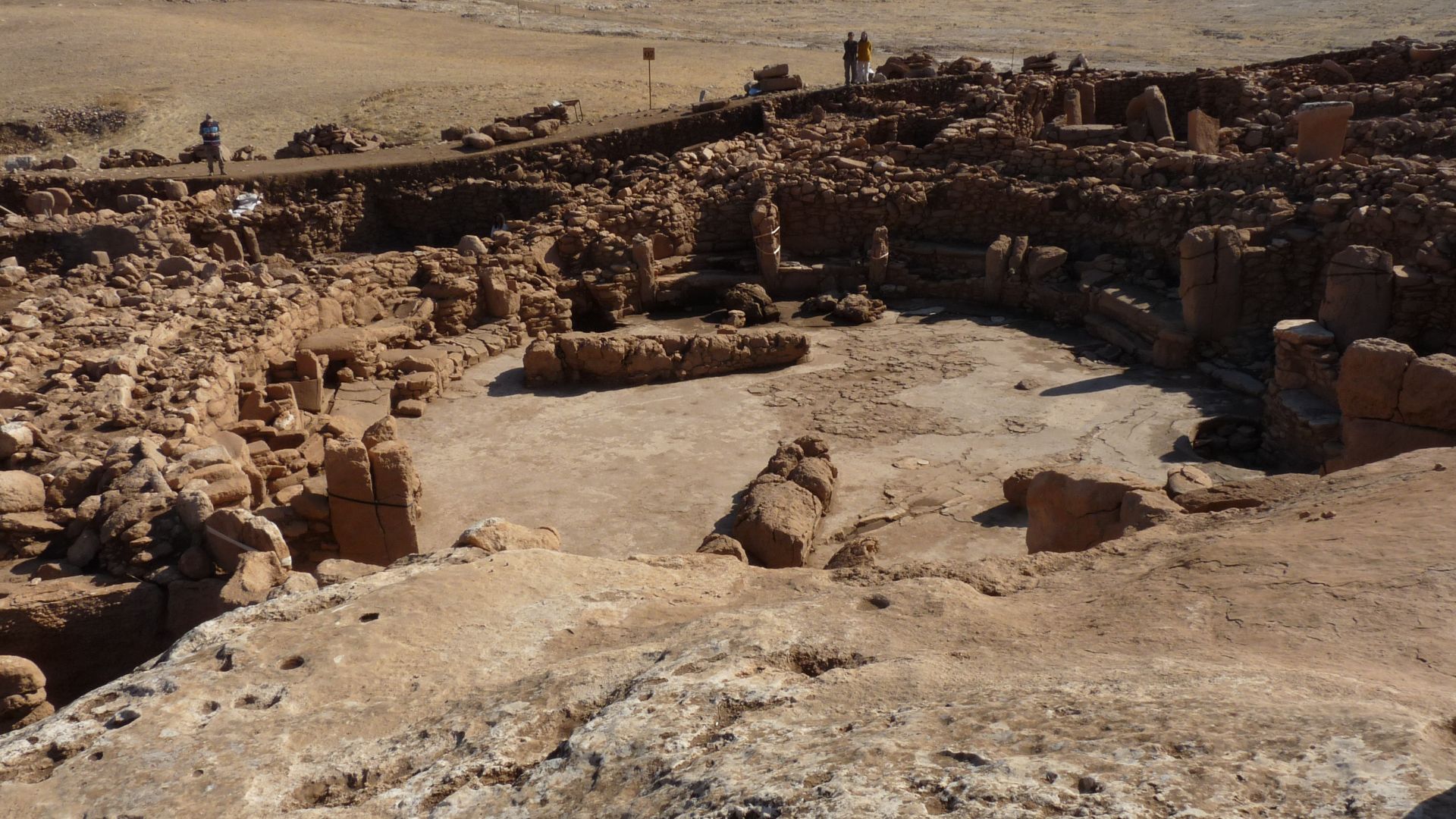
Inside The 17-Meter Circular Structure
At this same Karahantepe site, archaeologists uncovered a deep, circular room nearly 17 meters wide with carved benches lining the walls. It was probably a gathering space where groups met or performed rituals long before formal temples existed for people of the community.
 Frantisek Trampota, Wikimedia Commons
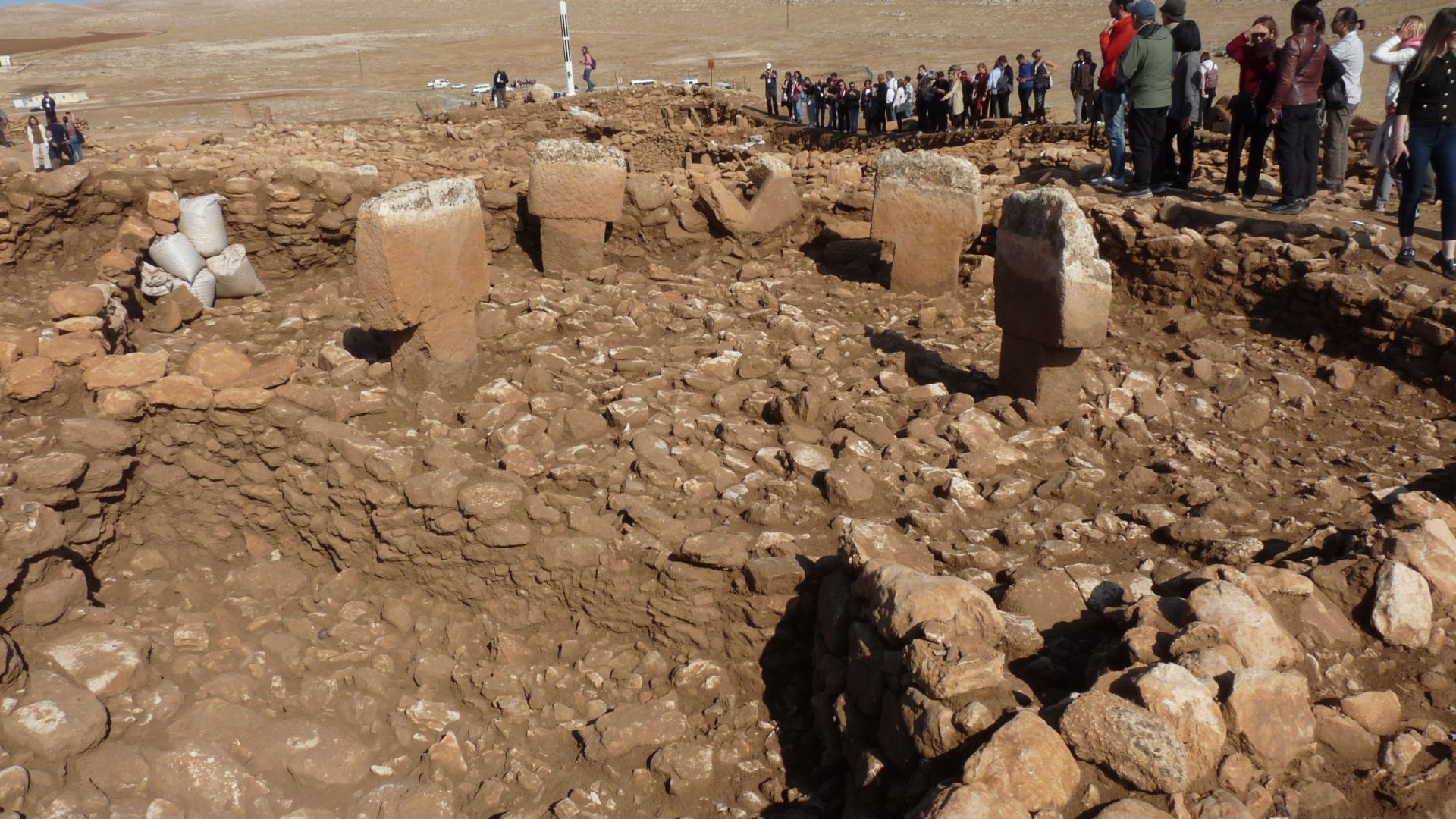
The Domestic Spaces
The smaller rooms around the site seem practical with stone floors and storage pits for everyday tools. Fire traces show controlled cooking areas, which talk about shared meals that families enjoyed here. They probably kept the work zone separate, too.
 Frantisek Trampota, Wikimedia Commons
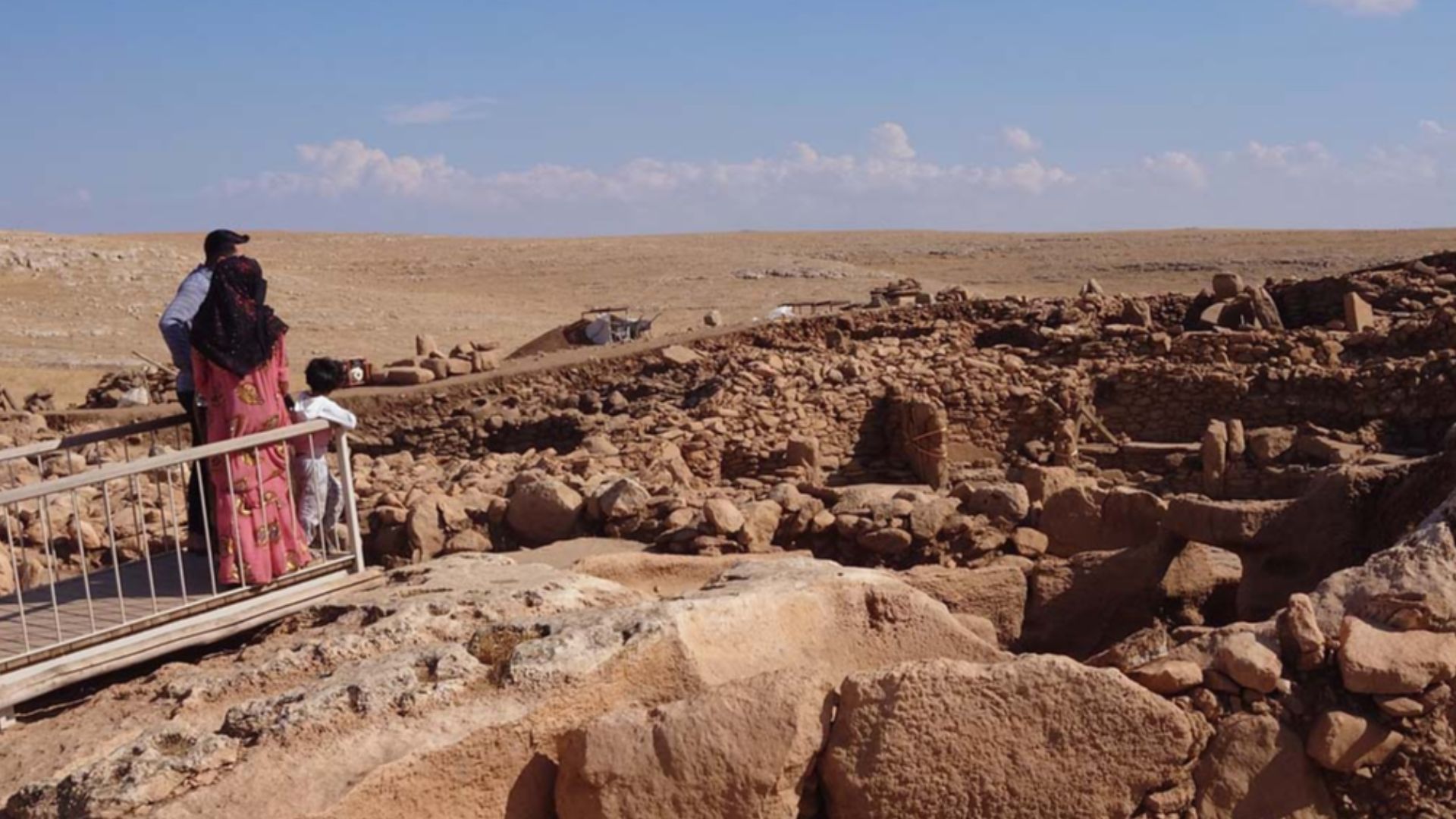
The Artisans Of Karahantepe
Finds like beads and smooth bone tools reveal an emerging class of skilled makers. These objects show polishing and symmetry. Their craftsmanship was one of the earliest examples of people creating items for more than survival and a deliberate movement towards art.
 Mahmut Bozarslan (VOA), Wikimedia Commons
What People Ate
Animal bones have been found in these spaces, which show what people hunted. Grinding stones with plant residue hint at early food processing, like crushing roots or preparing simple pastes. Even without farming, they experimented with ways to stretch and store seasonal foods.
 Mahmut Bozarslan (VOA), Wikimedia Commons
Why These Sites Feel Like Spiritual Hubs
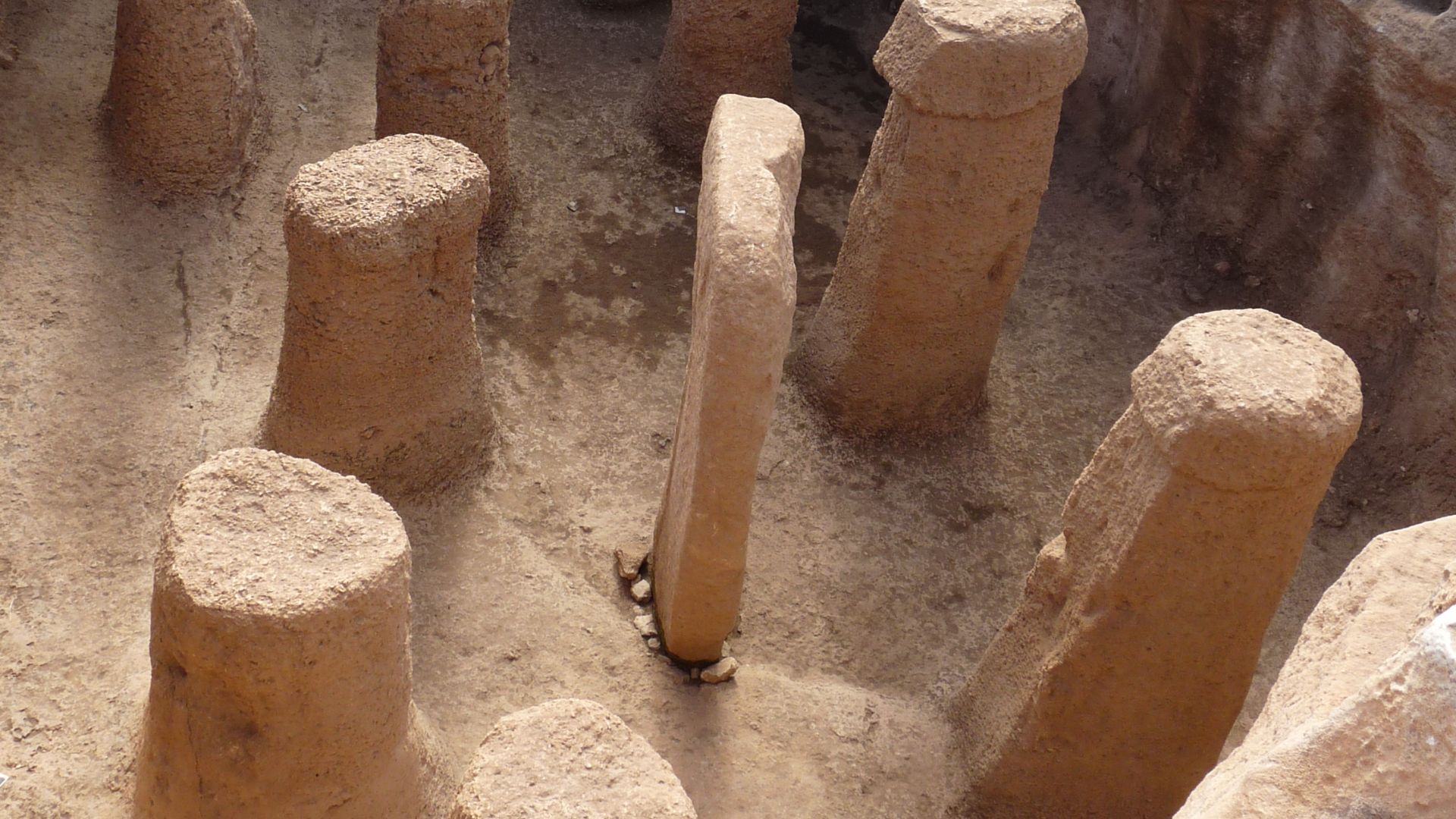
Some rooms contain features with no practical purpose, including standing stones and symbolic pits. These elements point to shared spiritual practices or seasonal gatherings, with certain spaces used for strengthening community bonds long before organized religion or formal rituals took shape.
 Frantisek Trampota, Wikimedia Commons
Social Life In A Deep Past Village
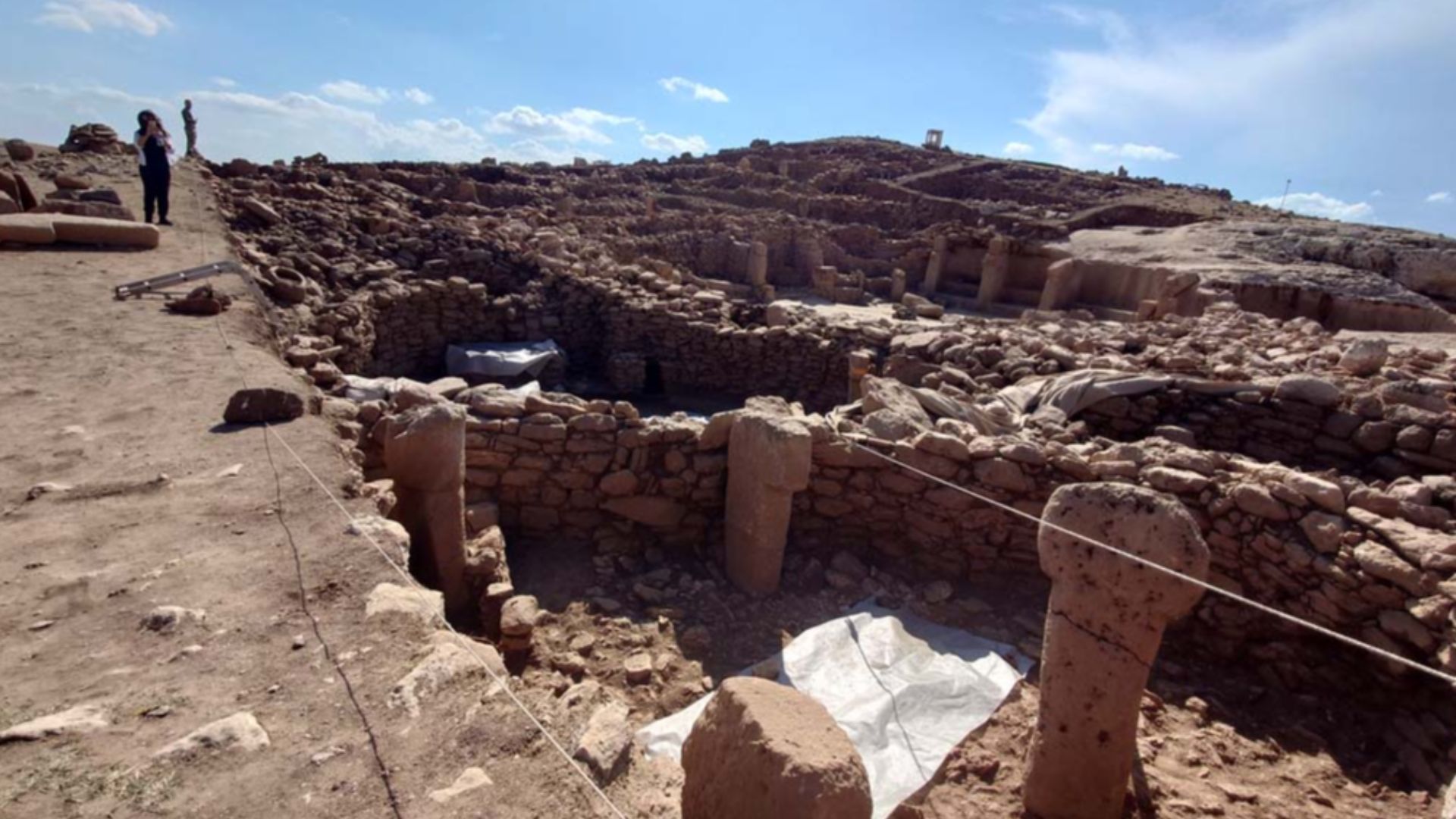
Traces of shared hearths and busy work zones show a community that refused solitary living. People probably moved through larger spaces, tackling chores side by side and falling into a cooperative rhythm long before anyone carved laws or appointed leaders to guide them.
 Mahmut Bozarslan (VOA), Wikimedia Commons
Monument Builders Without Cities
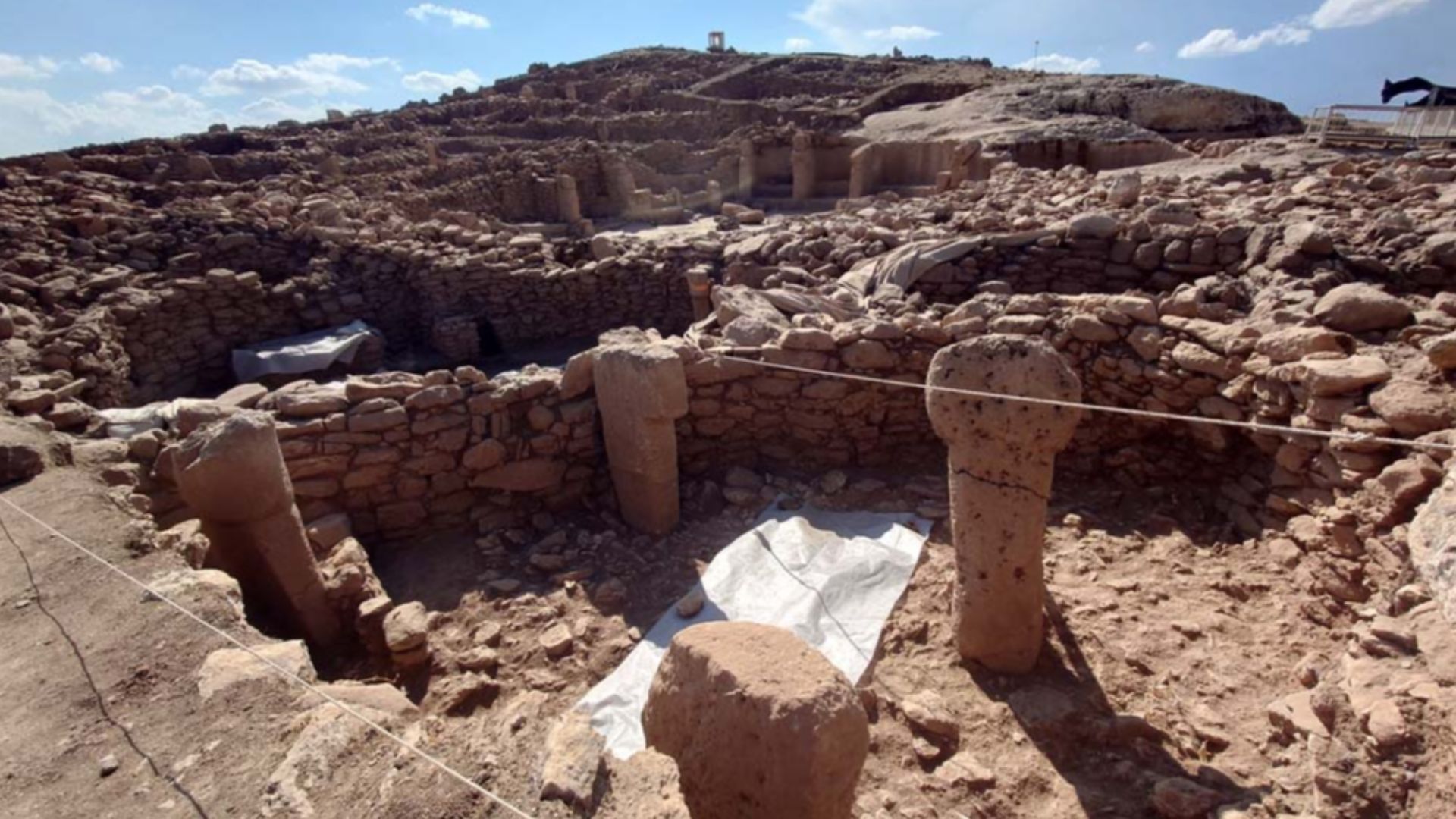
We mention these dwellings casually, yet some stones tipped the scales at roughly 200 pounds and were hauled without wheels or metal tools. Experiments show teams using ropes and wooden sleds could shift them, a feat that demanded coordination, pooled strength, and surprisingly early organization.
 Mahmut Bozarslan (VOA), Wikimedia Commons
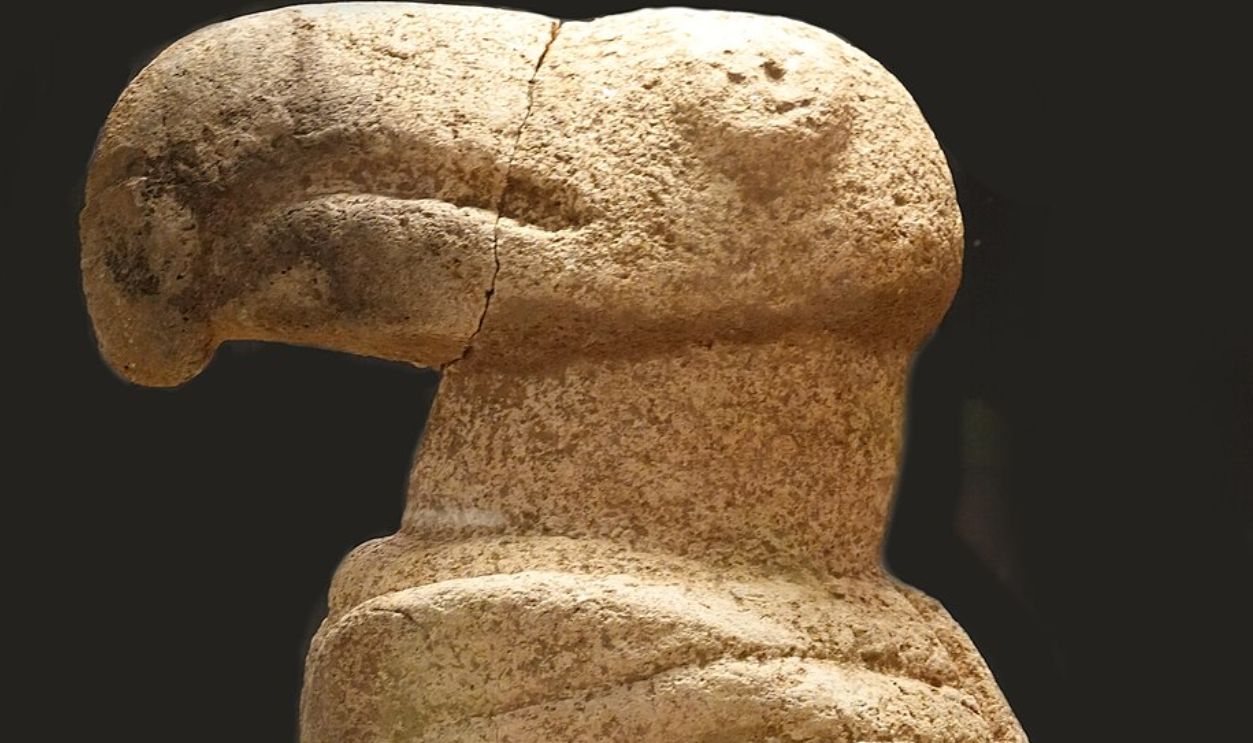
Tracking Seasons & Animals
People who lived here closely watched nature’s rhythms, and the carvings in places are proof of this. These patterns likely helped them make calculated decisions about their day and hunting as well. Their knowledge lived in memory and in the carved symbols they left behind.
 Marco Restano, Wikimedia Commons
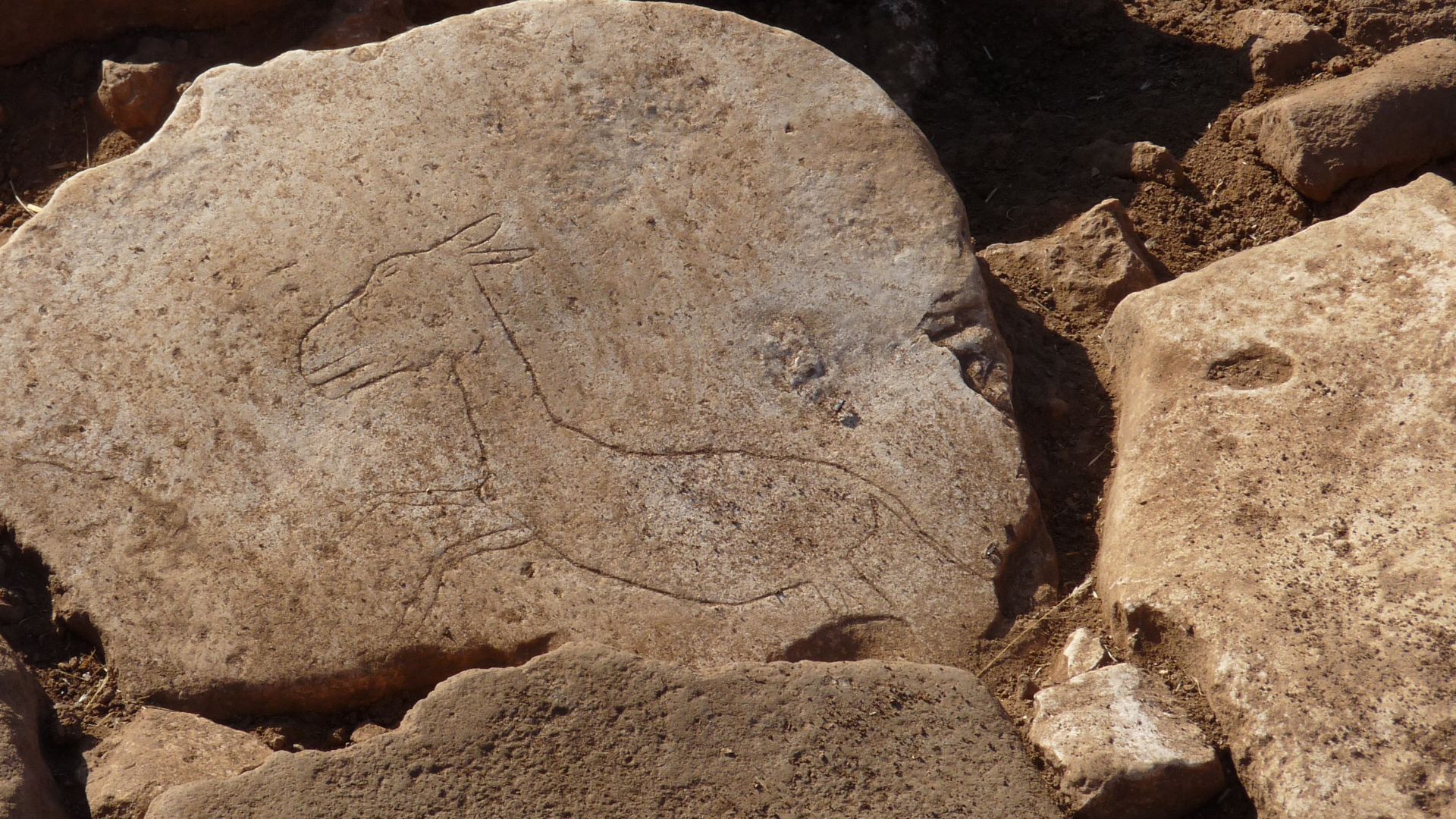
Artistic Expression Before Writing
Instead of letters, early communities used abstract symbols to communicate ideas. Some motifs appear across sites, which shows shared values. Creativity was part of how people made sense of their world and expressed their desires through these carvings.
 Frantisek Trampota, Wikimedia Commons
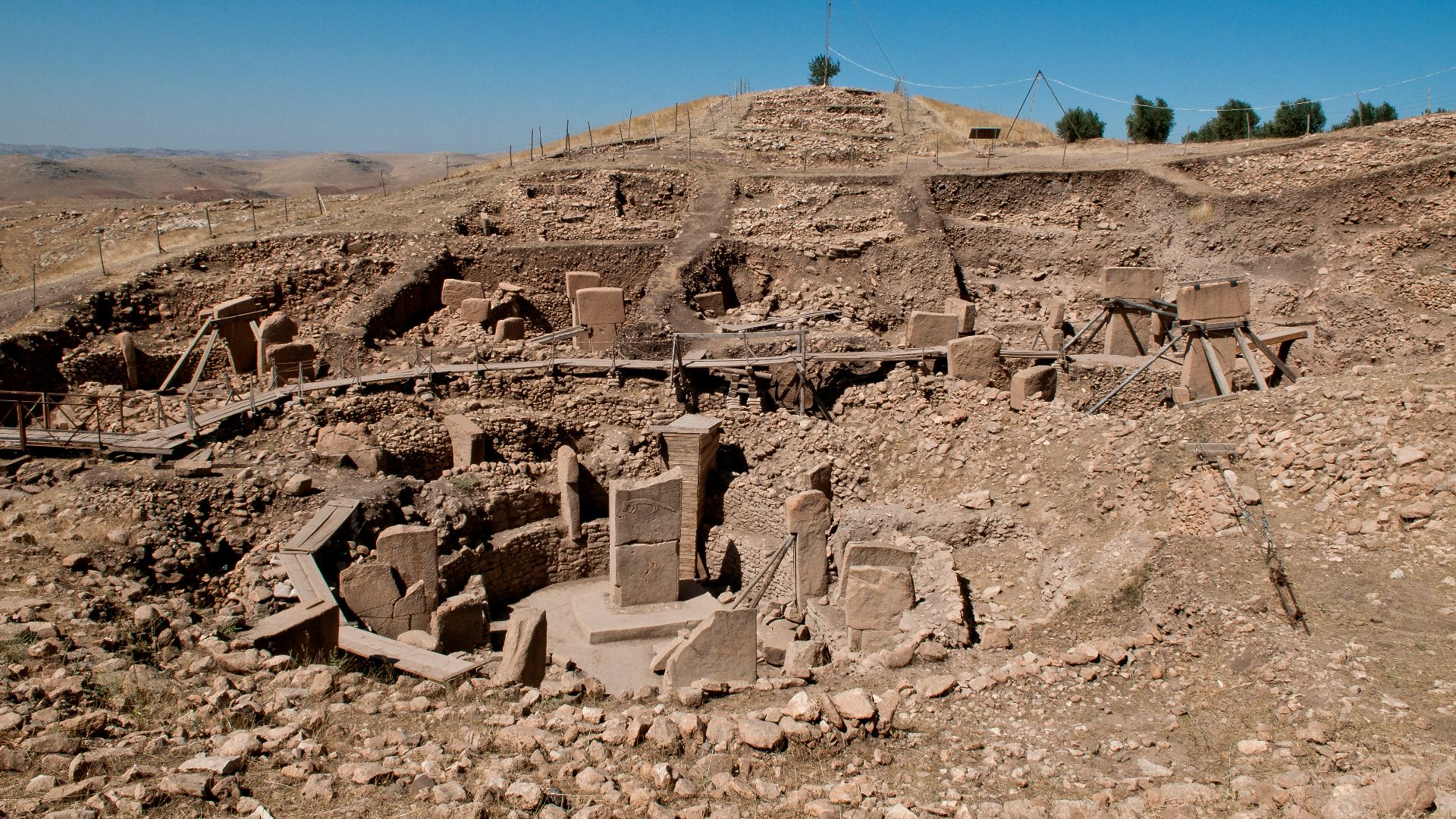
Comparing Gobekli Tepe & Karahantepe
Gobekli Tepe feels ceremonial, filled with towering pillars and open enclosures. Karahantepe, meanwhile, reveals rooms and tools tied to everyday life. Together, they show early humans didn’t separate ritual from routine. Both shaped how these communities lived and understood their world.
 Teomancimit, Wikimedia Commons
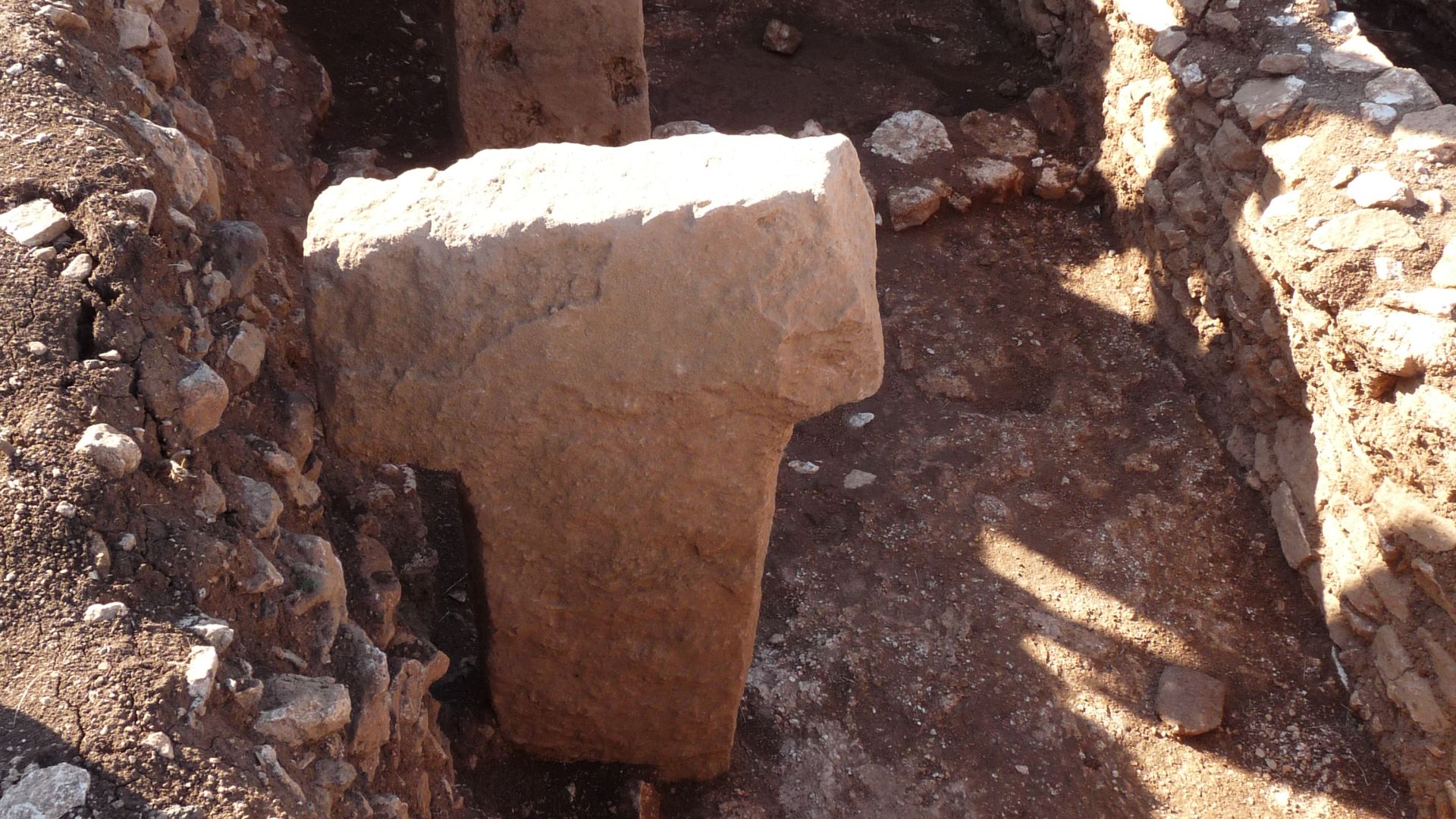
Other Sites In The Region
Archaeologists found several nearby settlements—such as Sefer Tepe and Harbetsuvan—each with evidence of different activities. Some focus on gatherings, others on domestic work. Viewed together, they form an early cultural network.
 Frantisek Trampota, Wikimedia Commons
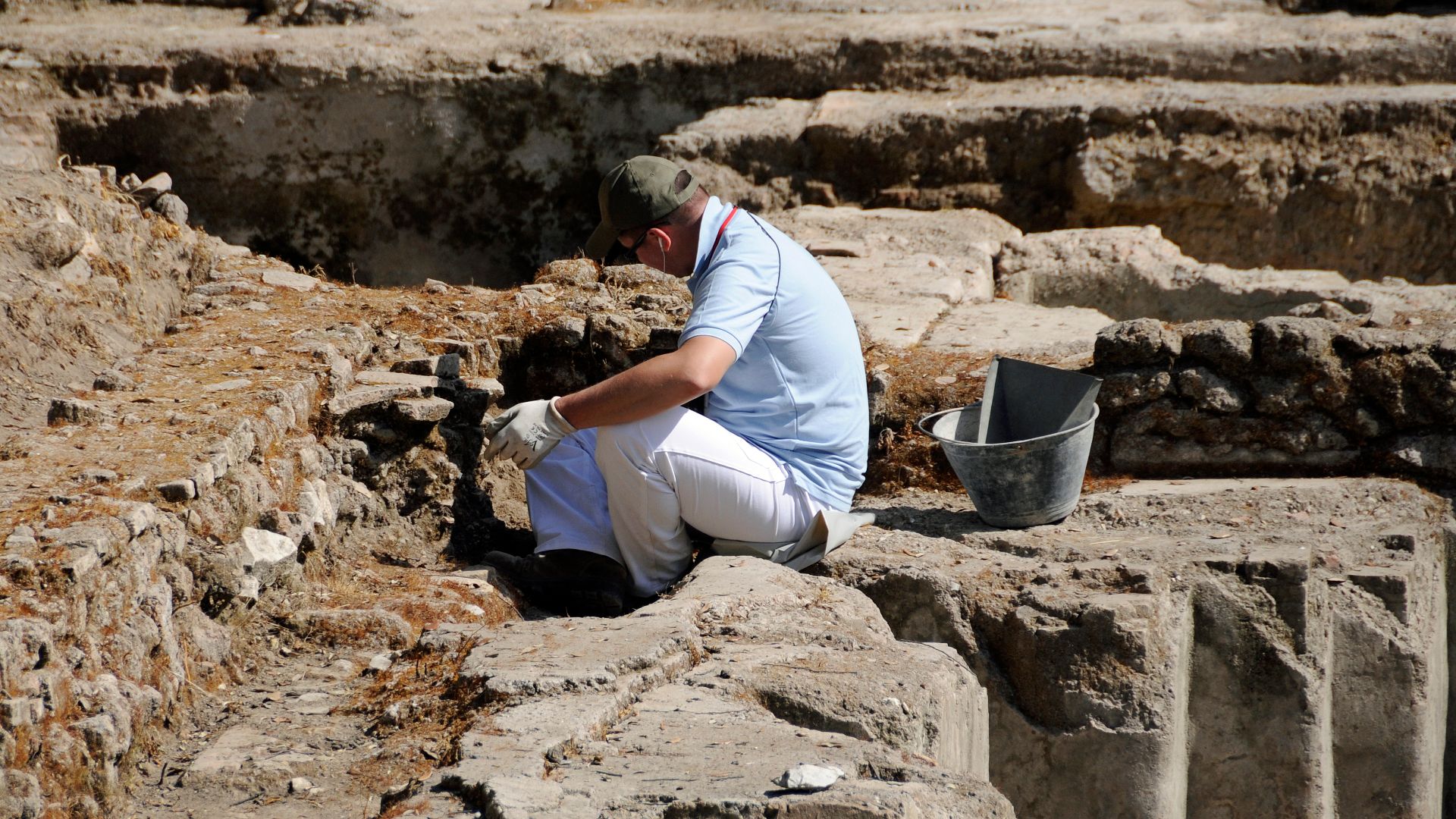
Rediscovering Lost Skills Through Experimental Archaeology
Researchers now recreate ancient methods to understand how people shaped stones or heated rooms. Using replicas of early tools, they test carving speeds and construction sequences. These experiments confirm that every structure here required planning and impressive physical skill.
 Son of Groucho from Scotland, Wikimedia Commons
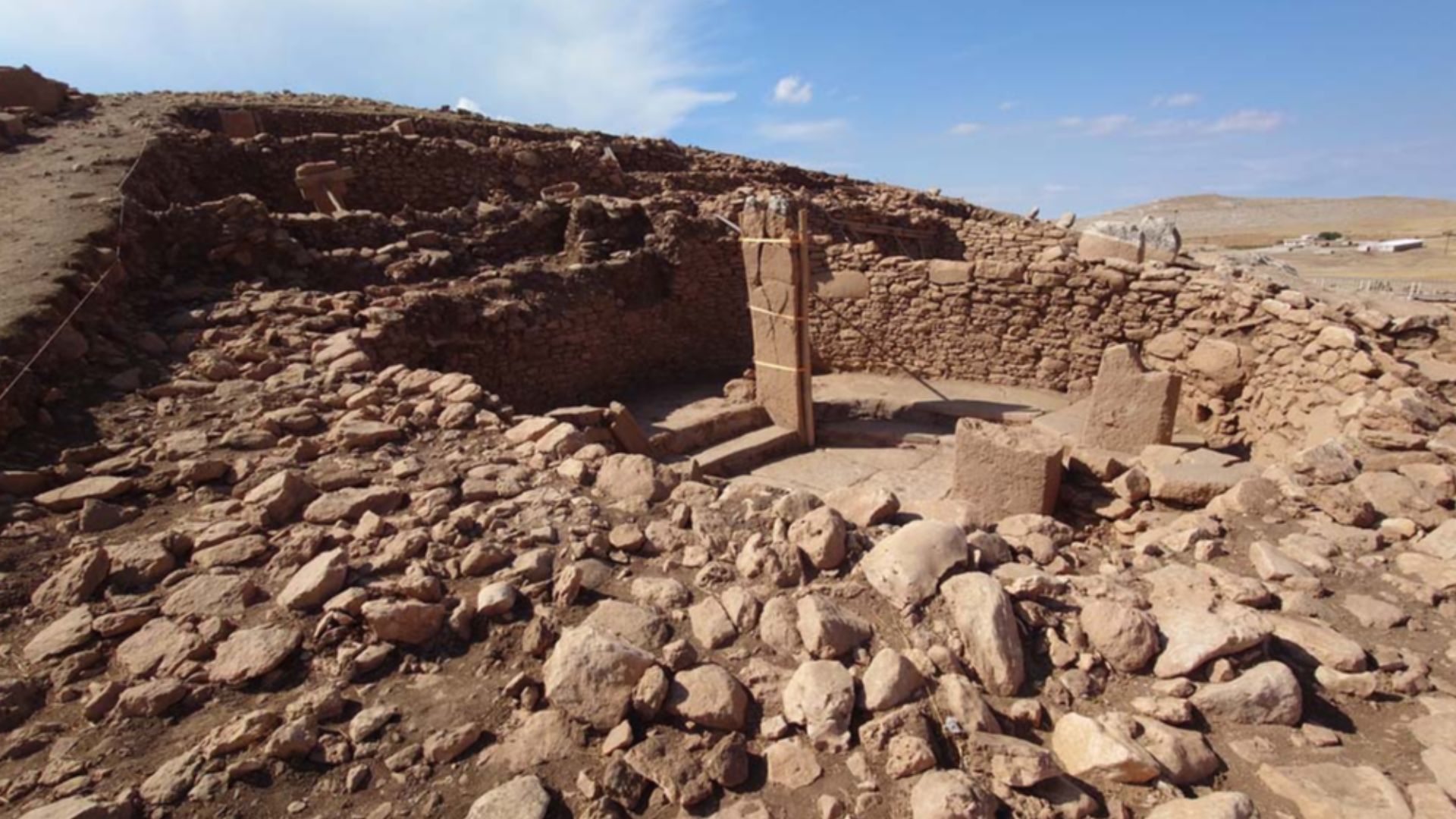
A New Story Of Human Development Emerges
For decades, the story was simple: farming led to villages. These sites flip that idea. Here, people built villages before farming existed. They got together to create social systems first. The community life itself may have sparked the shift toward agriculture.
 Mahmut Bozarslan (VOA), Wikimedia Commons
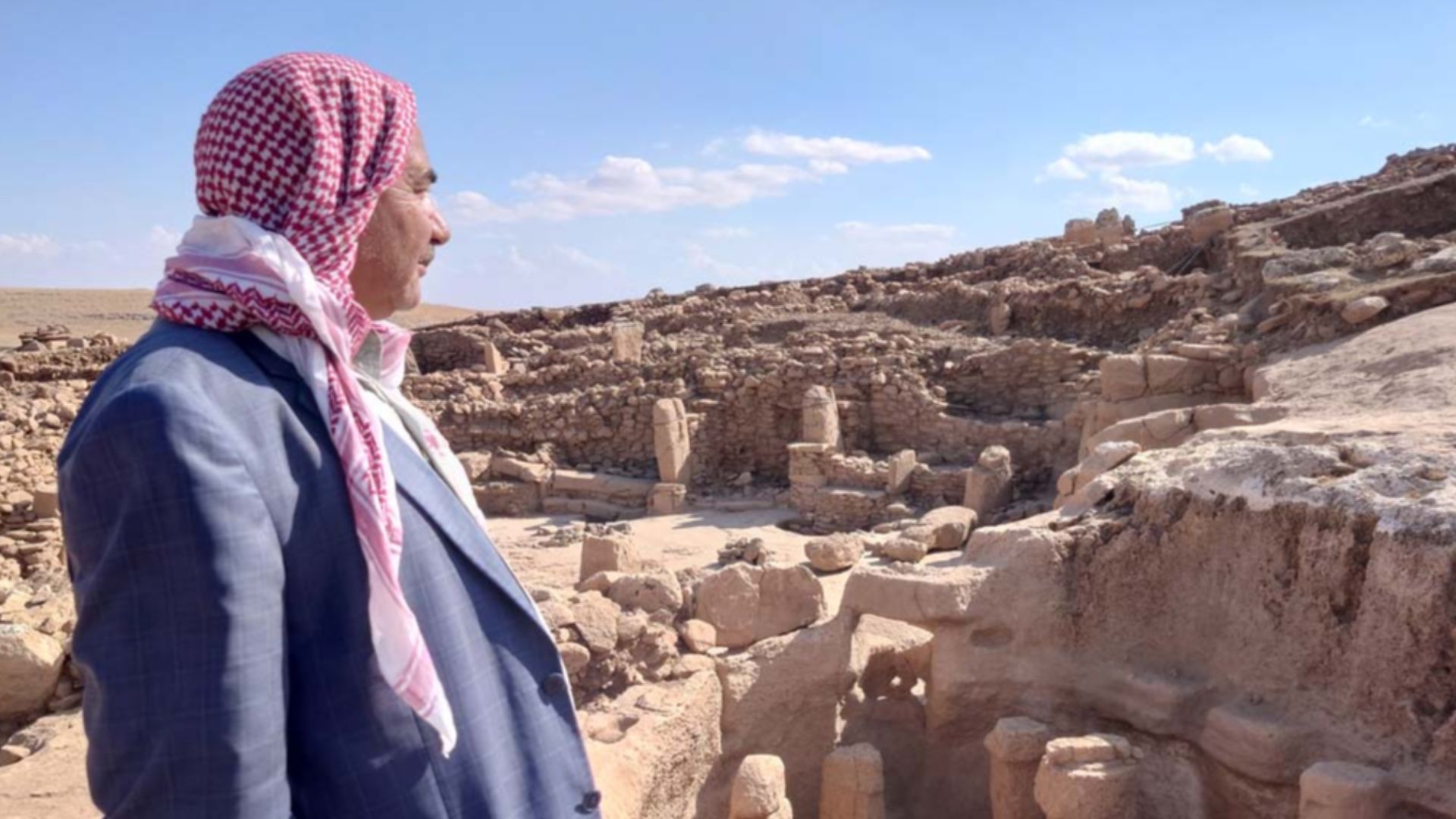
Why The World Watches These Dig Sites
Archaeologists worldwide study this region because it rewrites early human history. These sites are older than Stonehenge and the pyramids, yet far more detailed. Organized communities long before farming became a social norm, and the only reason to settle was.
 Mahmut Bozarslan (VOA), Wikimedia Commons




,_Turkey.jpg%20)
