Your New Land Has a Past—And It Didn’t Stay Buried
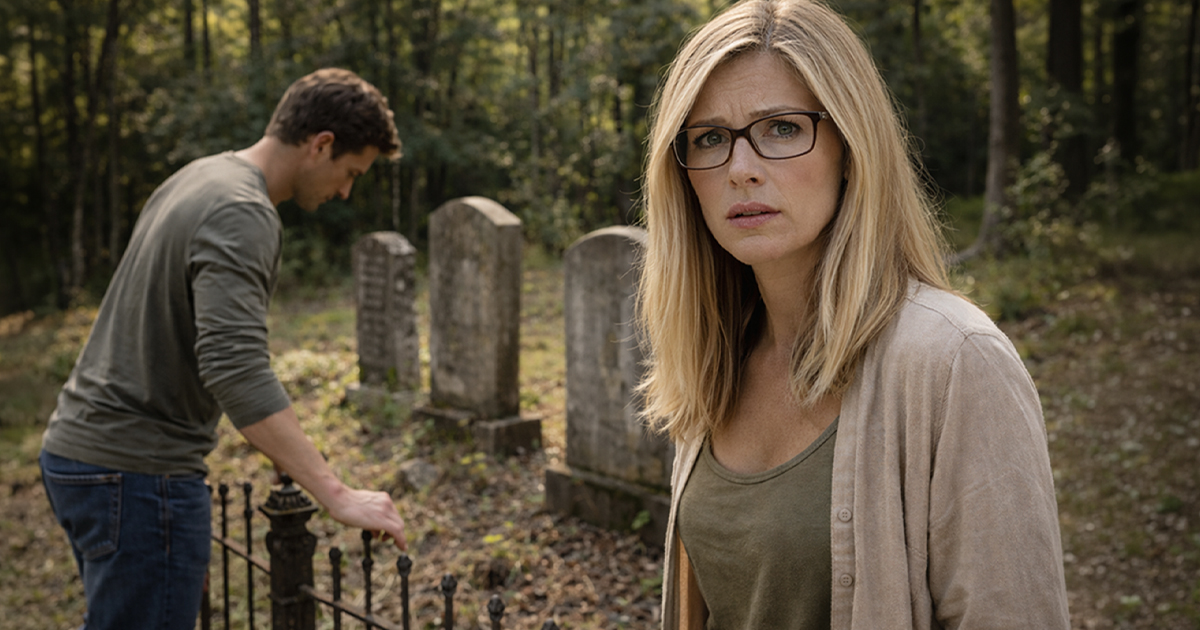
You finally have land—space, privacy, freedom. Then someone casually mentions there’s an old family burial plot somewhere on it. Not in the listing. Not in the paperwork. So now you’re wondering… how does something like that not come up? And what happens now?
So… Should This Have Been Disclosed?
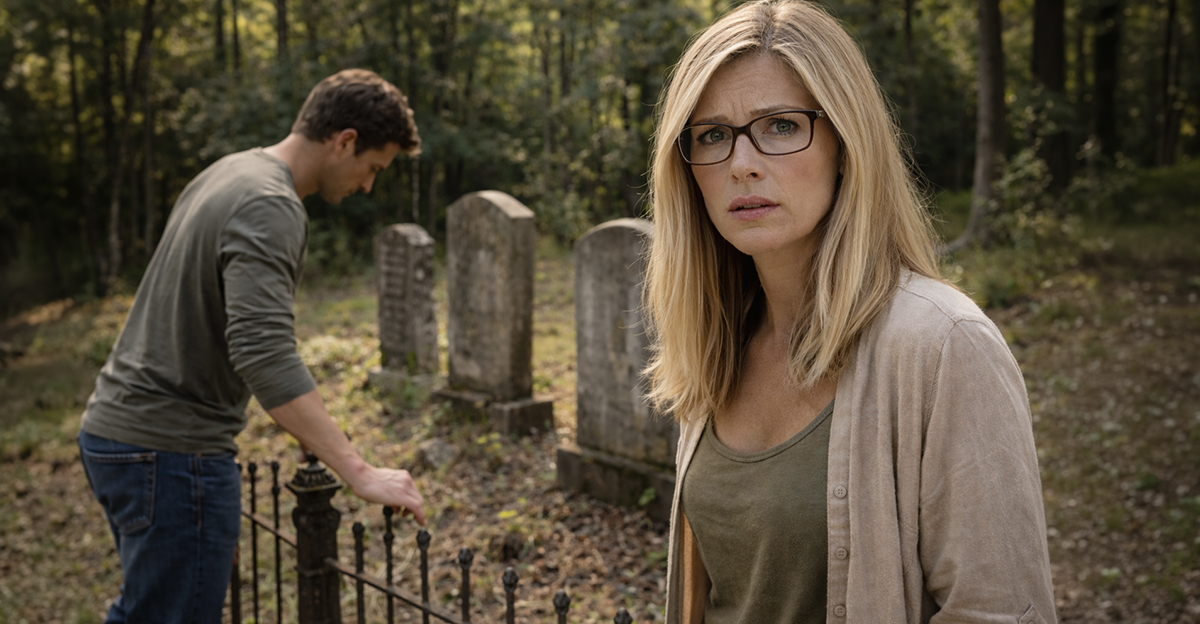
In many cases, yes. Burial sites can be considered a material fact, especially if they affect use of the land. Sellers are often required to disclose known features that could impact value or ownership rights. But what if they “didn’t know”?
What Counts as a Burial Plot?
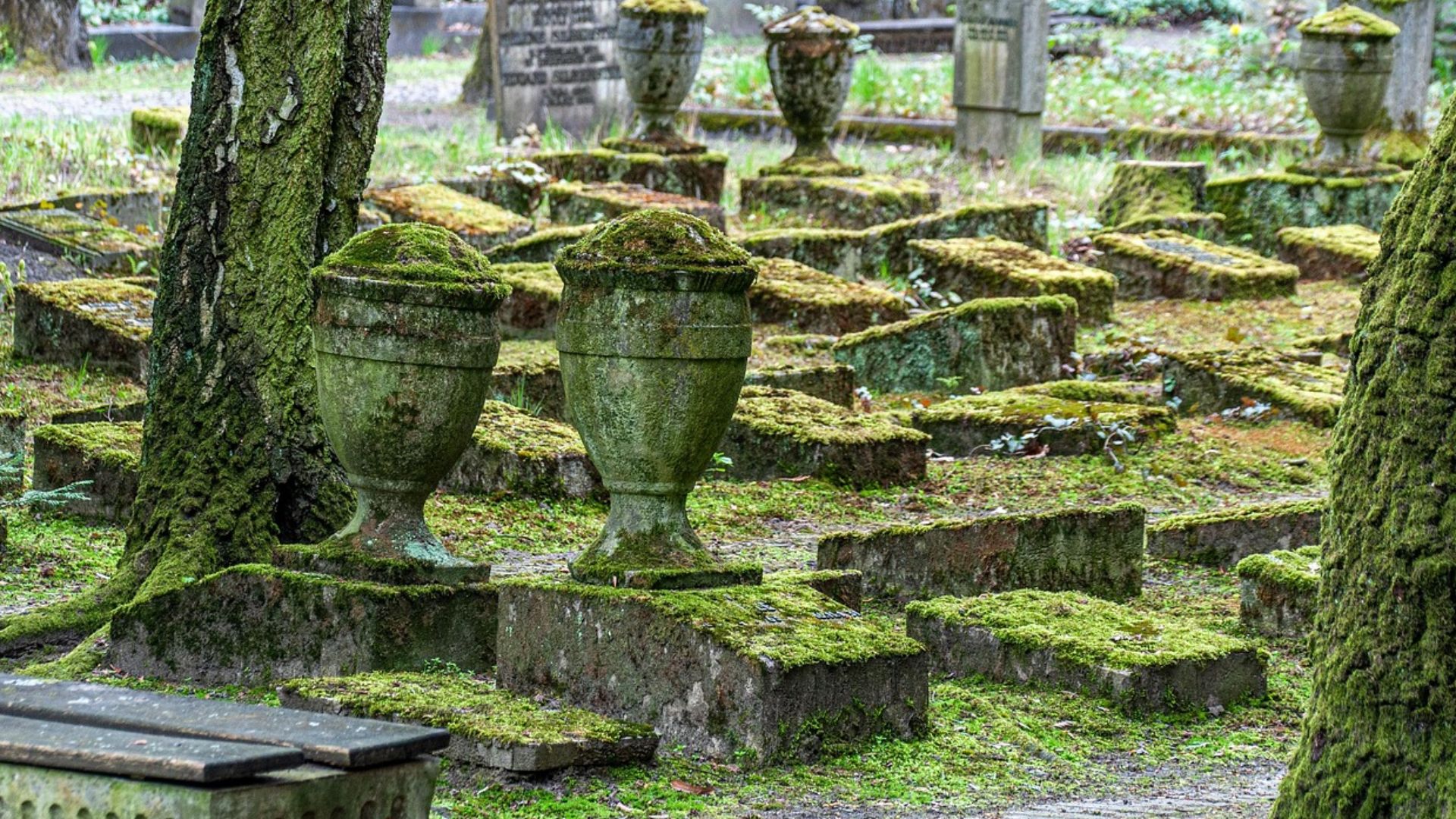
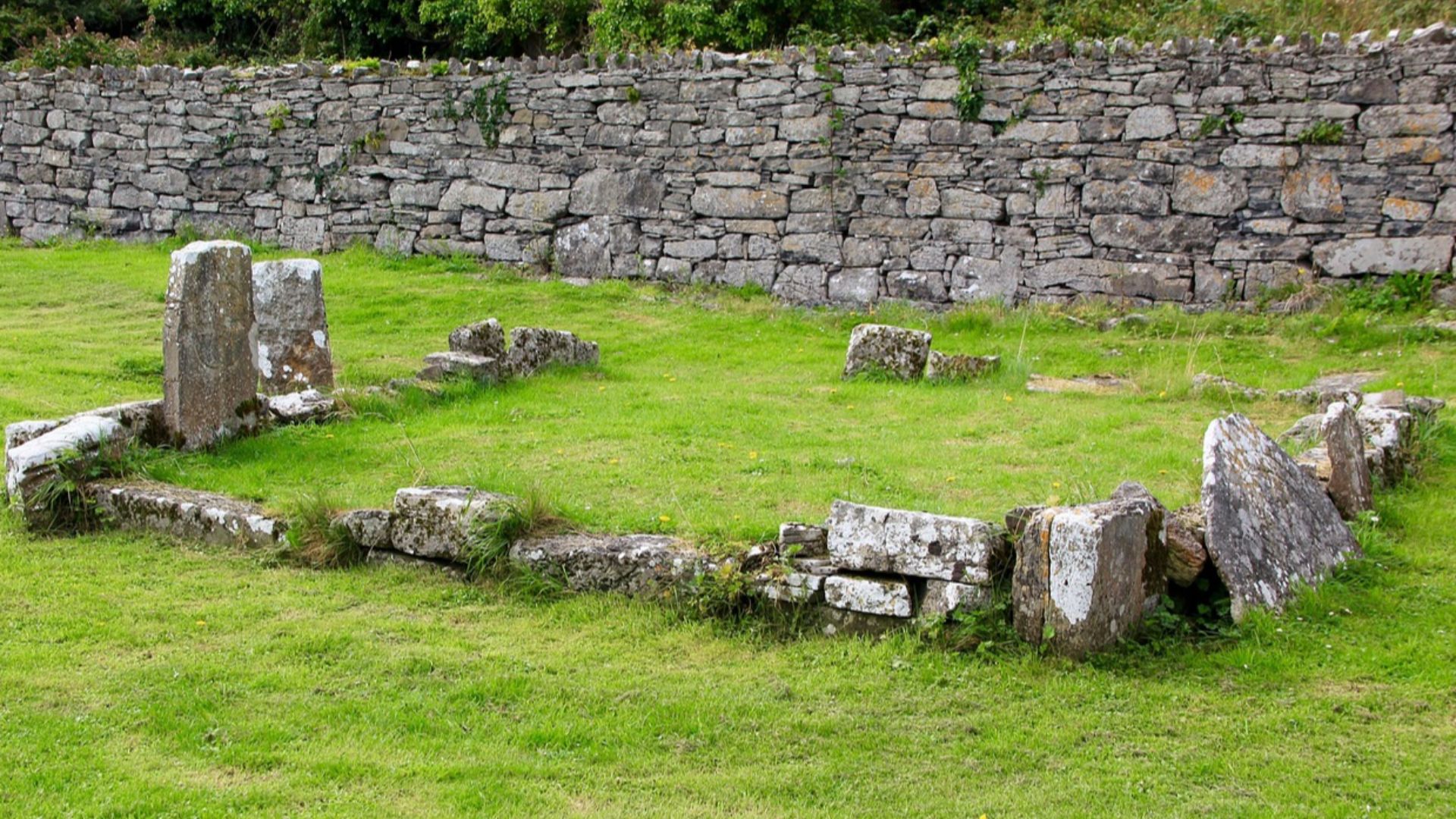
It might not be a formal cemetery. It could be a few marked graves, unmarked sites, or even historical family burials from generations ago. And suddenly… your land has a past you didn’t expect.
Why This Isn’t Just a Fun History Fact
This isn’t just a quirky detail—it can come with legal restrictions. Burial sites are often protected, meaning you may not be allowed to disturb or build over them. So… how much of your land is actually usable?

Disclosure Laws Vary by Location
Some areas specifically require disclosure of burial sites, while others rely on broader rules about “material defects.” If the seller knew, there’s a good chance it should have been mentioned. But can you prove that?

What If the Seller Truly Didn’t Know?
It’s possible. Old burial plots aren’t always documented clearly, especially on rural land. If they genuinely didn’t know, it may not be considered a violation—but that doesn’t make it your problem any smaller.

How Common Is This, Really?
More common than you’d think—especially in older rural areas. Families used to bury relatives on private land, long before modern cemeteries became standard. So the real question is… how old is your property?

Are Burial Sites Legally Protected?
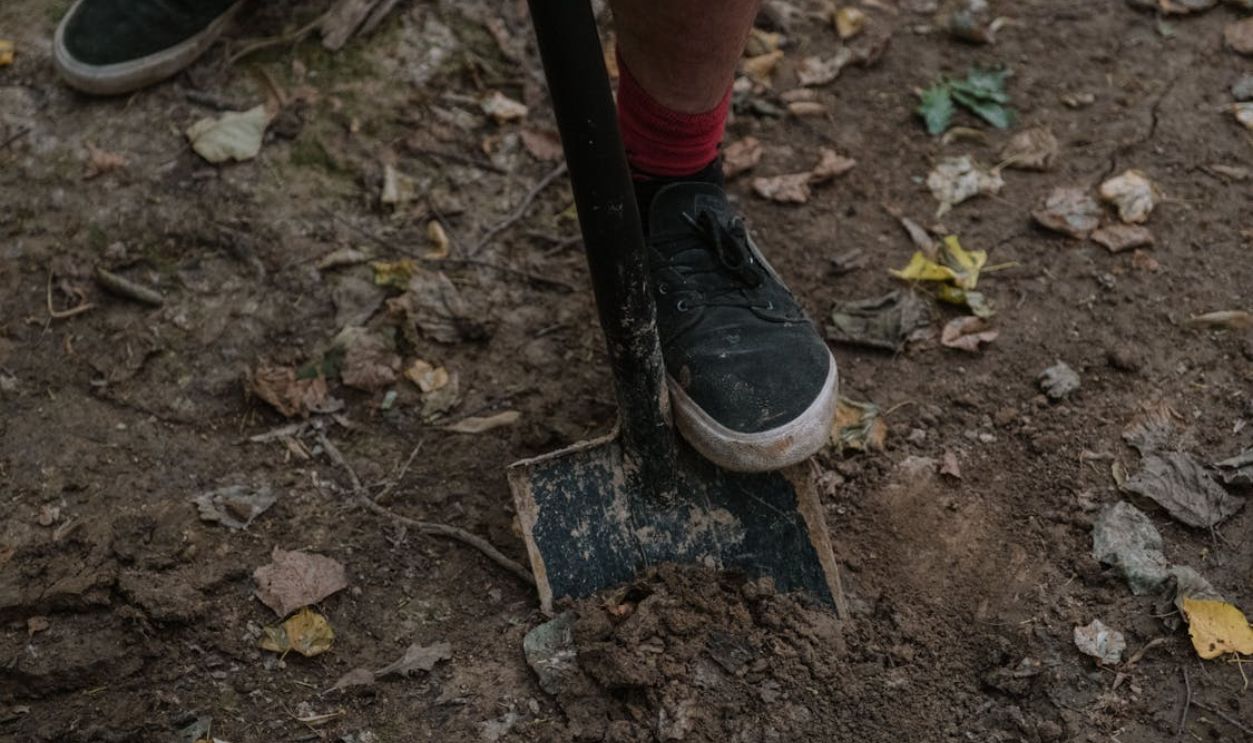
Yes, often they are. Many states and provinces have laws protecting graves, even on private land. That means you may be restricted from digging, building, or altering the area around them.
Can People Access Your Property?
Here’s where it gets uncomfortable. In some places, descendants or relatives may have legal rights to visit burial sites—even if they’re on your land. So… could strangers legally walk onto your property?
Does This Affect Your Property Value?
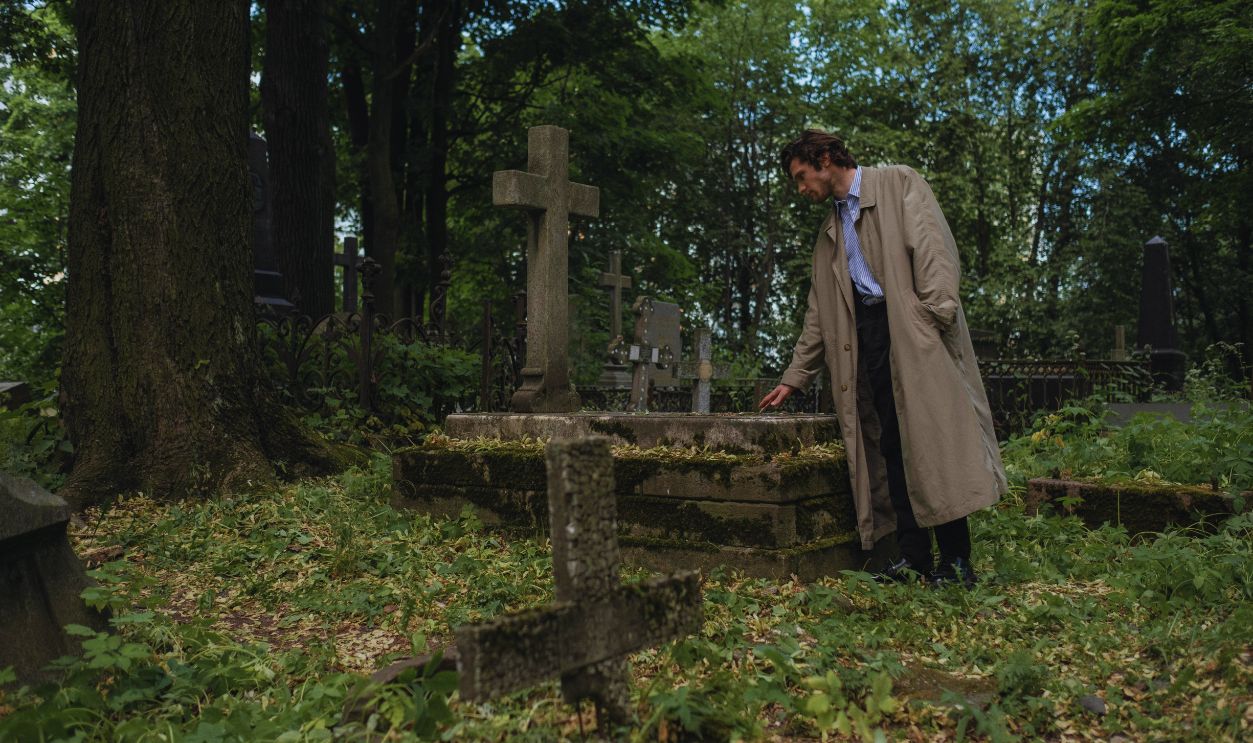
It can. Some buyers see it as historical charm—others see it as a dealbreaker. Either way, it’s something that could impact resale value down the line. Would you have bought it if you knew?
 Parabol | The Agile Meeting Tool, Unsplash
What About Your Plans for the Land?
If you planned to build, farm, or develop the area, a burial site could limit what you can do. Suddenly, your 20 acres might come with invisible boundaries.

Can You Move the Graves?
In some cases, yes—but it’s not simple. It usually requires permits, legal approval, and coordination with authorities or descendants. And it can get expensive quickly. Is it even worth it?

What If the Plot Is Unmarked?
That’s even trickier. If graves are suspected but not clearly marked, you may need surveys or archaeological assessments. And now you’re dealing with something much bigger than a landscaping issue.

Should This Have Been in Your Paperwork?
Ideally, yes. If the seller knew about the burial site, it should have been disclosed. Real estate laws are designed to prevent surprises like this—but they don’t always work perfectly.

Do You Have Any Legal Options?
Possibly. If you can prove the seller knew and failed to disclose, you may have grounds for legal action. But proving knowledge is the hard part… and it’s not always straightforward.

What Should You Do Right Now?
First, confirm whether the burial site actually exists. Talk to local authorities, review land records, or consult a surveyor. Because before you panic… you need facts.

Should You Contact a Lawyer?
If the situation affects your plans or property value, it’s worth it. A real estate attorney can explain your rights and whether you have a case. Because this isn’t exactly a DIY situation.

What About Liability Concerns?
You’re generally not liable for the existence of a burial site—but you are responsible for how you handle it. Disturbing protected graves could lead to serious legal trouble. So… tread carefully.

Could This Become a Bigger Issue Later?
Yes. Even if it doesn’t affect you now, it could come up when you sell the property. And then you’ll be the one expected to disclose it.

Why Situations Like This Feel So Shocking
Because no one expects it. You buy land thinking about space and opportunity—not hidden history. But sometimes… land comes with stories you didn’t sign up for.

So… Should This Have Been Disclosed?
If the seller knew, then yes—it likely should have been. But whether you can act on that depends on what can be proven. And that’s where things get complicated.

The Bottom Line Before You Start Digging
That “extra land” might come with more than you expected. Before making any decisions, confirm what’s actually there and what the law says. Because once you uncover the truth… you can’t ignore it.

You May Also Like: