
Navigating the Tropics: Top 10 Risks and How to Avoid Them

Exploring new and unfamiliar places is definitely thrilling, but let's be real—it can come with its own set of challenges and risks, especially when you’re heading to tropical destinations. Whether it’s adjusting to a new food scene and risking the dreaded “traveler’s tummy,” or navigating through areas with different safety standards, there’s a lot to think about.
And let’s not forget about those language barriers and cultural differences—they can lead to some pretty awkward situations! But, with a bit of prep and a dash of caution, we can enjoy the best of both worlds—embark on exciting adventures and stay safe and healthy while doing so!
Travel Risk Realities

A report from the US Department of State suggested that over 2,500 U.S. citizens were arrested overseas and more than 1,500 U.S. citizens were hospitalized in 2019 due to various incidents while traveling abroad.
Additionally, the World Health Organization states that around 37 million international tourists encounter some form of health issue every year. These figures underline the need for awareness, preparation, and precaution when stepping out to explore the world.
It’s imperative to stay informed and make well-considered decisions to minimize any adverse experiences during our globe-trotting adventures.
Here’s a guide to understanding the top 10 risks associated with traveling to tropical locations, the regions where they are most prevalent, and proven preventive measures to ensure a safe and enjoyable experience.
Mosquito-Borne Diseases
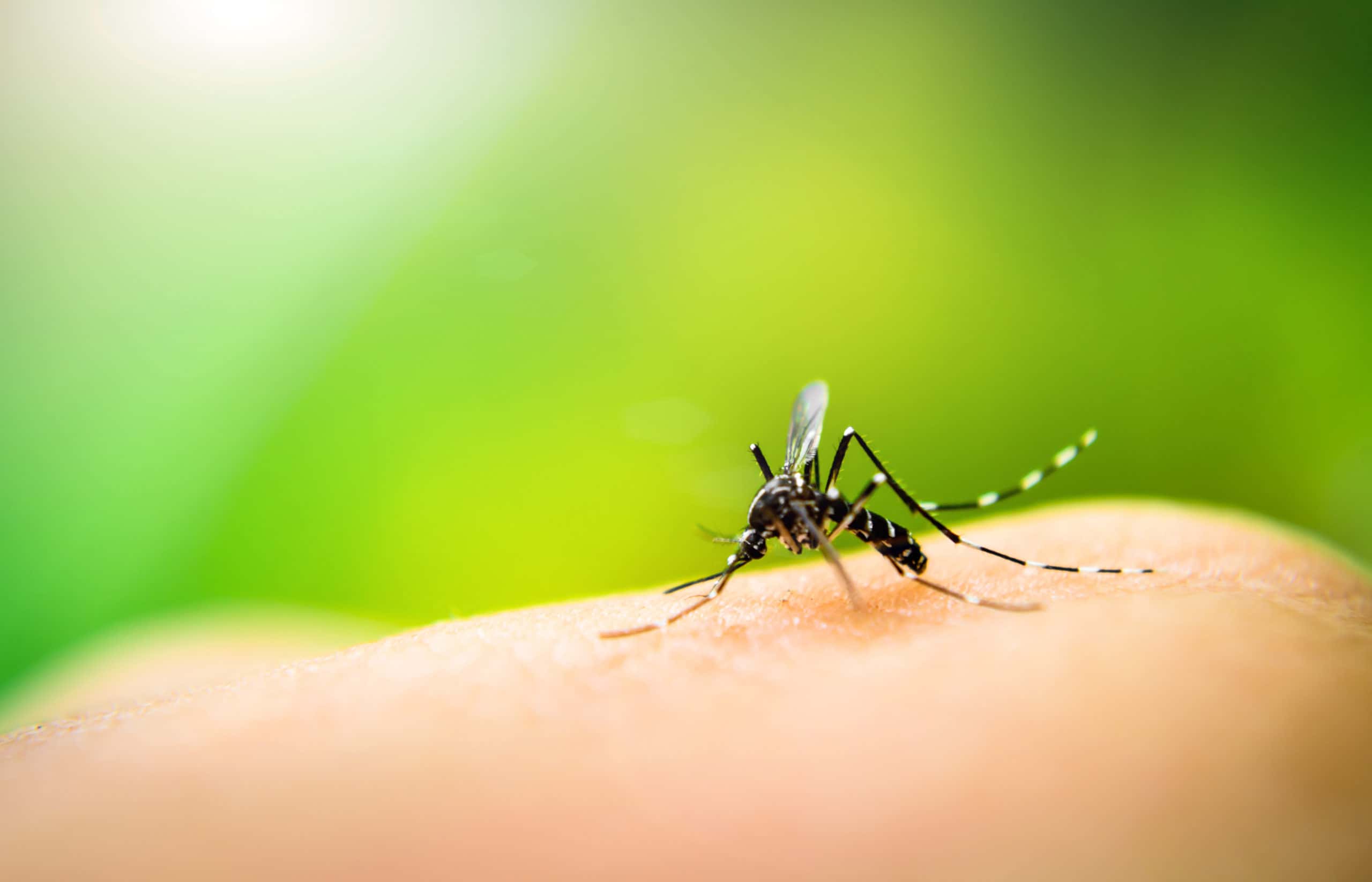
Diseases like Malaria, Dengue Fever, and Zika Virus can be contracted through mosquito bites in various tropical regions.
Use insect repellent, wear long sleeves and pants, sleep under a mosquito net, and take antimalarial medications if necessary.
Destination Risk: Sub-Saharan Africa, South Asia, Southeast Asia, Central and South America.
Foodborne Illnesses

Consuming contaminated food or water can lead to illnesses like travelers' diarrhea and typhoid fever. Only consume thoroughly cooked food, drink bottled or purified water, and avoid ice in drinks.
Destination Risk: Southeast Asia, Latin America, Africa.
Sunburn and Heat Stroke
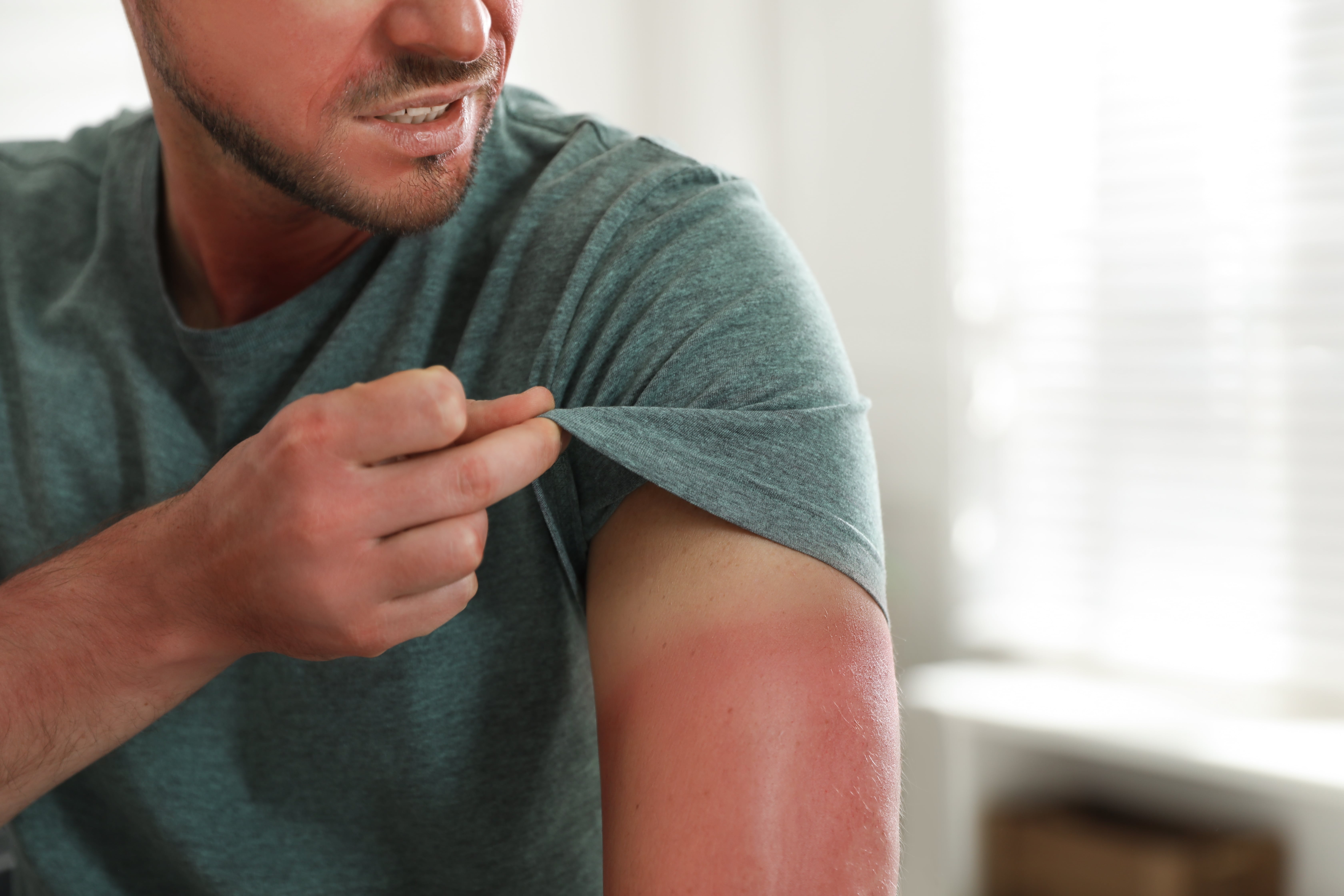
The tropical sun can be extremely intense, leading to severe sunburns and heat-related illnesses. Stay hydrated, wear sunscreen, don a hat and sunglasses, and avoid excessive sun exposure during peak hours.
Destination Risk: Caribbean, Southeast Asia, the Pacific Islands.
Political Unrest and Civil Disruption

Some tropical destinations may experience political instability, resulting in potentially dangerous situations for tourists. Research the current political climate, register with your embassy, and stay informed on local news during your stay.
Destination Risk: Certain countries in Central and South America, Africa, Southeast Asia.
Tropical Storms and Hurricanes
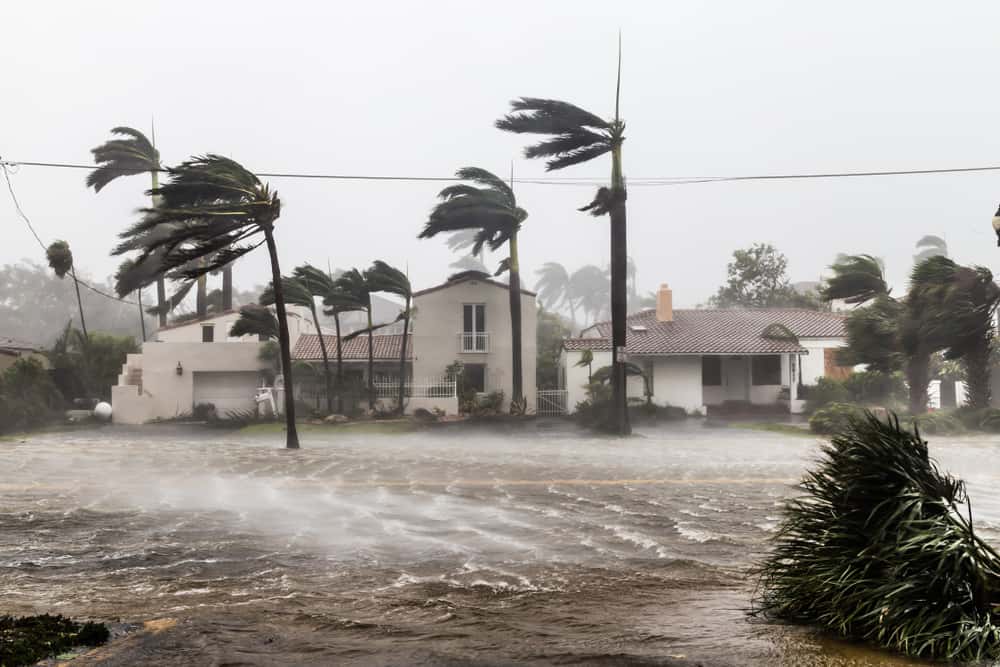
Tropical destinations often face severe weather conditions like cyclones, hurricanes, and monsoons. Travel outside of storm seasons when possible and keep abreast of weather updates during your visit.
Destination Risk: Caribbean, Southeast Asia, Northern Australia.
Wildlife Encounters

Exotic wildlife can pose threats due to venomous bites, stings, or aggressive behavior. Stay informed about local fauna, keep a safe distance, and avoid feeding or provoking wildlife.
Destination Risk: Amazon Rainforest, Australian Outback, African Savannahs.
Water-Borne Diseases
 Christopher Nicol, Wikimedia Commons
Water activities in tropical destinations can expose travelers to diseases like schistosomiasis. Avoid swimming in freshwater bodies in high-risk areas and opt for chlorinated swimming pools instead.
Destination: Africa, Southeast Asia, South America.
High Humidity and Dehydration

High humidity can cause excessive sweating and, paradoxically, dehydration. Stay hydrated, avoid alcohol, and consume electrolyte-rich drinks.
Destination Risk: Southeast Asia, Central America, the Caribbean.
Theft and Petty Crime

Tourists in tropical destinations are often targets for thieves and scam artists. Use hotel safes, be aware of your surroundings, and don’t flaunt valuables in public.
Destination Risk: Popular tourist cities in Latin America, Southeast Asia, and the Caribbean.
Altitude Sickness

Some tropical destinations have high-altitude areas where travelers may experience altitude sickness. Acclimatize slowly, stay hydrated, and consider medication for severe symptoms.
Destination Risk: Andean regions of South America, East African mountains.