
I Declined Roadside Assistance, So Why Is It On My Bill?
Few rental car surprises are more annoying than checking the final receipt and seeing an optional add-on you specifically declined. Roadside assistance may sound harmless, but daily fees can add up quickly over a multi-day rental. It feels especially frustrating when you remember telling the agent no at the counter. The good news is that if the charge was added without your consent, you have a real shot at getting it removed or refunded.
Roadside Assistance Is Usually Optional
Rental car companies often sell roadside assistance as an optional protection product. It may cover things like lockouts, lost keys, dead batteries, flat tires, fuel delivery, or towing in certain situations. The exact coverage depends on the company and contract. Because it is usually optional, the rental company should not be adding it to your bill unless you agreed to buy it.
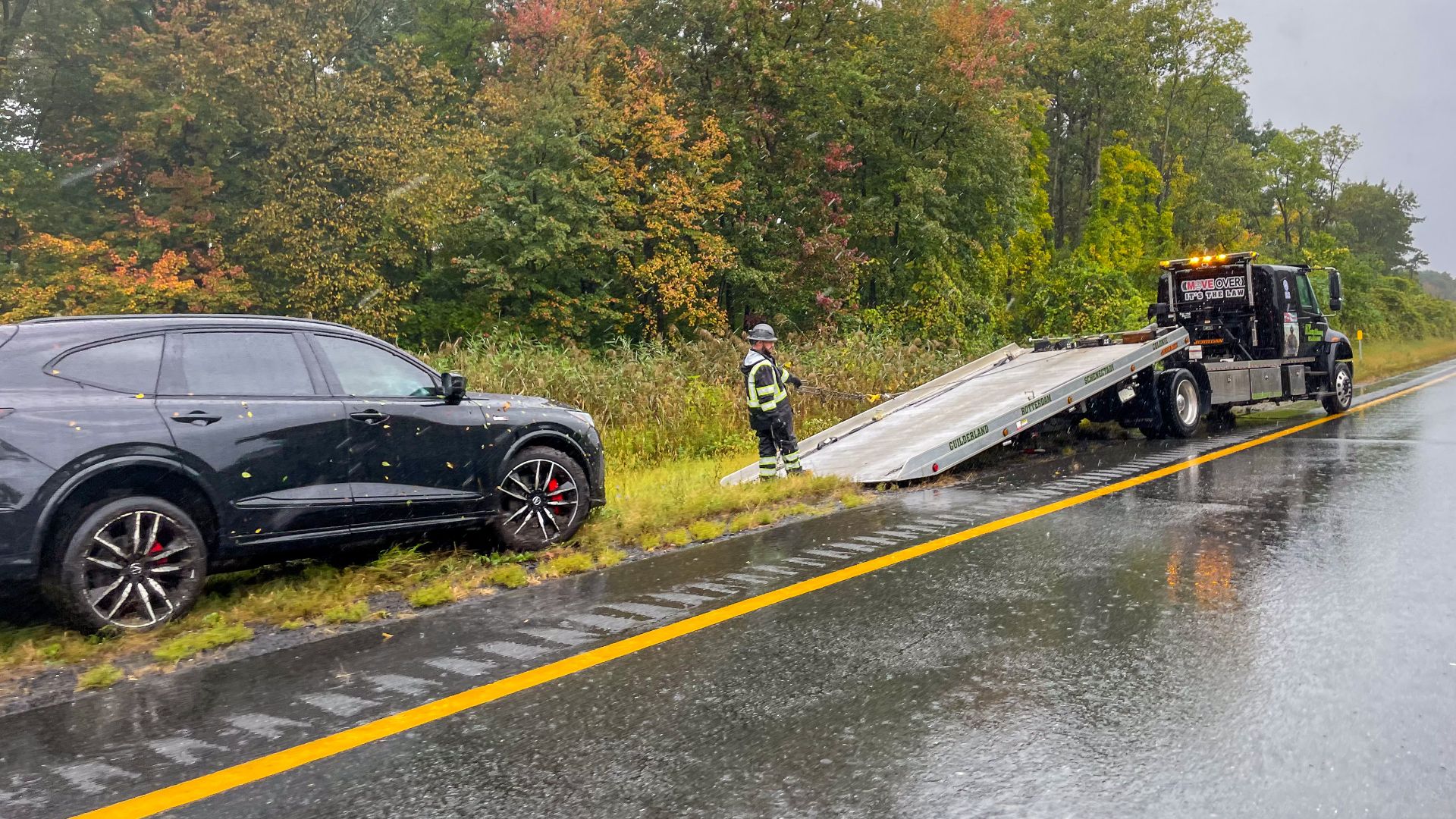 Kenneth C. Zirkel, Wikimedia Commons
Check The Rental Agreement First
The rental agreement is the first document to review because it usually shows which optional products were accepted or declined. Look for terms like roadside assistance, roadside plus, emergency roadside service, premium emergency road service, or similar wording. Also check whether the agreement shows initials, checkboxes, electronic selections, or signatures near the add-on. If the paperwork does not clearly show authorization, your dispute becomes stronger.

Electronic Signatures Can Create Confusion
Many rental counters now use screens, tablets, or signature pads that move customers through several prompts quickly. It is easy to think you declined an add-on verbally while the electronic contract later shows it as accepted. That does not automatically mean you authorized it knowingly. If the agent added the product after you declined or rushed you through unclear screens, that is exactly the kind of fact you should raise in your dispute.

Verbal Declines Still Matter
A rental company may point to the signed contract and say the charge is valid. That can make the dispute harder, but it does not always end the conversation. If you clearly declined the product and the agent added it anyway, you can still argue that the charge was unauthorized or misrepresented. Customer service departments sometimes refund add-ons when the customer’s account is detailed, consistent, and supported by surrounding evidence.

The Final Receipt May Reveal The Problem
The final bill should show the daily rate, rental period, taxes, fees, optional products, and total charges. Compare it against the original reservation and pickup agreement. If roadside assistance appears only on the final receipt or does not match what you were shown at pickup, note that carefully. Small differences between the estimate and final bill can help show where the unwanted charge entered the transaction.

Act Quickly After You Notice It
Do not wait weeks before challenging the charge. Contact the rental company as soon as you find the add-on and ask for a refund. The longer you wait, the easier it becomes for the company to claim the charge was accepted and undisputed. Quick action also helps if you later need to involve your credit card issuer.

Start With The Rental Company
Your first step should usually be the rental company’s customer service department. Explain that roadside assistance was added despite being declined, provide the rental agreement number, and request a refund of the add-on plus any taxes or fees connected to it. Keep the message factual and direct. A calm written complaint often works better than an angry phone call because it creates a clear paper trail.

Ask For The Signed Contract
If the company refuses to refund the charge, ask for a complete copy of the signed rental agreement. Do not rely only on the final receipt. You want the version that allegedly shows your acceptance of roadside assistance. If the company cannot produce a clear authorization, that may help your case.

Ask For A Line-Item Explanation
Request a breakdown showing the daily roadside assistance rate, number of rental days charged, taxes, airport fees, and total amount connected to the add-on. Optional products can generate extra taxes or percentage-based fees, so the refund should not always be limited to the base roadside assistance charge. A line-item breakdown also helps your card issuer understand what part of the bill you are disputing.

Escalate Beyond The Counter
The local rental branch may not be the best place to resolve a billing dispute after the fact. Branch employees may have limited authority or may simply defend the original transaction. Escalate to corporate customer relations, billing support, or executive customer service if the first response is unhelpful. Large rental companies usually have formal channels for post-rental billing disputes.
 LinkedIn Sales Solutions, Unsplash
Your Credit Card Can Be A Backup
If the rental company refuses to fix the problem, a credit card dispute may be an option. Credit card billing-error rules can apply when a charge is unauthorized, incorrect, or not consistent with what was agreed. Your issuer will likely ask for the rental agreement, final receipt, written complaint, and any response from the rental company. The cleaner your documentation is, the better your odds of getting the disputed portion reversed.

Dispute Only The Add-On If Possible
If the base rental charge is legitimate, it is usually smarter to dispute only the roadside assistance portion rather than the entire rental bill. A targeted dispute looks more reasonable and is easier for the card issuer to evaluate. Explain that you used and owe for the rental itself, but did not authorize the optional roadside product. That distinction can make your claim stronger.

Debit Card Disputes Can Be Harder
Debit card disputes may still be possible, but they can feel more stressful because the money has already left your account. Banks may investigate unauthorized or incorrect charges, but protections and timelines can differ from credit card disputes. If you paid with a debit card, contact the bank promptly and ask what documentation it needs. For future rentals, using a credit card can make billing problems easier to fight.

Watch For Bundled Protection Packages
Sometimes roadside assistance is bundled with other optional products, such as damage waivers, personal accident coverage, or supplemental liability protection. That can make the receipt confusing because the charge may not appear under the exact name you expected. Ask whether the roadside assistance was sold separately or as part of a package. If you declined the entire protection bundle, say that clearly.

Do Not Confuse It With Basic Roadside Help
Some rental companies provide limited roadside support as part of normal vehicle operations, while selling expanded roadside assistance as a paid add-on. The free or basic version may cover mechanical breakdowns that are not your fault, while the paid version may cover things like lockouts, lost keys, flat tires, or fuel delivery. That difference matters because the company may argue the paid product covered renter-caused issues. Still, optional coverage should be authorized before it is billed.
 Oregon Department of Transportation, Wikimedia Commons
Customer Complaints Can Help
If the rental company refuses to address the issue, consider filing complaints with the FTC, your state attorney general, or local consumer protection agency. Rental car fees and add-ons are exactly the kinds of charges regulators have warned consumers to review carefully. A complaint may not produce an instant refund, but it creates pressure and a record of the problem. It can also help if other customers report similar conduct.

Reviews And Social Media May Get Attention
A factual public complaint can sometimes get a faster response from travel companies. Keep it professional and specific, including the rental date, location, and the unwanted add-on. Avoid exaggeration because companies are more likely to respond to clear billing facts than emotional accusations. The goal is to get the issue reviewed, not just to vent.

Small Claims Court Is Possible
If the charge is large enough and the company refuses to refund it, small claims court may be an option. These cases usually depend on the rental agreement, receipt, communications, and your explanation of what happened at the counter. For a modest roadside assistance charge, court may not be worth the time. Still, knowing it exists can be useful if the amount is substantial or part of a larger pattern of unauthorized add-ons.

Prevention Starts At The Counter
The best time to catch unwanted add-ons is before leaving the counter. Ask the agent to point out every optional product on the contract, then confirm that each declined item is marked declined. Do not rely only on verbal assurances. If the screen is hard to read or moves too quickly, ask for a printed or emailed copy before accepting the keys.

Check The Receipt Before Returning Home
Before you leave the rental location at return, review the final receipt if possible. If roadside assistance or another optional product appears, challenge it immediately while the transaction is still fresh. The branch may be more likely to correct the bill on the spot than corporate support days later. Even if they refuse, your immediate objection becomes part of the record.

Keep A Paper Trail Every Time
Save the reservation, pickup agreement, final receipt, emails, chat transcripts, and names of employees you spoke with. If you declined roadside assistance verbally, write down when it happened and what was said as soon as you notice the charge. Memories fade quickly, but contemporaneous notes can still help. A detailed timeline makes your complaint much more credible.
 simona pilolla 2, Shutterstock
You Are Not Stuck Just Because It Was On The Receipt
Seeing roadside assistance on the final bill does not automatically mean you have to accept the charge. If you declined the product, never knowingly selected it, or were misled by the counter process, you can ask the rental company to refund it and escalate if needed. Start with a written request, demand the signed agreement, dispute only the unwanted add-on if necessary, and involve your card issuer or consumer protection agencies if the company will not cooperate. With clear documentation and quick action, many unwanted rental add-on charges can be challenged successfully.

You May Also Like: