Where Sidewalks End And Tree Lines Begin
Some cities are all hustle, headlights, and high-rises. Others still have that, but with a twist—a whole lot of grass, trees, and trails sneaking in between the buildings. Green space isn’t just pretty scenery; it cools neighborhoods, soaks up stormwater, gives wildlife a fighting chance, and hands humans somewhere to breathe that isn’t a parking lot.
Using data on green space per capita and population, here’s a countdown of 22 US cities that prove you don’t have to leave town to find serious nature.
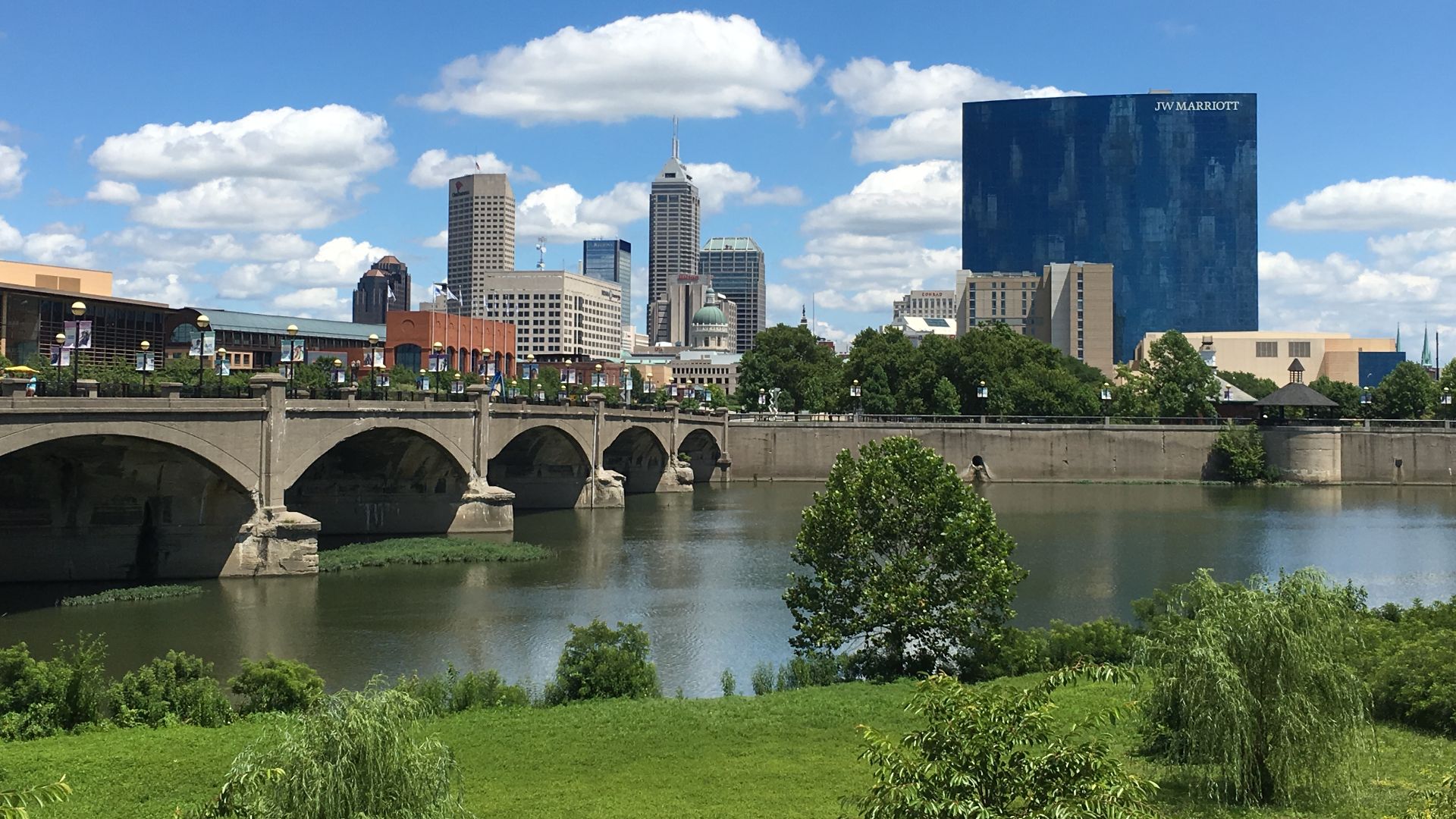
22. Indianapolis, IN
Indianapolis, IN offers about 18,429 square feet of green space per person for a metro population of roughly 2 million. Project Greenspace has been transforming vacant lots and forgotten corners into lawns and gardens planted with native species, keeping local ecosystems buzzing along. By focusing on indigenous plants, the city boosts pollinators, supports birds, and creates pockets of biodiversity in the heart of the state capital. Big hubs like White River State Park add to the picture, turning a cluster of attractions into a sprawling urban backyard.
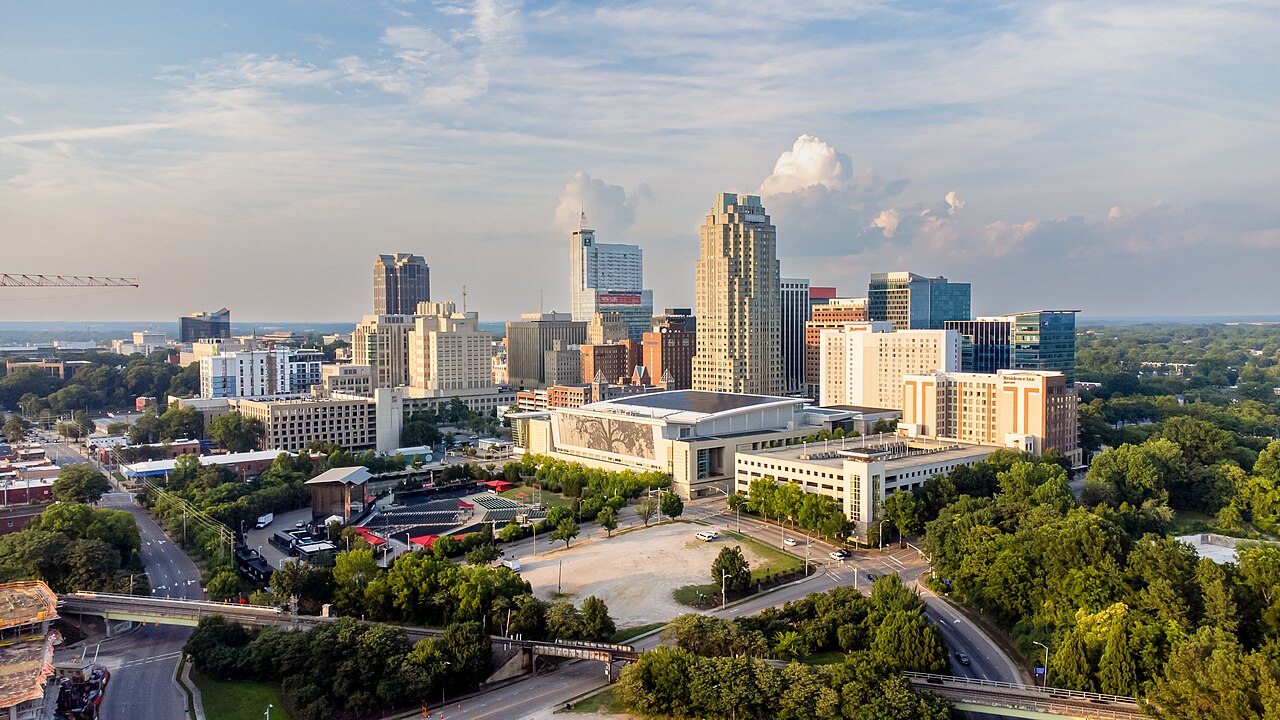
21. Raleigh, NC
Raleigh, NC comes in with around 19,949 square feet of green space per person and a metro population of about 1.2 million. The city is in the midst of building Dorothea Dix Park, a massive 308-acre downtown space often compared to an East Coast “Central Park”. Southwest Raleigh stacks on even more nature with its network of trails and green belts, while neighborhood parks and lakes give residents easy access to everyday nature. The result is a capital city where new development and new parkland are growing side by side.
 Abhiram Juvvadi, CC BY-SA 4.0, Wikimedia Commons
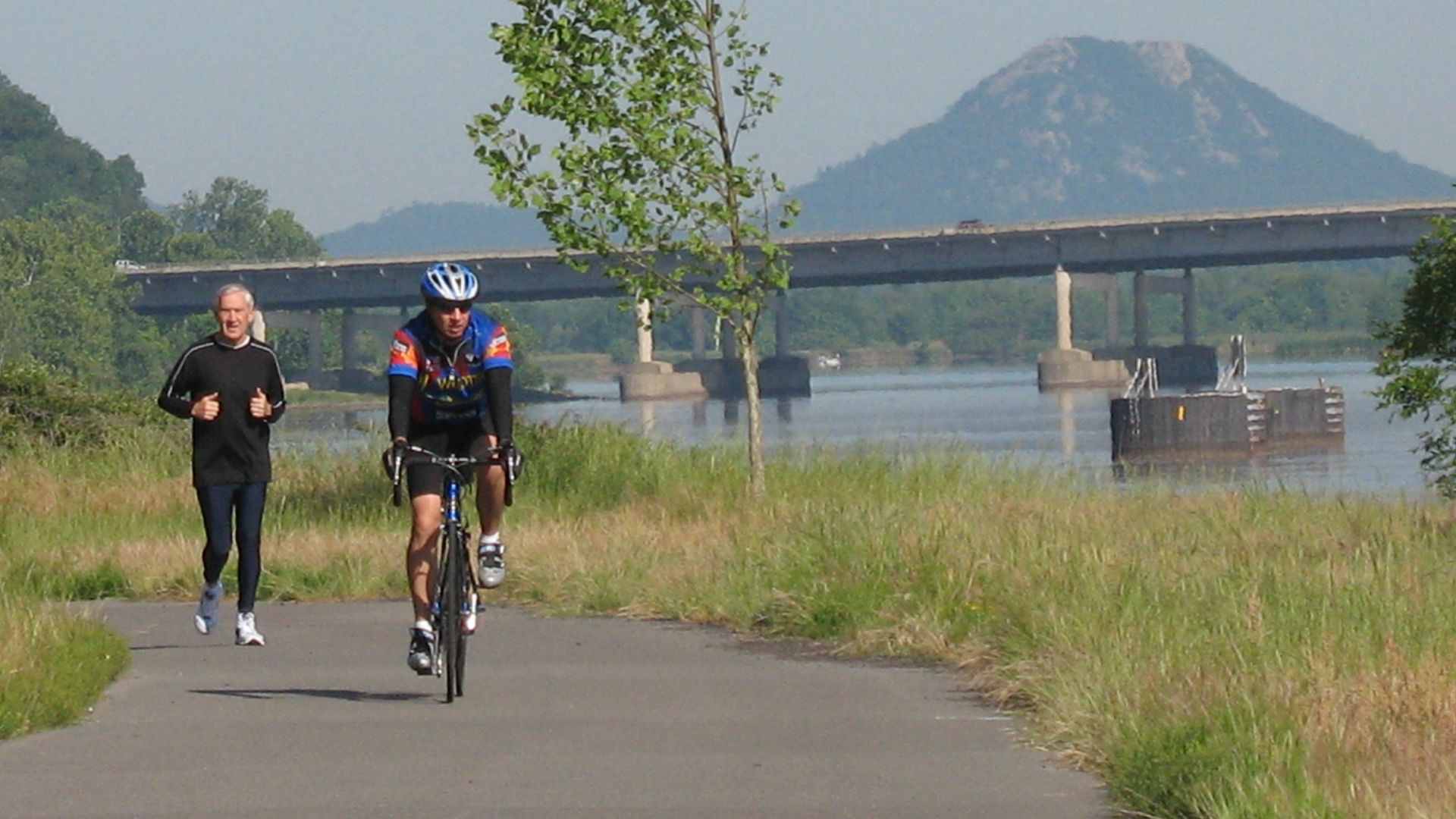
20. Little Rock, AR
Little Rock, AR offers about 20,284 square feet of green space per person for nearly 198,000 residents. The city has leaned on national design and planning expertise to shape greener, more walkable neighborhoods. Riverfront paths along the Arkansas River Trail give locals a scenic way to commute, exercise, or just wander at sunset. It’s the kind of place where a simple stroll along the water can quickly turn into an impromptu mini nature retreat.
 Kmerckx at en.wikipedia, Wikimedia Commons
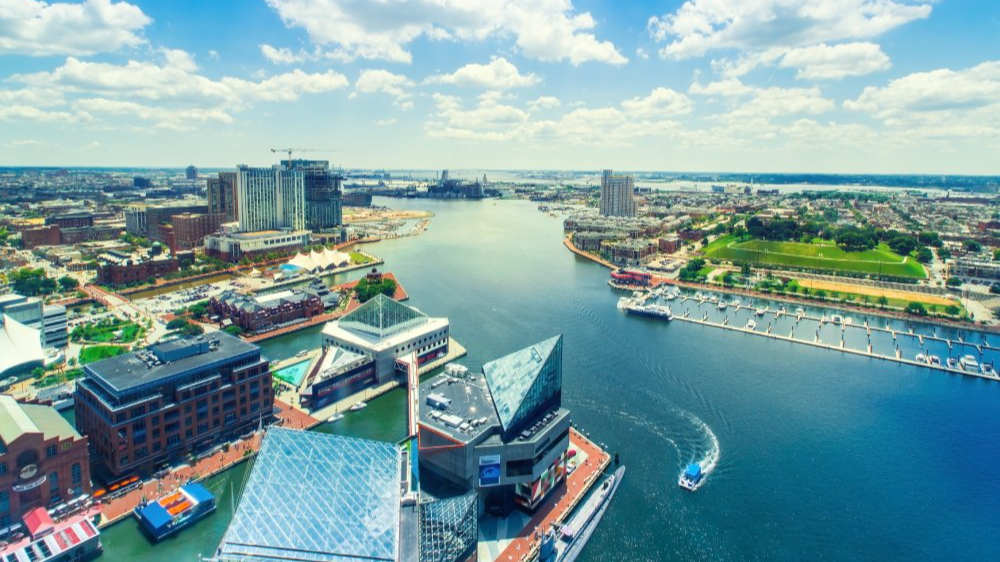
19. Baltimore, MD
Baltimore, MD gives each of its roughly 623,000 residents around 20,878 square feet of green space. A dedicated urban land trust works with neighbors and officials to protect community gardens, pocket parks, and forest patches across the city. Efforts to tend small wooded areas and maintain tree canopy are helping Baltimore stay cooler and more resilient. Those community-managed spaces don’t just look nicer—they’re tied to stronger property values and more stable neighborhoods.
18. Tulsa, OK
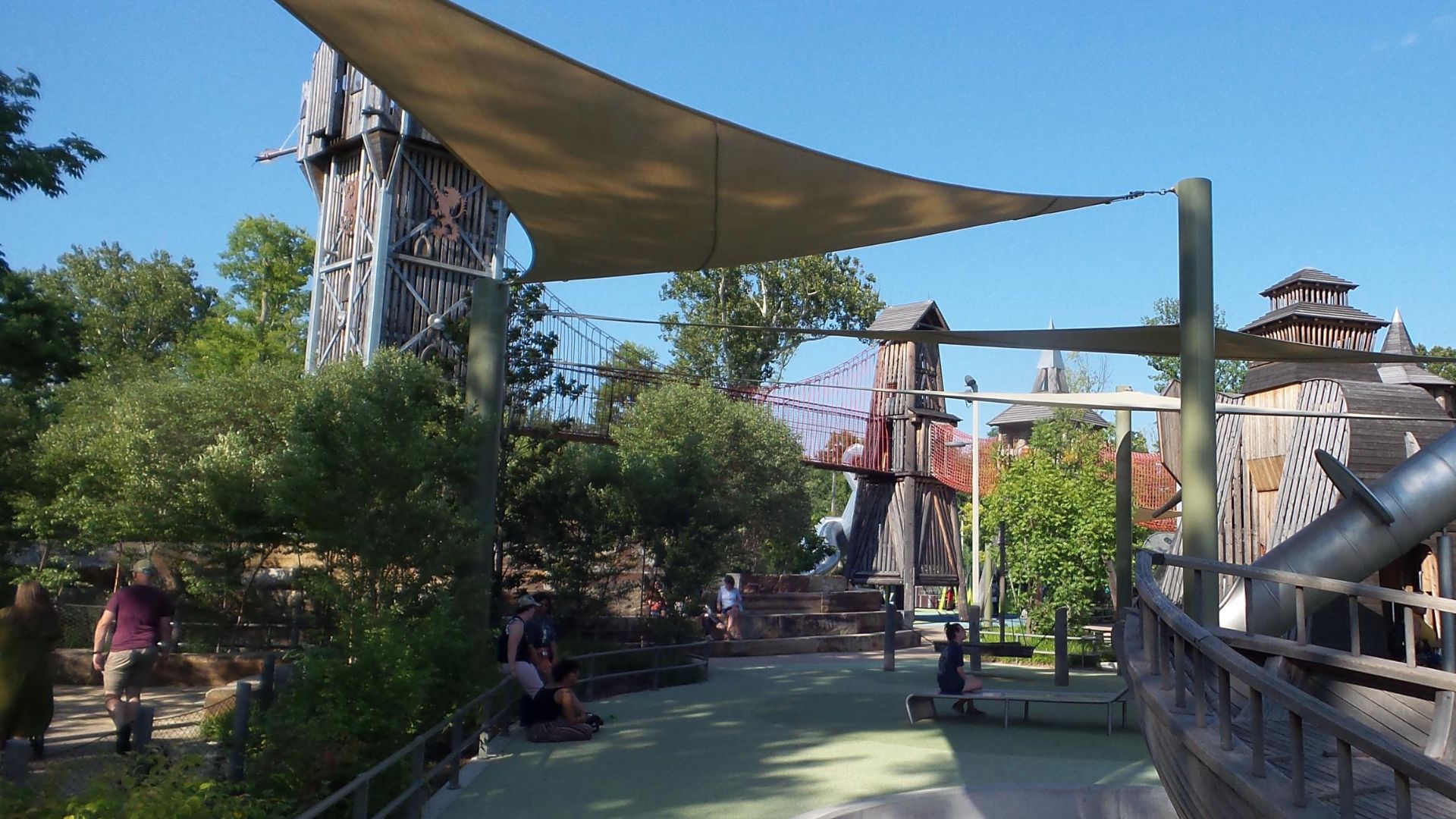
Tulsa, OK offers about 22,071 square feet of green space per person and serves a metro population of around 1 million. The city’s star attraction is The Gathering Place, a riverfront park so ambitious it’s been hailed as a national must-see. Beyond that, Tulsa spreads thousands of acres of lawns, trees, and meadows across more than a hundred parks. With miles of trails, sports fields, and splash areas, it’s built for families who like their weekend plans heavy on fresh air.
 Zombie Brenda, Wikimedia Commons
17. Detroit, MI
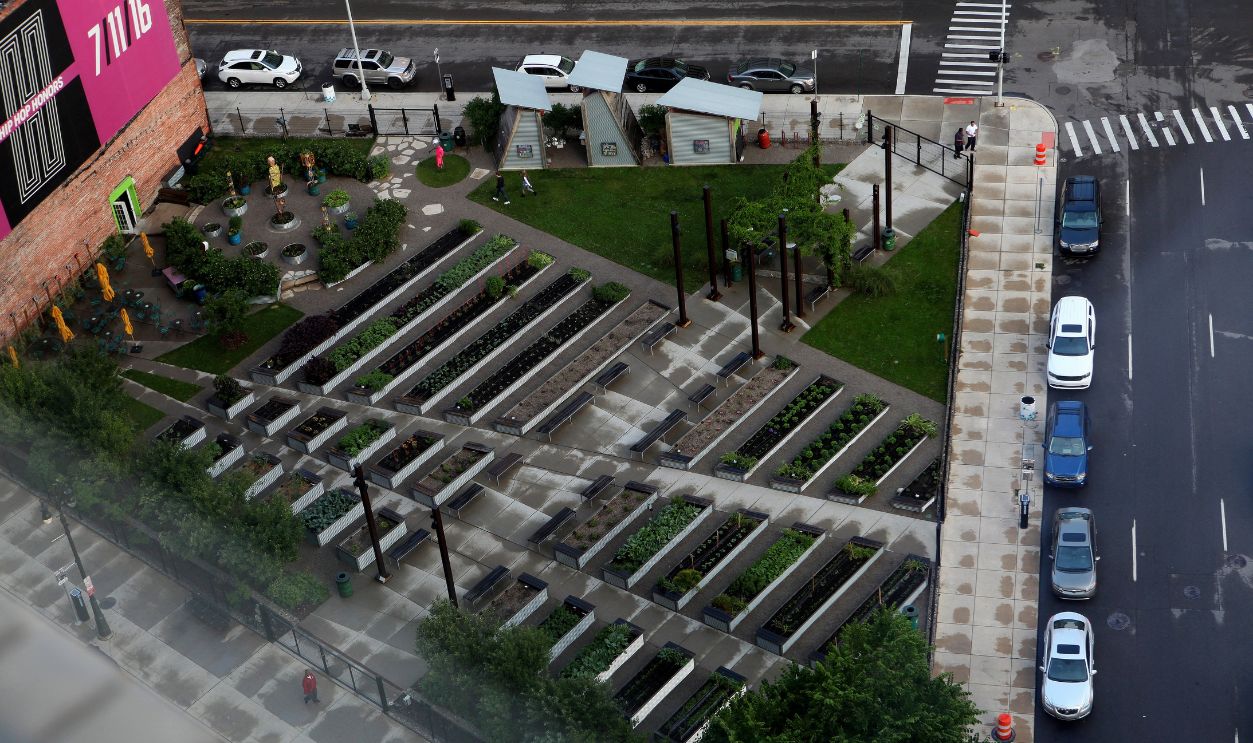
Detroit, MI delivers about 22,572 square feet of green space per person to just under 700,000 residents. As the population has shrunk, vacant land has often been repurposed into fields, gardens, and wooded lots, giving the city a surprisingly open feel. Downtown, spots like Lafayette Greens show how food, pollinators, and people can all share a single green block. Seasonal events and pop-up activities in central parks help turn those spaces into the city’s outdoor living room.
16. Harrisburg, PA
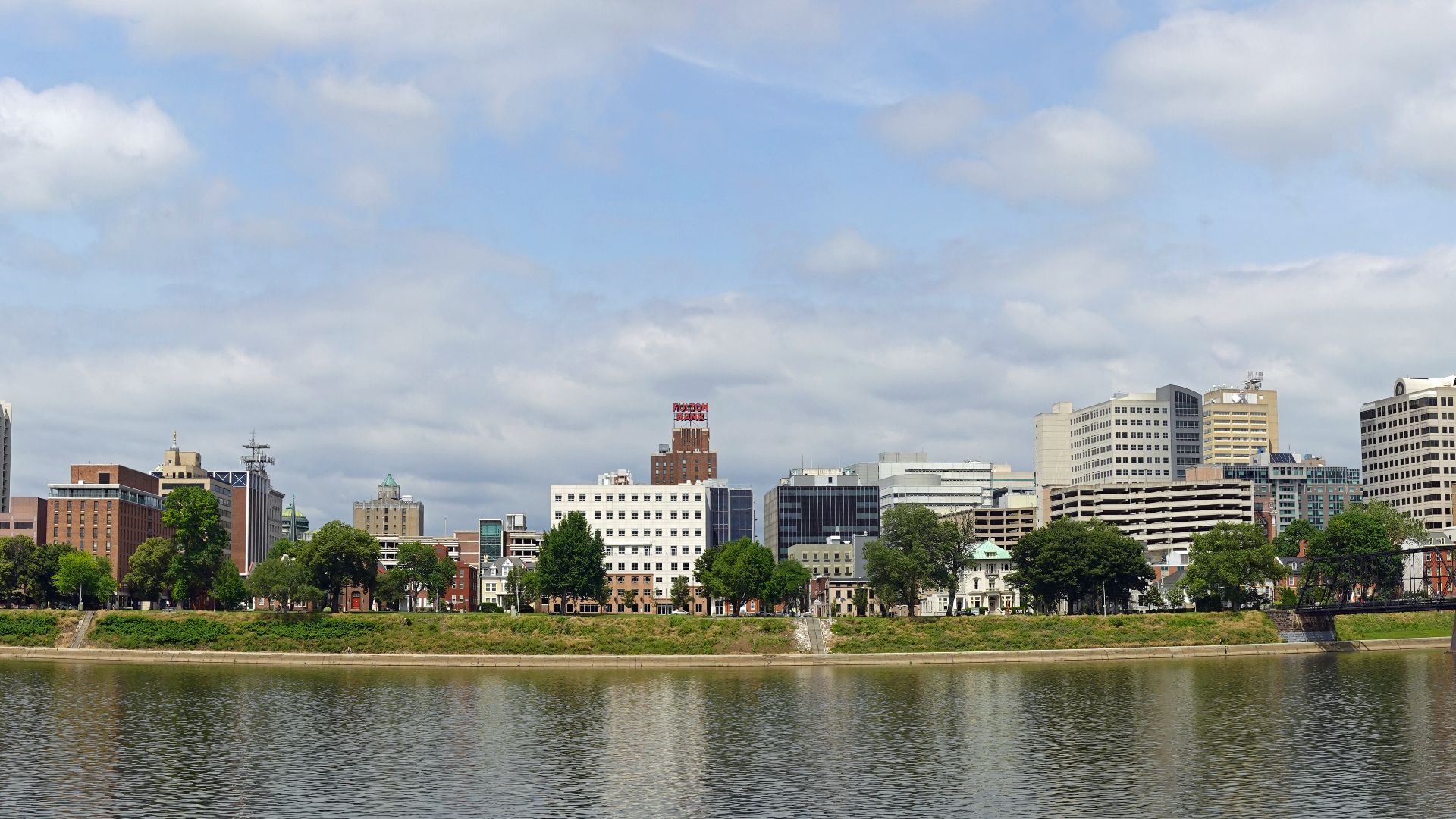
Harrisburg, PA provides roughly 23,519 square feet of green space per person for about 560,000 people in its metro area. The city has literally turned trouble spots into tranquil ones by transforming sinkhole sites into lawns and parks. A looping 20-mile trail ties together multiple green spaces, giving walkers and cyclists a continuous route around the city. One standout garden invites visitors to use all five senses, turning a simple park visit into an immersive experience.
 Jeffrey Hayes, Wikimedia Commons
15. Milwaukee, WI
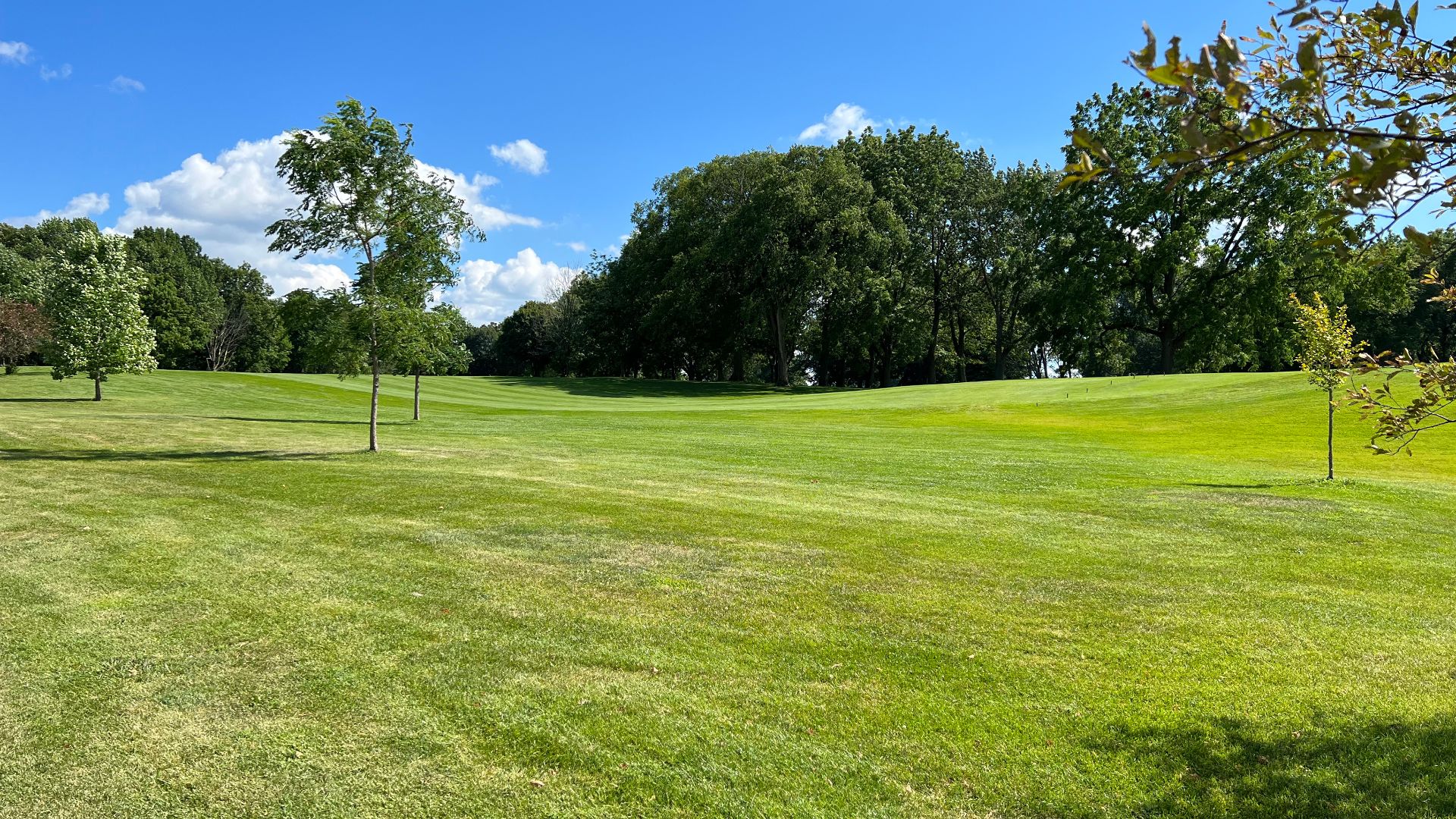
Milwaukee, WI comes in with about 26,650 square feet of green space per person and a metro population around 1.6 million. The city and county together manage more than 150 parks, a system once recognized nationally for excellence in recreation management. Big destinations like Whitnall Park mix formal gardens, open fields, and recreation facilities in one enormous green expanse. You can tee off, wander through blossoms, or just sit under a tree and listen to the city hum in the distance.
14. Buffalo, NY
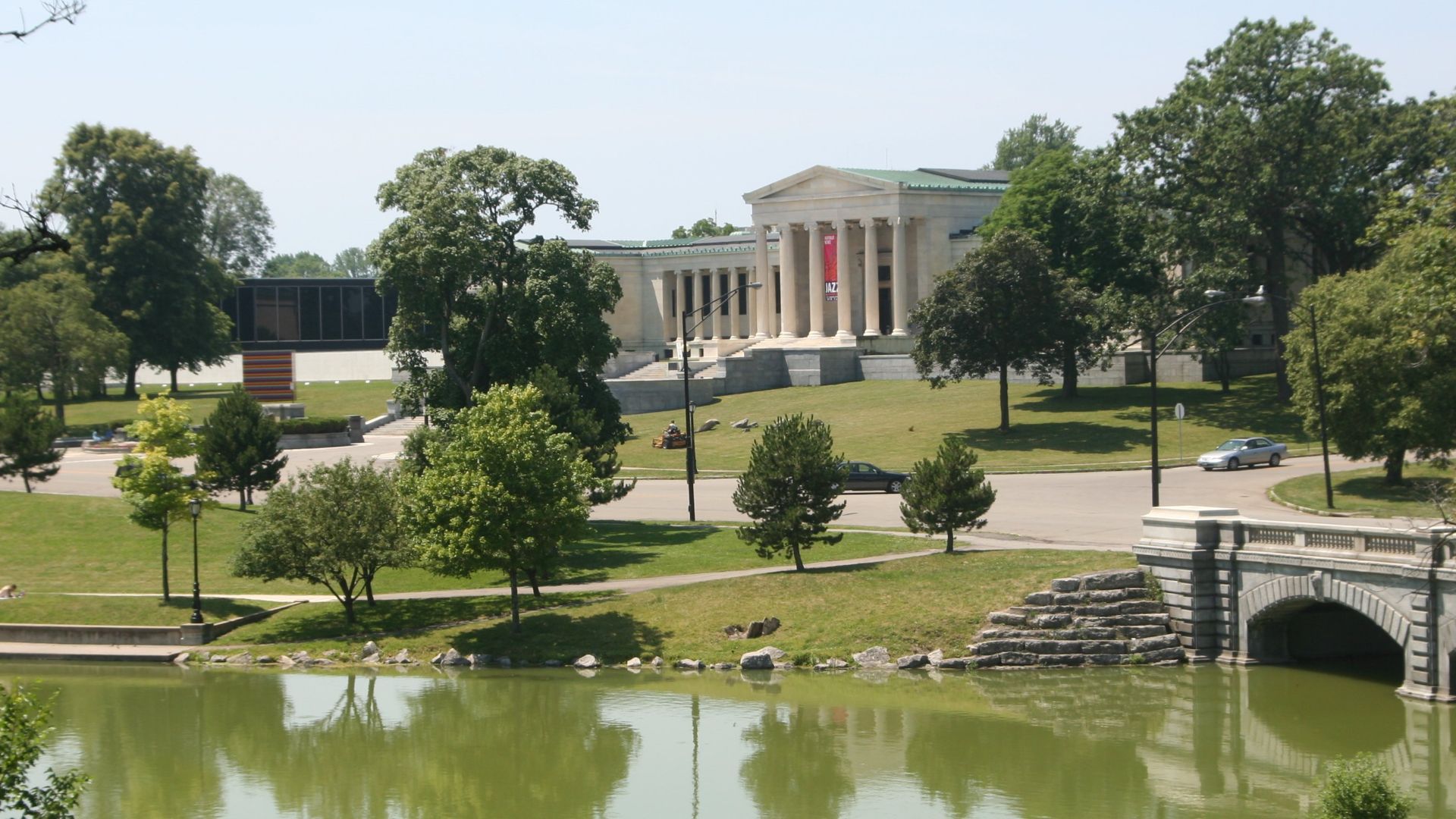
Buffalo, NY offers around 28,427 square feet of green space per person to roughly 260,000 residents. A major zoning overhaul several years ago helped prioritize greener development and protect open spaces. The city’s annual garden tours showcase hundreds of inventive yards and landscapes, turning entire neighborhoods into a living exhibition. The crown jewel is a historic park designed in the 19th century that still anchors the city with a vast landscape of lawns, lakes, and trees.
13. Madison, WI
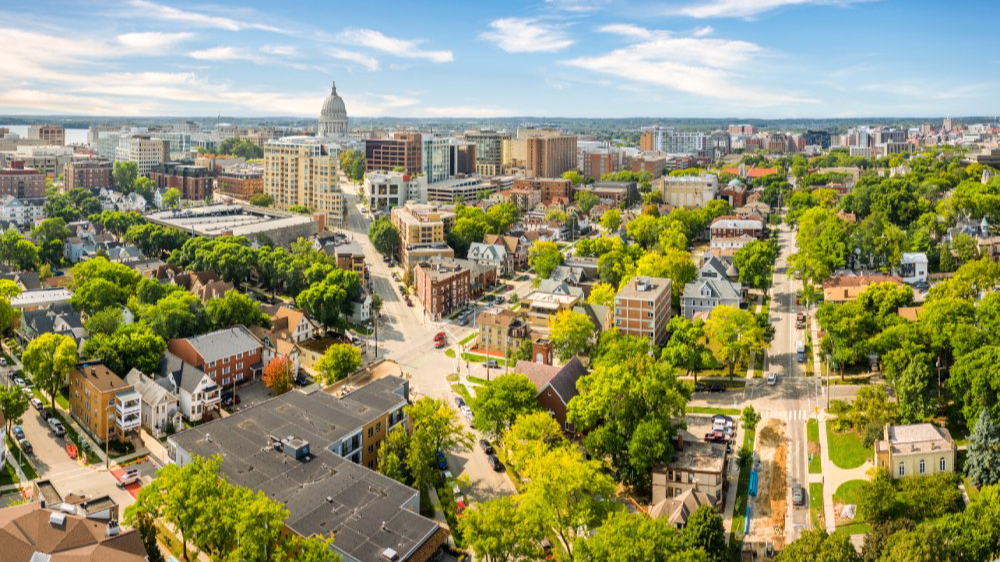
Madison, WI delivers about 29,044 square feet of green space per person and has a metro population of roughly 350,000. The city is famously park-rich, with hundreds of parks sprinkled among its lakes and neighborhoods. Local researchers actively study how these green spaces tackle flooding, store carbon, and support wildlife. Madison has even brought in outside design help to re-envision key park areas, making sure future upgrades are as thoughtful as the city’s reputation suggests.
12. Des Moines, IA
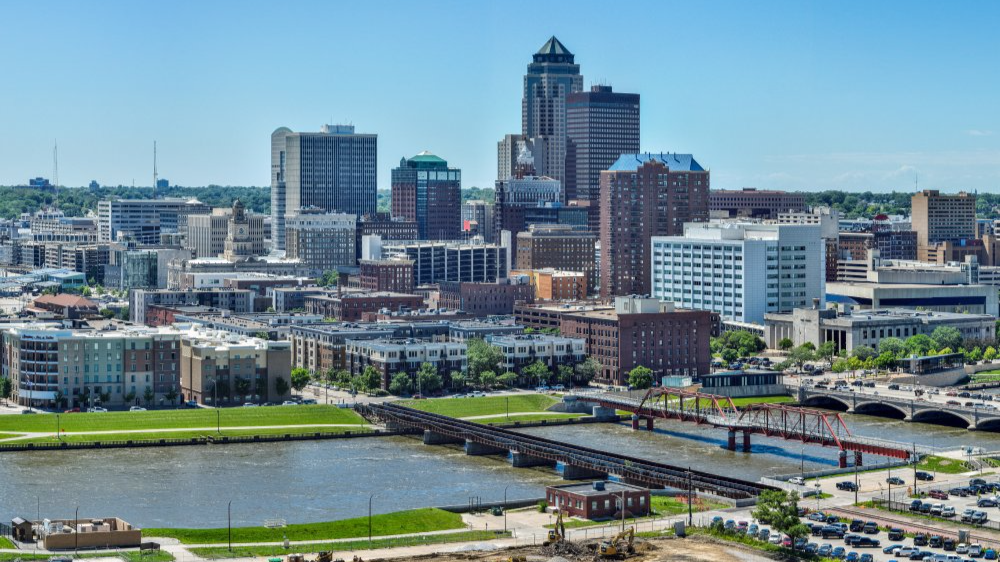
Des Moines, IA gives about 32,544 square feet of green space per person to more than 600,000 people in its metro area. Just outside downtown sits Water Works Park, one of the largest urban parks in the country, sprawling across more than 1,500 acres. The city has embraced greener buildings and infrastructure, from rooftop plantings to energy-focused initiatives in commercial spaces. It’s a place where a quick lunch break can easily turn into a walk through prairie-style landscapes.
11. Columbus, OH
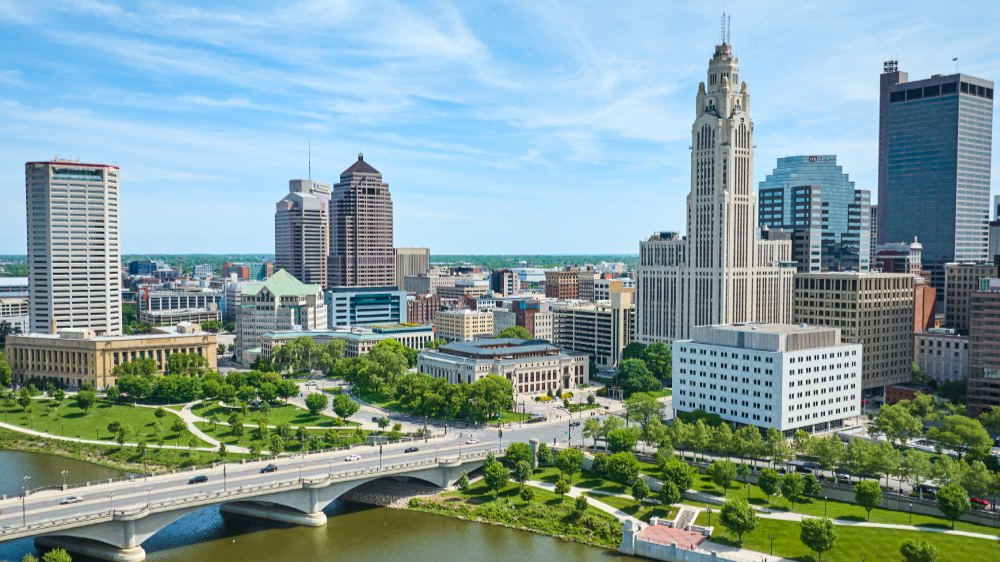
Columbus, OH offers about 34,298 square feet of green space per person and serves a metro population near 2 million. A series of riverfront parks and paths along the Scioto connects downtown to the water, turning the city’s edge into a ribbon of lawns, fountains, and bikeways. Local leaders are aiming to put some kind of park within a 10-minute walk of every resident, a big goal for Ohio’s largest city. From classic rose gardens to whimsical sculpted topiaries, Columbus has built a portfolio of parks that caters to nearly every personality.
 Nicholas J. Klein, Adobe Stock
10. Houston, TX
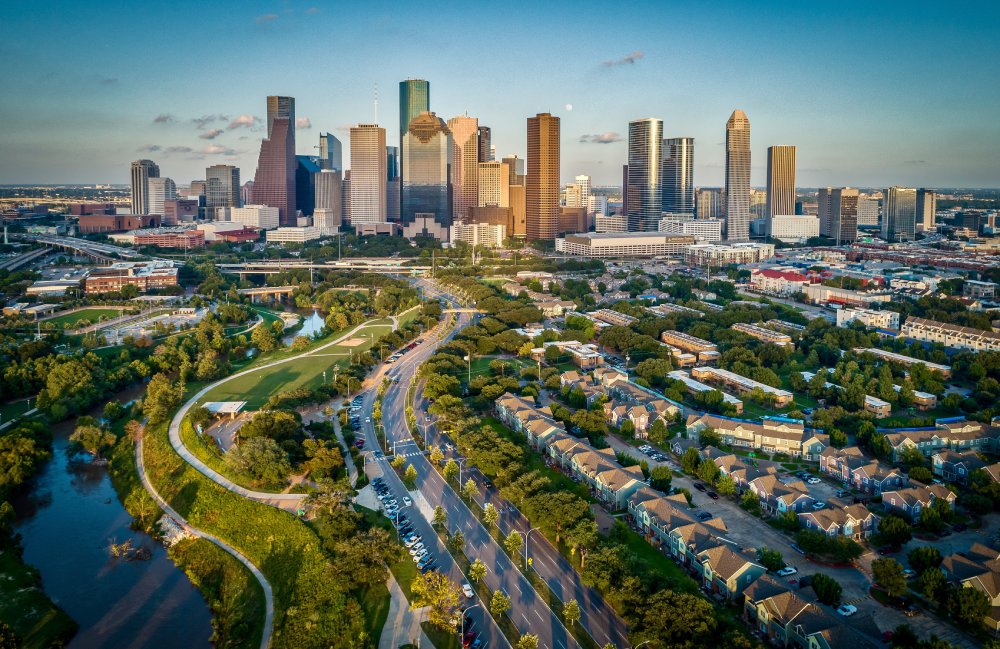
Houston, TX delivers roughly 41,514 square feet of green space per person for about 6.6 million people in its metro area. Long known for sprawl and freeways, the city has been knitting itself together with a growing network of bayou-side parks and trails. Major investments are turning the waterways into lush corridors where residents can bike, jog, or paddle beneath shady banks. One massive redevelopment even includes a rooftop park the size of a neighborhood, creating a multi-level green escape above the city streets.
9. Chicago, IL
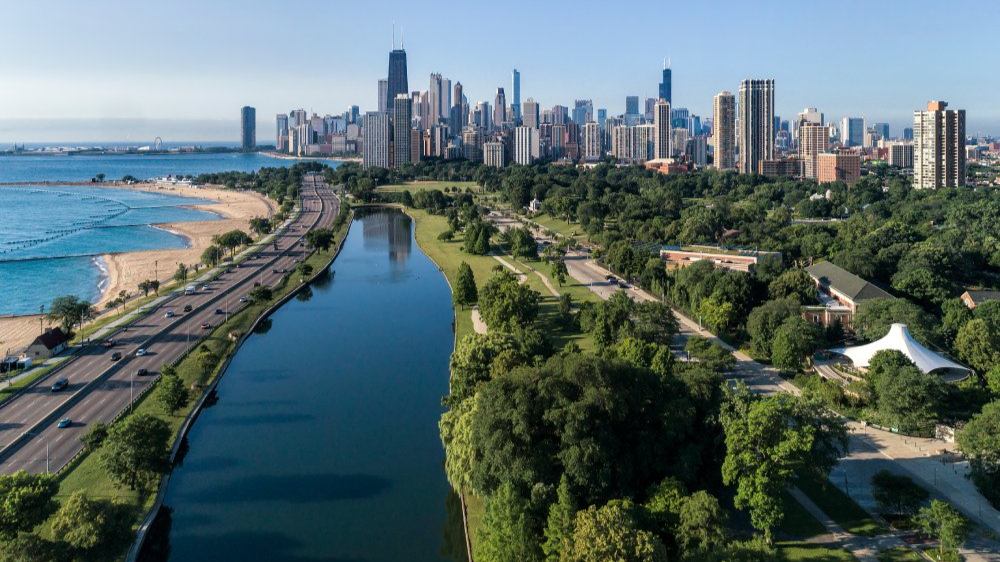
Chicago, IL provides around 42,744 square feet of green space per person to some 2.7 million residents. Nearly every Chicagoan lives within a short walk of a park, thanks to the city’s extensive system of lakeside promenades, neighborhood squares, and community play lots. In addition to big-name spaces along the waterfront, smaller gardens and cultural parks add variety in every direction. Programs aimed at converting vacant lots into community green spaces are also helping some neighborhoods swap blight for blossoms.
8. Memphis, TN
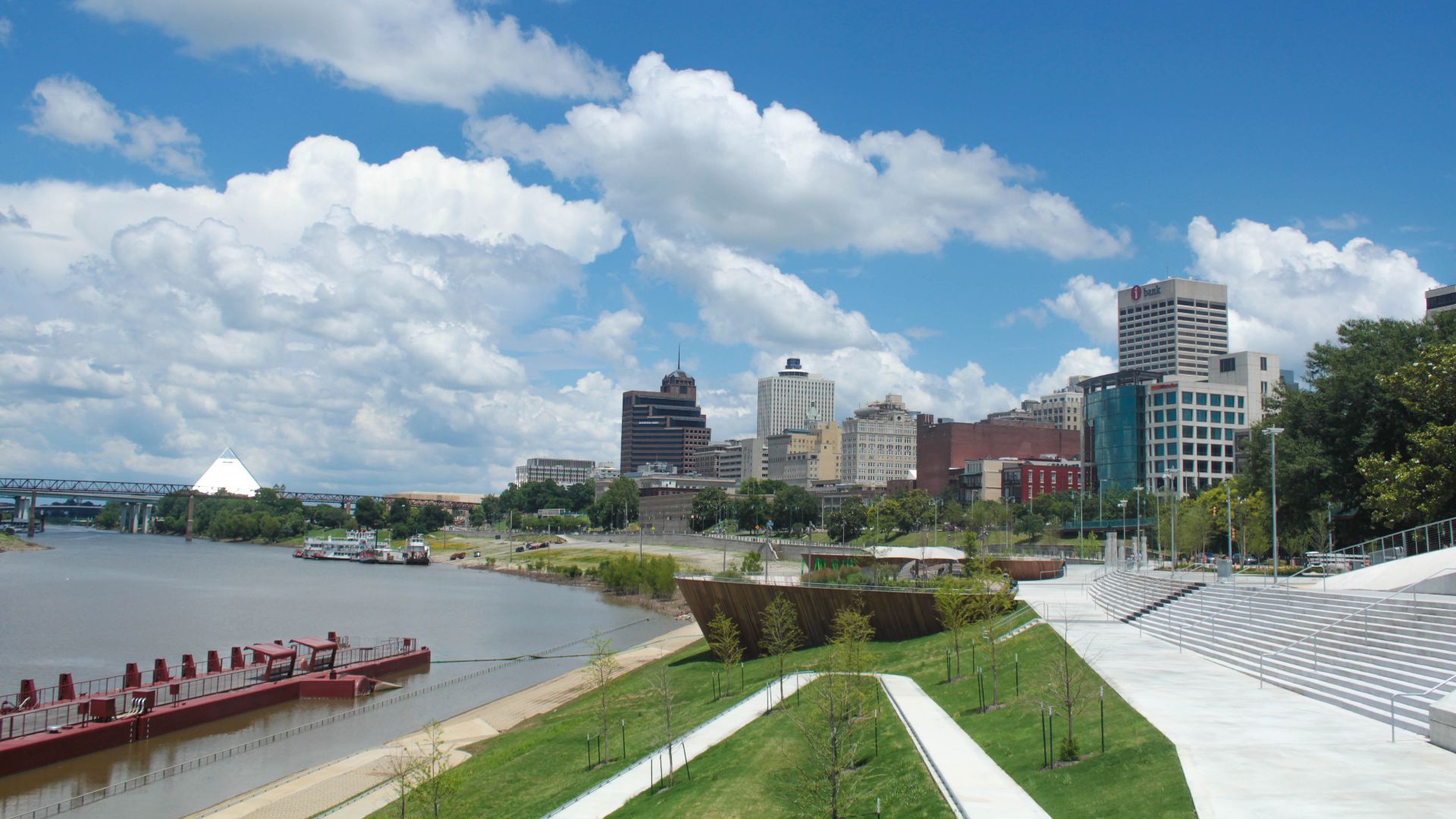
Memphis, TN offers about 43,691 square feet of green space per person and serves a metro population of roughly 1.3 million. One of its flagship parks is several times larger than Central Park, with room for biking, fishing, paddling, and dog romps galore. New trail projects are connecting major parks into a continuous network, making it easier to crisscross the city on two wheels. Memphis has also used its parks as stages for important civic change, reshaping public spaces to better reflect its residents’ values.
 Trevorbirchett, Wikimedia Commons
7. St. Louis, MO
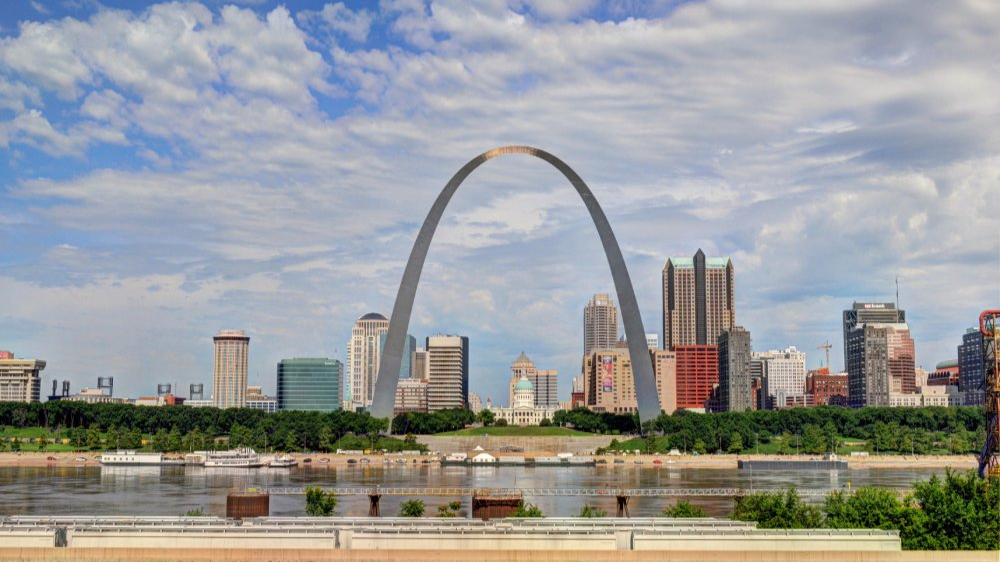
St. Louis, MO gives each of its roughly 2.6 million metro residents about 51,281 square feet of green space. Forest Park alone is a cultural powerhouse, blending museums, a zoo, and performance venues with lakes and wide lawns. The area around the iconic arch frames one of the most recognizable silhouettes in the country with trees and open fields instead of asphalt. Across the city, strategic demolition of outdated structures has created new patches of parkland that double as storm-soaking sponges.
 Carlos Santa Maria, Adobe Stock
6. Louisville, KY
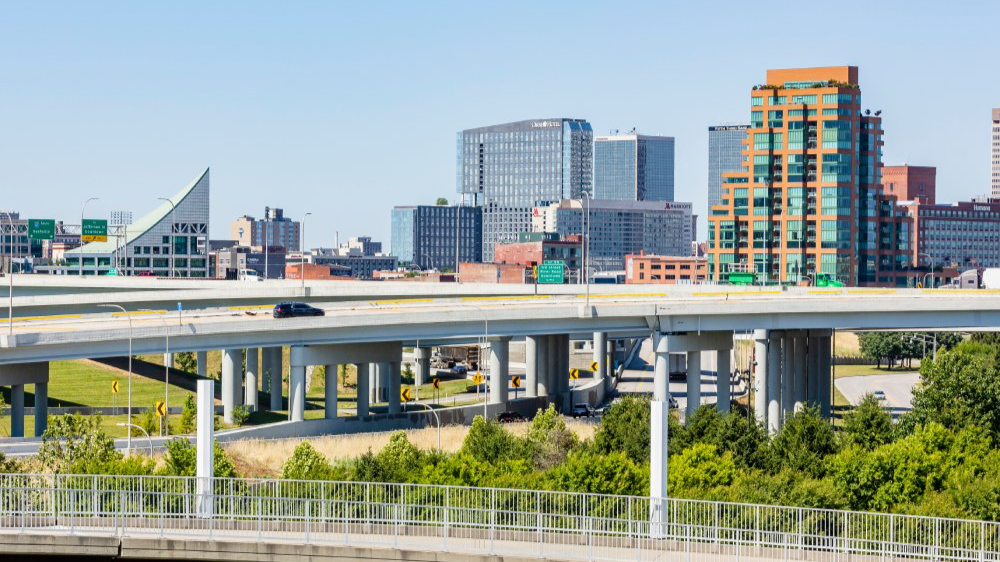
Louisville, KY provides around 55,678 square feet of green space per person to a metro population of more than 770,000. The city has long embraced its identity as a park-centric community, with historic landscapes designed by some of the most famous park planners in history. A looping vision of trails and greenways is slowly creating a ring of parks around the metro area. Along the river, a once-neglected waterfront has been transformed into a lively park that feels like Louisville’s front porch.
 Margaret Burlingham, Adobe Stock
5. Nashville, TN
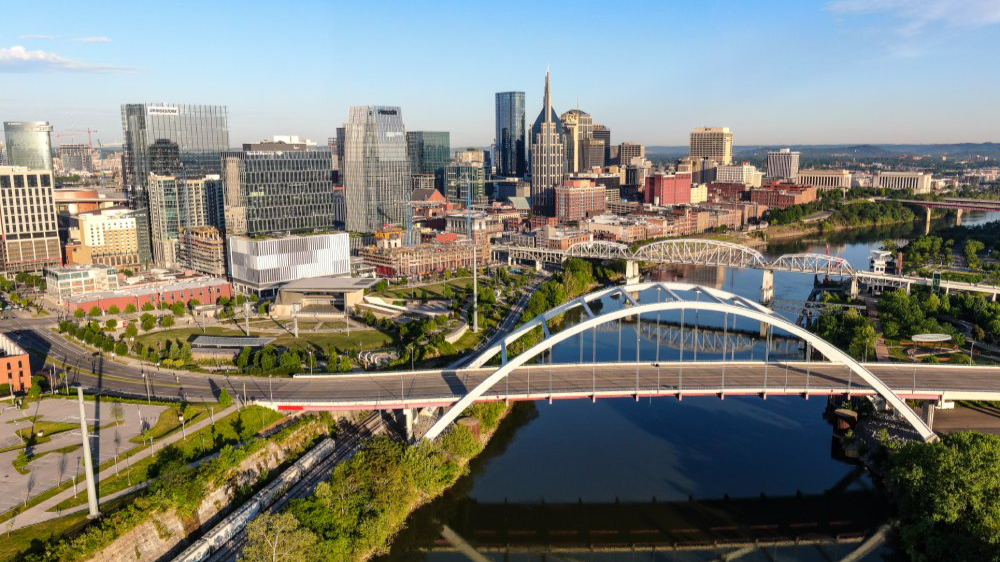
Nashville, TN offers about 57,699 square feet of green space per person and serves a metro population of around 1.8 million. Even as construction cranes dot the skyline, efforts are underway to guard and expand green corridors. One major convention center carries a huge vegetated rooftop, complete with rolling hills and habitats for pollinators. A growing web of greenways ties neighborhoods together, letting you bike from one part of town to another with more birdsong than traffic noise.
4. Washington, DC
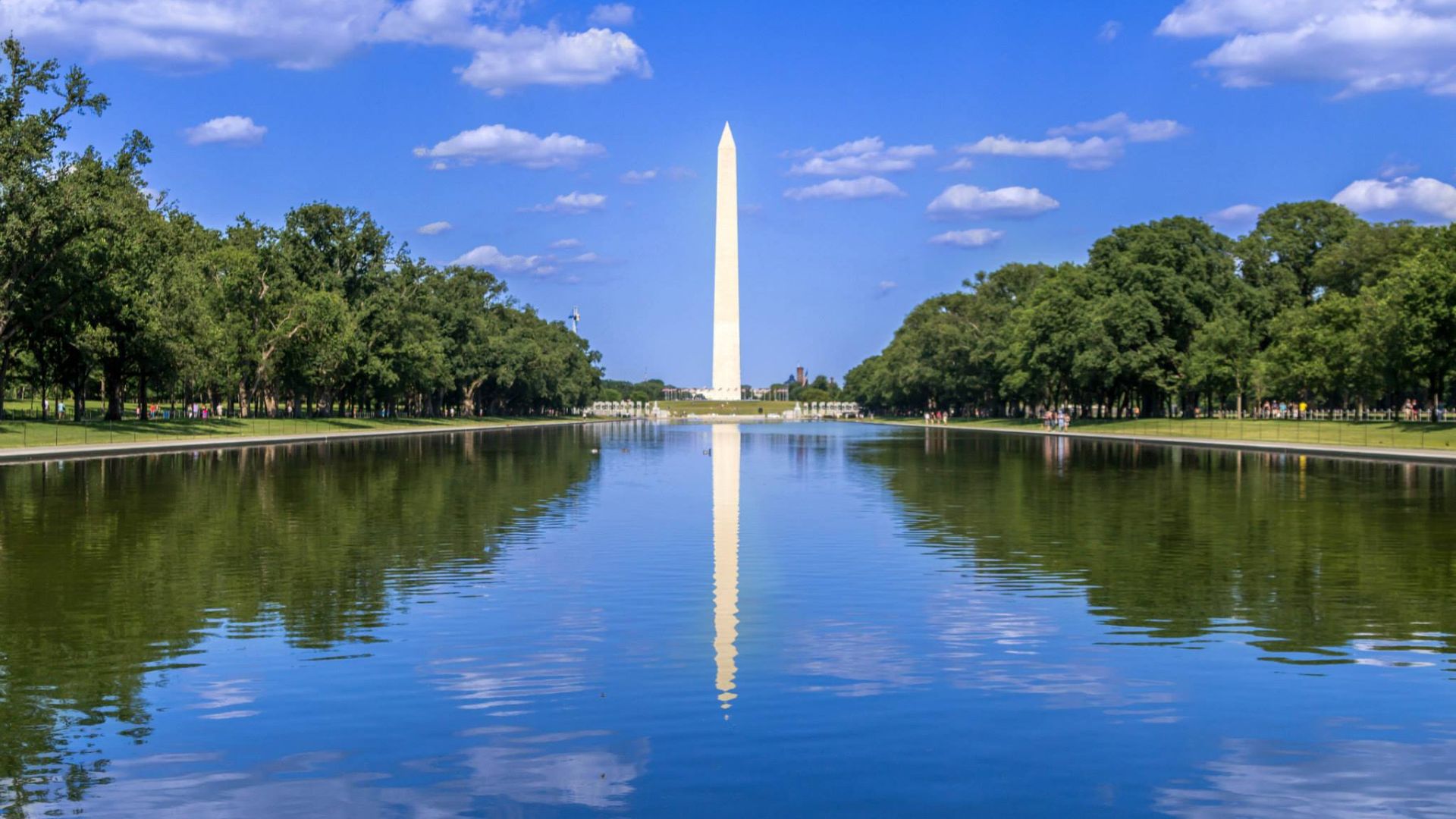
Washington, DC delivers about 63,138 square feet of green space per person for its core population, while also serving as a green backdrop for millions of visitors. Monument-lined lawns and reflective pools make the central district one of the most recognizable open spaces in the world. Beyond the postcard views, a sprawling urban park cuts through the city with miles of trails, picnic nooks, and historic sites tucked under the trees. It’s easy to forget you’re in a capital at all when you’re walking along a wooded stream.
 R.Hood Photography, Wikimedia Commons
3. Cincinnati, OH
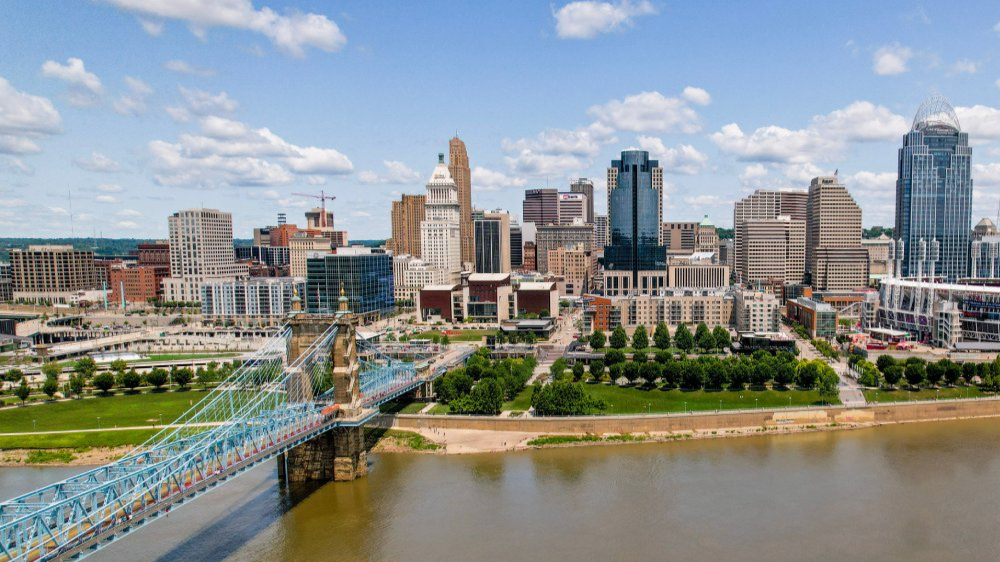
Cincinnati, OH hands out roughly 67,723 square feet of green space per person to a metro population of about 2.1 million. The region protects well over 100,000 acres of open land, from rugged hillsides to riverside parks. A strong focus on sustainability and clean energy dovetails with investment in recreation and outdoor access. For residents, that means more places to hike, bike, and play along the Ohio River and across the city’s famously hilly terrain.
2. Kansas City, MO
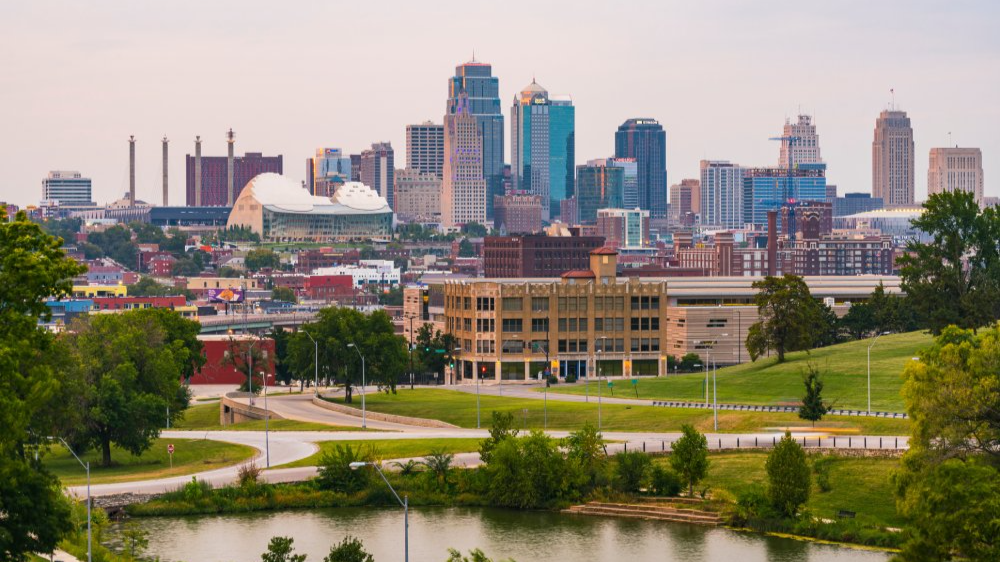
Kansas City, MO offers a remarkable 93,349 square feet of green space per person for roughly 2.1 million people in its metro area. The city has been busy converting former golf courses and underused land into multi-use parks with trails, playgrounds, and ponds. Big ideas are in the works to deck over portions of highway and turn them into parks, stitching together neighborhoods that were once sliced apart. On a sunny afternoon, the combination of fountains, lawns, and tree-lined paths lives up to the city’s elegant nickname.
1. Minneapolis, MN
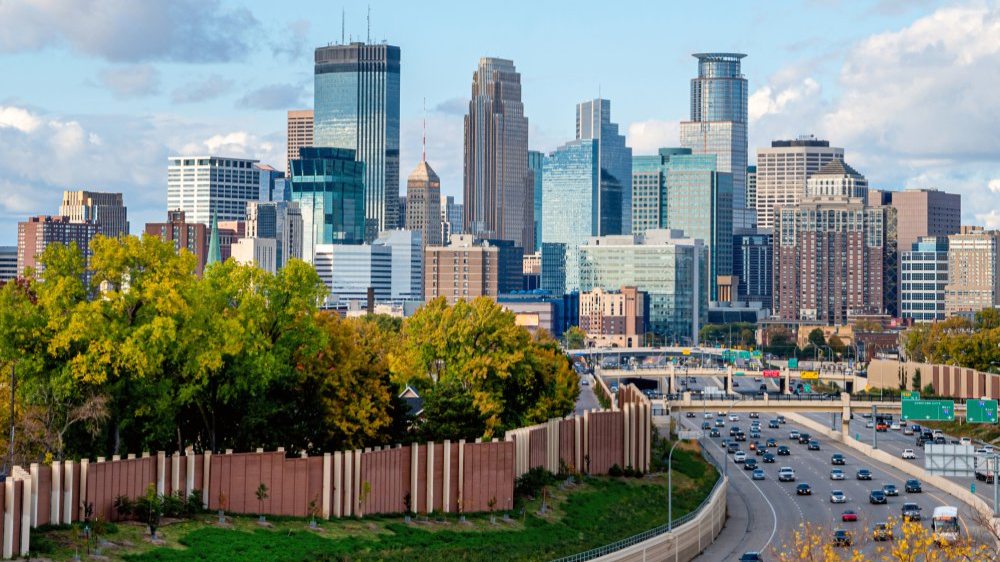
Minneapolis, MN tops the list with an impressive 105,843 square feet of green space per person and a metro population of about 3.4 million. A significant share of the city’s footprint is reserved for parkland, and the vast majority of residents live within a short stroll of a park. Lakeside paths, riverfront trails, and neighborhood parks form an almost continuous web of nature threaded through the city grid. A dedicated conservancy helps manage and expand these spaces, keeping the “Mini Apple”. as lush and livable as its reputation suggests
You May Also Like:
Why are so many American travelers getting fined in Europe?
Source: 1