Staring At The Wall
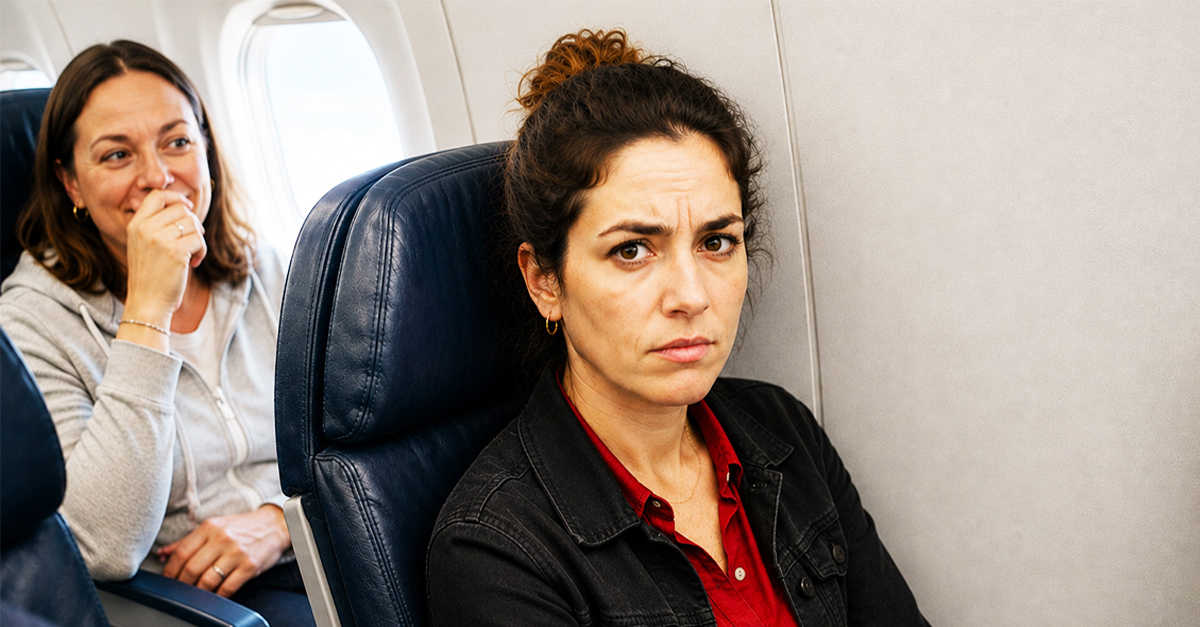
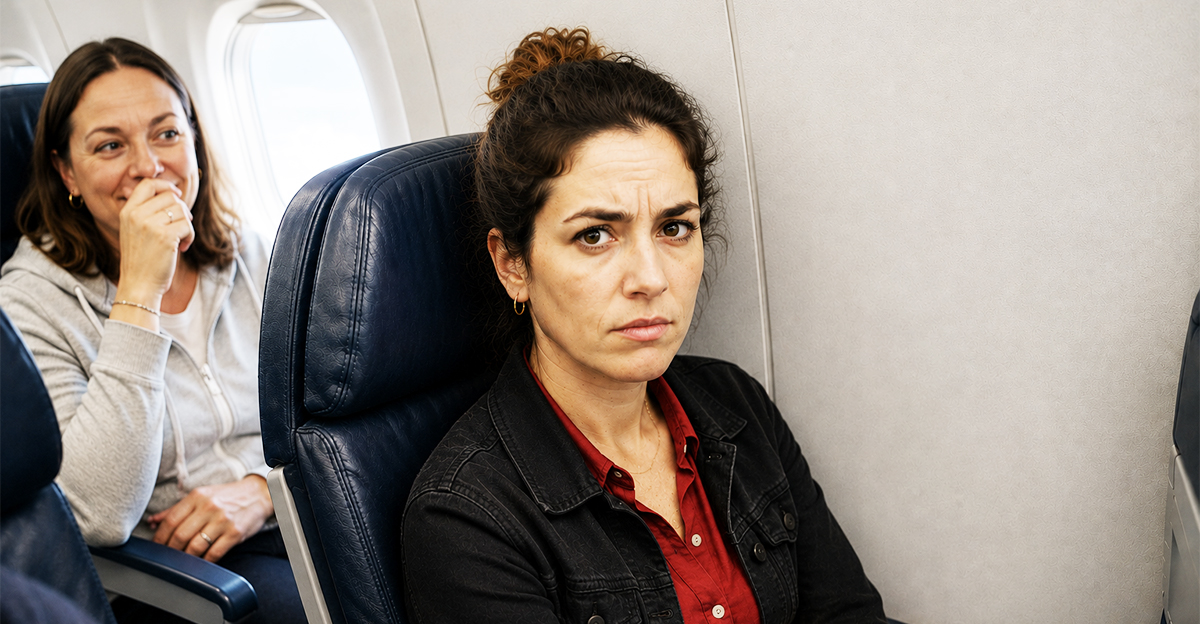
You carefully selected a window seat during booking, paid extra for the privilege, and boarded hoping for a breathtaking panoramic view of clouds and city lights below. Instead, you found yourself staring at a blank cabin wall where the window should have been. The airline shrugged, the flight attendants seemed unsurprised, and your seatmates got a good laugh at your expense. Now you're wondering whether airlines are actually allowed to sell so-called “window seats” without windows.
Why Windowless Window Seats Exist
Many modern aircraft contain a handful of seats that technically sit beside the aircraft wall but lack an actual window opening. These seats are usually located near structural sections of the fuselage, insulation panels, air conditioning ducts, or reinforced areas around wings and emergency systems. Airlines still classify them as window seats because of their position within the seating layout rather than the actual presence of a view.
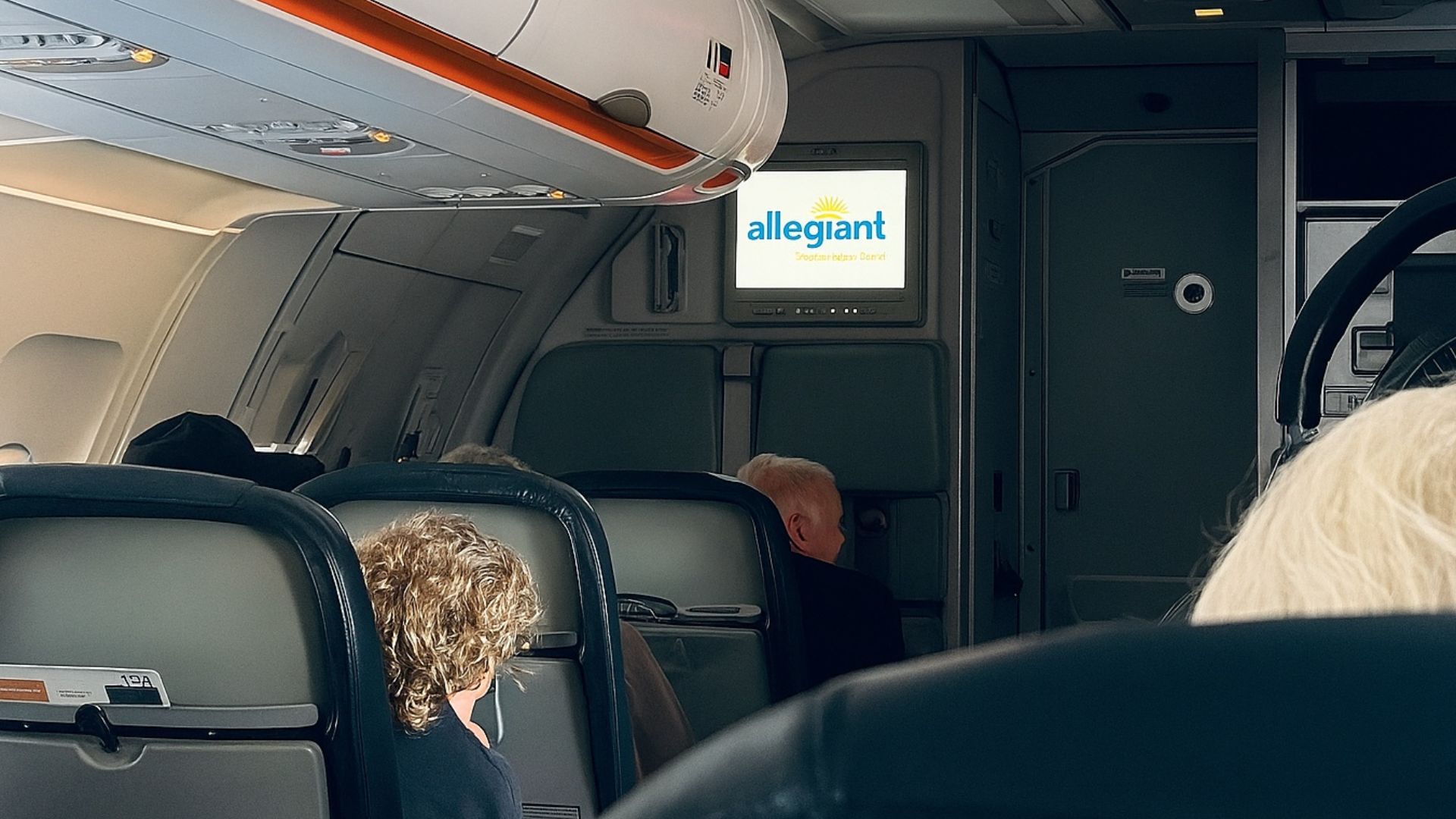 Connor J Williams, Wikimedia Commons
Aircraft Design Creates Odd Layouts
Commercial aircraft are not designed around passenger comfort alone. Window placement depends heavily on structural engineering requirements. Aircraft frames include support beams, wiring channels, air circulation systems, and reinforced sections that interfere with regular window spacing. When airlines later add or rearrange seat rows, some passengers inevitably end up beside blank wall sections instead of actual windows.
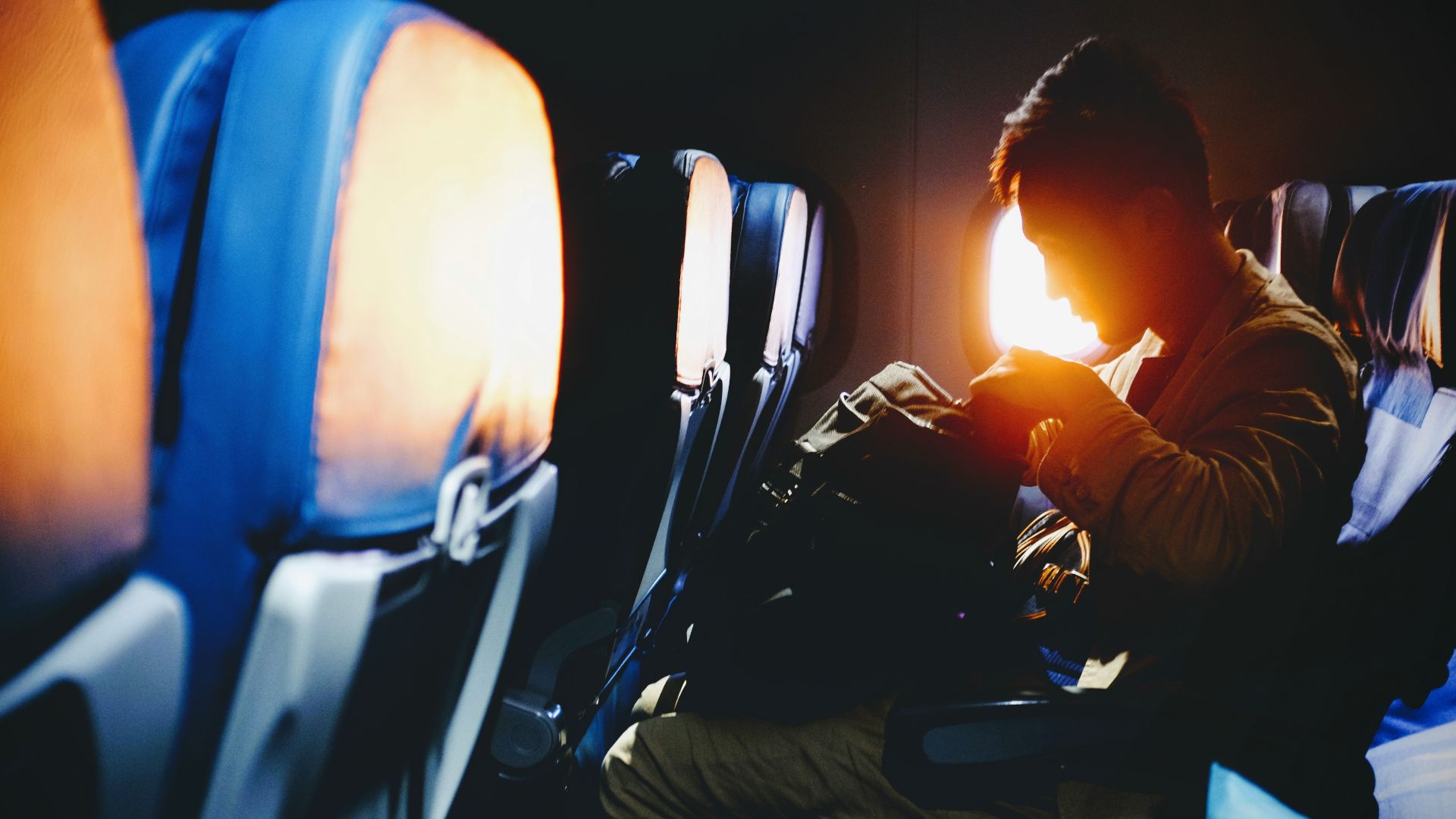 Bambi Corro bambicorro, Wikimedia Commons
Plane Swaps Can Make Things Worse
Last minute aircraft substitutions frequently create seating mismatches. An airline may initially assign you a true window seat on one aircraft model, only to replace the plane with another configuration shortly before departure. When that happens, the reservation system often keeps the same seat number even though the physical cabin layout differs considerably from the original booking.
Some Aircraft Types Are More Common Offenders
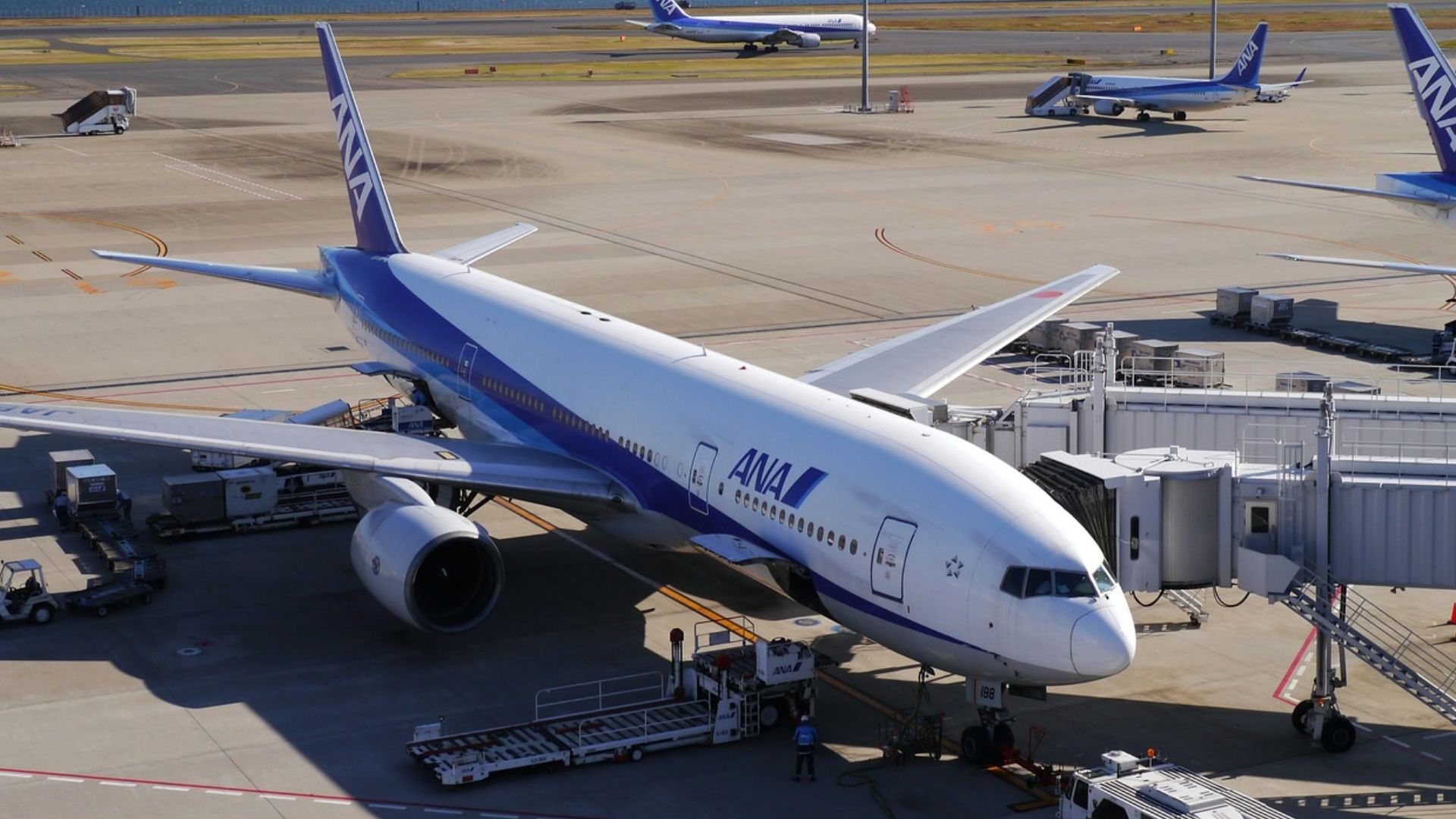
Passengers often report windowless seats on certain Boeing 737 and Airbus A320 family aircraft, especially older configurations or cabins modified over time. Budget airlines are sometimes criticized more heavily because they aggressively maximize seating density. However, major U.S. carriers can also have these awkward seats depending on fleet age, refurbishment history, and aircraft-specific cabin layouts.
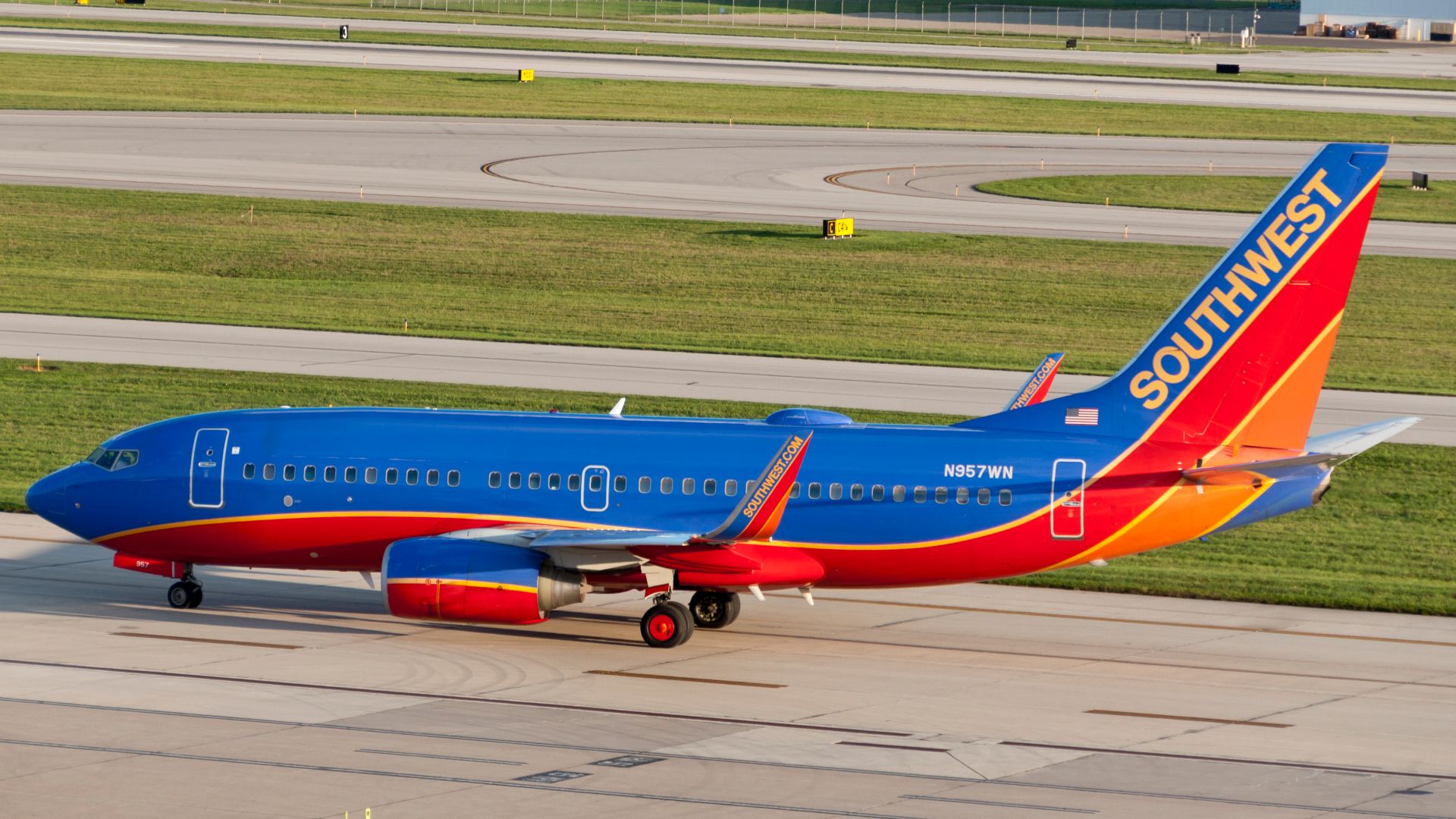 Sixflashphoto, Wikimedia Commons
It Feels Misleading To Travelers
Most travelers reasonably assume that a seat labeled “window” includes an actual window. That expectation becomes even stronger when airlines charge extra for seat selection. Passengers often feel deceived because they paid specifically for the experience associated with the seat category. For nervous fliers, children, photographers, or sightseeing travelers, the missing window can genuinely reduce comfort and enjoyment.
 Noémi Macavei-Katócz, Unsplash
A European Lawsuit Drew Attention
The controversy became significant enough in Europe that passengers launched a class-action lawsuit after paying premiums for window seats that lacked windows. According to reporting from The Flight Club, frustrated travelers argued that airlines were charging extra for a feature they failed to deliver. The dispute attracted international attention and fueled wider debate about airline transparency regarding seating descriptions.
U.S. Airlines Have Different Legal Protections
In the United States, airline passengers generally face a more difficult legal environment when pursuing claims over seating issues. Airlines rely heavily on broad contract language allowing equipment substitutions and seating changes. While deceptive advertising laws still exist, courts often give airlines substantial flexibility regarding operational decisions unless passengers can demonstrate clearly misleading or fraudulent conduct.
Airlines Usually Avoid Calling Them Defective
Most airlines do not officially acknowledge these seats as defective or inferior. Instead, they continue categorizing them within standard seat maps. Unless a traveler specifically researches the aircraft configuration beforehand, there may be little warning. Airlines also know that many passengers will not complain formally, especially on shorter domestic routes where the inconvenience seems relatively minor.
You May Still Be Entitled To Compensation
Even though airlines are legally protected in many situations, passengers can sometimes obtain partial refunds, travel credits, or loyalty points by complaining politely after the flight. Customer service representatives often have discretion to issue goodwill compensation, especially if you paid a premium seat selection fee specifically tied to the promise of a window seat experience.

Documentation Helps Your Case
If you discover your seat lacks a window, take clear photographs before departure showing both the seat number and blank wall area. Keep copies of your booking confirmation and any seat upgrade charges. This documentation strengthens your position when requesting reimbursement later because it demonstrates exactly what you received compared to what the airline advertised during booking.

Flight Attendants Usually Can't Fix It
Passengers sometimes become angry at cabin crew, but flight attendants generally have little authority over seating inventory. If the flight is full, they may have no alternative seats available. Crew members also cannot issue refunds directly. Remaining calm and asking politely about possible empty seats typically produces better results than a confrontational attitude during boarding.
Seat Map Websites Can Help
Frequent travelers often rely on websites such as SeatGuru or Aerolopa to identify problematic seats before flying. These resources contain detailed cabin maps, passenger reviews, and warnings about missing windows, limited recline, or poor legroom. Checking these maps before selecting seats can significantly reduce the odds of accidentally booking one of the dreaded blank-wall positions.

Exit Rows And Wing Sections Need Extra Attention
Windowless seats commonly appear near overwing exit rows where aircraft structures become thicker and more mechanically complex. Travelers choosing seats around the wing area should therefore examine seat maps carefully. A seat may appear perfectly normal on the airline booking screen while actually having only a partial window or no window at all in reality.
Airlines Prioritize Cabin Density
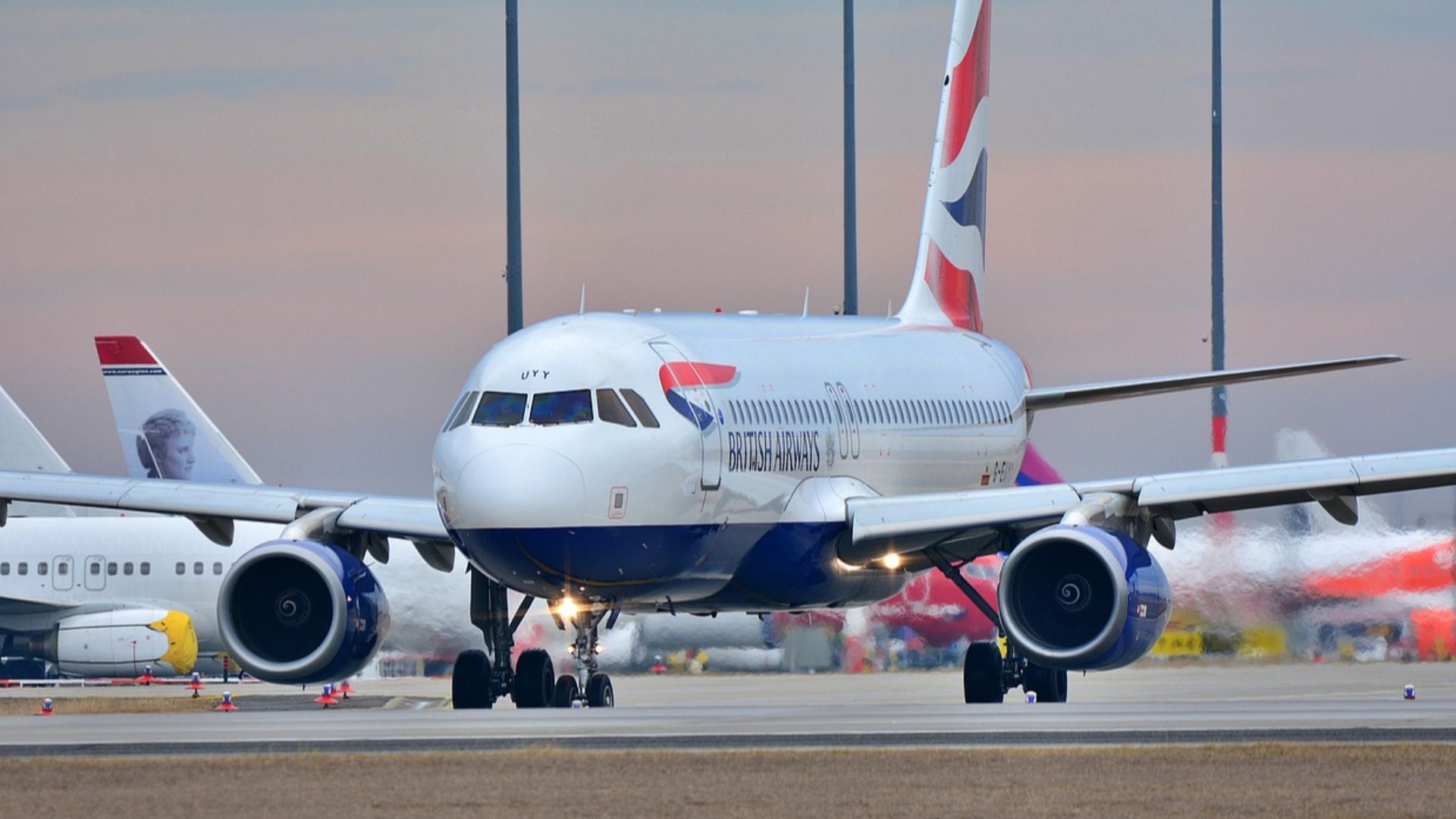
One reason these seats continue to exist is simple economics. Airlines maximize revenue by fitting as many seats as possible into each aircraft. Maintaining perfectly aligned windows for every passenger would reduce flexibility in cabin design. From the airline's perspective, the occasional disgruntled traveler may seem preferable to sacrificing additional rows of profitable seating capacity.
Premium Travelers Often Feel Especially Frustrated
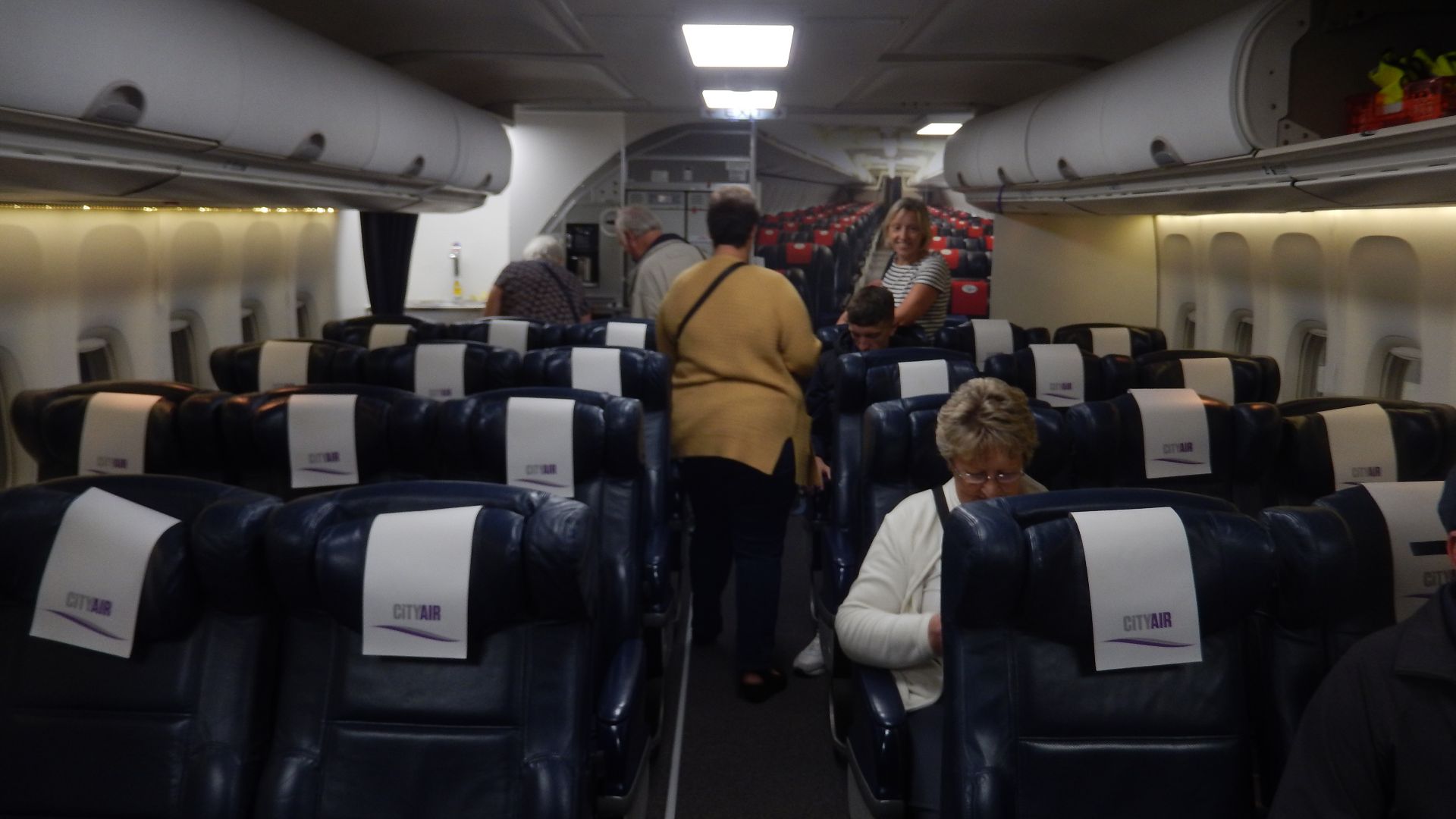
The issue becomes even more aggravating when it occurs in premium economy or business class cabins where passengers paid substantial upgrade fees. Travelers spending hundreds of dollars extra expect greater attention to comfort details. Discovering a blank wall instead of panoramic views can make customers feel that the airline delivered something materially different from the advertised experience.
Social Media Has Increased Pressure
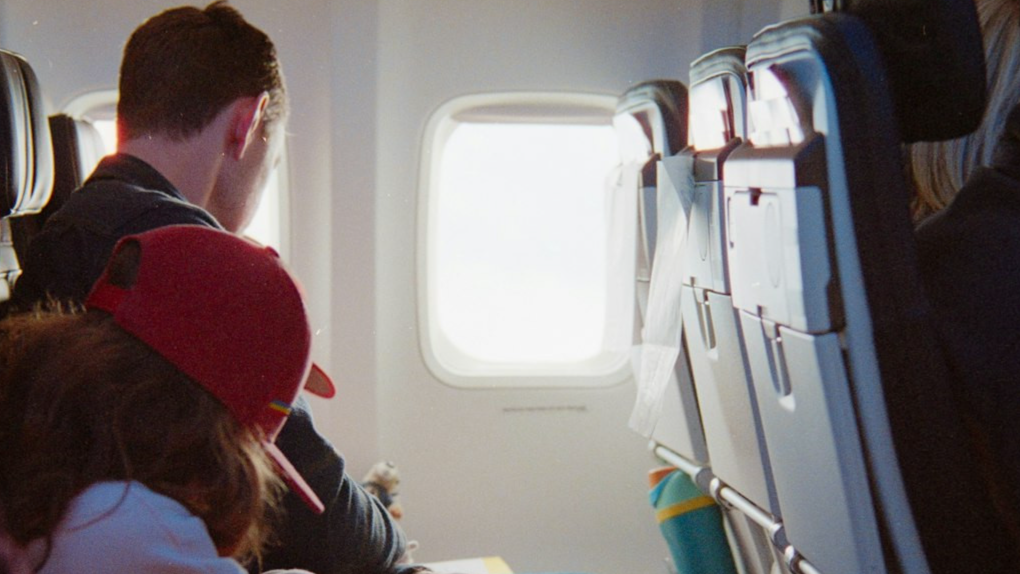
Passengers now frequently post photographs of windowless window seats online, creating viral moments that embarrass airlines publicly. Social media attention has increased pressure on carriers to improve transparency around seat maps. Some airlines have quietly adjusted seating descriptions or become more willing to issue compensation after online complaints attract widespread attention from frustrated travelers.

Booking Earlier Can Improve Your Odds
Passengers booking flights earlier often have better opportunities to choose seats away from problematic rows. Last minute seat assignments sometimes leave travelers stuck with less desirable positions. Reviewing aircraft layouts carefully before finalizing reservations gives you a stronger chance of identifying genuine window seats rather than relying entirely on the airline’s simplified booking diagrams.

Loyalty Status Sometimes Helps
Elite frequent flyer members often receive more flexibility when requesting seat changes or compensation after problems arise. Airlines value repeat customers heavily and may respond faster to complaints from loyal travelers. Even if you lack elite status, remaining polite, organized, and persistent can still improve your chances of receiving some form of reimbursement afterward.

Knowing The Risk Changes Expectations
Unfortunately, windowless window seats are likely to remain part of commercial aviation for the foreseeable future. Understanding why they exist and learning how to spot them beforehand gives you a much better chance of avoiding disappointment. While airlines may continue defending the practice legally, informed travelers can protect themselves by researching aircraft layouts carefully before selecting seats.

You May Also Like: