Is Your Neighbor's Drone Trespassing?
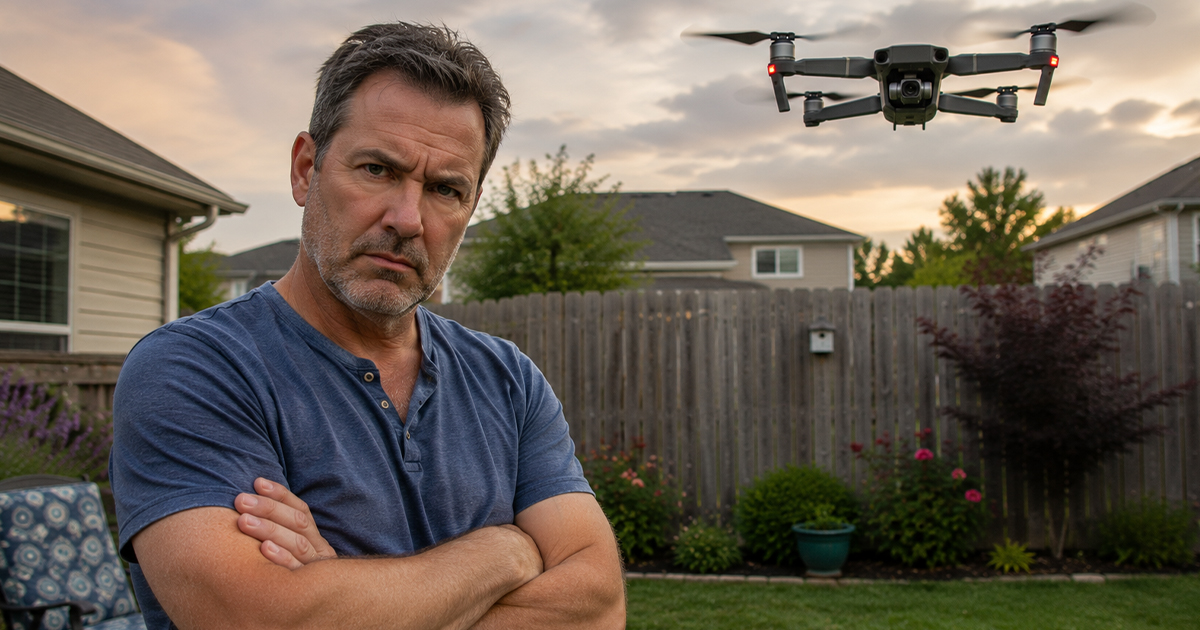
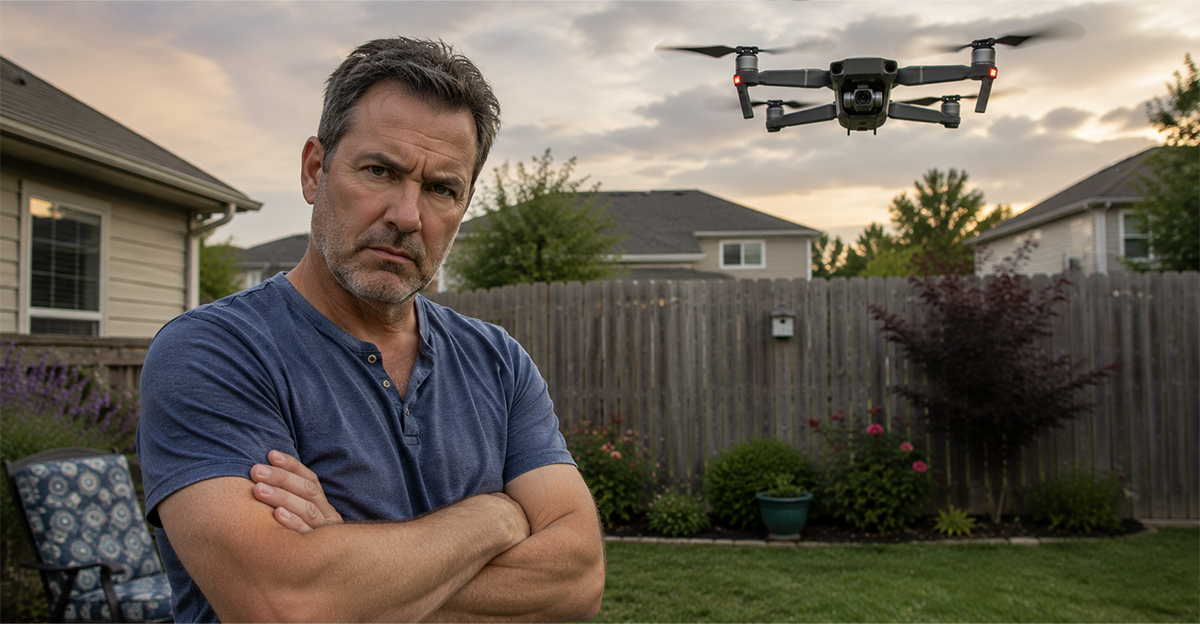
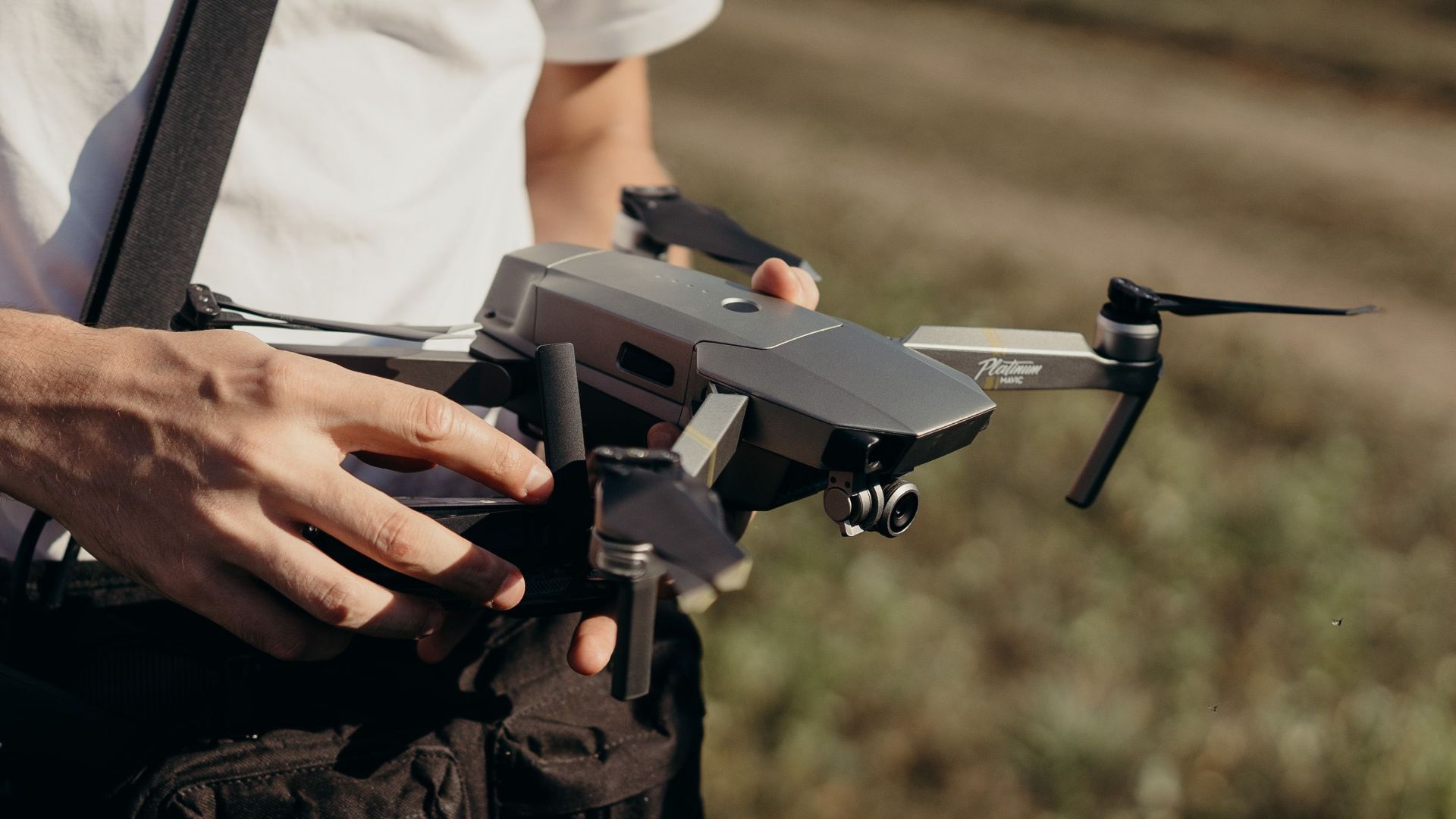
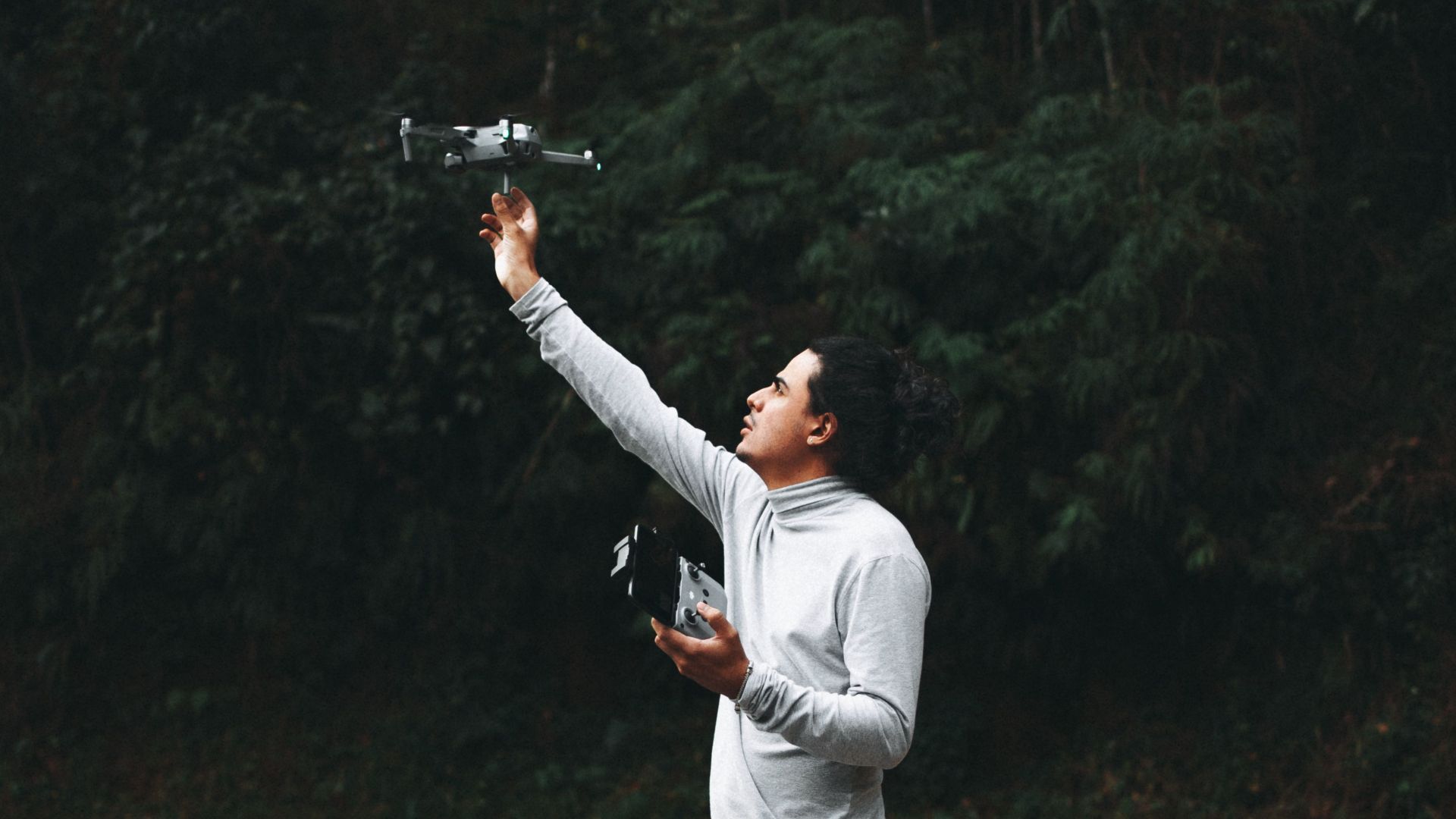
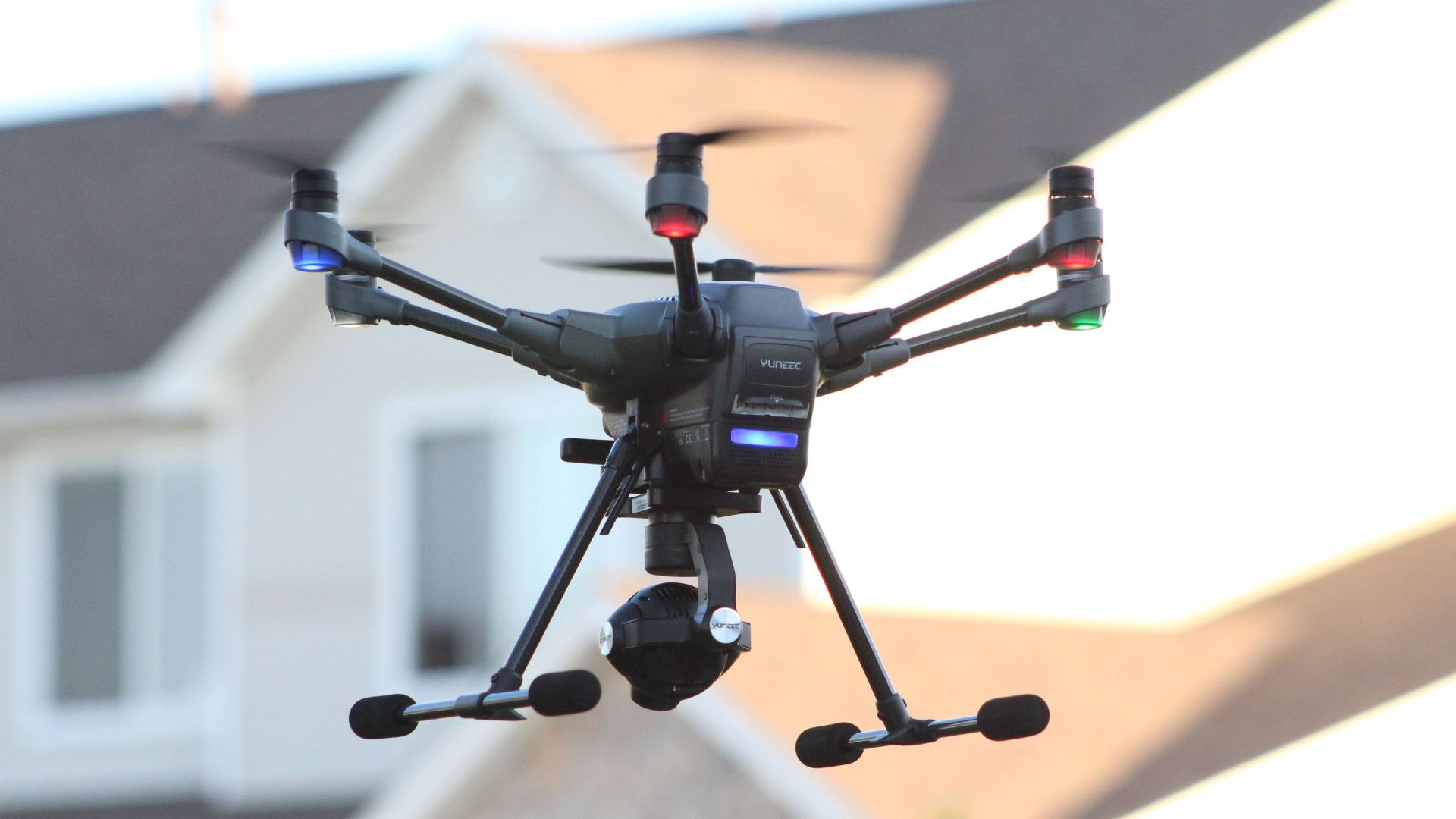
You walk outside to enjoy your backyard, and there it is again—that familiar buzzing overhead. Your neighbor's drone is hovering just above the fence line again, peering right into your yard. When you confront him, he shrugs it off and says, "Relax, I'm not recording anything." But does that actually matter? Could simply flying over your property be considered trespassing?
The answer turns out to be much more complicated than most people realize.
Drones Have Changed Neighborhood Disputes
Twenty years ago, most neighbor disagreements involved fences, trees, or barking dogs. Today, consumer drones have created an entirely new category of legal headaches.
Your Backyard Doesn't Automatically Mean Unlimited Airspace
Many people assume they own every inch of the sky above their property. Surprisingly, that's not how U.S. law works.
Here's Where The Confusion Begins
Property owners do have rights to the immediate airspace they reasonably use and enjoy. But aircraft—including drones in some situations—operate under a different legal framework.
The FAA Plays A Huge Role
In the United States, the Federal Aviation Administration regulates the nation's airspace. That means states and cities cannot simply create their own aviation rules whenever they want.
But States Still Have Authority Too
While the FAA controls airspace safety, states often regulate privacy, harassment, trespassing, and nuisance issues. That's where many drone disputes actually end up.
Does Recording Matter?
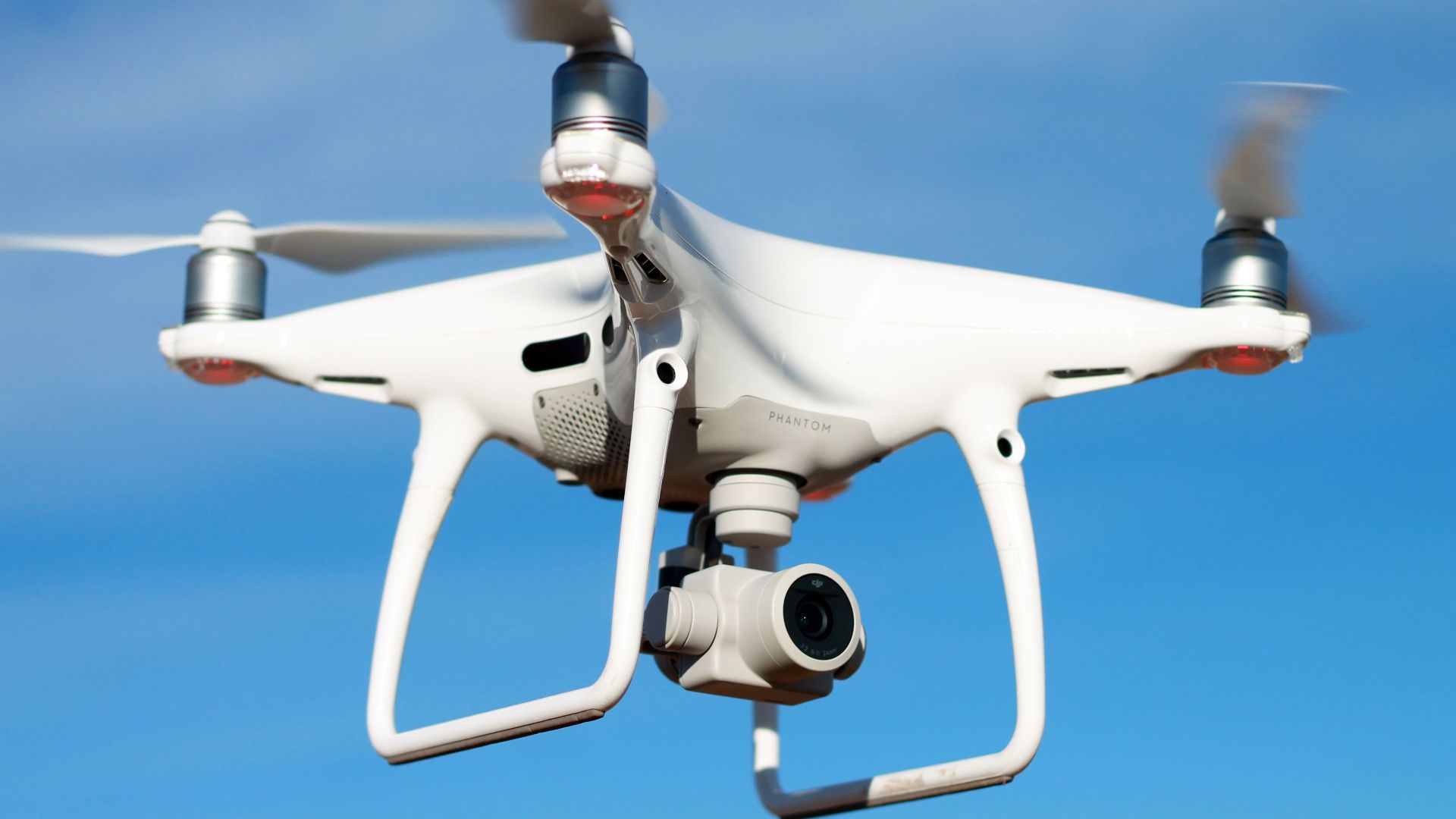
It certainly can. If a drone is equipped with a camera and records private areas where someone has a reasonable expectation of privacy, additional state privacy laws may come into play.
But Recording Isn't Always The Main Issue
Here's something many people don't realize: even if no photos or videos are being taken, repeated drone flights can still create legal problems under certain circumstances.
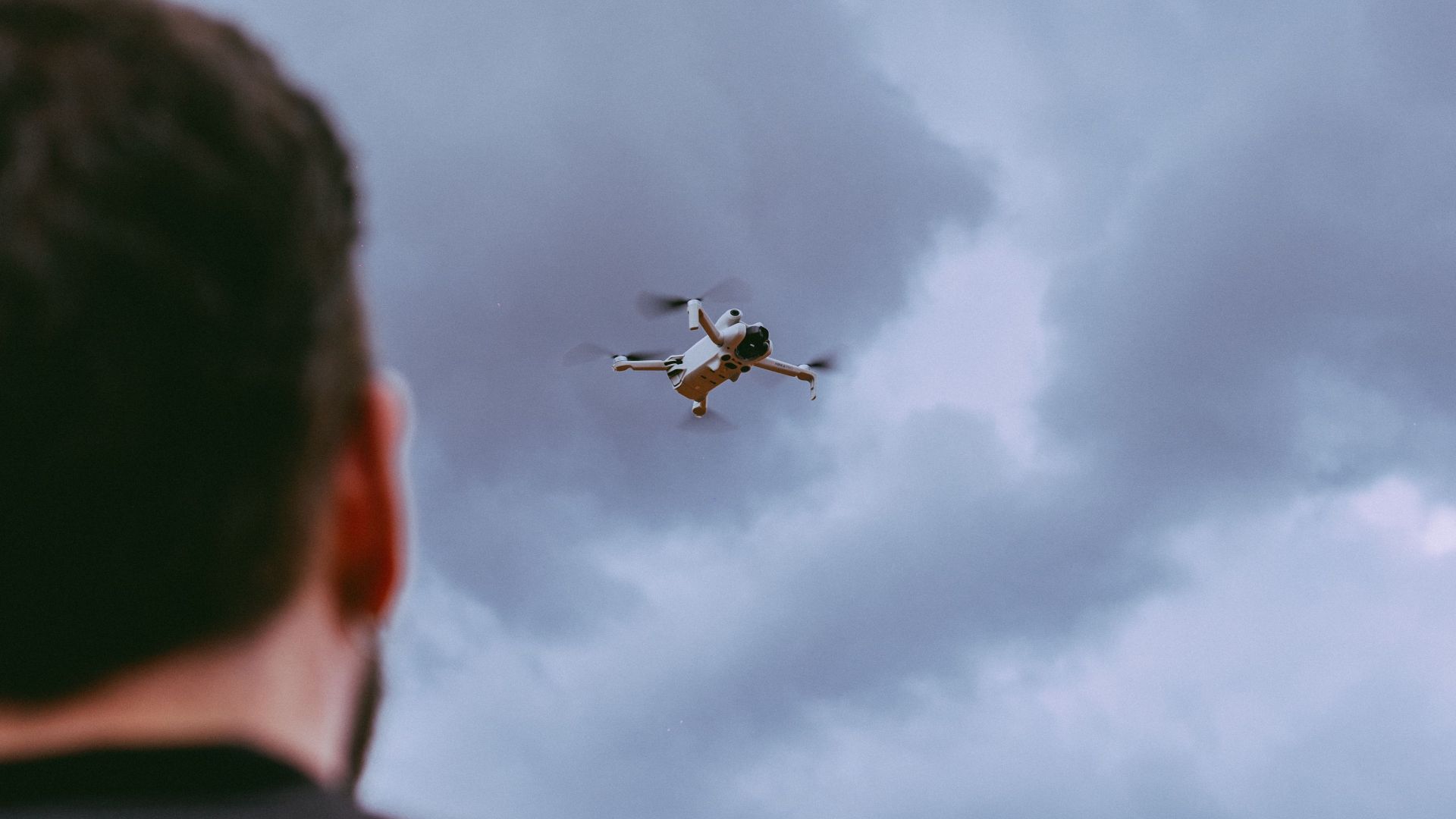
How Low Is The Drone Flying?
Altitude often becomes an important fact. A drone passing hundreds of feet overhead is very different from one hovering just above your fence every evening.
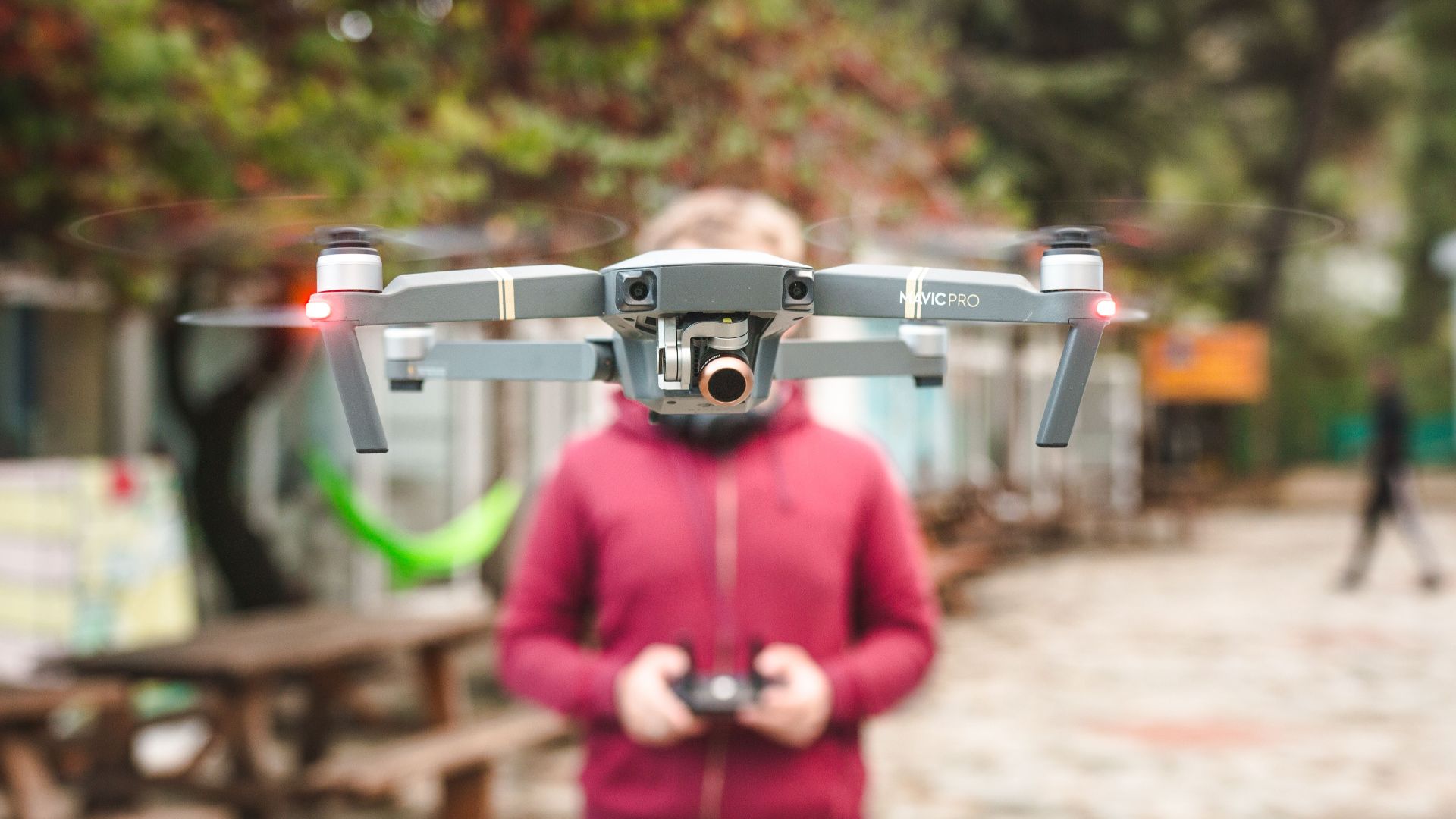
Frequency Can Matter Just As Much
A single flyover usually isn't a legal issue. A drone appearing outside your patio every evening for weeks may be viewed very differently.
Intent Can Become Important
Is your neighbor simply practicing flying? Checking their roof? Or deliberately hovering near your family every night? The answer can influence how authorities view the situation.
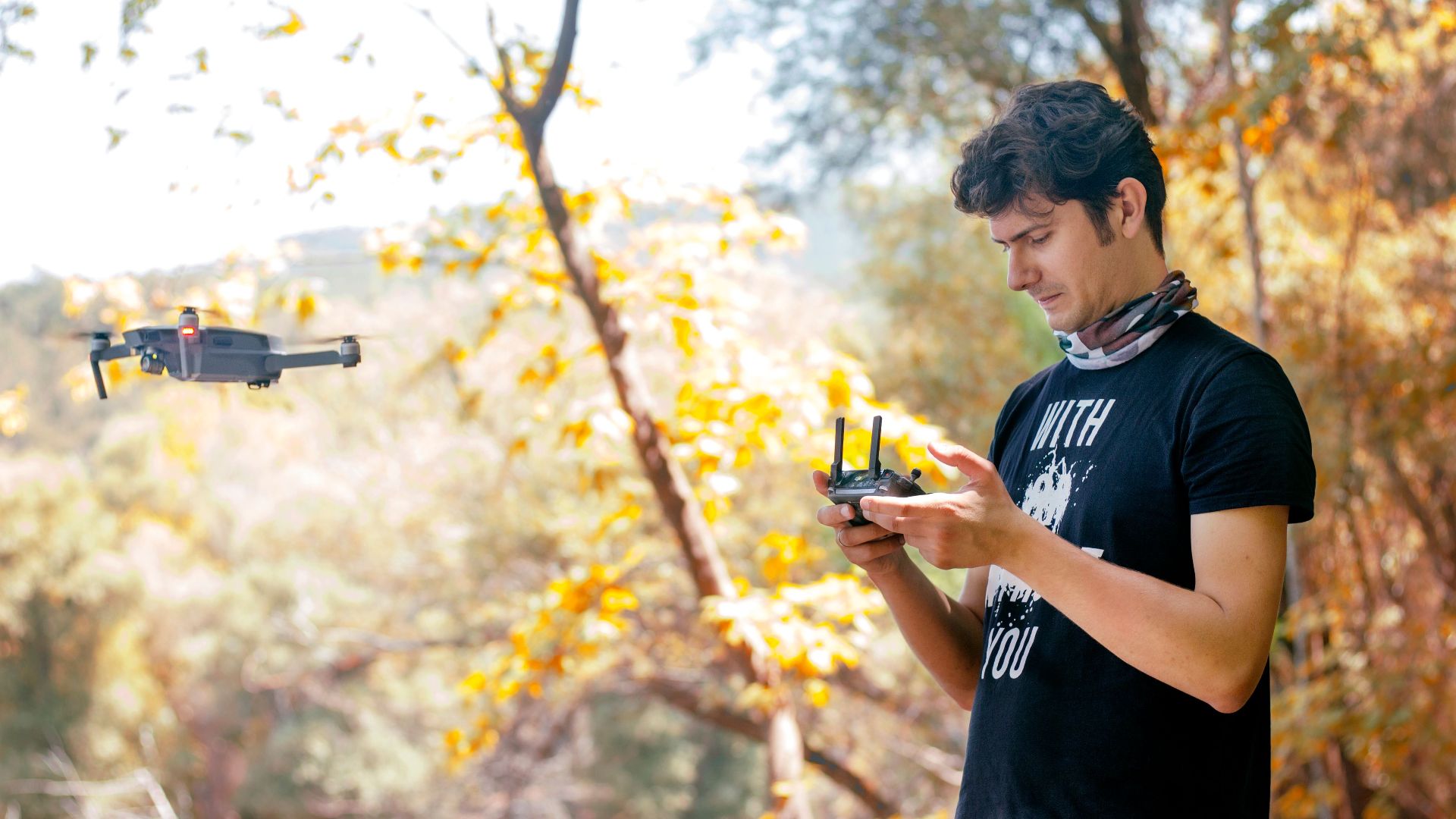
Privacy Doesn't Always Require A Camera
Some people reasonably feel uncomfortable simply because a drone is hovering nearby. While that feeling alone doesn't automatically create a legal claim, persistent surveillance-like behavior may still become relevant.
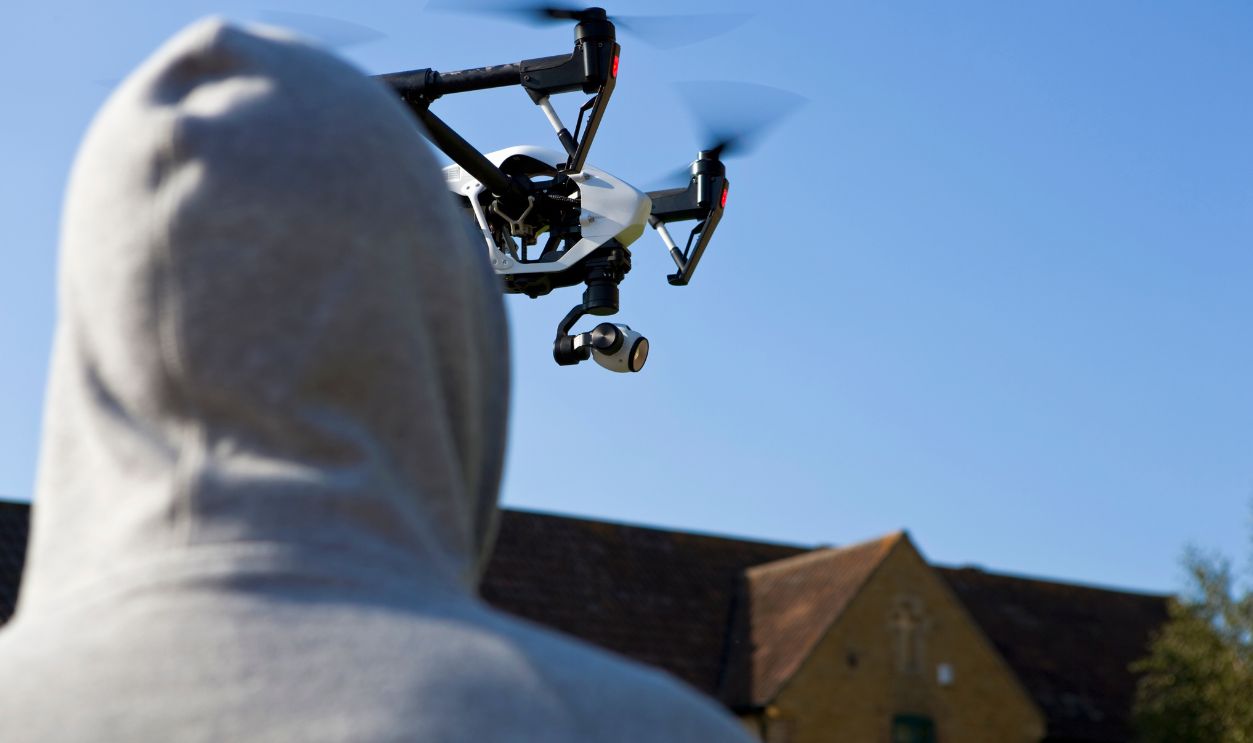
Local Laws Sometimes Fill The Gaps
Many states have passed laws specifically addressing drone privacy, while cities may regulate where drones can take off or land, provided those rules don't conflict with federal law.
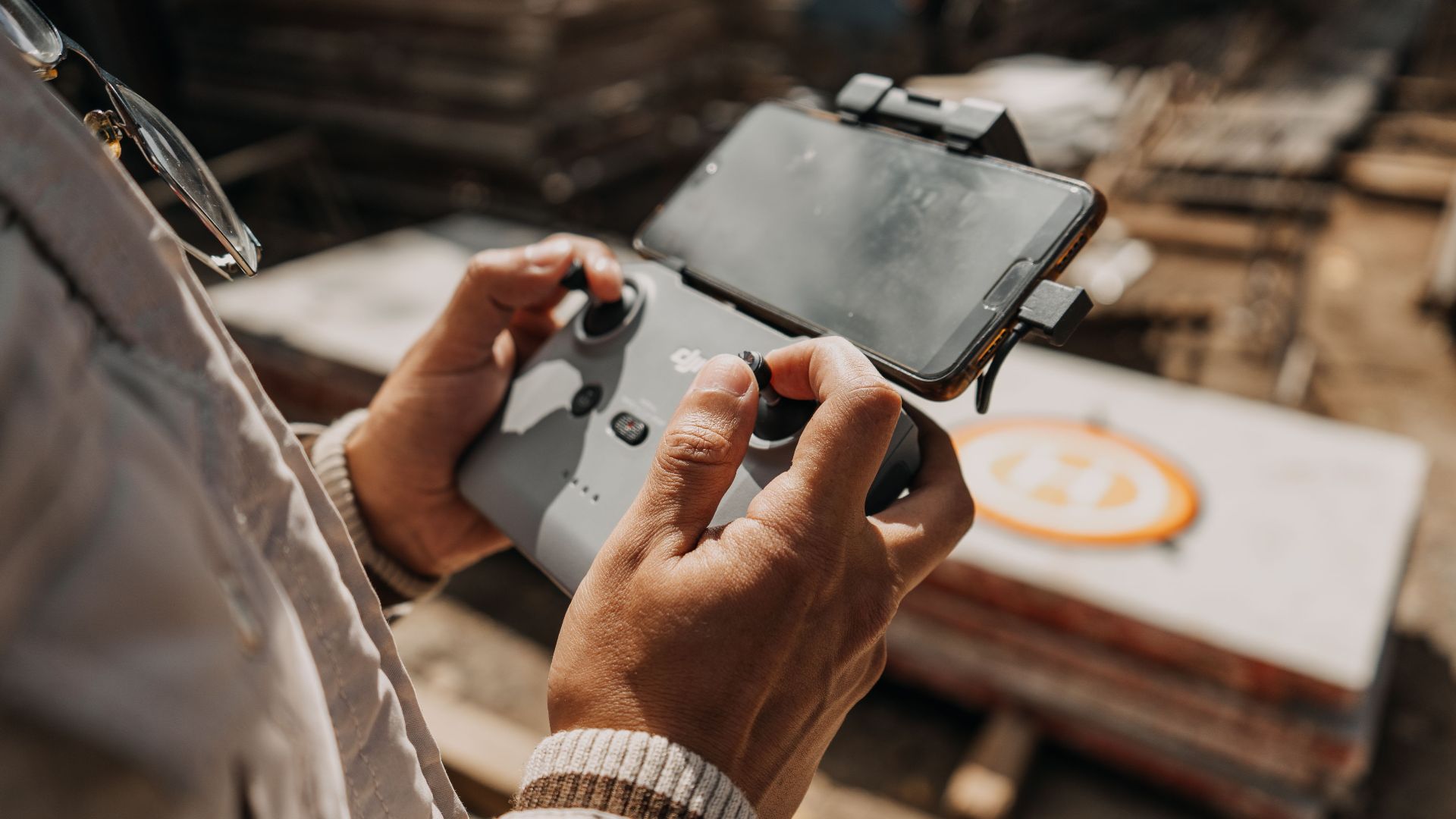
Police May Ask Different Questions
Instead of asking whether the drone crossed your property line, officers may focus on whether any crime, harassment, stalking, or ordinance violation actually occurred.

Documentation Can Be Helpful
If the drone appears regularly, keeping notes about dates, times, flight paths, and how long it hovers can become useful if you decide to file a complaint.

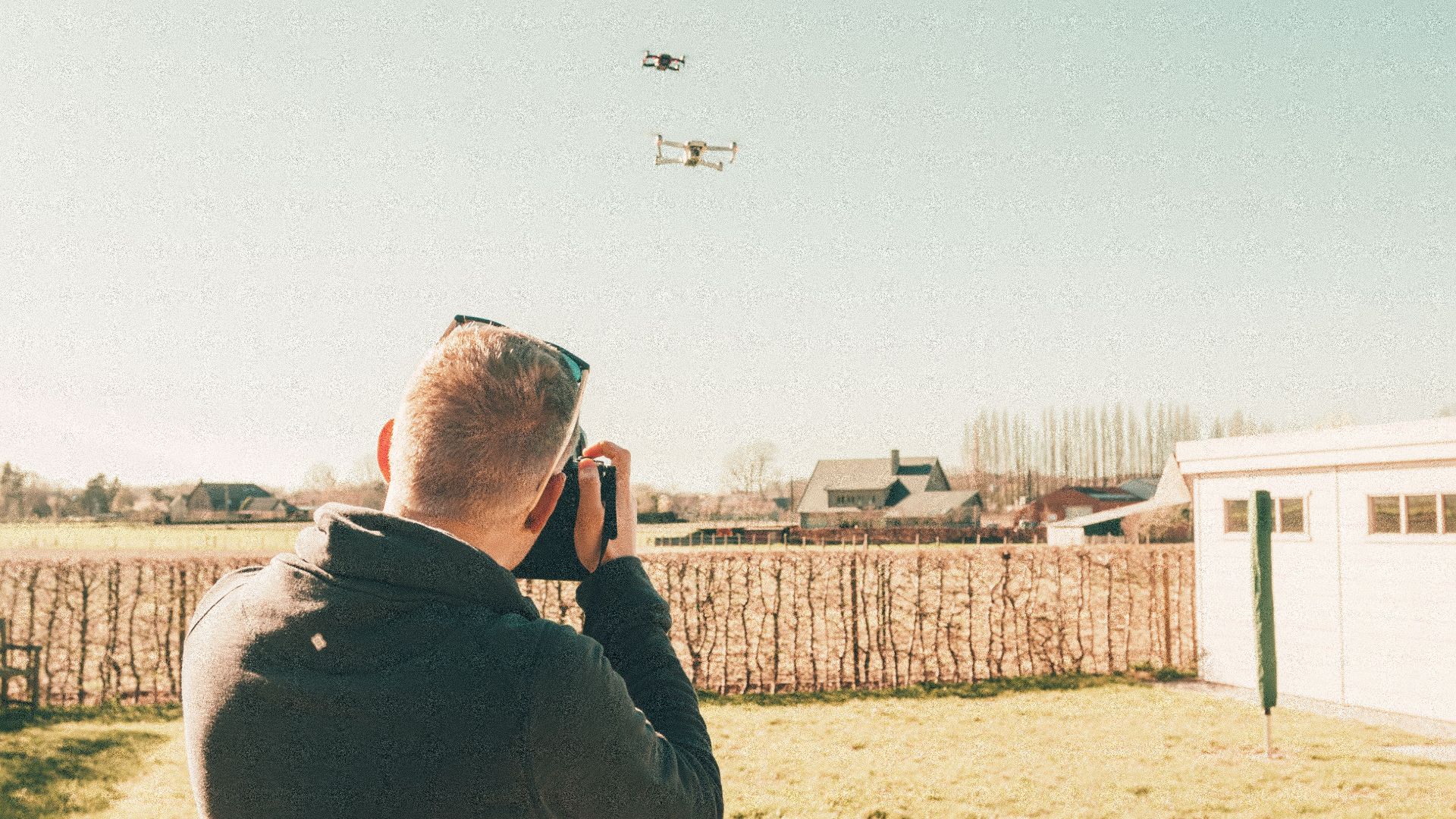
Video Evidence Helps More Than You Think
Ironically, recording the drone yourself may provide better evidence than trying to argue about what the drone was doing.
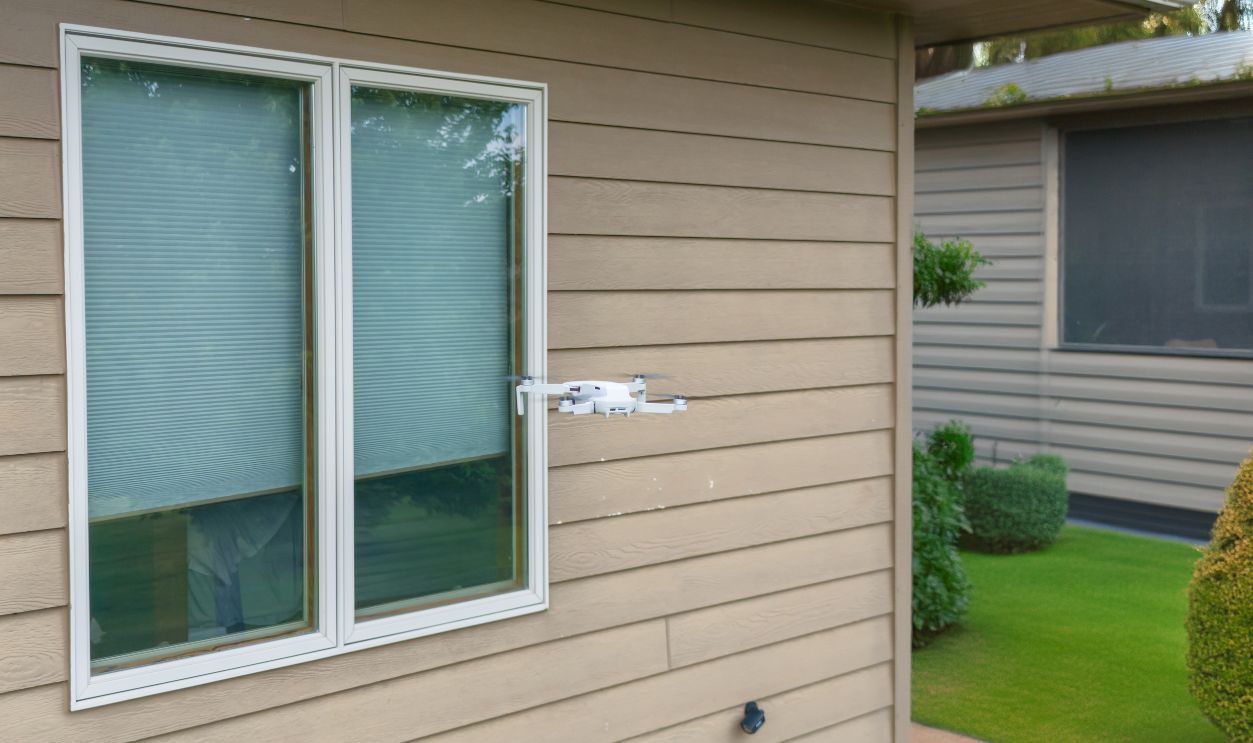
What If It Hovers Outside Your Bedroom Window?
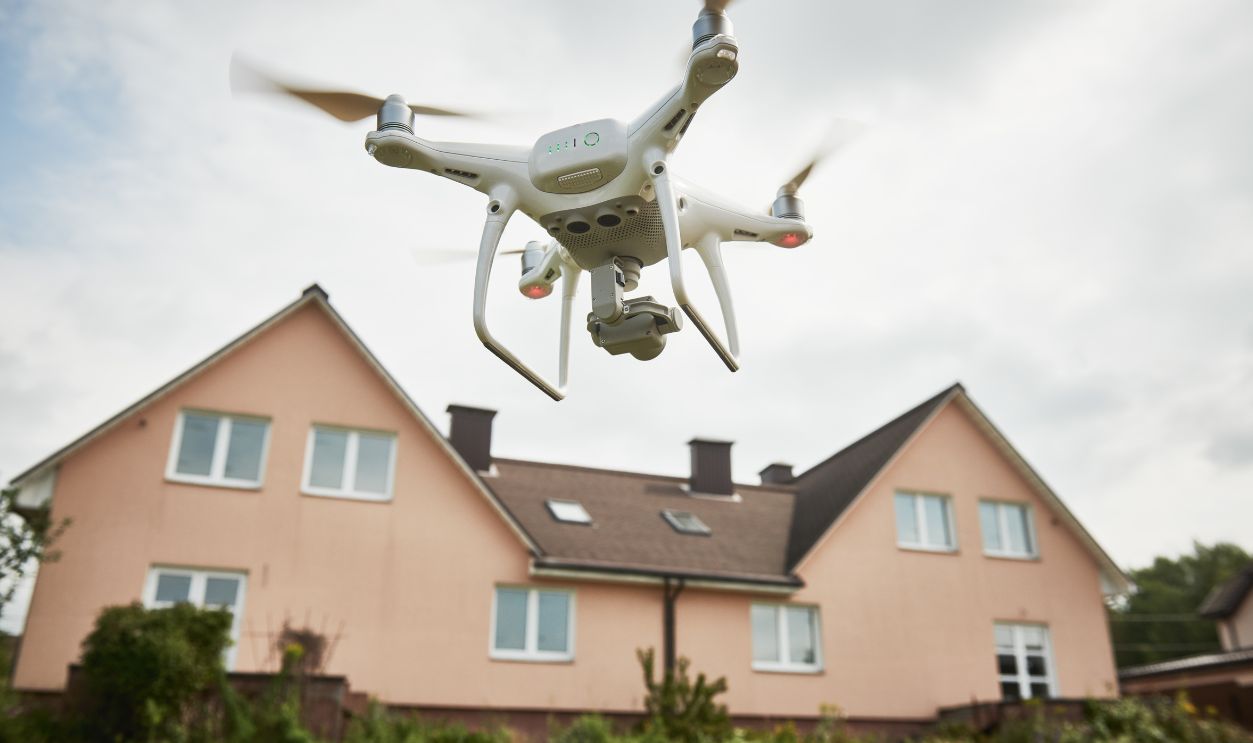
That situation is far more likely to raise privacy concerns than a brief flight across the edge of your backyard.
 Lost_in_the_Midwest, Shutterstock
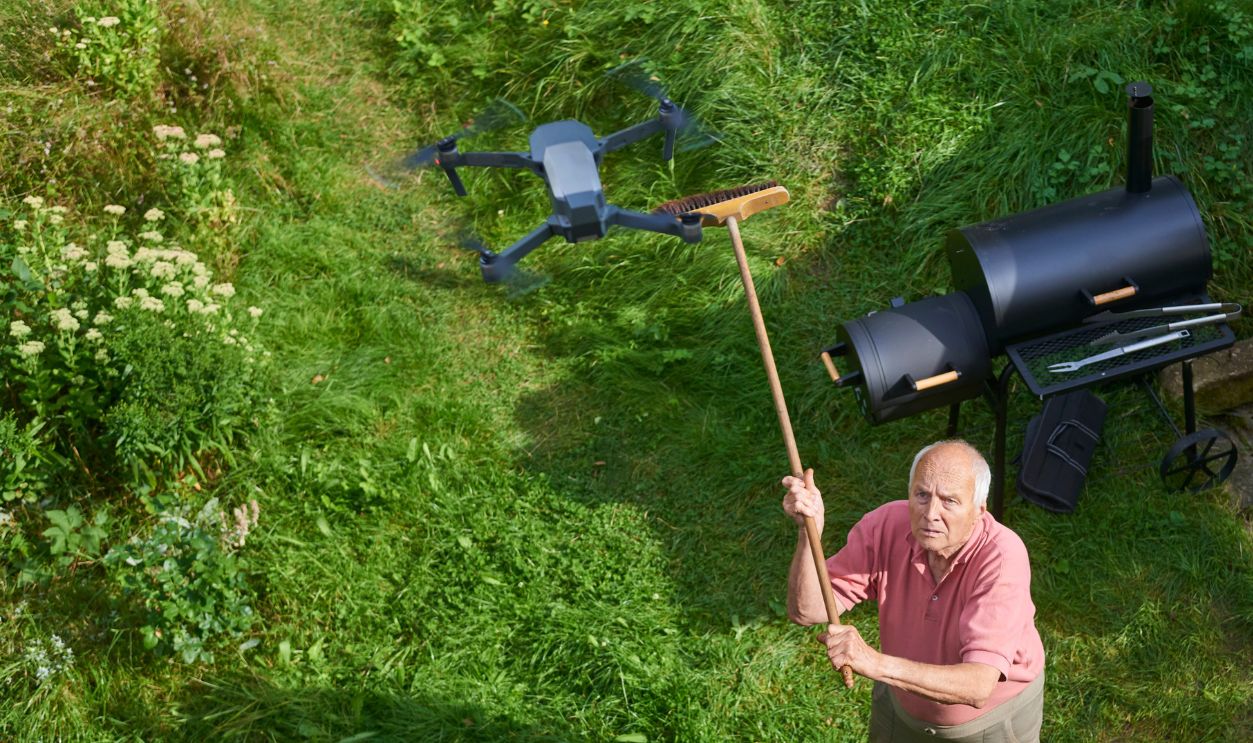
Can You Knock It Out Of The Sky?
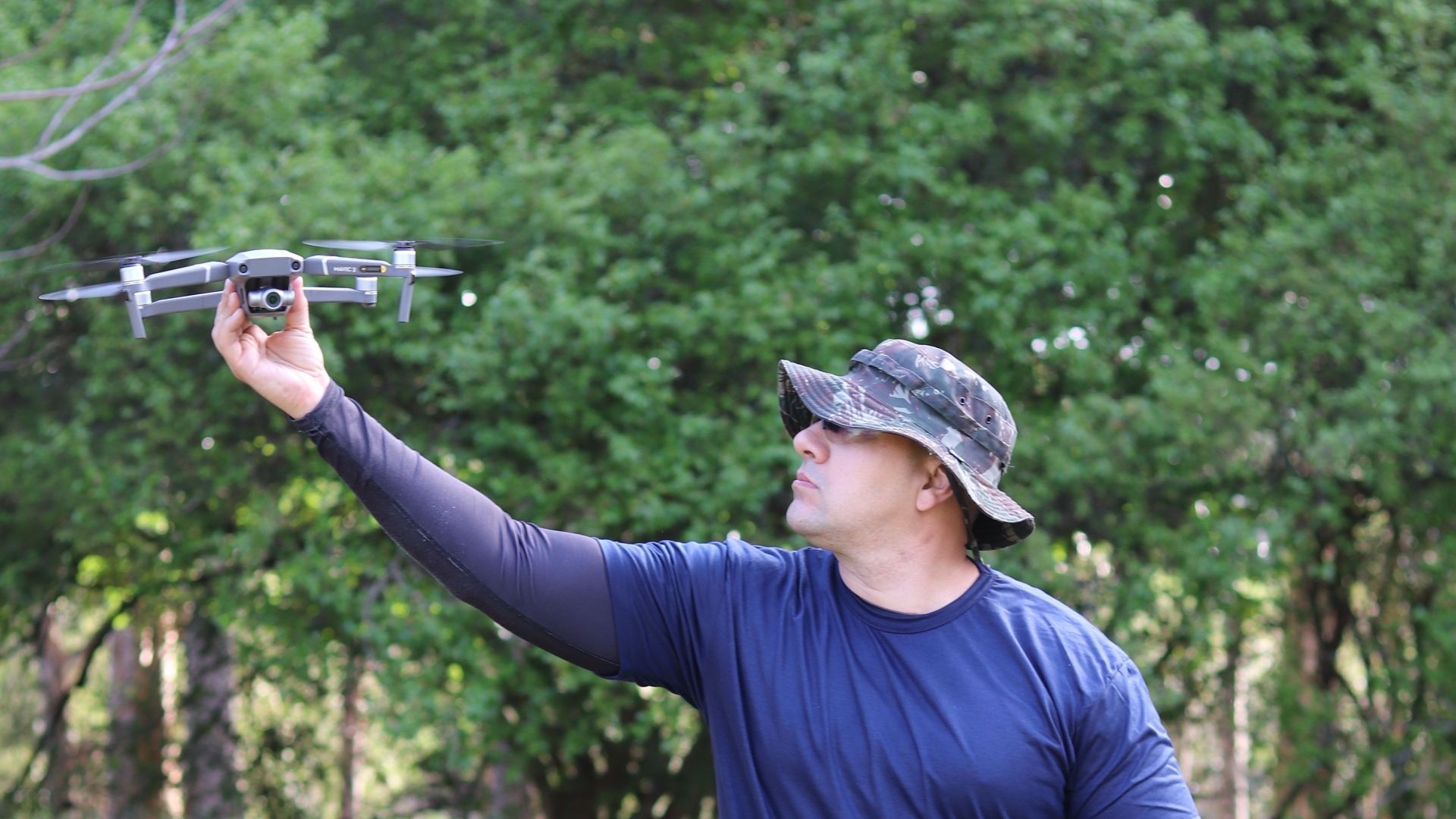
Absolutely not. No matter how frustrating the drone may be, damaging or shooting at it can expose you to serious civil liability and even federal criminal charges.
 Rogerio Ertner Almeida, Pexels
Talking To Your Neighbor Still Has Value
Many disputes end surprisingly quickly after a calm conversation. Your neighbor may not realize how often the drone is entering your space or how uncomfortable it makes your family feel.

Sometimes Mediation Works Better
When neighbors cannot agree, community mediation often resolves these conflicts faster and more cheaply than filing lawsuits.

Courts Have Already Started Seeing More Cases
As drones become more common, judges across the country continue defining how traditional property and privacy laws apply to this relatively new technology.

Here's The Question That Often Decides Everything
Rather than asking, "Did the drone cross my property line?" courts and investigators often ask whether the flights unreasonably interfered with your ability to use and enjoy your property or violated another law.
So... Is Flying Over Your Fence Automatically Trespassing?
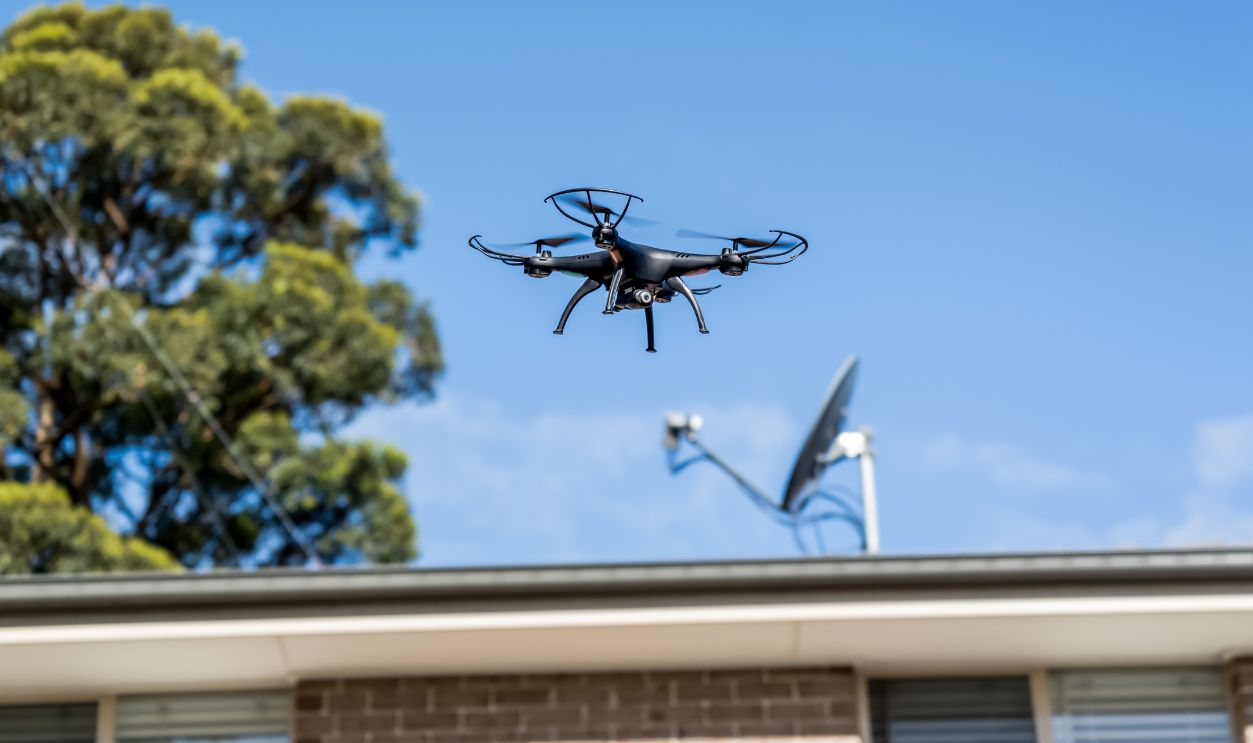
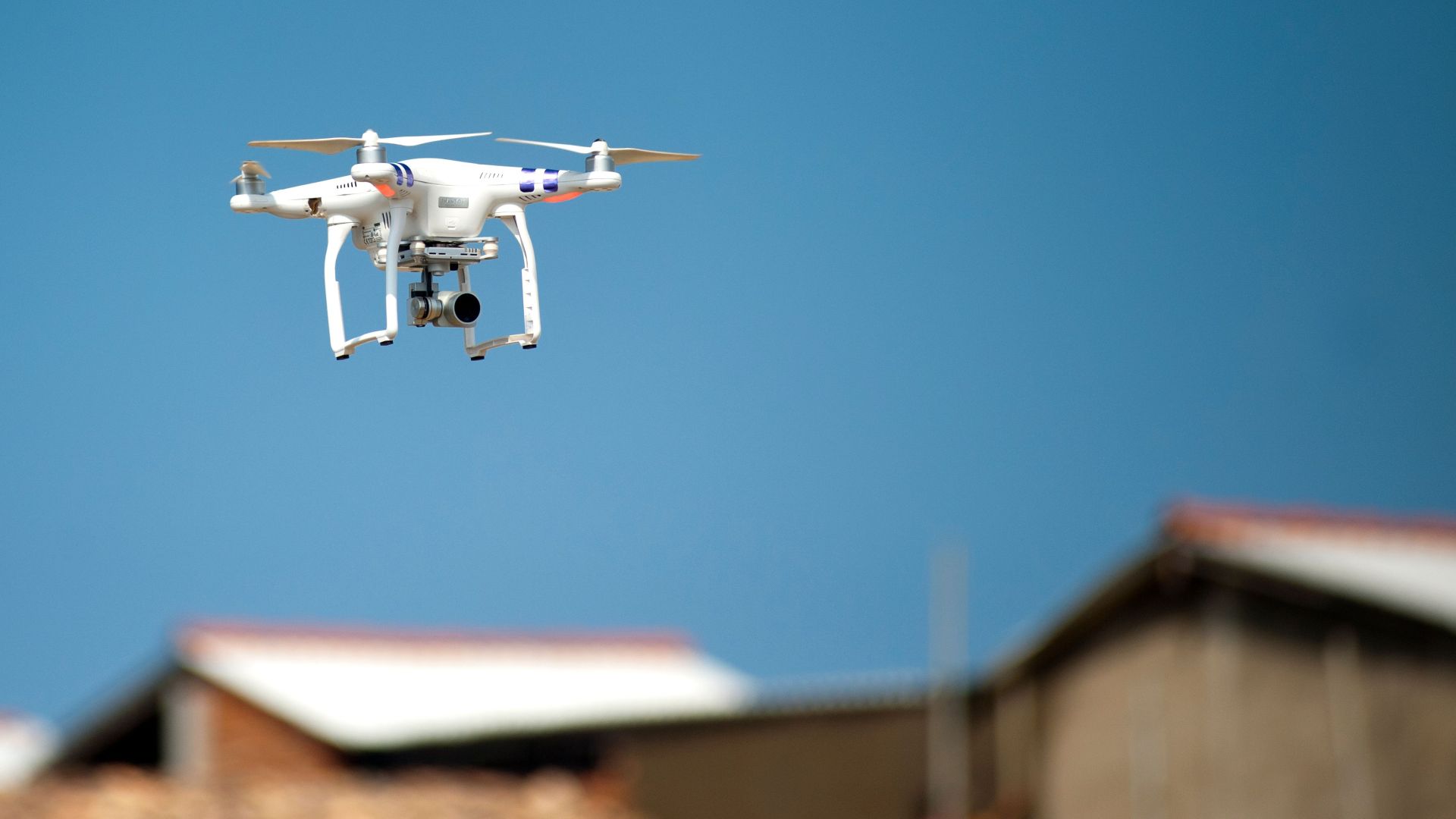
This is where the answer comes together. Usually, no. Simply flying a drone over or near your property is not automatically trespassing under U.S. law. However, persistent low-altitude hovering, harassment, invasion of privacy, nuisance, stalking, or violations of state drone laws can absolutely create legal liability—even if the operator insists they weren't recording.
The Best Solution Usually Comes Before Court
If the drone has become a regular evening visitor, start by documenting the flights and having a respectful conversation with your neighbor. If that fails, local law enforcement, your municipality, or an attorney can help determine whether the behavior violates your state's drone, privacy, nuisance, or harassment laws.
 Dmitry Kalinovsky, Shutterstock
You May Also Like:
My rude neighbor trimmed his bushes in offensive shapes so that I see them when I look out my window. Can I report this to someone?
We just moved into a new house and found someone's military medals hidden in a crawl space. Can we legally keep them?