
I Thought I Was Getting A Free Flight—Then I Saw The Total
You finally cash in your hard-earned points for a free ticket, then the checkout screen hits. Suddenly you’re staring at hundreds of dollars in taxes and fees. It feels like a bait-and-switch. So what are you actually paying for, and are points even worth it?

Taxes Never Disappear
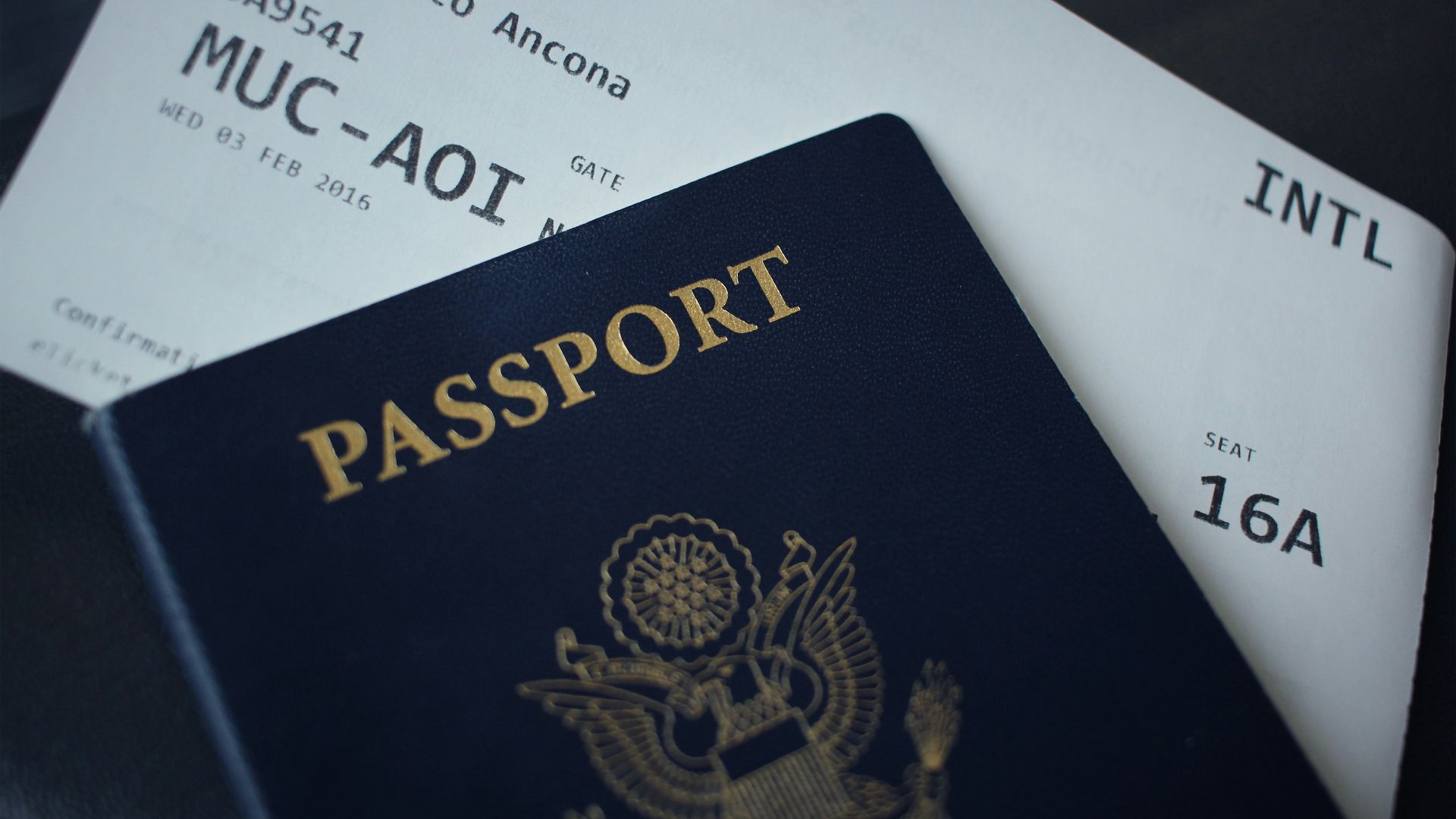
Award tickets still come with mandatory government charges. In the U.S., the most common one is the September 11 Security Fee, which is $5.60 per one-way trip. Even when you use points, these fees still apply.
Even In Canada, It’s Not Really “Sales Tax”
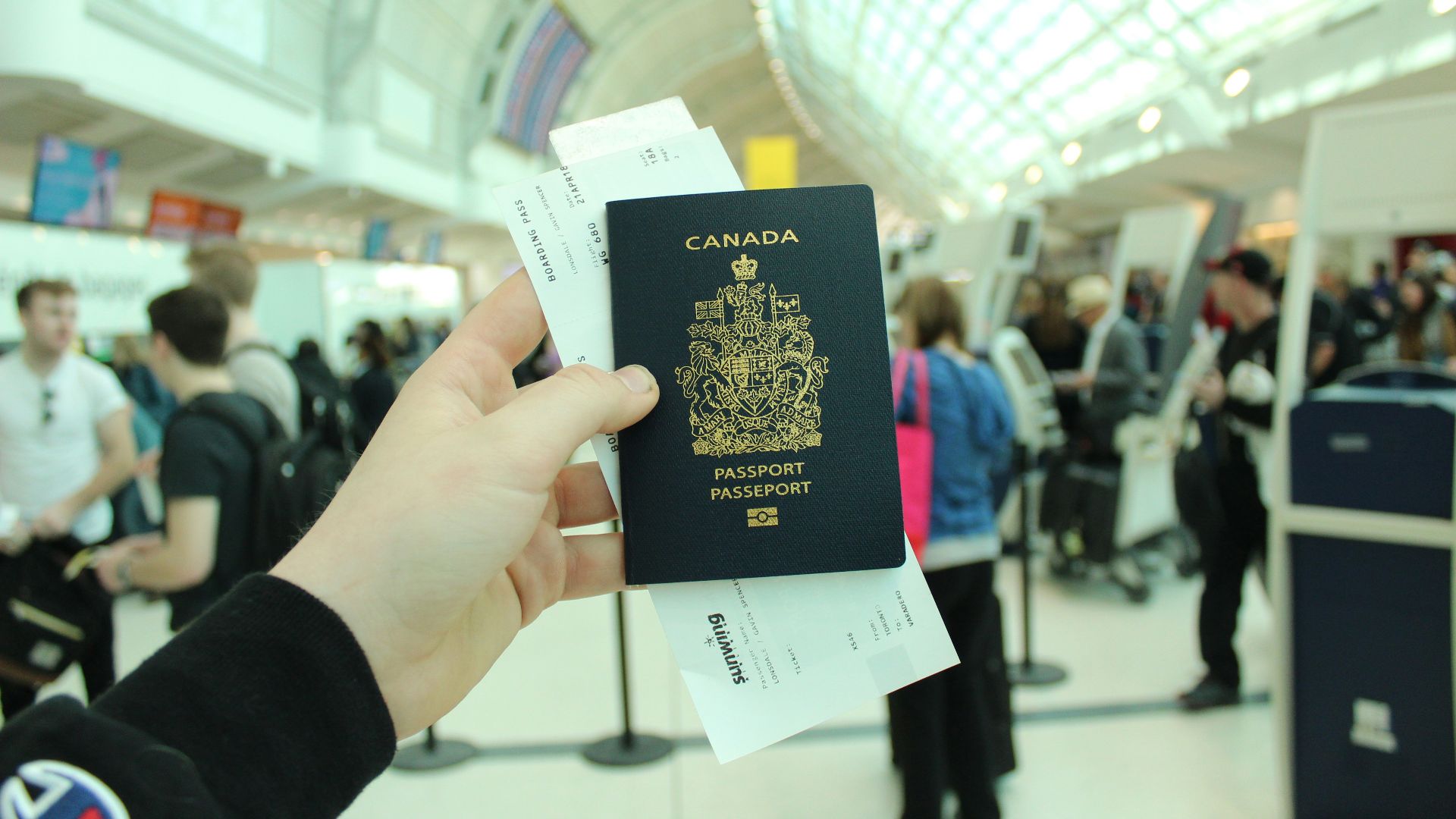
In Canada, those charges aren’t typical retail taxes either. You’re mostly paying airport fees, security charges, and sometimes airline surcharges. Since points cover the base fare, those extra costs still show up—even on a “free” ticket.
International Flights Get Expensive Fast
Fly abroad and the fees stack up quickly. The UK’s Air Passenger Duty alone can exceed $100 per person. Add airport usage, customs, and security charges, and your “free” ticket can easily climb into the $200–$400 range.
Here’s What This Actually Looks Like In Real Life
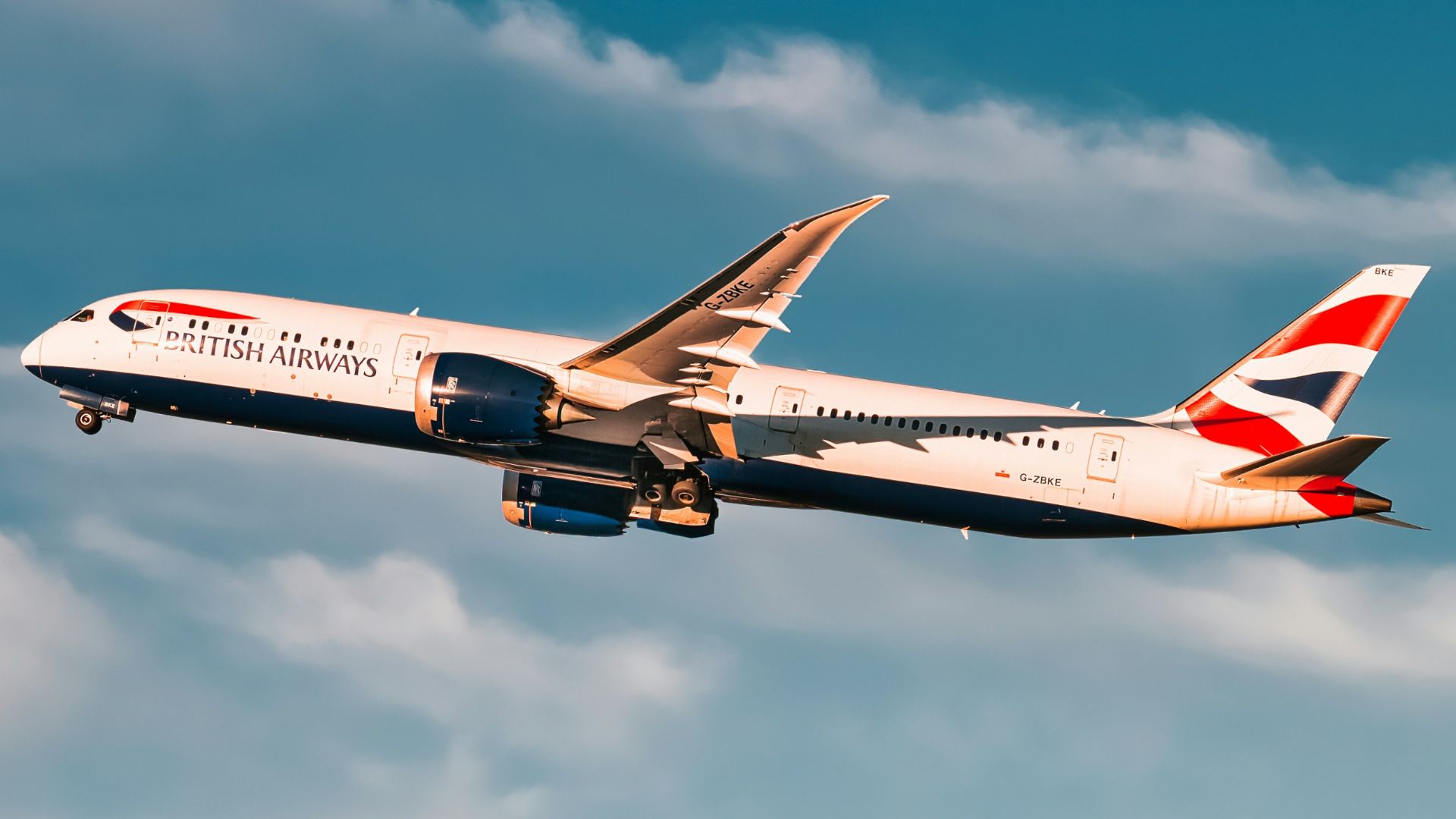
A roundtrip flight from New York to London might cost $900 in cash or around 60,000 points. Sounds great until checkout still shows $280 in taxes and fees. You’re saving money, but you’re definitely not flying for free.

When “Free” Still Costs $700
There are real cases where travelers redeem points for a premium international seat and still get hit with $600 to $800 in fees. This happens most often on long-haul routes with heavy surcharges added by the airline.
Fuel Surcharges Can Be Huge
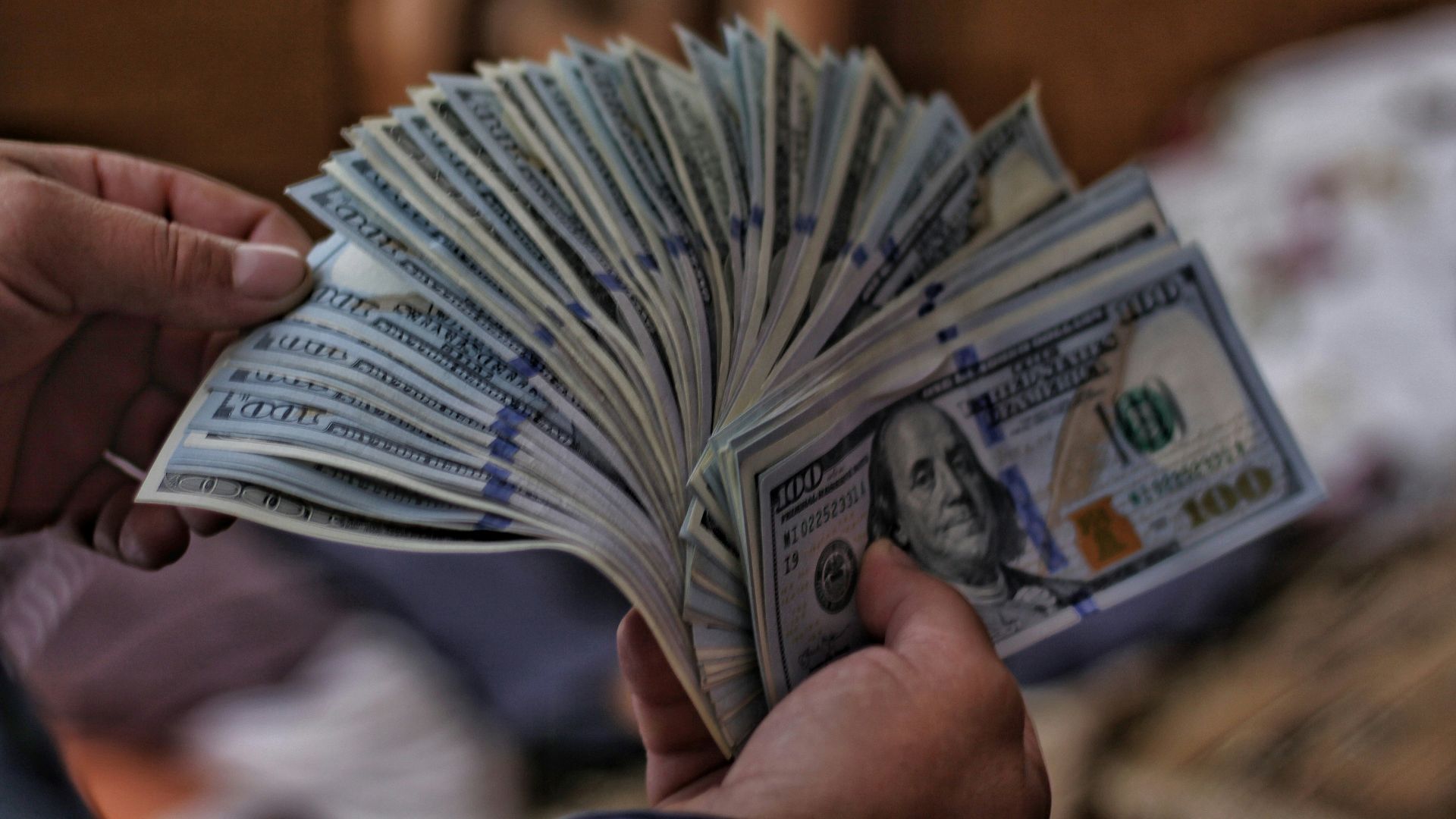
This is usually the biggest factor. Airlines add what they call “carrier-imposed surcharges,” and there’s no universal cap. On long-haul routes, these fees alone can reach several hundred dollars, especially on international partner bookings.
Some Airlines Are Way Worse
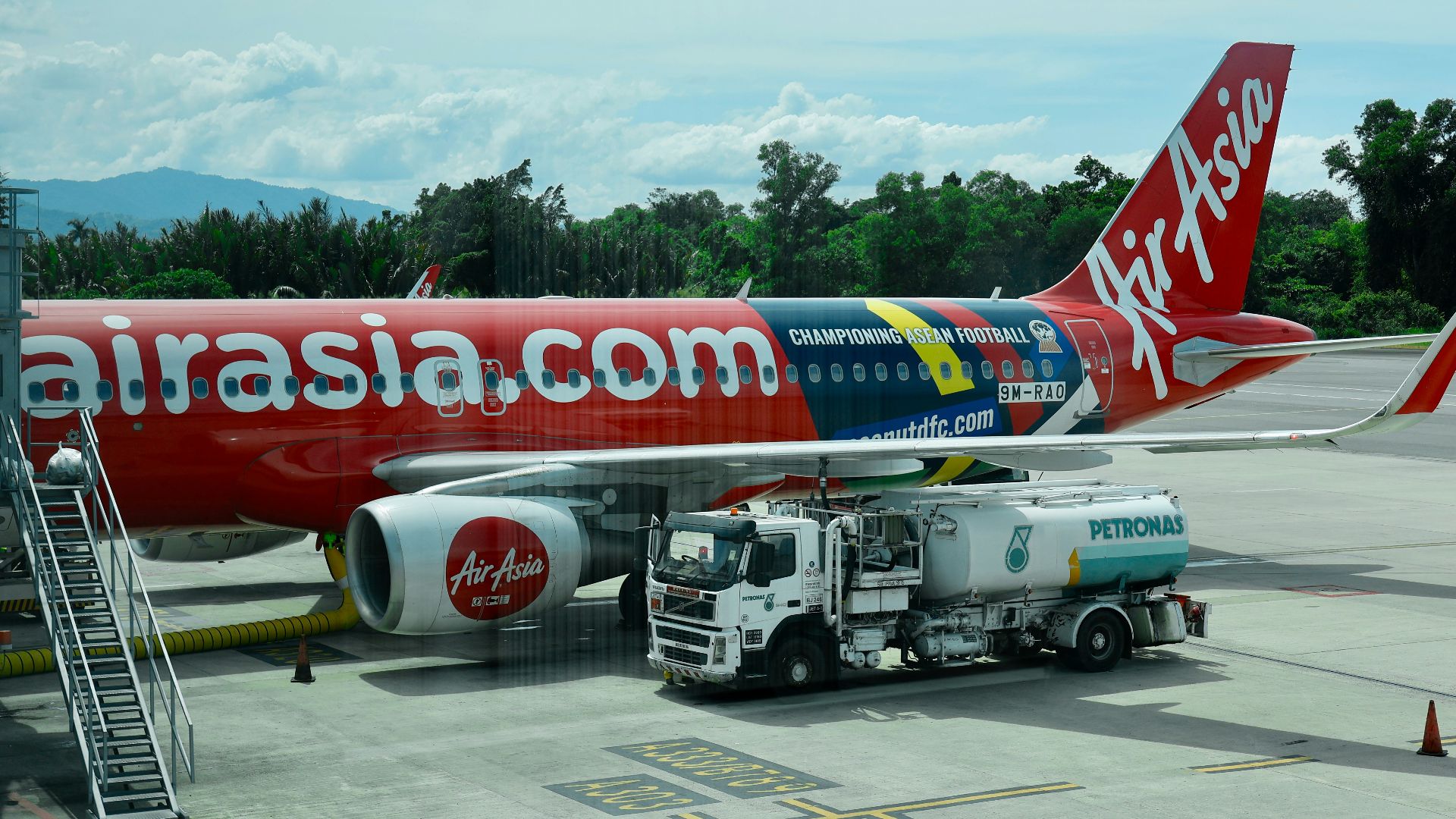
Not all airlines treat fees the same. U.S. carriers like United and Delta often avoid large surcharges on their own flights. Meanwhile, some European and Asian airlines regularly pass along hundreds in extra costs for similar routes.
Same Flight, Totally Different Cost
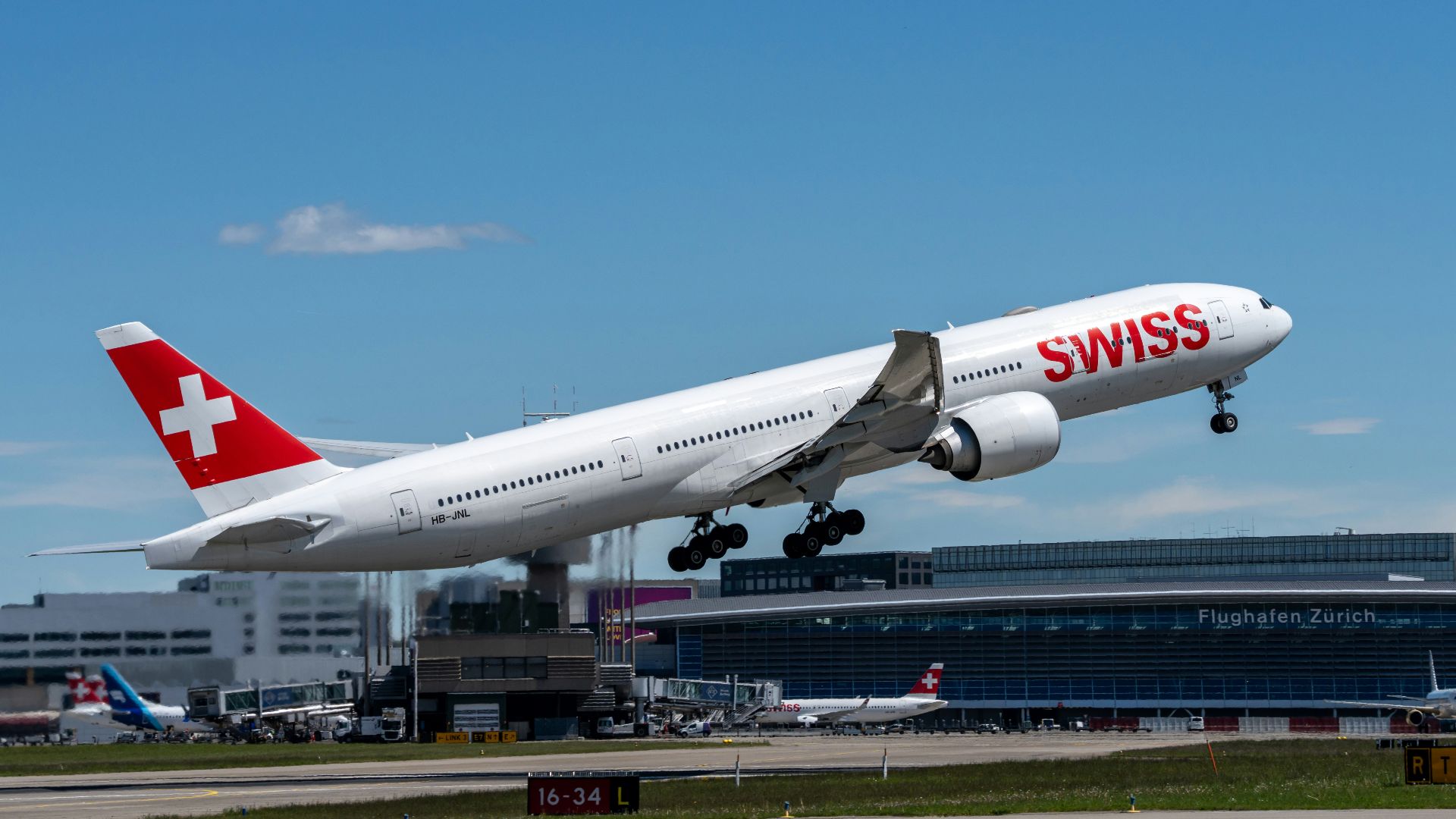
The exact same seat on the same plane can come with completely different fees depending on which loyalty program you use. One booking might show $80 in taxes, while another for that identical flight could jump to $600.
Booking Partners Can Surprise You
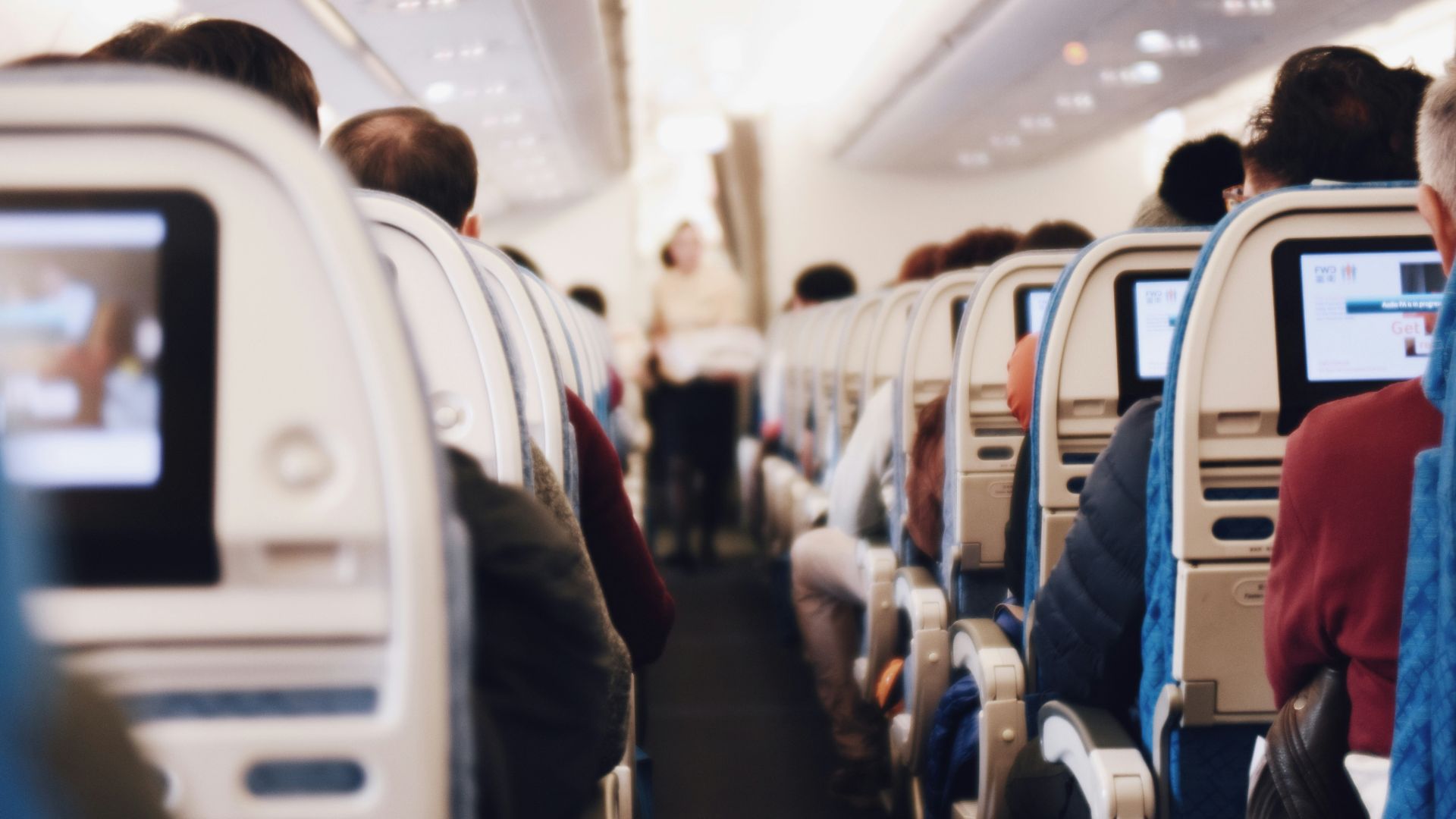
Using airline alliances sounds smart, but it can backfire. Booking a partner airline through a different program may trigger higher surcharges, even though the flight itself hasn’t changed in any meaningful way.

Business Class = Bigger Fees
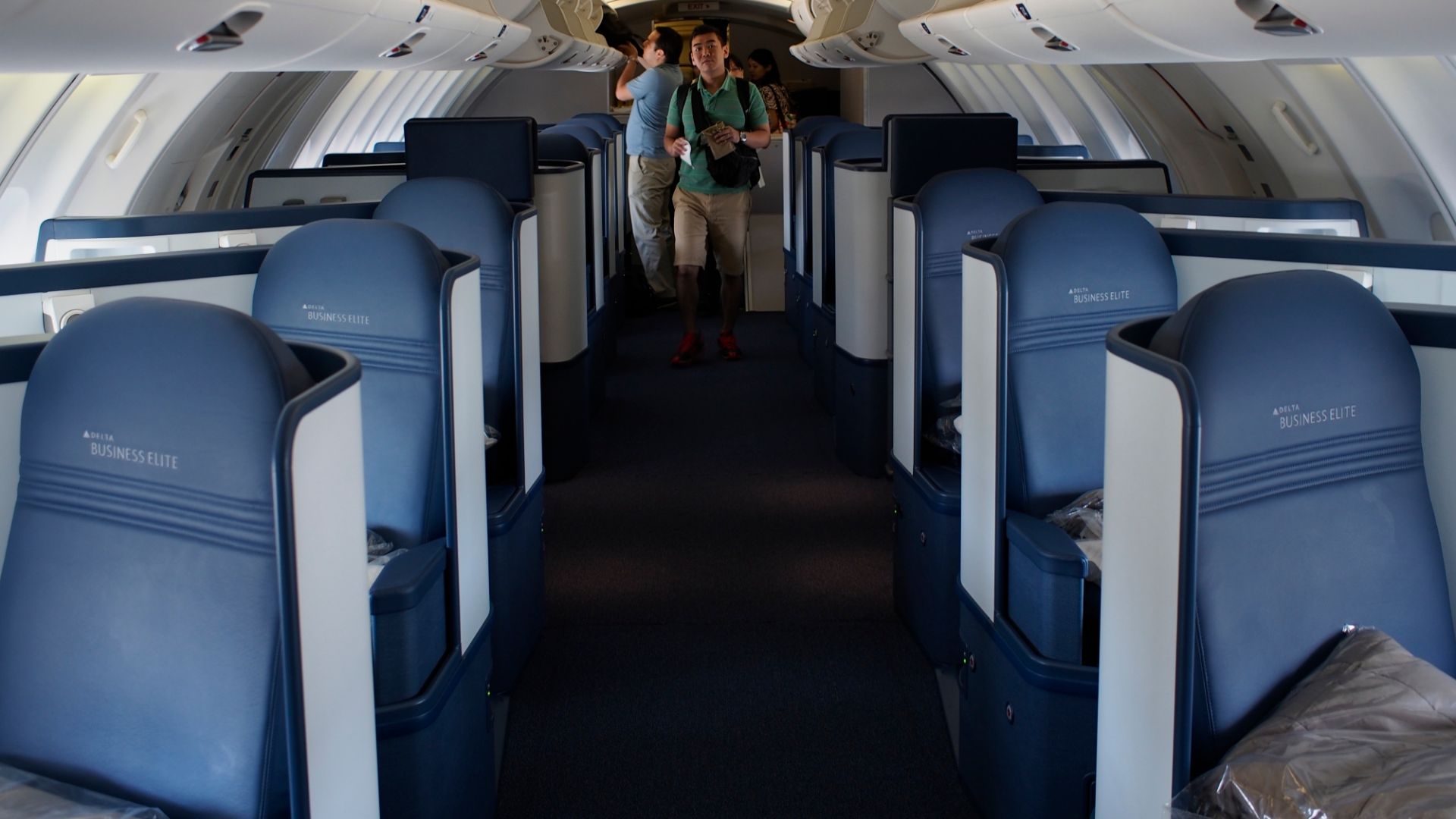
Using points for business class feels like a win, but fees usually increase as well. It’s common to see $400 to $700 in taxes and surcharges on premium cabin award tickets, especially for long-haul international routes.
 Ricardobtg from Mexico, Wikimedia Commons
Domestic Flights Feel More Free
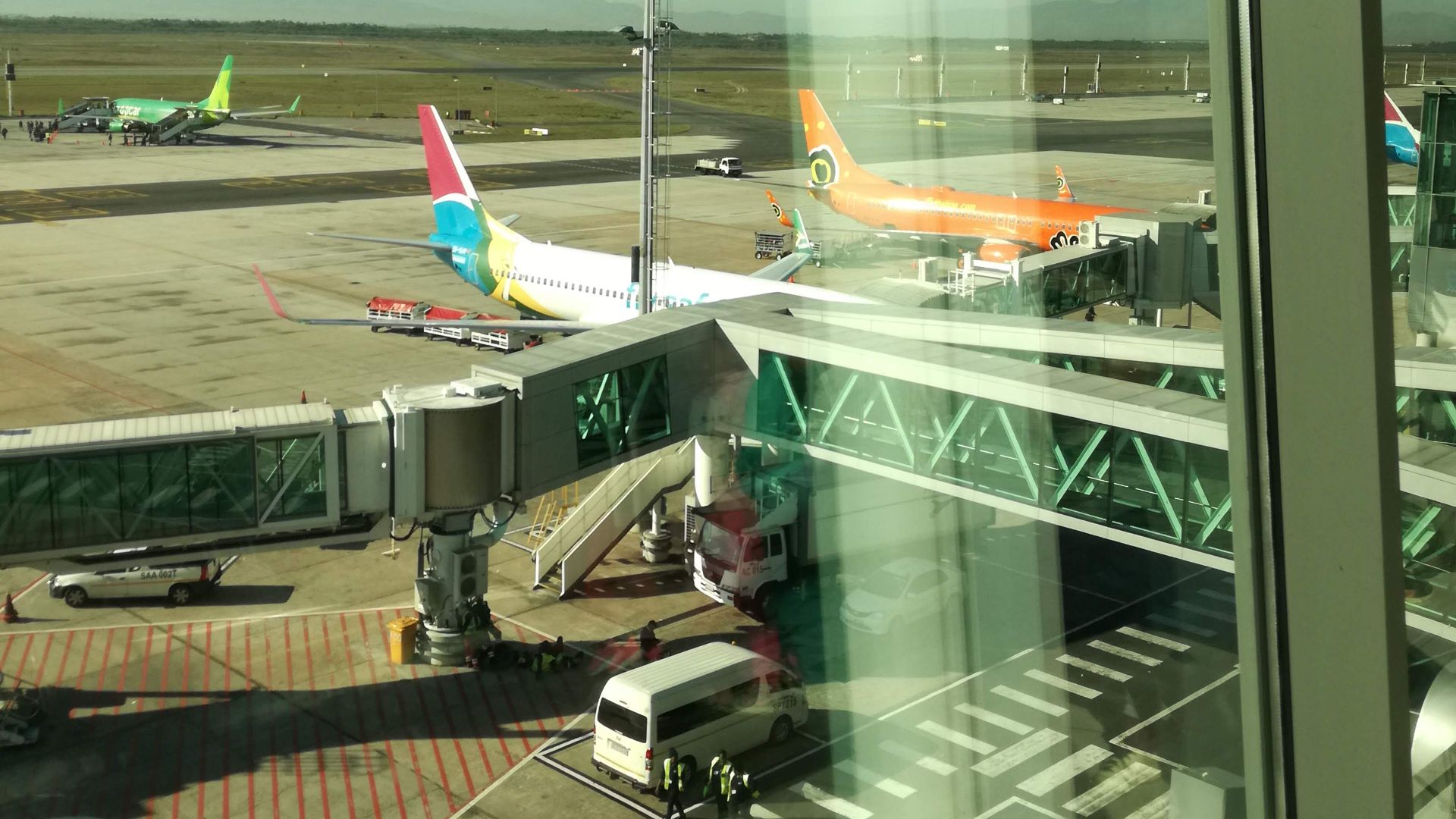
Within the U.S., award tickets are much simpler. Most only cost $5.60 one-way in fees due to standard government charges. With no fuel surcharges involved, domestic redemptions are where points actually feel close to free.
 AirplaneNiner, Wikimedia Commons
Points Only Cover Part Of The Ticket
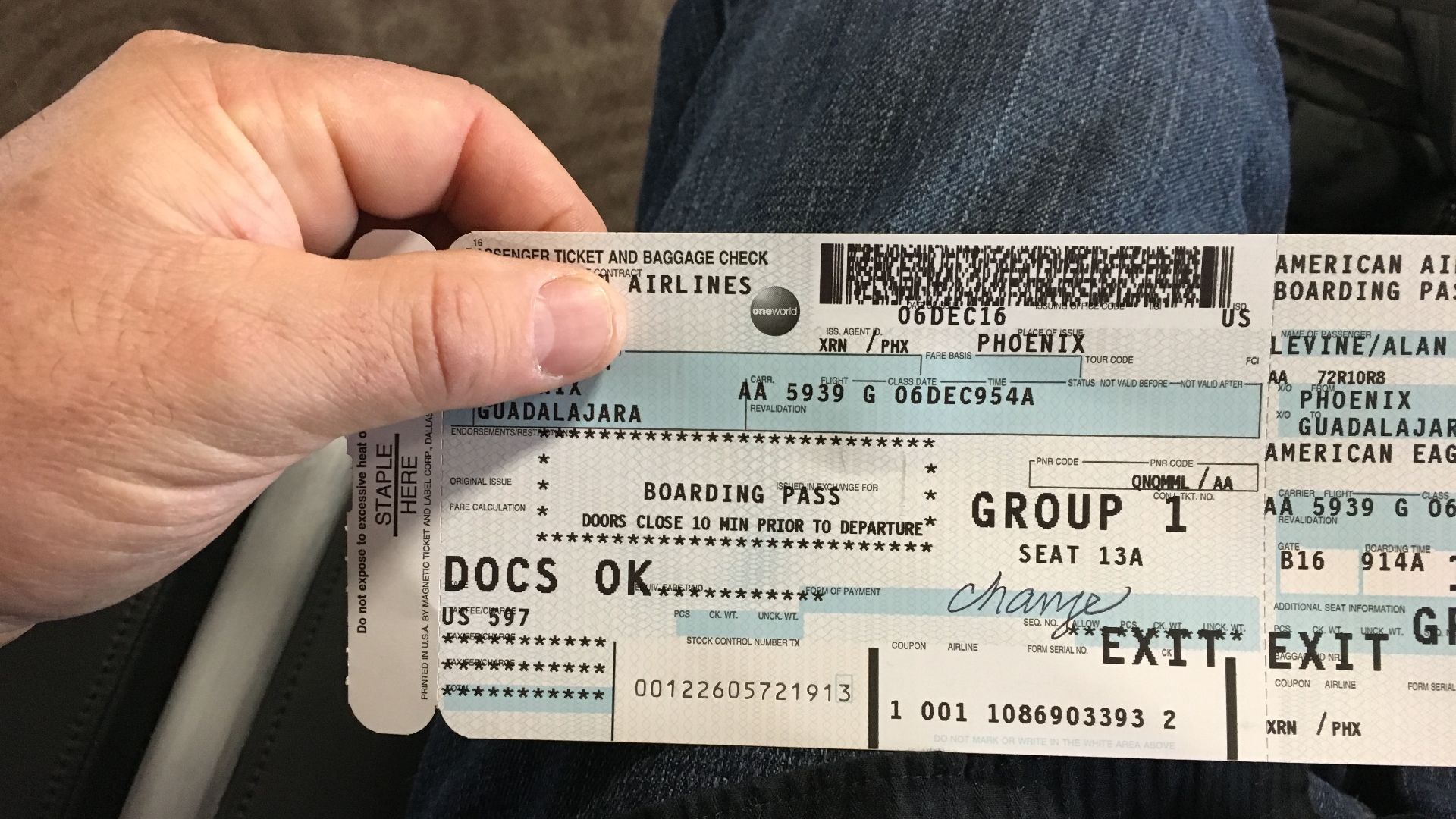
Points typically cover the base fare only. Taxes, airport fees, and surcharges are separate charges layered on top. That’s why you still need to enter a credit card even after selecting a points redemption.
 Alan Levine from Mortlach, Canada, Wikimedia Commons
Airlines Stopped Saying “Free”
You’ll notice airlines now use terms like “award travel” instead of “free flights.” That shift reflects reality. Points reduce the cost of a ticket, but they almost never eliminate the out-of-pocket portion entirely.
Some Programs Are Much Better
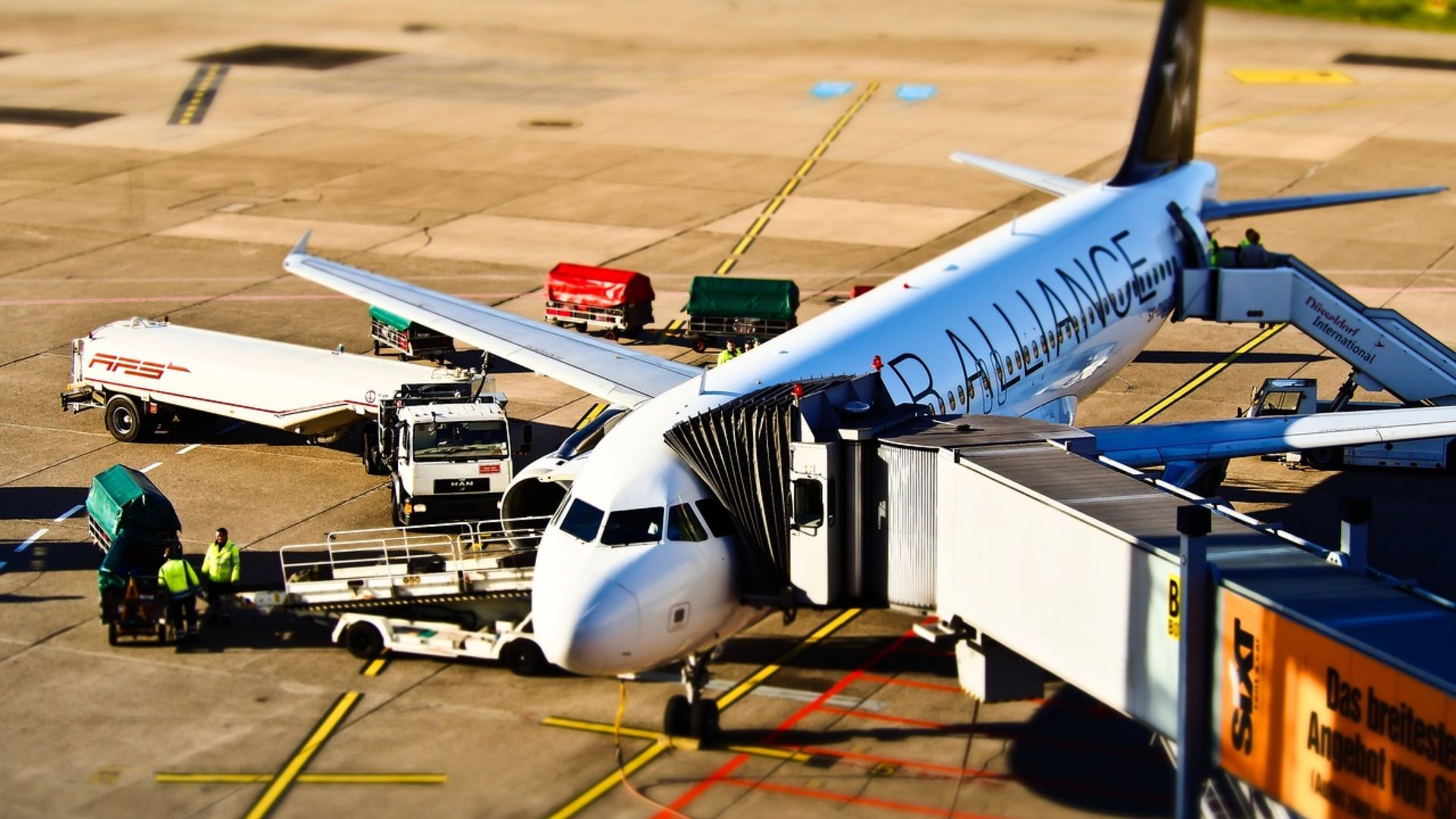
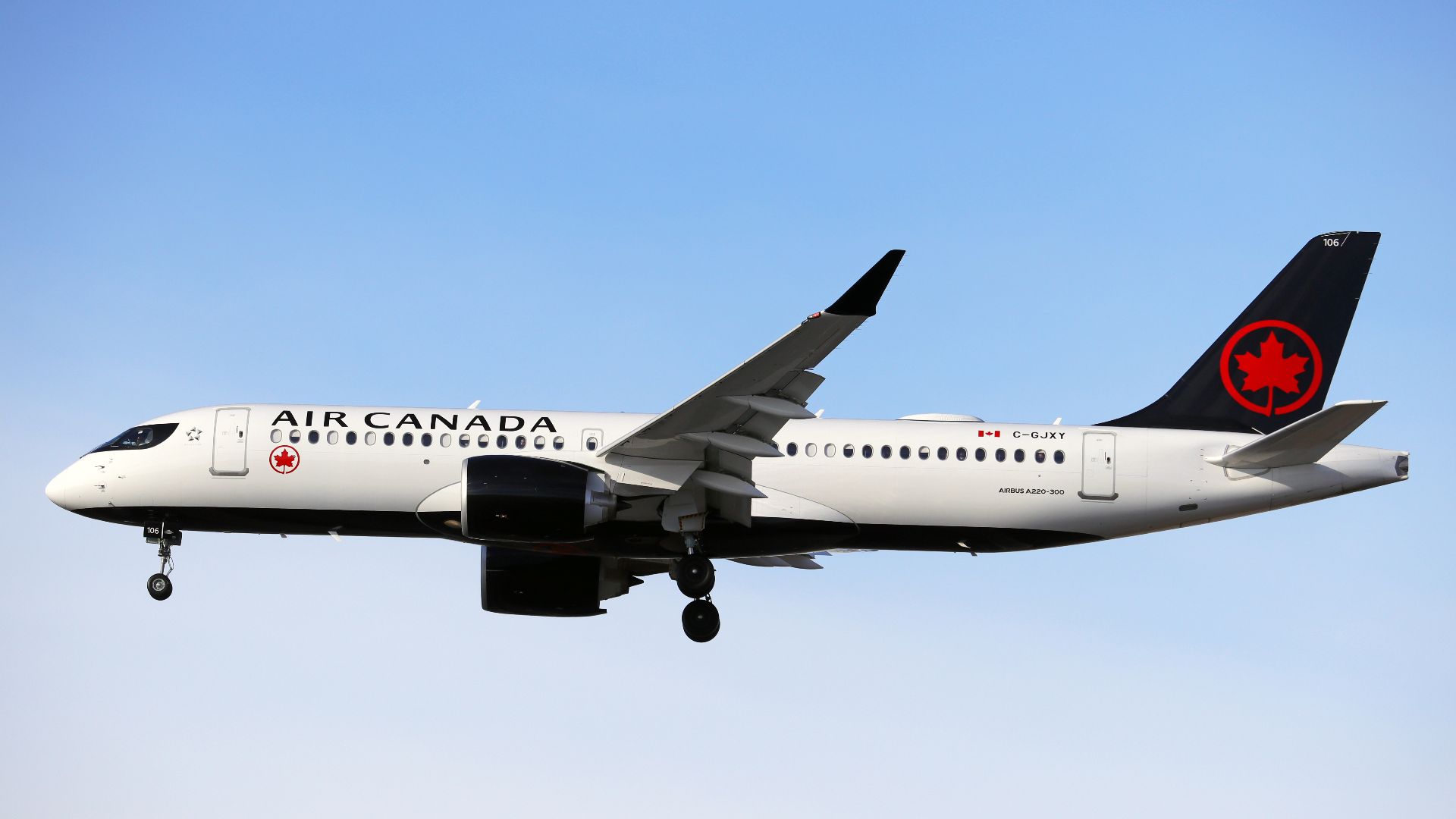
Not all loyalty programs are equal. Alaska Airlines Mileage Plan and Air Canada Aeroplan are often praised for keeping surcharges low. Other programs pass along nearly every fee, which can make redemptions far less appealing.
 Stevenhe1997, Wikimedia Commons
Timing Can Change The Cost
Fees are not always fixed. Some fluctuate based on fuel prices or airline pricing policies. That means the same redemption could cost noticeably more or less depending on when you choose to book.
Credit Card Points Can Help More
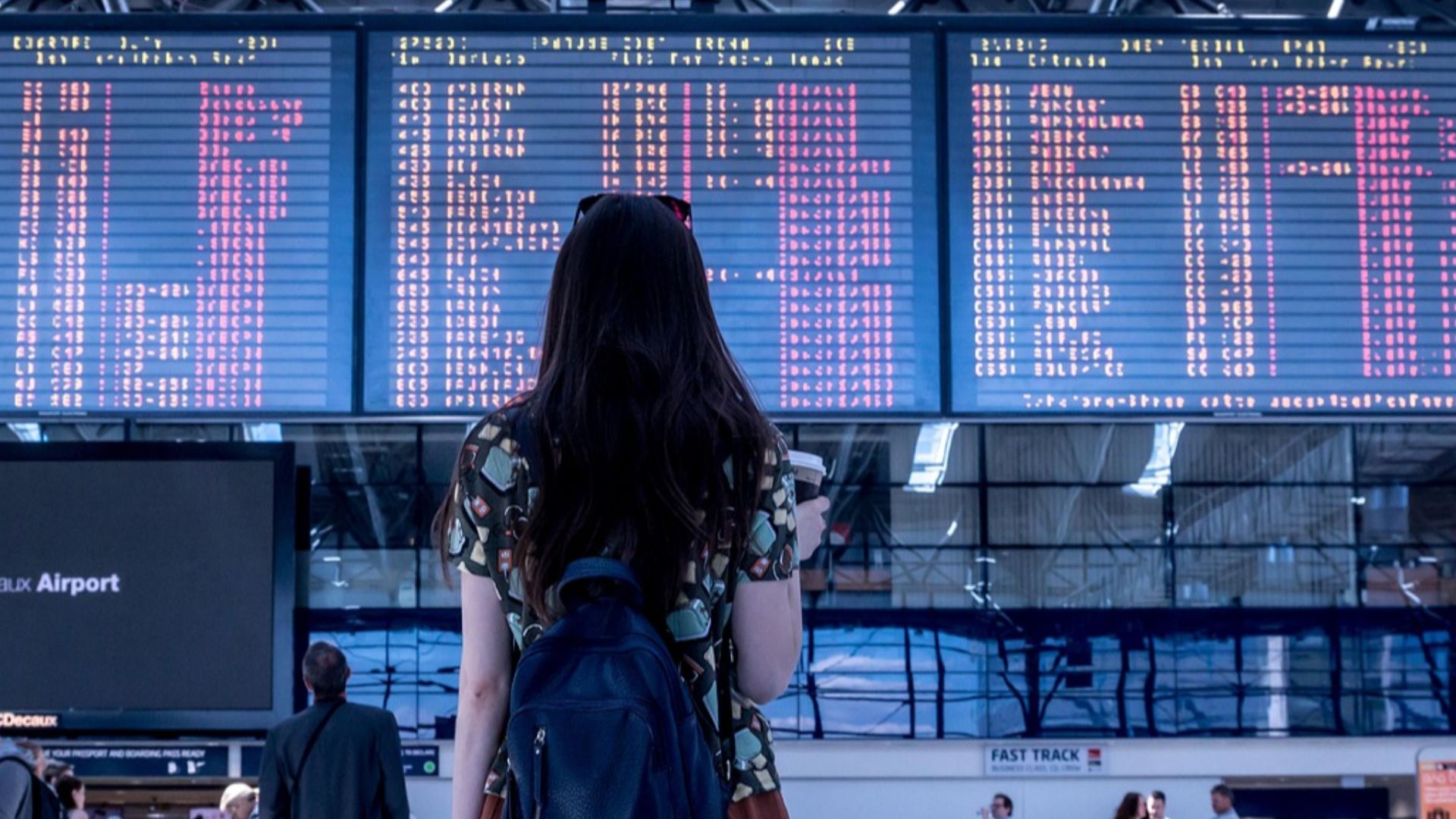
Flexible points programs sometimes let you cover the entire ticket cost, including taxes and fees. That can make the redemption feel much closer to a truly free flight compared to traditional airline miles.

Award Seats Are Limited
Even before fees, finding award seats can be challenging. Airlines release limited inventory, which often pushes travelers toward less ideal flights or ones with higher surcharges just to use their points.
The Fees Often Show Up Late
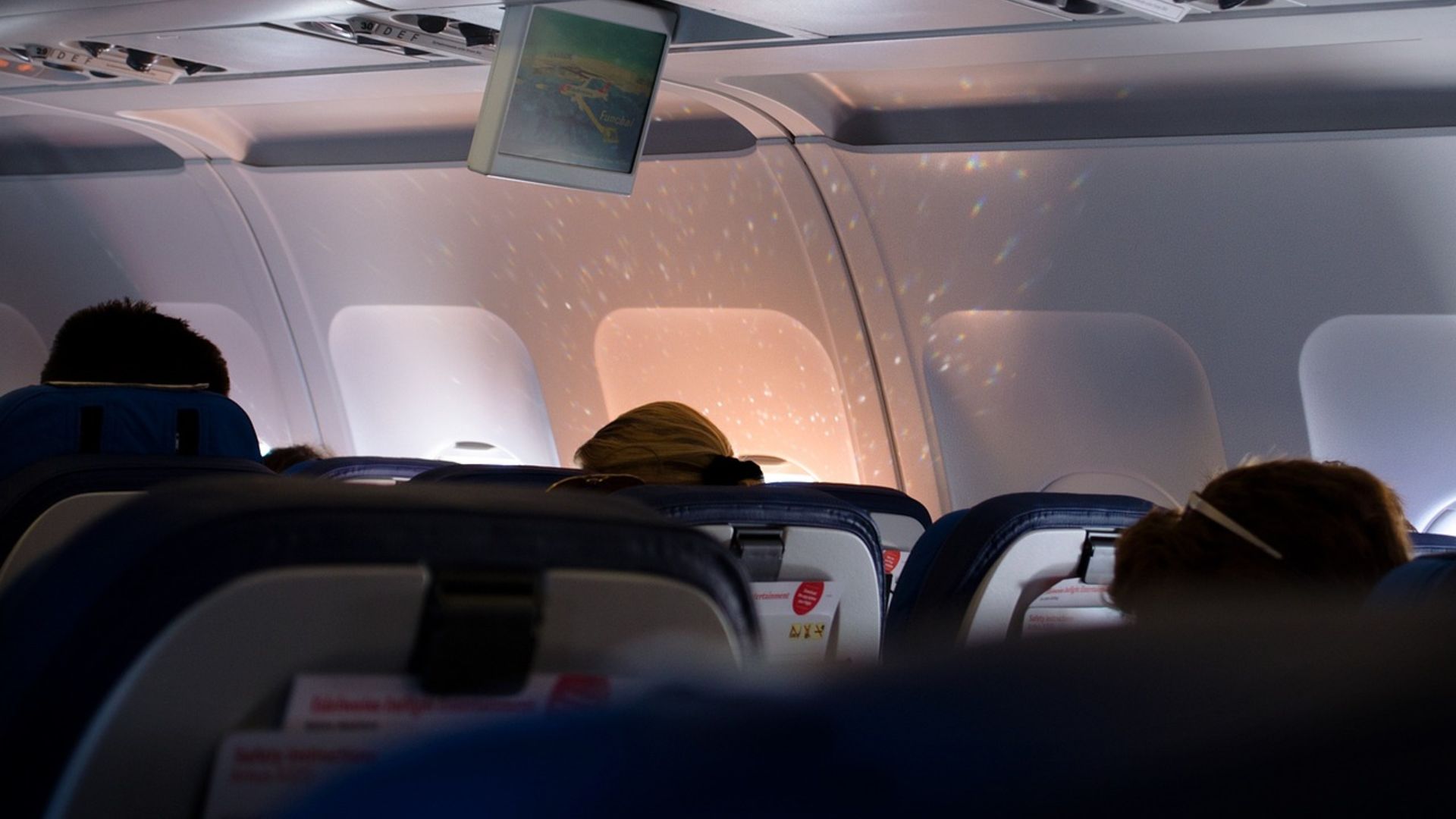
Many booking tools emphasize the points cost first. The actual cash portion often appears later in the checkout process, which is why so many travelers feel surprised when the final total is revealed.

Budget Airlines Don’t Save You Here
Low-cost carriers rarely offer strong points redemptions. Even when they do, extra charges for bags, seat selection, and boarding can quickly cancel out any savings you thought you were getting.
Changes And Cancellations Can Cost You
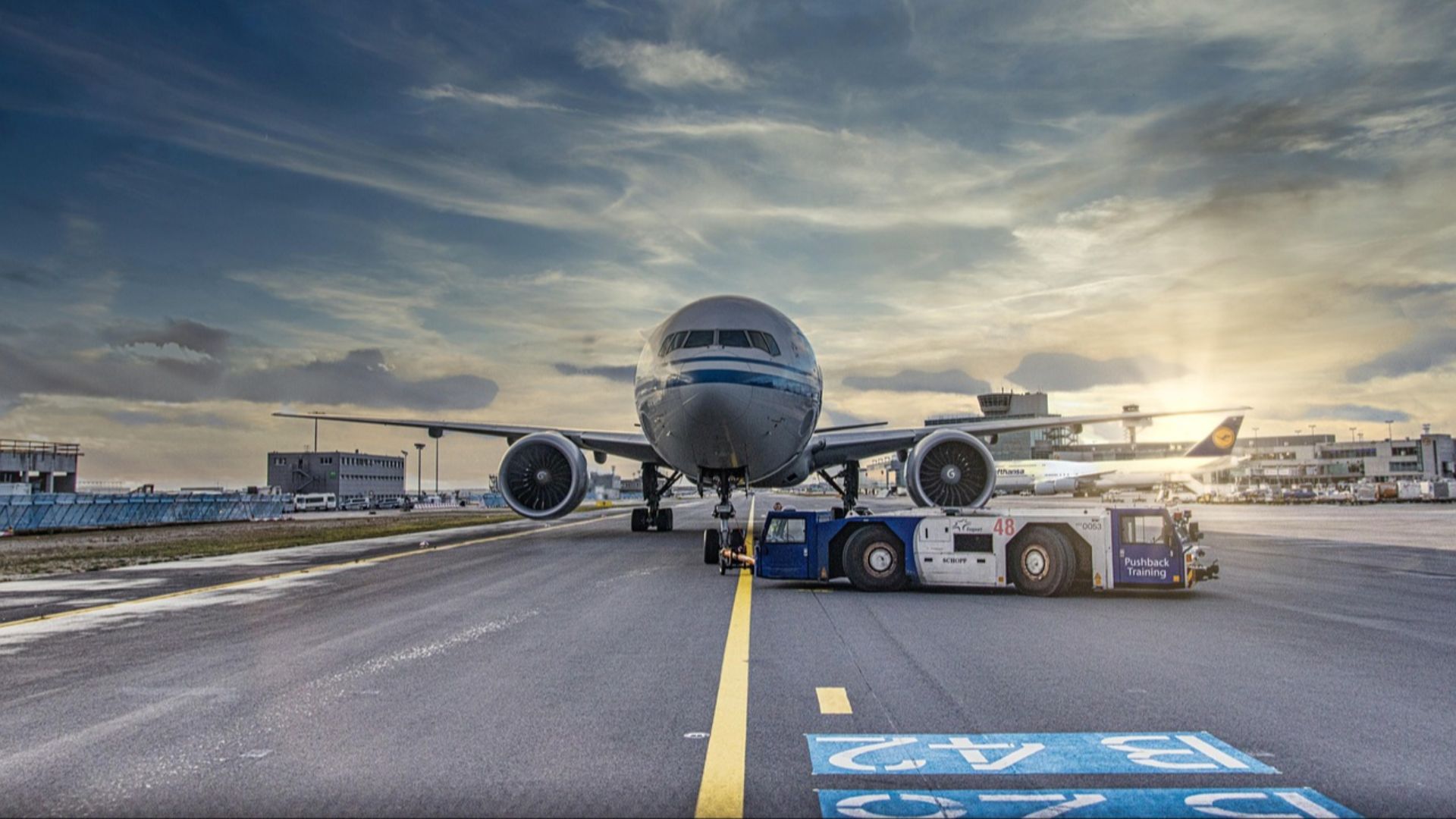
Award tickets are not always flexible. Some airlines charge fees to cancel or modify them, meaning you could pay additional money just to adjust a trip that you originally booked with points.

You’re Still Saving Big
Even with fees, the math can still work. Turning a $1,200 international ticket into a $250 to $300 out-of-pocket cost is a meaningful savings. It just doesn’t feel as satisfying as the idea of a completely free flight.

“Sweet Spots” Do Exist
There are certain routes and programs where fees stay relatively low and value stays high. These “sweet spots” are what frequent travelers look for when trying to maximize points without paying hundreds in extra charges.
 Leonhard_Niederwimmer, Pixabay
Why Airlines Do This
Airlines are not giving away free travel. Points programs are designed to build loyalty and fill seats. Fees help them recover real costs while still offering something that feels like a deal to customers.
So…What’s The Point?
Points are not really about flying for free. They are about reducing the cost of travel. If you use them strategically, you can save a lot of money. You just have to understand what you’re actually getting.

You Might Also Like:
Costly Luggage Mistakes That Airlines Hope You Keep Making In 2026