When Paradise Takes A Painful Turn
A resort injury can turn a dreamy getaway into a paperwork hurricane faster than you can say “complimentary breakfast.” One minute you’re poolside, the next you’re dealing with medical bills, stiff emails, and lawyers who suddenly make the swim-up bar feel very far away.

First, Get Safe Before Getting Strategic
Before thinking about compensation, focus on care. Move away from danger, ask for medical help, and do not let embarrassment talk you into “walking it off.” Injuries love pretending they are minor until the adrenaline fades and your vacation flip-flop becomes a medical sandal.

Report The Injury Immediately
Tell the resort what happened as soon as possible and ask them to create an incident report. Do not rely on a friendly manager saying, “We’ll take care of it.” Politely ask for a copy, photo, reference number, or at least the name of the person who took the report.

Take Photos Like A Detective On Holiday
Your phone is your best travel companion after sunscreen. Photograph the scene, the hazard, your injury, warning signs, missing warning signs, wet floors, broken steps, lighting, timestamps, and anything nearby. Resorts can clean, repair, repaint, or “forget” surprisingly quickly once lawyers enter the chat.

Capture The Tiny Details
Write down the date, time, weather, lighting, what shoes you wore, what you were doing, and exactly how the accident happened. These details seem boring until someone later suggests the floor was dry, the railing was perfect, or you mysteriously tripped over your own vacation vibes.

Find Witnesses Before They Fly Home
Other guests may disappear onto flights by sunset, so collect names, phone numbers, emails, and short notes about what they saw. Staff witnesses matter too. Ask politely, stay calm, and remember that a two-sentence witness statement can sometimes speak louder than a glossy resort brochure.

Do Not Sign Anything Too Quickly
After an injury, you may be handed forms, waivers, vouchers, or “routine paperwork.” Read every word. Do not sign anything you do not understand, especially releases or settlement language. A free dinner is lovely; accidentally giving up your rights is less charming.

Be Careful With Recorded Statements
If insurance adjusters, resort representatives, or lawyers ask for a recorded statement, slow down. You can say you are still receiving medical care and need time. A casual “I’m okay” can later become their favorite quote, even if you were just being polite.

Get Medical Care And Keep Every Record
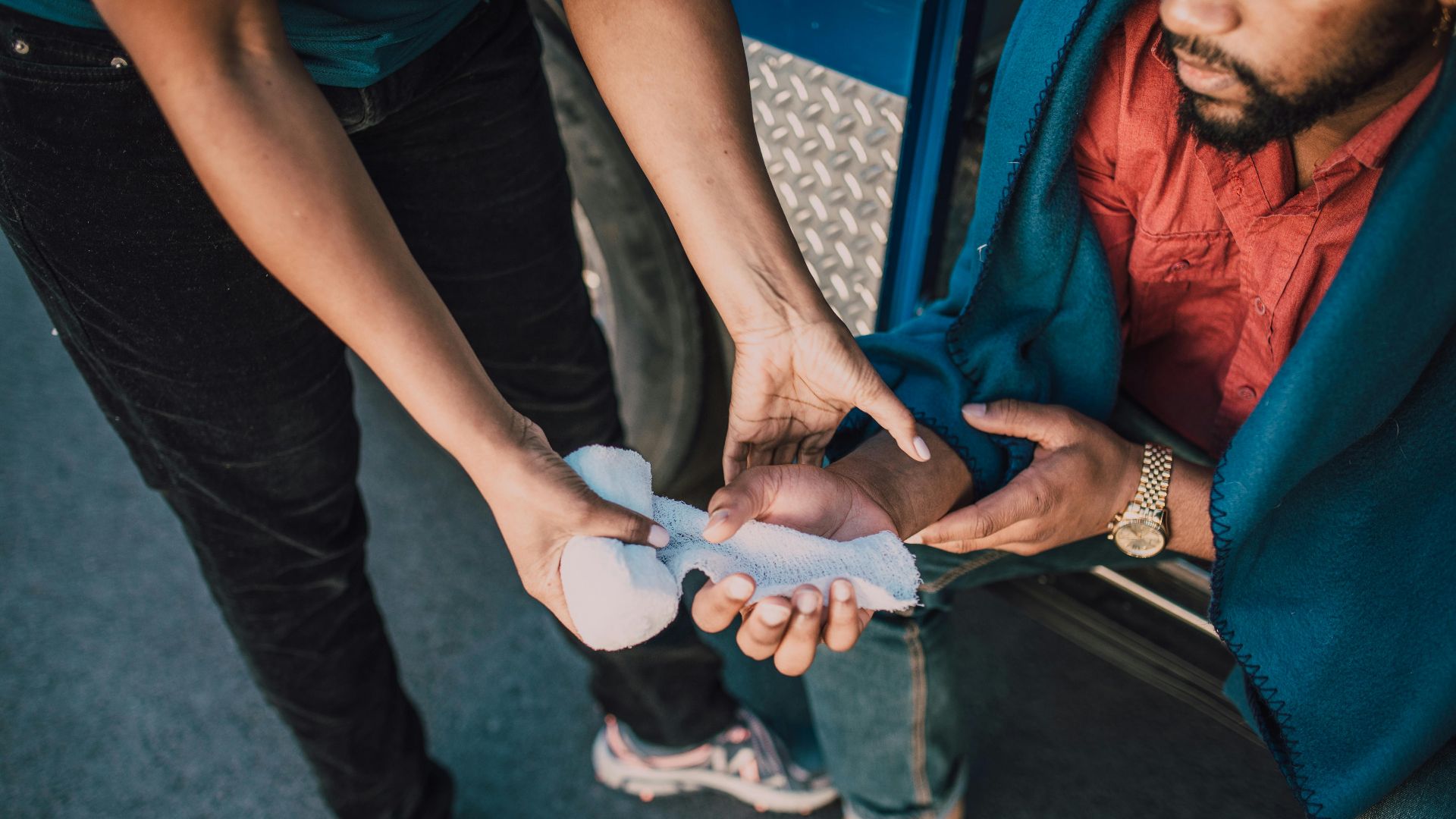
See a doctor, clinic, or hospital as soon as possible. Medical records help connect the injury to the incident. Keep receipts, prescriptions, discharge papers, test results, taxi receipts, and follow-up instructions. Government travel guidance also recommends planning for medical needs abroad before you leave home.
Call Your Travel Insurance Early
Travel insurance can be the difference between an awful story and a financially radioactive one. Many regular health plans do not fully cover care abroad, and Canadian government guidance warns that provincial or territorial plans may cover little or none of foreign medical costs.

Know What Your Government Can And Cannot Do
Consulates can often help you find doctors, contact family, or connect with insurers, but they generally do not pay hospital bills or provide legal advice. Canada’s travel guidance is explicit that officials do not pay medical bills or interfere in medical care.

Read The Resort’s Fine Print Before Trouble Starts
Before booking, look at liability language, activity waivers, resort rules, and dispute clauses. Some properties push claims into local courts, arbitration, or foreign legal systems. Nobody wants to read fine print before a beach trip, but nobody wants legal hide-and-seek afterward either.

Choose Activities With Your Eyes Open
Horseback riding, jet skis, zip lines, scuba trips, and off-site excursions can involve different companies, different waivers, and different insurance rules. Ask who operates the activity, who is responsible for safety, and whether your policy covers it before you become the plot twist.

Avoid Public Rants While A Claim Is Brewing
Posting “this resort destroyed my leg and my life” may feel satisfying, but it can complicate things. Stick to facts, avoid dramatic claims, and assume anything online may be screenshot. Save the spicy review for after you understand your position.

Keep Communication In Writing
After the injury, email is your friend. Confirm conversations in writing: “Thank you for speaking with me today about the incident near the pool at 3 p.m.” Written timelines are harder to twist than memory, especially once everyone returns to their regular timezone and inbox chaos.

Do Not Accept The First Hard No
A resort lawyer shutting down compensation does not automatically mean the story is over. It may simply be their opening move. Stay polite, organized, and factual. Ask what information they reviewed, what policy applies, and whether there is an insurance claim process.

Understand That Laws Change By Location
A resort injury in Mexico, Florida, Jamaica, France, or the Dominican Republic may involve different liability rules, deadlines, insurance systems, and courts. This is where internet advice hits its ceiling. Local legal advice can matter, especially if injuries or bills are significant.

Track Every Cost, Even The Annoying Ones
Keep a running list of medical bills, medication, missed excursions, transportation, mobility aids, replacement clothing, hotel changes, phone calls, and lost work time. Small costs are like beach sand: annoying individually, shocking when you find them everywhere.
 Vodafone x Rankin everyone.connected, Pexels
Save Proof Of The Trip Itself
Keep booking confirmations, resort maps, wristband photos, room numbers, activity tickets, receipts, app messages, and brochures. If the resort advertised a safe family pool or supervised excursion, those materials may help show what you were promised versus what actually happened.

Ask For Security Footage Quickly
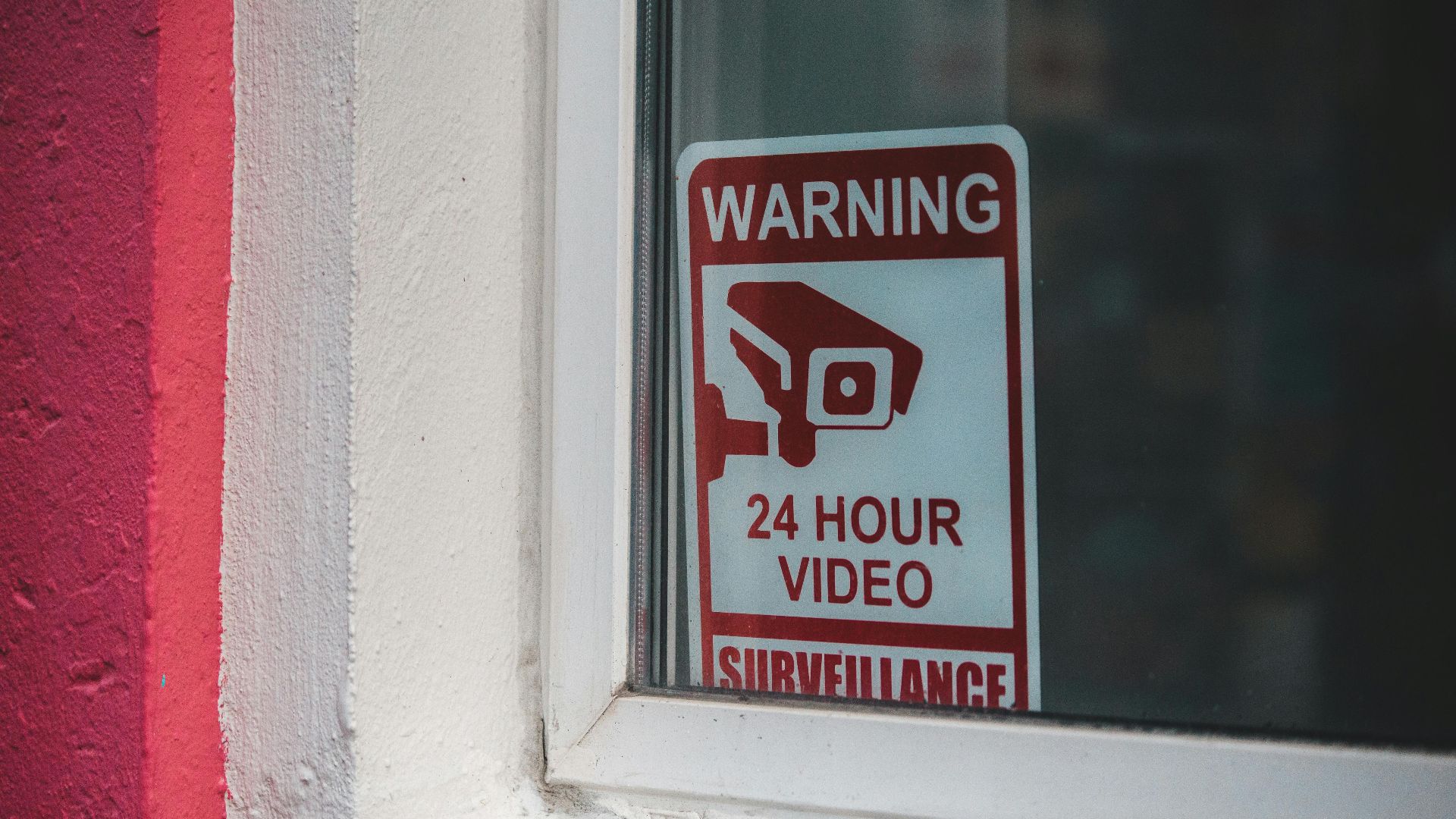
Many resorts have cameras, but footage may be overwritten fast. Send a written request asking them to preserve video from the location and time of the incident. You may not receive it immediately, but the request creates a paper trail showing you asked before it vanished.
Watch The Deadline Clock
Injury claims often come with strict time limits, and they vary by location and claim type. Waiting months while emailing customer service can quietly hurt your options. When the injury is serious, ask a qualified lawyer about deadlines sooner rather than later.

Pick Travel Insurance Like A Grown-Up
The cheapest policy can be fine until it isn’t. Look for emergency medical coverage, evacuation, activity exclusions, pre-existing condition rules, deductibles, and claim steps. The U.S. State Department notes that travel insurance can cover medical care abroad, evacuations, cancellations, and accidents depending on the policy.

Bring A Mini Safety Kit
Pack copies of insurance cards, emergency contacts, prescriptions, allergy notes, and a basic first-aid kit. The FTC advises travelers buying insurance to make a copy of their insurance card and bring it on the trip. That is not glamorous, but neither is hunting for policy numbers from a clinic lobby.

Trust Your Instincts On Arrival
When you reach the resort, scan for loose tiles, slippery paths, poor lighting, missing railings, unsafe balconies, crowded shuttle zones, and chaotic pool decks. You are not being paranoid. You are simply letting your vacation brain and your responsible adult brain share the same lounge chair.

Escalate Calmly And Clearly
If the resort brushes you off, escalate to corporate, the booking platform, your insurer, the tour operator, or your credit card travel assistance line. Keep your message short: what happened, when, where, injury details, documentation attached, and what response you are requesting.

Get Professional Help When Stakes Are High
If you have serious injuries, surgery, long recovery, major bills, or lost wages, talk to a lawyer familiar with travel or injury claims in the relevant location. This article is practical guidance, not legal advice, and complicated claims deserve more than a beach-chair strategy session.

Travel Smarter, Not Scared
Most resort trips end with sunburns, souvenirs, and too many buffet desserts—not legal drama. But if something does go wrong, preparation gives you power. Document fast, get care, preserve proof, read before signing, and remember: paradise is better when you know how to protect yourself.

You May Also Like:
America’s Most Loved Food Looks Completely Different Depending On The State