
I did back-to-back trips to Europe, thinking the 90-day limit was per trip, but my mom says it’s a rolling calendar rule—am I in trouble?

I did back-to-back trips to Europe, thinking the 90-day limit was per trip, but my mom says it’s a rolling calendar rule—am I in trouble?


March 13, 2026 | Allison Robertson

I did back-to-back trips to Europe, thinking the 90-day limit was per trip, but my mom says it’s a rolling calendar rule—am I in trouble?


You Thought The 90-Day Limit Reset Each Time

You spent three months in Europe. Flew home. Then went right back a few weeks later thinking the clock reset. Now your mom says the 90-day rule is a “rolling calendar.” Suddenly that second espresso in Barcelona feels… stressful. Did you mess up?

Two concerned women packing for a trip.Factinate Ltd.

Advertisement

First: What Is The 90-Day Rule?

For most non-European visitors, the Schengen Area allows up to 90 days of travel within any 180-day period without a visa. It’s not 90 days per country — it’s 90 days total across participating countries.

woman looking at documentsSora Shimazaki, Pexels

Advertisement

What Does “Rolling 180 Days” Mean?

It means immigration officials look backward from any given day of your stay and count how many days you were physically present in Schengen countries during the previous 180 days.

A CBP Officer processes an incoming passenger at the Newark International Airport.  Photo by James TourtellotteCBP Photography, Wikimedia Commons

Advertisement

So It’s Not Per Trip?

Correct. The clock does not reset just because you leave and come back. The 90 days are cumulative within that 180-day window.

Traveler at Modern Airport Terminal in Guangzhoudongfang xiaowu, Pexels

Advertisement

Why This Confuses People

Many travelers assume exiting Europe “resets” their time. That’s how some other visa systems work. Schengen doesn’t operate that way.

Shutterstock - 2578815797, Airport Terminal: Woman Passes Through Metal Detector Scanner Gates on Security Checkpoint. Female Security Officer Checks Passenger, Ticket for Boarding Plane Flight. Diverse Travelers Going on TripsFrame Stock Footage, Shutterstock

Advertisement

Example: How It Works

If you spent 90 straight days in France from January through March, then left for April, you cannot return in May for another 90 days. You must wait until enough earlier days fall outside the 180-day lookback window.

Petty Revenges factsShutterstock

Advertisement

What Happens If You Overstay?

Overstaying can lead to fines, entry bans, or future visa denials. Enforcement varies by country, but the risk is real.

MissedcruiseinternalMonkey Business Images, Shutterstock

Advertisement

Is It Automatically A Ban?

Not always. Some countries issue fines or warnings for short overstays. Others may impose entry bans of months or even years, depending on the circumstances.
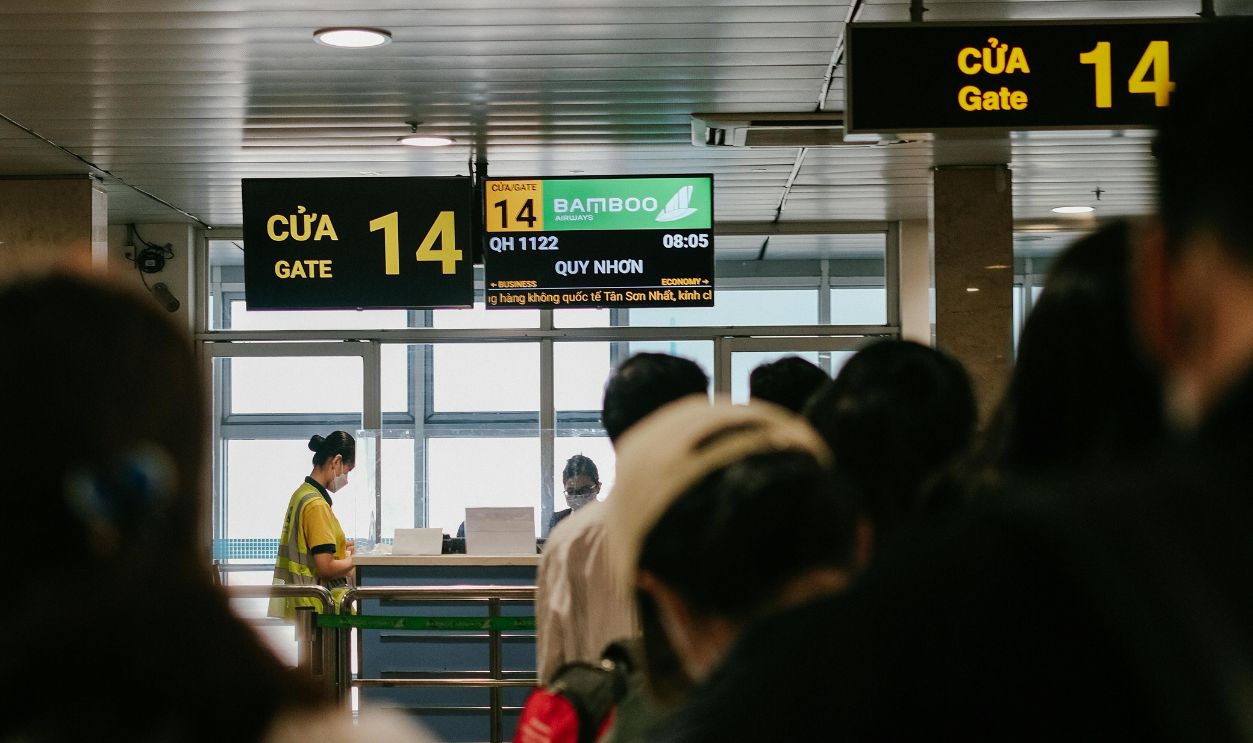
Back View of People Queuing at an Airport GatePew Nguyen, Pexels

Advertisement

Does It Matter Which Schengen Country?

Yes. While Schengen rules are shared, enforcement is handled by individual member states. Consequences can vary depending on where you exit.

Man in airport waiting for boarding on planeJESHOOTS.com, Pexels

Advertisement

What If It Was A Small Miscalculation?

A one- or two-day overstay sometimes results in a warning or minor fine, especially if it’s clearly accidental. But it’s not guaranteed.

People sitting in an airport lounge, focused on smartphones and waiting for flights.Kelly, Pexels

Advertisement

How Do They Track It?

Passport stamps and electronic entry systems track your movement. In the future, the EU’s Entry/Exit System (EES) will automate tracking even more closely.

Internal - Airport SecurityM Stocker, Shutterstock

Advertisement

What About Non-Schengen Countries?

Countries like Ireland are not part of Schengen. Time spent there does not count toward the 90-day Schengen limit.

Turkish Airlines check-in encounter at Skopje AirportRakoon, Wikimedia Commons

Advertisement

Can You “Reset” By Going To The UK?

Spending time in the UK or other non-Schengen countries can help you wait out the rolling 180-day period — but it does not erase days already used inside Schengen.

Man in Black Jacket and Black Pants Standing Beside Counterfajri nugroho, Pexels

Advertisement

Why Your Dad Is Right

He’s correct that the rule is rolling. It’s not tied to individual trips — it’s tied to total presence within the prior 180 days.

AirportFactinate Ltd.

Advertisement

Are You Automatically In Trouble?

Not necessarily. If you stayed within 90 days total during any 180-day window, you’re fine — even if you did multiple trips.

CBP Officer processes a passenger into the United States at an airport. Photo by James TourtellotteCBP Photography, Wikimedia Commons

Advertisement

What If You Did Go Over?

If you overstayed, consequences depend on length and country. It’s wise to consult immigration guidance before attempting to re-enter.

Airport check inM Stocker, Shutterstock

Advertisement

Is There A Calculator?

Yes. The European Commission provides an official short-stay calculator online to help travelers track their days accurately.

Flipboard - Couple Money Problemsfizkes, Shutterstock

Advertisement

How To Avoid This In The Future

Count days carefully. Include entry and exit days in your calculations. And don’t assume leaving for a week resets the clock.

The image shows a woman with dark hair sitting at a table, seemingly engrossed in reviewing some documentsMikhail Nilov, Pexels

Advertisement

The Bottom Line

The 90-day Schengen rule is a rolling 180-day calculation — not per trip. If you stayed within 90 total days in any 180-day period, you’re fine. If you exceeded it, consequences depend on how long and where. Your dad is right about the rolling rule — but that doesn’t automatically mean disaster.

A woman sitting with her laptop and luggage, holding a passport, waiting in an airport terminal.Gustavo Fring, Pexels

Advertisement

You May Also Like:

I booked “hidden city” flights to save money, but my dad says airlines can ban me for that—is that actually true?
My friend says TSA can’t make you unlock your phone. My cousin says they absolutely can at some airports. Who’s telling the truth?


Sources: 1, 2, 3


READ MORE

Americans waving at USA States map Map

The States Americans Are Actively Avoiding In 2026

Based on the latest domestic migration trends, housing affordability pressures, job growth data, and relocation patterns heading into 2026, these are the states Americans are most actively choosing to avoid. The results reveal where momentum is fading fastest—and some of the top states might surprise you.
January 20, 2026 Jesse Singer
American Man, European woman

Americans Should Know That These “Normal” Things They Do Are Illegal In Europe

Most Americans break European laws without realizing it—sometimes within minutes of landing. Not because they’re reckless, but because everyday U.S. habits quietly cross legal lines overseas. The fines come fast, the rules aren’t obvious, and “that’s normal back home” doesn’t help.
January 28, 2026 Jesse Singer
African landscape

In 2026, researchers uncovered the world’s oldest cremation pyre in Africa, where a hunter-gatherer woman was cremated around 9,500 years ago.

Archaeologists in Malawi uncover the world’s oldest known cremation pyre, dating back 9,500 years, revealing complex funerary rituals, pre-cremation defleshing, and early symbolic behavior among ancient hunter-gatherers.
January 20, 2026 Allison Robertson
Berkeley Mystery Walls

Explorers in California stumbled upon ancient stone walls scattered across the Berkeley hills that archaeologists struggle to explain.

Mysterious stone walls scattered across the Berkeley hills continue to puzzle archaeologists, raising unanswered questions about who built them, when they were constructed, and why they still defy explanation today.
January 28, 2026 Allison Robertson
DB Cooper

The Most Intriguing Cases Of People Who Vanished Without A Trace

What happens when someone vanishes into thin air? Throughout history, certain disappearances have captivated the public imagination because of their mysterious circumstances and the lingering questions they leave behind.
January 30, 2025 Peter Kinney
Amazon Rainforest

In 2024, archaeologists used light-detection technology to uncover a massive Amazonian city hidden in what was once believed to be untouched jungle.

Archaeologists reveal a 2,500-year-old network of ancient garden cities hidden beneath Ecuador’s Amazon rainforest, reshaping what we know about early urban life in the Amazon.
January 19, 2026 Allison Robertson