
That “Dream Vacation” Might Be a Nightmare
One minute you’re booking a beachfront escape with glowing reviews. The next minute, the website disappears like it never existed. Online travel scams are getting smarter every year, and plenty of travelers don’t realize they’ve been tricked until the money is already gone. But before you cancel your dream of ever traveling again, there may still be ways to recover your cash.
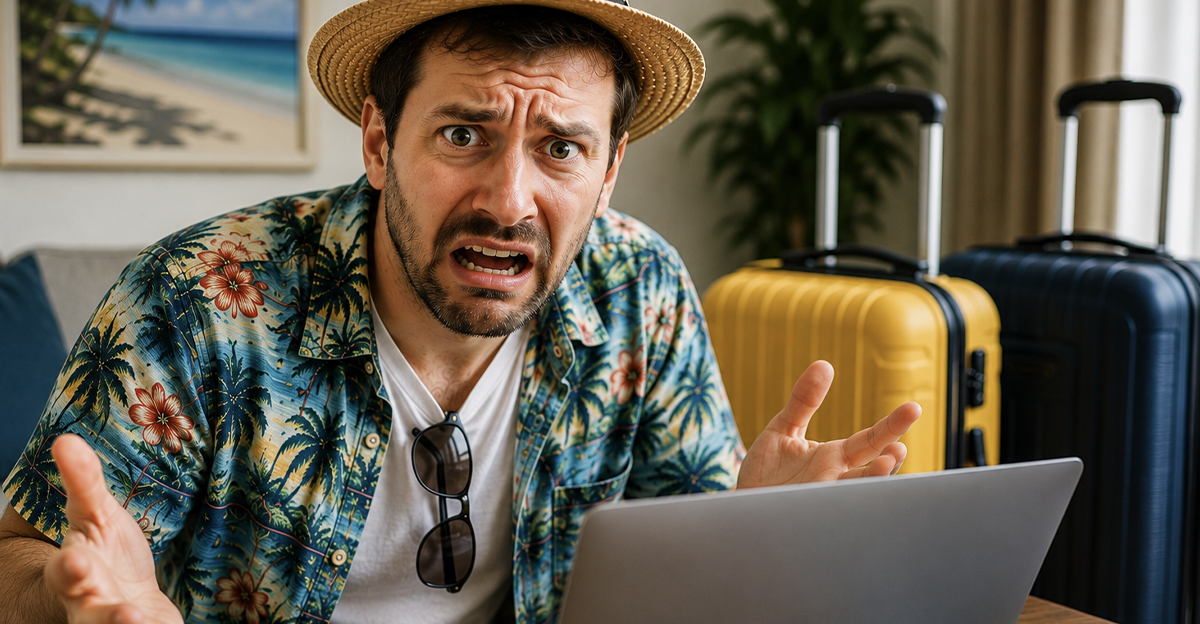
Travel Scams Look Surprisingly Real
Modern scam websites can look incredibly professional. They often steal photos, logos, and even customer reviews from real travel companies to appear trustworthy.
That’s why so many people get fooled. At first glance, the booking page may look just as polished as a legitimate travel site.

The “Too Good To Be True” Deal
Most travel scams start with a deal that feels impossible to ignore. Luxury resorts for half price or beachfront condos during peak season usually grab attention fast.
Scammers know travelers love bargains. They count on people getting excited enough to skip basic safety checks before booking.

Don’t Panic Right Away
Getting scammed feels awful, but don’t assume your money is automatically gone forever. Depending on how you paid, there may still be options available.
The biggest mistake people make is waiting too long to act. Speed matters more than most travelers realize.

Stop Sending More Money
Some scammers try squeezing victims for extra payments after the booking. Suddenly there’s a fake processing fee, insurance charge, or mysterious “travel tax.”
That’s usually a major red flag. Real travel companies rarely pressure customers into random last-minute payments.

Figure Out What Happened
Not every bad travel experience is technically fraud. Some companies are just terrible at customer service, while others are completely fake operations.
Did the website disappear? Was the hotel reservation fake? Understanding the exact problem helps determine what steps to take next.

Your Payment Method Matters
How you paid changes everything. Credit cards usually offer the strongest fraud protections, while wire transfers and cryptocurrency are much harder to recover.
Scammers love payment methods that are difficult to reverse. That’s why they often avoid normal credit card systems whenever possible.
Credit Cards Offer The Best Chance
If you used a credit card, you may have a decent shot at recovering your money. Many credit card companies allow fraud disputes through a process called a chargeback.
This can sometimes reverse the payment entirely while the bank investigates the situation.

What Is A Chargeback?
A chargeback allows your bank to challenge the payment and potentially return the funds. Think of it as the financial version of hitting an emergency brake.
You’ll usually need proof like receipts, booking confirmations, screenshots, and emails to support your claim.

Debit Cards Are Tougher
Debit cards are harder because the money leaves your account immediately. Recovery is still possible sometimes, but the process is usually slower and more complicated.
You should still contact your bank immediately. Some institutions offer fraud protections if you report the scam quickly enough.
Timing Is Extremely Important
Scam recovery often becomes a race against the clock. The sooner you report the fraud, the better your chances of freezing or disputing the transaction.
Waiting too long can seriously reduce your odds of getting any money back.

Wire Transfers Are Very Risky
Wire transfers are one of scammers’ favorite payment methods because they’re difficult to reverse once completed.
Still, contact your bank immediately. In rare cases, a transfer can be stopped before it fully processes.

Crypto Payments Are Even Worse
Cryptocurrency scams have exploded recently. Once crypto leaves your wallet, recovering it becomes incredibly difficult in most situations.
Unlike banks, there usually isn’t a central authority available to reverse suspicious crypto transactions.

Vacation Rental Scams Are Everywhere
Fake vacation rentals are one of the fastest-growing travel scams online. Scammers steal real property photos and repost them with fake contact information.
Many victims only discover the scam after arriving with luggage and realizing the rental doesn’t exist.

The “Pay Outside The App” Trick
Scammers often ask travelers to pay outside trusted booking platforms. They may claim it helps avoid fees or unlocks a discount.
The second you leave the platform’s payment system, many of your protections disappear completely.

Save Every Screenshot
This part is incredibly important. Scammers often delete websites, listings, and messages once victims start asking questions.
Save screenshots of receipts, chats, booking confirmations, advertisements, and payment records immediately.

Contact The Booking Platform
If you booked through a large platform like Airbnb or Expedia, contact them right away. Some companies reimburse customers when fake listings slip through their systems.
This usually works best if you followed the platform’s official payment process.

Call The Hotel Directly
Some scammers create fake bookings using real hotel names. Calling the hotel directly can quickly confirm whether your reservation actually exists.
Finding out early gives you more time to dispute the payment before it’s too late.

Airlines Can Verify Tickets Too
Fake airline confirmations are becoming more common. Some scam websites create fake ticket numbers that look surprisingly real.
Calling the airline directly can quickly confirm whether your flight reservation exists in their system.

Travel Insurance Might Help
Depending on your policy, travel insurance may cover certain fraud situations or supplier bankruptcies.
Not every plan includes scam protection, but it’s still worth checking your coverage carefully before giving up.

Reporting The Scam Still Matters
Even if the money isn’t immediately recovered, reporting the scam is still important. Fraud agencies track repeat offenders and shut down scam networks.
Your report could help prevent someone else from losing money later.

Social Media Complaints Sometimes Work
Believe it or not, companies often respond surprisingly fast to public complaints online. A calm, factual post can sometimes get attention quickly.
The key is staying professional instead of sounding like you’re fighting for your life in a comment section.

Watch Out For Recovery Scammers
Some victims get targeted twice. Fake “fund recovery experts” promise to retrieve stolen money in exchange for upfront fees.
Unfortunately, these are often scams too. Legitimate organizations rarely demand strange advance payments.

Fake Reviews Fool Tons Of Travelers
Scam websites are often packed with fake five-star reviews designed to build trust quickly.
Search for reviews outside the booking site itself. Adding words like “scam” or “complaint” beside the company name can reveal a lot.

The Cheapest Deal Is Often The Riskiest
Luxury resorts rarely cost less than your monthly phone bill. Huge discounts and extreme urgency are some of the biggest warning signs online.
If the deal feels wildly unrealistic, trust your instincts before entering payment information.

Don’t Let Embarrassment Stop You
Many scam victims wait too long because they feel embarrassed. But these scams are designed by professionals who know exactly how to pressure travelers emotionally.
Even experienced travelers fall for fake booking websites every year.

So…Can You Actually Get Your Money Back?
Sometimes, yes. Credit cards usually offer the best chance through fraud protections and chargebacks. Debit cards may still work if reported quickly enough.
Wire transfers and crypto payments are usually the hardest cases. But acting fast, saving evidence, and reporting the scam immediately can seriously improve your odds.

You May Also Like:
I booked “hidden city” flights to save money, but my dad says airlines can ban me for that—is that actually true?
My friend says TSA can’t make you unlock your phone. My cousin says they absolutely can at some airports. Who’s telling the truth?