Credit Card vs. Travel Insurance—Who’s Actually Right?
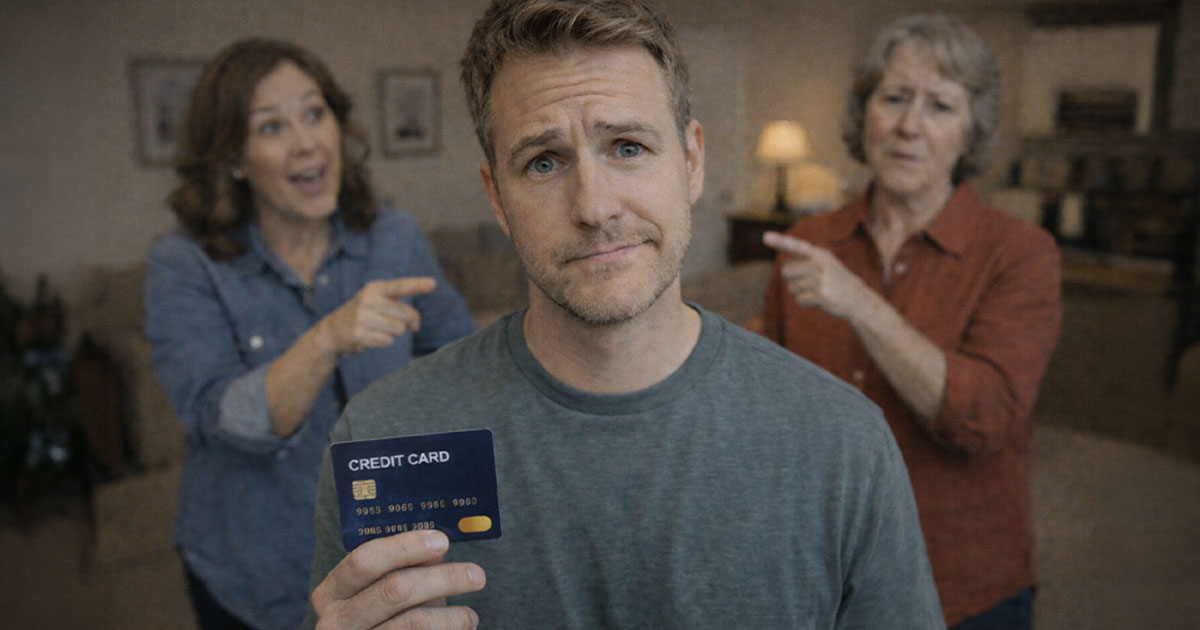
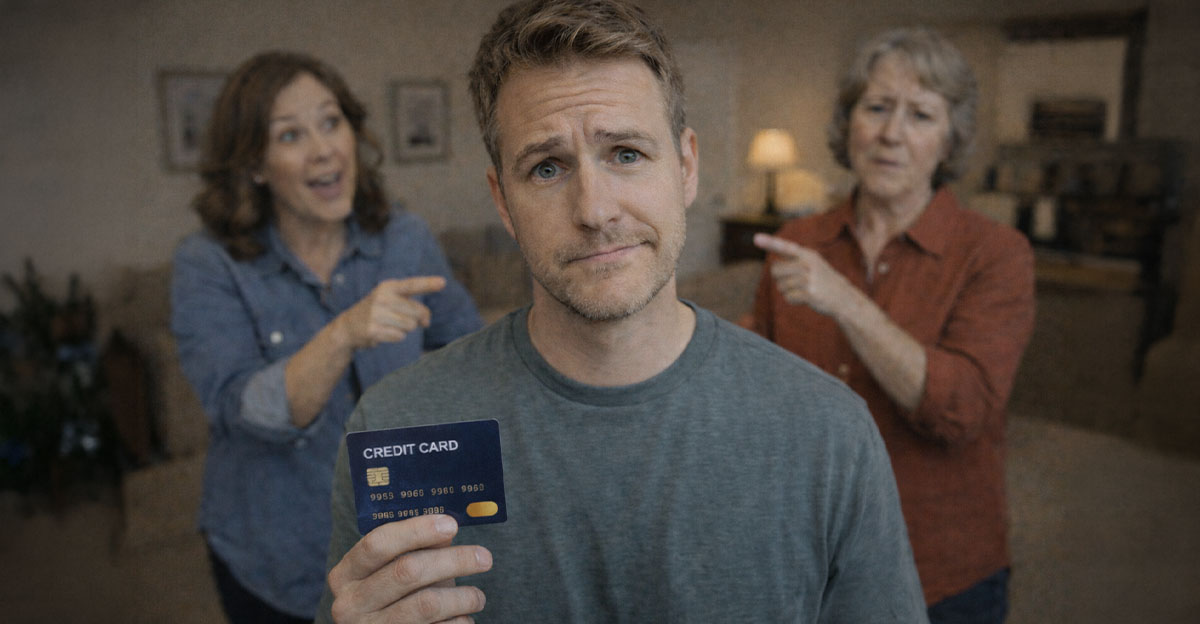
You booked your trip with a credit card, and now your family is split. Your sister says you’re covered, your mom says absolutely not. Annoying—but also pretty common. The truth is somewhere in the middle. This guide breaks it all down in plain language so you can figure out what you actually need without overthinking it.
What People Mean by “Credit Card Travel Insurance”
When people say your credit card has travel insurance, they usually mean a few built-in protections—not full coverage. These perks are meant to help in specific situations, not cover everything that could go wrong. It’s helpful, but it’s not the same as a standalone travel insurance policy.

You Only Get Coverage If You Used the Card
This part matters more than people realize. Credit card travel benefits usually only apply if you paid for the trip with that card. If you split payments, used points incorrectly, or paid another way, you might not be covered at all. Always double-check how your card defines “eligible travel.”

Trip Cancellation: Limited but Helpful
Most cards cover trip cancellation for very specific reasons—like illness, injury, severe weather, or a death in the family. If you cancel because plans changed or you just don’t feel like going, you’re usually out of luck. Travel insurance can be more flexible here.

Trip Delays Are Often Covered (With Limits)
If your flight gets delayed overnight, many credit cards will reimburse basics like food and a hotel. Sounds great—but there are caps and rules. You may need to wait a certain number of hours before coverage kicks in, and you’ll need receipts for everything.

Lost or Delayed Bags: Some Overlap
Credit cards often help with lost or delayed baggage, but coverage limits can be low. Travel insurance may offer higher limits and fewer hoops to jump through. This is one area where coverage overlaps—but the details really matter.

Medical Coverage Is Where Cards Fall Short
Here’s the biggest gap. Most credit cards do not offer real medical coverage abroad. Some offer small emergency benefits, but nothing close to what travel insurance provides. If you end up in a foreign hospital, those bills can add up fast.

Medical Evacuation Is a Big Deal
If you need to be flown home due to a serious injury or illness, evacuation can cost tens of thousands of dollars. Credit cards almost never cover this well. Travel insurance often does. This alone is why many people still buy a policy.

Domestic Trips Are Lower Risk
If you’re traveling within your own country, the risks are lower. Your regular health insurance probably still works, and trip costs may be smaller. In these cases, credit card coverage might be enough—especially for short trips.

International Trips Change the Math
Once you leave the country, things get more complicated. Health coverage may disappear, costs go up, and help is harder to get. For international travel, relying only on a credit card is usually risky.
Rental Cars Are a Separate Issue
Many credit cards offer rental car damage coverage, which is helpful—but it only covers damage to the rental car itself. It usually doesn’t include liability or injuries. Travel insurance or rental insurance may still be needed depending on the situation.

Not All Credit Cards Are Created Equal
A premium travel card might have solid benefits. A basic card might have almost none. You can’t assume coverage just because you used a credit card. Always check your card’s specific benefits guide.

You Have to Follow the Rules Exactly
Miss a step—like declining the rental company’s insurance incorrectly or failing to file paperwork on time—and coverage can disappear. Credit card protections are real, but they’re strict. Travel insurance tends to be more forgiving.

Travel Insurance Can Be Customized
You don’t always need a full, expensive plan. Some people only buy medical coverage to fill the biggest gap. Others want cancellation flexibility or baggage protection. You can tailor coverage to what actually worries you.

Timing Matters More Than You Think
Some travel insurance benefits only apply if you buy the policy soon after booking. Waiting too long can limit what’s covered. Credit card benefits apply automatically—but only if everything was paid correctly.

When Your Sister Is Probably Right
If your trip is short, domestic, refundable, and affordable—and you’re healthy—you might be fine with just credit card coverage. In low-risk situations, buying extra insurance may not be necessary.

When Your Mom Is Definitely Right
If your trip is international, expensive, non-refundable, or health-related, travel insurance is usually a smart move. Credit cards just don’t cover the biggest risks in these situations.

Think About Worst-Case Scenarios
Ask yourself: if something went really wrong, could you afford it? Medical bills, emergency flights, or losing your entire trip cost can hurt badly. Insurance is about protecting against the stuff you can’t easily absorb.

Peace of Mind Has Value
Even if you never use it, travel insurance can reduce stress. Some people travel better knowing they have backup. If worrying would ruin your trip, that’s worth considering.

You Don’t Have to Pick Sides
This isn’t sister vs. mom. Credit card coverage and travel insurance can work together. The smartest move is understanding what you already have—and filling in the gaps only if needed.

Final Takeaway: Know Before You Go
Your credit card helps—but it doesn’t replace travel insurance in every situation. The right answer depends on your trip, your health, and your risk tolerance. A quick check now can save you a huge headache later.
 Yuliia Kaveshnikova, Getty Images
You May Also Like: