

The Piripkura
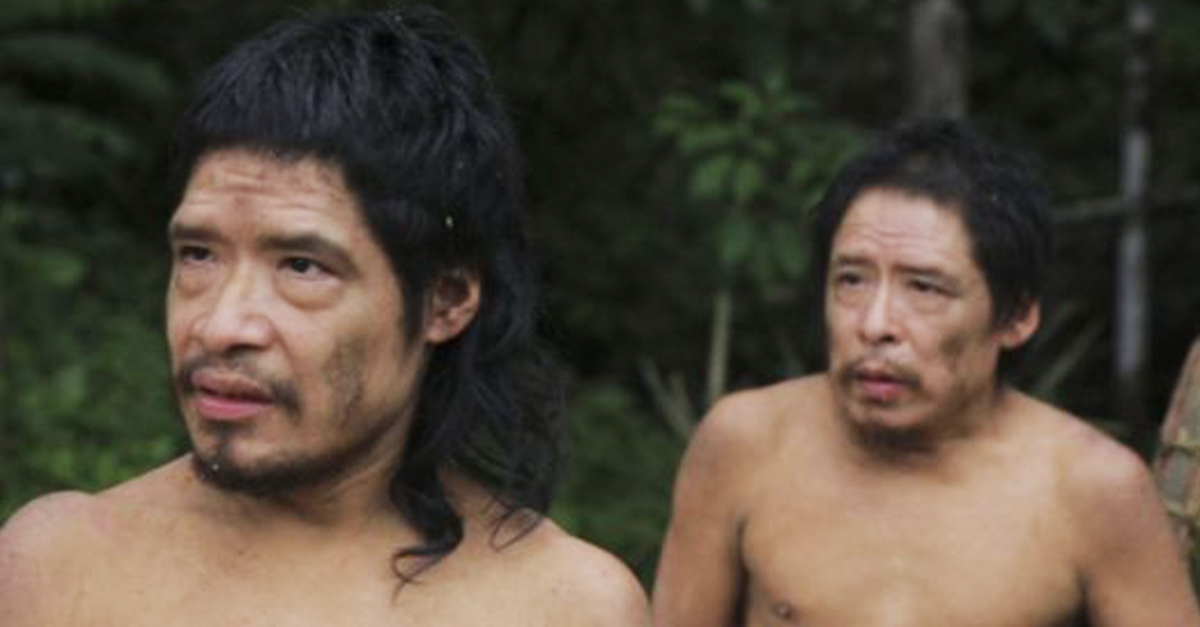
The Piripkura are a rarity in today’s world—a nearly uncontacted Indigenous group hidden deep within the Amazon rainforest, and one of the few remaining communities on Earth still living almost entirely beyond outside reach.
A Dying Population
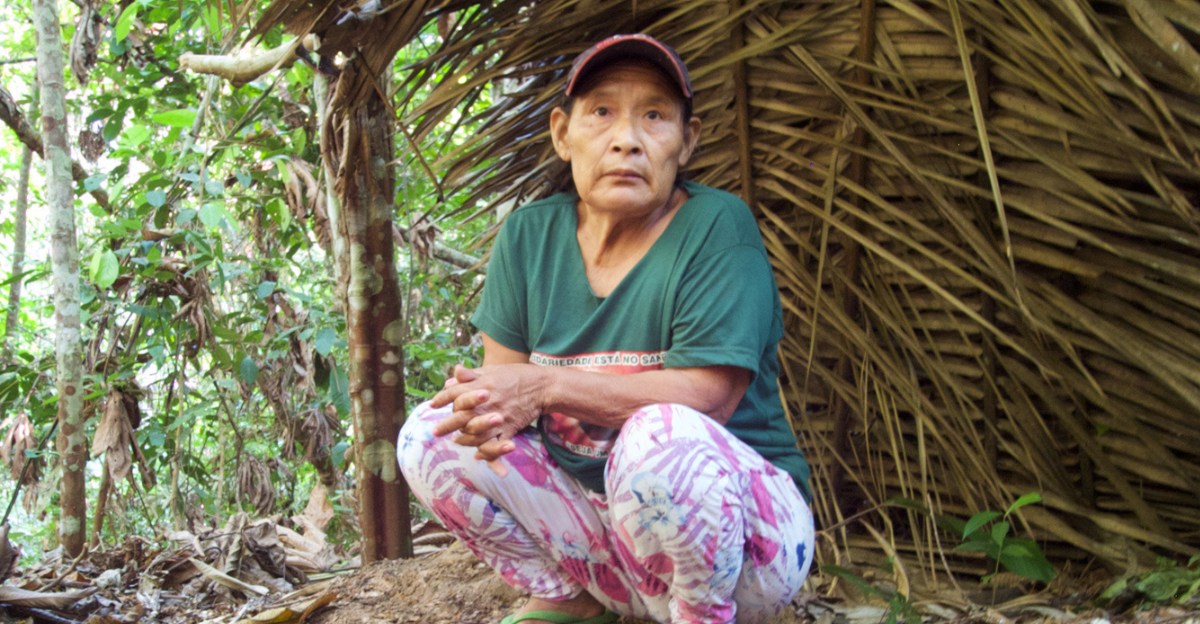
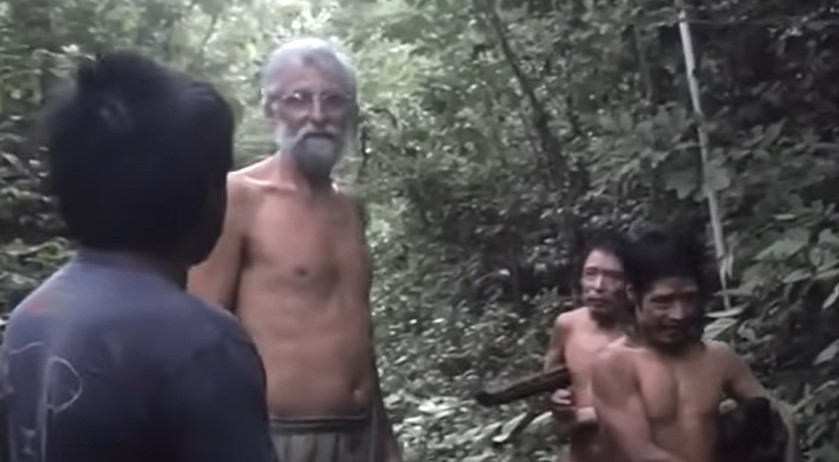
Tragically, the Piripkura are so isolated, there are only three known survivors of their culture: Rita, Pakyi, and Tamandua. The story of how this came to happen is haunting.
Geography
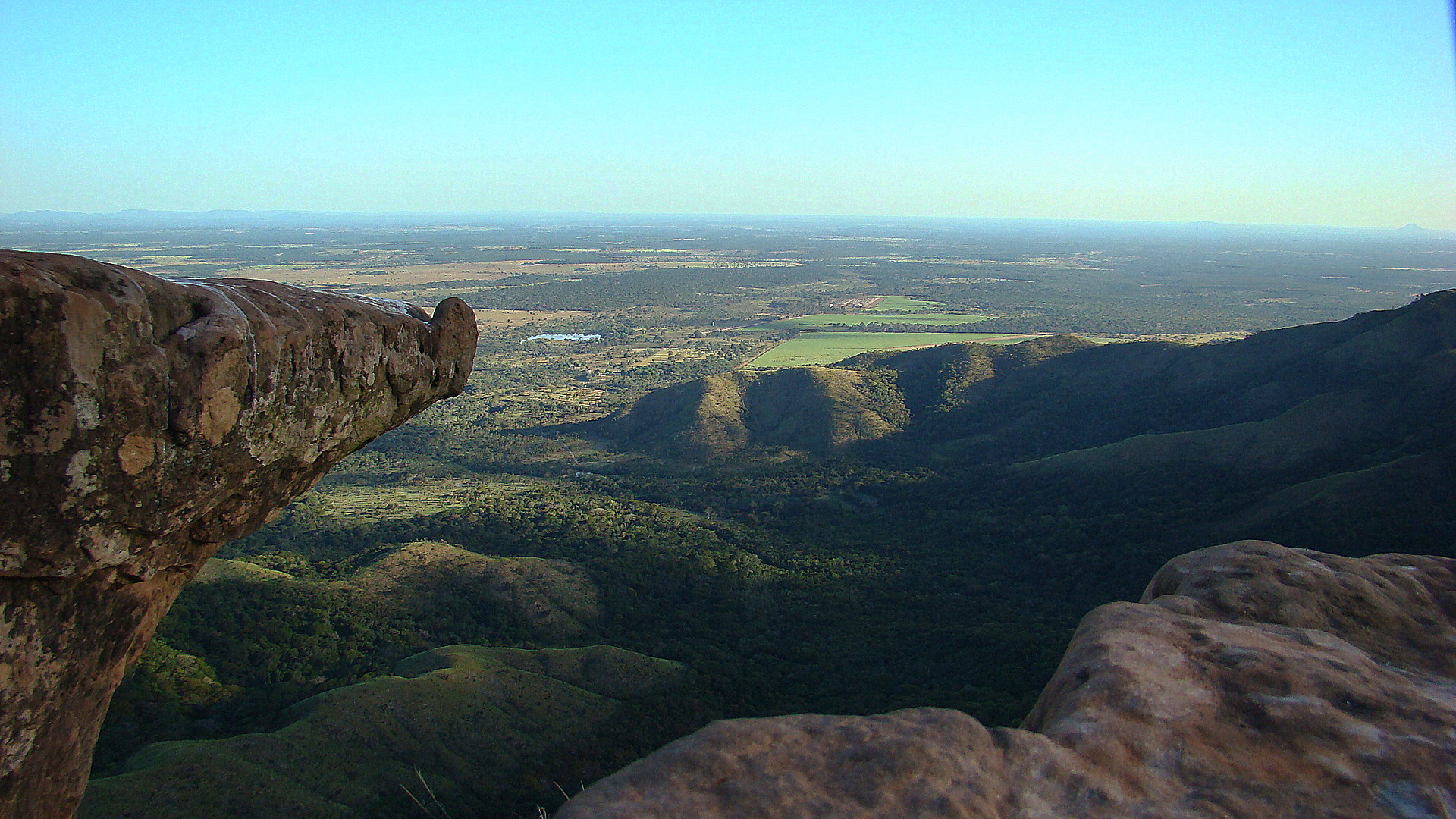
The Piripkura live in in the state of Mato Grosso, Brazil, in the Piripkura Indigenous Territory.
 Itatibamario, CC BY-SA 3.0 , Wikimedia Commons
Origins
The tribe members used to be far more abundant. At one point, their village was made up of over 100 people. Partly because of their isolation, debate still rages about what exactly happened to them, but we do have some idea.
Loss Of Their Forests
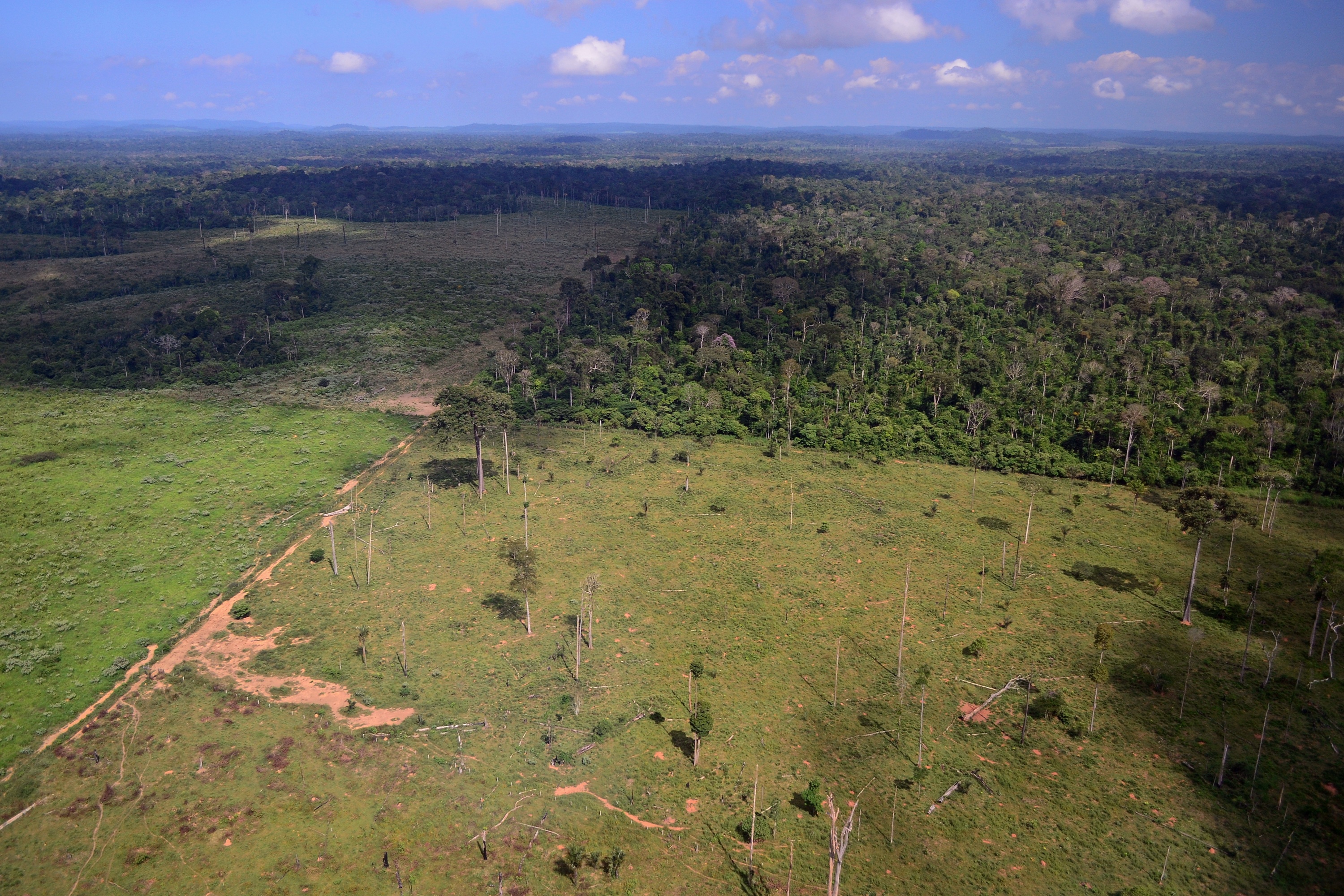
Most anthropologists point to the illegal deforestation that began ramping up in the 1980s when it comes to the Piripkura's decline. This not only affected their food and habitat, but also their very lives.
 Ibama, CC BY 2.0, Wikimedia Commons
Under Attack
There was active violence between members of the Piripkura tribe and the illegal loggers performing the deforestation, with the loggers killing many of the Piripkura. In the end, there were only a handful left.
Eyewitness Accounts
Thanks to the handful of tribe members who initially survived this slaughter, experts have access to first-hand accounts of this violence. One of the members even described the near total destruction of a Piripkura village.
But they also had to deal with threats from the inside.
Family Against Family
Amid the chaos closing in from the outside world, the Piripkura faced heartbreak from within as well. In a tragic and still-mysterious turn, Pakyi—one of the few survivors—killed the children of Rita, another remaining member of the group, further dwindling their already fragile numbers.
Rita’s son was only four or five, and her daughter was still an infant. To this day, Pakyi remains silent about what happened, leaving the community with wounds that have never fully been explained.
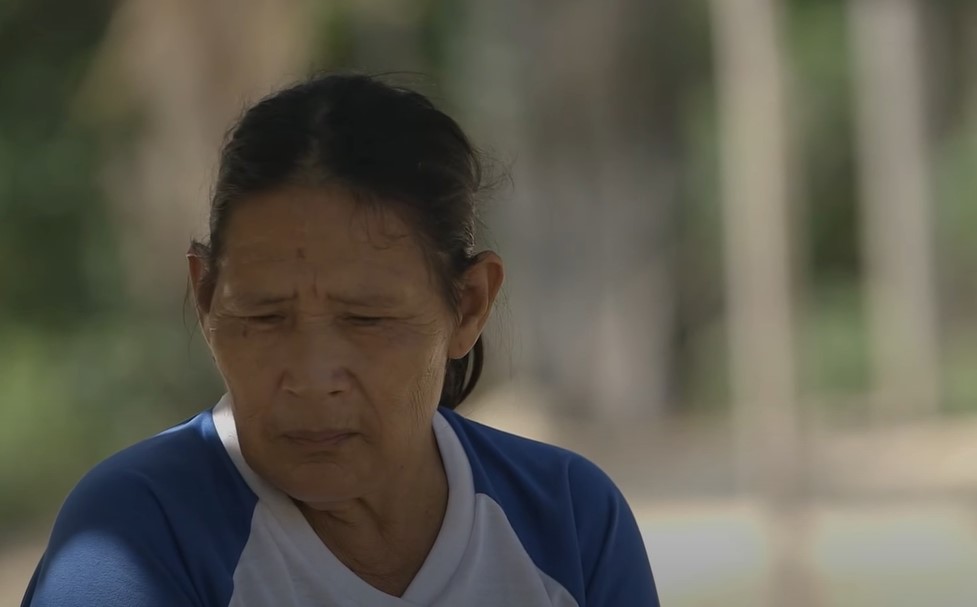
Fleeing For Her Life
In the wake of this horror, Rita fled to a nearby cattle ranch that the powerful Penco family owned. Sadly, it wasn't a safe haven, and she claimed to suffer terrible exploitation while there. Still, fate wasn't done with her yet.
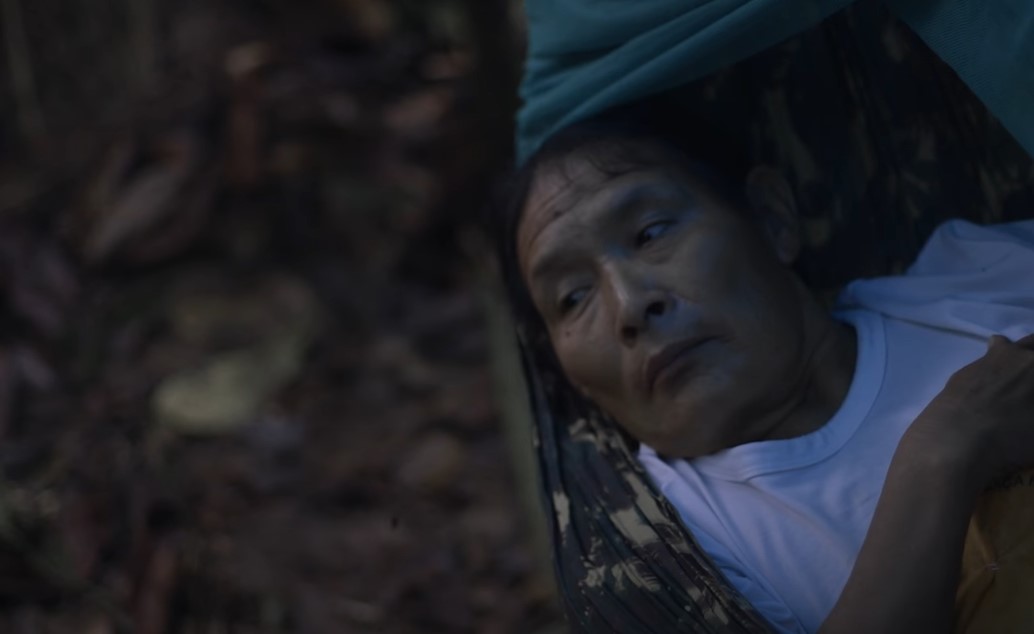
Speaking Out
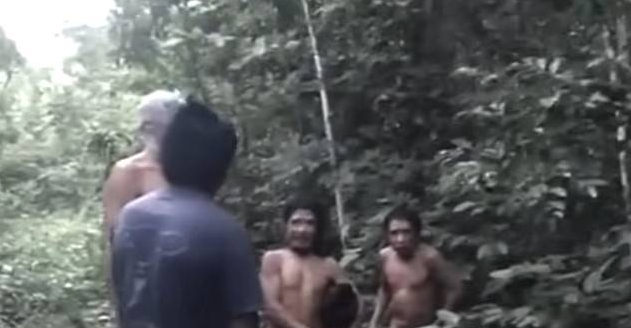
After leaving the cattle ranch, in 1989 Rita ended up helping an expedition focused on uncontacted tribes to find any of the surviving members of her tribe. It was a heartbreaking journey.
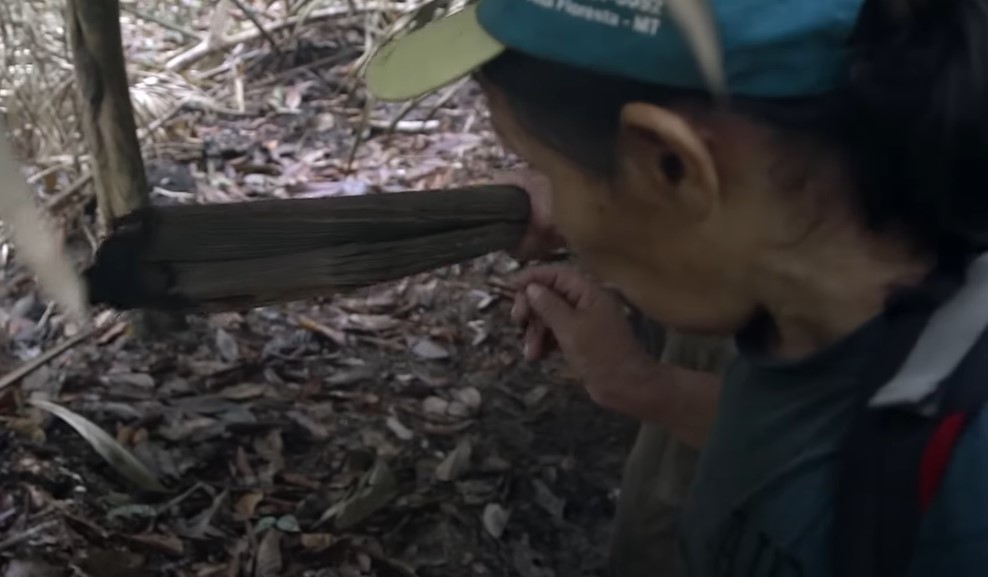
Sole Survivors
In the end, even with Rita's help, the expedition could only find two people from Piripkura—and one of them was her old enemy Pakyi. The other was his nephew Tamandua.
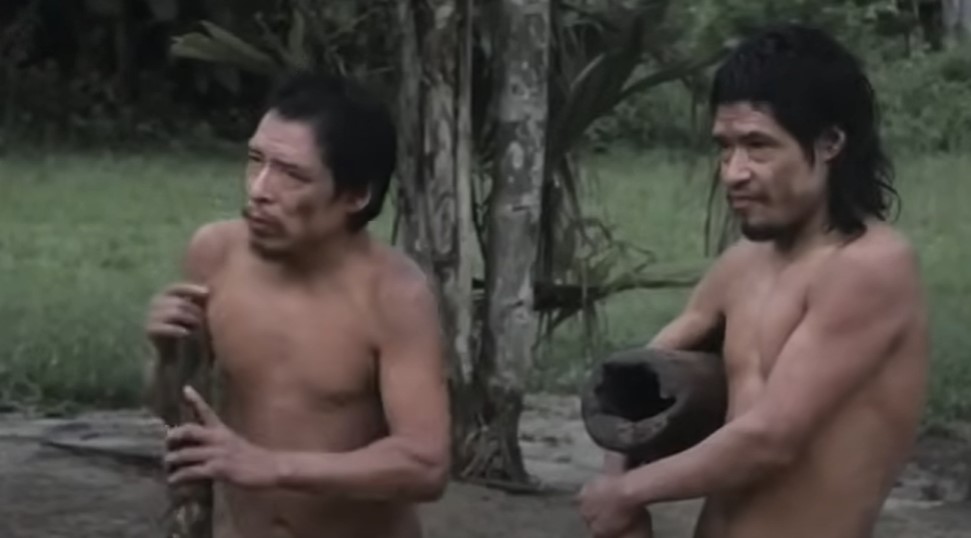
Where Are The Others?
This and other expeditions asked Pakyi and Tamandua the obvious question: What happened to the handful of survivors anthropologists had once talked to? The uncle and nephew were cagey at best, sometimes saying they died, and at other times saying they were out somewhere in the rainforest.
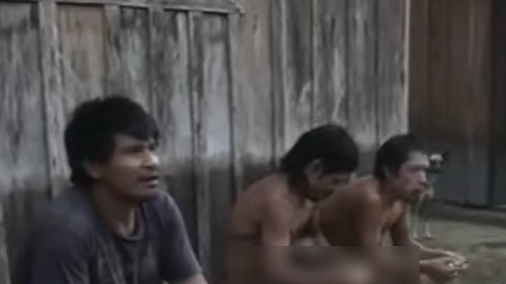
Life on the Edge
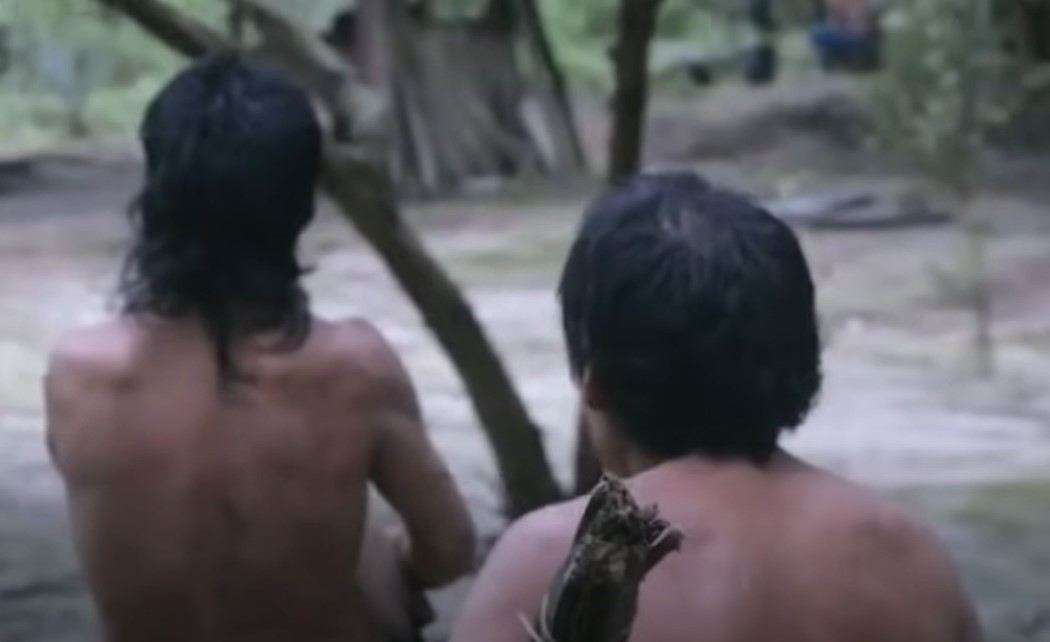
In the interim, Pakyi and Tamandua had been living in almost total isolation in the Amazon rainforest, with only each other for company. They survived on their traditional hunting and gathering skills, and met almost no outsiders.
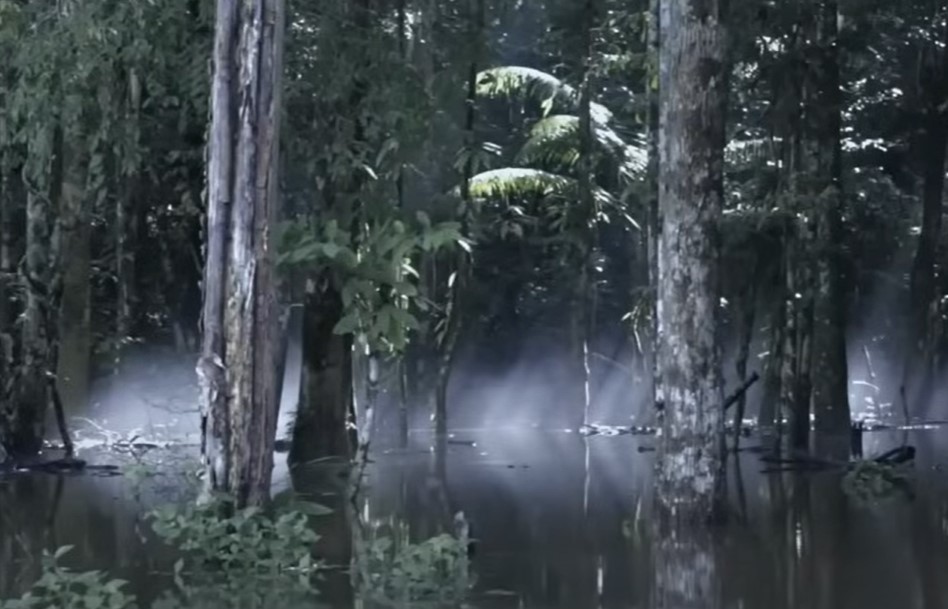
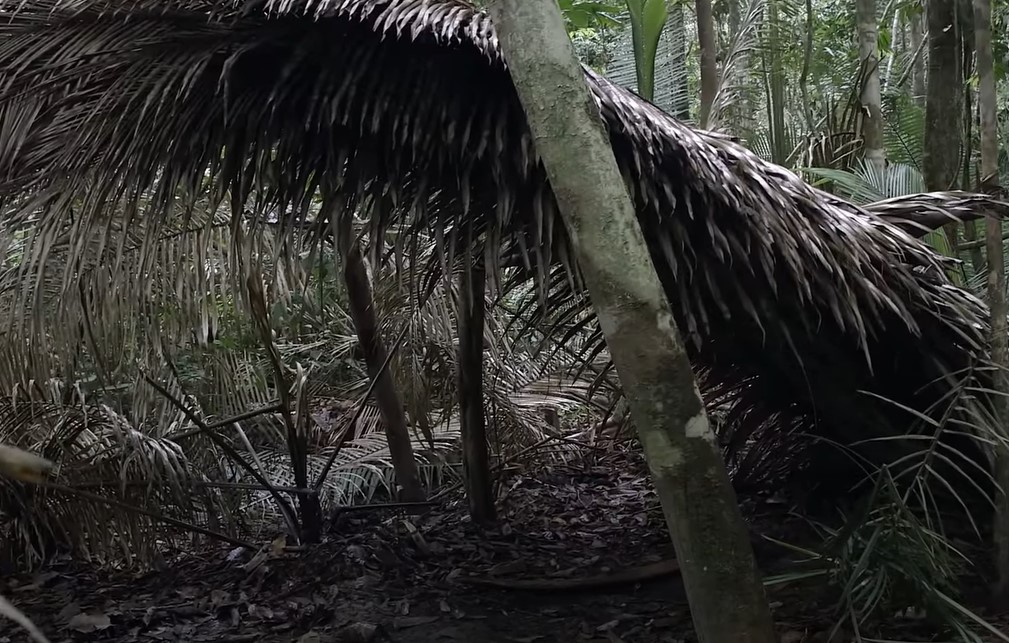
Buildings
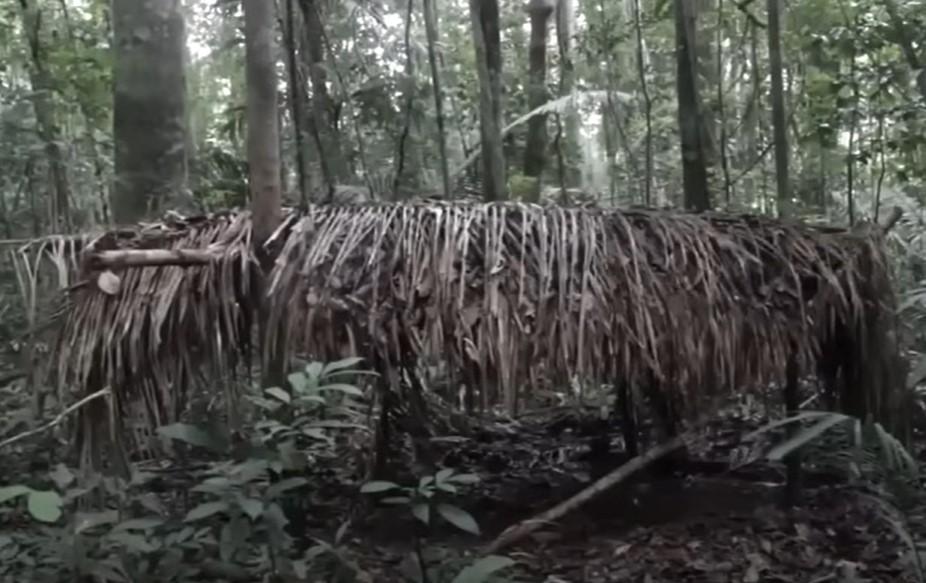
The Piripkura generally build structures out of the various parts of trees. They will make hammocks from bark, and bigger shelters using the leaves from the babacu tree.
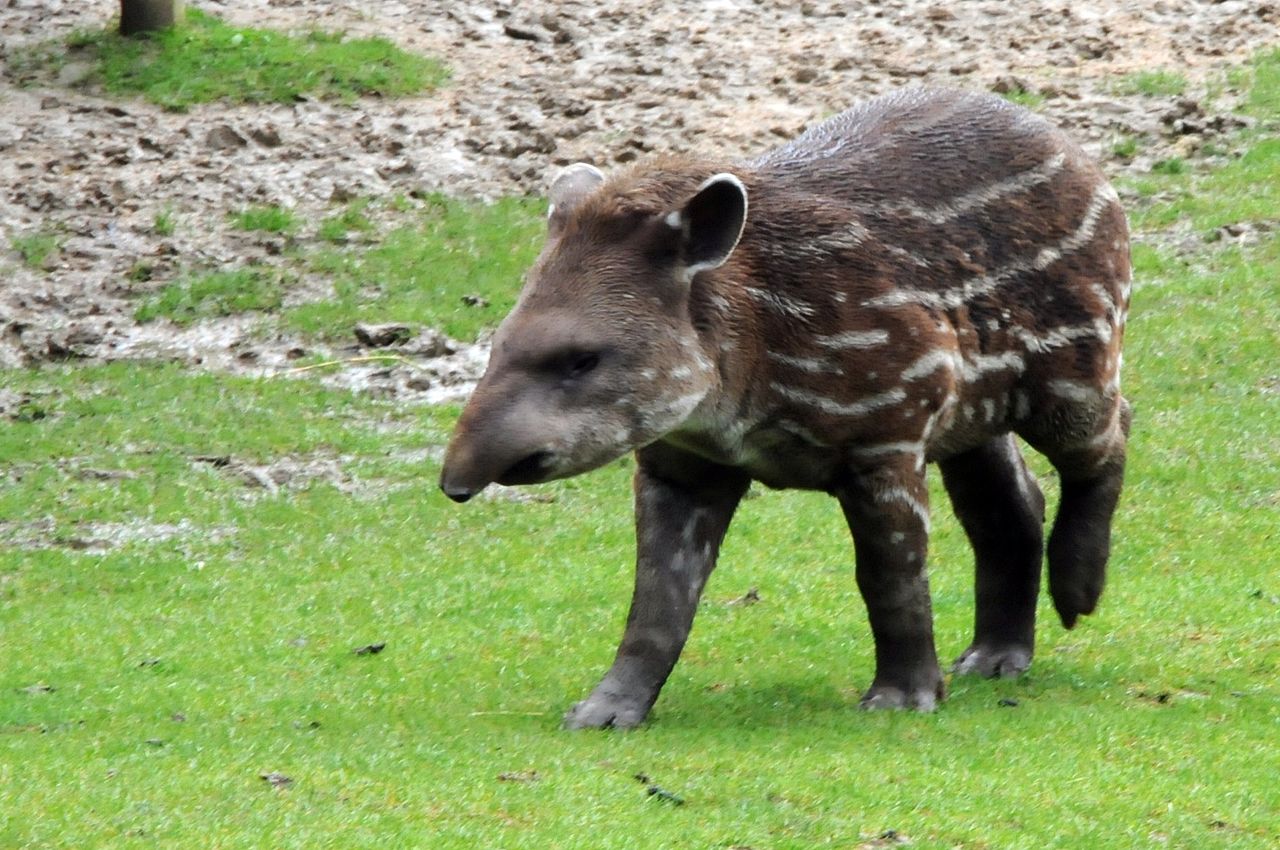
Food
When they head out to hunt, Pakyi and Tamandua rely on carefully crafted traps—ingenious setups designed primarily to catch tapirs, one of their most important sources of food.
 frank wouters, CC BY 2.0, Wikimedia Commons
Language
The members of the Piripkura tribe speak a branch of the Tupi-Kawahib language native to Brazil.
Appearance
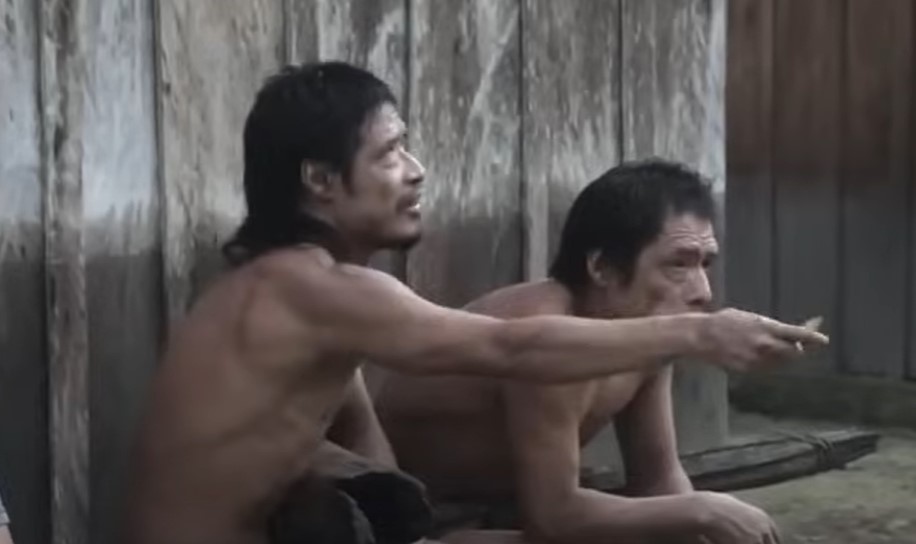
Pakyi and Tamandua often walk through the forest barefoot and without any clothing on. They carry machetes and a torch, but was once almost the extent of their tools and possessions.
Siblings Or Rivals?
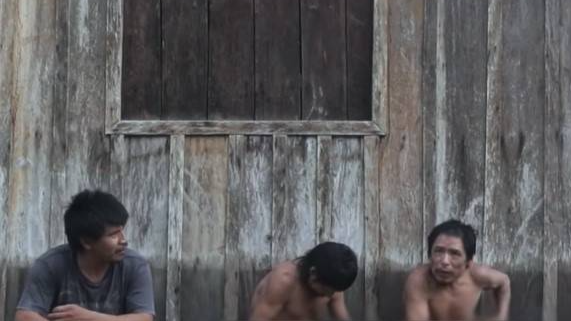
Although we'll likely never know for sure, some believe that Rita is Pakyi's sister.
Changing Names
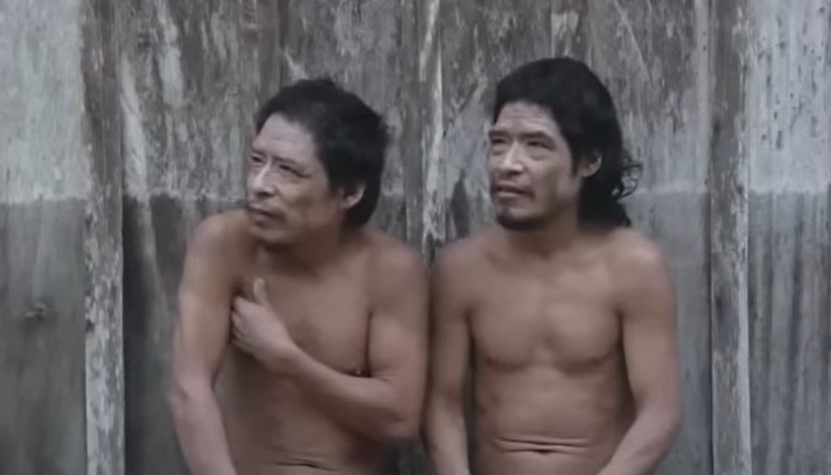
Because of the endangered and isolated nature of the Piripkura tribe, there are still many gaps in our knowledge about how they live. For example, researchers became aware that Pakyi and Tamandua used to go by different names, with Pakyi once going by Baita.
However, they do not know why this name change happened, or what it means.
What They Call Themselves
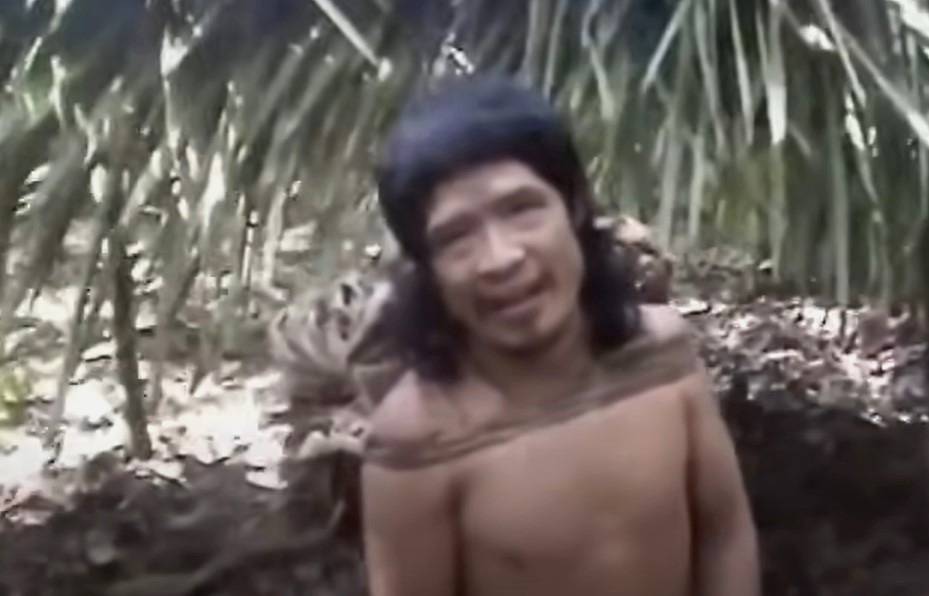
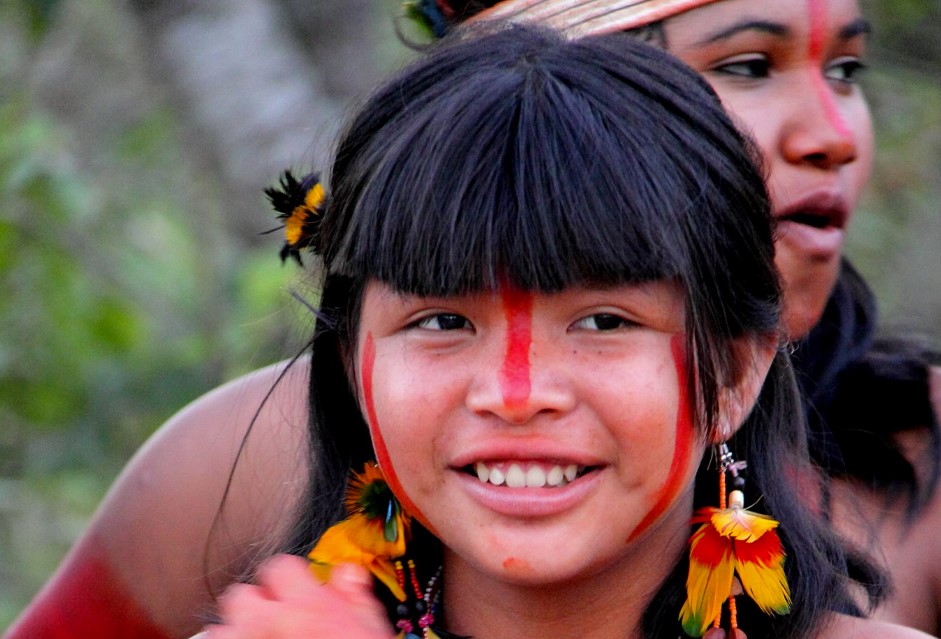
In truth, we still don't even know what the Piripkura call themselves in general. The nearby Gaviao people were the one to give them that name, which means the "butterfly people." They got the name because of the way they continually moved through the forest.
 http://veton.picq.fr, CC BY-SA 3.0 , Wikimedia Commons
A New Life
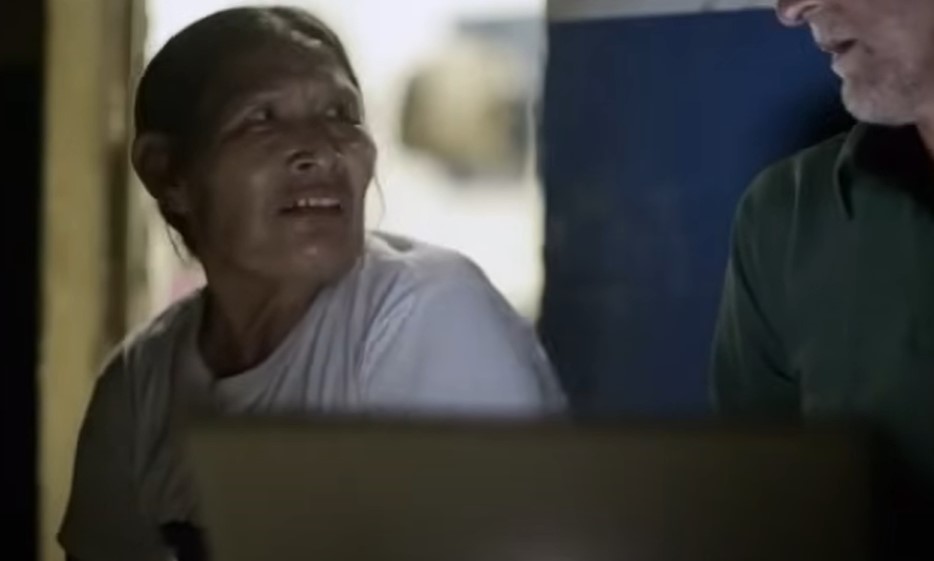
After leaving the land in 1985, Rita married into another tribe and no longer lived with Pakyi and Tamandua.
New Information
In 1998—nearly ten years after the expedition Rita aided—two more Piripkura men, Mande-i and Tucan, emerged from the rainforest to speak with outsiders. They, too, described a time when their people lived in safety and abundance, and they confirmed what survivors had long insisted: it was the arrival of outsiders that shattered their world and set their tragic decline in motion.
Still Alive
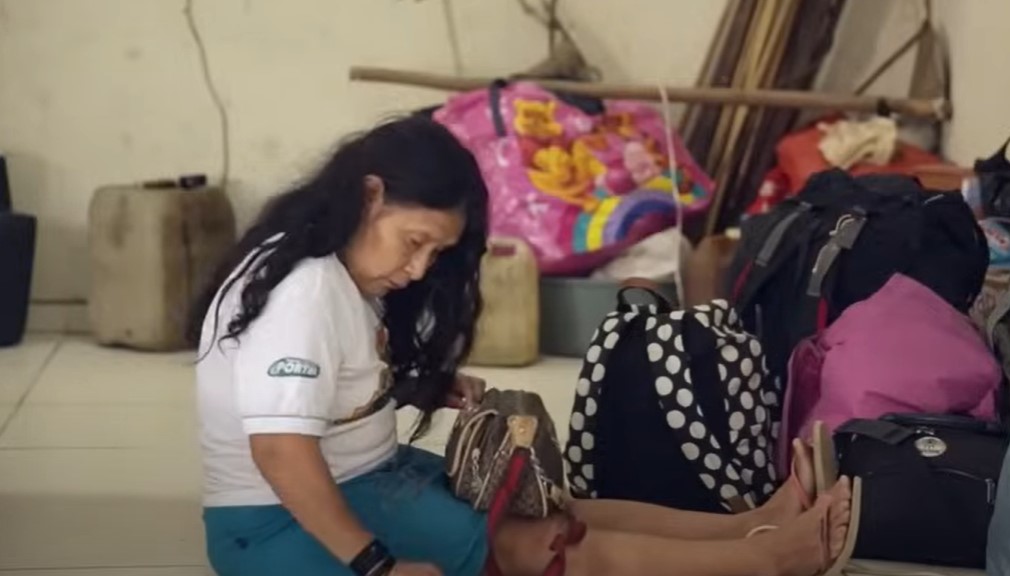
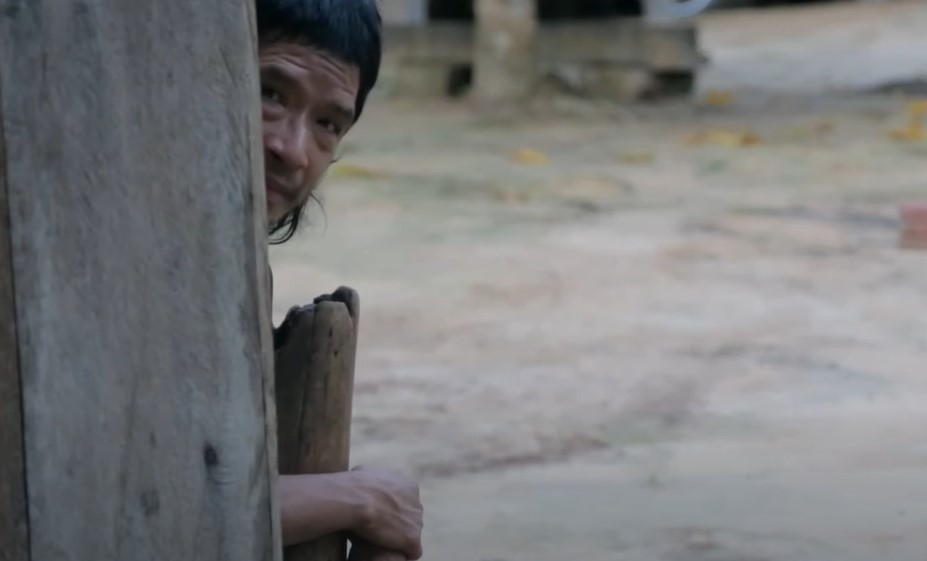
Although Mande-i and Tucan are no longer living, Pakyi, Tamandua, and Rita are all still alive, and are the last known links to the Piripkura tribe's culture.
Under Threat Again
The three surviving members of the Piripkura tribe may have weathered the massacre of their people, but it's impossible to outrun time. All three are in their late middle age, and medical issues are beginning to show.

Modern Medicine
In 2018, Tamandua, then in his 40s, discovered he had a brain cyst. As a result, he went into modern society for one of the first times in his life, going into Sao Paulo to receive brain surgery. After experiencing complications, he even had to go into intensive care.
 Mike Peel, CC BY-SA 4.0 Wikimedia Commons
Aging
Pakyi has also experienced issues with aging, most notably having prostate problems that also required modern medical interventions when he was in his 50s.
Old Beliefs
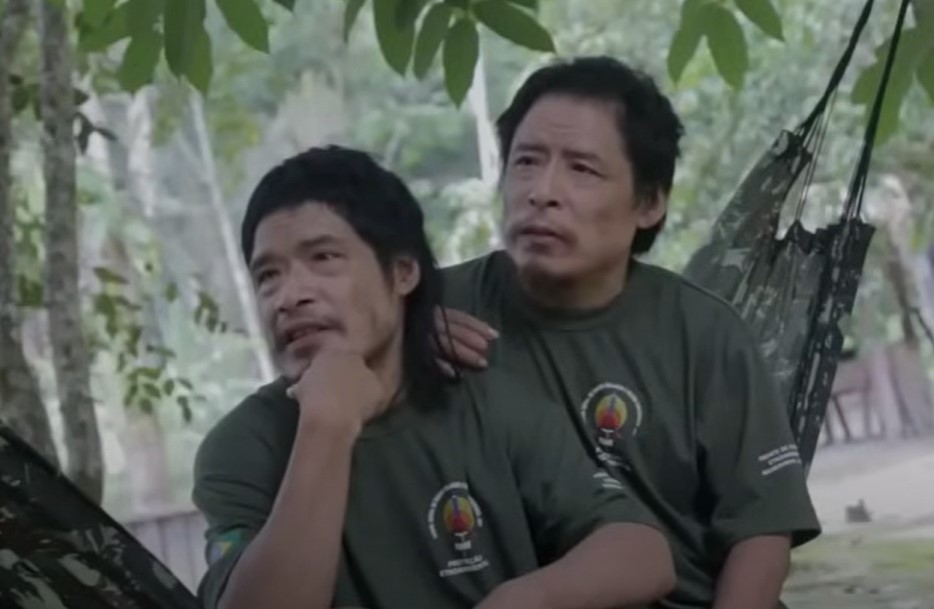
Because of their lack of contact with the outside world, Pakyi and Tamandua at least at one point believed that technology came from a god who lived in the clouds, and that white people brought His gifts from planes.
Strange Customs
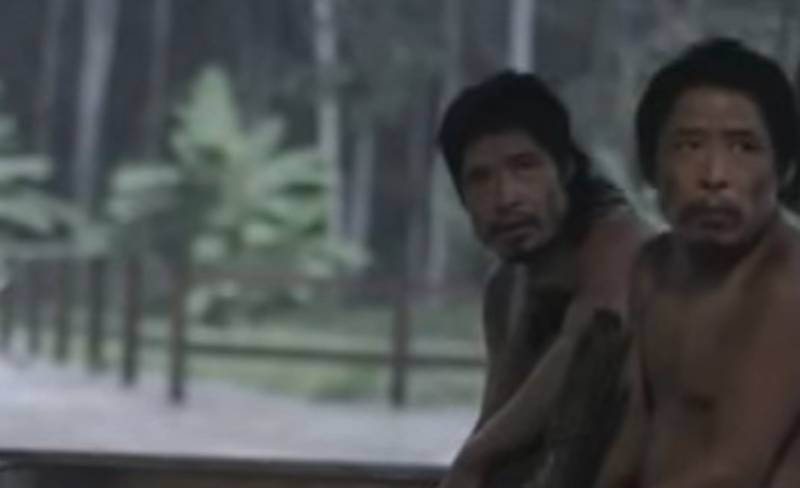
When Pakyi and Tamandua went into a modern airport, they both tried to go to the bathroom out in the open. On the plane, Pakyi abruptly touched a woman's chest.
A Way Of Life
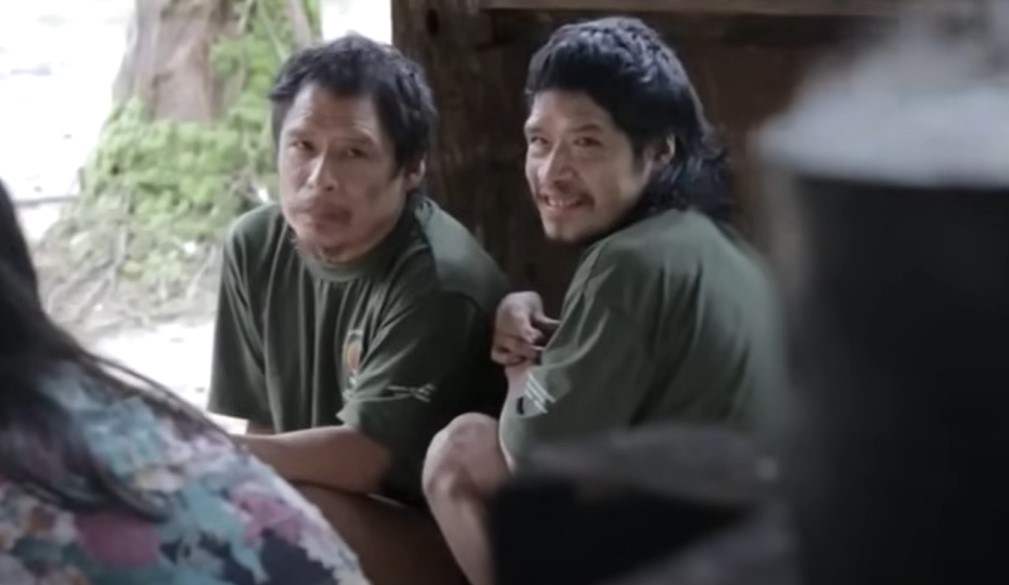
Though Pakyi and Tamandua accepted medical care from outsiders when their lives depended on it, neither man had any desire to linger in the modern world. As soon as they recovered, they slipped back into the rainforest, returning to their familiar rhythm of hunting and gathering—far from the pressures and noise of outside society..
Some Changes
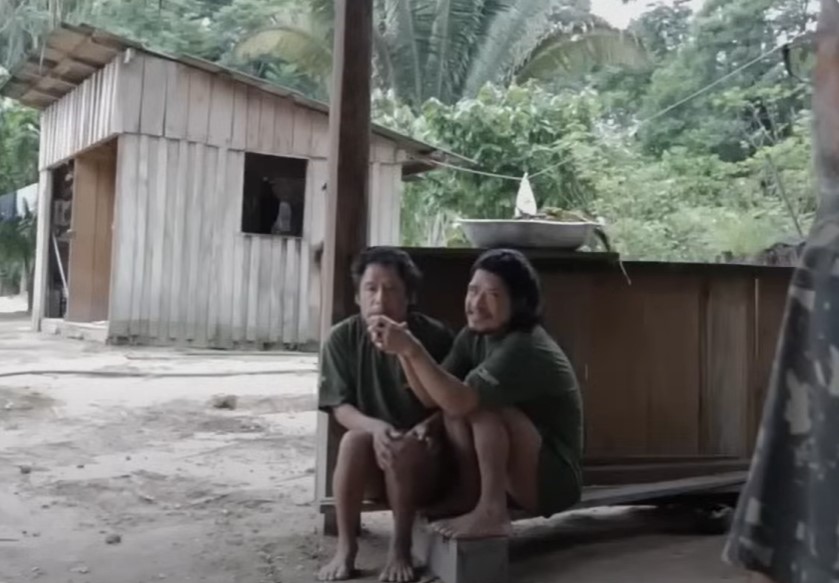
Over the years, Pakyi has modernized himself a little, especially around outsiders. One of the last times outsiders witnessed him, he had started wearing clothes, albeit wearing shirts backwards.
A Constant Fight
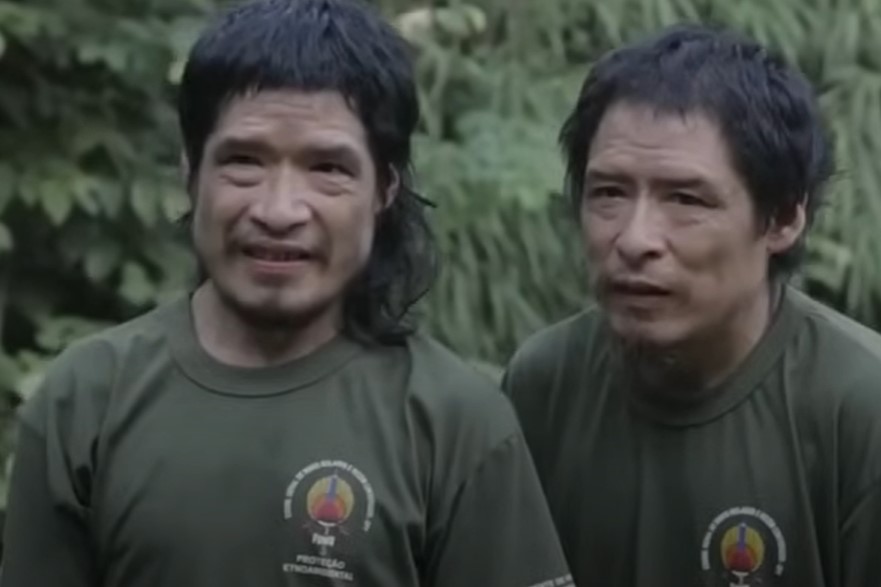
The Piripkura tribe's land is still under threat from various ranching and logging interests. The Brazilian government has gone back and forth over the last decades between siding with loggers to, in 2007, protecting over 200,000 hectares of forest just for Pakyi and Tamandua.
The Backlash
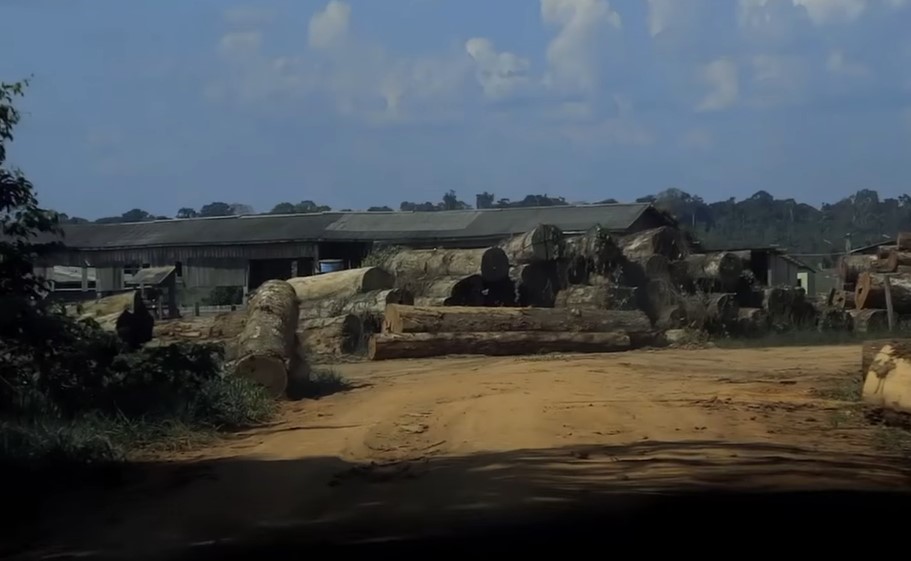
Many landowners in the area, including most prominently the Penco family with whom Rita stayed and reportedly suffered under, are angry at these concessions to the surviving Piripkura members. They argue two men don't need such extensive land.
The Struggle Continues
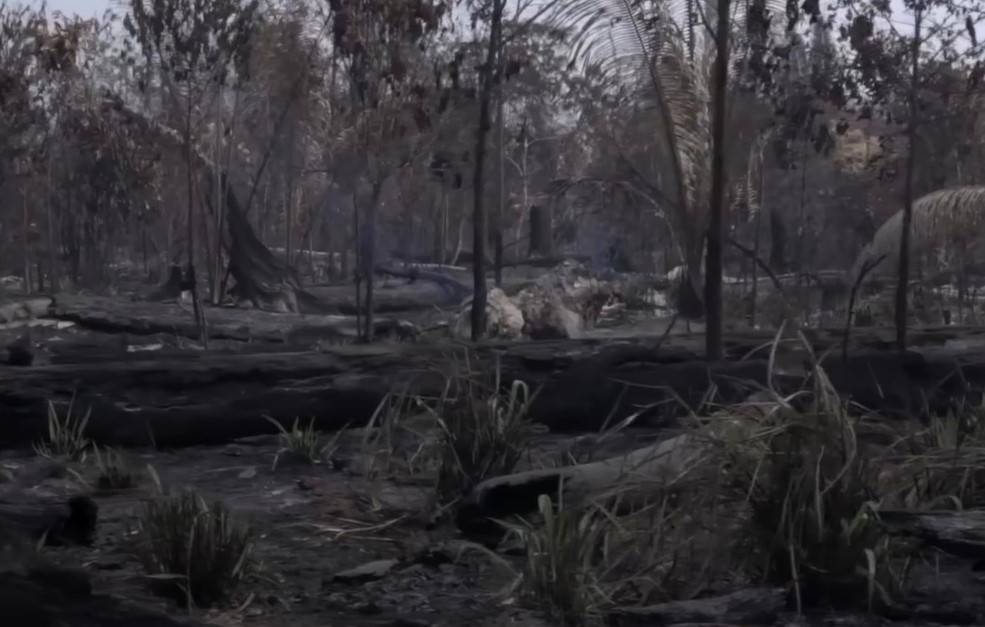
As recently as November 2021, Pakyi and Tamandua's land is still under threat. Although the government is still attempting to protect their land, it emerged that people were again illegally invading it to deforest the trees and to ranch the animals.
According to reports, more than 12,000 hectares of the protected land has already been destroyed.
Documentary
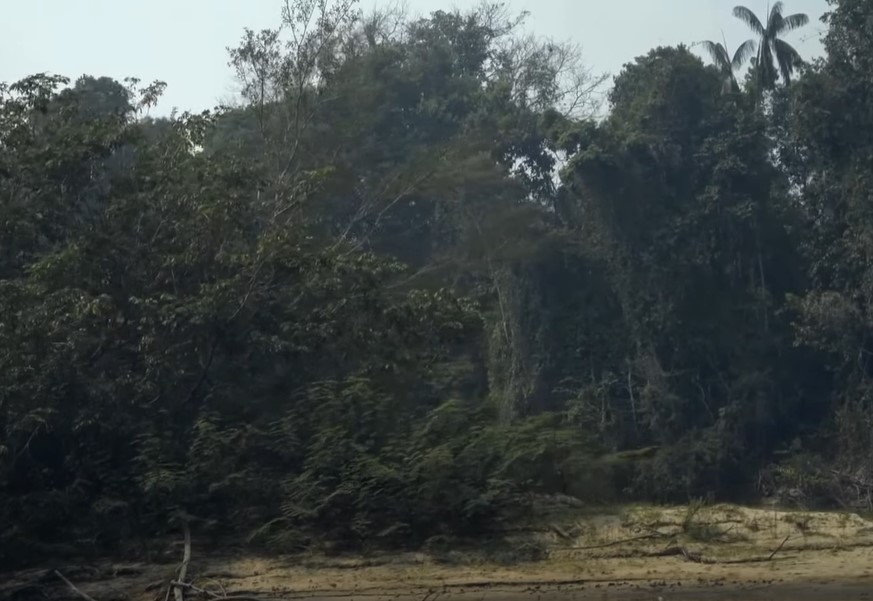
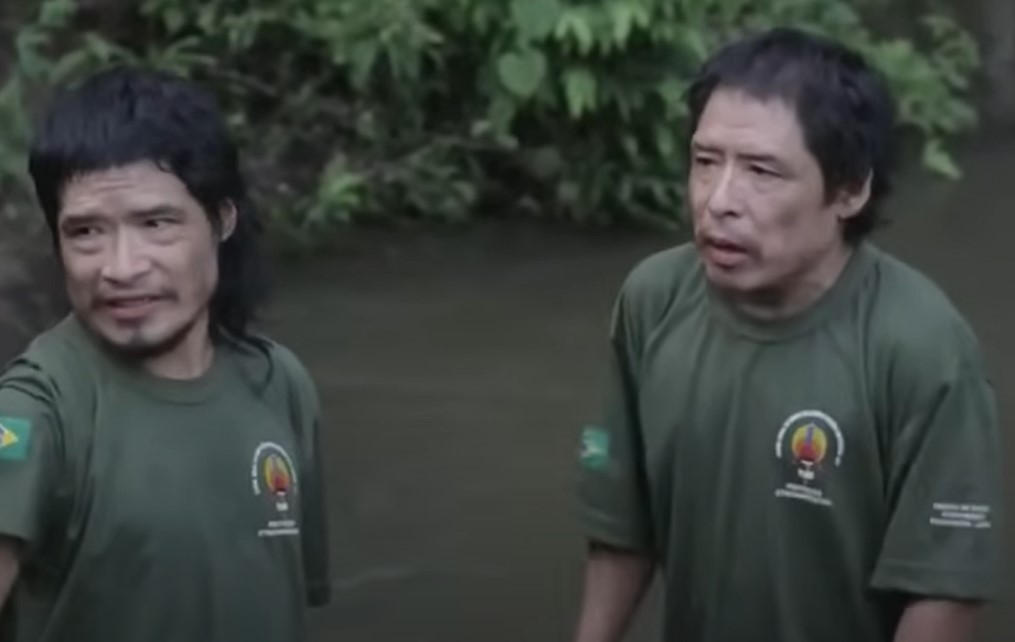
In 2017, the documentary Piripkura came out, which again attempted to find Pakyi and Tamandua within the vast rainforest in order to prove to the government they still exist. It also makes use of Rita's commentary.
Disappearance
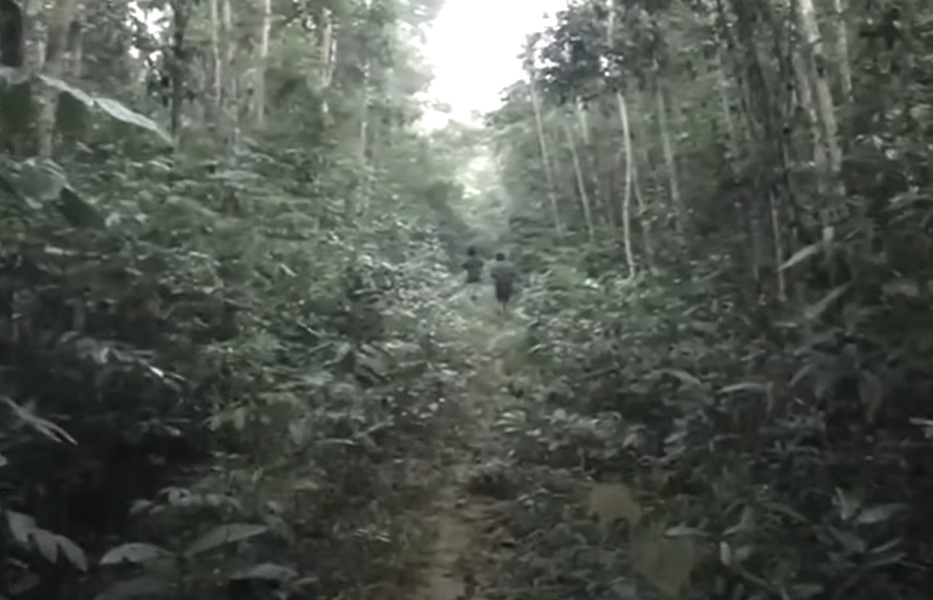
As recently as 2023, researchers have tried to find Pakyi and Tamandua again. However, there is some indication that Tamandua—the best and perhaps only hope for the propagation of his people—does not want to be found.




.jpg)


