Ghost Towns
Across the United States, ghost towns mark places where mining booms ended, railroads shifted routes, or industries collapsed almost overnight. Some states contain only a smattering of abandoned settlements in their hills, while others are dotted across the landscape by the hundreds. We tour the states with the most ghost towns, and explore why some states became hotspots for abandonment.

Arkansas
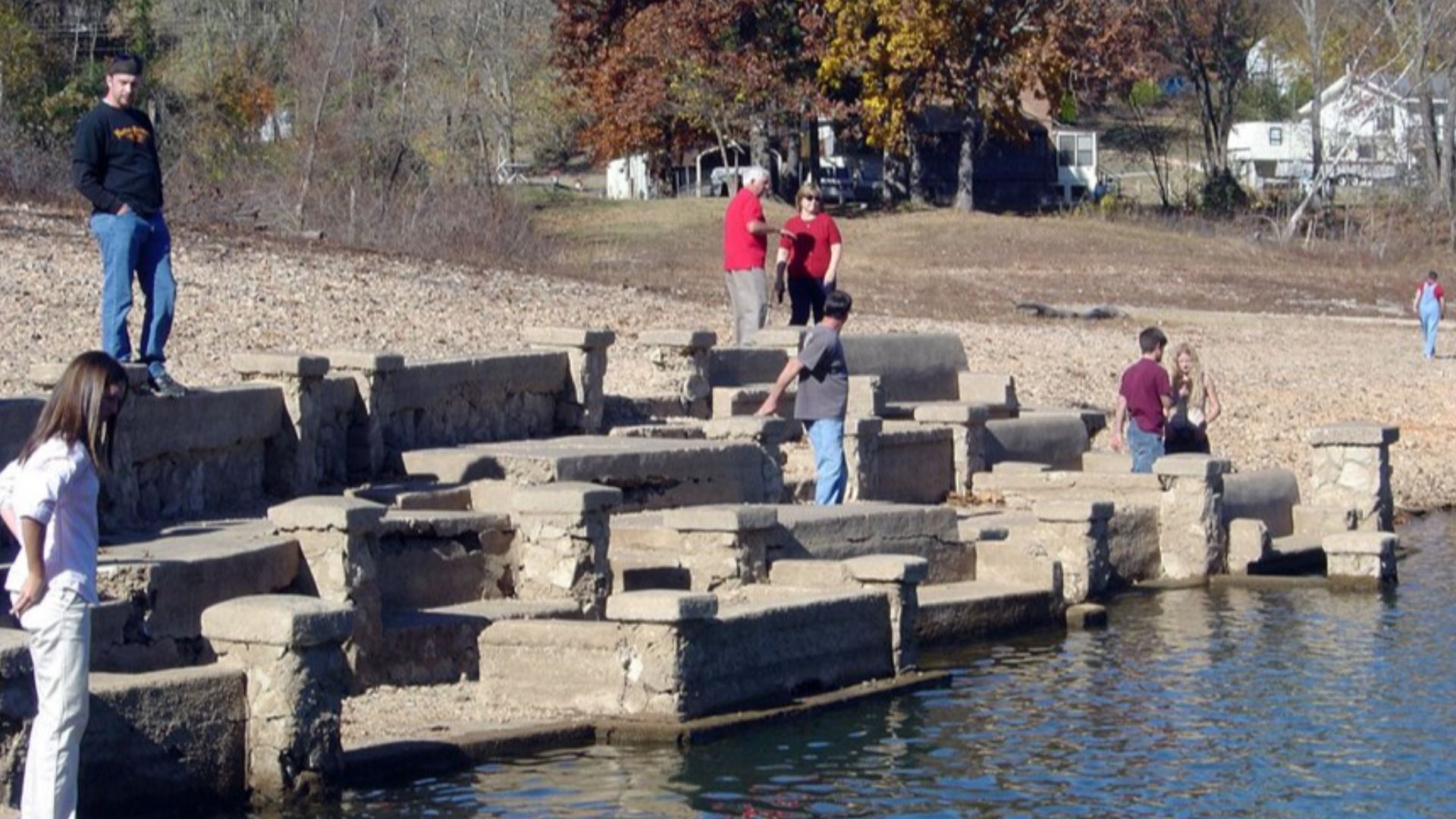
Arkansas has a decent number of old ghost towns. These were historically tied to failed Ozark lumber camps and short-lived river trade hubs. Places like Rush and Monte Ne faded away when natural resources were cleaned out or transportation patterns changed. The state’s economy stabilized relatively soon in its history, avoiding a lot of the boom-and-bust cycles seen elsewhere as migratory hordes of people flocked like a tide westward.
 Doug Wertman, Wikimedia Commons
Florida
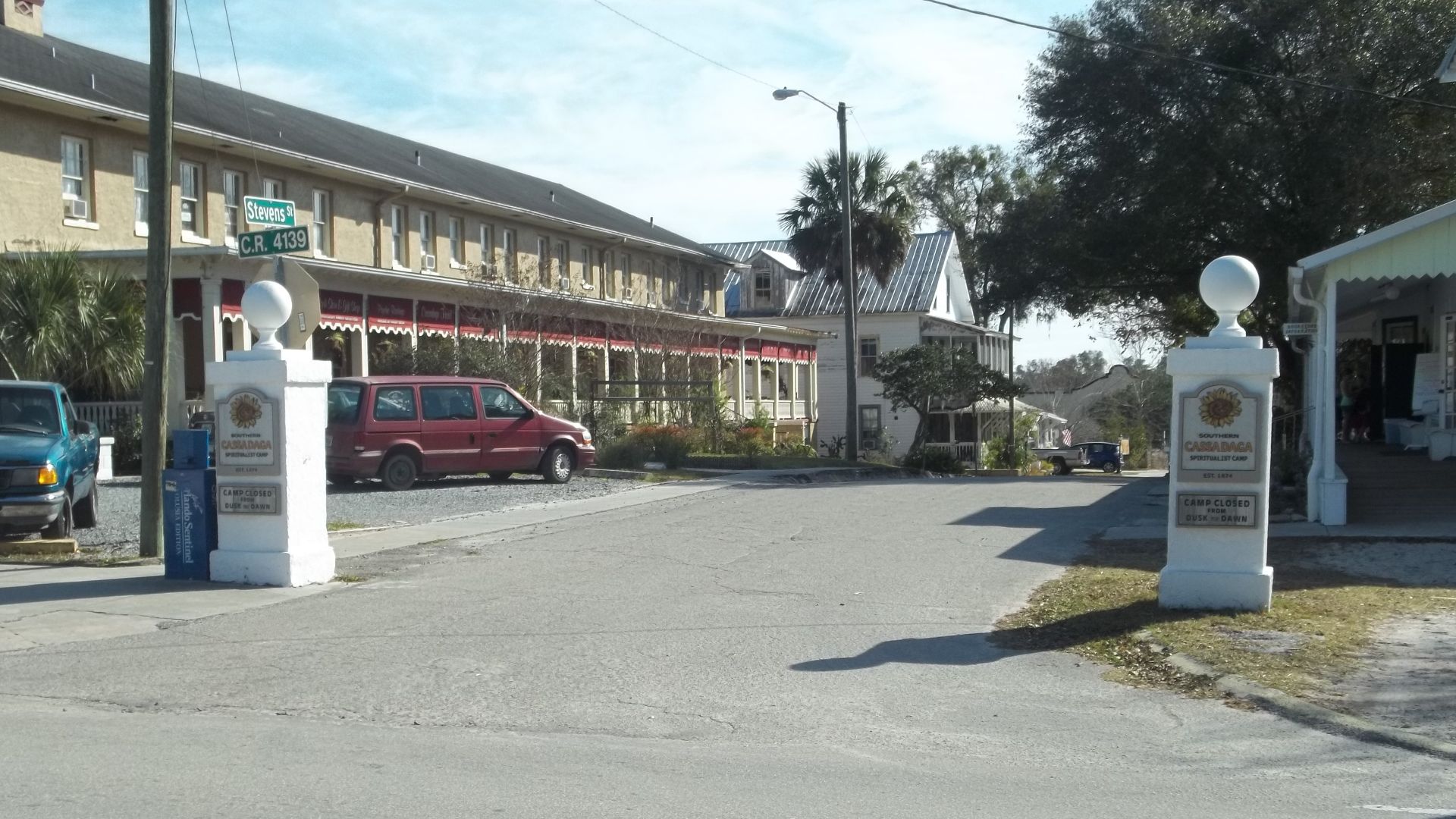
Florida’s ghost towns are often linked to failed real estate schemes, citrus freezes, and drained swampland ambitions. Towns like Cassadaga Spur and Brewster vanished when development dreams went up in smoke. Because Florida’s economy diversified quickly into tourism and agriculture, few of these kinds of settlements ended up being permanently abandoned.
Missouri
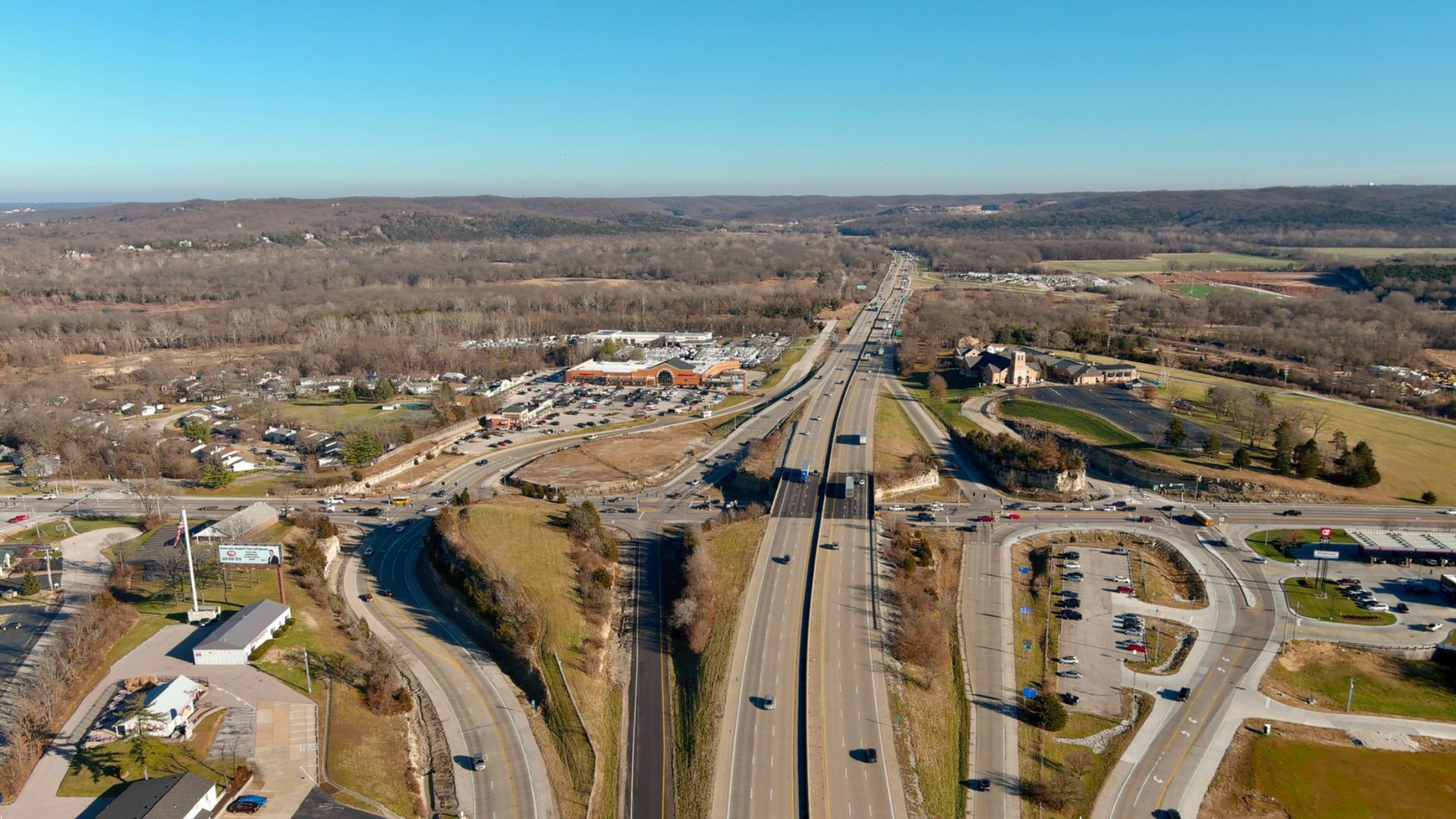
Missouri’s ghost towns often trace back to mining and river commerce. Communities like Times Beach and Rocky Comfort withered on the vine after environmental disasters or shifting trade routes. As railroads took the place of river transport and industries consolidated, smaller towns hollowed out, leaving behind visible reminders of early Midwest expansion.
 EagleScout2017, Wikimedia Commons
Pennsylvania
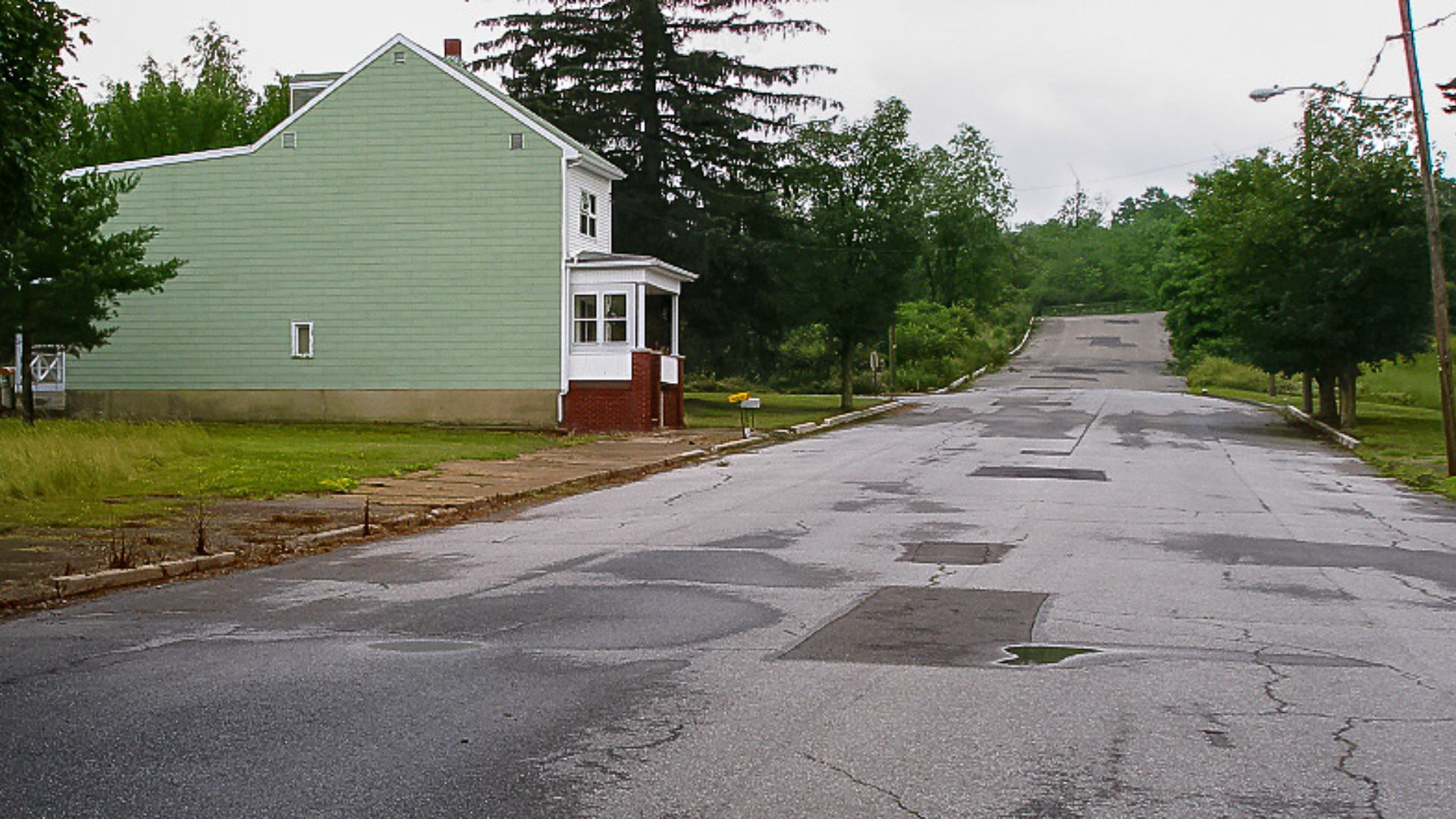
Pennsylvania’s abandoned towns are emblematic of the rise and fall of coal and steel. Places such as Centralia and Pithole collapsed after fires, drained resources, or industrial decline. While the state has numerous abandoned industrial sites, later redevelopment and population density means that there are fewer ghost towns than we see out west.
Georgia
Georgia’s ghost towns are often linked to gold mining and failed industrial projects. Auraria and Scull Shoals thrived for brief twilight periods before resources were devoured or factories closed. Compared to western states, Georgia’s longer agricultural stability reduced the scale of abandonment. There are fewer true ghost towns left behind.
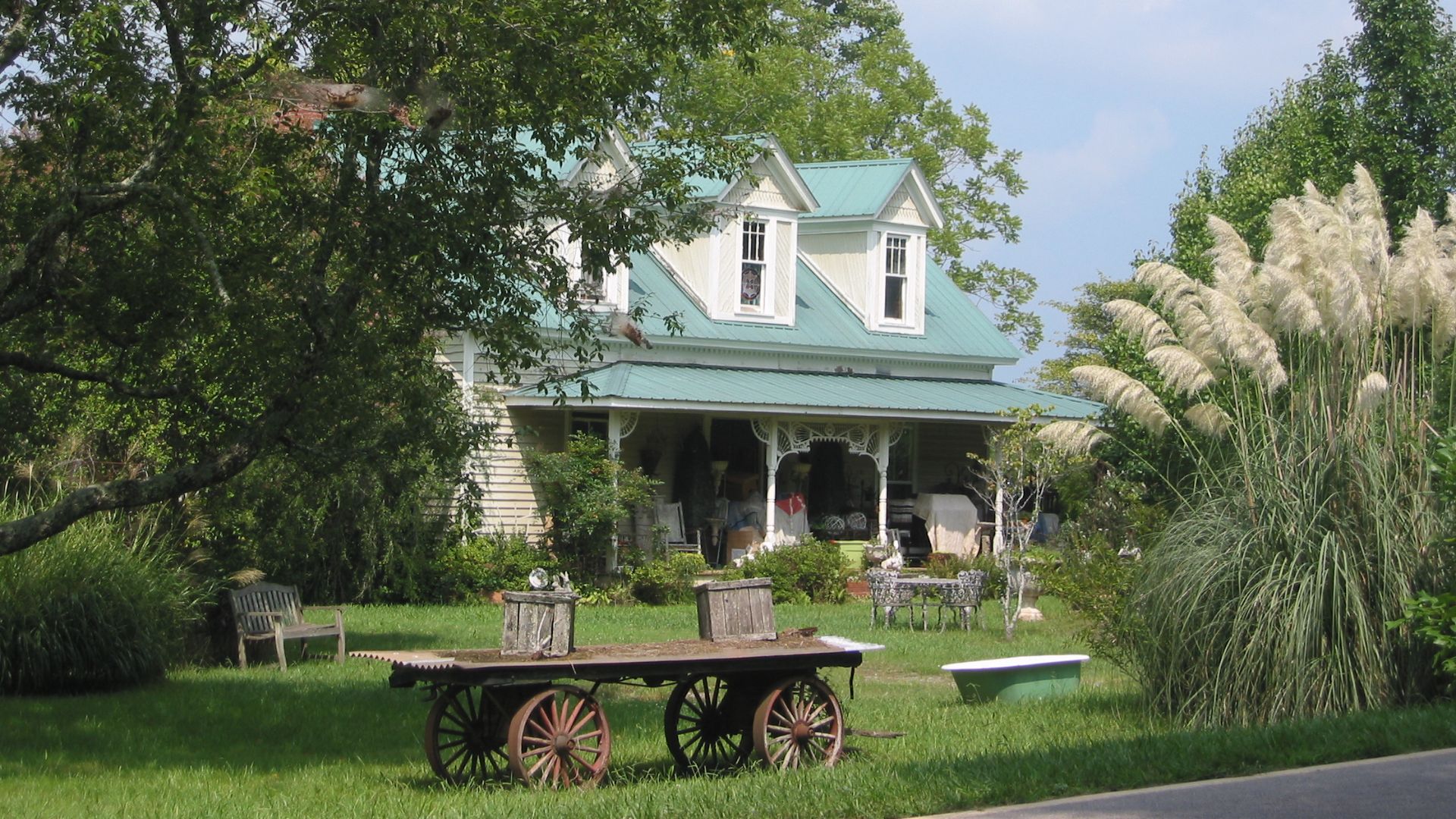 Hellohowareyoudoing at English Wikipedia, Wikimedia Commons
Michigan
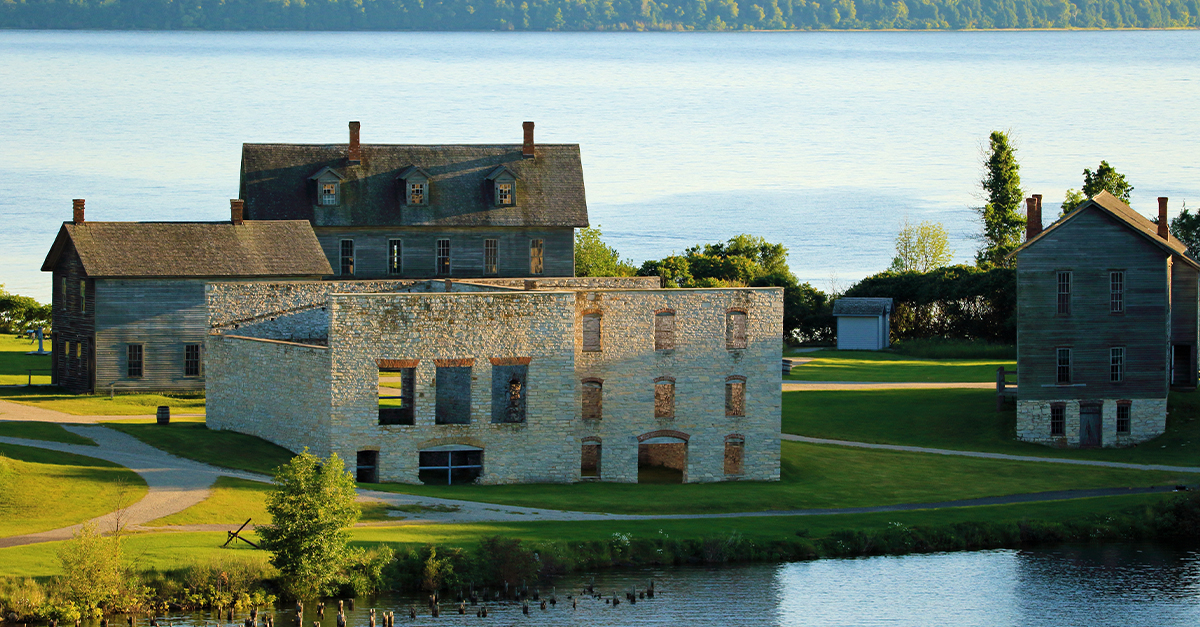
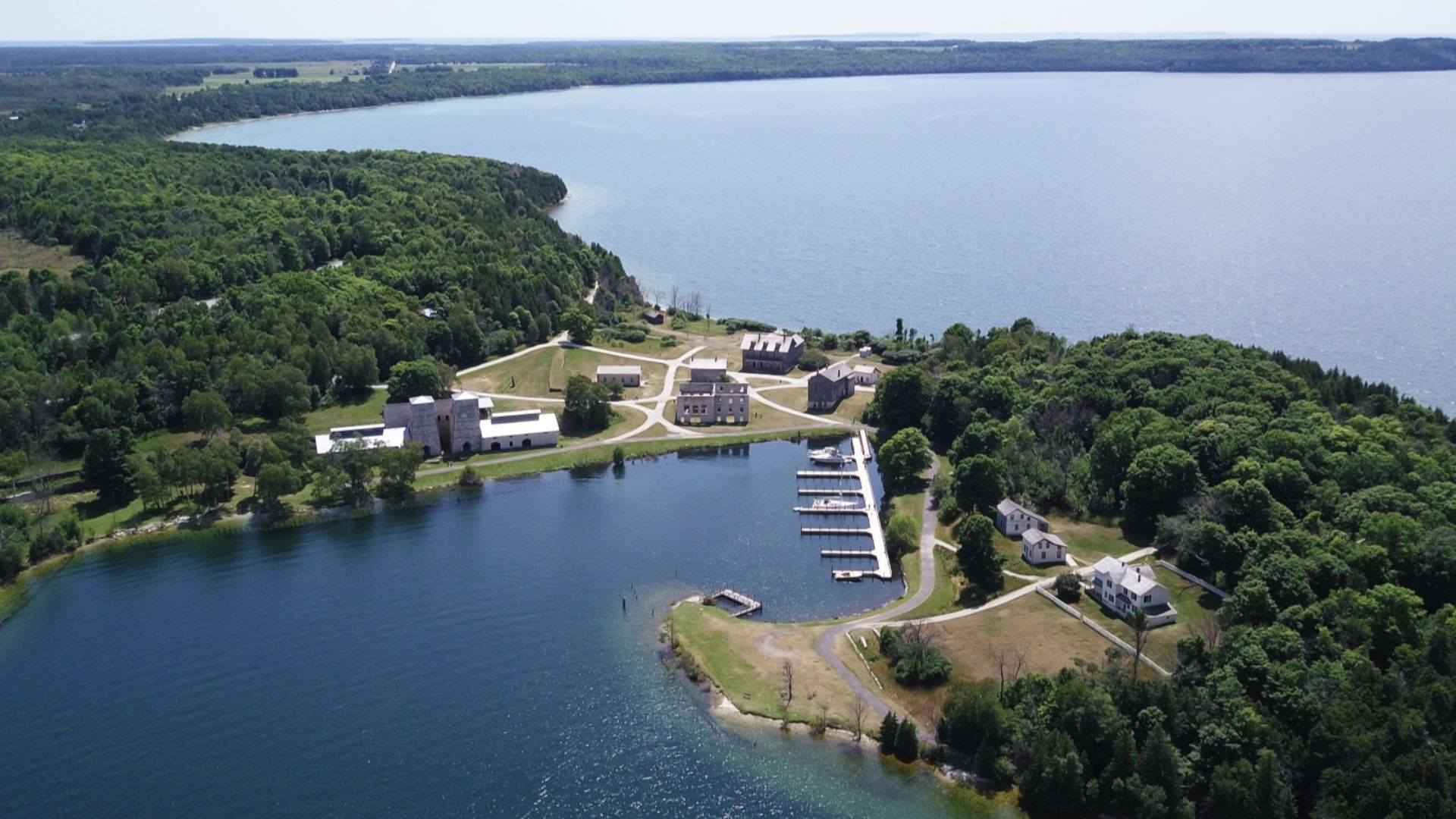
Michigan ghost towns largely come from iron mining and lumber booms, especially in the Upper Peninsula. When iron ore reserves ran out, the writing was on the wall for settlements like Fayette and Victoria. As with Pennsylvania, Michigan has a lot of abandoned buildings, but fewer towns were completely abandoned due to later economic adaptation.
South Carolina
South Carolina’s ghost towns are a reflection of Deep South plantation agriculture failures or natural disasters. Towns like Georgetown’s outlying communities declined after floods, fires, or economic changes. Because farming was still viable across most regions, the state avoided large clusters of abandoned settlements.
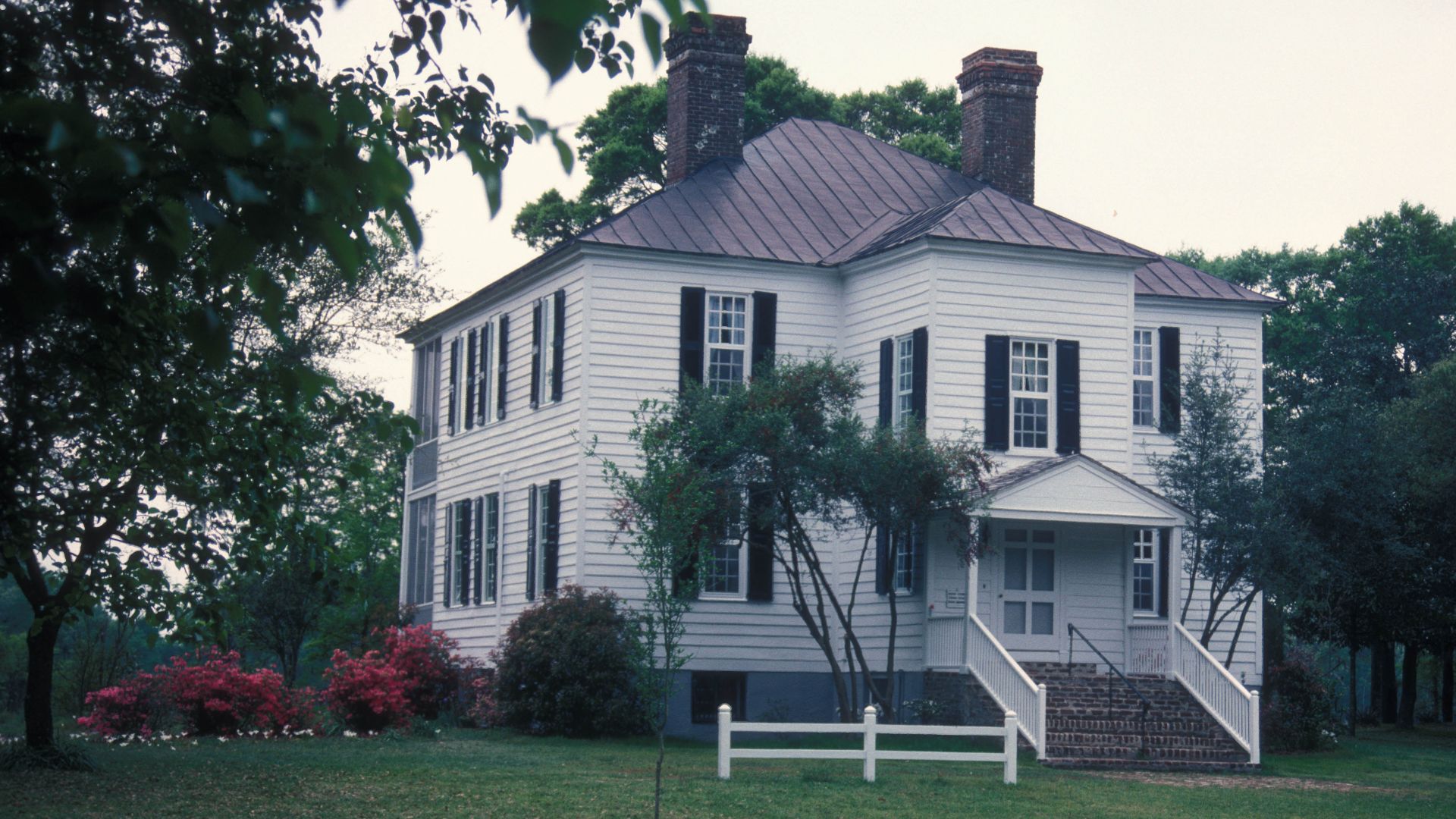 JERRYE & ROY KLOTZ MD, Wikimedia Commons
Tennessee
Tennessee’s ghost towns are closely tied to mining and river trade. Elkmont and Roan Mountain declined as logging operations ended and transportation routes changed. The state’s diverse economy reduced large-scale abandonment, but the Appalachians of the eastern part of the state still hold the left-behinds of once-busy industrial communities.
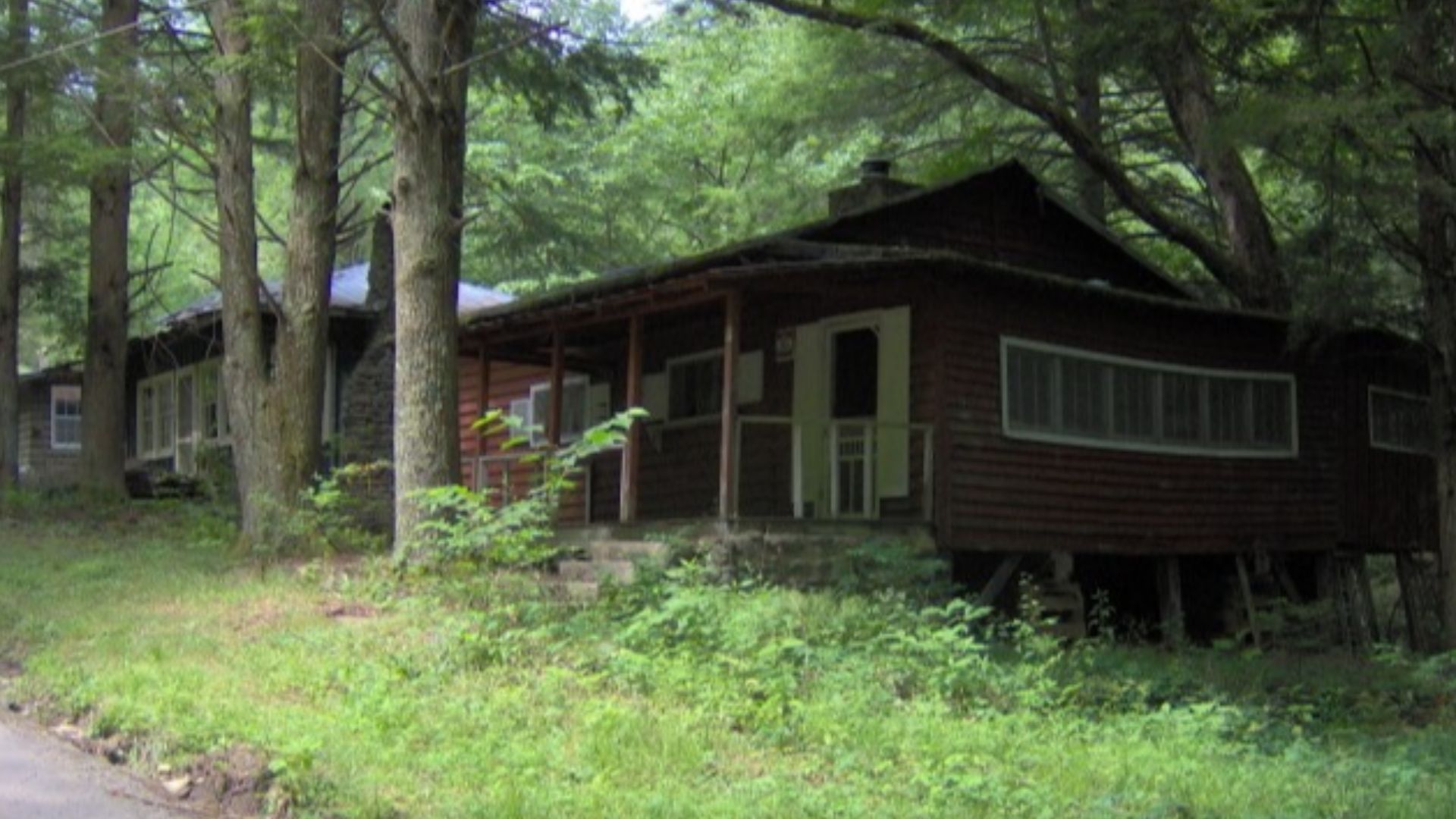 Brian Stansberry, Wikimedia Commons
Kentucky
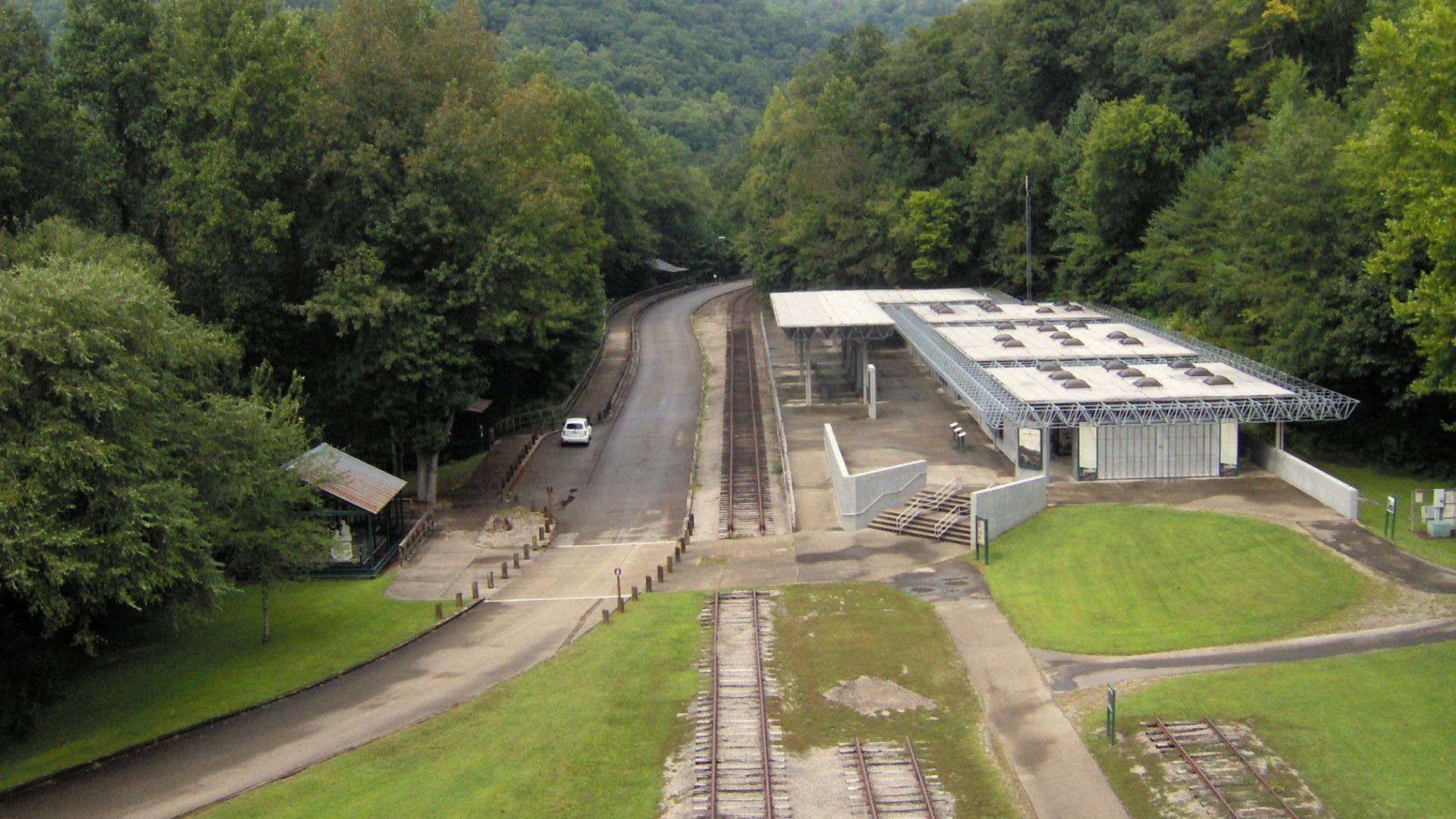
As in neighboring Tennessee, Kentucky ghost towns often originated around coal mining and railway stops. Blue Heron and Lynch wasted away when mining declined or labor upheaval rocked the industry. Many towns partially survived, but some were totally abandoned as automation replaced jobs and populations moved on to greener pastures.
 Brian Stansberry, Wikimedia Commons
Louisiana
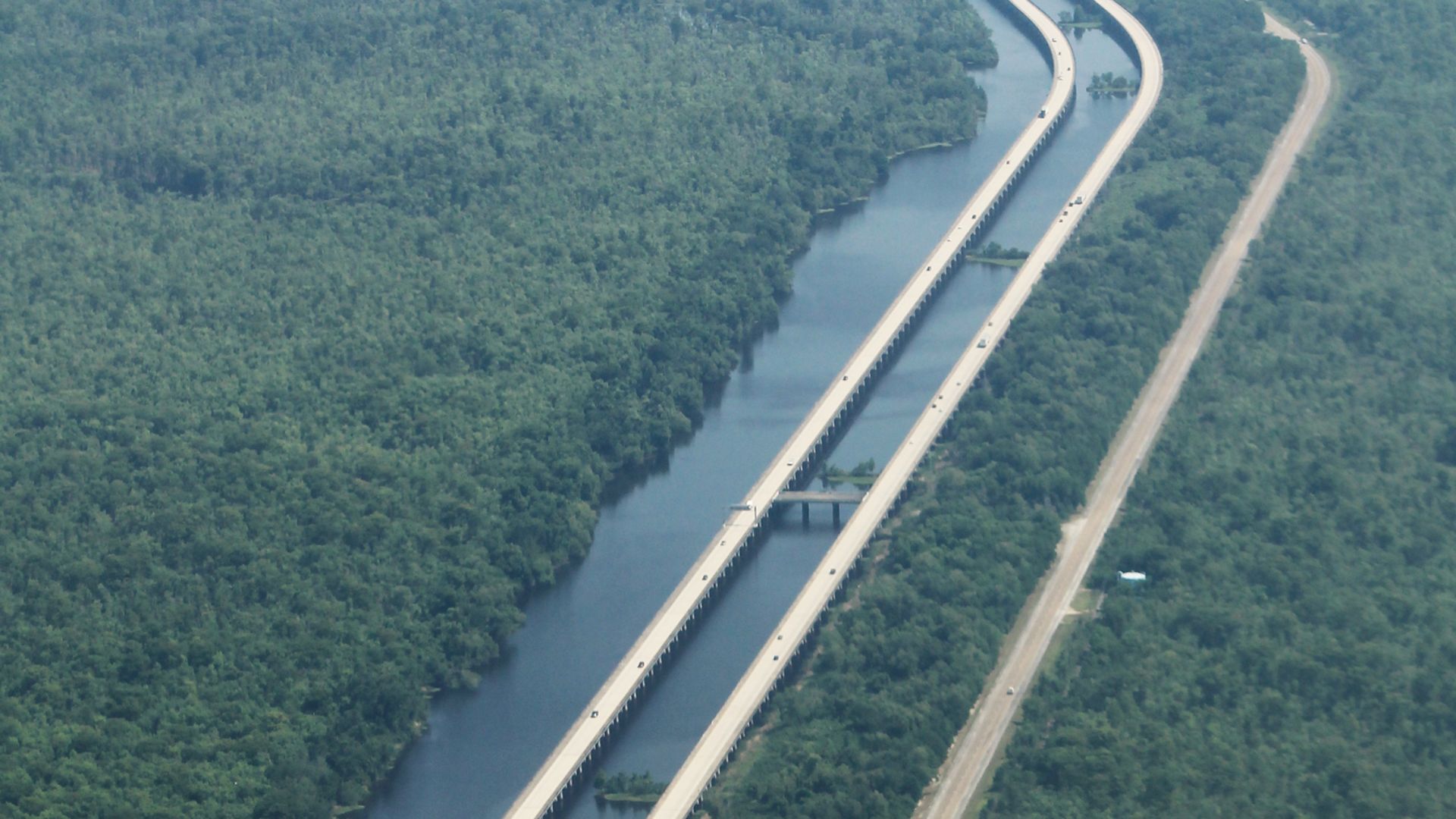
Louisiana’s ghost towns follow the state’s dynamic geography of flooding, river shifts, and oil busts. Abandoned settlements like Ruddock disappeared after natural disasters or economic downturns. The state’s difficult river delta terrain helped erase communities when levees failed or hurricanes made long-term habitation impractical.
 formulanone from Huntsville, United States, Wikimedia Commons
Alabama
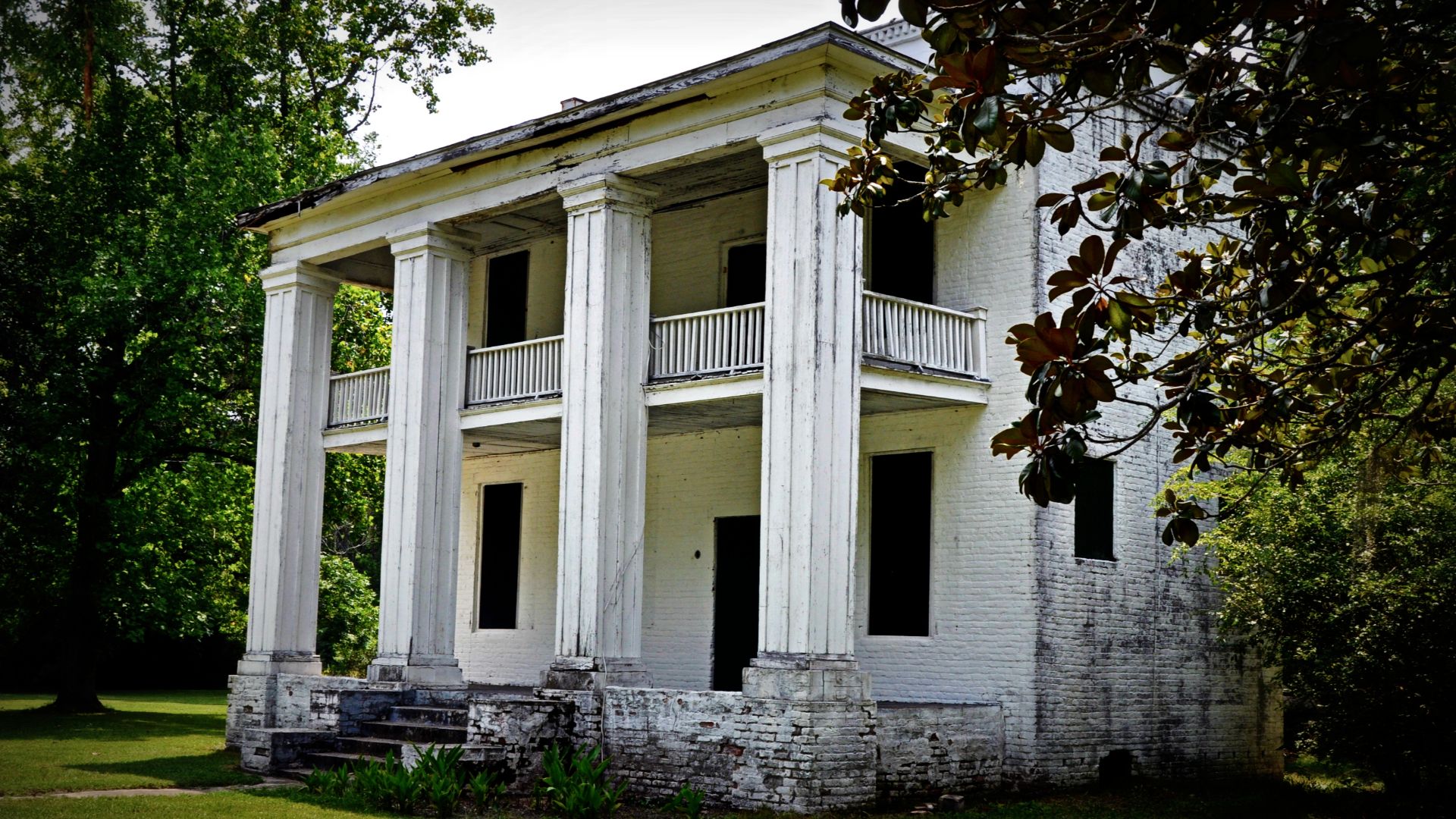
Alabama’s ghost towns were the result of iron furnaces, railroads, and early manufacturing. Places like Blount Springs went into a tailspin as industries moved or consolidated elsewhere. Cahaba is a highlight example as the first state capital in the 1820s, before its decline in the post-Civil War era. The state’s strong agriculture means that the total number of abandoned towns is moderate.
 Leigh T Harrell, Wikimedia Commons
Oregon
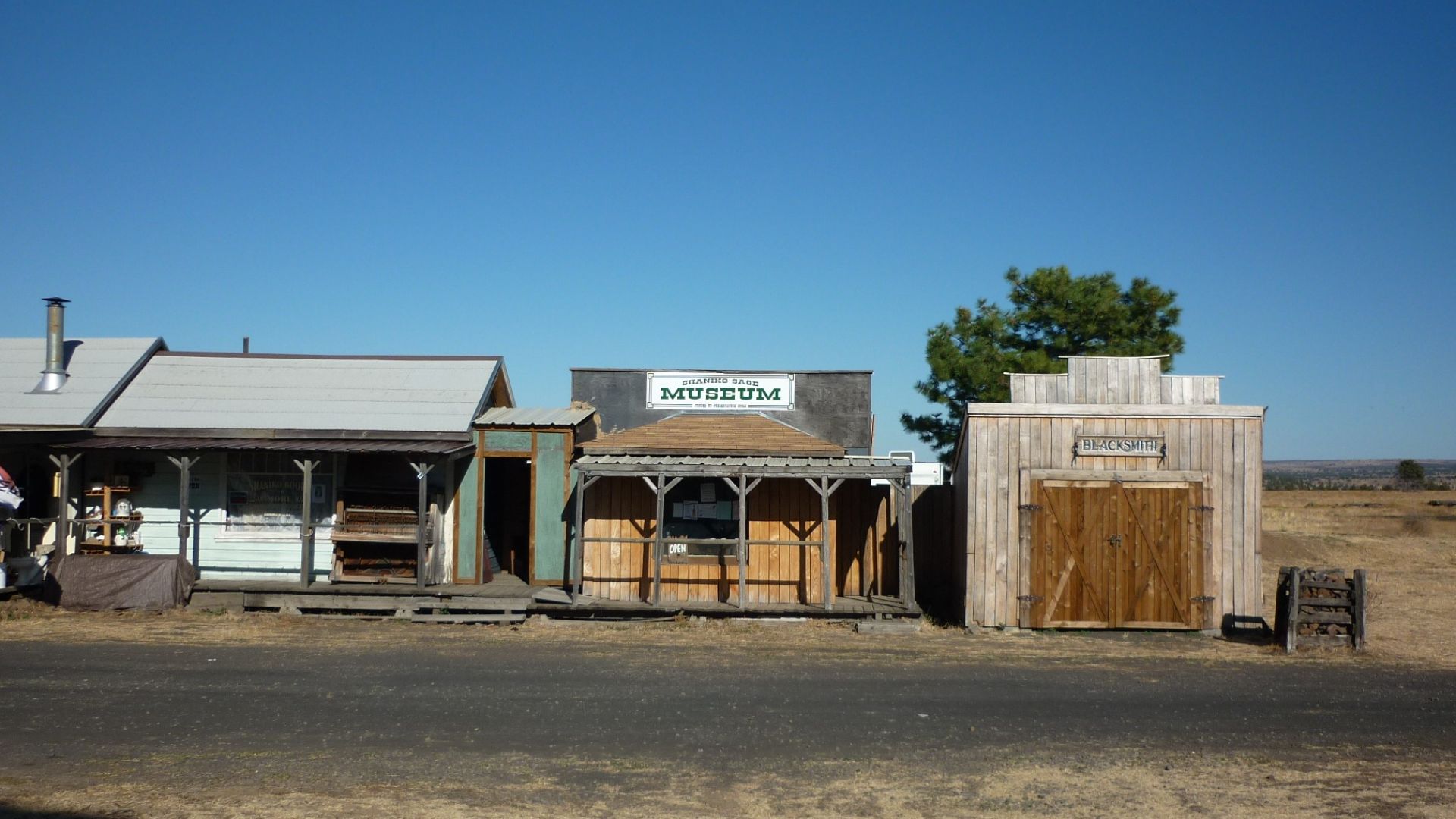
Oregon has an impressive collection of ghost towns tied to gold mining and logging. Cornucopia and Shaniko declined after resource depletion and changes in transportation routes. The remote terrain of many areas of the state amplified abandonment, leaving behind well-preserved remains of frontier settlements seemingly frozen in time.
Idaho
Idaho’s ghost towns come from the past mining booms in remote mountain regions. Towns like Custer and Bayhorse thrived briefly before the ores ran out. Rugged terrain, brutal winters, and isolation discouraged any redevelopment, which means that a lot of the abandoned structures still stand long after populations flocked to greener pastures.
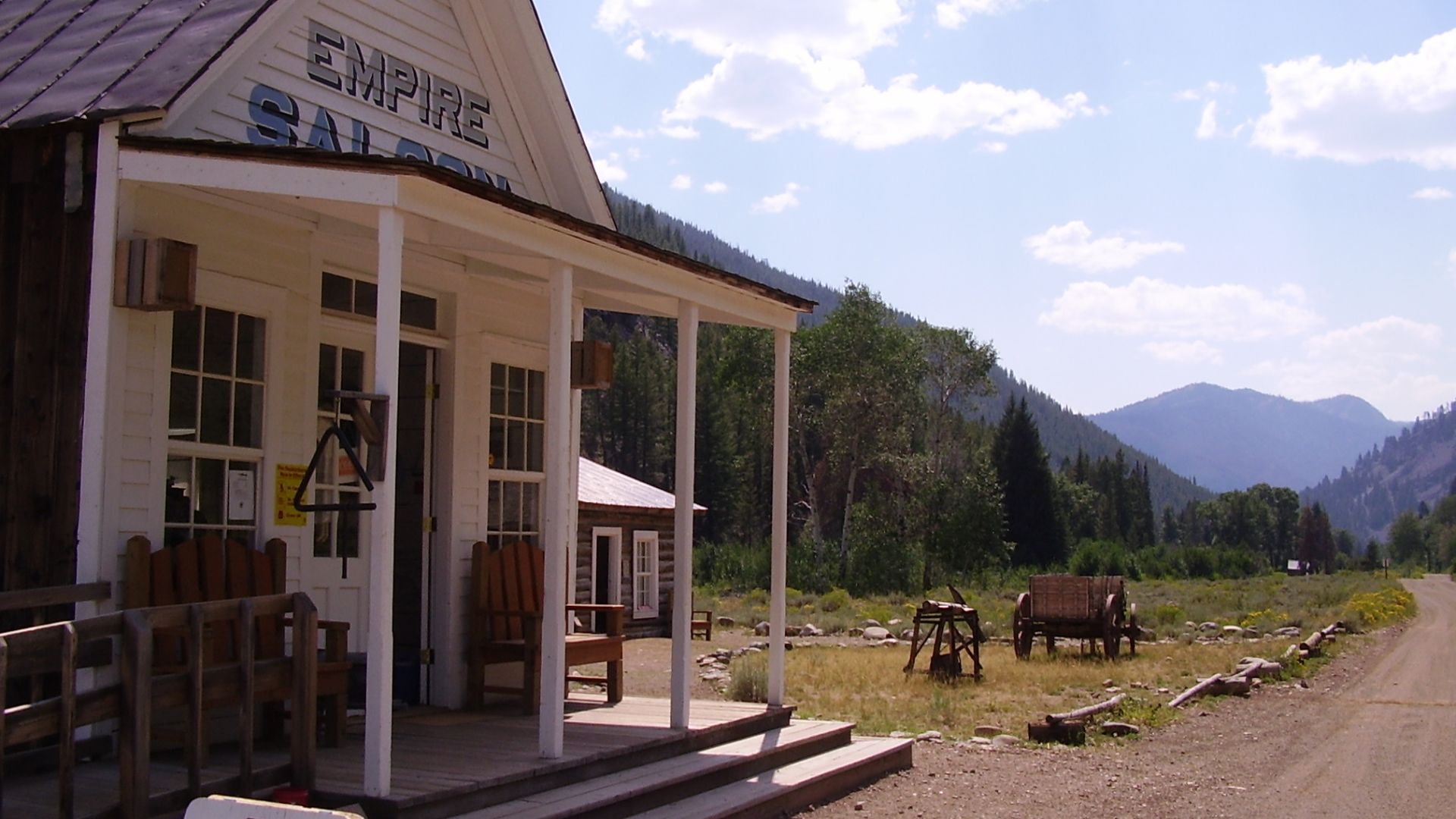 shelleylyn from USA, Wikimedia Commons
North Dakota
North Dakota is home to some of the nation’s most haunting ghost towns. The abandonment pattern is mostly about failed homesteading, railroad changes, and agricultural hardship on the windswept expanse of the Great Plains. Towns like Arena and Braddock withered away when farms went bust or rail service ended. Harsh winters, drought, and depopulation of the surrounding rural regions gradually hollowed out many settlements.
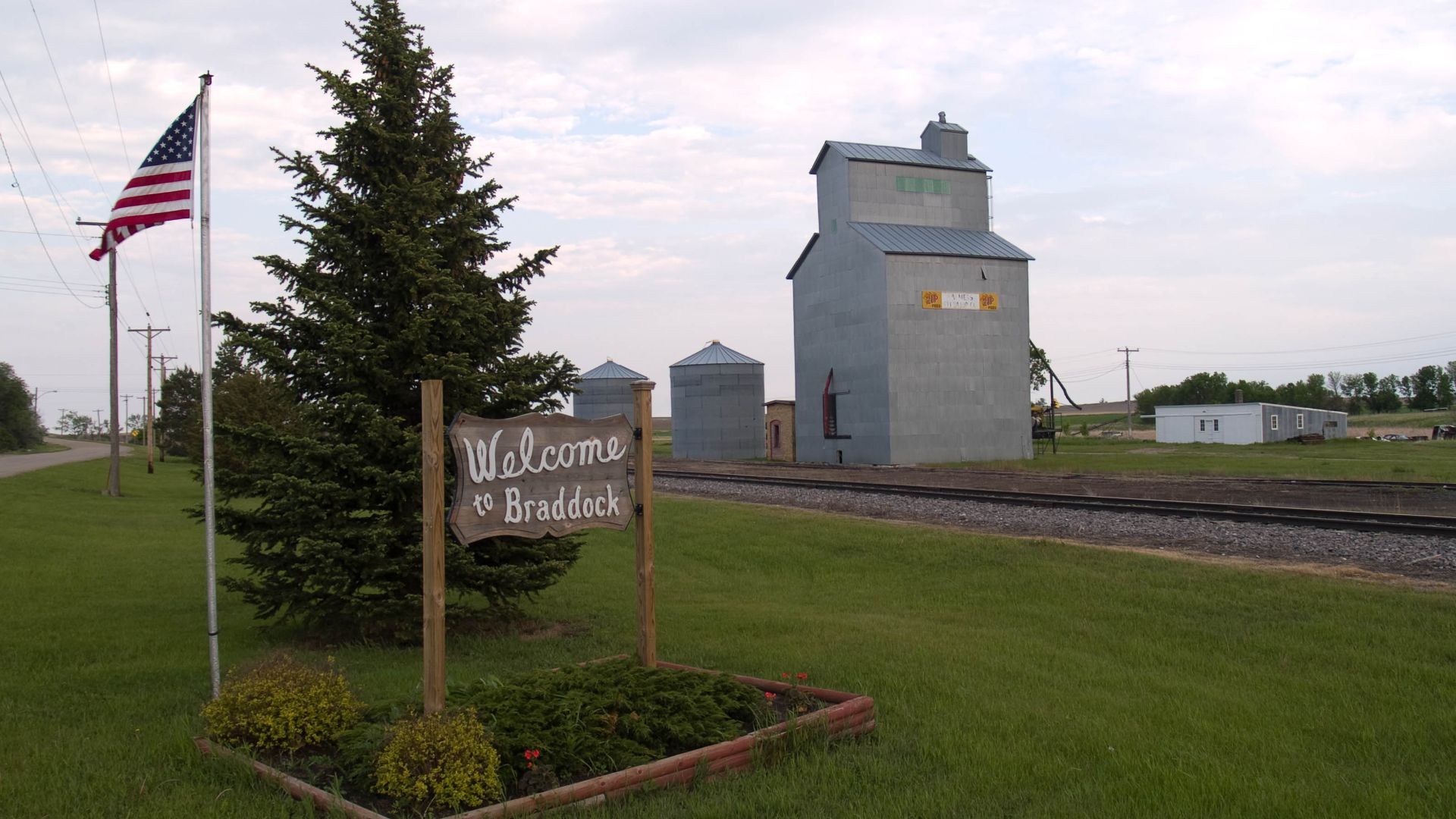 Andrew Filer from Seattle (ex-Minneapolis), Wikimedia Commons
Arizona
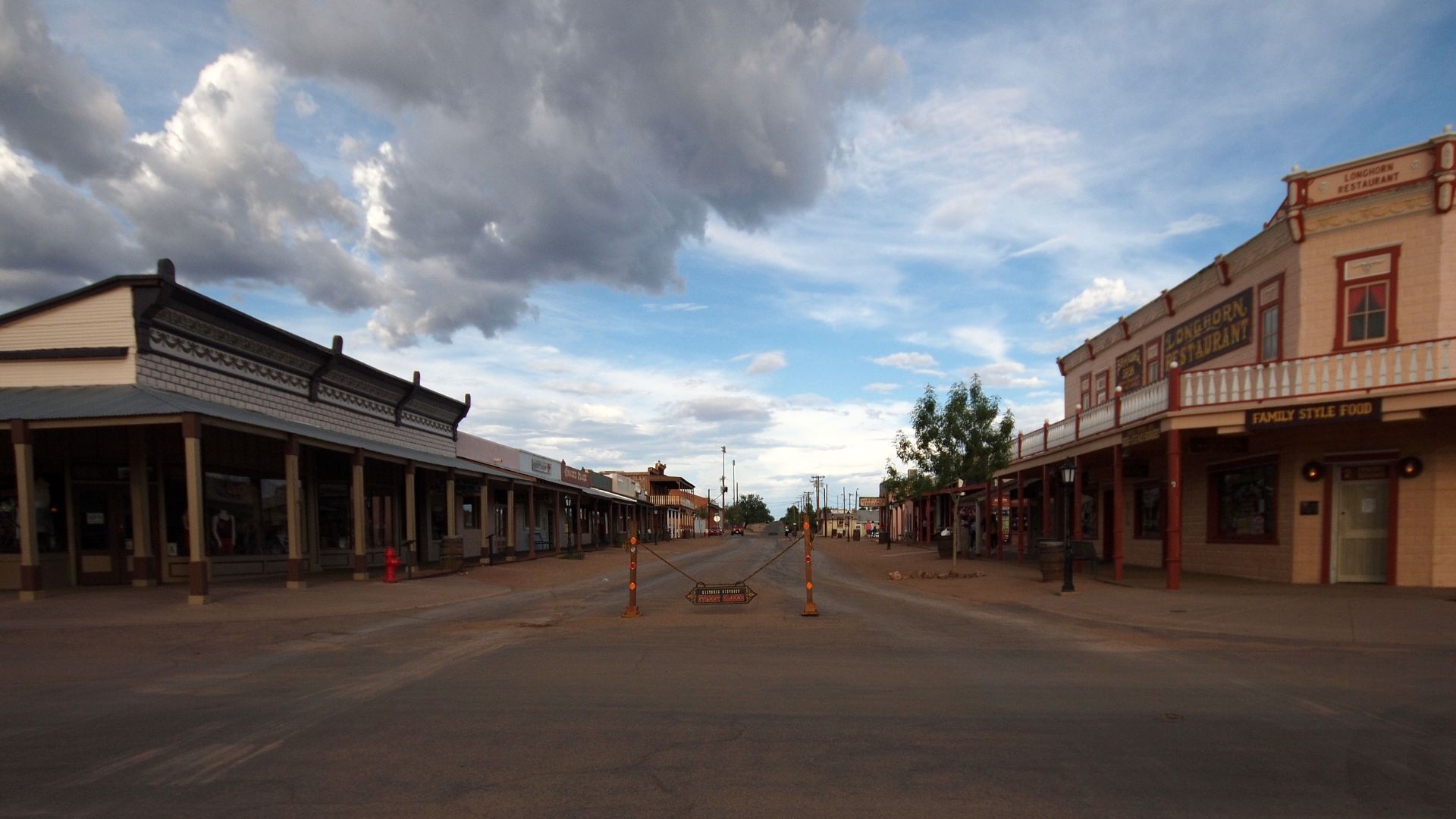
Arizona is famous for mining ghost towns such as Jerome and Tombstone. Copper, silver, and gold booms brought rapid growth, followed quickly afterward by sudden collapse. While some of the towns were able to revive themselves through tourism, many others remain abandoned across the unforgiving desert landscape.
Montana
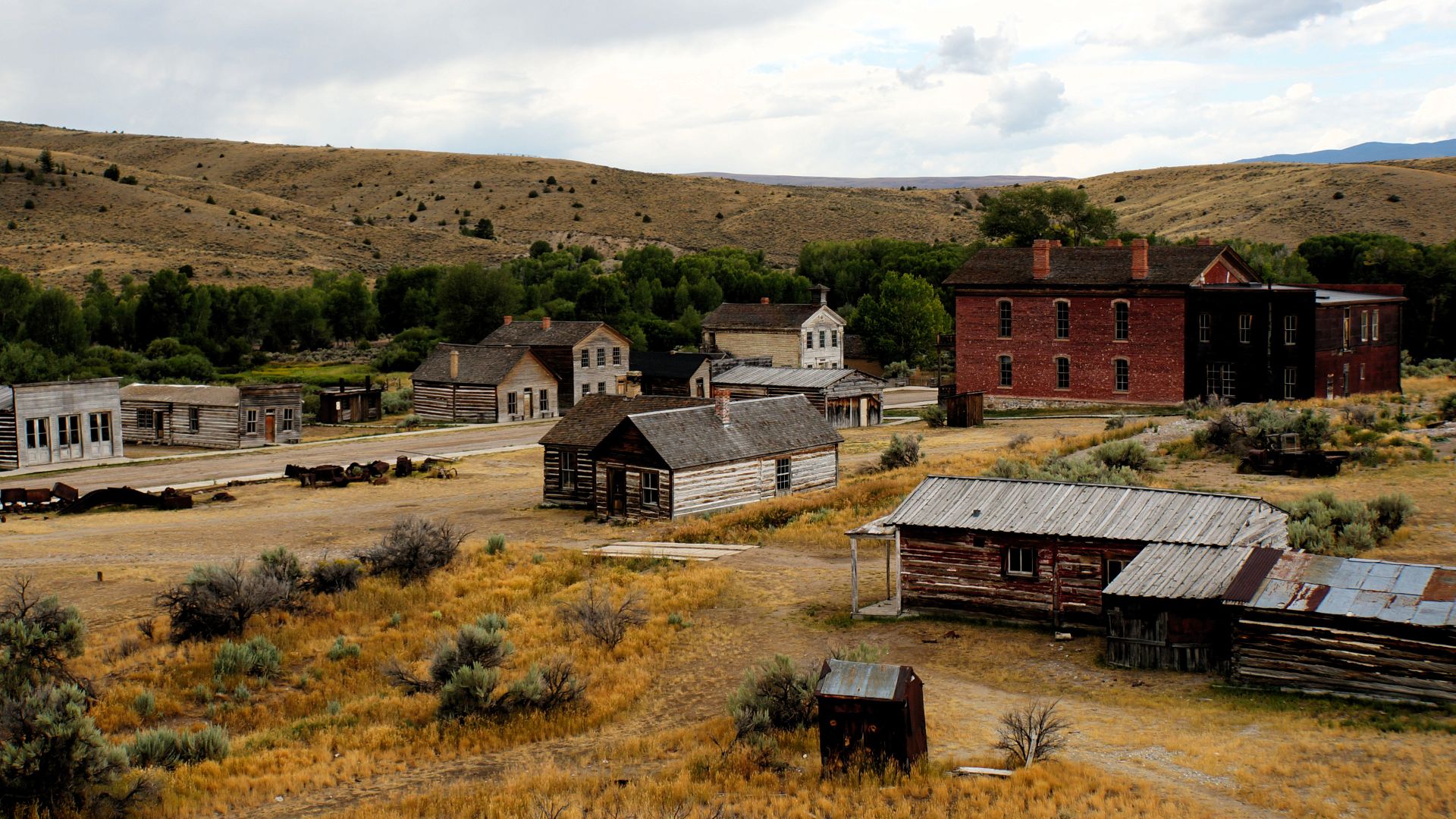
Montana’s ghost towns reflect the remnants of mining and railroad speculation. Bannack and Virginia City thrived during gold rushes before they fell into disrepair when deposits declined. As in neighboring Idaho, sparse population and steep terrain left a lot of these settlements isolated, freezing them in near-original condition. A great destination for the curious.
South Dakota
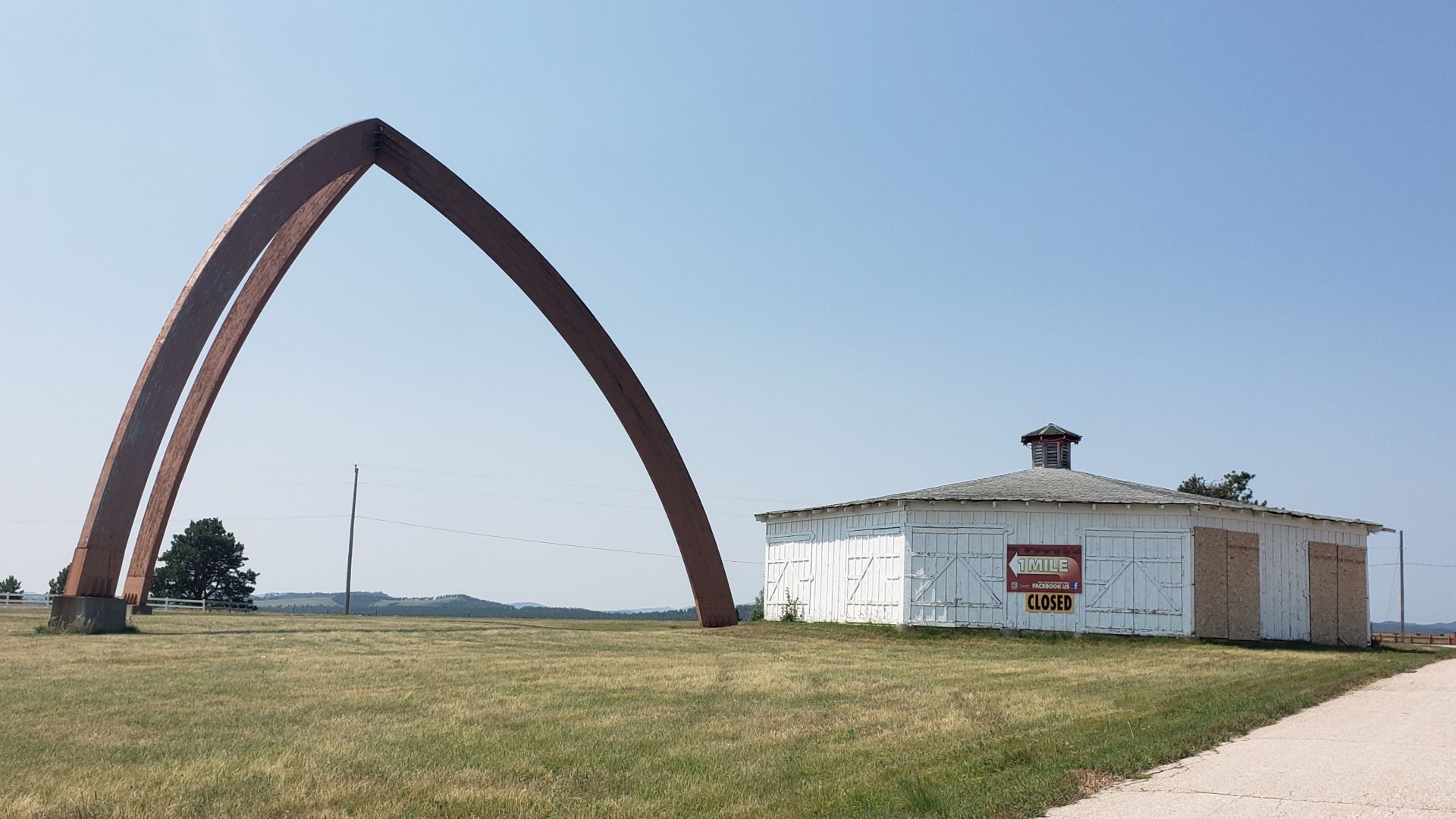
South Dakota ghost towns often stem from mining and failed homesteading. Towns like Rochford went into decline after gold rushes ended, while prairie settlements vanished when agriculture turned out to be unsustainable. The harsh weather extremes of the Great Plains state contributed heavily to its abandonment, but the ghostly remains still dot the landscape.
Utah
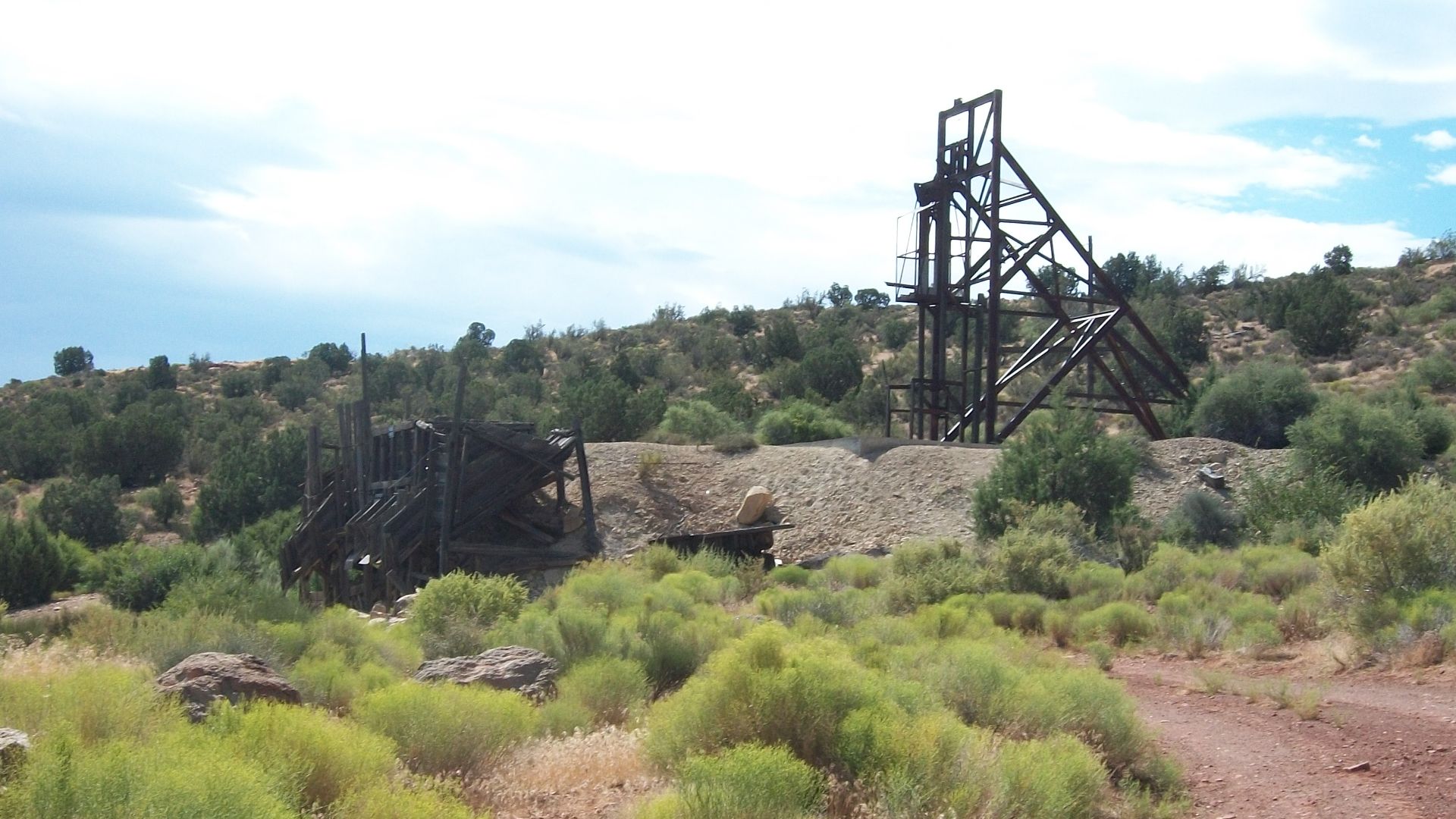
Utah has numerous ghost towns tied to mining and early Mormon settlement patterns. Populations in places like Silver Reef and Grafton nearly disappeared after resource depletion or flooding. Boom-and-bust driven development created and destroyed unstable communities across the deserts and box canyons of the Beehive State.
 The Utahraptor, Wikimedia Commons
Wyoming
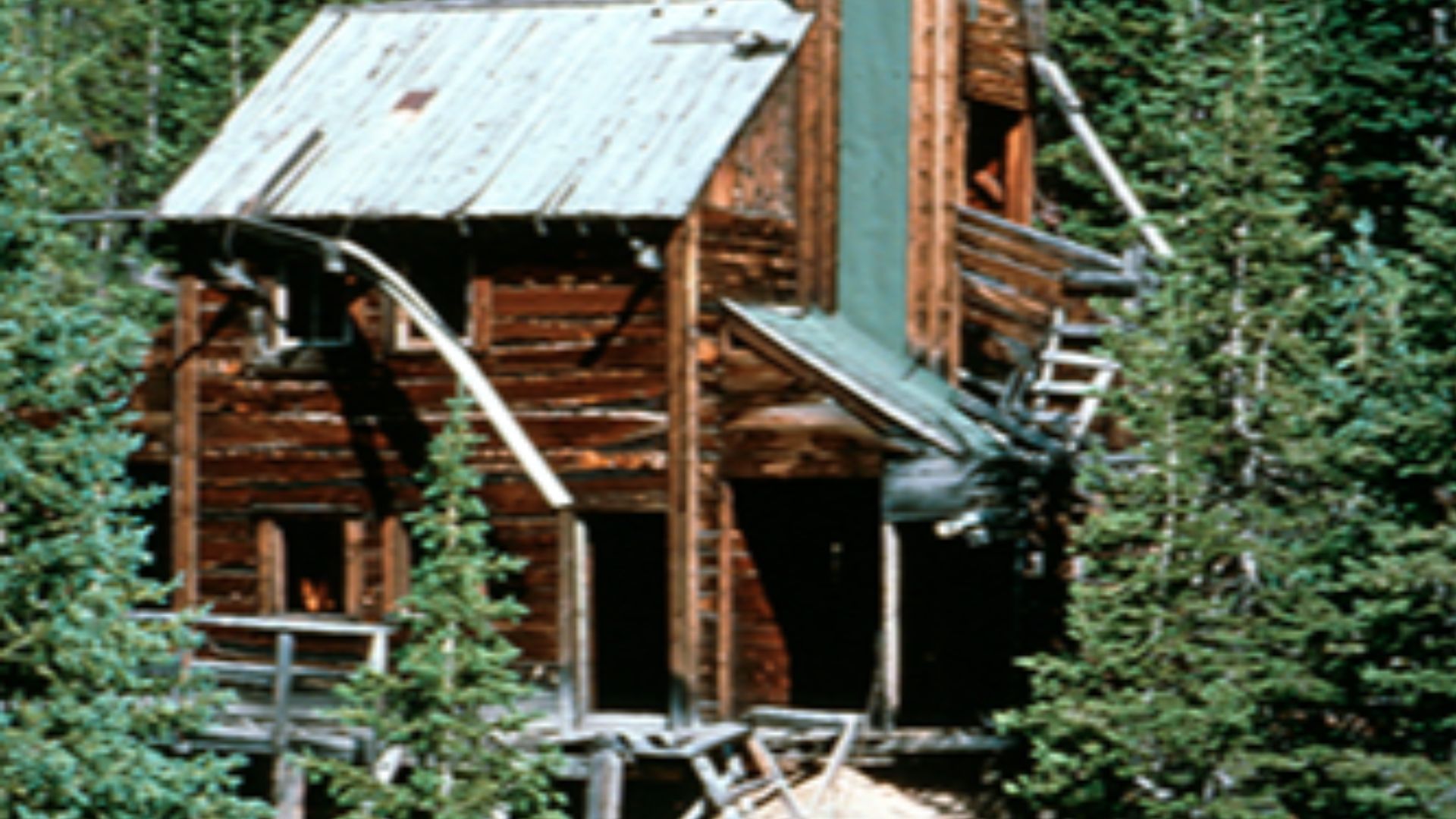
Wyoming’s ghost towns grew from coal mining and railroads. Settlements such as South Pass City and Kirwin cleared out when mines closed. Being the most sparsely populated state in the lower 48 helped preserve the abandoned towns scattered across vast, empty landscapes.
 Gordon Warren, Wikimedia Commons
New Mexico
New Mexico’s ghost towns reflect the silver mining ambitions and railroad dreams of the Old West. Towns like Chloride and Shakespeare declined after ore extraction ended. Remote deserts and rugged mountains put a damper on redevelopment, which has left behind extensive ruins that still survive in the arid landscape.
 Unknown authorUnknown author or not provided, Wikimedia Commons
Oklahoma
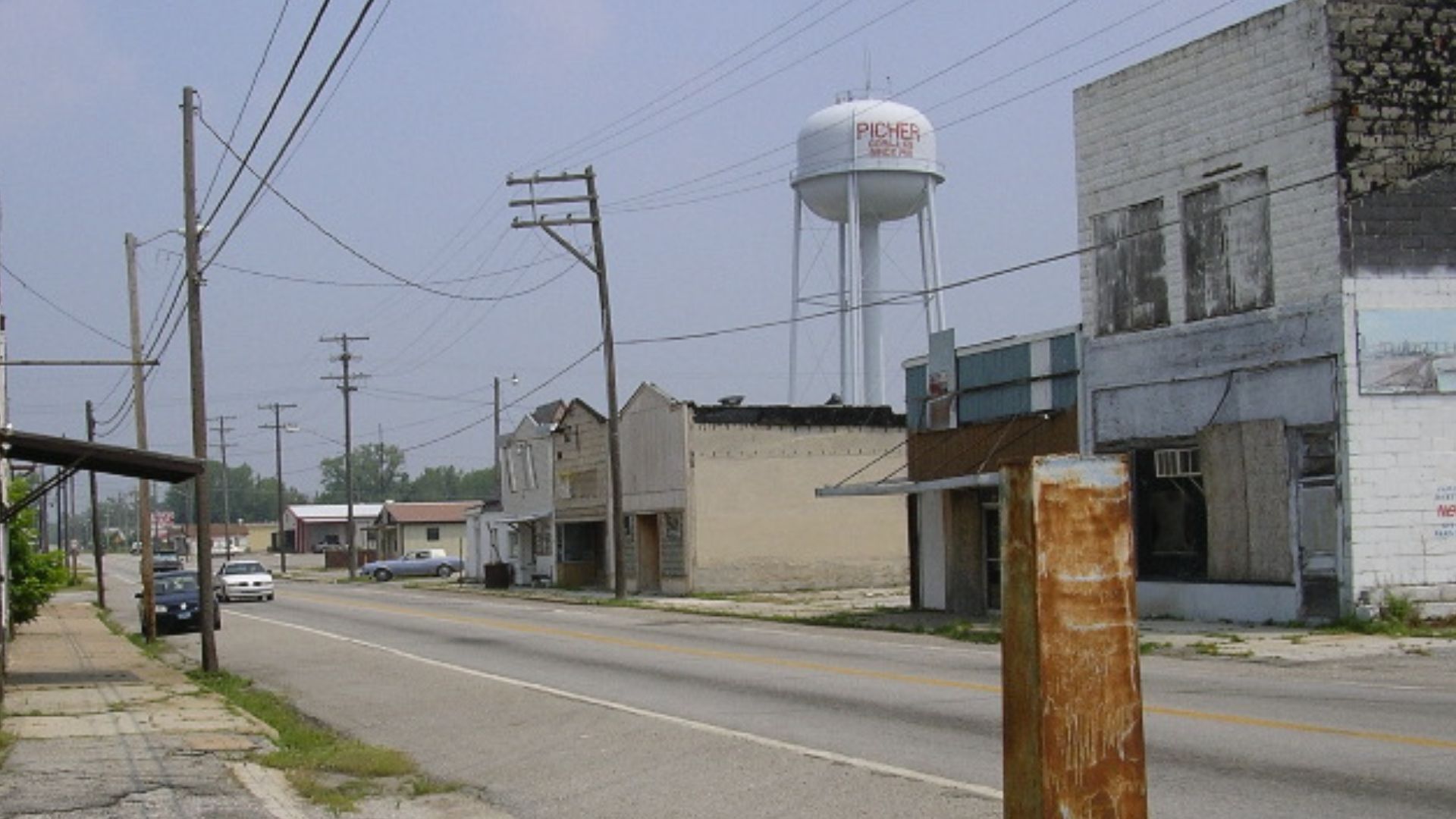
Oklahoma has more than 1,000 ghost towns, largely tracing back to boom-and-bust cycles of oil drilling, coal mining, and early railroad expansion. Towns like Picher and Alderson thrived briefly before environmental damage, resource depletion, or shifting transport routes emptied them out. The Dust Bowl of the 1930s also left behind ghost towns like Lacey, haunting reminders of the state’s volatile history.
Colorado
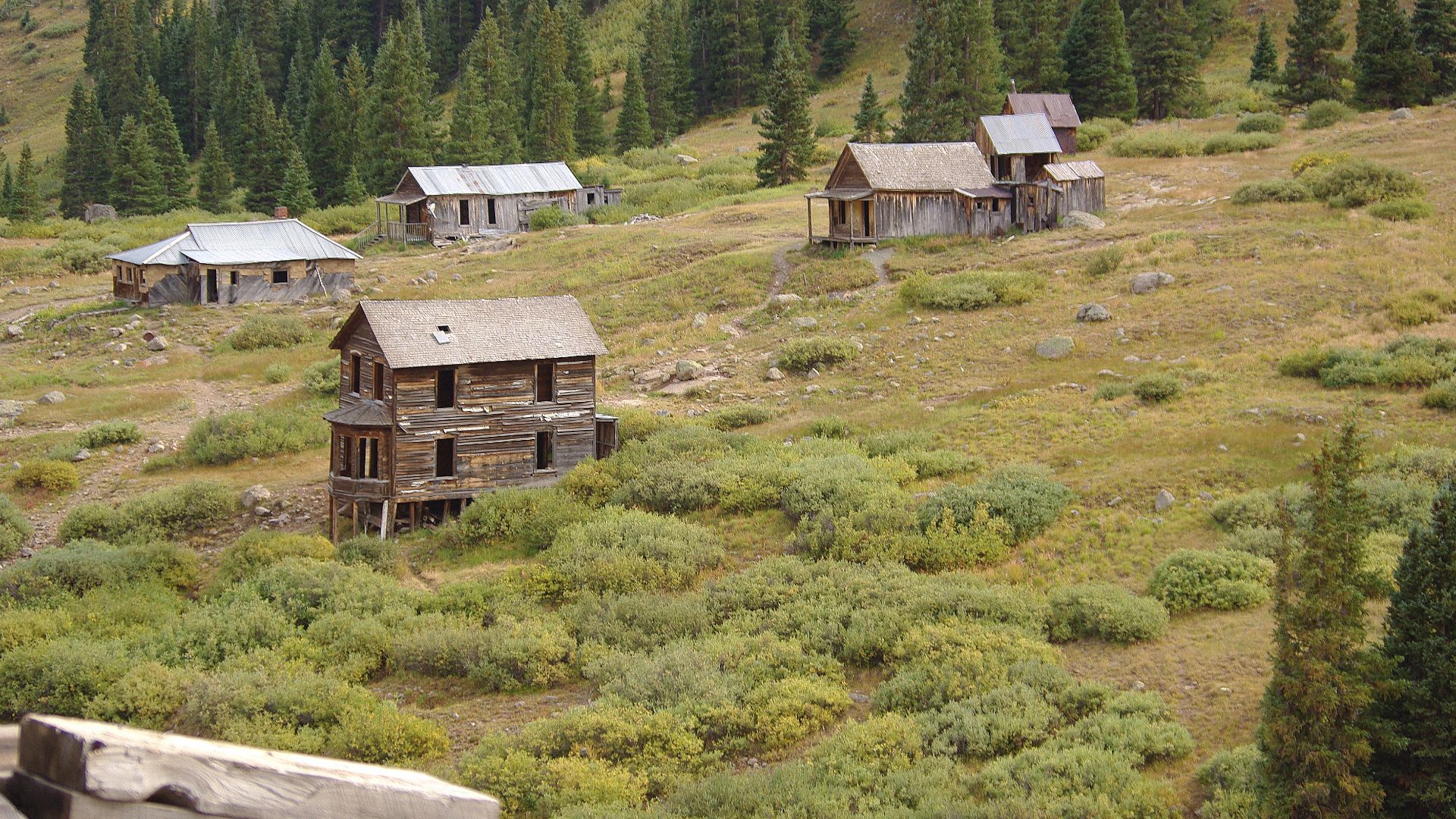
Colorado is the host to more than 1,500 ghost towns, most of which are tied to its many gold and silver rushes. Places like St. Elmo and Animas Forks boomed rapidly before busting just as fast. High elevations and incredibly harsh winters made certain that very few of these ghost towns were ever resettled.
 Adam Baker from Houston / Moscow / Toulouse (travel a lot), Wikimedia Commons
California
California is a ghost town seeker’s paradise. It boasts more than 300 abandoned settlements due to its famous Gold Rush and all the repeated waves of mining that came afterward. Bodie and Calico exemplify boomtowns that emptied almost overnight. Rapid population surges followed by mass departures left hundreds of abandoned settlements across the deserts and mountains of the Golden State.
 Smtunli, Svein-Magne Tunli - http://www.tunliweb.no/SM/English/sm_eng.htm, Wikimedia Commons
Texas
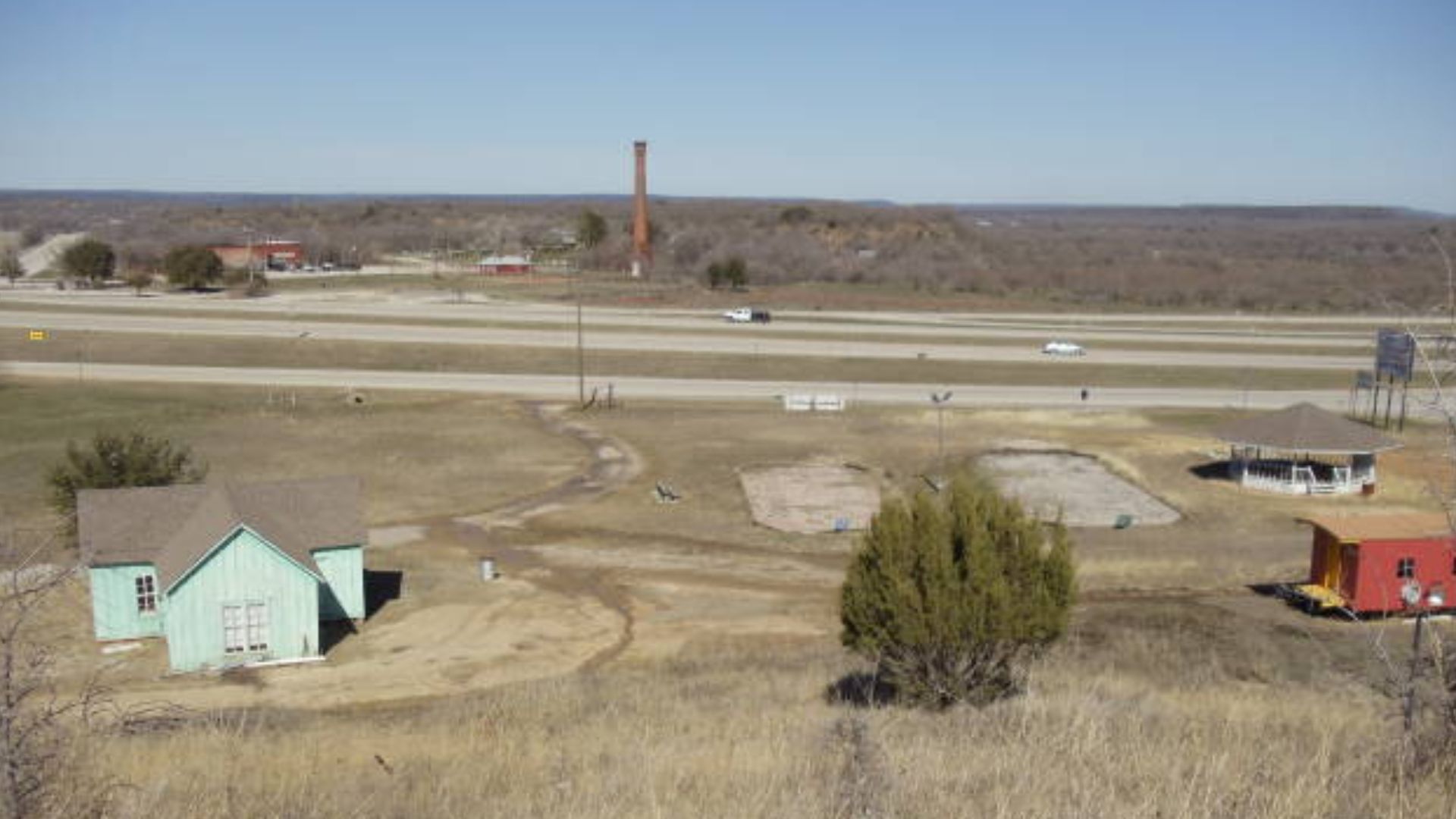
Texas has more than 500 ghost towns stemming from oil busts, railroad rerouting, and agricultural failures, among other calamities. Places like Thurber and Indianola collapsed after industries disappeared or hurricanes struck. West Texas ghost towns like Toyah and Terlingua still attract many visitors. The state’s huge size meant that a lot of one-industry towns were prone to sudden decline as people had plenty of options to move elsewhere.
 Renelibrary, Wikimedia Commons
You May Also Like:
The Midwest Is Littered With Failed, Abandoned Places You Can Explore Yourself