
When Your Driver’s License Becomes A Souvenir
If you’ve ever looked at a traffic jam and thought, “I would rather simply not,” you’re not alone. In some places, skipping the car isn’t a quirky lifestyle choice—it’s the default. These are the countries where public transportation is efficient enough, used enough, and woven deeply enough into daily life that you can realistically build your routines around it.

How This Ranking Was Built
This list is based on a data-driven comparison of public transportation efficiency across countries, leaning heavily on how much public transportation gets used relative to population. The logic is pretty straightforward: a massive network doesn’t mean much if people don’t actually ride it.
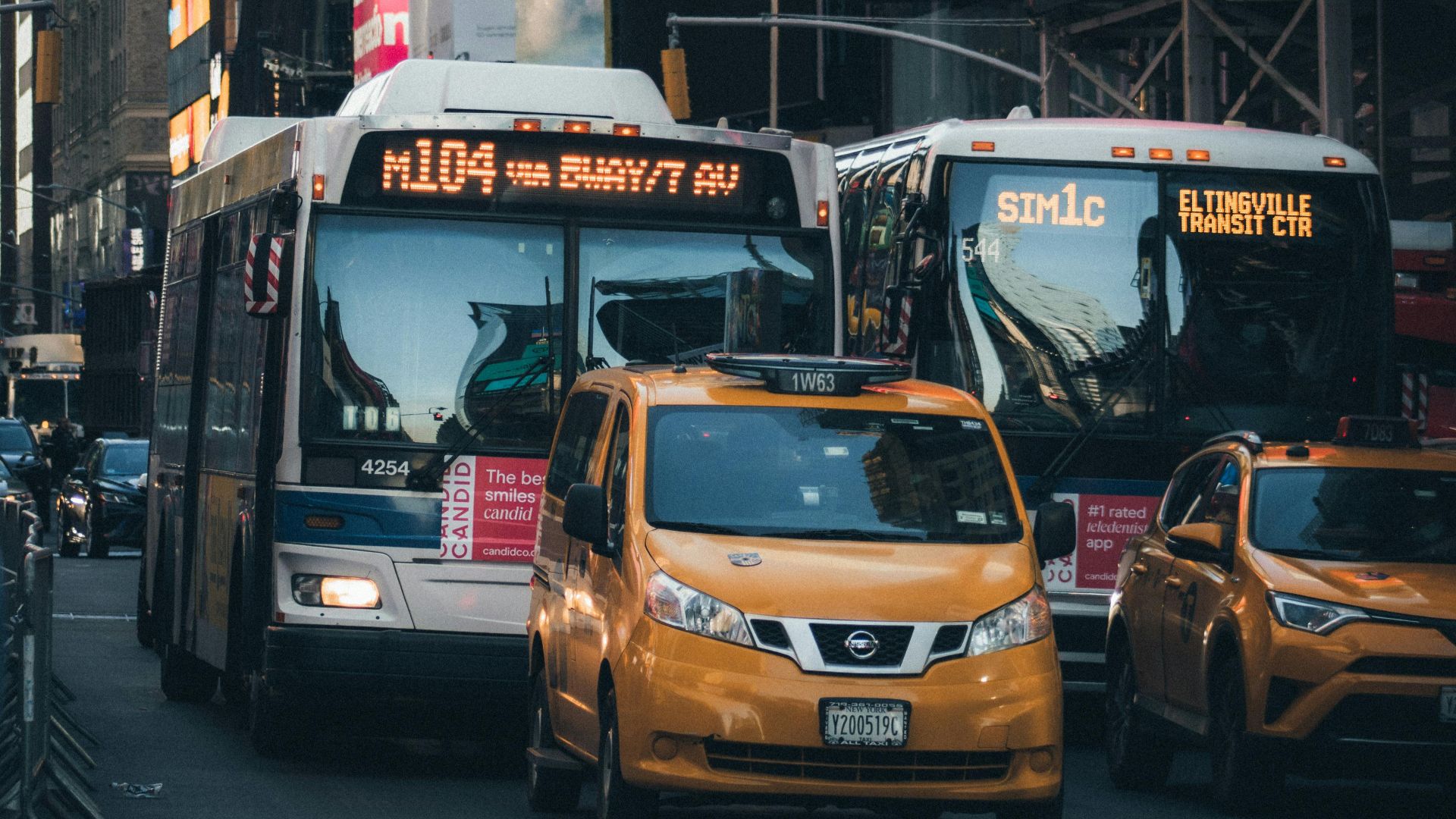
What “Efficient” Means For A Car-Free Life
Efficiency here isn’t just about shiny stations or futuristic trains. It’s about whether the average resident can reasonably rely on public transport to get where they need to go, often enough that driving feels optional.
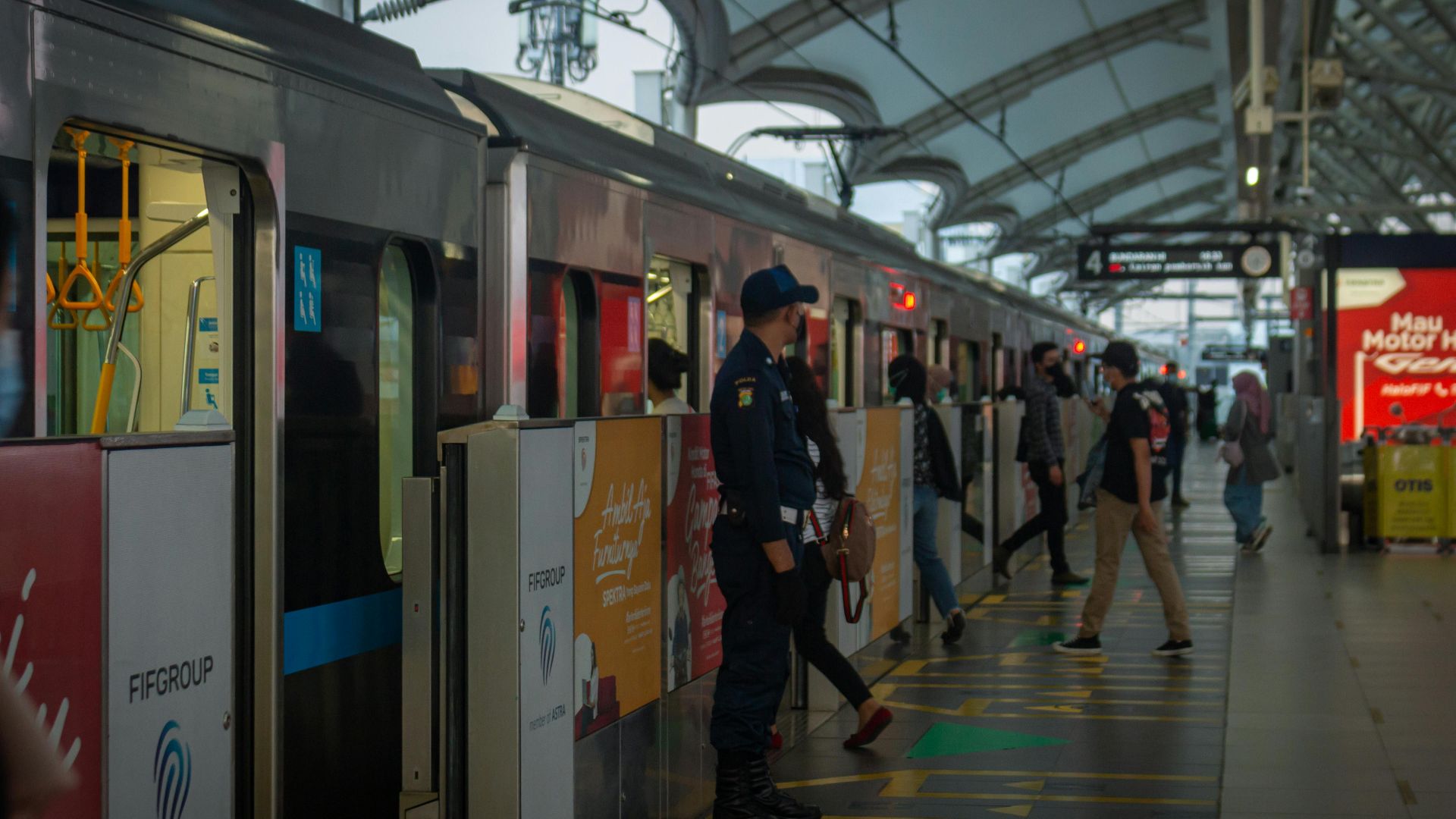
16. United States Of America
Yes, it’s a car-heavy country overall, but major metros still support fully car-free lifestyles if you pick the right city. In places with dense networks, public transportation becomes less of a backup plan and more of a daily habit. The catch is that the experience varies wildly by region. If you’re aiming for “never drive,” the strategy here is simple: choose a transit-first city and build your life around it.

15. United Kingdom
The UK earns its spot thanks to strong rail culture and big-city systems that make commuting without a car feel routine. Intercity travel is also a big part of the appeal, because trains connect many population centers in a way that supports weekend trips and work travel. If you like the idea of living somewhere where train travel is just what people do, this is a comfortable fit. Bonus: once you get used to it, driving everywhere starts to feel weirdly inefficient.

14. France
France is built around the idea that you should be able to move without reinventing your entire day. Between urban systems and broader connections, public transportation can cover a lot of your real-life needs. The big win is how naturally it supports daily routines. When transit is dependable, you stop planning your life around parking and start planning it around where you actually want to go.

13. Switzerland
Switzerland’s transportation reputation comes from coordination—different modes connecting cleanly, with an emphasis on making the system usable rather than merely impressive. That matters for car-free living because missed connections and long gaps are what usually push people back toward cars. Here, you can often string together trips without feeling like you’re gambling. The “small town” factor is also less scary, because connectivity tends to be part of the broader system.
 Leonhard_Niederwimmer, Pixabay
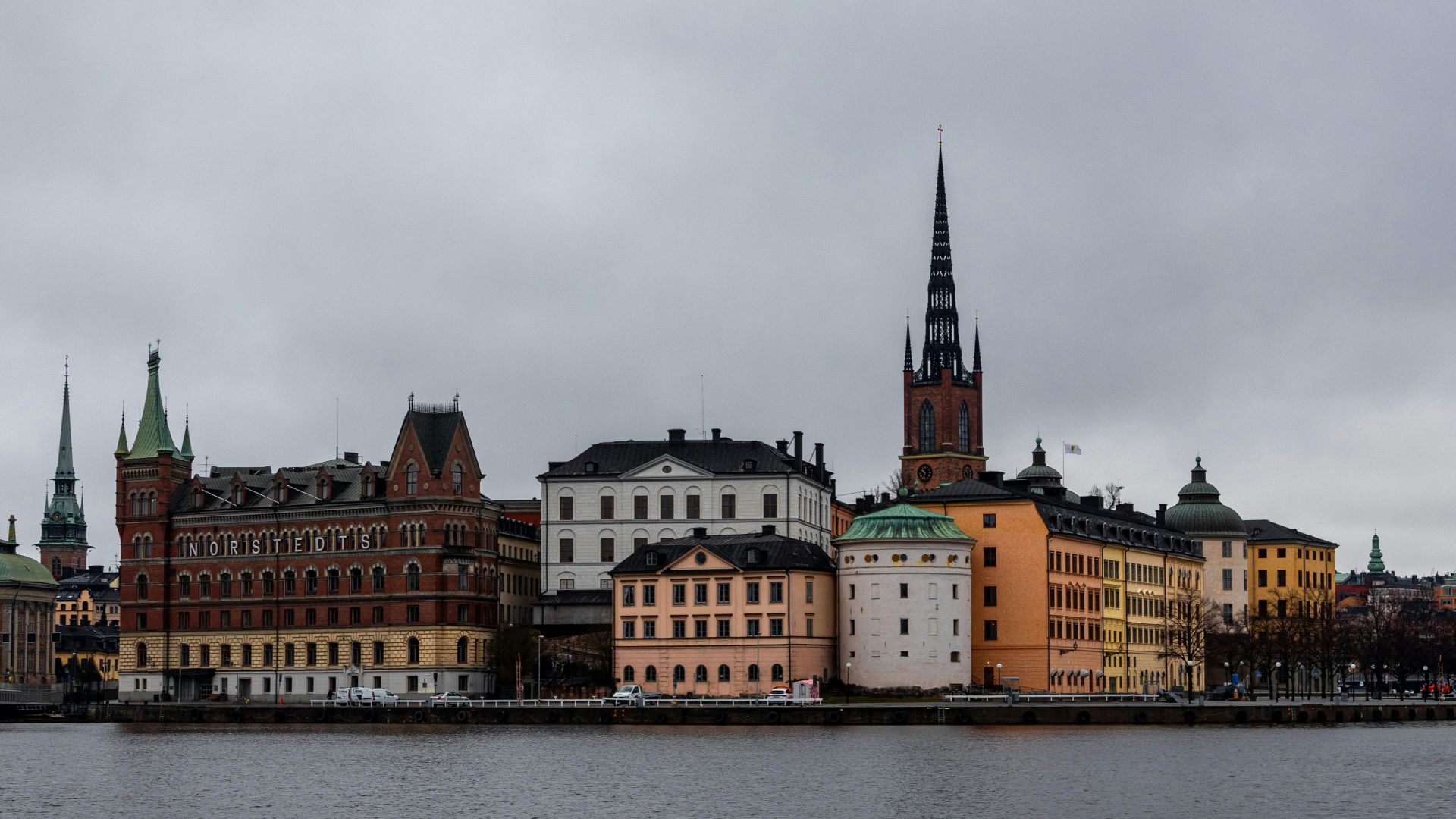
12. Sweden
Sweden’s geography makes transportation a practical necessity, and the result is a mix of options that can support both city and regional movement. Buses, rail, and other connections help keep daily life workable without requiring a car for every single task. Car-free life here often feels less like a challenge and more like an ordinary setup. You’re not “trying” to avoid driving—you just don’t need to.
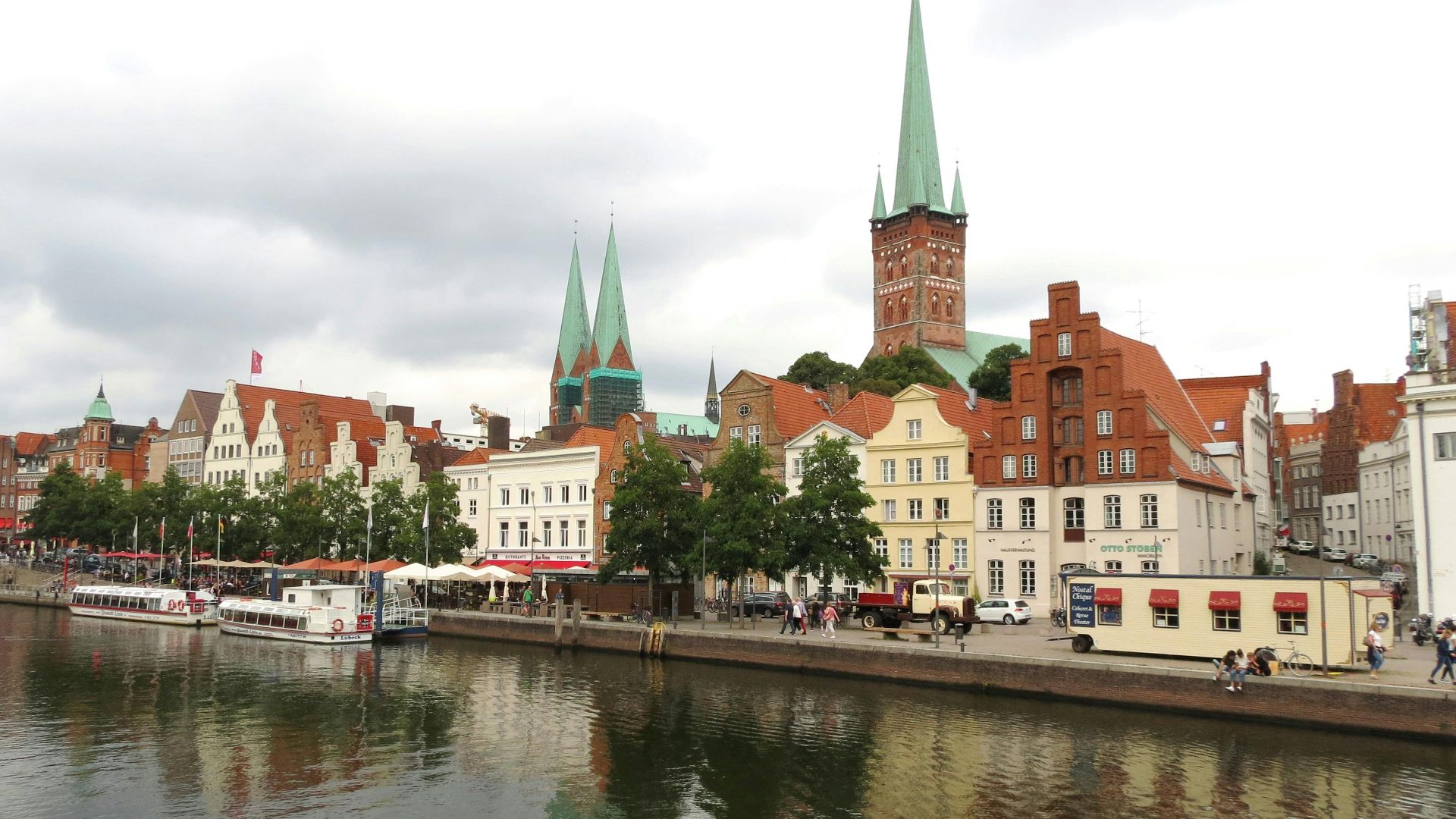
11. Germany
Germany’s public transportation is the kind people build routines around, not the kind they reluctantly tolerate. Between city transit and broader rail links, you can get a lot done without a car. The practical advantage is predictability: you can plan your day confidently. And when transit is predictable, freedom goes up—because your schedule isn’t hostage to traffic.
10. China
China’s placement reflects how heavily used its urban transit systems are, especially in major cities where rail and metro networks move enormous numbers of people daily. When that many people rely on public transport, it tends to scale into something frequent and expansive. For a non-driver, the lifestyle upside is obvious. The network becomes the backbone of daily movement, not an occasional alternative.
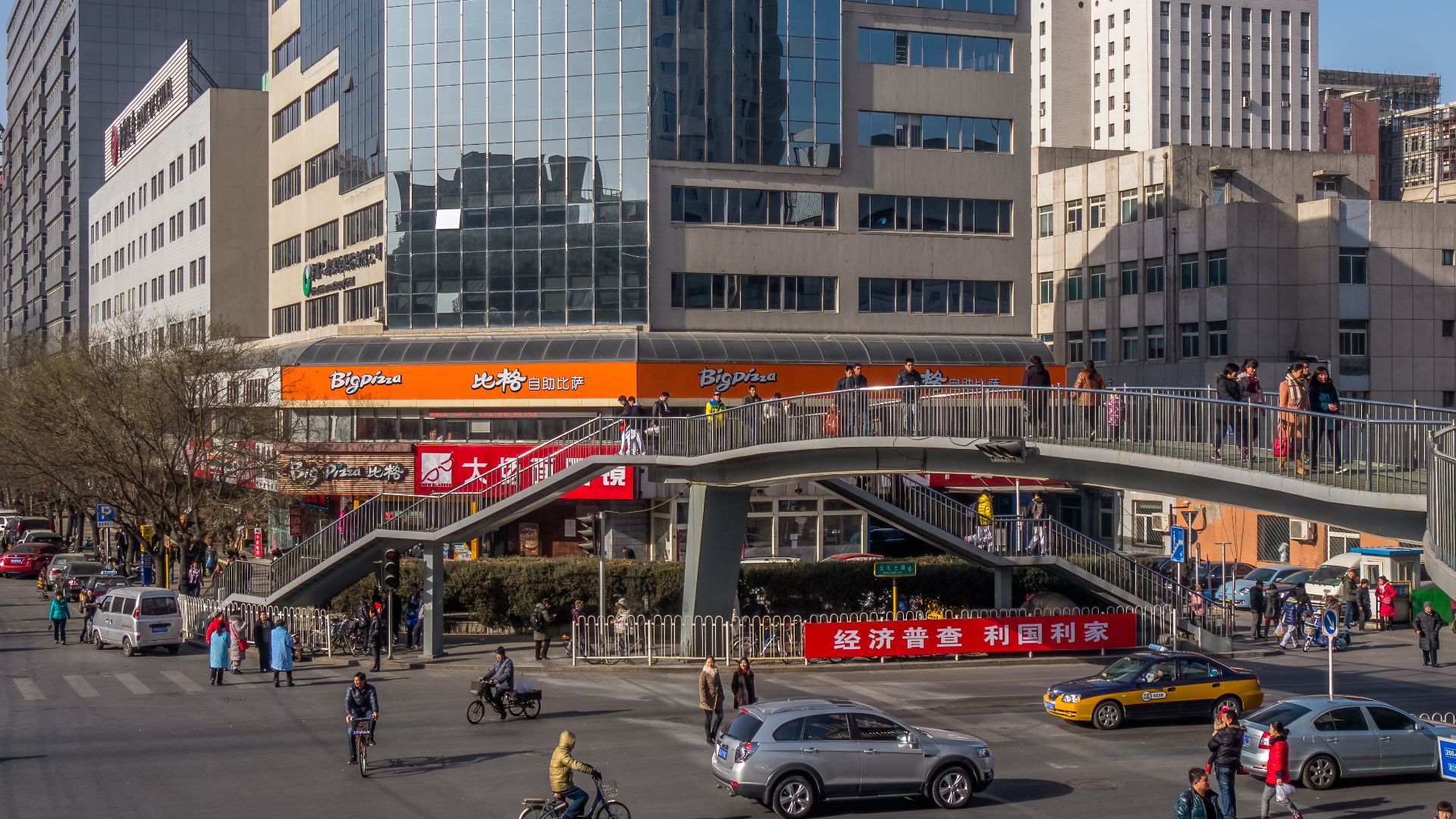
9. Belgium
Belgium benefits from connectivity and a layout that makes public transportation especially practical. When cities and towns are close together, trains and local systems can cover a lot of ground without the “last-mile” anxiety that often pushes people into cars. It’s a great choice if you like the idea of being well connected without living in a mega-city bubble. Compact geography can be a superpower for car-free living.
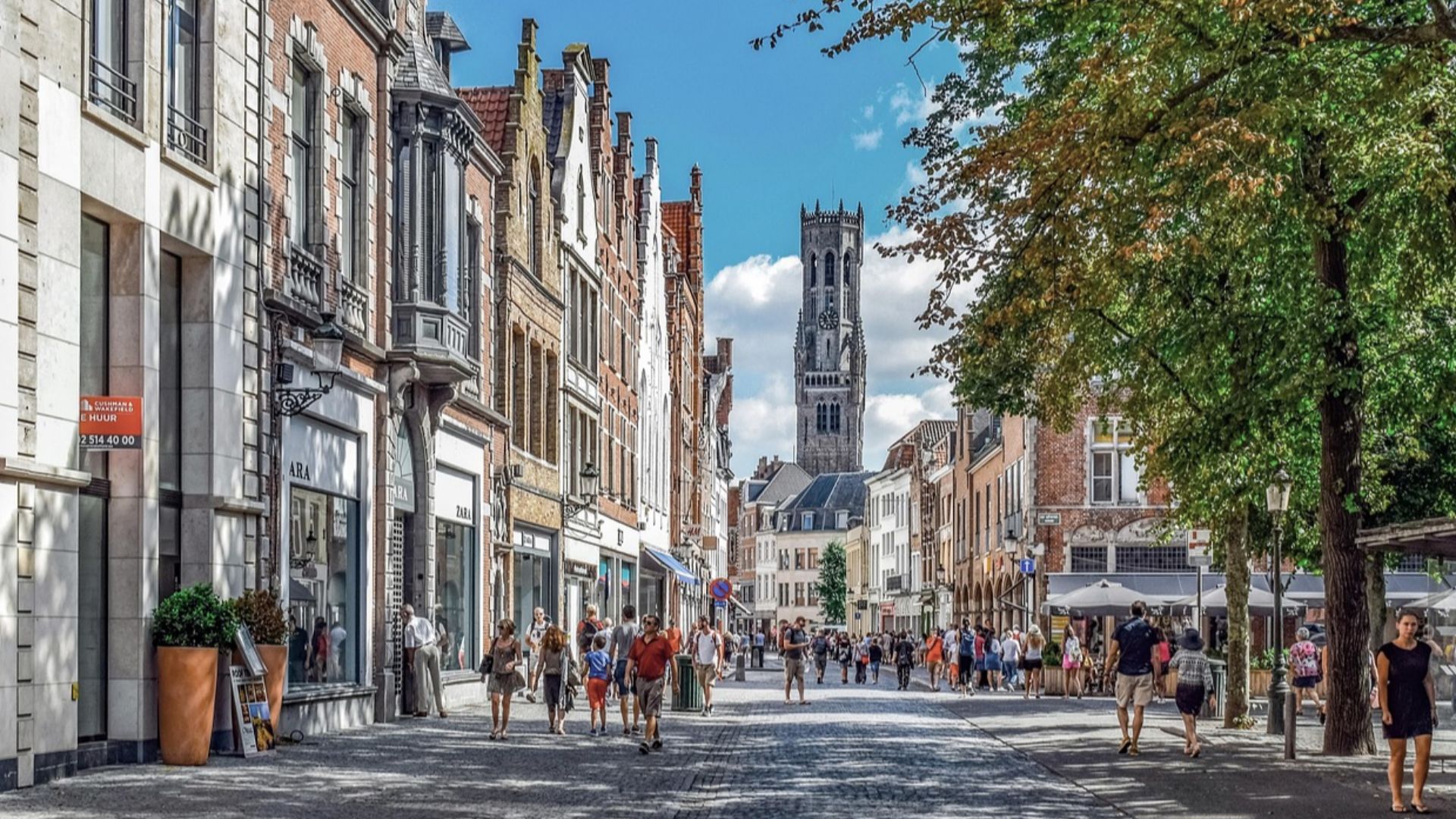
8. Canada
Canada’s transit strengths show up most clearly in its biggest cities, where residents can build a full routine around public transportation. In the right place, driving becomes optional rather than required. The important detail is that Canada can be two different experiences: transit-forward in certain urban areas, and car-dependent elsewhere. If your goal is “never drive,” choosing the right city is the whole game.
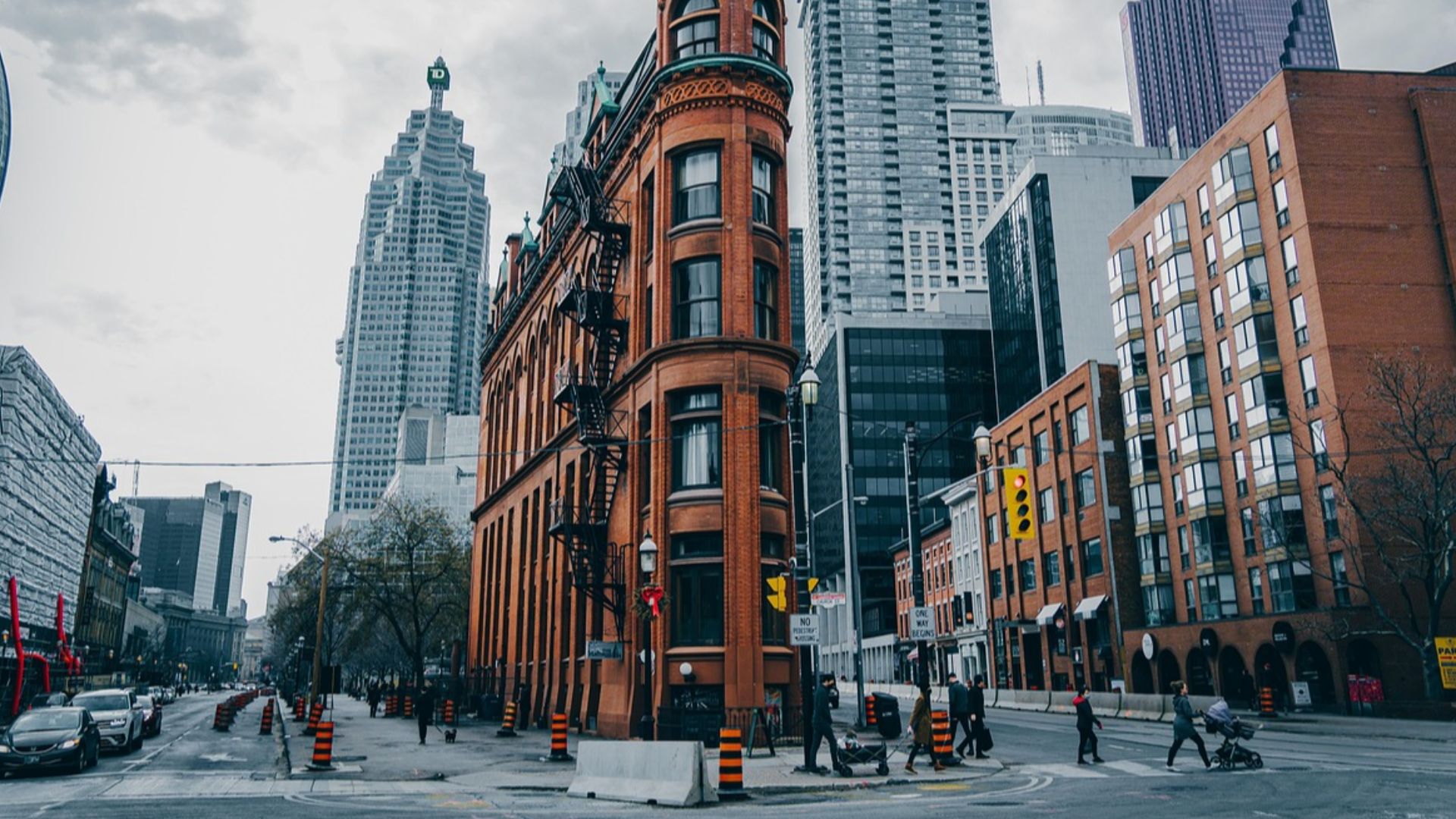
7. South Korea
South Korea’s transit culture is deeply integrated into daily life, with systems people genuinely rely on. That kind of usage usually goes hand-in-hand with frequent service and networks designed for regular commuters. If you want to live somewhere where car-free life doesn’t require constant explanations, this is a strong contender. You’re not opting out of driving—you’re opting into the normal way of getting around.
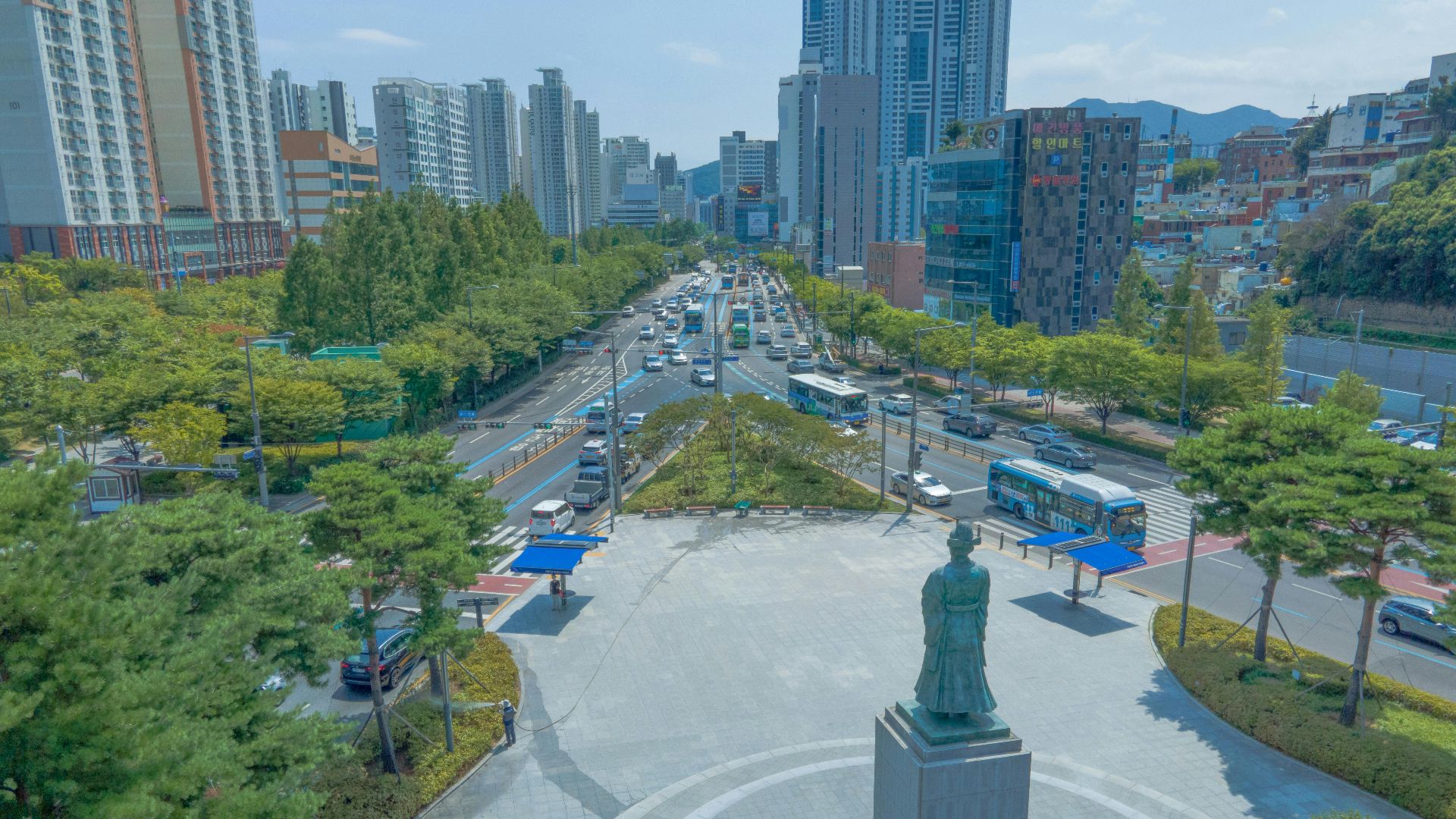
6. Netherlands
The Netherlands is famous for being practical about movement, and that practicality shows up in how easy it is to rely on alternatives to driving. Public transportation plays a big role, especially when paired with walkability and short distances. Car-free living here tends to feel smooth, not heroic. When most daily needs are reachable without a car, you stop thinking about transportation as a problem to solve.
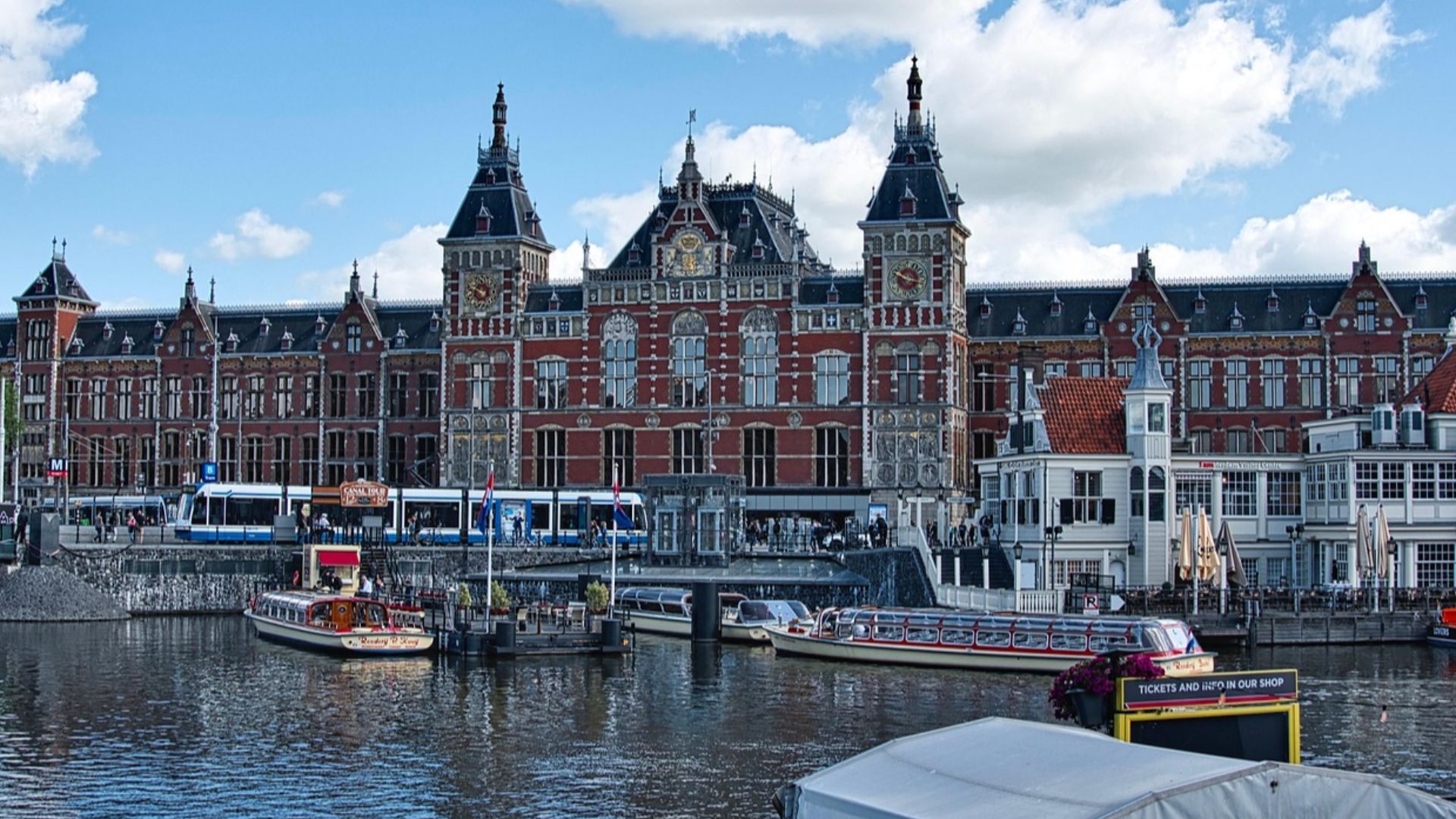
5. Japan
Japan’s public transportation reputation is built on systems that support everyday movement and longer-distance travel with remarkable consistency. High-speed rail adds another layer, making it easier to move between major areas without needing a car. For non-drivers, the real perk is how seamless it can feel. When transit is this embedded, “owning a car” stops being the default assumption.
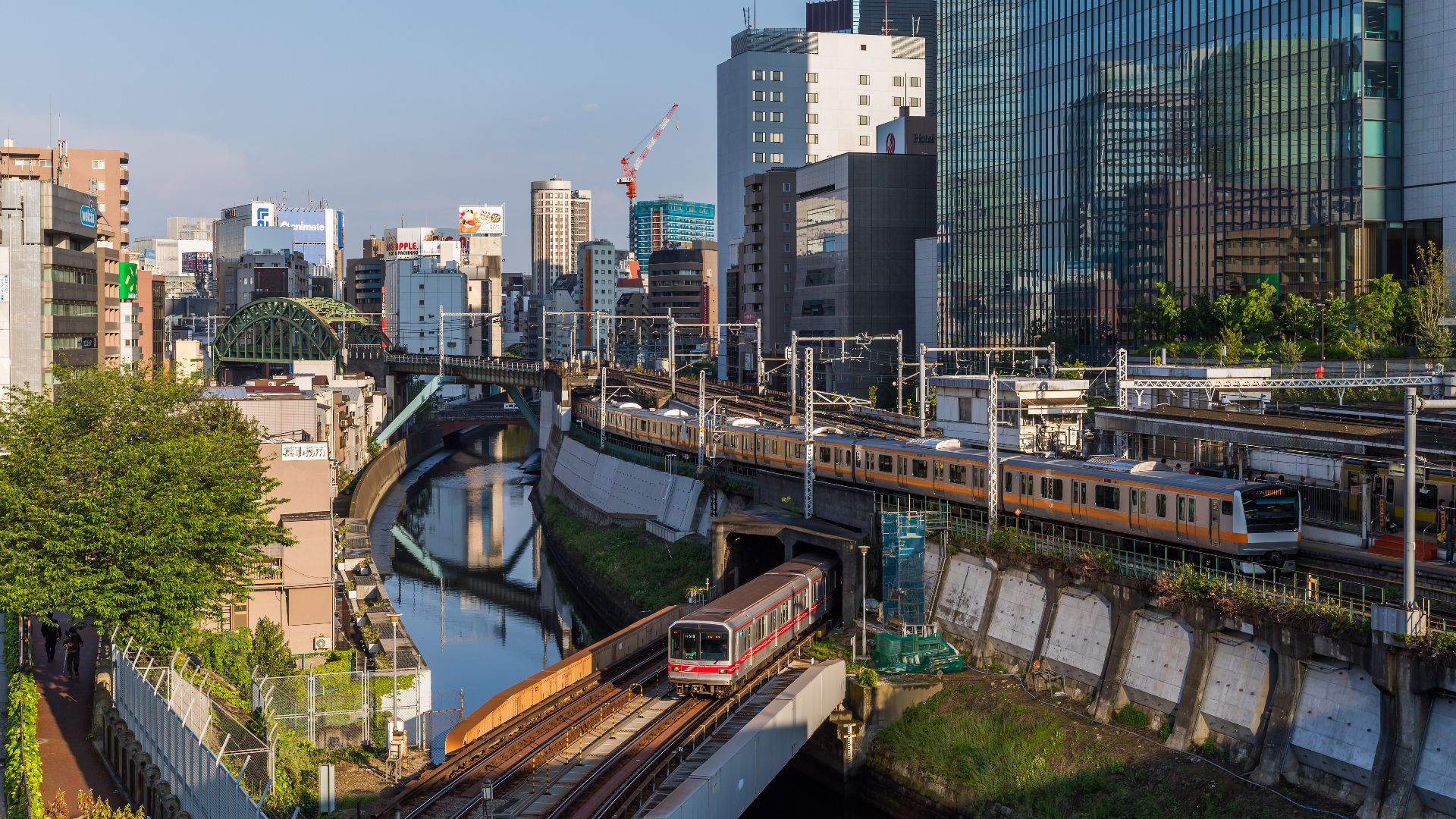 Kabelleger / David Gubler, Wikimedia Commons
4. Luxembourg
Luxembourg stands out partly because of its size, which makes network-wide access more manageable. In a smaller country, a well-designed system can cover a lot of life without forcing you into a car for basic tasks. It’s also often discussed as a place where the economics of riding transit can be unusually appealing. That matters because affordability is a key ingredient in sustained, everyday transit use.
 amanderson2, Wikimedia Commons
3. Norway
Norway’s public transportation is described as well-developed and strongly supported by modern tools for planning and payment. That may sound like a minor detail, but it changes everything when you’re living car-free. When you can reliably plan trips, track options, and pay smoothly, you’re less likely to feel “stuck.” Convenience is what turns transit into a lifestyle, not just a service.
 Geir Hval (www.MacWhale.eu), Wikimedia Commons
2. Hong Kong
Hong Kong is a classic example of a place where public transportation isn’t a backup—it’s the main event. Systems designed for high daily usage tend to be frequent, connected, and built around the reality that many residents won’t drive. If your goal is to never touch a steering wheel again, this is about as close as it gets to effortless. The city’s rhythm aligns with transit, so you’re not swimming upstream.
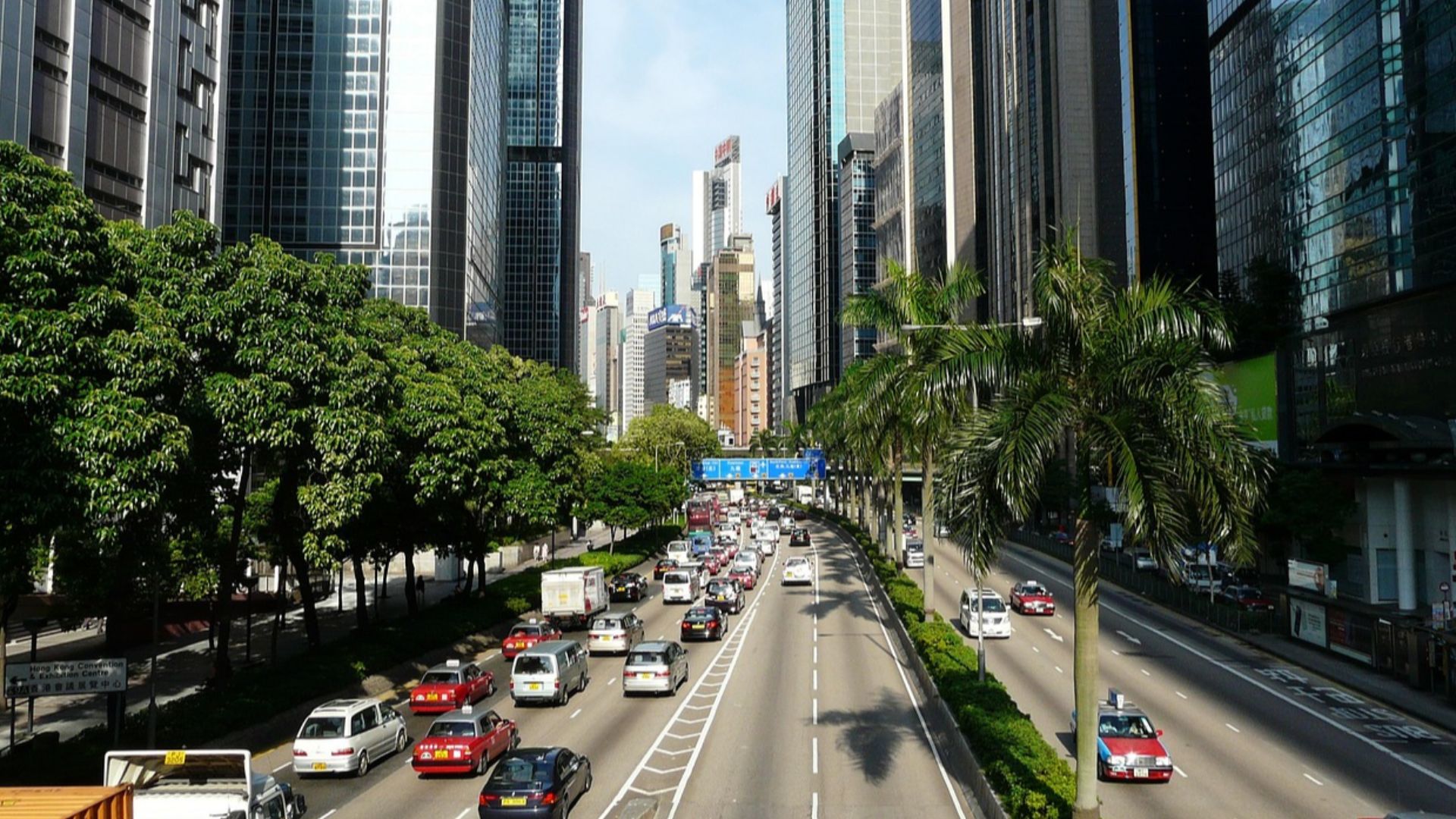
1. Singapore
Rank: 1. Singapore takes the top spot thanks to a transit system designed to cover daily life with high reliability and heavy usage. When a network is that central to how a country moves, car ownership becomes optional for many residents. The real magic is integration: different options working together so the system feels like one cohesive tool. In Singapore, “I don’t drive” isn’t a limitation—it’s just a normal sentence.

How To Use This List In Real Life
A country can rank highly and still have car-dependent pockets, especially outside major urban areas. If you’re planning a move, think about this list as a shortlist for places where car-free living is most culturally and structurally supported. Then zoom in: research the specific city, neighborhood, and commute patterns you’d actually have. “Best country” matters, but “best daily routine” matters more.

The Quiet Perk Nobody Mentions
Living somewhere with strong public transportation isn’t just about skipping driving. It changes how you experience your day: less time managing a vehicle, more time reading, walking, or just existing without the stress of traffic logistics. And if you’ve ever wanted to reclaim your time (and your patience), a great transit system is basically a lifestyle upgrade disguised as infrastructure.

You May Also Like:
Starting In February, The TSA Will Charge Americans For Forgetting Their ID