The Cleaning Fee Shock Is Real
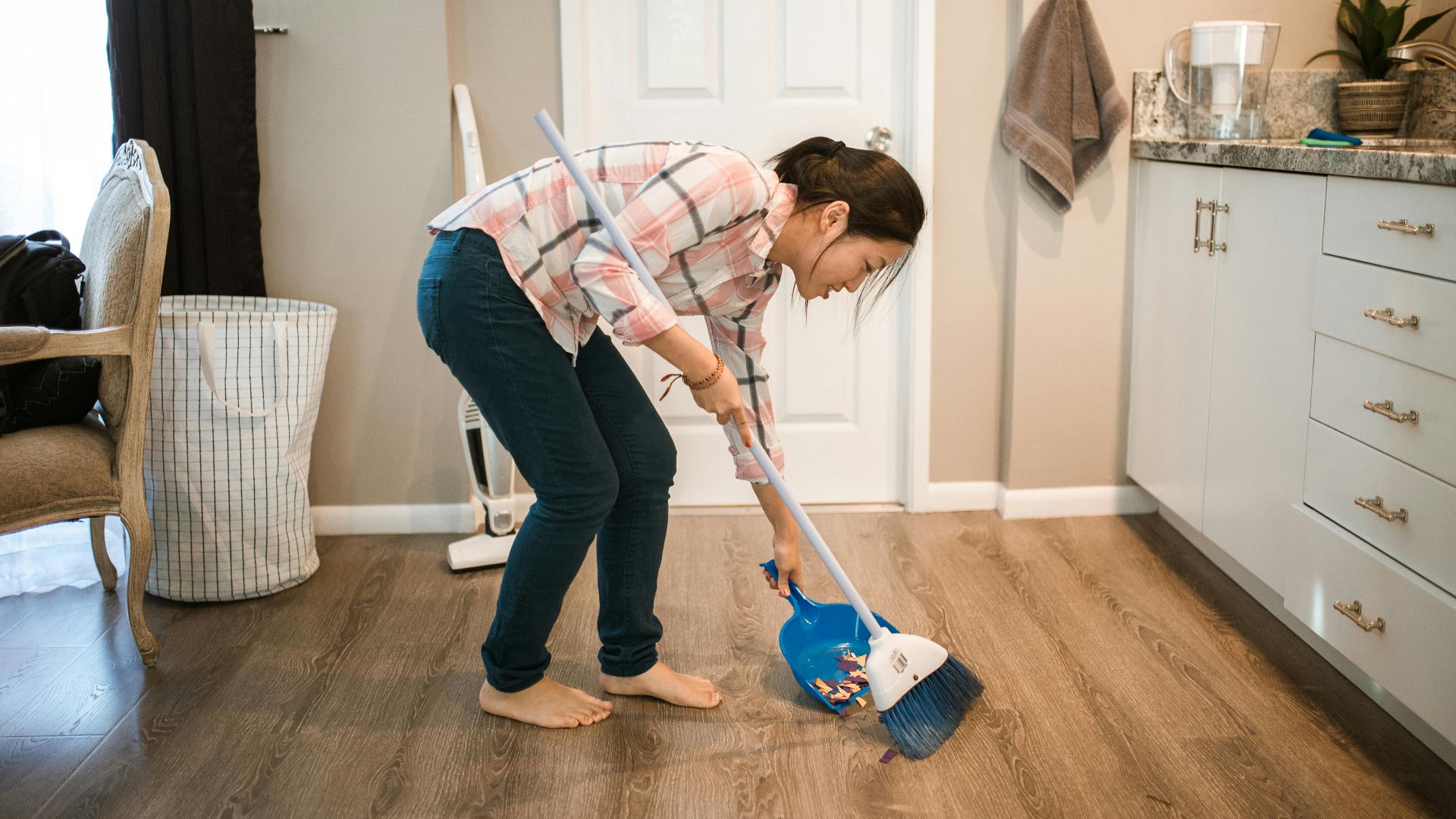
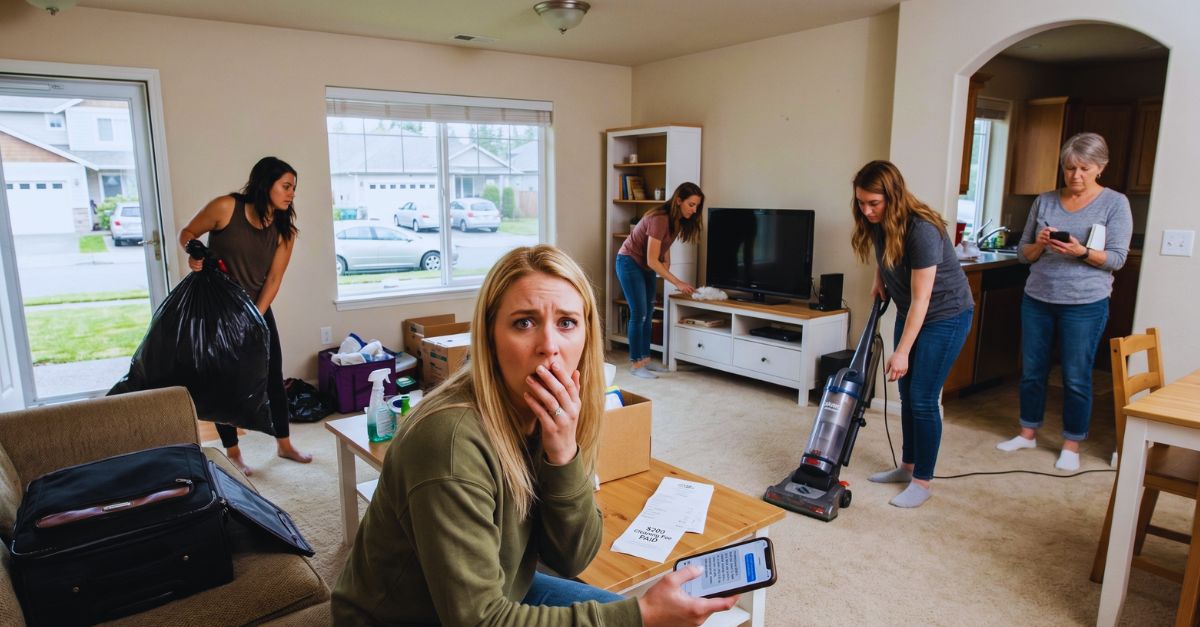
After a pleasant stay in an Airbnb, you see a $200 cleaning fee at checkout. Naturally, you assume that covers the cleanup. Then the host sends a list telling you to wash dishes, strip beds, start laundry, and take out the trash. It feels like that can't possible be right, but the world of Airbnb can be as complicated as it is frustrating.
What Airbnb Officially Says
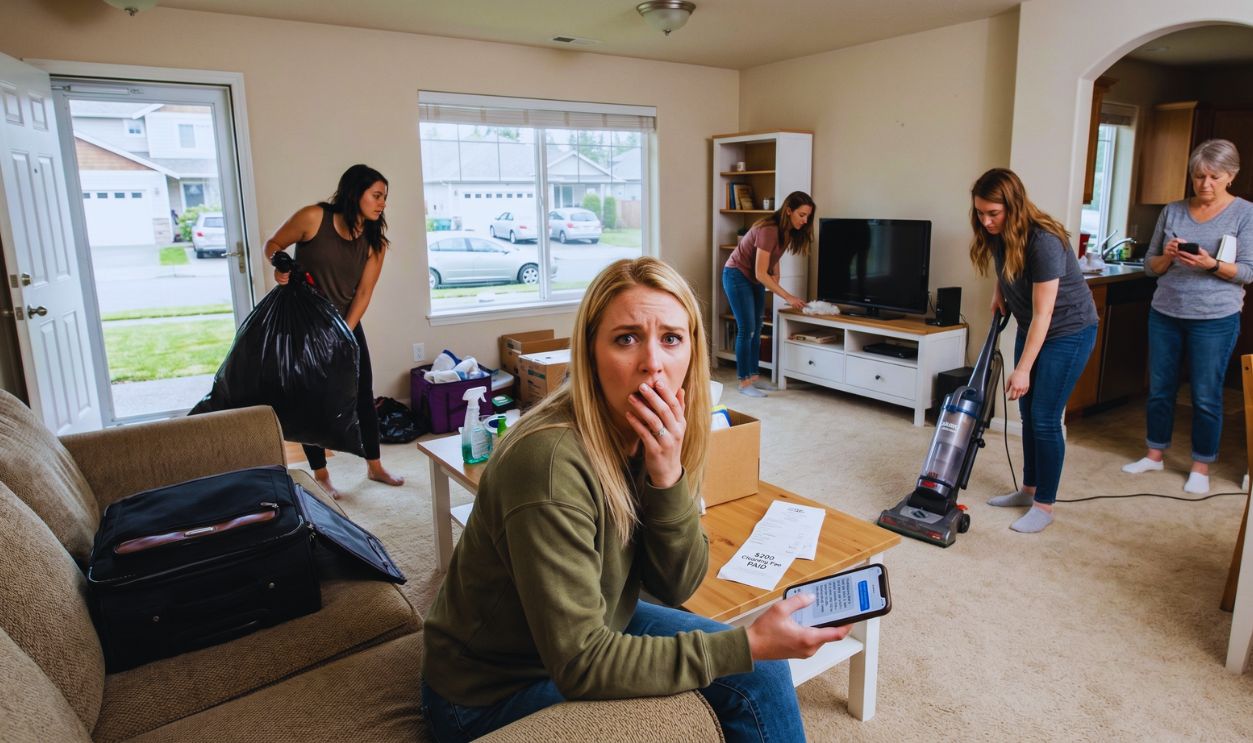
Airbnb says hosts should not ask guests to do “unreasonable” chores before leaving. The company gives clear examples, including stripping beds, doing laundry, and vacuuming. At the same time, Airbnb says it is fine for hosts to ask guests to turn off lights, throw away food, and lock the doors. That draws a pretty clear line between basic tidying and actual cleaning.
That Policy Did Not Come Out Of Nowhere
Airbnb announced these checkout-task changes in November 2022 as part of a wider push for price transparency and guest trust. The company said guests should not be hit with surprise demands at the end of a stay. The change came after years of complaints about chore lists and steep fees.

What Counts As Reasonable
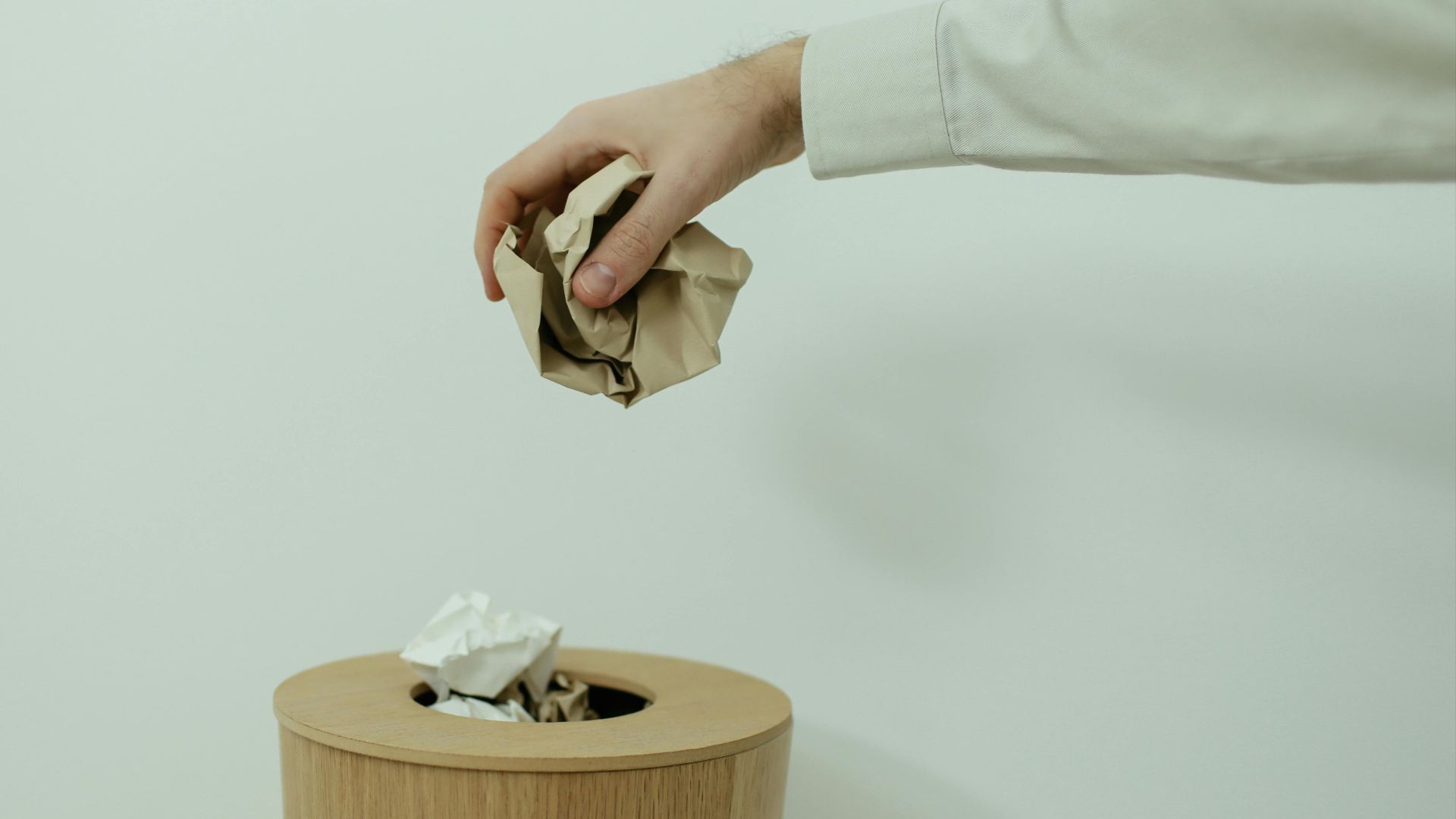
Small end-of-stay tasks can still be part of the deal. Throwing out leftover food, putting trash in the right bin, turning off appliances, and locking up are generally seen as reasonable. So if a host asks you to take out the trash, that alone is not unusual.
What Starts To Cross The Line
Things change when the host expects you to clean the whole place. Washing sheets, running laundry, mopping floors, or doing other deep-cleaning work are exactly the kinds of chores Airbnb says go too far. Add a big cleaning fee on top, and it is easy to see why guests get annoyed.

The Listing Should Tell You In Advance
Airbnb says checkout instructions should be clearly shared before booking. Guests should be able to see what is expected in the listing, usually in the house rules or checkout section, instead of finding out after they arrive. If a long chore list shows up only in a message during the stay, that is a warning sign.

Fees Have Been A Flash Point For Years
Cleaning fees have become one of the biggest complaints about short-term rentals. Guests often say the fee looks especially steep on short stays, where it can come close to the nightly rate. The frustration gets worse when that fee still comes with a long to-do list.

Airbnb Tried To Make Prices Less Sneaky
In December 2022, Airbnb rolled out a feature that lets users see the total price before taxes in search results. The company said most guests found the all-in price display helpful. It was part of Airbnb’s answer to criticism that extra fees were showing up too late in the booking process.

Why Hosts Still Charge Cleaning Fees
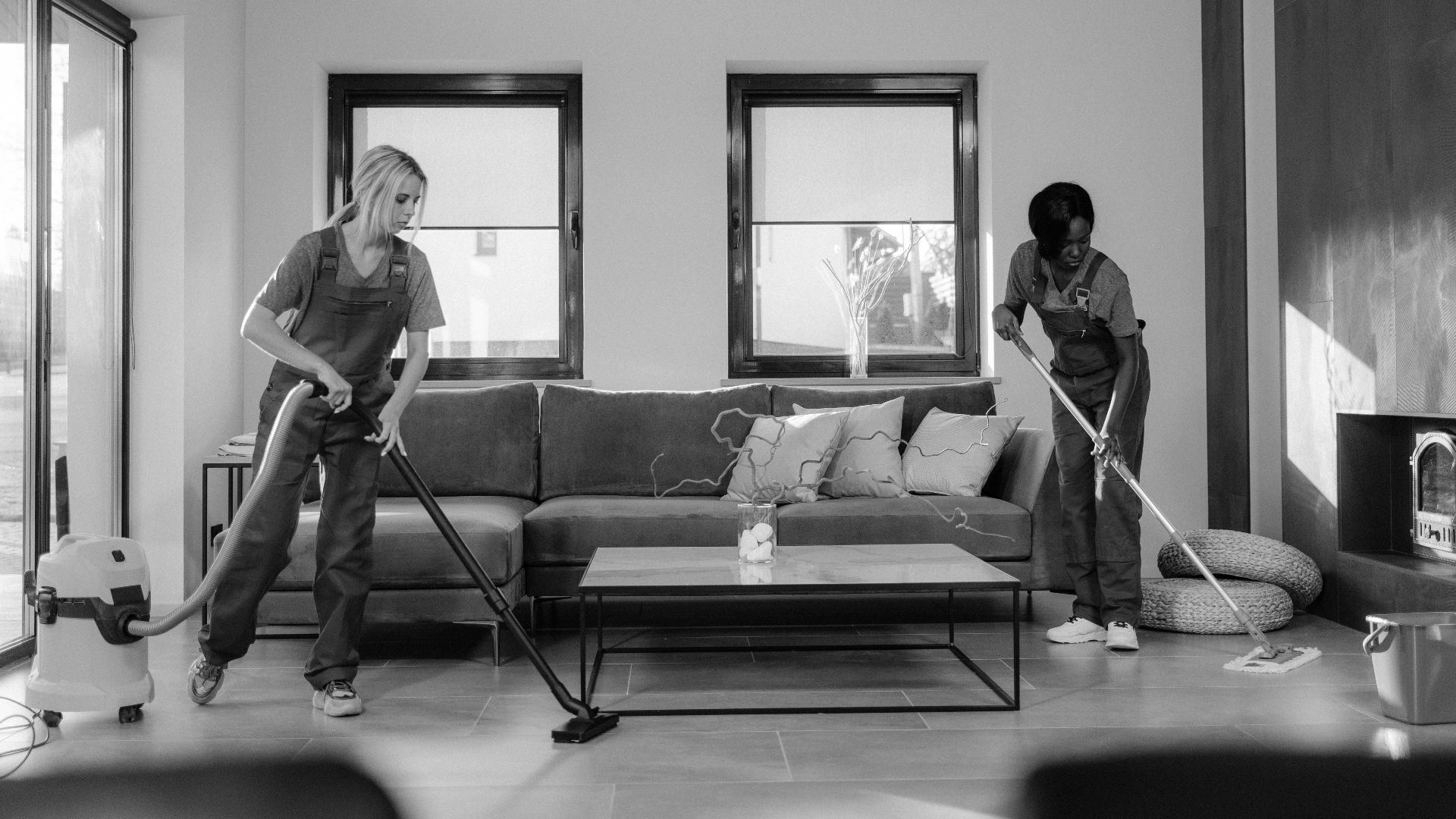
Hosts often say cleaning fees cover the cost of turning over the property, not a free pass for guests to leave a mess. They may have to pay cleaners, restock supplies, wash linens, and get the home ready for the next booking in a tight window. In some places, especially for larger homes, that can cost a lot.
Why Guests Push Back Anyway
From the guest side, a cleaning fee sounds straightforward. Most people hear that phrase and assume they can leave after some basic tidying, without scrubbing, washing sheets, or hauling out piles of trash. When that expectation runs into a chore list, the fee can start to feel less like a service and more like a cash grab.

Taking Out The Trash Is The Gray Area
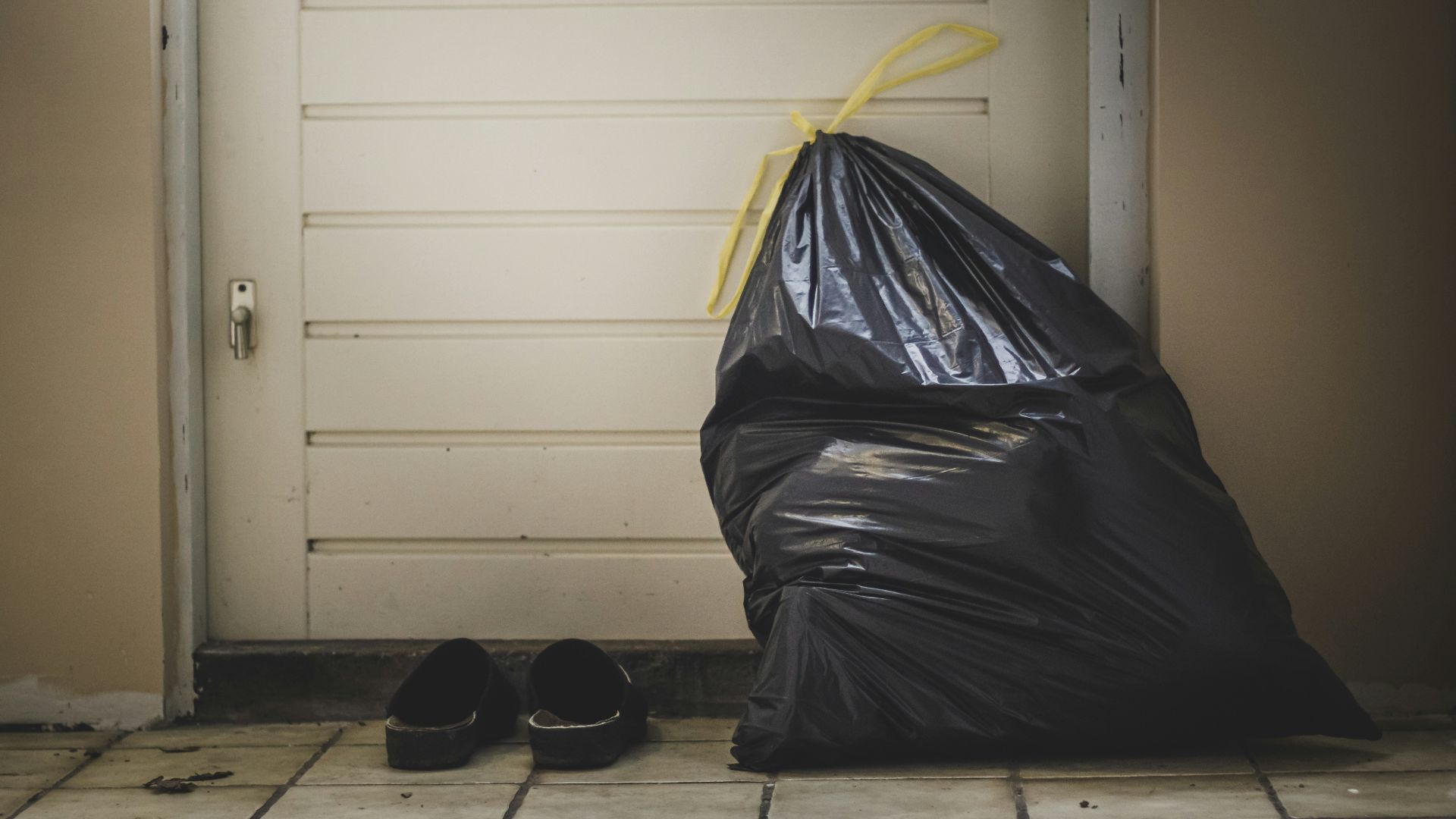
Of all the common checkout requests, taking out the trash is probably the least controversial. Airbnb’s own examples suggest that throwing away food is reasonable, and many hosts want garbage bagged up to avoid smells or pests between guests. But if someone is asking you to haul multiple heavy bins, sort recycling through a complicated system, or take trash off-site, that starts to feel like too much.
A Full-House Clean Is Different
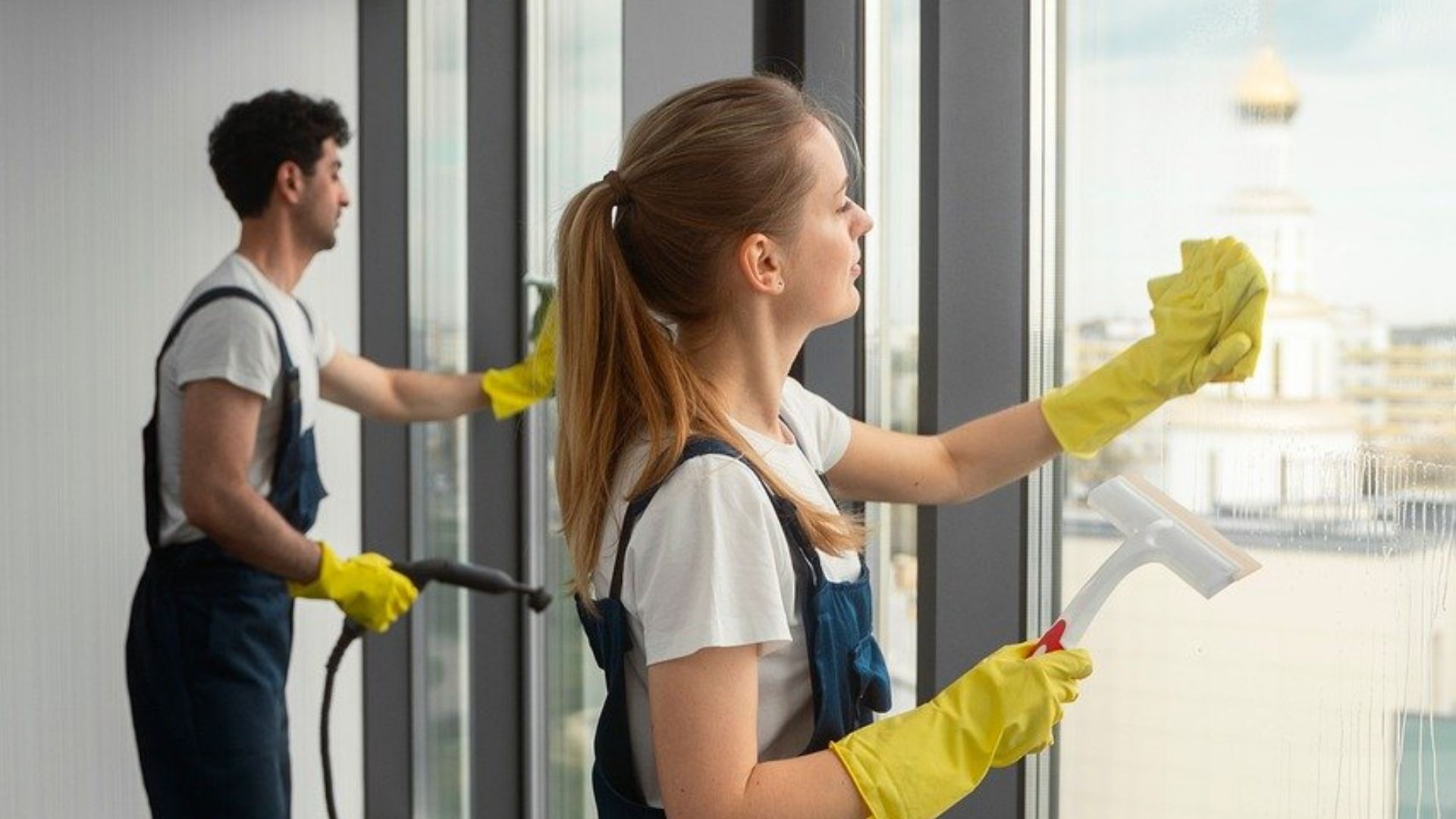
There is a big difference between leaving a place tidy and cleaning it top to bottom. If a host expects guests to wipe every surface, vacuum, mop, wash linens, and reset the home, that is basically the work of a paid cleaner. Airbnb’s published guidance makes clear that kind of labor should not be a standard checkout expectation.
Consumer Advocates Have Noticed The Pattern
The Federal Trade Commission has warned more broadly about so-called junk fees across the economy, including charges in short-term lodging that can blur the real price people pay. The FTC does not make Airbnb’s chore rules, but its attention to hidden or misleading fees shows why cleaning fees have become such a hot topic.

Hotels Set A Different Expectation
Part of what makes this feel so jarring is that hotels usually do not ask guests to do checkout chores beyond taking their belongings and using the trash can normally. Short-term rentals work differently because guests are often staying in full homes. Even so, when a rental combines hotel-style fees with cleaner-level work, people are bound to push back.
What Airbnb Says Hosts Must Disclose
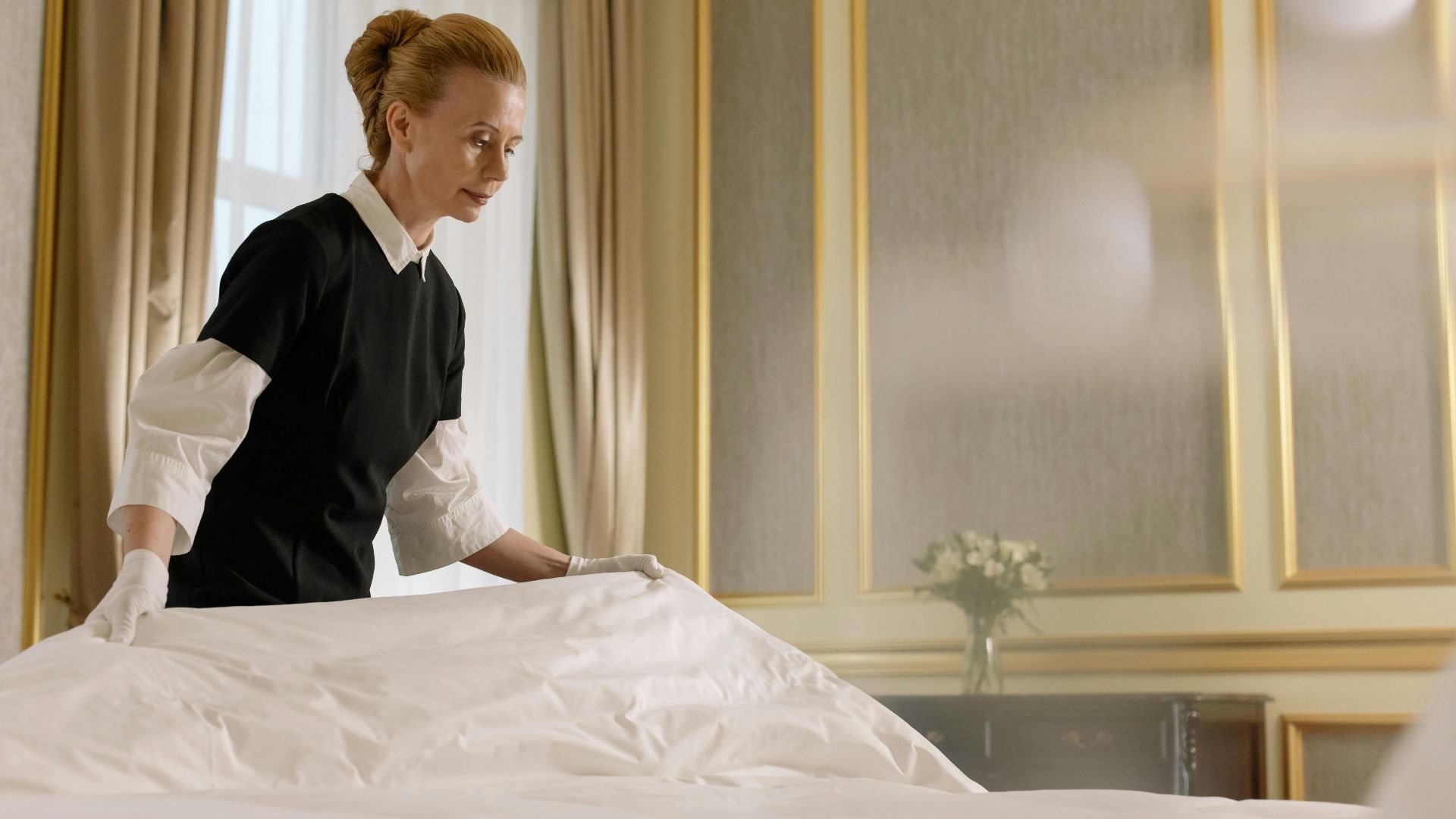
Airbnb says fees and rules should be transparent. Cleaning fees appear before booking, and checkout instructions are supposed to be visible before a reservation is confirmed. If a host adds surprise chores later, guests may have a reason to take the issue to Airbnb support.

If The Chore List Was In The Listing
If the host clearly listed the checkout tasks before you booked, then it becomes more of a choice issue than a hidden-rule issue. You may still think the demands are over the top, but Airbnb expects guests to read house rules carefully. That is why screenshots of the listing can matter if there is a dispute later.
If The Chore List Arrived After Check-In
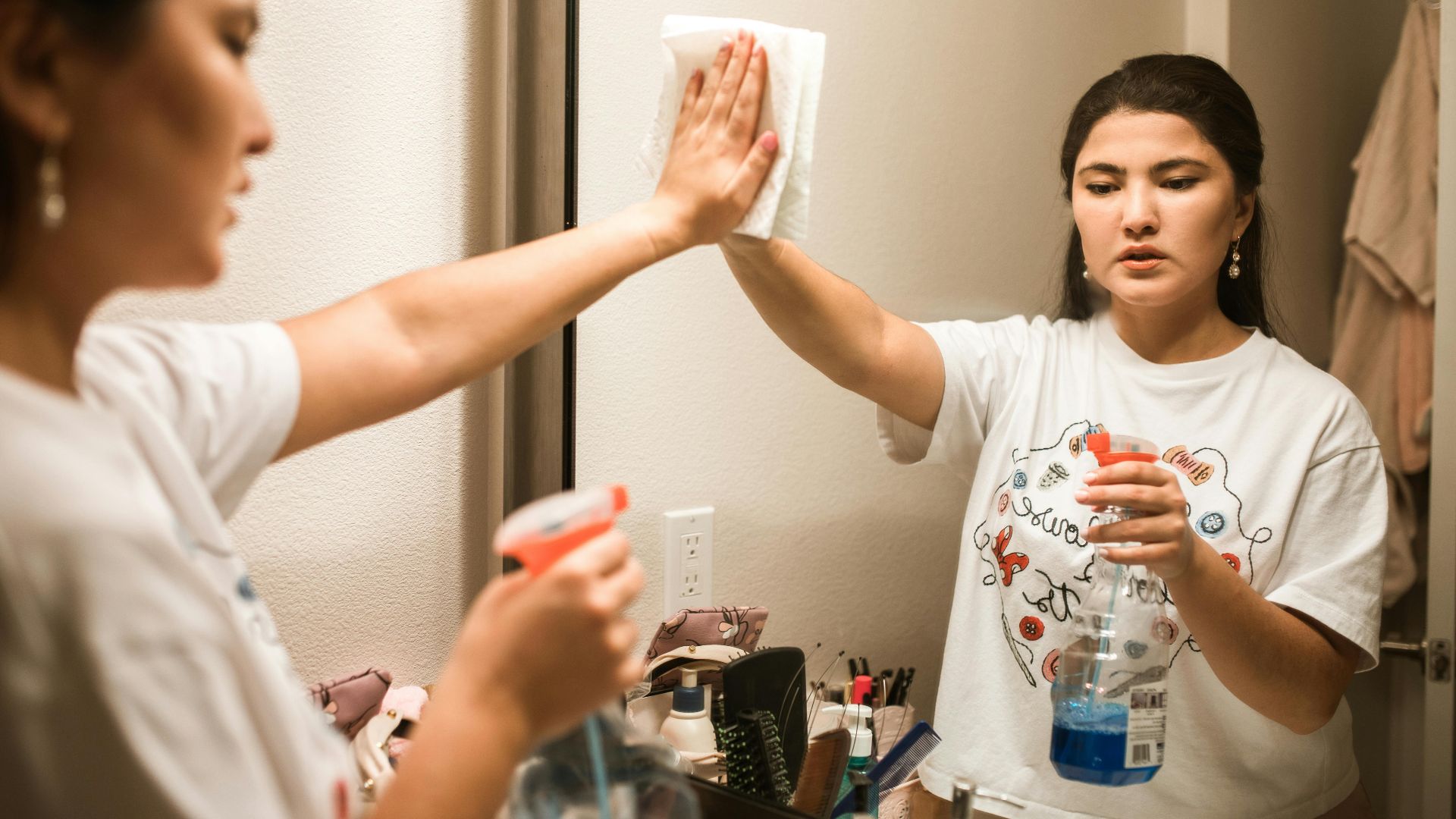
If the instructions showed up only after you arrived, your case is stronger. Airbnb says checkout tasks should be clearly shared before booking. Surprising guests with a detailed cleaning assignment once they are already committed is exactly the kind of problem the company said it wanted to reduce.

Can A Host Charge Extra If You Refuse
Hosts can ask Airbnb for reimbursement in some cases, but they are not supposed to use that process to force unreasonable, undisclosed chores on guests. Any claim would still have to fit Airbnb’s rules and be backed up with evidence. If you are worried, take photos of the place before you leave and keep all messages inside the Airbnb app.

Photos Are Your Best Friend
Before checkout, take clear pictures of the kitchen, bathrooms, living spaces, and anywhere else that could become a problem later. Make sure the photos show the place was left in basically tidy condition and that trash was handled if that was part of the instructions. Time-stamped photos can go a long way if a host later claims you left a mess.
Message Politely, But Be Specific
If the host asks for chores that seem out of line, reply calmly through Airbnb’s message system. You can say you are happy to do reasonable checkout steps that were listed in advance, but that Airbnb’s policy does not support heavy cleaning chores like laundry or vacuuming. Keeping everything in writing gives you a record if the issue grows.

When To Contact Airbnb Support
Contact Airbnb support if the host’s demands are extensive, newly added, or tied to threats of extra charges or a bad review. Point support to the exact listing language and the messages you received. The clearer your evidence, the easier it is for Airbnb to compare the host’s demands with its own policy.

Reviews Matter More Than Ever
One of the easiest ways travelers help each other is by mentioning checkout expectations in reviews. If a host charged a high cleaning fee and still expected deep cleaning, say so plainly and stick to the facts. Future guests often check reviews for surprise fees and chore-list complaints before they book.

How To Spot Trouble Before Booking
Read the house rules and checkout section closely, especially for entire-home rentals. Search reviews for words like “cleaning fee,” “checkout,” “trash,” “laundry,” and “chores.” If the listing is vague and the fee is high, send a message before booking and ask exactly what checkout involves.
Ask One Simple Question Up Front
A very useful question is, “What checkout tasks are required beyond locking up and putting trash in the bin?” That gives the host a chance to spell out expectations before you pay. If the answer comes back with a long list, you can decide whether the place is worth it.
So, Is It Normal
The short answer is: sometimes. A request to take out the trash can be normal, especially if it is simple and clearly disclosed ahead of time. A request to clean the whole house after paying a $200 cleaning fee does not line up with Airbnb’s own examples of reasonable checkout expectations.

The Practical Bottom Line For Travelers
Do basic tidying, follow clearly disclosed rules, and document the place before you leave. Push back politely on heavy cleaning demands that were not shared before booking, especially if you already paid a large cleaning fee. In today’s short-term rental market, checkout instructions are part of the real price whether they look like it or not.