

Cities Before Skyscrapers Rose
There was a time when cities stretched outward instead of upward. Vintage photographs preserve those early moments, showing streets, buildings, and crowds before modern height and speed reshaped the urban experience.
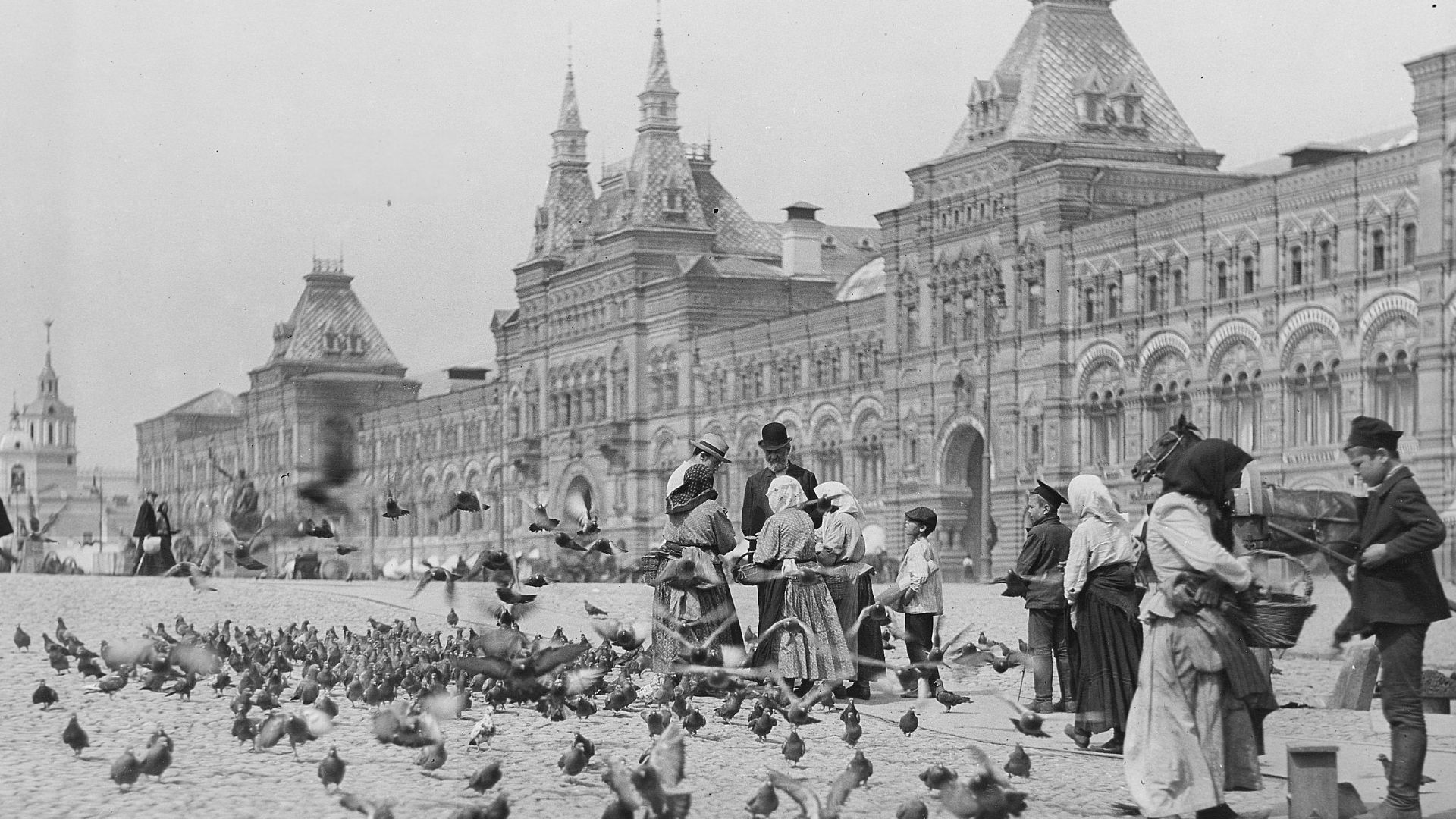
Moscow, Russia
Red Square looks calmer here, almost restrained. The wide open ground contrasts with the clustered churches and towers around it. Without crowds or vehicles, the space feels ceremonial, showing how Moscow’s central square once served ritual, authority, and everyday movement all at once.
 Unknown authorUnknown author, Wikimedia Commons
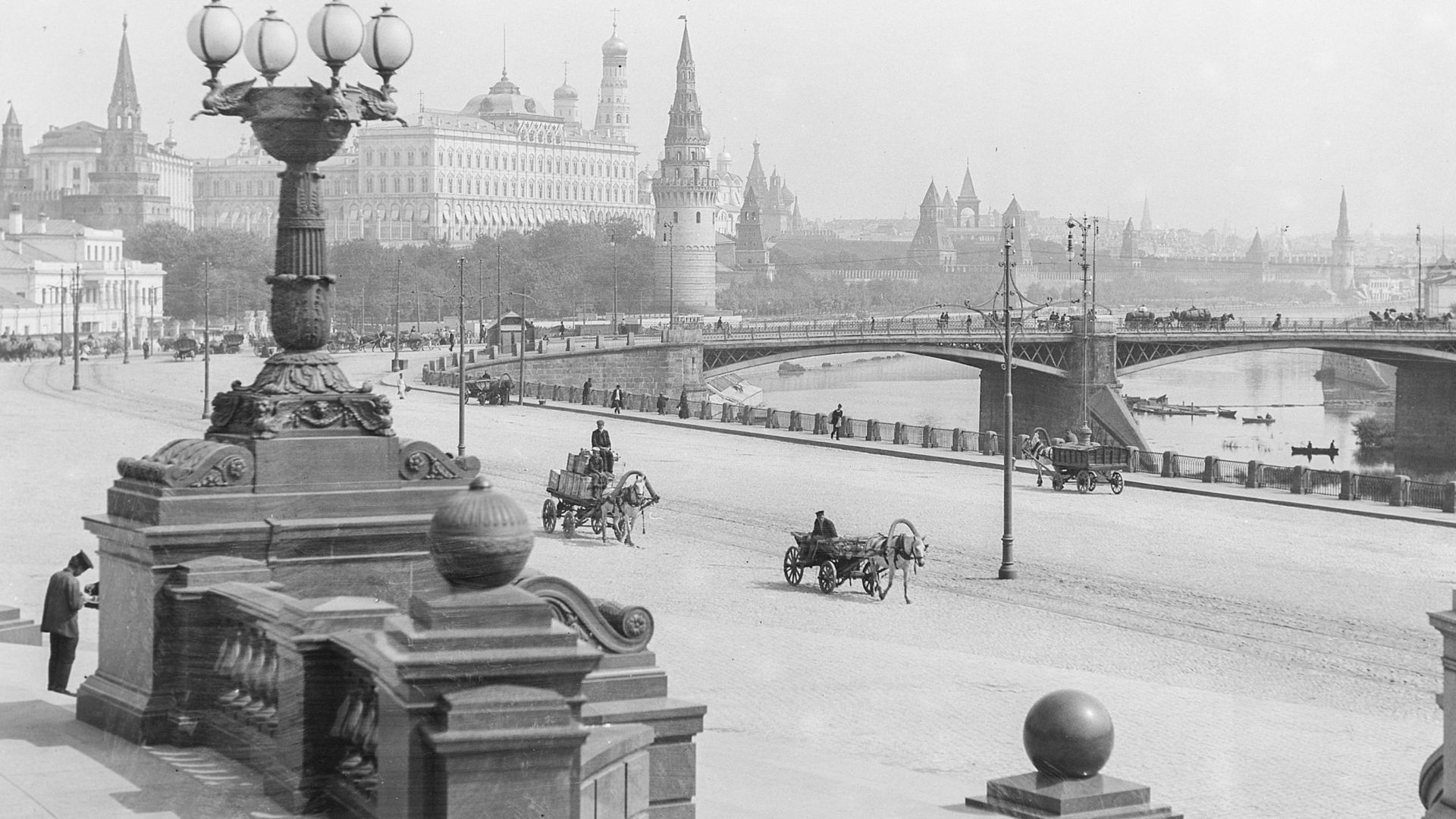
Moscow, Russia (Cont.)
Rather than blending into the city, the Kremlin stands apart in this view. Its walls draw a clear boundary between authority and daily life. The lack of surrounding development reinforces its role as a protected center of control in early Moscow.
 Unknown authorUnknown author, Wikimedia Commons
Paris, France
Viewed from the Pont Neuf, Paris appears dense and alive. The river acts as a shared workspace, travel route, and meeting point. This image captures a time when movement through Paris flowed more by water than by road.
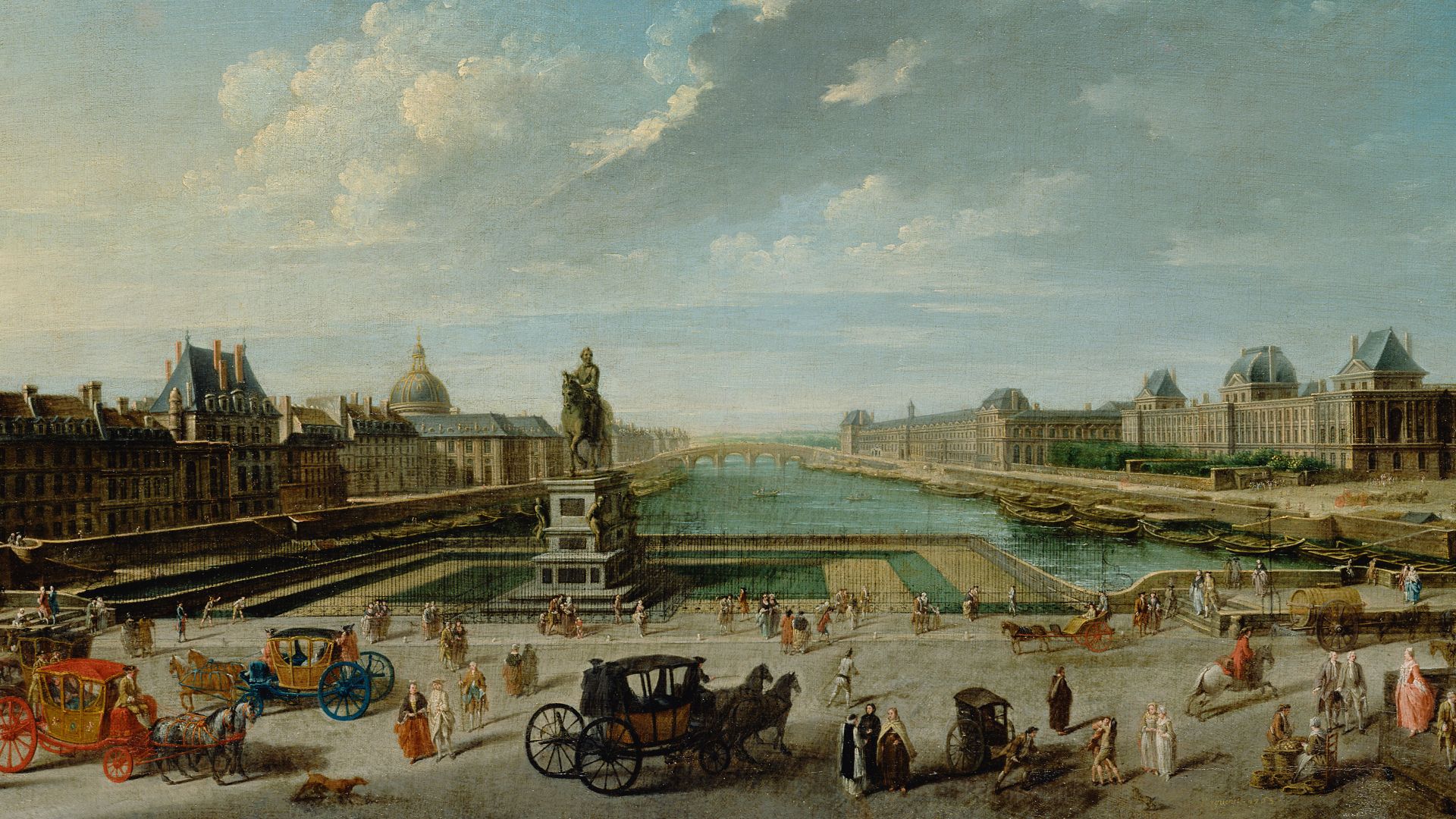 Nicolas-Jean-Baptiste Raguenet, Wikimedia Commons
Paris, France (Cont.)
Place du Chatelet reflects a Paris already changing. Wide streets and controlled traffic suggest a city becoming structured. The square feels designed rather than organic, marking a shift toward modern urban planning and regulation.
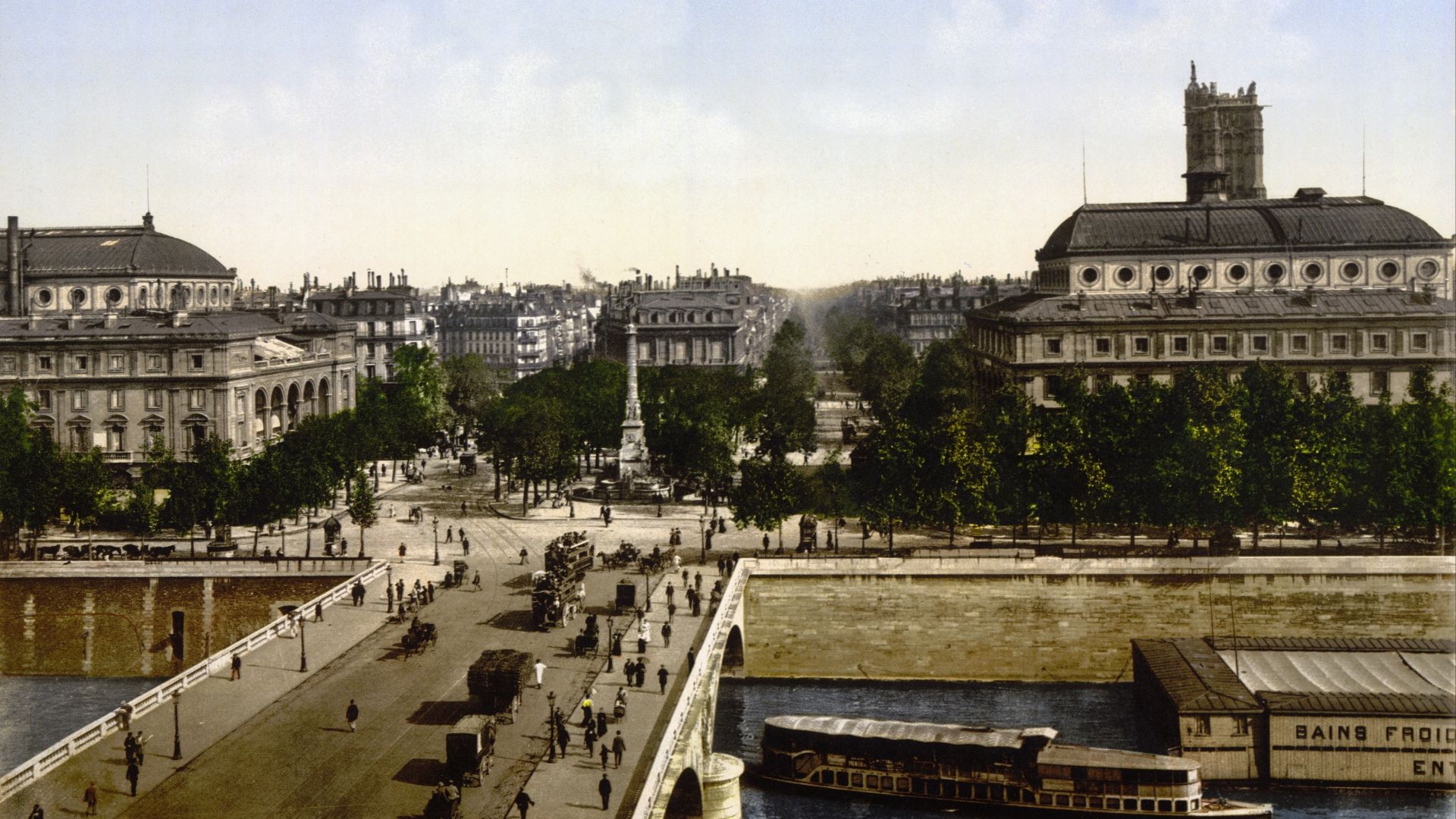 Unknown authorUnknown author, Wikimedia Commons
Berlin, Germany
This image shows Berlin presenting itself with restraint and symmetry. Unter den Linden feels wide and intentional, framed by architecture meant to impress. The street conveys Berlin’s confidence at the turn of the century, where elegance and authority shaped everyday movement.
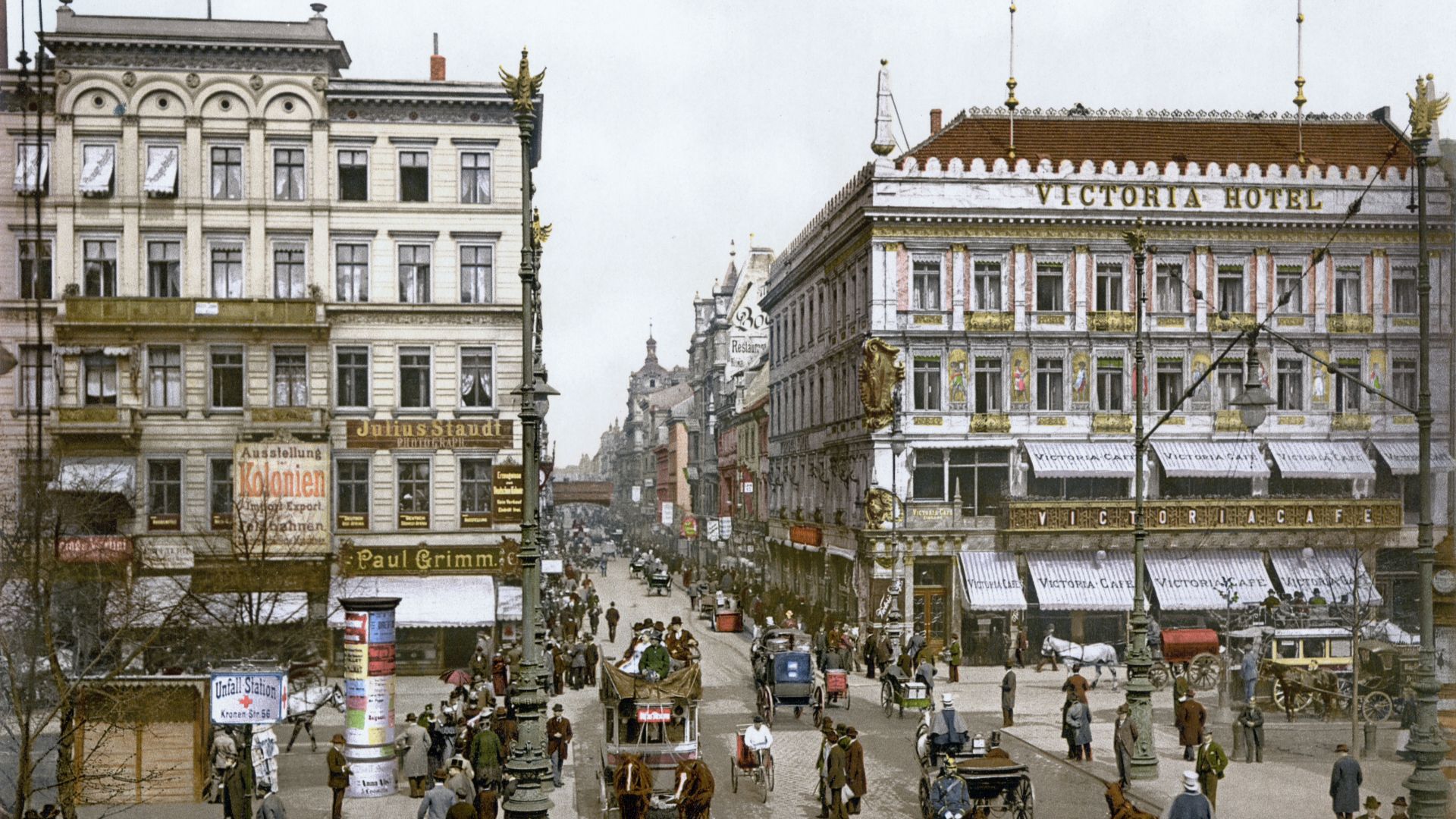 Unknown authorUnknown author, Wikimedia Commons
Berlin, Germany (Cont.)
Seen here, Berlin’s Stock Exchange looks more like a fortress than a workplace. Thick walls and strict geometry suggest control and permanence. The image mirrors a period when financial power demanded visible authority within the urban landscape.
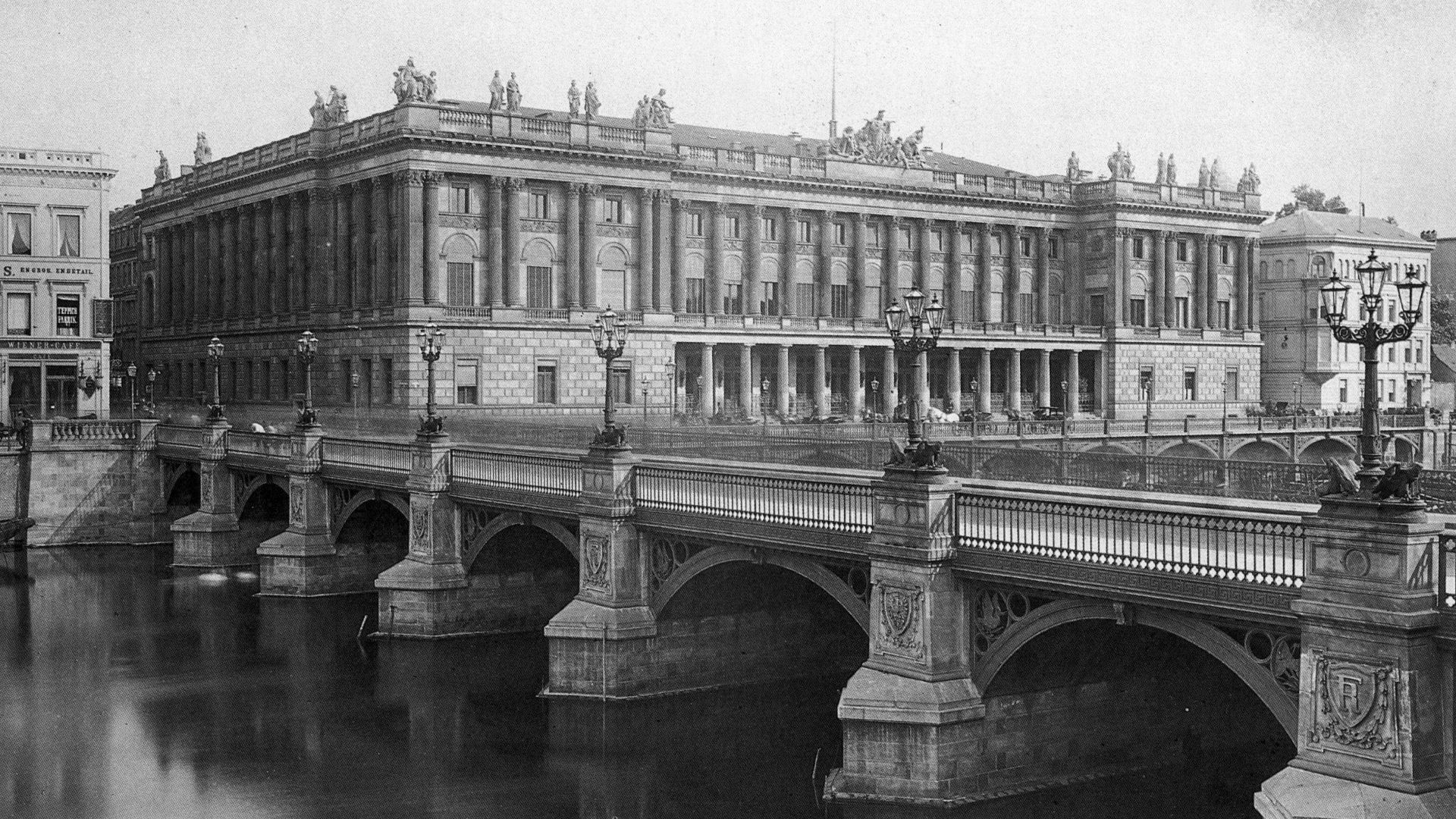 Hermann Ruckwardt, Wikimedia Commons
London, UK
This is London during wartime routine. Pedestrians move through familiar streets despite uncertainty overhead. The buildings remain unchanged, offering a sense of normalcy. It shows how daily life continued, even as the city faced disruption beyond what the image reveals.
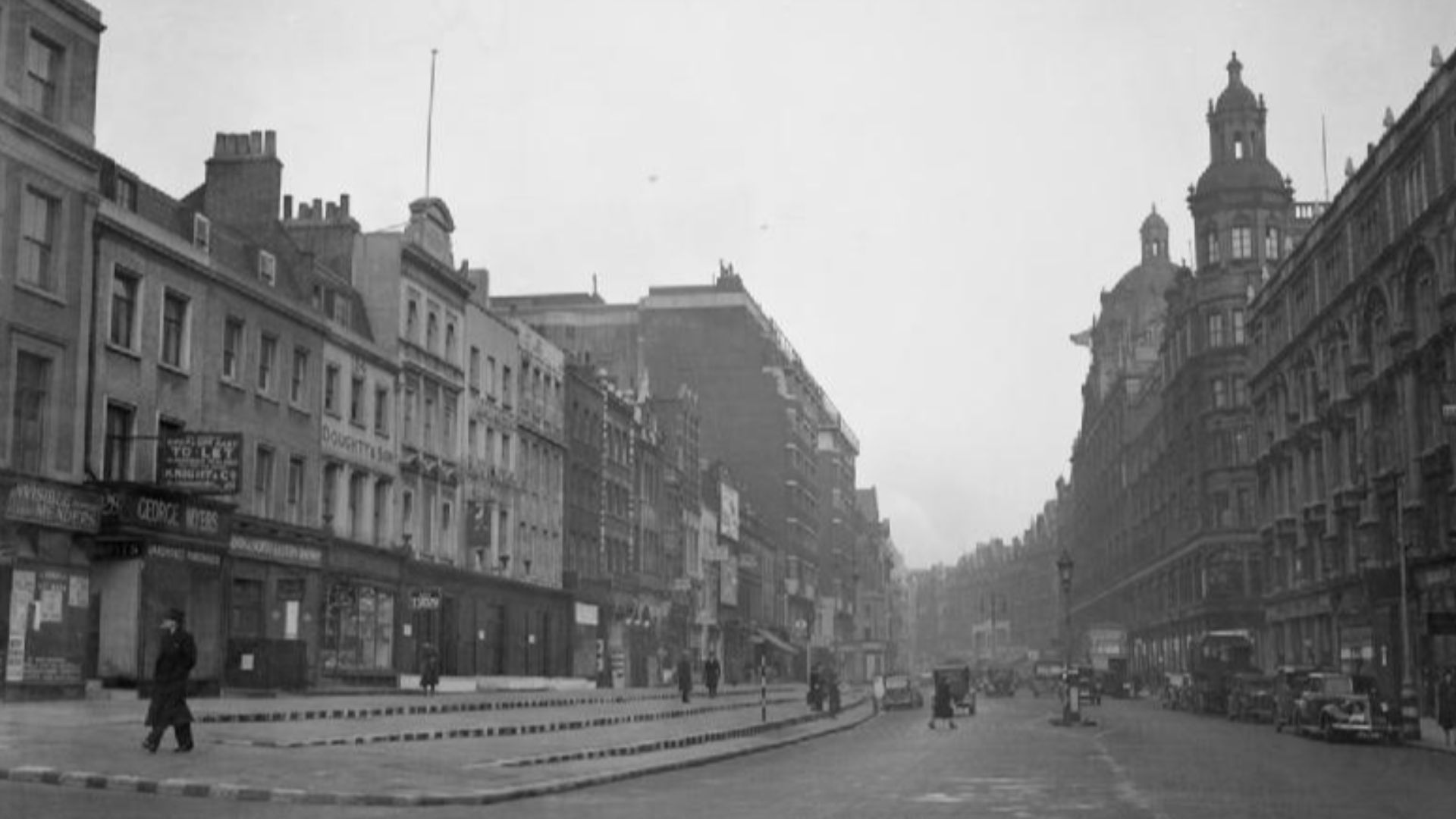 Ministry of Information Photo Division Photographer, Wikimedia Commons
London, UK (Cont.)
Old London looks dense and textured in this view. Narrow streets press close to tall buildings and create a sense of closeness. The layout hints at a city shaped by gradual growth rather than planning, where movement adapted to space already claimed.
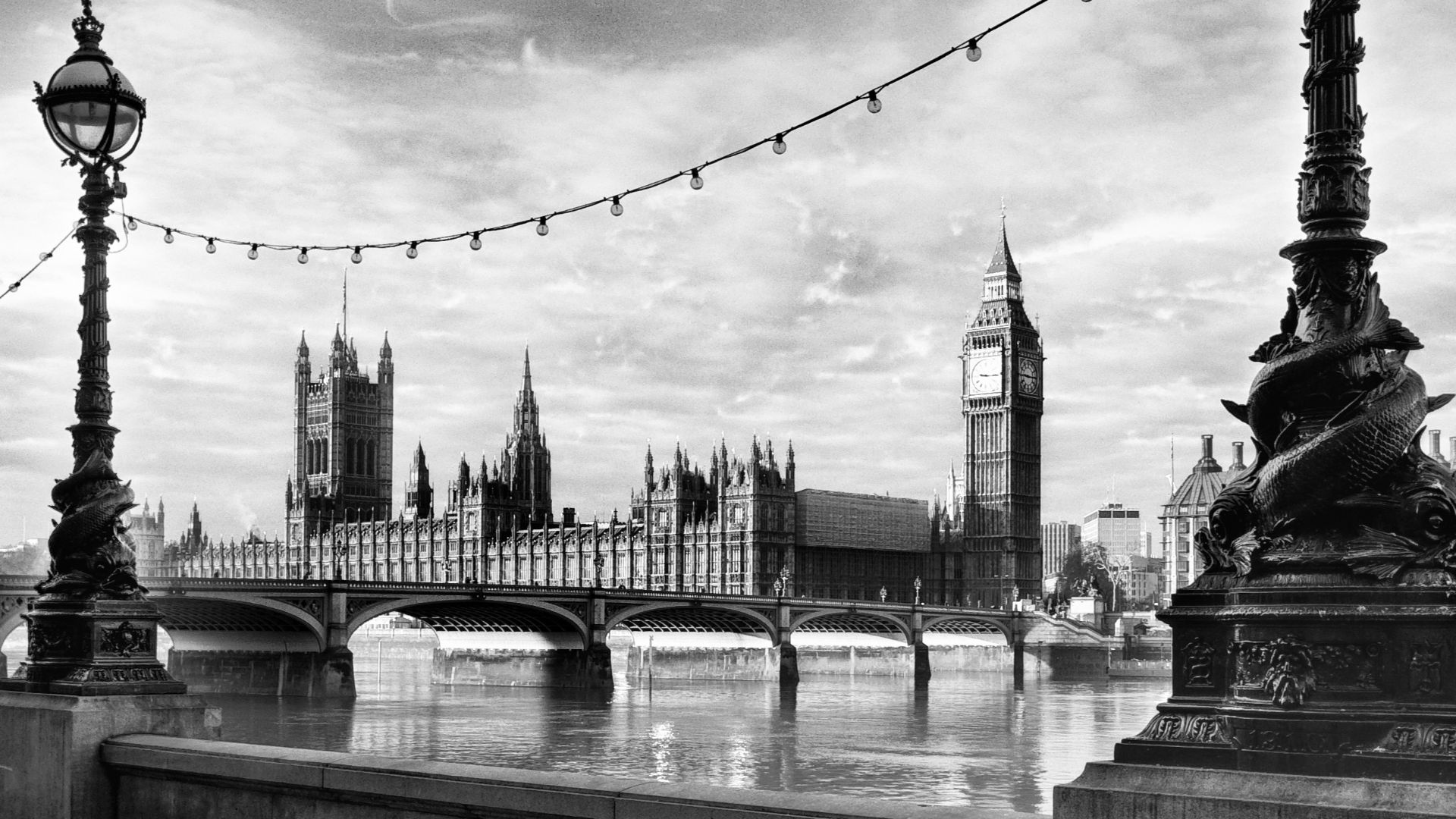 Lies Thru a Lens , Wikimedia Commons
Madrid, Spain
Instead of density, this image emphasizes space. Madrid feels airy and composed, with long sightlines and controlled architecture. The street reads as a statement, revealing how the city valued balance and visibility during a period when capitals were designed to impress as much as function.
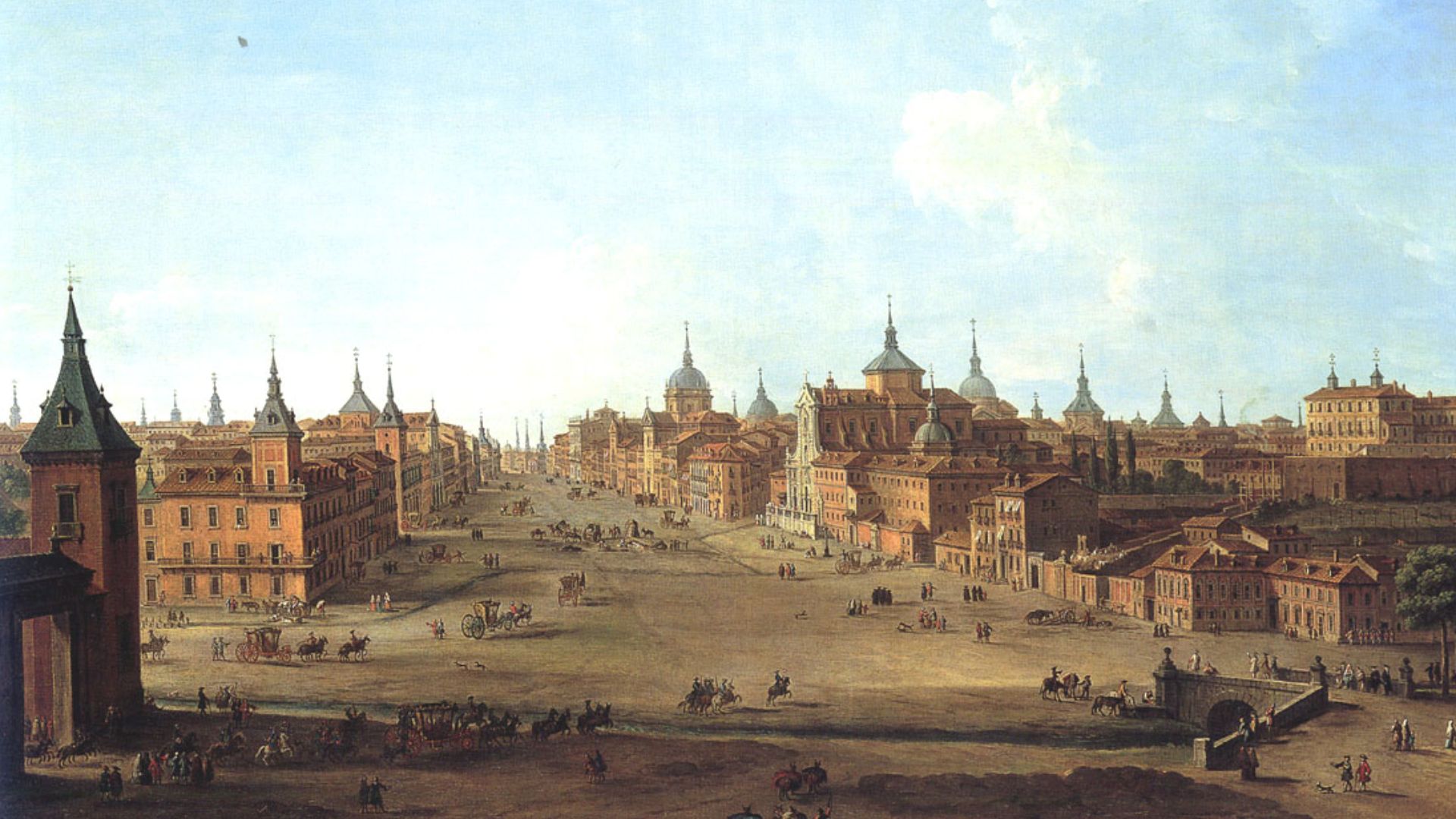 Antonio Joli, Wikimedia Commons
Rio De Janeiro, Brazil
Ships dominate this view of Rio, with the city pressed tightly against the shoreline behind them. Buildings rise unevenly across the hills, formed by terrain rather than order. The image reflects a port city built around trade, access to water, and constant movement.
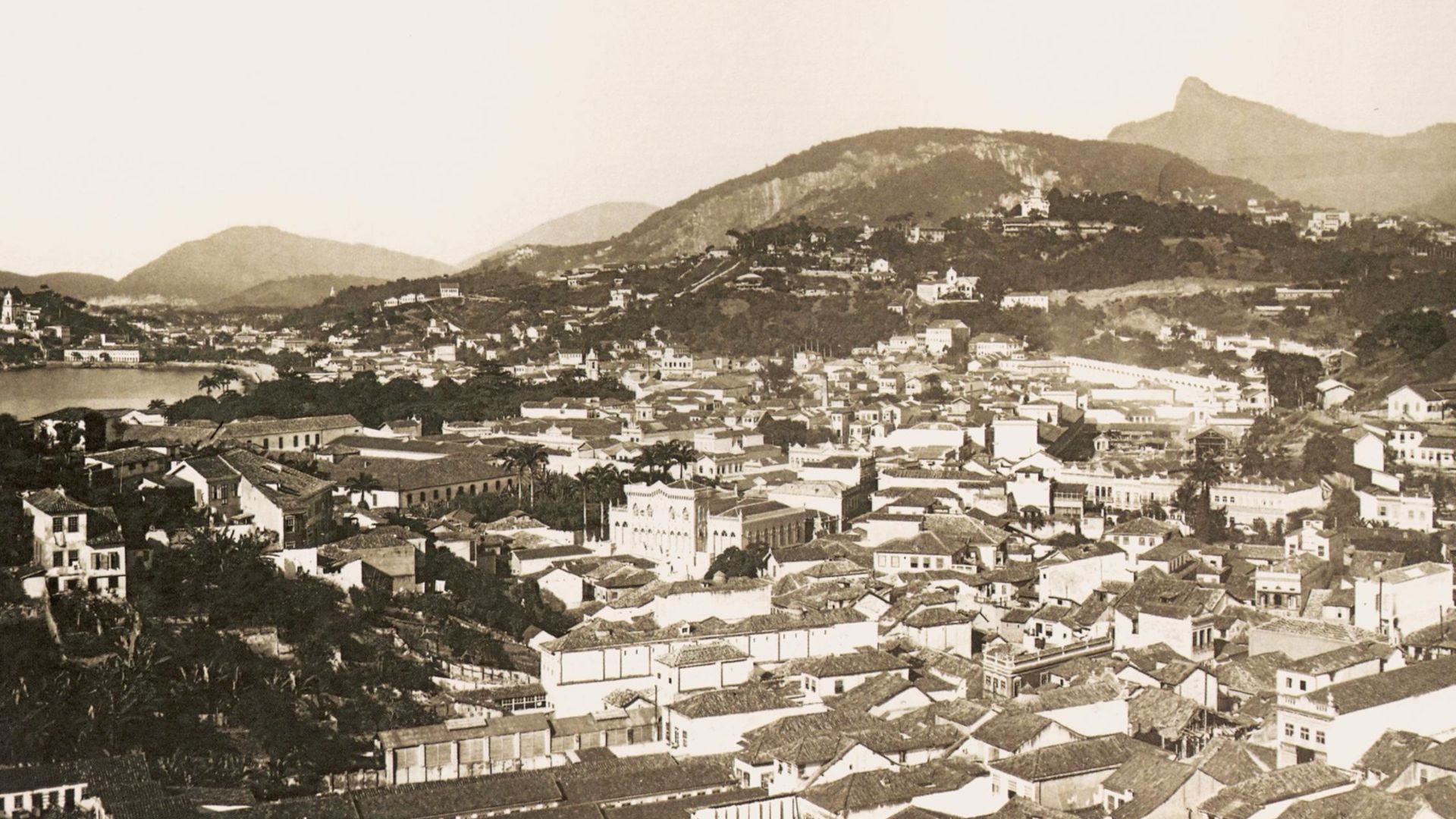 Marc Ferrez, Wikimedia Commons
Rio De Janeiro, Brazil (Cont.)
From this angle, Rio feels more open. The shoreline curves gently, and the architecture settles horizontally, giving the city a grounded feel. Water plays a calmer role here, acting as space rather than industry.
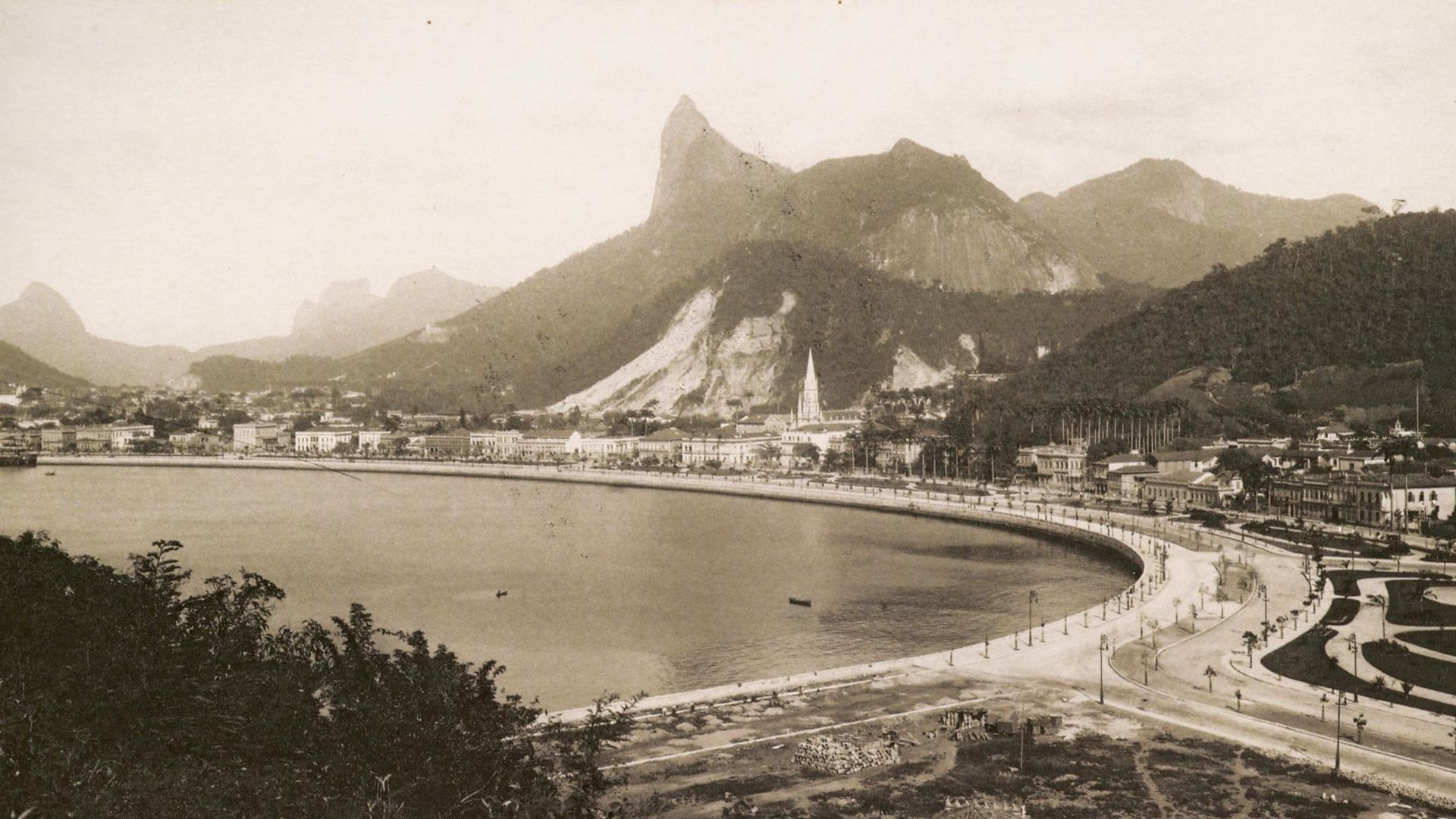 Marc Ferrez, Wikimedia Commons
Beijing, China
Power defines this image. The gate stands heavy and dominant, while the surrounding area remains bare. Distance appears intentional, reinforcing hierarchy through space rather than decoration. The structure communicates command without relying on ornament.
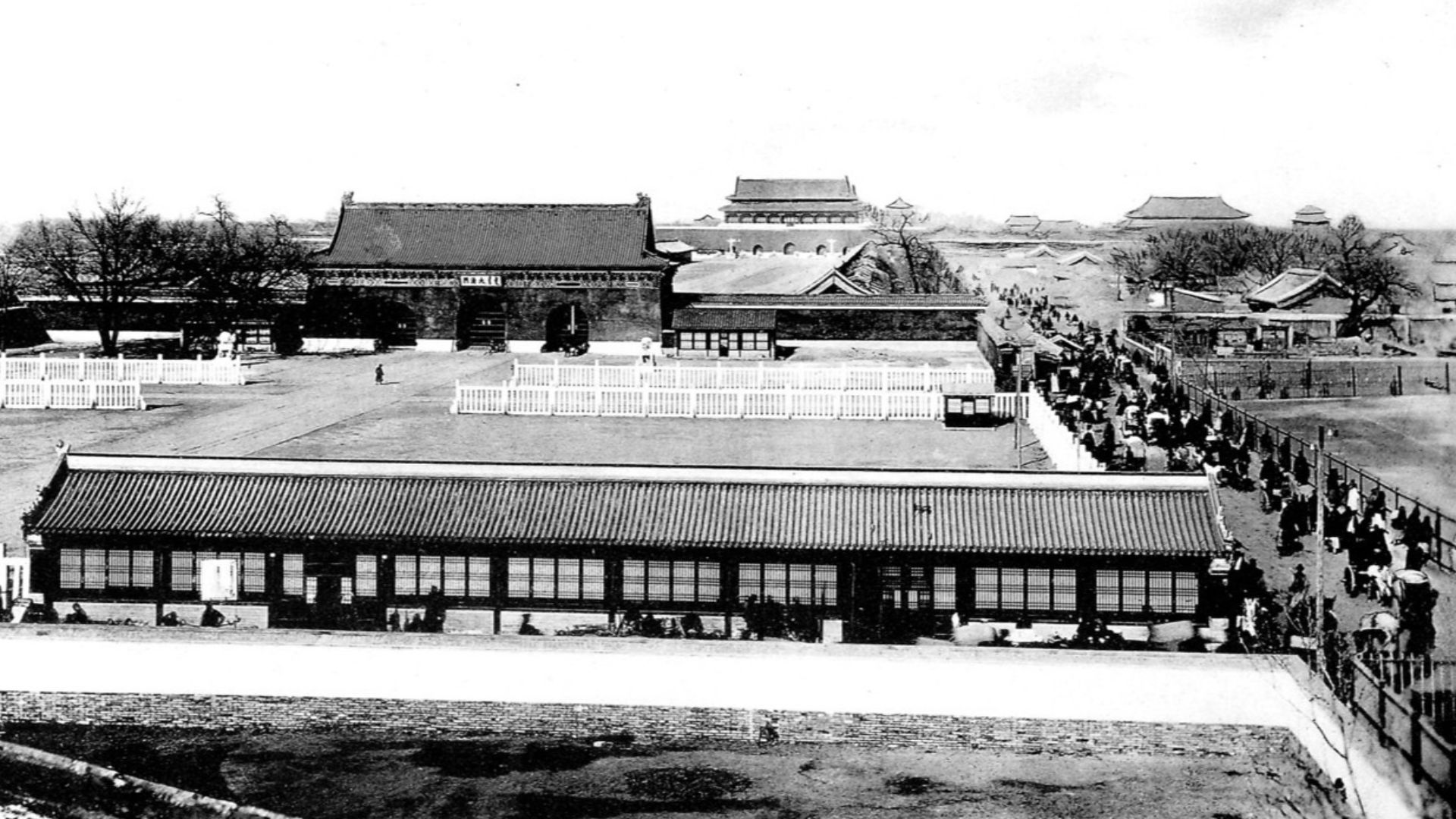 Alfons von Mumm, Wikimedia Commons
Tokyo, Japan
A narrow Tokyo street unfolds with wooden buildings lining both sides. Shops sit close to the road, and everyday life looks compact and practical. The image shows a city shaped by foot traffic and dense neighborhoods before modern rebuilding transformed its scale.
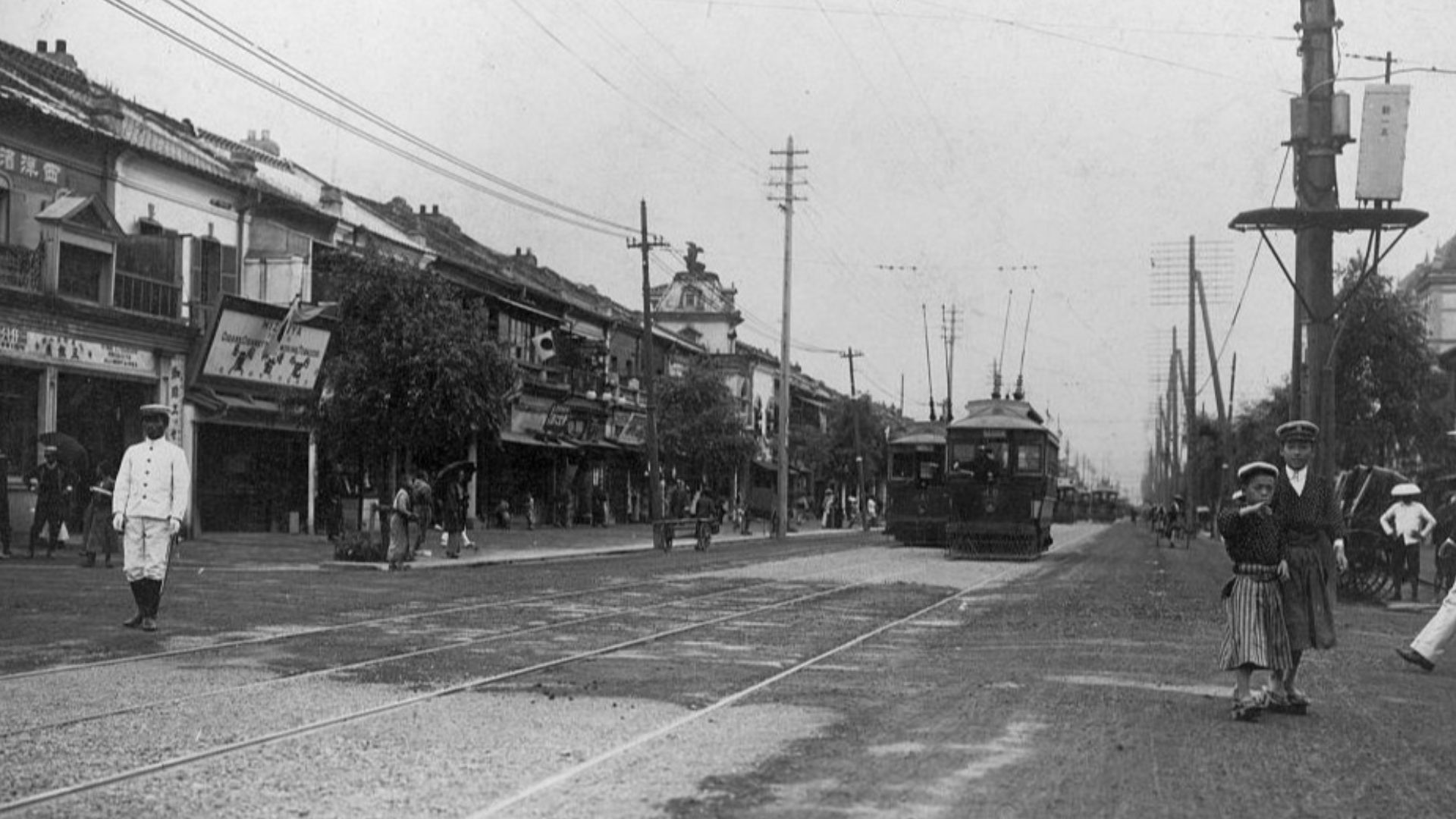 H 662425 or 6 U.S. Copyright Office., Wikimedia Commons
Tokyo, Japan (Cont.)
Compared to older streets, Shinjuku-dori feels purposeful. The road guides traffic, buildings grow taller, and visual order takes hold. It marks a moment when Tokyo began aligning itself with global urban trends while retaining local character.
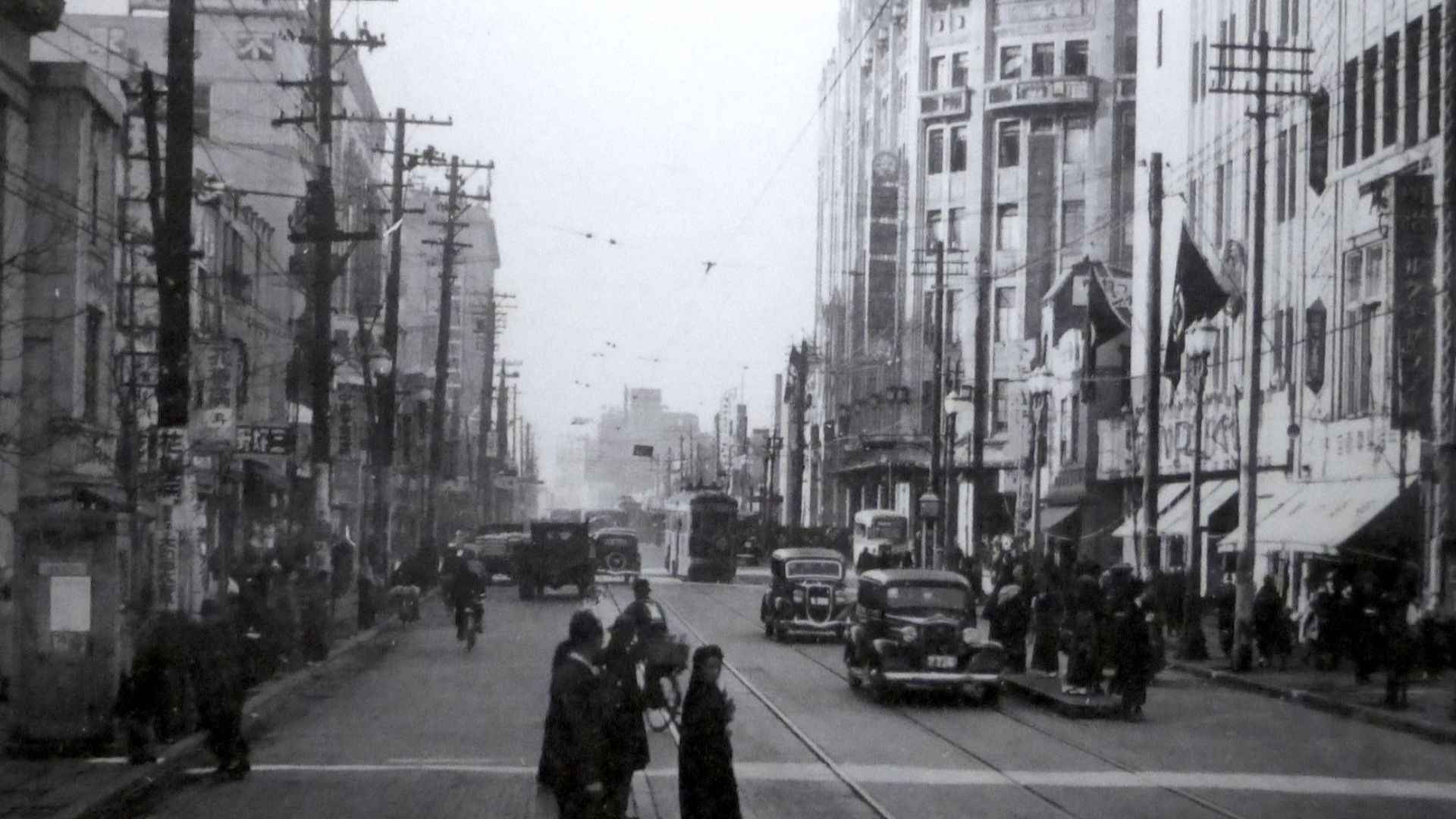 Unknown authorUnknown author, Wikimedia Commons
Mumbai, India
This photograph places movement at the heart of Bombay (Mumbai). Victoria Terminus stands ready for constant flow, surrounded by open space and activity. The building’s scale highlights its role as a central anchor for travel and commerce.
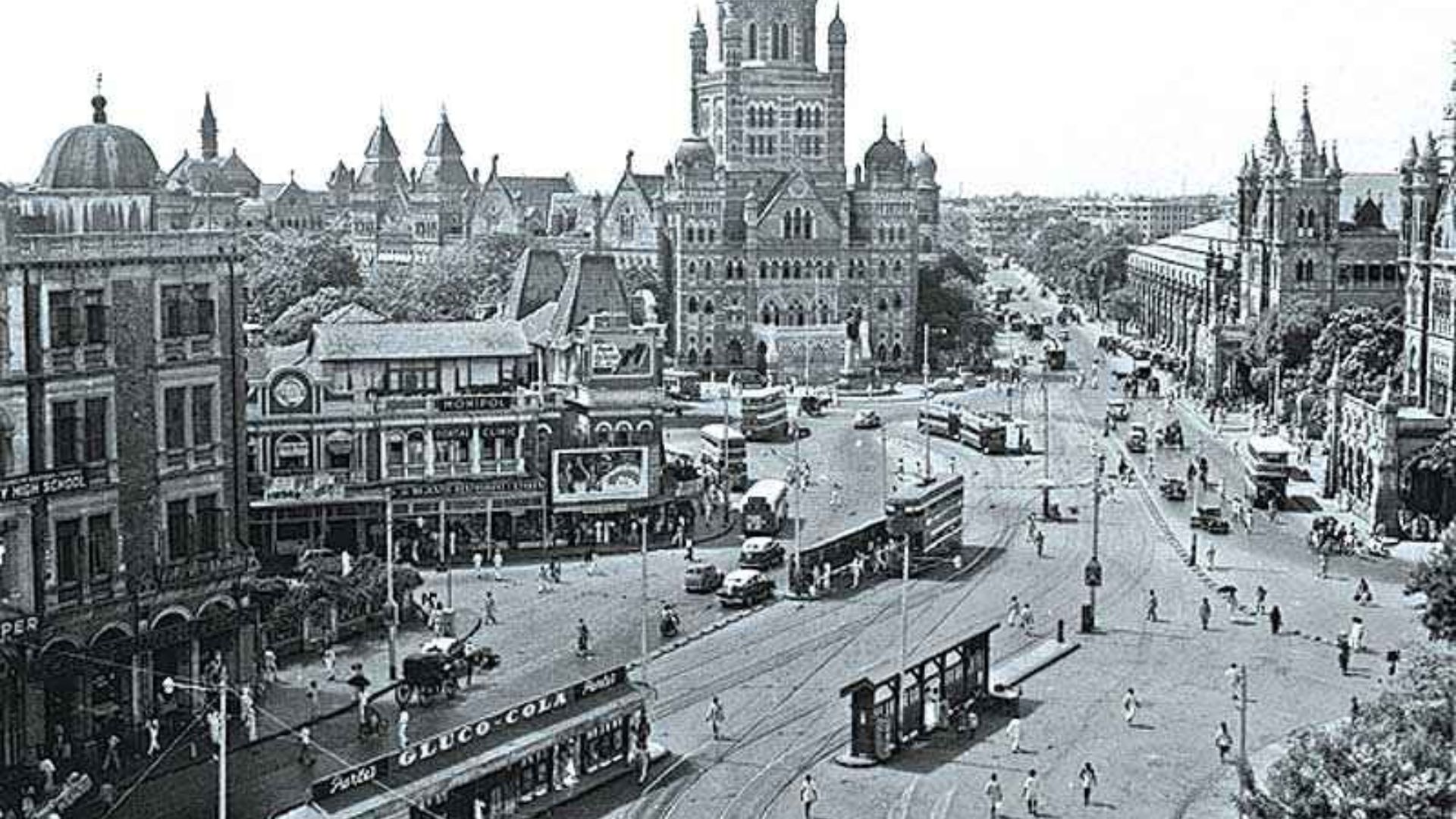 Unknown authorUnknown author, Wikimedia Commons
Mumbai, India (Cont.)
Bombay feels expansive yet constrained here. Urban development presses against the coastline, leaving little unused space. The view captures a city growing upward and outward at once, molded by geography and constant demand.
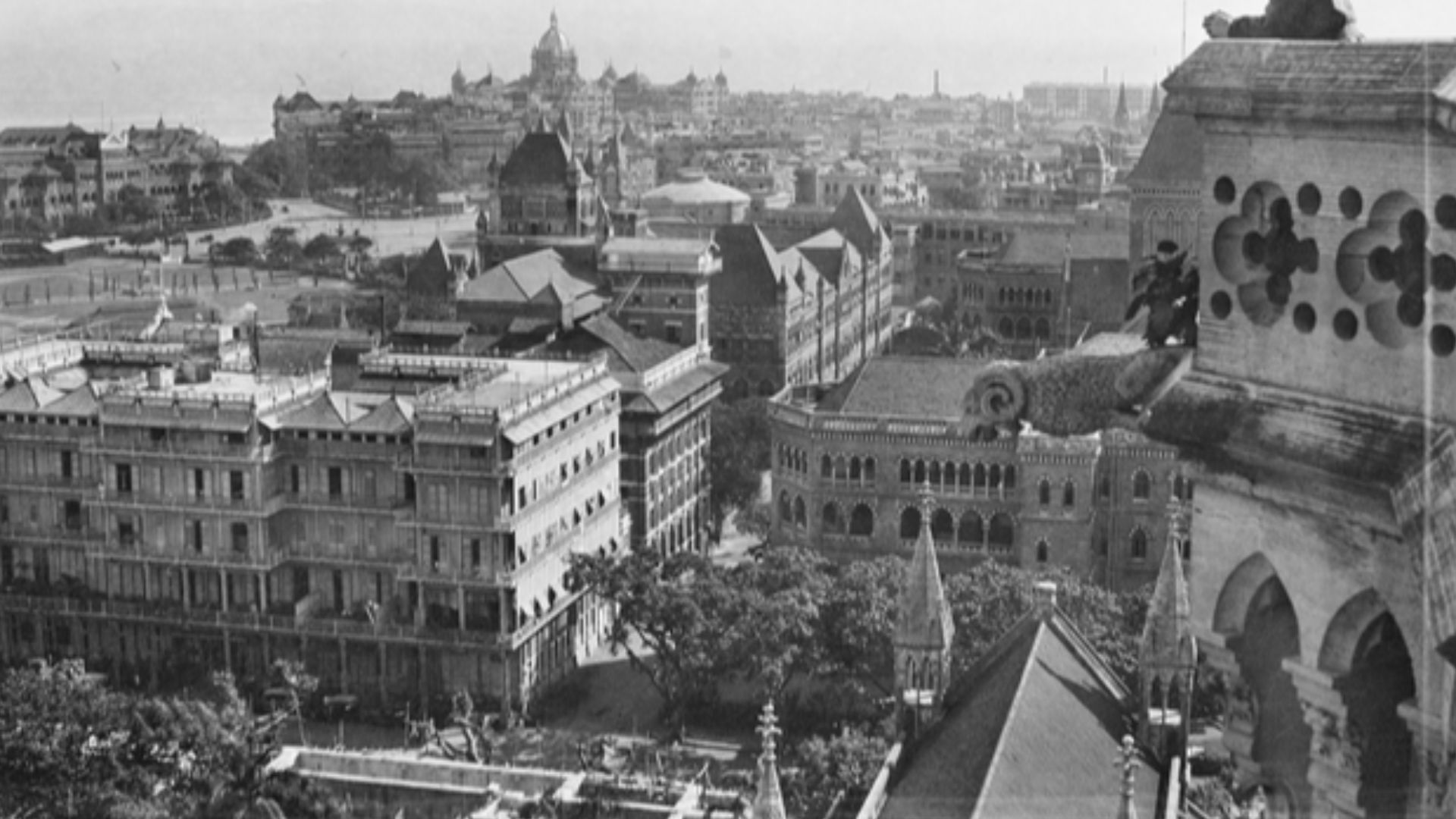 Eric Keast Burke, Wikimedia Commons
New York City, New York
The Woolworth Building towers over Lower Manhattan as a landmark of early skyscraper ambition. Finished in 1913, it once stood as the tallest building on Earth. Its Gothic details reflect how New York blended artistic expression with modern engineering during a period of rapid growth.
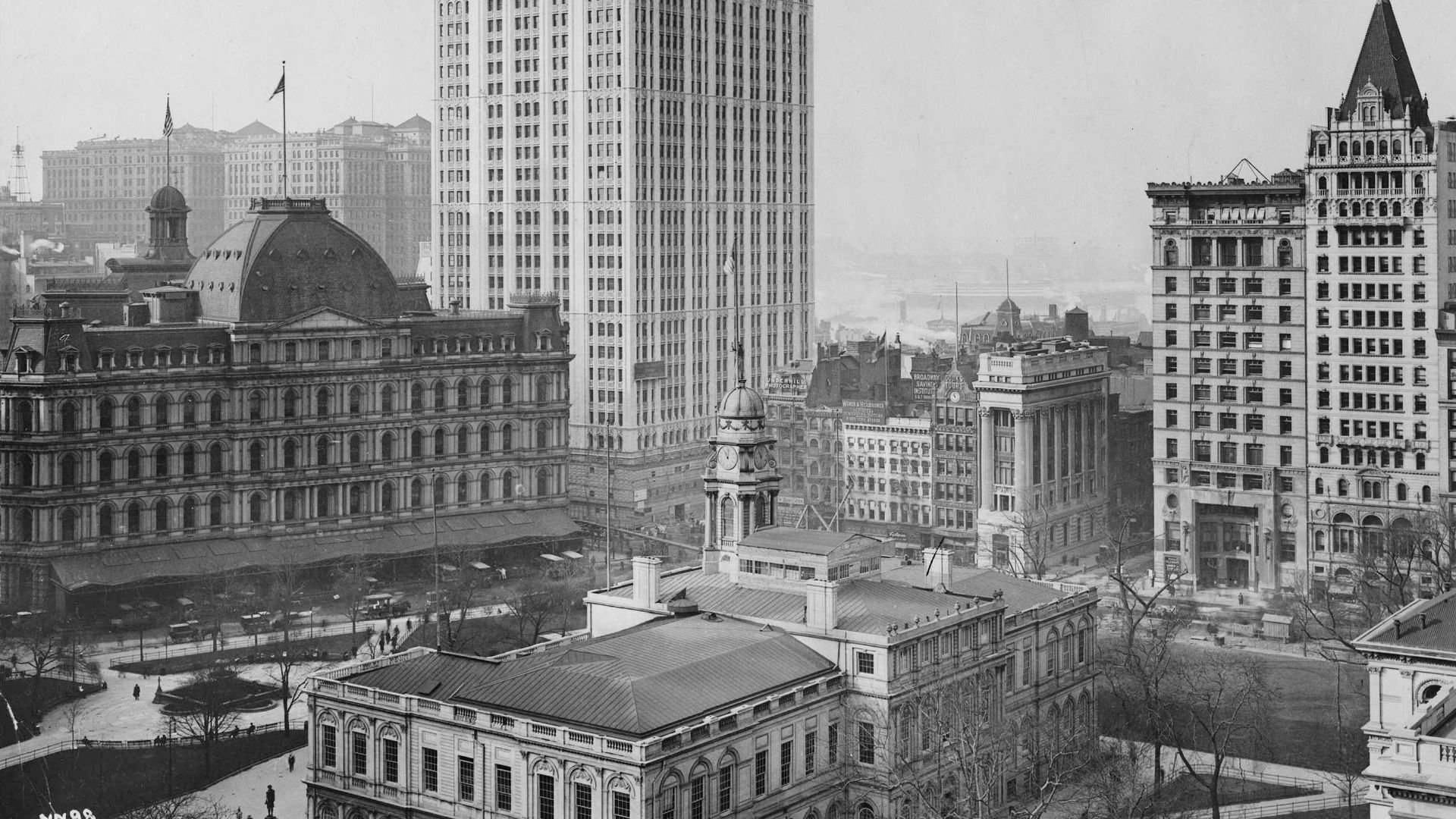 Copyright by The Pictorial News Co., N.Y. No. NN 98. {{PD-US}}, Wikimedia Commons
New York City, New York (Cont.)
Mulberry Street appears tightly packed with homes, shops, and foot traffic. The photograph documents a neighborhood defined by close living quarters and local businesses. This section of the city later became strongly associated with Italian American cultural history.
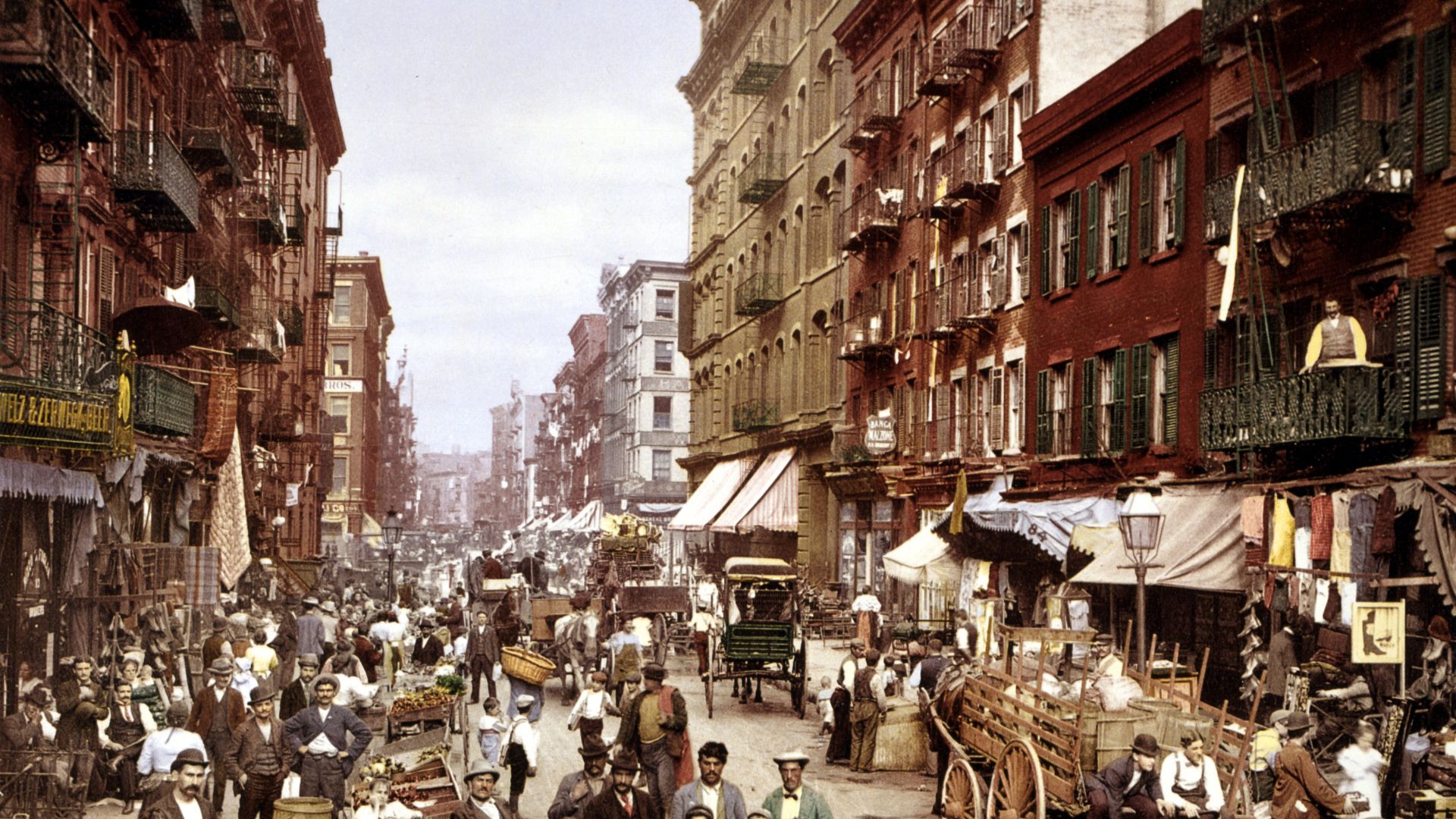 Detroit Publishing Co. , publisher, Wikimedia Commons
Los Angeles, California
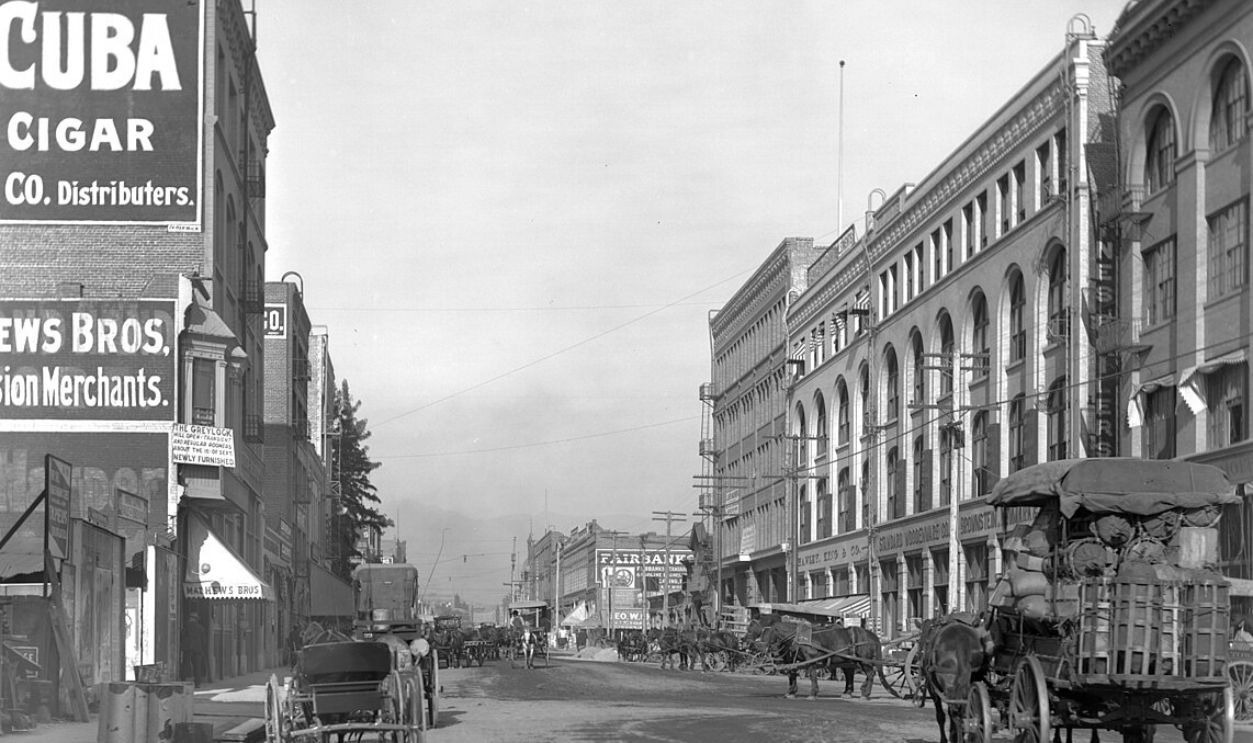
Los Angeles Street comes across as orderly and calm in this early twentieth-century photograph. Brick buildings and streetcars define the area. The image shows a downtown still grounded in small-scale commerce before automobiles transformed Southern California’s urban landscape.
 C.C. Pierce & Co., Wikimedia Commons
Los Angeles, California (Cont.)
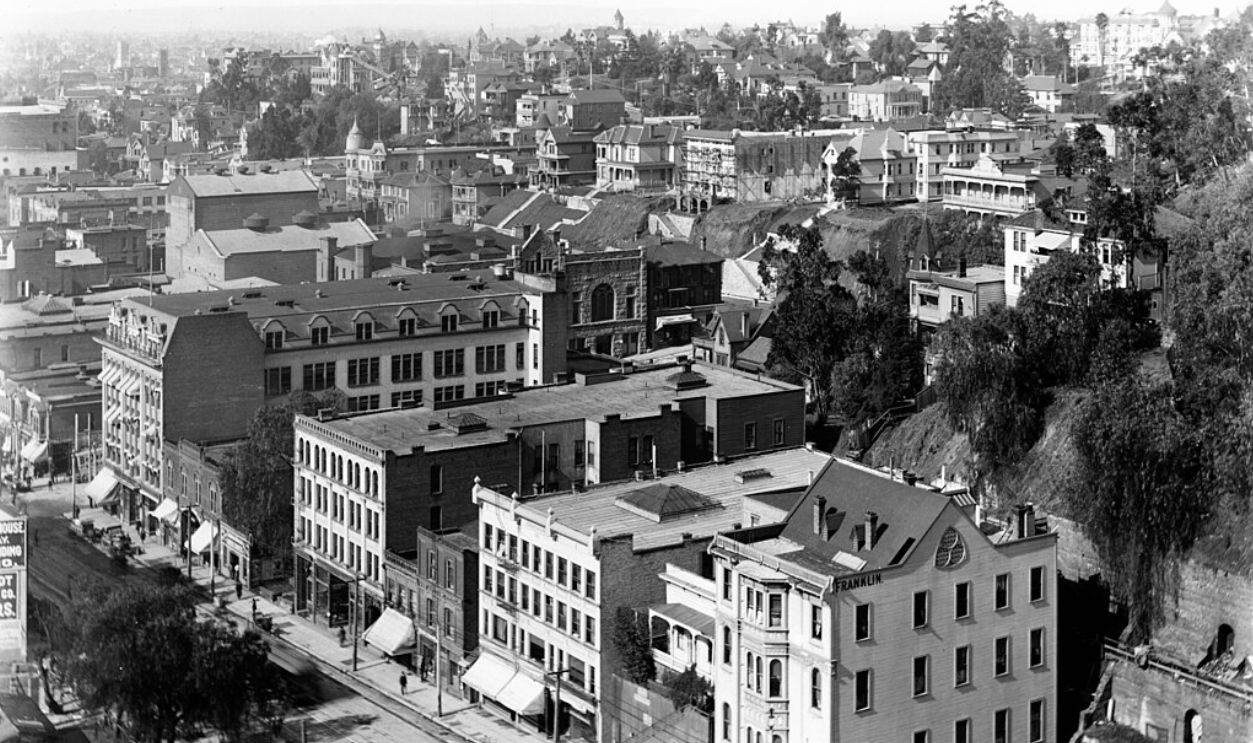
Viewed from the courthouse, downtown Los Angeles seems structured yet open. Civic and commercial buildings cluster near the center. The image captures an early stage of urban planning that favored accessibility and horizontal growth across the basin.
 Unknown author, Wikimedia Commons
Seoul, South Korea
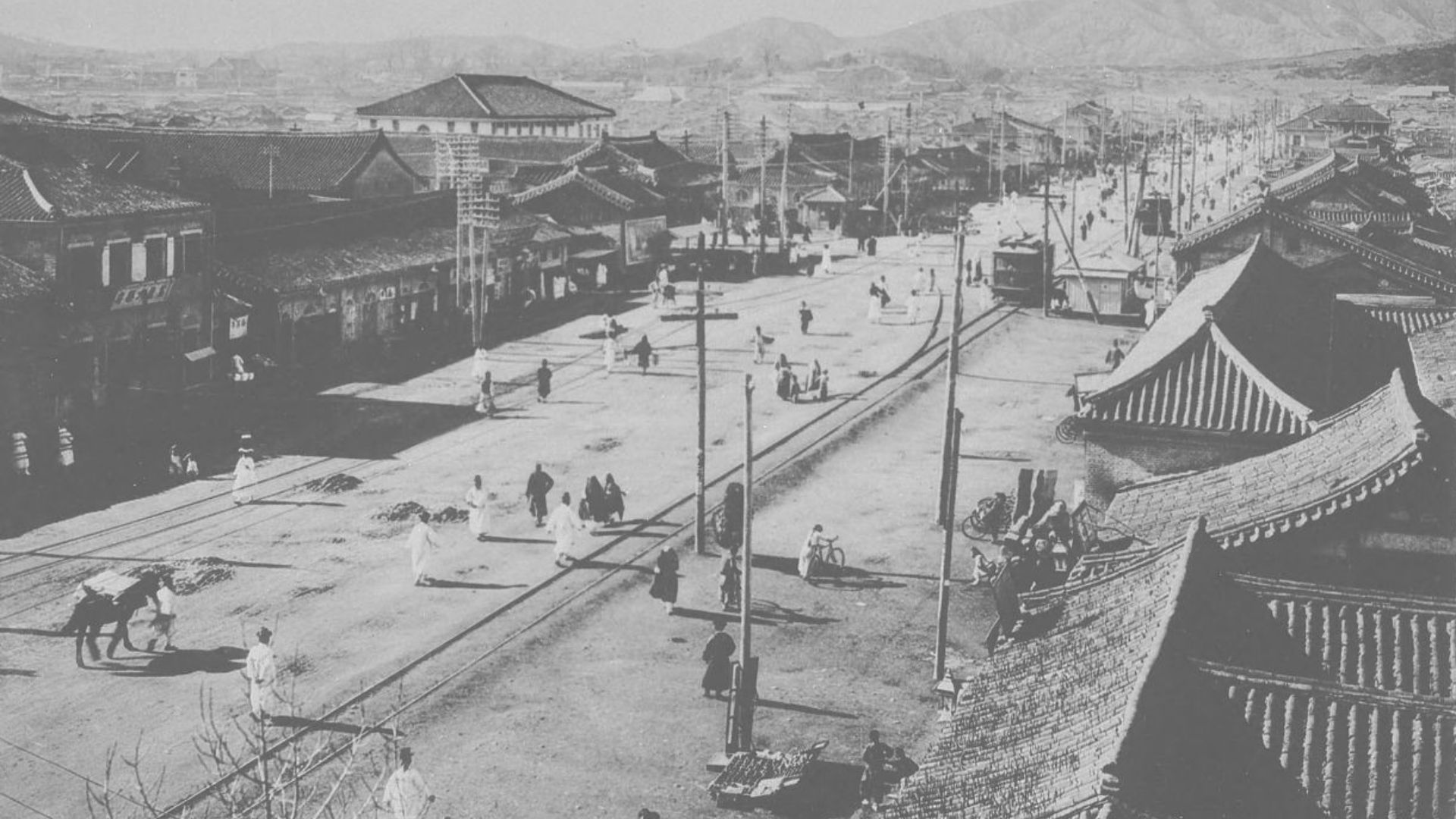
Chongno looks raw and direct here. The street serves as a market, a meeting place, and a transport route all at once. Necessity, not appearance, gave Seoul its dense and practical character, well before modern rebuilding altered the capital.
 No information., Wikimedia Commons
Seoul, South Korea (Cont.)
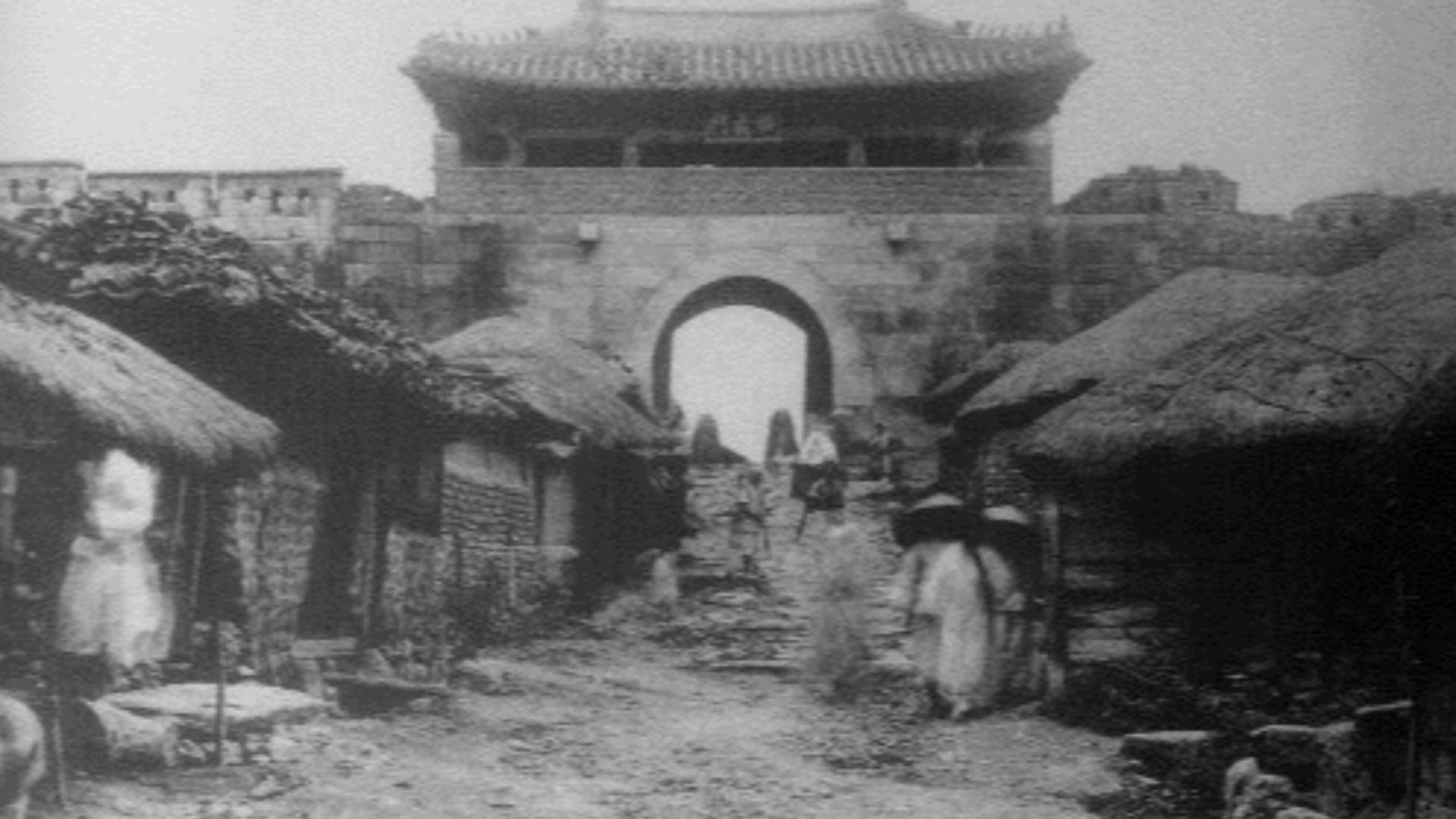
Before traffic and towers, Seoul relied on gates like Souimun to shape urban life. The structure dominates its surroundings, reminding viewers that cities once measured power through walls and controlled entry points.
 Unknown authorUnknown author, Wikimedia Commons
Mexico City, Mexico
Zocalo Square opens wide in this view, framed by long arcades and formal architecture. The space feels ceremonial, designed for gatherings and visibility. It reflects Mexico City’s role as a political and social center built around a grand public space.
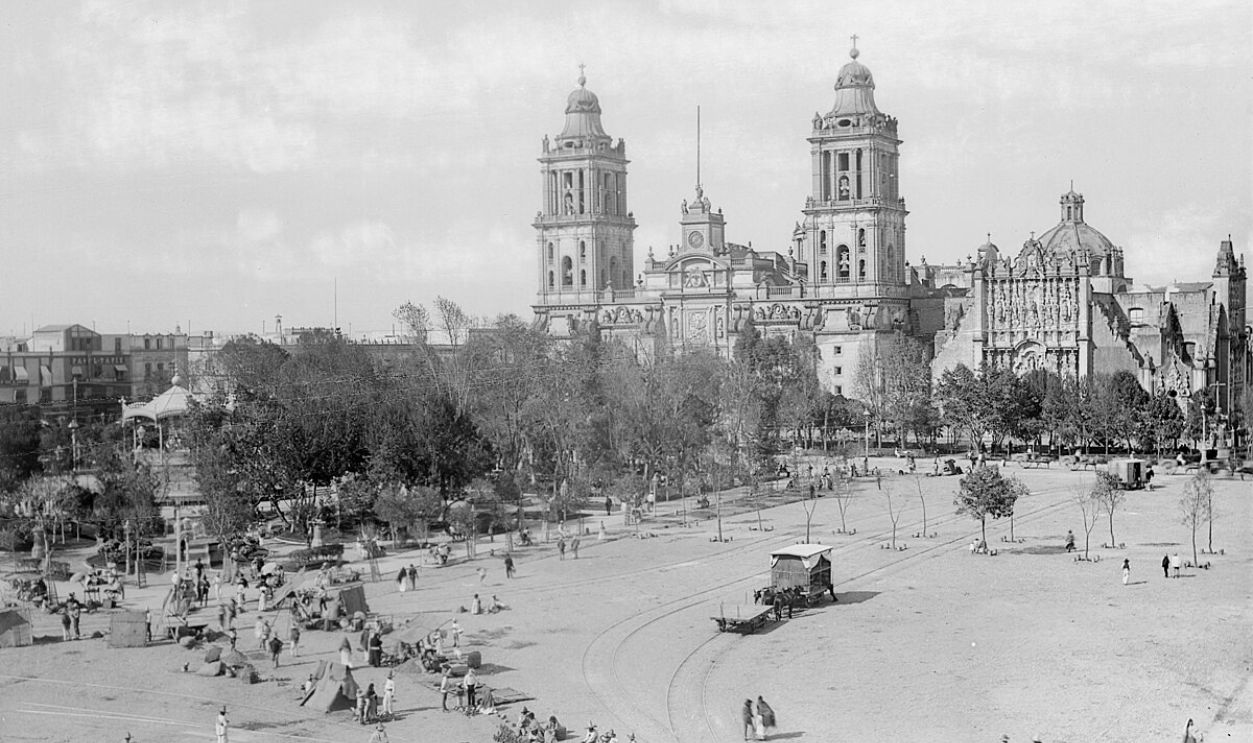 Unknown author, Wikimedia Commons
Mexico City, Mexico (Cont.)
Seen again from a slightly different perspective, the Zocalo feels even more deliberate. The repetition of arches creates rhythm, while the open ground reinforces its role as a stage for civic life and public events.
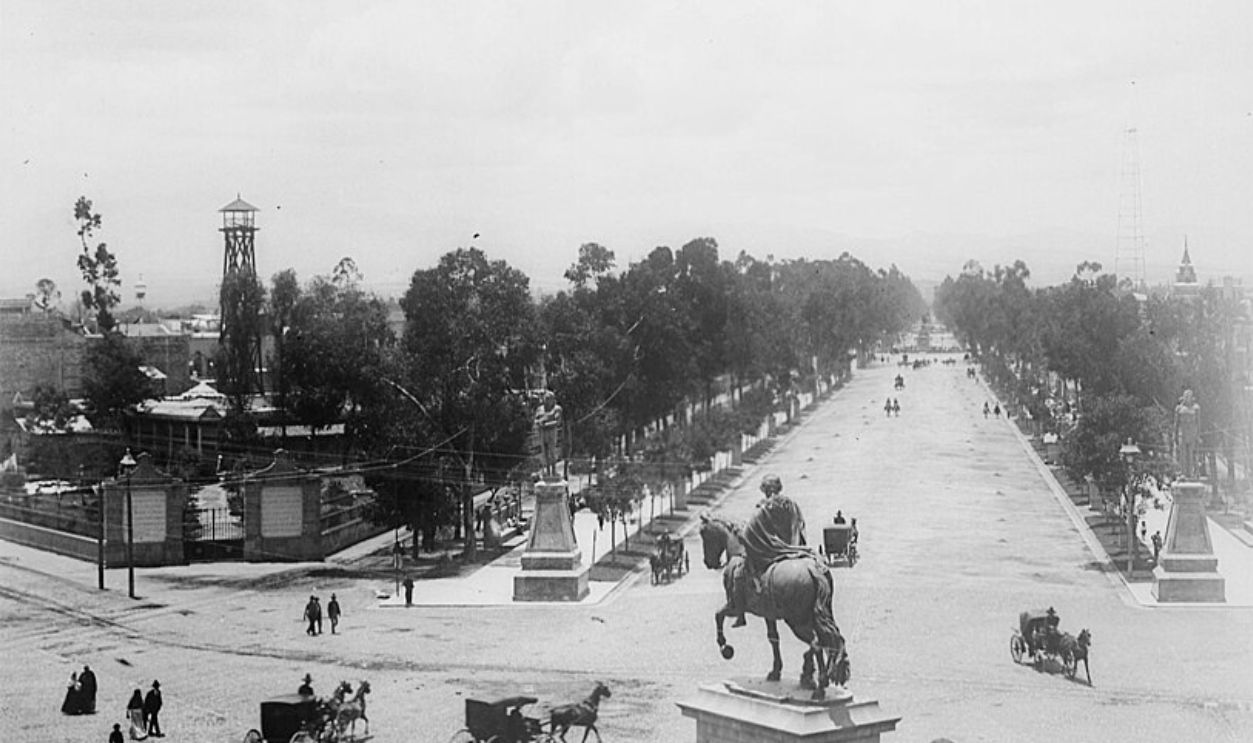 Unknown author, Wikimedia Commons
Cairo, Egypt
Old Cairo is shown as a dense historical quarter defined by stone structures and layered rooftops. The scene expresses centuries of continuous settlement. Streets served as social spaces, connecting mosques, churches, and homes within walking distance of one another.
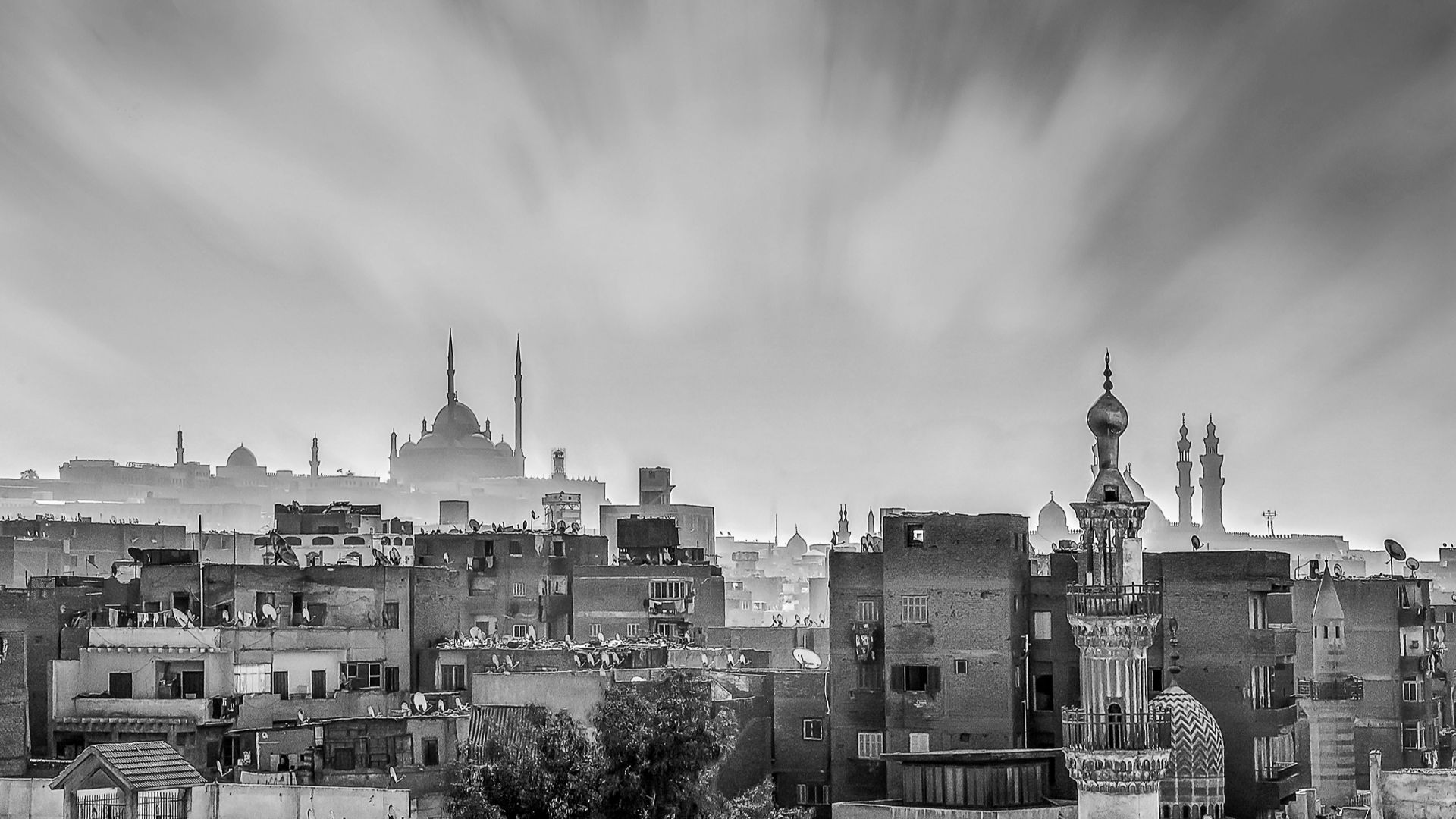 Ayman Muhammad Elshahat, Wikimedia Commons
Cairo, Egypt (Cont.)
Cairo in the 1920s appears broader and more formal in layout. European-style buildings line wide streets, showing modernization under British influence. Trams and planned blocks highlight a period when the city balanced tradition with new administrative and commercial functions.
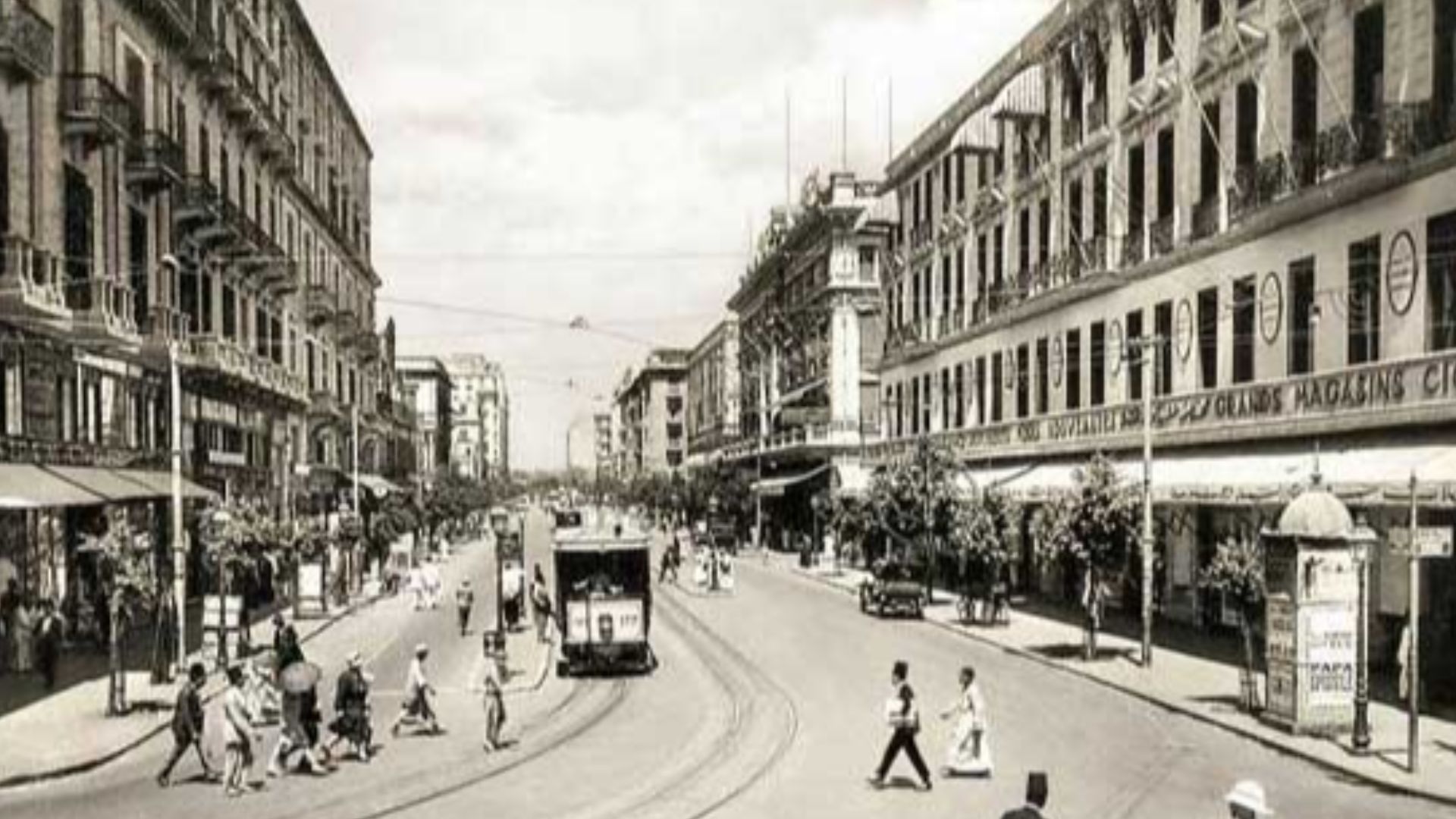
Riyadh, Saudi Arabia
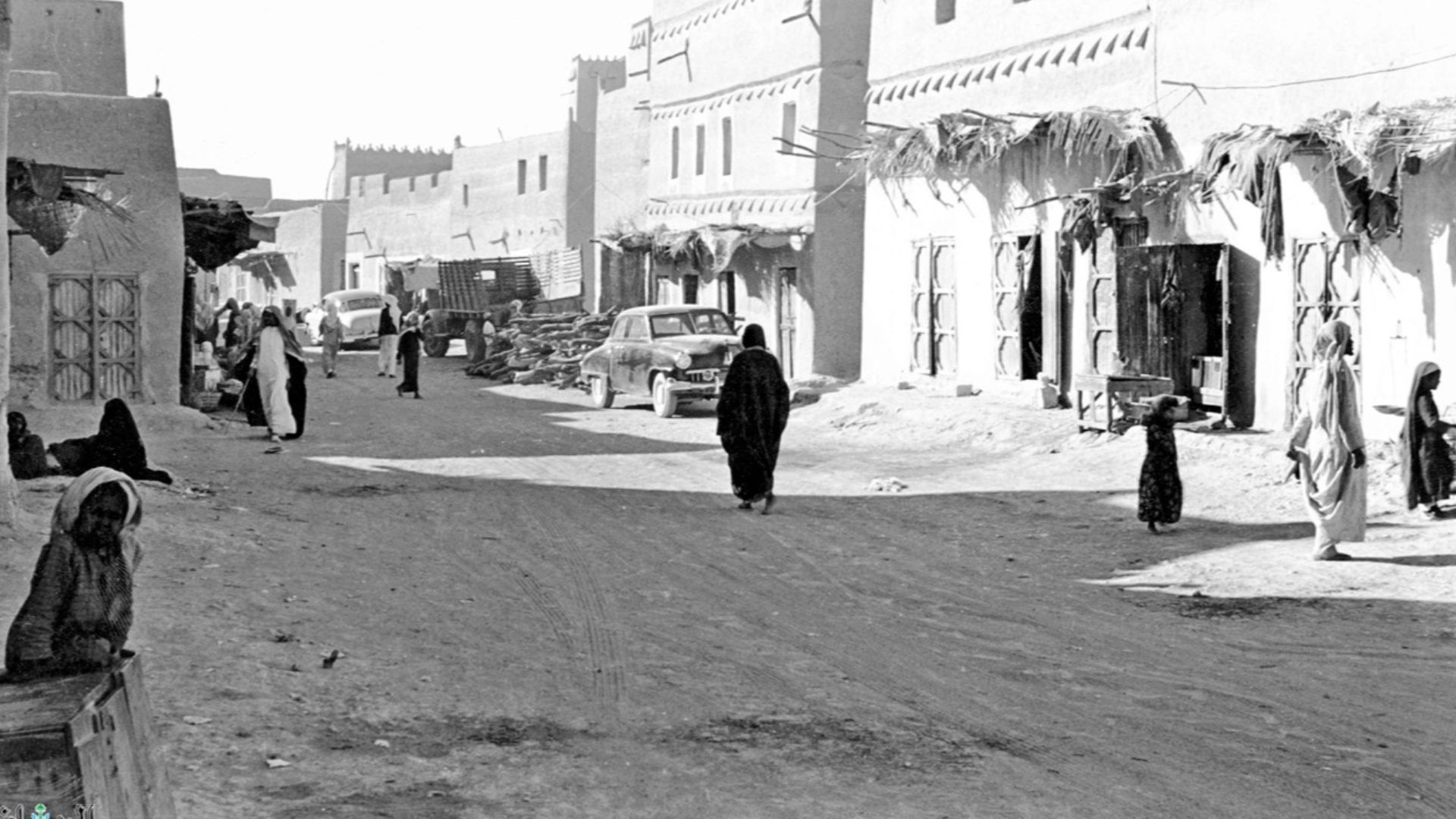
The photograph highlights Riyadh’s architectural roots through flat roofs and earthen walls. Construction relied on available materials, creating buildings that blended into the landscape. This approach supported both climate control and strong neighborhood connections.
 Unknown authorUnknown author, Wikimedia Commons
Riyadh, Saudi Arabia (Cont.)
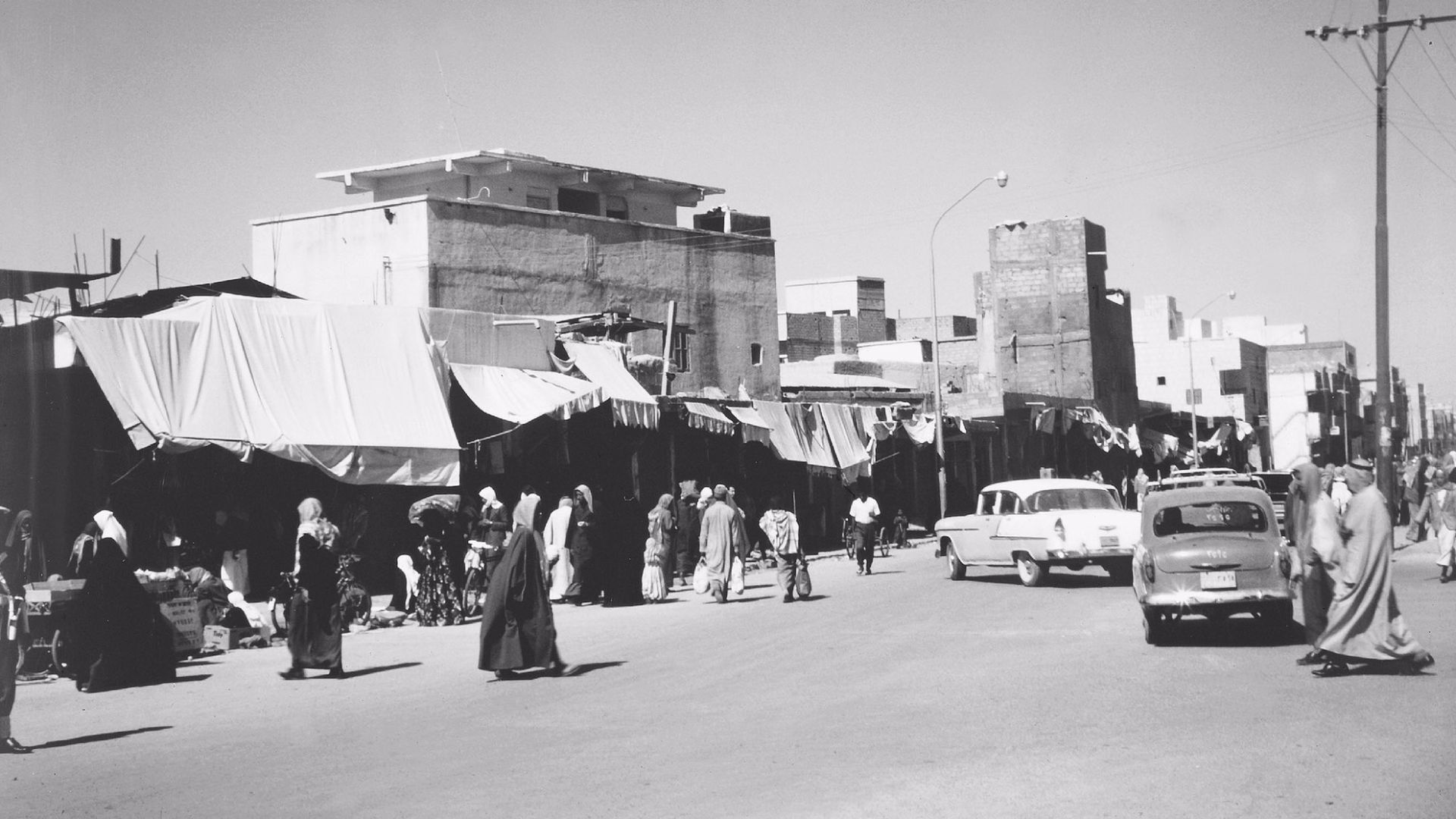
Here, the souq reflects everyday life in mid-20th-century Riyadh. Open walkways and modest structures define the market environment. The image shows how trade functioned as a communal activity before rapid modernization altered the city’s scale and rhythm.
Rome, Italy
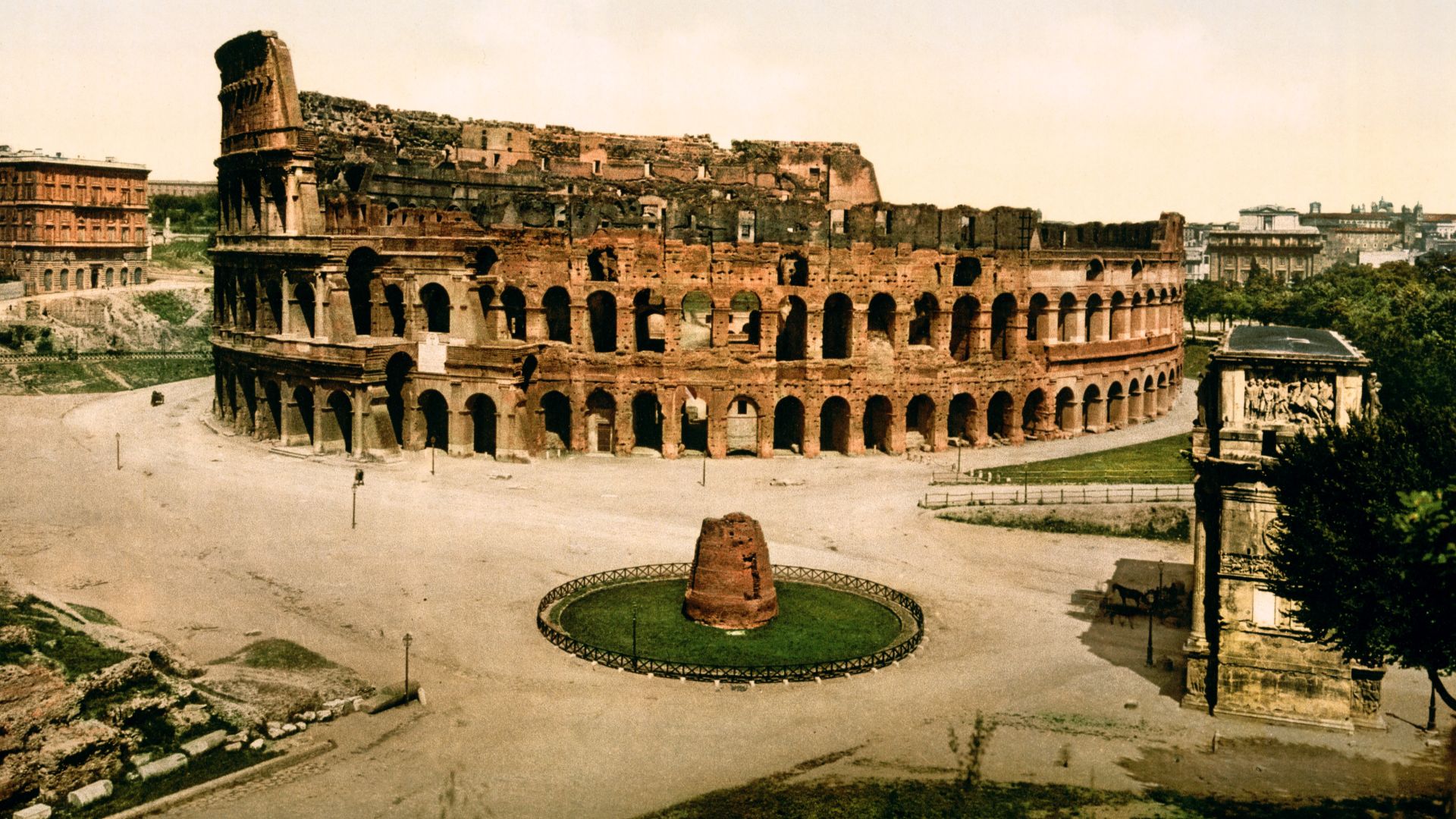
The Colosseum dominates this frame, with the Meta Sudans fountain standing nearby as a reminder of lost landmarks. Rome takes shape as layered rather than frozen, where ancient monuments shared space with everyday routes and vanished structures once central to city life.
 Detroit Publishing Co., under license from Photoglob Zurich, Wikimedia Commons
Rome, Italy (Cont.)
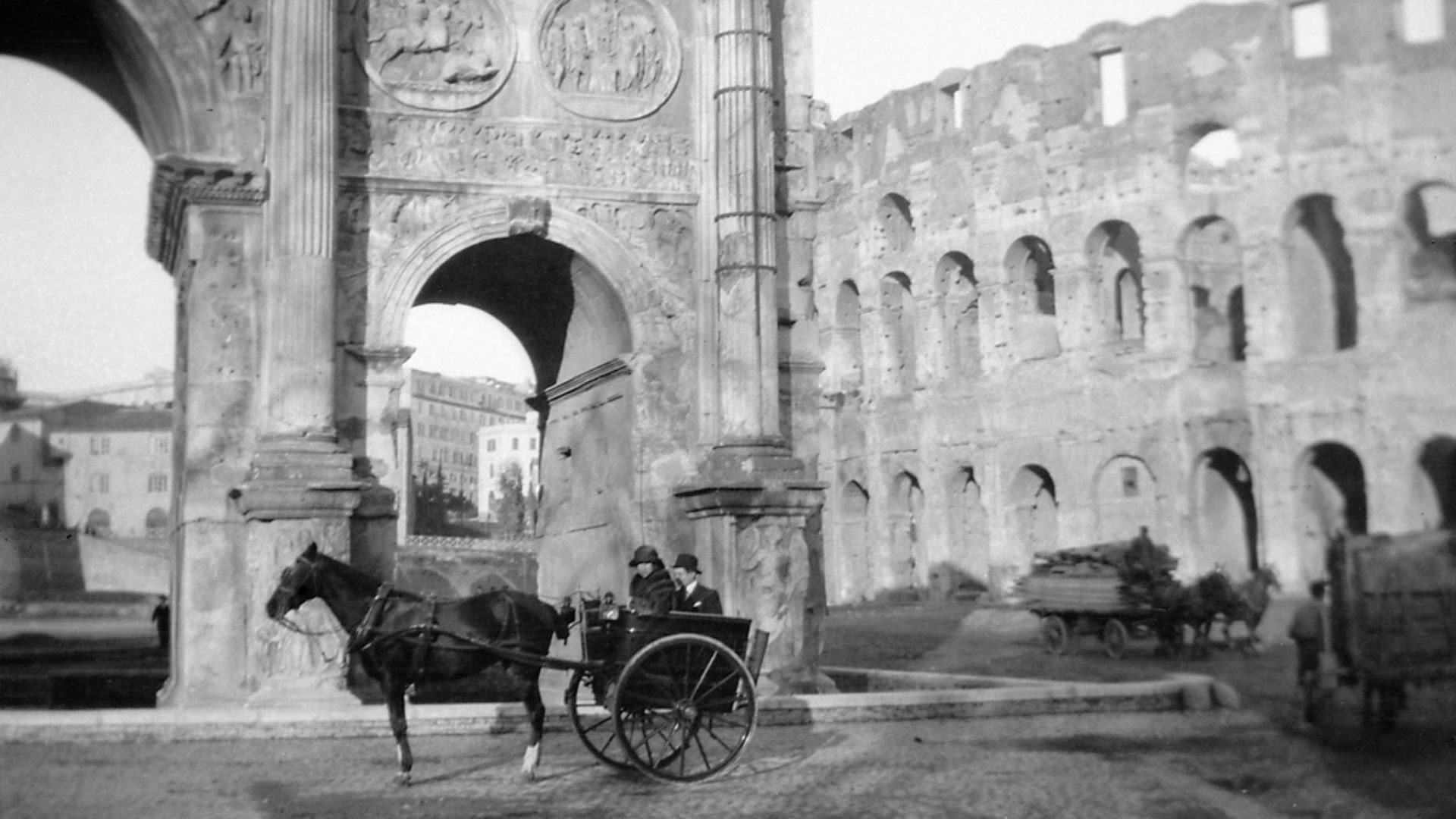
Rome reveals its balance here. The monuments stand firm while carriages define the present moment. Instead of spectacle, this view offers familiarity, suggesting that residents treated ancient landmarks as part of the street rather than distant symbols.
 Swedish National Heritage Board from Sweden, Wikimedia Commons
Dubai, United Arab Emirates
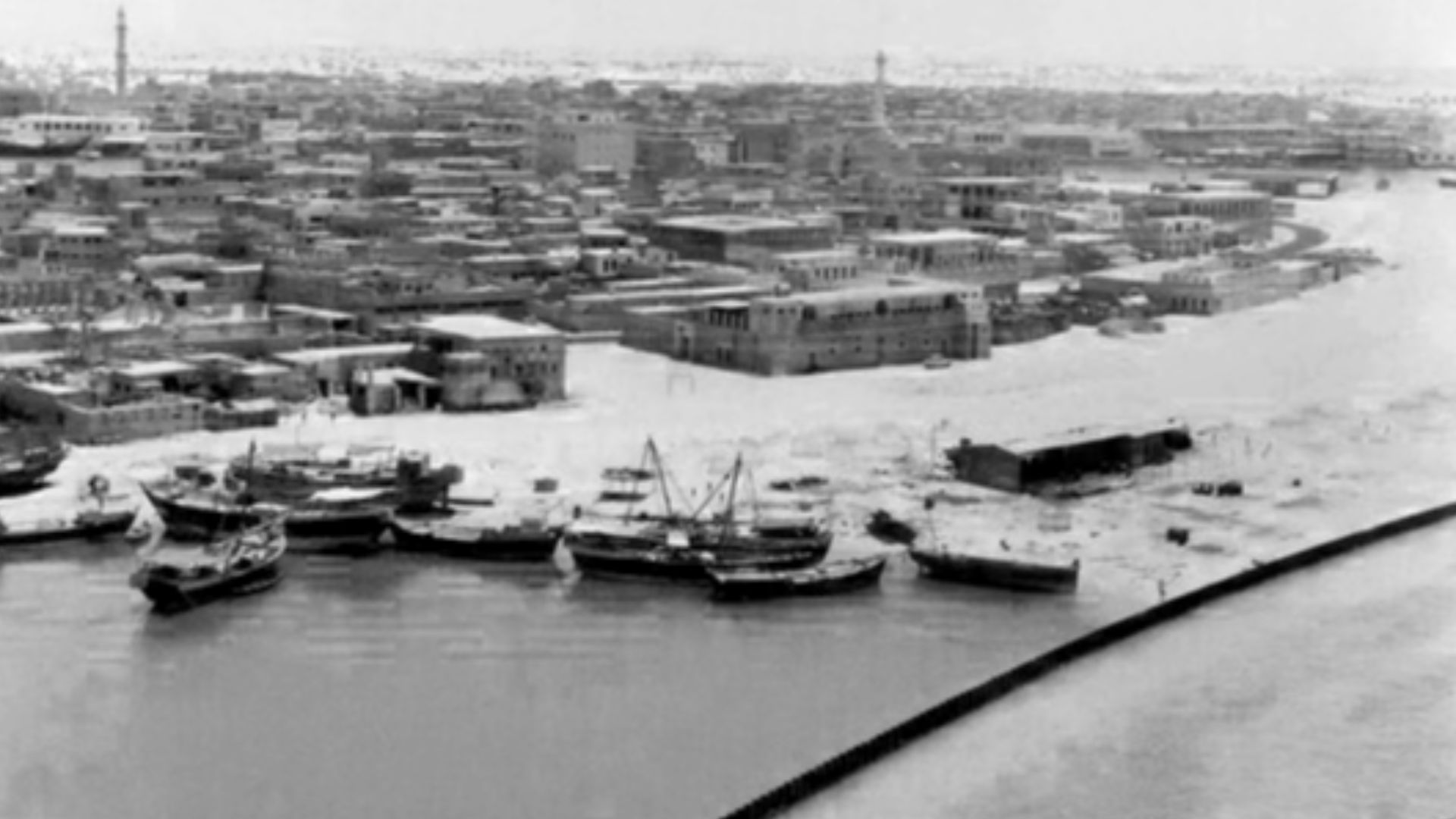
Al Ras in Deira looks modest and grounded in this view. Low buildings line dusty streets, shaped by trade and coastal life. The image captures Dubai before global ambition, when scale stayed human, and commerce defined the skyline.
Buenos Aires, Argentina
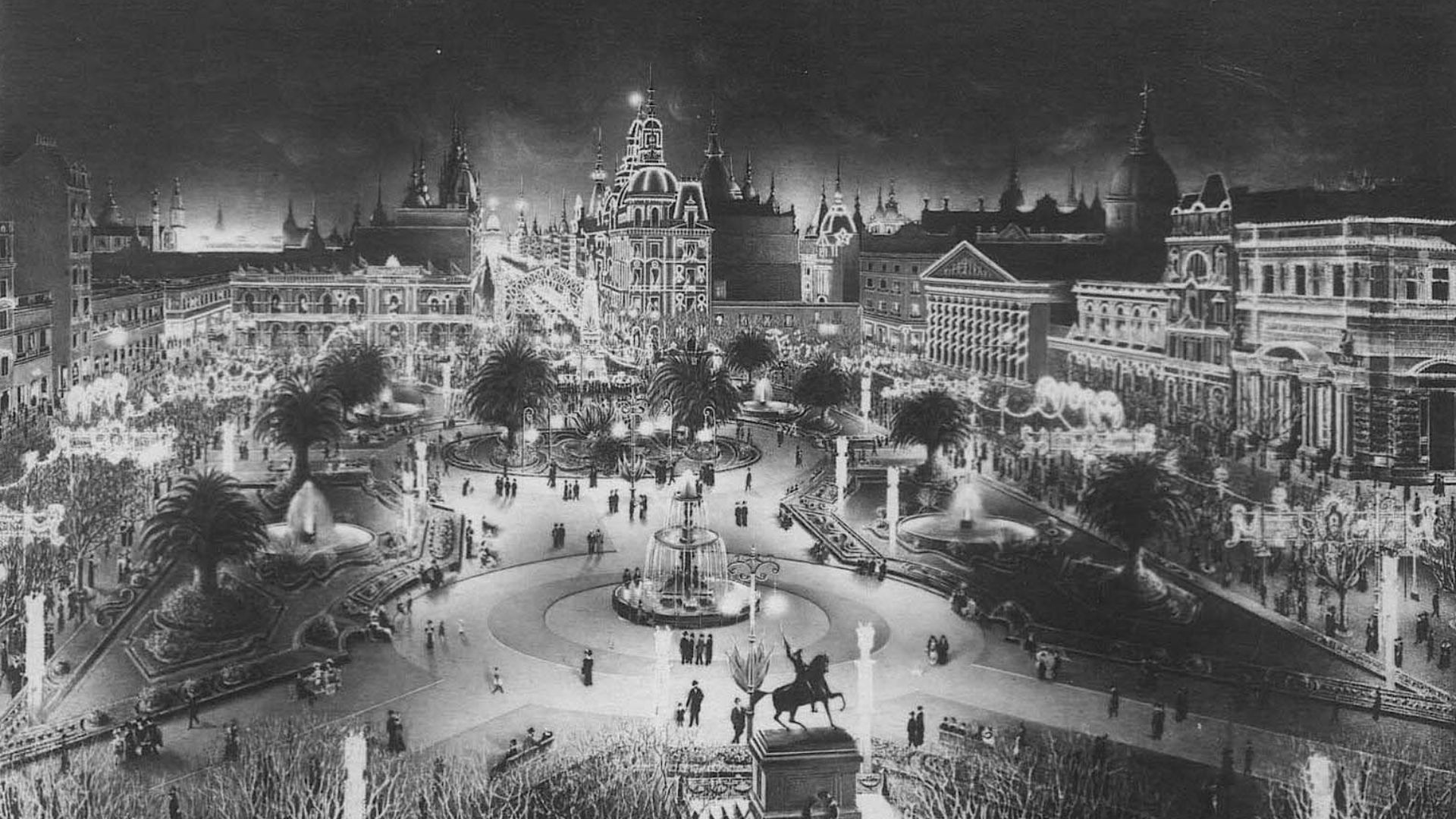
Buenos Aires in 1910 displays order, scale, and ambition. Tree-lined streets and stately facades suggest a city aligned with European capitals. This era marked Argentina’s rise as a global exporter, reflected clearly through architecture designed to impress residents and visitors alike.
 Unknown authorUnknown author, Wikimedia Commons
Buenos Aires, Argentina (Cont.)
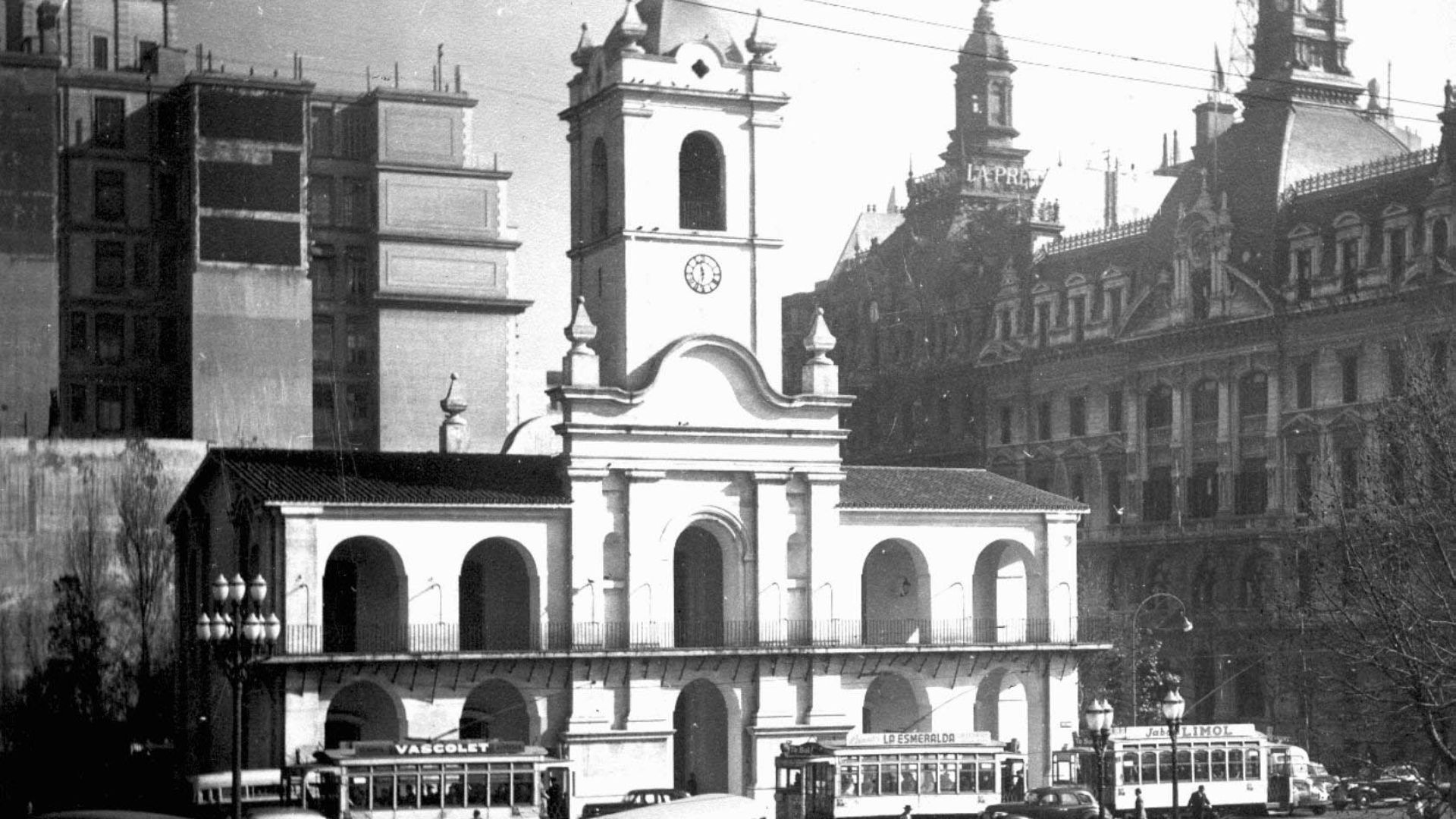
The Cabildo stands as a surviving colonial structure within a modern city setting. Once central to Spanish rule, it later became a symbol of independence. By 1950, preservation efforts positioned the building as a historical anchor rather than an administrative space.
Brussels, Belgium
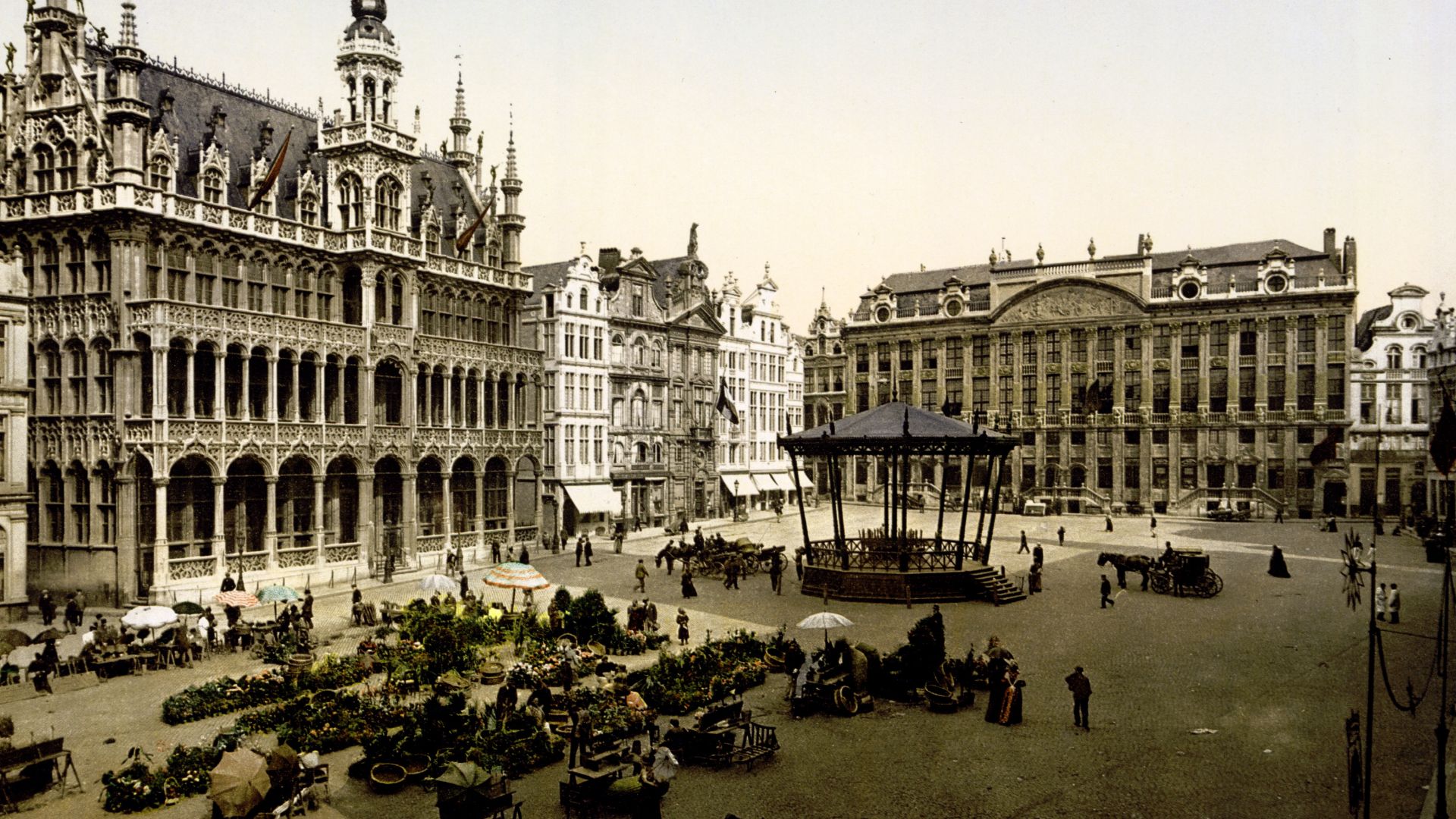
La Grand-Place stands as the ceremonial heart of Brussels. Guild houses frame the square with elaborate stonework. This location supported trade, public gatherings, and civic authority long before modern infrastructure reshaped European capitals.
 …trialsanderrors, Wikimedia Commons
Istanbul, Turkey
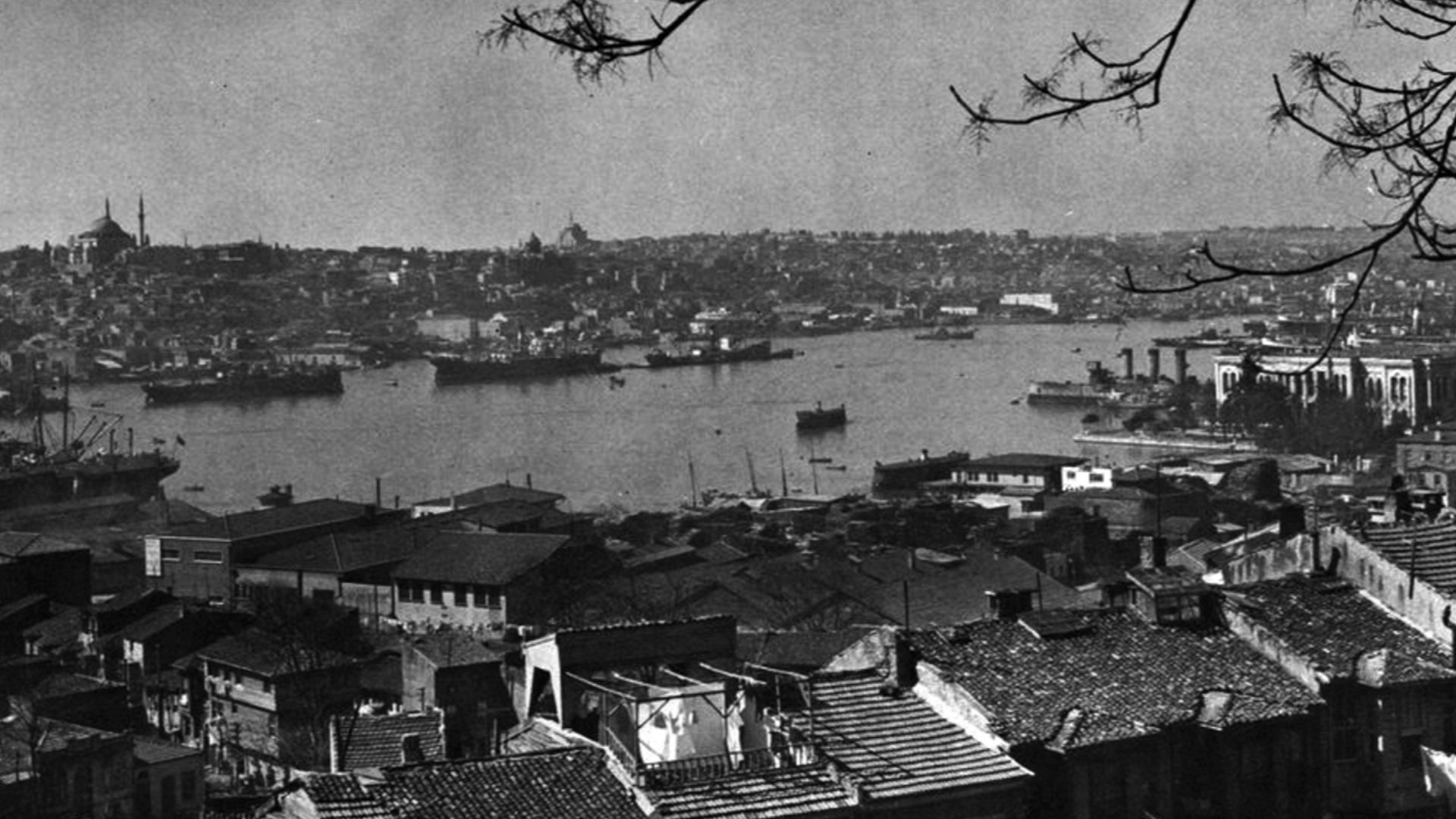
The Golden Horn reads as a working artery here. Homes and industry line its edges without ceremony. Istanbul appears settled into routine, with water access and daily labor dictating its character more than imperial symbolism or monumental ambition.
Istanbul, Turkey (Cont.)
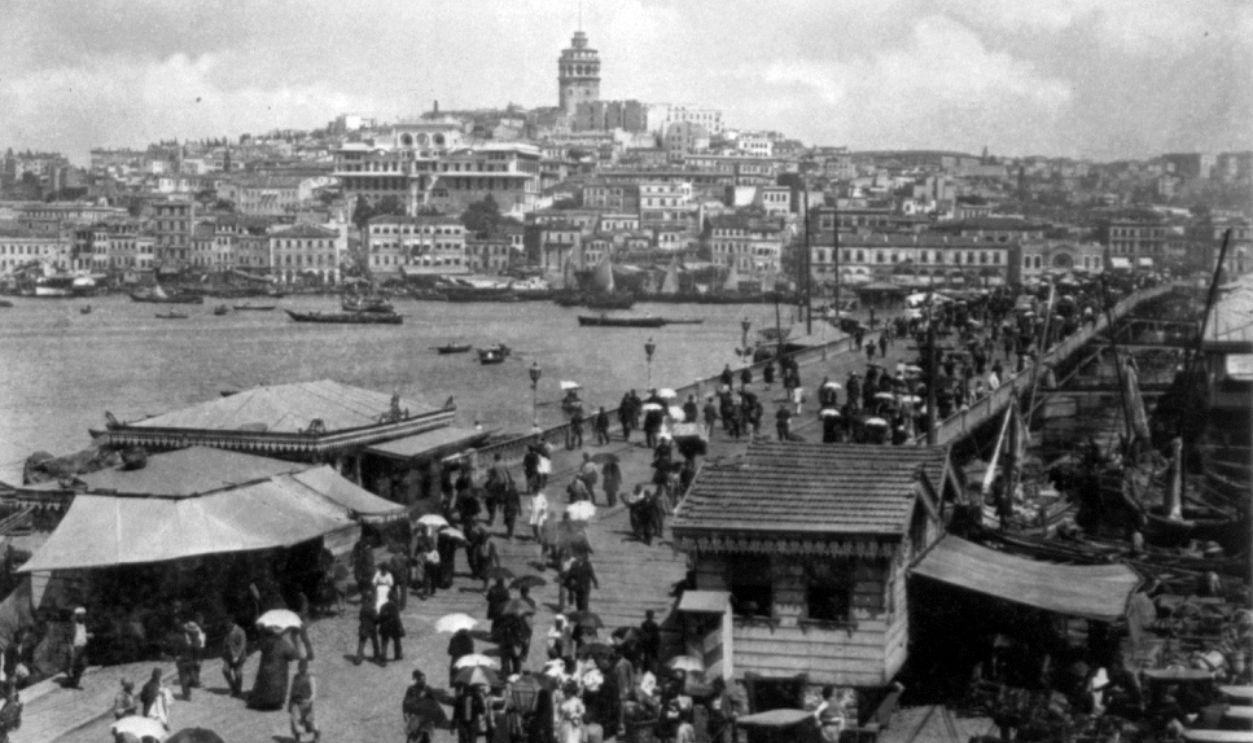
The Galata area unfolds as a busy crossing point rather than a landmark scene. Boats crowd the water, buildings climb the hills, and the bridge ties it all together. This Istanbul feels commercial and restless, shaped by trade more than ceremony.
 Abdullah freres, Wikimedia Commons
Jerusalem
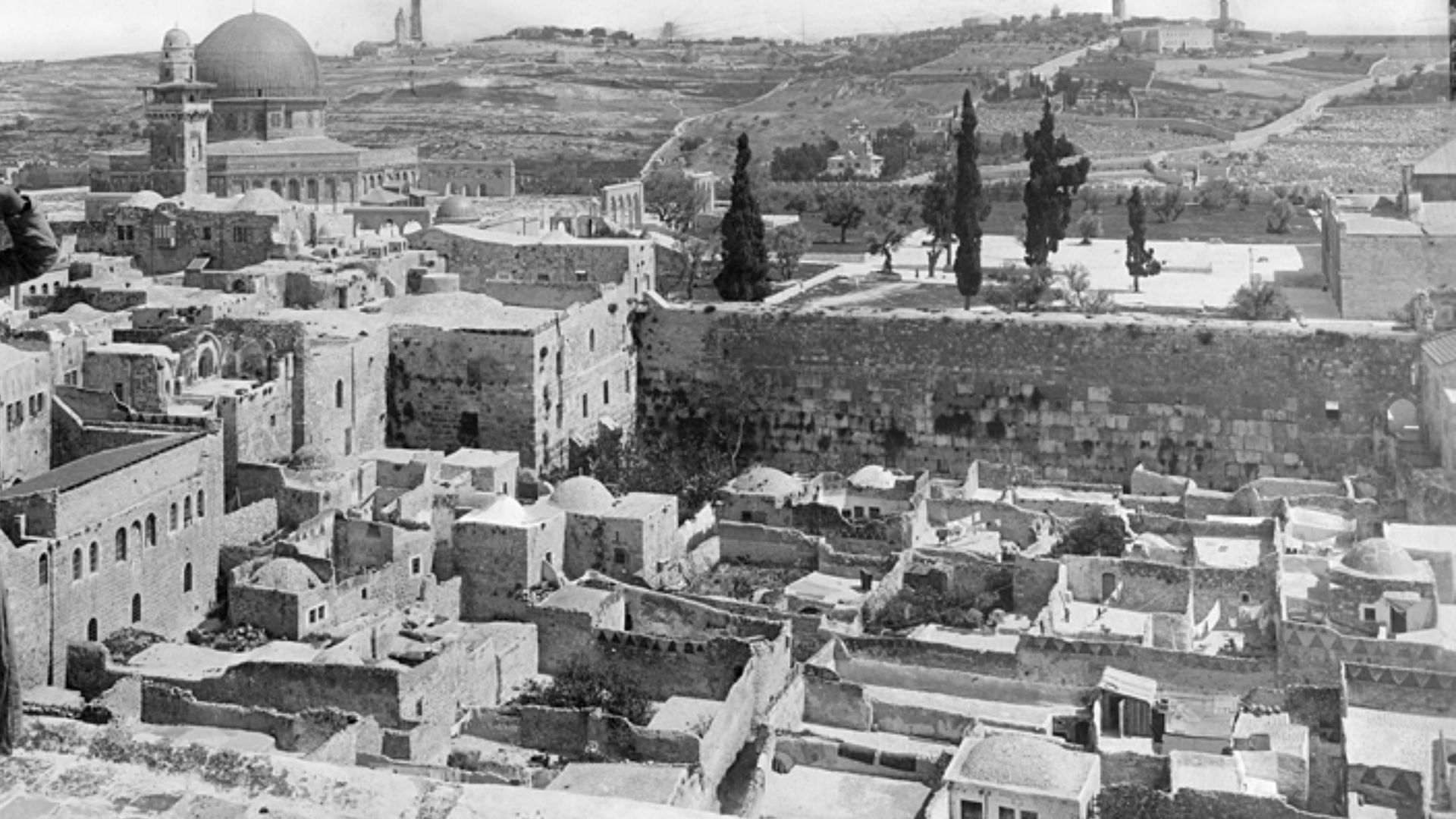
The city feels heavy with history here. Stone structures frame narrow paths that seem unchanged by the moment. Although 1917 altered Jerusalem’s future, the image reflects endurance rather than disruption.
 Brown & Dawson, Wikimedia Commons
Stockholm, Sweden
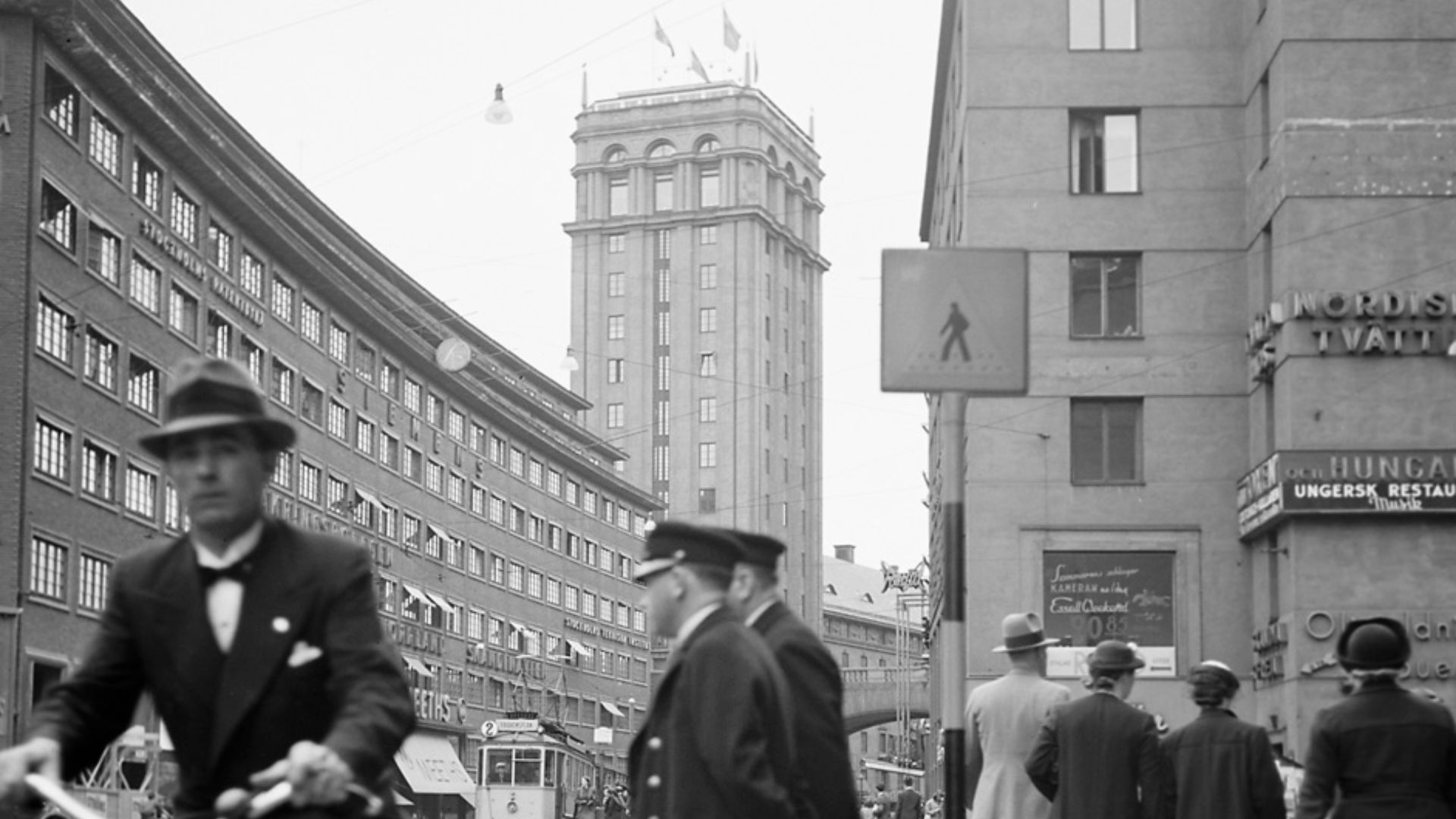
This scene highlights Gamla Stan as a preserved medieval district. Buildings rise close together to conserve space and warmth. The area later became symbolic of national heritage while continuing to serve as an active residential neighborhood.
 Marten Sjobeck, Wikimedia Commons
Sydney, Australia
Early George Street shows Sydney before motor vehicles reshaped movement. Shops relied on visibility and access from the street. The corridor linked government buildings with commercial districts across the young colonial city.
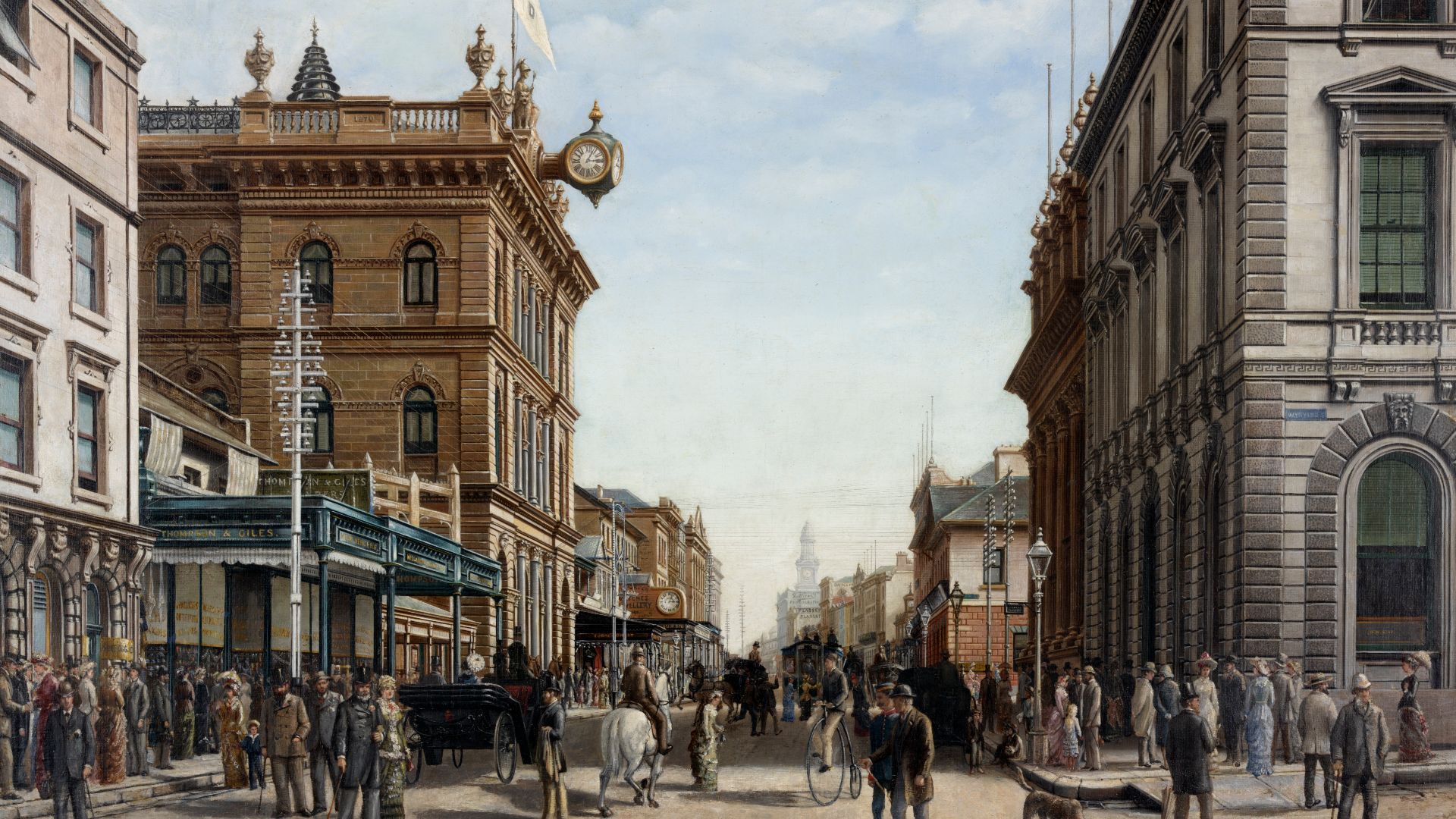 Alfred Tischbauer, Wikimedia Commons
Sydney, Australia (Cont.)
By the turn of the century, Haymarket gained importance as a wholesale and retail center. Proximity to rail infrastructure supported trade, and the street environment encouraged steady commercial exchange throughout the day.
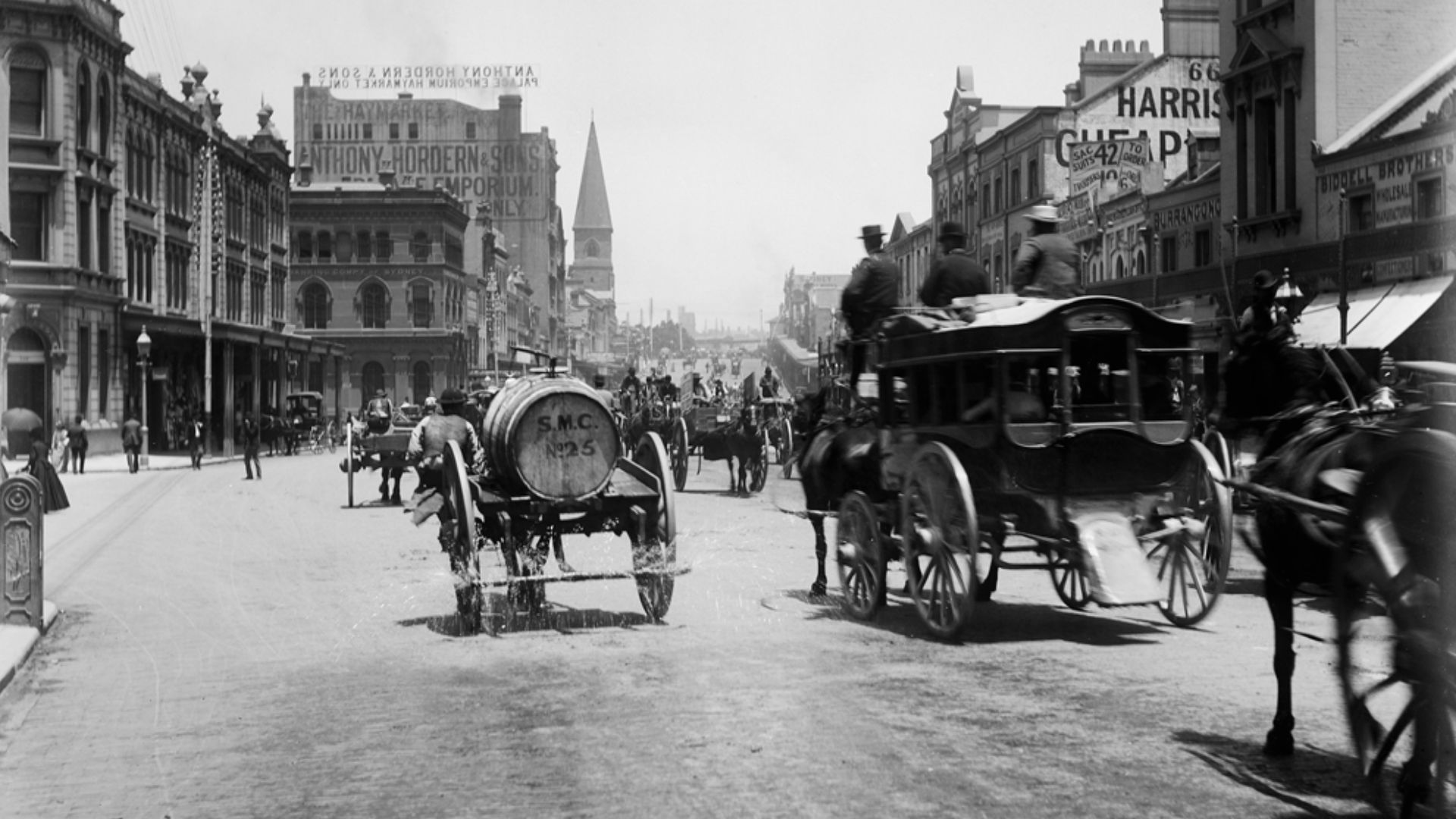 Powerhouse Museum from Sydney, Australia, Wikimedia Commons
Athens, Greece
This artistic view places the Acropolis as the dominant feature of ancient Athens. Temples occupy elevated ground to signal religious and civic authority. Such positioning reinforced the role of architecture in expressing power within classical Greek society.
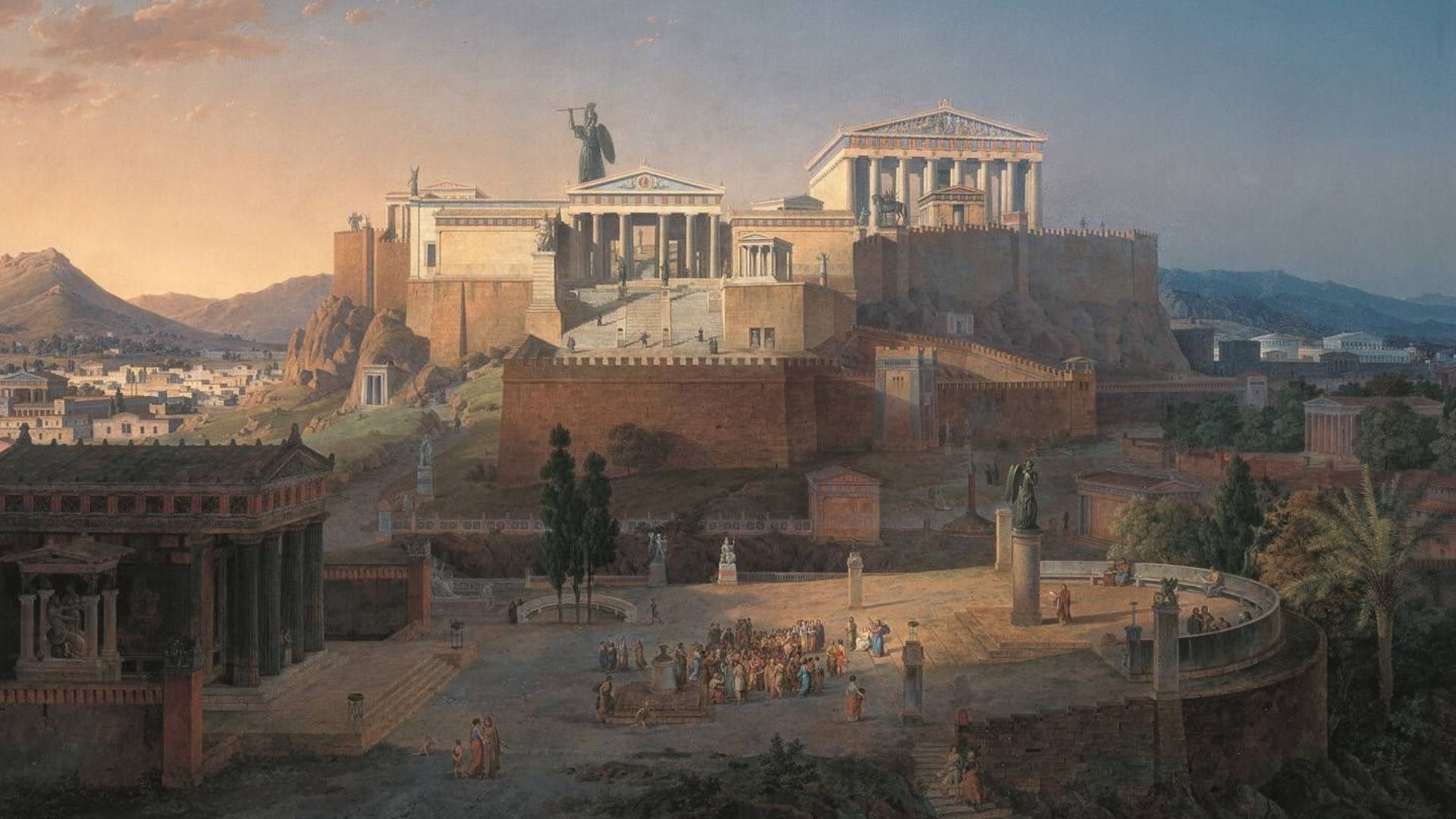 Leo von Klenze, Wikimedia Commons
Amsterdam, Netherlands
The Kolk canal highlights Amsterdam’s combination of beauty and practicality. Buildings along the edge create a rhythmic streetscape. Water facilitated trade and daily routines, integrating transportation with residential and commercial life in a unique urban pattern.
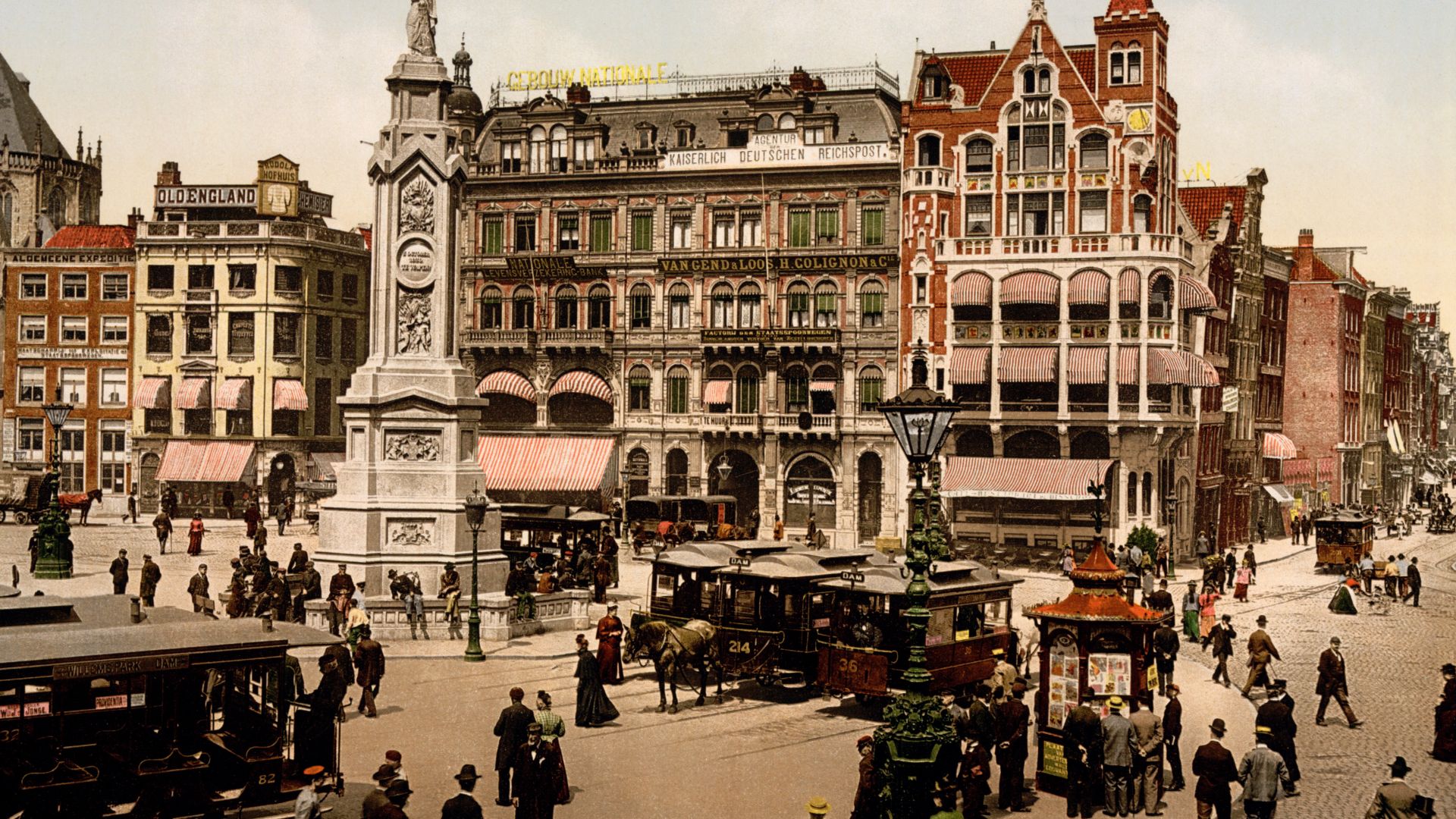 Detroit Publishing Co., under license from Photoglob Zurich, Wikimedia Commons
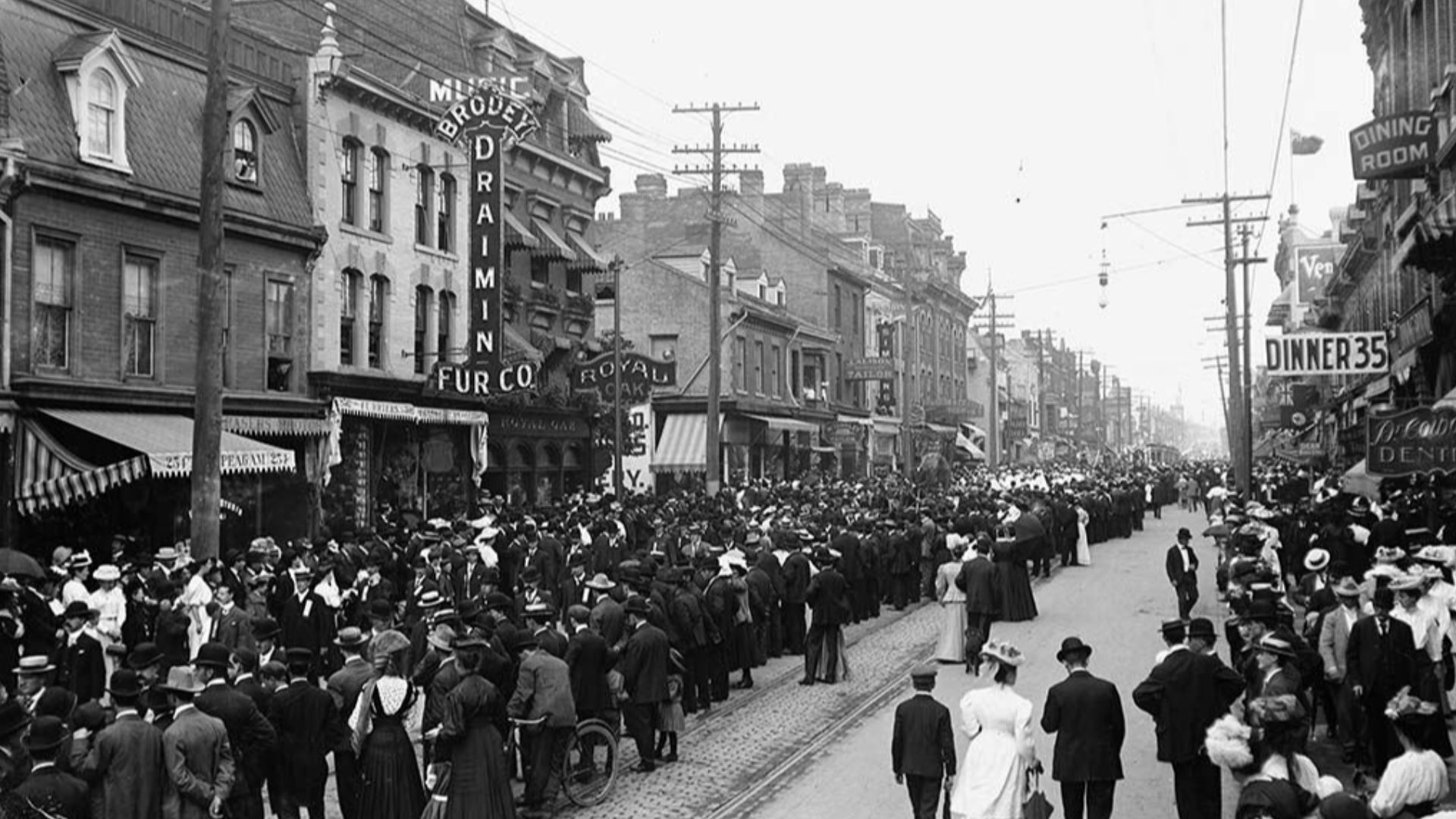
Toronto, Canada
This parade turns Toronto into a public stage. Workers fill the street with banners and purpose, which reveals a city shaped by labor pride. The crowd’s scale hints at growing civic confidence during a period when industrial life defined daily rhythm.
 Unknown authorUnknown author, Wikimedia Commons
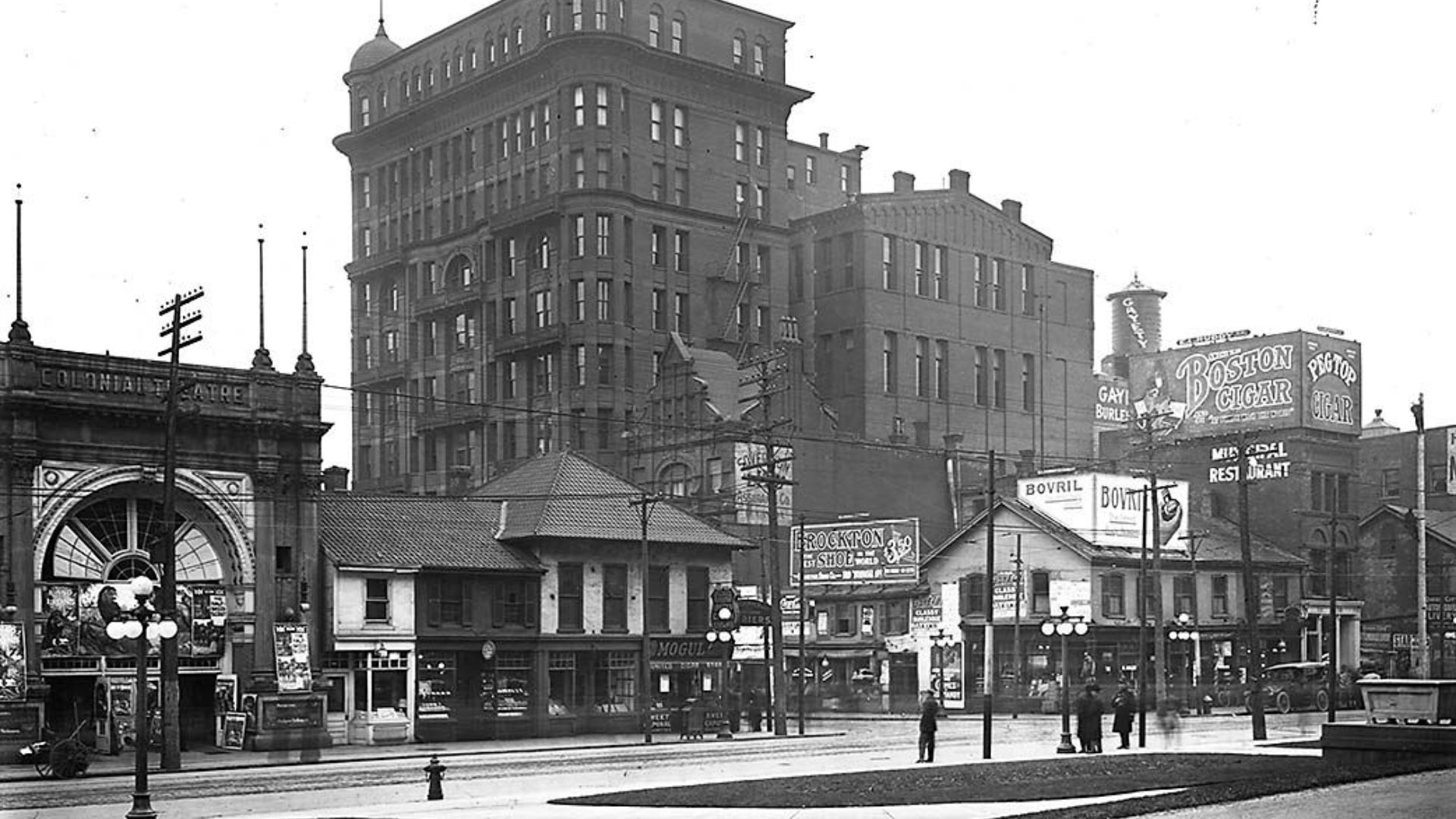
Toronto, Canada (Cont.)
From this vantage, Toronto feels methodical. The street reads as a system, not a scene. Transportation, buildings, and spacing suggest planning driven by function, marking a shift from colonial town to structured urban center.
 William James, Wikimedia Commons




.jpg)