


Travel’s Most Exciting Surprises
Some destinations linger under the radar until the world suddenly realizes how remarkable they are. With natural wonders shaped by extremes and communities carving their own identities, each one offers an experience that stays memorable long after the trip ends.

Svaneti, Georgia
Mountain villages surrounded by medieval watchtowers rise above deep valleys, giving Svaneti an atmosphere rarely found in the Caucasus. Travelers come for glacier-fed trails, preserved traditions, and UNESCO-listed settlements such as Ushguli. The region’s isolation created a distinct culture that feels remarkably intact and incredibly inviting to explore.
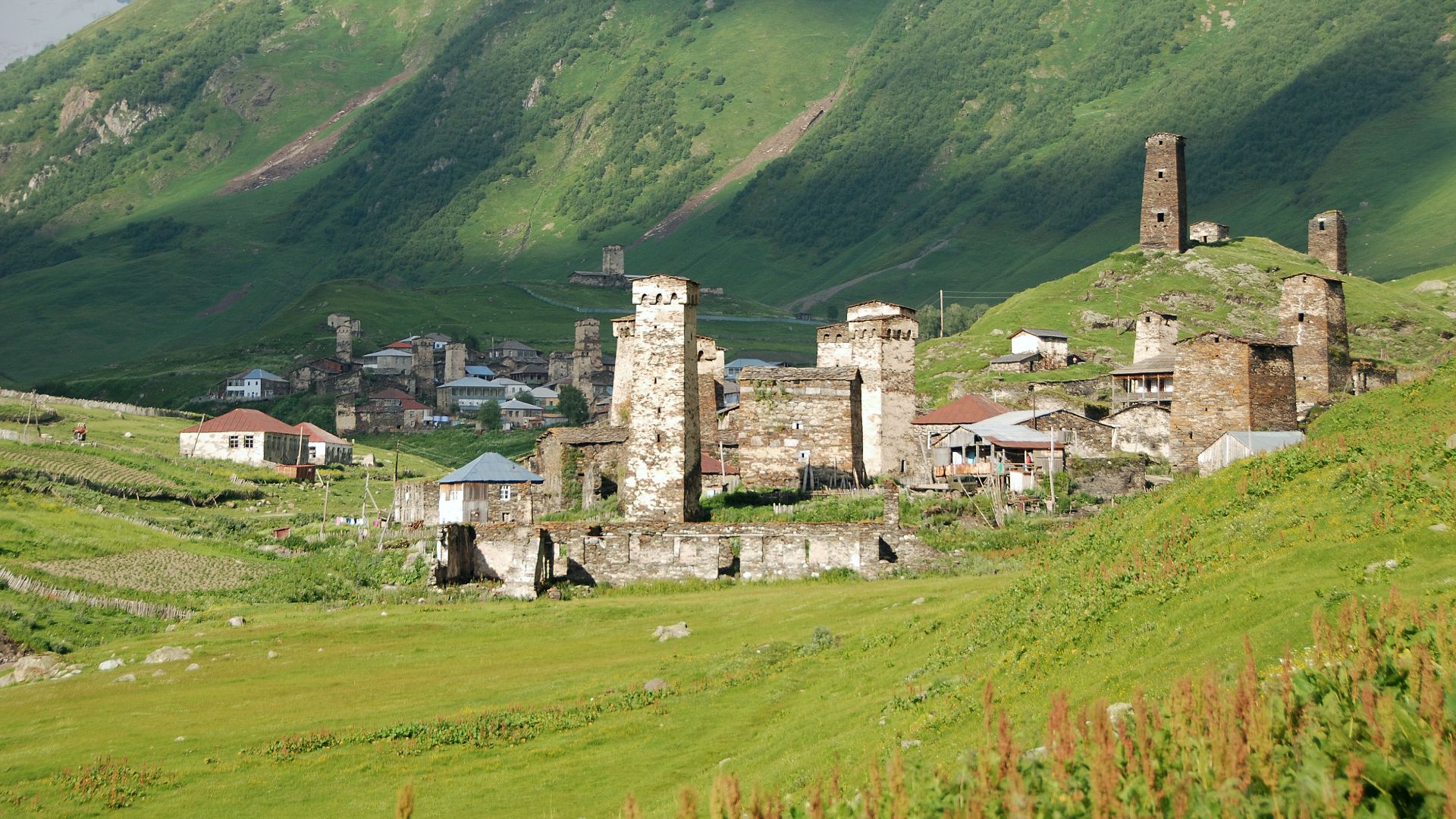 Florian Pinel, Wikimedia Commons
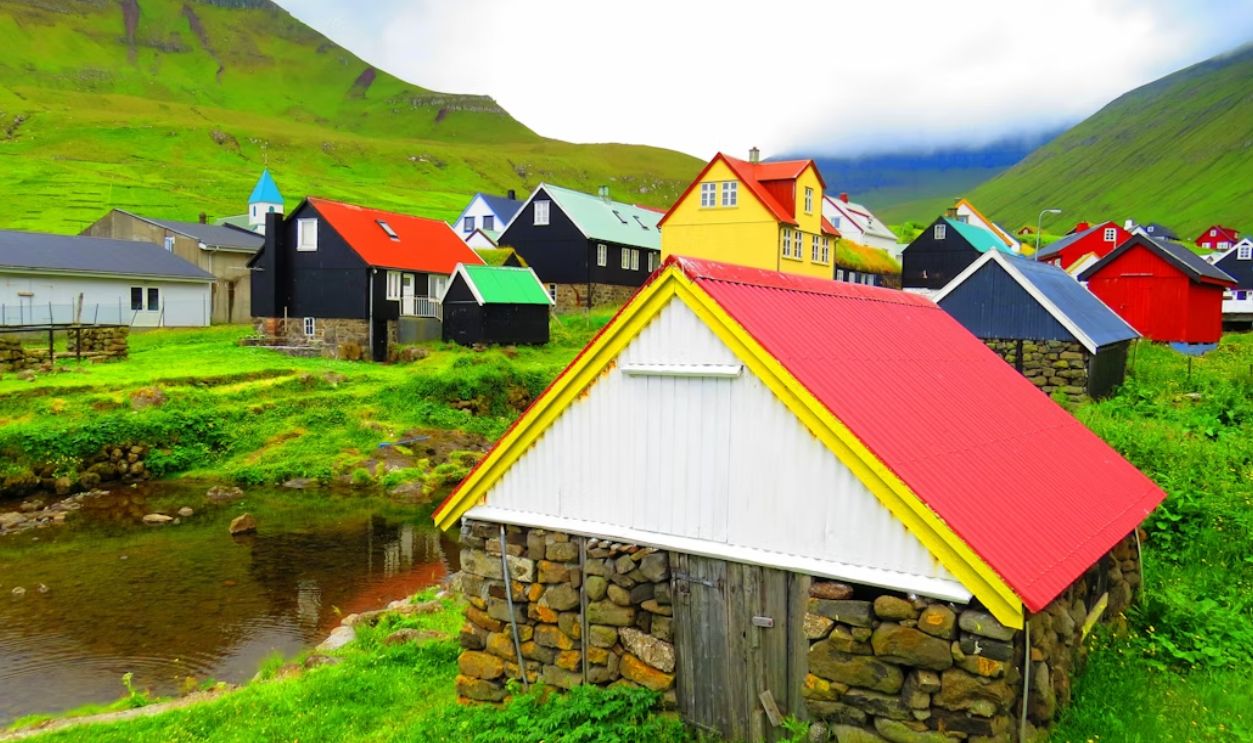
Faroe Islands, Denmark
Between Iceland and Norway, the Faroe Islands rise from the Atlantic in steep green cliffs dotted with small villages. Tourists love its uncrowded hiking routes and seabird colonies where they can explore at a calm pace influenced by Nordic traditions. Limited tourism keeps the environment feeling wild while remaining comfortably accessible.
Jeju Island, South Korea
A unique mix of volcanic peaks and coastal trails at Jeju Island feels different from mainland Korea. Visitors climb Hallasan and explore caves formed by ancient eruptions, but some choose to relax at the seaside villages. Its mild climate and protected parks make nature-focused travel easy without requiring difficult logistics.
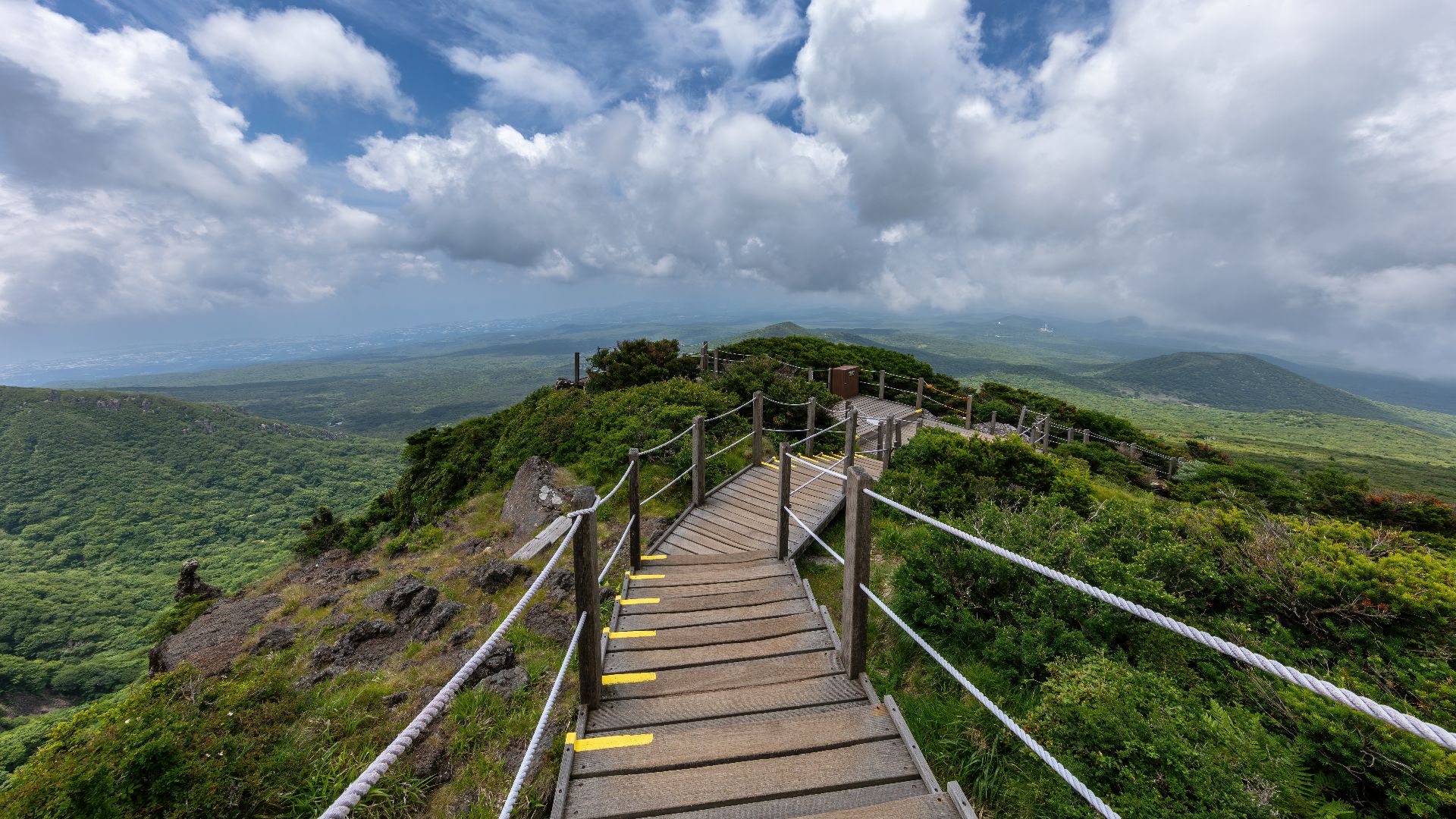 Basile Morin, Wikimedia Commons
Maui, US
Maui’s appeal begins with contrasts: volcanic summits, jungle valleys, and beaches shaped by black or golden sand. As the island rebuilds, its commitment to responsible tourism strengthens the experience for visitors. Those who return in 2026 will find familiar beauty supported by community resilience and carefully protected natural spaces.
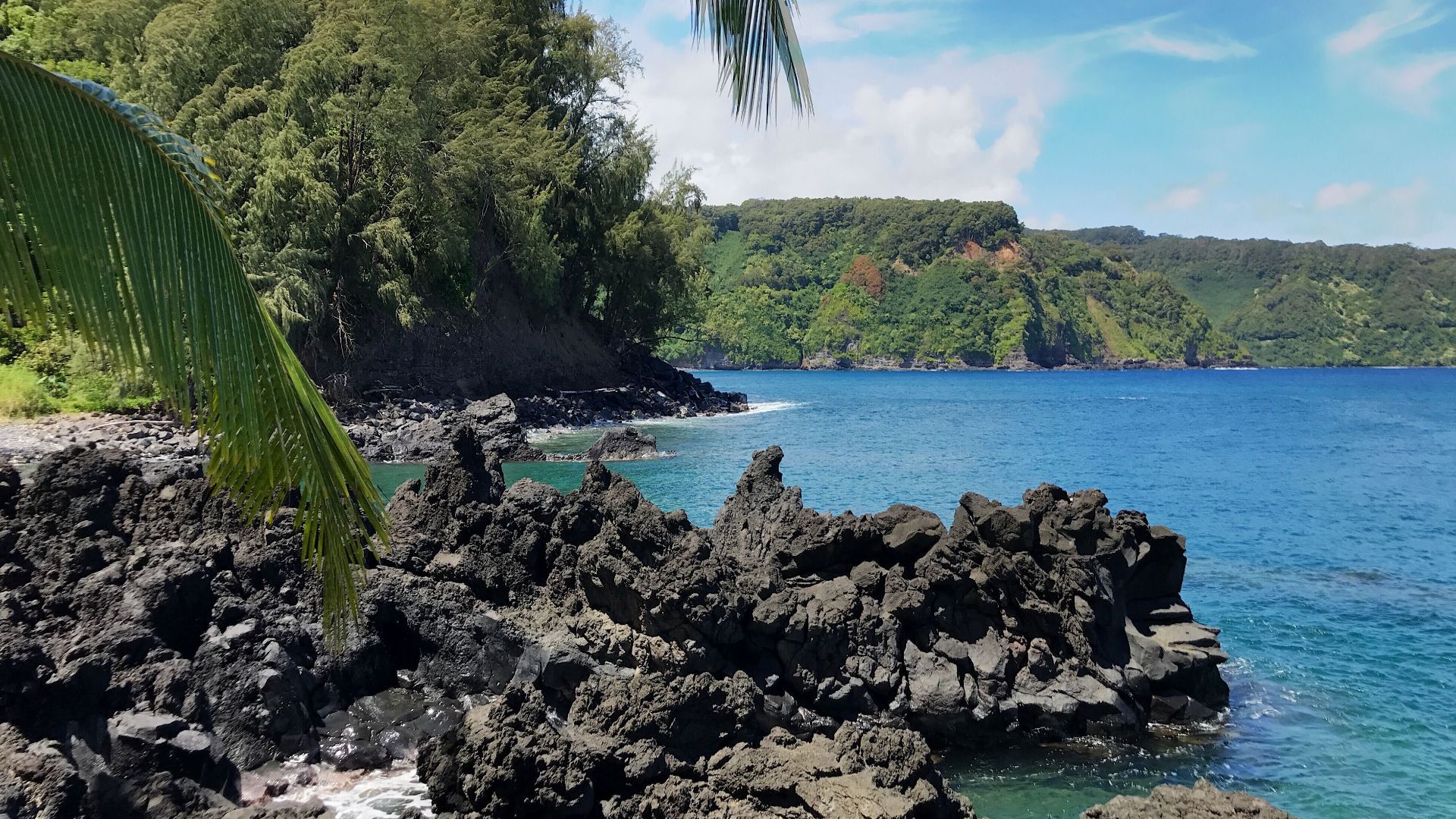 Shannon Berthiaume, Wikimedia Commons
Essaouira, Morocco
Salt air and fortified stone walls give Essaouira a character distinct from Morocco’s inland cities. The harbor buzzes with fishing boats, while narrow streets reveal galleries, cafes, and craft workshops. Consistent Atlantic winds draw surfers and sailors to create a relaxing coastal atmosphere.
 Daniel Csörföly, Wikimedia Commons
Atacama Desert, Chile
Across the Atacama, geysers and rust-colored valleys appear in stark contrast to the driest desert on Earth. Elevation and minimal light pollution make the region ideal for astronomy, and guided excursions expose unique geological formations.
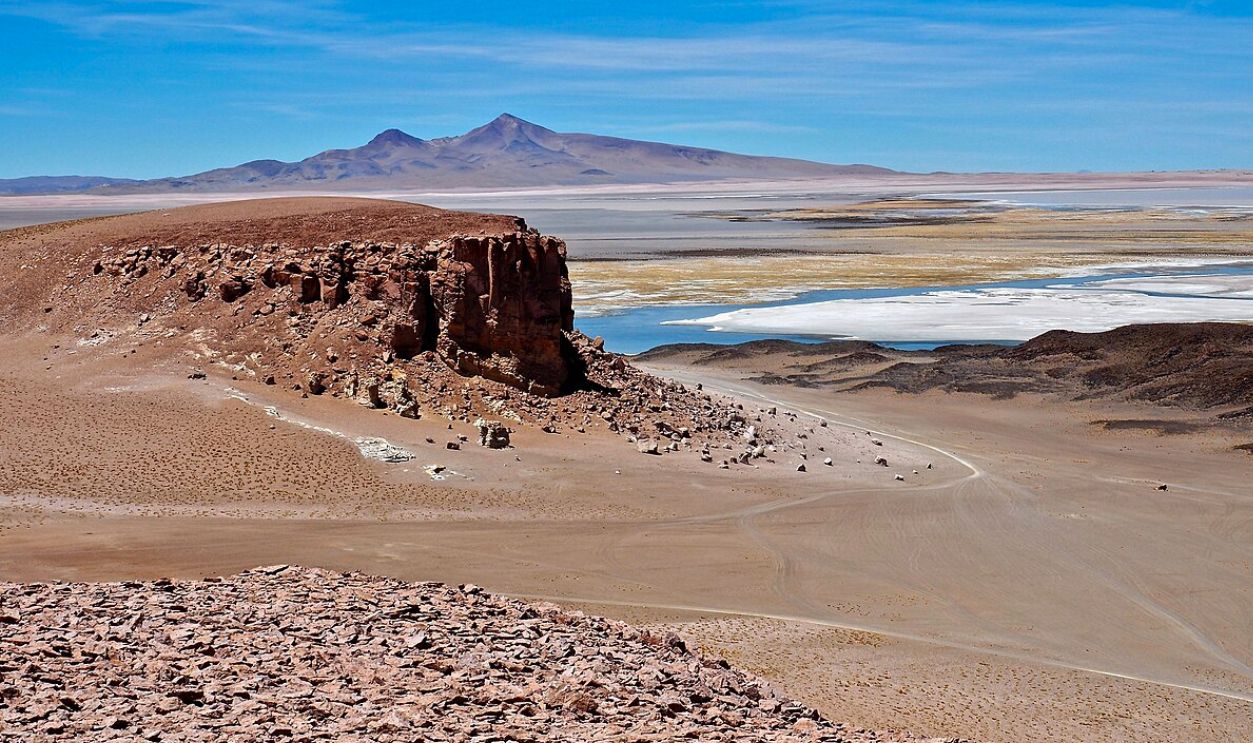 Wescottm, CC BY 4.0, Wikimedia Commons
Banff National Park, Canada
In Banff National Park, turquoise lakes sit beneath limestone peaks carved by glaciers. Trails suit every skill level, and wildlife corridors support species like elk and bighorn sheep. The park’s well-managed system allows visitors to experience rugged scenery while relying on amenities that keep travel comfortable throughout the year.
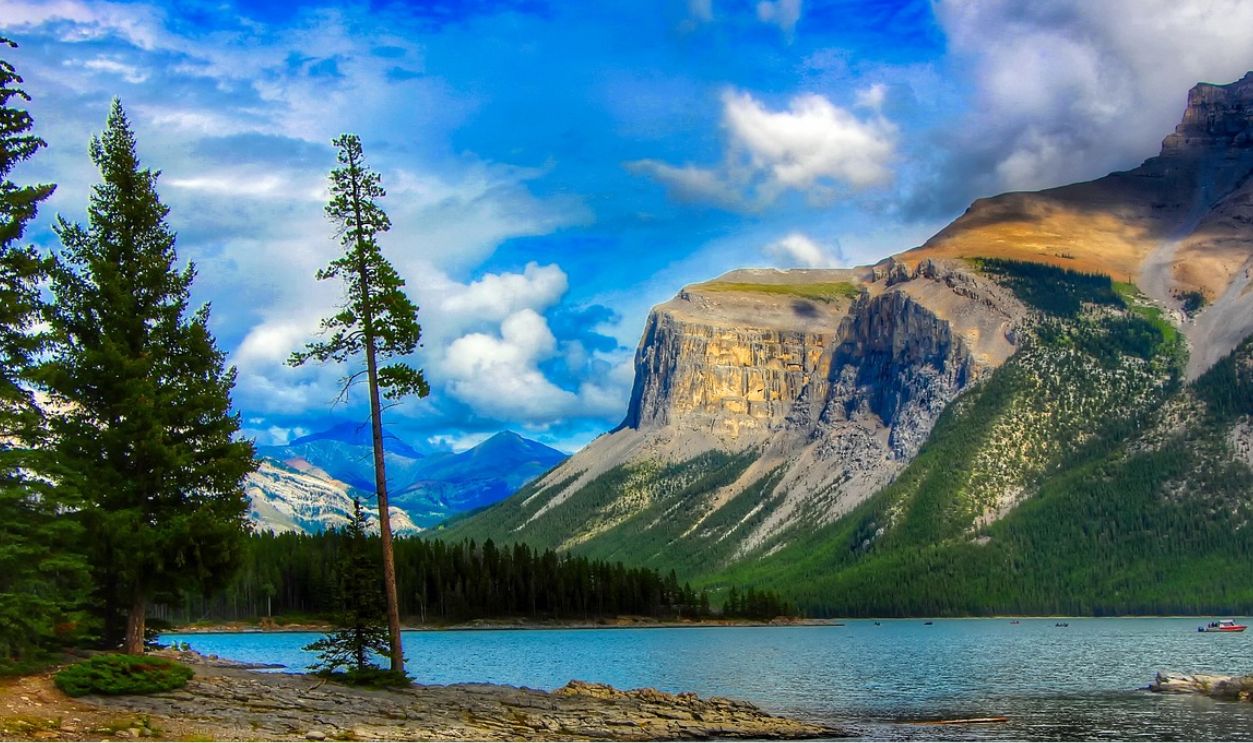
Azores Islands, Portugal
This is where you can enjoy volcanic lakes and geothermal pools in a community that commits to sustainability. Whale-watching tours depart from sheltered harbors, and scenic drives link small villages to dramatic viewpoints. Each island offers a distinct rhythm, giving travelers a flexible way to explore Portugal’s mid-Atlantic wonders.
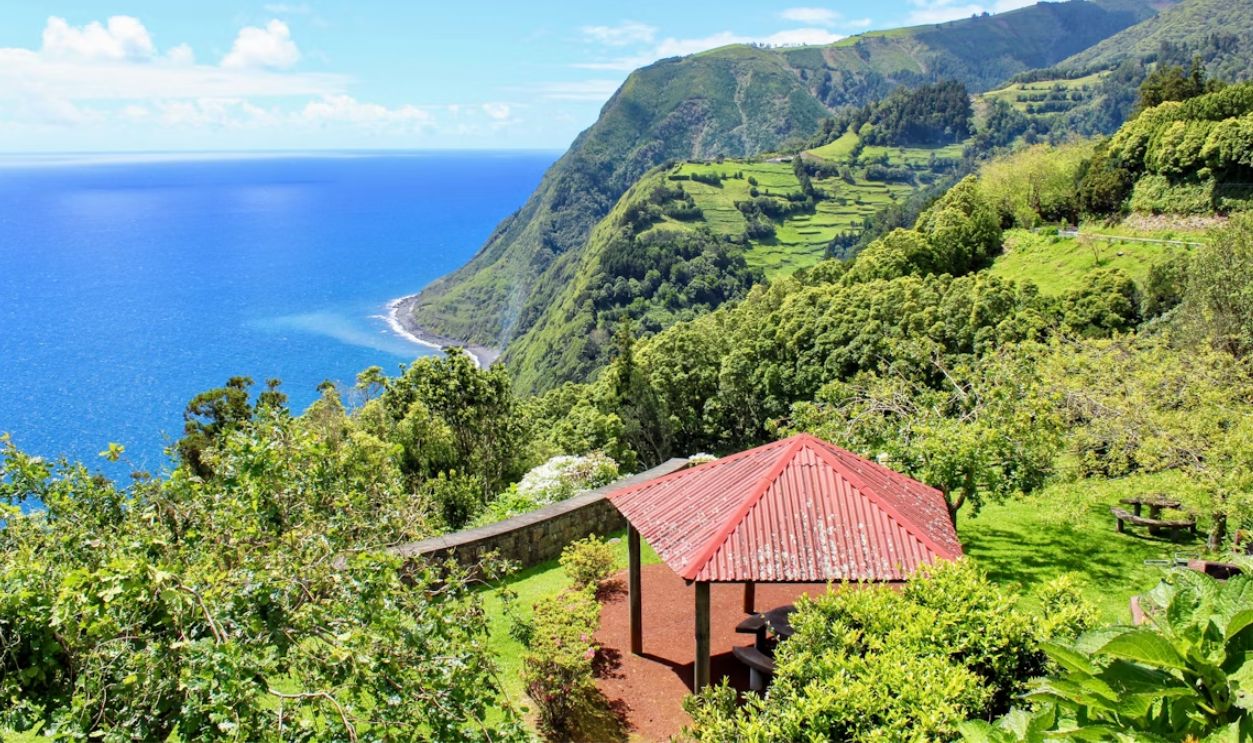
Iceland Highlands, Iceland
In the Iceland Highlands, black desert plains meet steaming geothermal fields and pale rhyolite mountains. Seasonal access keeps the region wild, yet guided routes help visitors explore safely. Those who venture inland can discover raw scenery far removed from the island’s more traveled coastal areas.
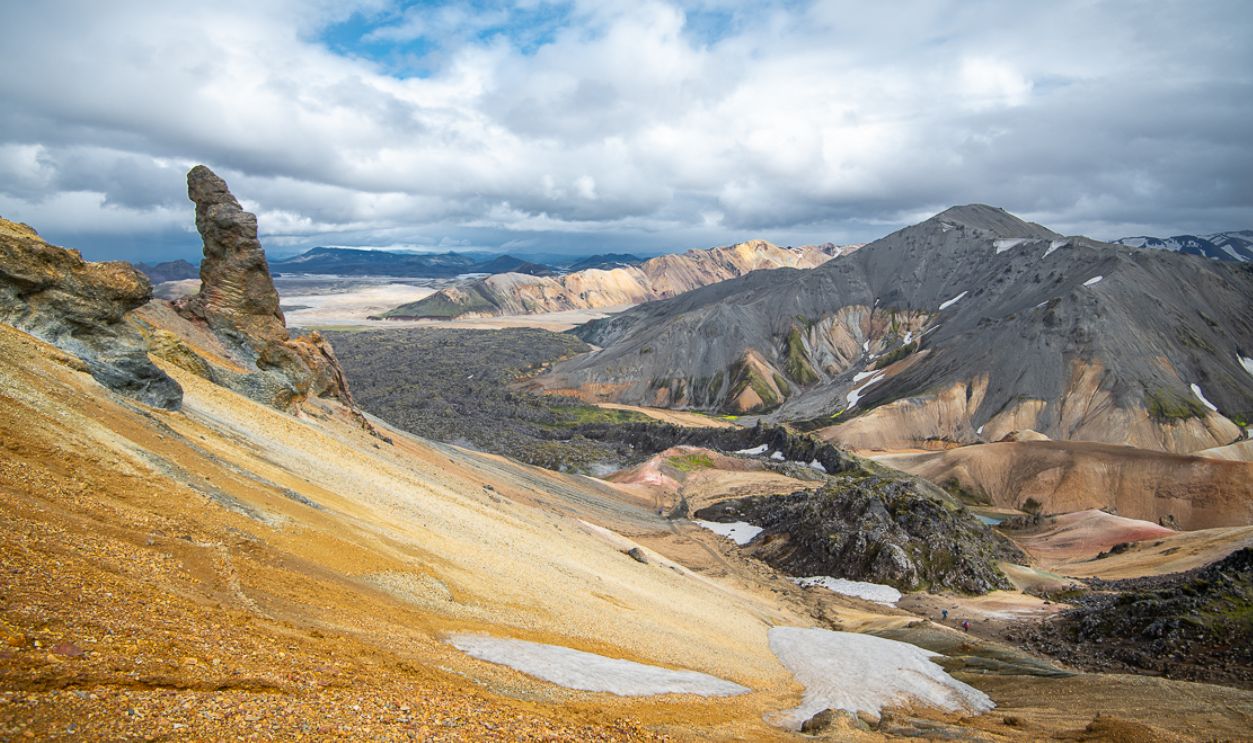 Emstrur, CC BY-SA 4.0, Wikimedia Commons
Kakum National Park, Ghana
Suspended walkways high above a mature rainforest set Kakum apart, offering a vantage point over canopies sheltering forest elephants and endangered primates. Guided treks explain how this protected ecosystem survives alongside nearby communities. Its blend of wildlife conservation and immersive scenery makes it an appealing nature escape in 2026.
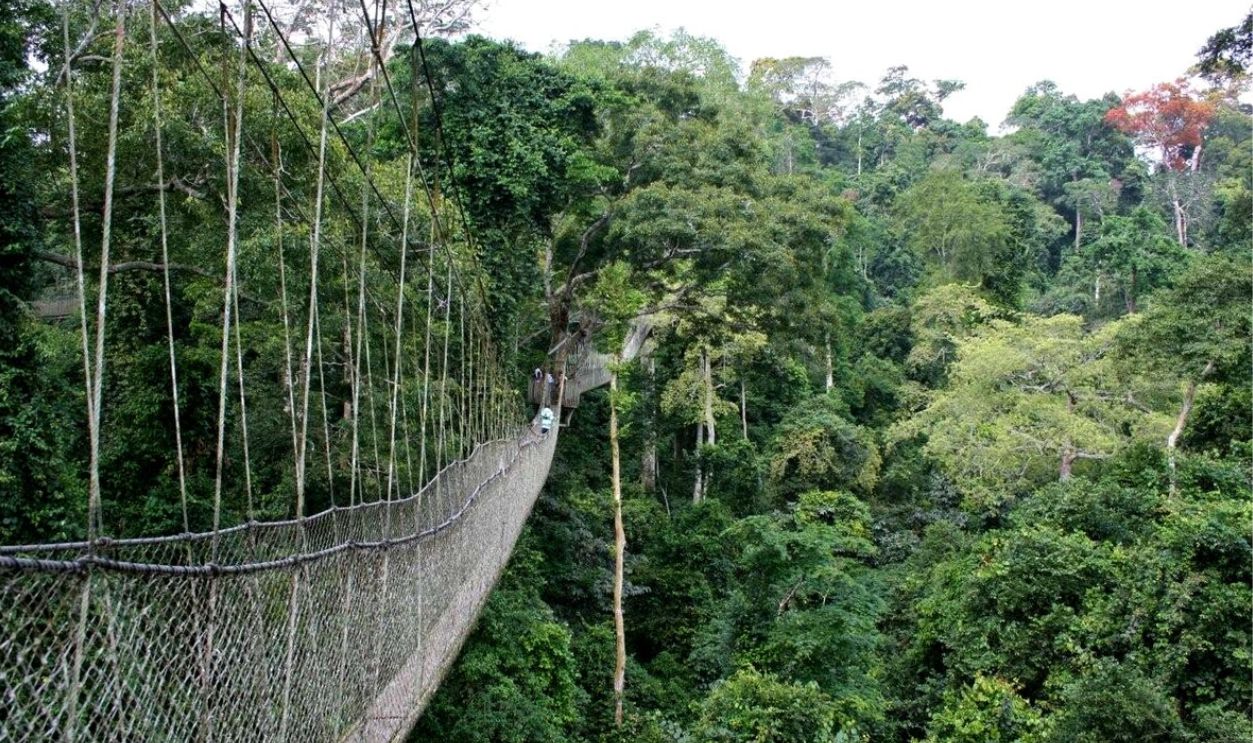 Chiappinik at it.wikipedia, CC BY 2.5 IT, Wikimedia Commons
Chalalan Ecolodge, Bolivia
Run by Indigenous Tacana families, Chalalan rests inside Madidi National Park, one of the most biodiverse areas on Earth. Visitors arrive by river to enter a rainforest defined by sustainable stewardship. Wildlife-rich hikes and community-led storytelling create a stay grounded in authenticity rather than commercialized tourism.
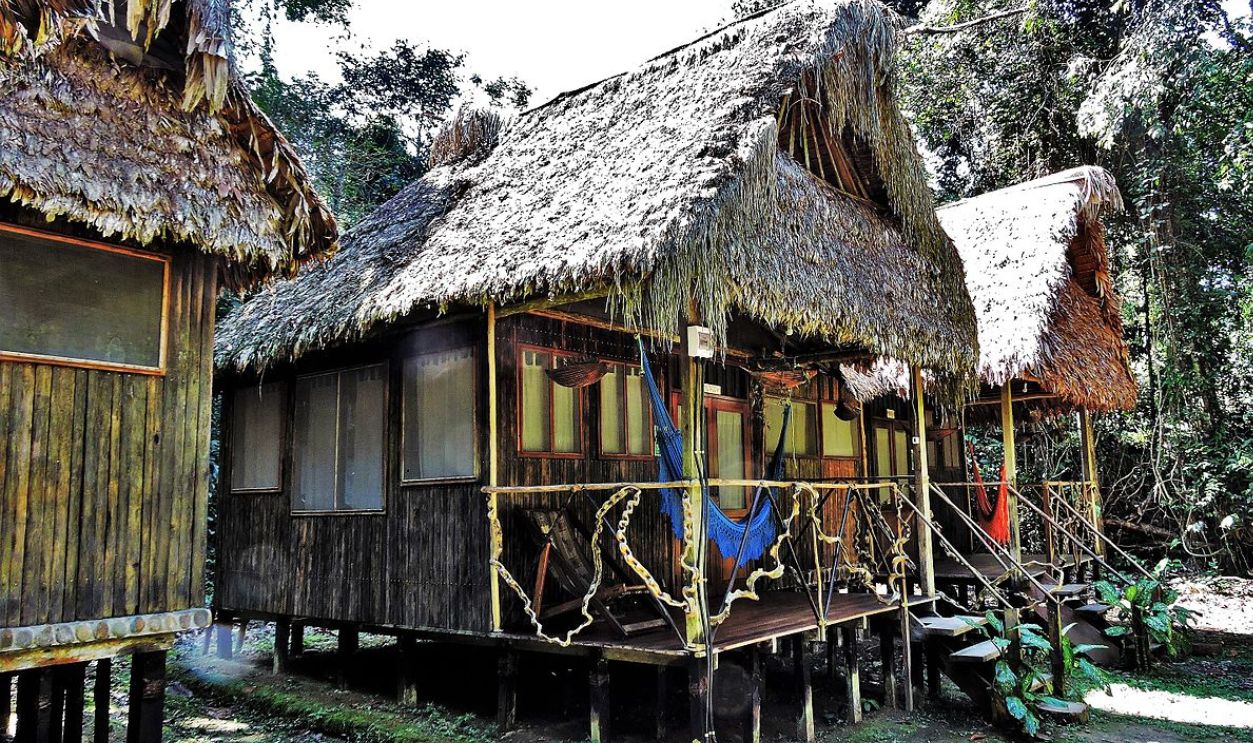 Rodrigo Mariaca, CC BY-SA 4.0, Wikimedia Commons
The Red Sea Destination, Saudi Arabia
A chain of islands and reefs along Saudi Arabia’s western coast forms a developing ecotourism region emphasizing protected marine habitats. Clear water and coral systems anchor its appeal in 2026. The project’s design focuses on renewable energy and careful visitor management to safeguard a fragile environment.
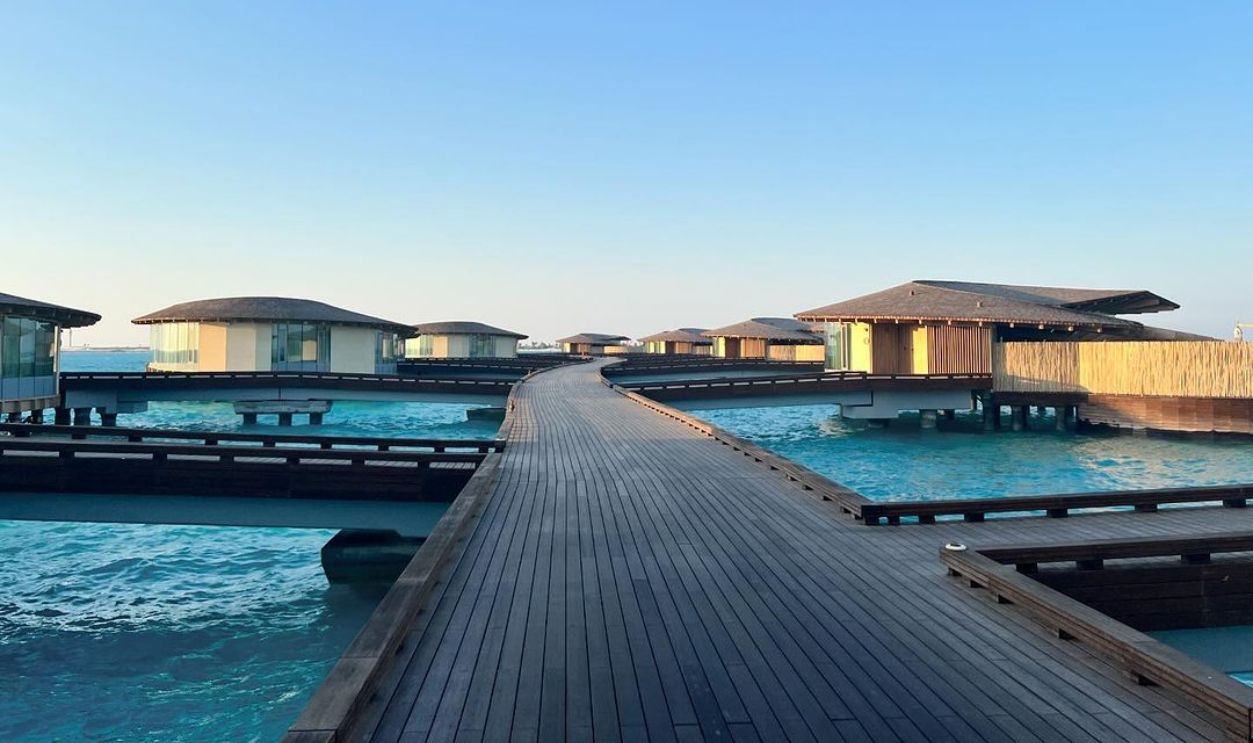 Ali Lajami, CC BY 2.0, Wikimedia Commons
Kyoto, Japan
Temples and tea districts give Kyoto a rhythm shaped by centuries of cultural continuity. Travelers wander through shrines and narrow lanes where craft traditions shine. Its blend of quiet ritual and natural beauty helps visitors experience Japan’s heritage without feeling overwhelmed.
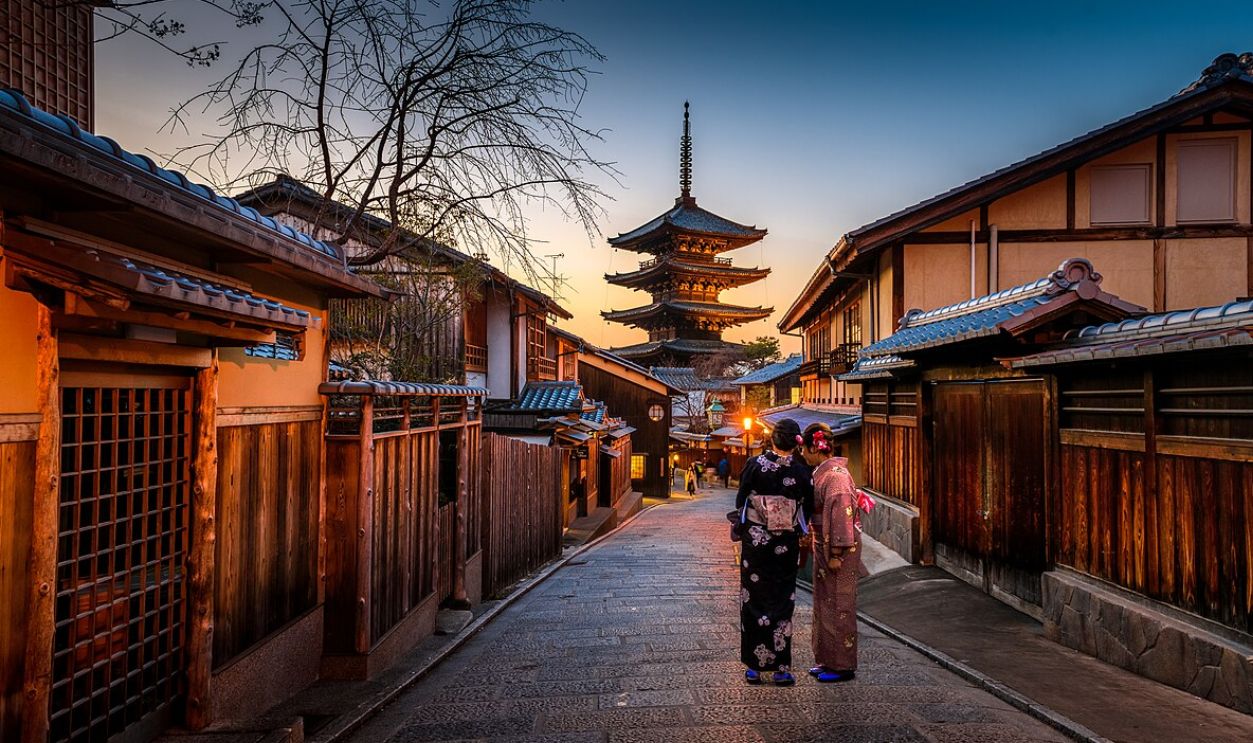 Sorasak boontohhgraphy, CC0, Wikimedia Commons
Udaipur, India
Combining lakefront palaces and old-city streets, Udaipur offers a distinctive setting with the City Palace and shimmering Lake Pichola shaping its reputation as Rajasthan’s most elegant destination. Historic architecture and scenic boat rides give travelers meaningful insight into regional artistry while keeping the experience visually memorable.
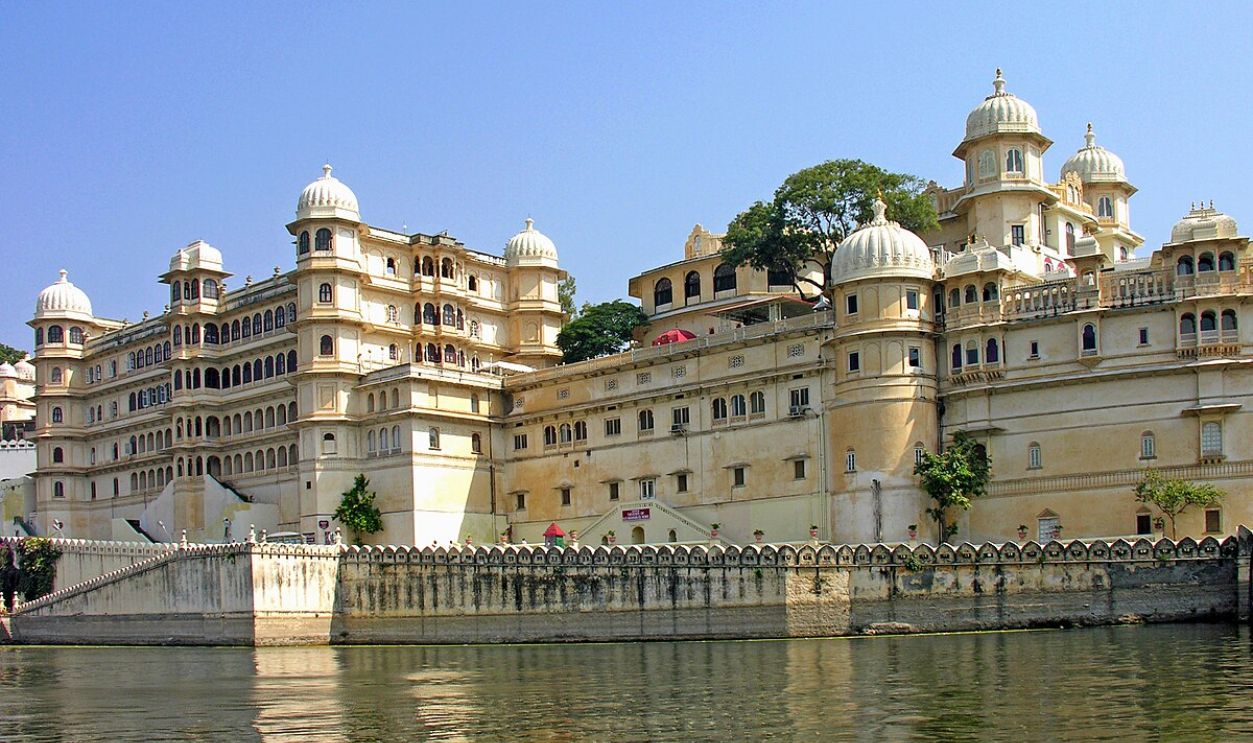 Dennis G. Jarvis, CC BY-SA 2.0, Wikimedia Commons
The Dolomites, Italy
Climbers chase jagged peaks while travelers soak in alpine lakes and quiet meadows. The Dolomites feel even more alive in 2026 as Olympic energy spreads through northern Italy. Pairing these dramatic mountains with Milan’s cultural depth creates a journey balanced between wilderness and urban sophistication.
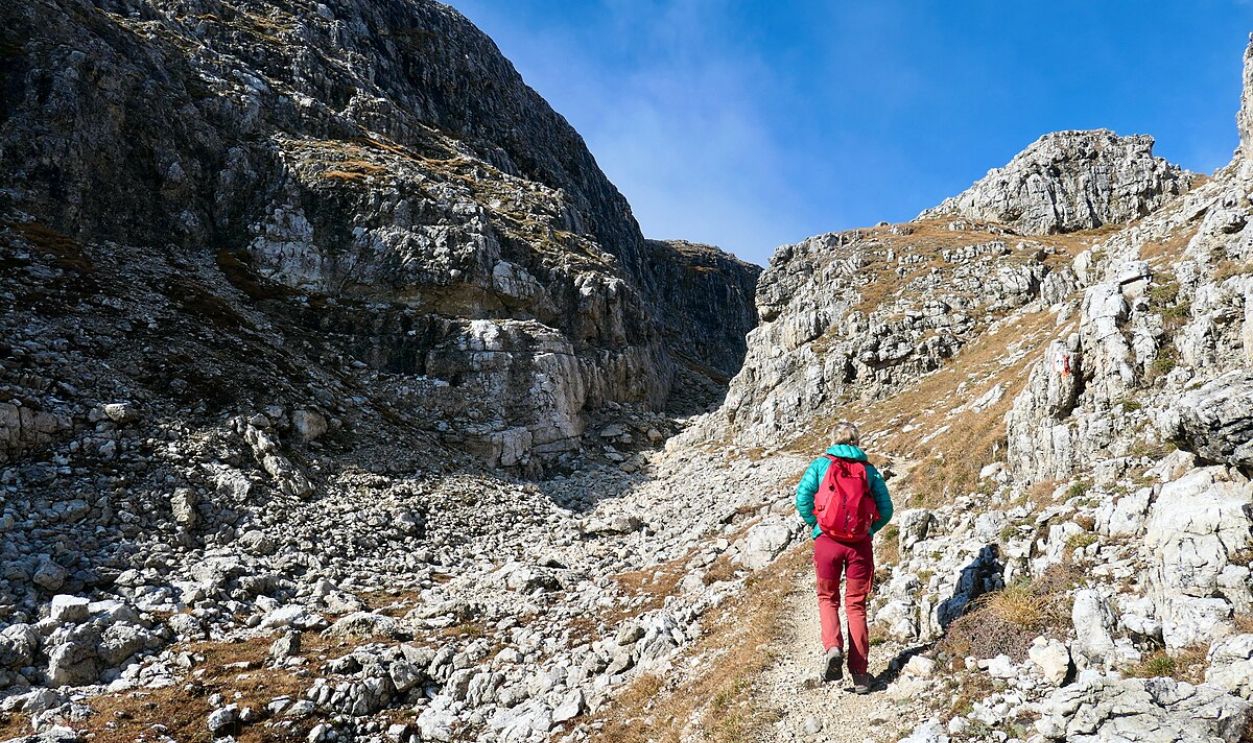 Bruno Rijsman, CC BY-SA 2.0, Wikimedia Commons
Killarney National Park, Ireland
Killarney National Park surrounds its lakes with oak forests and mountains shaped by Ice Age geology. Visitors move easily from estate gardens to quiet trails where red deer still roam. The park’s mix of heritage sites and natural beauty gives travelers a balanced way to experience southwestern Ireland.
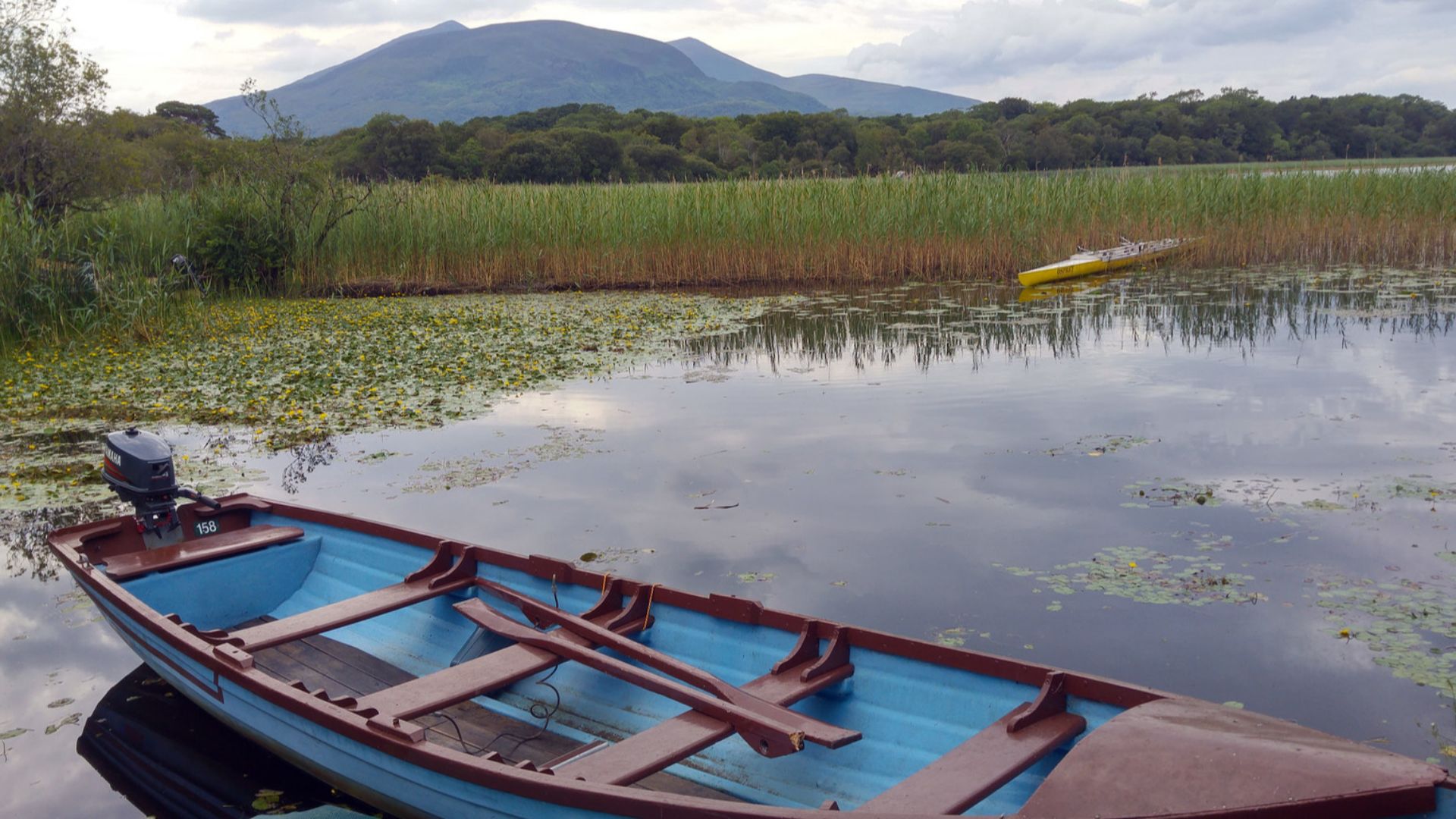 Phil Champion , Wikimedia Commons
Basque Country, Spain
Atlantic cliffs and a fiercely independent identity make the Basque Country unlike anywhere else in Spain. Travelers heading there in 2026 gain a rare addition: a total solar eclipse crossing the region. That event, combined with Bilbao’s art scene and coastal villages, adds irresistible momentum to the destination.
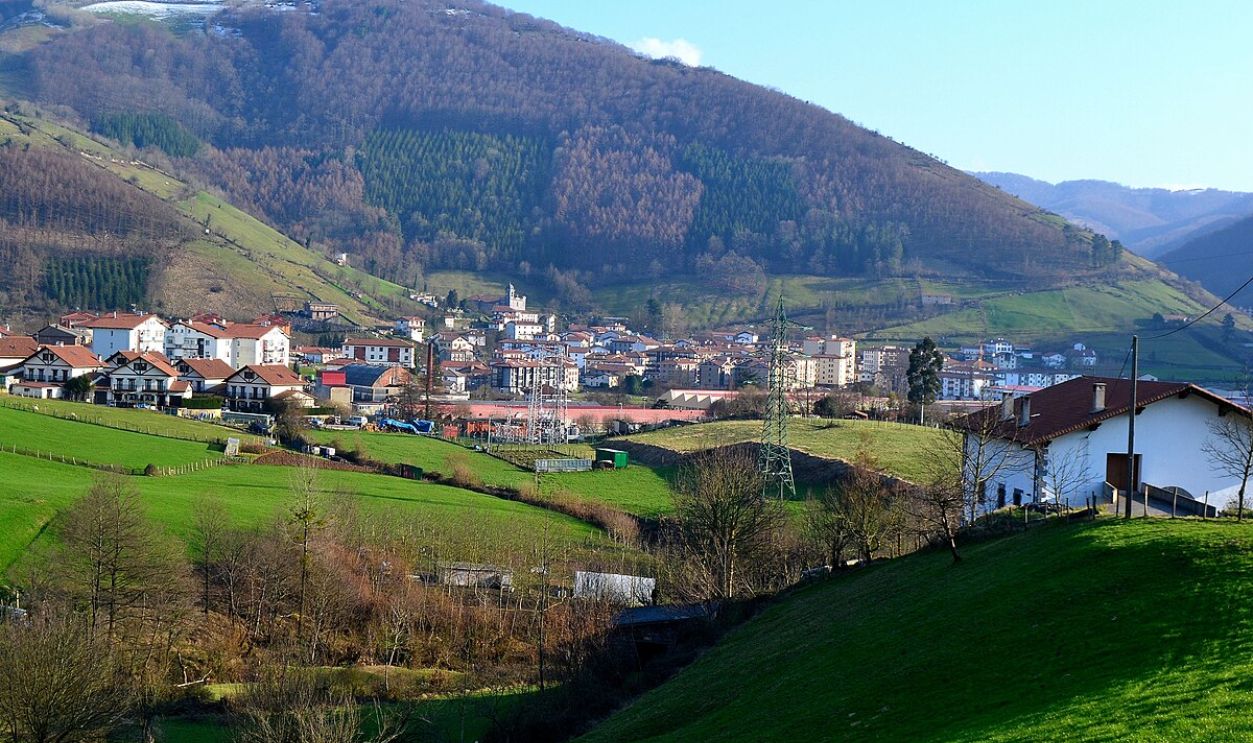 Euskalduna, CC BY 3.0, Wikimedia Commons
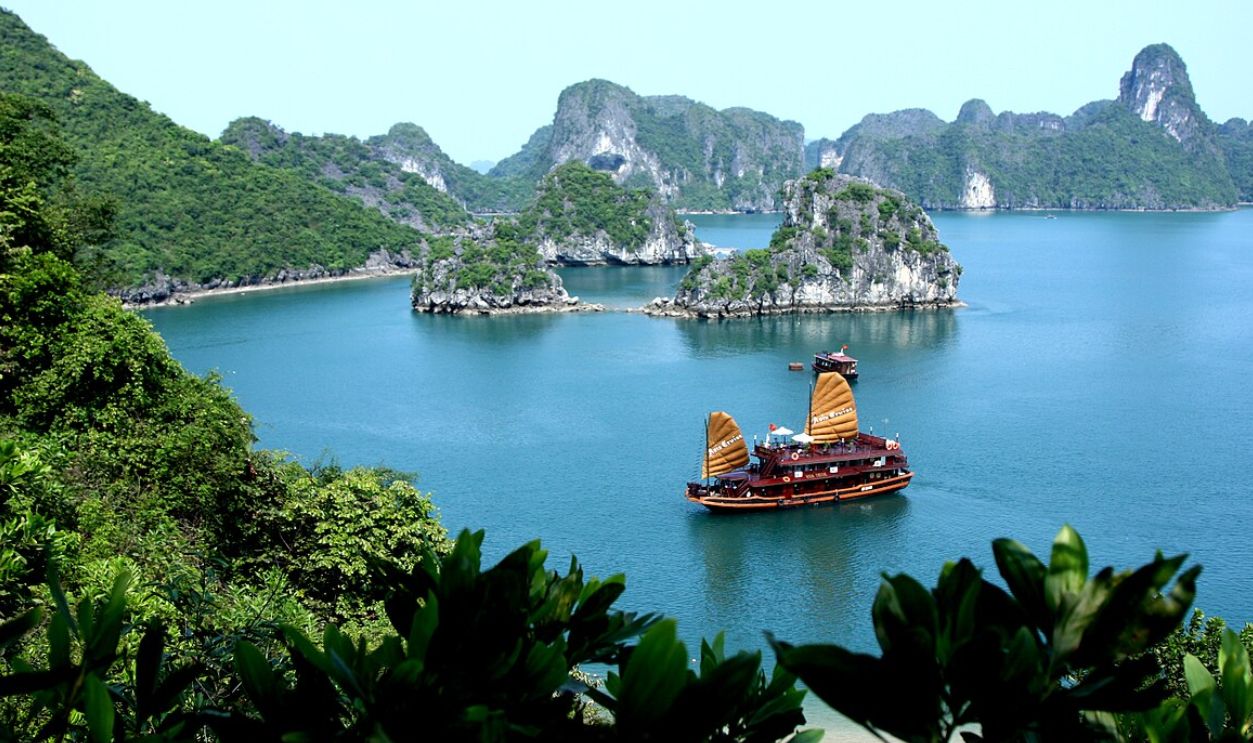
Ha Long Bay, Vietnam
Ha Long Bay’s limestone towers rise from green water in formations carved by millions of years of erosion. Cruises weave through narrow channels, stopping at caves and floating communities. Improved port facilities make the area more accessible.
Volcanoes National Park, Rwanda
Volcanoes National Park anchors Rwanda’s mountain region with dense forests and volcanic peaks sheltering endangered mountain gorillas. Strict permit systems support conservation while guiding visitors through a sensitive ecosystem. Beyond wildlife, the surrounding communities offer cultural insight.
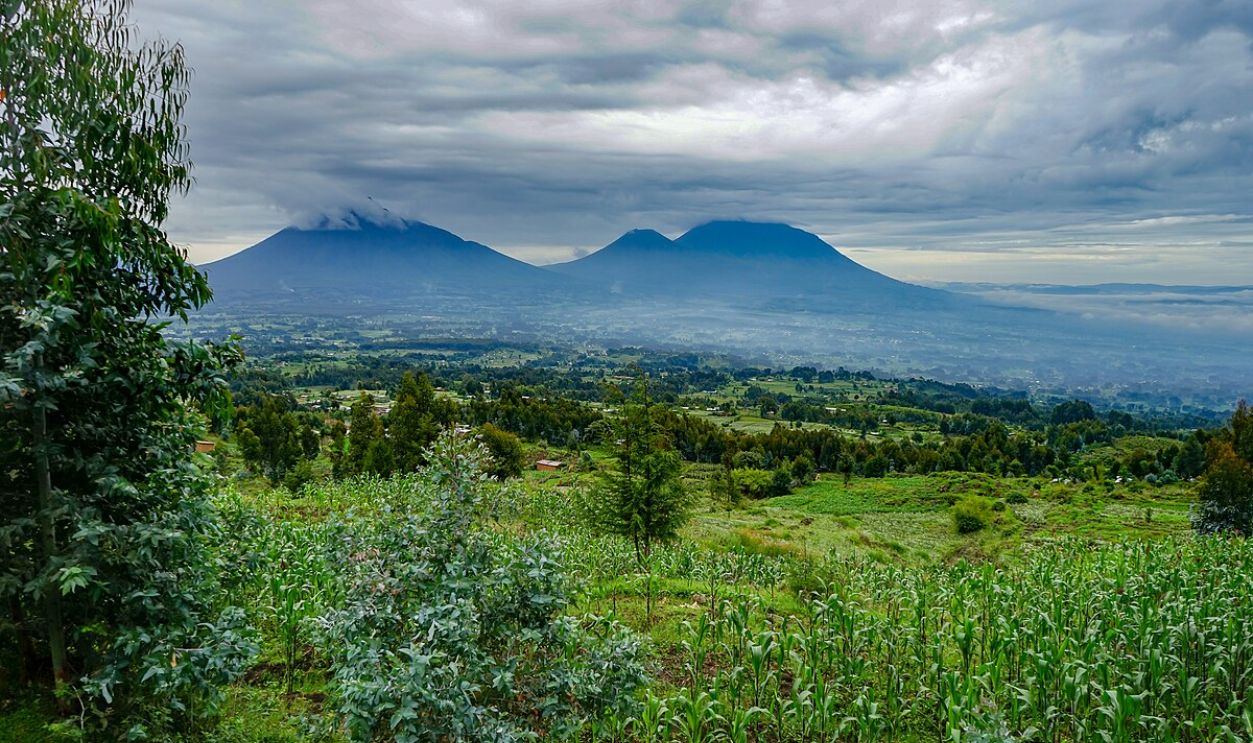 Nina R, CC BY 2.0, Wikimedia Commons
Lake Bled, Slovenia
Lake Bled’s emerald water, medieval castle, and small island chapel create a setting that feels almost cinematic. Rowboats glide past forested slopes while nearby trails lead to calm viewpoints above the lake. Its manageable size and welcoming town make this one of Slovenia’s most approachable highlights.
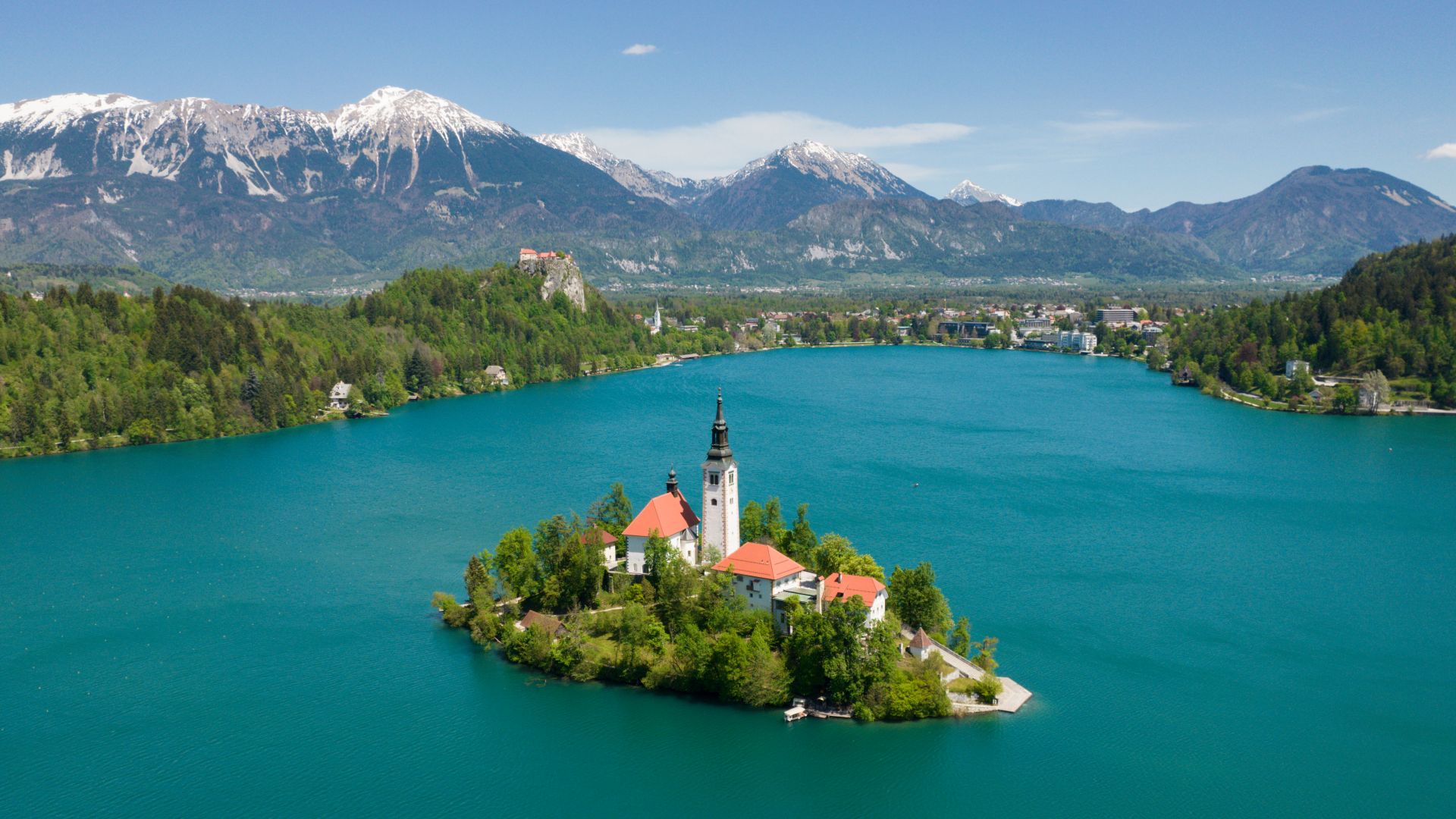 Arne Müseler, Wikimedia Commons
Fiordland National Park, New Zealand
Fiordland National Park presents towering cliffs and waterfalls that spill into dark fjords carved by glaciers. Boat tours and hiking routes reveal a world that feels untouched, especially around Milford Sound. Despite its remoteness, strong visitor infrastructure helps travelers reach dramatic scenery without sacrificing comfort or safety.
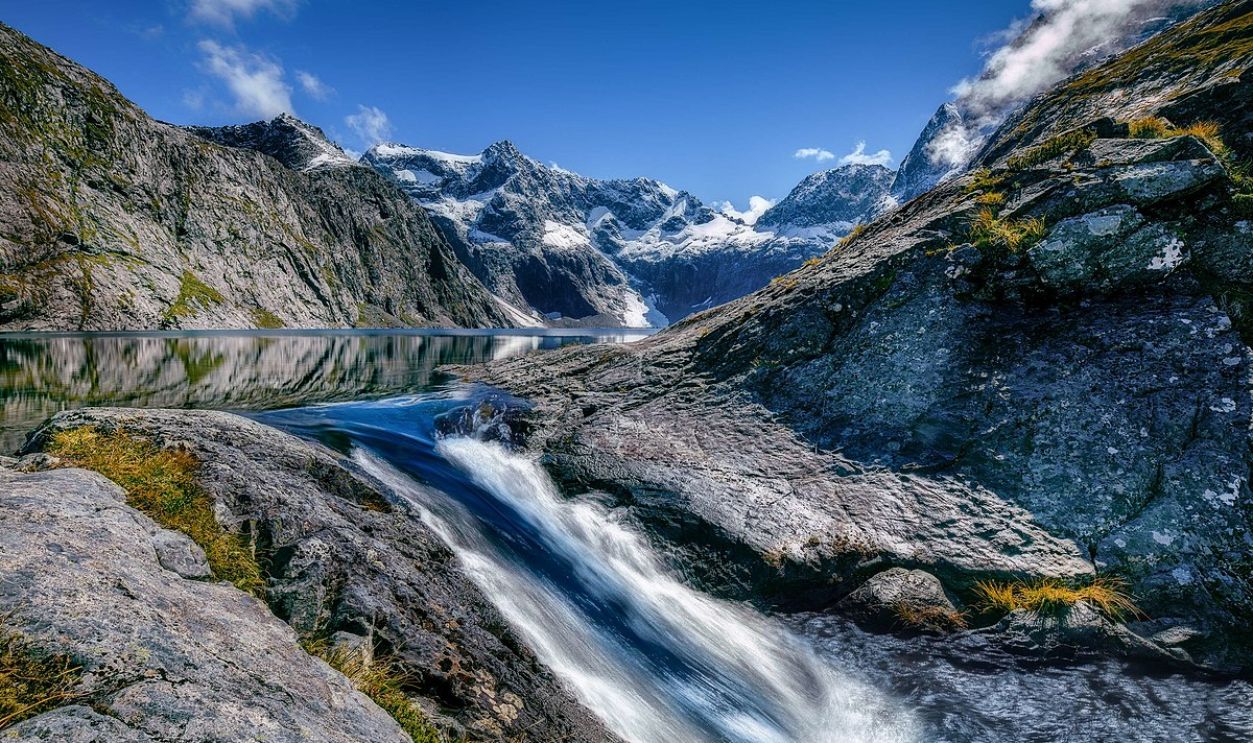 Sam Ferrara samferrara, CC0, Wikimedia Commons
Victoria Peak, Hong Kong
Rising above Hong Kong’s skyline, Victoria Peak delivers a panorama that feels entirely different at every hour. The tram ride upward reveals the harbor’s sweep, while walking trails offer quieter viewpoints. It’s a rare place where a global megacity suddenly feels calm and surprisingly connected to nature.
 Deror_avi, CC BY-SA 3.0, Wikimedia Commons
Chaa Creek Reserve, Belize
Surrounded by rainforest and river bends, Chaa Creek Reserve introduces travelers to Belize’s biodiversity through gentle, well-guided immersion. Canoeing and visits to Maya sites are possible within protected land managed sustainably. The experience blends comfort with genuine environmental respect.
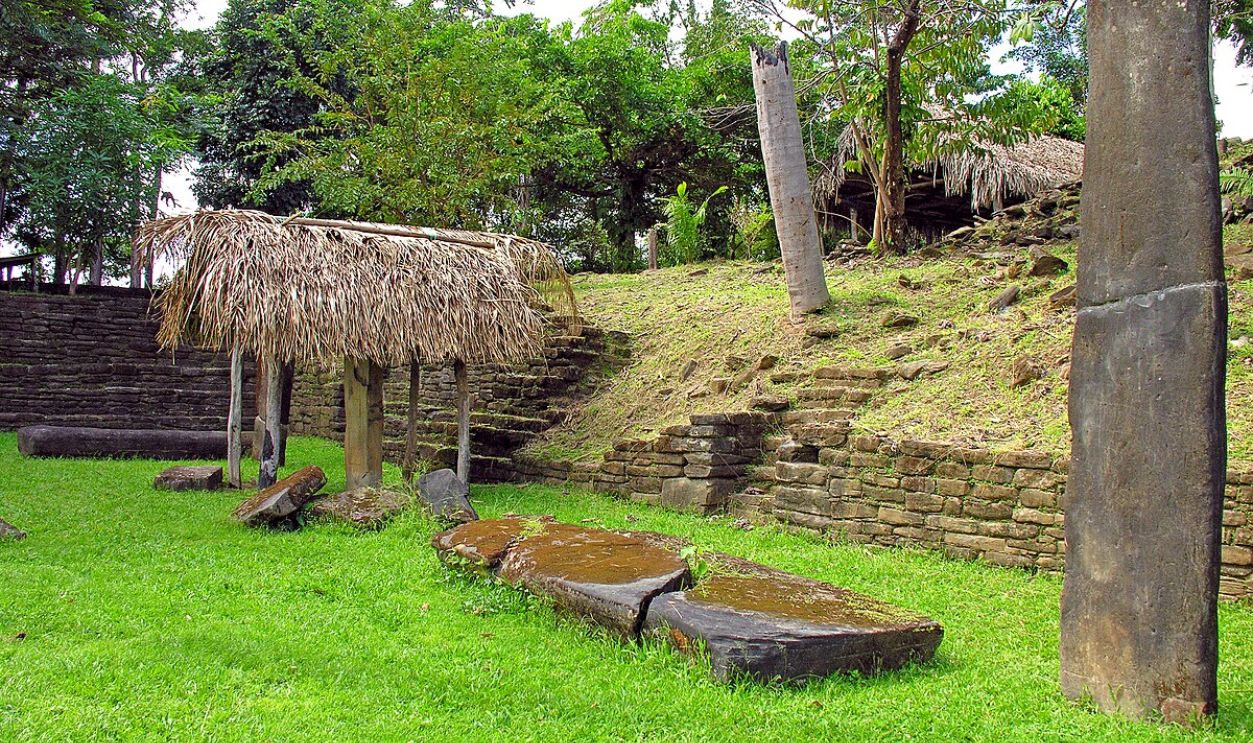 Dennis G. Jarvis, CC BY-SA 2.0, Wikimedia Commons
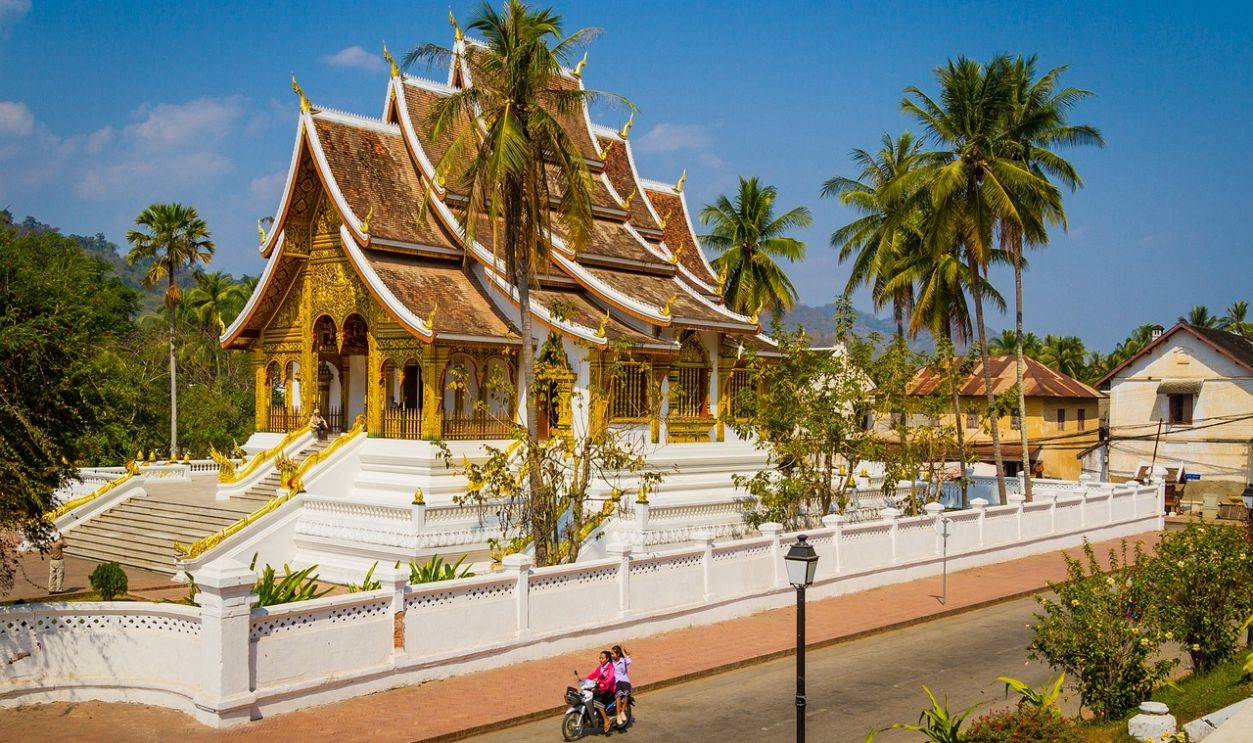
Luang Prabang, Laos
At the meeting point of the Mekong and Nam Khan rivers, Luang Prabang blends golden temples with French colonial architecture and forested hills. Early-morning alms rituals and nearby waterfalls create a calm rhythm that rewards unhurried travel. Its careful preservation and relaxed pace make it a destination that feels especially meaningful to visit in 2026.
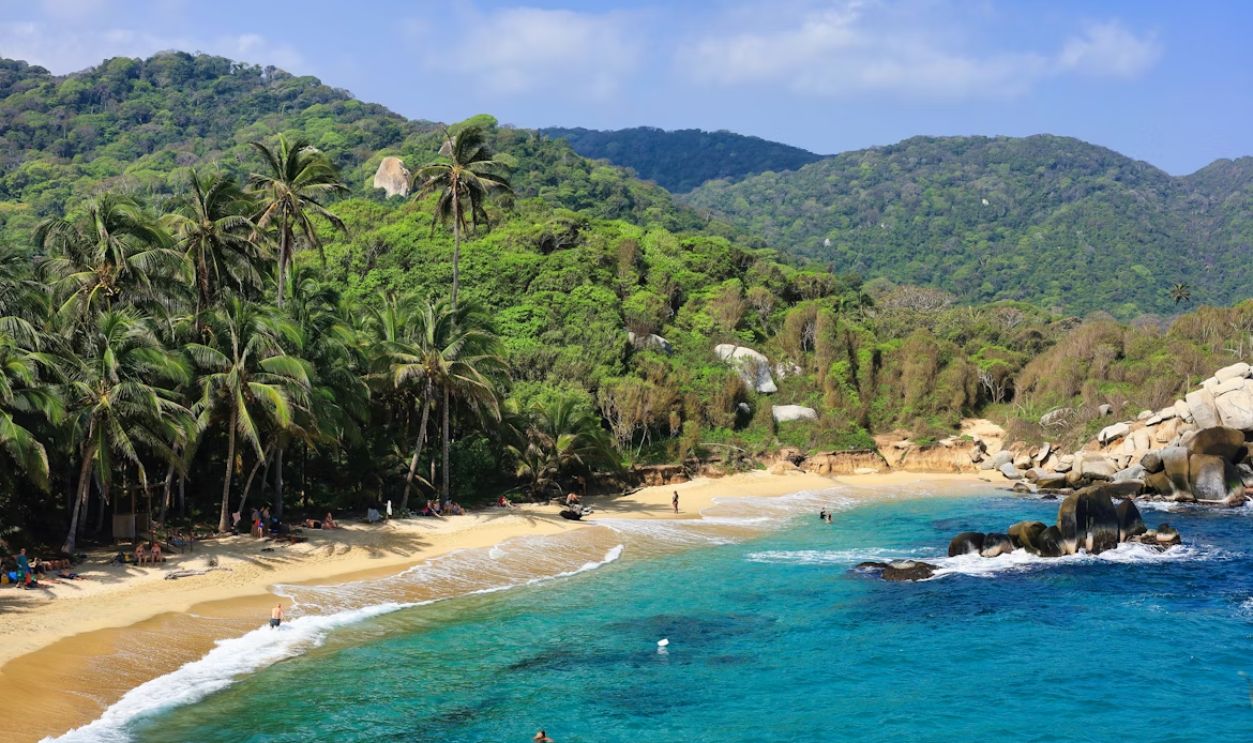
Tayrona National Park, Colombia
Here, the dense jungle gradually opens to beaches edged with giant boulders inside Tayrona National Park. Footpaths lead through shaded forest toward viewpoints overlooking turquoise water. Limited development helps preserve wildlife and archaeological remnants. It offers a sense of entering a protected coastal world where nature and history shine.





.jpg)

_-_78_(50587344941).jpg)


.jpg)

