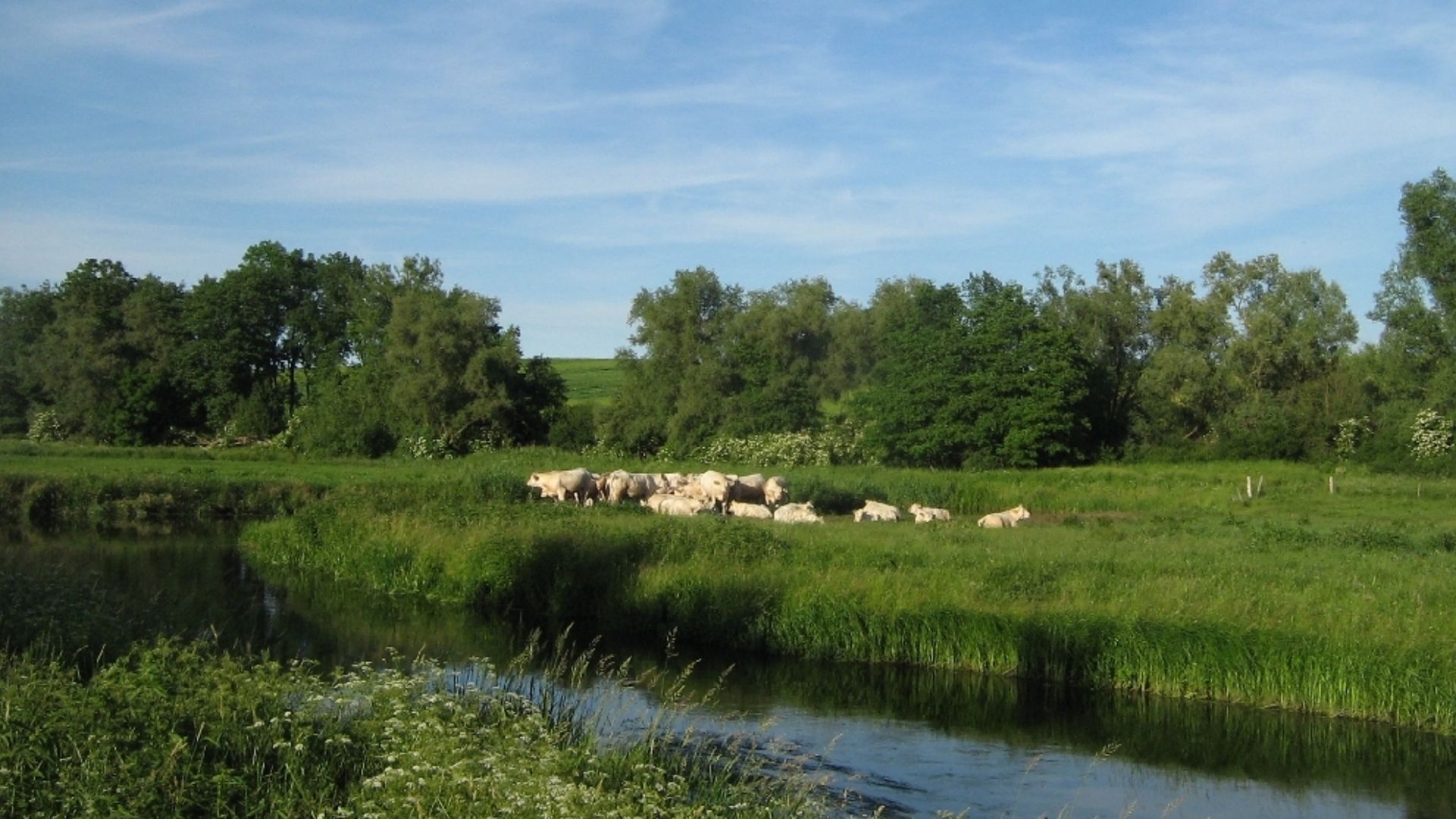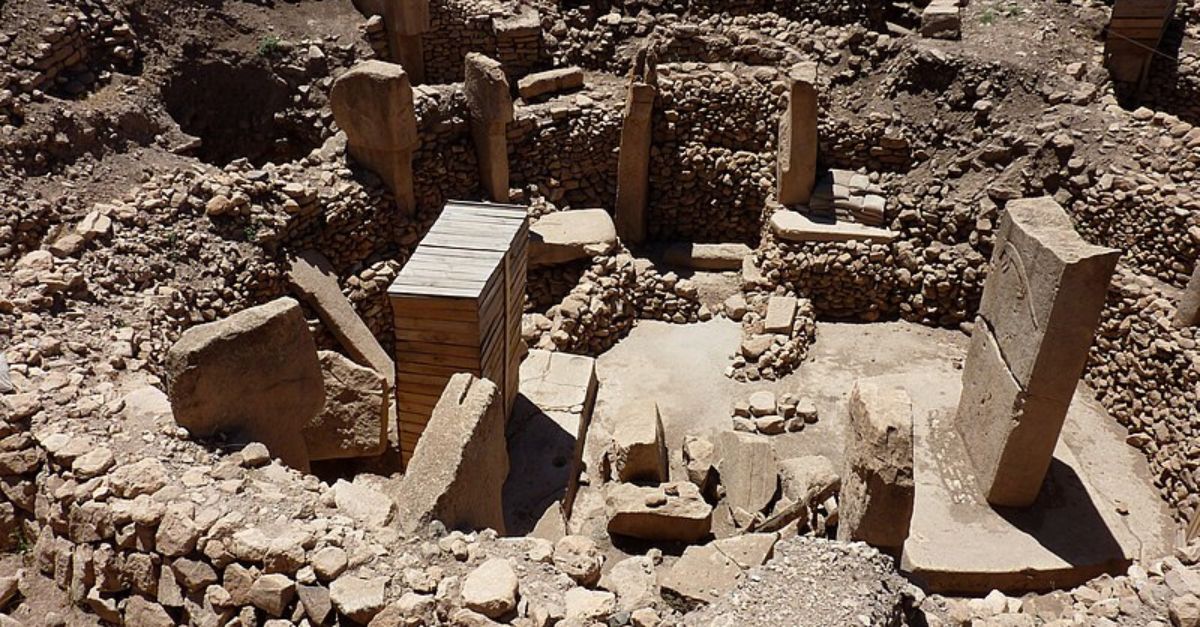

At first glance, the Tollense Valley feels calm and almost anonymous, shaped by slow water and open land. For a long time, that quiet atmosphere was the defining factor of this place. Even as bones surfaced and weapons followed, there was hesitation to call it out loud as a battlefield. The idea that Bronze Age Europe could organize violence at this scale felt uncomfortable. But the ground kept offering evidence that refused to stay small. As discoveries accumulated, the truth had to come to the forefront: Upwards of 4,000 warriors fought in a battle here, over a thousand years before the Roman Empire.
What The Arrowheads Began To Reveal
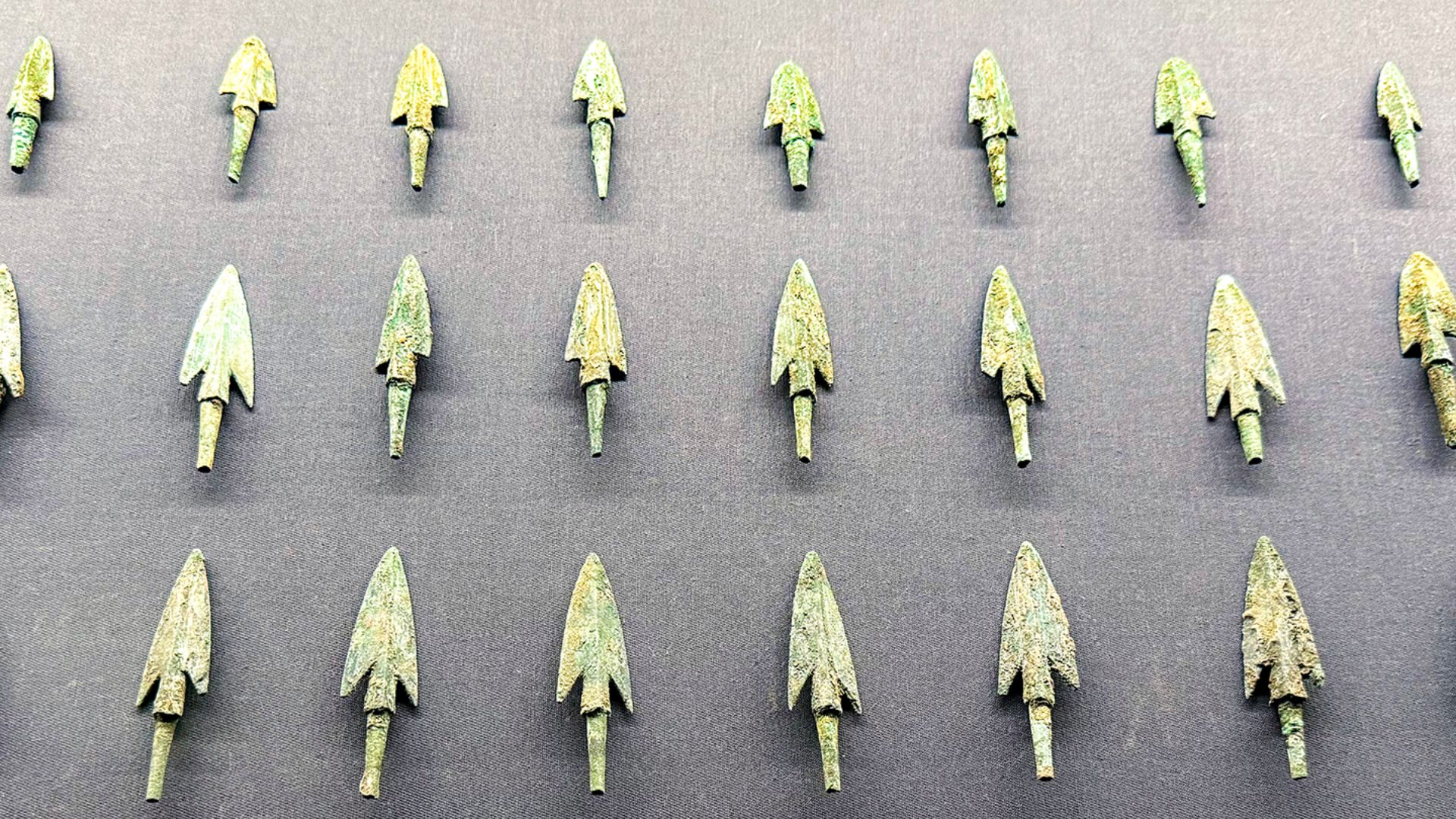
Flint points appeared first, and at face value, they made sense. They matched local styles, familiar materials, and known Nordic Bronze Age traditions. On their own, they could have supported the idea of a limited clash between neighboring groups. But the picture changed the moment bronze arrowheads were discovered. Bronze was not casual or convenient. It required skill and access to financial resources to build them. These were weapons made with intention. Their presence suggested preparation long before anyone set foot in the valley. It led people to take a deep dive into the scale and purpose of this preparation.
What made the evidence impossible to ignore was the variety. The bronze arrowheads were not all cut from the same mold. Some fit local Nordic forms, but others clearly did not belong to the region at all. Certain barbed designs and proportions aligned far more closely with areas well south of Tollense. That kind of distance matters. Trade alone cannot be the reason that such varied weapons ended up far from the places they were usually made. As the munitions were studied in context, people discovered that these arrowheads were not souvenirs or exchanges. They arrived with people who knew how to use them when the time came.
 Windmemories, Wikimedia Commons
When Terrain Dictated Violence
The majority of weapons and human remains were recovered along a narrow stretch of river and adjacent causeway, a natural bottleneck that would have restricted movement. Excavations revealed a wooden bridge or trackway dating to the same period, which indicates a known crossing point for people to move to the other side. Excavators also found combat wreckage concentrated around this crossing. It suggests that movement through the valley was being contested deliberately, which may have turned into a battle. This alone elevates the event beyond a spontaneous clash and places it closer to a planned interception.
That interpretation is reinforced by the condition and placement of skeletal remains. Many bodies show fatal trauma to the back and sides of the skull, as well as arrow wounds entering from behind or at oblique angles. These are not injuries consistent with face-to-face dueling. Instead, they point to pursuit, or attacks on retreating individuals. Several skeletons also display healed injuries from earlier violence, which indicates that participants had prior experience. The valley was not the site of first exposure to violence; it was the setting for a confrontation involving people already accustomed to it.
Proof The Conflict Reached Far Beyond Tollense
Further clarity comes from isotopic analysis of teeth and bones, which shows that a significant portion of the dead did not grow up locally. Strontium isotope signatures place some individuals far outside the Tollense region, aligning with southern Central European geologies. This directly supports the weapon evidence showing non-local bronze arrowhead types. Together, the biological and material data confirm that fighters arrived from different regions, likely traveling in organized groups to prove their mettle to the others in the area. Such movement implies foreknowledge with coordination and purpose.
Finally, the sheer density of weapon fragments matters. Arrowheads and spear points appear in quantities far exceeding what would be expected from a small raid or skirmish. Many weapons were lost mid-use or embedded. It suggests sustained fighting rather than a brief encounter. Radiocarbon dating places the event within a narrow timeframe, reinforcing the conclusion that this was a single large confrontation rather than violence spread across generations. Taken together, these details move Tollense firmly into the realm of organized Bronze Age warfare, grounded in physical, measurable evidence.