
Going, Going...
Based on the latest domestic migration trends, housing affordability pressures, job growth data, and relocation patterns heading into 2026, these are the states Americans are most actively choosing to avoid. The results reveal where momentum is fading fastest—and some of the top states might surprise you.
25: Alabama
Alabama’s low cost of living helps prevent steep population losses, but it hasn’t translated into strong inbound migration. Slower wage growth, fewer expanding metro areas, and limited job diversification keep the state from attracting large numbers of new residents in 2026. Growth remains modest rather than accelerating.

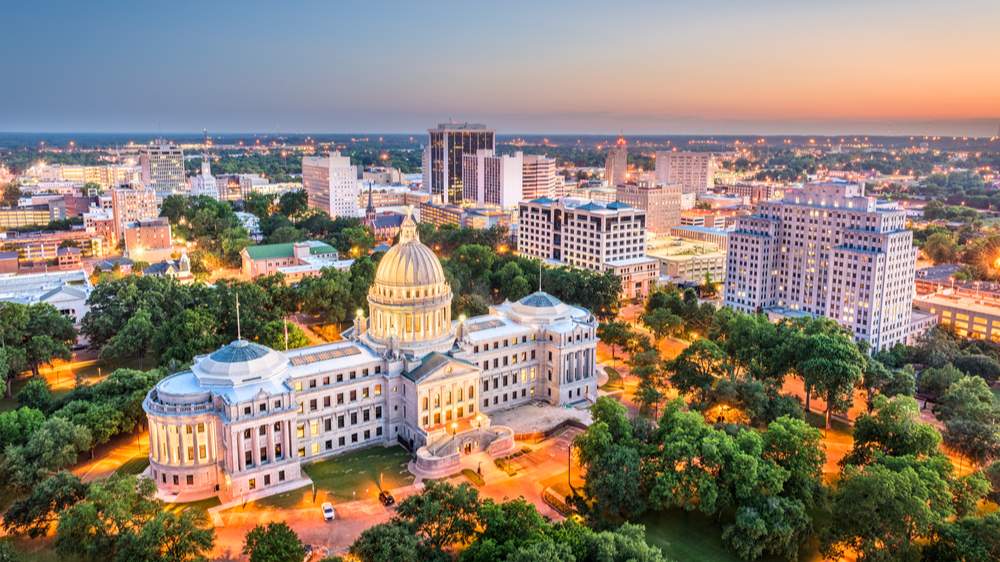
24: Mississippi
Mississippi continues to experience modest but persistent population decline. Census and IRS migration data show residents leaving for stronger job markets and higher wages, particularly younger workers seeking broader economic opportunities outside the state. These trends have held steady in recent years.
23: Louisiana
Louisiana faces ongoing out-migration driven by a mix of economic uncertainty, insurance costs, and climate-related pressures. Coastal risk and rebuilding fatigue have increasingly pushed residents toward neighboring states offering greater long-term stability. Population losses remain difficult to reverse.

22: Oklahoma
Despite affordability advantages, Oklahoma has struggled to attract sustained inbound migration. Job growth has lagged faster-growing regions, and many residents continue relocating to states with larger metros and stronger career prospects. The result is slow overall population momentum.

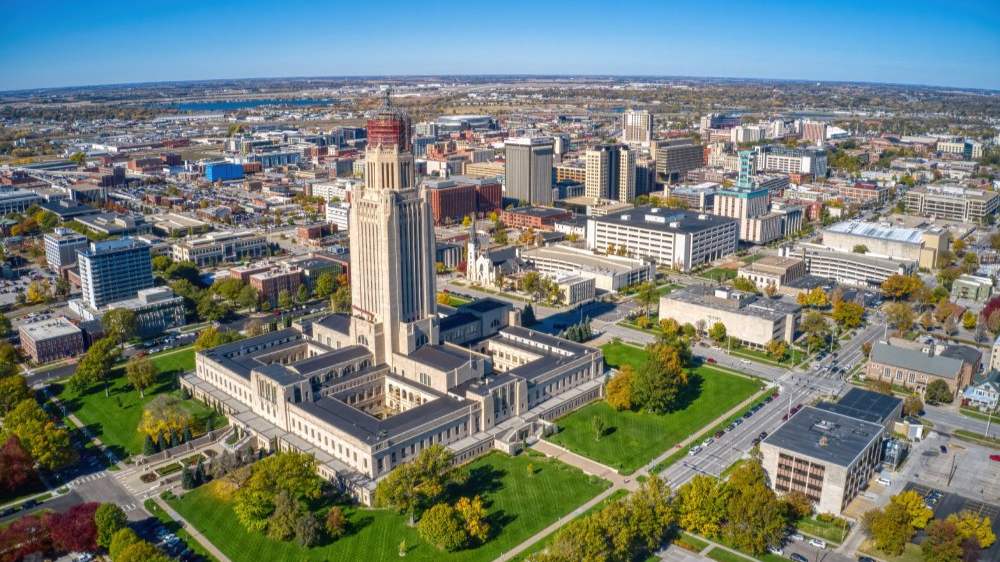
21: Nebraska
Nebraska experiences mild but consistent population losses, especially among younger adults. While stable and affordable, it competes poorly with states offering faster wage growth, warmer climates, and more diverse employment opportunities. Retention remains a long-term challenge.
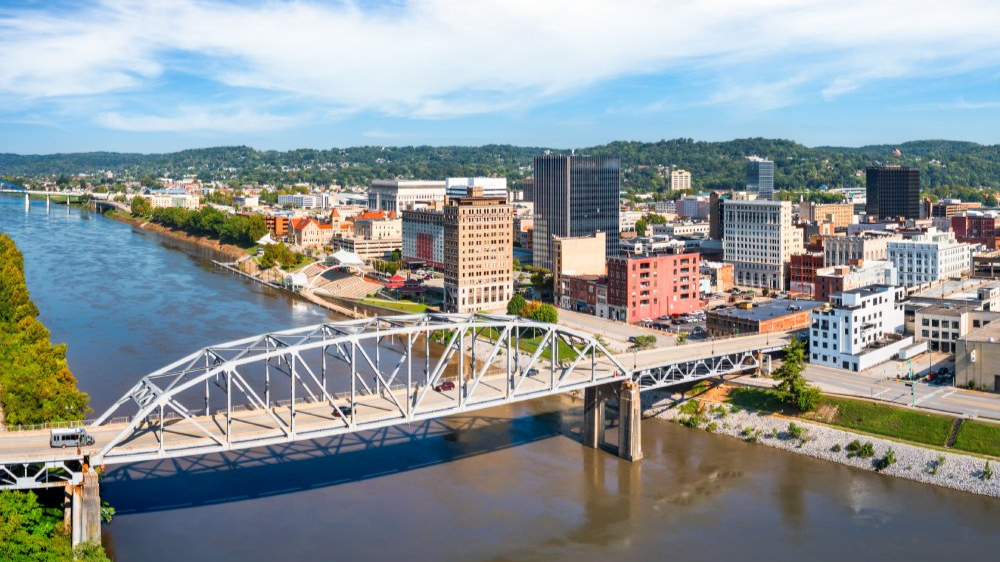
20: West Virginia
West Virginia remains one of the nation’s most persistent population-loss states. Long-term declines, limited job diversification, and an aging population continue to drive residents toward nearby states with stronger economic momentum. The trend shows little sign of reversing.
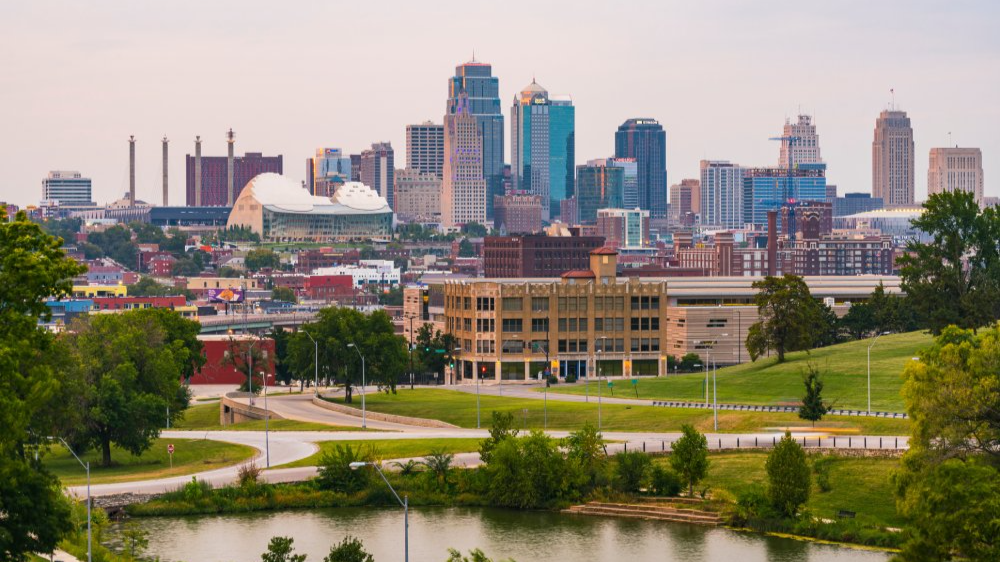
19: Iowa
Iowa’s economy remains steady, but migration trends show gradual outflows. Younger residents frequently leave for larger cities and regions with faster job growth, higher wages, and broader lifestyle options heading into 2026. Population growth has stayed muted.

18: Missouri
Missouri posts small but steady population losses. While not dramatic, the trend reflects residents relocating for stronger metro growth, higher income potential, and states showing more economic acceleration. These incremental losses add up over time.
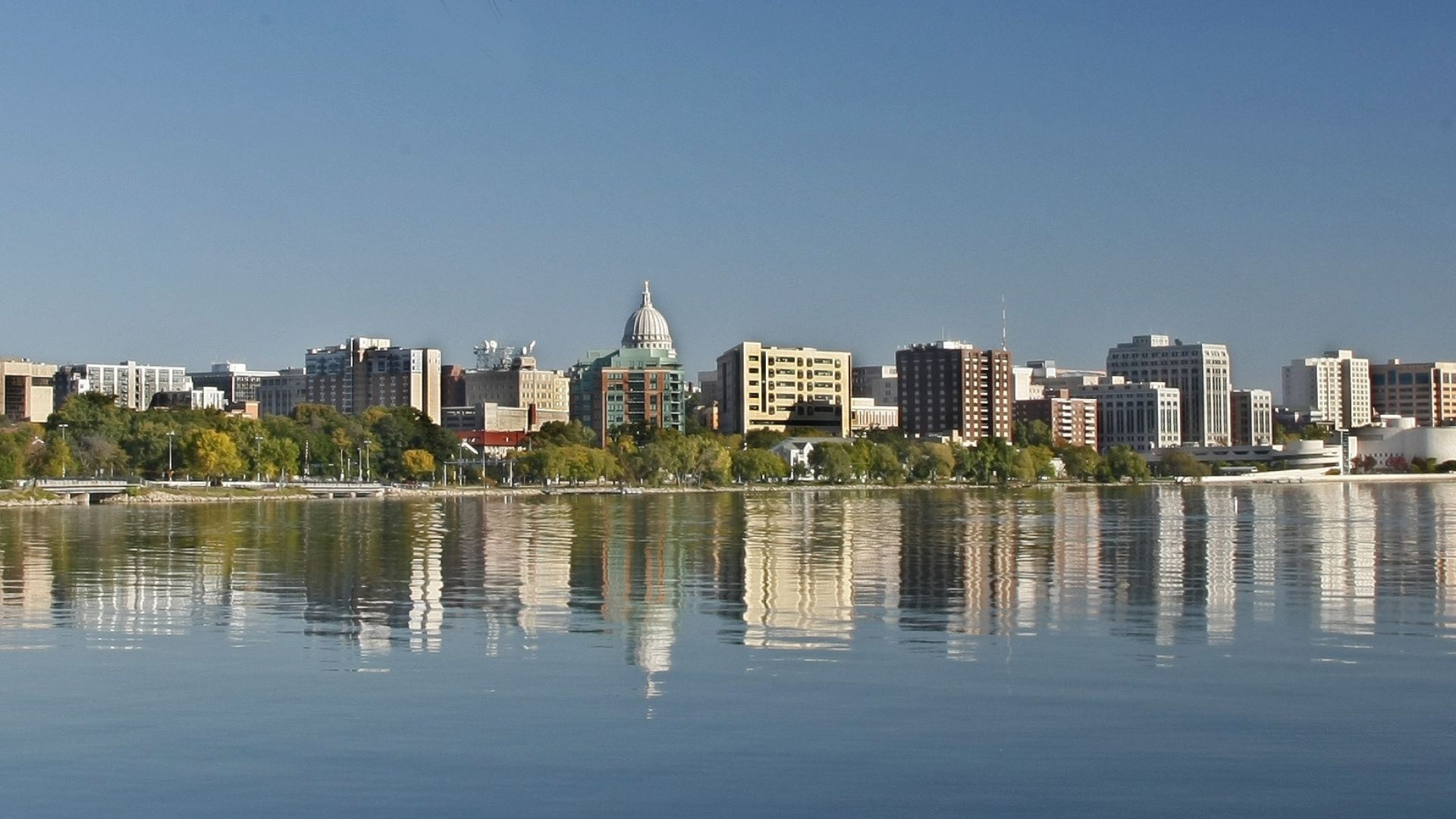
17: Wisconsin
Wisconsin’s migration trends remain relatively flat, but departures still slightly outpace arrivals. Climate, slow population growth, and competition from faster-growing Sun Belt states continue to weigh on its appeal. The state struggles to gain momentum.
 John Benson, Wikimedia Commons
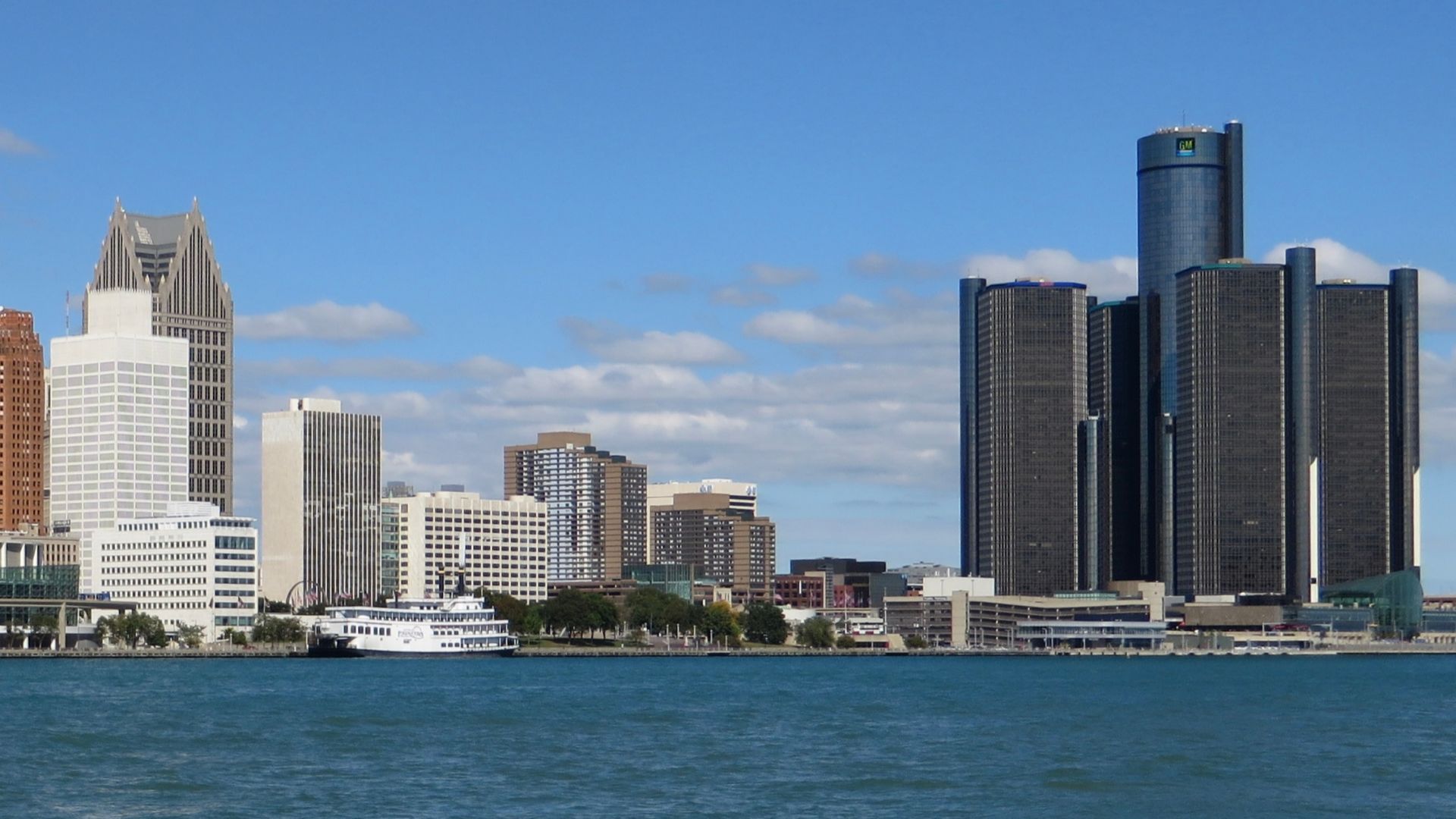
16: Michigan
Michigan has stabilized economically, but it hasn’t fully reversed years of out-migration. Many residents continue relocating for warmer climates and broader job markets, keeping the state among the more avoided destinations. Gains remain uneven across regions.
 Ken Lund from Reno, Nevada, USA, Wikimedia Commons
15: Pennsylvania
Pennsylvania continues to post slow population growth and net domestic losses. Movers often cite taxes, weather, infrastructure age, and limited affordability improvements as reasons for heading south or west. These pressures remain consistent.
 Popscreenshot, Wikimedia Commons
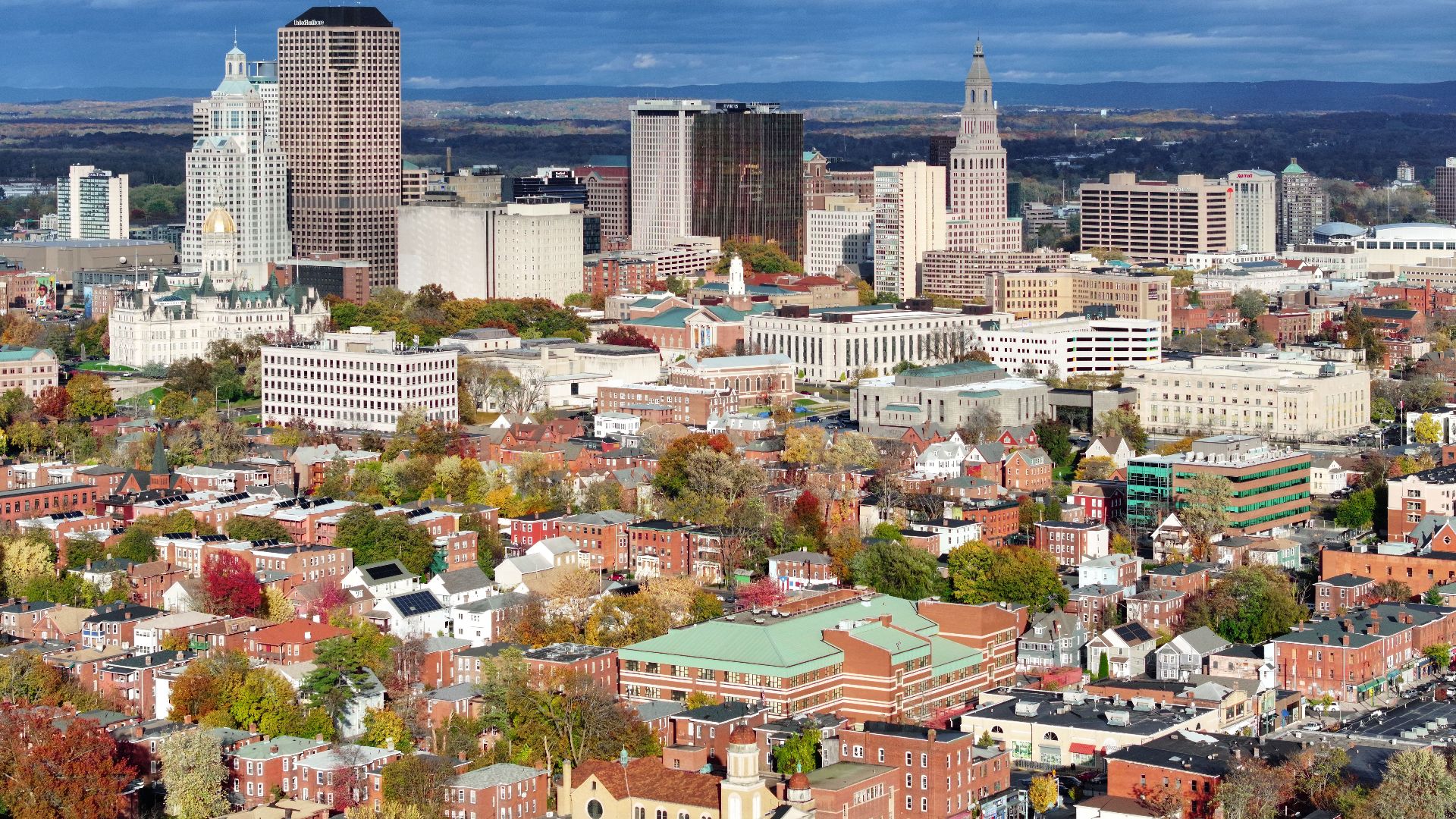
14: Connecticut
Connecticut remains challenged by high housing costs and tax burdens. Despite proximity to major job hubs, many residents choose nearby states with lower overall living expenses and greater housing flexibility. Out-migration has become normalized.
 Quintin Soloviev, Wikimedia Commons
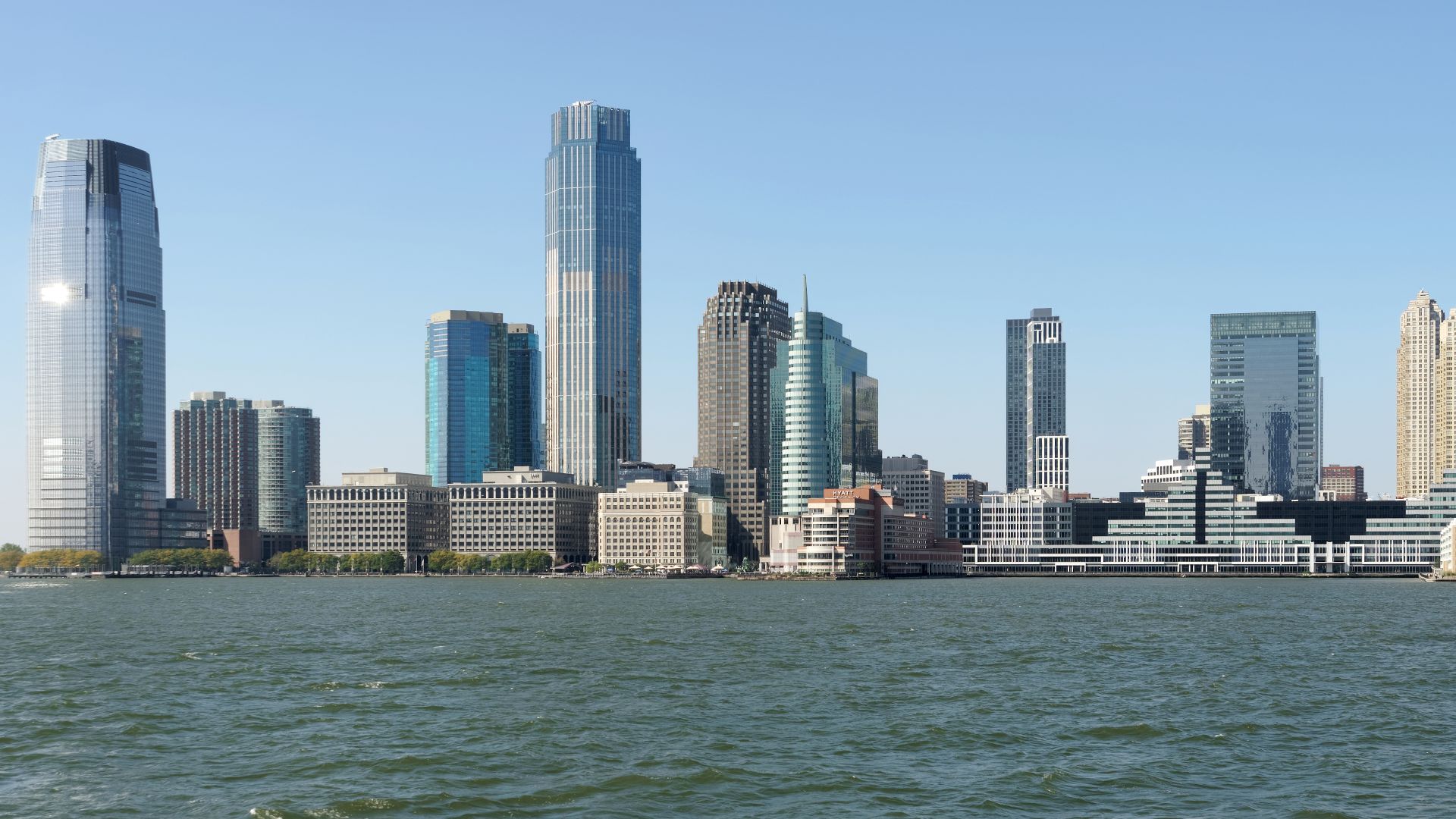
13: New Jersey
New Jersey’s high property taxes continue to drive out-migration. Census and IRS data show residents frequently relocating to lower-cost states, particularly across the South and Southeast. The pattern has persisted for years.
 Jakub Hałun, Wikimedia Commons
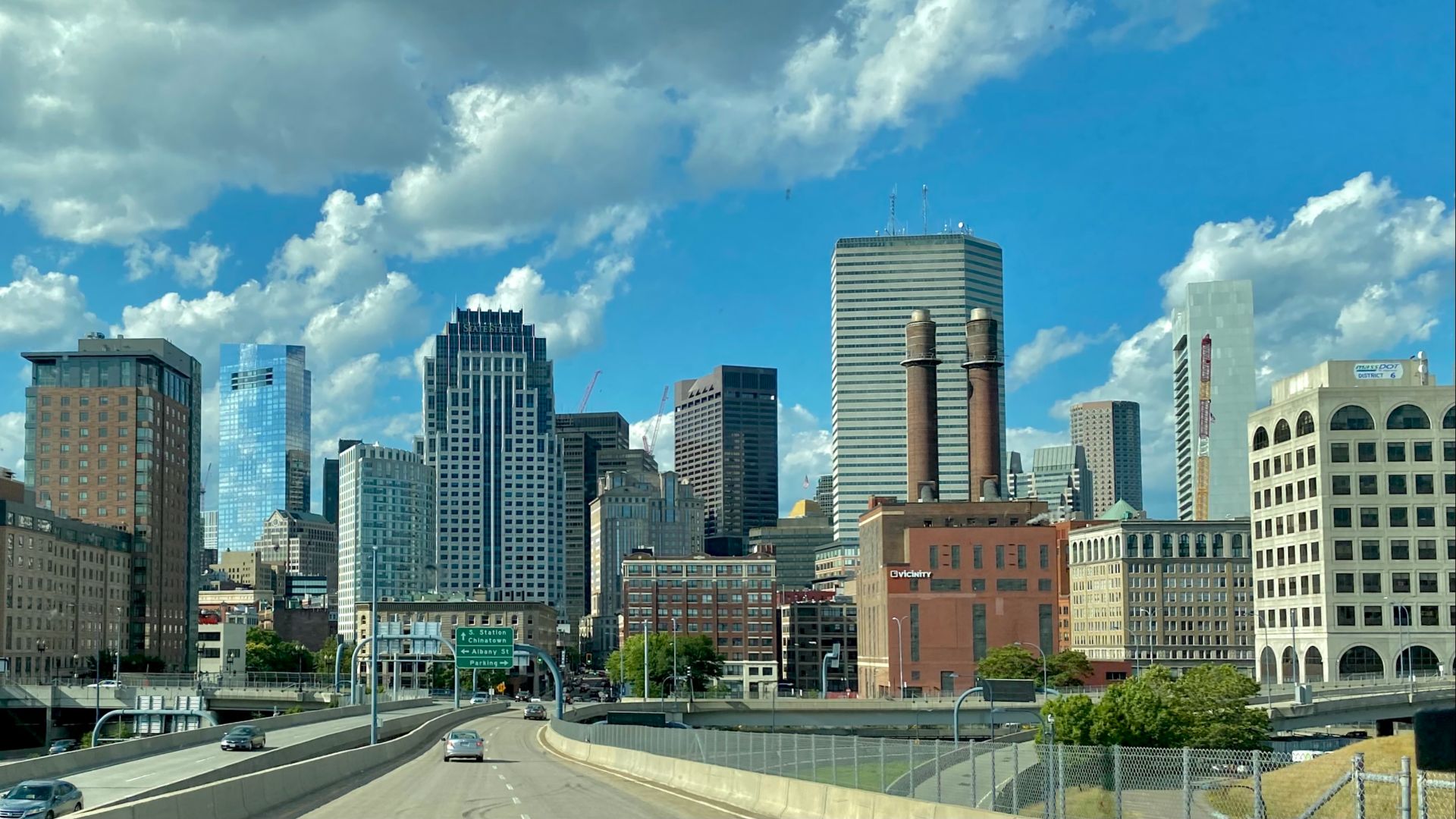
12: Massachusetts
Massachusetts offers strong education and healthcare systems, but affordability remains a major deterrent. High housing costs and everyday expenses continue pushing residents toward states where incomes stretch further. Cost pressures dominate relocation decisions.
 Sharon Hahn Darlin, Wikimedia Commons
11: Illinois
Illinois consistently ranks among the states losing the most residents. Property taxes, slow population growth, and fiscal concerns continue driving relocation to neighboring states and the broader Sun Belt. Population recovery remains elusive.

10: New York
New York’s cost of living remains one of the strongest push factors in the country. Housing prices, taxes, and density continue sending residents toward states offering more space and affordability. The trend has slowed but not stopped.
 Rhododendrites, Wikimedia Commons
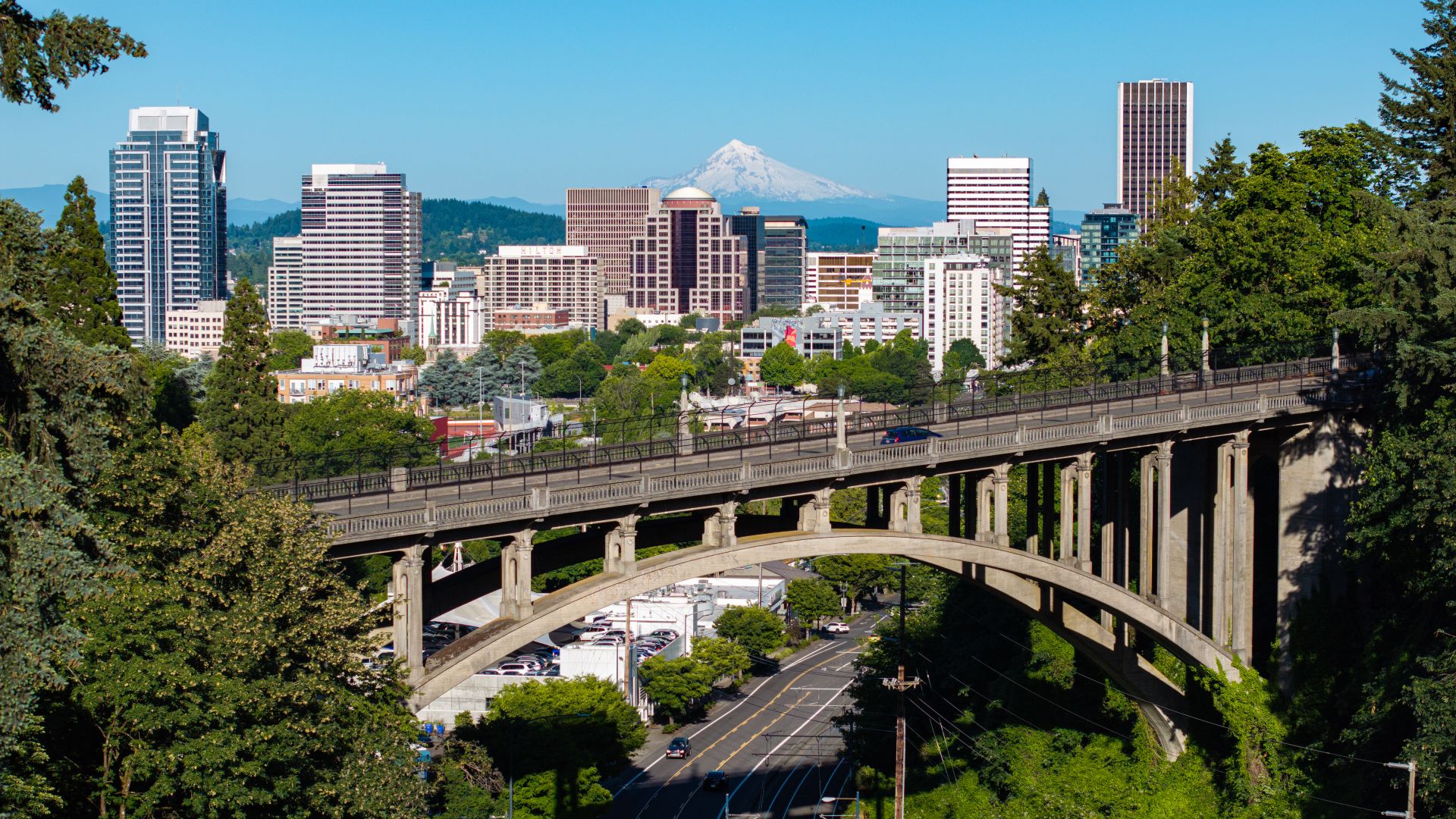
9: Oregon
Oregon’s appeal has cooled as housing costs rise and population growth slows. While lifestyle factors still attract some newcomers, outbound migration has increased compared with earlier years. Affordability now plays a larger role.
 Spicypepper999, Wikimedia Commons
8: Washington
Washington’s strong tech sector hasn’t fully offset affordability pressures. Rising housing costs in major metros have led more residents to relocate to cheaper states while maintaining remote work options. Net migration has weakened.
 Craig Nagy from Vancouver, Canada, Wikimedia Commons
7: Colorado
Colorado’s outdoor lifestyle remains popular, but affordability challenges have significantly weakened its draw. High home prices increasingly push residents toward neighboring states with lower housing costs. Migration gains have cooled noticeably.

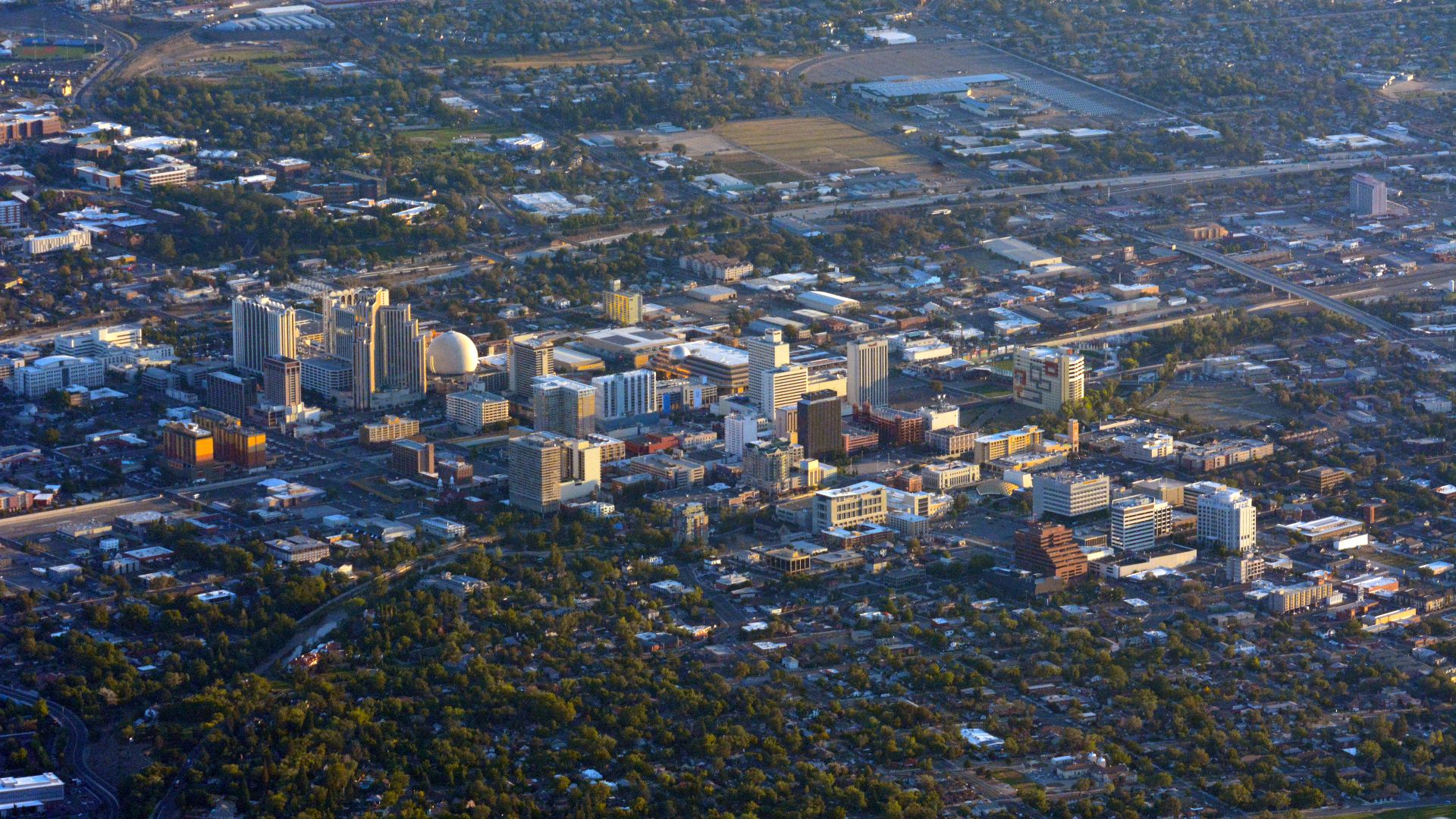
6: Nevada
Nevada continues to lose some residents as housing prices rise in its major metro areas. Its long-standing affordability advantage has narrowed, making it less competitive than other Sun Belt options. Growth has become less predictable.
 Don Ramey Logan, Wikimedia Commons
5: Hawaii
Hawaii’s consistently high cost of living drives steady out-migration. Even with its unmatched lifestyle appeal, many residents relocate to the mainland for long-term financial stability. Housing costs remain the main driver.

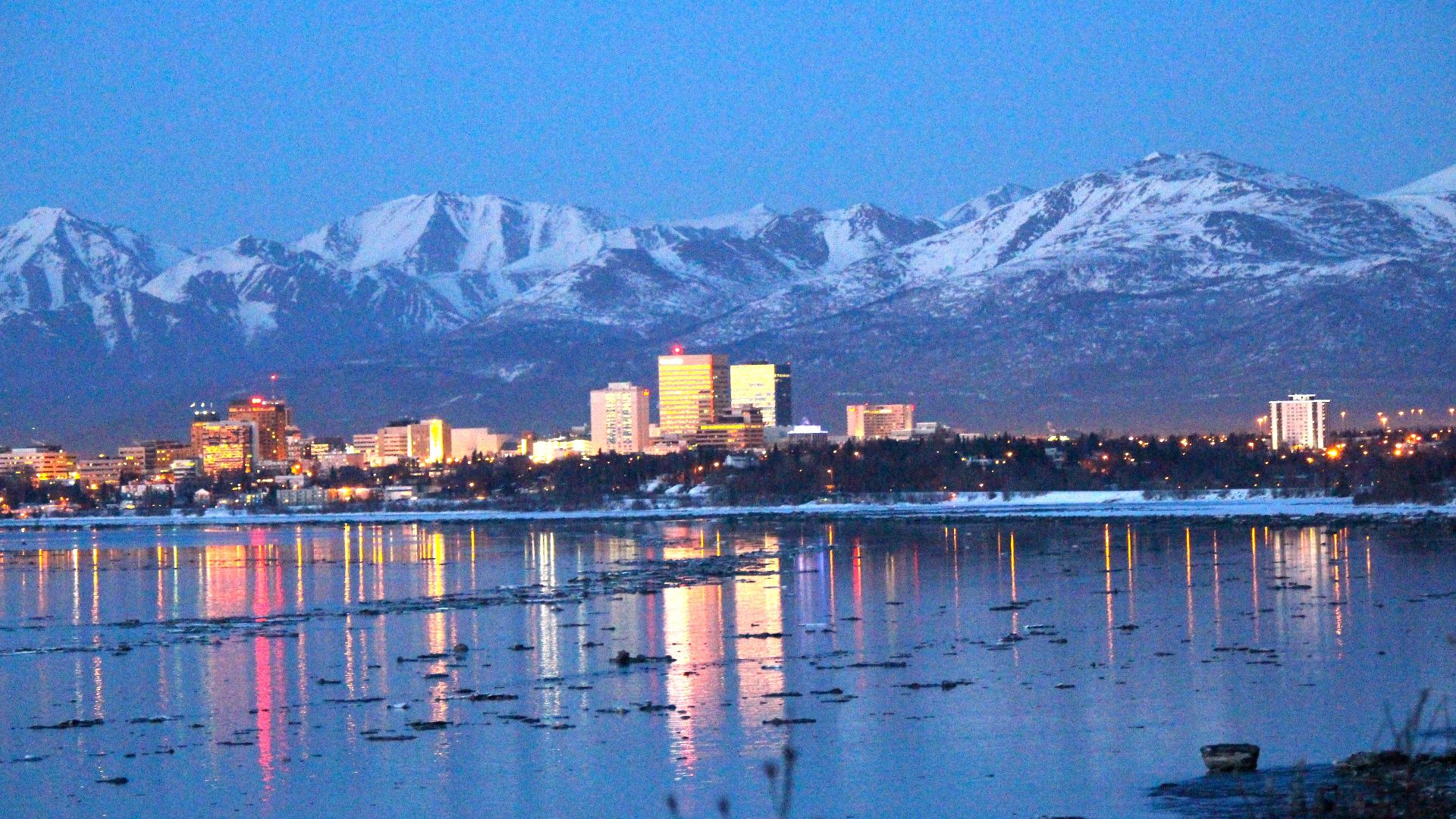
4: Alaska
Alaska’s isolation, climate challenges, and limited job diversity contribute to ongoing population losses. While unique, it remains one of the least common relocation choices for Americans heading into 2026. Migration remains volatile.
 Didier Moïse, Wikimedia Commons
3: Rhode Island
Rhode Island experiences steady population decline tied to high housing costs and limited supply. Its small size and affordability challenges make it less competitive compared with nearby alternatives. Growth pressures continue mounting.
 Kenneth C. Zirkel, Wikimedia Commons
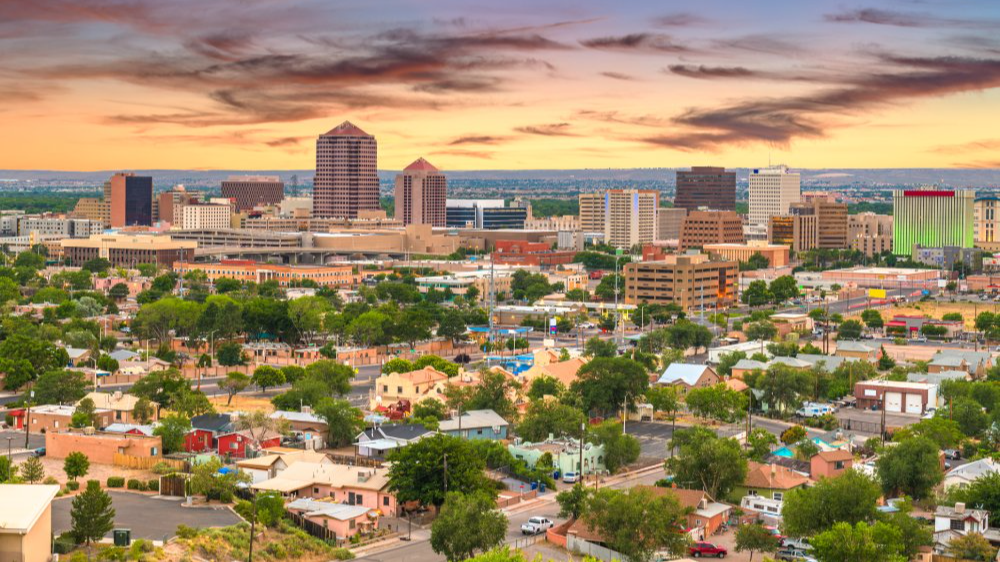
2: New Mexico
New Mexico struggles with slow growth and limited economic expansion. Migration losses remain modest but persistent as residents seek stronger job markets and higher income potential elsewhere. Economic momentum remains limited.
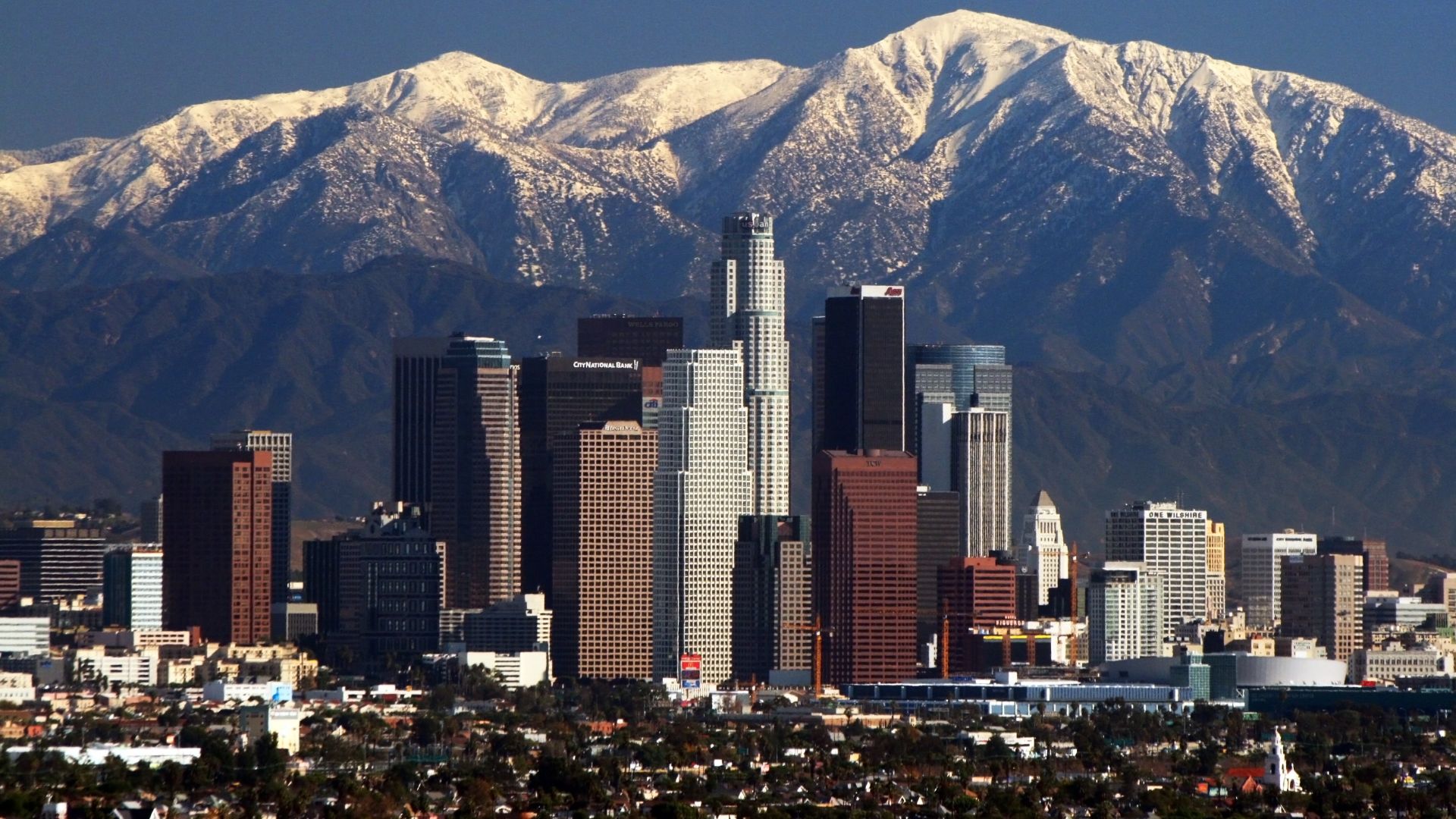
1: California
California continues to lead the nation in net domestic out-migration. High housing costs, taxes, and affordability pressures push residents toward lower-cost states, making it the most actively avoided state in 2026. The pattern remains consistent.
You Might Also Like:
Ranking The States Santa Loves—And The Ones He Wishes He Could Avoid
The Latest Data Ranks The Best And Worst States To Retire In For 2026
Ranking The States Where People Complain The Most—According To Data