Traveling is all about discovering new places, experiencing different cultures, and stepping back in time to envision the history of civilization.
This guide invites you to embark on a globe-trotting adventure through the world's top ten ancient historical sites. From the towering pyramids of Giza to the lost city of Machu Picchu, prepare for a voyage that transcends time.
Let's step into the past and uncover the stories etched in stone, all while offering practical travel tips and comfortable accommodation options to make your trip truly unforgettable.
1. Machu Picchu, Peru
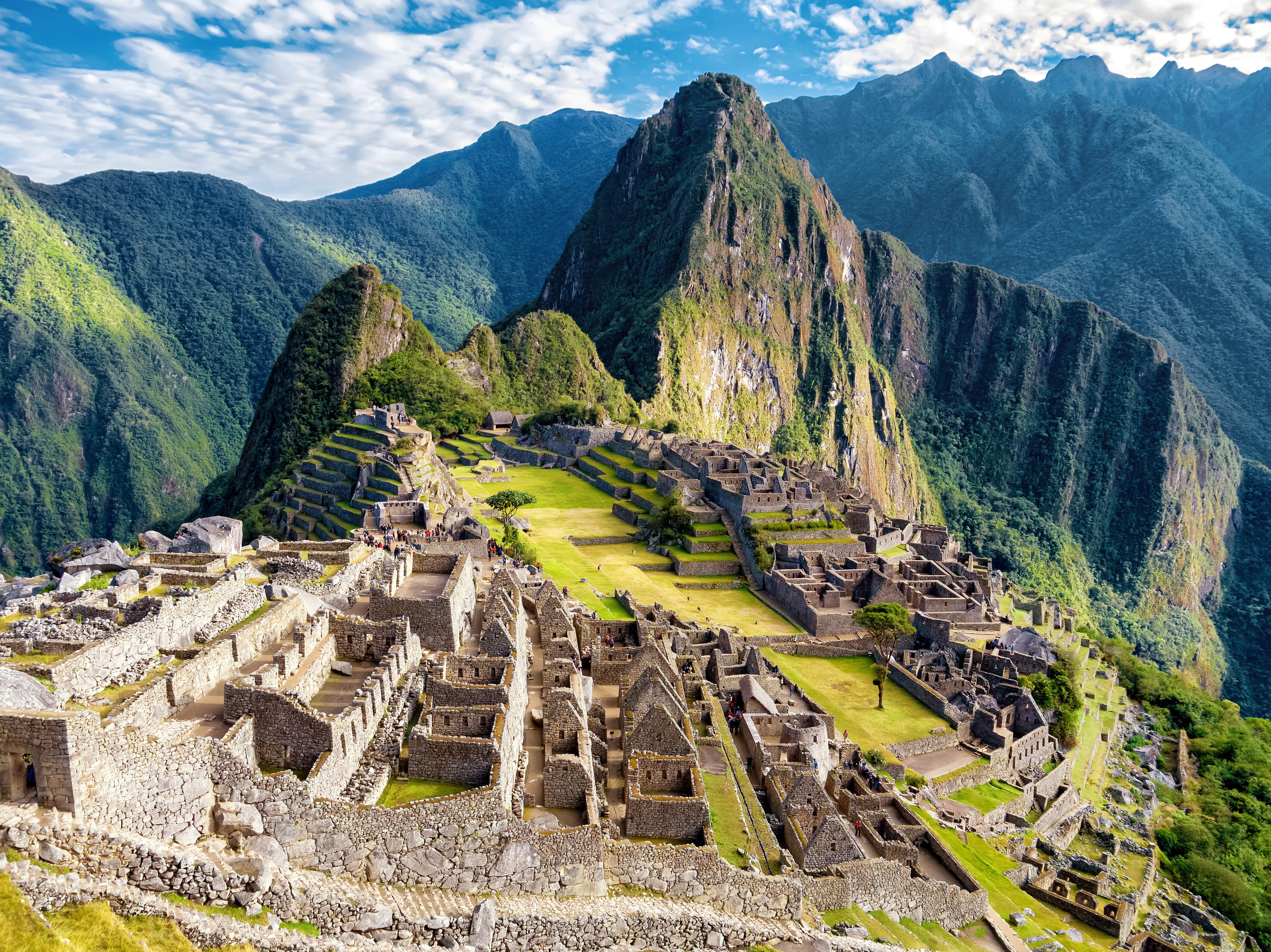
Approximately 570 years old.
This "Lost City of the Incas" is one of the most iconic and well-preserved remnants of the Incan Empire. Nestled high in the Andes Mountains, Machu Picchu offers a stunning glimpse into the sophistication and architectural prowess of the Incas.
Did you know, Machu Picchu was never discovered by the Spanish invaders? This is one of the reasons why it's so well-preserved today.
Visit Machu Piccu:
Where to Stay: Inkaterra Machu Picchu Pueblo Hotel. This Andean village-style hotel is a luxurious gateway to the Machu Picchu experience, offering you comfortable accommodation nestled in the cloud forest.
Travel Tip: The best time to visit is during the dry season, from April to October. Arriving early in the morning allows for a quieter exploration before most tourists arrive.
2. Petra, Jordan
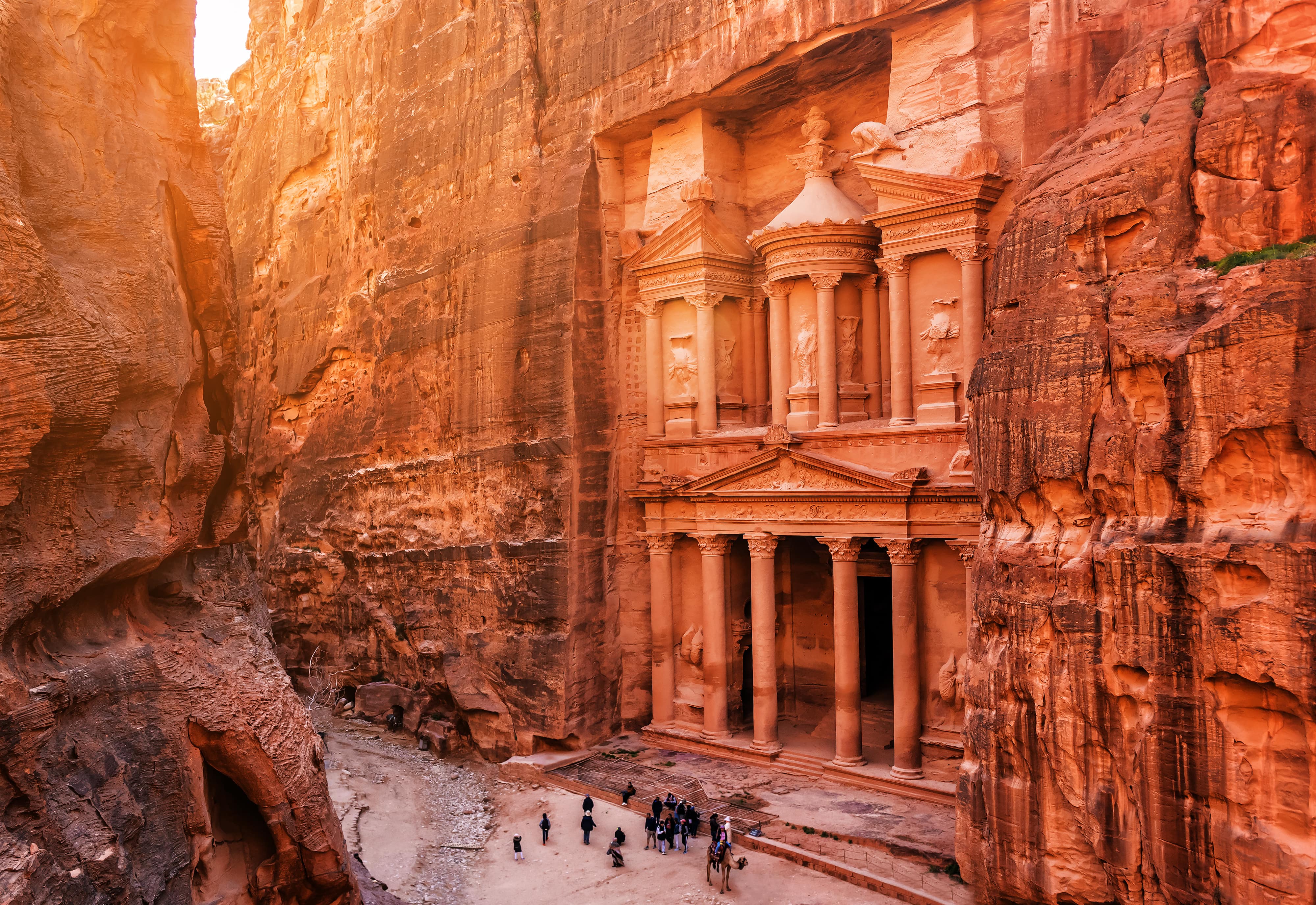
Approximately 2,600 years old.
An archaeological wonder, Petra is famed for its intricate rock-cut architecture, most notably Al-Khazneh, or the Treasury, which you might recognize from the movie Indiana Jones and the Last Crusade.
Petra was the capital of the Nabatean Kingdom from around the 6th century BC.
Visit Petra:
Where to Stay: Movenpick Resort Petra. Located just outside the entrance to the historic site, this resort offers comfortable rooms, several dining options, and views of the Great Rift Valley.
Travel Tip: Wearing comfortable shoes is a must, as you'll be doing a lot of walking. Also, don't miss the Petra by Night experience for a truly magical view of the Treasury lit by candlelight.
3. Pompeii, Italy
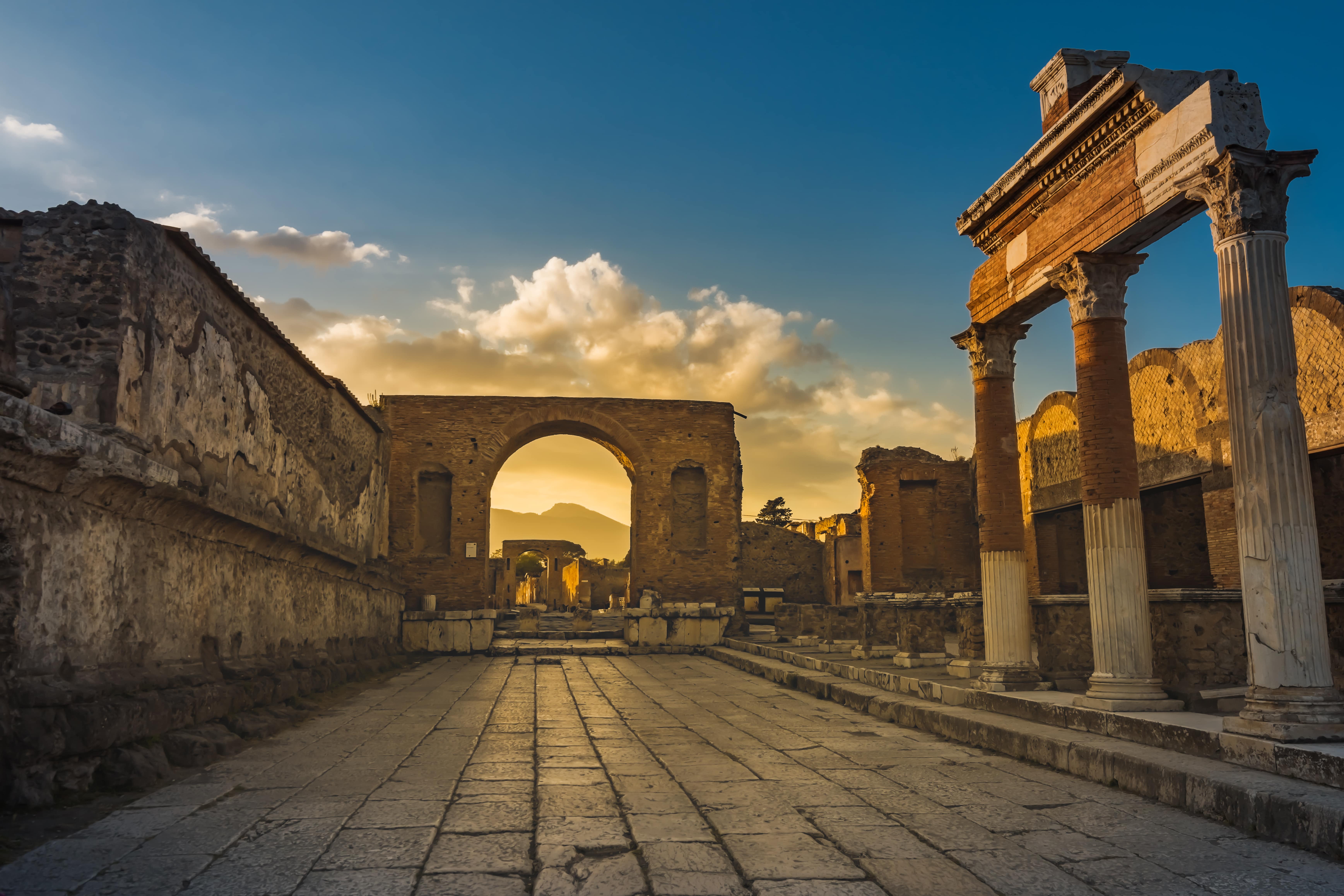
Approximately 2,700 years old.
Pompeii, once a thriving and sophisticated Roman city, was buried in meters of ash and pumice after the catastrophic eruption of Mount Vesuvius in 79 A.D. The eruption lasted for about 24 hours, but the city was buried under ash and pumice for nearly 1700 years before its accidental rediscovery.
The preserved site presents a snapshot of Roman life in the 1st century, frozen at the moment it was buried.
Visit Pompeii:
Where to Stay: Hotel del Sole. This hotel is located right at the entrance of the archaeological site and offers comfortable accommodations with views of the Vesuvius.
Travel Tip: Summer can get quite hot, so visit early in the morning or late in the afternoon for the most comfortable temperatures. Hiring a guide can enhance your understanding of the site.
4. Angkor Wat, Cambodia
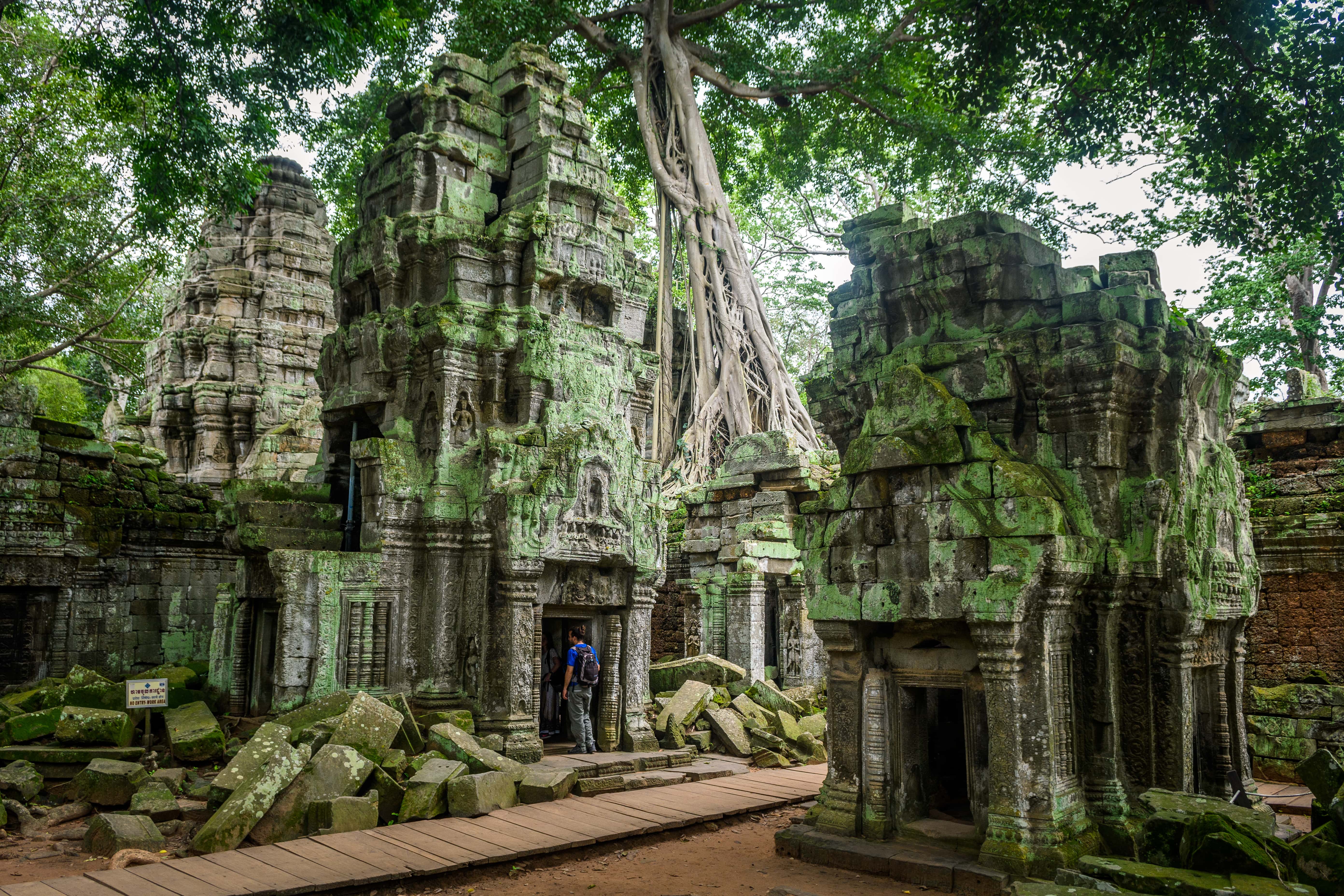
Approximately 900 years old.
This sprawling temple complex was once the center of the Khmer Empire. It's the largest religious monument in the world and is renowned for its stunning bas-reliefs and iconic lotus-bud towers.
The temple was originally dedicated to the Hindu god Vishnu, but became a Buddhist site in the 14th century.
Visit Angkor Wat:
Where to Stay: Belmond La Résidence d'Angkor. A serene hideaway located close to the Angkor Wat temple complex, it offers Khmer-style wooden houses nestled among lush tropical gardens.
Travel Tip: The temples spread over a large area, so hiring a tuk-tuk or bicycle can be useful. Also, be sure to catch the sunrise or sunset for a truly breathtaking view.
5. Pyramids of Giza, Egypt
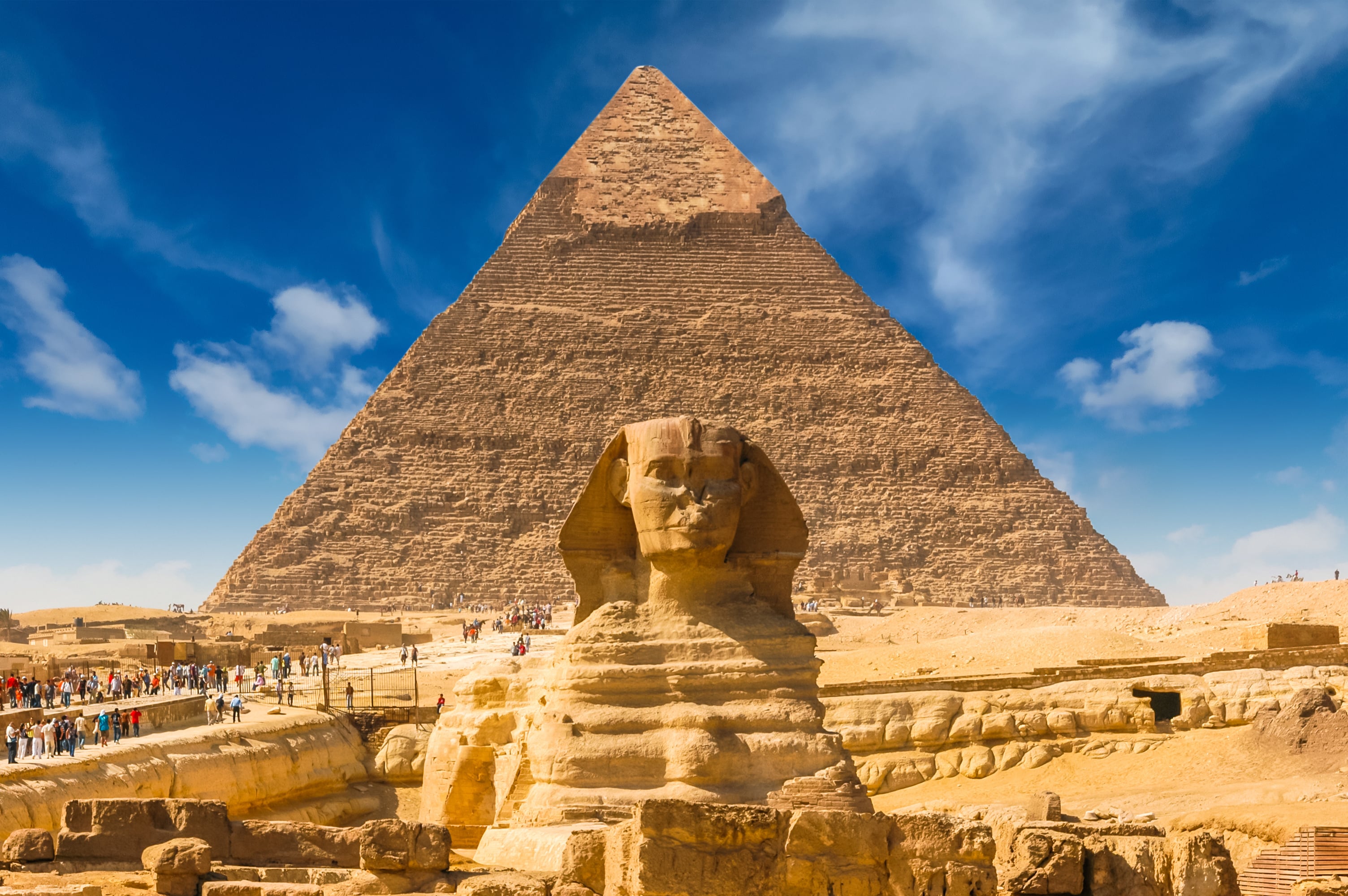
Approximately 4,600 years old.
Last of the Seven Wonders of the Ancient World, these grand structures were built as tombs for the pharaohs. The largest, the Great Pyramid, was built for the Pharaoh Khufu and remained the tallest man-made structure for over 3,800 years.
The exact construction methods of the pyramids still remain a mystery.
Visit the Pyramids of Giza:
Where to Stay: Marriott Mena House, Cairo. Overlooking the Pyramids, the hotel offers lush gardens and stunning pyramid views.
Travel Tip: Get there early to beat the crowds and heat. Also, remember to drink plenty of water and protect yourself from the sun.
6. Stonehenge, England
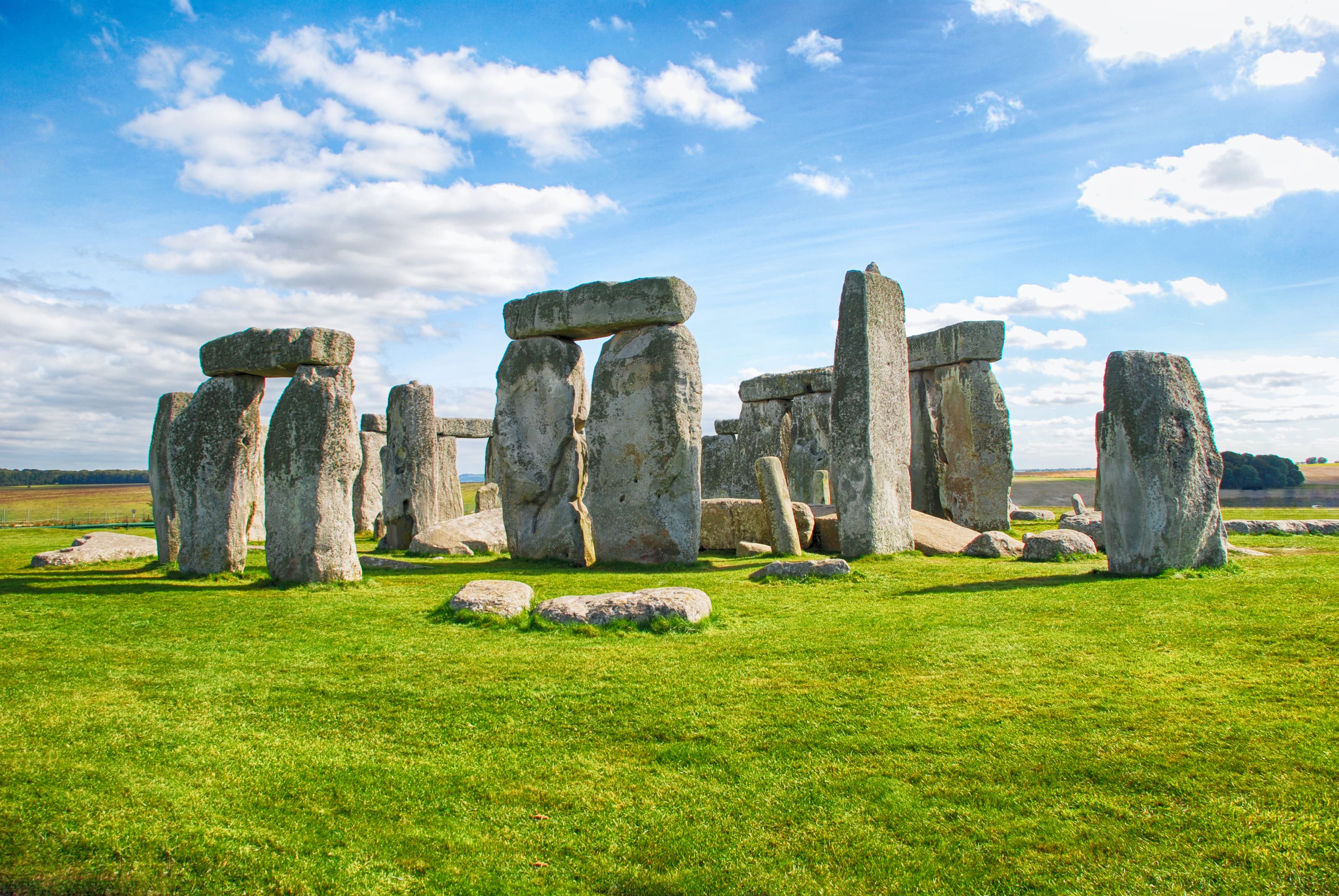
Approximately 4,000 to 5,000 years old
A prehistoric monument on Salisbury Plain, Stonehenge's purpose remains a mystery. It was built in several stages, with construction spanning about 1,500 years. The structure is an impressive feat of engineering, with some stones having been transported from over 200 miles away.
Visit Stonehenge:
Where to Stay: Stonehenge Inn & Carvery. It offers simple and comfortable accommodations and is conveniently located just a short drive from Stonehenge.
Travel Tip: Pre-booking your visit is a requirement due to its popularity. To fully appreciate the site's history, consider hiring an audio guide or taking a guided tour.
7. Teotihuacan, Mexico
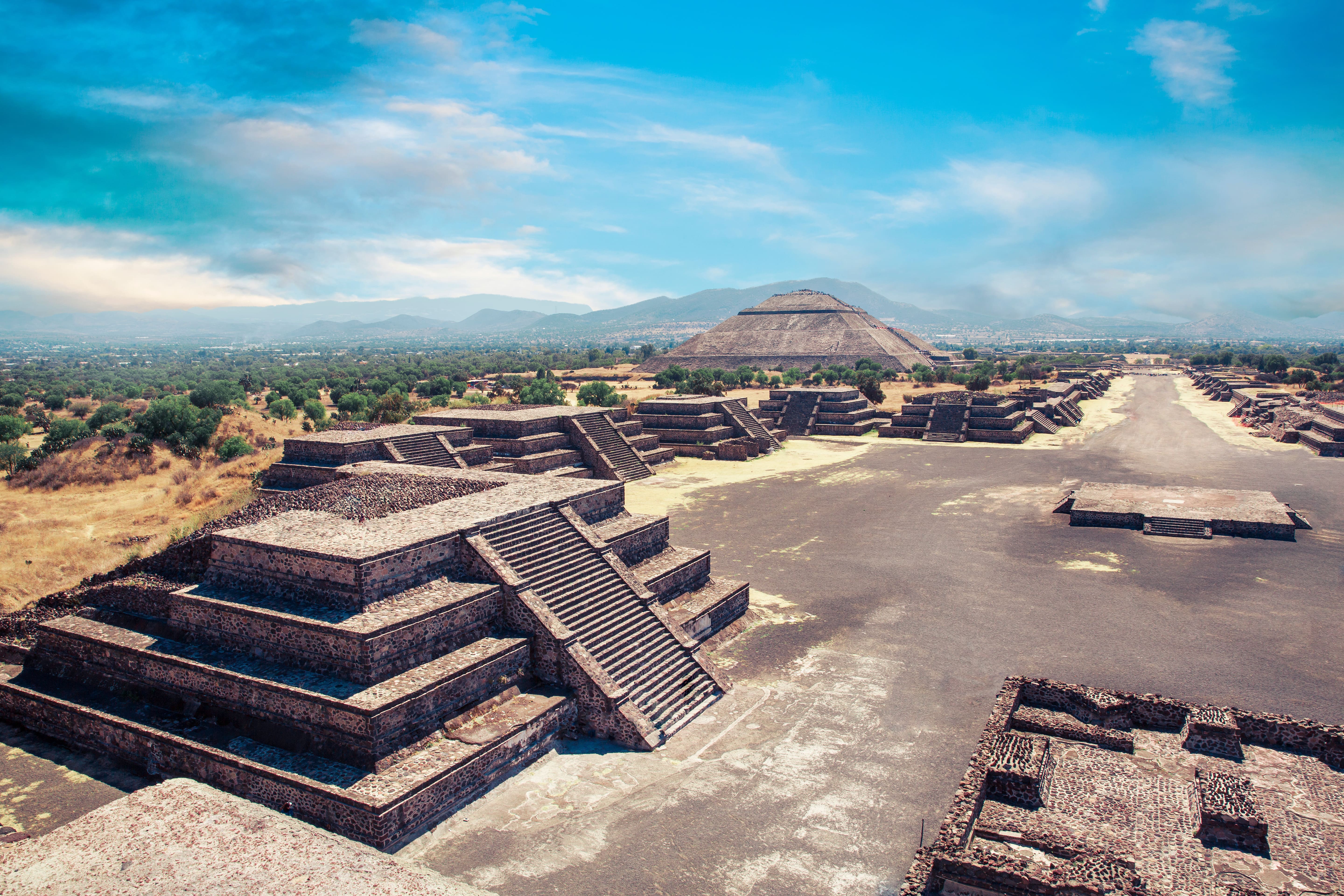
Approximately 2,100 years old.
This ancient Mesoamerican city is known for its large pyramids, the Pyramid of the Sun and the Pyramid of the Moon, aligned with the celestial bodies they're named after.
The city was already in ruins by the time the Aztecs found it. They named it Teotihuacan, meaning "The place where the gods were created".
Visit Teotihuacan:
Where to Stay: Villa Meztli. This cozy guest house is an excellent base for exploring the ancient city, and they offer a delicious homemade breakfast.
Travel Tip: As it's less crowded and cooler, visiting early in the morning is recommended. Don't forget to bring sunscreen and a hat.
8. Acropolis, Greece
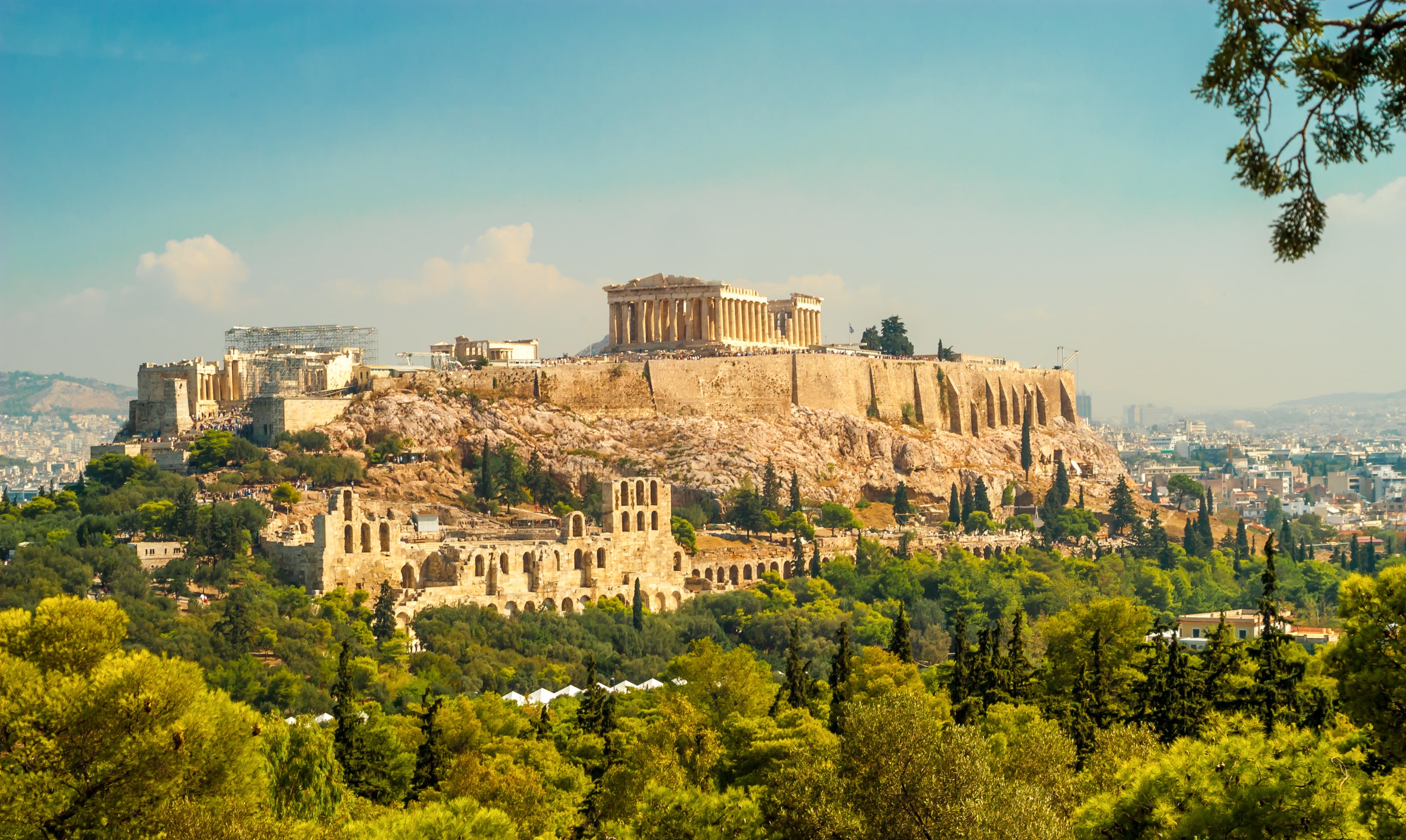
Approximately 2,500 years old
Overlooking Athens, the Acropolis is a testament to the grandeur of Ancient Greece. The most famous structure, the Parthenon, is considered the pinnacle of Doric architecture.
The Acropolis was not only a major religious center but also a place of refuge during attacks.
Visit Acropolis:
Where to Stay: Herodion Hotel. Ideally located at the foot of the Acropolis and a few steps away from the new Acropolis Museum, the Herodion Hotel offers a spectacular rooftop terrace with a fantastic view of the Acropolis.
Travel Tip: Visit early morning or late afternoon to avoid the crowds and the heat of the day. The site is quite steep, so wear comfortable shoes.
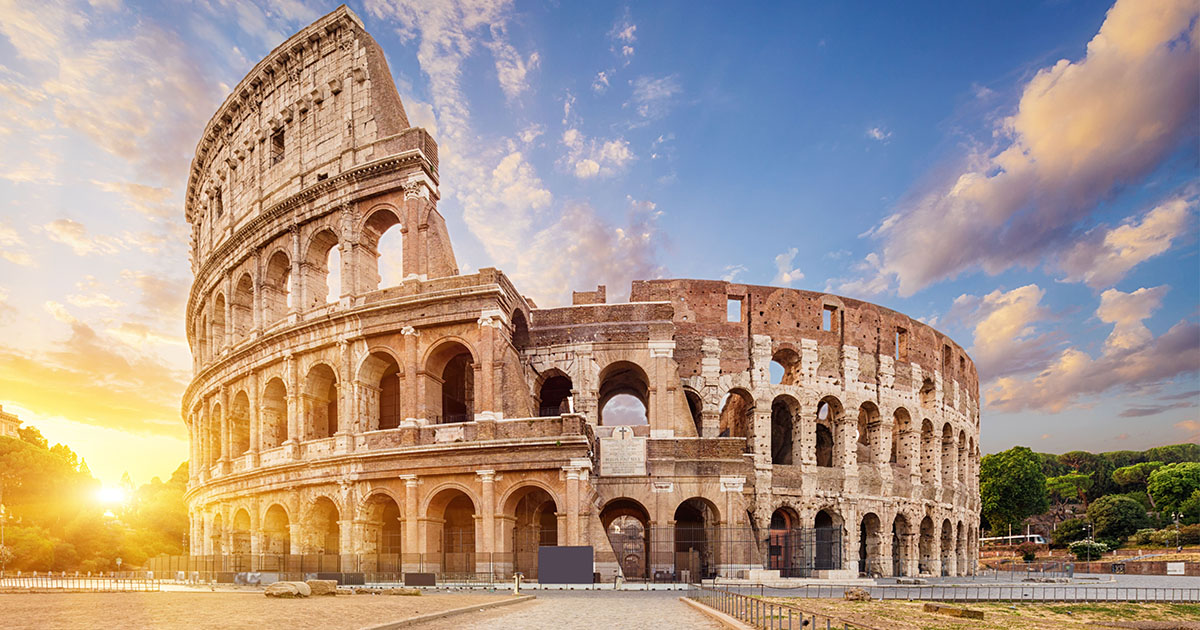
9. The Colosseum, Italy
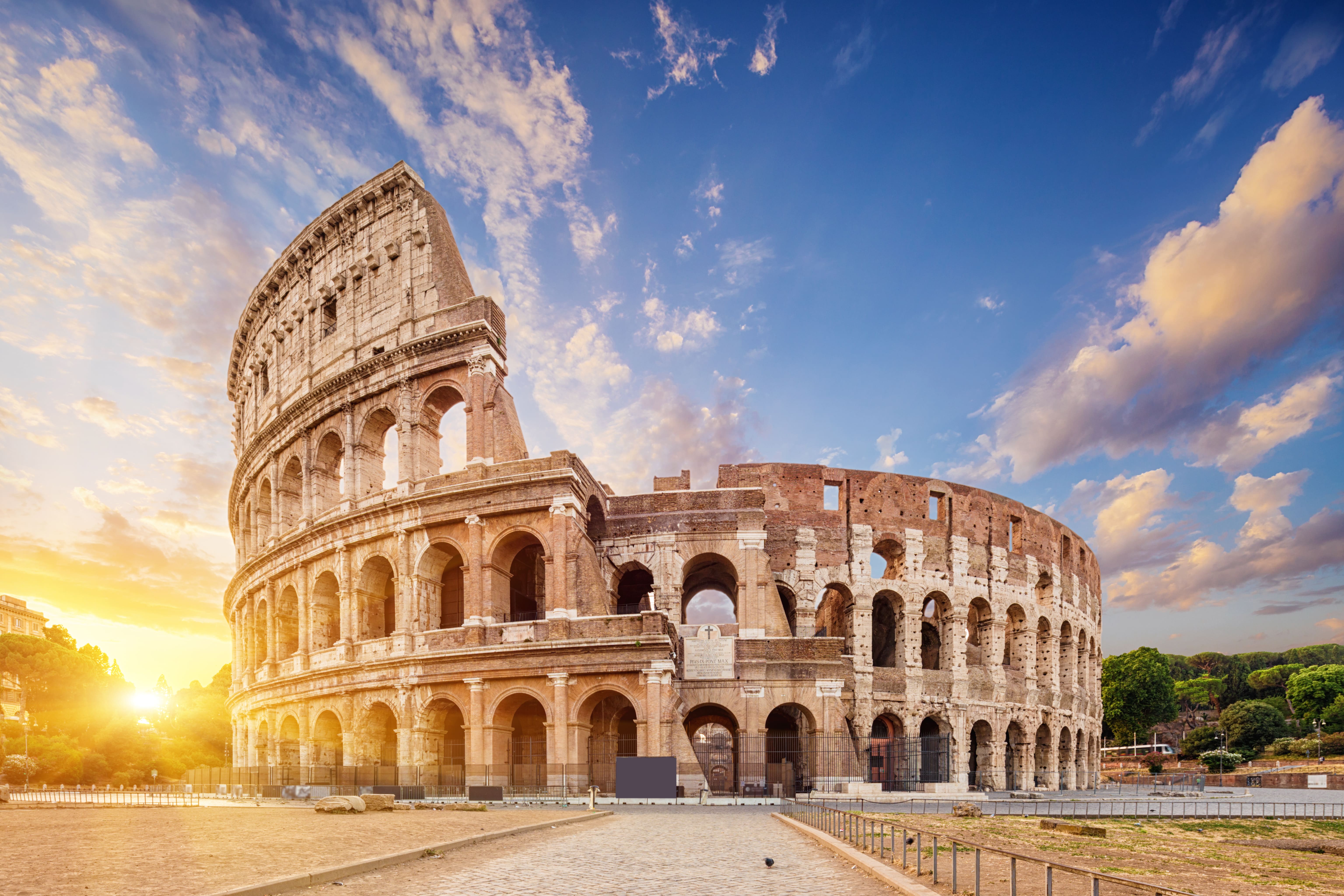
Approximately 1,950 years old.
As the largest amphitheater ever built, the Colosseum is a monumental symbol of Imperial Rome.
It could hold an estimated 50,000 to 80,000 spectators at its maximum capacity.
Visit The Colosseum:
Where to Stay: Hotel Palazzo Manfredi. Offering clear views of the Colosseum from the hotel, this boutique hotel is perfect for soaking in the ancient city.
Travel Tip: Due to its popularity, consider buying your tickets online in advance to avoid long lines. Opt for a guided tour for a more enriching experience.
10. Great Wall of China
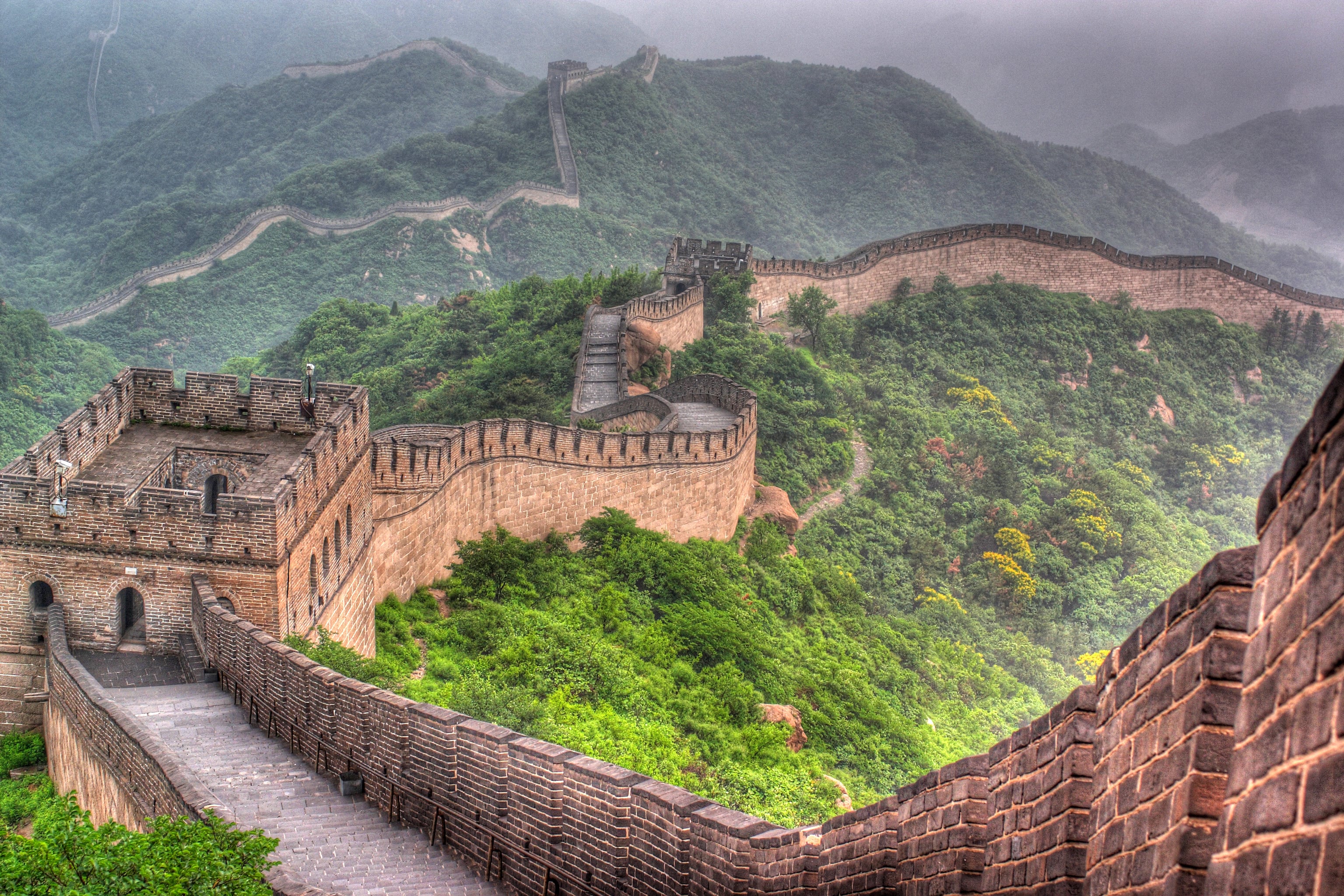
Approximately between 380 to 650 years old
Snaking its way across mountains and deserts, the Great Wall of China is an awe-inspiring feat of ancient defensive architecture. Its winding path over rugged country and steep mountains showcases the ingenuity and strength of its builders.
Contrary to common belief, the Great Wall of China can't be seen from space with the naked eye.
Visit the Great Wall of China:
Where to Stay: Brickyard Retreat at Mutianyu Great Wall. These repurposed traditional homes offer a unique and comfortable stay with views of the Great Wall.
There you have it, a trip back in time through the top 10 ancient cities to explore around the world.
Whether you're a history buff, an adventurer, or just a curious traveler, these destinations offer an unforgettable journey into the past.