
Something Big Has Changed At The Border
For generations, a trip from Canada to the United States could feel almost routine, whether it meant Florida sunshine, a weekend in New York, or a quick drive across the border. Then Canadian travel patterns changed sharply, and the latest government data suggest this is much more than a temporary dip. Canadians are still traveling, but a remarkable number of them are choosing somewhere other than the United States. The stats and trends may surprise readers.
The United States Used To Dominate
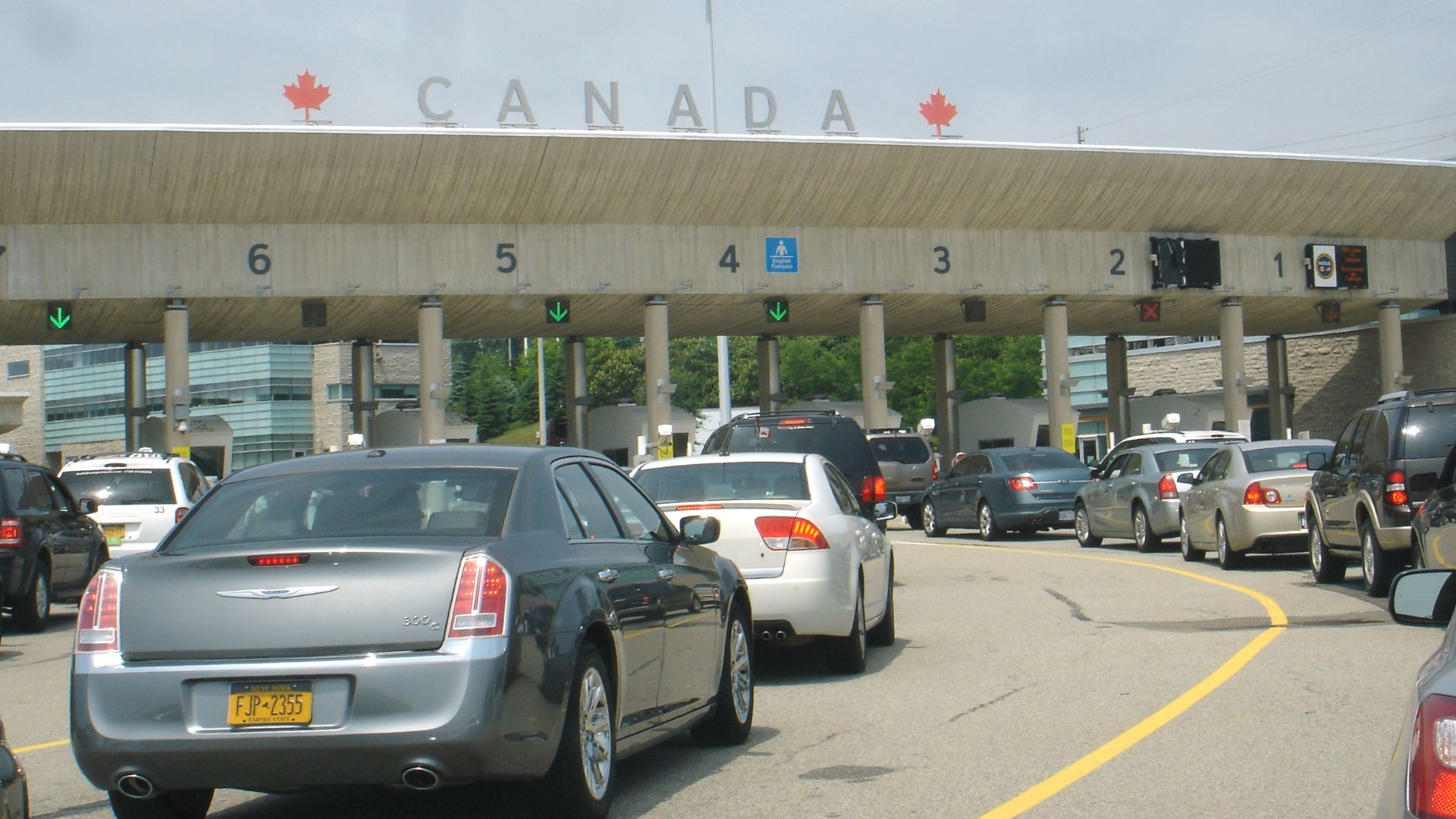
As recently as 2024, Canadian residents recorded 39 million return border crossings from the United States. Those crossings represented roughly three-quarters of all Canadian-resident returns from trips abroad. By the end of 2025, the U.S. share had fallen to about two-thirds.
Then Came A 25 Percent Drop
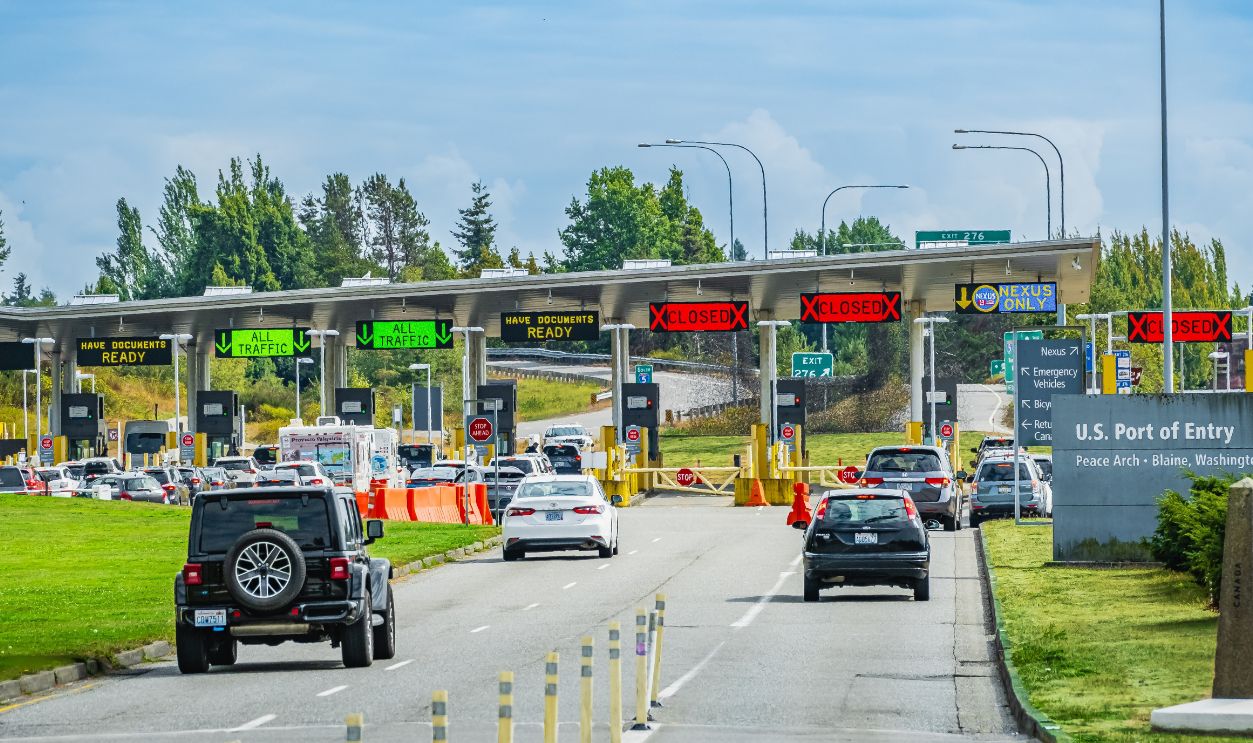
Canadian-resident return trips from the United States fell 25.4% in 2025 compared with 2024. The annual total dropped from about 39 million return trips to 29.1 million. A decline of nearly 10 million crossings in a single year represents an extraordinary change for two neighboring countries with deeply connected tourism markets.
 Elena_Alex_Ferns, Shutterstock
This Was Not One Bad Month
The decline continued month after month rather than disappearing after an initial shock. Excluding the COVID-19 pandemic period, Statistics Canada says the resulting 11-month streak of year-over-year declines was the deepest and most sustained on record for U.S. border returns. That makes the trend much harder to dismiss as ordinary seasonal noise.

July Marked The Low Point
The pullback intensified as 2025 progressed and reached its greatest year-over-year decline in July. Canadian-resident return crossings from the United States were nearly one-third below their level from July 2024. By late 2025, volumes had stabilized, but they were still roughly one-quarter below the previous year's levels.

The Historical Comparison Is Striking
Outside the pandemic, year-over-year declines greater than 30% in Canadian border returns from the United States have been extremely rare. Statistics Canada says the only other such episode since digital Frontier Counts records began in 1972 occurred in September 2001, following the September 11 terrorist attacks. The comparison does not make the events equivalent, but it shows how unusual the scale of the travel decline became.
Road Trips Changed First
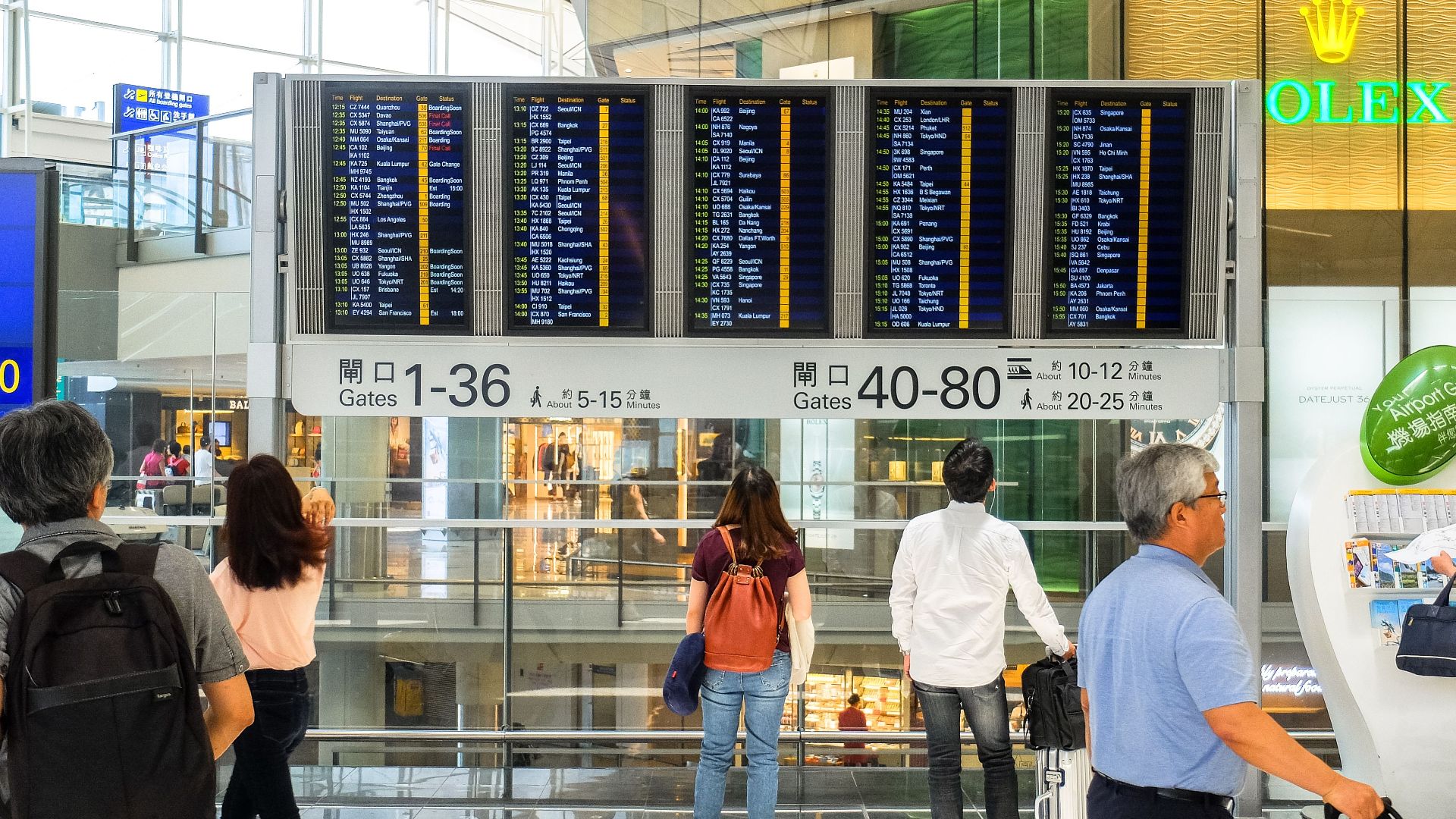
Automobile travel reacted particularly quickly when Canadian attitudes toward U.S. travel began changing in early 2025. In May 2025, same-day automobile returns from the United States were down 40.3% from a year earlier, while overnight automobile travel was down 34.3%. Those numbers suggest that quick border hops were especially easy for travelers to reconsider.

Driving Is Easier To Cancel
There is a practical reason road travel moved faster than air travel. Statistics Canada notes that automobile trips can generally be changed more easily than flights that have already been booked and paid for. That helps explain why the sharpest initial declines appeared at land crossings before the trend became fully visible elsewhere.

Air Travel Eventually Felt It Too
Air travel to the United States also declined as the shift continued. In June 2026, screened transborder passenger traffic at Canada's eight largest airports was still down 2.0% from June 2025. That marked the 17th consecutive month of year-over-year declines in transborder screened passenger traffic.

Leisure Travel Is The Key
Vacation choices are at the center of this story because leisure travel accounts for a large share of Canadian trips abroad. In 2025, 58.4% of Canadian-resident travel abroad was for holidays, leisure, and recreation. That made discretionary vacations especially important when travelers started reconsidering where to spend their time and money.

U.S. Vacations Took A Big Hit
Canadian leisure visits to the United States fell 21.5% in 2025. That represented about 3.2 million fewer leisure-related visits than in the previous year. At the same time, leisure visits to overseas destinations increased 12.2%, or by approximately 1.1 million visits.

Family Visits Were Harder To Replace
Travel to see friends and relatives followed a noticeably different pattern. Canadian visits to the United States for that purpose fell 9.0% in 2025, a much smaller decline than the one recorded for leisure trips. A beach vacation can be moved to another country more easily than a visit to relatives who happen to live in Michigan, California, or Florida.

The Money Moved Too
The decline was not limited to the number of travelers crossing the border. Canadian spending during U.S. visits fell by $3.3 billion in 2025, reaching $18.8 billion according to Statistics Canada. For American destinations that traditionally count on Canadian customers, that represents a meaningful amount of missing tourism spending.

Leisure Spending Fell The Most
Vacation spending was responsible for much of the decline. Canadian spending on leisure-related U.S. visits fell by $2.2 billion in 2025, landing at $12.1 billion. That matters because leisure travelers generally spend far more than Canadians traveling primarily to visit friends and relatives.

Vacationers Are Especially Valuable
Statistics Canada found that Canadians traveling abroad primarily for leisure spent 4.5 times as much as those whose main purpose was visiting friends and relatives in 2025. Leisure travelers are more likely to spend heavily on hotels, restaurants, transportation, and other tourism services. Losing a vacationer can therefore hurt a destination more than the raw visitor count alone suggests.

Americans Have A Lot At Stake
Canada was the United States' largest international source market in 2024, with about 20.24 million visitors according to the U.S. National Travel and Tourism Office. Canadian land visitors alone numbered about 10.5 million that year. For U.S. tourism businesses, Canadians have traditionally been too large a customer base to overlook.

Border States Know These Travelers Well
The U.S. government's 2024 survey of Canadian overnight land visitors found New York was their most visited state, receiving about 3.1 million visits. Washington followed with 1.2 million, while Florida, Michigan, and Maine were also major destinations. These are places where Canadian travel patterns can translate directly into hotel stays, restaurant meals, shopping trips, and attraction tickets.

Canadians Were Big Vacation Customers
Among Canadian overnight land visitors surveyed by the U.S. government in 2024, 79.2% listed vacation or holiday as their main trip purpose. Visiting friends and relatives accounted for 16.7%, while business represented 3.1%. In other words, the type of discretionary leisure travel now showing the largest decline was previously a major part of the Canadian market.

They Also Stayed For Nearly A Week
Canadian overnight land visitors spent an average of 6.9 nights in the United States in 2024, according to the National Travel and Tourism Office. The average visitor expenditure was $855. Multiply those individual trips across millions of travelers, and the importance of the Canadian market becomes easy to understand.
 Wanwajee Weeraphukdee, Shutterstock
Overseas Destinations Picked Up Business
While U.S. travel fell, Canadian overseas travel moved in the opposite direction. Canadians made 14.3 million visits to overseas countries in 2025, up 10.2% from 2024 and 16.3% above 2019. Spending on those overseas visits rose 17.5% to $31.3 billion.

Overseas Leisure Spending Surged
The difference becomes even clearer when looking specifically at vacations. Canadian spending on leisure trips overseas jumped by $3.6 billion in 2025, reaching $22.8 billion. That was almost twice the $12.1 billion Canadians spent on leisure travel in the United States.

Mexico And Europe Benefited
The fourth quarter of 2025 offered a glimpse of where some travelers were going instead. Mexico was Canadians' most visited overseas country during the quarter, with 673,000 visits, followed by France with 236,000 and the Dominican Republic with 231,000. Visits to Mexico were up by 185,000 compared with the same period a year earlier.

Canada Captured More Vacation Spending Too
Canadians also spent more money traveling within their own country during 2025. Domestic tourism expenditures reached $81.3 billion, up 8.7% from 2024 and 41.8% from 2019. Statistics Canada says an 8.1% increase in leisure-related domestic spending helped drive that growth.

Domestic Travel Rose Above 2019
Canadian residents made 342 million domestic visits in 2025. That was 1.5% more than in 2024 and 2.5% above the number recorded in 2019. The simultaneous strength of Canadian and overseas travel is important because it shows travelers did not simply stop taking trips.

Politics Coincided With The Shift
Statistics Canada places the abrupt change in travel sentiment alongside the change in the U.S. administration in early 2025, the rollout of America First policies, and growing political tensions between the two countries. News reports during 2025 also documented Canadian travelers reconsidering U.S. vacations amid tariffs and political rhetoric. The travel data cannot explain every individual decision, but the timing of the change is unusually clear.

Some 2026 Numbers Look Better
The latest verified data require one important qualification because U.S. travel is no longer falling at the same year-over-year rate. Canadian-resident returns from the United States by air and automobile increased 9.5% in May 2026 and 3.2% in June compared with the unusually weak months of 2025. Statistics Canada specifically cautioned that these increases reflected a base-year effect.

That Does Not Mean Travel Has Recovered
Comparing 2026 with 2024 tells a very different story. Canadian-resident return trips from the United States by air and automobile in both May and June 2026 were still 28.7% below the corresponding months of 2024. June's gap included a 29.6% decline in automobile trips and a 25.0% decline in air trips compared with June 2024.
The Real Story Is Where Canadians Are Choosing To Go
The numbers suggest a change in destination preference rather than a simple collapse in Canadians' appetite for travel. Domestic visits rose, overseas visits climbed above pre-pandemic levels, and tens of billions of Canadian tourism dollars continued moving through the travel economy. What changed most dramatically was the share flowing south across the U.S. border.

American Destinations May Have To Win Canadians Back
The United States still has obvious advantages for Canadian travelers, including proximity, family ties, familiar destinations, and easy road access. Yet the 2025 decline was deep enough, broad enough, and long enough to show that geography alone does not guarantee Canadian visitors. For American tourism businesses accustomed to treating Canada as a dependable market, the most important question now is whether the new travel habits formed during this period will stick.

You May Also Like:
Things North American Tourists Do Abroad That Locals Immediately Recognize
Countries That Are Considering Closing Their Doors To Tourists