

Life Before the Sea Rose
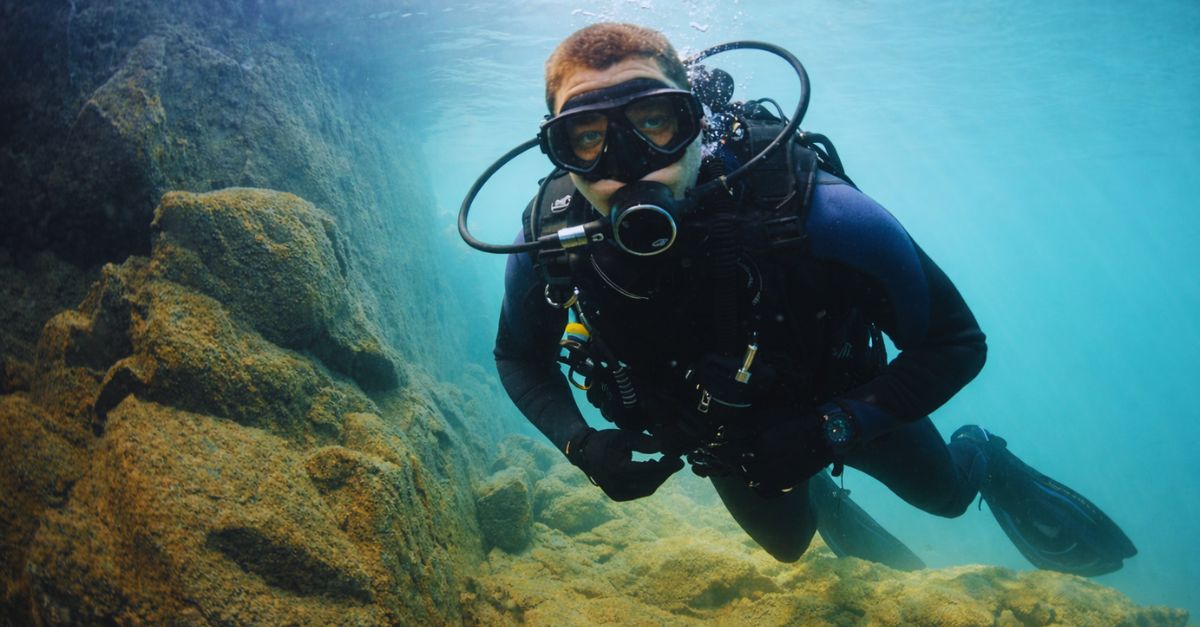
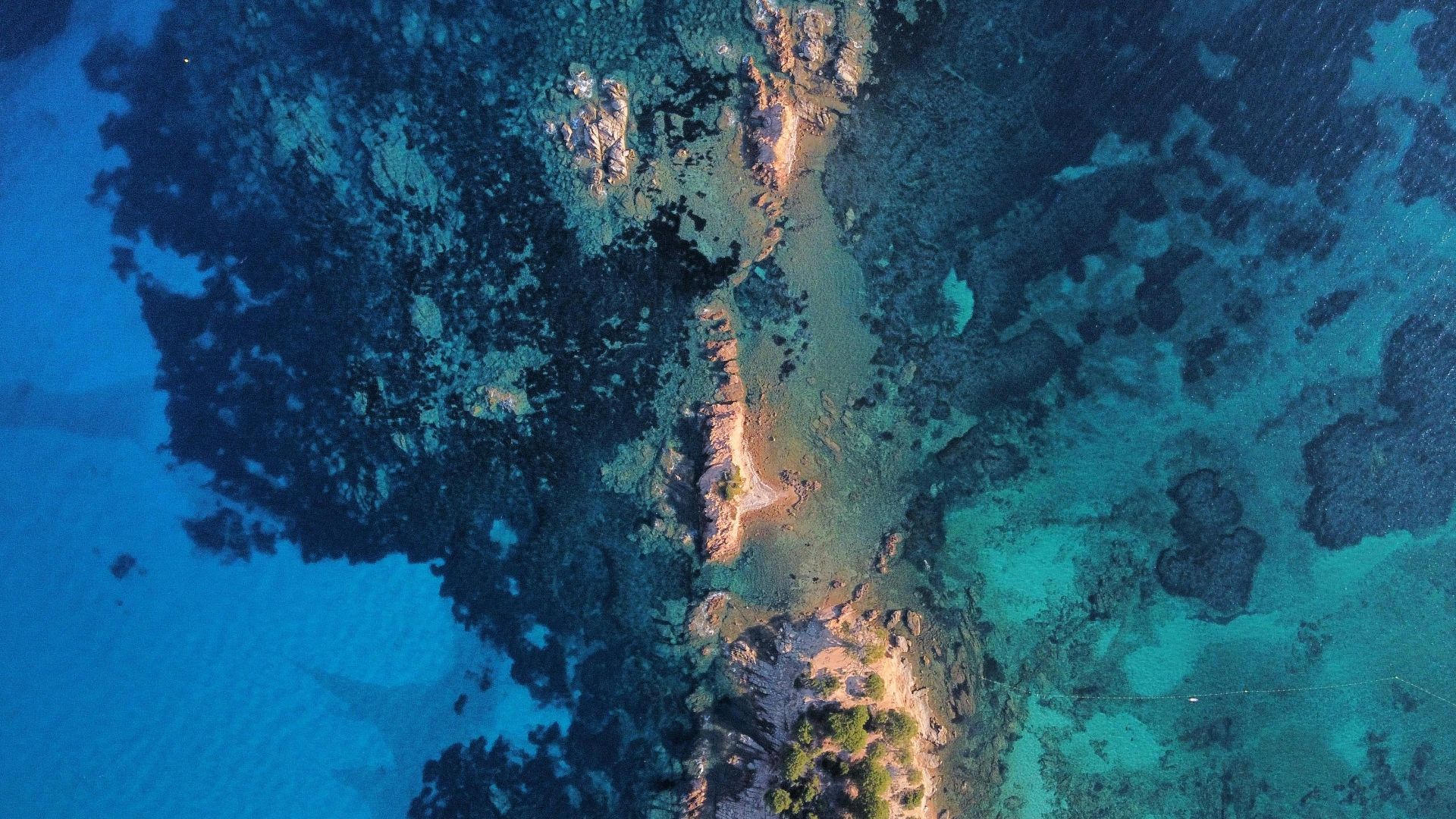
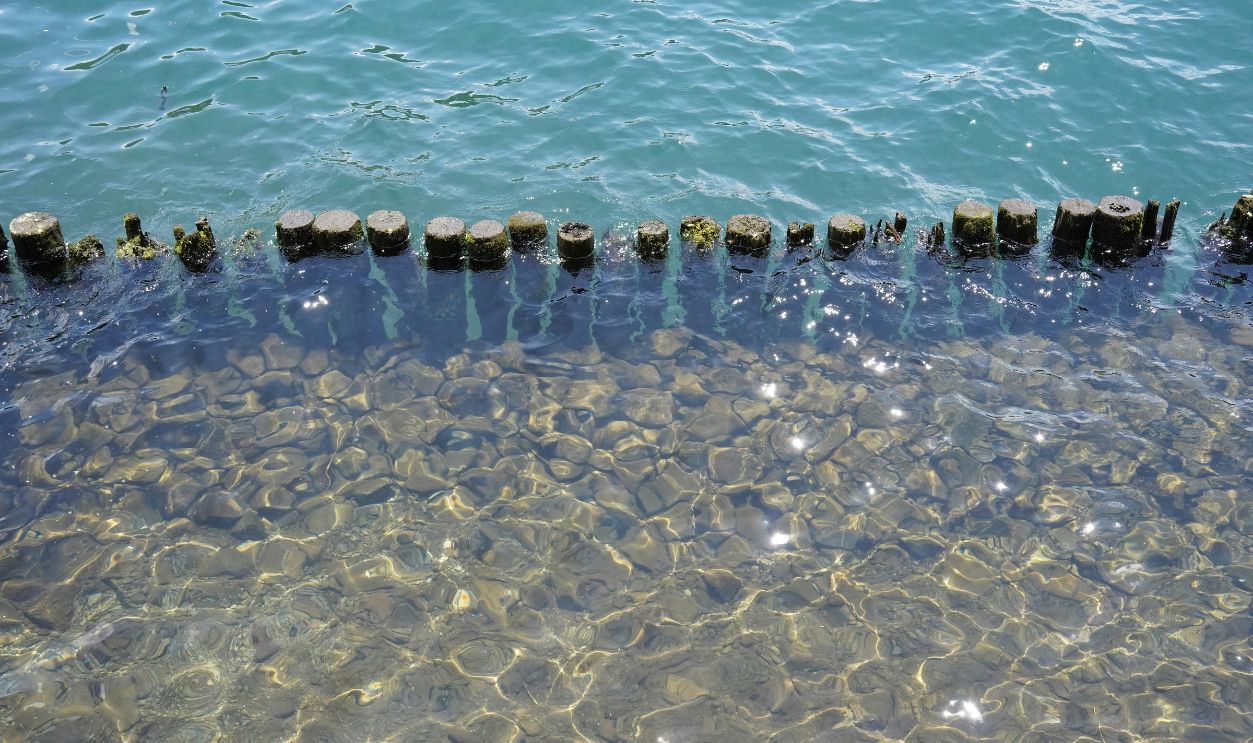
Once-dry coastlines now rest beneath shallow seas, preserving traces of how early people lived and planned. A submerged stone wall from deep prehistory challenges long-held assumptions about hunter-gatherer life. Built with purpose and used repeatedly, it points to coordination, foresight, and shared knowledge long before farming or permanent settlements appeared.
 Niklas Jonasson, Unsplash, Modified
Discovery Location and Environmental Context
Picture early coastal communities standing beside a stone line that shaped daily routines. Nearby waters, tidal flats, and shifting shores framed how people moved and hunted. Moreover, the wall occupied a practical setting and was integrated into ordinary movement rather than ceremonial space.
 Quino Al quinoal, Wikimedia Commons
Estimated Age and Dating Methods
Researchers established age through radiocarbon testing of associated organic remains and stratigraphic correlation. Sediment layers and mineral accretion patterns further constrained chronology. In fact, multiple independent indicators converged on a Mesolithic timeframe, reducing reliance on any single measurement during repeated analyses.
 English: NPS, Wikimedia Commons
Geological Processes That Submerged the Site
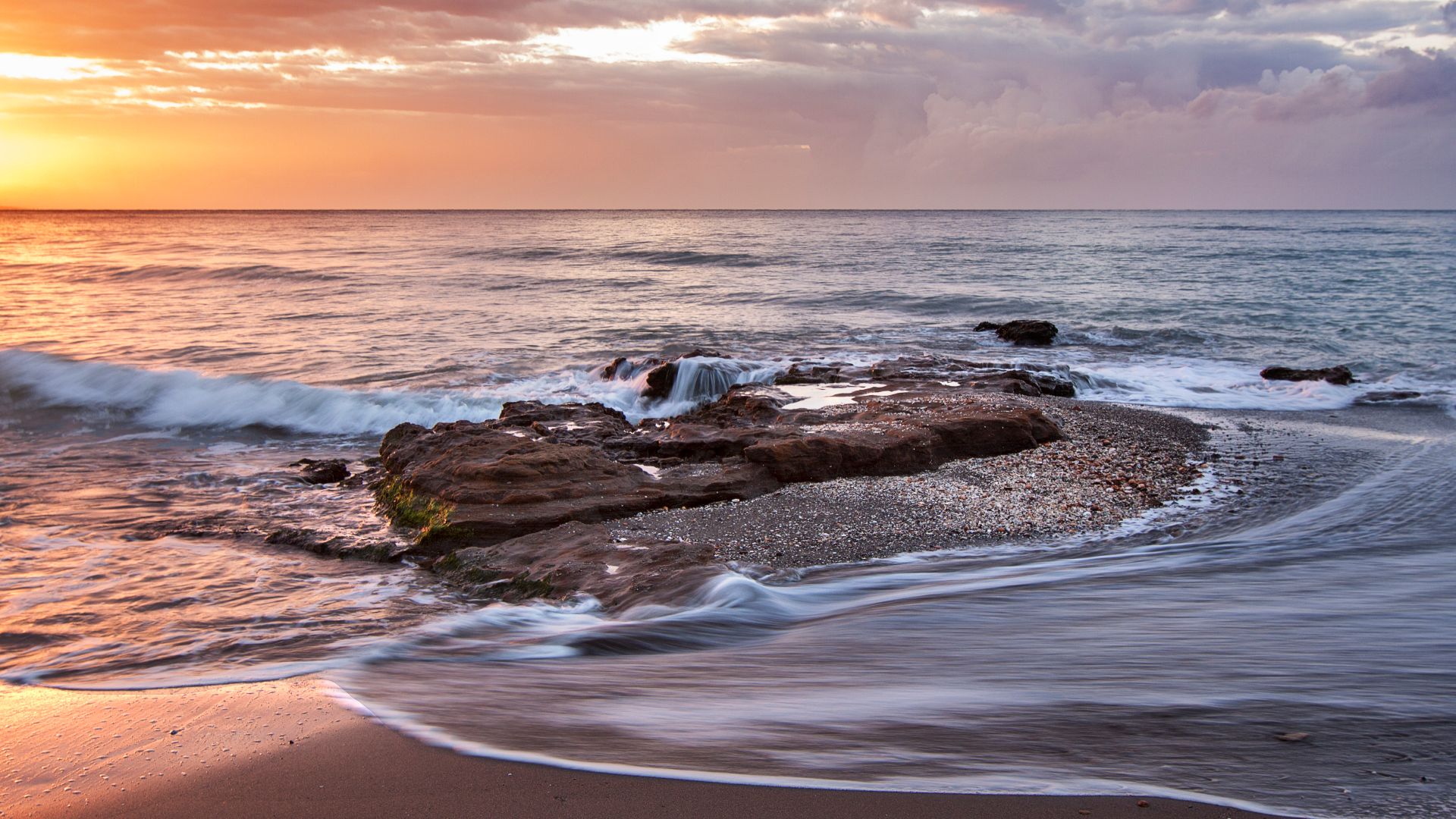
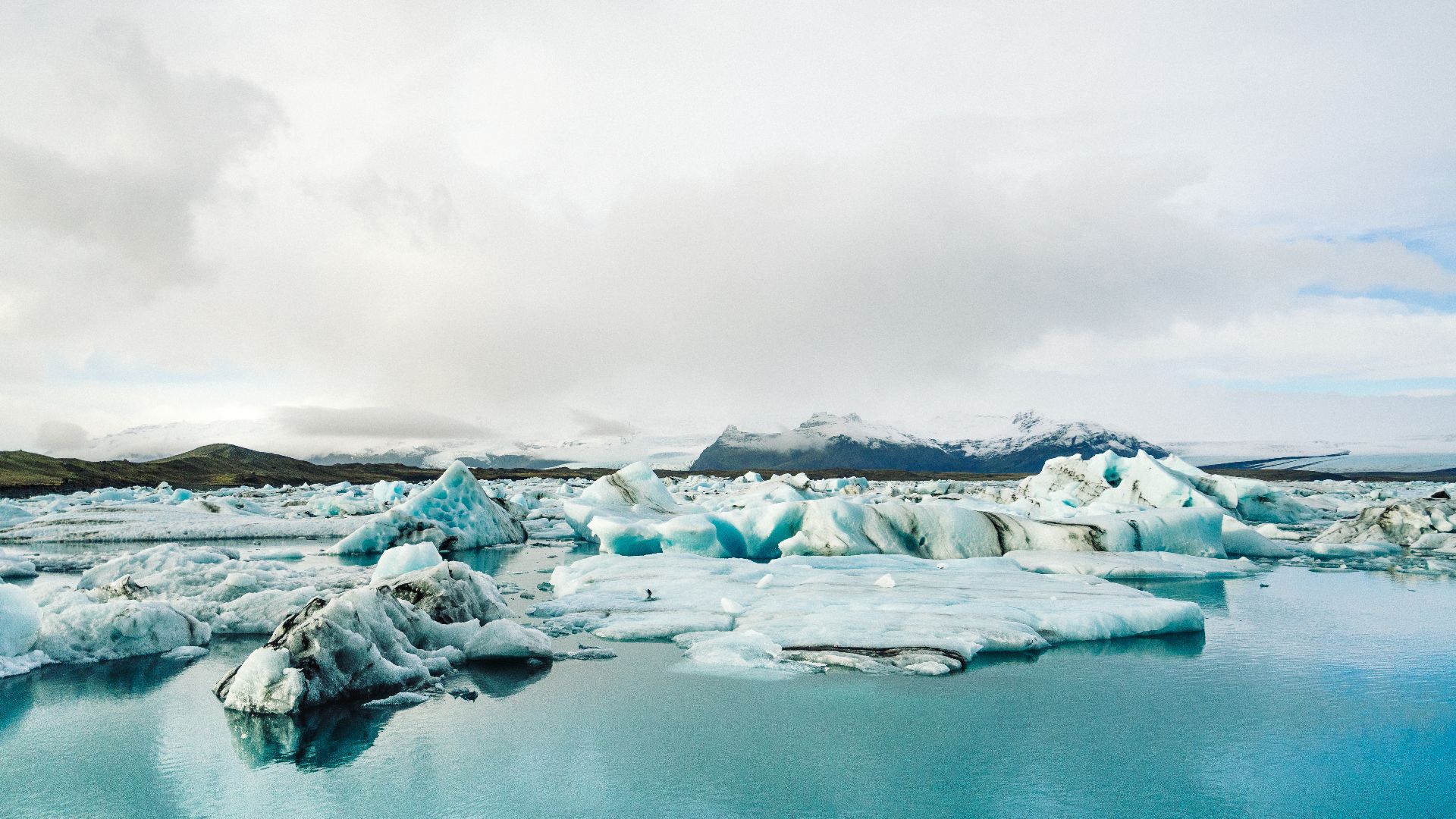
Later, rising seas quietly claimed the ground beneath the wall. Glacial melt pushed shorelines inland, and saltwater advanced meter by meter. Yet the stones stayed put, slipping underwater without drama, preserved by patience rather than sudden catastrophe over long centuries.
 Adam Jang adamjang, Wikimedia Commons
Physical Scale and Structural Layout
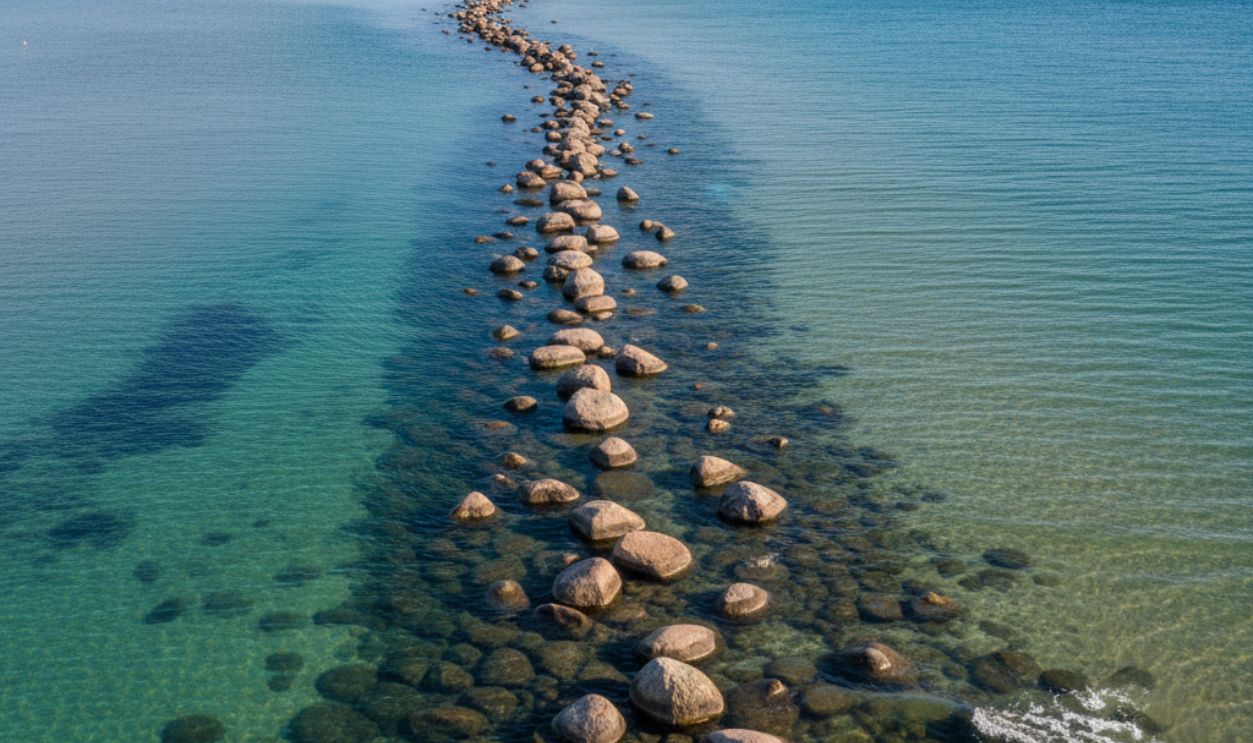
Measurements show the structure extends close to a kilometer with a consistent curvature. Stones vary in size yet follow a deliberate alignment. Furthermore, spacing suggests repeated placement choices rather than random accumulation, indicating a planned physical form visible across shallow waters.
Stone Selection and Transport Techniques
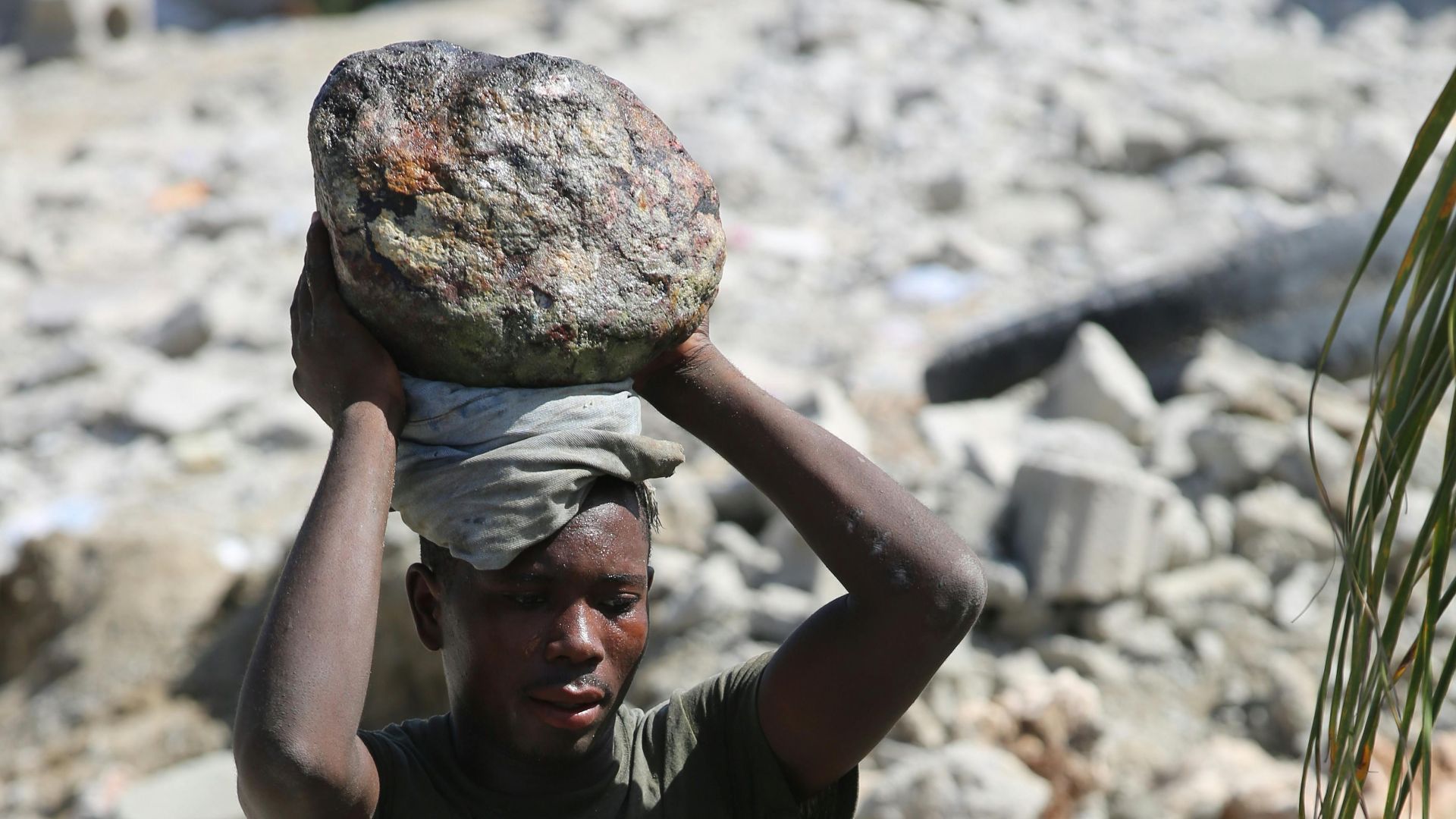
Stone's choice was picky in a very human way. Builders favored durable local rock, skipped crumbly pieces, and hauled heavy loads anyway. Of course, moving tons without wheels meant patience, sore muscles, and zero interest in shortcuts day after day.
 Zeny Rosalina iamzeny, Wikimedia Commons
Evidence of Intentional Human Construction
Regular spacing gives the first clue. Stones sit upright, often wedged with smaller supports that prevent shifting. Moreover, the alignment follows a purposeful curve. Natural processes scatter rocks randomly, yet this arrangement repeats too consistently across long distances.
Relationship to Ice Age Megafauna
Large herd animals once moved along predictable coastal routes. The wall’s placement also intersects those paths near shallow water. Because movement narrows near shorelines, hunters gained an advantage without constant pursuit. Evidence fits behavior patterns known from other prehistoric hunting systems.
 Mauricio Anton, Wikimedia Commons
Seasonal Use Versus Permanent Presence
Occupying the area year-round would have been impractical. Rising tides, colder months, and shifting resources favored return visits instead. Still, repeated seasonal use left familiarity behind. Knowledge of repairs and weak points is carried forward through shared memory.
Required Social Organization and Labor
Moving and positioning stones demanded cooperation beyond a single household. Tasks are likely divided naturally, with some hauling while others align placements. Furthermore, timing mattered. Coordinated effort hints at agreed roles and expectations long before formal leadership structures emerged.
Tool Technology Available at the Time
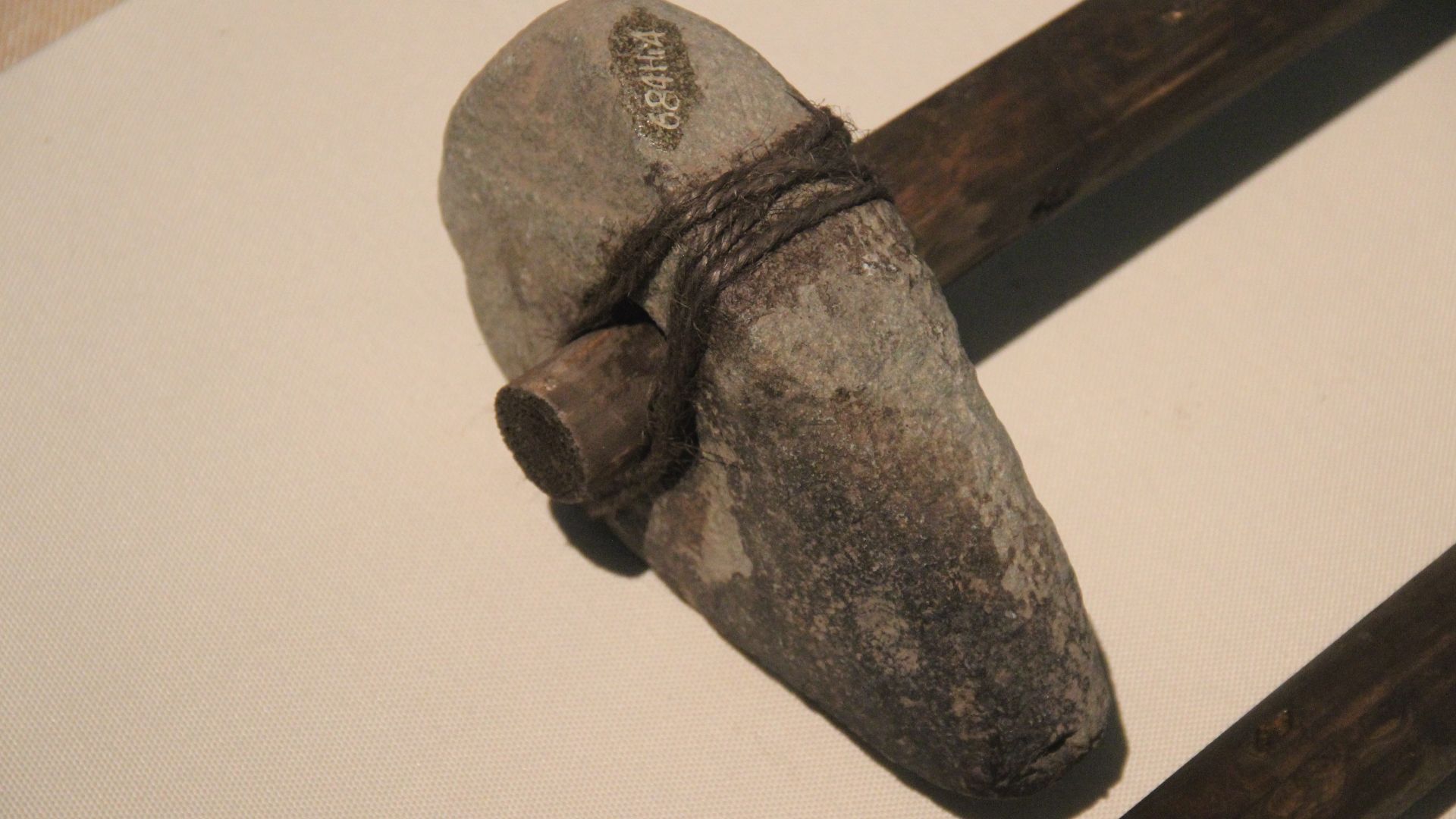
Available tools were simple yet effective. Stone hammers, wooden levers, and basic wedges were used to handle weights gradually. Of course, efficiency came from repetition rather than speed. Experience mattered more than innovation when shaping heavy material without metal or wheels.
 Gary Todd from Xinzheng, China, Wikimedia Commons
Comparison With Known Mesolithic Structures
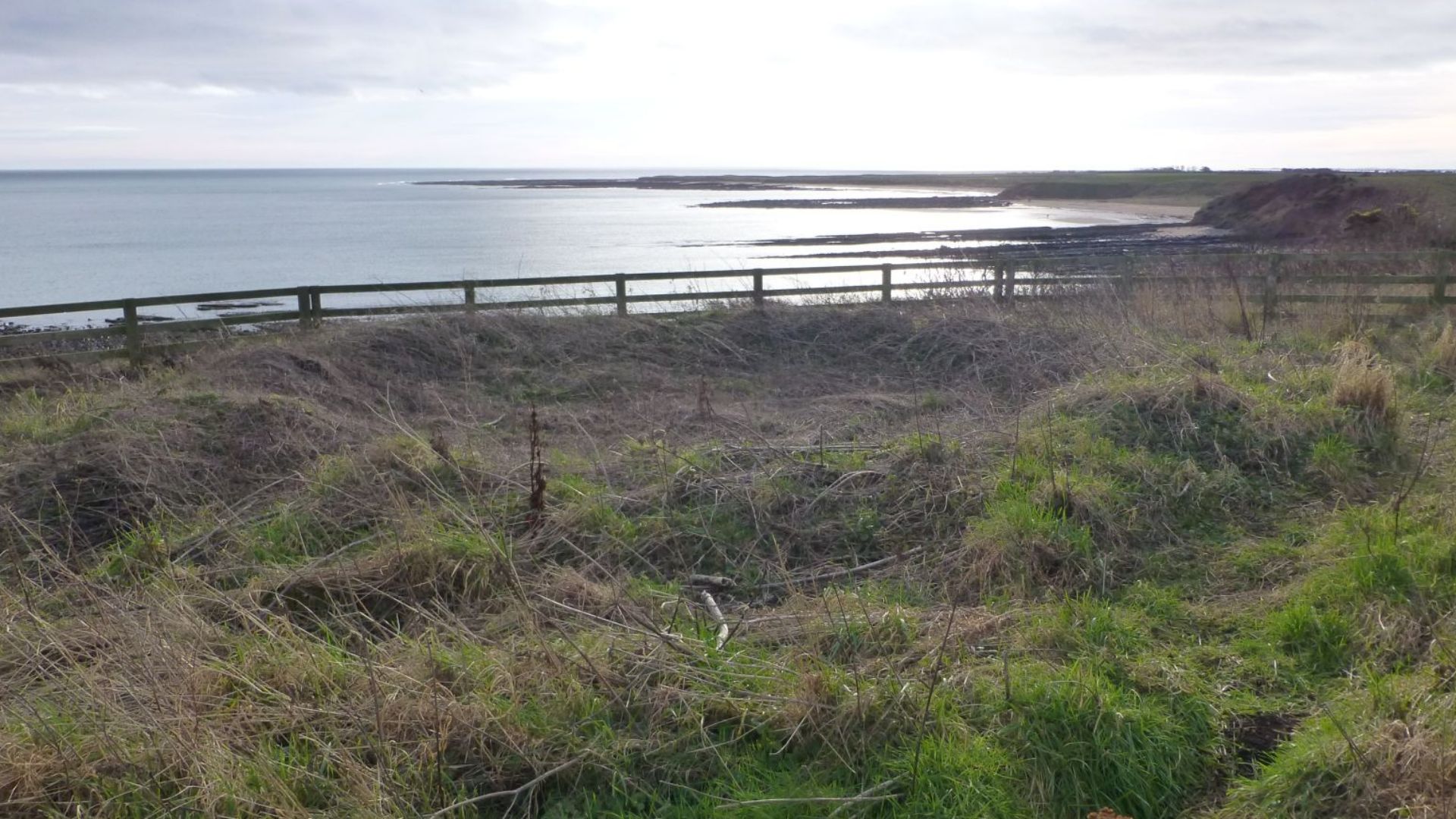
Most Mesolithic structures were small, temporary, and quickly abandoned. By contrast, this wall shows durability and repeated maintenance. However, it lacks decoration or ritual markers, placing it firmly in the realm of utility rather than early monument building.
 Russel Wills , Wikimedia Commons
Why the Wall Was Forgotten for Millennia
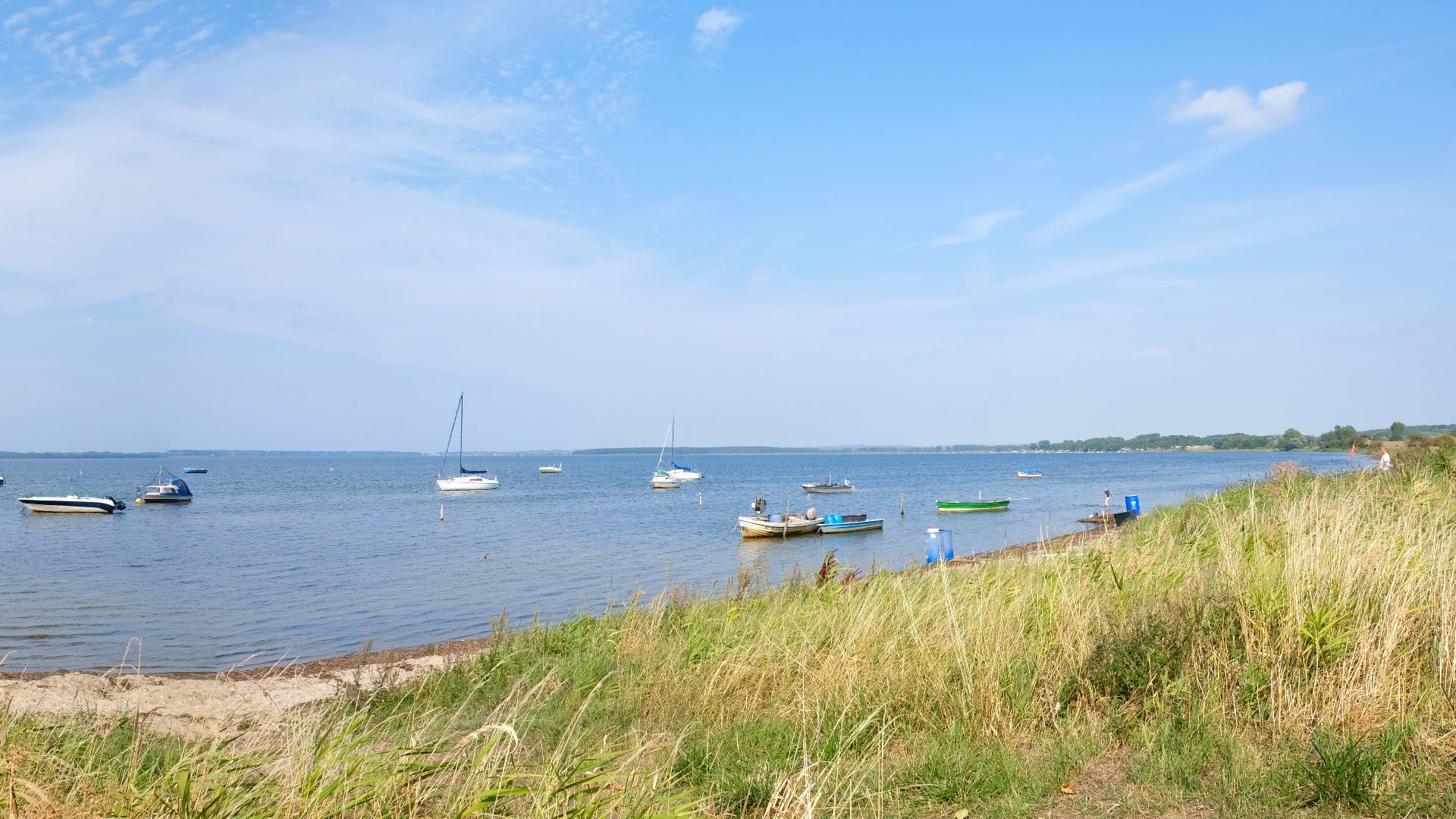
Memory fades faster than stone. As shorelines shifted, stories lost relevance, and later groups occupied different ground. Eventually, water erased visual cues. Oral knowledge depends on continuity, and once movement patterns changed, the wall slipped quietly out of awareness.
 Jasmin Flad, Wikimedia Commons
Modern Survey and Mapping Technologies Used
Discovery relied on sonar imaging, depth mapping, and underwater visual confirmation. Specifically, acoustic surveys revealed linear anomalies that stood apart from seabed clutter. Only after repeated passes did researchers recognize consistent geometry rather than random geological noise.
 Jean-Michel Roche, Wikimedia Commons
Role of Underwater Archaeology Advances
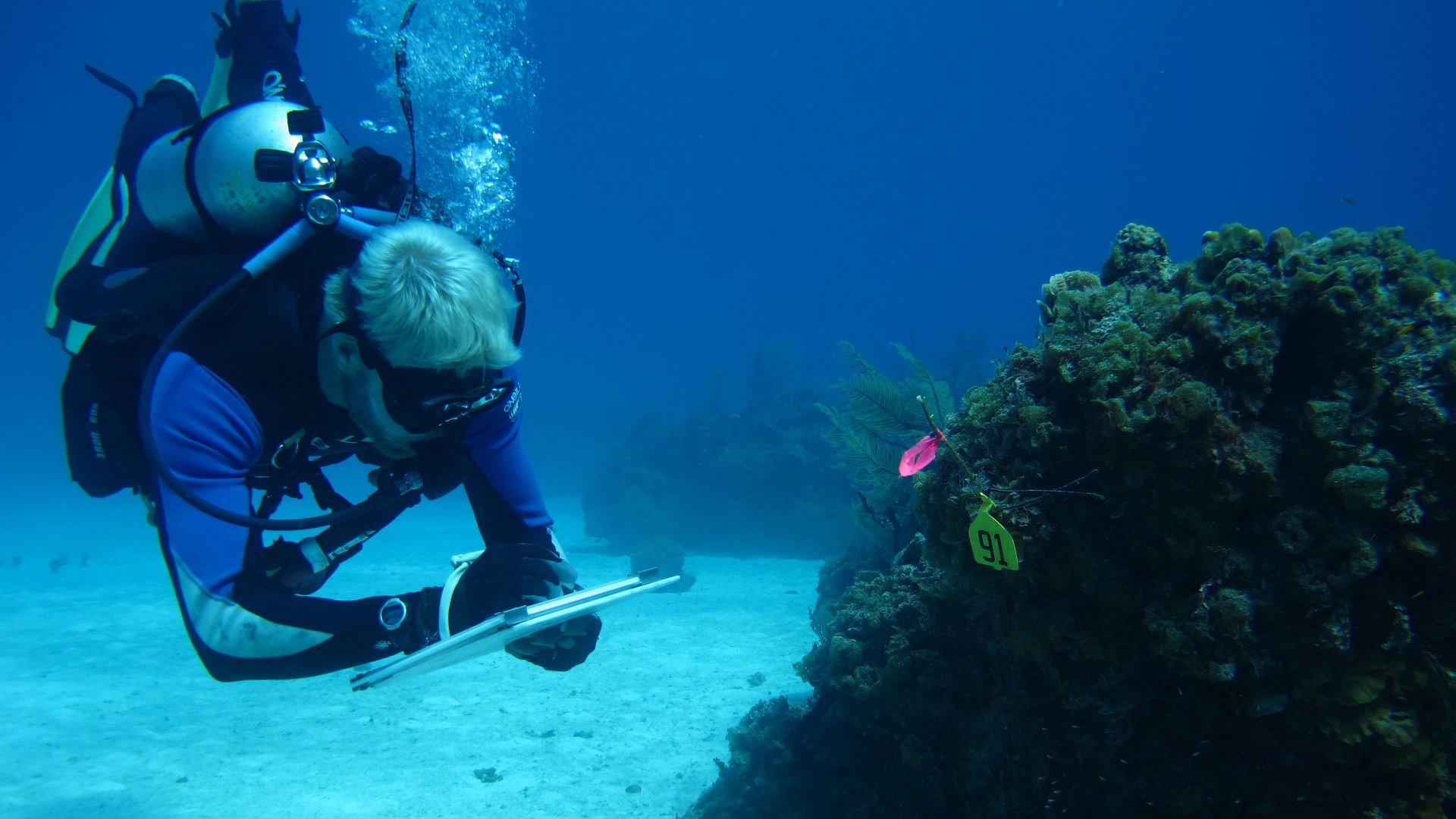
Earlier generations lacked the tools to see submerged history clearly. Recently, improved imaging resolution and data processing changed that. As a result, archaeologists can now interpret flooded areas as former living spaces instead of empty voids.
 Oregon State University, Wikimedia Commons
Challenges of Excavating Submerged Sites
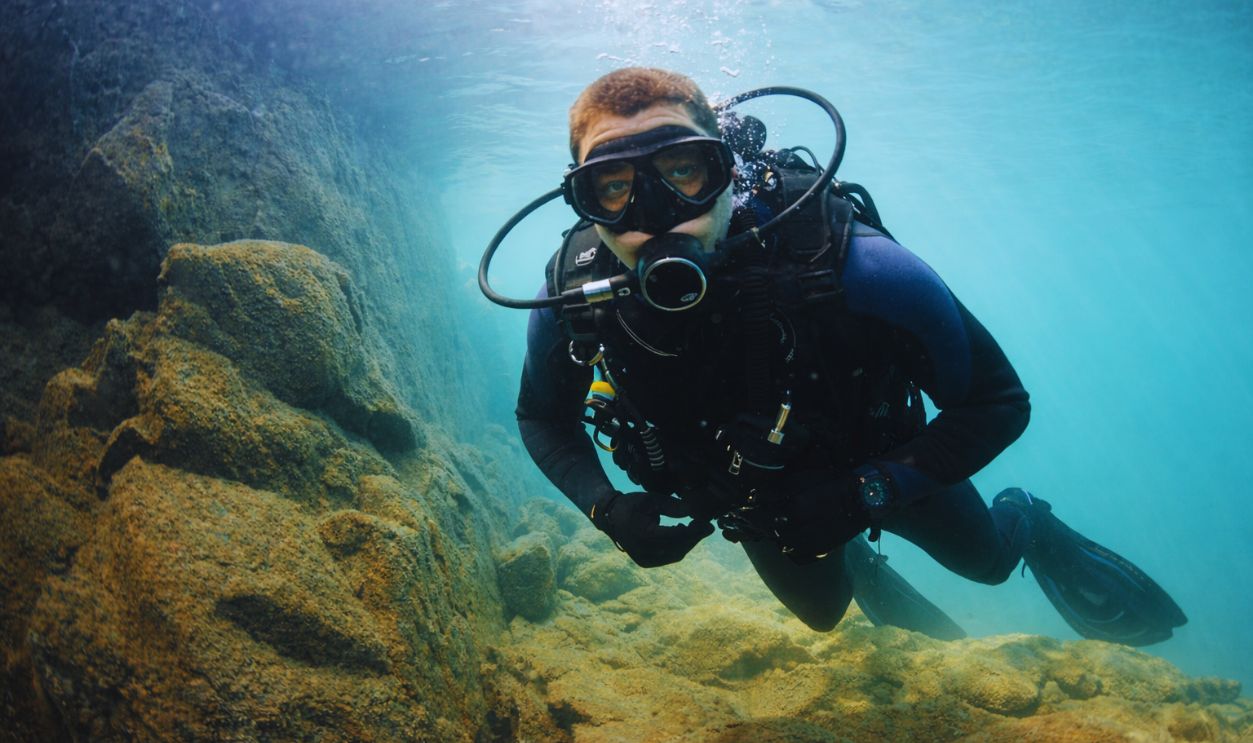
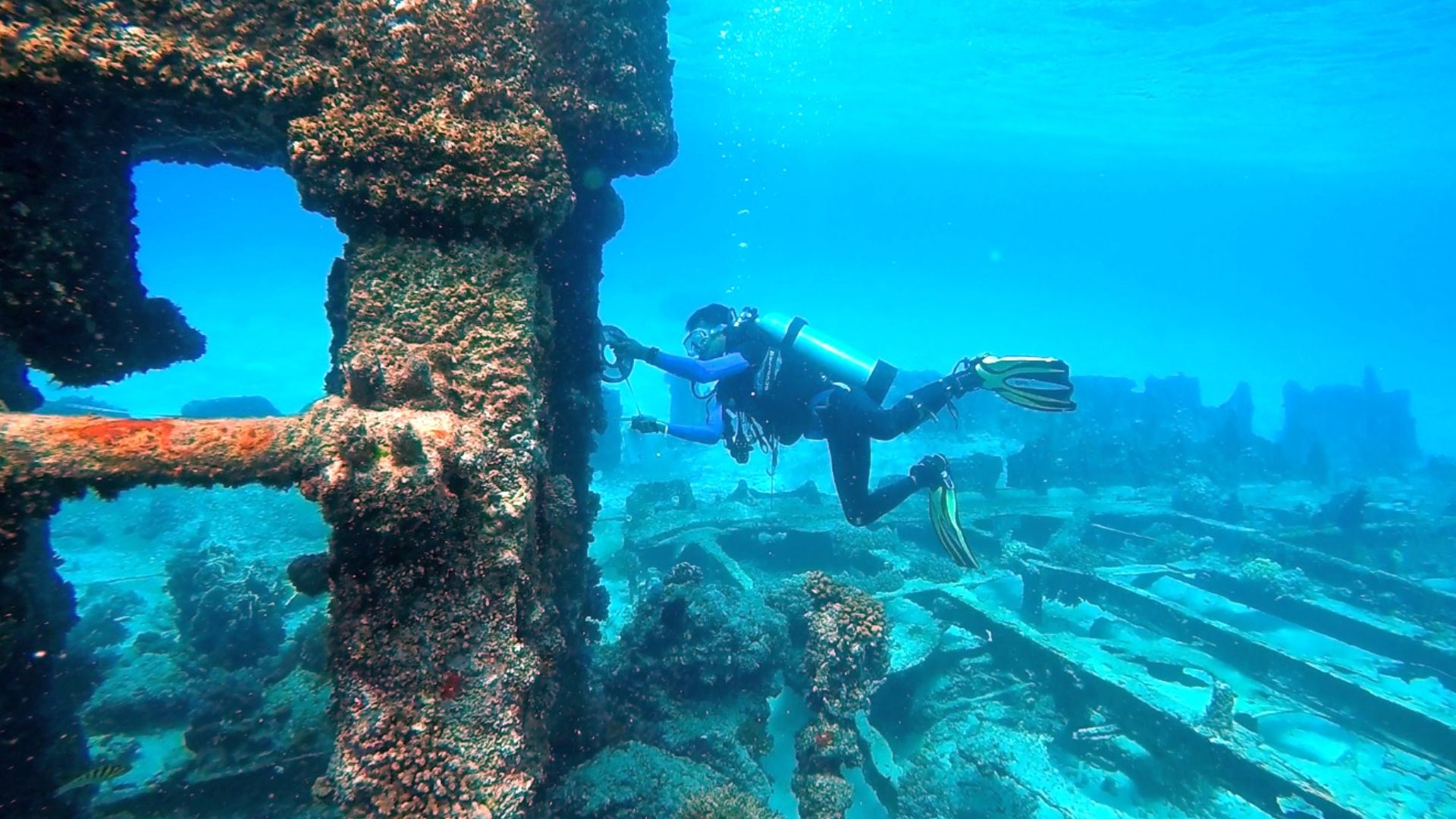
Work underwater slows everything. Visibility shifts, currents interfere, and excavation risks disturbing fragile layers. Moreover, limited dive time restricts observation. Each decision carries weight because mistakes cannot be easily corrected once sediments are displaced.
 Dwi sumaiyyah makmur, Wikimedia Commons
Preservation Conditions Beneath the Sea
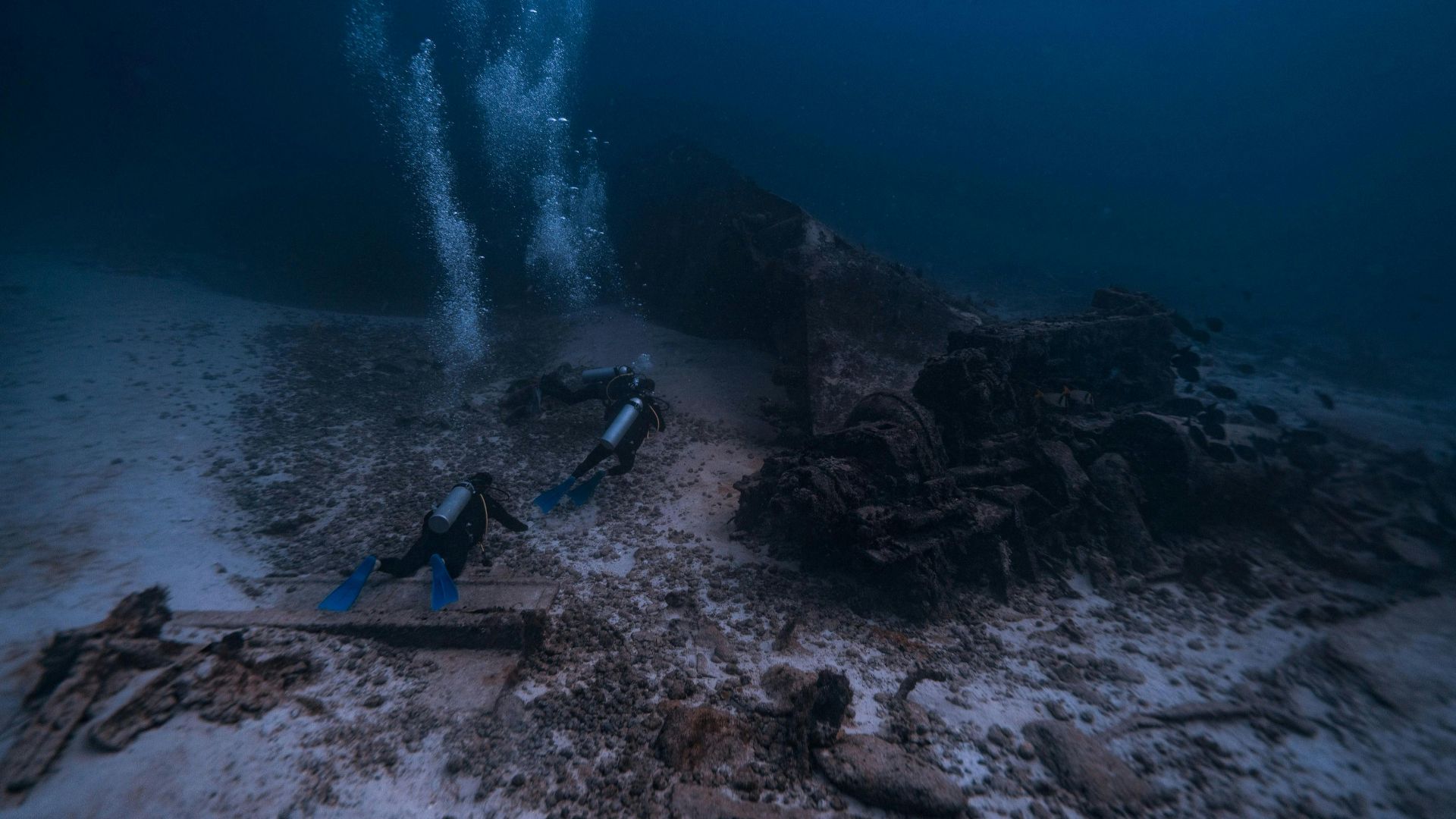
Cold water and low oxygen reduce biological decay. Sediment cover shields the stone from constant movement. In fact, submersion sometimes protects features better than exposure on land, freezing traces of human activity in place for thousands of years.
What the Wall Reveals About Early Planning
Construction required anticipating future use rather than immediate payoff. Placement, scale, and effort suggest long-term thinking. Such foresight challenges assumptions about short planning horizons, which shows that delayed benefit is already factored into decision-making.
Implications for Hunter-Gatherer Intelligence
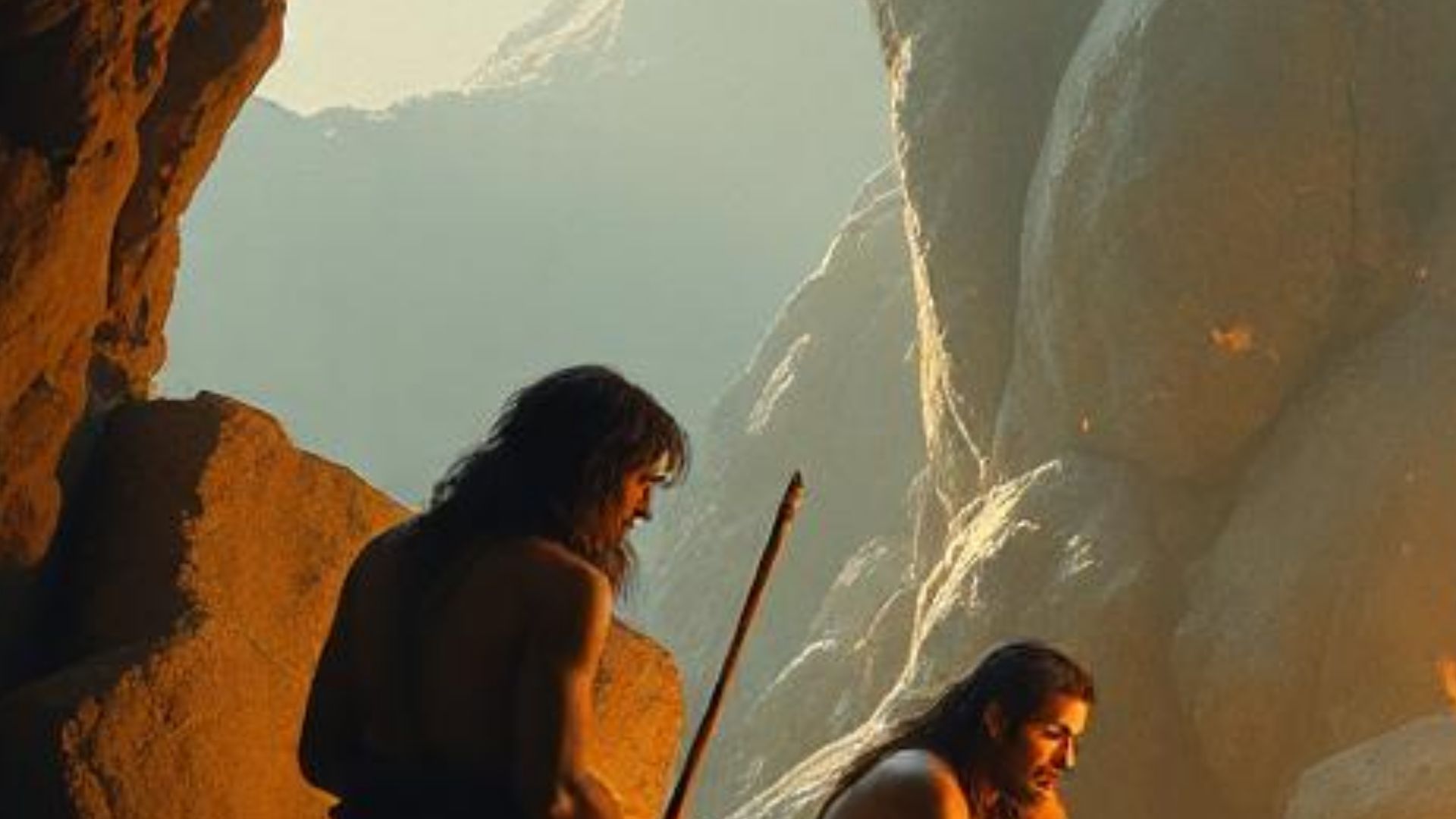
Turns out you do not need crops to think ahead. These groups read their surroundings, noticed patterns, and committed effort where it paid off. Smart choices leave marks, and this wall feels like one of those quiet decisions that worked well enough to repeat.
 https://www.weights.com/create prompted by me, Wikimedia Commons
How This Changes Timelines of Monument Building
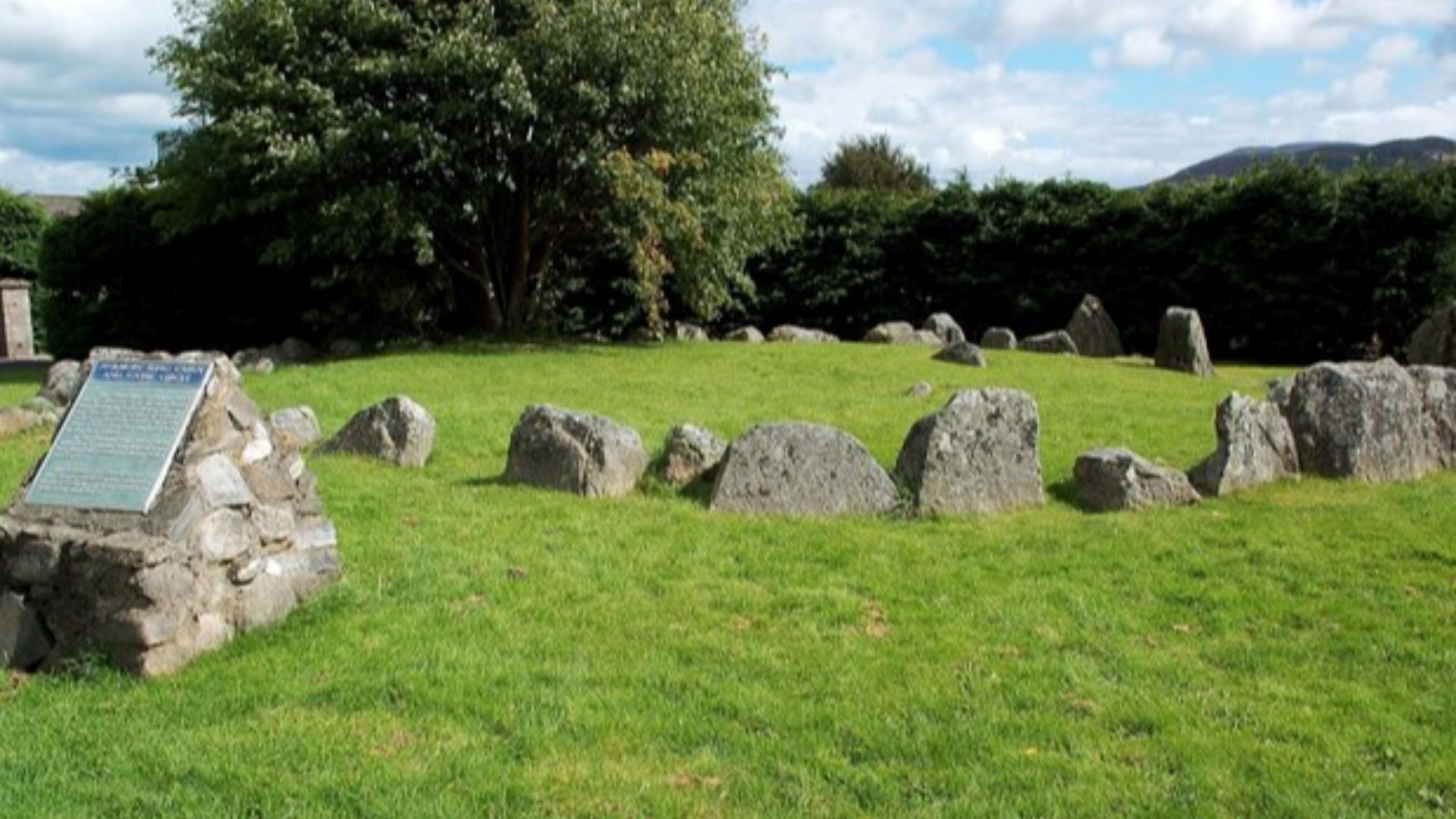
Large-scale construction once seemed tied to settled societies. Evidence here pushes organized building further back in time. Consequently, monumentality no longer marks a sharp cultural divide but appears as a gradual extension of practical cooperation.
 Mary and Angus Hogg , Wikimedia Commons
Regional Prehistoric Trade or Communication Hints
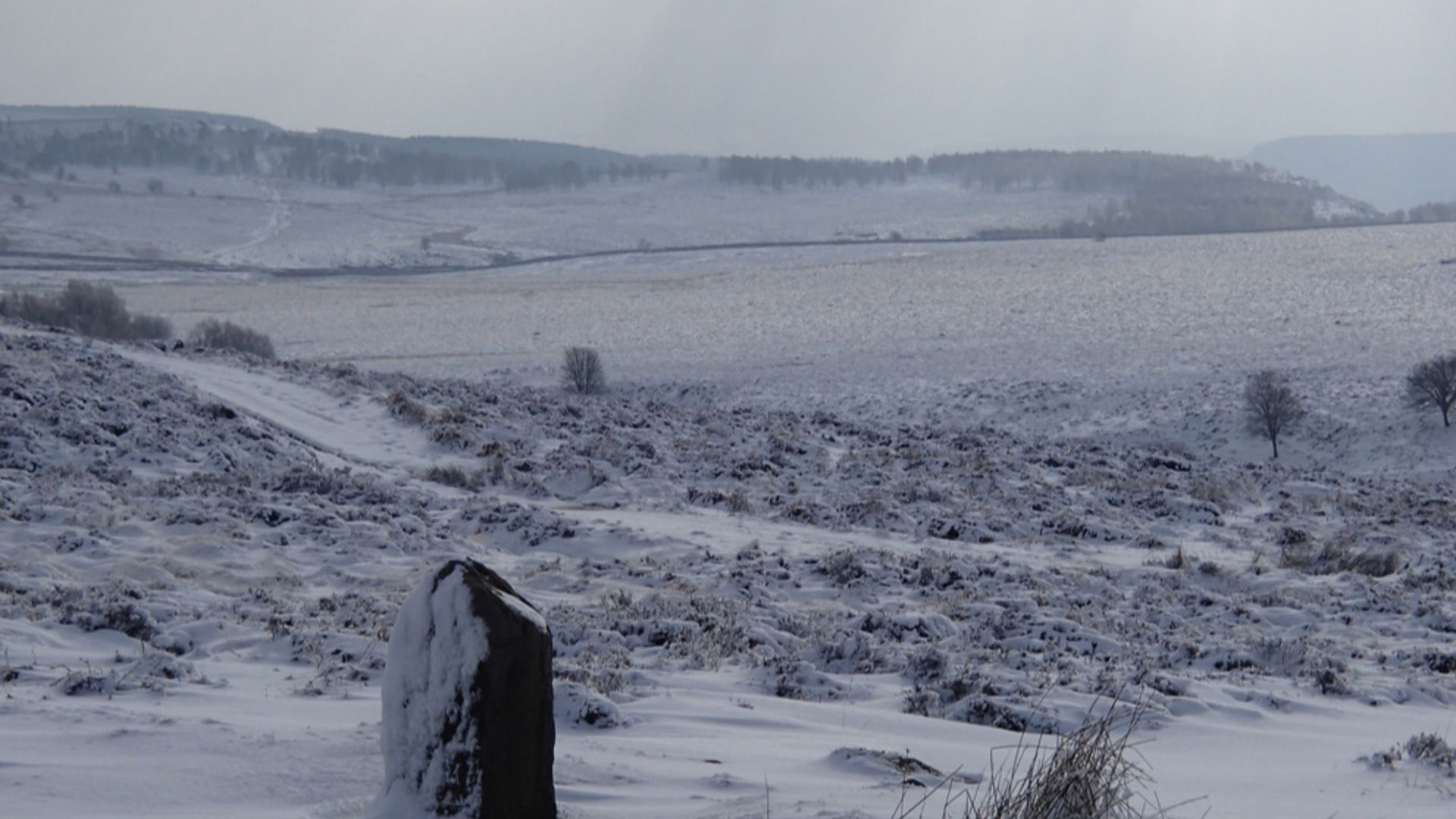
Knowledge travels faster than objects. Similar construction ideas across distant sites suggest shared techniques or observation networks. Even without formal exchange, repeated interaction spreads solutions, allowing groups to borrow strategies without moving goods.
 Andrew Hill , Wikimedia Commons
Regional Prehistoric Trade or Communication Hints (cont.)
Objects stay local. Ideas do not. Similar construction choices across distance point to knowledge carried by people. Moreover, repetition signals memory at work, allowing techniques to travel quietly without leaving behind obvious material trails.
 Lindsay Smith, Wikimedia Commons
Broader Impact on Prehistory Narratives
Discoveries like this complicate simple timelines. Early human behavior no longer fits neatly into stages defined by farming or settlement. Consequently, prehistory reads as adaptive and responsive, driven by problem-solving that emerged earlier than many traditional frameworks assumed.
 Artist unknown, Wikimedia Commons
Ongoing Debates Among Archaeologists
Interpretation remains fluid. Some researchers emphasize practical use, others focus on cultural meaning, while alternative readings question environmental context. Meanwhile, new evidence continues to test earlier assumptions, keeping discussion active without settling into a single dominant explanation.
 Cotswold Archaeology, Wikimedia Commons
Unanswered Questions Still Under Investigation
What stays invisible after discovery? Time. Frequency. Context. Without complete environmental records, interpretation pauses between evidence and assumption. Investigation also continues cautiously, which reminds us that the absence of data can matter as much as what survives.
 English: NPS Photo, Wikimedia Commons
Why Submerged Landscapes Matter for Human History
Rising seas erased enormous portions of human activity. What rests underwater represents missing chapters rather than anomalies. Studying drowned spaces restores context, revealing how coastlines once hosted lives, routines, and decisions now hidden beneath modern shorelines.






.JPG)
.jpg)