The Renovation That Went Very, Very Wrong
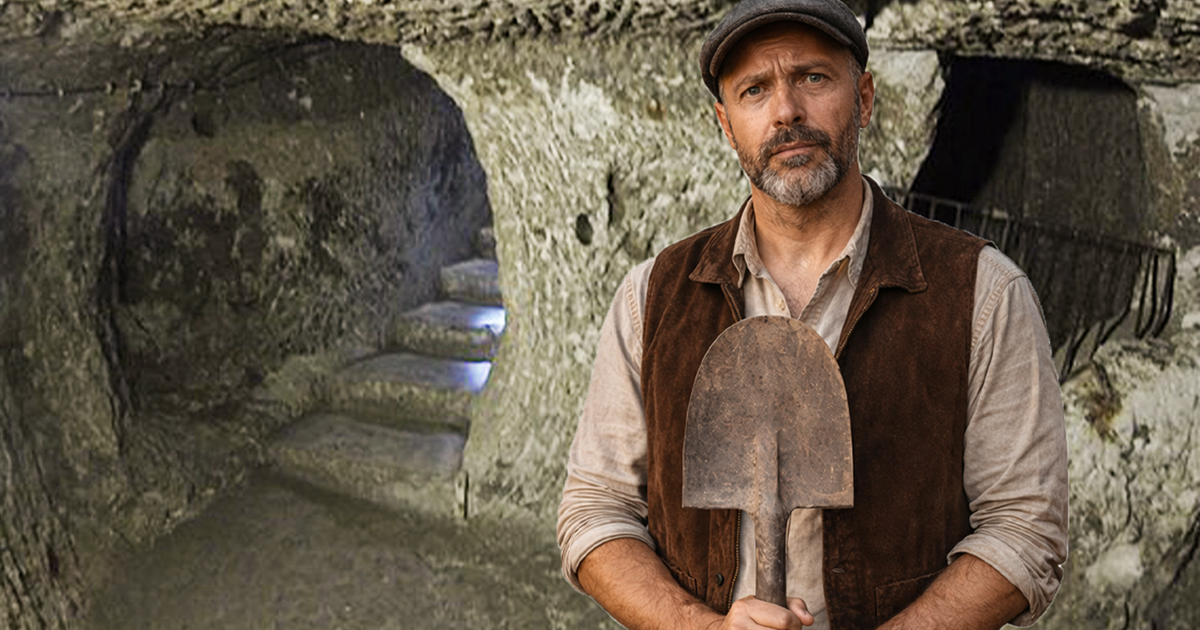
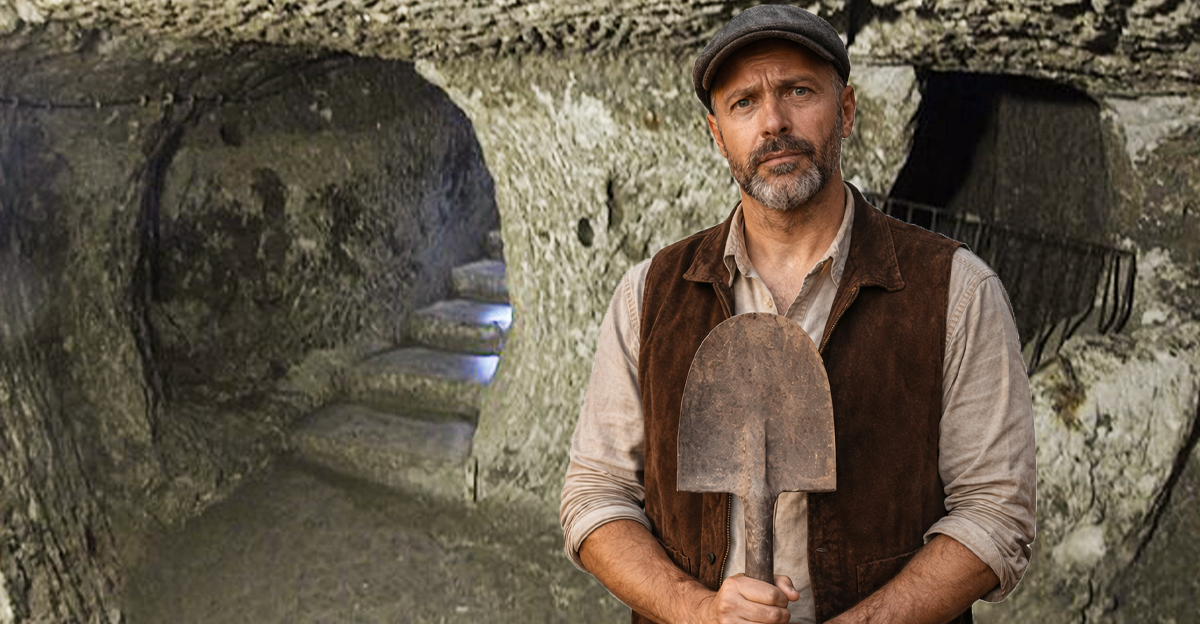
In 1963, a man in Turkey was doing simple home renovations when he knocked down a wall in his basement. But instead of finding wiring or old bricks, he found a mysterious room that he didn't know existed... and where it led was far more shocking than anyone could possibly imagine.
 © Nevit Dilmen, CC BY-SA 3.0 , via Wikimedia Commons
The Man Behind the Wall
The discovery is often credited to a local resident in Derinkuyu, Turkey, though his name was never formally recorded in early reports. As the story goes, he was simply renovating his home in the Nevşehir Province of Cappadocia. His plan was nothing unusual, just expanding his living space—until he knocked down a wall.
What he saw left him in utter disbelief.
 Benh LIEU SONG (Flickr), Wikimedia Commons
A Wall That Was Hiding Something
When the wall came down, it revealed a small opening. At first, it looked like a storage space or maybe an old cellar. But when he peeked inside, it didn’t stop. The space went deeper. Much deeper.
 Bjorn Christian Torrissen, Wikimedia Commons
Not Just a Room… a Tunnel
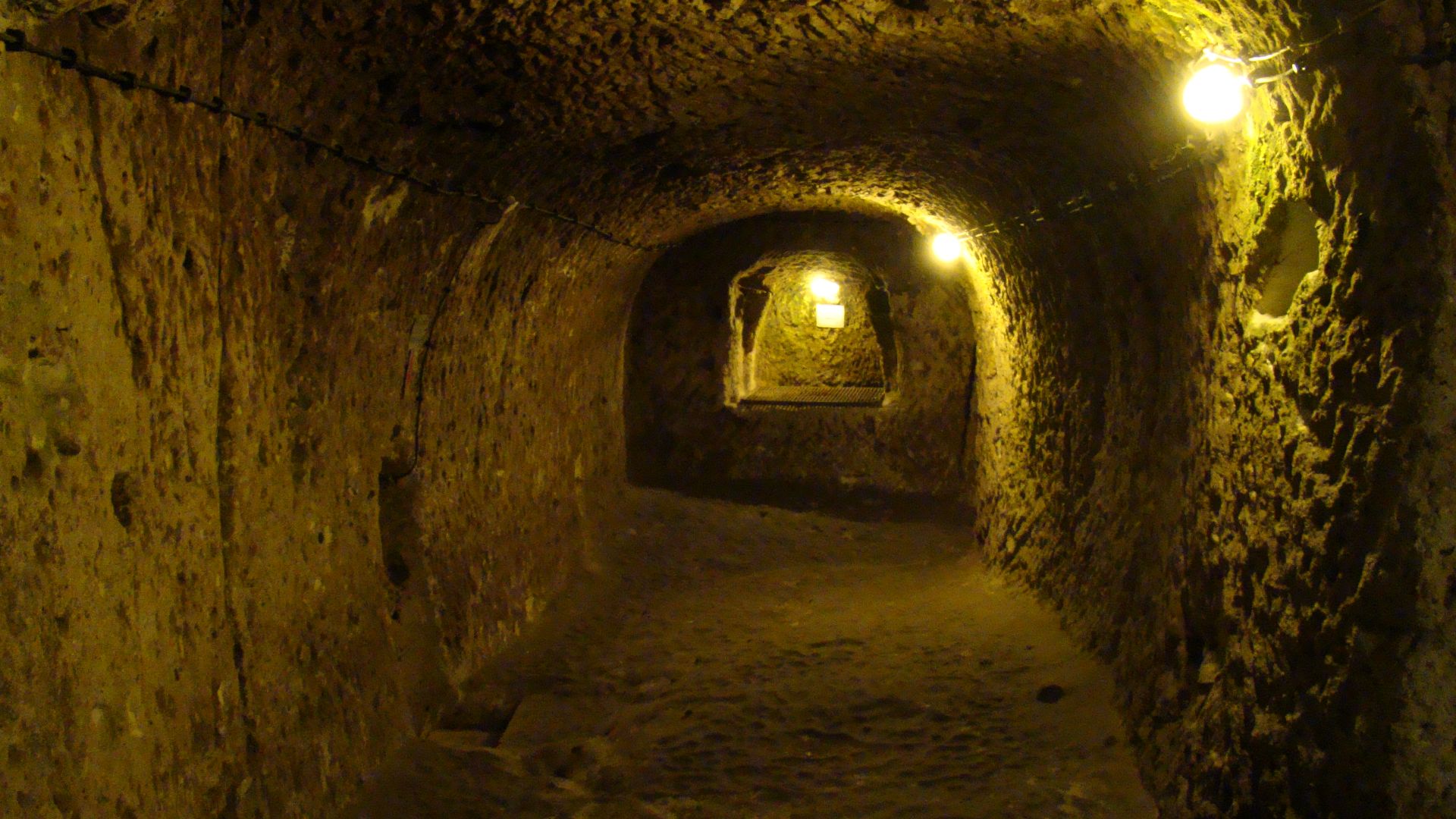
Curious and probably a little confused, the homeowner explored further. What he found wasn’t just a hidden room. It was a tunnel. And that tunnel led to more tunnels. And those tunnels led to something nobody expected.
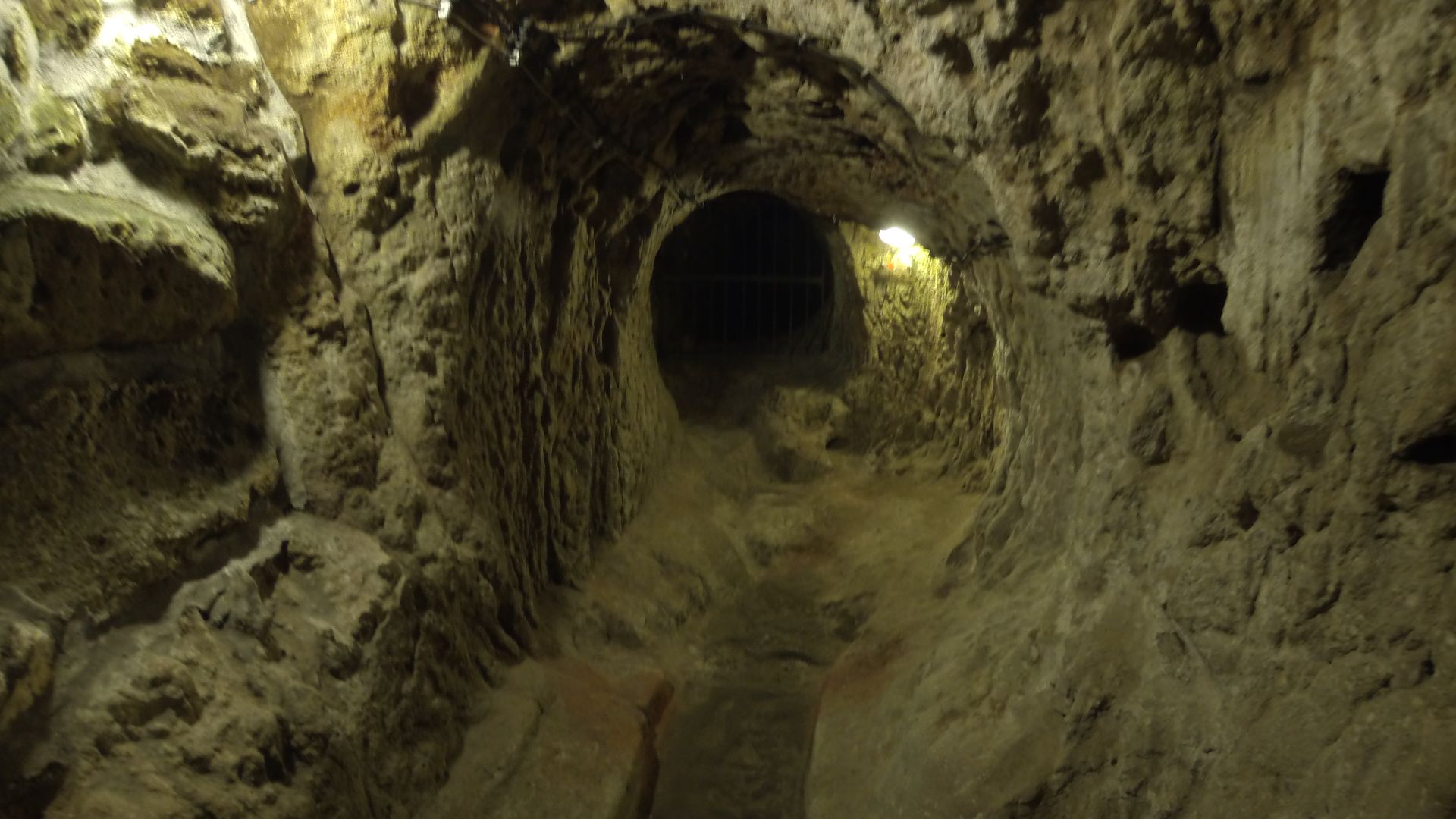 Nevit Dilmen (talk), Wikimedia Commons
The Discovery That Didn’t Make Sense
Word spread quickly, and soon experts arrived. What they confirmed was hard to believe. This wasn’t just a hidden structure. It was an entire underground city, carved directly into the soft volcanic rock beneath the town.
And it just kept getting better.
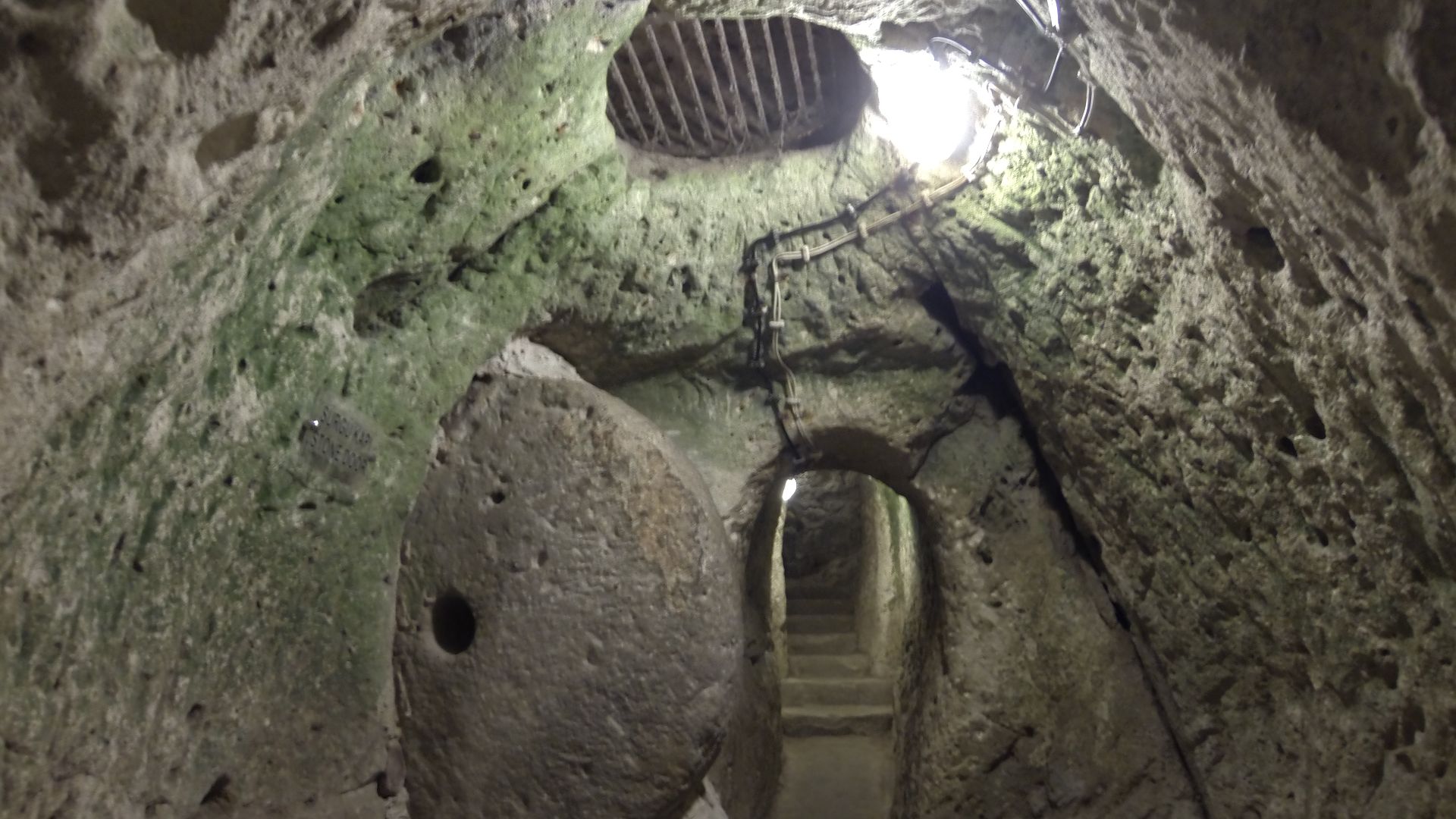 Nevit Dilmen (talk), Wikimedia Commons
Welcome to Derinkuyu
The city would later be named Derinkuyu, after the town above it. And it wasn’t small. Not even close. This place stretched down a whopping18 levels, reaching depths of around 85 meters or 280 feet underground.
And how it was built was even more incredible.
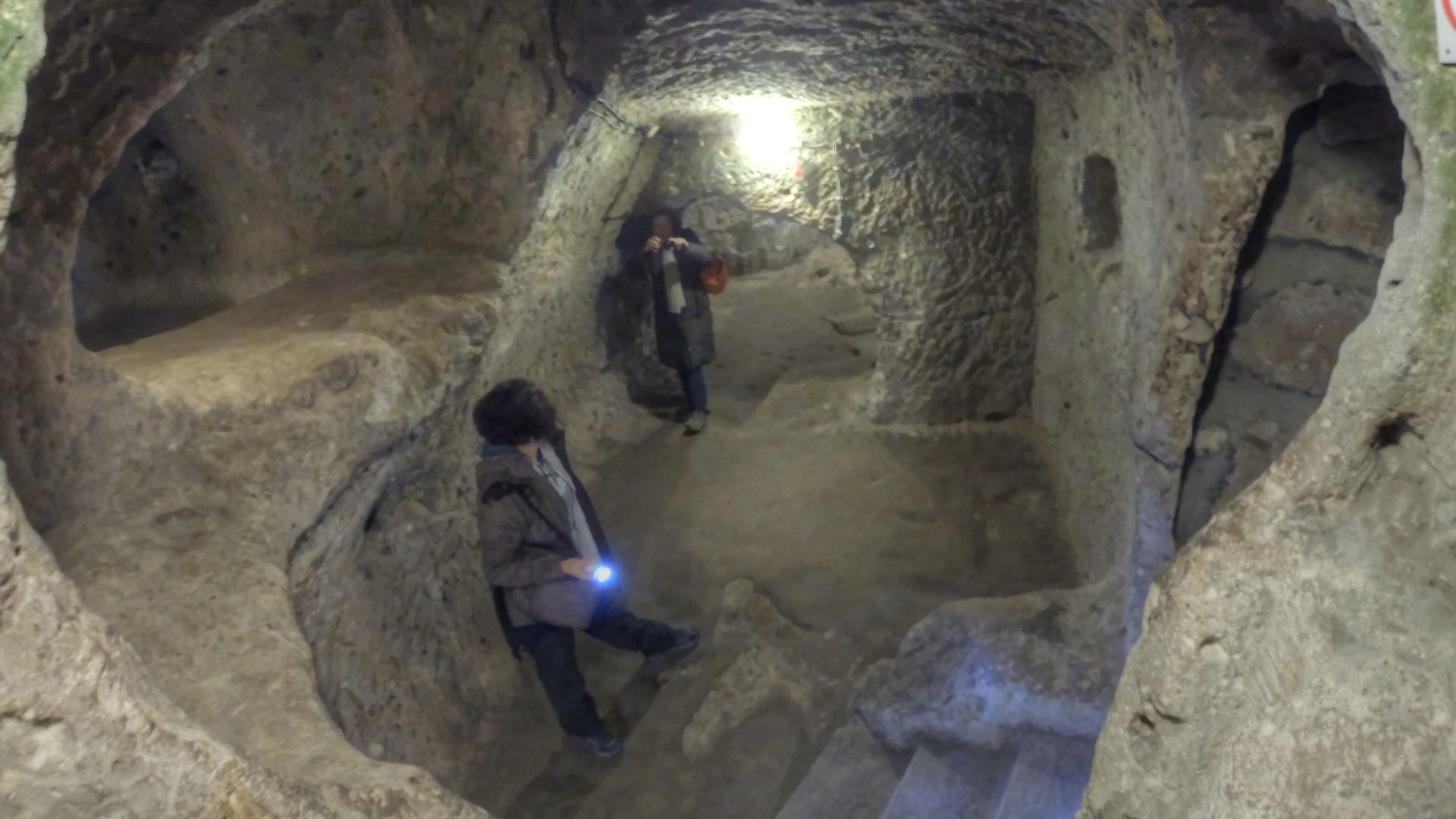 Nevit Dilmen (talk), Wikimedia Commons
Built Straight Into the Earth
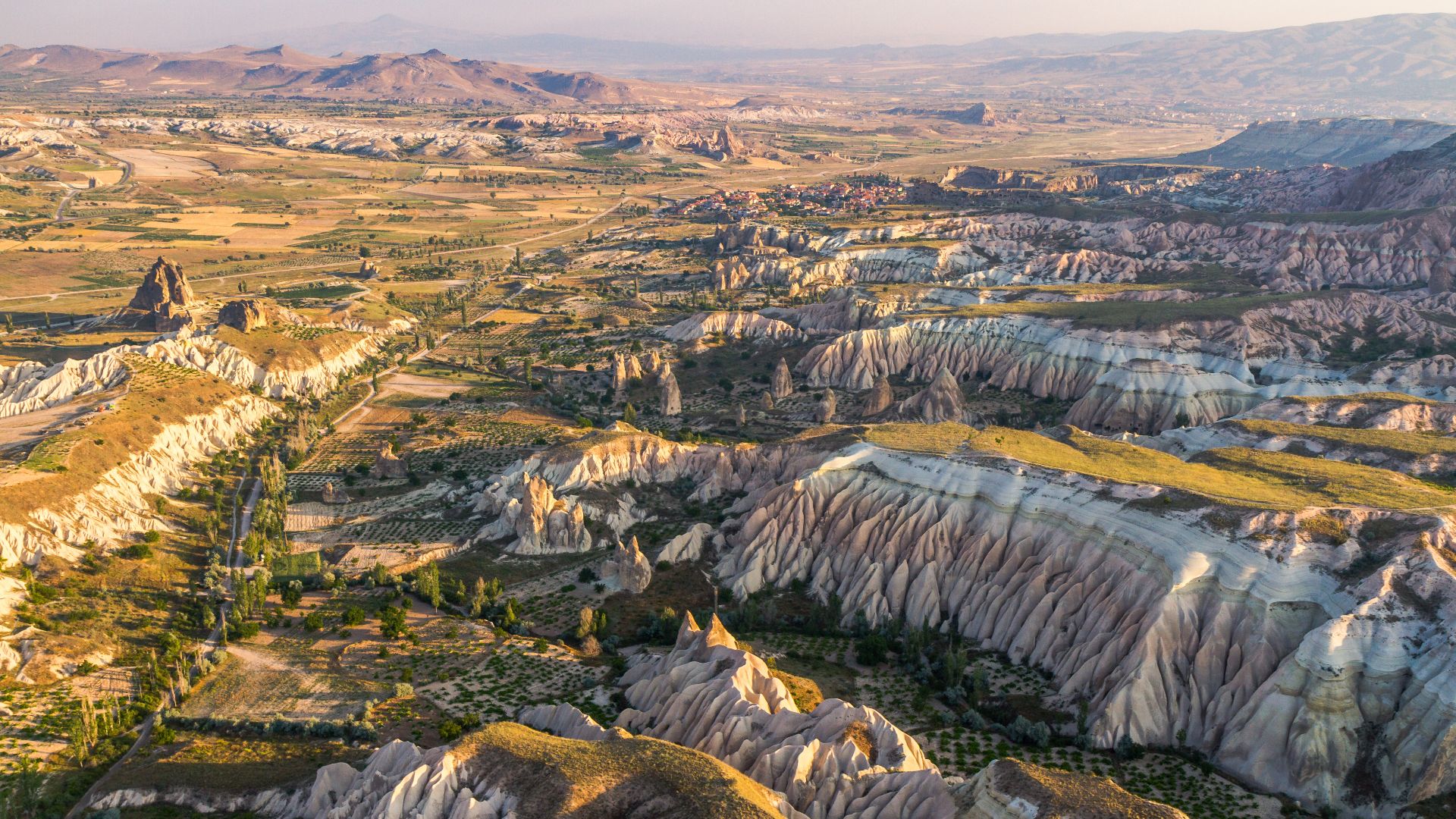
Everything about Derinkuyu was carved by hand into tufa rock, a soft volcanic material common in the region of Cappadocia. It’s easy to shape but strong enough to hold large spaces, which made it perfect for something like this.
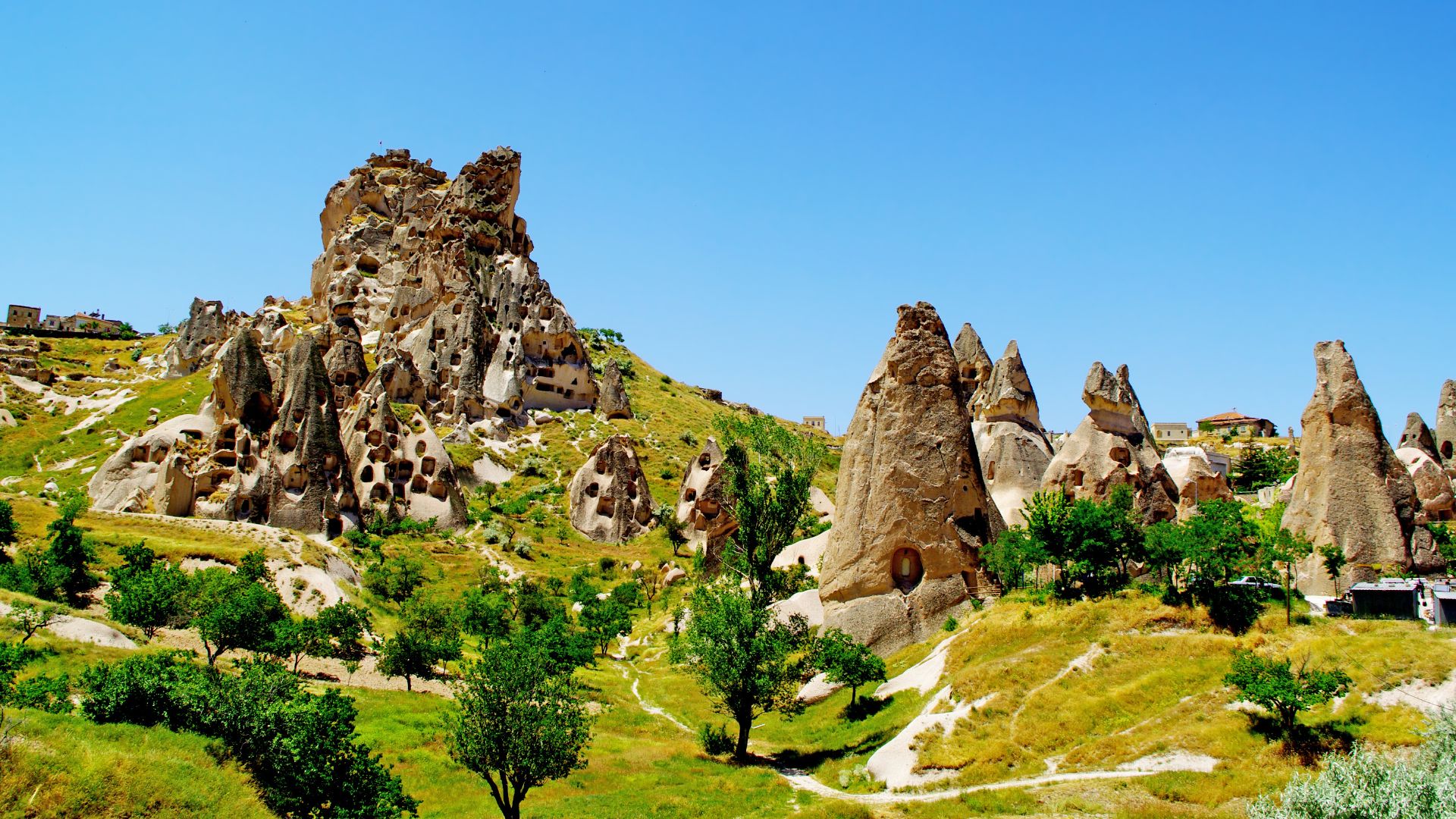 Zeynel Cebeci, Wikimedia Commons
A City Underground… Literally
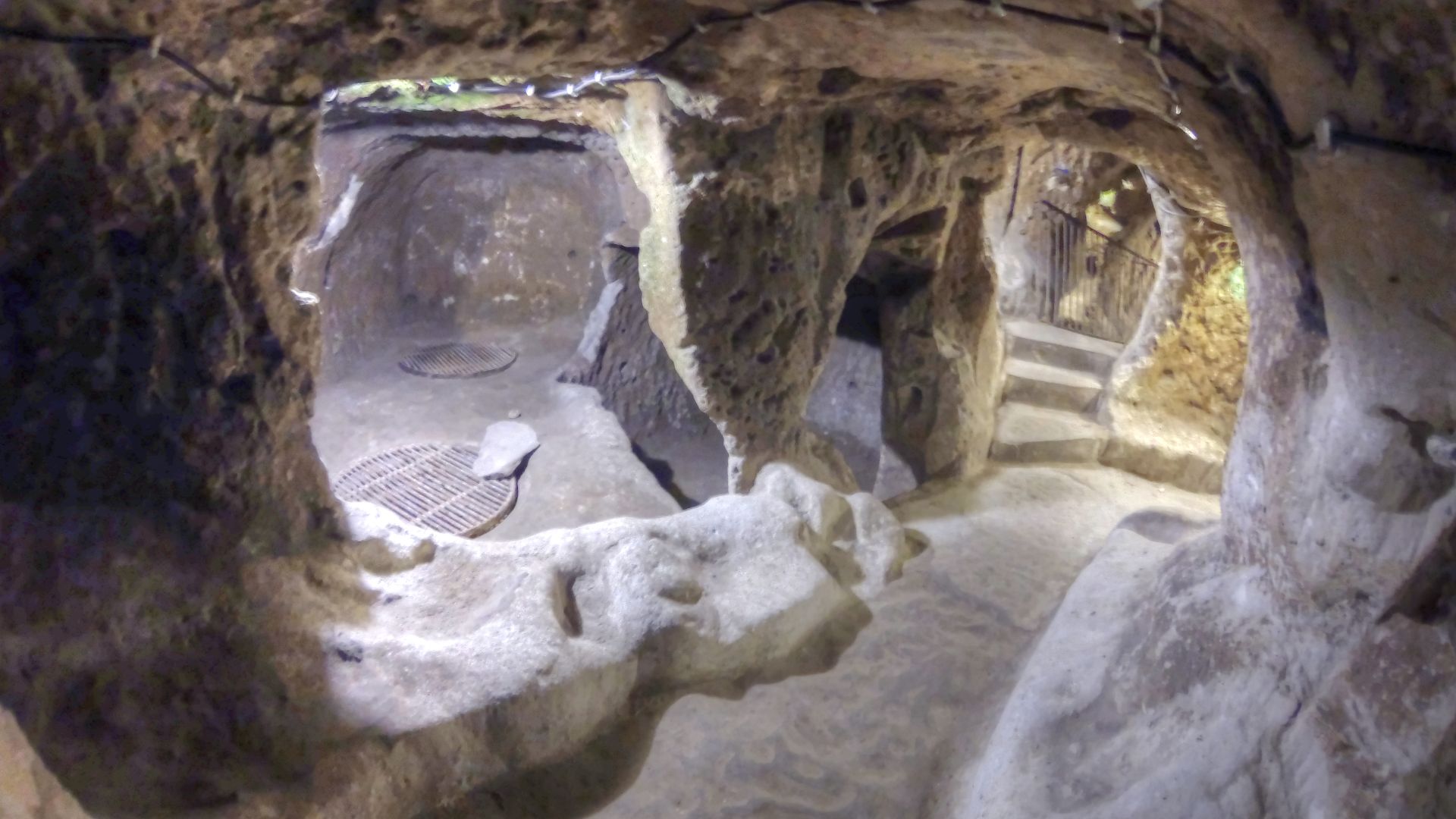
This wasn’t a series of caves. It was a fully functioning city. There were rooms, hallways, storage areas, kitchens, and even gathering spaces. It had structure, organization, and purpose.
And it could accommodate more than you might think.
 Nevit Dilmen (talk), Wikimedia Commons
How Many People Could Live Here?
Researchers estimate that up to 20,000 people could have lived in Derinkuyu at one time. That includes families, livestock, and supplies. Yes, they even brought animals underground. It was basically a full underground community.
But what was its purpose?
 Chanilim714, Wikimedia Commons
Why Build Something Like This?
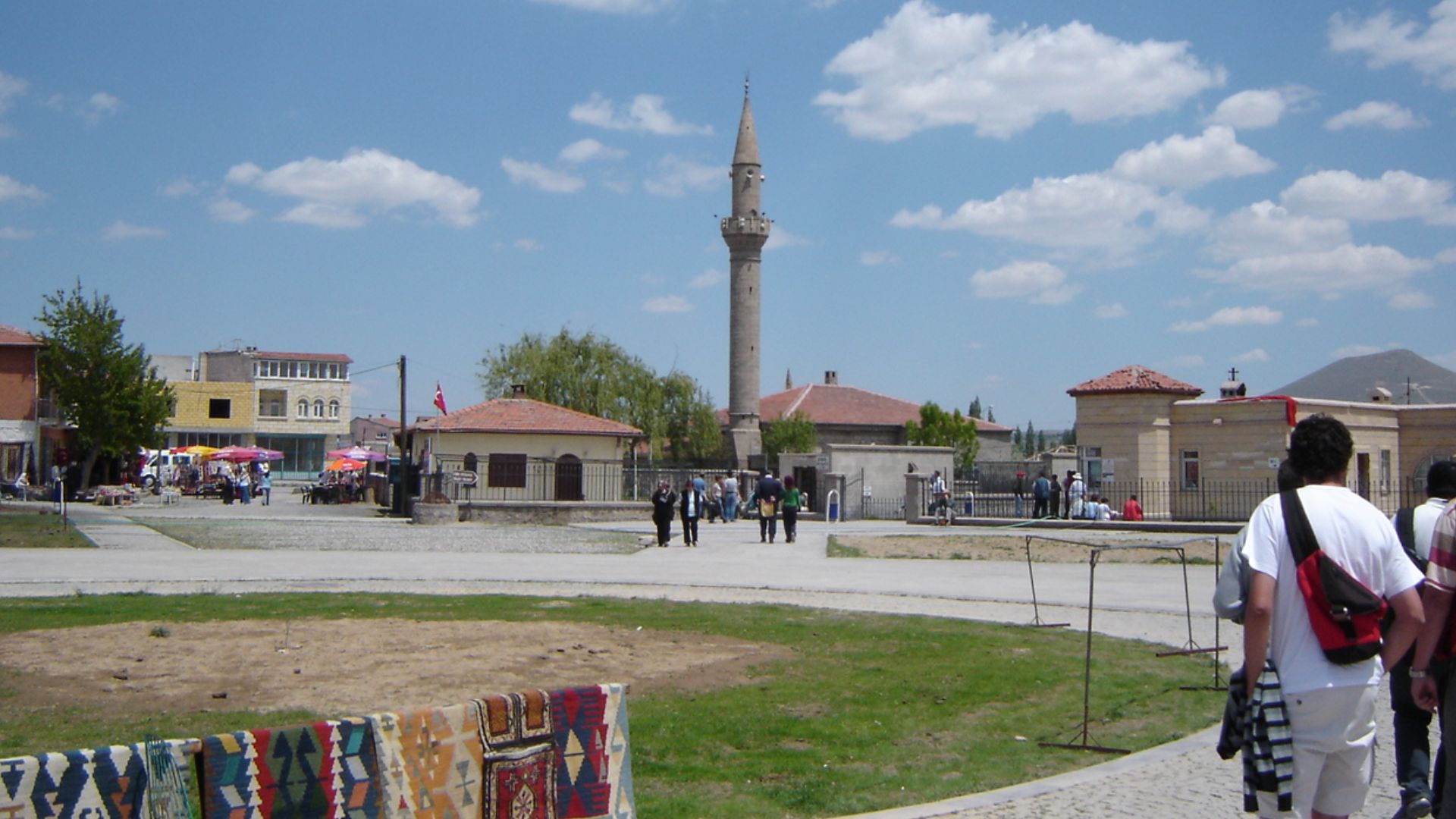
That’s the question everyone asks. Why go through all that effort? The most widely accepted answer is protection. The city was likely used as a refuge during times of invasion or conflict.
 Joe Wallace, Wikimedia Commons
Hidden From the Outside World
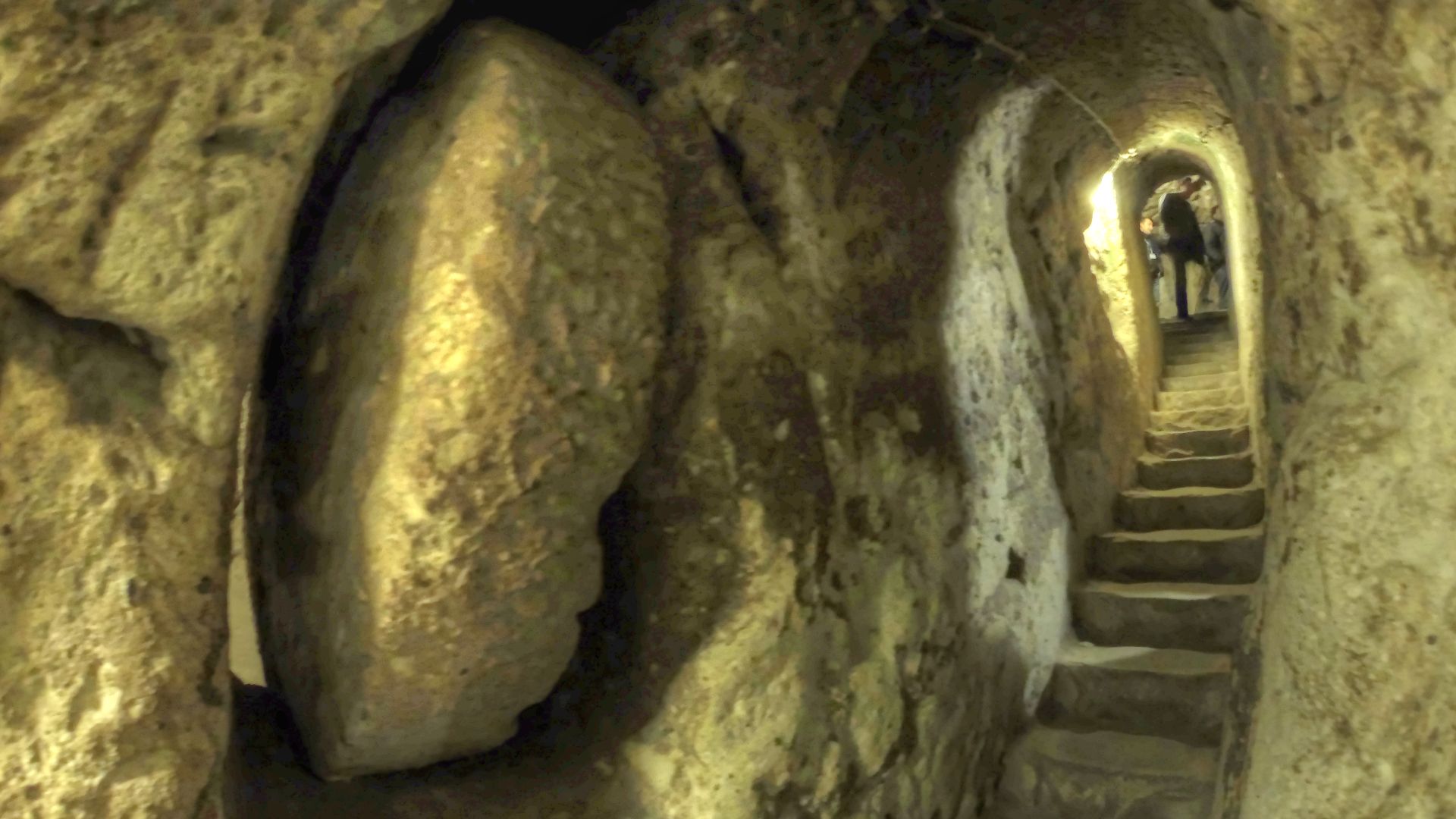
From above, you would never know it was there. The entrances were small, hidden, and easy to seal off. If you didn’t know where to look, you’d walk right over it without a clue.
 Nevit Dilmen (talk), Wikimedia Commons
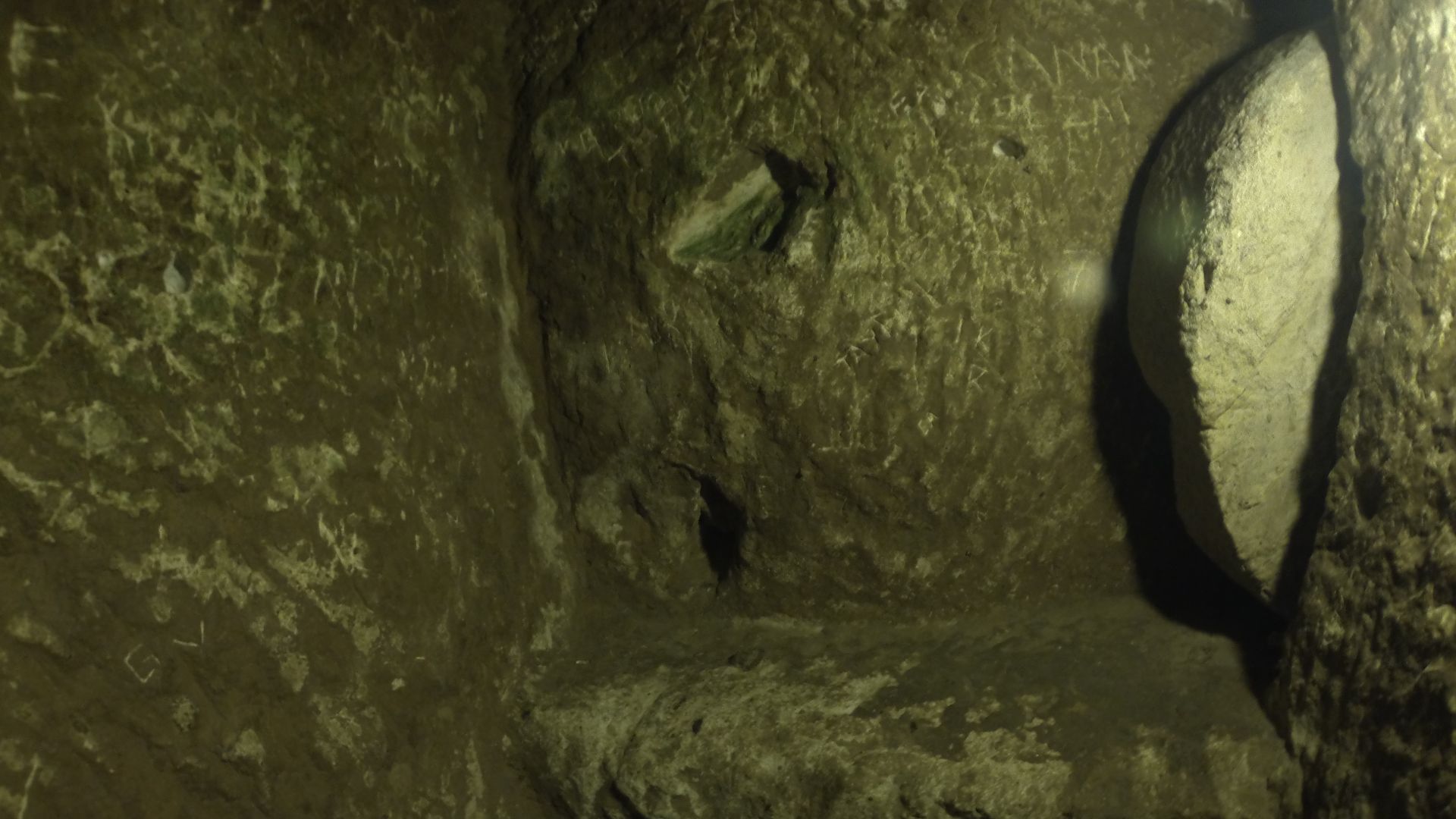
Doors That Could Stop an Army
Inside, the city had massive stone doors that could be rolled into place to block tunnels. These weren’t light doors either. Some weighed hundreds of pounds and could only be moved from the inside.
Still, there's more.
 Nevit Dilmen (talk), Wikimedia Commons
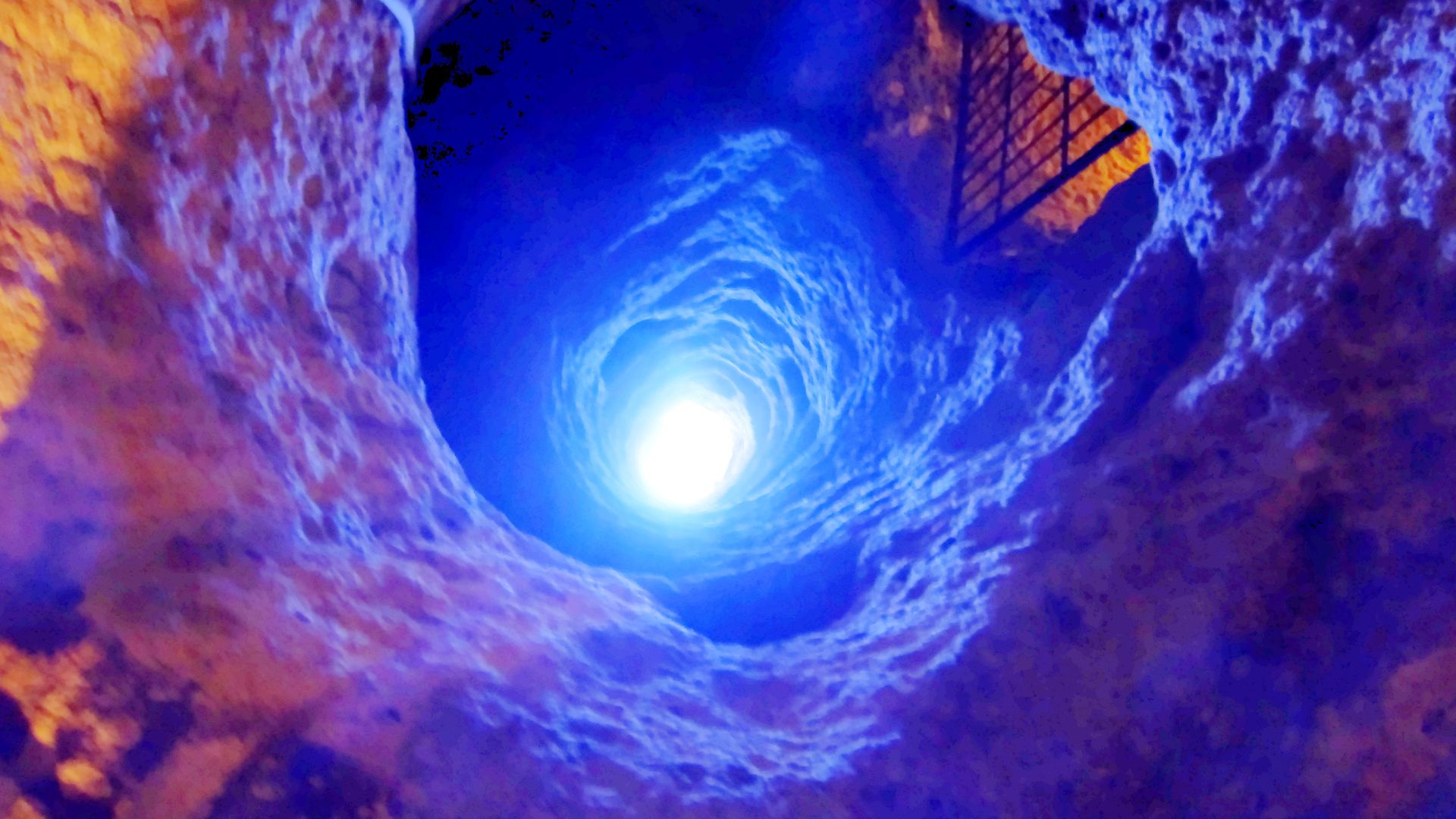
Airflow That Shouldn’t Work This Well
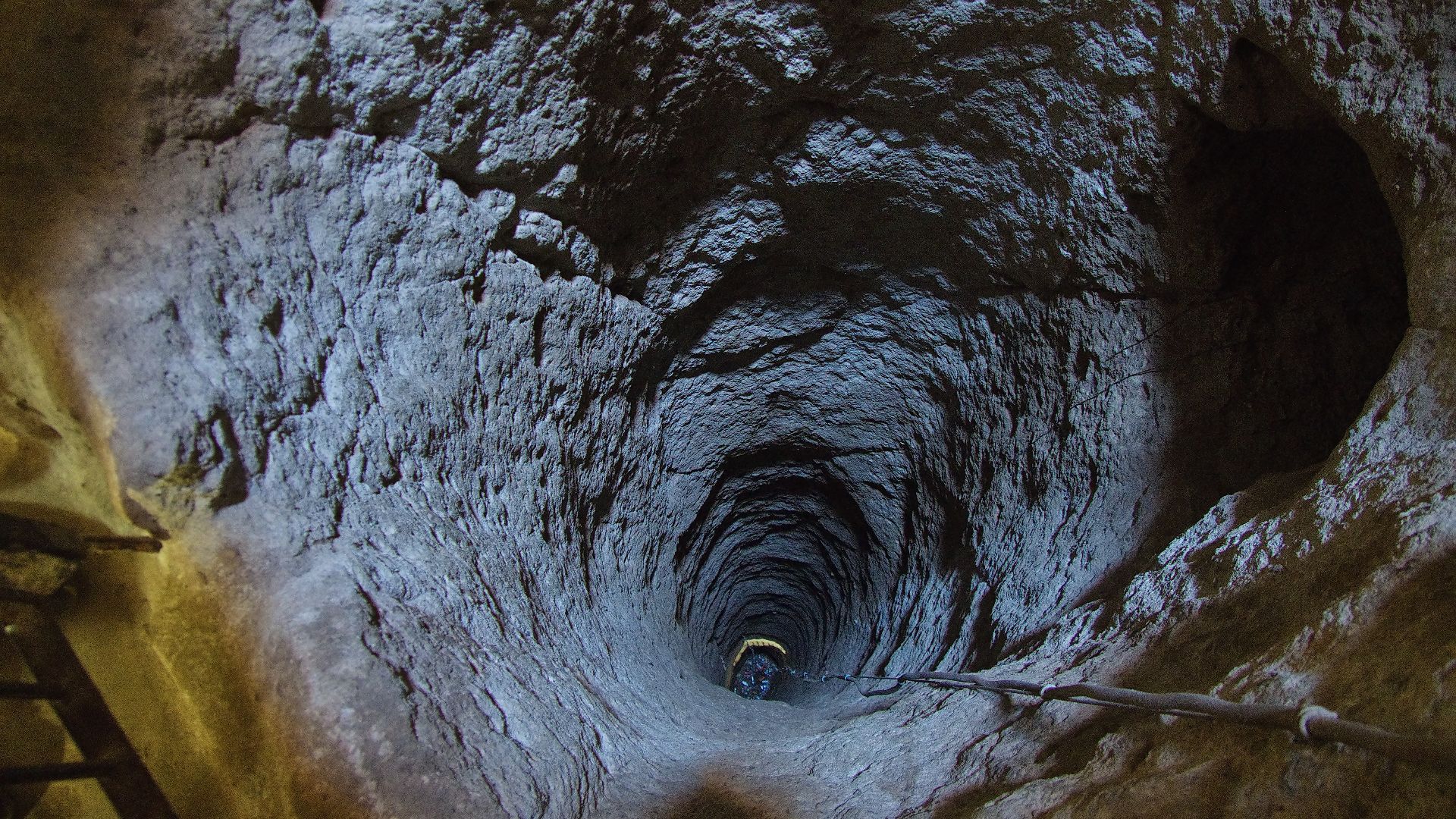
One of the most impressive features was the ventilation system. Vertical shafts allowed fresh air to flow through all levels of the city. Somehow, ancient builders figured out how to keep thousands of people breathing underground.
Fresh air wasn't the only amenity this underground haven had.
 Nevit Dilmen (talk), Wikimedia Commons
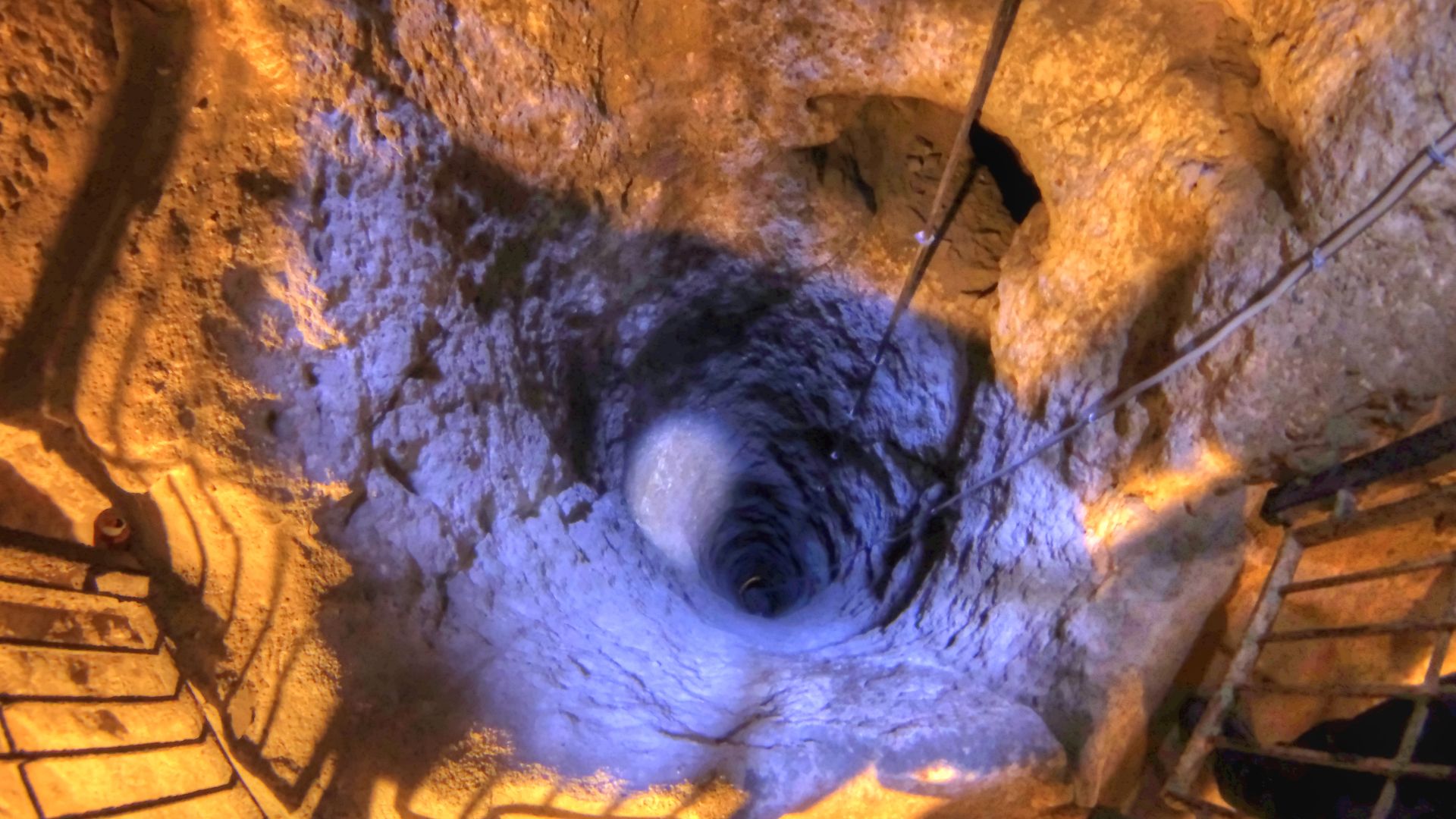
Water, But Make It Safe
The city also had wells, some of which were designed so that water couldn’t be easily poisoned from the surface. Whoever built this wasn’t just thinking about hiding. They were thinking long-term survival.
 Nevit Dilmen (talk), Wikimedia Commons
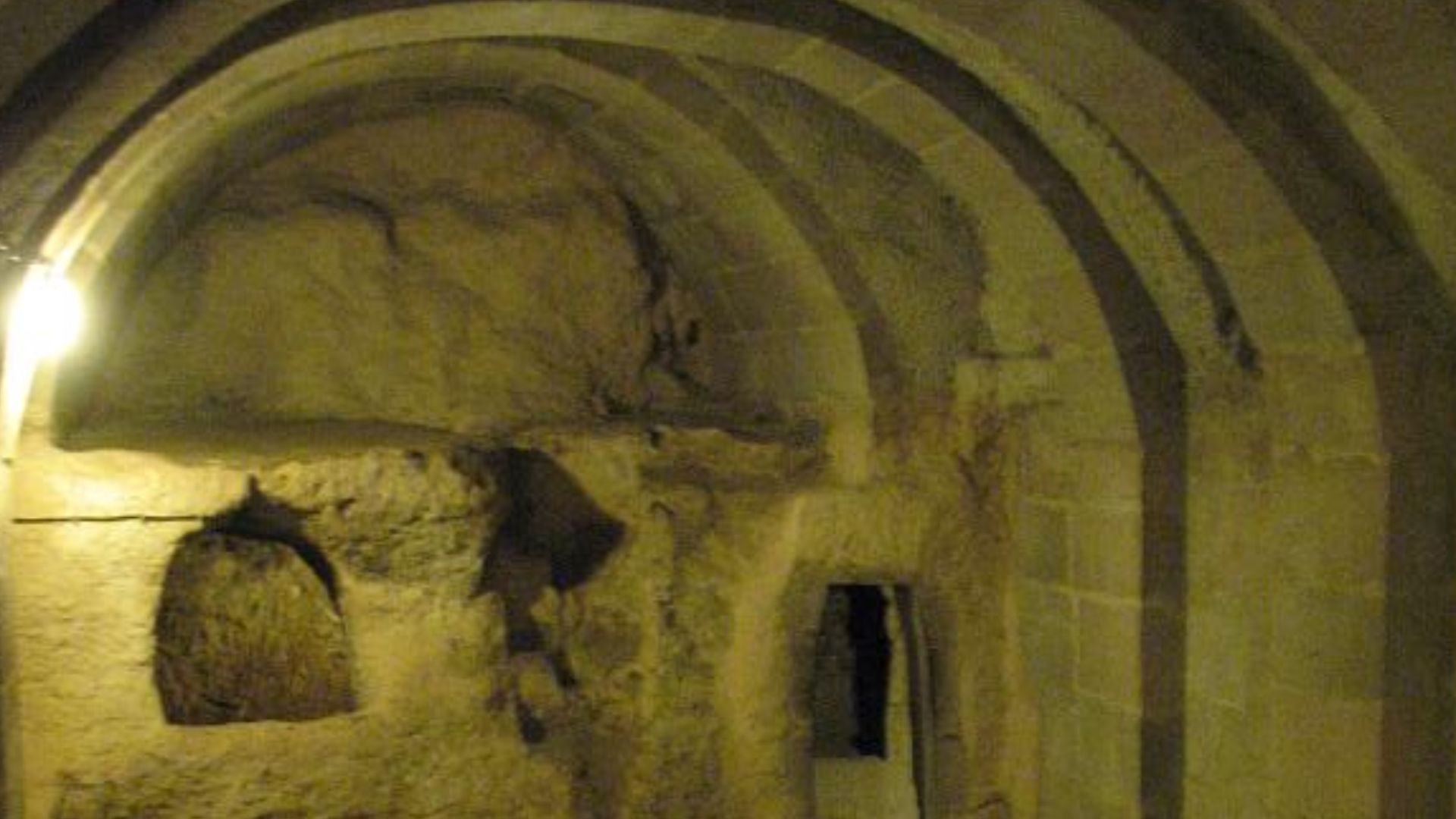
Rooms With Specific Purposes
Different levels served different functions. Some areas were used for living, while others were used for storage or food preparation. There were even spaces believed to be schools or churches!
This underground city was massive—and it wasn't the only one.
 Martijn Munneke from Netherlands, Wikimedia Commons
Not Just One City
Here’s where it gets even more interesting. Derinkuyu isn’t the only underground city in the region. It’s part of a network. Some tunnels are believed to connect it to other underground settlements nearby.
While its discovery helped answer questions, it also posed new ones.
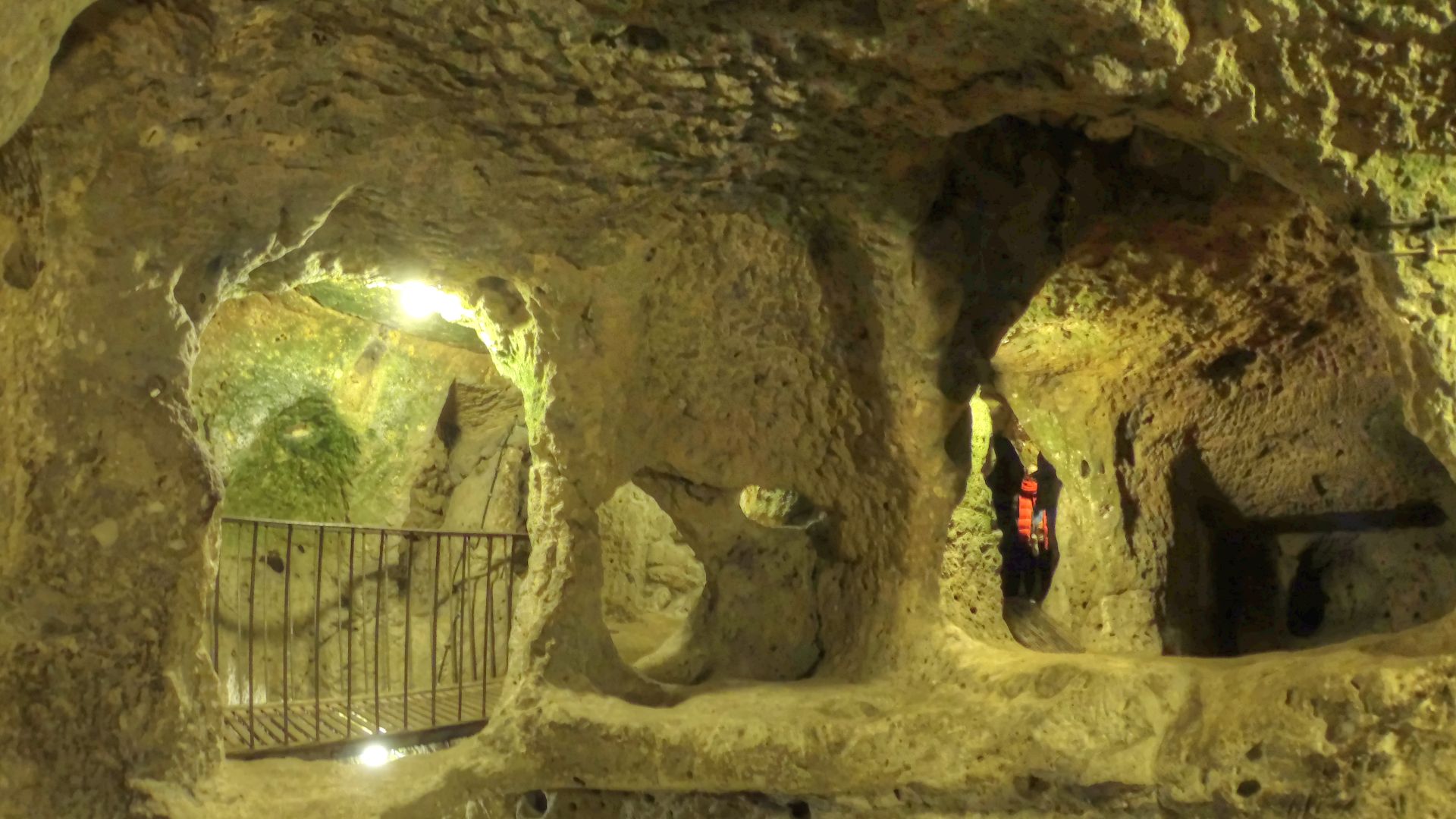 Nevit Dilmen (talk), Wikimedia Commons
Who Actually Built It?
This is where things get a little unclear. Some historians believe the earliest parts date back to the Phrygians around the 8th century BCE, while others suggest later civilizations expanded it over time.
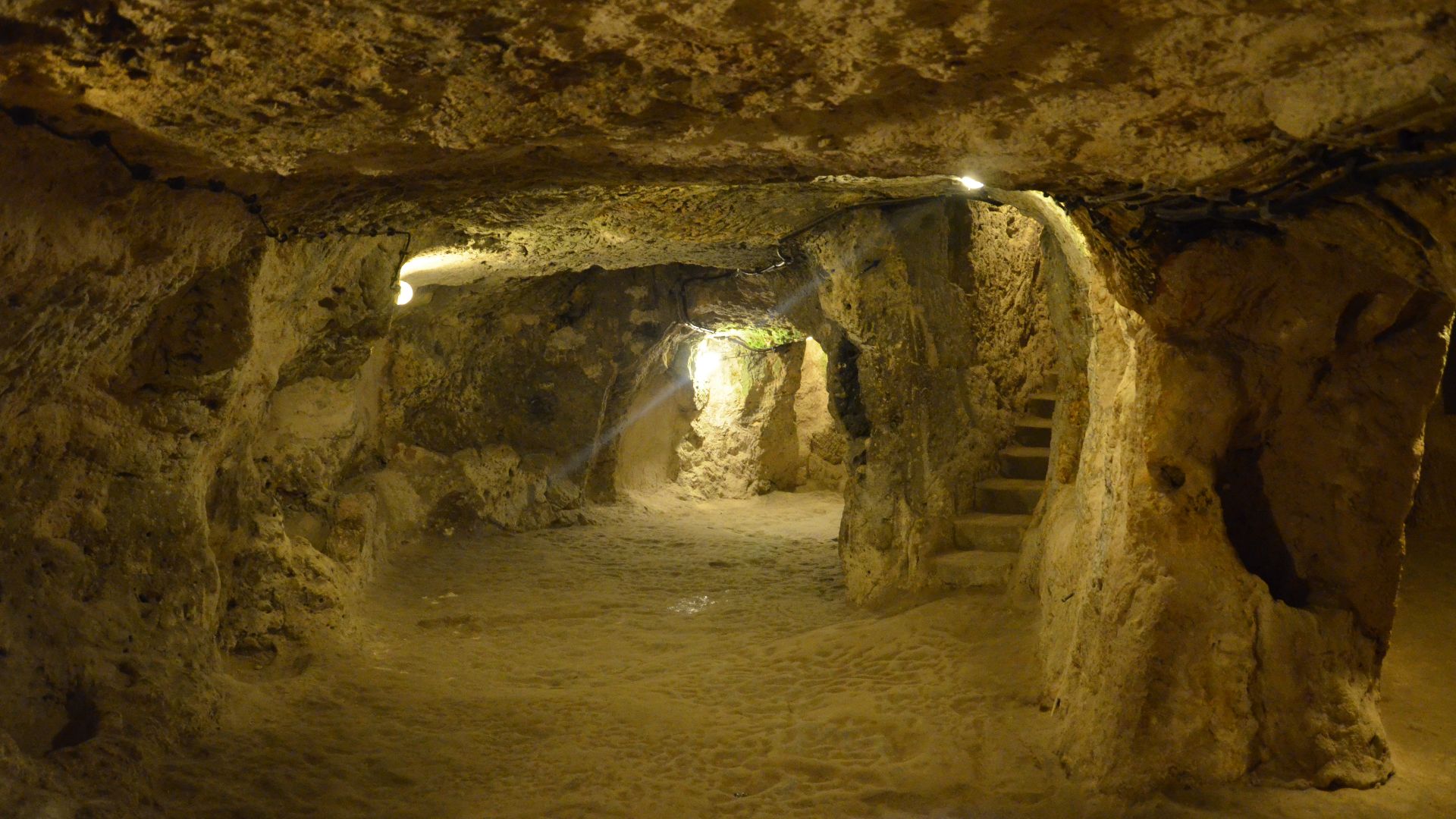 Ahmet KAYNARPUNAR, Wikimedia Commons
Used Again and Again
The city wasn’t just built and abandoned. It was reused for centuries by different groups, including early Christians, who used it as a safe place during periods of persecution.
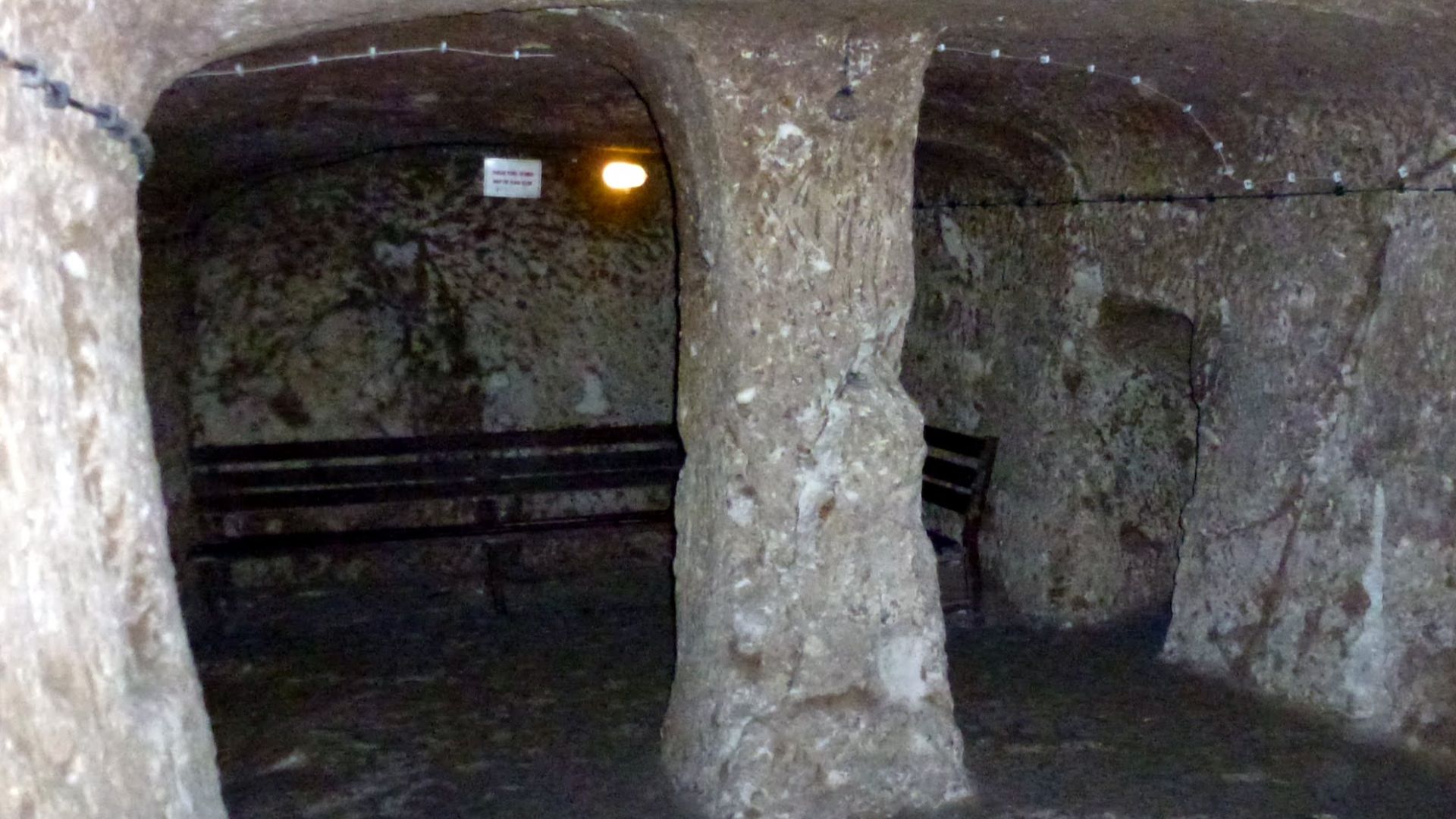 Nikolai Maksimovich, Wikimedia Commons
A Place to Disappear
Imagine an entire population vanishing underground during an attack. That’s likely what happened here. People would retreat into Derinkuyu, seal the entrances, and wait it out.
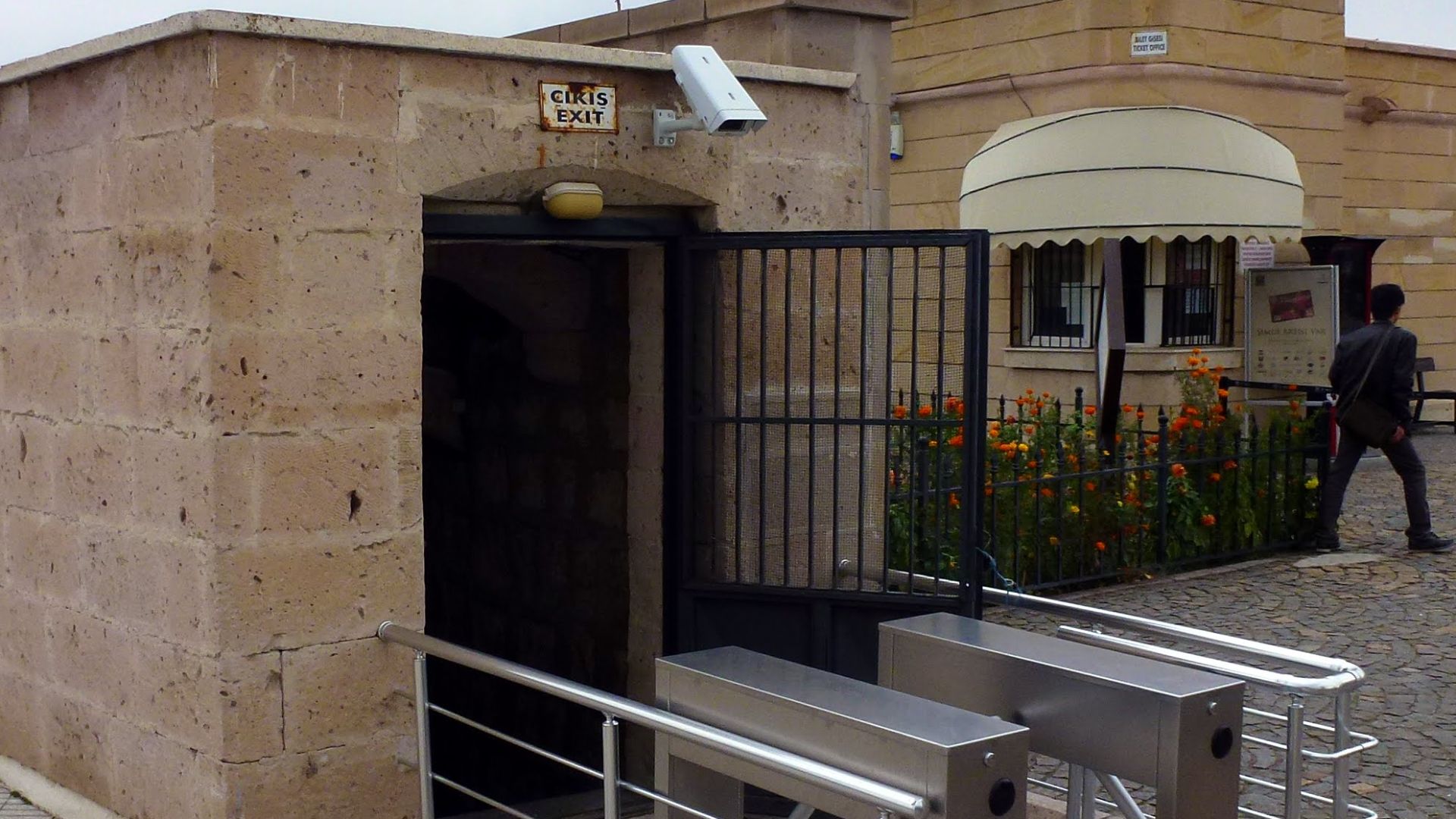 Nikolai Maksimovich, Wikimedia Commons
How Did No One Notice?
That’s one of the strangest parts. This massive structure sat hidden beneath the town for centuries. Generations lived above it without fully knowing what was below their feet.
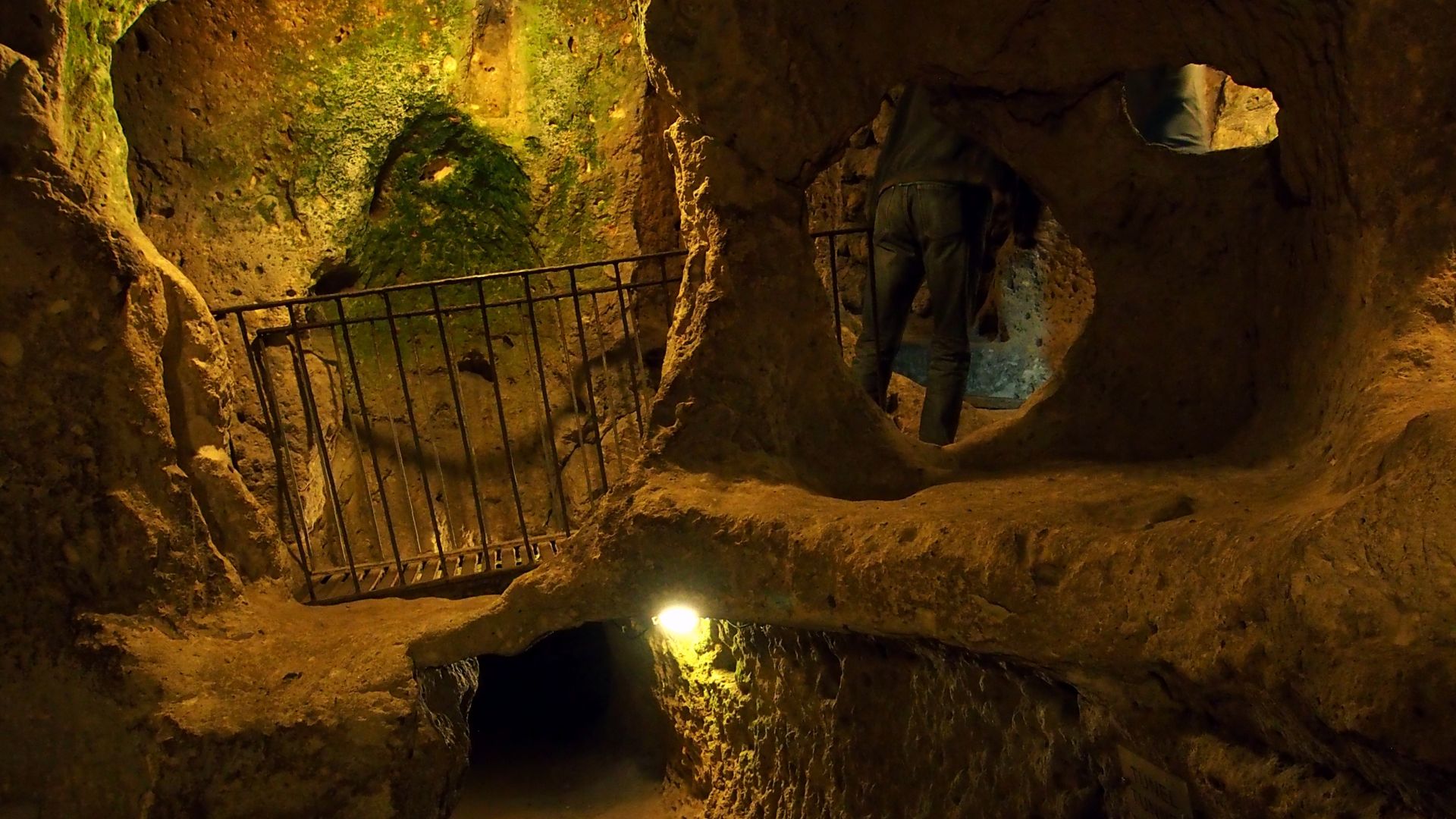
Rediscovered by Accident
And it all came back to that one homeowner in 1963. No major expedition. No high-tech scanning. Just a guy knocking down a wall and accidentally uncovering one of the most incredible archaeological discoveries in the world.
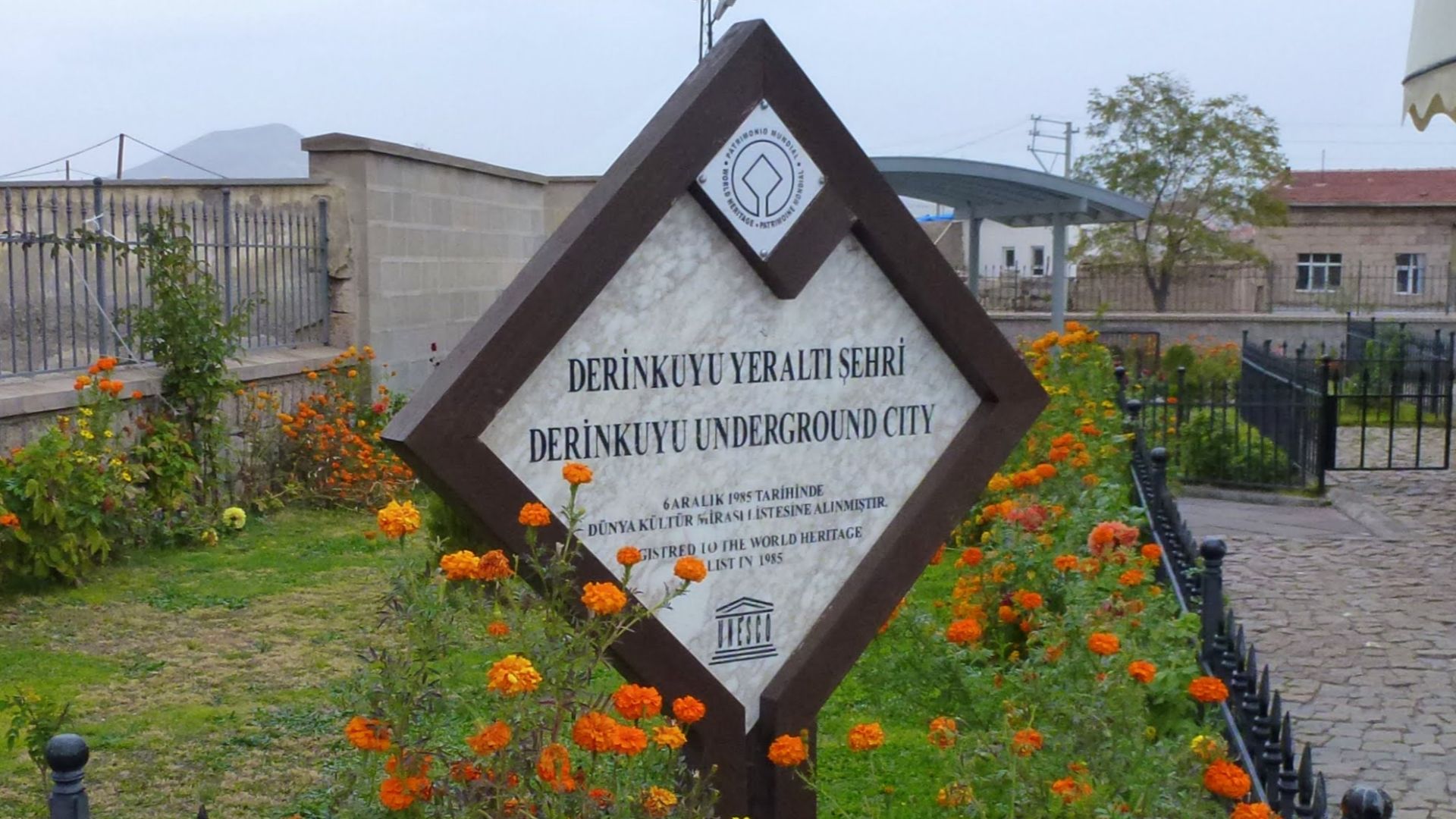 Nikolai Maksimovich, Wikimedia Commons
Open to the Public Today
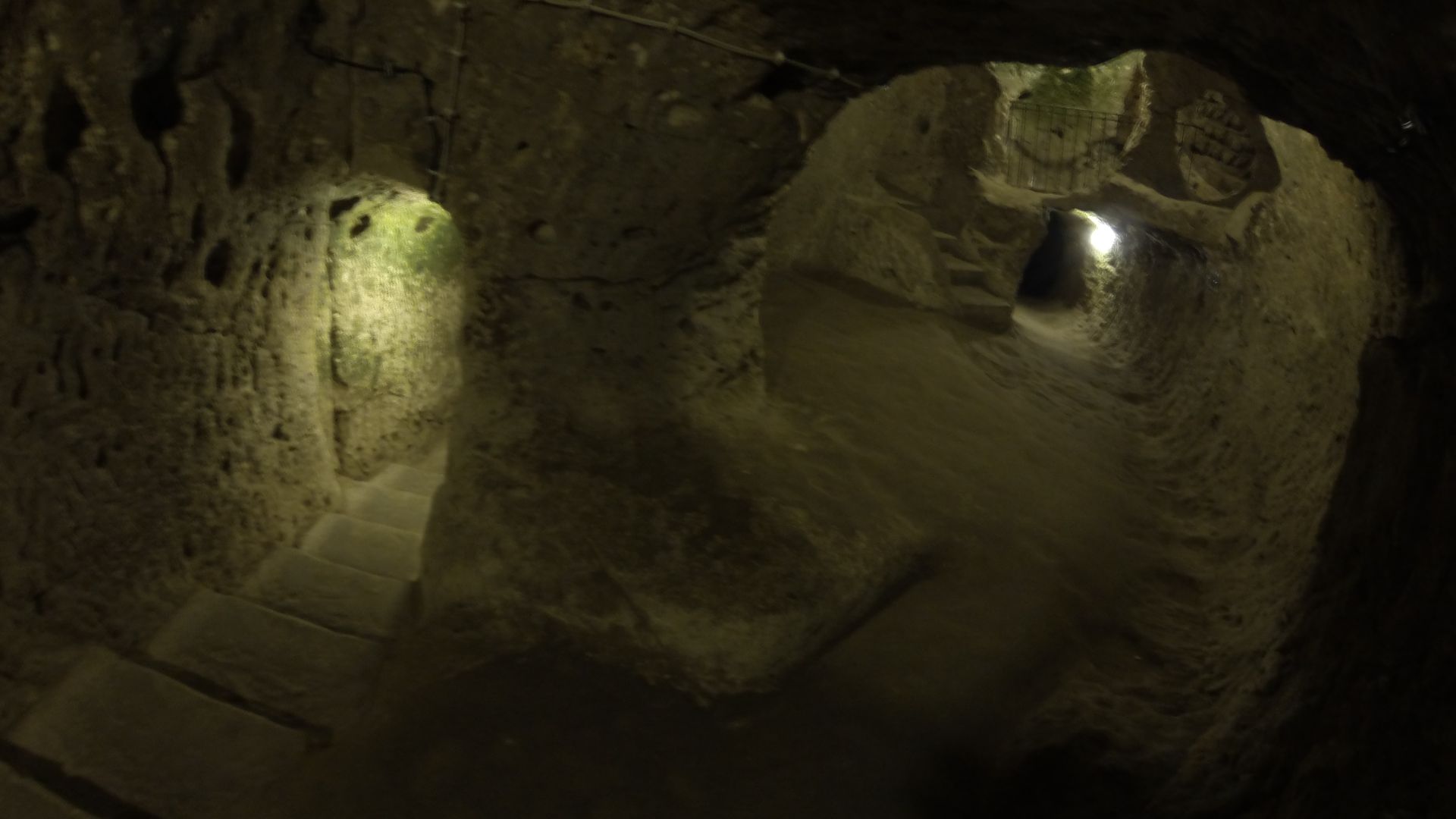
Today, parts of Derinkuyu are open for visitors. You can walk through the tunnels, duck through doorways, and try to imagine what life was like down there. Just maybe don’t think too hard about how deep it goes.
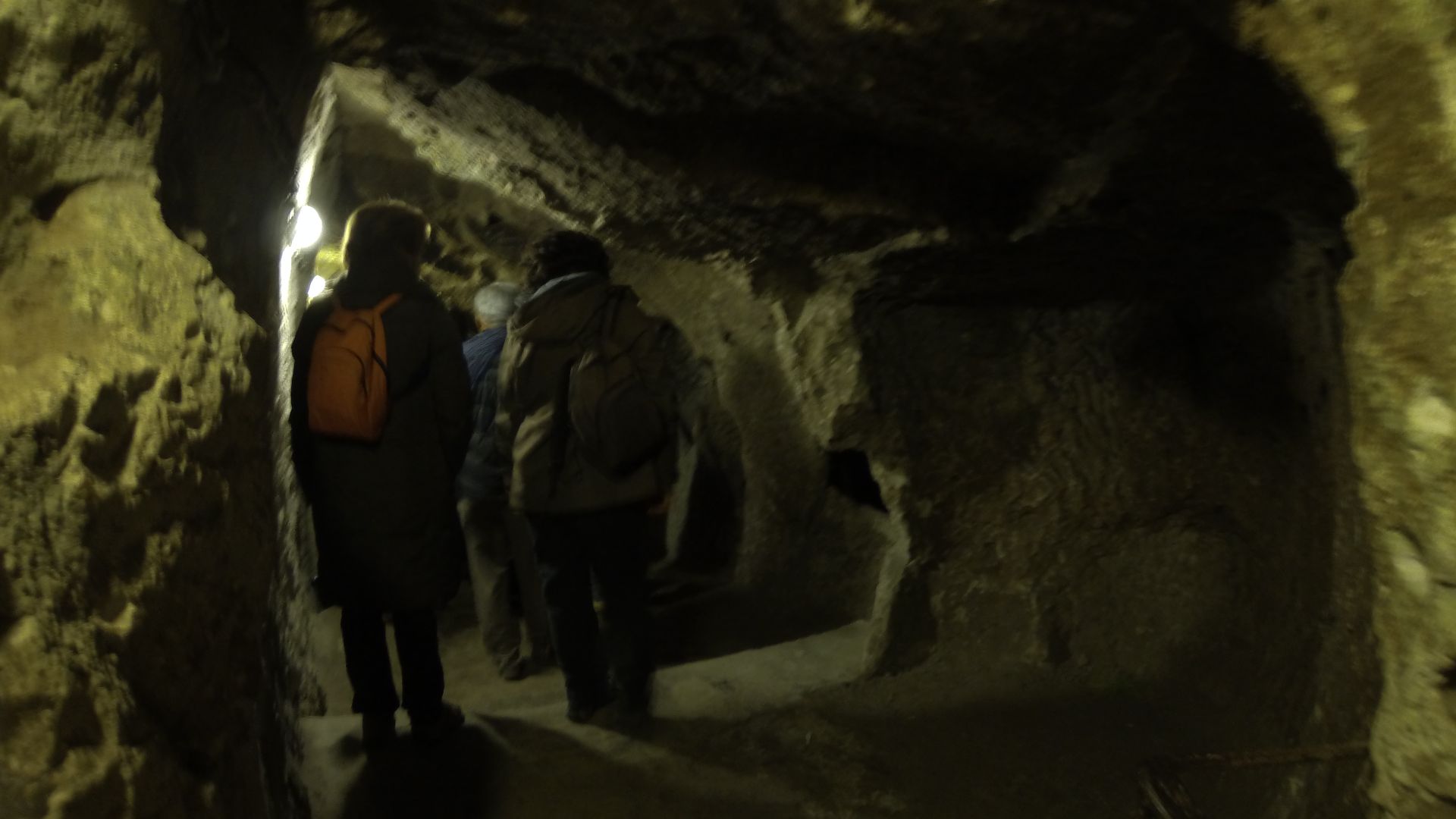 Nevit Dilmen (talk), Wikimedia Commons
A City That Still Feels Unreal
Even now, it’s hard to wrap your head around it. An 18-level underground city, built centuries ago, hidden in plain sight. It sounds like something out of a movie, but it’s completely real.
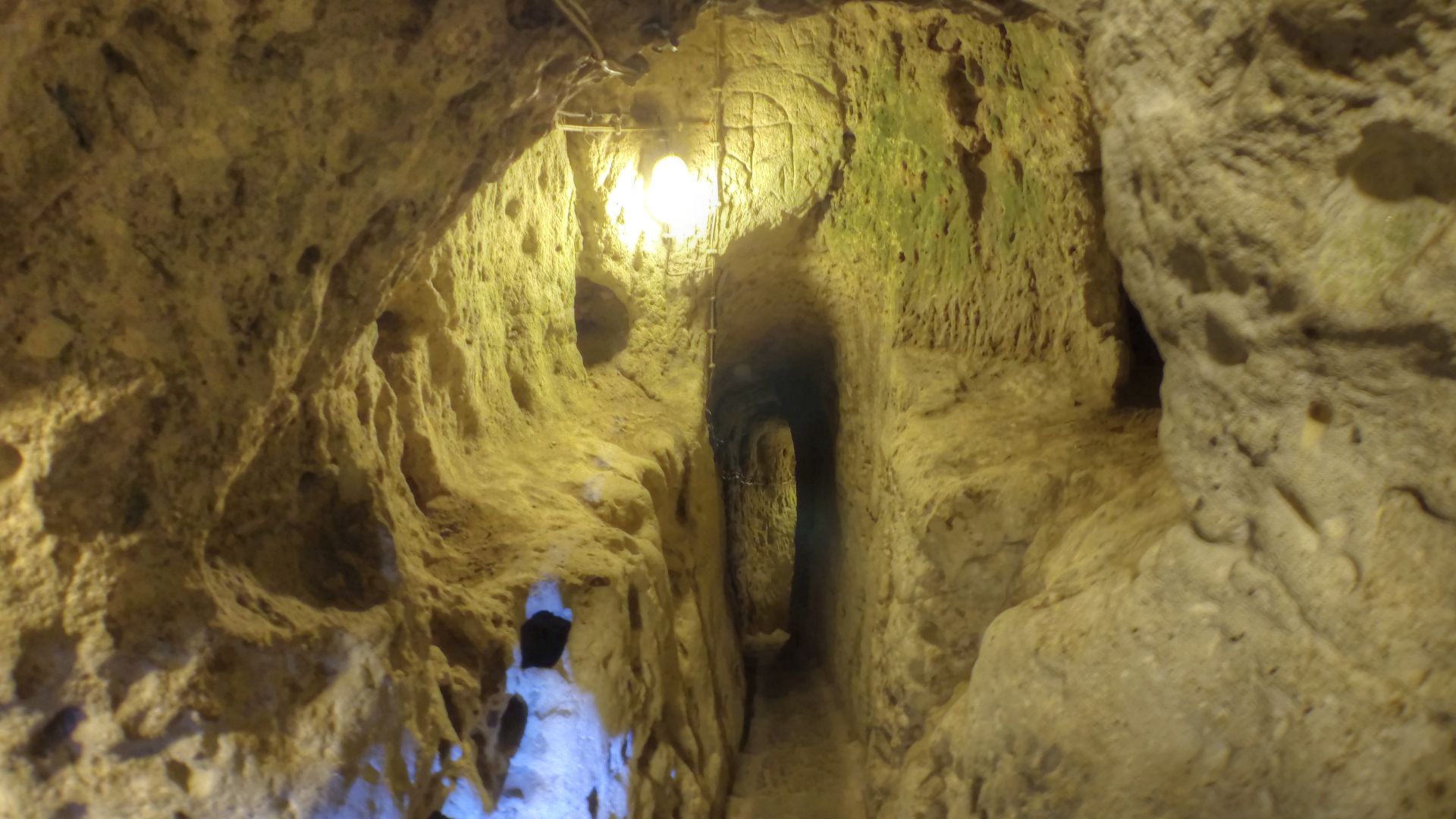 Nevit Dilmen (talk), Wikimedia Commons
The Value Hidden Underground
Derinkuyu isn’t just impressive because of its size. It’s important because it shows how people adapted, survived, and built entire communities under extreme conditions. And honestly, we’re probably still not done learning from it.
 Nevit Dilmen (talk), Wikimedia Commons
You May Also Like: