Digging Into Doubt
For more than two centuries, a small island off Nova Scotia has promised buried riches and engineered secrets beneath its soil. Oak Island became famous for a pit that supposedly floods by design and hides unimaginable treasure. But stories grow faster than evidence, and they obscure the actual wonder of this incredibly unique site.
 Dennis G. Jarvis, Wikimedia Commons, Modified
Where Oak Island Is Located
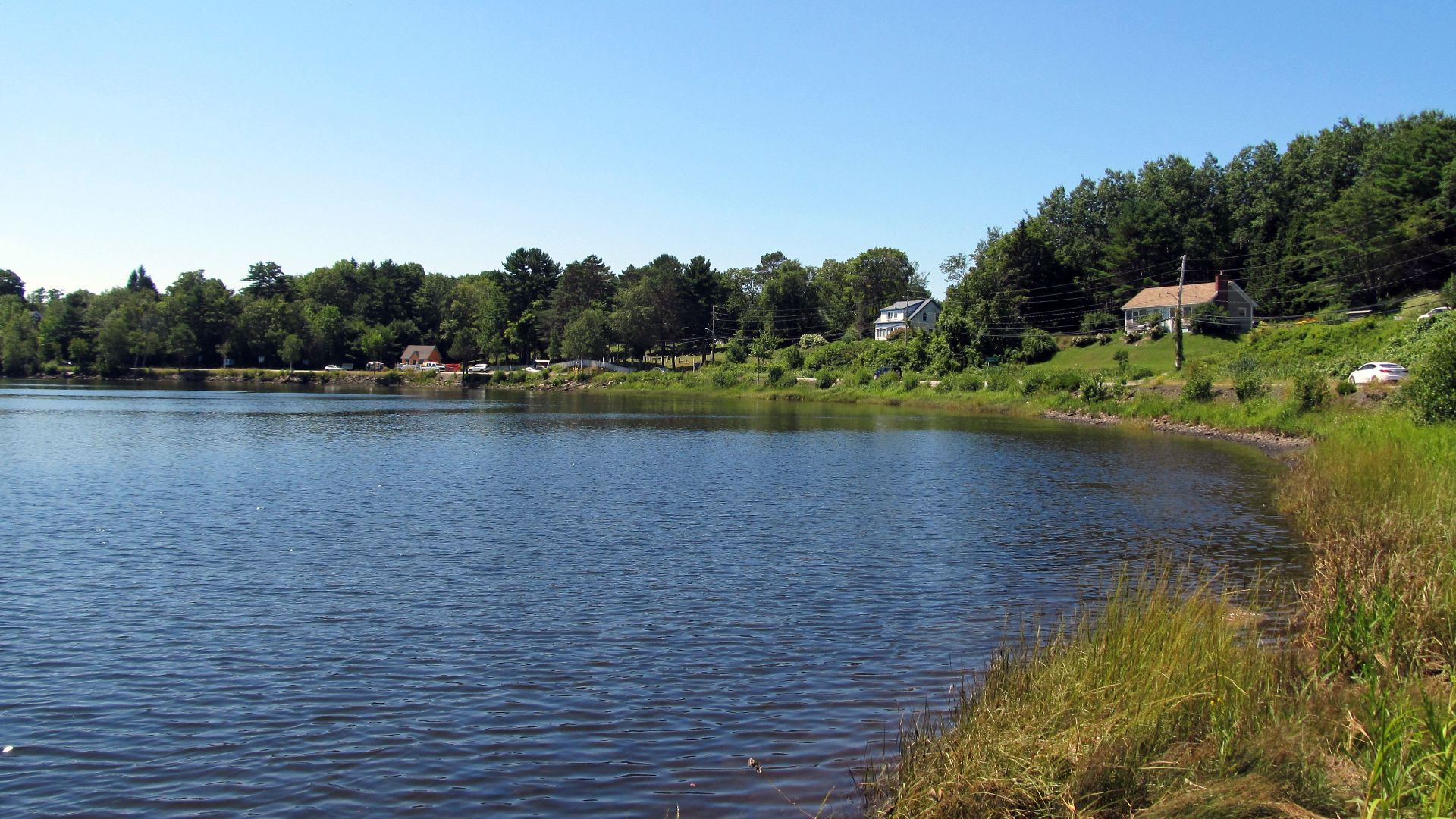
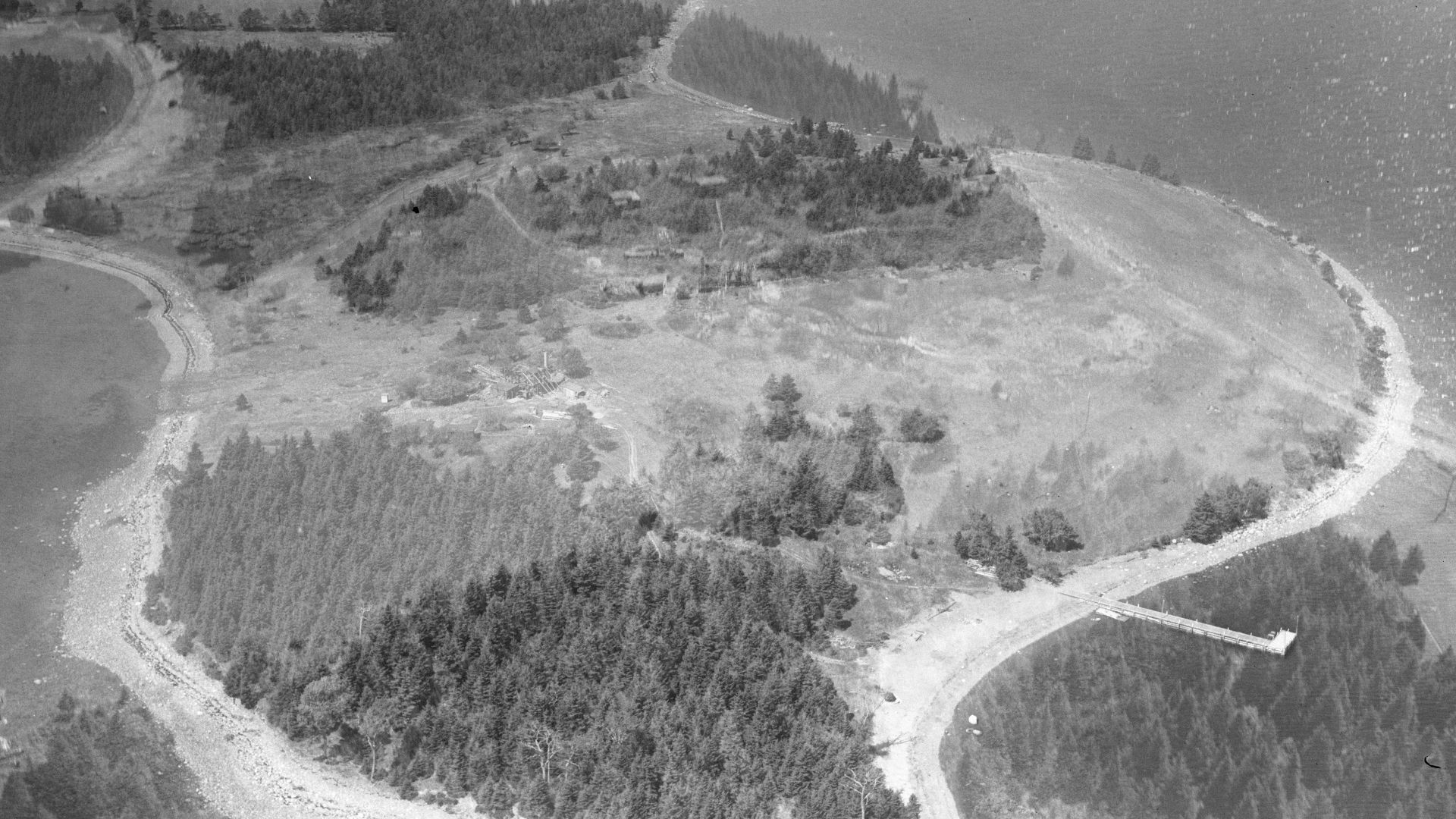
Just off the coast of Nova Scotia sits Oak Island in Mahone Bay. The island covers about 140 acres and lies close to historic shipping routes. That geography fueled speculation early on. Remote enough for secrecy, yet accessible enough for sailors, it invited stories.
 daryl_mitchell, Wikimedia Commons
The 1795 Discovery Story
According to later accounts, in 1795, Daniel McGinnis—described in legends as a teenager but possibly an adult settler—noticed a circular depression beneath an oak tree. According to later retellings, he found signs of previous digging. Two friends joined him. They excavated several feet before stopping, unaware that their curiosity would ignite centuries of speculation.
 Richard McCully, Wikimedia Commons
Early Digging Efforts
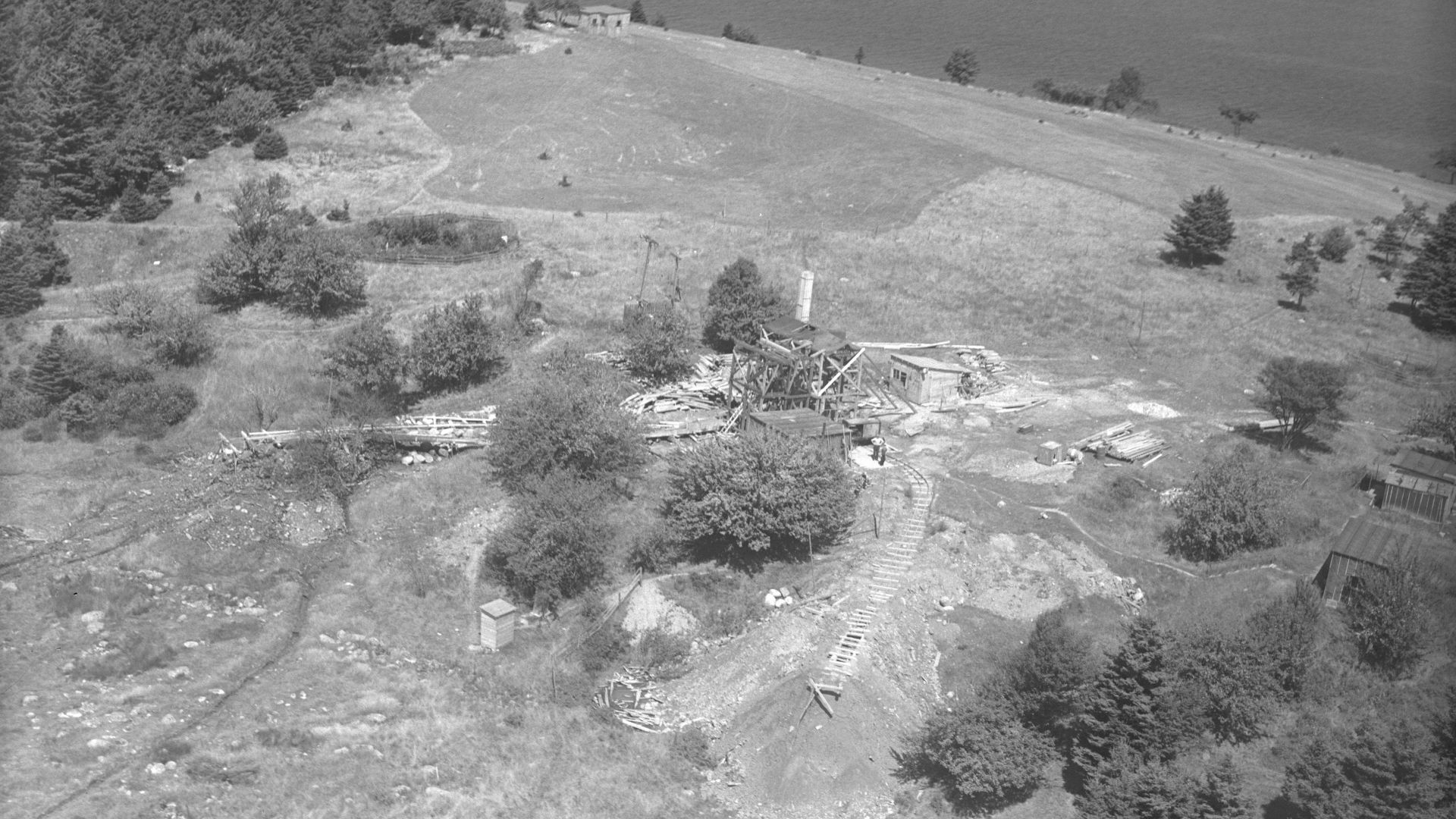
By the early 1800s, organized search parties resumed excavation. Reports describe wooden platforms encountered at intervals, though original documentation remains sparse. Investors formed companies to fund deeper shafts. Records also show repeated collapses and flooding, yet no verified treasure emerged during these early campaigns.
 Richard McCully, Wikimedia Commons
The Origin of the “Money Pit” Name
The term Money Pit did not appear in the earliest accounts. Later, newspapers popularized it as investment groups poured funds into repeated excavations. The name stuck for an obvious reason. Capital disappeared quickly, and returns remained stubbornly theoretical.
 Mr Cup / Fabien Barral, Unsplash
The Claimed Layered Platform Evidence
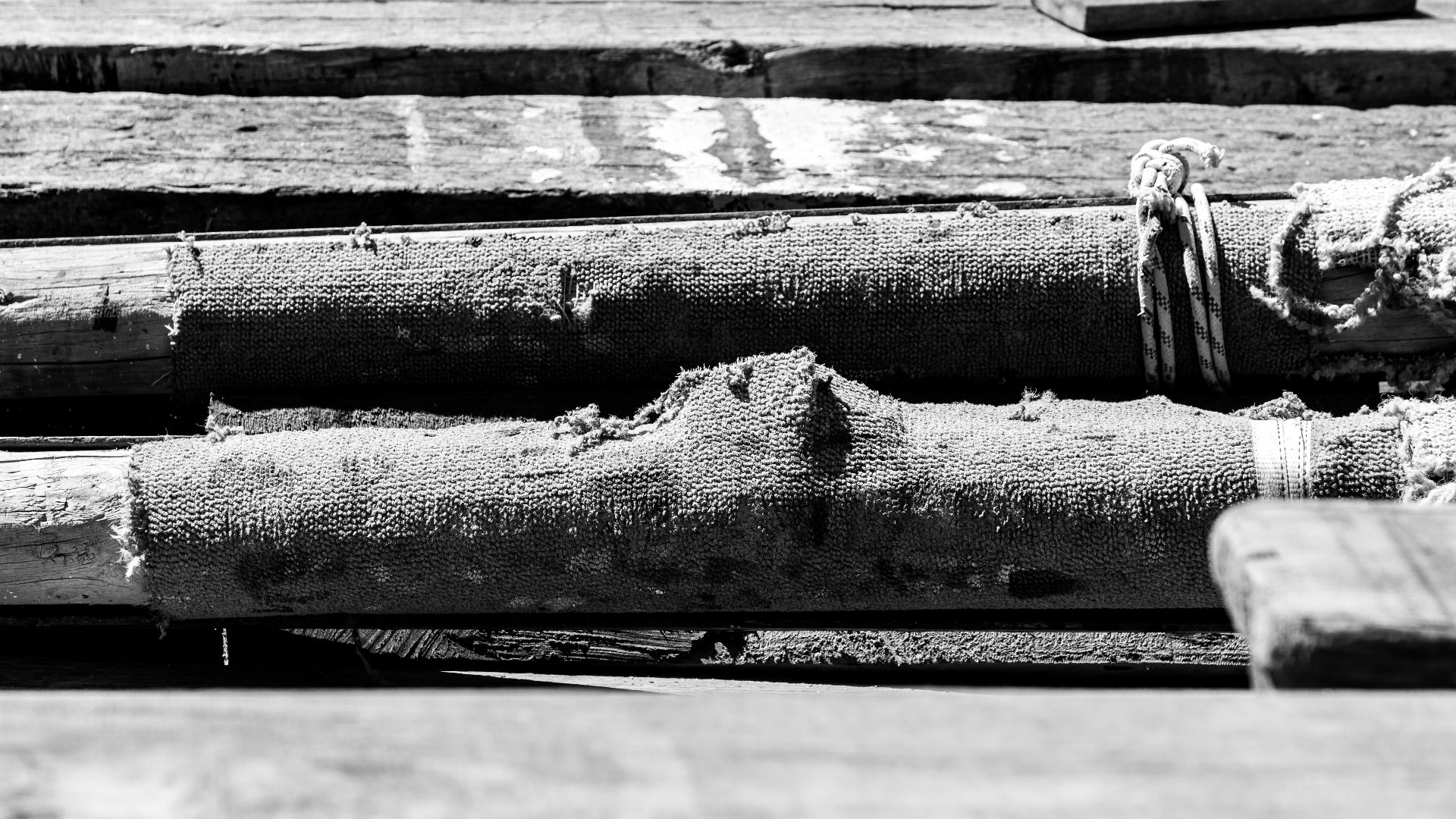
Accounts describe wooden layers every ten feet, interpreted as deliberate construction. However, surviving records conflict on depth and spacing. No preserved timbers exist today for independent testing. In fact, most references stem from secondary reports written decades after the original digs.
 Dietmar Rabich, Wikimedia Commons
The First Flooding Event
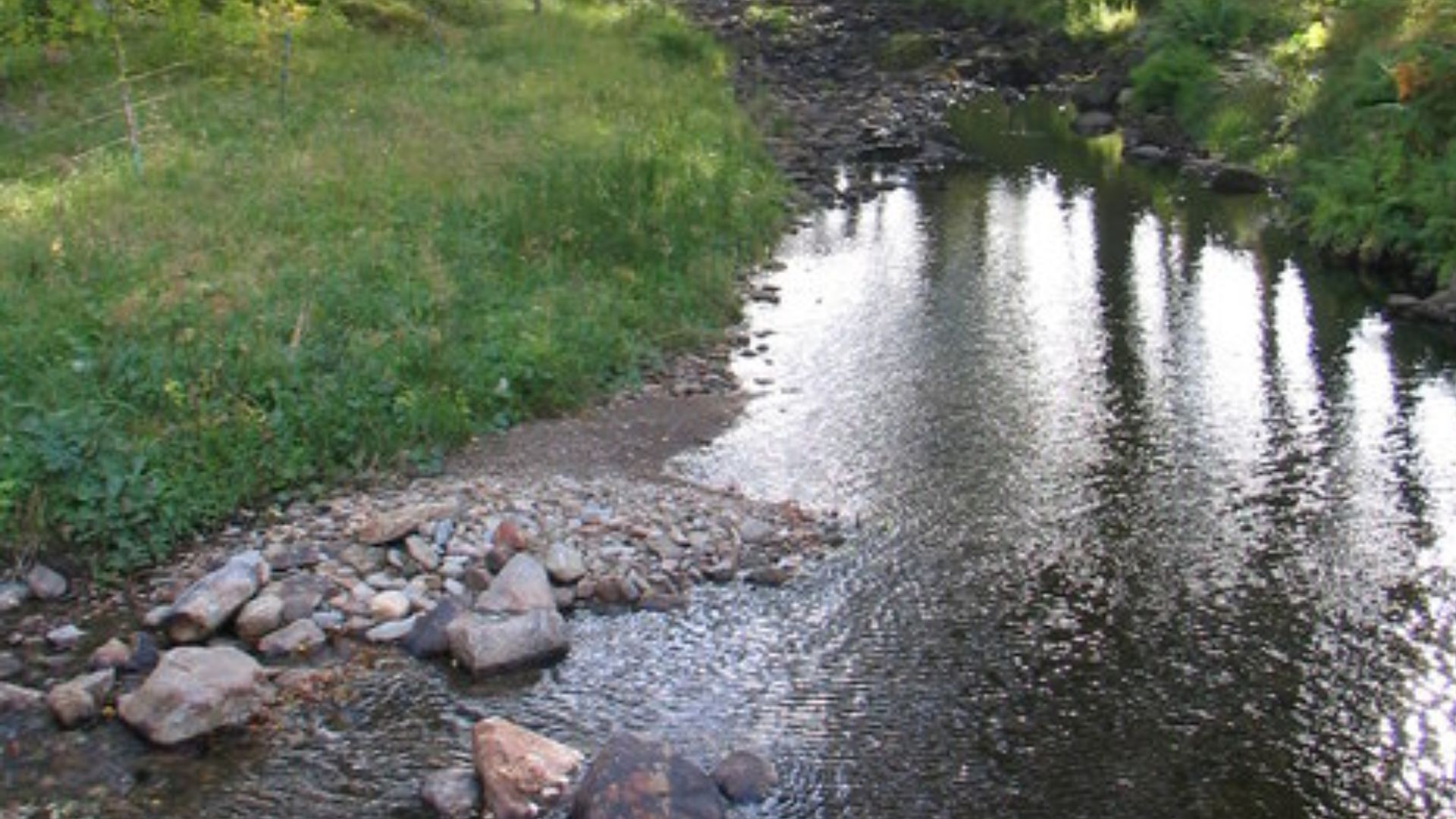
Around the ninety-foot mark, excavators reported a sudden rush of seawater rising through the shaft. Efforts to bail and pump proved temporary at best. Word spread quickly among investors. What began as an ambitious dig now carried the tone of engineered interference.
 Helen Taylor, Wikimedia Commons
The Flood Tunnel Theory
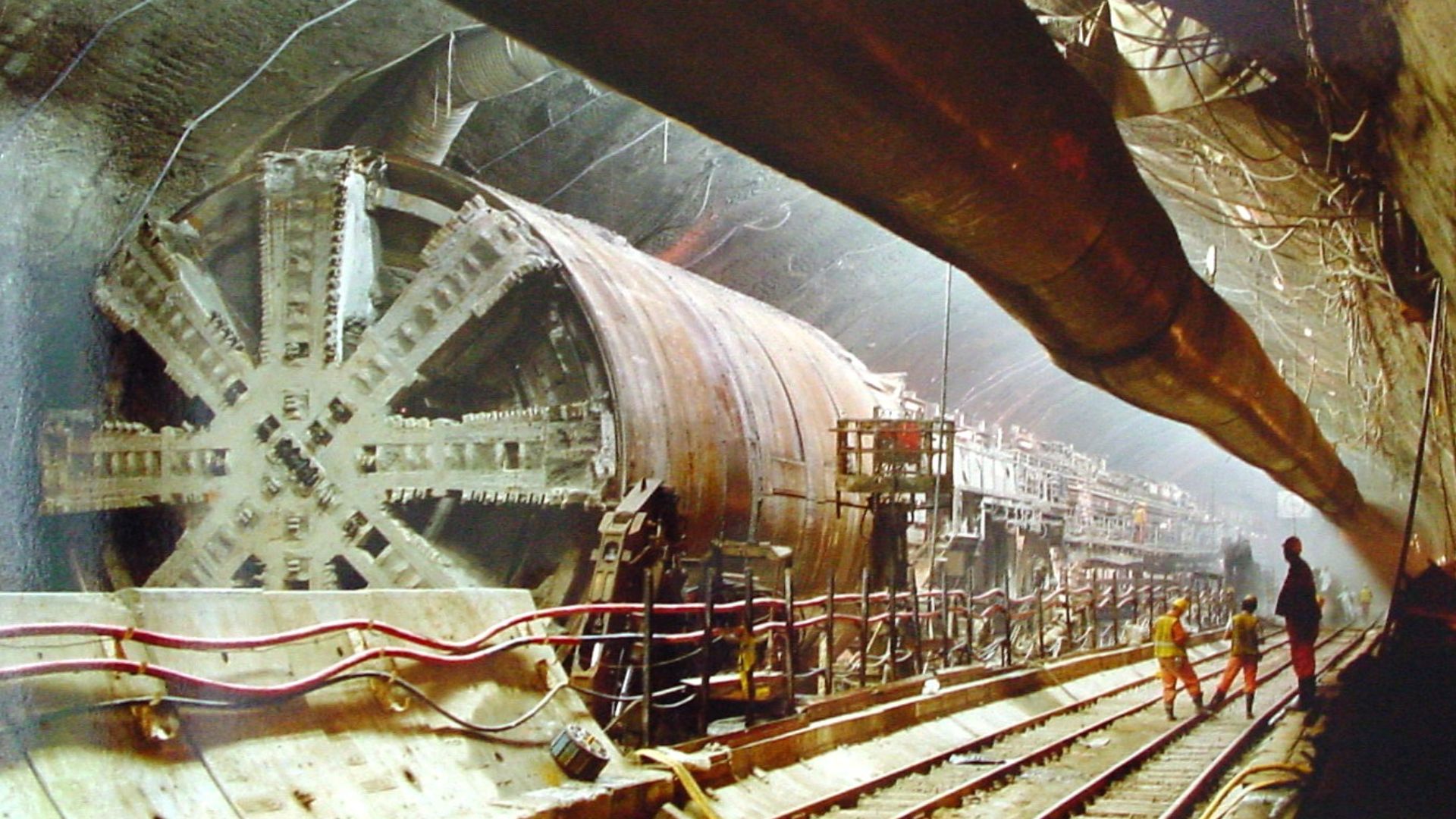
After repeated flooding, speculation shifted toward intentional design. Searchers proposed horizontal tunnels linked to the sea, with ongoing TV explorations claiming supporting evidence, such as dye flows. Yet no confirmed tunnel has ever been traced to the Money Pit, and geological analyses attribute flooding to natural karst features. The theory grew largely through inference rather than direct physical evidence.
 The original uploader was Tambo at Hungarian Wikipedia., Wikimedia Commons
Geological Composition of Oak Island
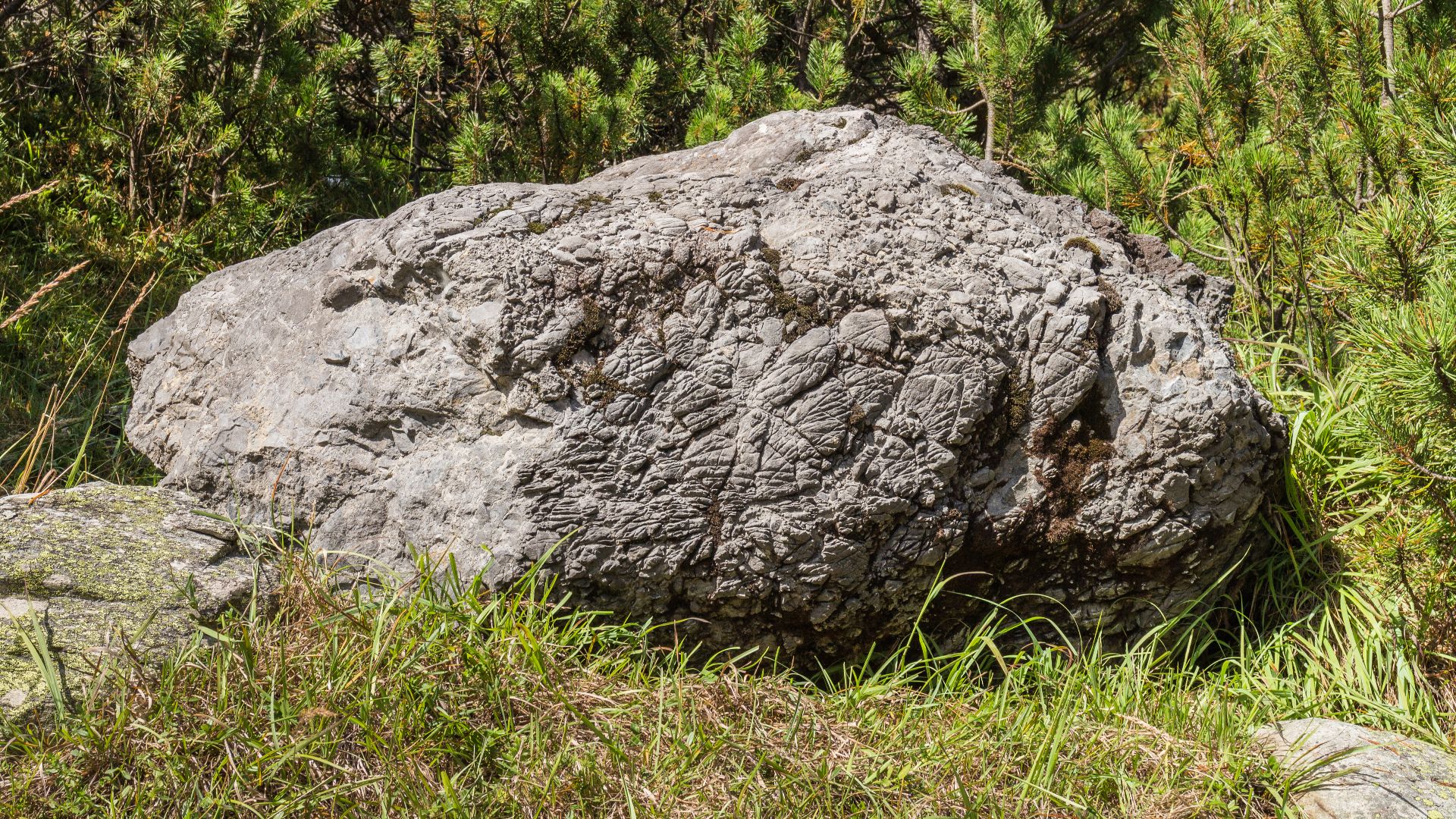
Beneath the surface, Oak Island consists largely of glacial till, limestone, and anhydrite deposits. Such materials contain natural voids and fractures. Groundwater also moves easily through porous sections. Consequently, water intrusion does not require an engineered system to explain recurring shaft flooding.
 Agnes Monkelbaan, Wikimedia Commons
Tidal Influence in Mahone Bay
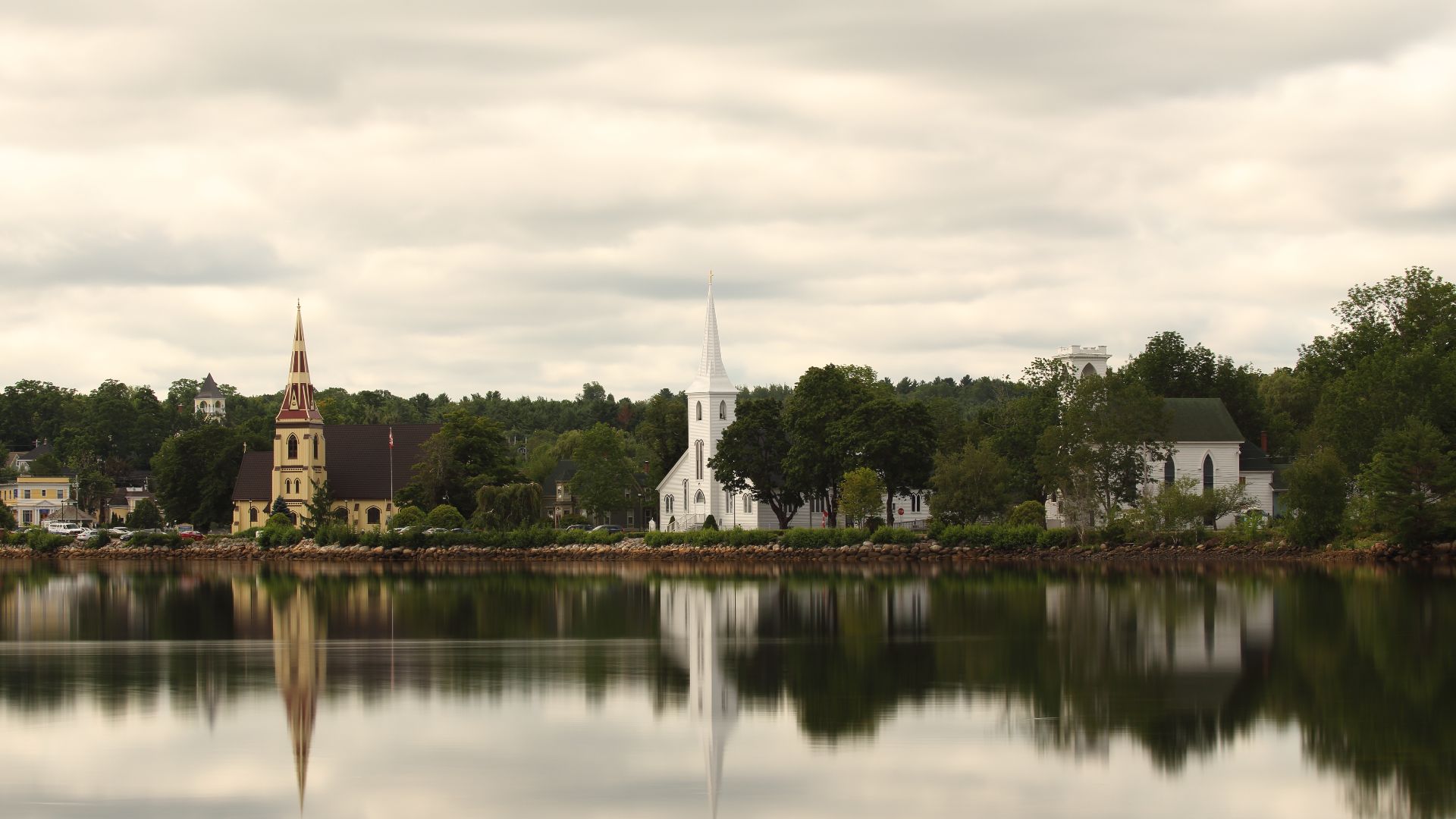
Mahone Bay experiences regular tidal shifts that influence coastal groundwater levels. As tides rise, the pressure of subsurface water increases. During low tide, pressure decreases. Digging deep shafts in that environment almost guarantees variable water flow, even without elaborate mechanical traps.
 Williamli9300, Wikimedia Commons
Borehole Evidence and Core Samples
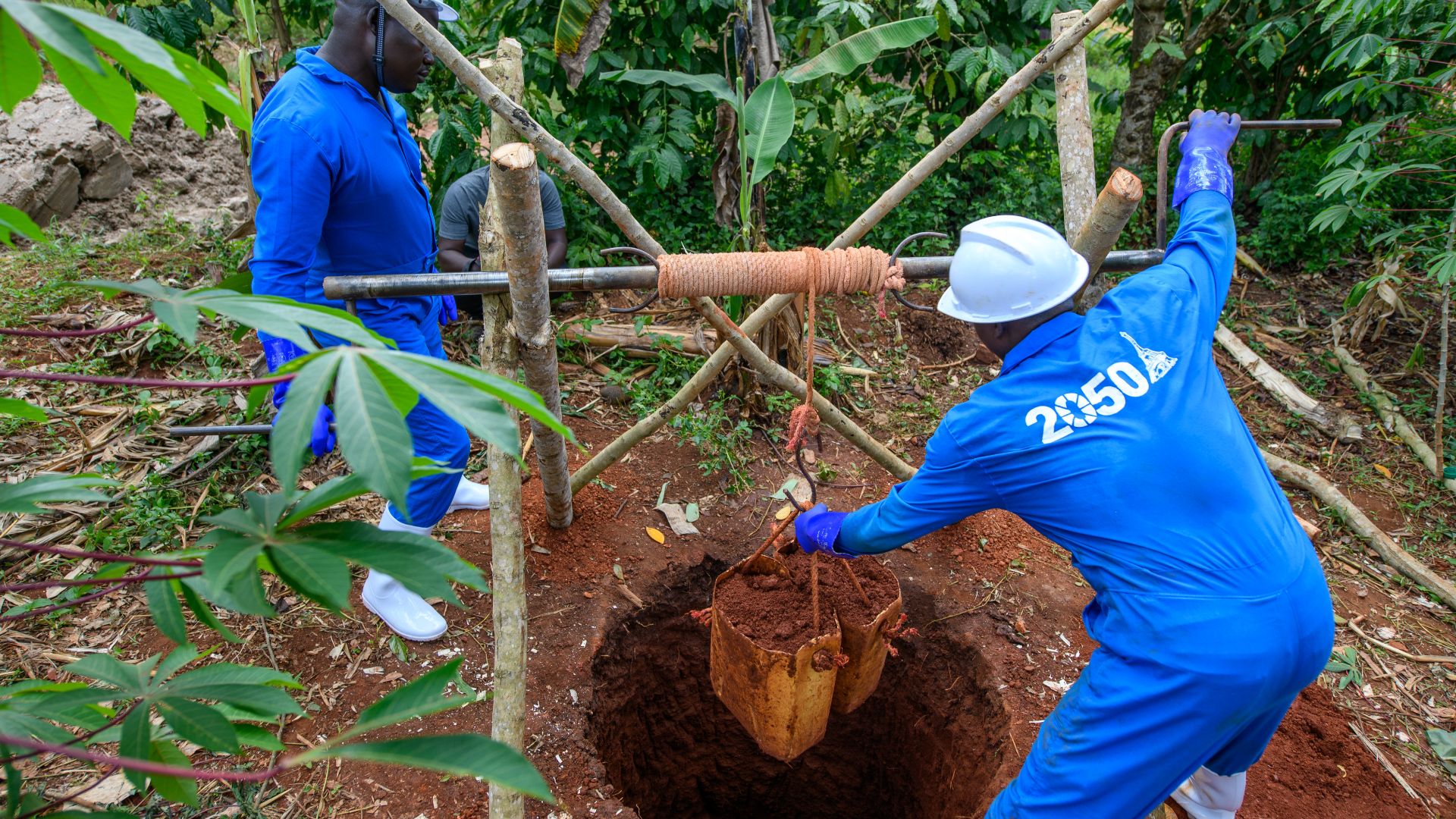
Modern drilling has produced core samples rather than hidden vaults. Soil layers appear disturbed by earlier excavations. Natural cavities show typical coastal geology. However, no engineered tunnel network has been confirmed. Evidence points toward repeated human interference, not medieval construction.
The Coconut Fiber Discovery
In the mid-nineteenth century, searchers reported coconut fiber beneath surface layers, with radiocarbon dating suggesting an origin of 1260-1400 AD, though marine exposure may inflate ages. Supporters argued that tropical material implied imported construction, but fiber was commonly used as ship packing during that era. No verified structural context ties the material to engineered flood defenses.
 DARMAS BS 9, Wikimedia Commons
The “90 Foot Stone” Legend
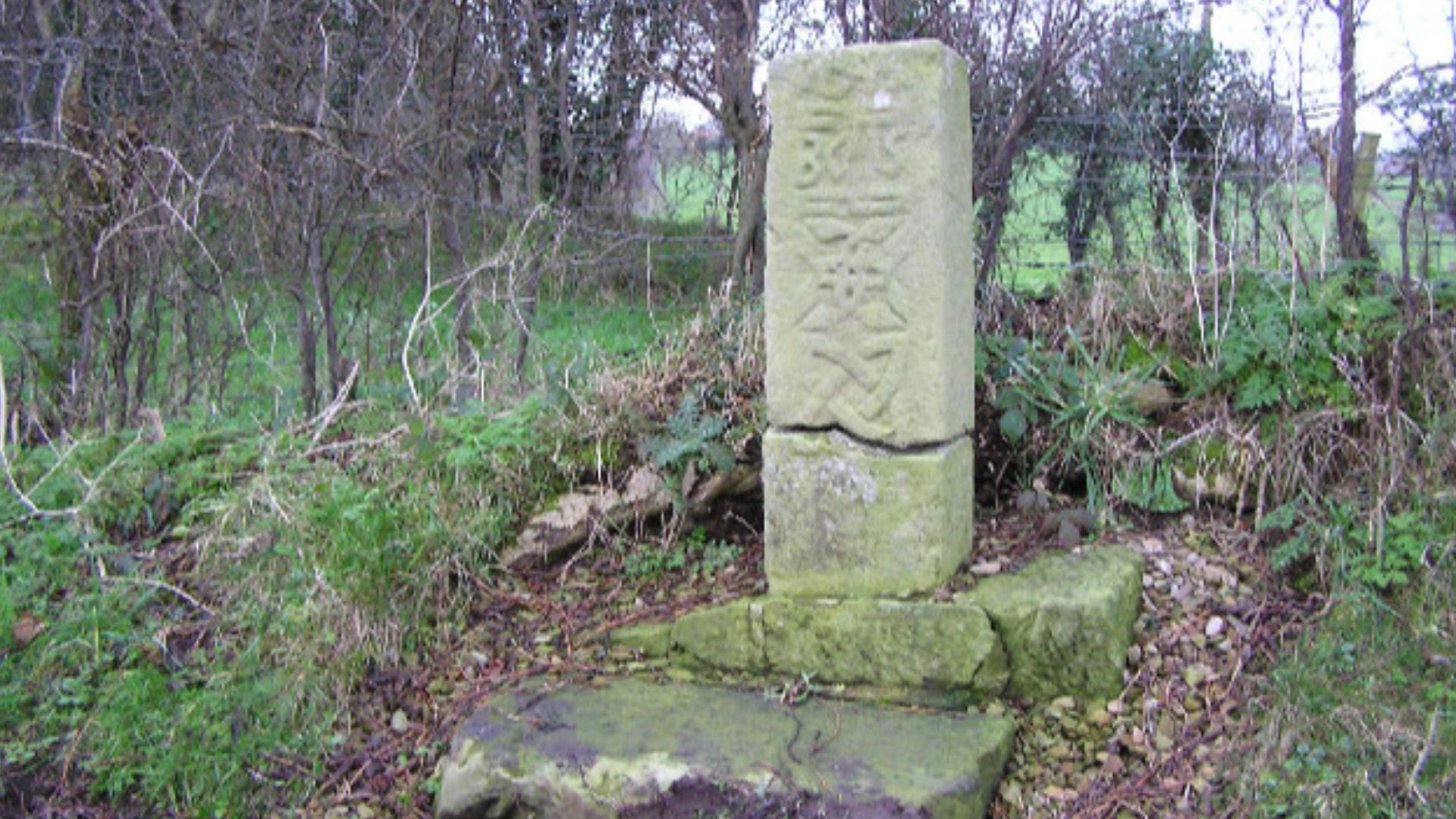
Stories describe a carved stone recovered at depth, allegedly bearing coded symbols. Later translations claimed it referenced buried treasure. Yet the original artifact disappeared, and no authenticated inscription survives. Without the stone itself, the legend rests entirely on secondhand accounts.
 Kenneth Allen, Wikimedia Commons
Collapse of Early Excavations
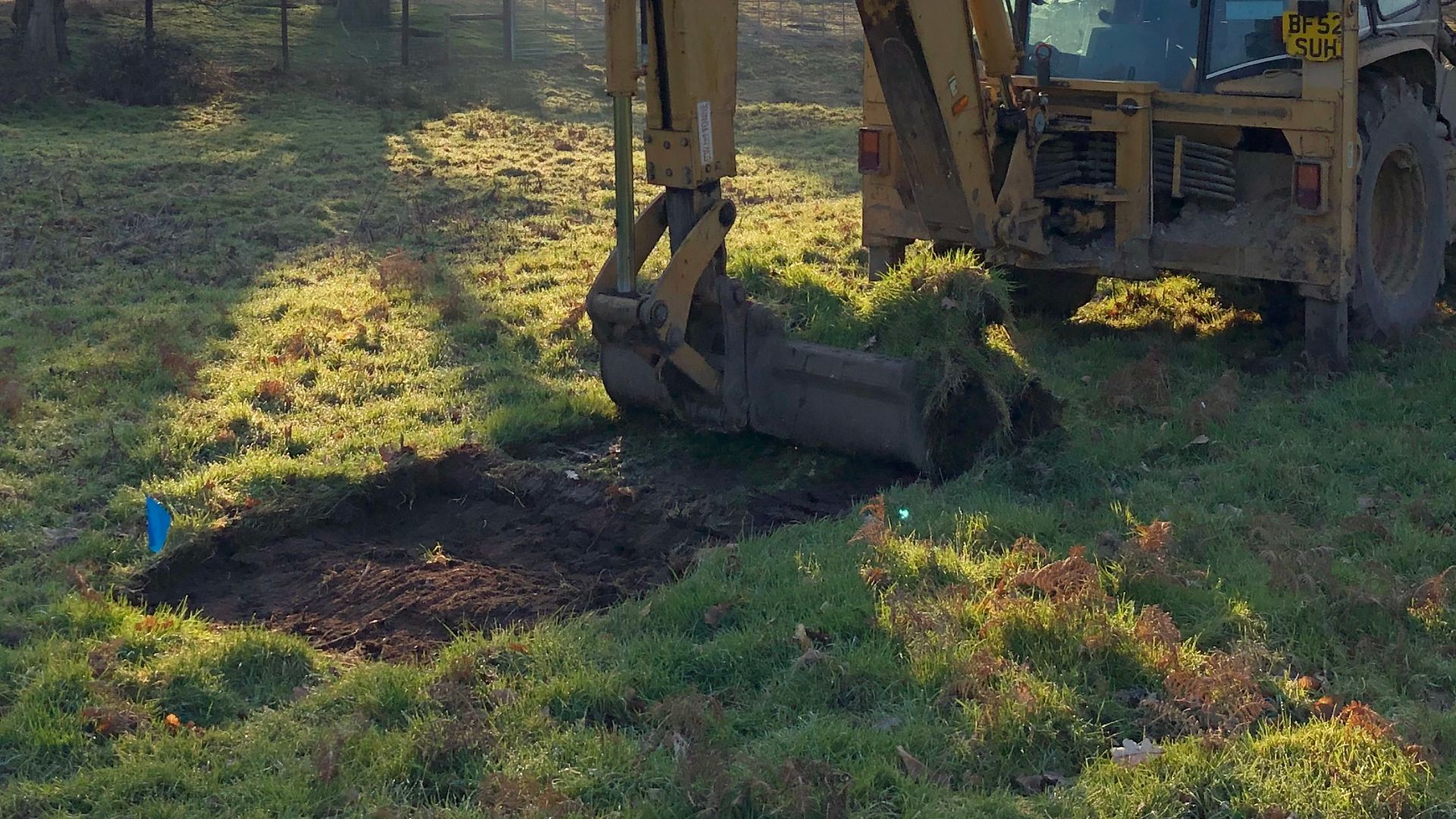
Nineteenth-century shafts relied on timber reinforcement vulnerable to saturation and rot. As groundwater infiltrated porous soil, structural integrity weakened. Subsidence likely resulted from unstable excavation methods rather than deliberate traps. Engineering limitations also explain many recorded collapses.
 Harvey Furniss, Colchester Archaeological Trust, Wikimedia Commons
Nineteenth-Century Mining Techniques
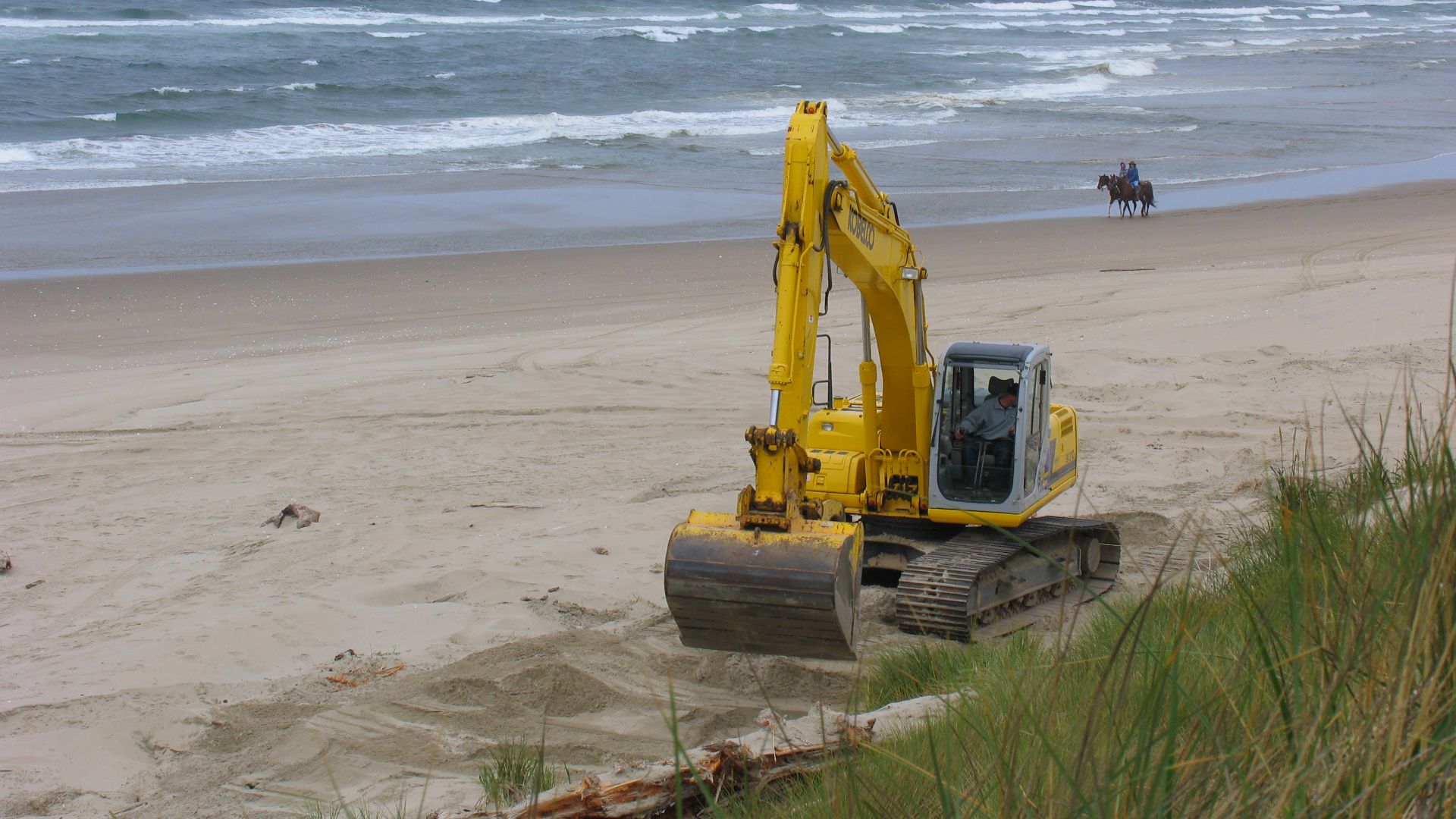
Digging deep vertical shafts in coastal soil during the 1800s was never simple. Crews lacked modern casing systems and groundwater control technology. Manual pumps handled a limited flow. Under those conditions, repeated setbacks feel less mysterious and more predictable.
 BLM Oregon & Washington, Wikimedia Commons
The Truro Company and Investor Influence
By the 1840s, organized companies began raising capital for deeper searches. Prospectuses emphasized potential reward more than geological risk. Investors bought into the possibility. Financial optimism often outpaced the evidence, keeping funding alive even as physical proof remained elusive.

The Pirate Treasure Theory
Later generations linked the site to Captain Kidd and other eighteenth-century pirates. Maritime routes through Nova Scotia supported the narrative. Yet no contemporary pirate records mention Oak Island. The connection grew through folklore rather than documented history.
 James Thornhill, Wikimedia Commons
The Knights Templar Theory
Centuries after the initial discovery, speculation expanded to medieval Europe. Advocates suggested the Knights Templar transported sacred artifacts across the Atlantic. Historical documentation offers no verified voyage to Nova Scotia. Such a theory relies on conjecture layered onto an earlier mystery.
 Unknown Author, Wikimedia Commons
The Shakespeare Manuscript Claim
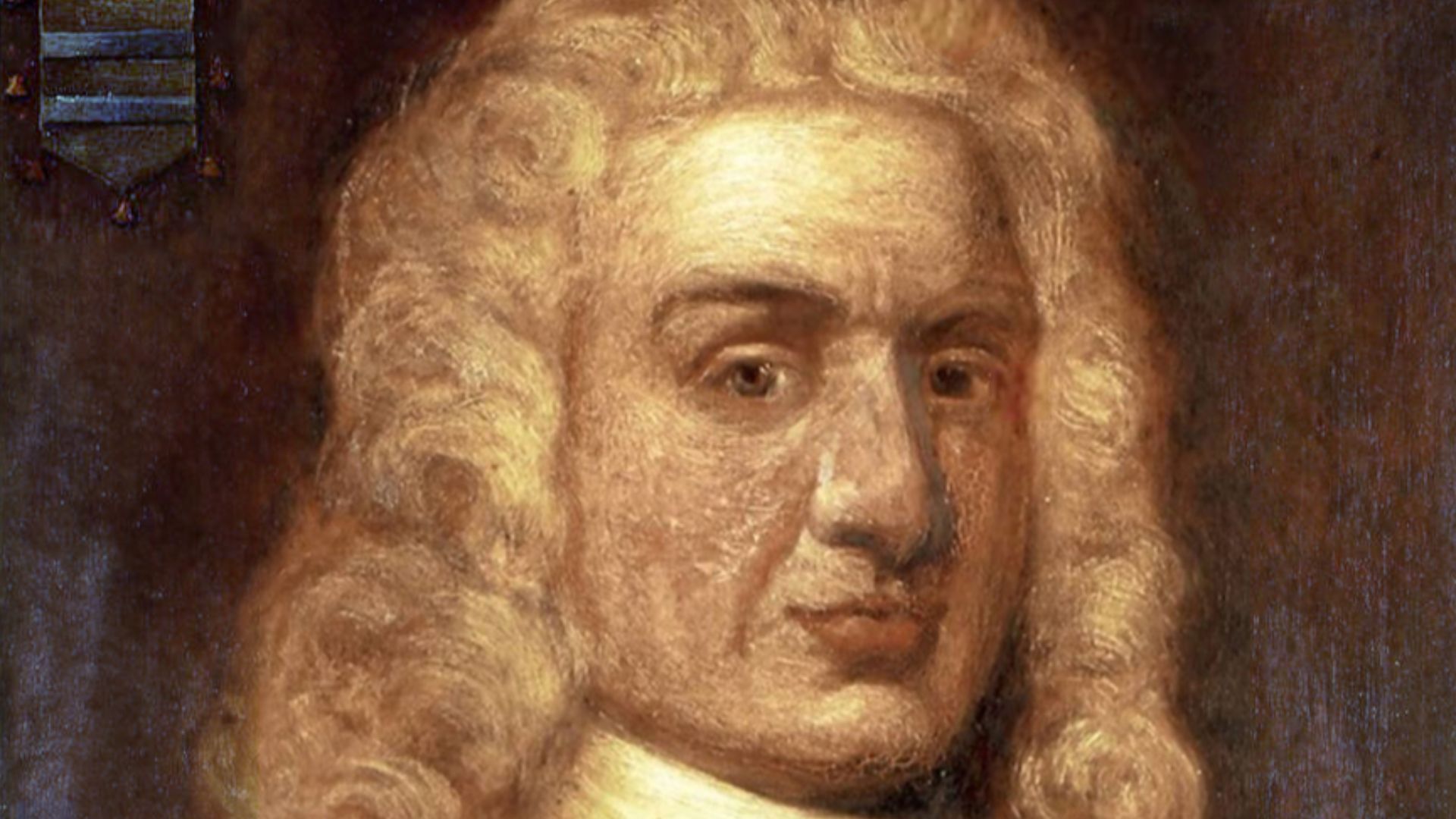
At some point, the mystery expanded enough to include William Shakespeare. Supporters pointed to coded messages and hidden meanings. Actual manuscripts never appeared. The Bard may have written tragedies, but no evidence places his pages beneath Atlantic soil.
 Attributed to John Taylor, Wikimedia Commons
The “Seven Must Die” Curse
A persistent rumor claims seven lives must be lost before treasure appears. Six searchers have died during various efforts. Tragedy deepens emotional investment. Yet attaching a fatal threshold strengthens narrative tension without adding physical evidence to the site.

Archaeological Standards Versus Treasure Hunting
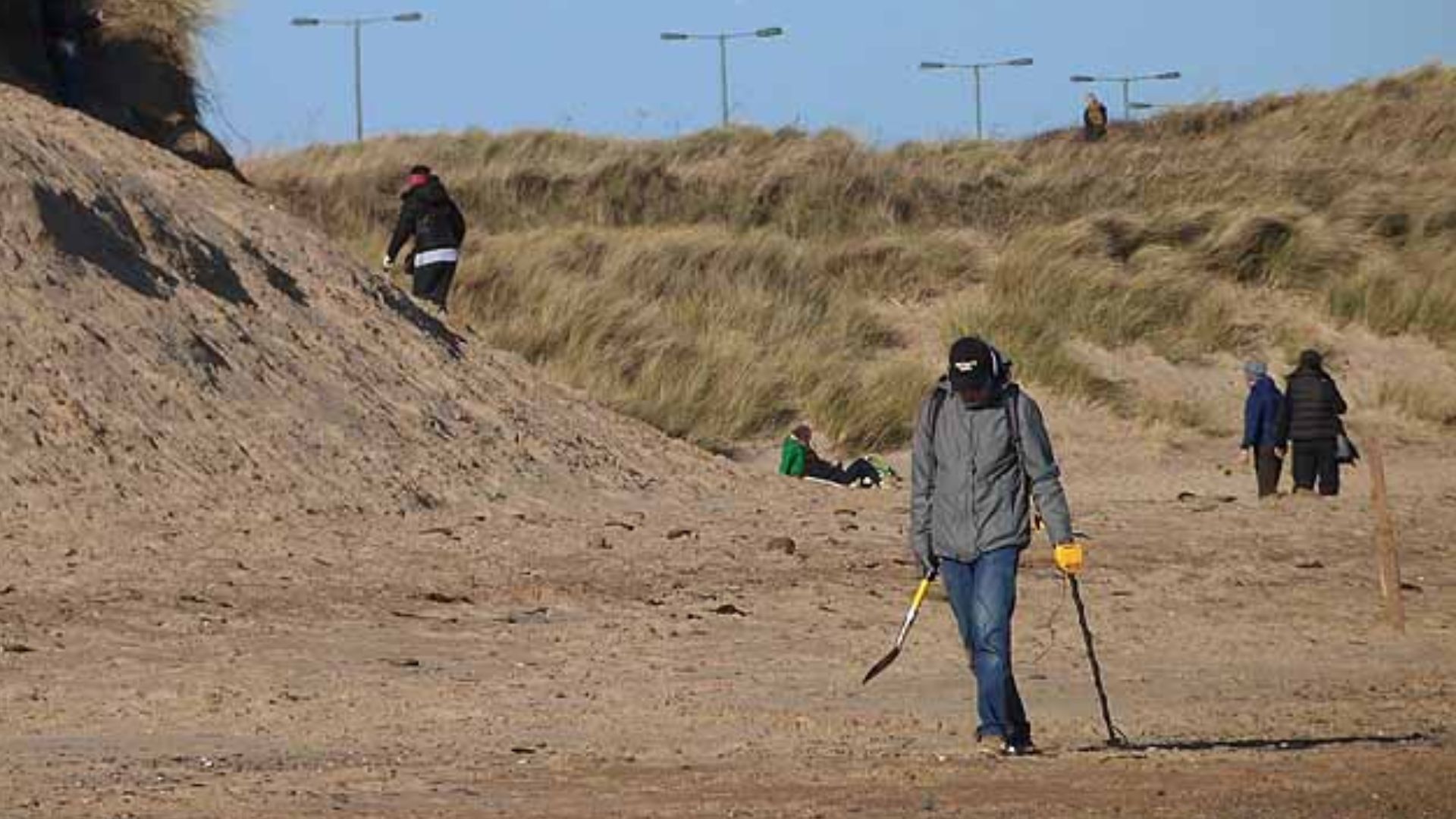
Professional archaeology demands controlled excavation, detailed recording, and peer review. Treasure hunting often prioritizes speed and spectacle. On Oak Island, repeated disturbance complicated stratigraphic clarity. Scientific rigor suffers when financial urgency dictates the pace.
 Oliver Dixon , Wikimedia Commons
Radiocarbon Dating Results
Radiocarbon testing of wood fragments recovered during various digs has produced mixed dates, many of which are consistent with nineteenth-century search activity. Although some samples predate those efforts, none confirm the presence of medieval engineering. Dating results reflect disturbance over time more than proof of hidden vault construction.
 Yulia Kolosova, Wikimedia Commons
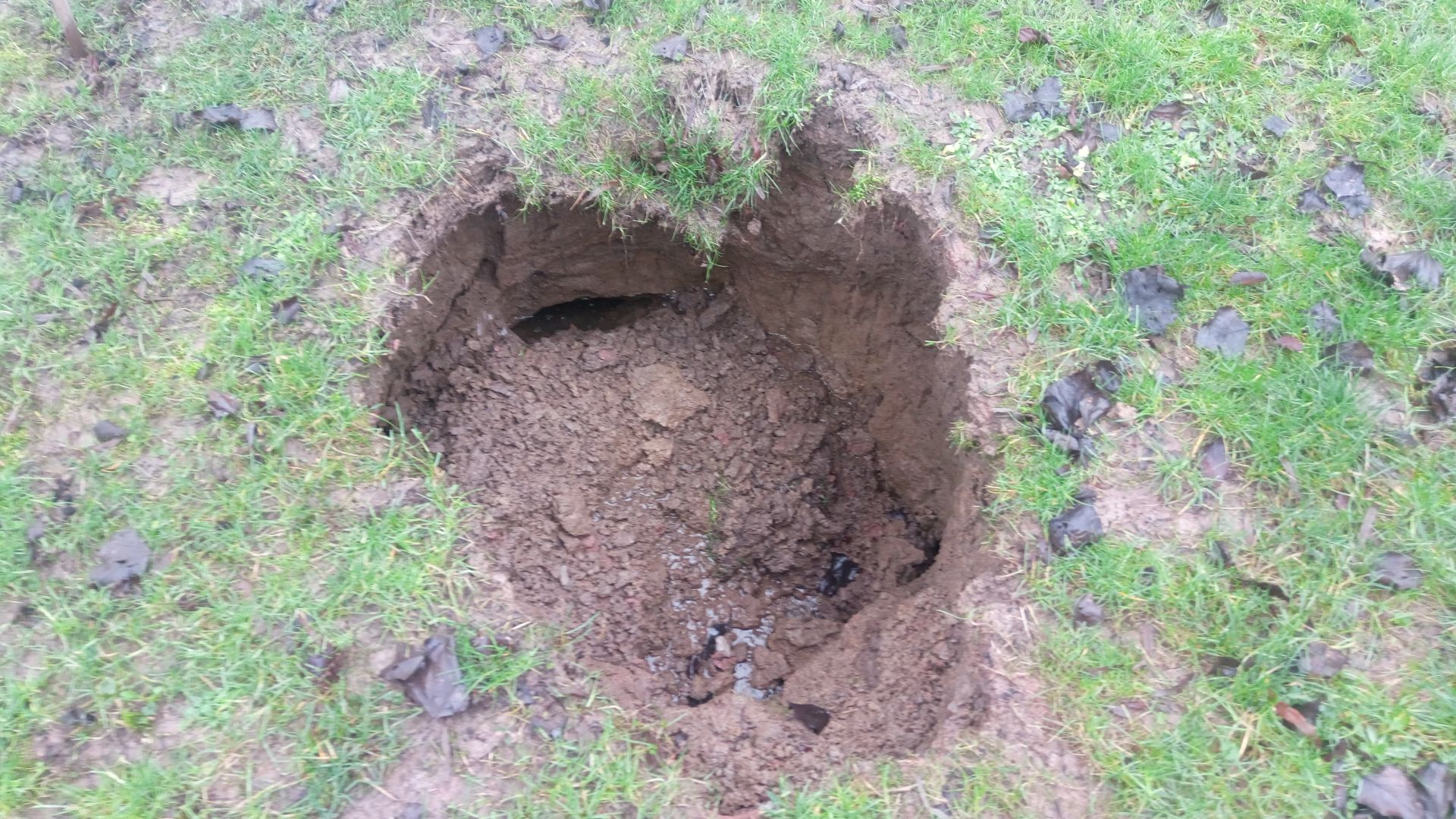
The Role of Sinkholes
Coastal limestone regions commonly experience subsidence as groundwater dissolves the underlying rock. Oak Island contains anhydrite and limestone layers prone to natural void formation. As cavities weaken the surface soil, collapses occur. Such processes explain sudden depressions without invoking engineered shafts or secret chambers.
Media Influence and Television
Modern television revived global interest in Oak Island, especially through the series The Curse of Oak Island. High production values and dramatic framing sustain suspense. Viewers tune in for the possibility. Ratings also reward mystery even when conclusions remain elusive.

The Economics of the Legend
Mystery has market value. Tourism, branded merchandise, and guided tours generate revenue tied to the story’s persistence. Investors once funded excavation; today, audiences fund airtime. Treasure remains hypothetical, yet the legend itself continues to pay.
 Si Griffiths, Wikimedia Commons
Why No Verified Treasure Has Ever Been Produced
After more than two centuries of drilling and speculation, no authenticated treasure has been presented for independent verification. Claims circulate. Artifacts surface. Documentation fails. Until physical evidence withstands scrutiny, the burden of proof remains unmet.