Scientists Are Using Cosmic Particles To See Beneath Ancient Jerusalem
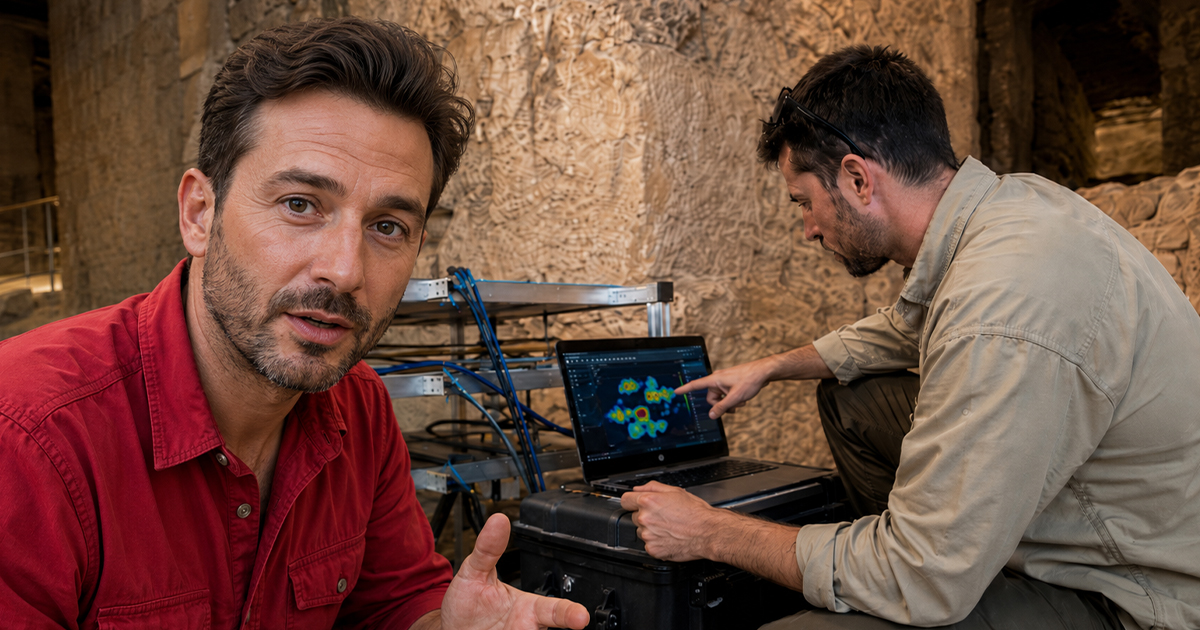
Jerusalem has been excavated for more than a century, but plenty of its history remains hidden beneath buildings, streets, bedrock, and politically sensitive ground. Now, scientists are using particles created high in Earth’s atmosphere to look underground without lifting a shovel. The technology is called muography, and its first major test in ancient Jerusalem produced promising results.
A Breakthrough Published In August 2025
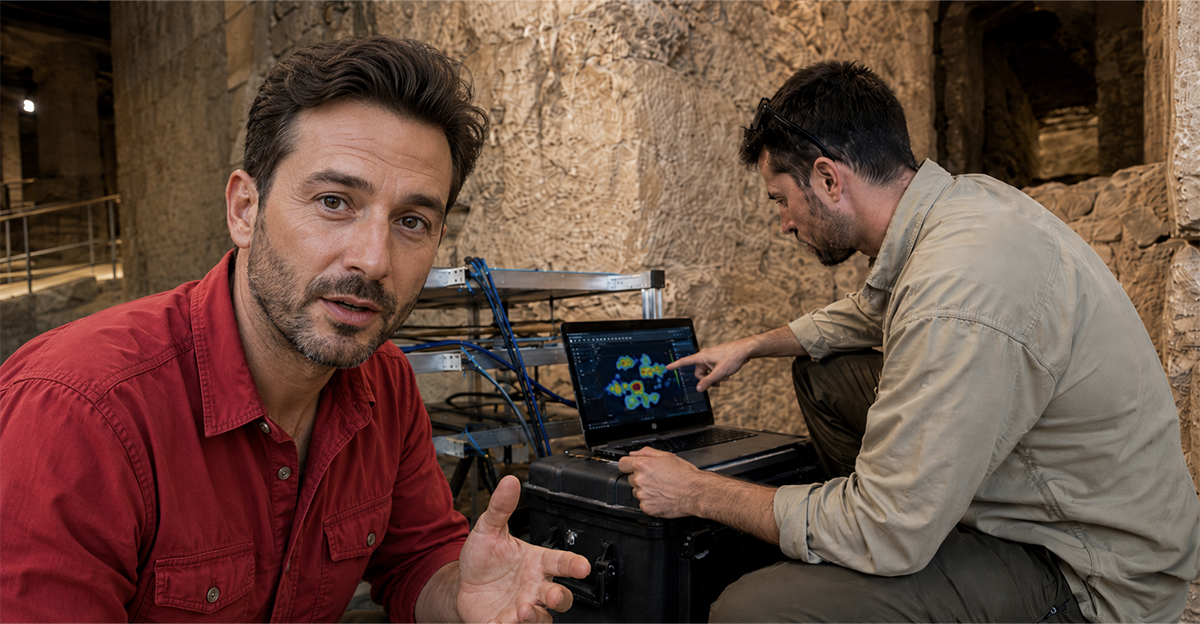
The research was published on August 28, 2025, in the peer-reviewed Journal of Applied Physics. Its title was refreshingly direct: “First Demonstration of Underground Muon Imaging at an Archaeological Site in Ancient Jerusalem.” This was not a newly excavated artifact, but a successful field test of an entirely different way to search.
 Berthold Werner, Wikimedia Commons
The Experiment Took Place In The City Of David
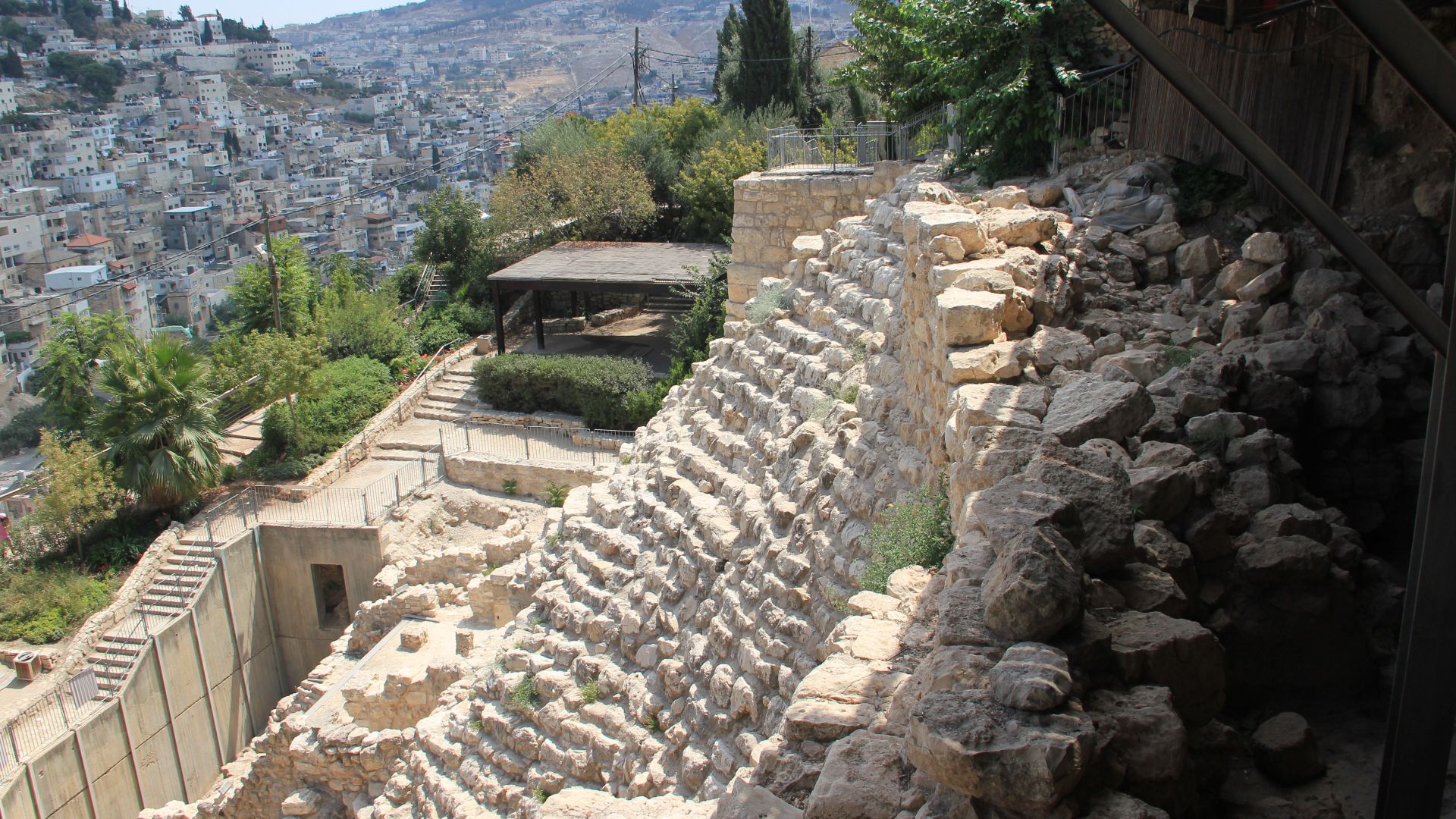
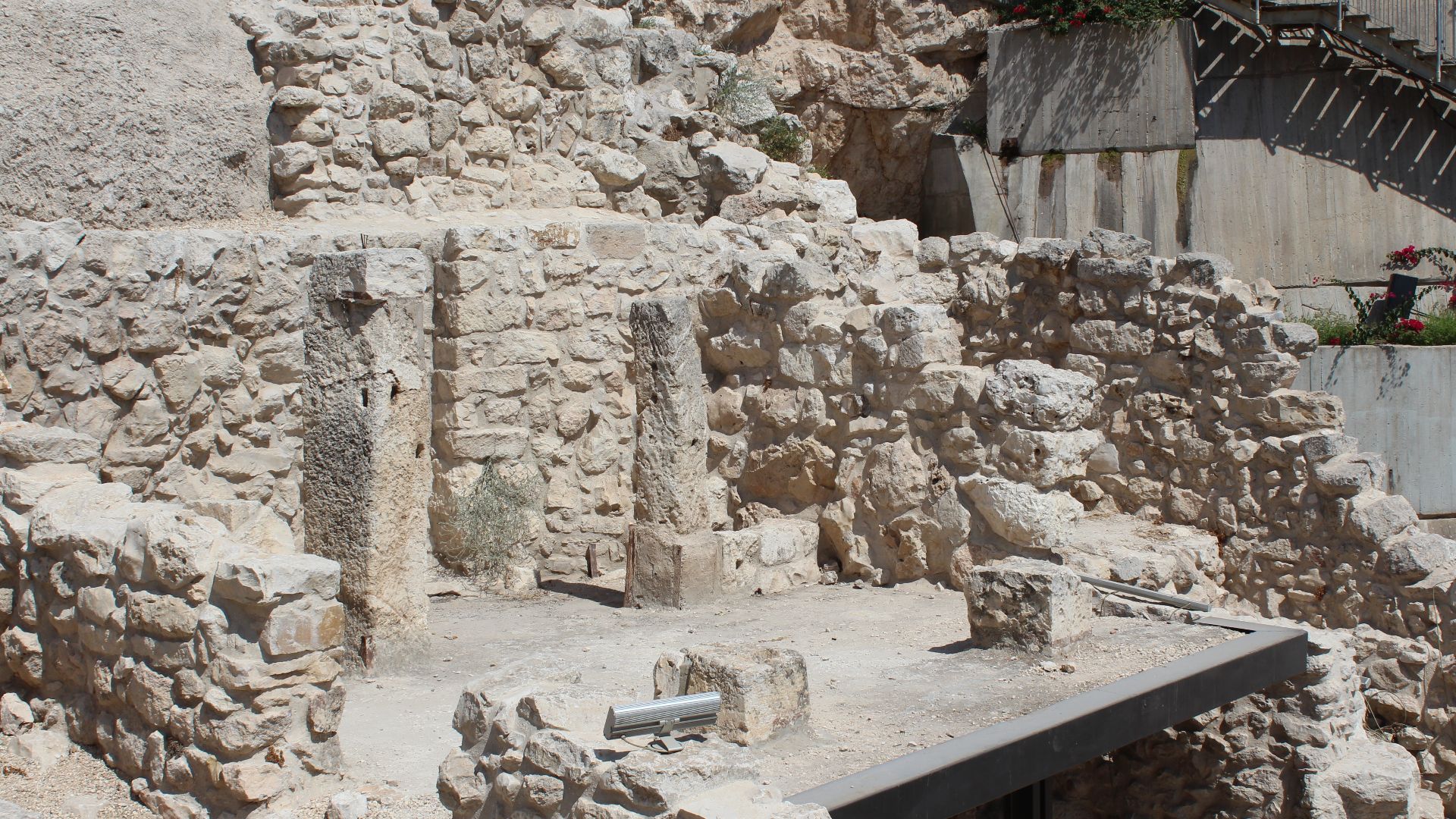
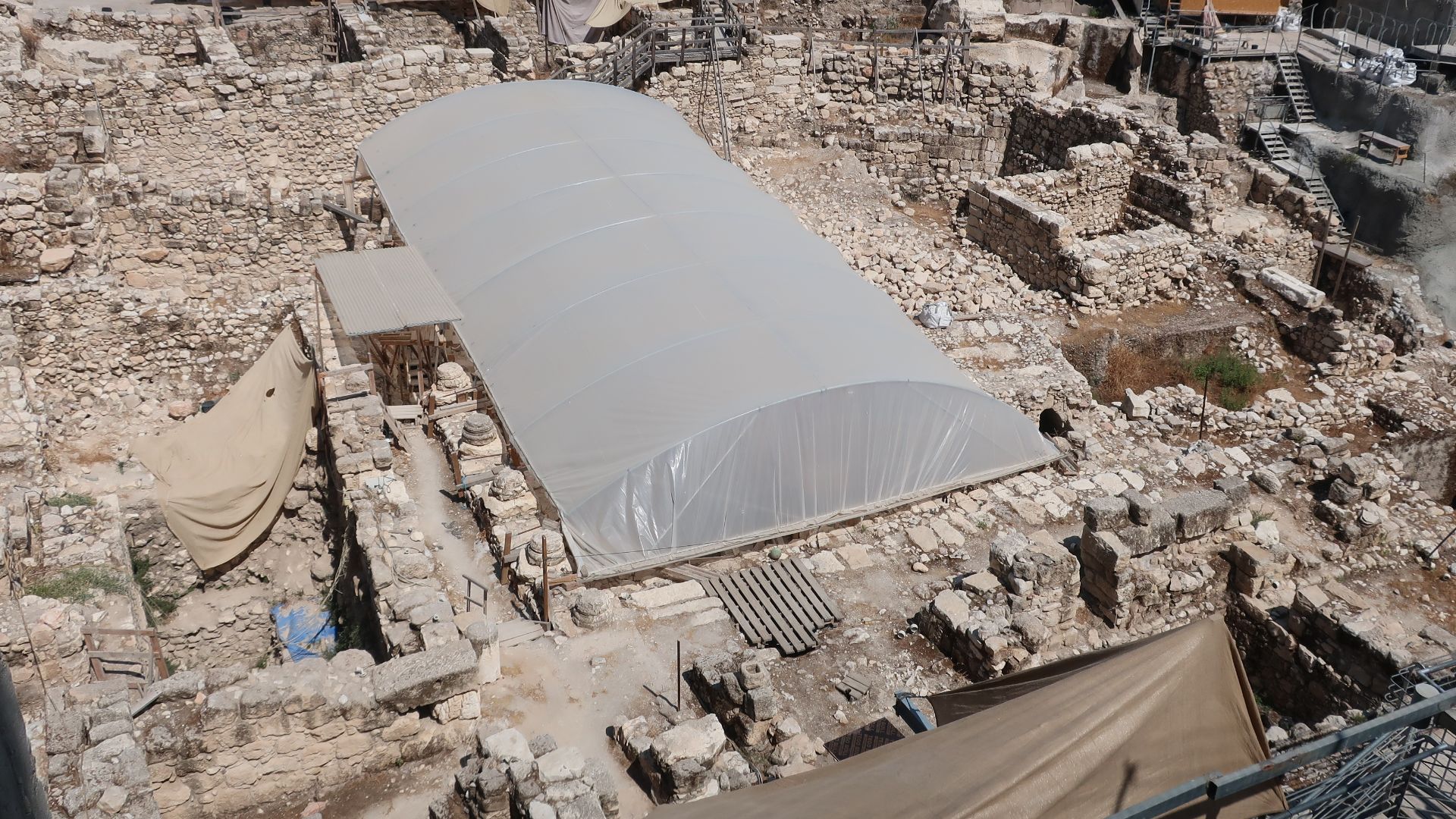
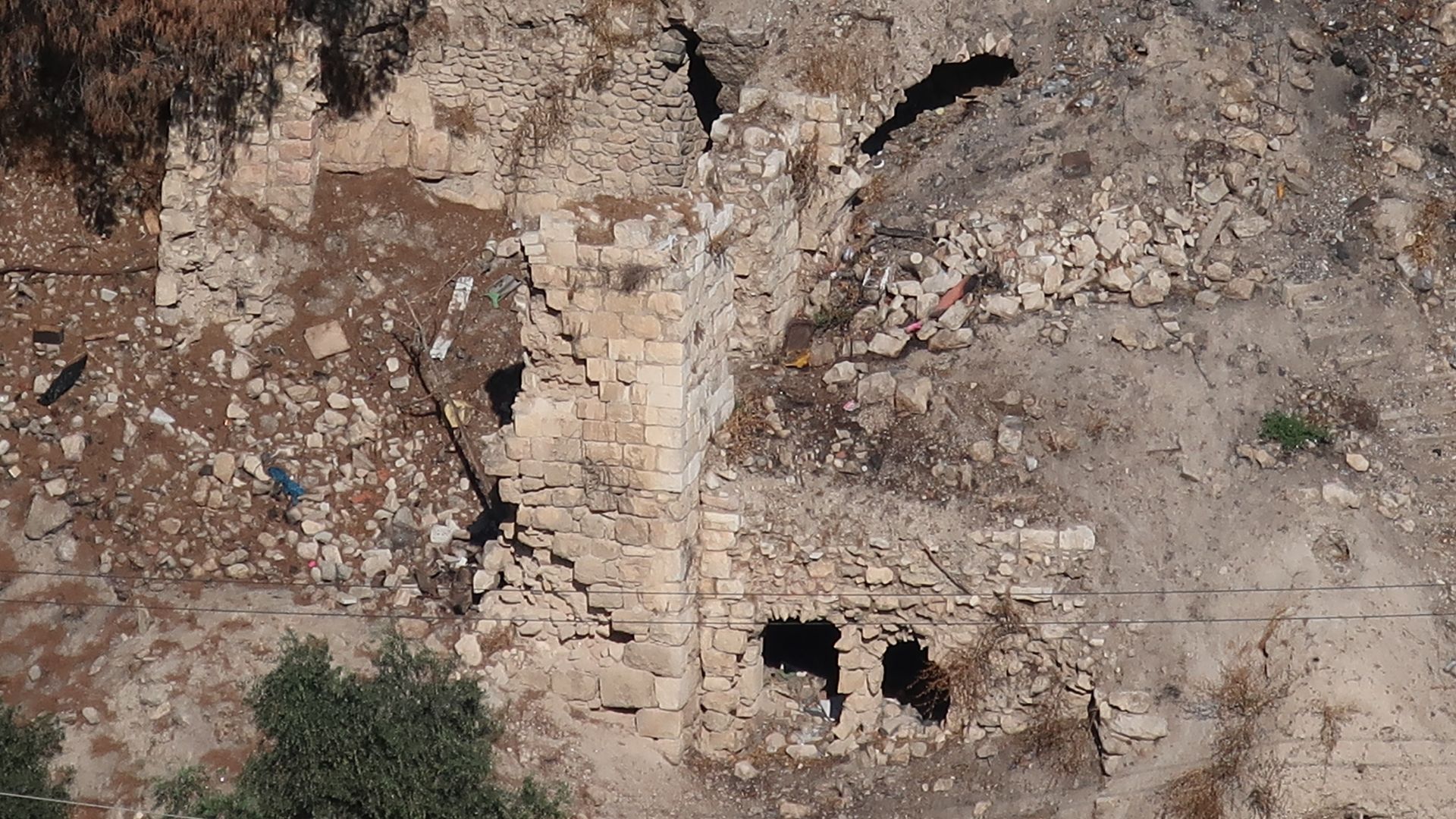
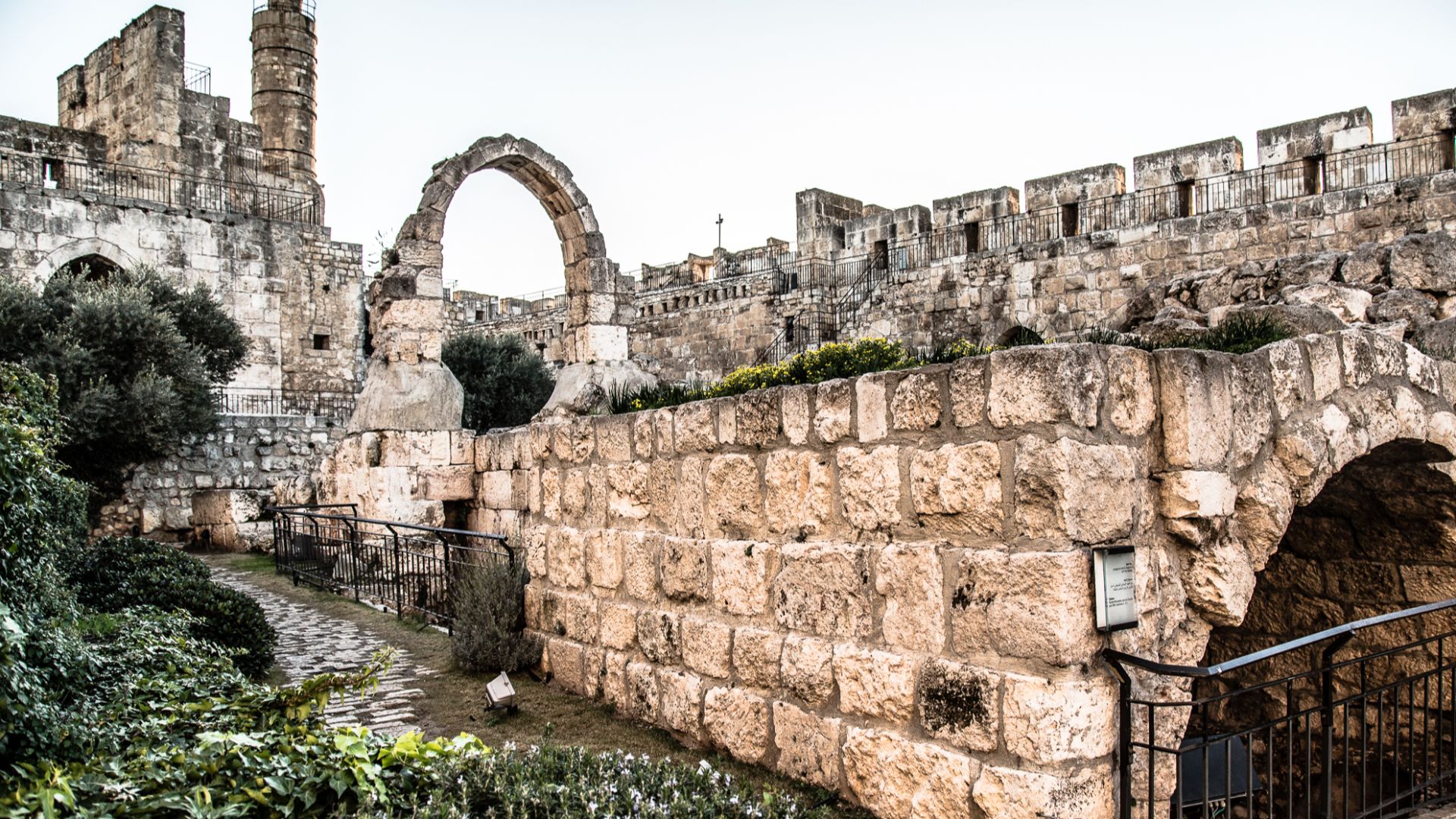
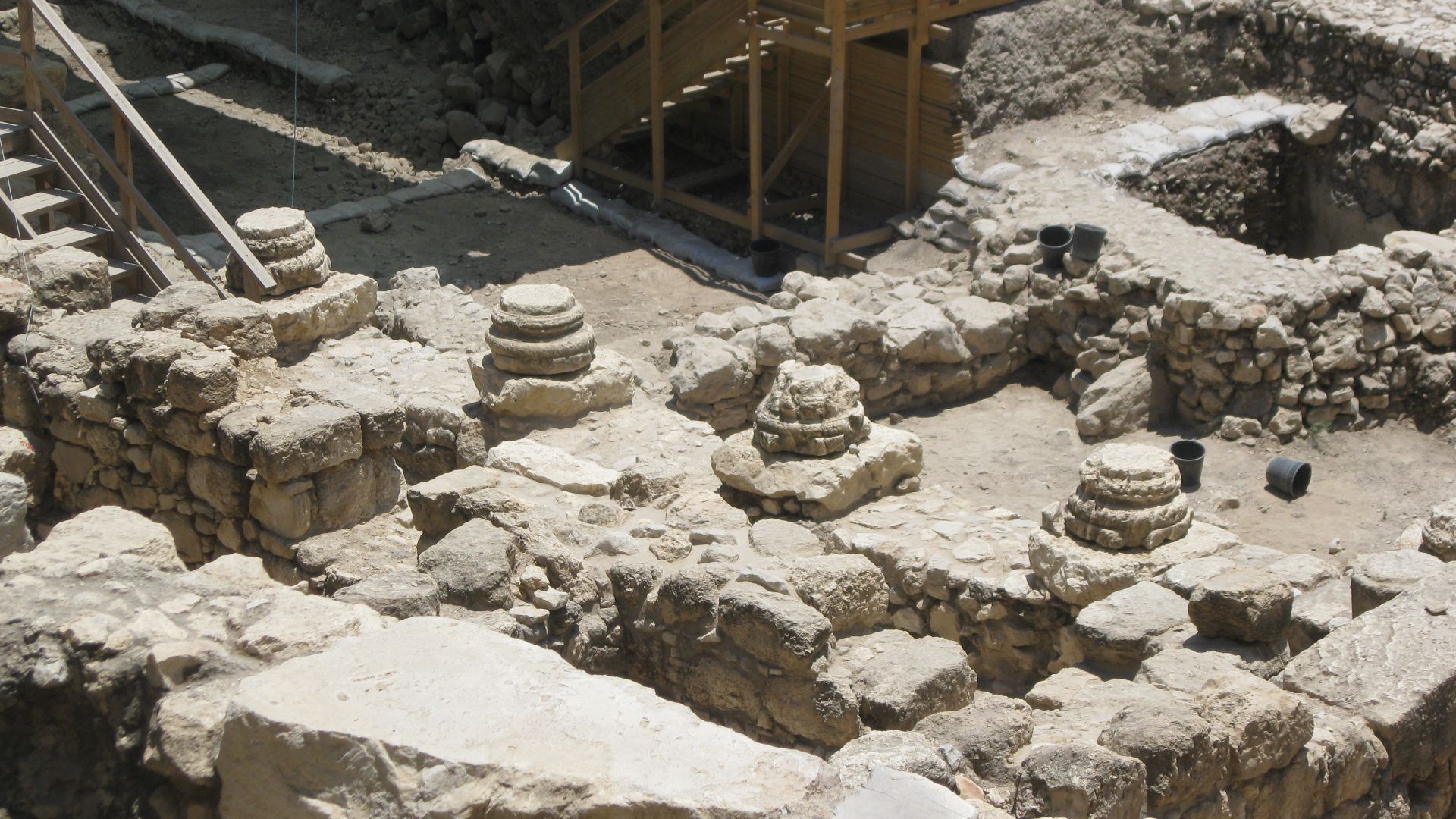
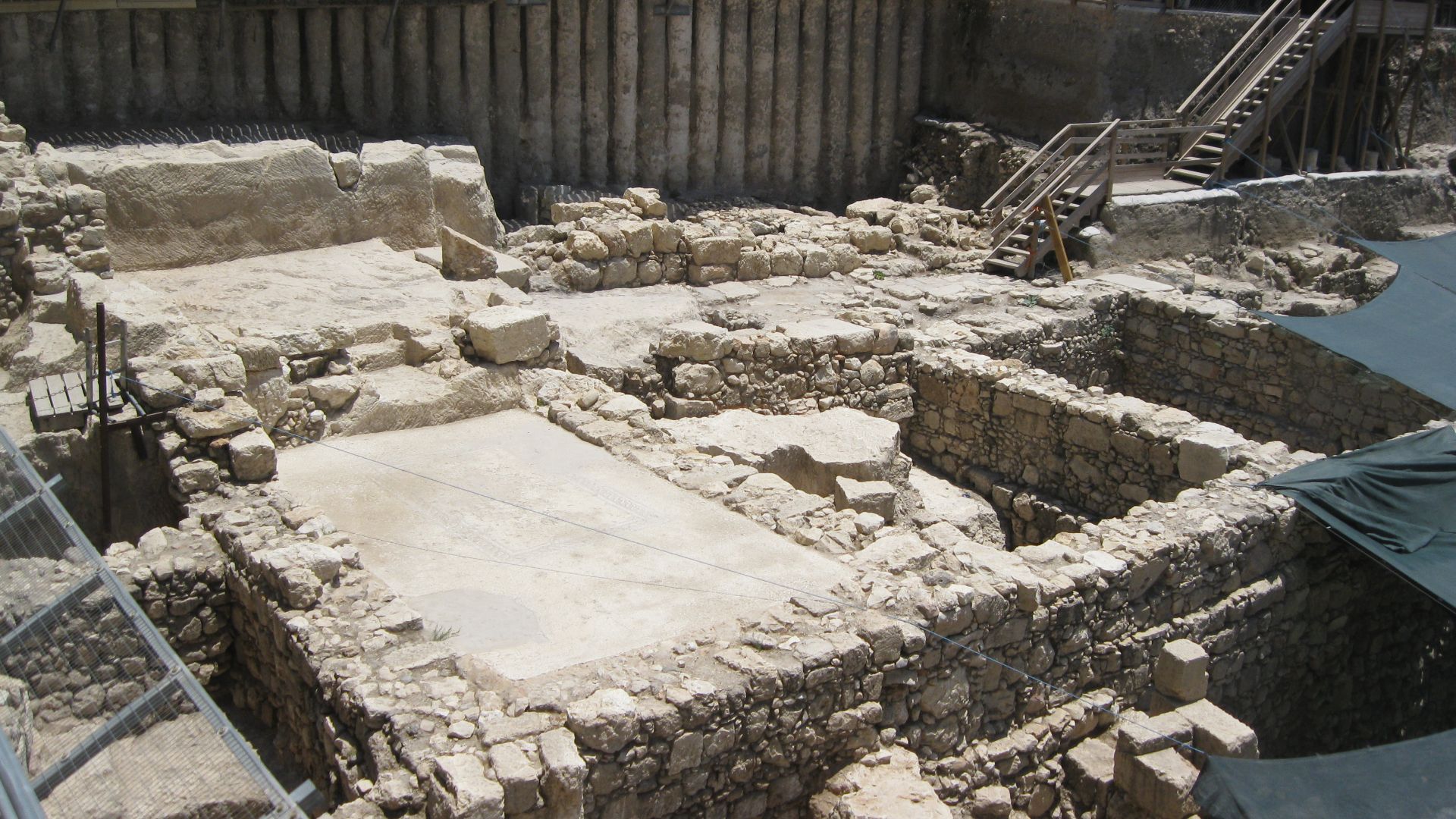
Researchers tested the system at the City of David archaeological site, located on the southeastern hill of ancient Jerusalem. This heavily excavated area contains tunnels, fortifications, channels, cisterns, and layers of construction spanning thousands of years. Even here, archaeologists know that many underground features remain unmapped.
Scientists And Archaeologists Joined Forces
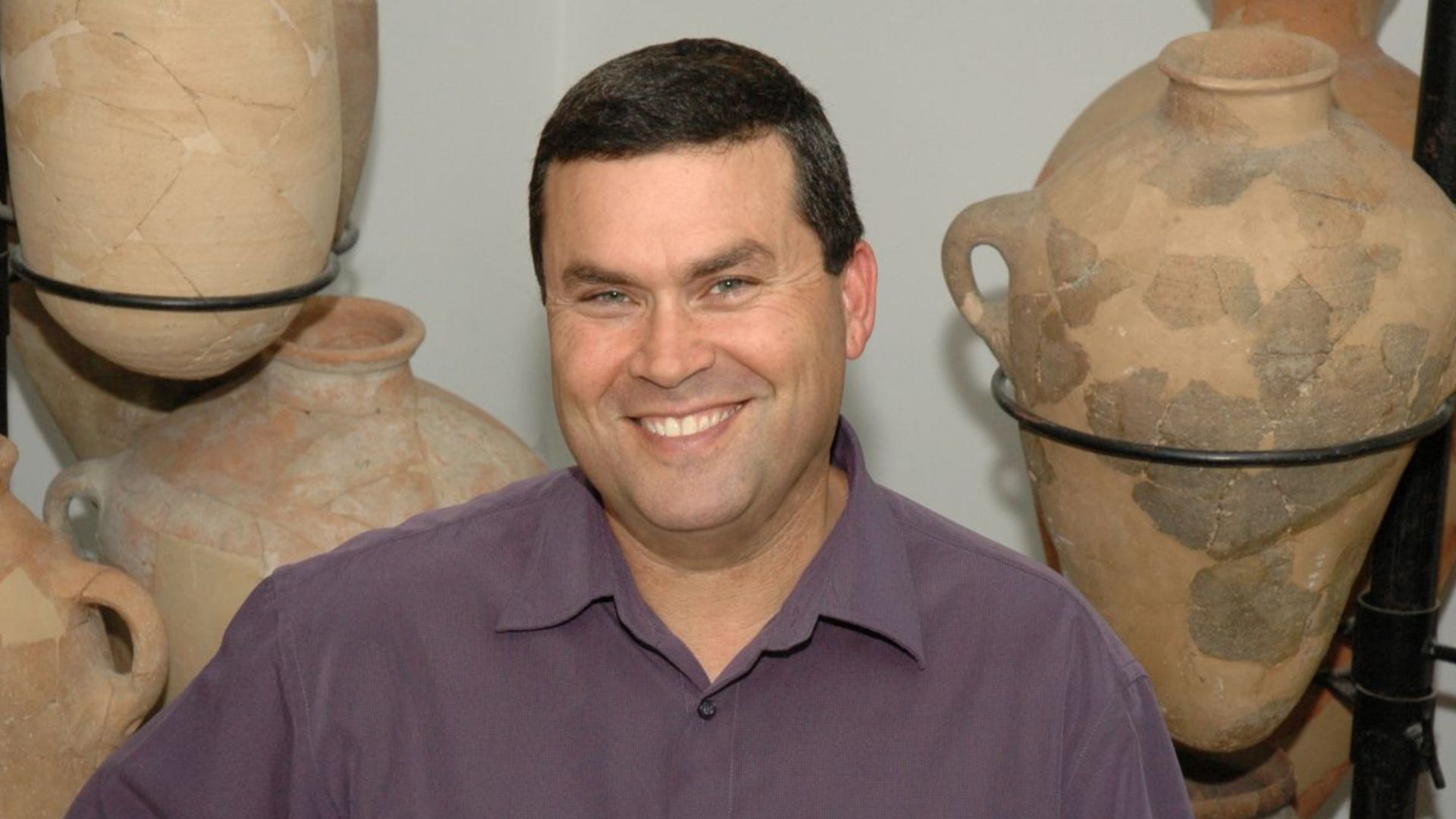
The project was led by particle physicist Professor Erez Etzion and archaeologist Professor Oded Lipschits of Tel Aviv University. The wider team included Yan Benhammou, Yuval Gadot, Gilad Mizrachi, Yiftah Shalev, Yiftah Silver, Amir Weissbein, and Igor Zolkin. It took experts from several fields because ancient Jerusalem does not surrender its secrets easily.
What Exactly Is A Muon?
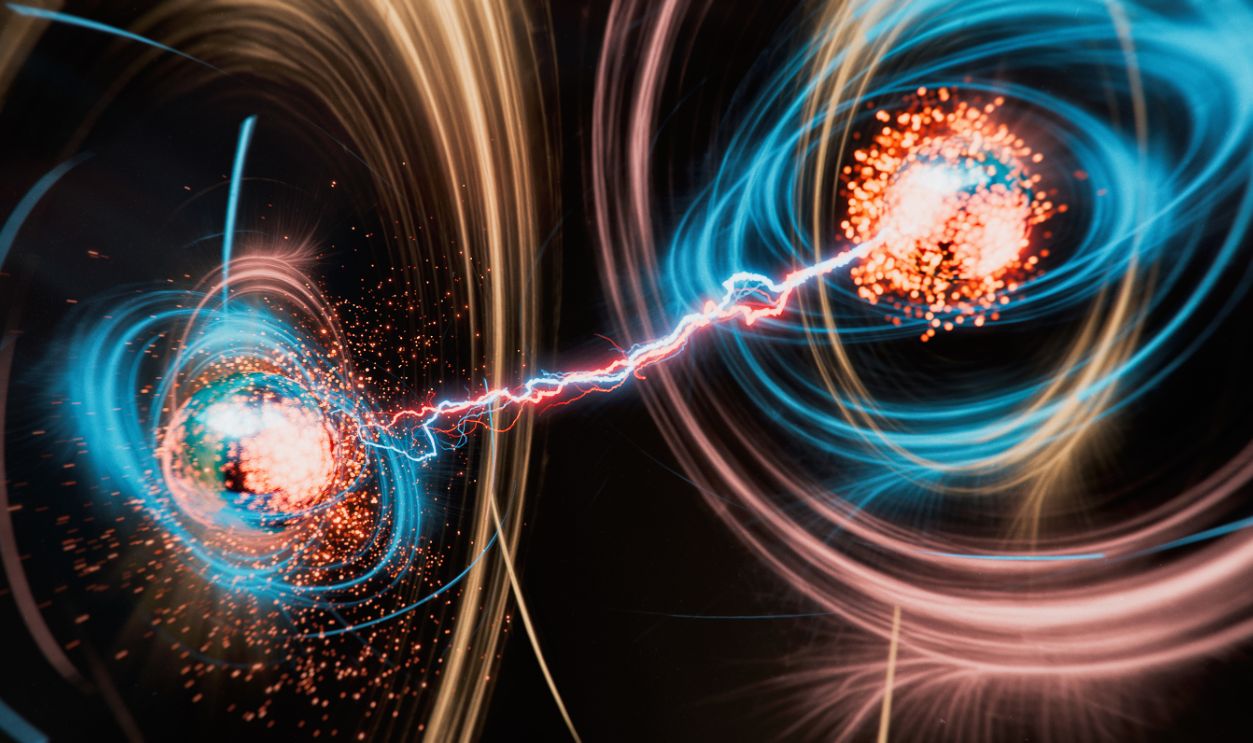
A muon is an elementary particle similar to an electron, but roughly 207 times heavier. Muons form when high-energy cosmic rays strike particles in Earth’s atmosphere. They constantly shower down around us, passing through buildings, soil, and rock without anyone noticing—and without archaeologists having to switch them on.
Cosmic Rays Provide The Scanner
Unlike an X-ray machine, muography does not require scientists to generate radiation. Nature supplies the particles continuously. Researchers simply place detectors underground and count the muons arriving from different directions, turning an ordinary cosmic shower into a tool for studying what lies overhead.
 Simon Swordy, Wikimedia Commons
Rock Stops Some Muons
Muons can penetrate much more material than many other particles, but they do not pass through everything equally. Dense rock and soil absorb or slow more muons, while hollow chambers allow greater numbers to travel through. By measuring those differences, researchers can identify areas that may contain voids.
It Works A Bit Like A Giant X-Ray
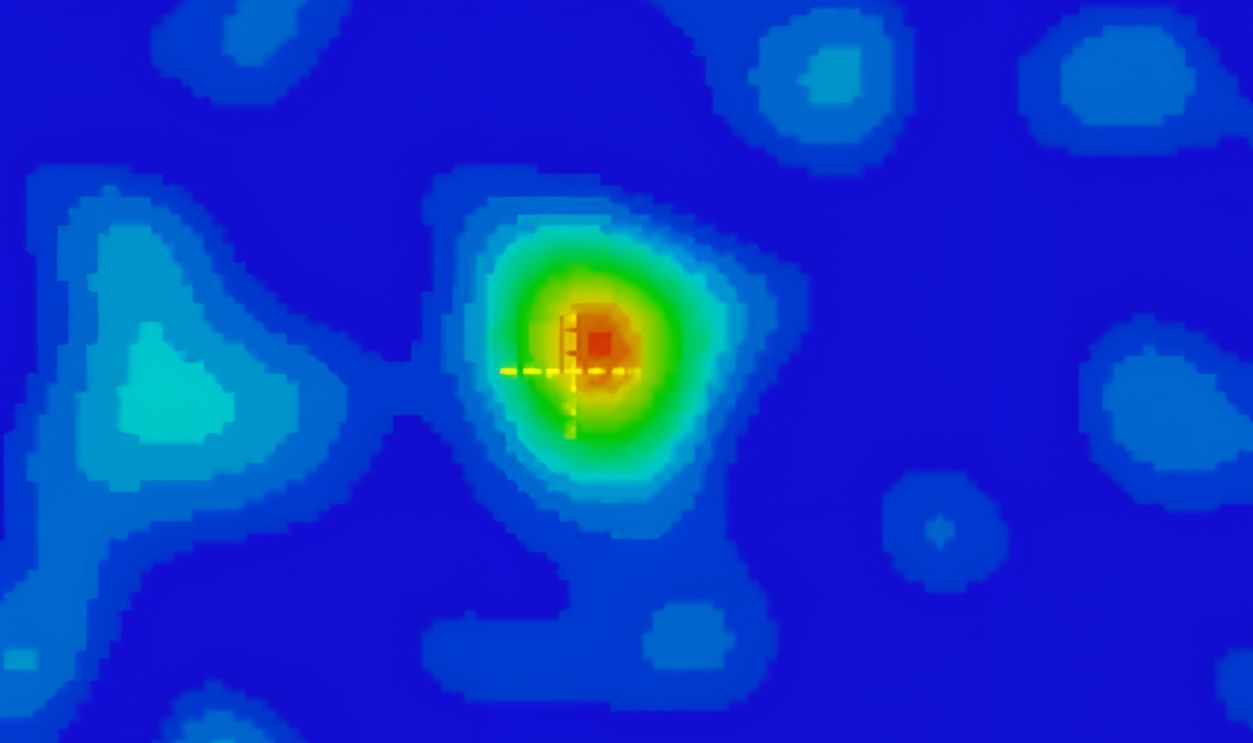
The comparison to an X-ray is useful, although the process is not identical. Rather than showing a clear photograph of an underground room, a detector records particle paths and produces a map of density variations. Empty spaces can appear as areas where more muons arrived than the surrounding rock should allow.
 Doanmontana, CC BY-SA 4.0, Wikimedia Commons, Modified
The Team Built A Portable Detector
The researchers developed a multi-layered detector using plastic scintillators. When a muon passed through the layers, it produced tiny flashes of light that allowed the equipment to reconstruct the particle’s direction. Thousands upon thousands of those tracks were needed before a meaningful underground image could emerge.
Their Test Site Was A Large Cistern
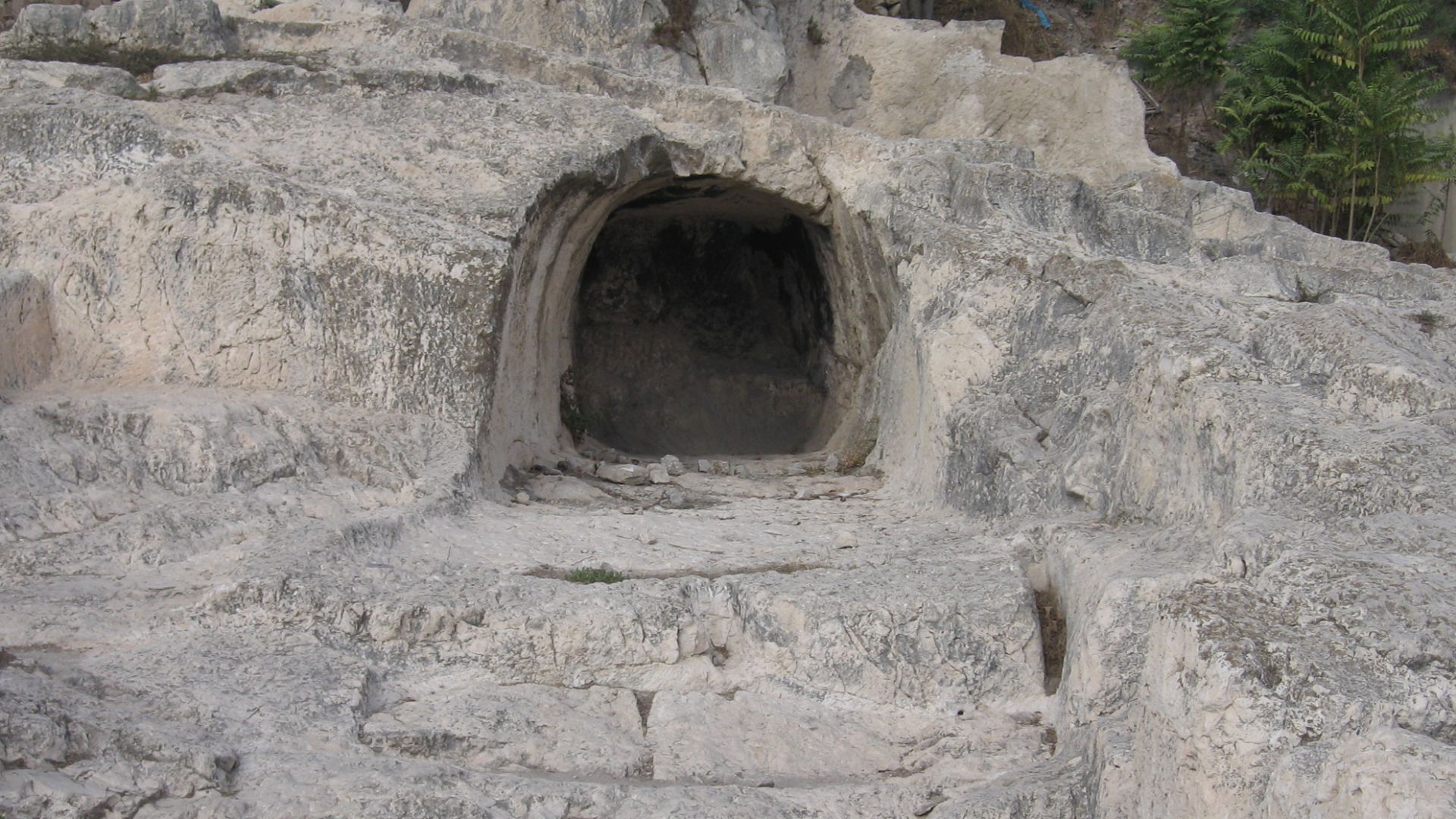
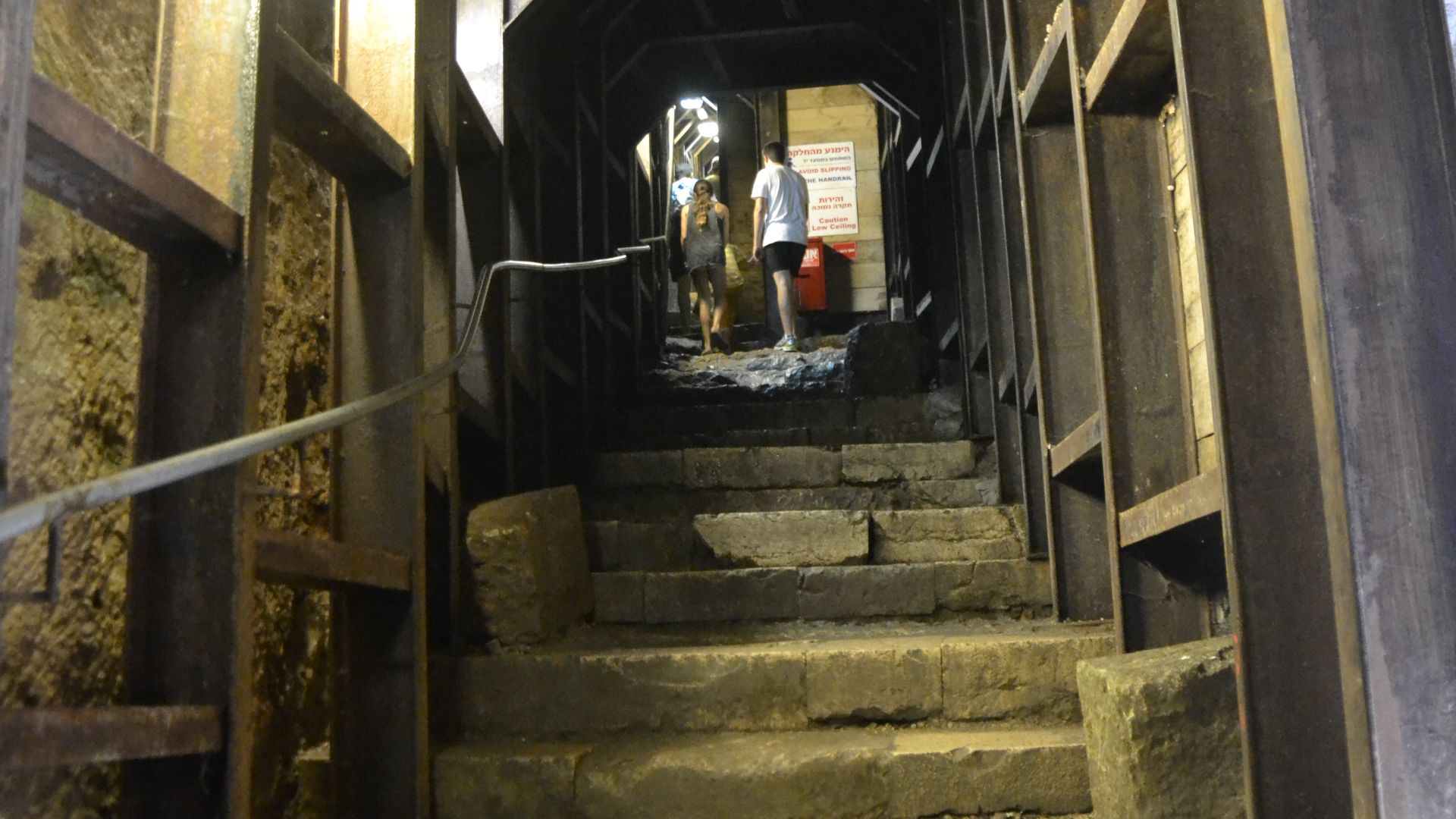
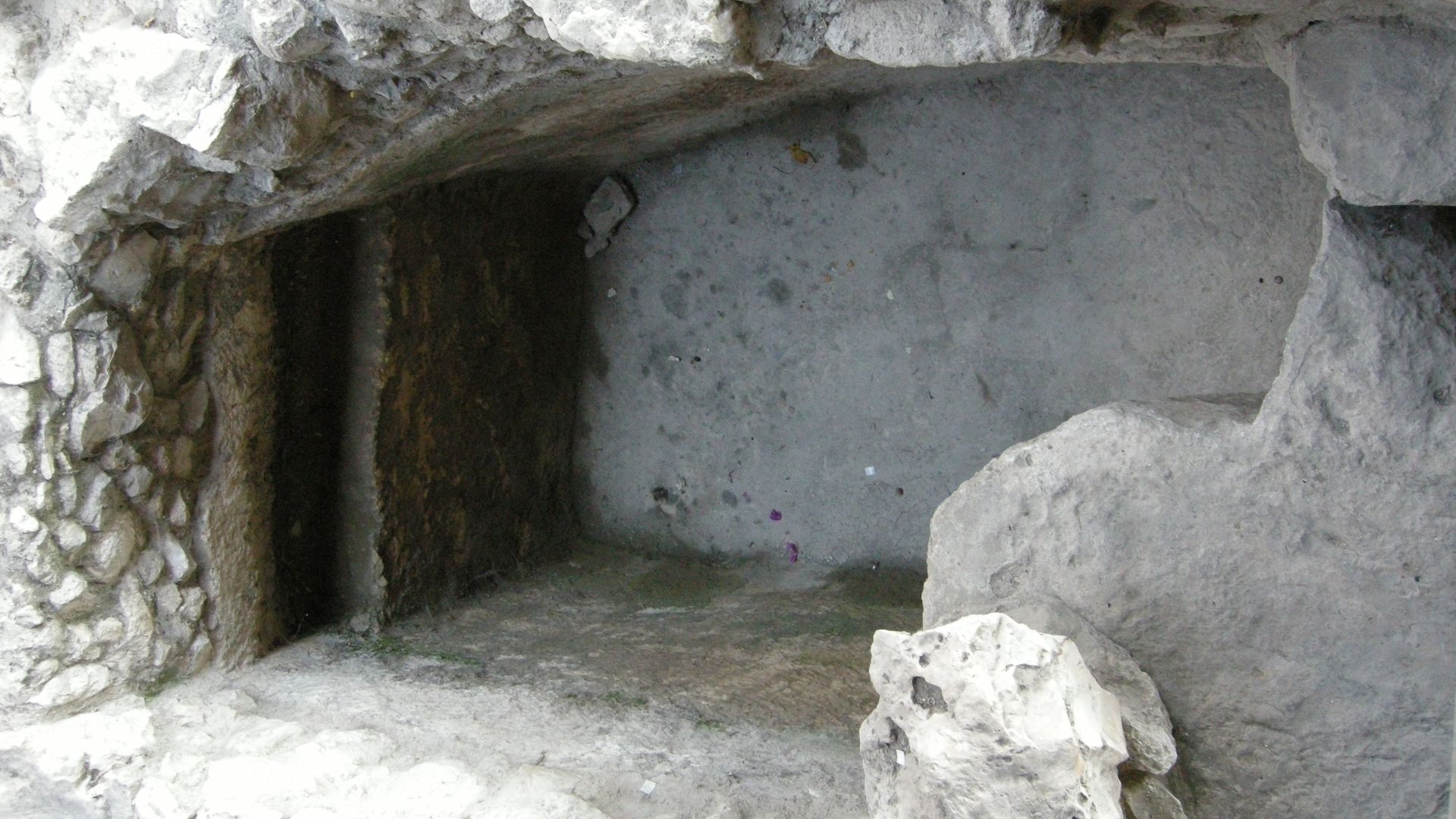
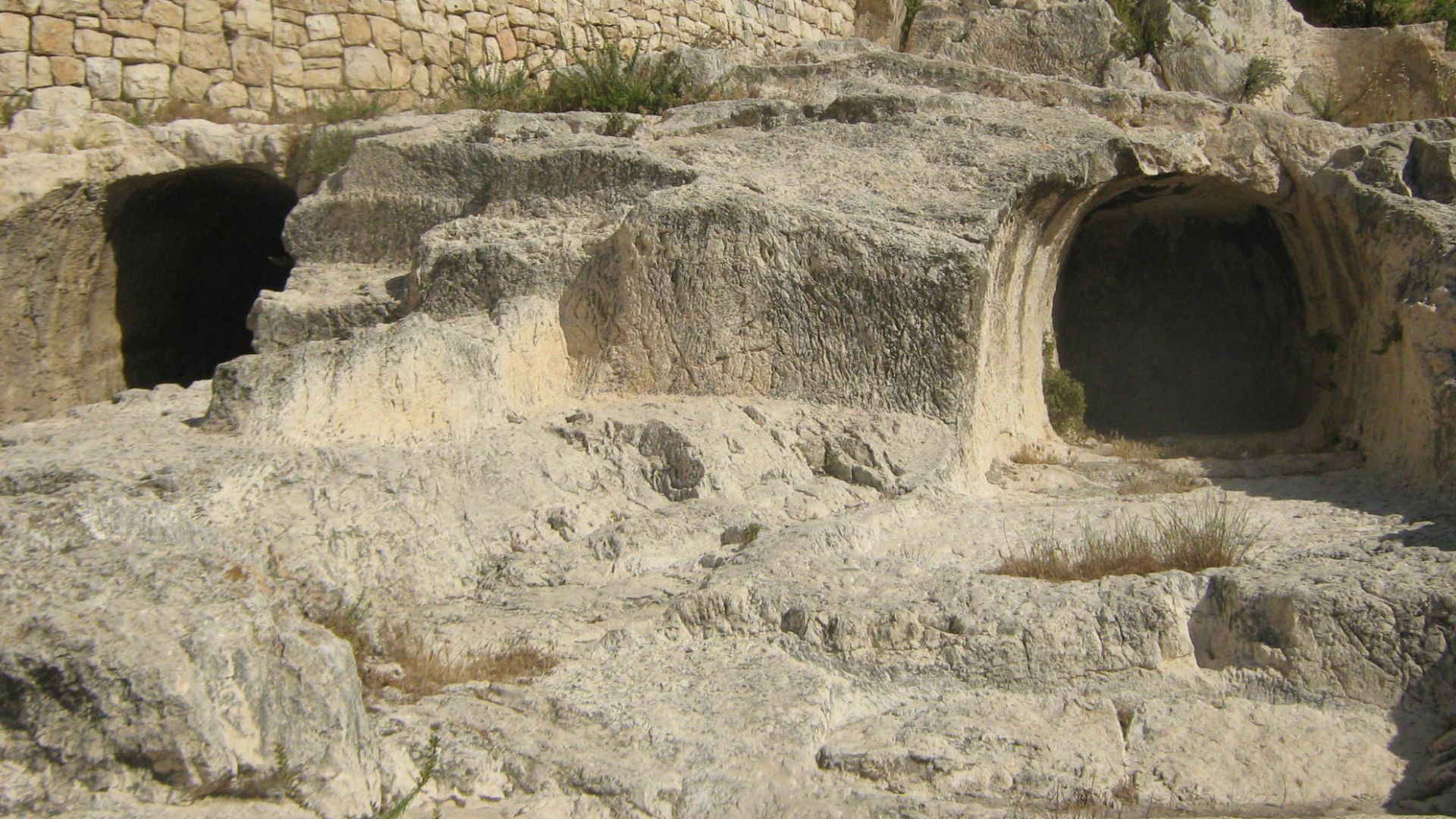
For the first demonstration, the detector was placed inside a large rock-cut installation commonly known as “Jeremiah’s Cistern.” The roughly six-meter-deep feature has a narrow shaft and a bell-shaped lower chamber. Its original date remains uncertain, but its location places it near some of the City of David’s most important ancient structures.
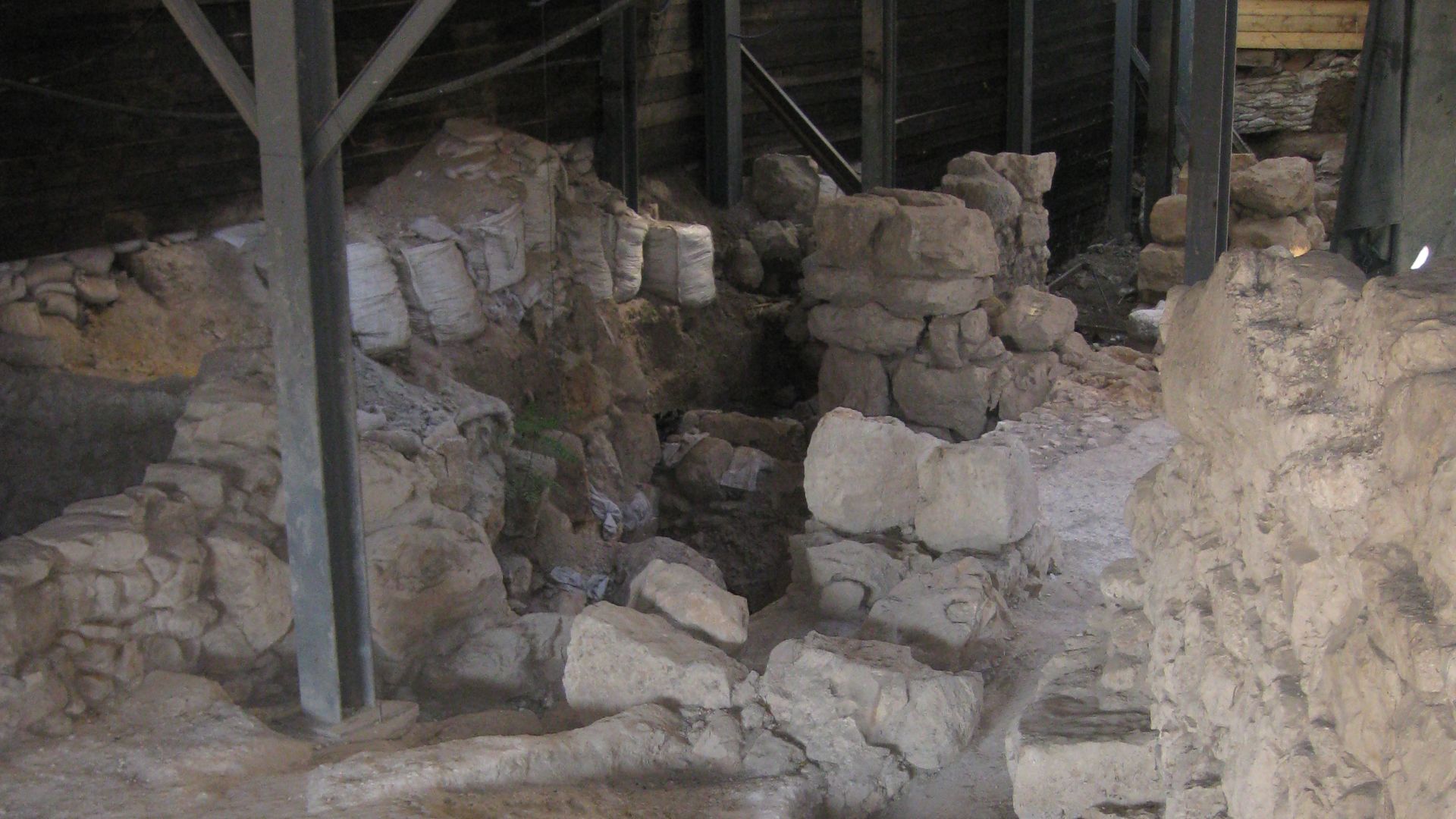
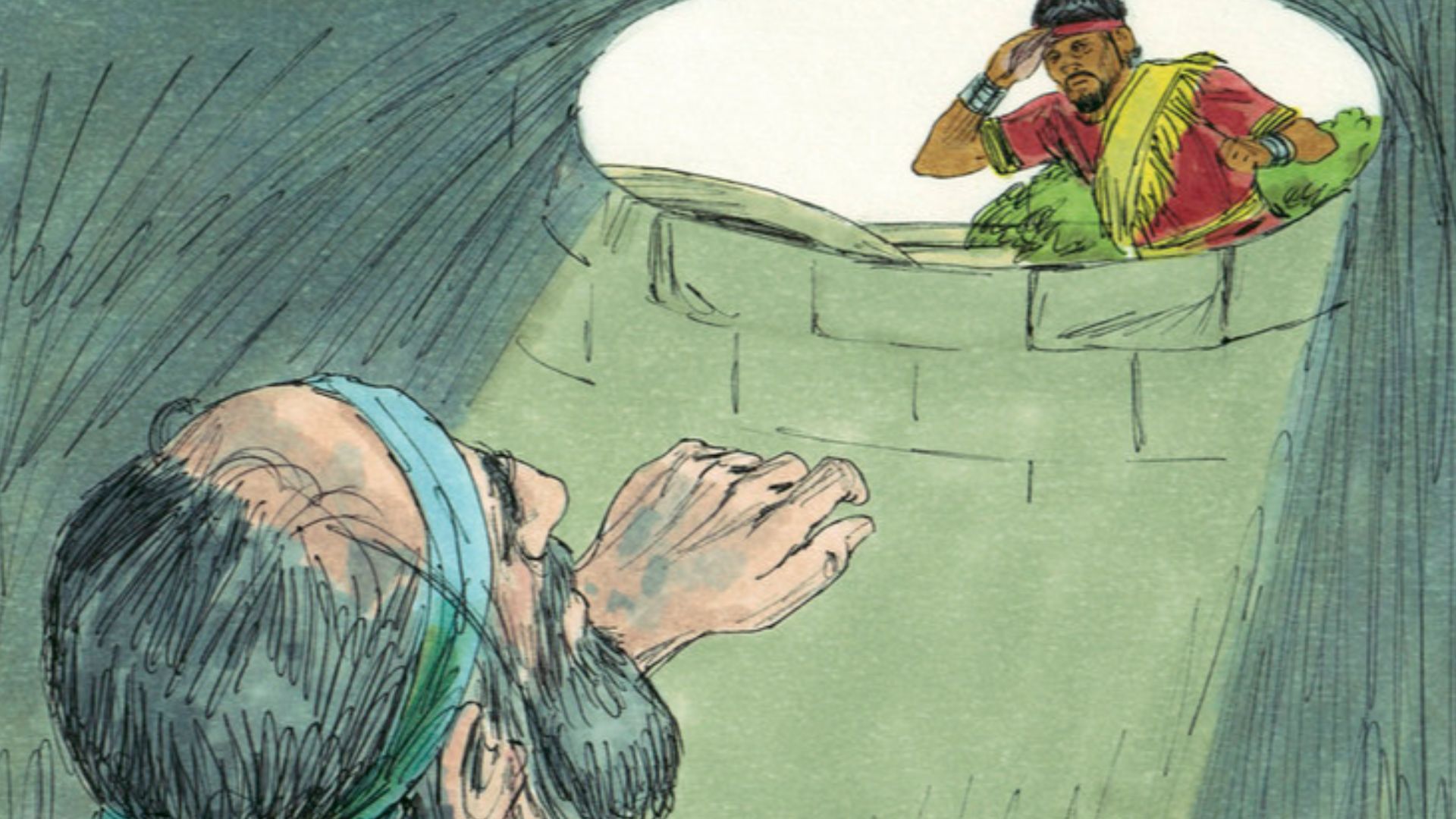
The Biblical Name Comes With A Warning
The nickname recalls Jeremiah 38:6, where the prophet Jeremiah is lowered into a cistern during the reign of King Zedekiah. However, researchers have not proven that this specific installation is the cistern described in that passage. Biblical nicknames have a habit of becoming more certain in popular retellings than they are in archaeology.
 Jim Padgett, Wikimedia Commons
The Cistern Offered A Known Target
Testing the detector around an already mapped feature gave the team something important: a way to check whether the particle measurements matched reality. If the system could accurately reconstruct known terrain and cavities, researchers could become more confident when using it to search for unknown ones.
 Daniel Ventura, Wikimedia Commons
The Detector Measured The Ground Above
The team tracked muons arriving through the rock and soil covering the detector. From those measurements, they calculated what scientists call integrated opacity—the combined density and distance the particles had crossed. That information allowed them to estimate the depth and density of the ground in different directions.
The Results Matched The Landscape
The reconstructed muon measurements broadly corresponded with the known surface topography and underground environment. This demonstrated that the equipment could operate successfully inside a difficult archaeological setting. That may sound less dramatic than discovering a golden chamber, but it is the crucial first step before anyone should trust the machine.
 Joe Freeman <[email protected]>, Wikimedia Commons
LiDAR Helped Confirm The Findings
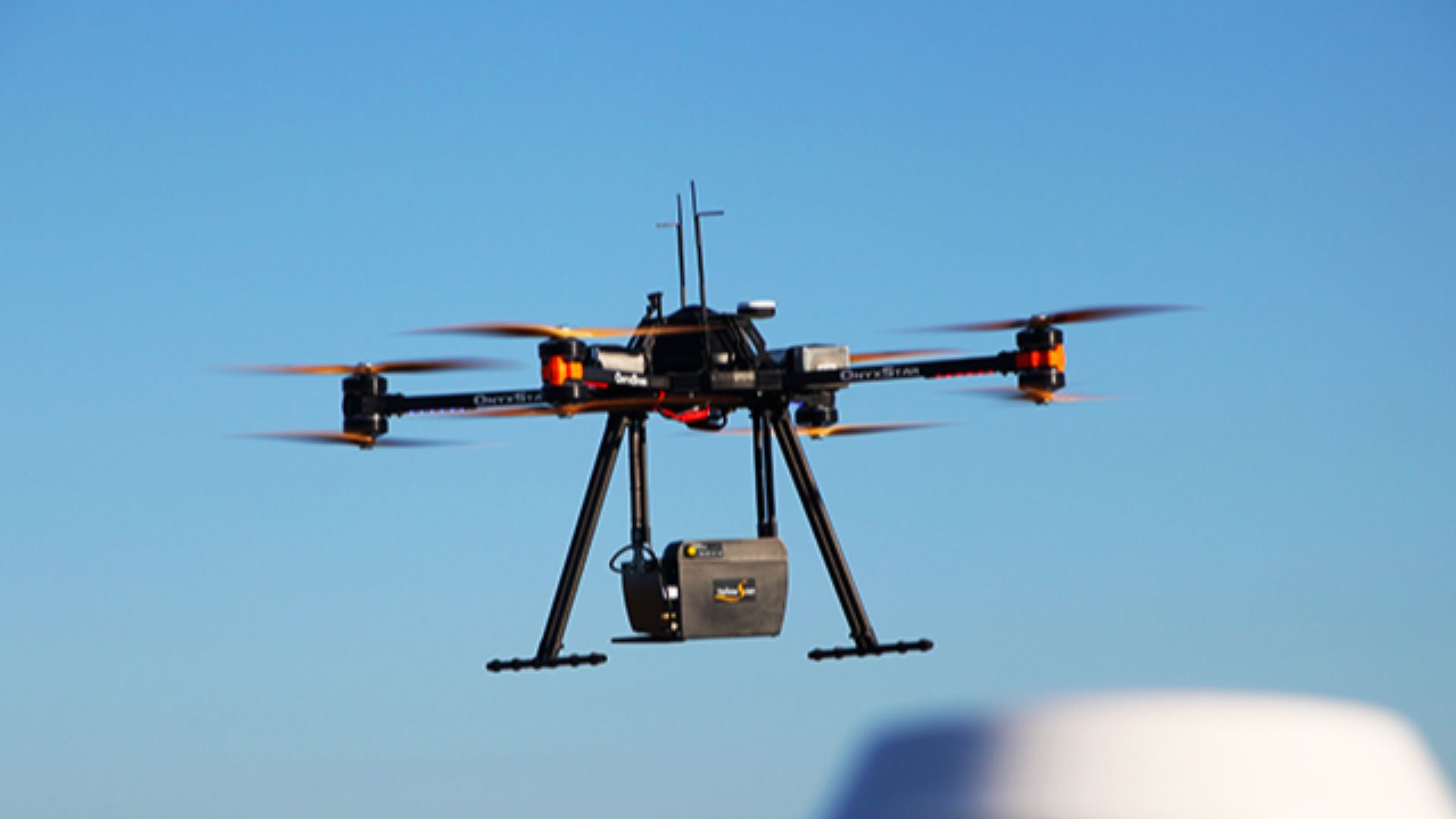
Researchers compared the muon results with detailed LiDAR measurements of the site. LiDAR uses laser pulses to create precise three-dimensional maps of surfaces and structures. Combining the two methods helped the team compare what was known aboveground with what the muons were reporting from below.
They Are Not Claiming A Secret Chamber—Yet
The study demonstrated that muon imaging can map underground density and identify potential structural anomalies at the site. It did not announce the discovery of a major lost chamber, royal tomb, or biblical treasure. The excitement comes from what the system may reveal once it is deployed more widely and from several positions.
 Effie Elian, Wikimedia Commons
One Detector Produces A Limited View
A detector placed in one location records particles passing through the surrounding material from particular angles. To create a full three-dimensional reconstruction, researchers must gather measurements from multiple positions. It is more like slowly building a medical scan slice by slice than snapping a photograph.
 National Cancer Institute, Unsplash
The Next Campaign Moves Near The Gihon Spring
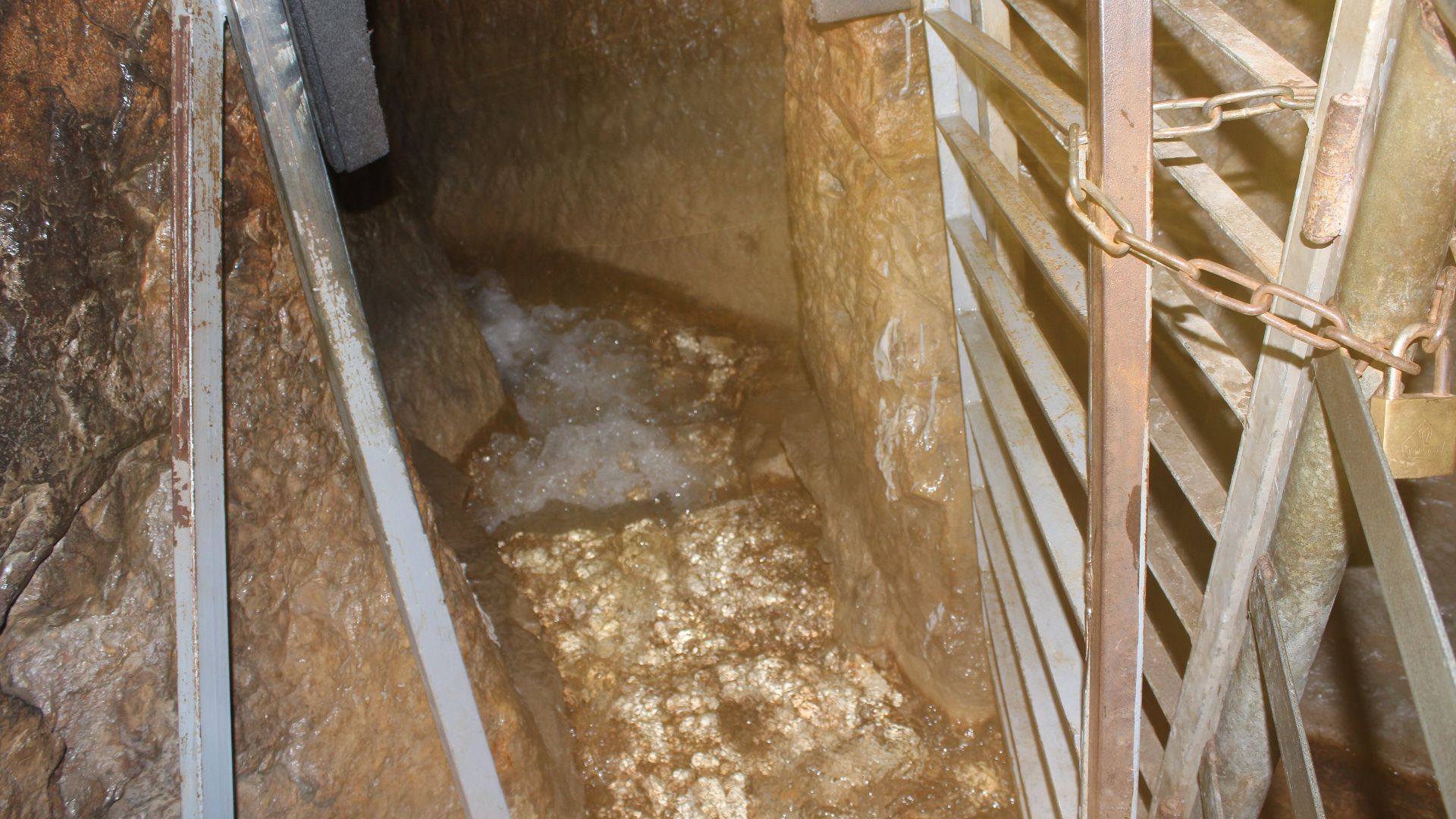
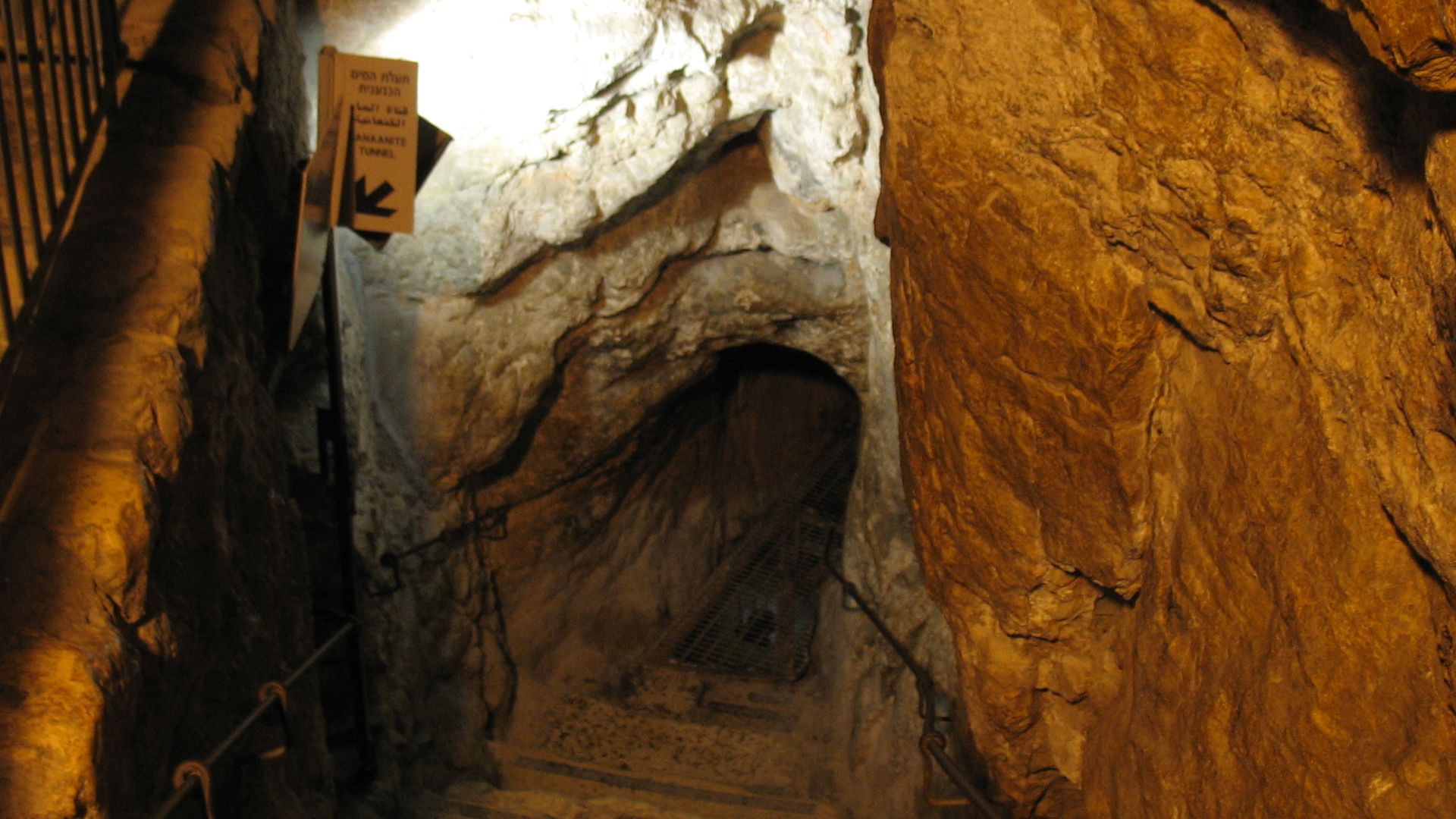
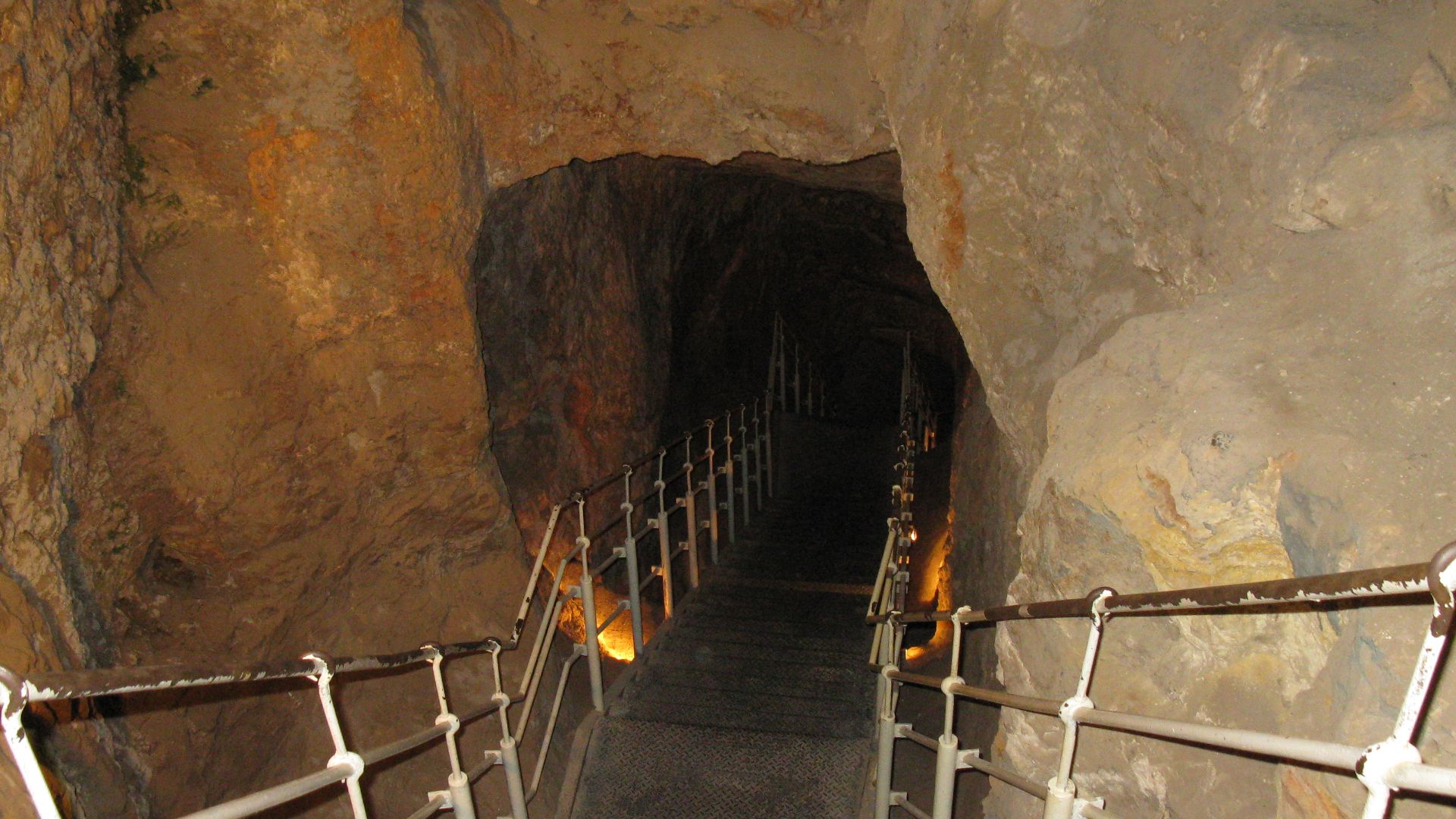
The researchers identified an area near the Gihon Spring as a future testing location. The spring was ancient Jerusalem’s essential water source and is surrounded by a famously complicated network of tunnels, channels, shafts, and fortifications. If muography works there, it could help untangle a landscape that has challenged archaeologists for decades.
Jerusalem Is A Difficult Place To Excavate
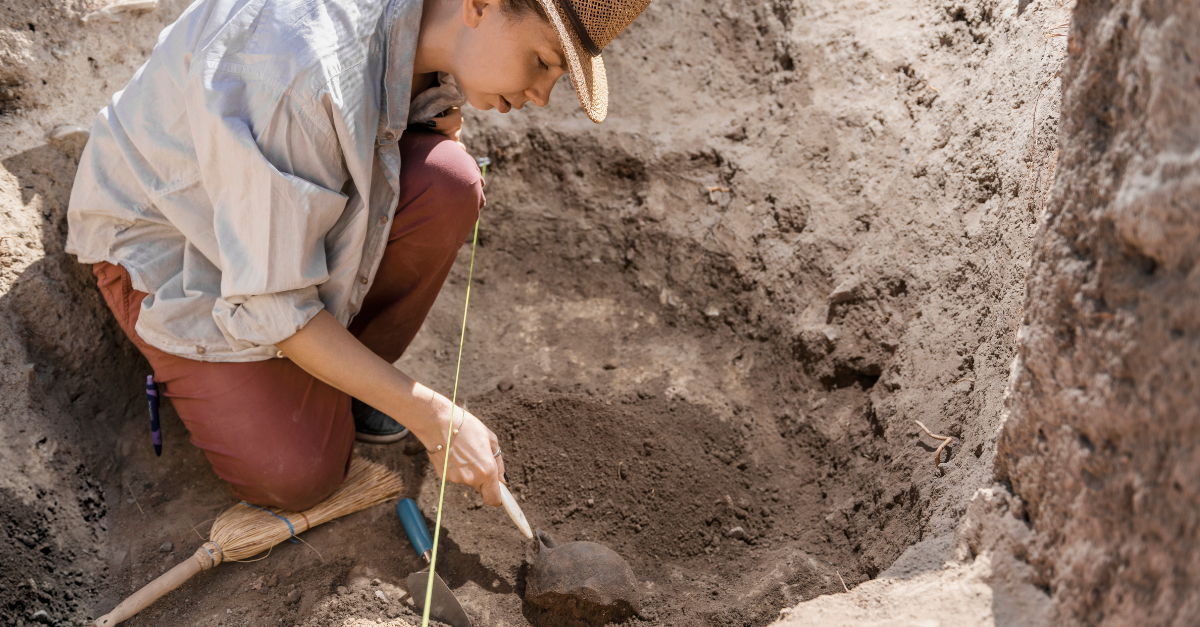
Digging in Jerusalem can be technically, legally, religiously, and politically complicated. Modern neighborhoods sit above ancient remains, while every excavation permanently removes layers of soil and architecture. A method that can survey an area before digging could make archaeological work safer, more focused, and less destructive.
 Vered pichersky, Wikimedia Commons
Archaeology Is Destructive By Nature
Once archaeologists remove a layer, they cannot put it back exactly as it was. Detailed recording helps preserve information, but excavation still changes the site forever. Muon imaging could allow teams to inspect likely voids and plan their trenches before disturbing the ground.
 Itamar Babai, Wikimedia Commons
Professor Lipschits Has A Bigger Goal
Professor Oded Lipschits said the goal is to give archaeologists a complete subterranean three-dimensional map before excavation begins. With that kind of advance knowledge, teams could decide where to dig and where to leave the ground untouched. It would be the archaeological equivalent of checking the map before wandering into the maze.
 Sagi Freiman, Wikimedia Commons
Professor Etzion Explained The Particle Trick
Professor Erez Etzion explained that muons arrive at a generally known rate and penetrate deeply while losing energy gradually through rock. Where the detector records more particles than expected, a lower-density area may lie in their path. That could indicate a chamber, tunnel, channel, or other hollow space.
The Technology Has A Longer History
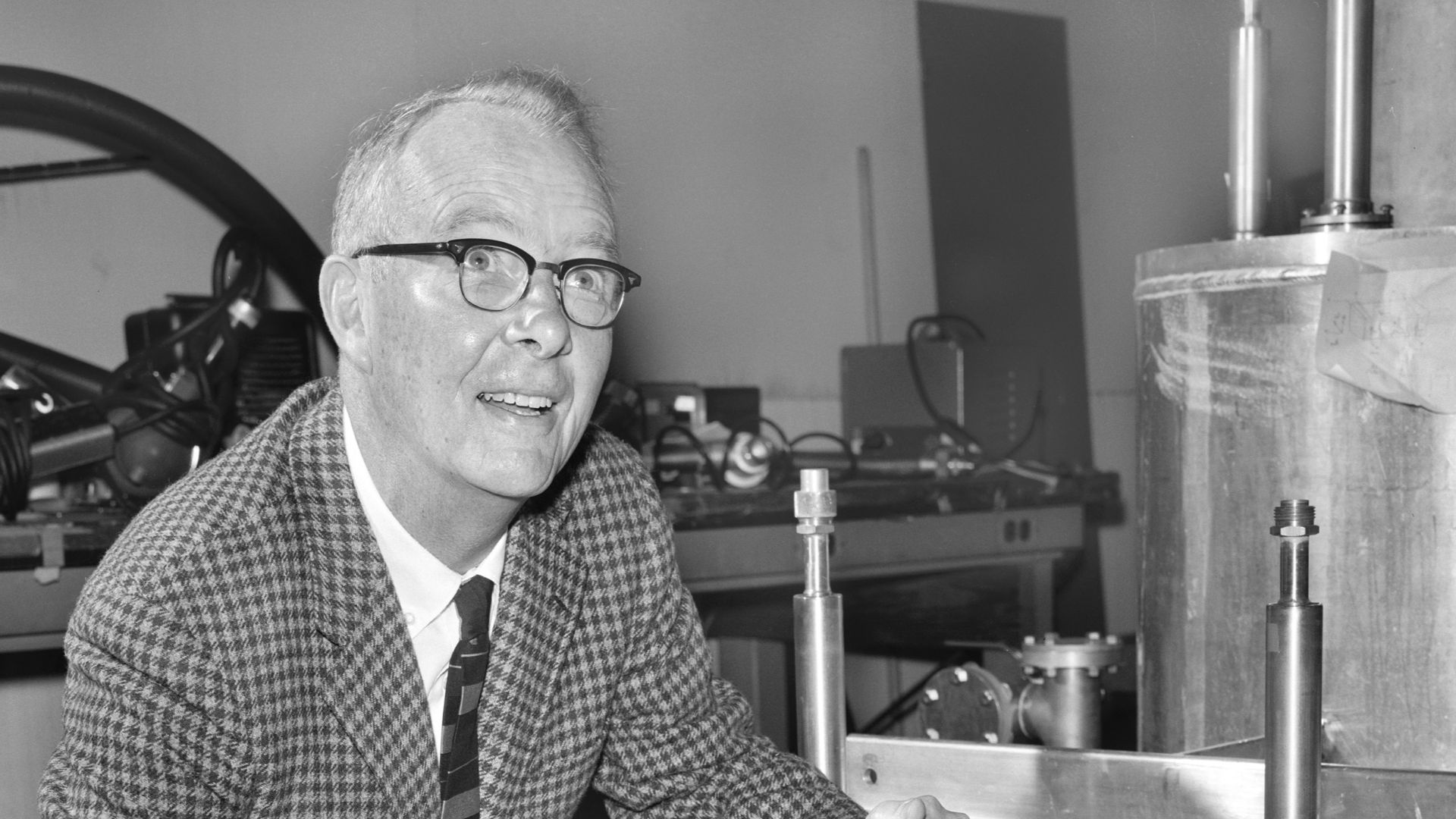
The idea of using muons in archaeology is not brand new. In the late 1960s, Nobel Prize-winning physicist Luis Alvarez used cosmic-ray detectors to search for hidden chambers inside Egypt’s Pyramid of Khafre. The experiment found no unknown chamber there, but it proved that massive ancient structures could be investigated with particle physics.
 Lawrence Berkeley National Laboratory / Department of Energy, Wikimedia Commons
Muons Have Already Entered The Pyramids
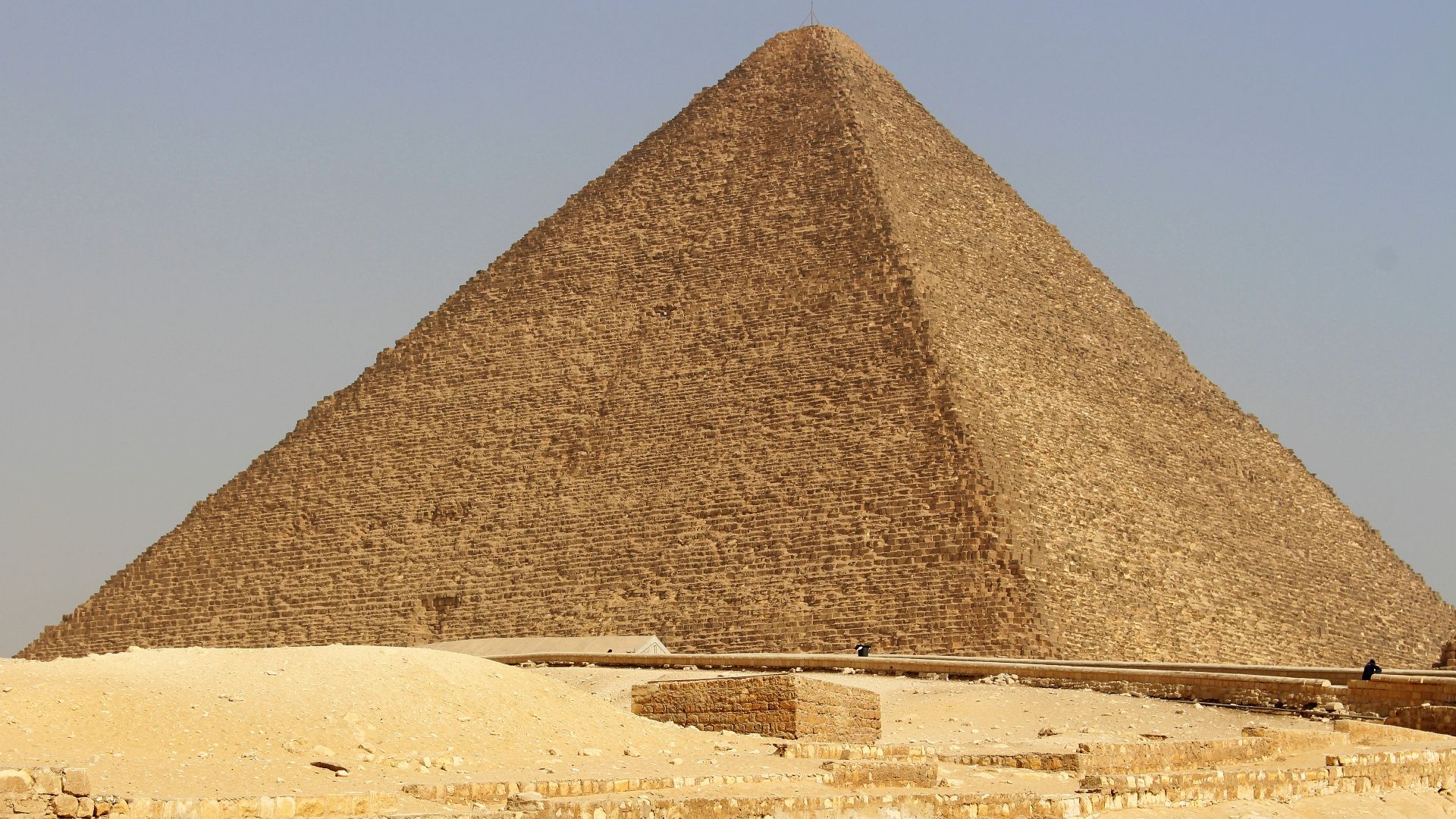
More recent muon experiments have produced major results in Egypt. In 2017, the ScanPyramids project reported a large previously unknown void inside the Great Pyramid of Giza. That discovery showed just how valuable muography can be when traditional access is impossible.
 Emoke Denes, Wikimedia Commons
Jerusalem Presents A Different Challenge
A pyramid is a large structure with relatively clear outer boundaries. Ancient Jerusalem is a crowded underground puzzle of natural rock, soil, retaining walls, tunnels, later construction, and reused spaces. Separating one feature from another will require careful measurements and increasingly sophisticated analysis.
 Itamar Babai, Wikimedia Commons
The Equipment Must Become More Practical
Current muon detectors can be costly, and meaningful measurements may take weeks or months because the system relies on naturally arriving particles. Researchers hope future versions will become smaller, cheaper, more sensitive, and easier to move between archaeological sites.
 Ricardo Tulio Gandelman from Rio de Janeiro, Brazil, Wikimedia Commons
It Could Prevent Dangerous Surprises
Hidden cavities are not only archaeologically interesting. They can also pose risks to excavators, buildings, and visitors if the ground above them becomes unstable. Mapping voids in advance could protect workers while also identifying features worth investigating.
 Assaf Avraham, Wikimedia Commons
The Method Could Travel Worldwide
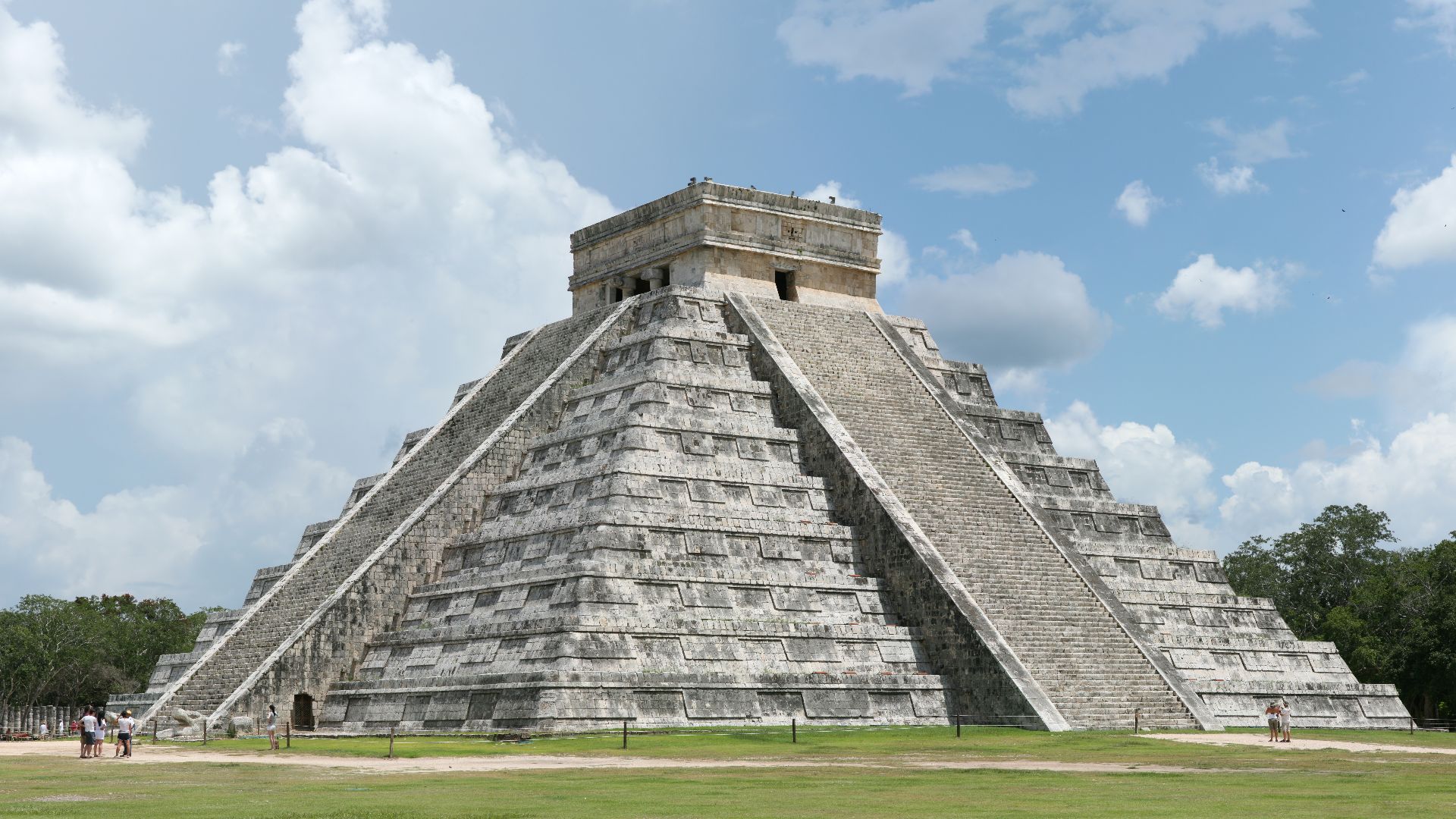
The researchers see potential applications far beyond Jerusalem. Muon imaging could be used at Egyptian pyramids, Maya cities, underground settlements, ancient walls, burial mounds, and archaeological sites covered by later construction. Anywhere thick stone blocks ordinary imaging, cosmic particles may still get through.
 Daniel Schwen, Wikimedia Commons
It Cannot Identify An Artifact By Name
Muon detectors are excellent at recognizing differences in density, but they cannot look into a chamber and label what it contains. A void may be a tomb, cistern, natural crack, tunnel, or later disturbance. Archaeologists would still need other evidence—and sometimes excavation—to understand what the detector found.
 Yoav Dothan, Wikimedia Commons
Thin Objects May Remain Invisible
The technology is also better at detecting large contrasts than small individual objects. A substantial chamber can noticeably change the number of muons reaching a detector, while a thin metal covering or small artifact may not. Nobody should expect the machine to produce a glowing outline labeled “Ark of the Covenant.”
 Yoav Dothan, Wikimedia Commons
Physics Is Not Replacing Archaeology
Muon imaging cannot interpret pottery, date construction phases, translate inscriptions, or explain why a structure was built. It can tell archaeologists where density differs underground. Human researchers must still determine whether those differences matter historically.
The First Test Was A Proof Of Concept
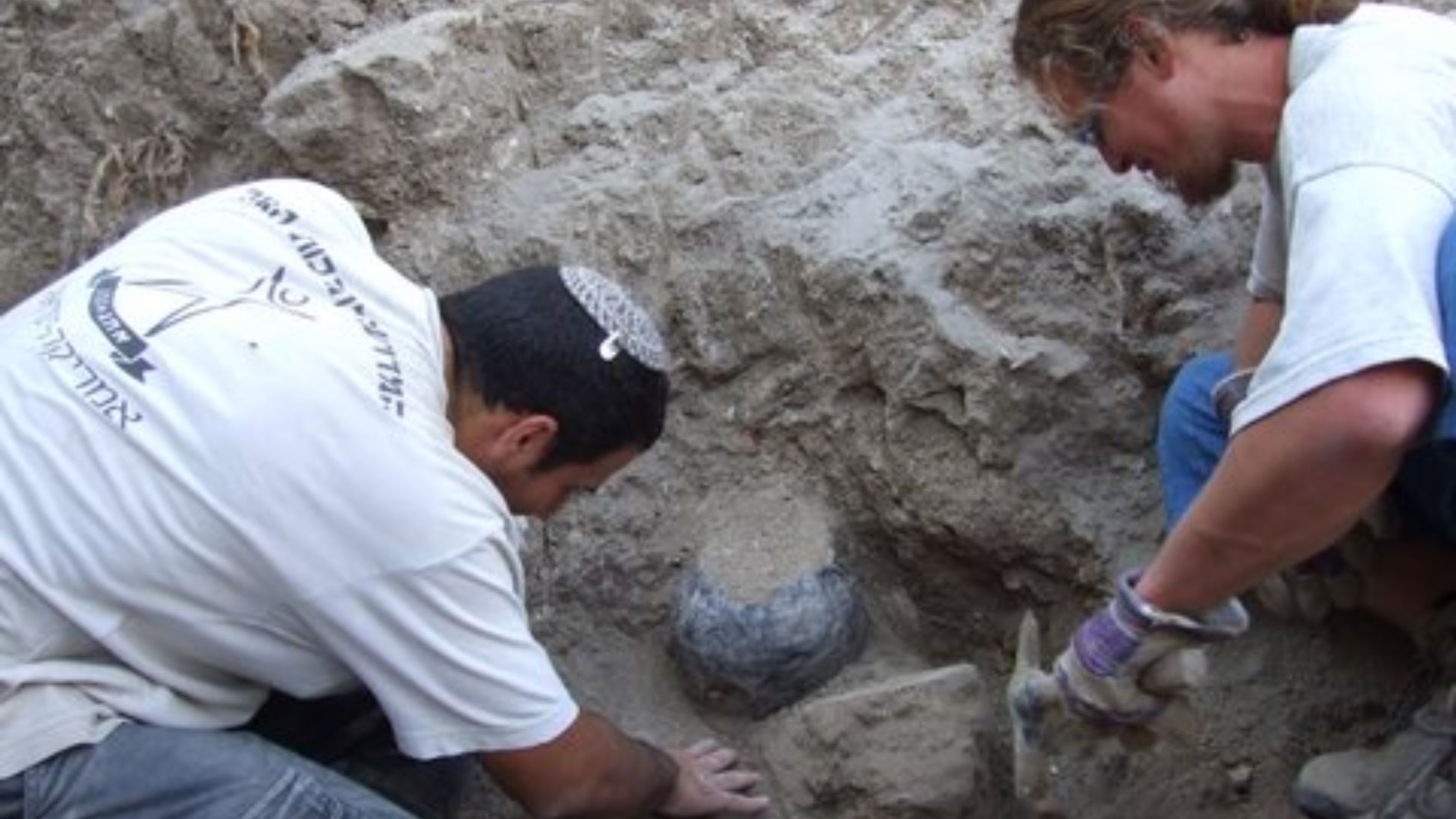
The most important achievement was proving that the detector could function underground at a complex archaeological site and reconstruct useful information about the material above it. This lays the groundwork for more ambitious three-dimensional surveys. The technology is promising, but it is still at the beginning of its Jerusalem story.
Ancient Jerusalem May Still Be Full Of Voids
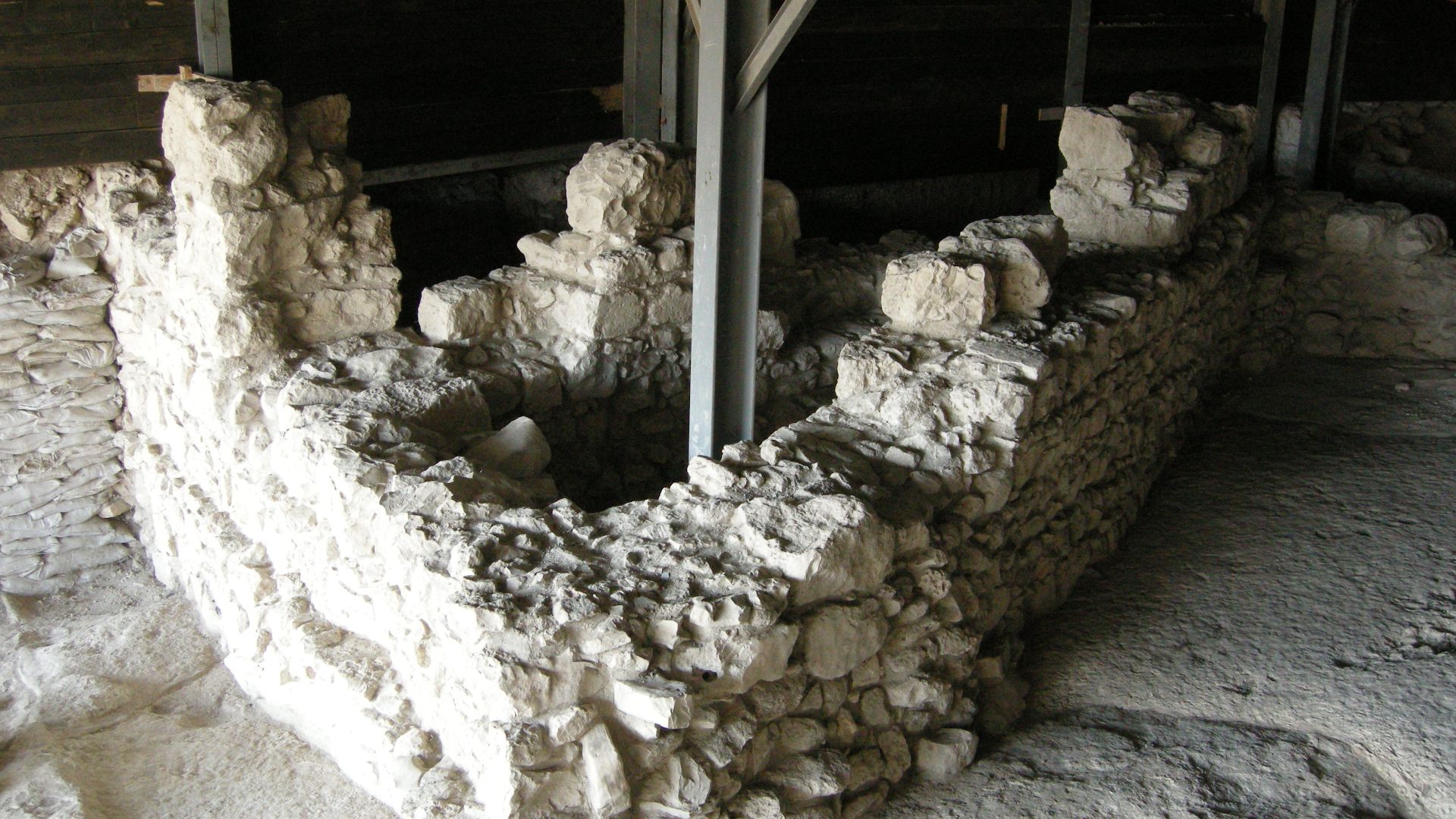
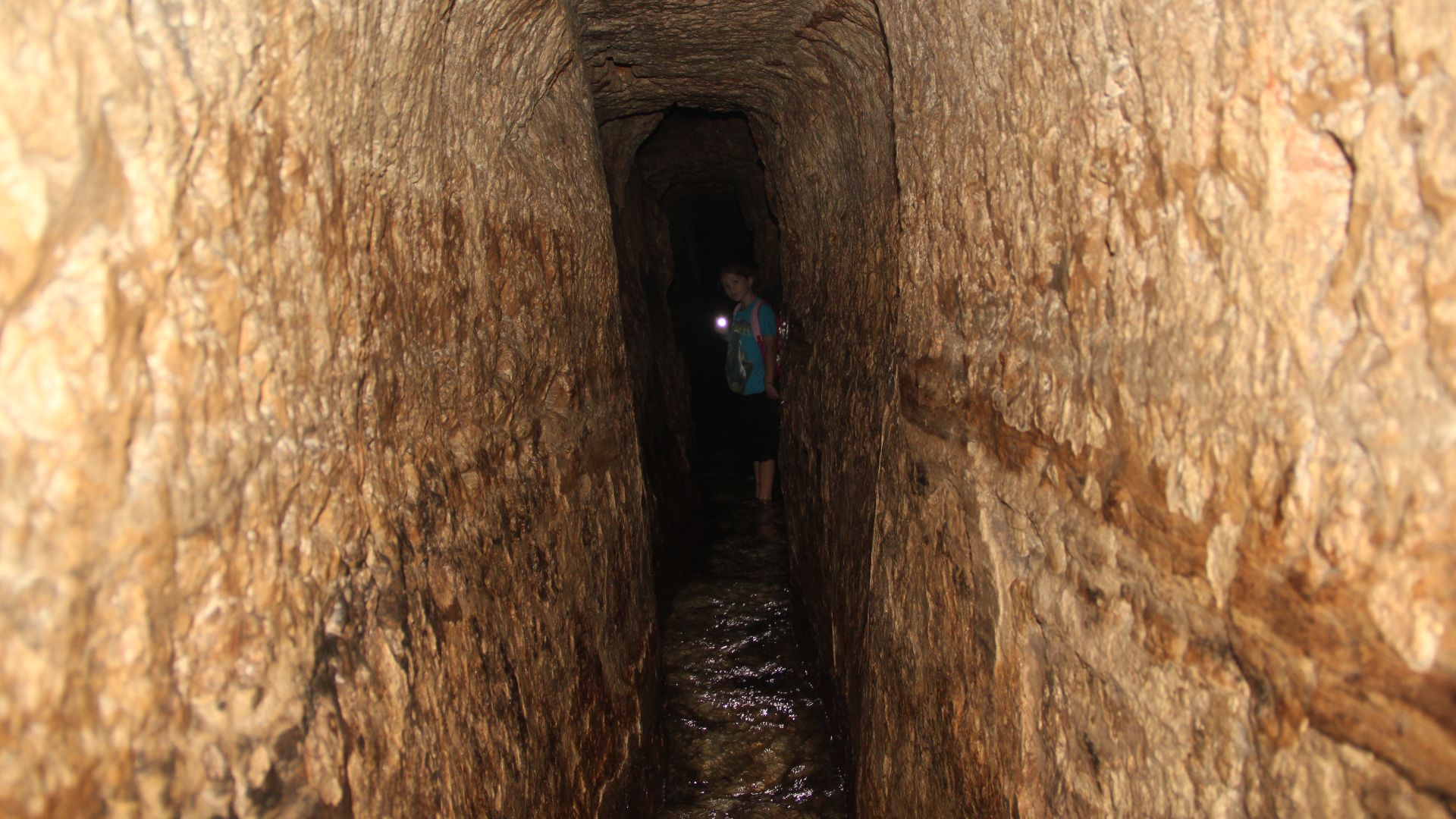
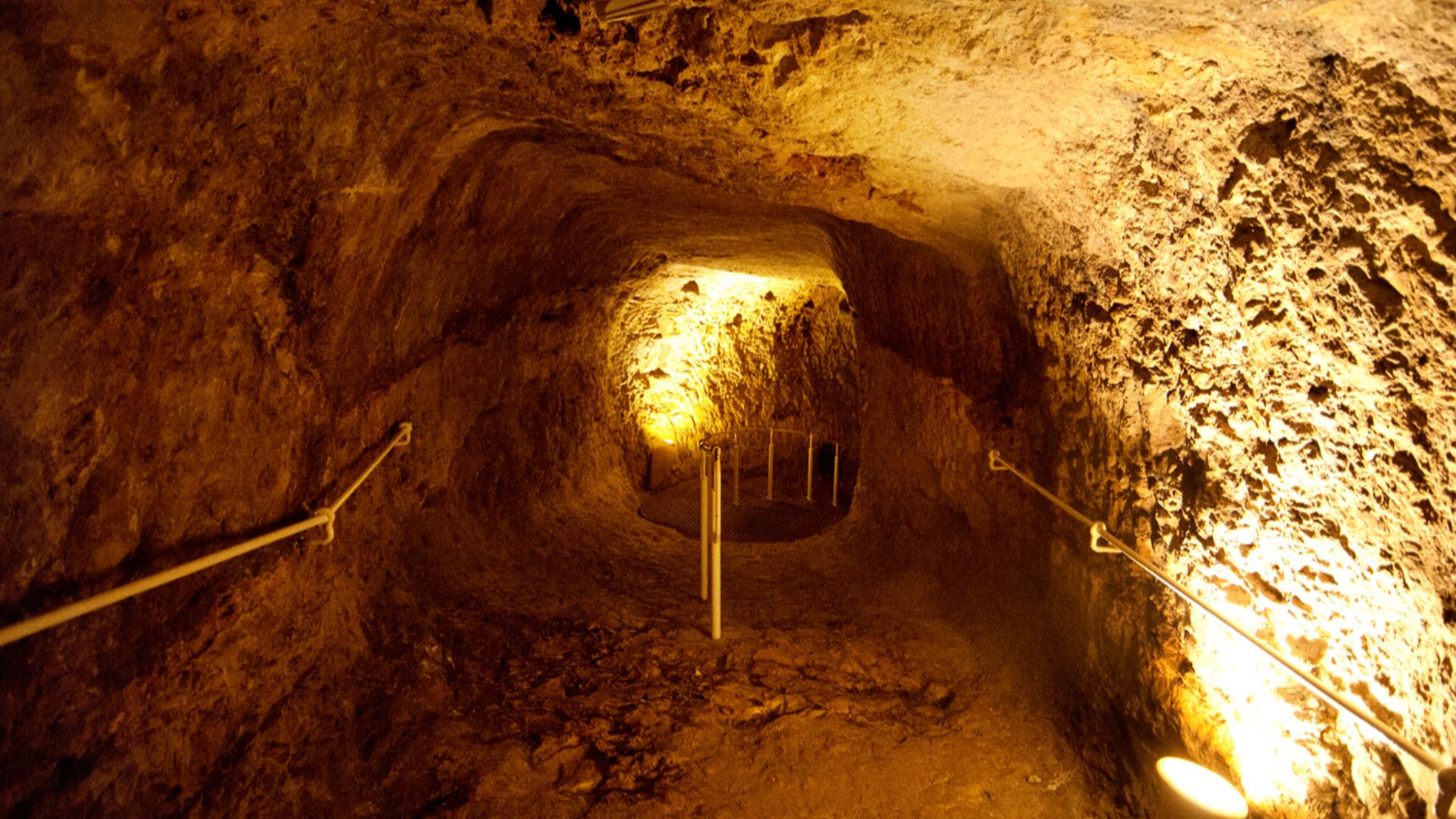
The City of David contains a web of known underground spaces, and researchers suspect others remain concealed. Some may be water installations, storage rooms, quarries, passages, or natural cavities. Muography offers a way to search for them without blindly digging through thousands of years of history.
 israeltourism, Wikimedia Commons
Scientists Can Now Look Before They Dig
For generations, archaeology usually began with a survey, an educated guess, and eventually a trench. Muon imaging adds a new step: examining the hidden density of the ground first. It will not eliminate surprises, but it may tell researchers where the most interesting surprises are likely to be waiting.
Cosmic Particles Could Reveal Jerusalem’s Next Secret
The 2025 experiment did not uncover a lost palace or announce a hidden biblical chamber. What it accomplished may be more important in the long run: it showed that scientists can use naturally occurring particles to map beneath one of the world’s most archaeologically complex cities.
Jerusalem’s underground history remains largely invisible. For the first time, researchers have demonstrated a new way to start seeing it.
You May Also Like: