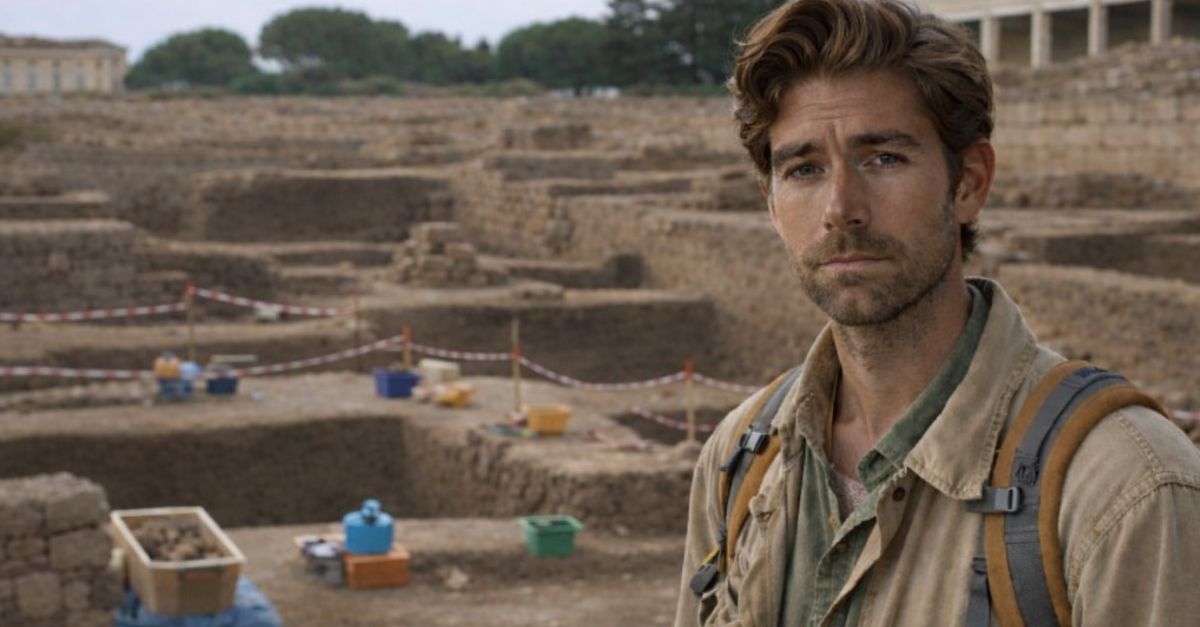
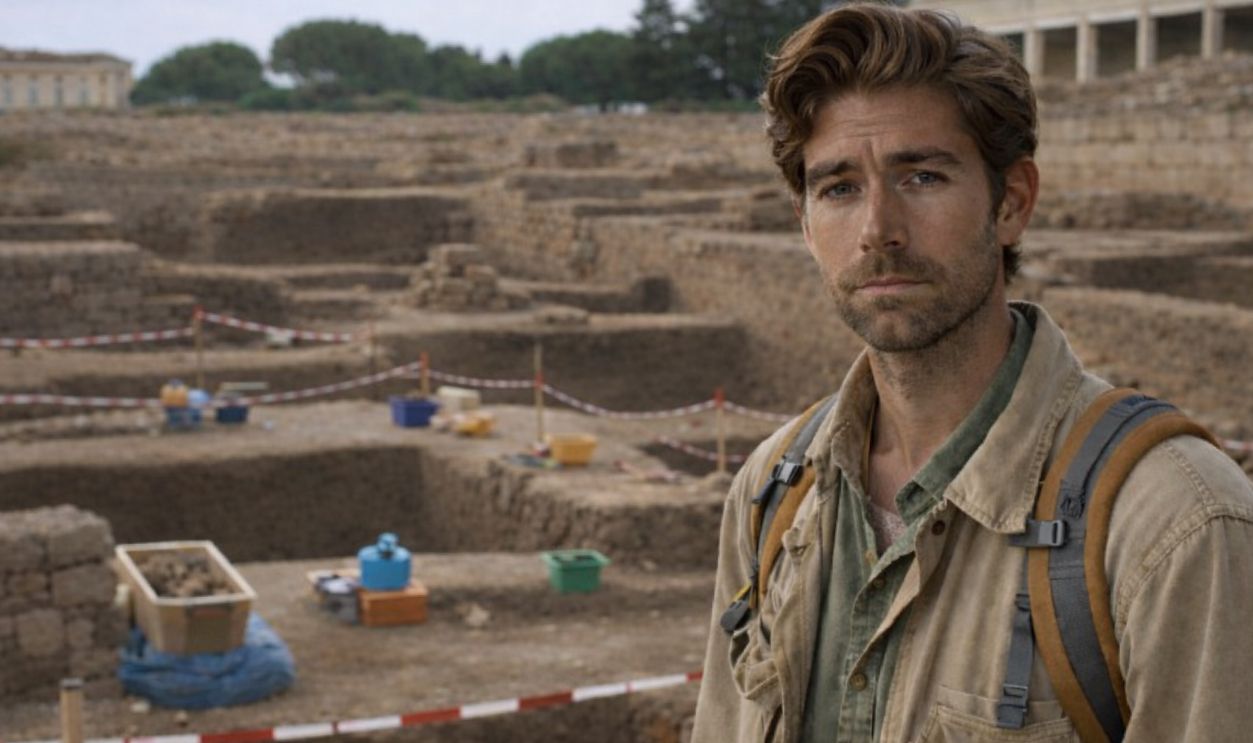
The ruins at Narbonne stand on the spot where Rome first planted its architectural and cultural flag beyond the Italian Alps. Founded in 118 BC, Colonia Narbo Martius marked the beginning of Roman urban life in Gaul, a milestone that reshaped economic and political power across what is now southern France. Centuries later, the city’s remains reveal planned street lines, a curtain wall nearly 100 feet long, and the foundations of a round tower. These discoveries are reshaping how historians understand early Roman planning outside the Italian peninsula. Together, they point to a once-bustling hub of trade and administration that linked the Mediterranean to the wider Roman world.
Roads That Opened The Empire’s Door
From its very first days, Narbo Martius was intended to be more than a Roman military outpost. Anchored at the crossroads of major routes, this city became a linchpin in the network that bound Rome’s distant holdings to its beating heart. The Via Domitia, constructed around the same time the colony was established, was the first Roman road in Gaul. This paved artery extended to link Italy with Hispania (modern Spain) and threaded through Narbo Martius itself. By connecting the Mediterranean world to western Europe, the road turned Narbonne into a gateway for goods and ideas traveling vast distances.
But that wasn’t all: just beyond the colony’s limits, the Via Aquitania branched toward Tolosa and Burdigala (today’s Toulouse and Bordeaux), extending Rome’s reach toward the Atlantic. These routes were stone conduits that knit together commerce and cultural exchange. Narbonne’s location on these corridors made it a natural choice for settlement, ensuring the city’s rise from frontier outpost to thriving metropolitan center in what became Gallia Narbonensis. Yet the real evidence of this planning lies underfoot in the grid of streets and water pipes discovered by archaeologists. These artifacts show how early planners shaped the land to turn Narbonne into a crossroads of empire.
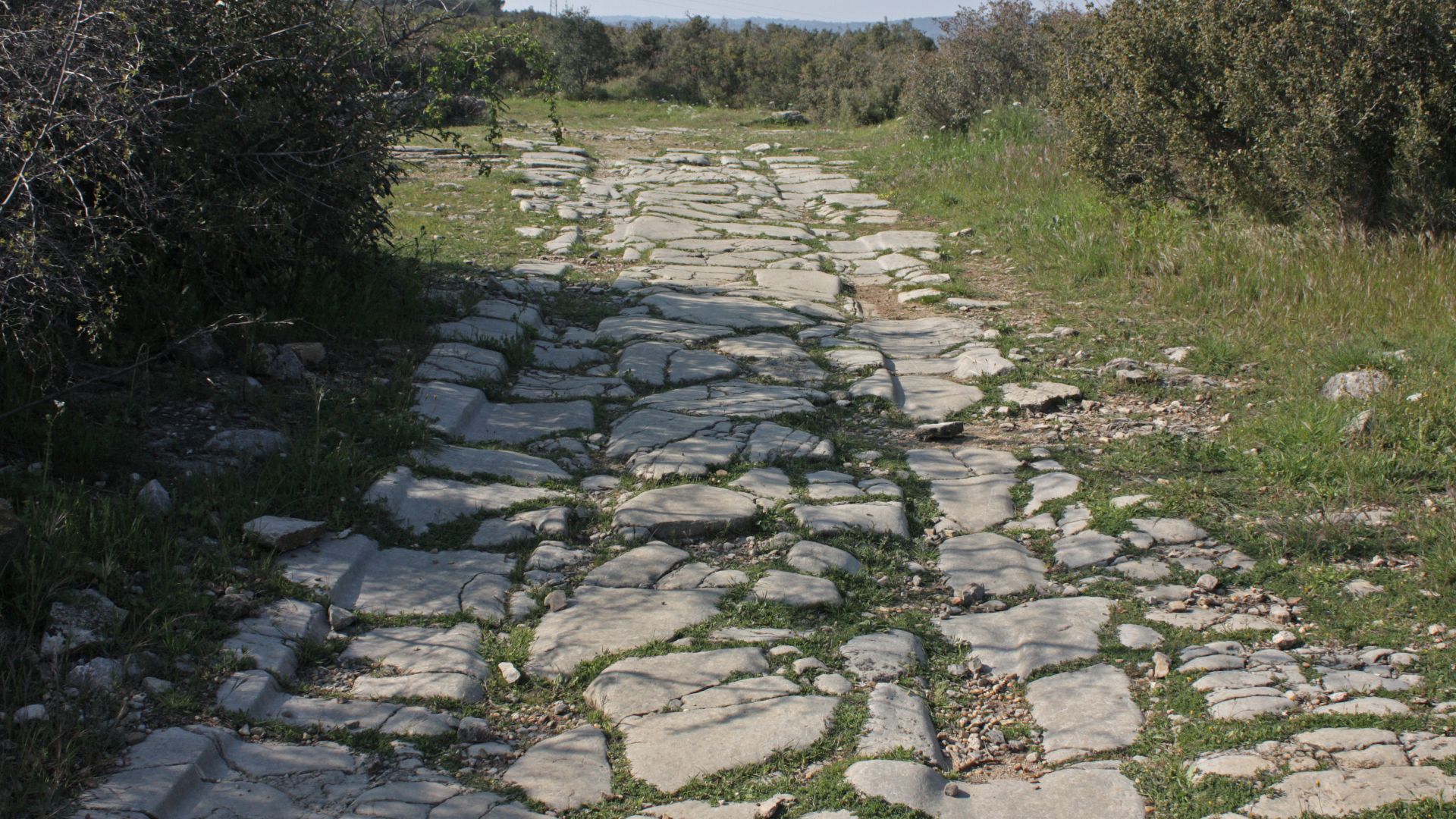 Daniel VILLAFRUELA., Wikimedia Commons
Walls And Whispers Of Commerce
A nearly 100-foot stone curtain wall and the foundation of a round tower dominate the scene, standing sentinel over a network of storage buildings that were part of the early city’s trade infrastructure. Archaeologists believe these structures were linked to maritime commerce to secure goods as they moved inland or onward across continental Europe. Inside one warehouse, a crawlspace lined with recycled amphorae. Roman clay vessels that were used to carry oil and grain show how resourceful and practical storage systems were assembled. The ground floor likely held merchandise awaiting transport or sale, while the upper level, adorned with mosaics and colorful wall paintings, may have served as administrative space or quarters for supervisors managing the flow of products.
Another warehouse, likewise destroyed by fire centuries ago, preserved frescoes that mimicked marble slab decoration. Such details show how Roman aesthetic values permeated even industrial buildings. The painted walls give modern visitors a glimpse of color and style within a space once filled with commercial interactions. These discoveries are reshaping assumptions about early urban life in Narbo Martius. Where once historians debated whether the settlement was open and unfortified, the presence of substantial walls and purpose-built storage districts shows a deliberate effort to structure and protect commercial activity.
From Marketplace To Provincial Power
As goods moved in and out, Narbo Martius grew from a trading settlement into the political and administrative heart of an entire Roman province. Shortly after its founding, the colony was formally recognized as the capital of Gallia Transalpina, a name later changed to Gallia Narbonensis to reflect Narbo’s growing importance. Veterans from Roman legions, especially those from the Tenth Legion, were settled in and around the city. About 8 miles from the Mediterranean, the city became a vital port and trading hub. Though sea levels and terrain have shifted since then, Narbonne’s river and lagoon systems once linked it directly to maritime routes, making it easier for goods from Italy, Spain, and beyond to be exchanged here.
While Narbo Martius began with commerce and roads, its influence soon touched daily life across the region. Public buildings, forums, markets, temples, and even religious communities grew around the hub of trade. By the time of Augustus, the city was well established as a center of cultural and political gravity in southern Gaul. It extended Roman law, customs, architecture, and governance deep into what had been Celtic territory. In many ways, the story of Narbonne is the story of Rome’s ability to build not just roads and walls, but entire societies that endured long after their founders had walked their grand streets.
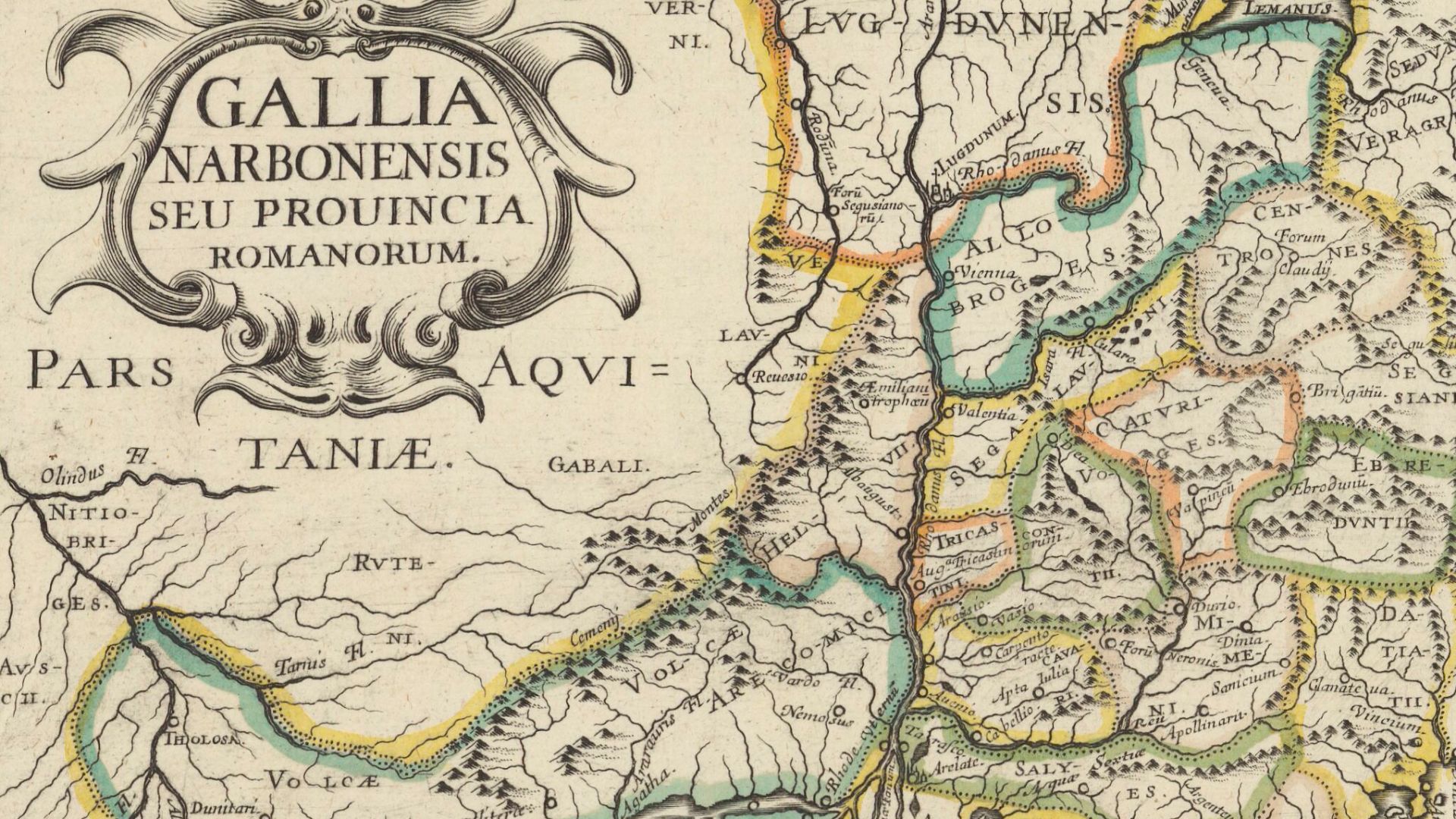 Briet, Philippe (1601-1668). Cartographe, Wikimedia Commons