The Dive That Mattered
On October 23, 2022, China's enigmatic Deep Sea Warrior submersible descended 4,921 feet into the South China Sea, 93 miles southeast of Sanya. The robotic lights swept across the dark seabed to reveal something worthy of the expense required to build China's first domestically-designed and built deep-sea bathyscaphe.
 Greece-China News, Pexels, Modified
The South China Sea
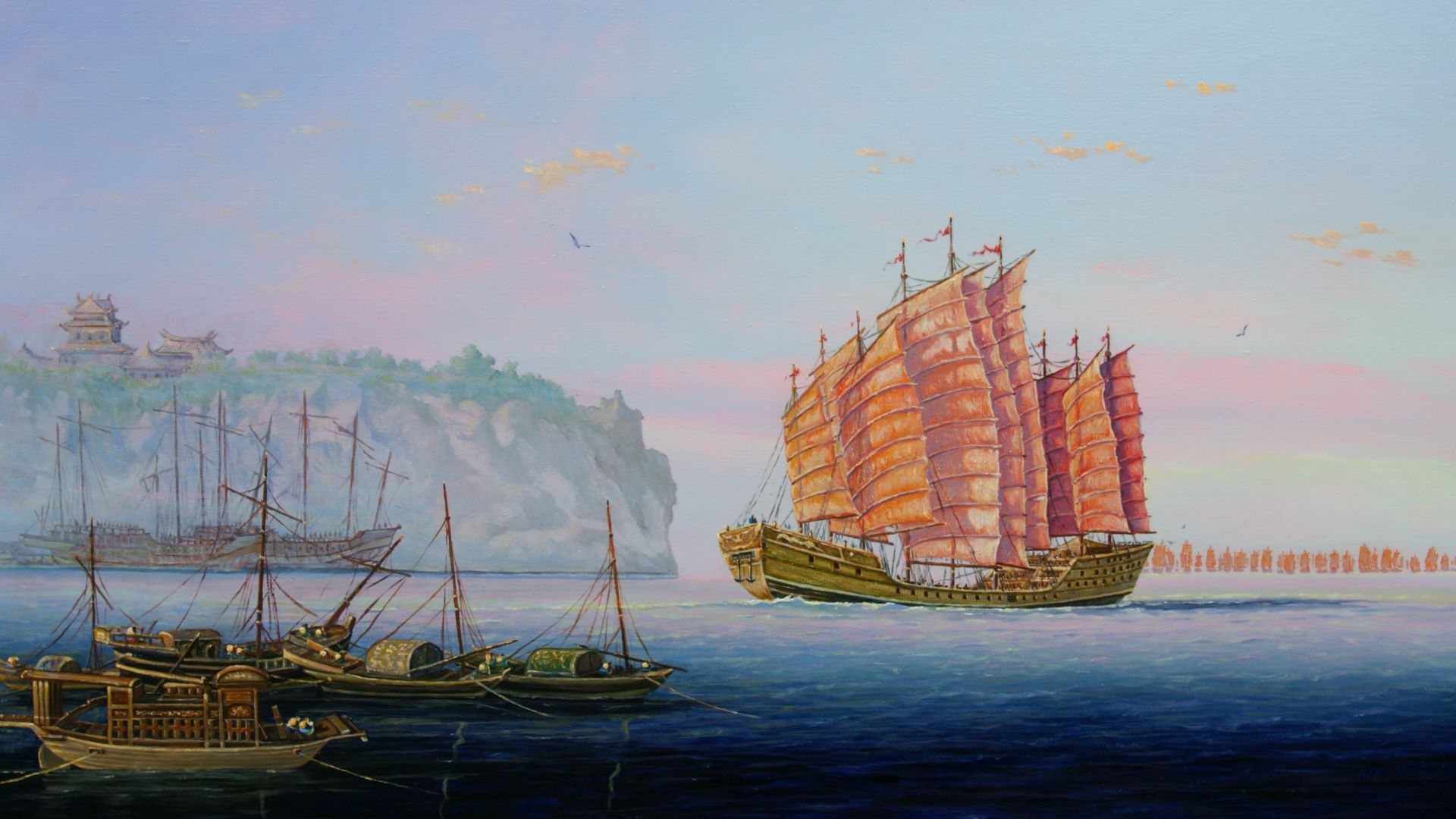
The South China Sea served as the Maritime Silk Road's central artery during the Ming Dynasty. Merchant vessels carried Chinese goods southward to Southeast Asia, India, and the Middle East. Return voyages brought exotic stuff northward to Chinese ports, which sustained centuries of commerce.
 Kosov vladimir 09071967, Wikimedia Commons
Island's Strategic Position
Hainan Island sits at the gateway between China's southern coast and the open South China Sea. During the Ming Dynasty, merchant ships departing from Fujian and Guangdong provinces passed Hainan's shores before heading to Malacca, the major trading hub. The island marked the threshold.
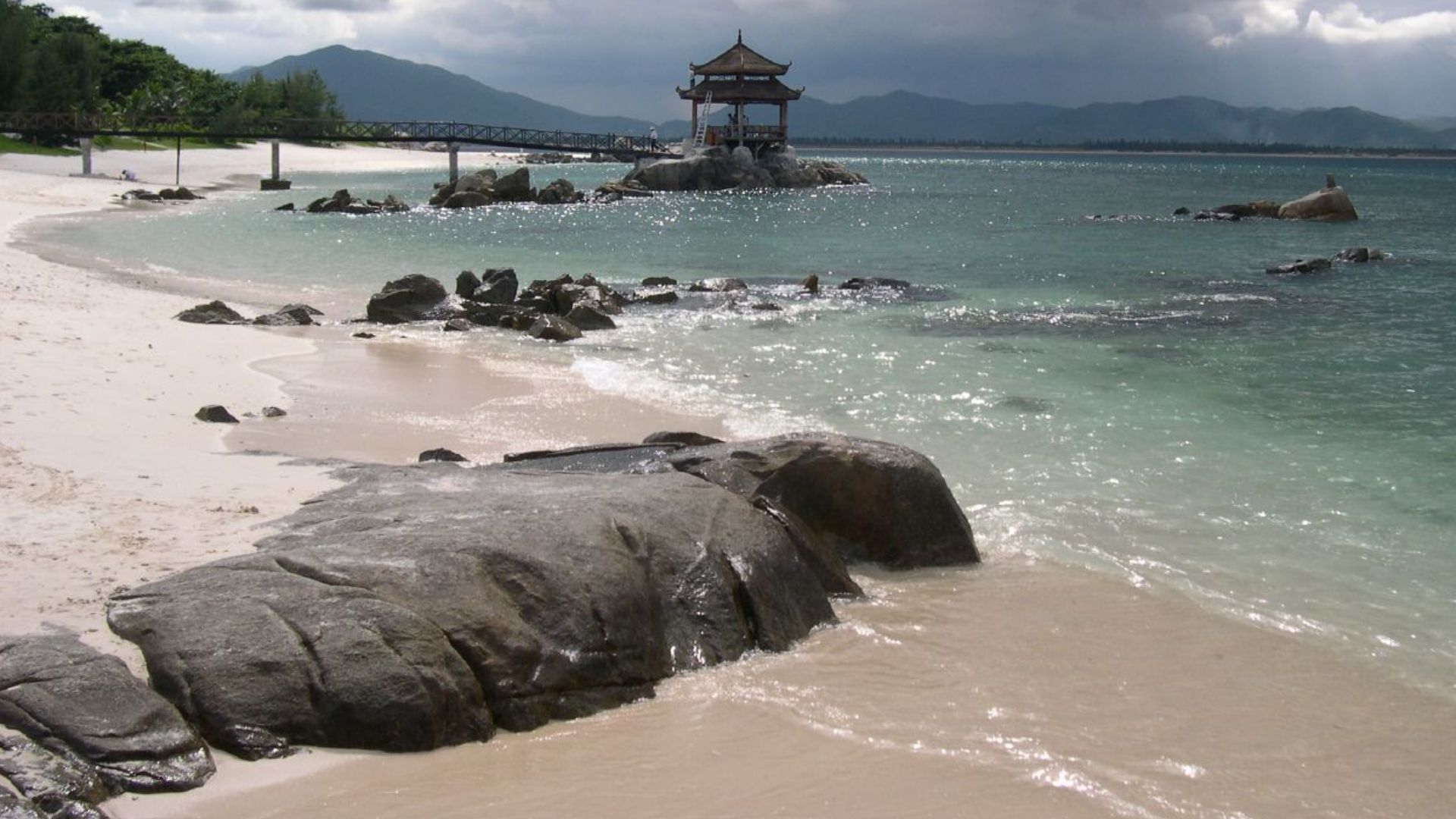 Carsten Ullrich from Shanghai, China, Wikimedia Commons
Commerce And Culture
The Ming Dynasty witnessed China's transformation into a maritime commercial power. After the official treasure voyages ended in 1433, private merchants seized opportunities to trade across Asia. By the 1500s, Chinese porcelain from Jingdezhen dominated markets from Japan to Java. It generated immense wealth for coastal provinces and merchant families.
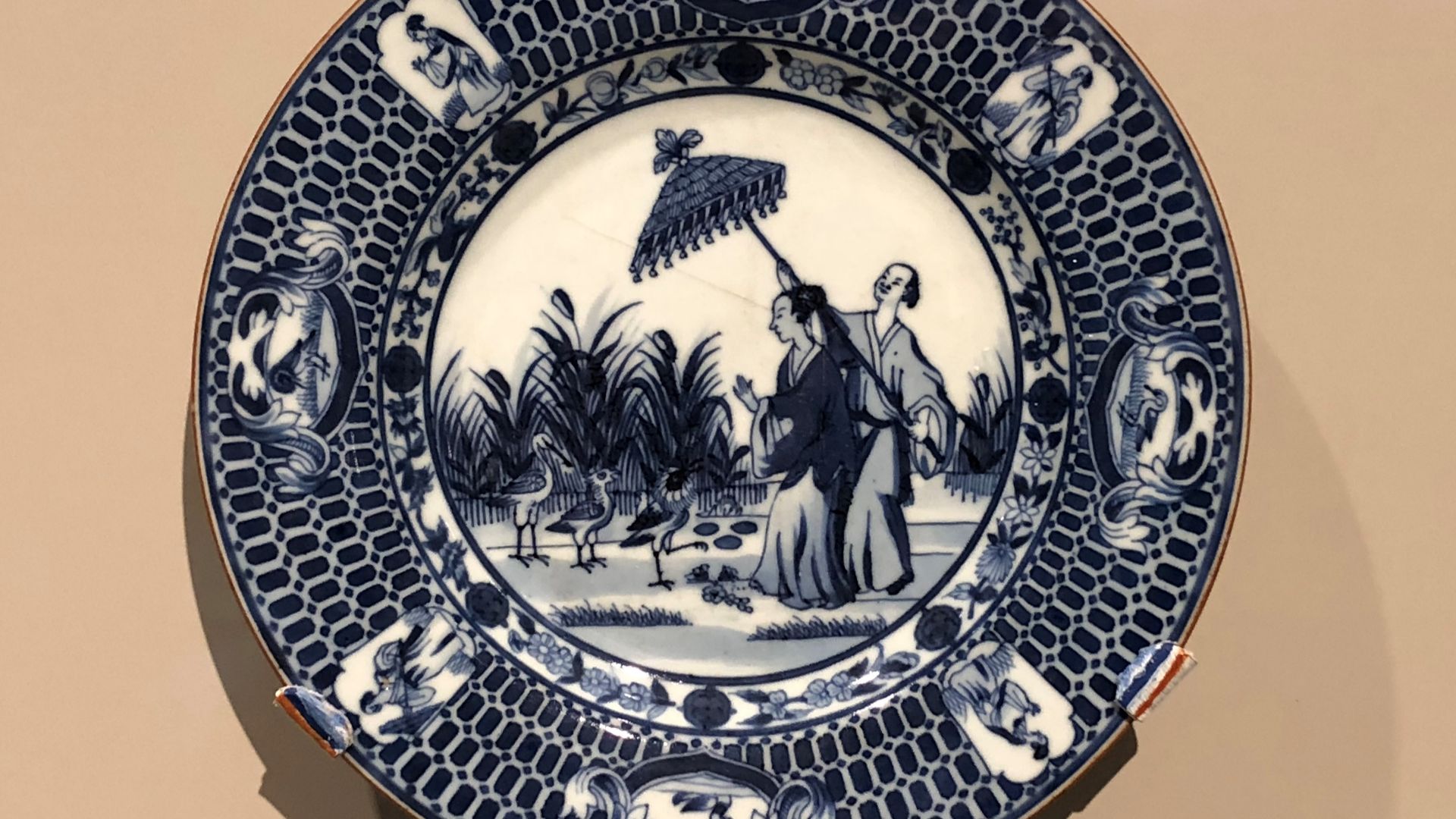
Opposite Directions
The discovery revealed two distinct shipwrecks lying 13.7 miles apart on the continental slope. The vessels faced opposite directions on the seabed. Evidence suggested one ship carried Chinese exports outbound to foreign markets, while the other transported imported goods homeward.
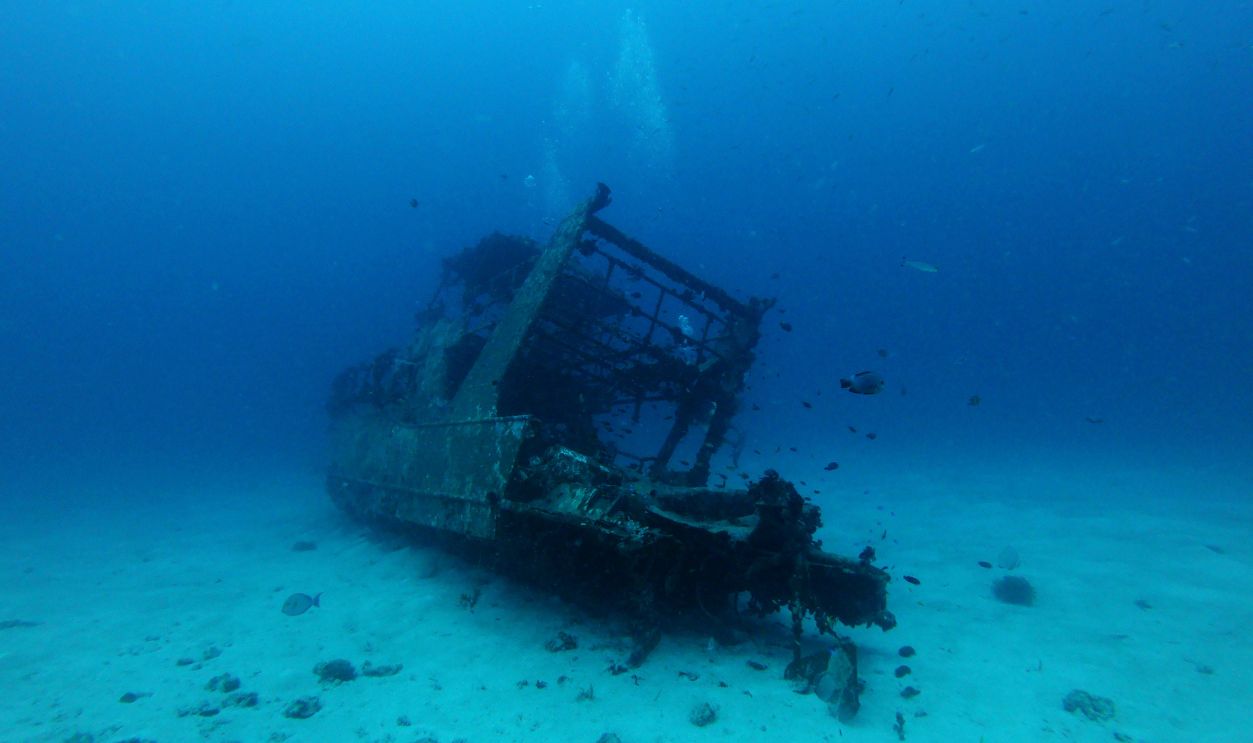
The Younger Vessel
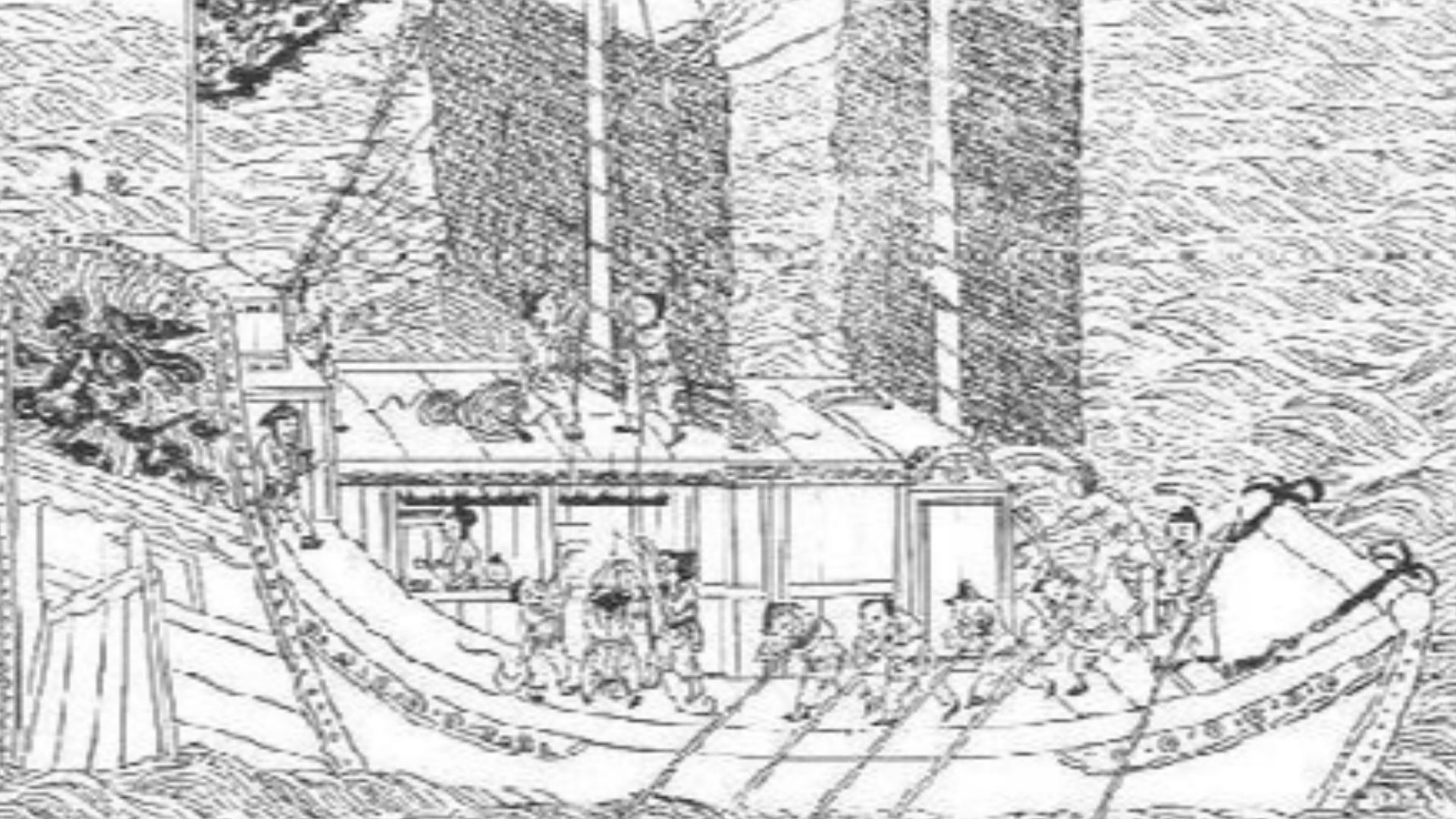
Shipwreck No. 1 dates to the Zhengde period, between 1506 and 1521. The vessel's core area measured 121 feet long and 36 feet wide on the seabed. Archaeological evidence confirmed this was a privately owned merchant ship. It was loaded with export porcelain that was destined for Southeast Asian markets.
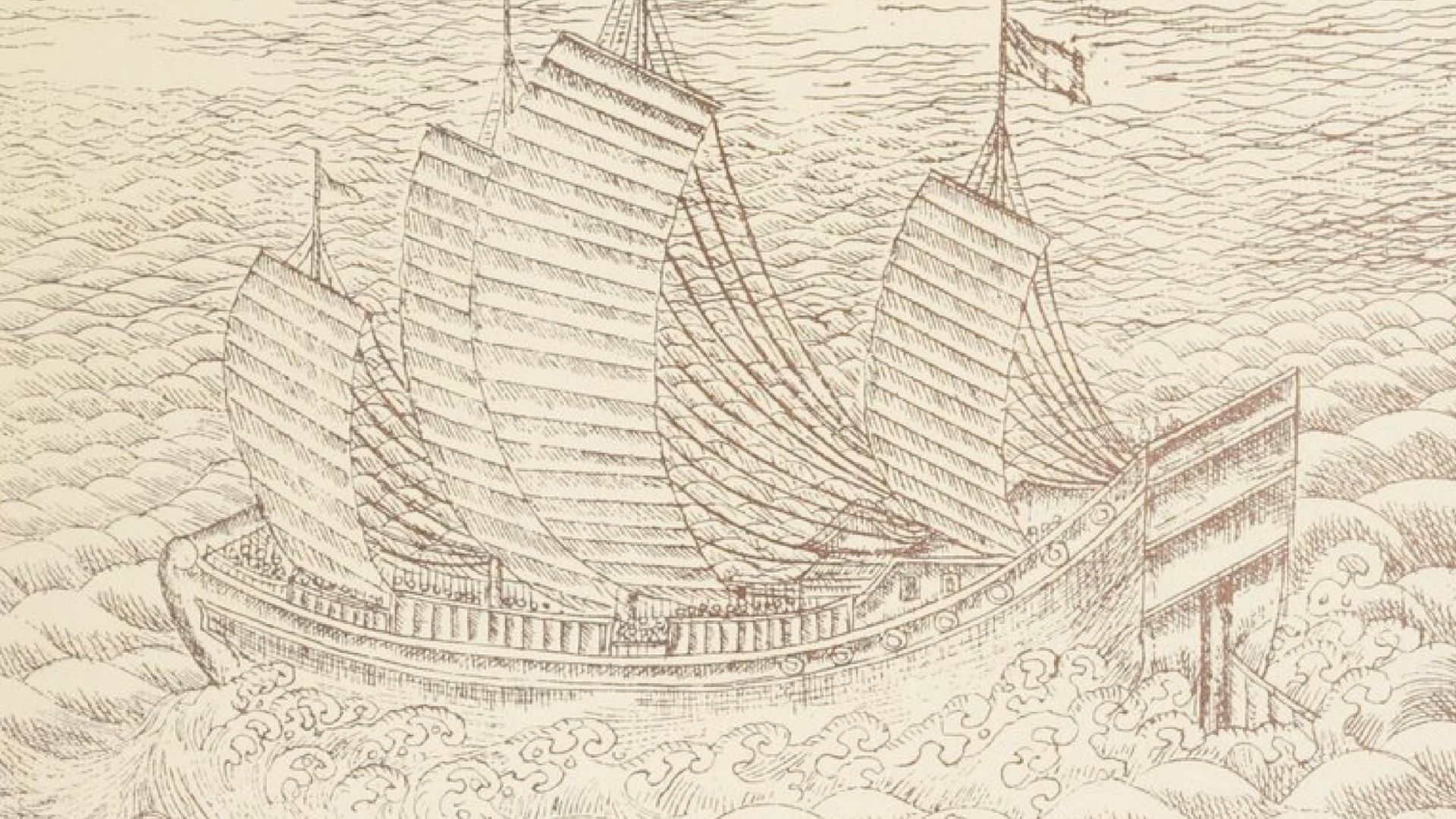 Original Chinese engraver unknown - Copied by Medard, Wikimedia Commons
The Porcelain Mountain
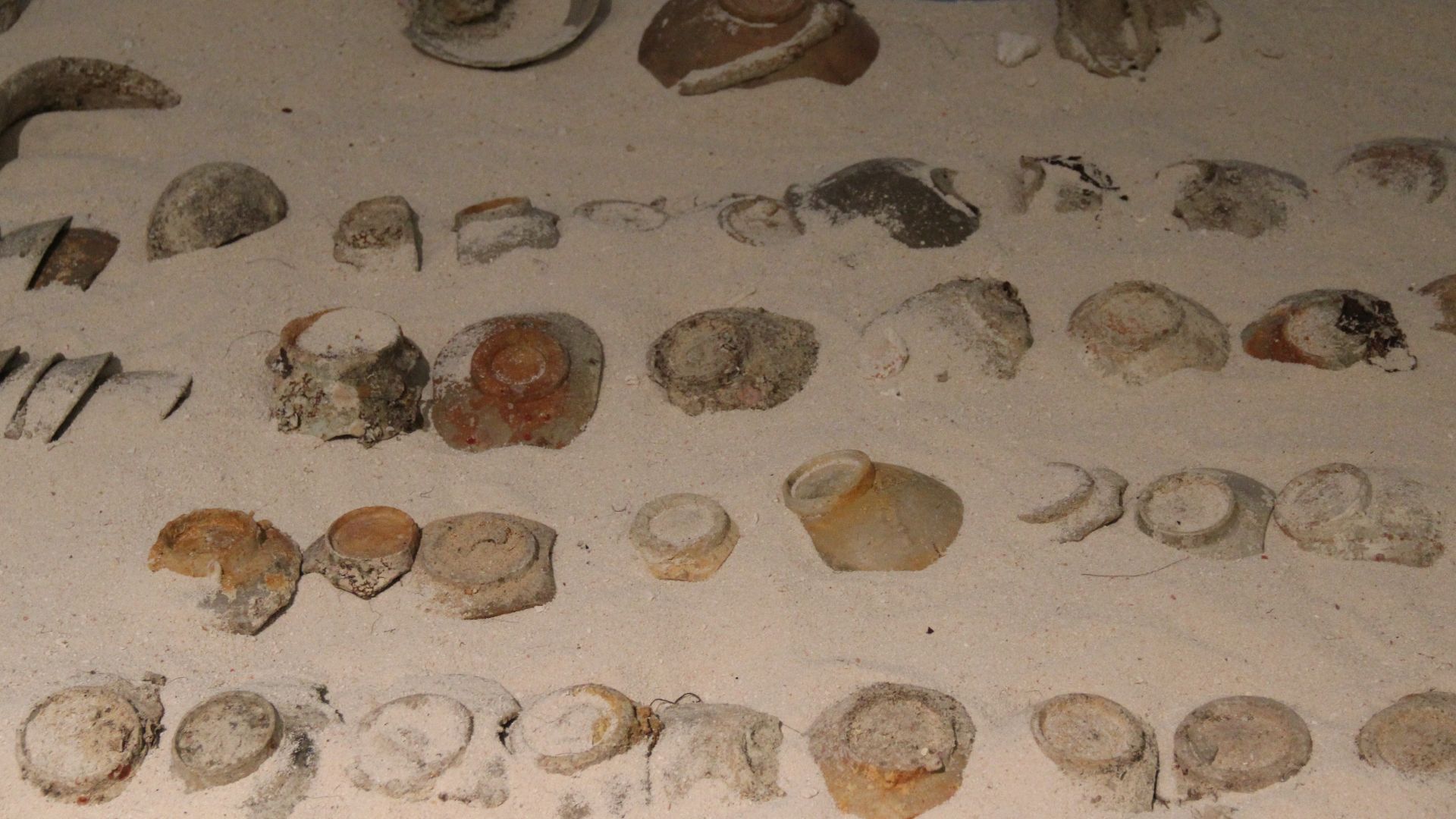
Ship No. 1's cargo spread across a vast area of seafloor, estimated at around 2.5 acres. Over 100,000 porcelain items lay stacked six feet deep—bowls nested inside larger vessels, plates arranged in protective rows. The commercial packing precision remained visible after five centuries. The massive export shipment represented a single merchant's enormous investment in trade.
 Gary Todd from Xinzheng, China, Wikimedia Commons
The Elder Vessel
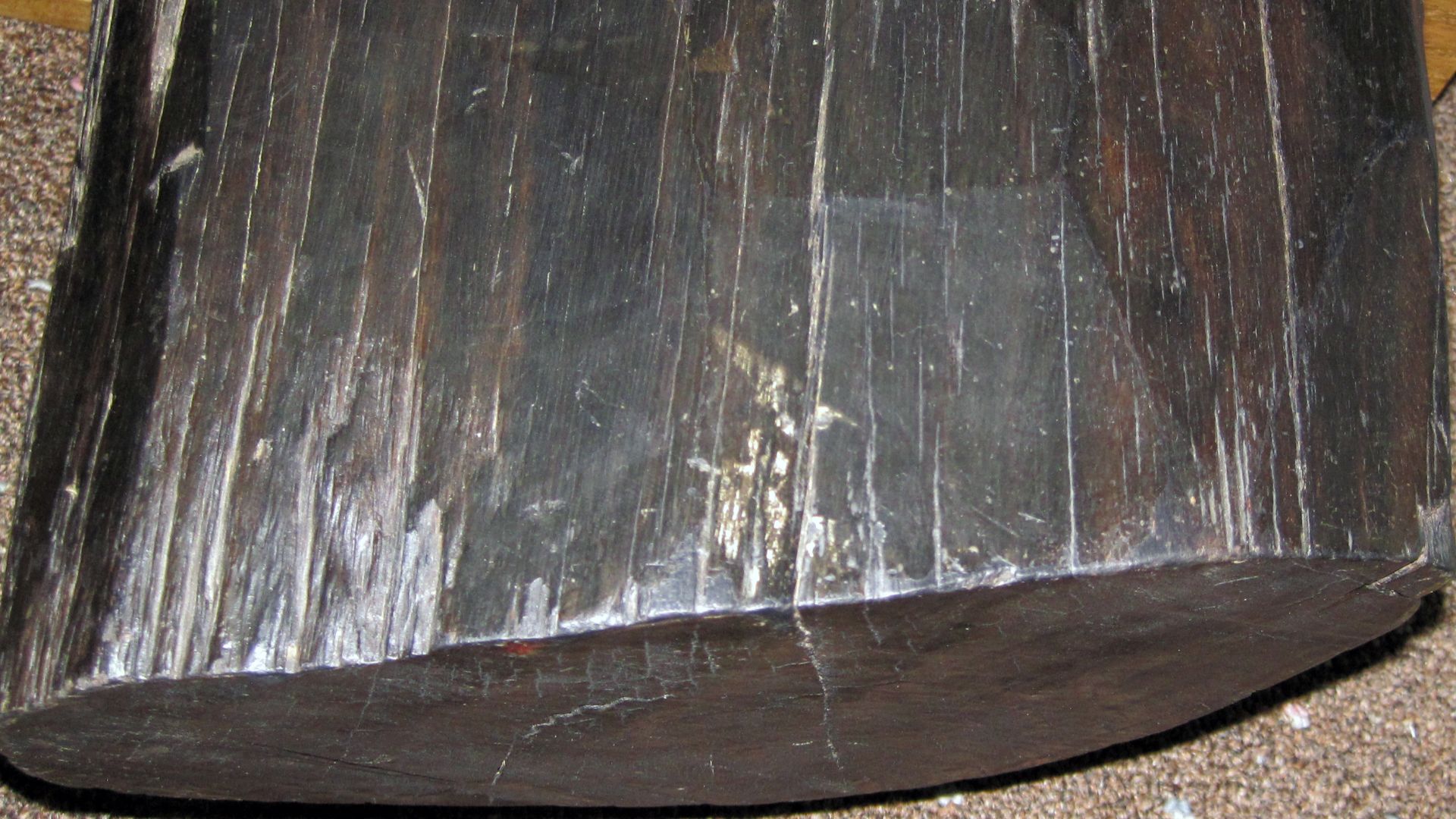
Shipwreck No. 2 proved older. It dated back to the Hongzhi period between 1488 and 1505. The vessel measured approximately 69 feet long and 26 feet wide. Unlike its counterpart, this ship carried imported goods homeward to China. Ebony logs lay neatly stacked in north-south orientation.
 Song Yingxing(Song Yingxing, 1587-1666), Wikimedia Commons
The Exotic Cargo Homeward Bound
Ship No. 2 transported luxury materials from distant lands. Ebony logs from the Indian Ocean region dominated the cargo. These raw materials supplied China's medicine production and decorative arts industries. The vessel was returning from successful trading voyages when disaster struck.
 James St. John, Wikimedia Commons
Understanding 4,921 Feet Below
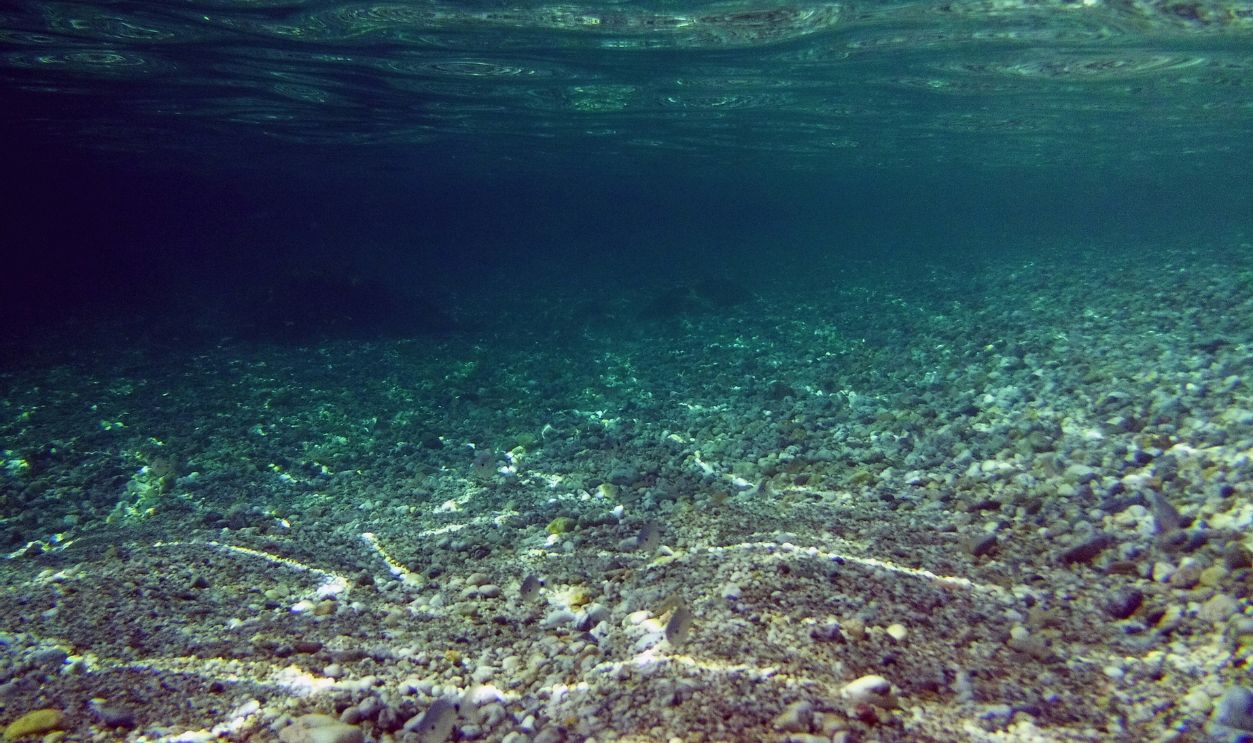
At nearly one mile depth, the pressure reaches 150 atmospheres—equivalent to 2,205 pounds per square inch. Water temperature hovers between 35 and 39 degrees Fahrenheit. No sunlight penetrates this zone. Even the ocean currents remain minimal. Human divers cannot survive these conditions.
Why Traditional Archaeology Failed Here
Before 2018, Chinese underwater archaeology operated at maximum depths of 131 feet. The technology and equipment did not exist to reach deeper sites. Wrecks below 656 feet remained completely inaccessible. These Ming Dynasty ships lay undiscovered for five centuries, waiting for deep-sea technology to advance sufficiently for their exploration.
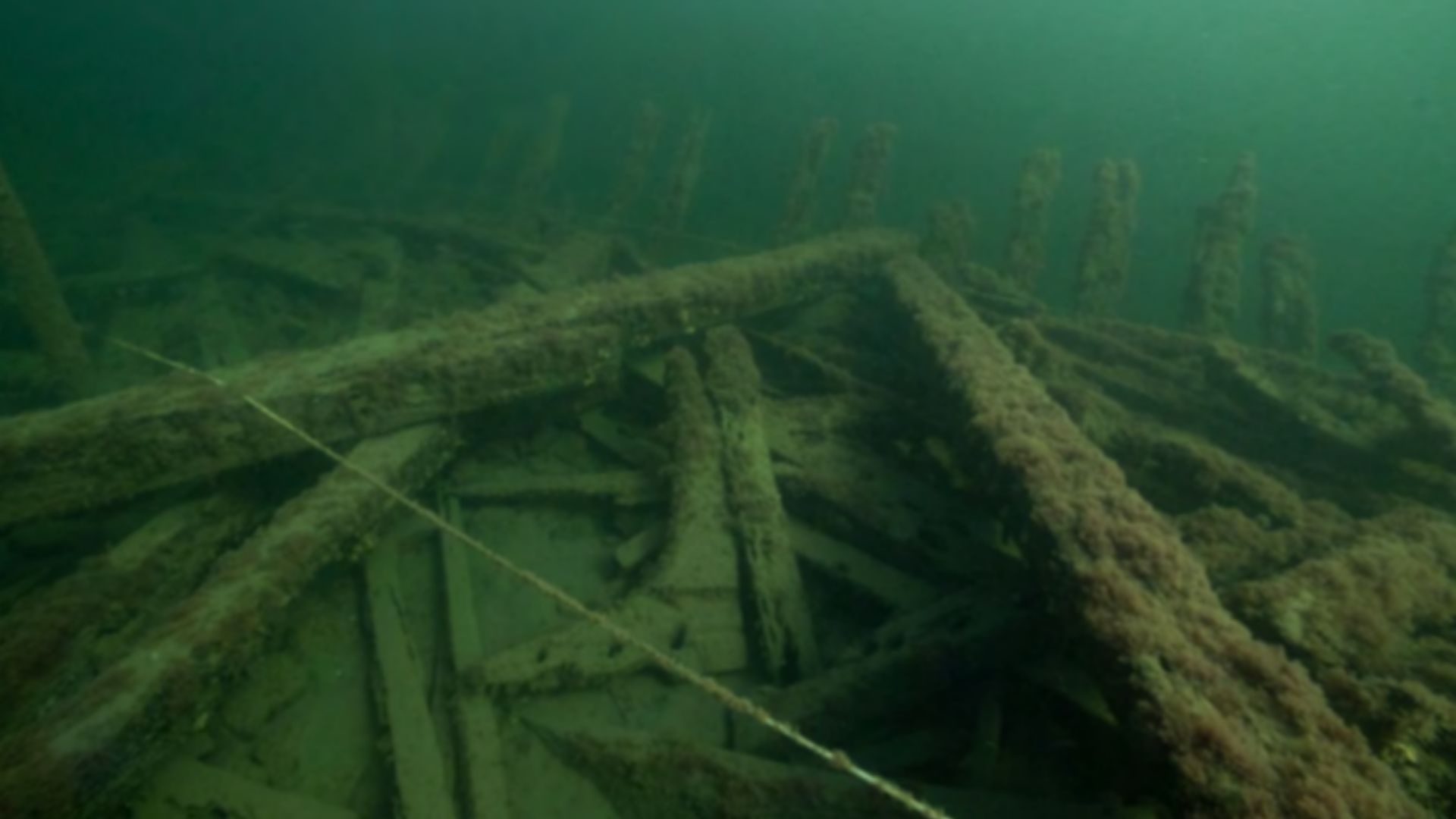 Swedish National Maritime and Transport Museums, Wikimedia Commons
The Shenhai Yongshi (Deep Sea Warrior)
Delivered in 2017 after eight years of development, China’s Deep Sea Warrior marked a milestone in manned submersible design. Though China has remained tight lips about its precise specifications, it was reportedly engineered to reach depths of 14,764 feet.
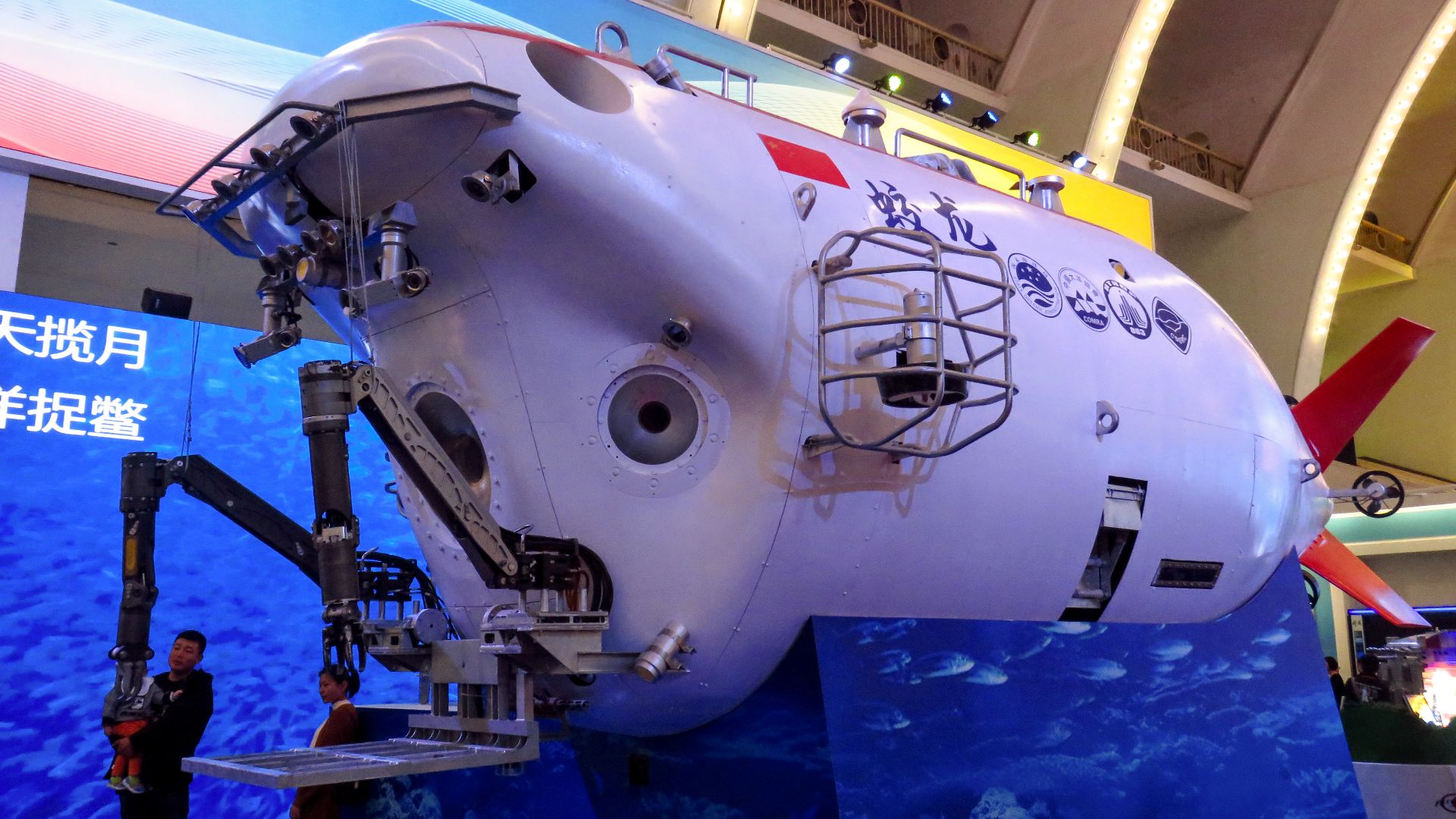
The Shenhai Yongshi (Deep Sea Warrior) (Cont.)
The craft’s titanium alloy pressure sphere and 95% domestically-produced components underscored a major engineering breakthrough for China, and means that little is known about its actual engineering.
We do know that each dive is crewed by three specialists. The coordinated piloting and scientific handling of these members allow precise observation and documentation of fragile deep-sea environments.
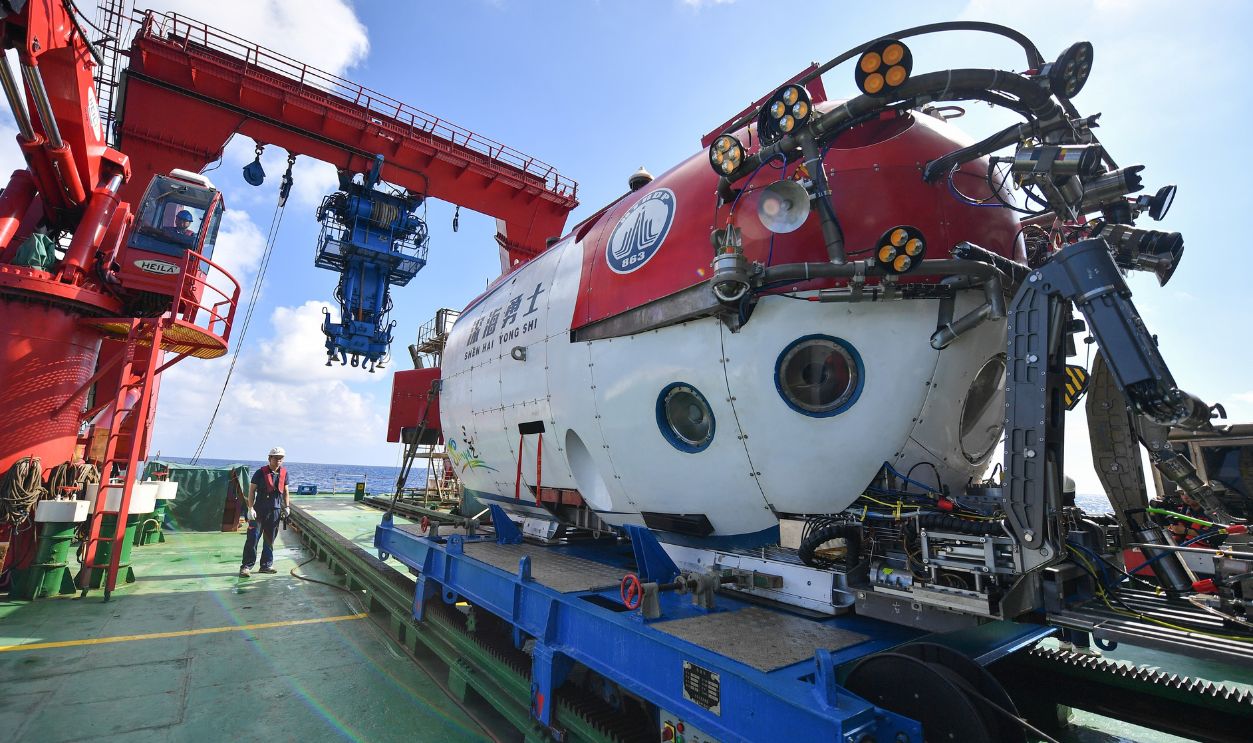 Xinhua News Agency, Getty Images
The Tansuo-1 (Discovery One) Mother Ship
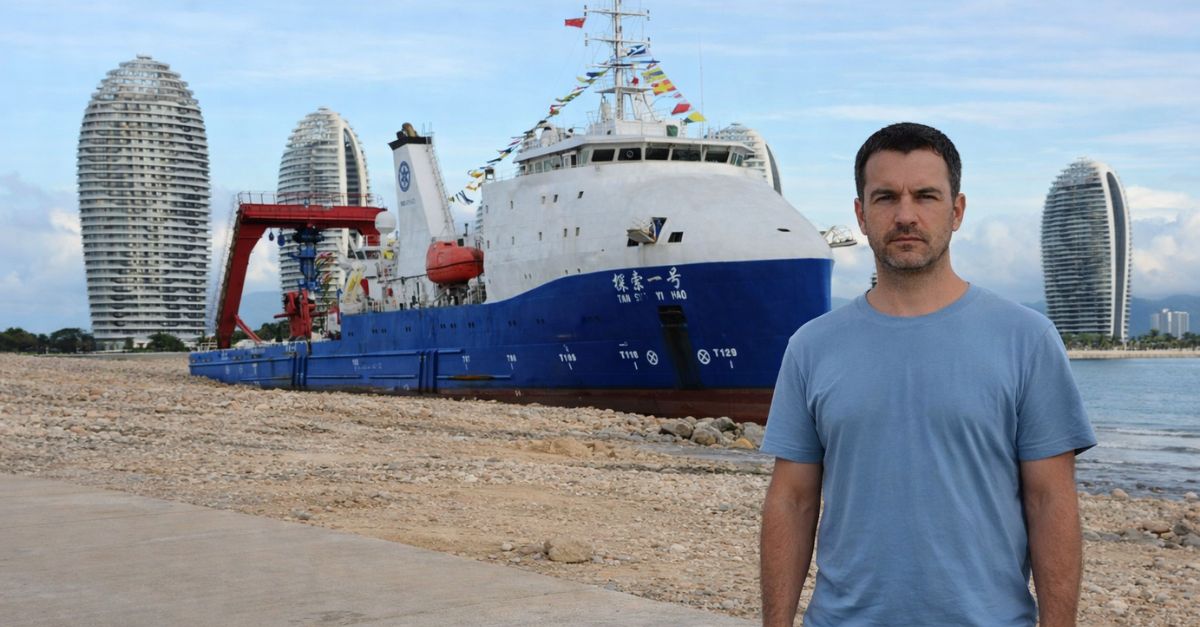
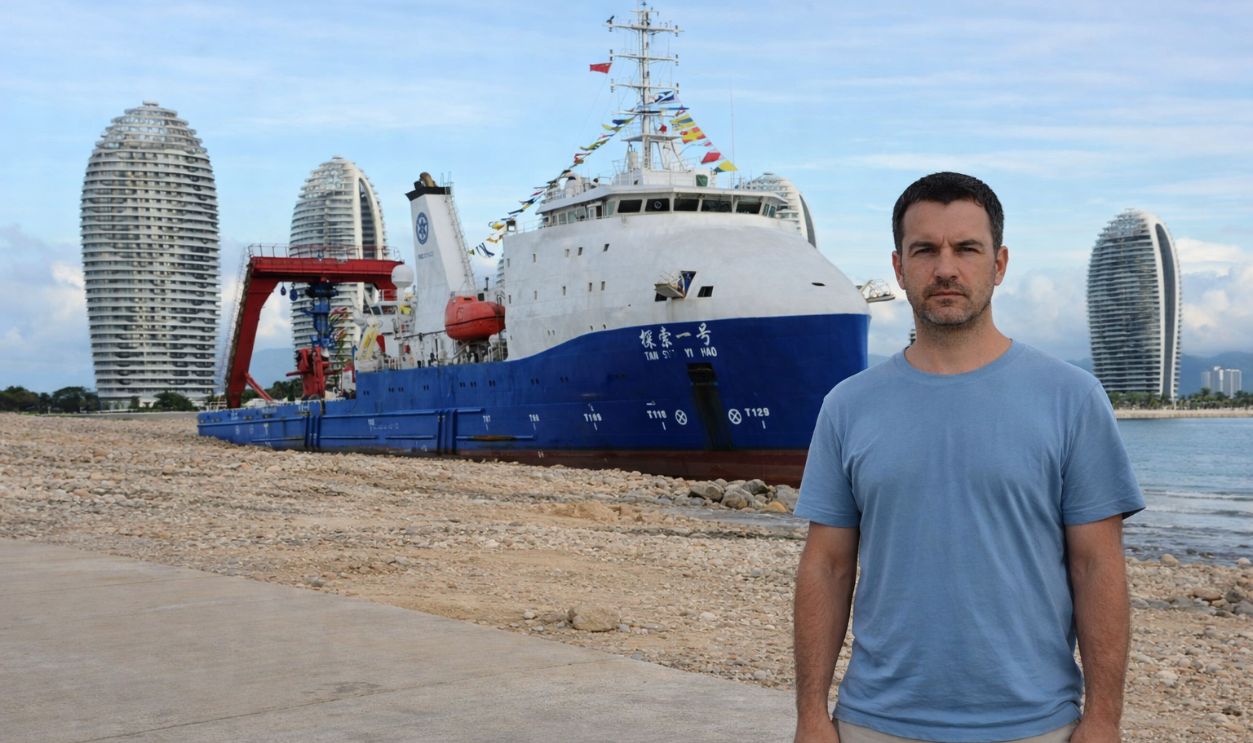
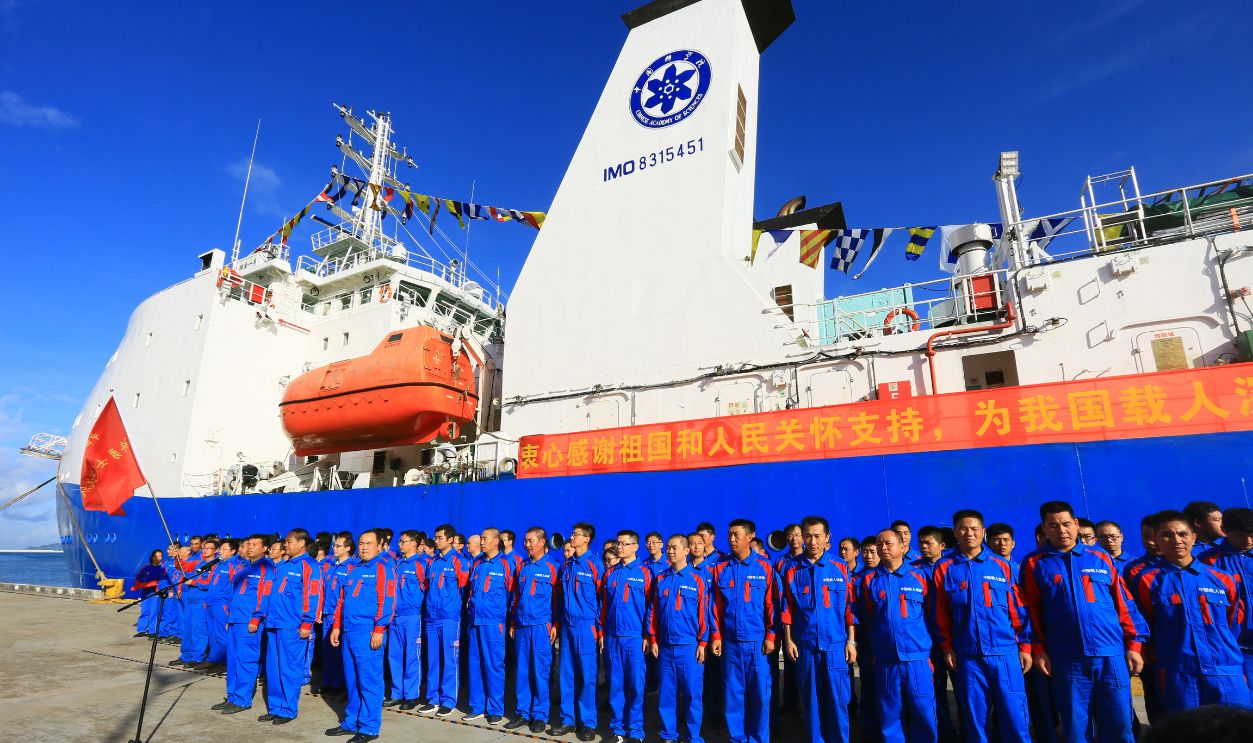
The Tansuo-1 measures approximately 310 feet in length. It serves as China’s primary deep-sea research support vessel. The ship is purpose-built to transport and recover manned submersibles. It supports extended exploratory missions in deep-ocean environments. The ship operates as a floating command center.
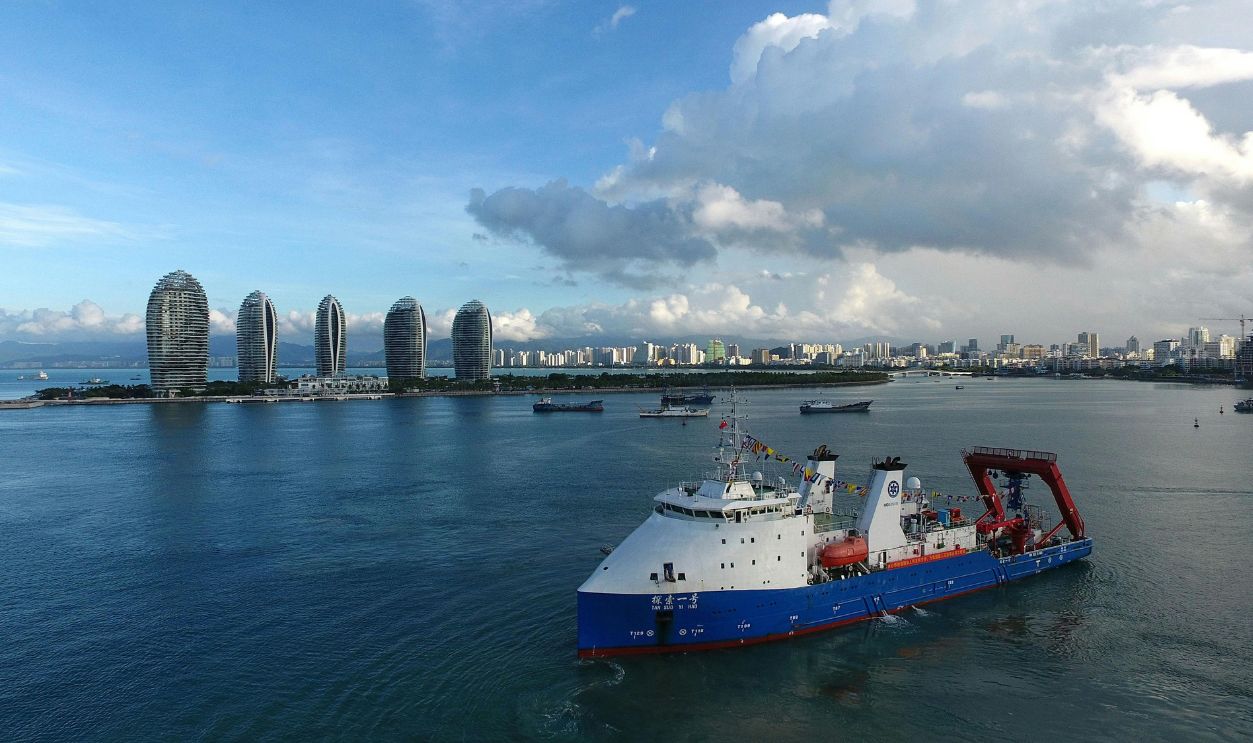
The Tansuo-1 (Discovery One) Mother Ship (Cont.)
Onboard laboratories enable immediate analysis. To support endurance, crew accommodations allow extended deployments at sea. At the same time, specialized launch systems manage submersible deployment and recovery. Before each dive, mission teams oversee preparation, while engineers continuously monitor operations in real time.
First Phase Of Excavation
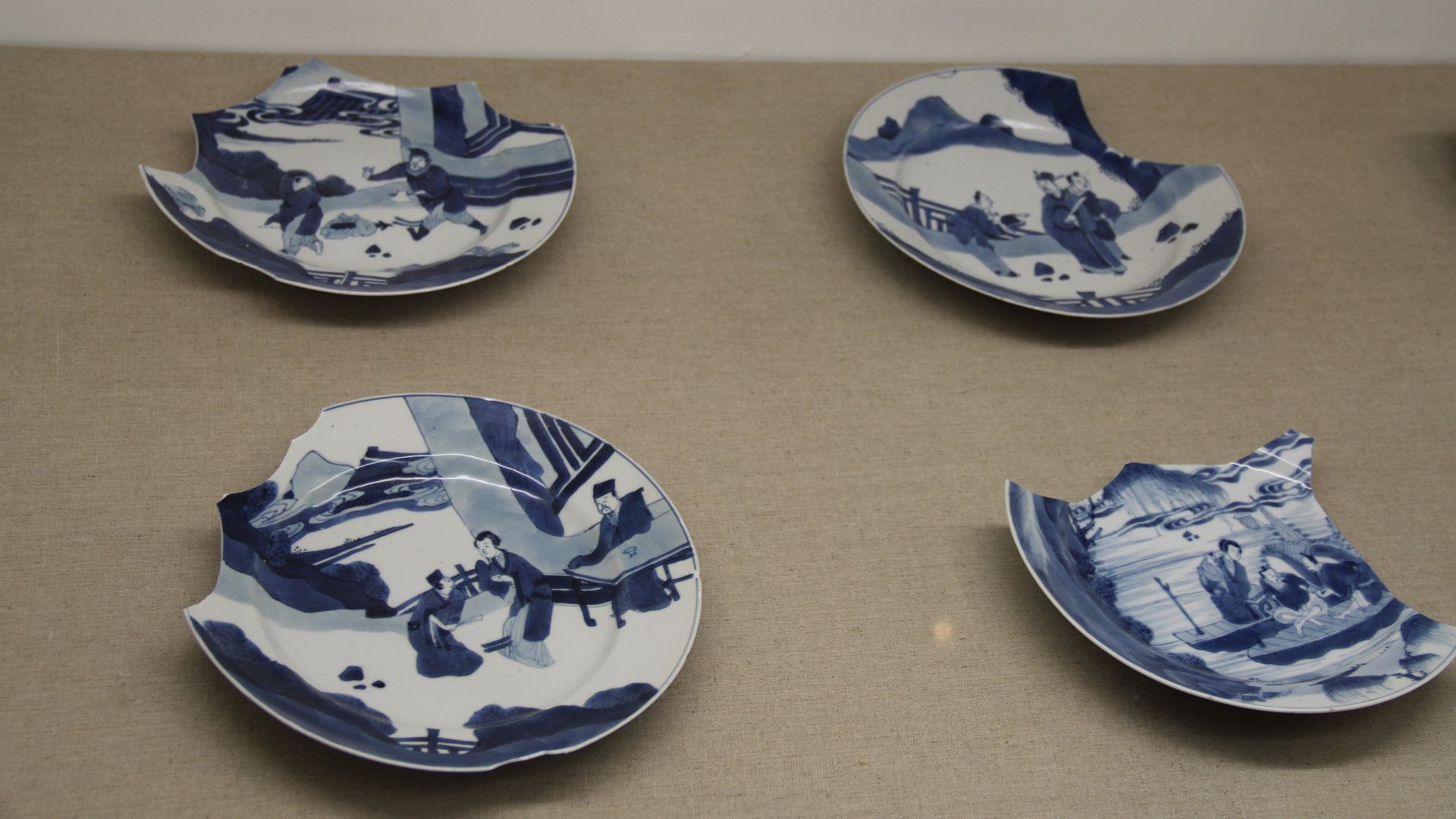
The first excavation phase launched in May 2023. Researchers established a permanent underwater mapping foundation at Ship No. 1's southwest corner. Over 20 days of operations, the team recovered more than 200 artifacts. The first blue-and-white porcelain pieces emerged from the darkness.
 Gary Todd from Xinzheng, China, Wikimedia Commons
The Technology Arsenal
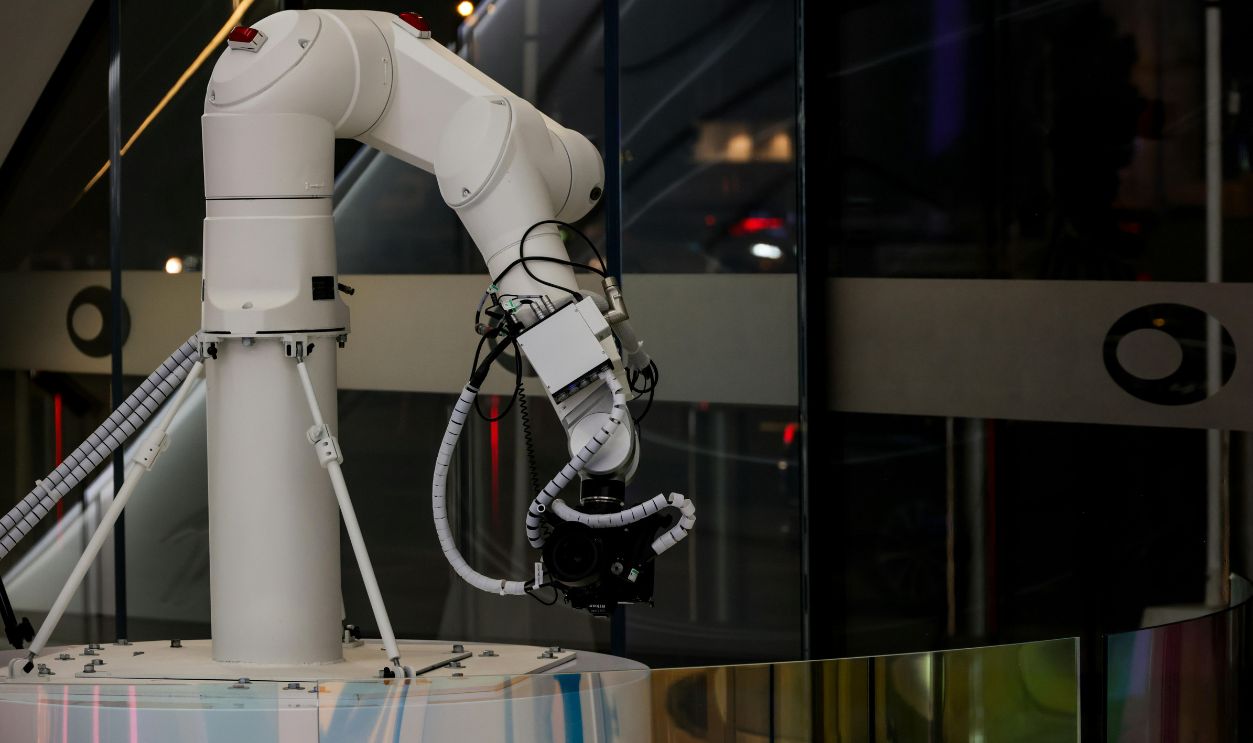
Flexible robotic manipulator arms with soft padding allowed operators to lift fragile, centuries-old ceramics intact. High-definition camera systems functioned in total darkness. They transmitted sharp visual data that guided careful handling and ensured accurate documentation during deep-sea operations on every mission.
The Technology Arsenal (Cont.)
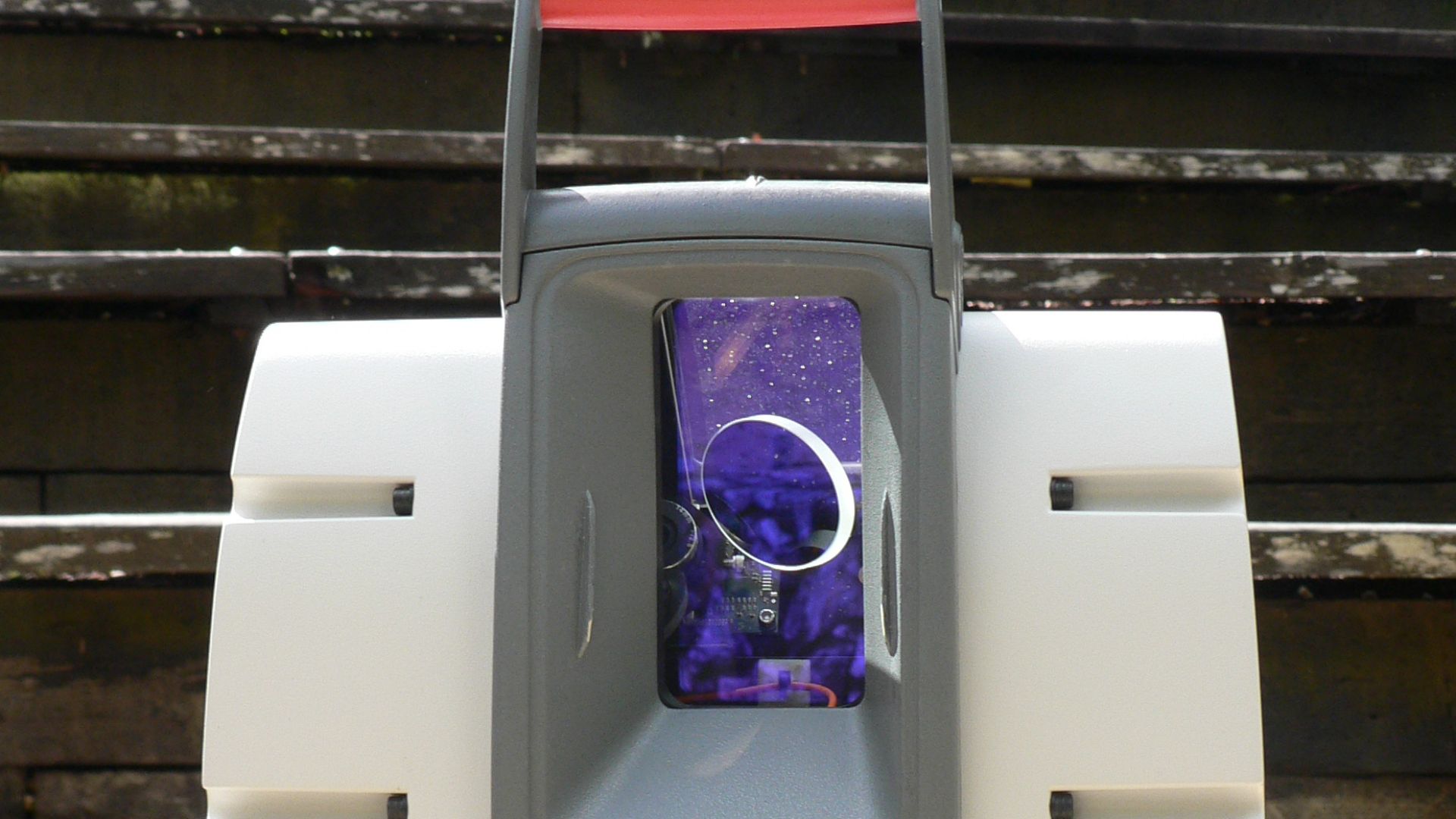
Moreover, three-dimensional laser scanning created precise spatial models of wreck sites, while positioning systems recorded artifact coordinates with extreme accuracy. Extended dives lasting between 8 and 9 hours gave teams sufficient time to survey and contextualize finds within their seabed environment.
 David Monniaux, Wikimedia Commons
Second Phase Of Excavation
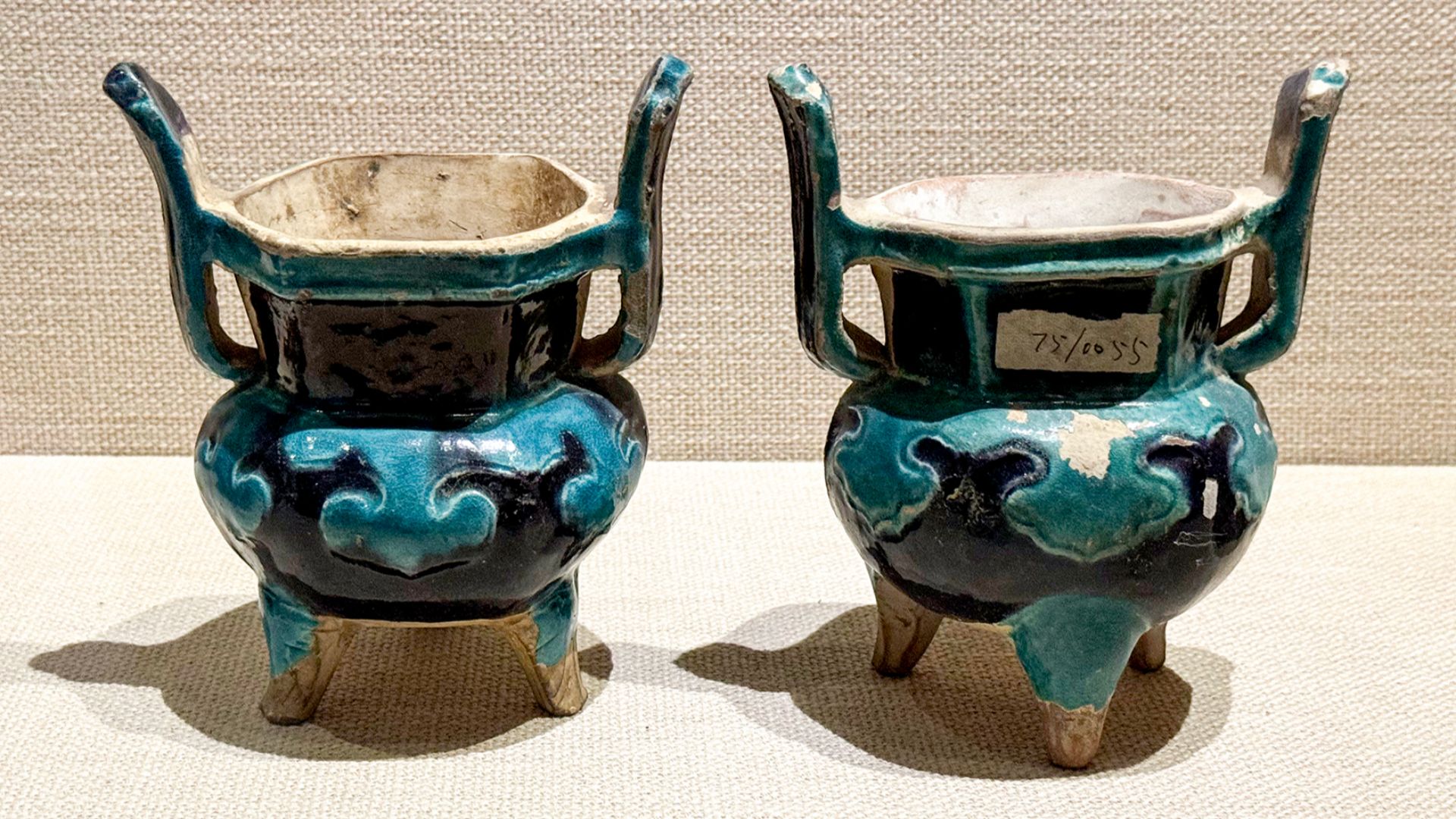
The second investigation phase began in September 2023 to target both shipwrecks. Researchers expanded recovery operations and completed the initial three-dimensional mapping of the sites. During this phase, the team discovered the rare Fahua enamel porcelain on Ship No. 1—decorated jars featuring peacock-and-peony patterns with gilt accents.
 Windmemories, Wikimedia Commons
The 3D Archaeological Map
Researchers integrated high-resolution imagery with 3D scanning data into comprehensive digital reconstructions. Every artifact's location was recorded before removal. The mapping created permanent virtual records of both wreck sites as they appeared. It preserves spatial relationships crucial for understanding cargo loading and ship structure.

Third Phase Of Excavation
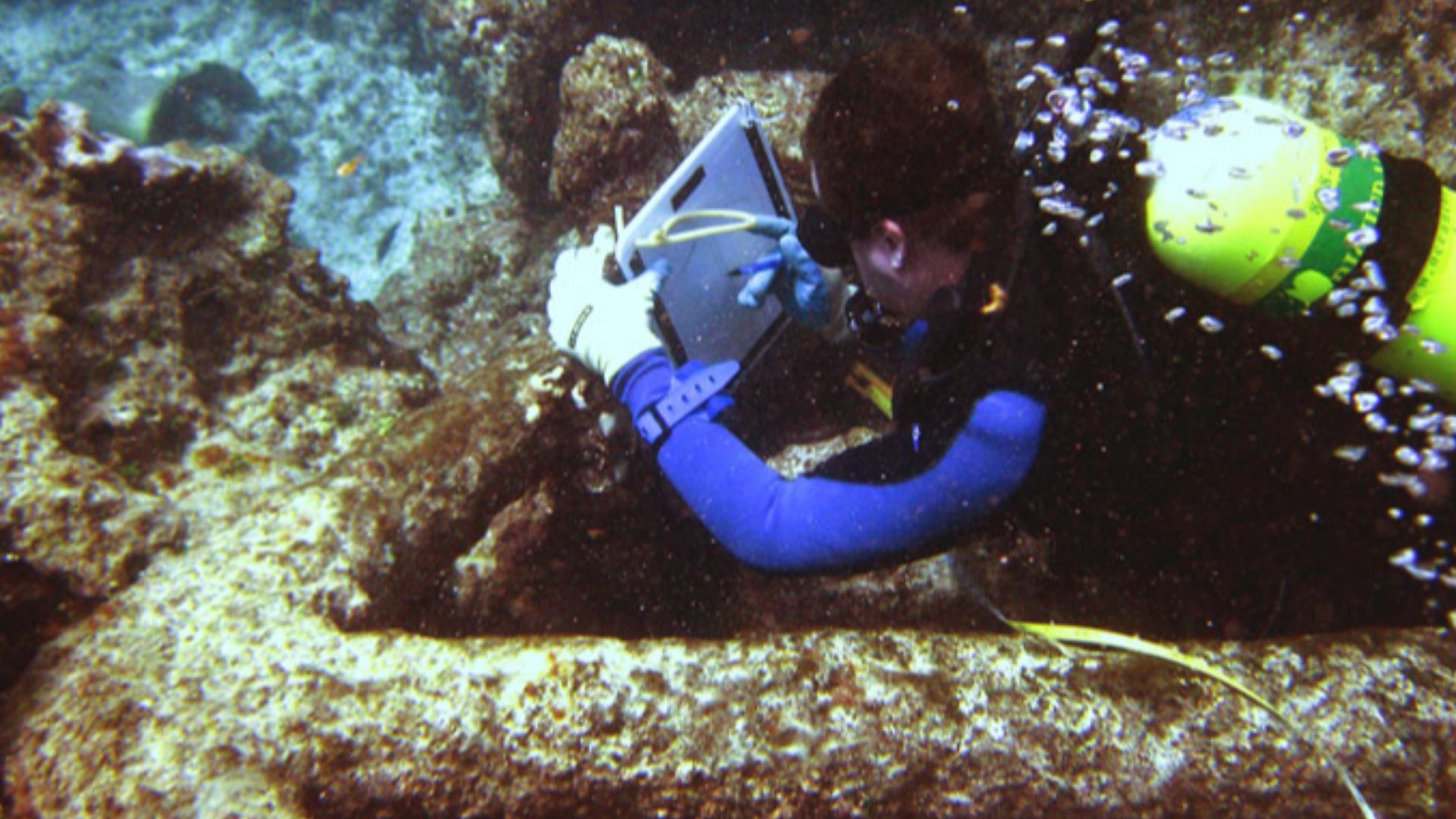
The final excavation phase commenced in March 2024 and completed the year-long investigation. The mission totaled 63 dives across all three phases. It required 70 working days at sea. Each dive demanded continuous operation at extreme depth. The coordinated effort between submersible pilots and archaeologists achieved unprecedented deep-sea recovery success.
 NOAA/Casserley, Wikimedia Commons
928 Artifacts Total
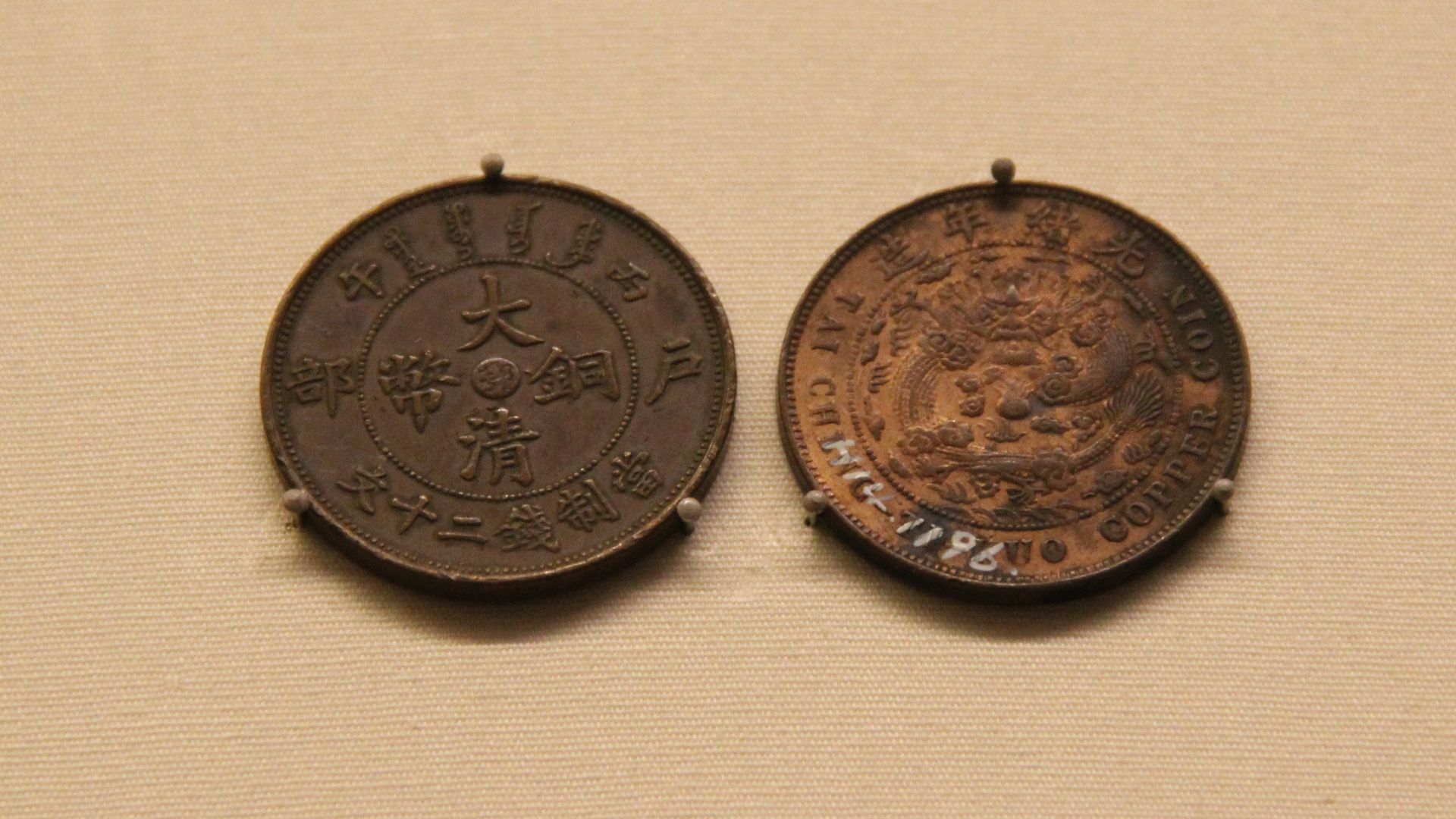
The three phases recovered 928 artifacts from both wrecks. Ship No. 1 yielded 890 items, such as porcelain and copper coins. Ship No. 2 produced 38 items. Researchers estimate that more than 10,000 artifacts remain on the seafloor. These recovered pieces represent roughly 9% of the total.
 Gary Todd from Xinzheng, China, Wikimedia Commons
The Porcelain Powerhouse
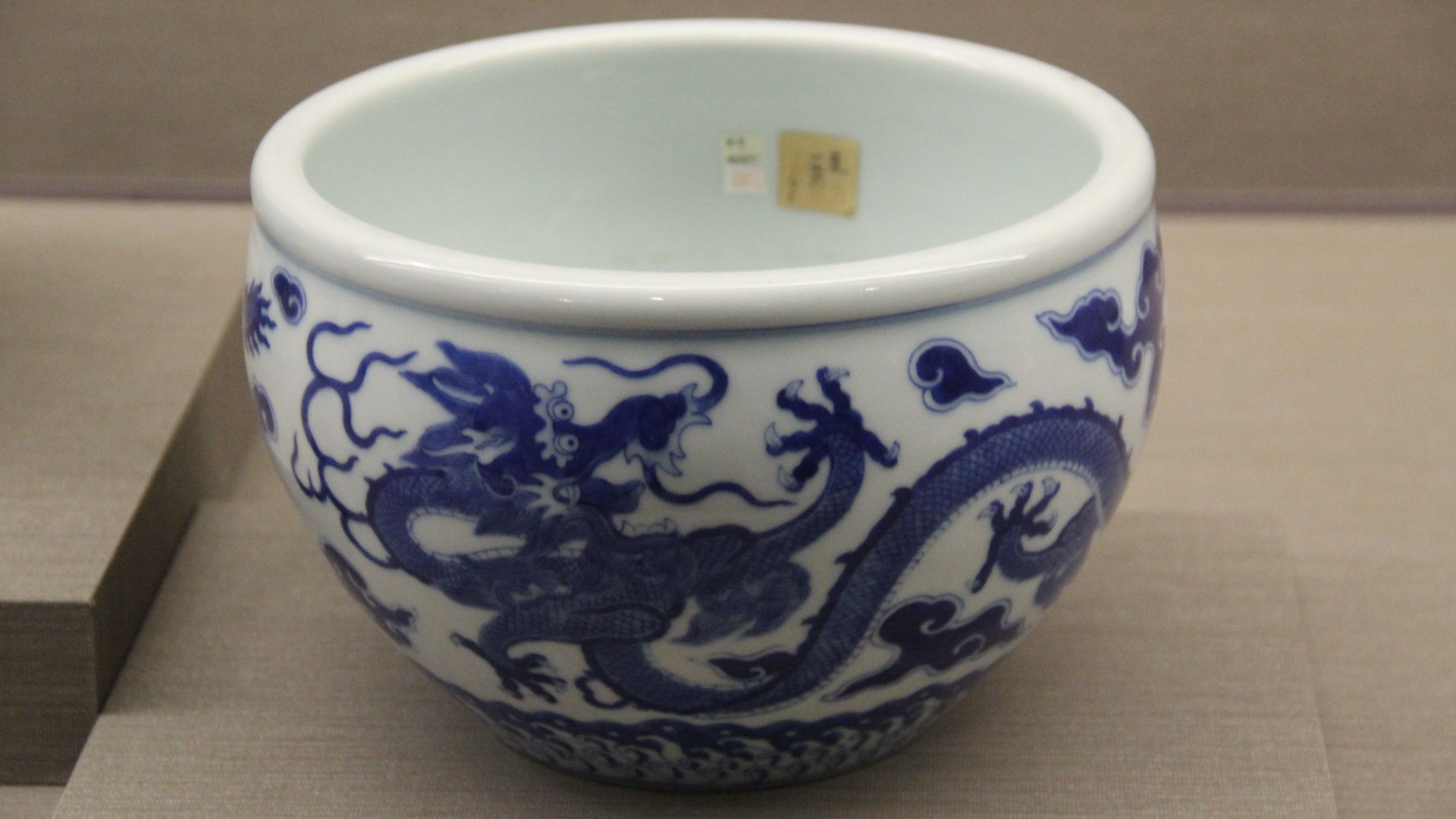
Jingdezhen in Jiangxi Province served as China's imperial porcelain capital since the Yuan Dynasty. By the 1400s, the town's workshops achieved global dominance in ceramic production. Thousands of kilns operated continuously. Jingdezhen's blue-and-white wares became the world's most sought-after luxury goods, exported across three continents.
Global Export Phenomenon
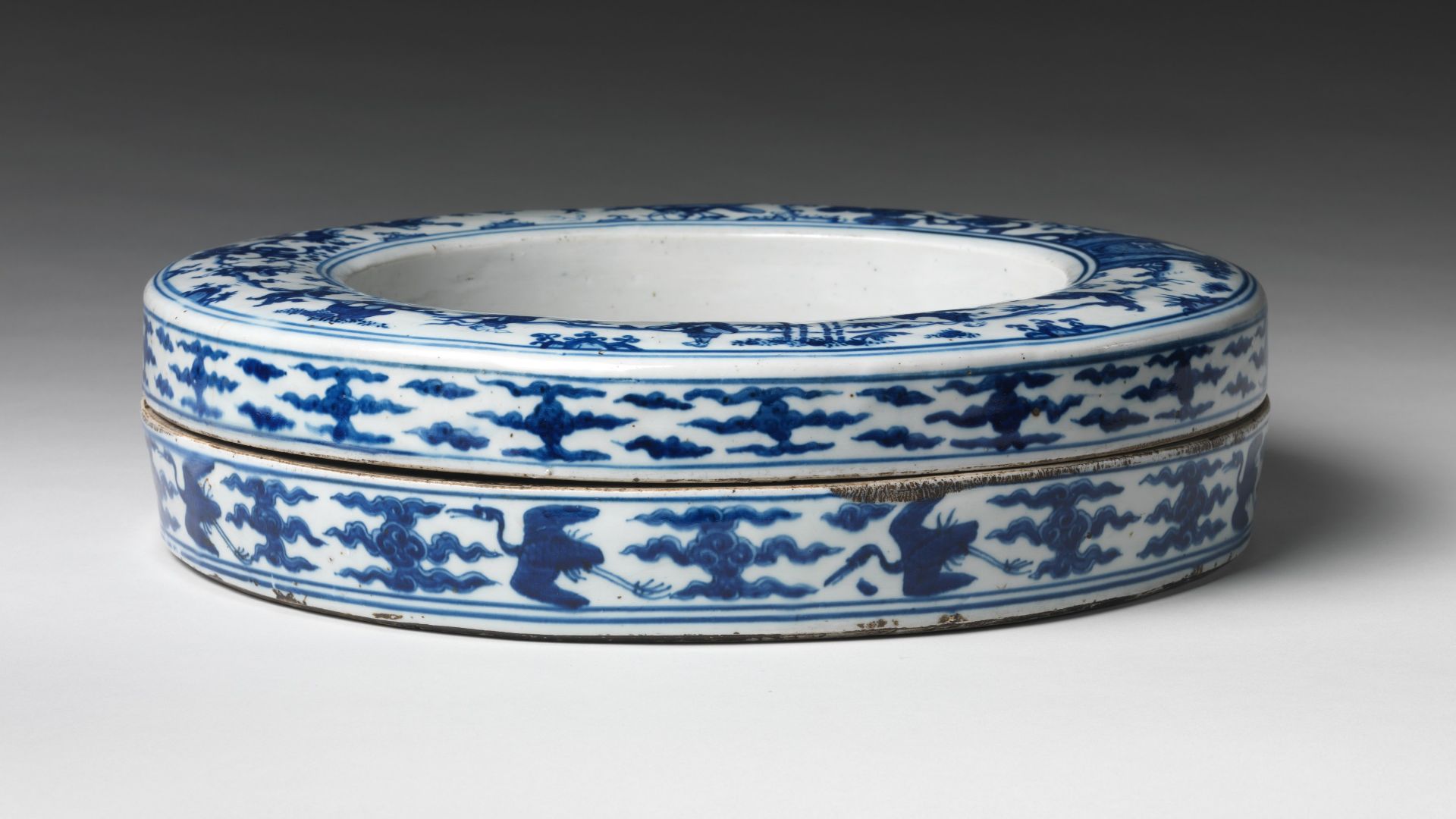
Blue-and-white porcelain dominated Ming Dynasty exports due to its exceptional properties. The blue withstands firing temperatures exceeding 2,372 degrees Fahrenheit to produce vibrant color with minimal defects. Mass production became feasible with low scrap rates. Markets ranging from Southeast Asia to the Middle East to Europe demanded these wares.
 Gary Lee Todd, Ph.D., Wikimedia Commons
The "Bingyin" Bowl
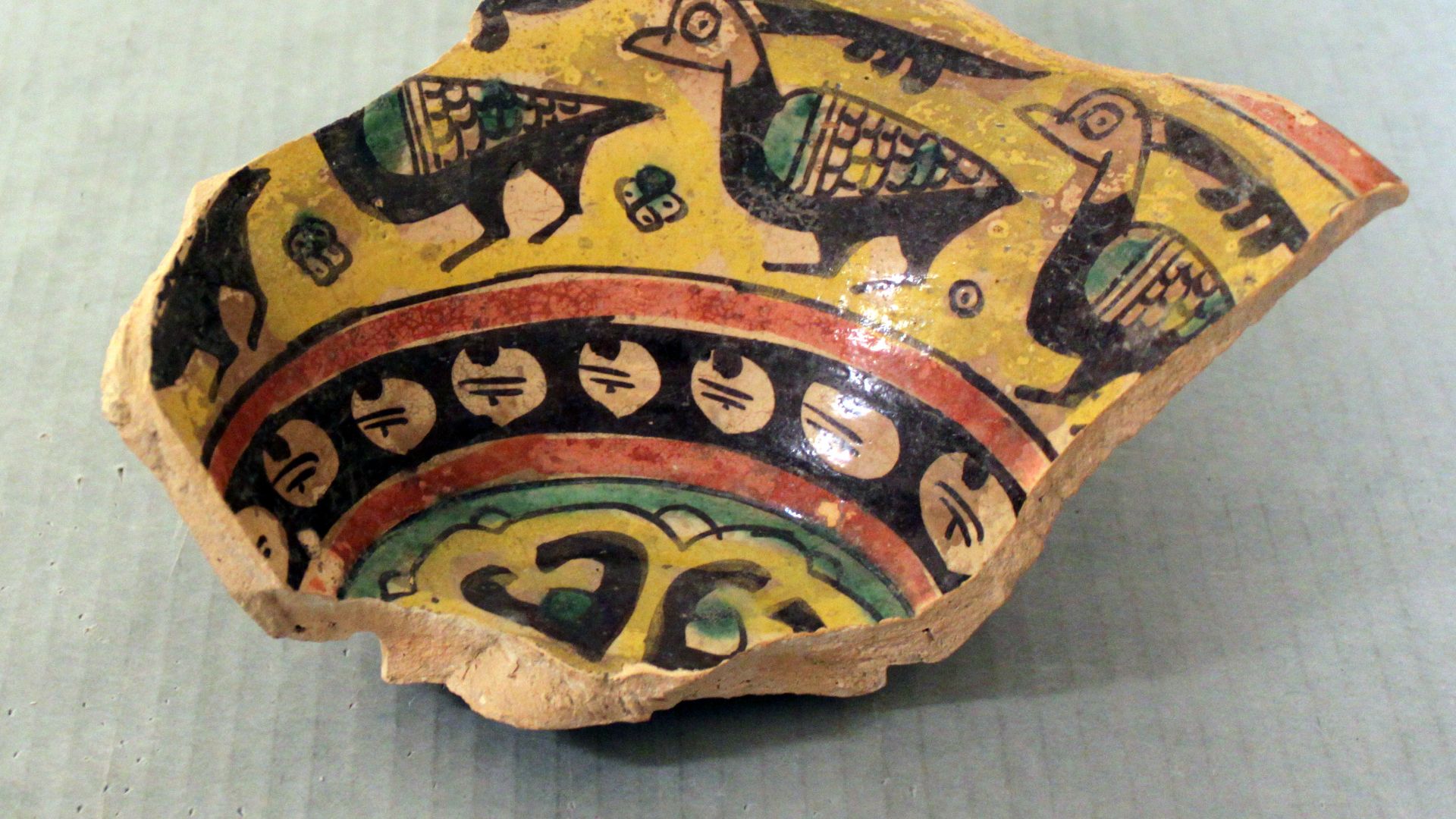
One red-and-green bowl bore the inscription "made in the year of Bingyin". The marking definitively confirmed Ship No. 1 sank during the Zhengde period between 1506 and 1521. The bowl provides crucial evidence for dating Ming Dynasty porcelain chronology and establishing trade route timelines.
The Copper Coins Tell Time
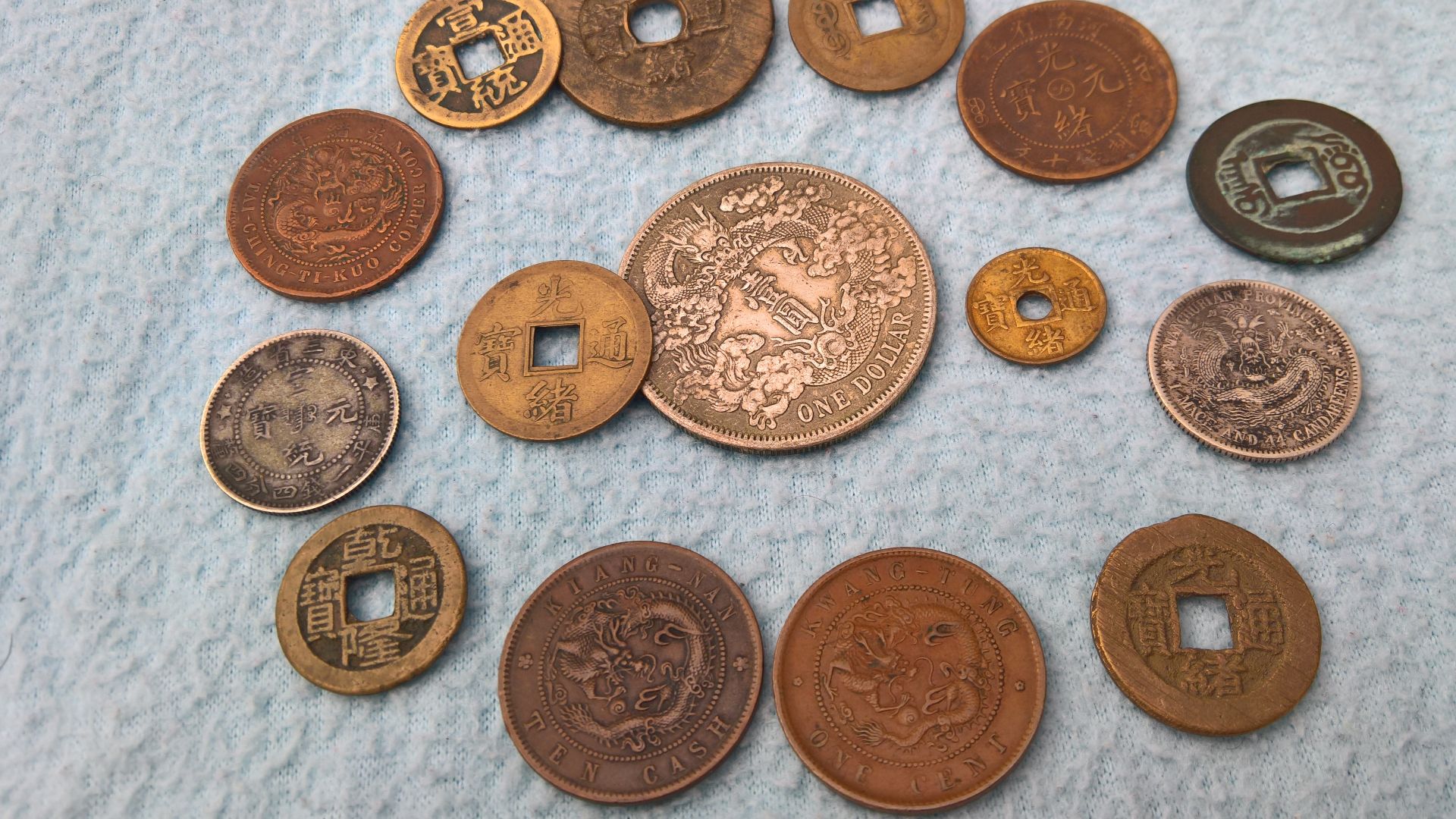
Recovered copper coins establish precise chronological markers for both vessels. The coins reveal Ming Dynasty currency circulation patterns and confirm active commercial trade operations. Unlike government tribute ships that carried official gifts, these merchant vessels conducted business using currency. The coins' mint dates create an accurate timeline of the ships' final voyages.
 Donald Trung Quoc Don (Chu Han: Zheng Guodan) - Wikimedia Commons, Wikimedia Commons