Not gold, something better
Some treasures hide in plain sight while expectations get in the way. One heavy rock sat quietly as years passed and guesses piled up. This story follows patience as science finally catches up with hope. Keep scrolling and see how a simple mistake turned into cosmic luck today, right here.
The Gold Rush Mindset
Gold fever still lingers in parts of Australia. Stories pass through families, detectors come out on weekends, and every heavy rock feels promising. In regions shaped by historic finds, optimism runs high. Hope often arrives before evidence, especially when history whispers success nearby.
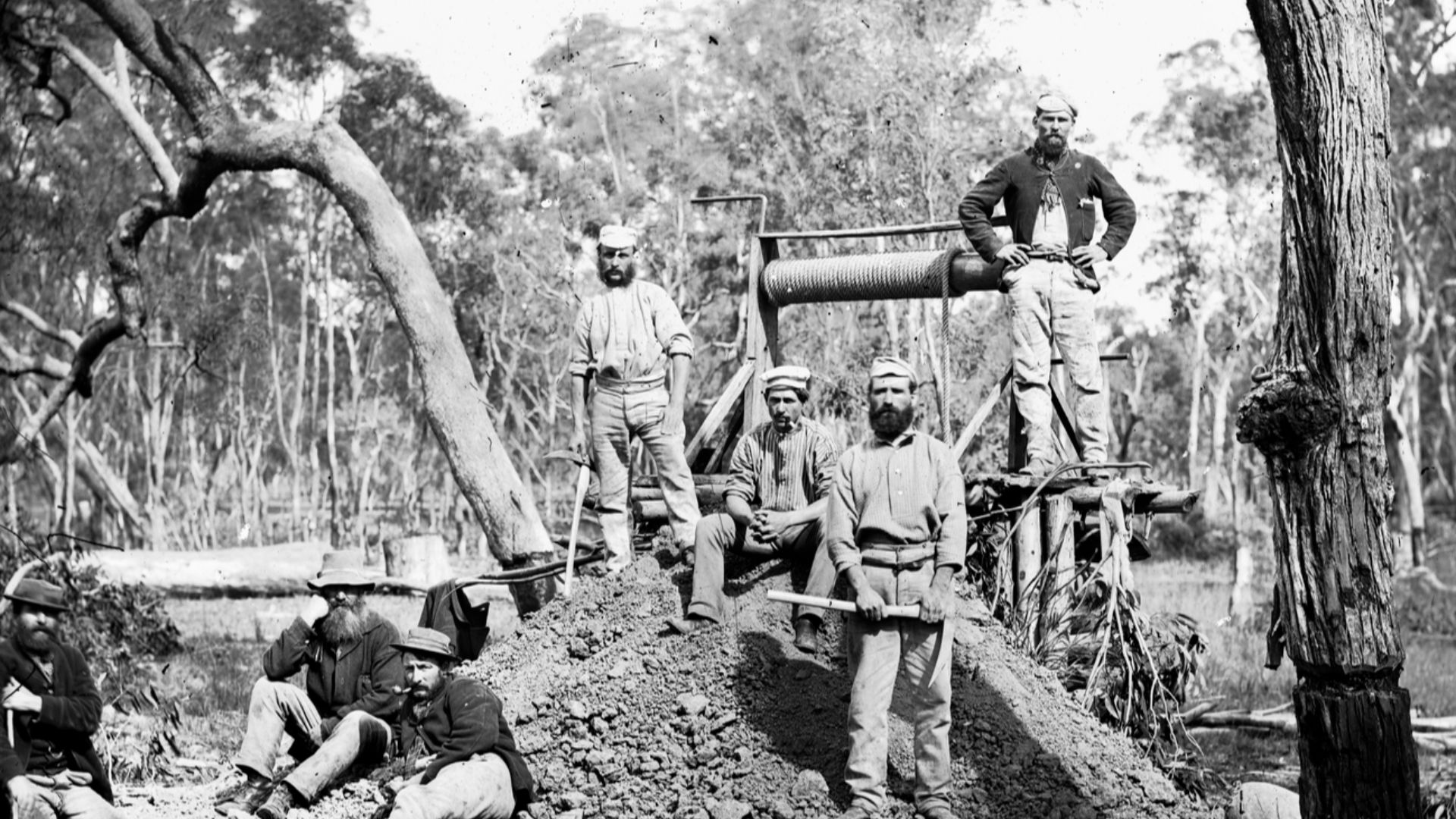 Attributed to Henry Beaufoy Merlin American and Australasian Photographic Company, Wikimedia Commons
David Hole Finds Something Strange
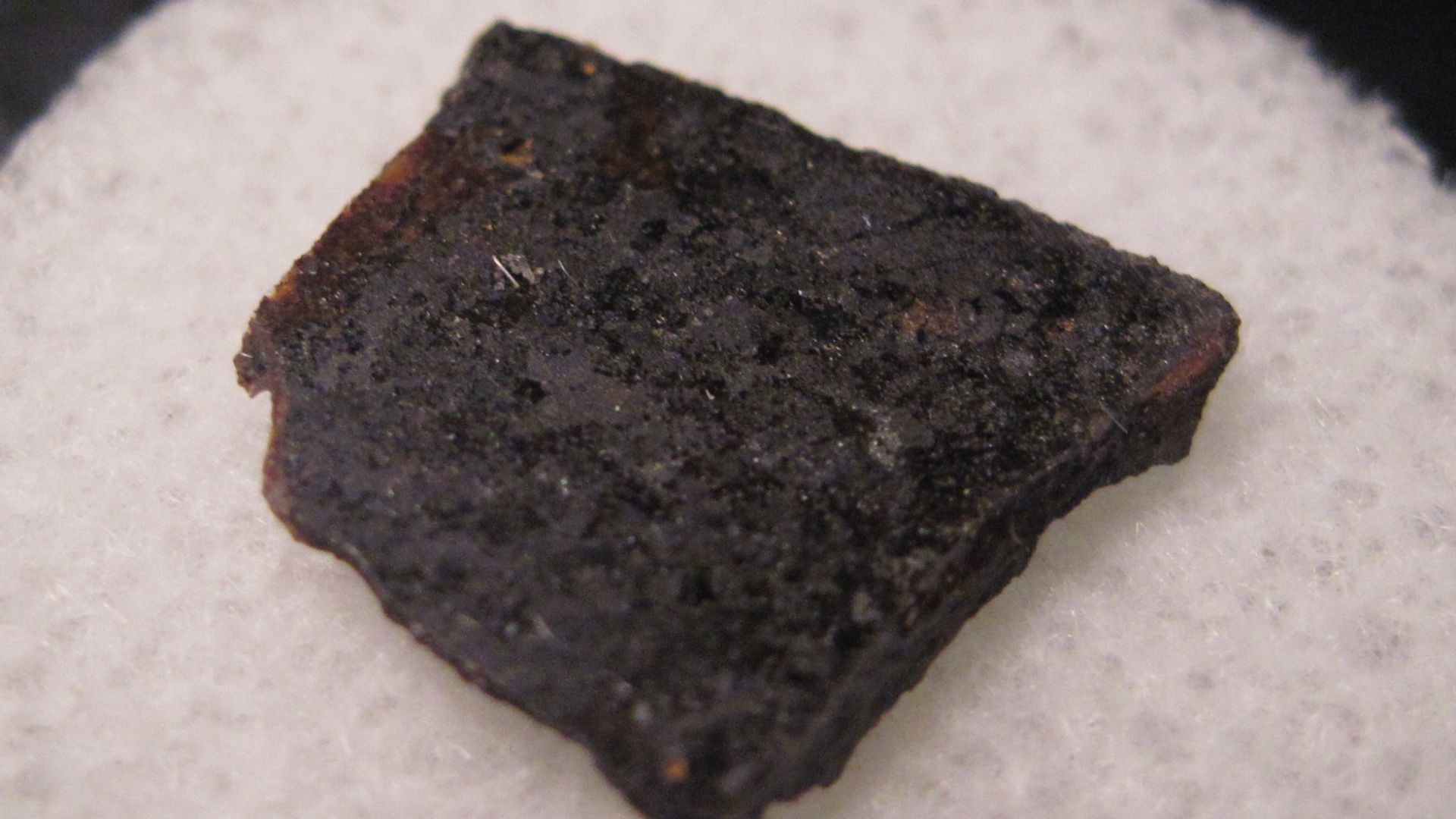
While metal detecting near Maryborough, David Hole unearthed a dense, oddly shaped rock that refused to break apart. Its weight felt wrong. Color suggested promise. Years followed with the object sitting quietly at home, resisting answers, while curiosity stayed alive.

Maryborough’s Geological Reputation
Maryborough sits inside Victoria’s famed Goldfields, an area responsible for massive nineteenth-century discoveries. Quartz veins and ironstone litter the soil. Prospectors also expect precious metals here. That reputation explains why unusual rocks attract attention rather than dismissal in this specific region.

Failed Gold Tests
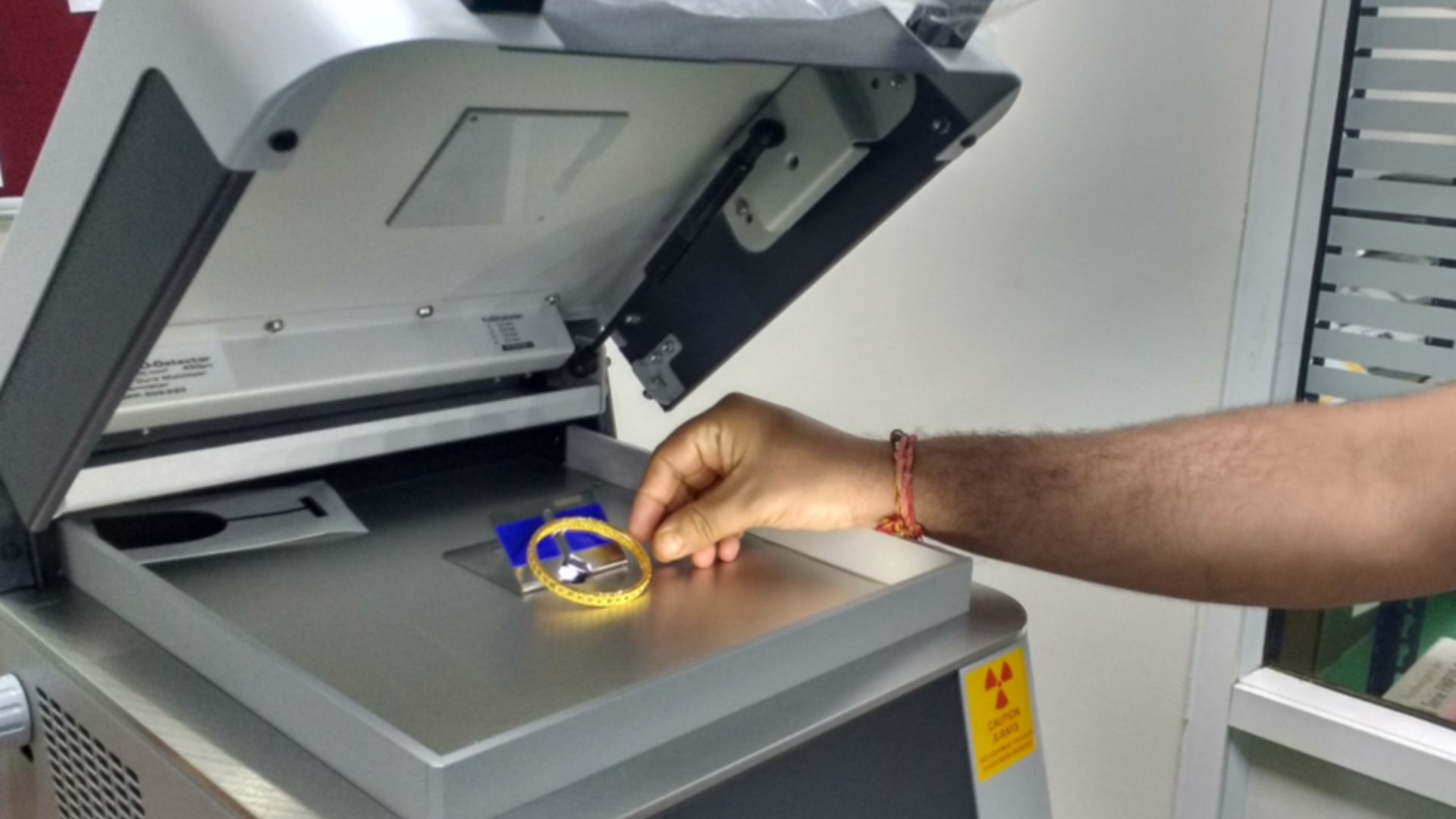
Common gold tests delivered nothing useful. Plus, scratching produced no telltale streak. Even acid reactions stayed neutral, with cutting tools barely marking the surface. Because gold behaves predictably, repeated failure raised questions. Something dense and stubborn remained, refusing to respond as expected.
The Rock Gets Stored Away
After repeated tests failed, the rock was set aside rather than discarded, surviving relocations and long stretches of neglect. Something about its weight invited patience. Turns out, stories pause sometimes by waiting years before asking to be finished properly.

A Choice to Ask Scientists
At some point, curiosity outweighs pride. Amateur tools reach their limits. So, instead of guessing forever, David Hole carried the rock to experts. That decision shifted the story. Patience met science, and speculation finally faced verification rather than hope.

University of Melbourne Takes a Look
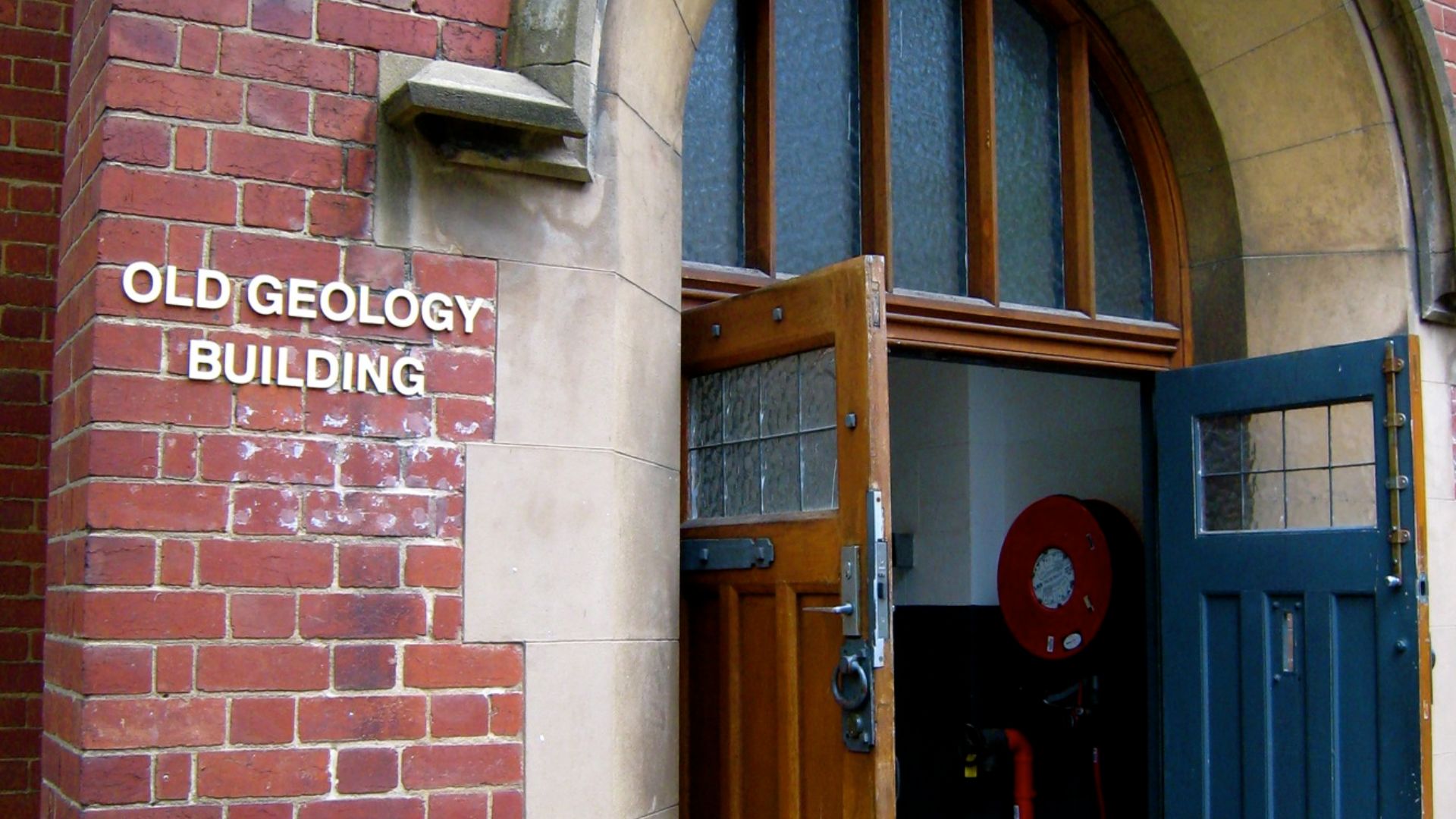
Geologists at the Melbourne Museum examined the rock with trained skepticism. Visual inspection came first, where shape, surface texture, and density stood out immediately. Experience matters here as well. Certain features simply do not belong to ordinary Earth rocks.
Magnetism Raises Eyebrows
The high iron content, which often makes such meteorites magnetic, effectively eliminated gold as a possibility. High iron content became the focus. Meteorites often contain metallic iron, whereas terrestrial rocks rarely do. This simple test redirected the investigation away from prospecting and toward planetary science.
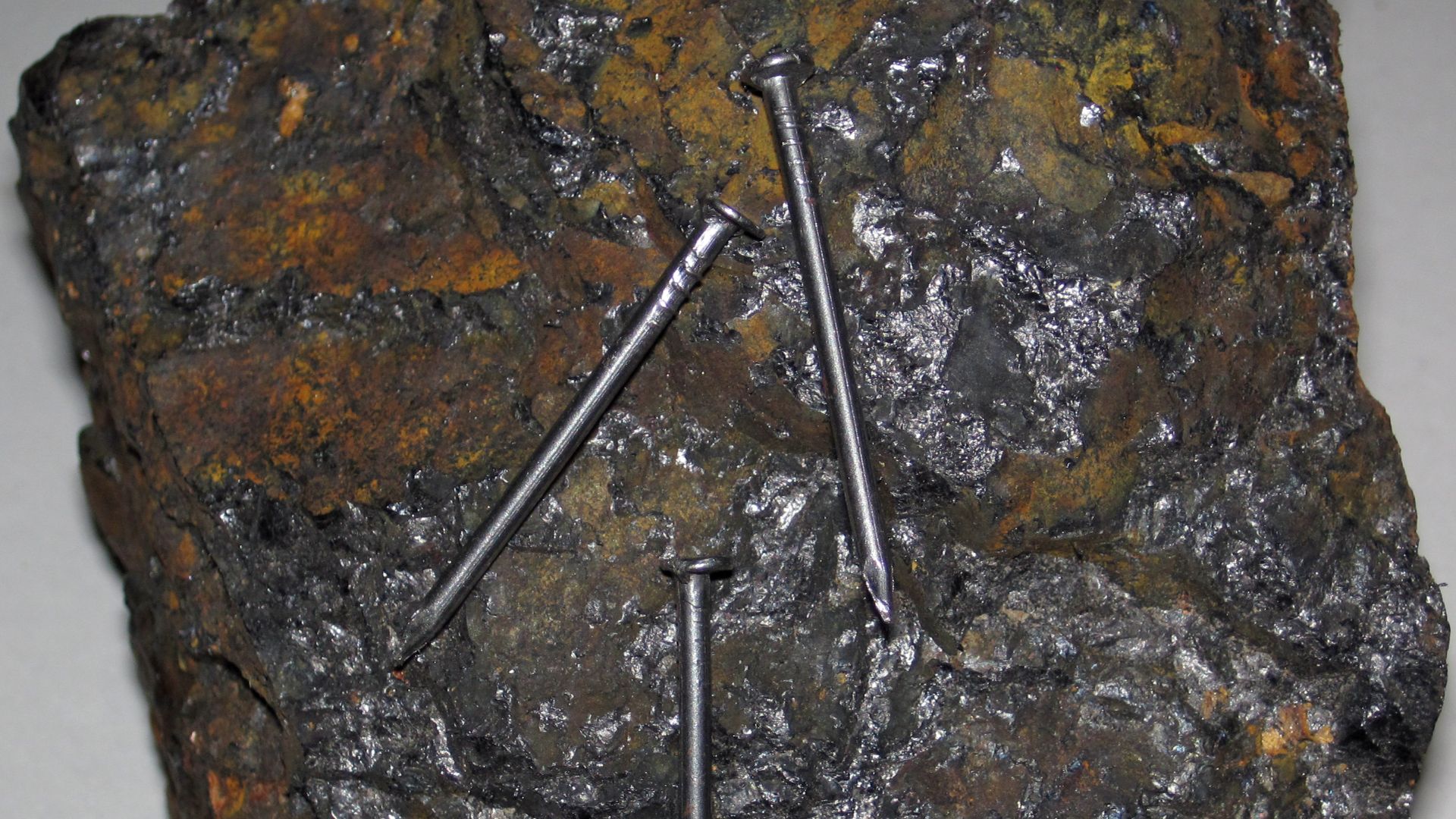 James St. John, Wikimedia Commons
Density That Felt Wrong
Heft tells stories that hands understand before instruments confirm them. The rock felt heavier than it looked. Density often reveals origin. Meteorites pack mass tightly. That unsettling weight explained years of confusion and offered the first satisfying answer without numbers.
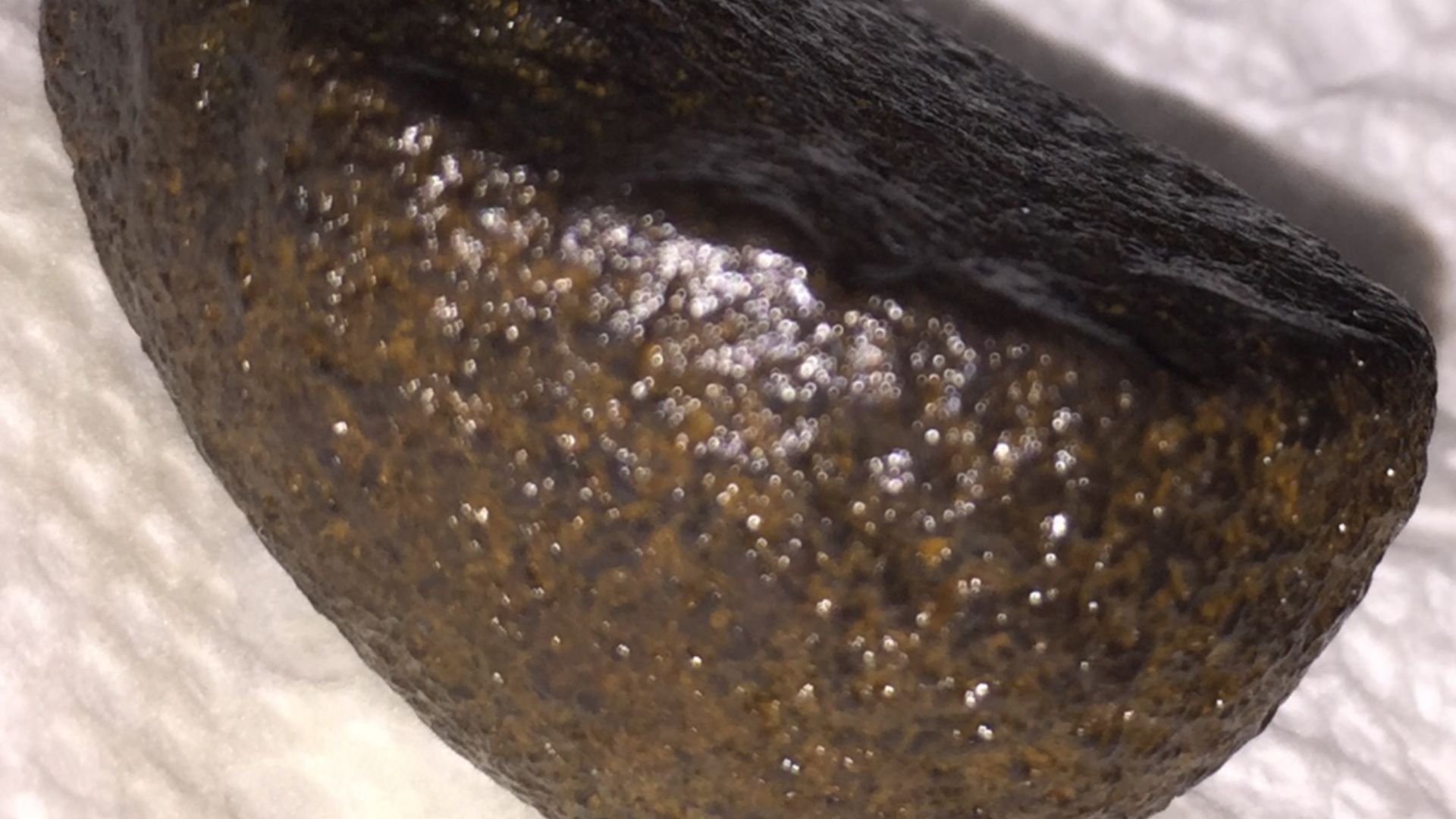
A Burned Exterior
Close inspection revealed a dark outer crust shaped by intense heat. Atmospheric entry scars leave this mark, while Earth processes rarely do. Suddenly, disappointment flipped into awe. The object stopped being a failed dream of gold and became a traveler older than planets.
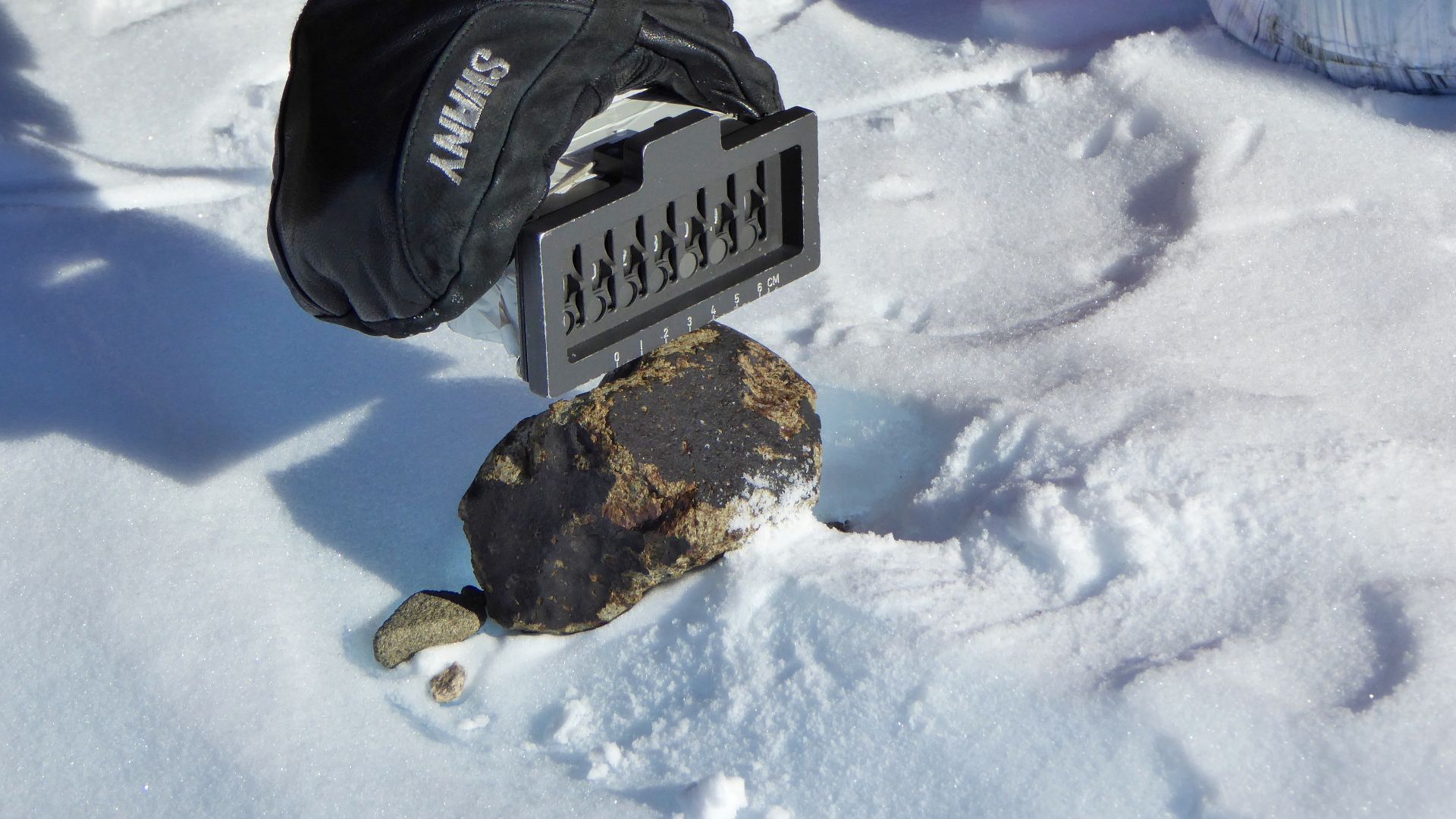 NASA/Cindy Evans, Wikimedia Commons
A Meteorite Confirmation
Detailed laboratory analysis identified the rock as a meteorite based on mineral structure and elemental composition. Results aligned with documented extraterrestrial material. This confirmation reframed the object’s importance, establishing it as a source of early solar system data rather than a failed gold sample.

What Kind of Meteorite
Further testing classified the specimen as an H5 ordinary chondrite, a common but scientifically rich meteorite type. High iron content explained its density and magnetism. Chondrites preserve early solar system material, offering direct insight into conditions that existed before planets fully formed.
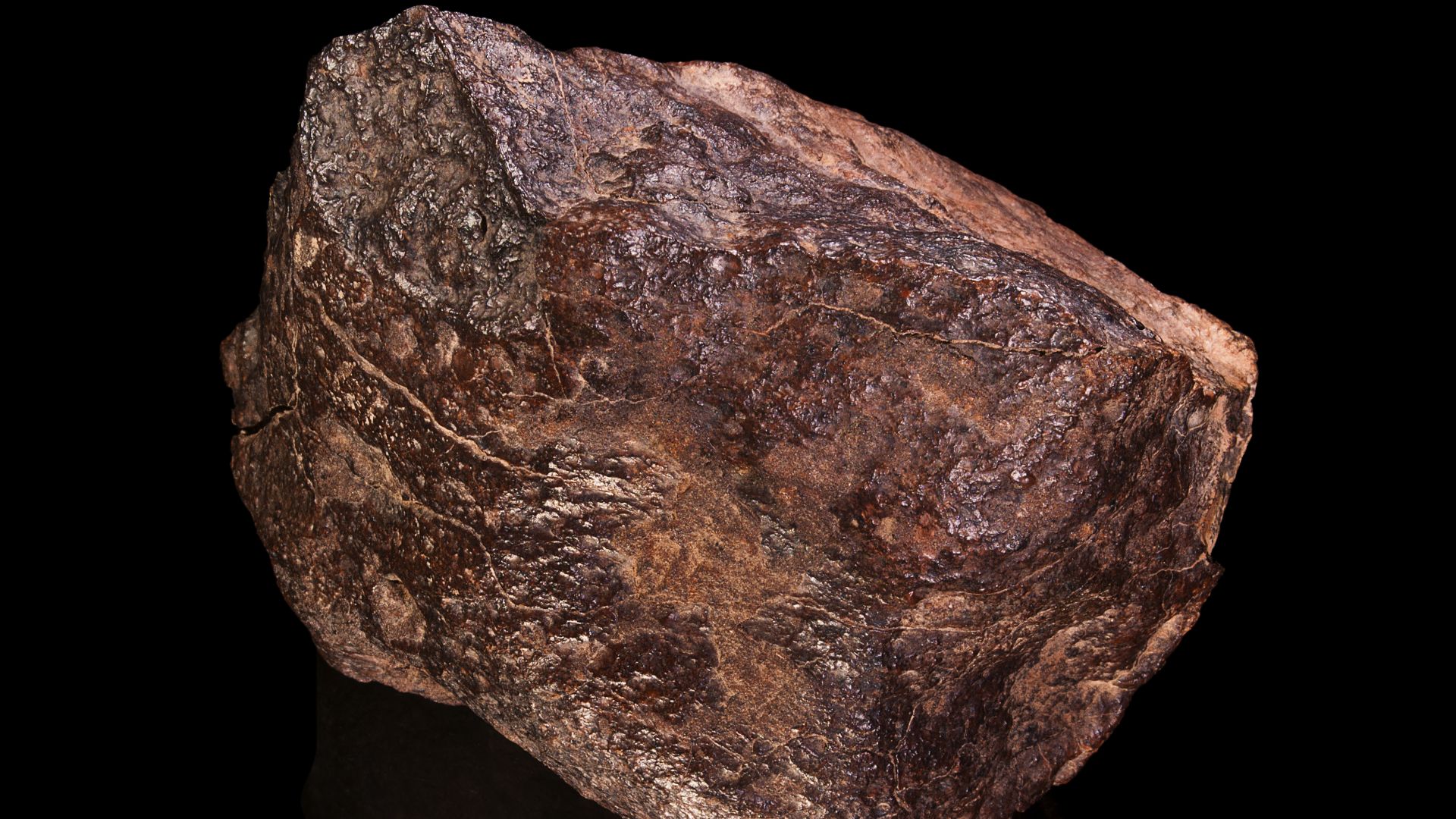 Didier Descouens, Wikimedia Commons
Older Than Earth
Dating later revealed an age of roughly 4.6 billion years by placing the rock among the oldest solid objects known. Earth itself formed later. Suddenly, the object stopped being a failed gold find and became a physical survivor from the solar system’s earliest moments.

Rarer Than Gold
Gold feels rare because people chase it. Meteorites feel rare because few ever touch one. However, scientists estimate far more gold exists on Earth than recoverable meteorites. Therefore, the value flipped here. Scientific rarity replaced market price, which rewrote the meaning of the original disappointment.
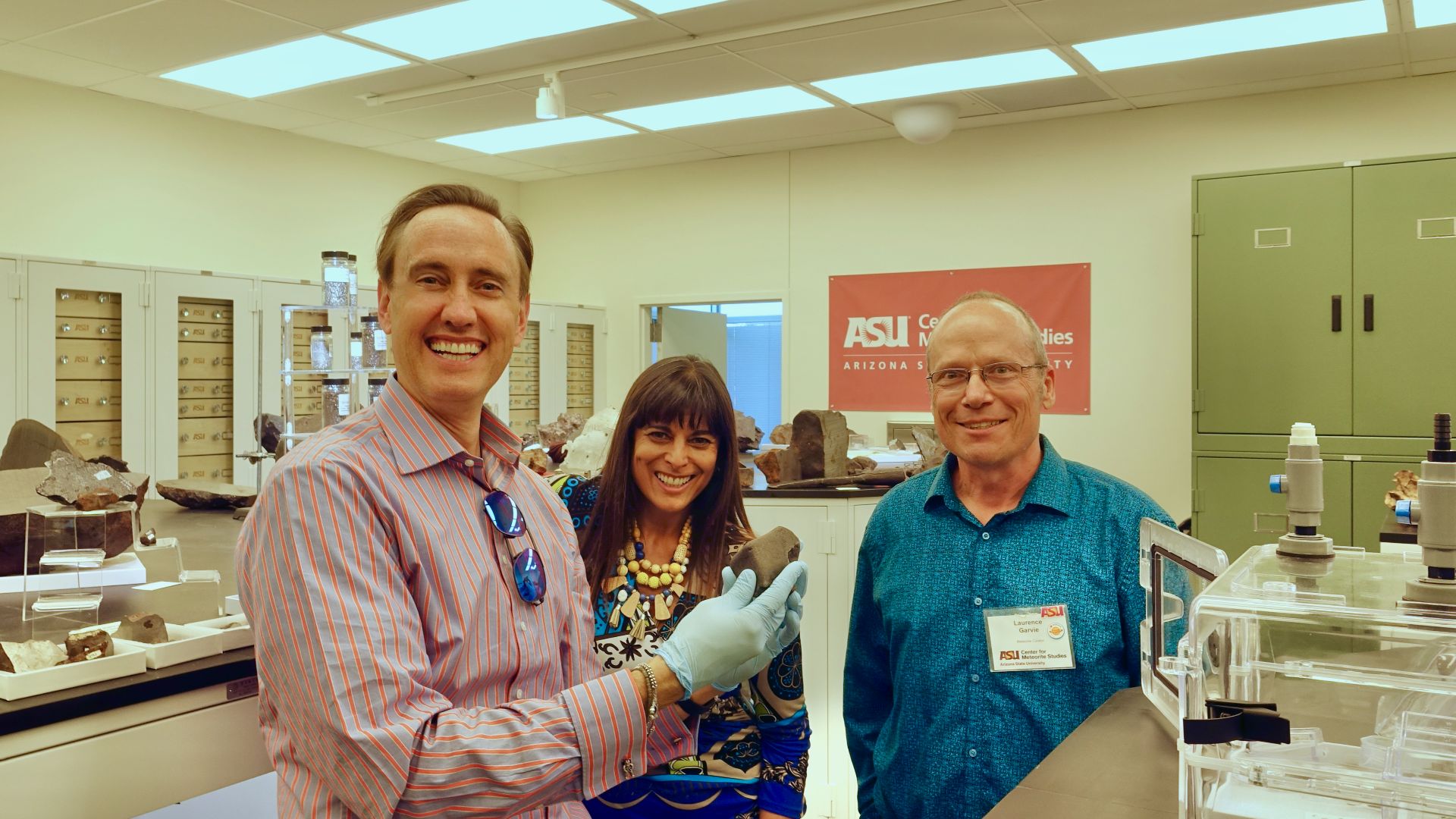 Steve Jurvetson from Los Altos, USA, Wikimedia Commons
A Violent Space Origin
This meteorite formed inside an ancient asteroid that shattered during early cosmic collisions. Fragments drifted through space for eons. One piece eventually crossed Earth’s path. Survival required luck, physics, and timing that bordered on the improbable rather than the accidental.
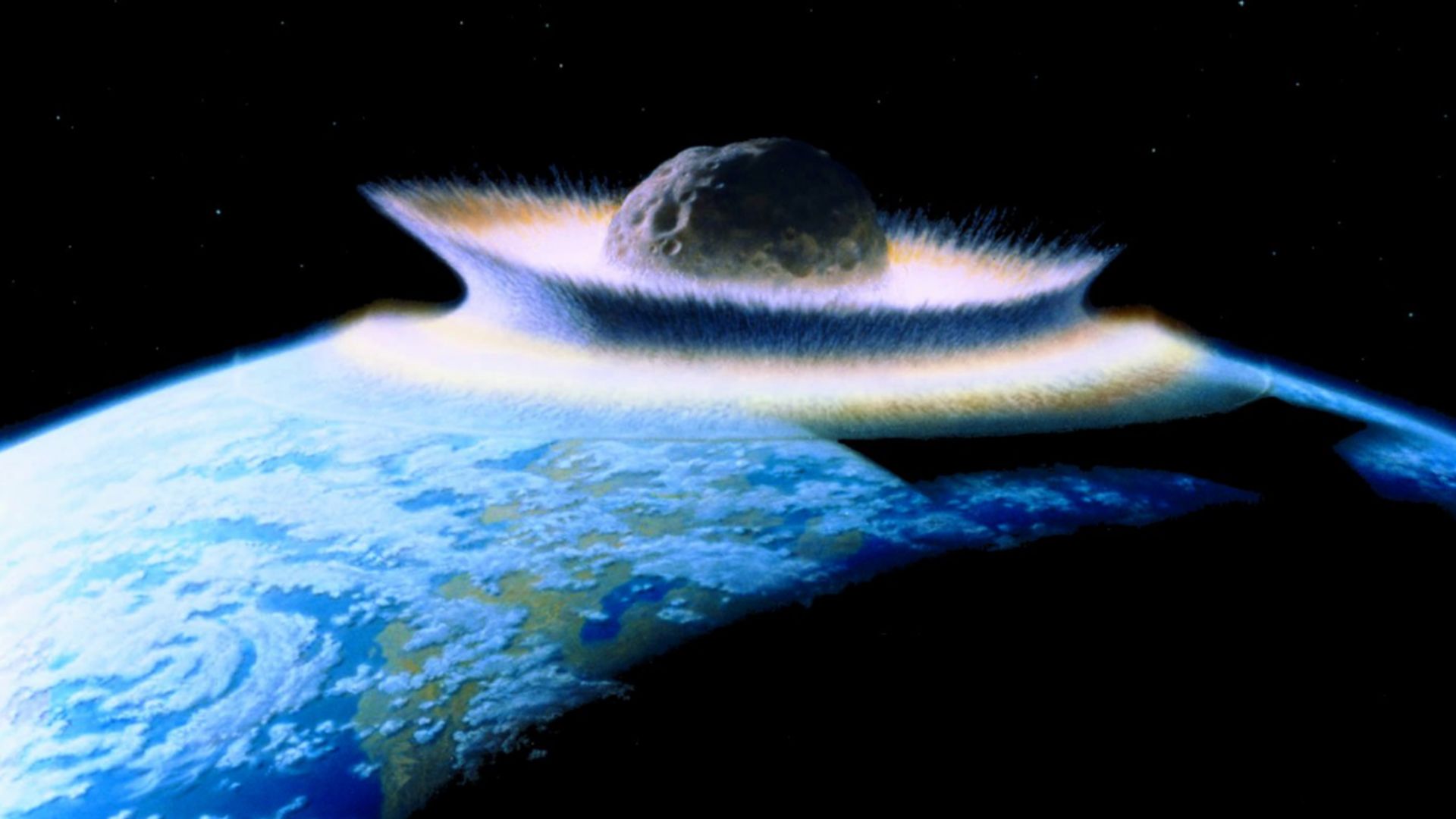 Don Davis (work commissioned by NASA), Wikimedia Commons
Surviving Atmospheric Entry
Atmospheric entry subjects meteorites to extreme heat and pressure, and most burn away entirely. This one endured long enough to reach the ground. Its fusion crust recorded that passage, preserving evidence of temperatures that briefly rivaled industrial furnaces during descent.
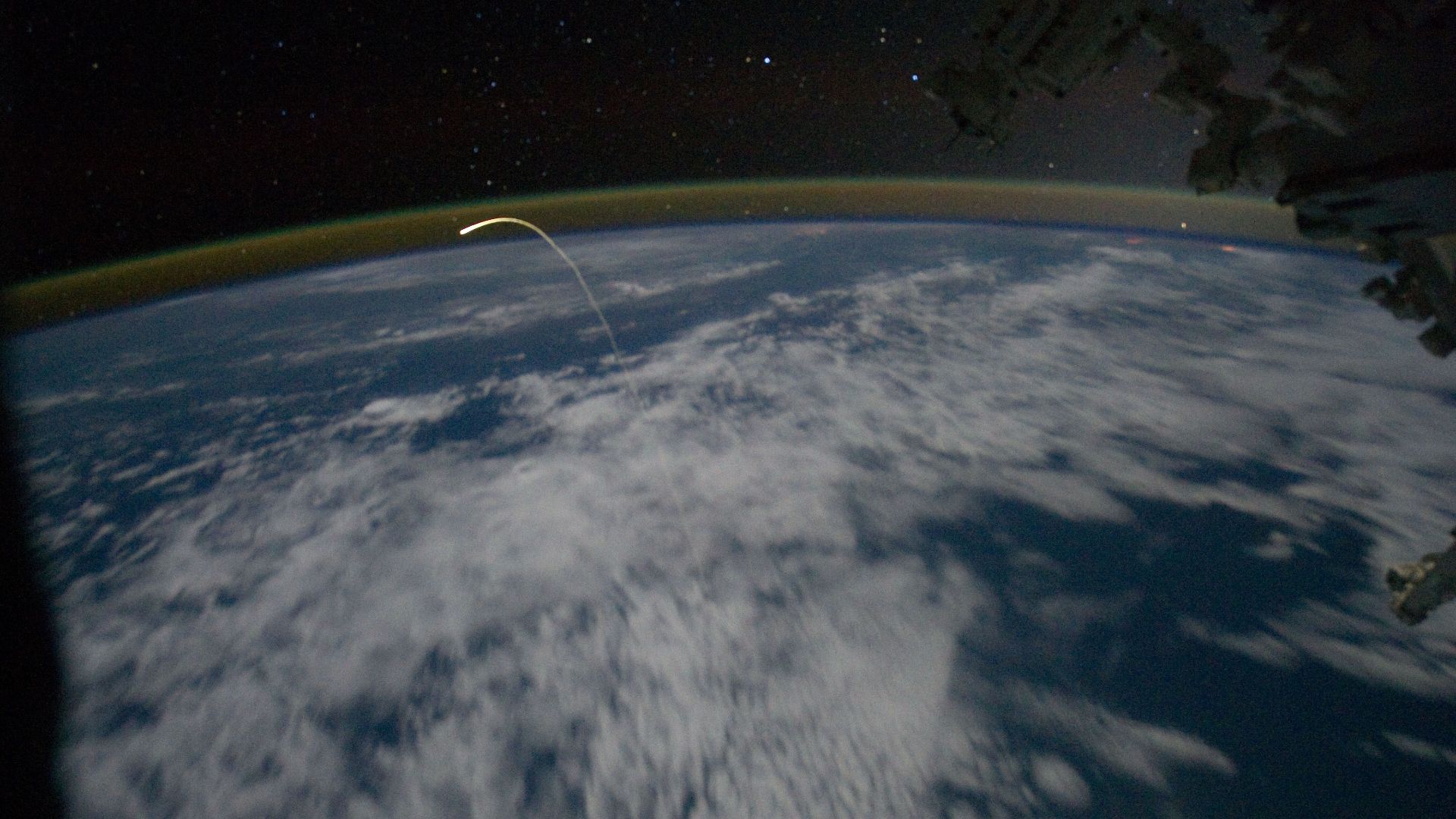 NASA/ISS Expedition 28, Wikimedia Commons
Why Findings Are Rare
Meteorites fall often, yet discoveries remain uncommon. Weather erodes them. Vegetation hides them. Human attention misses them. Survival depends on the environment and chance. That reality explains why one unnoticed rock can hold greater scientific weight than countless mined materials.

Australia’s Advantage
Dry climates preserve meteorites better than humid regions, with Australia’s open terrain increasing visibility and slowing corrosion. These conditions explain why researchers regularly recover important specimens there, even outside famous desert zones typically associated with extraterrestrial discoveries.
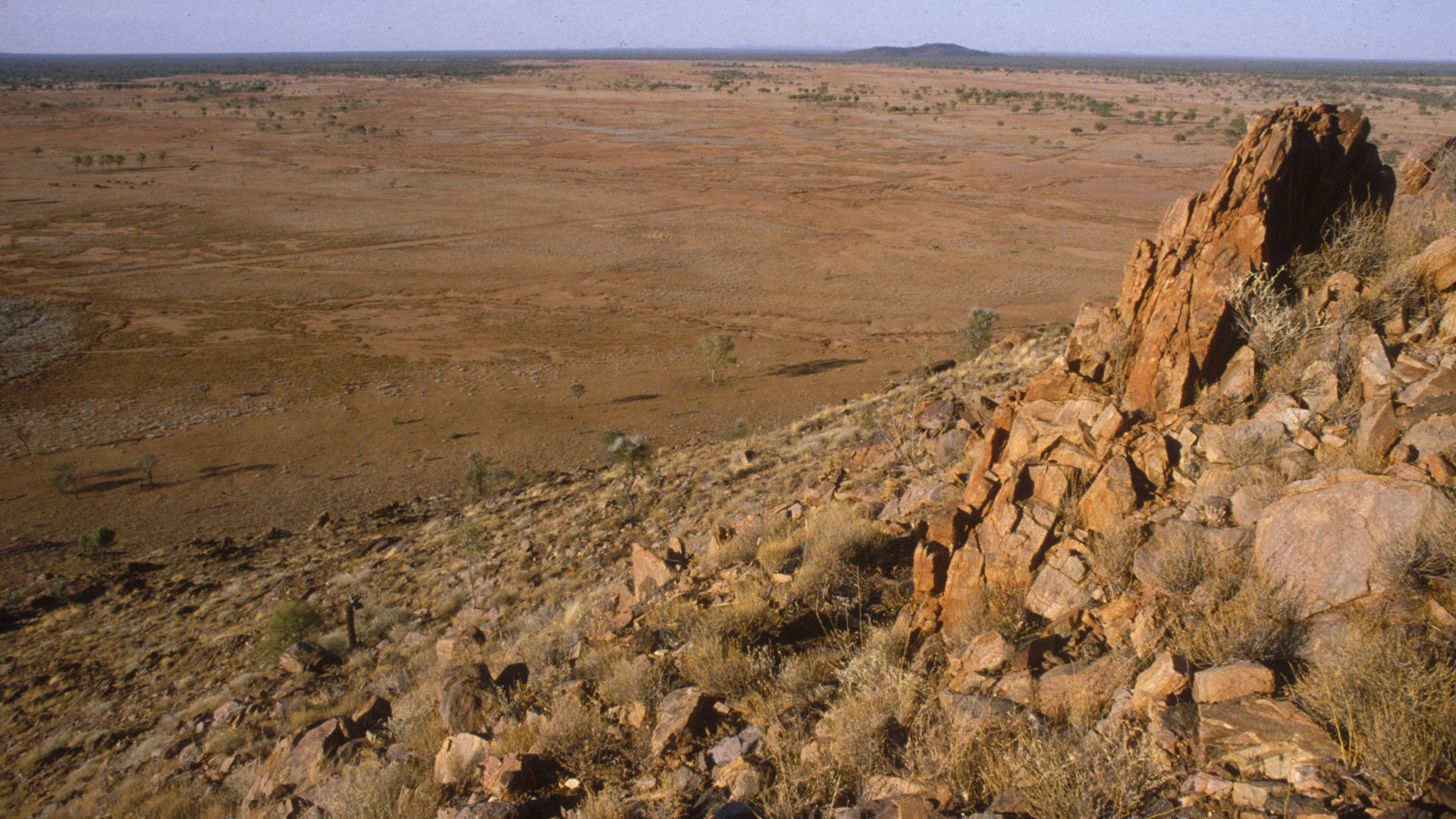 Robert Kerton, CSIRO, Wikimedia Commons
Cutting the Rock Open
Scientists eventually sliced the rock to examine its interior. Metallic flecks appeared. Ancient minerals emerged. Each layer confirmed its origin. The act felt irreversible, yet necessary. Knowledge required sacrifice, trading an intact mystery for permanent understanding.
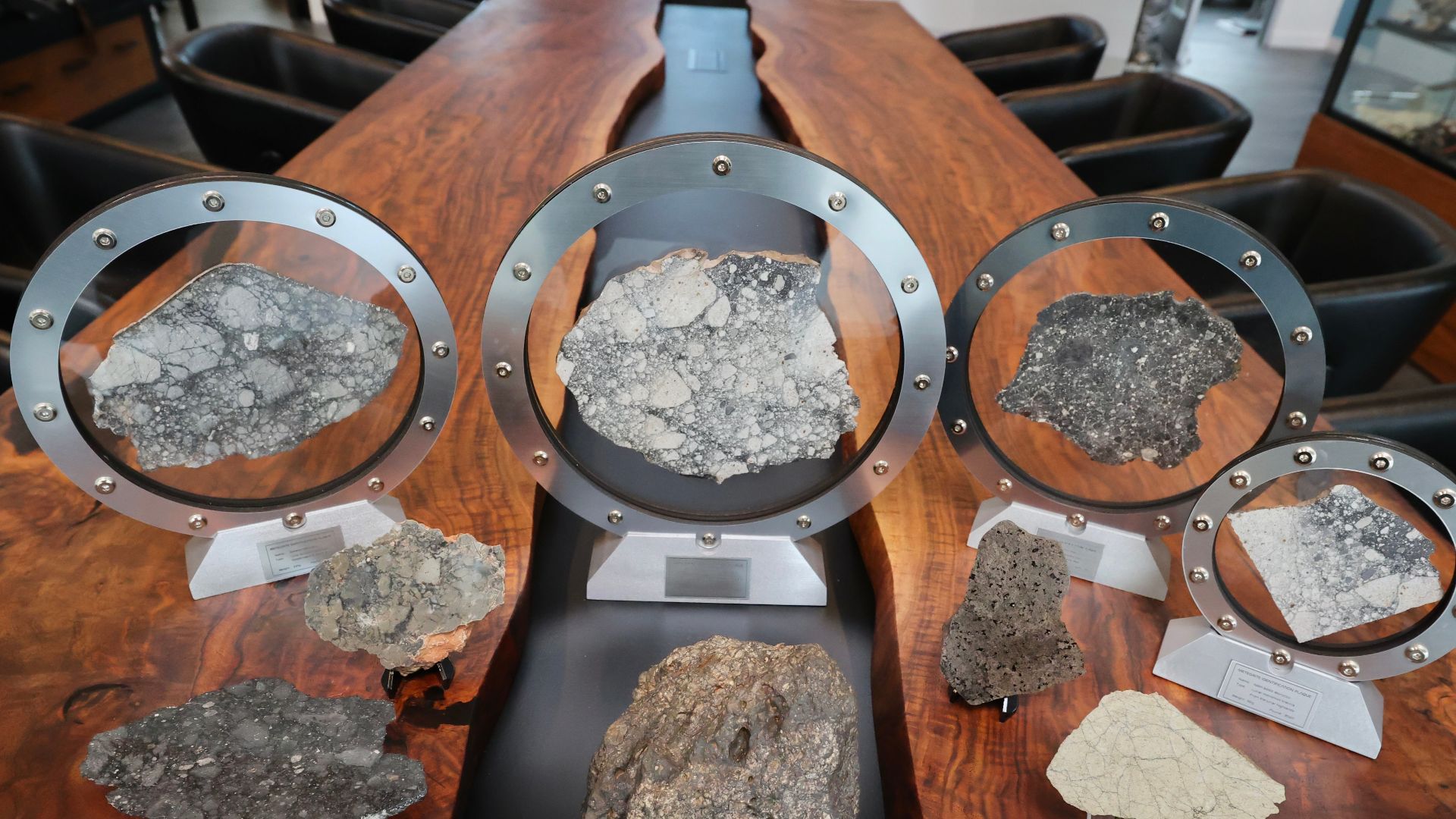 Steve Jurvetson, Wikimedia Commons
A Shift in Meaning
What began as frustration turned into perspective. The rock never failed its owner. Expectations failed the rock. Years of patience allowed science to catch up, which proved that value sometimes hides quietly until someone asks the right question.
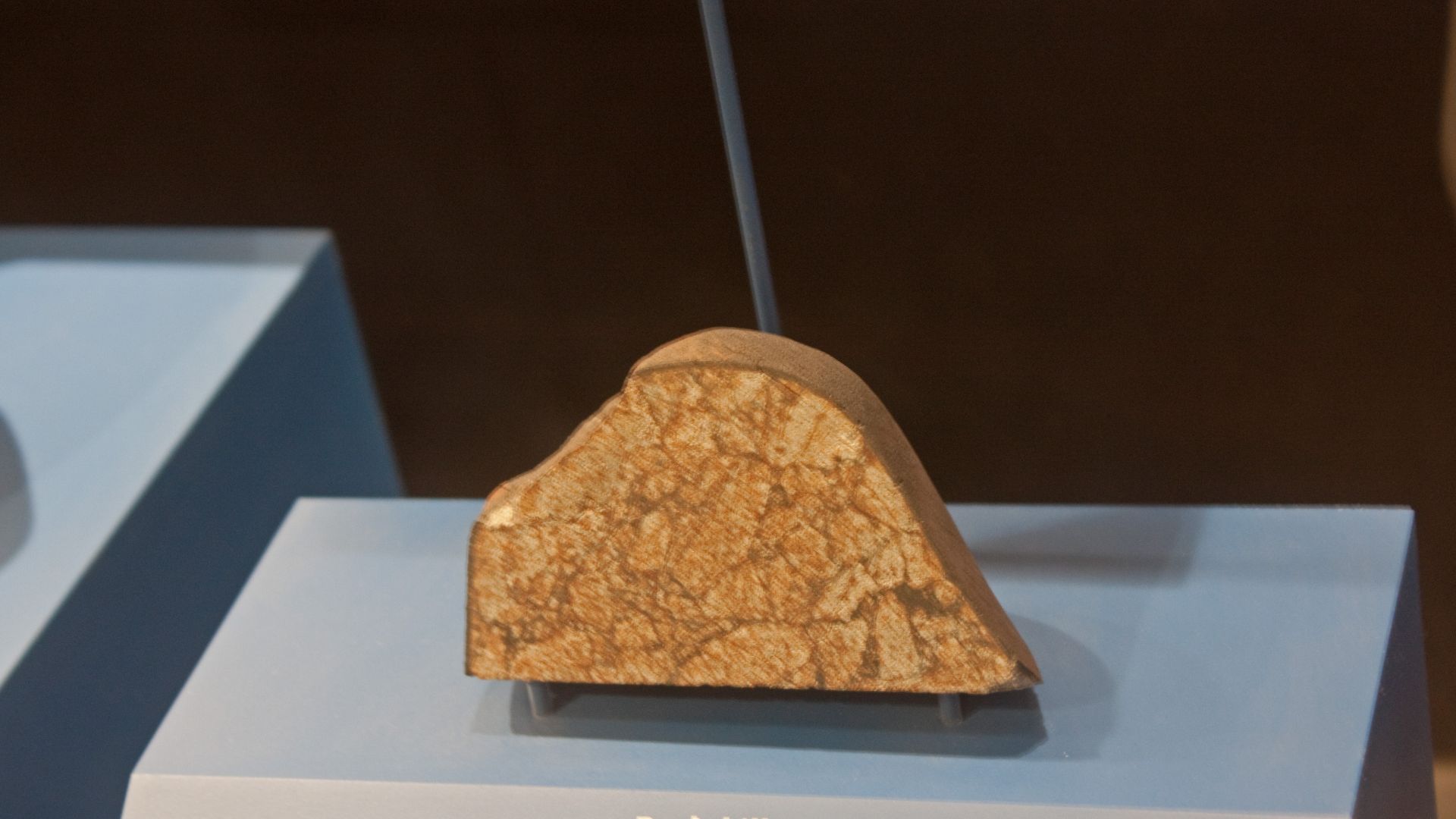 Wknight94 talk, Wikimedia Commons
Media Takes Notice
Once experts confirmed the origin, media interest surged quickly. Headlines focused on mistaken identity and cosmic age. The story resonated because it felt human. Curiosity rewarded patience, where a quiet object became newsworthy without changing anything about itself.

Lessons for Prospectors
Prospectors learned a valuable lesson through this discovery. Weight alone does not signal gold. Surface appearance also often misleads. Plus, professional testing matters. Unusual finds deserve expert review, especially in regions where geological history mixes rare space material with ordinary Earth rock.
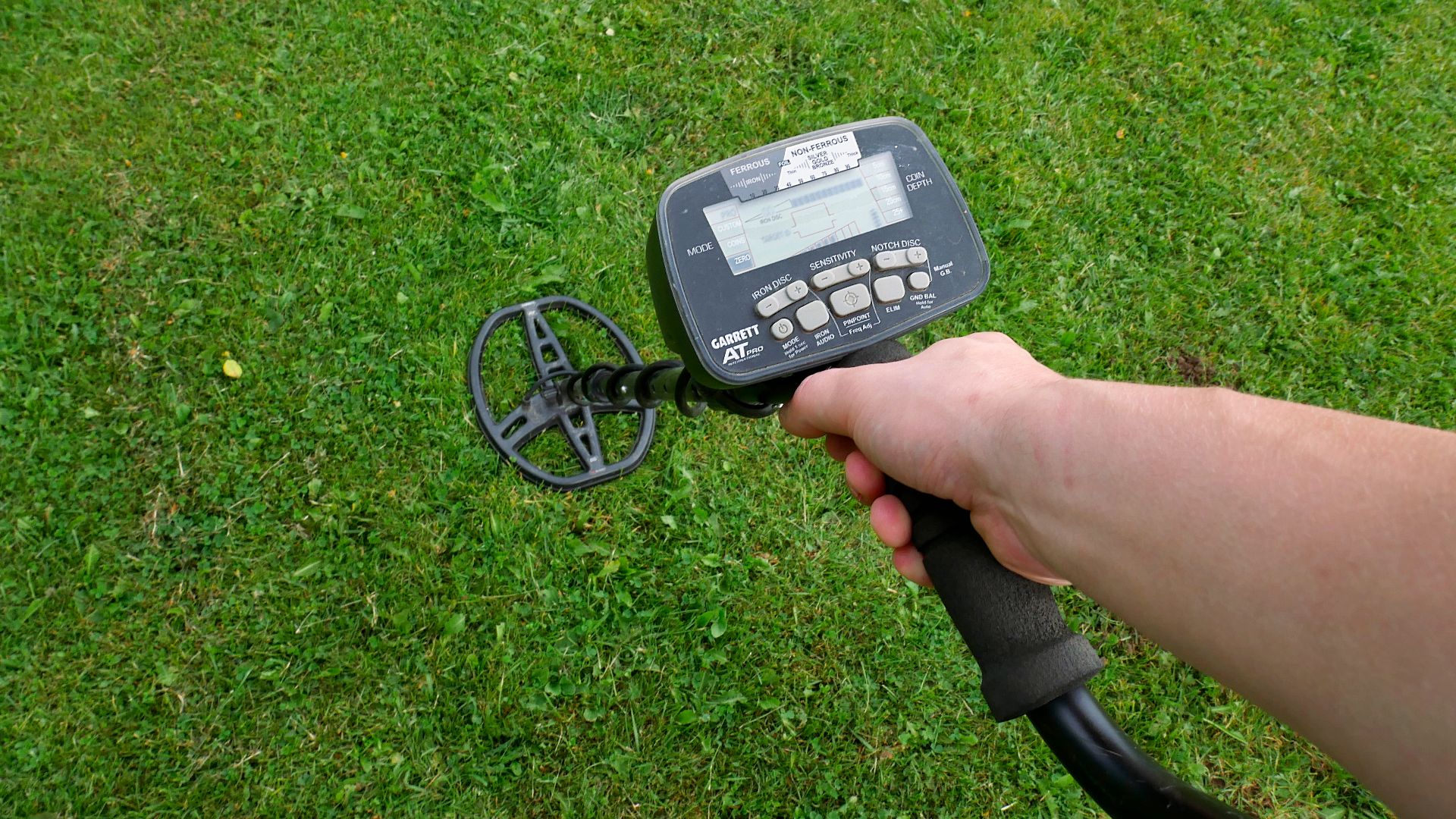 Santeri Viinamaki, Wikimedia Commons
Science Versus Market Value
Monetary worth failed as a measuring stick here. Scientists valued information over resale price, and the rock offered plenty of data about planetary formation rather than profit. That shift challenged assumptions about treasure, showing how knowledge can outweigh traditional definitions of wealth.

A Time Capsule From Space
This meteorite functioned as a physical memory rather than a prize. It also carried untouched material older than Earth itself. Long storage preserved it unknowingly. Time waited patiently. Meaning arrived only after curiosity met careful observation and scientific context.
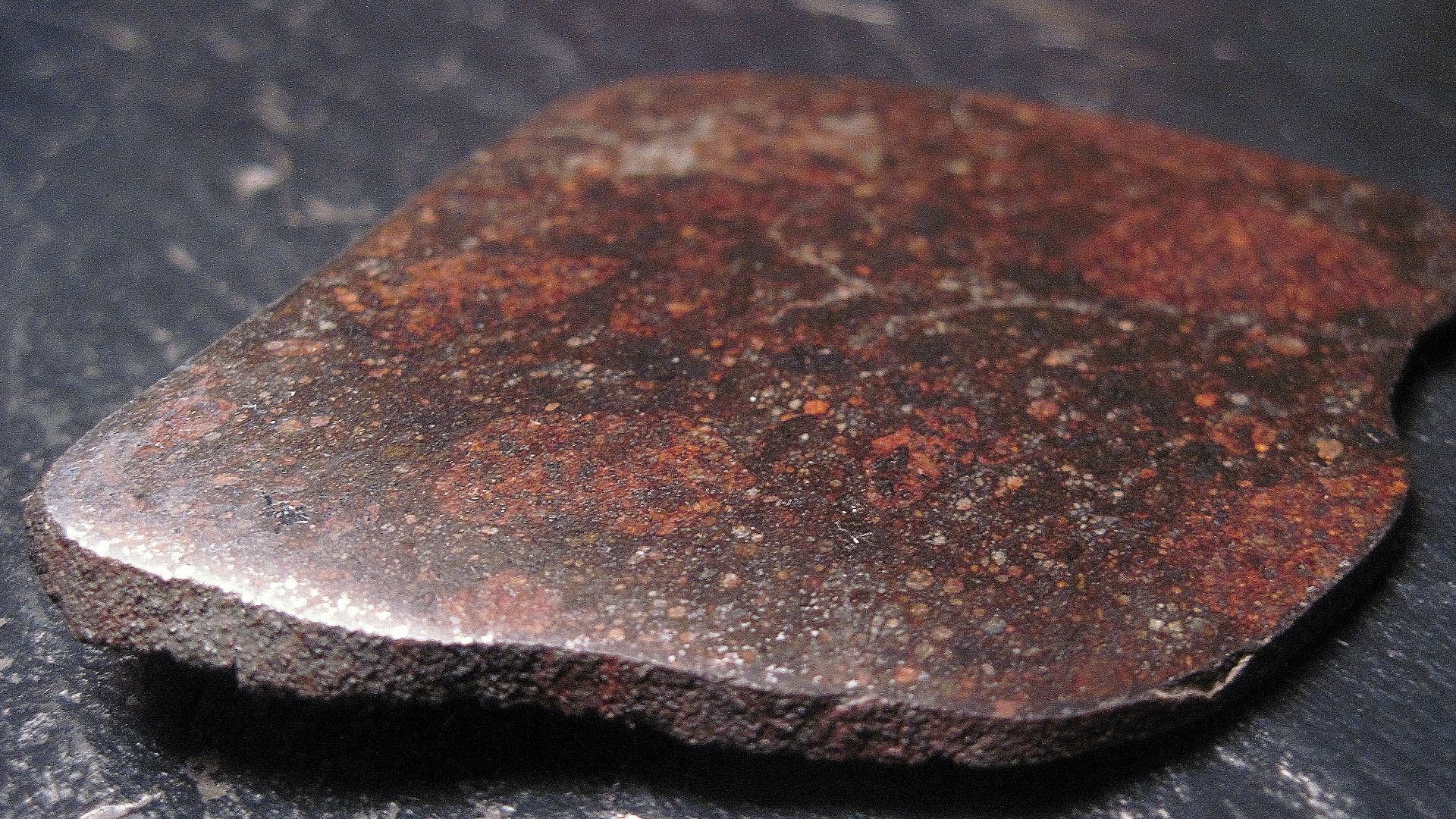
When Patience Pays Off
Years of uncertainty ended with understanding rather than regret. The rock never changed. Perspective did. Patience allowed science to speak. Sometimes the most valuable discoveries come quietly, waiting for someone willing to ask better questions instead of faster ones.