 Bhuppigraphy, CC BY-SA 4.0, Wikimedia Commons, Modified
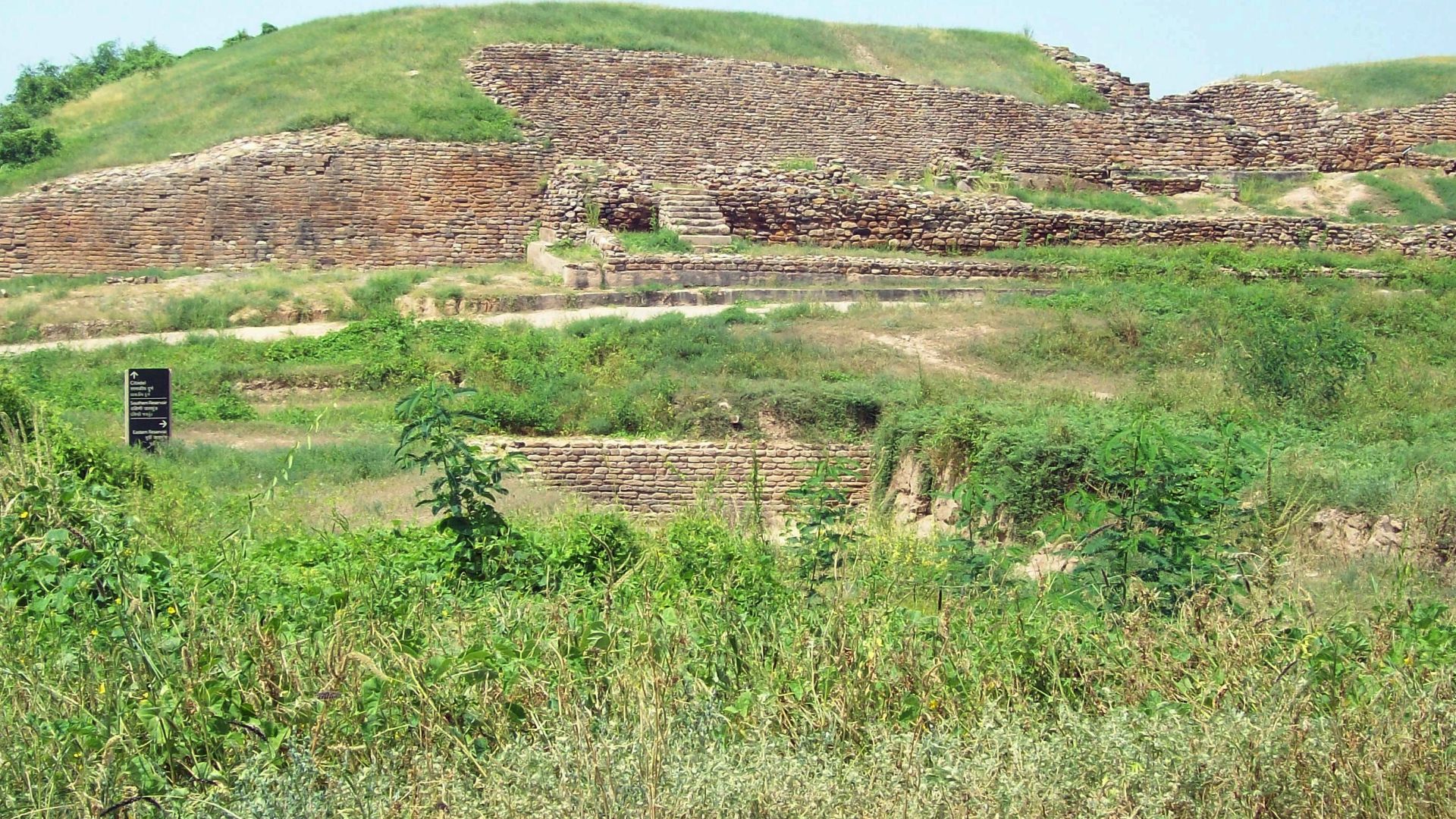
When people think of ancient civilizations in South Asia, the Harappans often come to mind. But what if signs of human life in the region go back much further than that? In a remote corner of Gujarat, researchers have uncovered evidence that could push the timeline of early settlement back by thousands of years. These findings raise new questions about who lived there, how they survived, and what they left behind. As clues emerge from the rugged land near Dholavira, they hint at a chapter of prehistory that’s been hidden in plain sight. The story unfolding at Khadir Beyt isn’t just about archaeology—it’s about reshaping our understanding of early human history.
What The Shell Middens Reveal: A Window Into Very Early Human Life
Scientists define middens as places where ancient people discarded food waste, especially shells from molluscs they gathered along coasts and riverbanks. At Khadir Beyt, researchers discovered extensive shell middens buried deep beneath the surface, mixed with stone tool fragments and other signs of prehistoric activity. These middens represent repeated use over long periods, suggesting people regularly returned to these spots to gather, eat, and work. Radiocarbon dating, a method of measuring age by analyzing carbon isotopes, places these sites at roughly 10,000 BCE, which is about 5,000 years earlier than the peak of the Harappan civilization nearby.
What makes these middens especially important is what they tell us about how people lived. The shell species and stone tools found at the sites suggest coastal hunter‑gatherers adapted to a dynamic environment that was likely rich with mangroves, shallow waters, and seasonal resources. These early inhabitants didn’t farm or build cities, but they mastered local ecosystems, learning where to gather food and how to make and use the tools they needed for everyday survival. This everyday ingenuity underscores how human groups adapted to varied lands well before organized agriculture and urban life emerged.
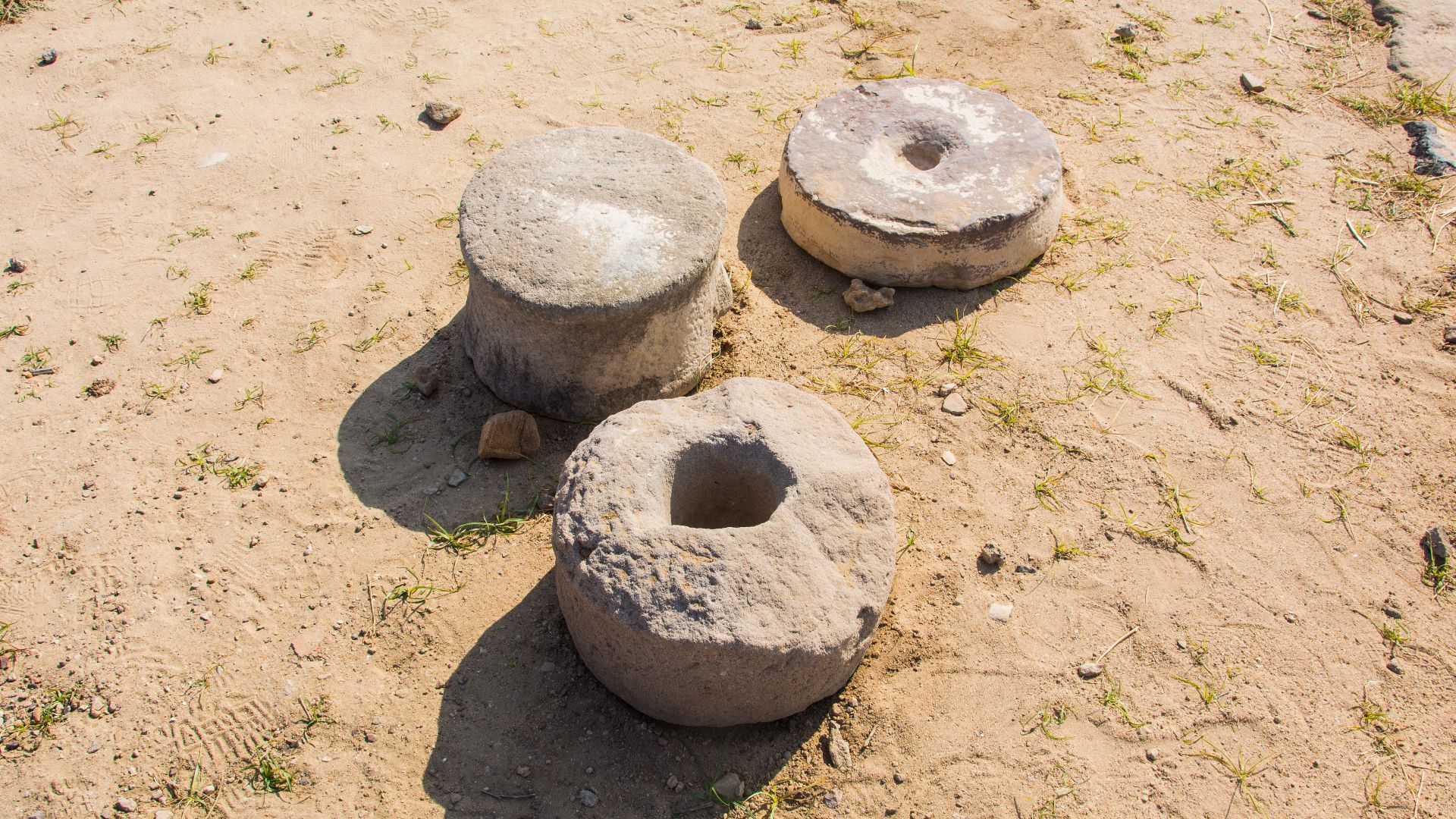 Bhuppigraphy, Wikimedia Commons
Hunting, Gathering, And The Tools Of Survival
Archaeologists working in the Khadir Beyt area uncovered more than just shells—they found a variety of stone tools that early humans used in daily life. These tools, made from both local and imported stone, include flakes and cores. Their sharp edges show signs of use for cutting meat, scraping hides, and processing plants or wood. This suggests people here had a deep understanding of their environment and how to use it to meet their needs. The presence of non-local stones also hints at long-distance movement or interactions, offering the possibility of early mobility or informal exchange networks.
The range and workmanship of these tools reveal much about the intelligence and adaptability of the people who made them. They were skilled toolmakers who knew how to select and use materials effectively. Their survival depended on these tools, as they allowed them to thrive in coastal and semi-arid conditions. Each tool reflects not just function, but a deep understanding of the land and what it could provide. Though they didn’t leave behind buildings or writing, their tools speak volumes about their resourcefulness. By examining these implements, researchers gain valuable insight into how humans organized their daily lives before the rise of farming, cities, or complex societies.
Why This Discovery Matters
For decades, much of South Asia’s ancient history has focused on urban civilizations like the Harappans, known for their impressive cities and trade systems. These cultures were highly developed, but the recent findings at Khadir Beyt remind us that important human stories existed long before city walls were raised. Here, communities adapted to local environments in creative ways, using natural resources to survive without written language, metal tools, or formal structures. They developed practices that helped them with shifting climates and changing lands—proving that even small, mobile groups contributed to the long arc of human innovation.
This discovery matters because it changes how we think about early humans and their capabilities. It challenges the idea that meaningful progress began only with agriculture or urban life. The people of Khadir Beyt were already solving problems, sharing knowledge, and developing strategies that shaped their world. For people familiar with sites like Clovis or ancient Native settlements, this discovery offers a parallel: people across the globe were building intelligent, adaptive cultures long before history books began. Khadir Beyt offers powerful evidence of human resilience and reminds us that every stone tool tells a story worth preserving and studying.