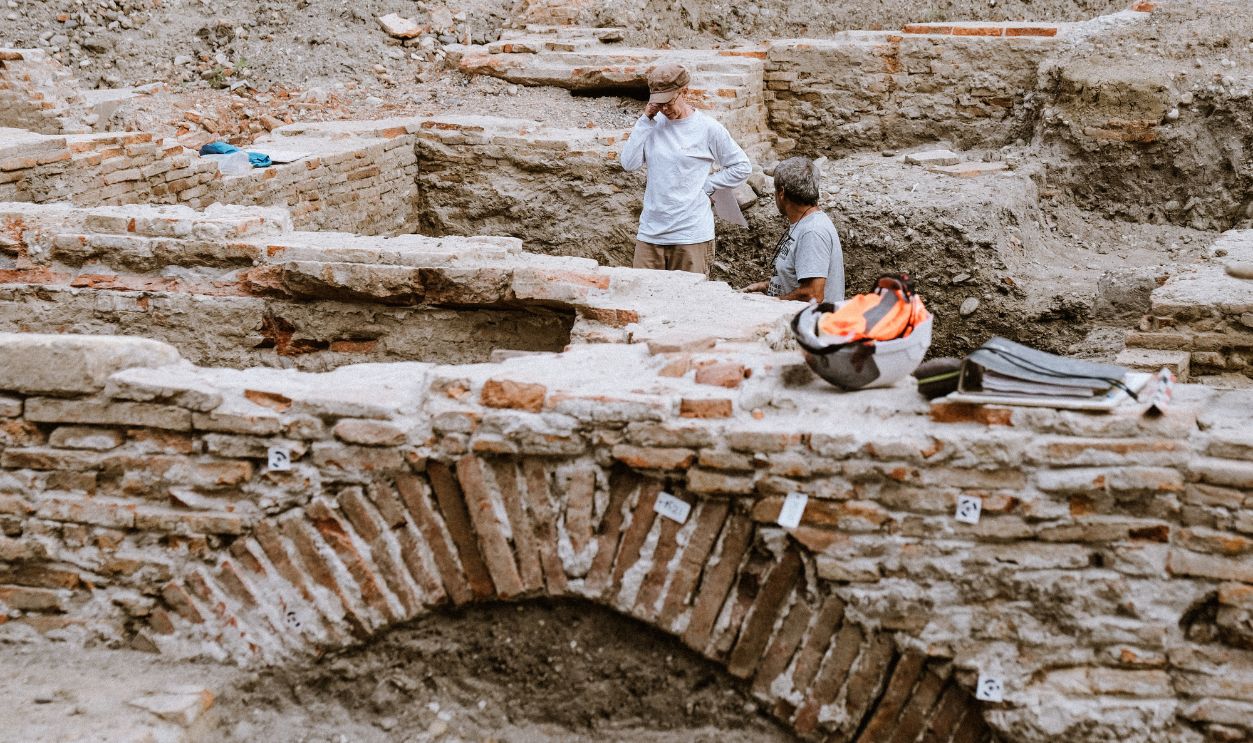
As INRAP teams opened trenches in Marseille’s northern districts, the work initially looked like another routine intervention beneath busy streets. Layers of asphalt and industrial debris came away as expected, each tied to the city’s long expansion. But then a curious alignment appeared: evenly spaced pits forming a geometry too deliberate to ignore. What seemed like a minor irregularity expanded with every foot of soil removed. By the time the full pattern emerged, archaeologists realized they were no longer dealing with isolated traces. They were facing the layout of a Greek-era vineyard positioned 1.2 miles beyond ancient Massalia.
A Vineyard That Redrew The Edges Of Ancient Massalia
The vineyard uncovered in these excavations was not a single, fixed installation but a landscape that had been reorganized and maintained across centuries. Instead of one coherent blueprint, the ground revealed a stratigraphy of agricultural choices layered over time, demonstrating that viticulture (vine growing) was woven into Massalia’s economic fabric rather than practiced casually. The site’s placement on a coastal hillside terrace provided farmers with a balance of light, drainage, and maritime winds ideal for vines. As each alignment of pits became clearer, the unmistakable influence of Greek agricultural engineering surfaced.
Successive trenches showed how the vineyard evolved, mirroring changes in cultivation habits and local demands. Some rows conformed to early layouts, while others reflected reorganized systems that adapted to shifting priorities. Those adjustments, preserved in the soil, helped redraw Massalia’s map far beyond its defensive walls, revealing cultivated land tied directly to the settlement’s growth. The more archaeologists exposed, the more evident it became that this terrain was part of a broader strategy to support a thriving city. Just like that, these ancient outskirts transformed from vague periphery into a structured agricultural zone.
Where Ancient Labor Meets A City That Kept Moving
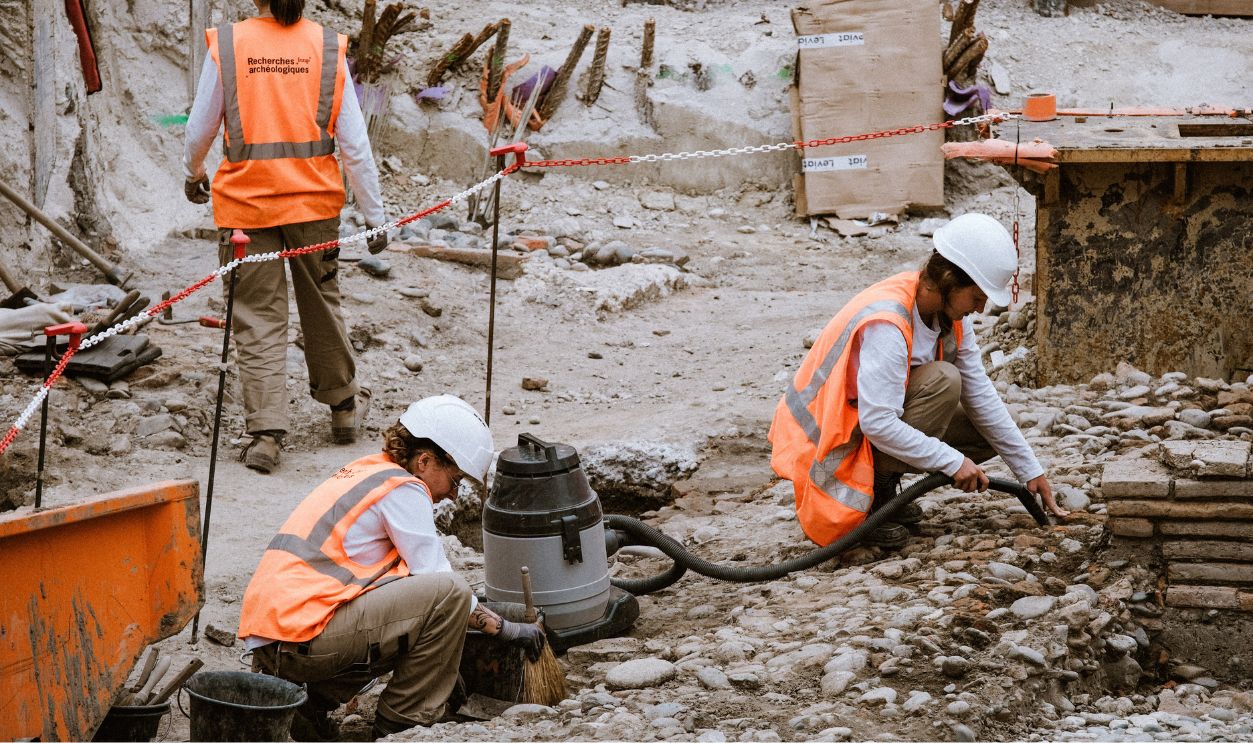
Reaching the vineyard required navigating through the dense palimpsest of Marseille’s later history. Centuries of collapsed structures, modern pipes, industrial waste, and contaminated fill lay above the ancient soils. Each layer demanded slow, methodical removal before any archaeological interpretation could begin. Yet beneath that complexity, the ancient geometry remained unexpectedly legible. When the rows finally appeared, they displayed unmistakable signs of provignage, a vine-propagation technique in which a living branch is buried so new growth can be generated. This practice, linked strongly to skilled Greek viticulture, offered clear evidence of deliberate management.
The clarity of these patterns underscored the dramatic transformation of the terrain. What once sat on a mid-slope terrace now rests several feet below current street level, buried by the city’s relentless expansion. Standing in the excavation, archaeologists effectively occupied two time periods at once: the agricultural world crafted by Greek settlers and the fast-paced Marseille that grew above it. The provignage traces reinforced that connection, revealing the expertise required to maintain vineyards capable of regenerating season after season. The vineyard’s survival beneath accumulated urban layers highlighted how ancient labor shaped the ground the modern city scarcely remembered existed.
What The Vineyard Reveals When Examined Up Close
Despite centuries of construction, demolition, and redevelopment, the vineyard’s return to view offers more than a symbolic bridge between ancient Massalia and modern Marseille. Across approximately 13,993 square feet, archaeologists have identified three distinct phases of cultivation. The earliest phase consists of tightly arranged quadrangular planting pits, laid out with striking precision. Over time, those gave way to long, deliberately engineered trenches, some stretching more than 62 feet. Within several trenches, investigators recognized traces of provignage; the technique you just learnt about earlier.
Beyond the vines, the excavation uncovered features that broaden the picture of hillside agriculture. Two circular silos, each close to a 3 feet deep and tied to the earliest occupation layers, point to a diversified farming system rather than viticulture alone. An ancient drainage channel carved directly into marly bedrock and strengthened with limestone and pebble masonry further shows how carefully this terrain was shaped. Every architectural detail, from the silos to the channel, reflects planning designed for long-term maintenance. As INRAP continues its study, the vineyard stands among the earliest and most structurally organized viticultural zones documented in France.
These findings ultimately redefine how Greek settlers transformed the outskirts of Massalia. Their influence extended well beyond maritime trade or political alliances; it reached into the soil itself. The vineyard’s layered history demonstrates a sustained investment in shaping agricultural land capable of supporting a growing settlement. Its trenches, propagation techniques, storage features, and engineered drainage collectively reveal a landscape molded with intention. What emerges is a picture of early Mediterranean settlers who built their future not only on the sea but within the earth they cultivated.