

Prayers In Gold
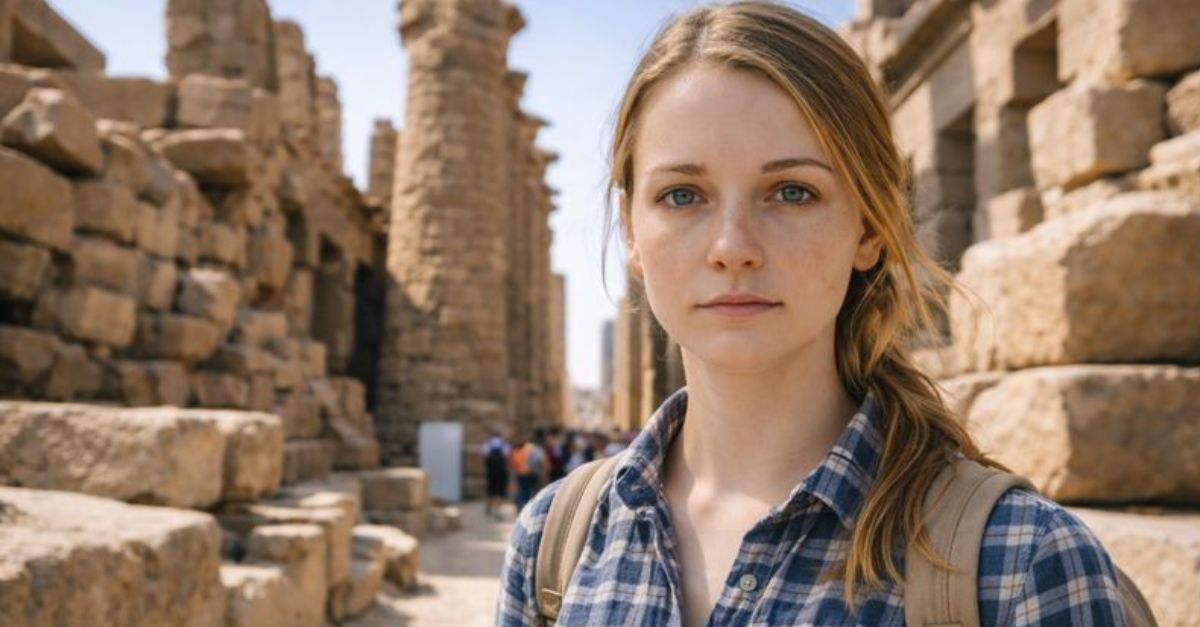
Egypt was running out of time. Persian armies gathered at the borders while priests at Karnak buried precious gold beneath temple stones. That desperate act just rewarded archaeologists with a stunning glimpse into ancient anxiety.
Sacred Complex
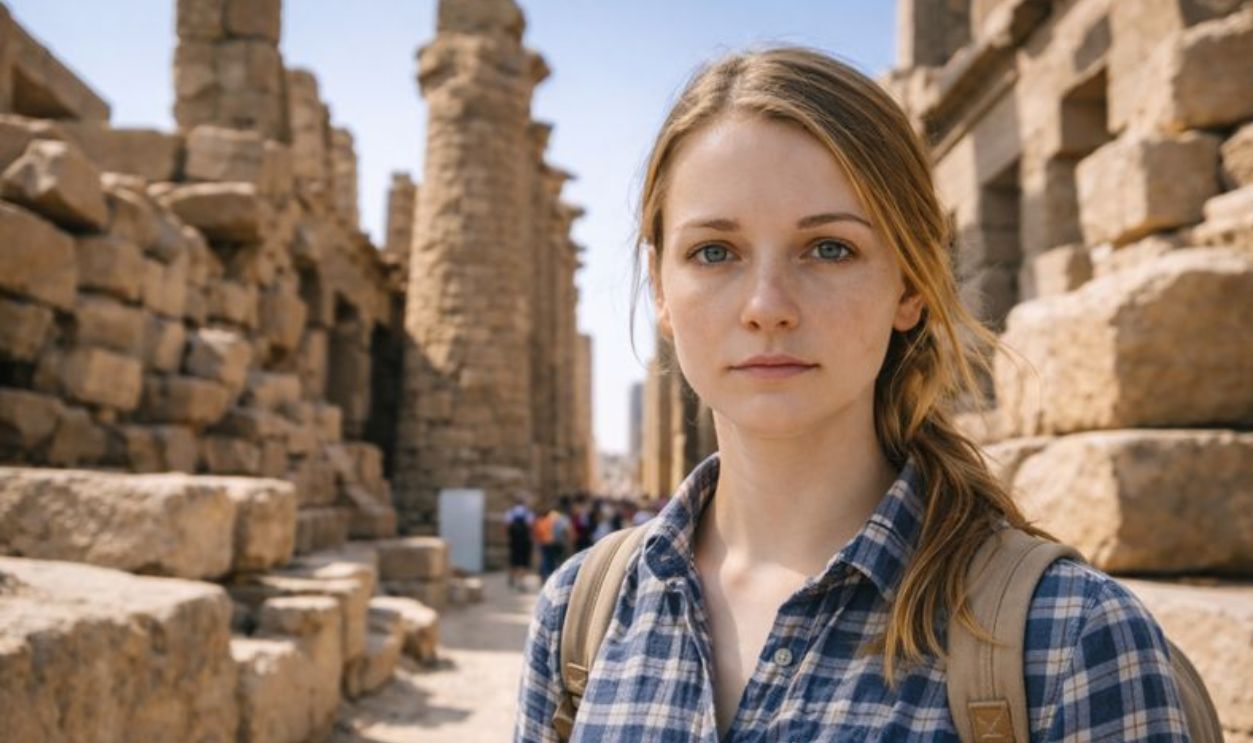
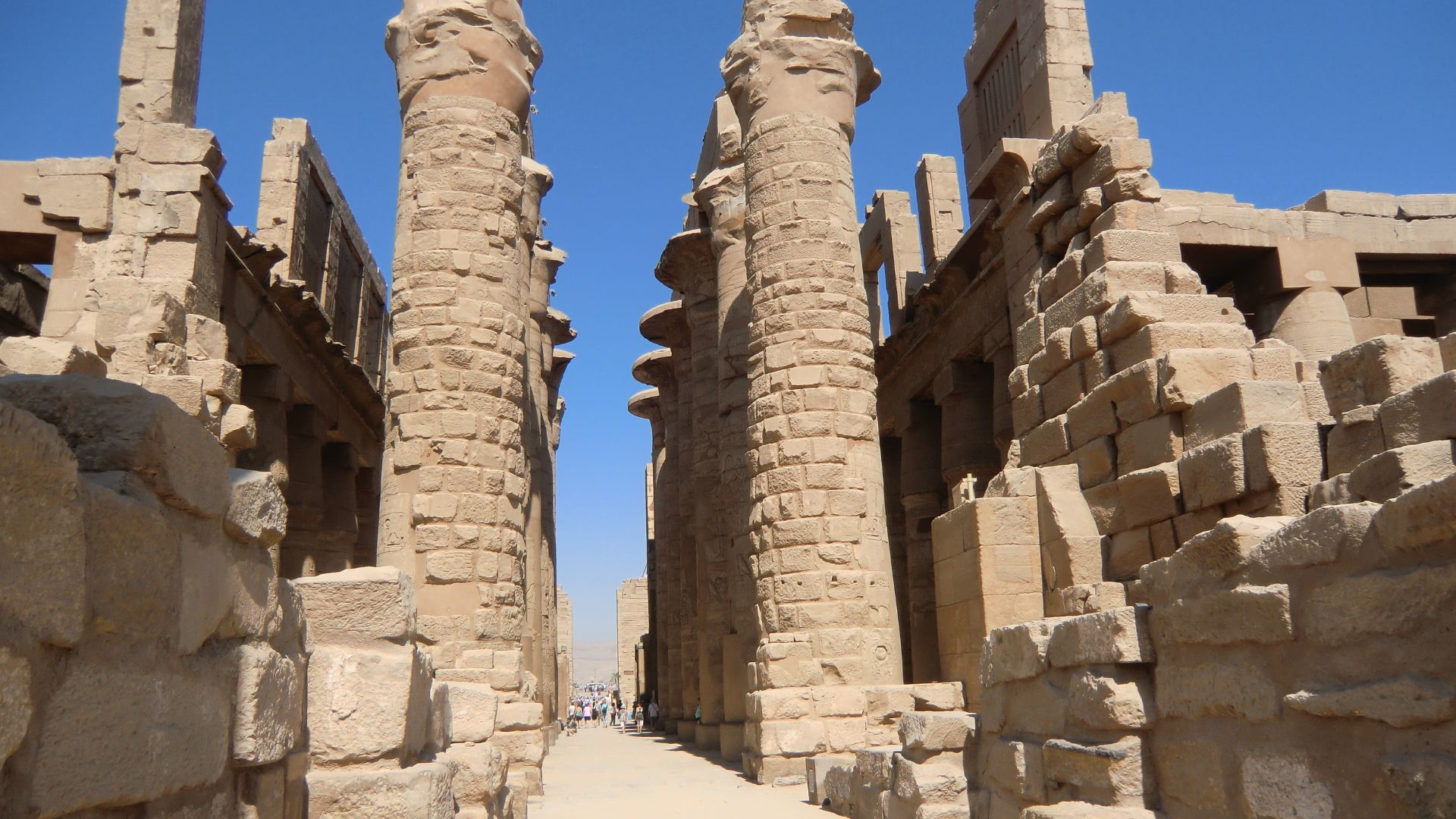
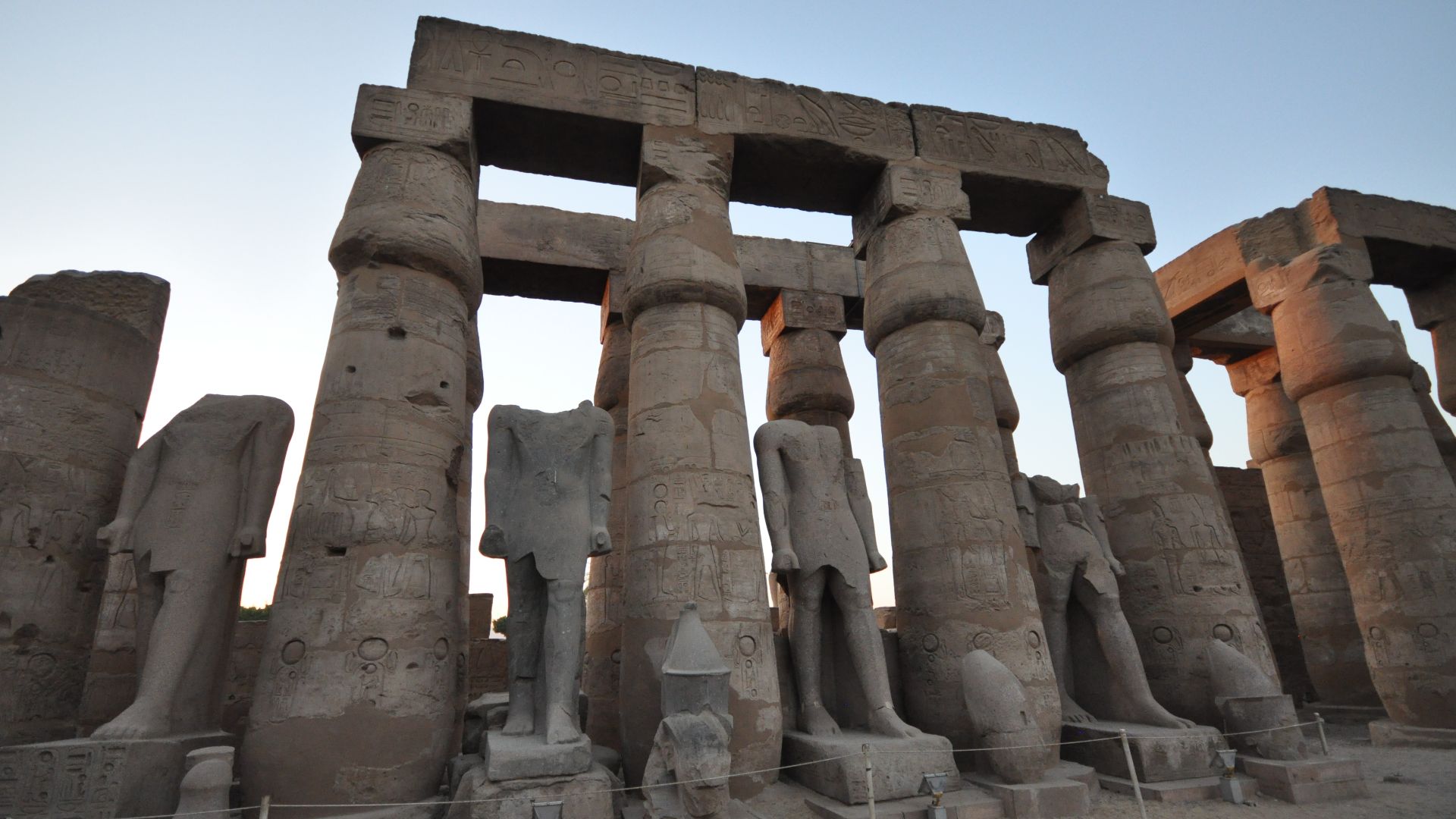
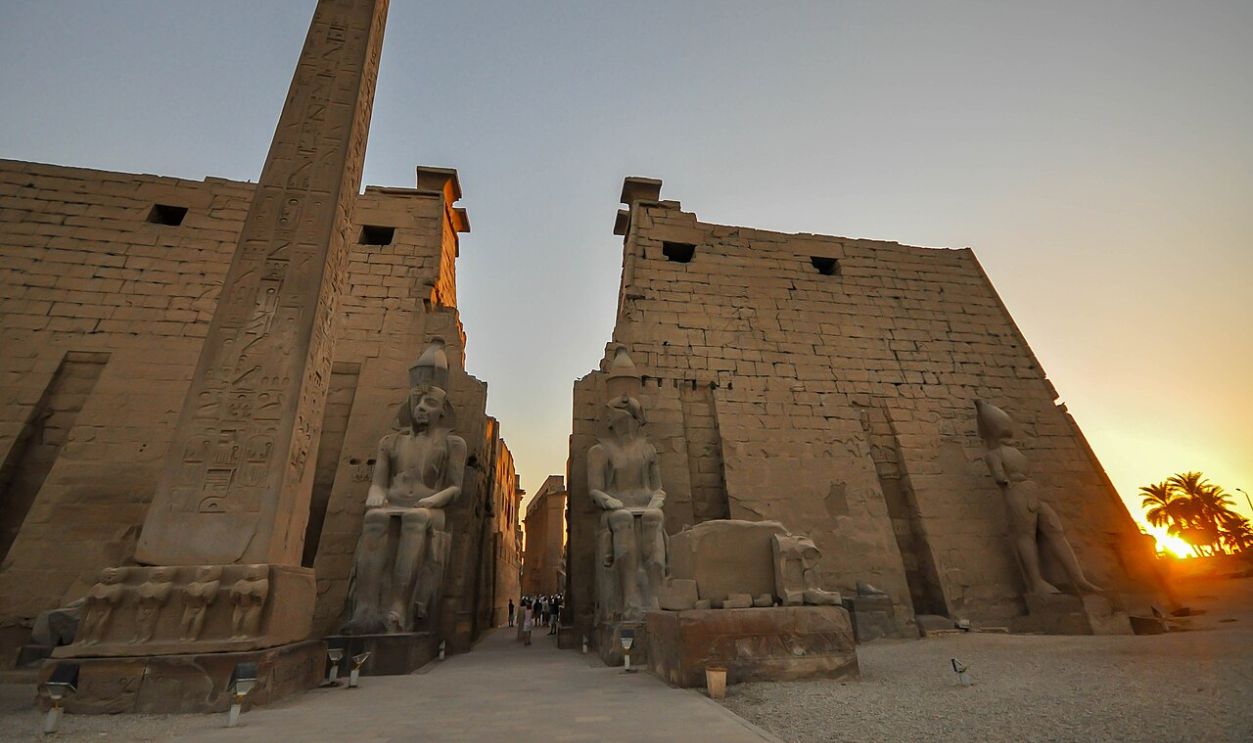
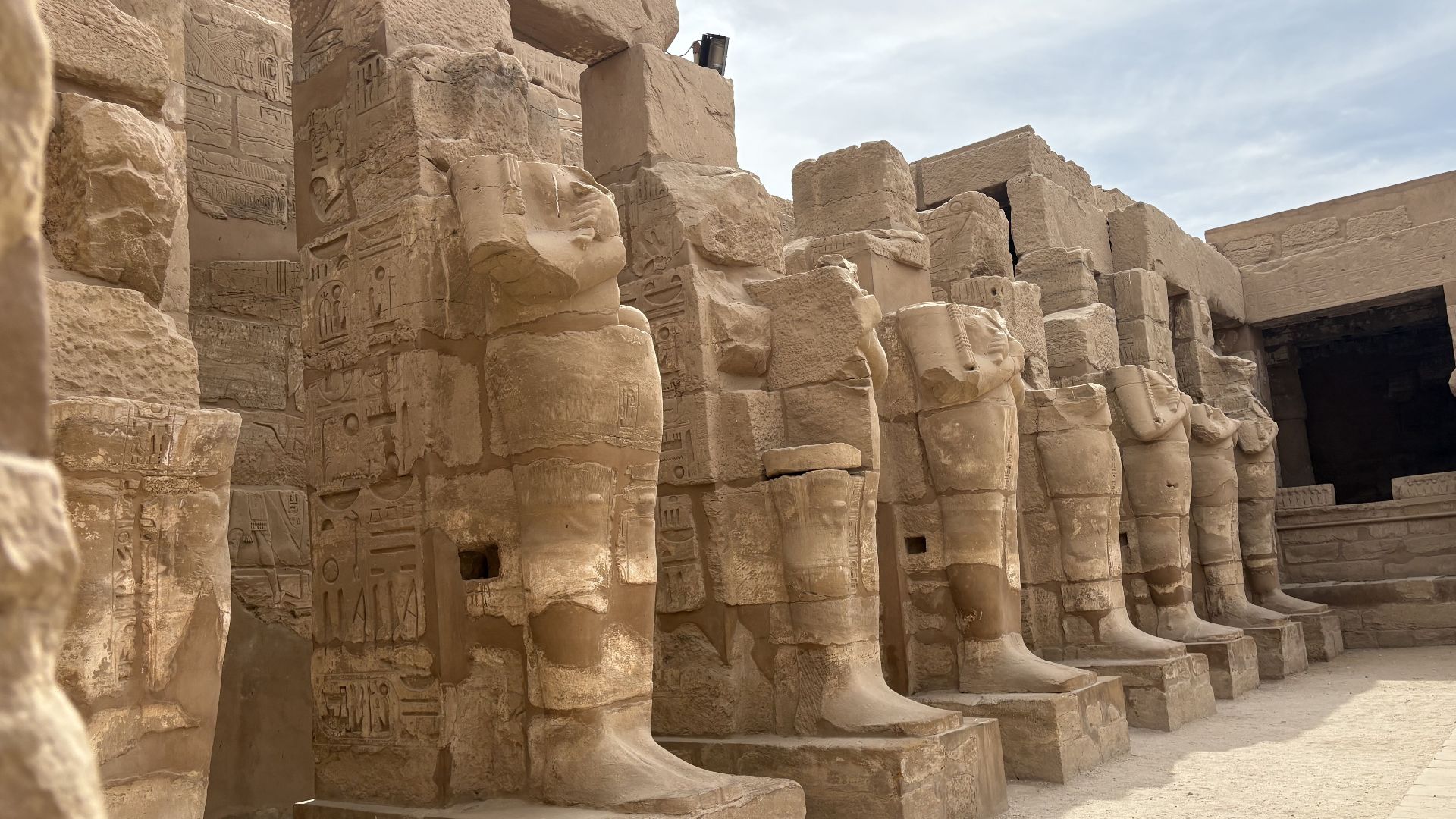
Karnak was ancient Egypt's spiritual powerhouse, covering over 200 acres along the Nile's east bank near Luxor. The Egyptians called it Ipet-isut, meaning "The Most Select of Places," and they weren't exaggerating. For over 1,500 years, pharaohs poured fortunes into expanding this massive religious complex.
 Rene Hourdry, Wikimedia Commons
Millennium Construction
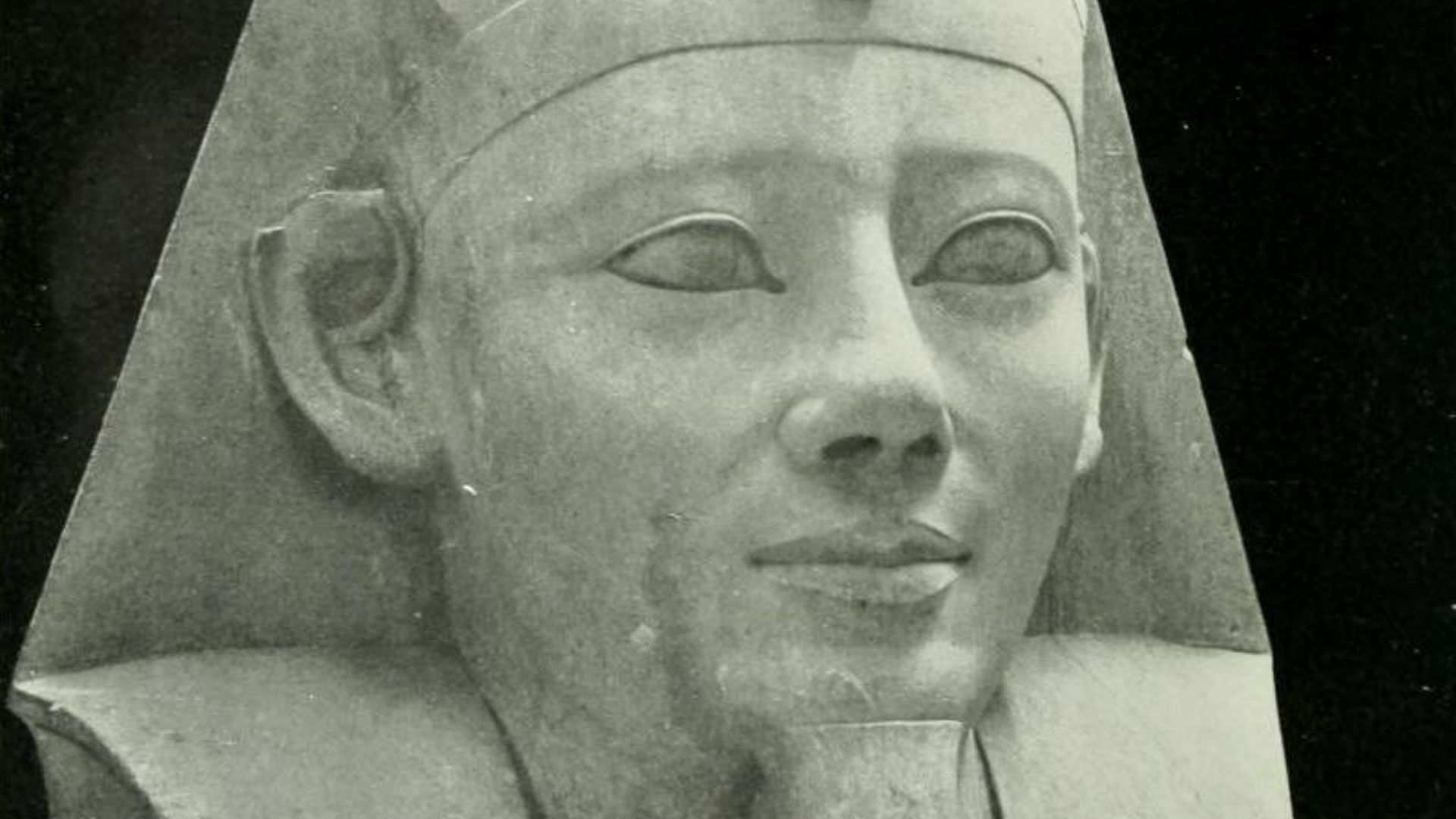
Around 2055 BCE, Pharaoh Senusret I erected a modest shrine for the god Amun, unknowingly launching construction that would span two millennia. What began as simple stone walls turned into roughly thirty successive pharaohs added their architectural signatures—towering pylons, colossal statues, and obelisks piercing the sky.
 W. M. Flinders Petrie (1853-1942), Wikimedia Commons
Theban Pantheon
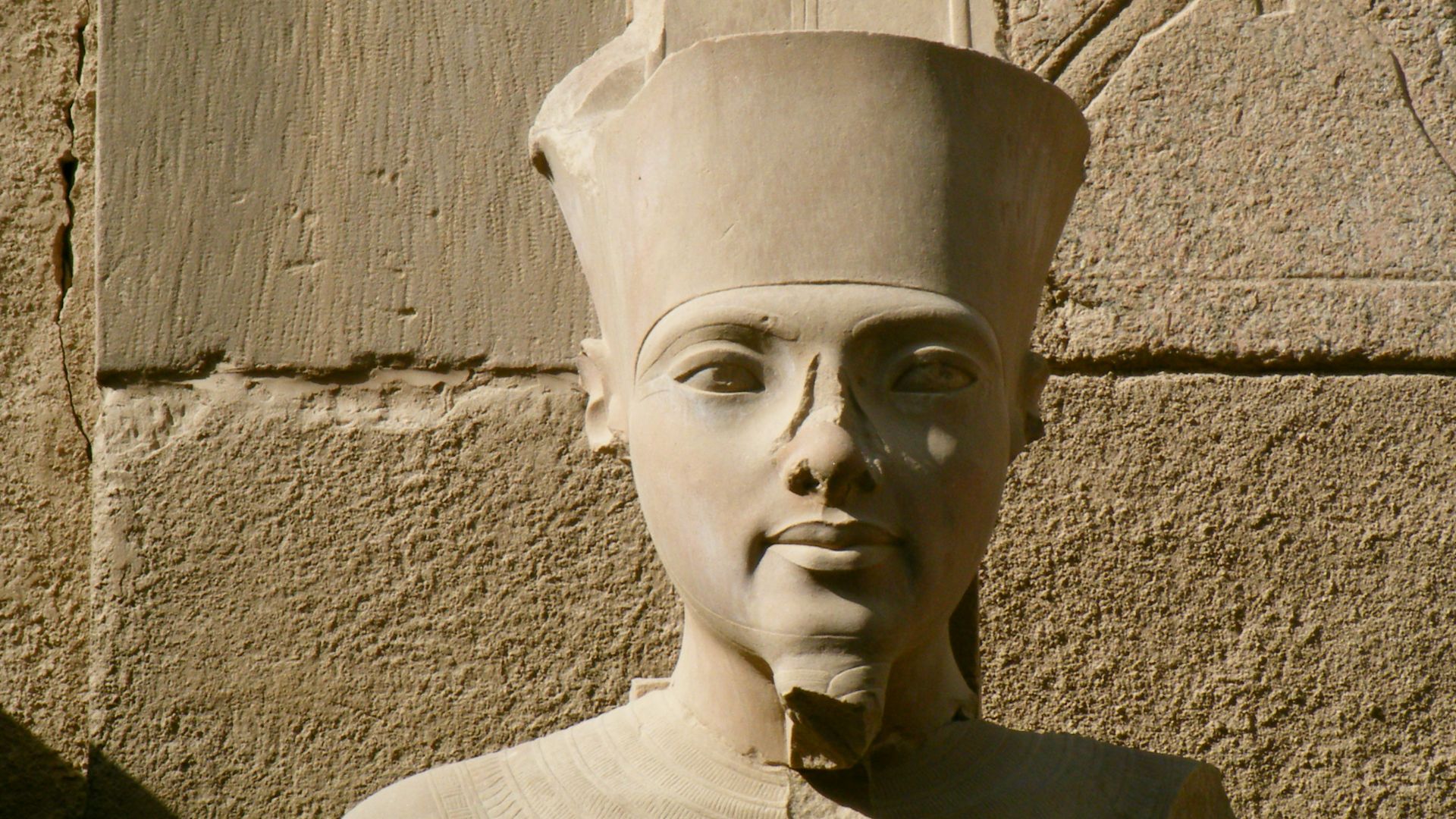
The divine residents of Karnak formed Egypt's most influential religious family during the New Kingdom period. Amun-Ra reigned as "King of the Gods" and "The Hidden One," his name reflecting mysterious creative forces beyond human comprehension. Alongside him stood Mut, the fierce mother goddess often depicted with a lioness head.
 joepyrek from Richmond, Va, USA, Wikimedia Commons
Divine Family
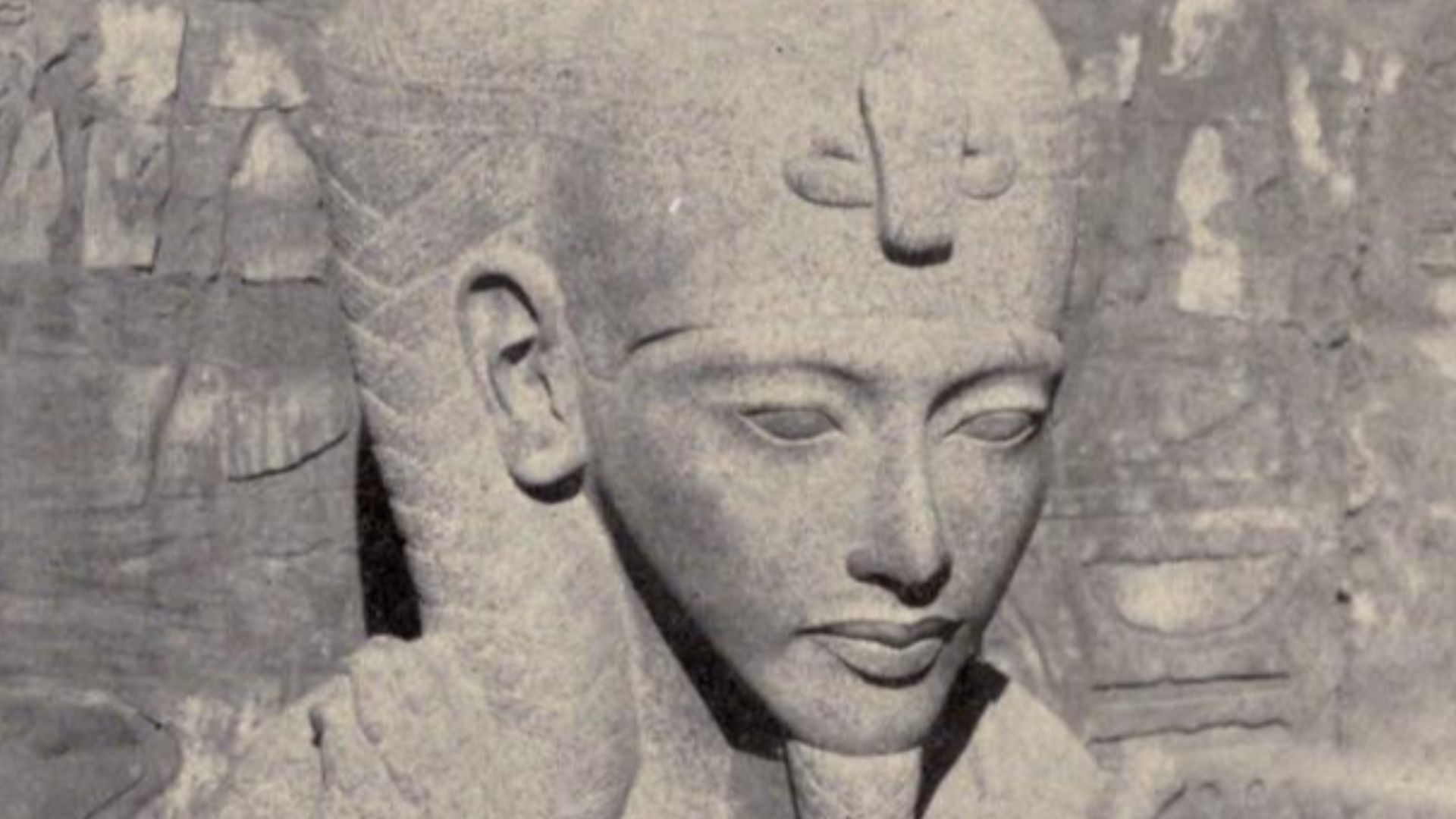
Completing this celestial household was Khonsu, the eternally youthful moon god described with a distinctive childhood sidelock of hair and crowned with lunar disks. This divine triad mirrored Egyptian family structures—father, mother, child—making cosmic powers relatable to everyday worshippers who saw their own households reflected in heaven.
 Arthur Weigall (1880 - 1934), Wikimedia Commons
Amun's Domain
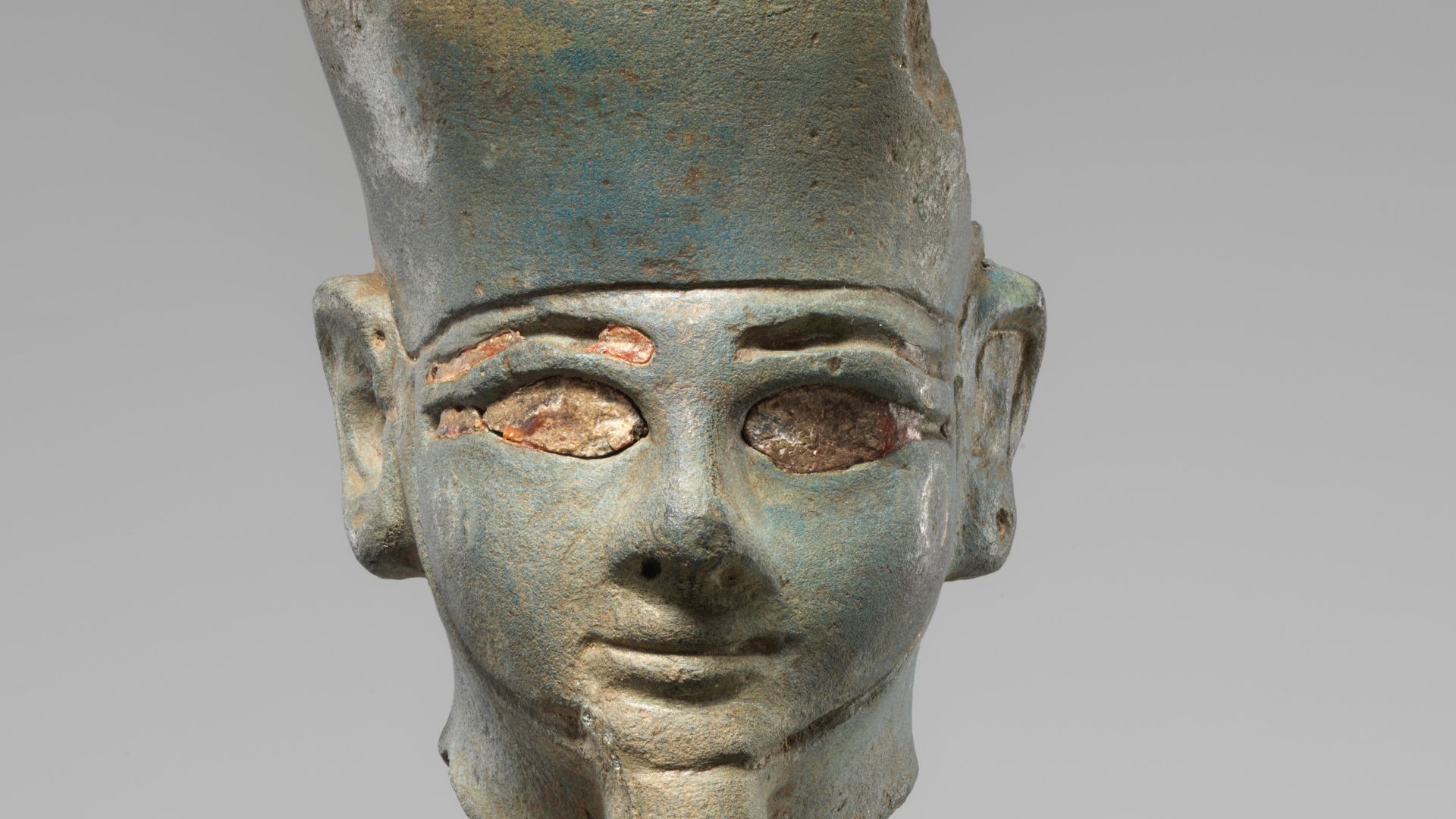
Amun started as an obscure local deity before priests cleverly merged him with the ancient sun god Ra, creating the composite Amun-Ra. By the New Kingdom, his priesthood controlled wealth rivaling that of the pharaohs, managing vast temple estates, agricultural lands, and treasure houses filled with tribute from military conquests.
Moon God
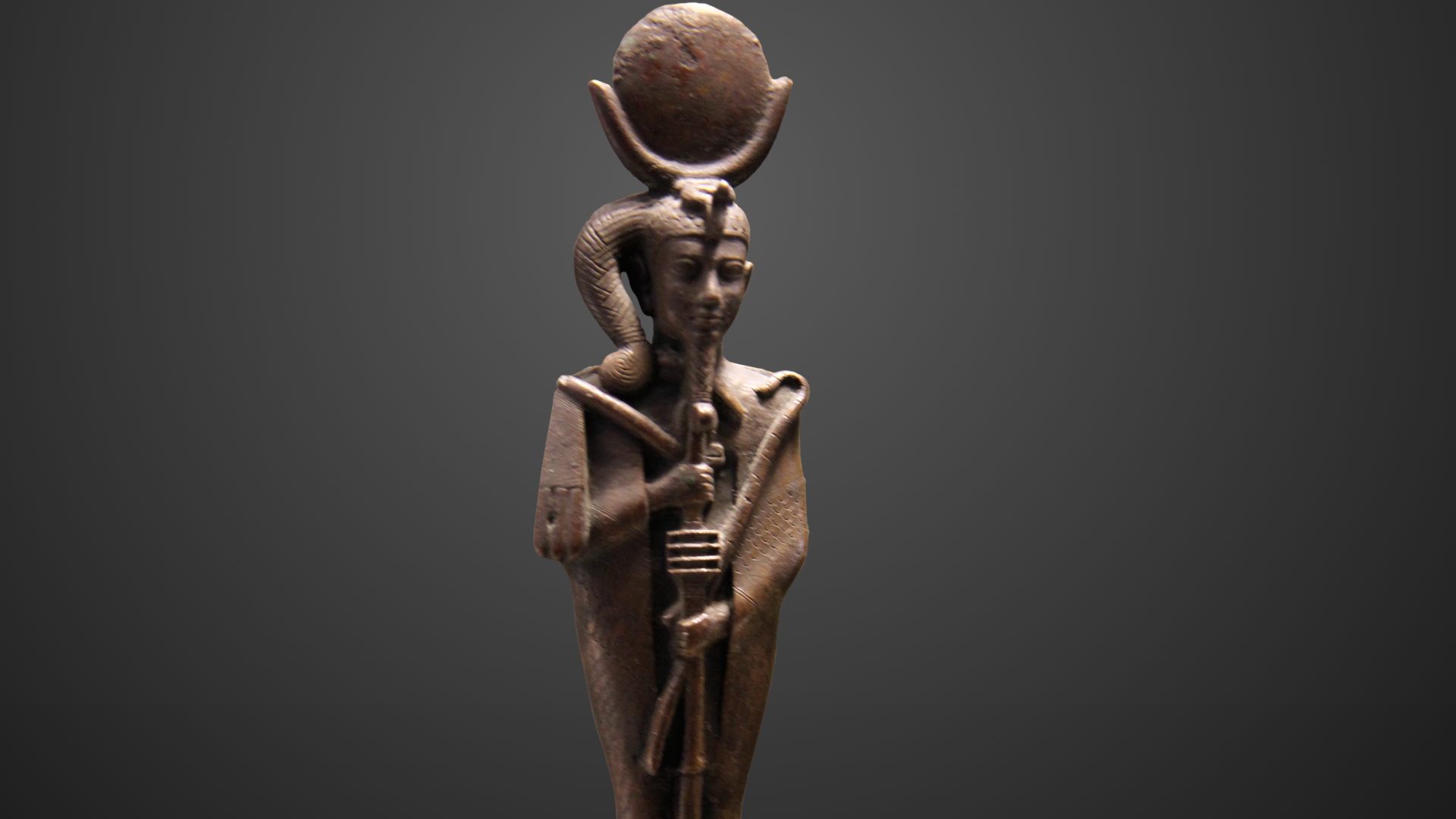
Khonsu possessed extraordinary healing abilities and wielded power over evil spirits, making him one of Egypt's most beloved protector deities. Ancient Egyptians associated his monthly transformation with the lunar cycle's waxing and waning phases. Legend claimed he wagered portions of his moonlight against the wisdom god Thoth.
Dynasty Decline
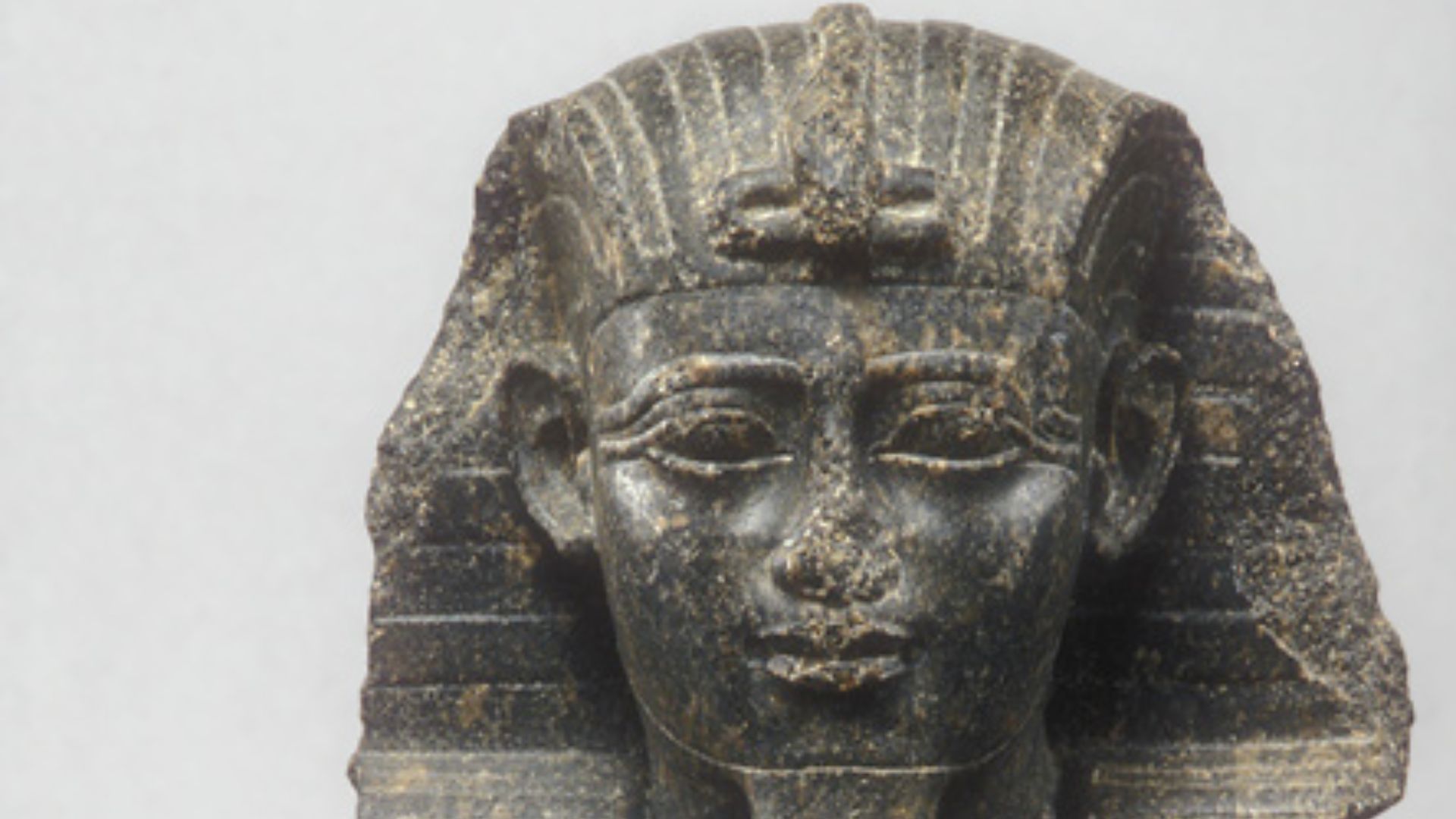
By 664 BCE, Egypt faced its twilight years as an independent civilization, having endured Nubian rule and devastating Assyrian invasions that shattered political unity. Psamtik I emerged from the chaos, declaring independence and launching the 26th Dynasty, which would be Egypt's final chapter of native rule before Persian conquest.
Saite Rulers
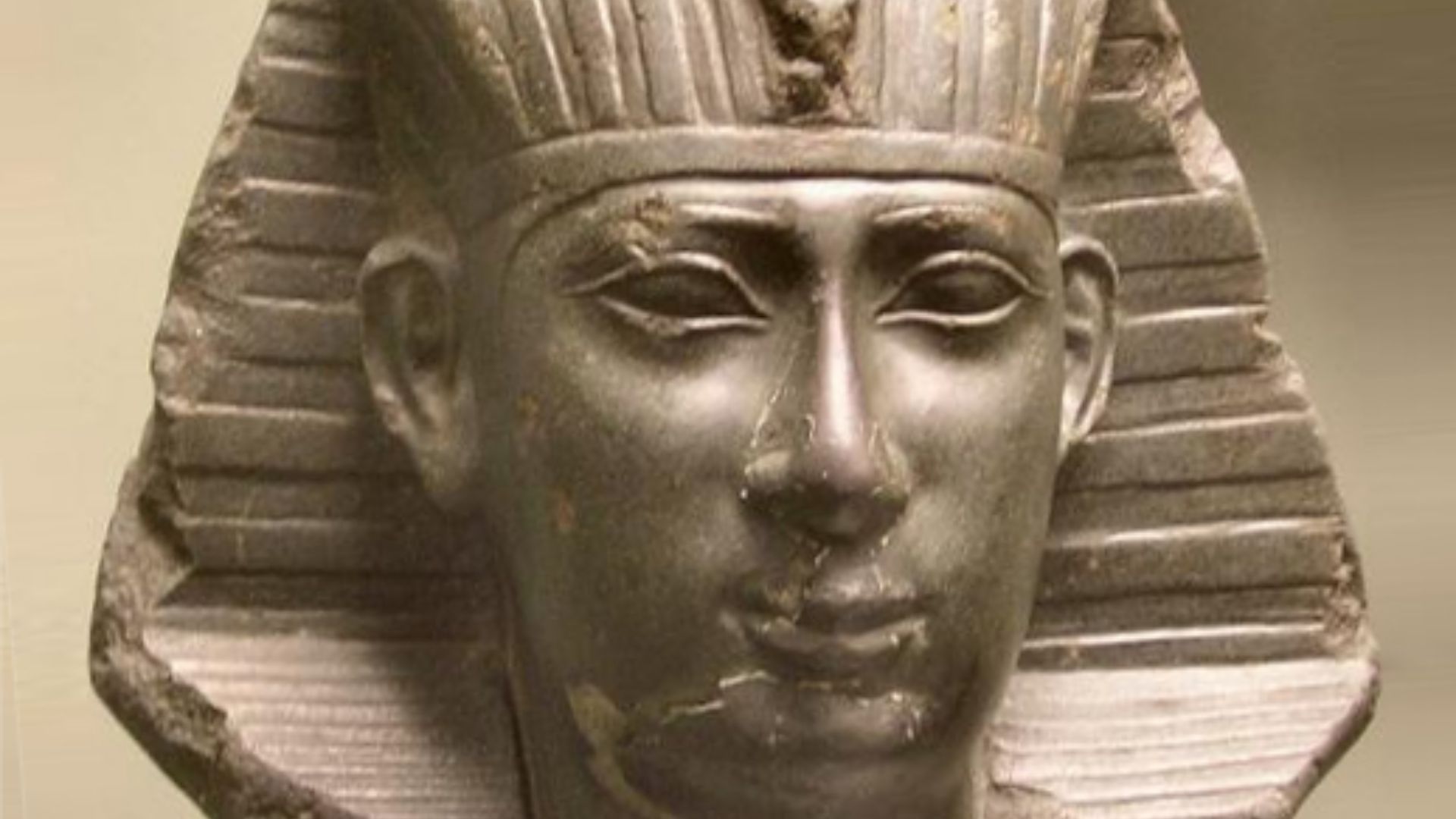
The Saite pharaohs governed from Sais in the western Nile Delta, implementing sweeping governmental reforms and reorganizing military forces with Greek mercenaries to counteract traditional warrior classes. These rulers achieved remarkable stability and prosperity despite Egypt's diminished international standing.
 Jona Lendering, Wikimedia Commons
Persian Threat
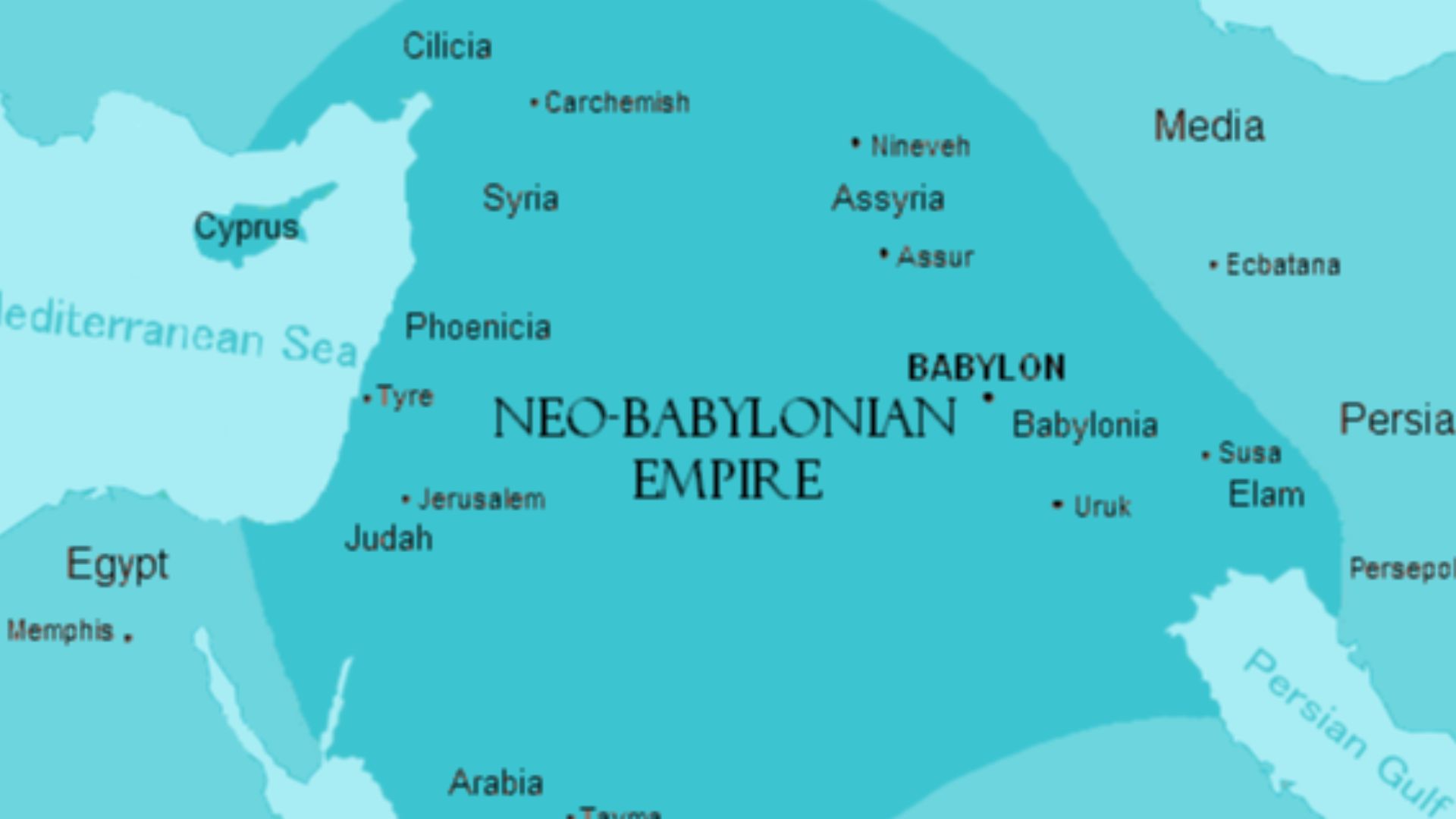
After Assyria's collapse in 612 BCE, Babylonia emerged as Egypt's primary adversary, briefly invading in 568 BCE during internal civil conflict. The Saite pharaohs formed a desperate alliance with Babylon against the rising Persian Empire, but diplomatic maneuvering proved futile against Persia's military juggernaut.
Artistic Revival
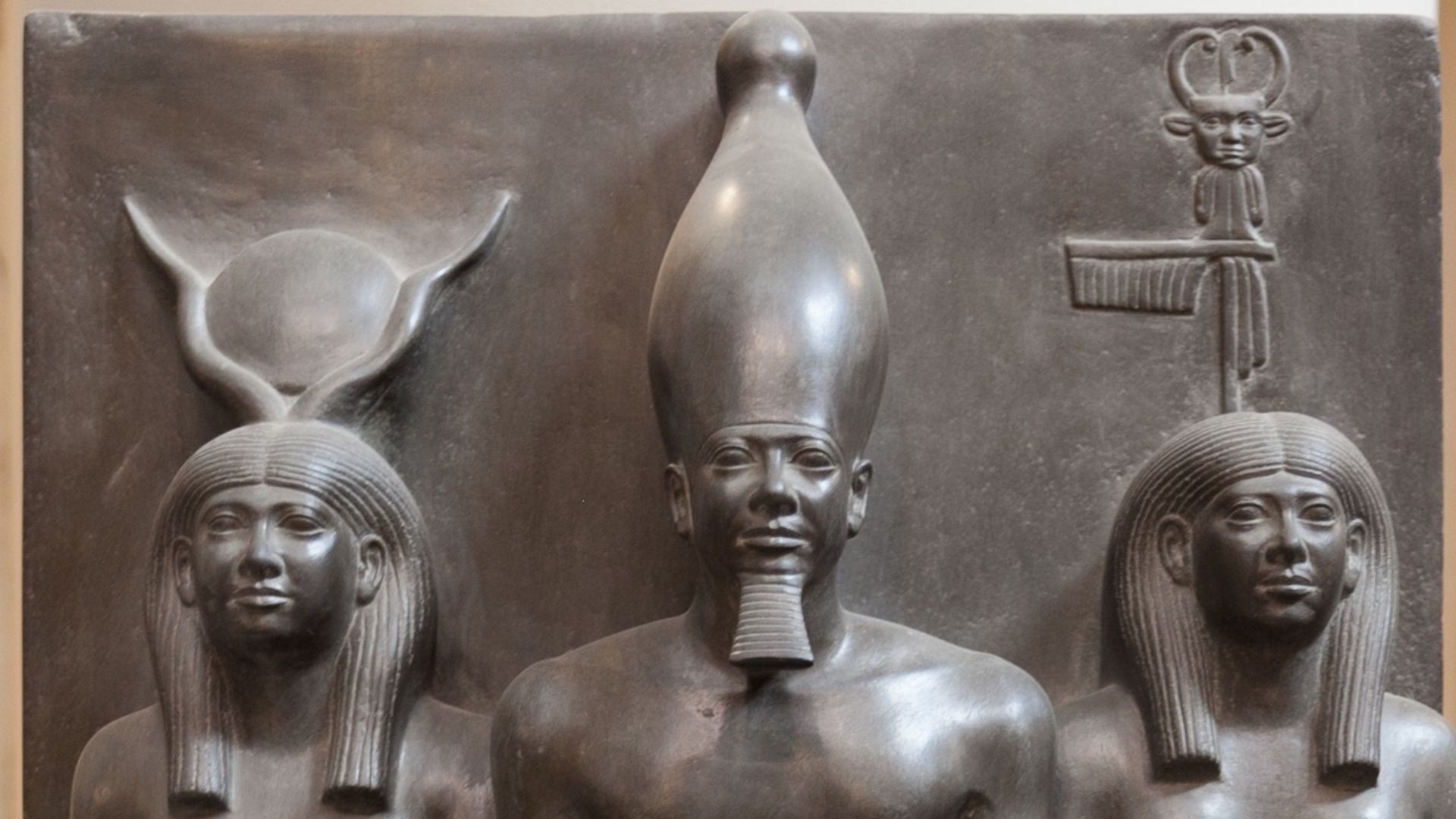
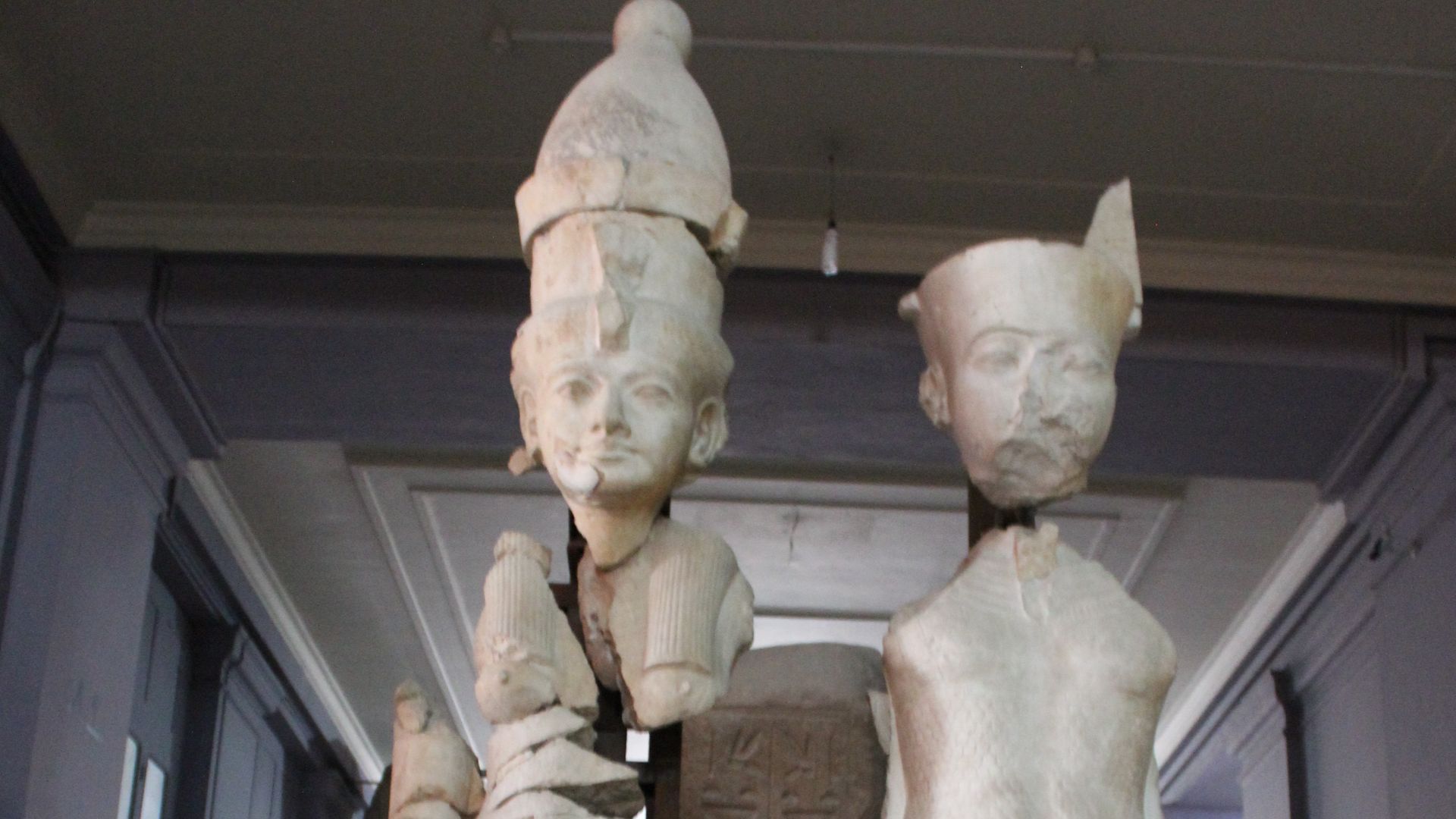
Facing political uncertainty and foreign domination's looming shadow, Saite artisans deliberately looked backward, meticulously studying monuments from the Old Kingdom created over 2,000 years earlier. They copied ancient sculpture styles with such precision that modern archaeologists sometimes struggle to distinguish Saite works from their millennium-old models.
 en:User:Chipdawes, Wikimedia Commons
Northwest Precinct
The Egyptian-French archaeological team focused their February 2025 excavations on Karnak's northwestern sector, an area archaeologists suspected housed administrative facilities and storage buildings rather than ceremonial spaces. This location proved significant because discoveries here suggested temple treasury or workshop operations.
 Jorge Lascar from Melbourne, Australia, Wikimedia Commons
Egyptian-French Mission
Dr Abdel-Ghaffar Wagdy directed the Egyptian contingent, while Dr Jeremy Hourdin led the French specialists in this international partnership combining Egyptian expertise in local history with French technical specialization. The Egyptian-French Centre for the Study of Karnak Temples collaborated with Egypt's Supreme Council of Antiquities.
Broken Vessel
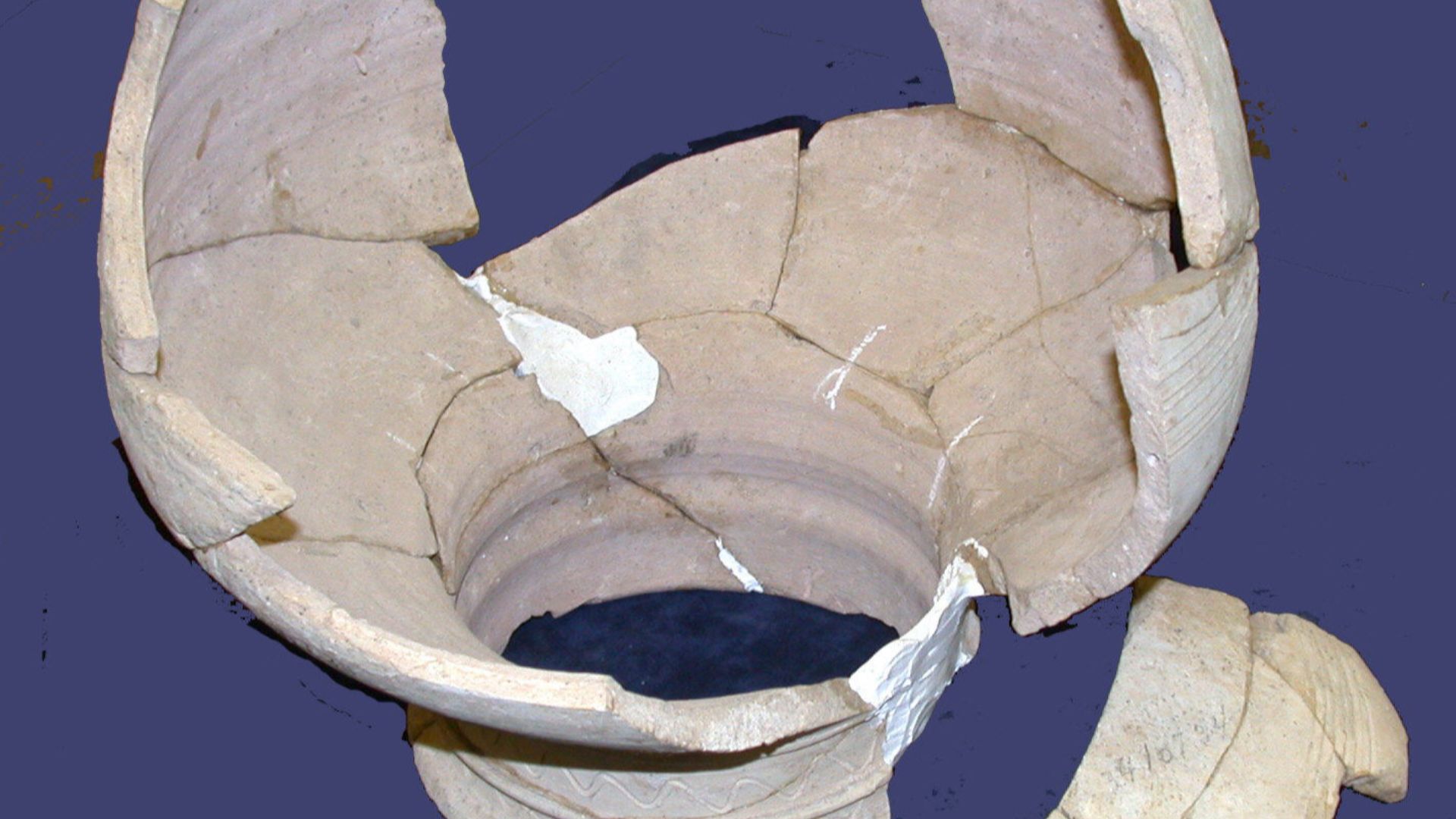
Excavators unearthed a partially shattered ceramic pot buried beneath stone blocks, its fractured condition actually preserving the contents in a pristine state for 2,600 years. The vessel dates precisely to the 26th Dynasty period between 664–525 BCE, placing it during Egypt's final native rulers' desperate reign.
Golden Triad
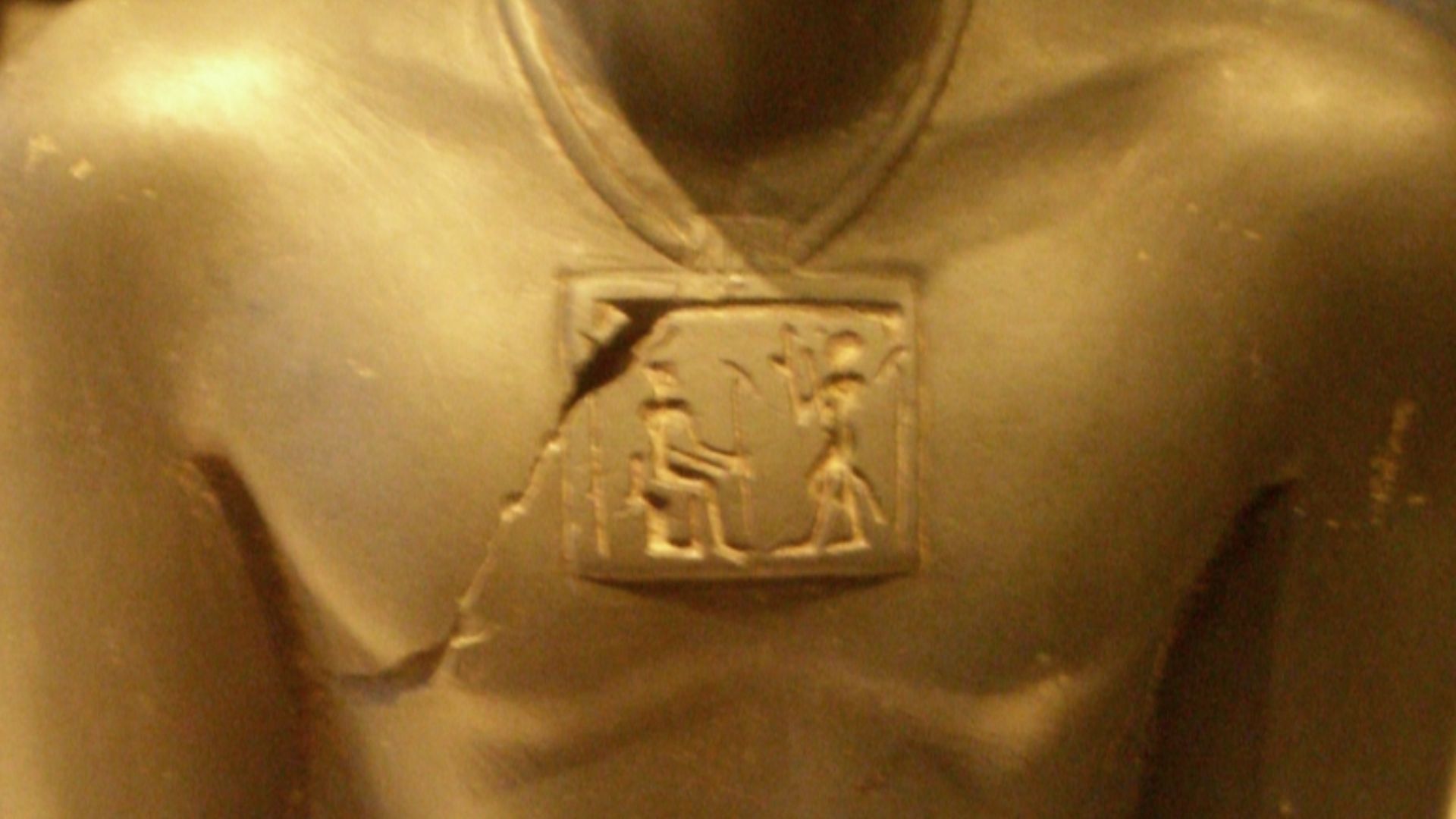
Inside the vessel lay a spectacular golden statuette depicting Amun, Mut, and Khonsu standing side-by-side in full divine regalia, their forms intricately carved despite the miniature scale. This wasn't decorative art. The statuette likely functioned as a wearable amulet, perhaps suspended from a necklace.
Protective Charms
Beyond the triad statuette, archaeologists discovered numerous small gold amulets carved with divine figures and sacred symbols, each designed to channel specific supernatural powers to the wearer. Ancient Egyptians believed amulets physically transferred divine energy, creating tangible magical shields around vulnerable human bodies.
Wadjet Amulets
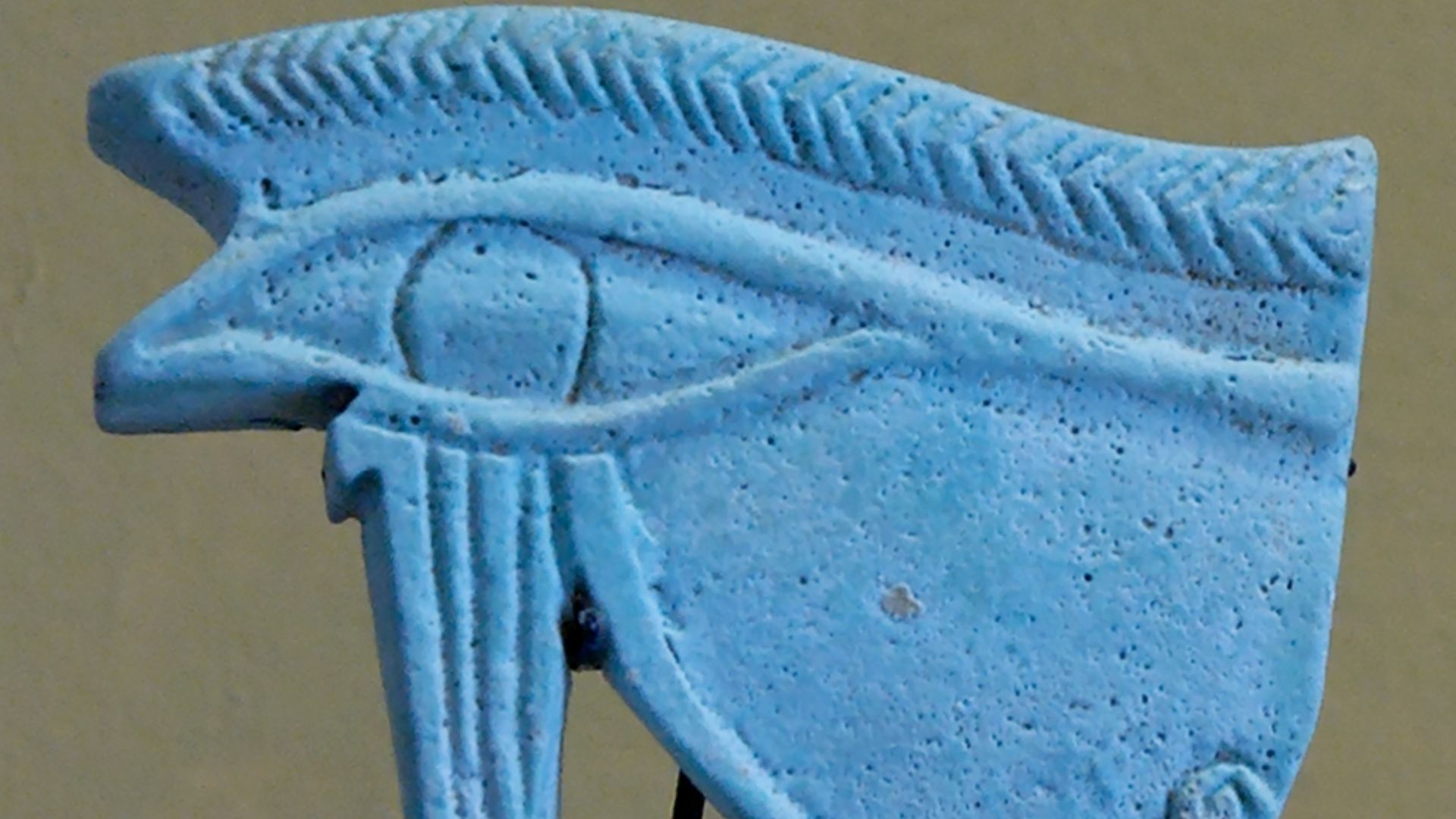
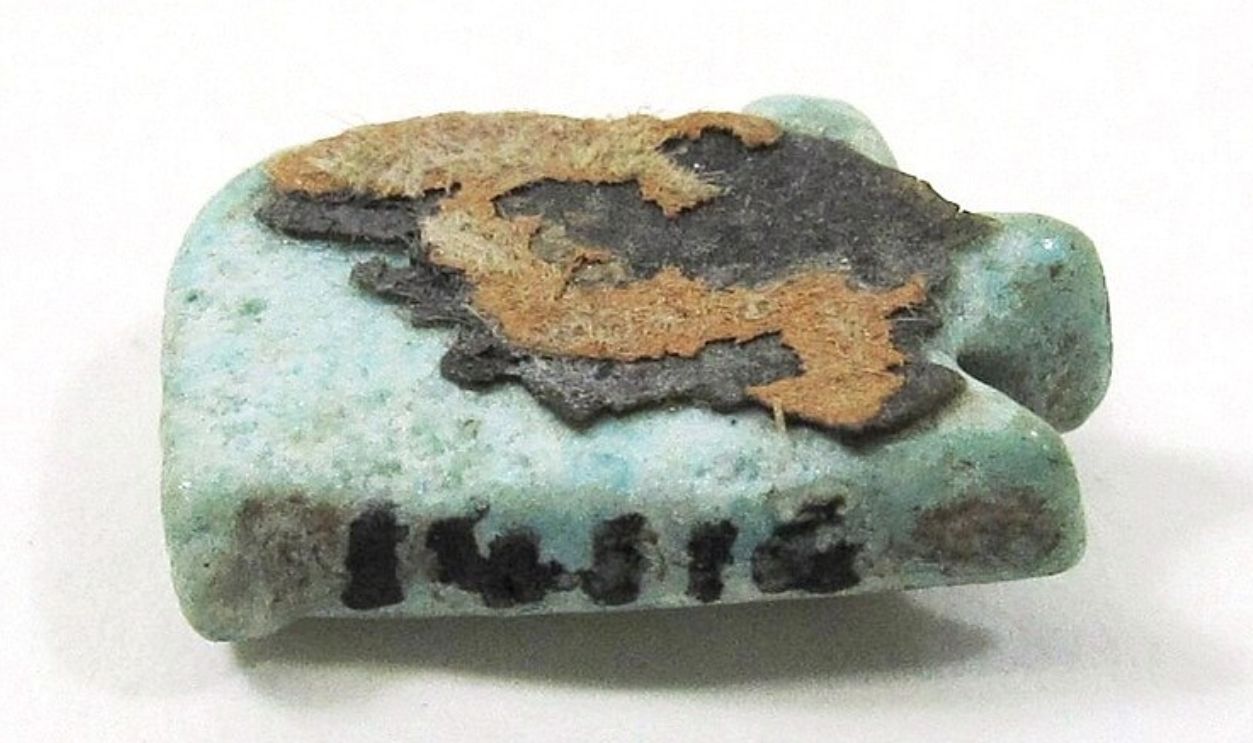
Several eye-shaped amulets filled the vessel, representing the wadjet or Eye of Horus. This was one of ancient Egypt's most consistently popular protective symbols from 2200 BCE through Roman times. The design combined human and falcon eye features, referencing the myth where the god Seth destroyed Horus's eye during their cosmic battle.
Healing Powers
The wadjet amulets specifically conveyed regeneration and recovery abilities, with Egyptologist Shelby Justl explaining that such objects were "thought to protect their wearer and to transfer the power of regeneration onto him or her”. Ancient Egyptians drew them on papyrus for temporary protection during childbirth or illness.
 Unknown Author, Wikimedia Commons
Temple Treasures
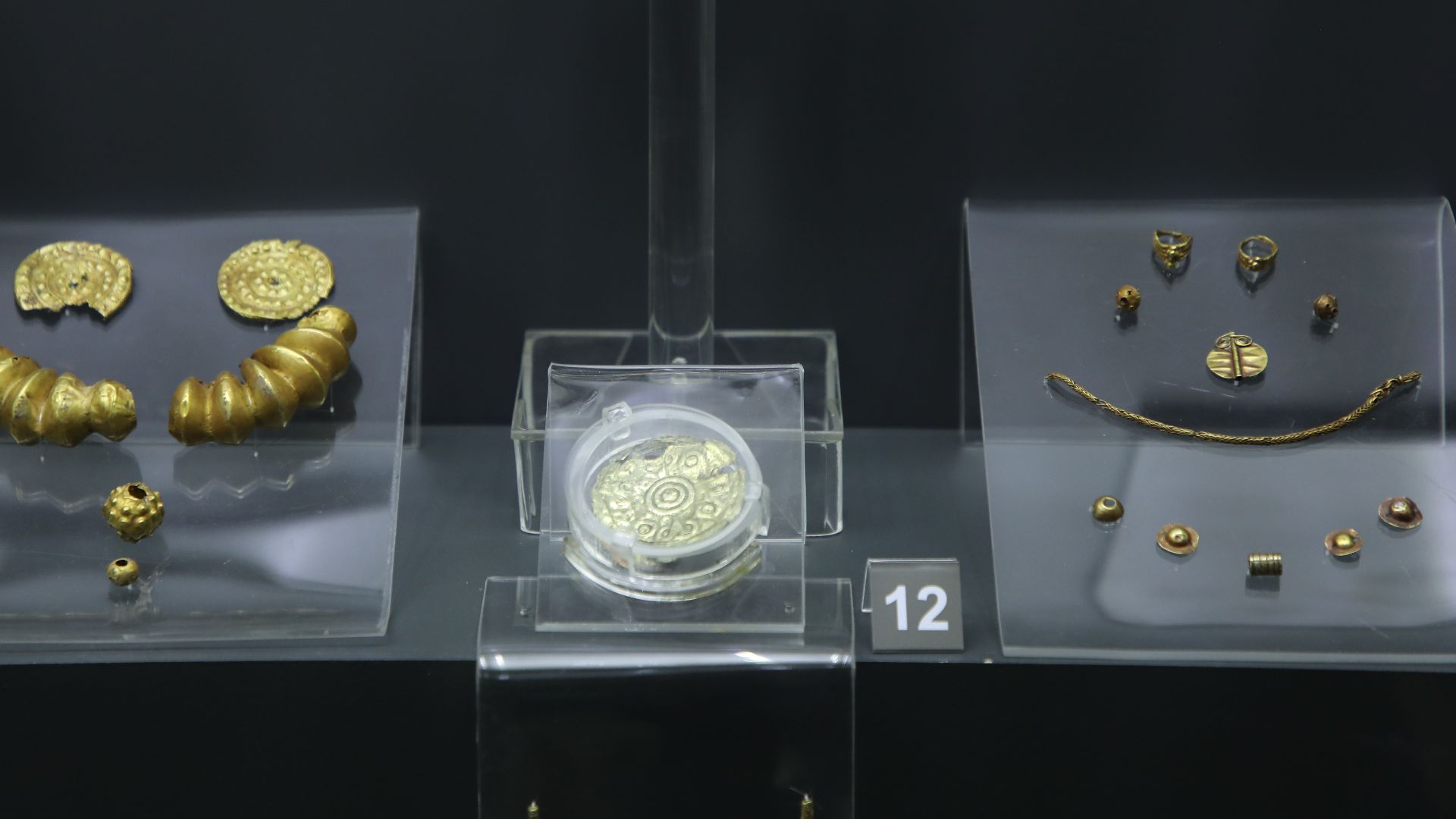
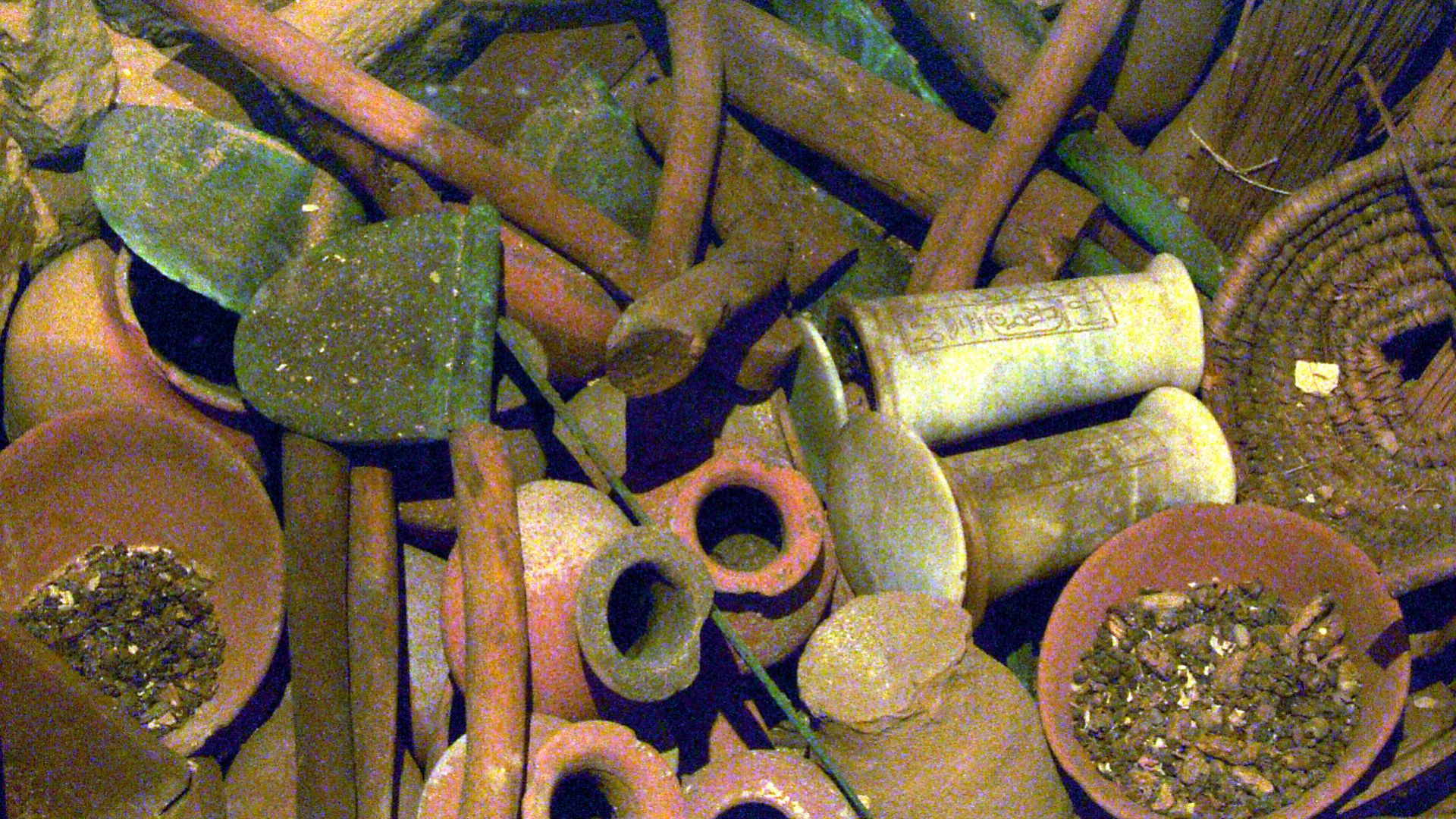
Alongside amulets, excavators found gold-plated beads that once formed necklaces, their surfaces still gleaming after millennia underground in Karnak's dry soil. The hoard included rings crafted from gold and other metals. Each piece reflected the extraordinary metalworking skills of Saite-period artisans.
Workshop Discovery
Adjacent to the treasure's location, archaeologists uncovered mudbrick structures dating to the same 26th Dynasty period. These were believed to have functioned as workshops or storage facilities connected to Karnak's temple construction and maintenance operations. These buildings revealed the complex infrastructure supporting Egypt's religious centers.
 Jorge Lascar from Melbourne, Australia, Wikimedia Commons
Hidden Purpose
Scholars remain divided over why someone deliberately concealed these treasures beneath Karnak's stones during Egypt's final native dynasty. Peter Brand, historian at the University of Memphis, suggests the objects were hidden for safekeeping during political unrest as Persian armies approached Egypt's borders.
Ritual Deposit
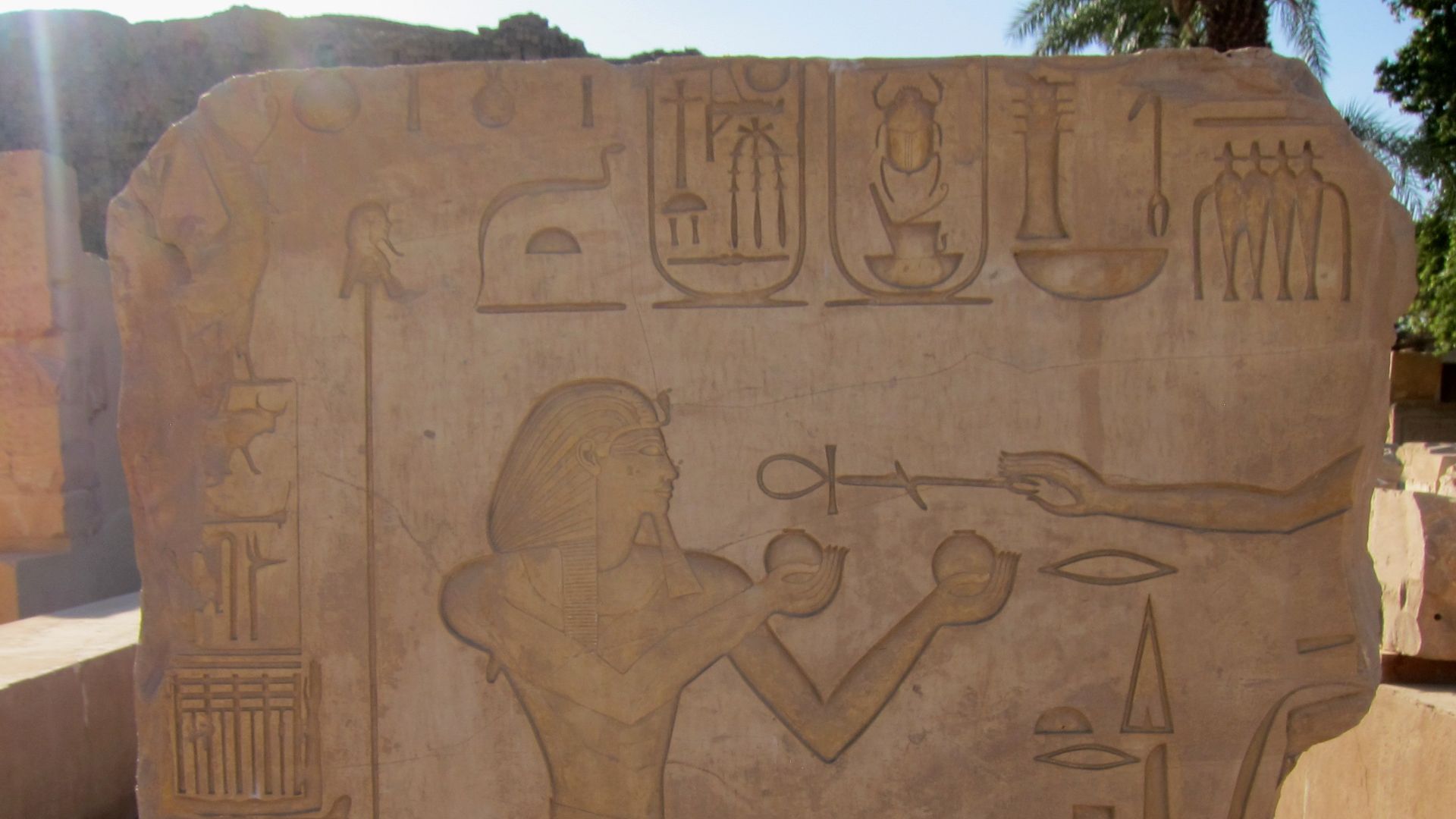
Foundation deposits were common practice in Egyptian temple construction, where priests ceremonially buried precious objects beneath cornerstones, doorways, or significant architectural elements before building above them. These weren't offerings requesting divine favor but deliberate infusions of sacred energy into the physical structure itself.
Preserved Legacy
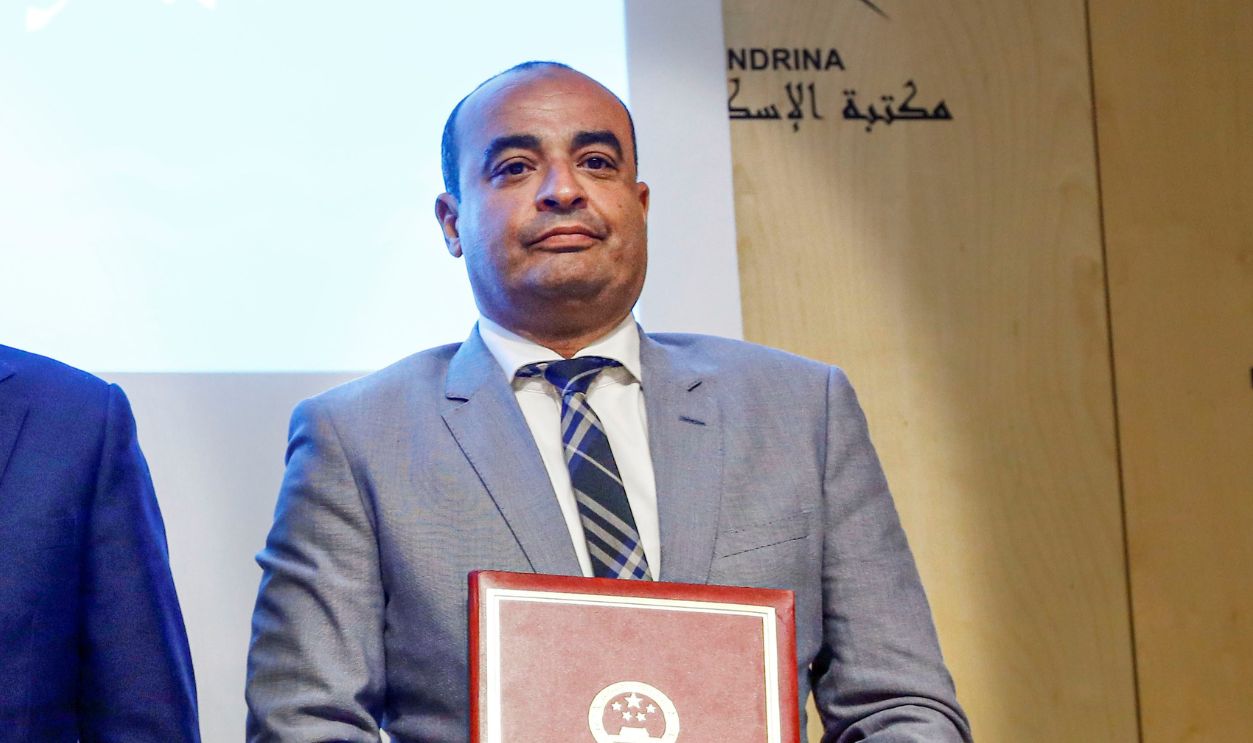
Mohamed Ismail Khaled, Secretary-General of Egypt's Supreme Council of Antiquities, declared this “a very important discovery because it provides a clearer understanding of the historical development of the Karnak Temples during the first millennium BCE”. The find illuminates a critical transitional period when Egyptian civilization faced existential threats.
 Xinhua News Agency, Getty Images
Luxor Museum
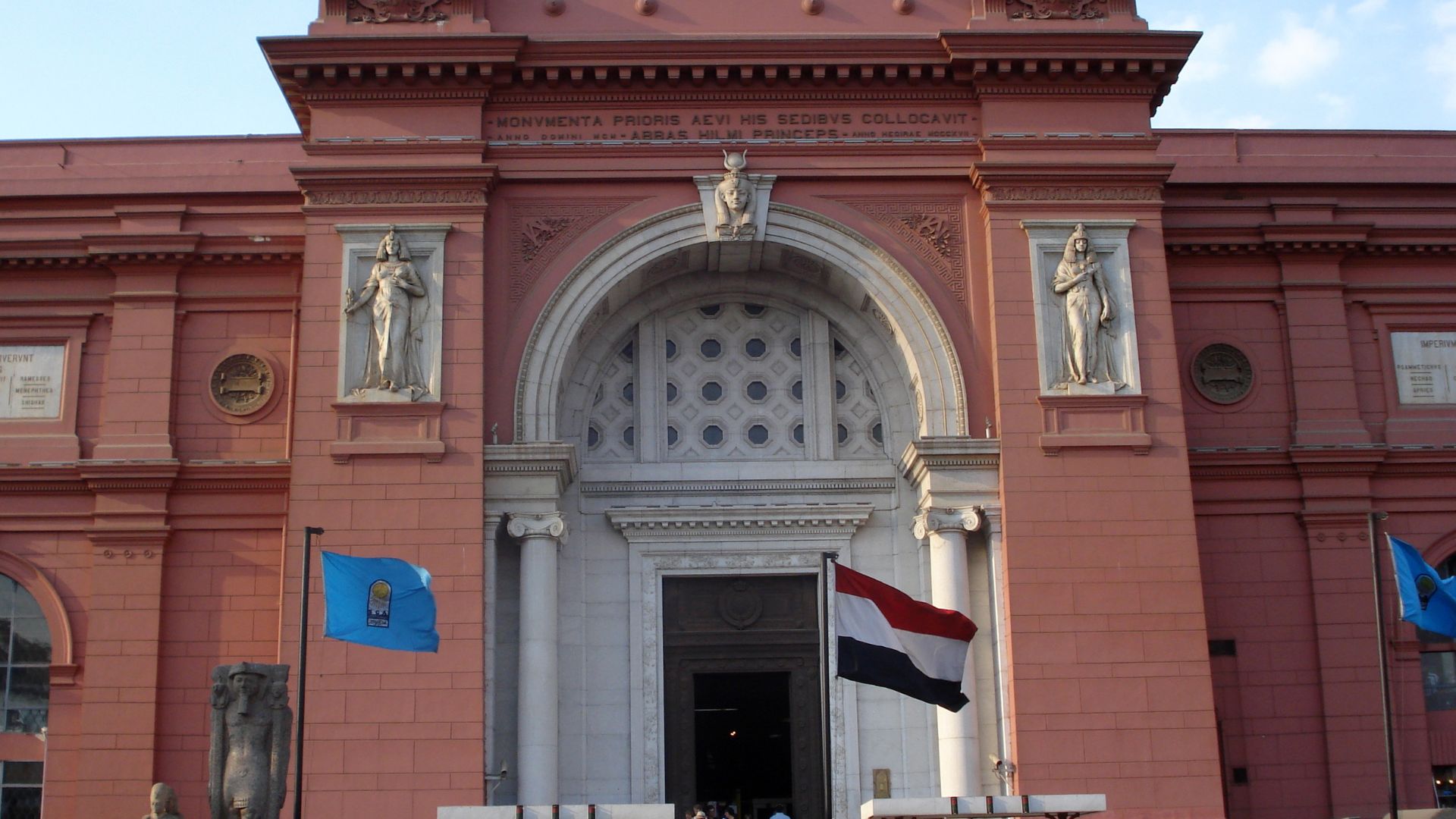
Following documentation and careful restoration work, the discovered artifacts are destined for display at the Luxor Museum, which already houses extensive collections from Karnak Temple excavations. This purpose-built facility near the ancient sites provides climate-controlled environments protecting delicate ancient materials from Egypt's harsh conditions.
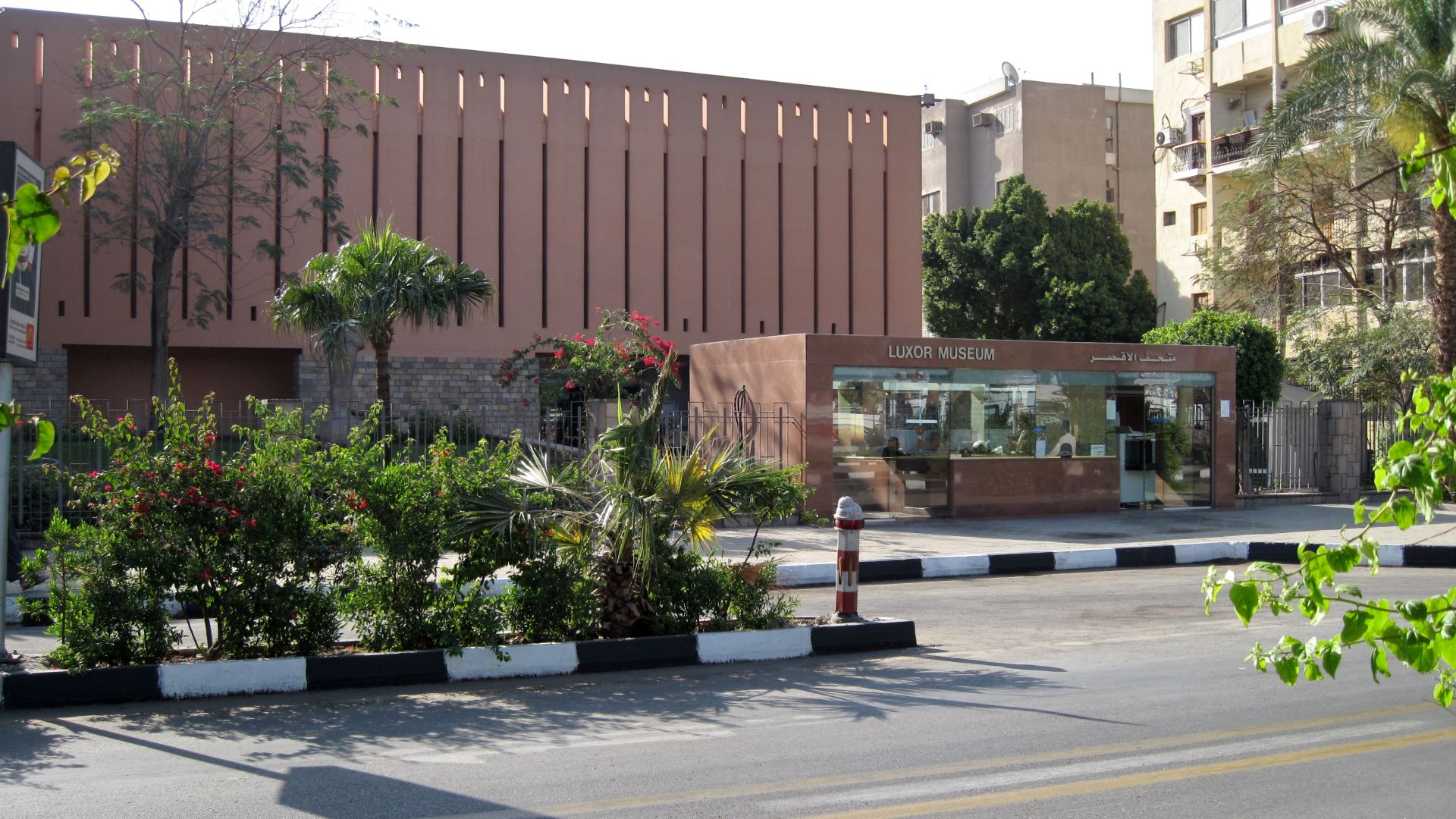 Olaf Tausch, Wikimedia Commons
Archaeological Significance
This discovery represents far more than beautiful objects—it's a window into the spiritual anxieties and cultural priorities of Egypt's final native rulers facing inevitable foreign conquest. The 26th Dynasty's artistic revival, evidenced in these carefully crafted pieces, reveals a civilization consciously preserving its identity through material culture.





.jpg)
.jpg)