
Wrecking Balls Don't Always Win
History is full of famous buildings that came surprisingly close to disappearing forever. Some were saved by passionate citizens, others by court rulings, landmark designations, or last-minute changes of heart. Today, these architectural treasures still stand as reminders that preserving the past often requires determined people willing to fight for it.

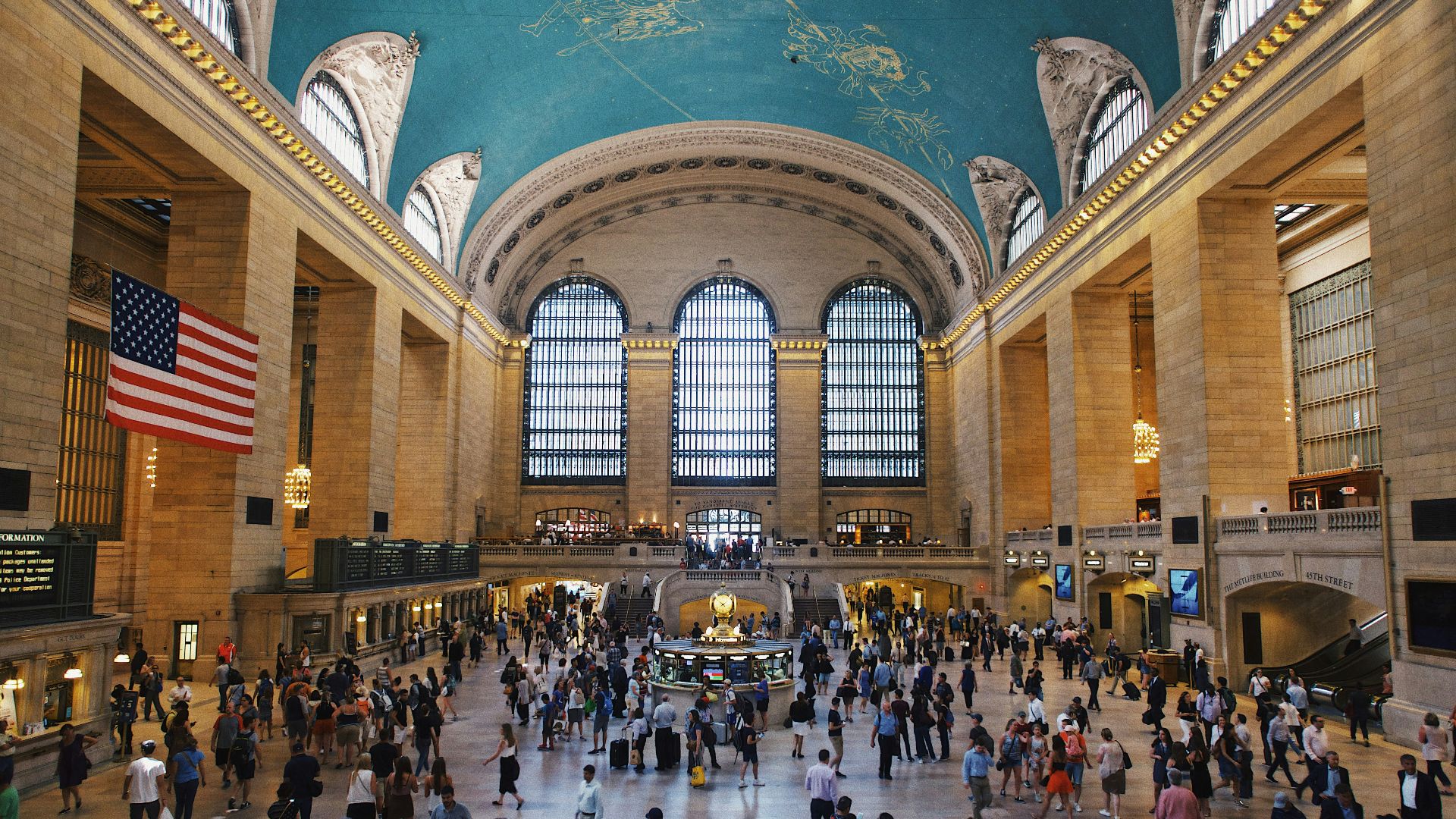
Grand Central Terminal
By the late 1960s, New York's Grand Central Terminal faced serious redevelopment proposals that would have replaced much of the historic station with a skyscraper. Public opposition, led by preservationists including Jacqueline Kennedy Onassis, culminated in the landmark 1978 Supreme Court decision Penn Central Transportation Co. v. New York City. That ruling upheld the city's landmarks law and permanently protected one of America's greatest Beaux-Arts buildings.
Carnegie Hall
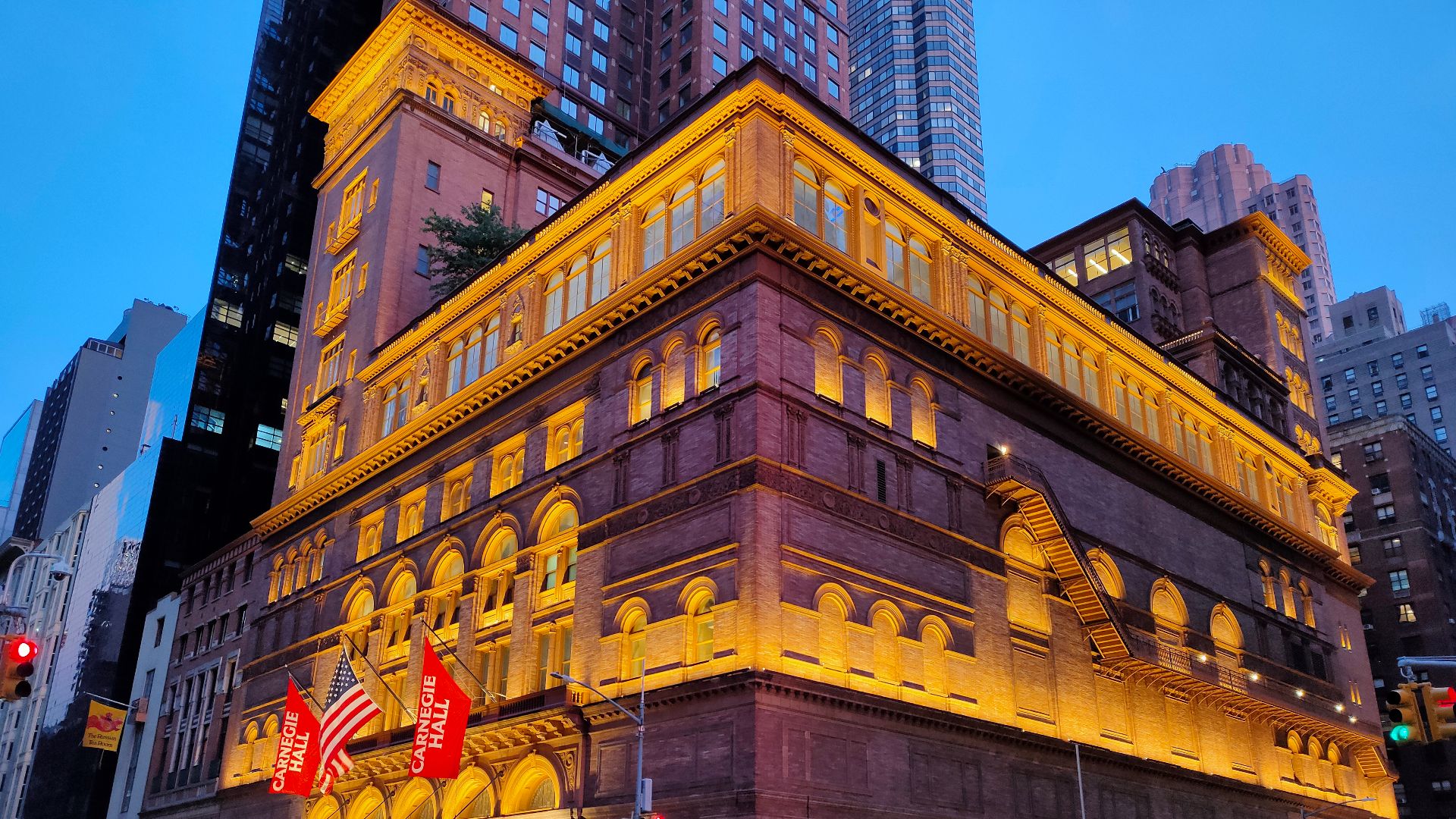
In 1960, Carnegie Hall was slated for demolition after its owners announced plans to replace it with a commercial tower. Violinist Isaac Stern helped organize a public campaign that convinced New York City to purchase the building and preserve it. Today, it remains one of the world's most celebrated concert venues.
 StrangeTraveler, Wikimedia Commons
St. Pancras Station
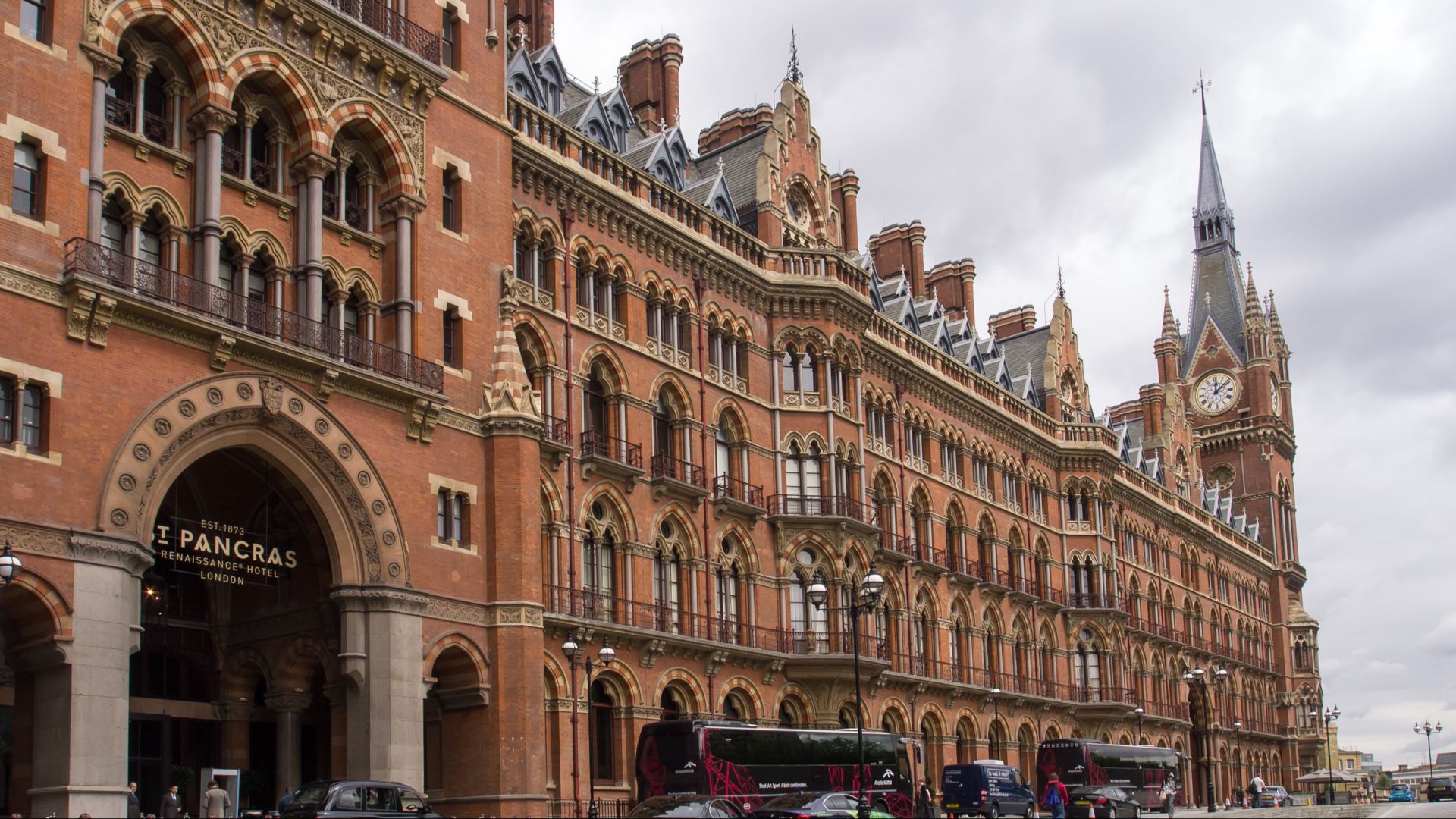
London's St. Pancras Station nearly vanished during the 1960s when British Rail considered replacing the Victorian complex with modern construction. Architectural historian Sir John Betjeman became the public face of the preservation movement that ultimately secured landmark protection. Extensive restoration later transformed the station into the home of Eurostar.
The Eiffel Tower
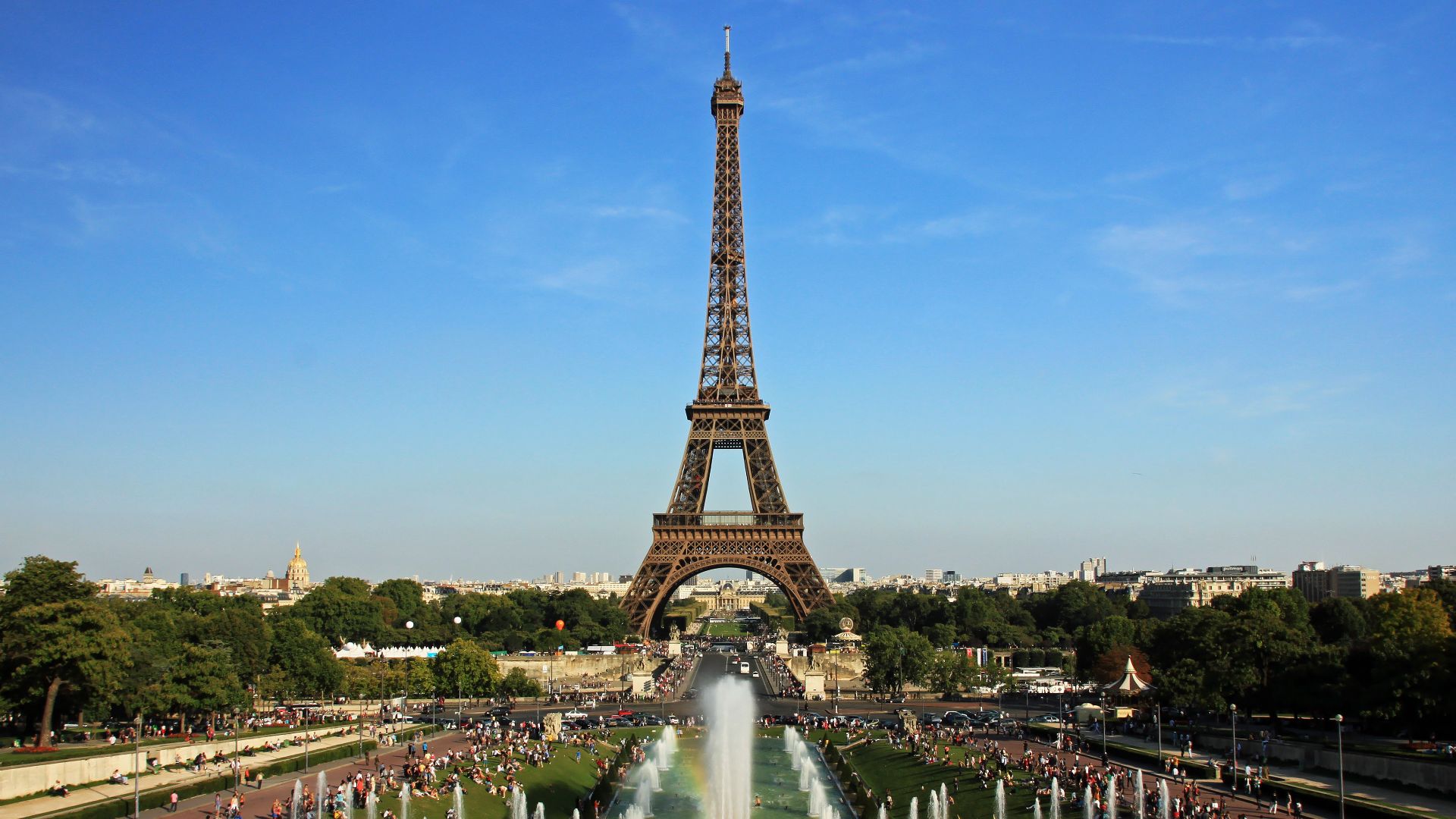
The Eiffel Tower almost disappeared twice. It was originally intended to stand for only 20 years after the 1889 World's Fair, but its usefulness as a radio transmission tower convinced officials to keep it. That practical role ultimately saved what has become France's most recognizable landmark.
 NonOmnisMoriar, Wikimedia Commons
Union Station, Washington, D.C.
By the 1970s, Washington's Union Station had fallen into severe decline, and some proposals favored replacing or dramatically altering the aging terminal. Congress instead approved a major preservation effort, and the station reopened after a comprehensive restoration in 1988. It now serves millions of passengers annually while retaining its Beaux-Arts grandeur.
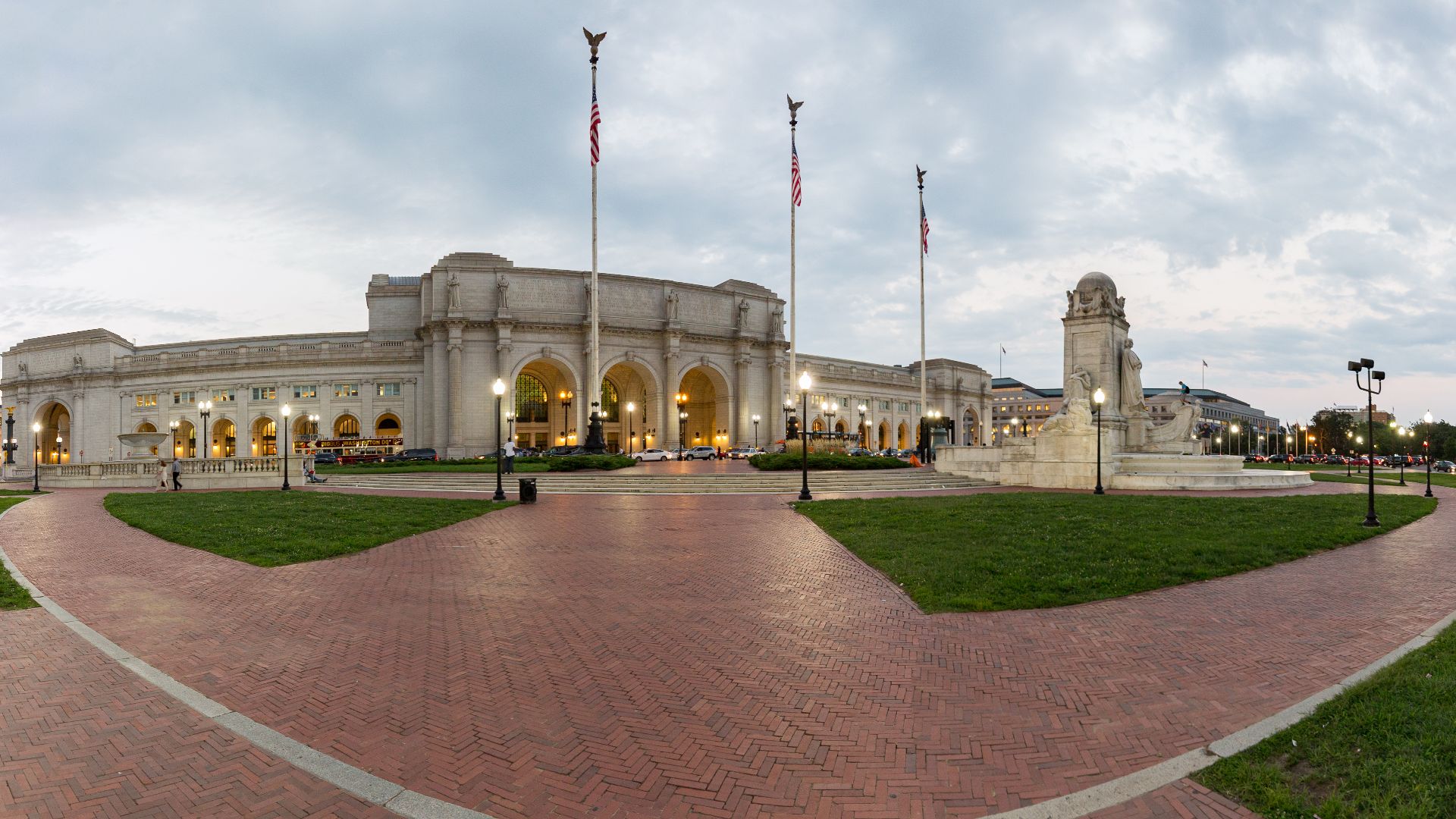 Martin Kraft, Wikimedia Commons
The Rookery Building
Chicago's Rookery Building survived repeated redevelopment pressures throughout the twentieth century as downtown skyscrapers replaced older structures. Landmark designation and growing appreciation for early skyscraper architecture prevented demolition. Careful renovations have preserved both Daniel Burnham's original design and Frank Lloyd Wright's famous lobby remodel.
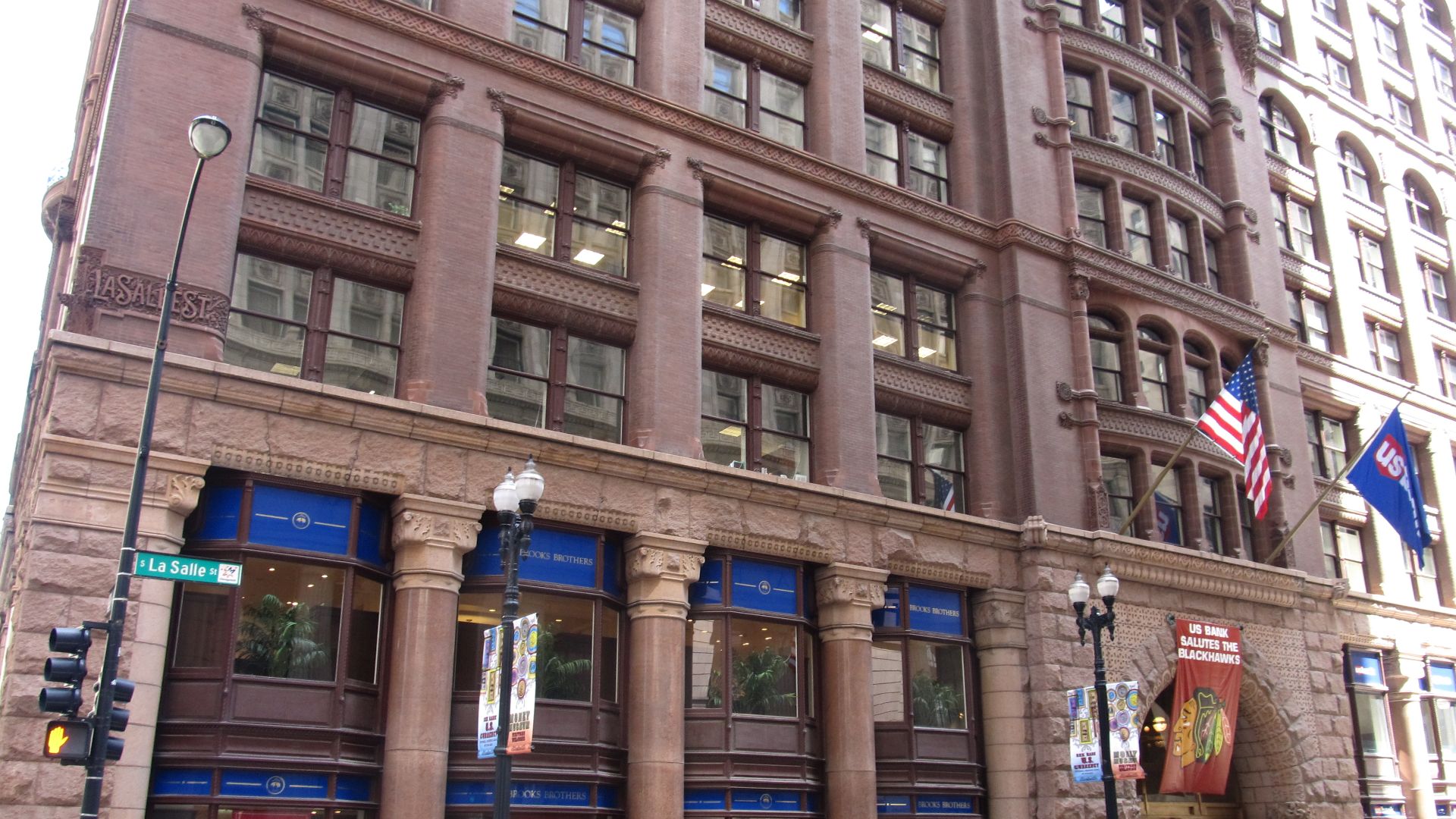 Ken Lund from Reno, Nevada, USA, Wikimedia Commons
The Fox Theatre
Atlanta's Fox Theatre was nearly demolished in the early 1970s to make room for office development. Community members launched the "Save the Fox" campaign, raising millions of dollars and persuading officials to preserve the elaborate 1929 theater. It remains one of the city's premier performing arts venues.
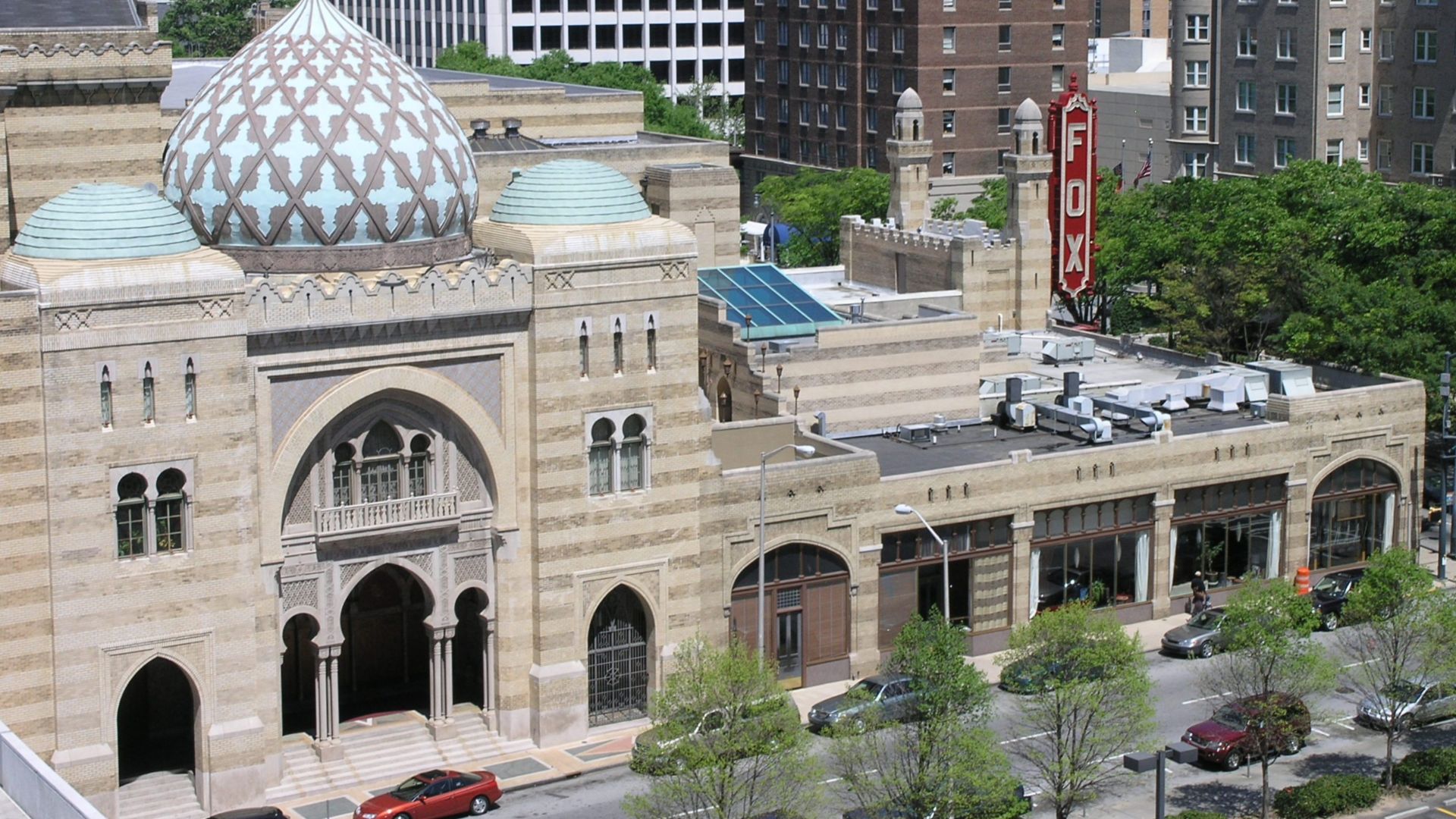 Daniel Mayer, Wikimedia Commons
The Langevin Block
Ottawa's historic Langevin Block faced demolition discussions during twentieth-century government modernization efforts. Preservation advocates argued for its architectural and historical significance, helping secure its survival. The Second Empire landmark continues to play an important role in Canada's federal precinct.
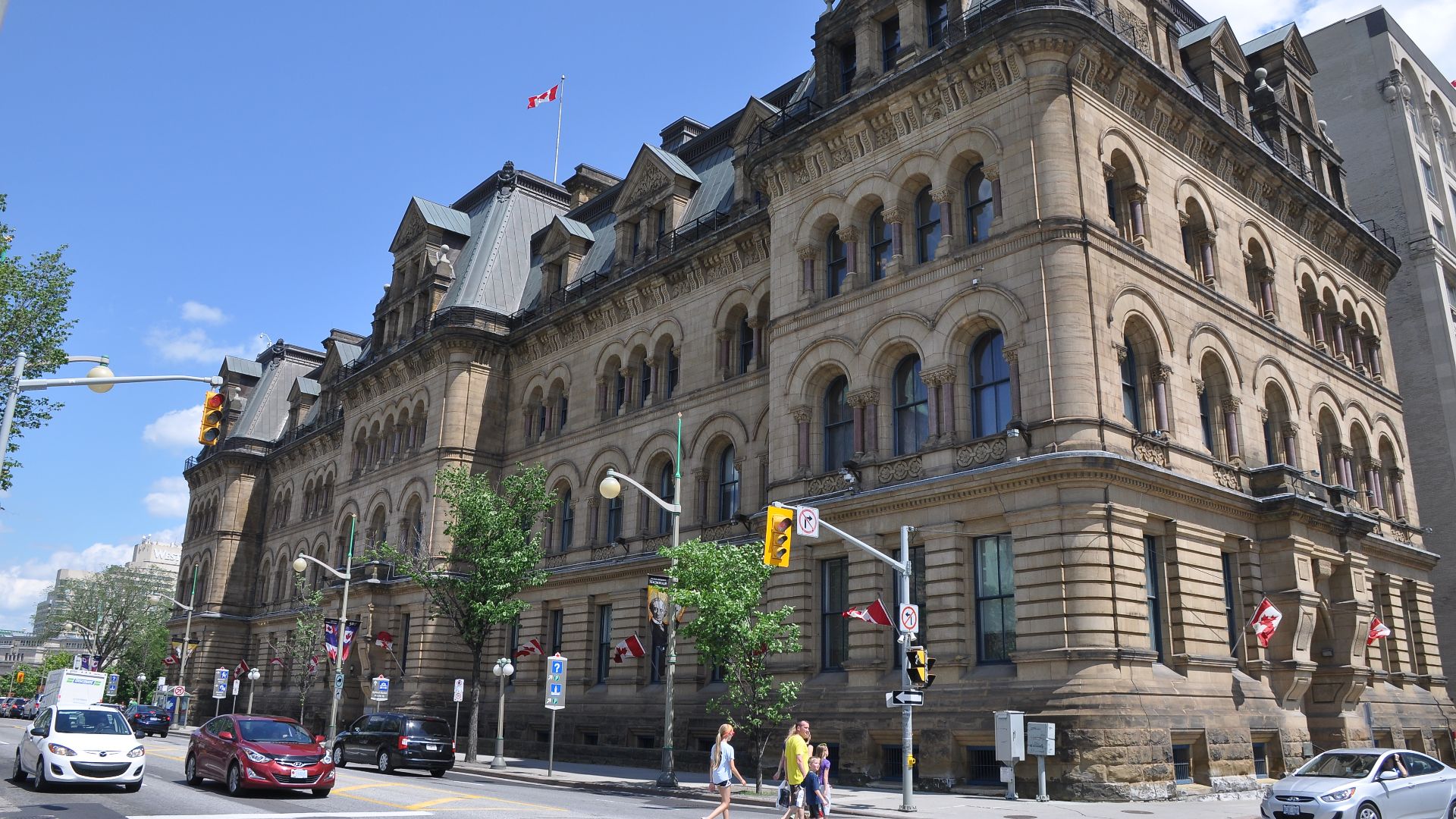 shankar s. from Dubai, united arab emirates, Wikimedia Commons
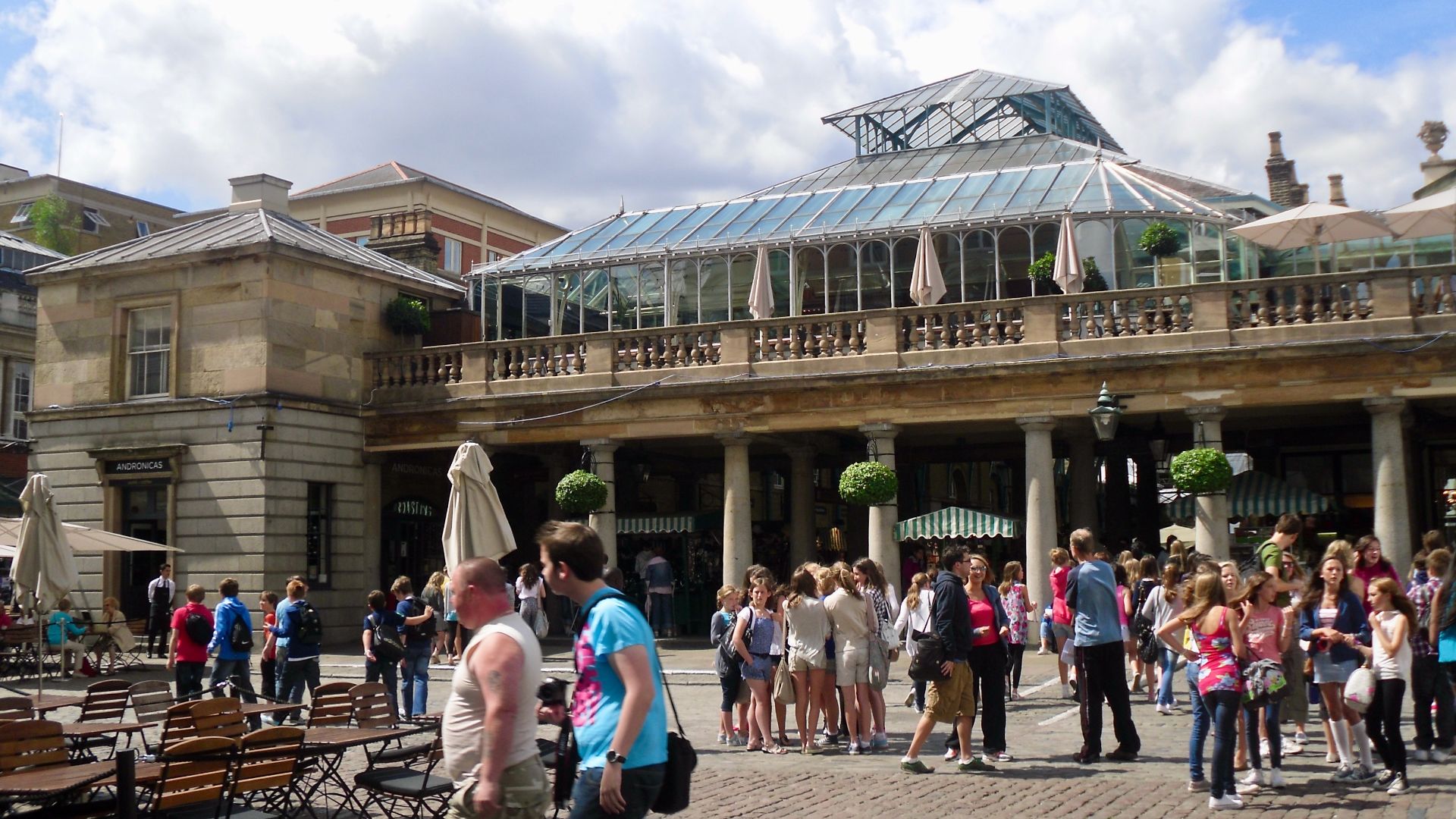
Covent Garden Market Building
During the 1960s, London's Covent Garden district was targeted for wholesale redevelopment that would have erased much of the historic marketplace. Public campaigns persuaded the government to abandon the plans. Today, the restored market is one of London's busiest cultural and shopping destinations.
The Royal Exhibition Building
Melbourne's Royal Exhibition Building narrowly escaped demolition during the mid-twentieth century as surrounding exhibition structures disappeared. Preservation efforts intensified as appreciation for Victorian architecture grew. Its survival eventually led to UNESCO World Heritage designation in 2004.
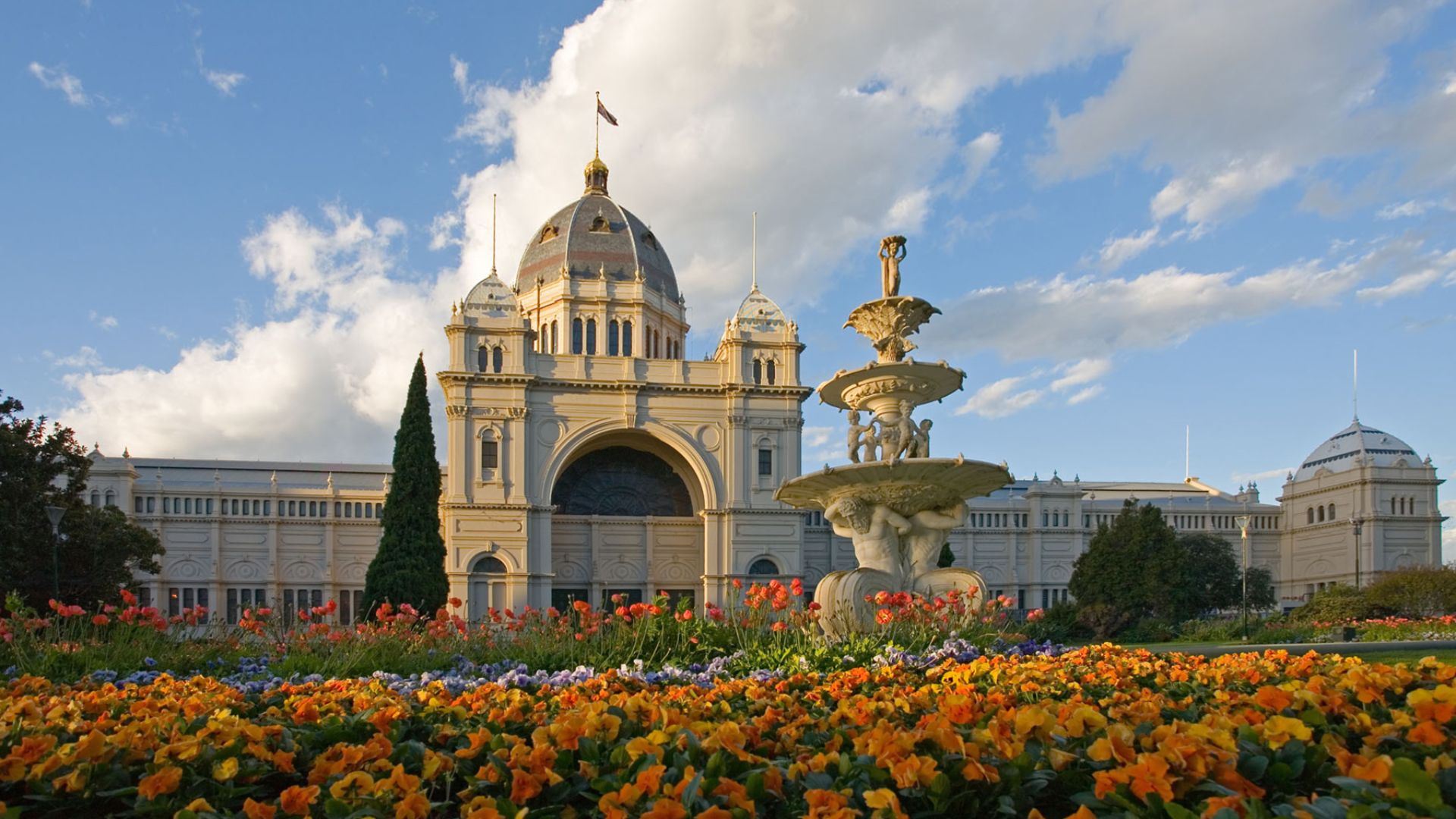 Photograph taken by Diliff and straightened by Ian Fieggen, Wikimedia Commons
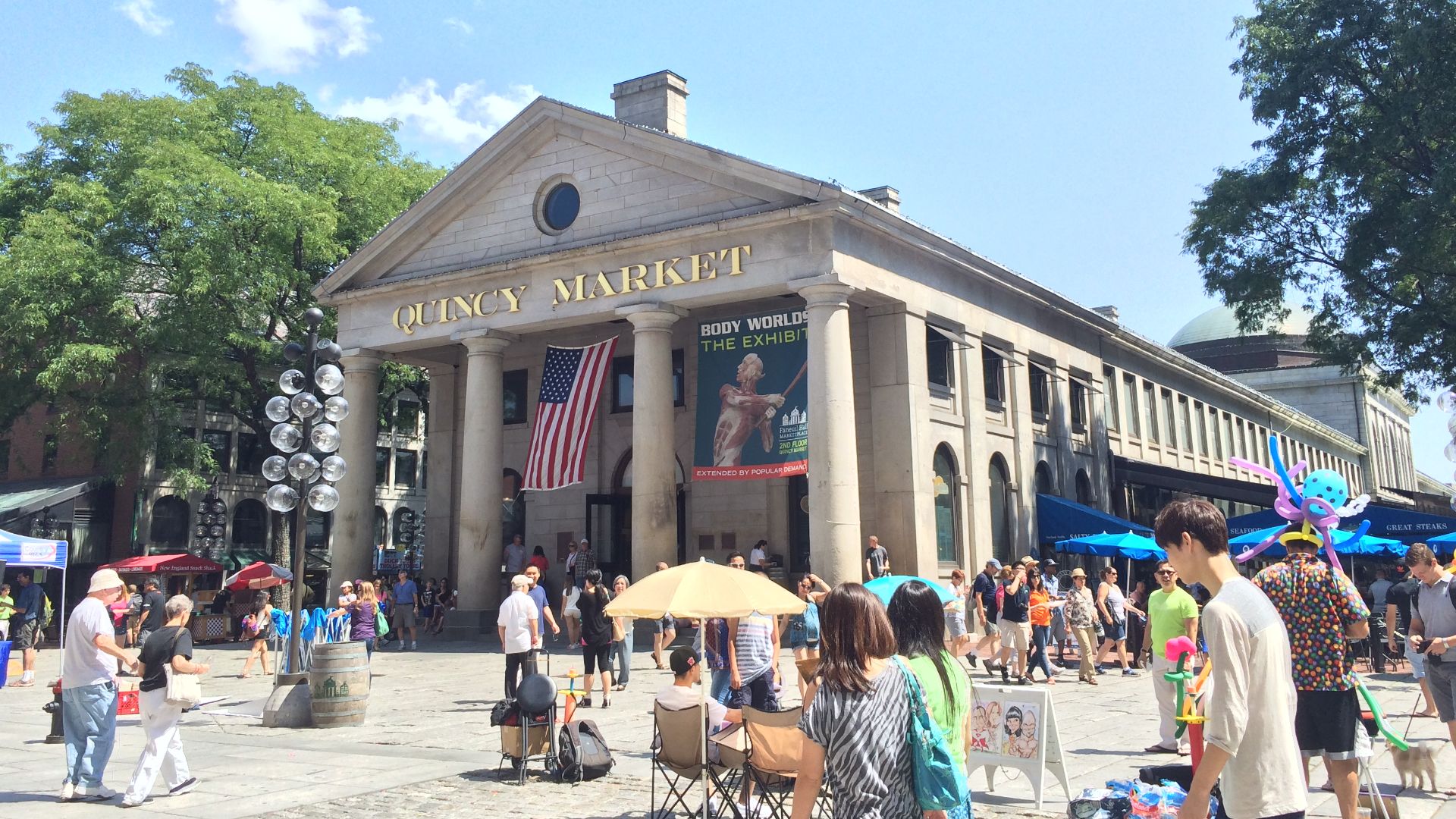
Quincy Market
Boston's Quincy Market sat largely abandoned by the 1960s, and demolition became a realistic possibility. Instead, the city embraced adaptive reuse, restoring the nineteenth-century marketplace as part of the revitalized Faneuil Hall complex. The project became a model for historic preservation nationwide.
The Tennessee Theatre
Knoxville's Tennessee Theatre suffered decades of neglect, prompting fears that demolition might follow. Local fundraising campaigns and preservation organizations secured financing for a major restoration instead. The lavish 1928 movie palace now serves as a thriving performing arts venue.
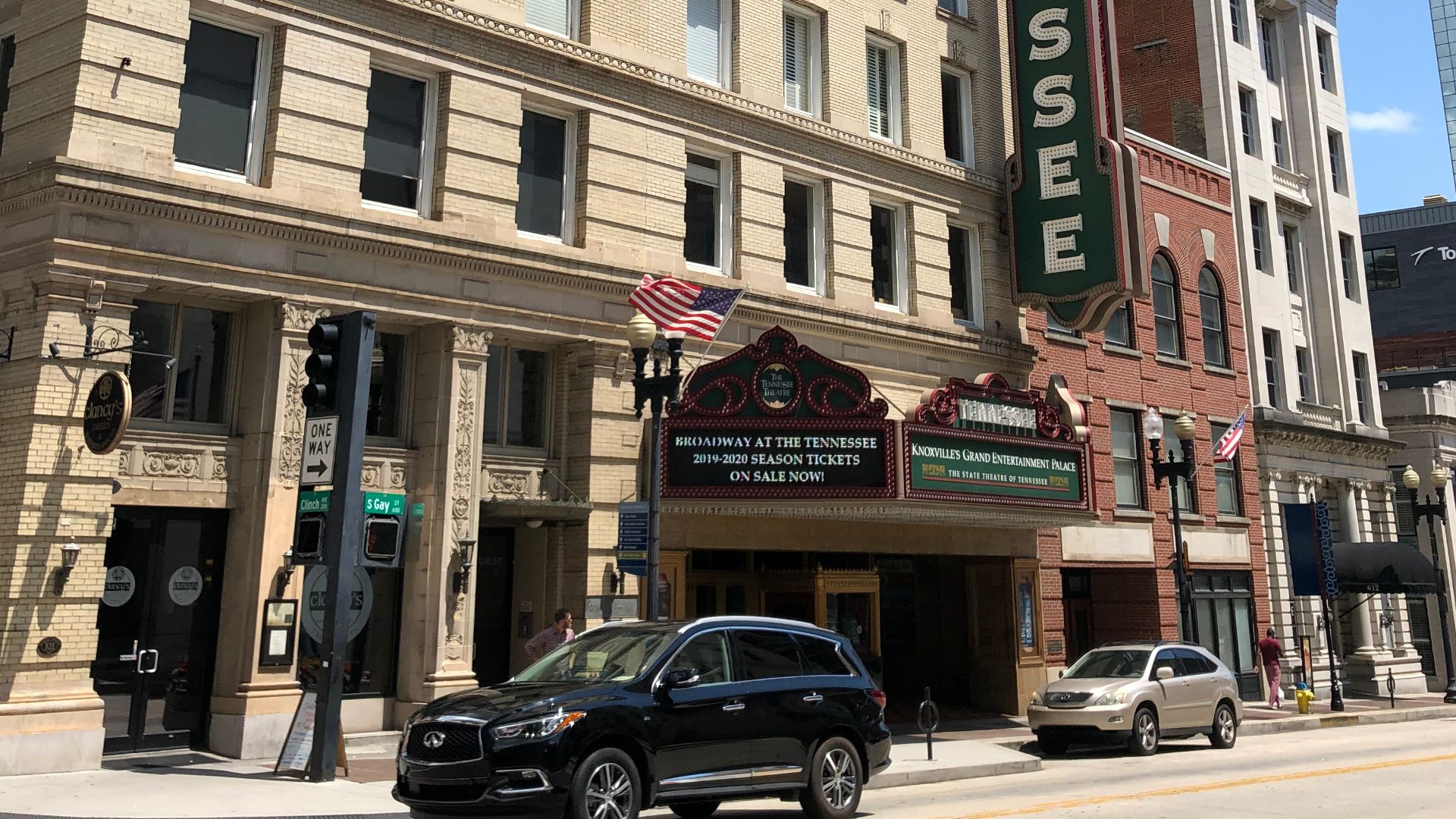 Wikionright, Wikimedia Commons
The Palace Theatre
New York's Palace Theatre narrowly escaped demolition during redevelopment plans for Times Square. Engineers instead performed an extraordinary feat by lifting the entire theater roughly 30 feet above street level while preserving the historic structure. The theater reopened following extensive restoration.
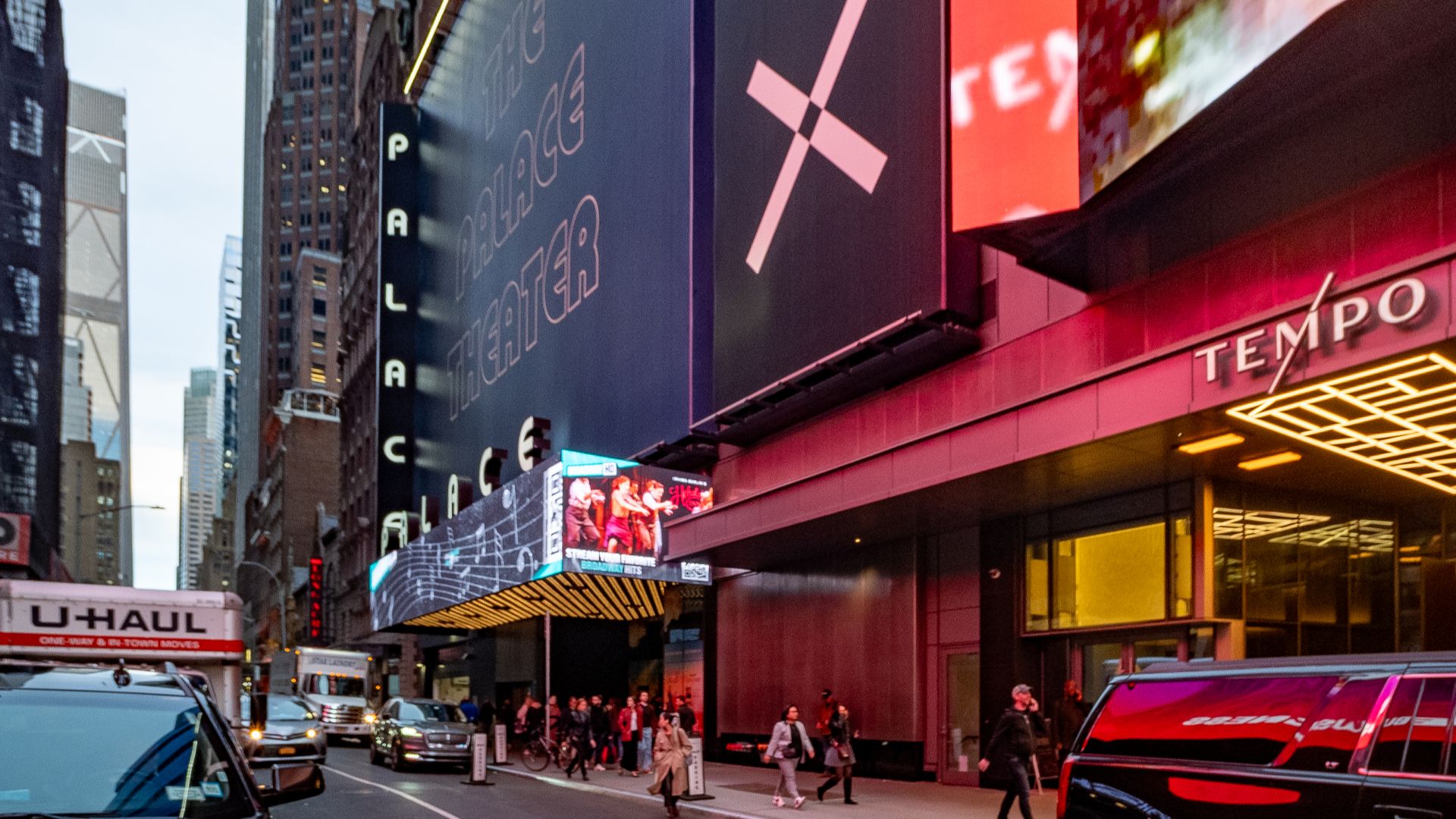 ajay_suresh, Wikimedia Commons
The Hotel del Coronado
California's iconic Hotel del Coronado experienced financial uncertainty and redevelopment pressures during the twentieth century. Preservation-minded ownership invested in restoration rather than replacement, allowing the massive Victorian resort to remain one of America's best-known historic hotels. It is now recognized as a National Historic Landmark.
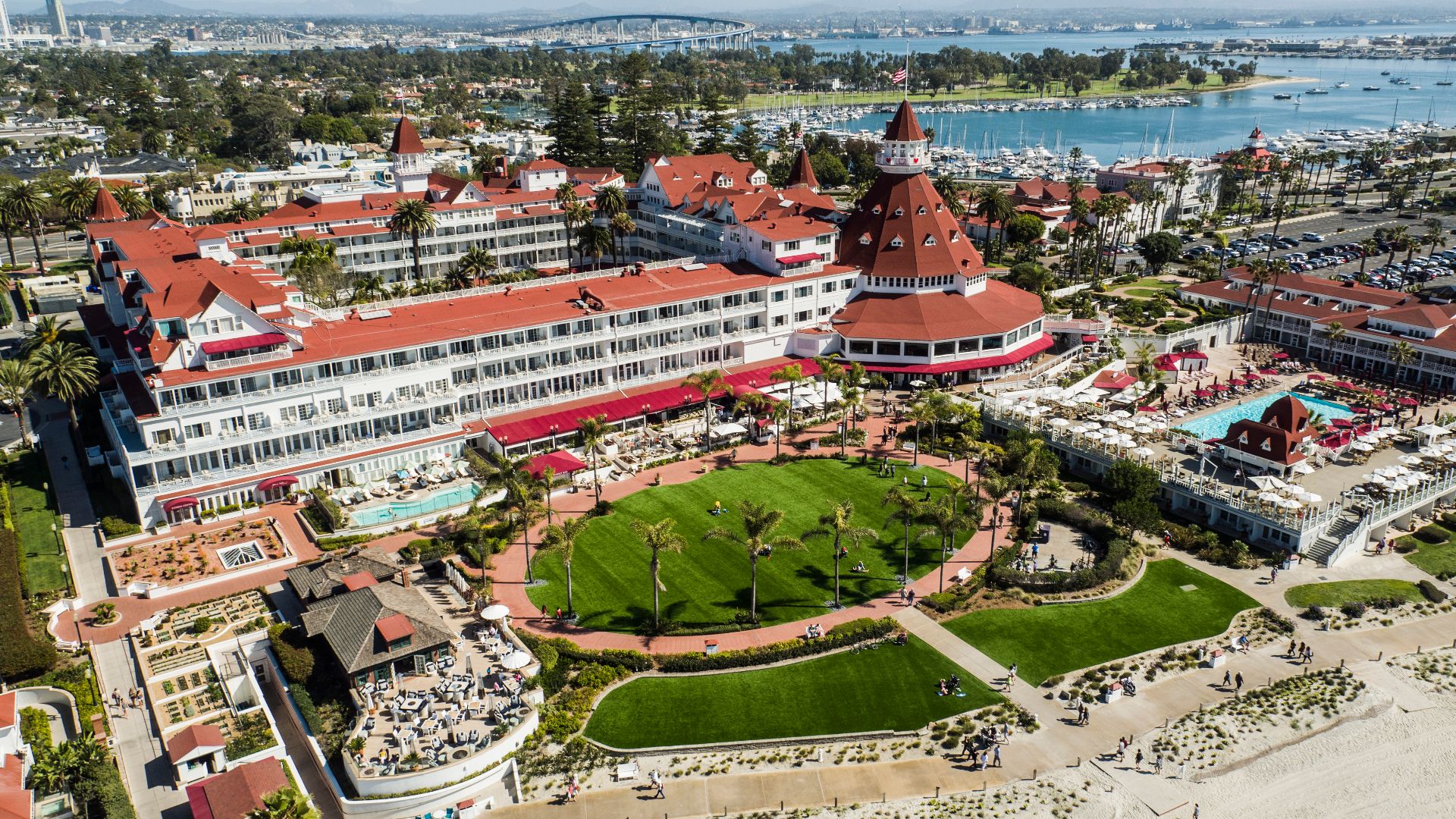 Armandoartist, Wikimedia Commons
The Chicago Theatre
The Chicago Theatre struggled financially during the 1970s and 1980s, raising fears that it might be demolished like many other downtown movie palaces. Preservation groups, city leaders, and private investors instead funded an ambitious restoration. Its famous marquee has once again become a symbol of Chicago.
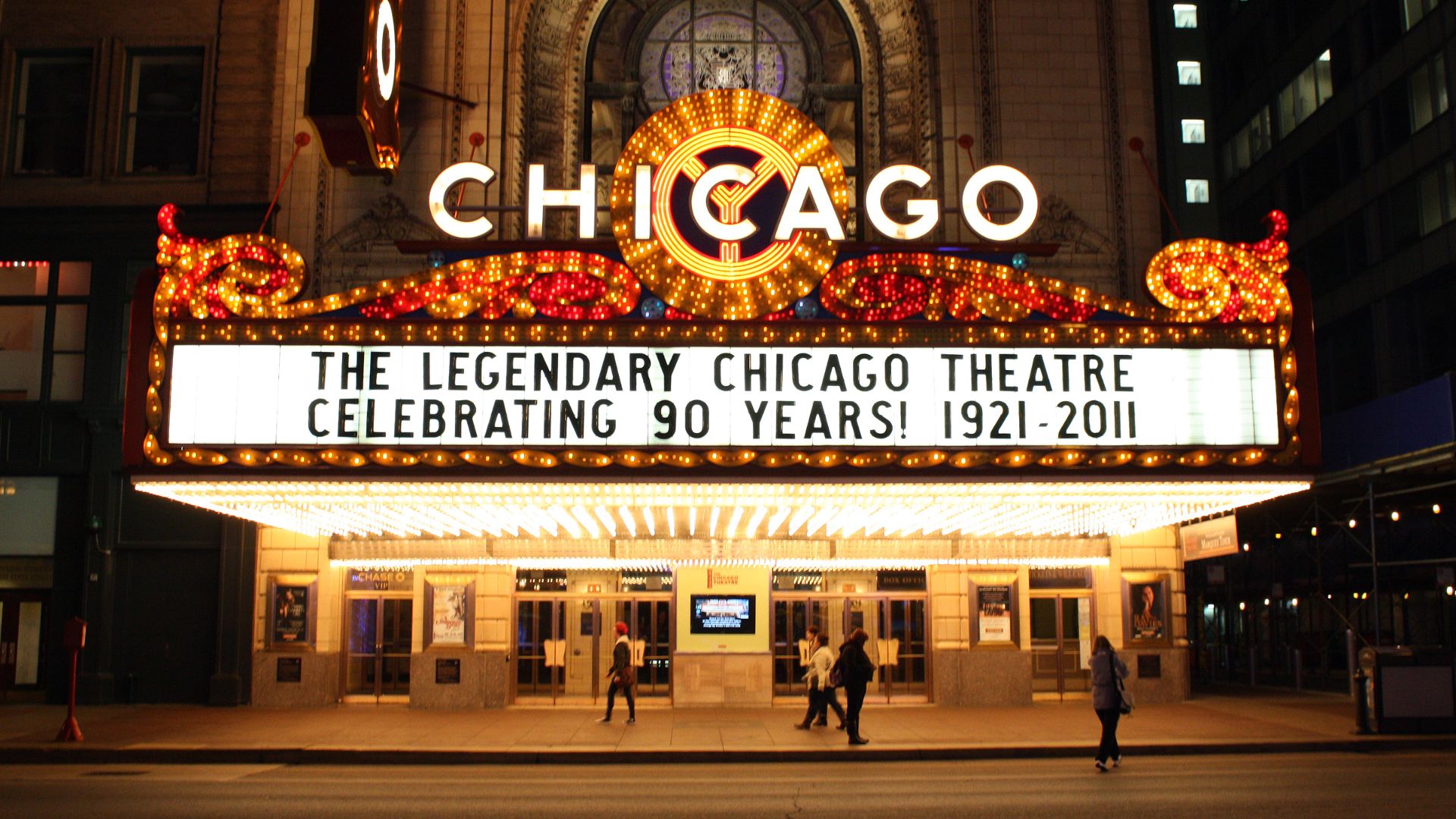 Raymon Sutedjo-The, Wikimedia Commons
Old South Meeting House
Boston's Old South Meeting House faced demolition in the 1870s as commercial development accelerated downtown. Citizens organized one of America's earliest successful preservation campaigns, purchasing and restoring the Revolutionary-era landmark. The effort helped inspire later preservation movements across the country.
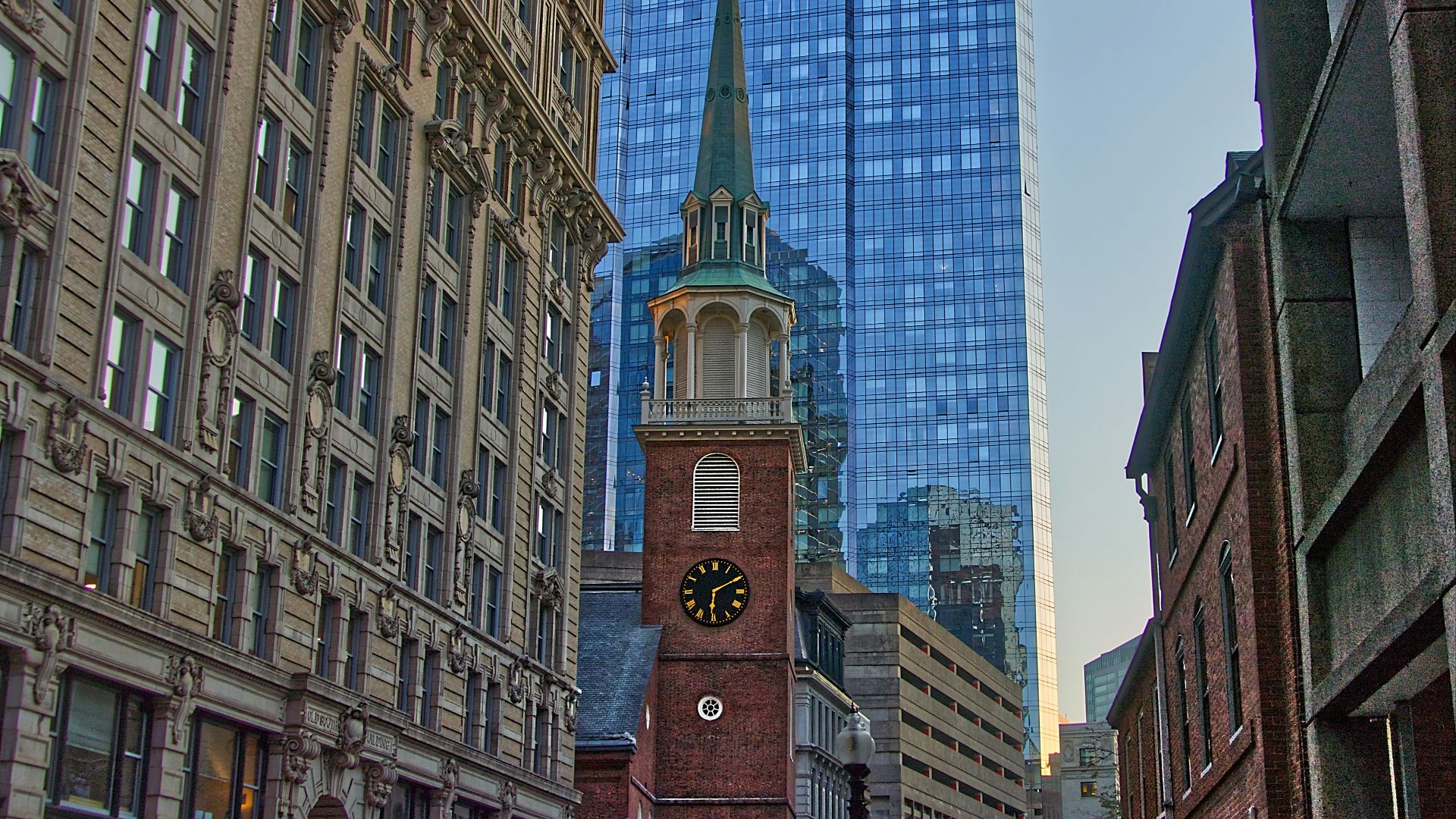
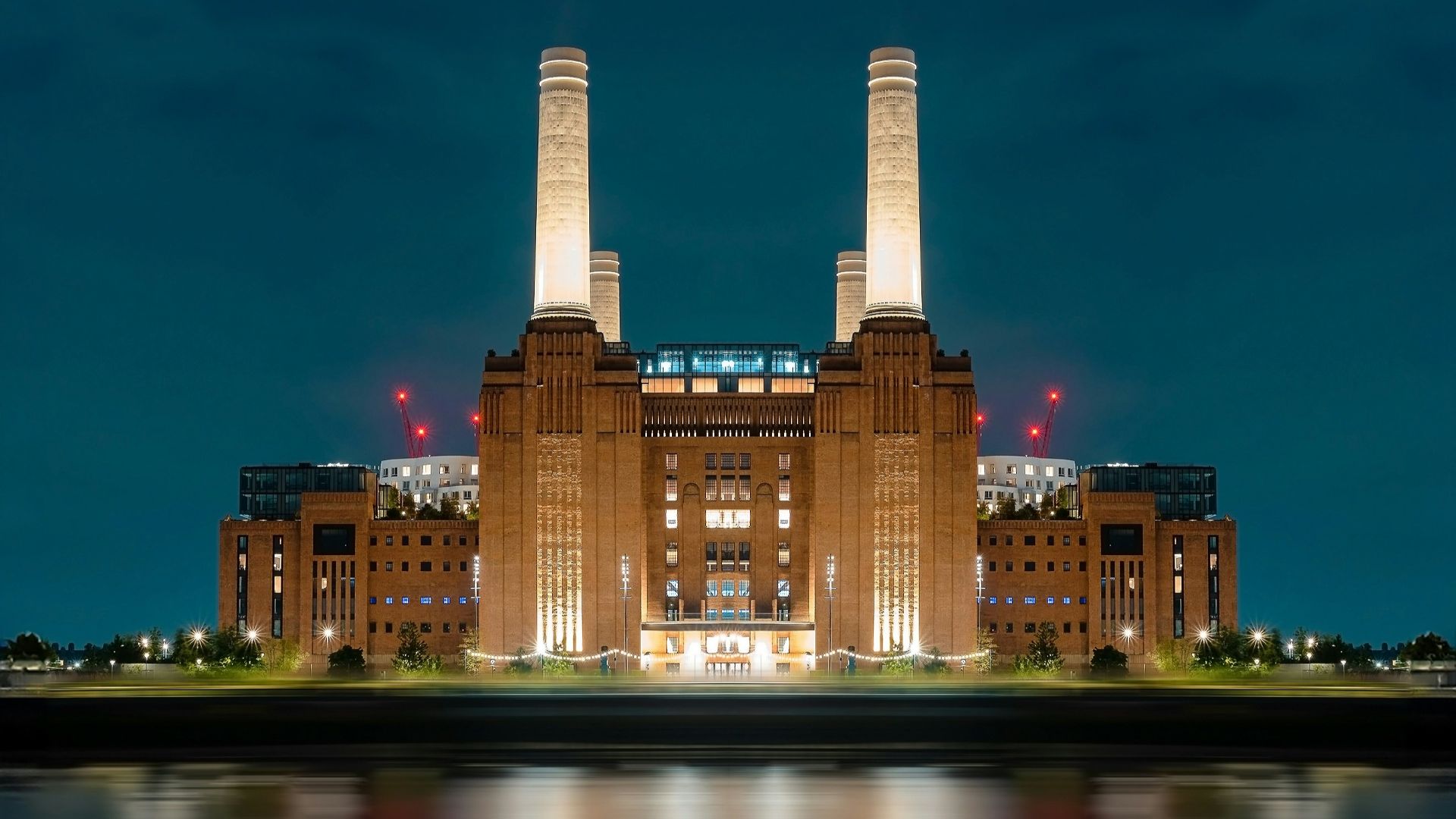
Battersea Power Station
London's Battersea Power Station stood vacant for decades, leading many to believe demolition was inevitable. Multiple redevelopment proposals failed before a massive restoration finally moved forward in the 2010s. The former power plant has since been transformed into a mixed-use destination while preserving its iconic exterior.
The Auditorium Building
Chicago's Auditorium Building suffered years of decline as maintenance costs mounted, prompting speculation about its future. Landmark protections and restoration investments preserved Louis Sullivan's architectural masterpiece instead. The building continues to house Roosevelt University alongside its celebrated theater.
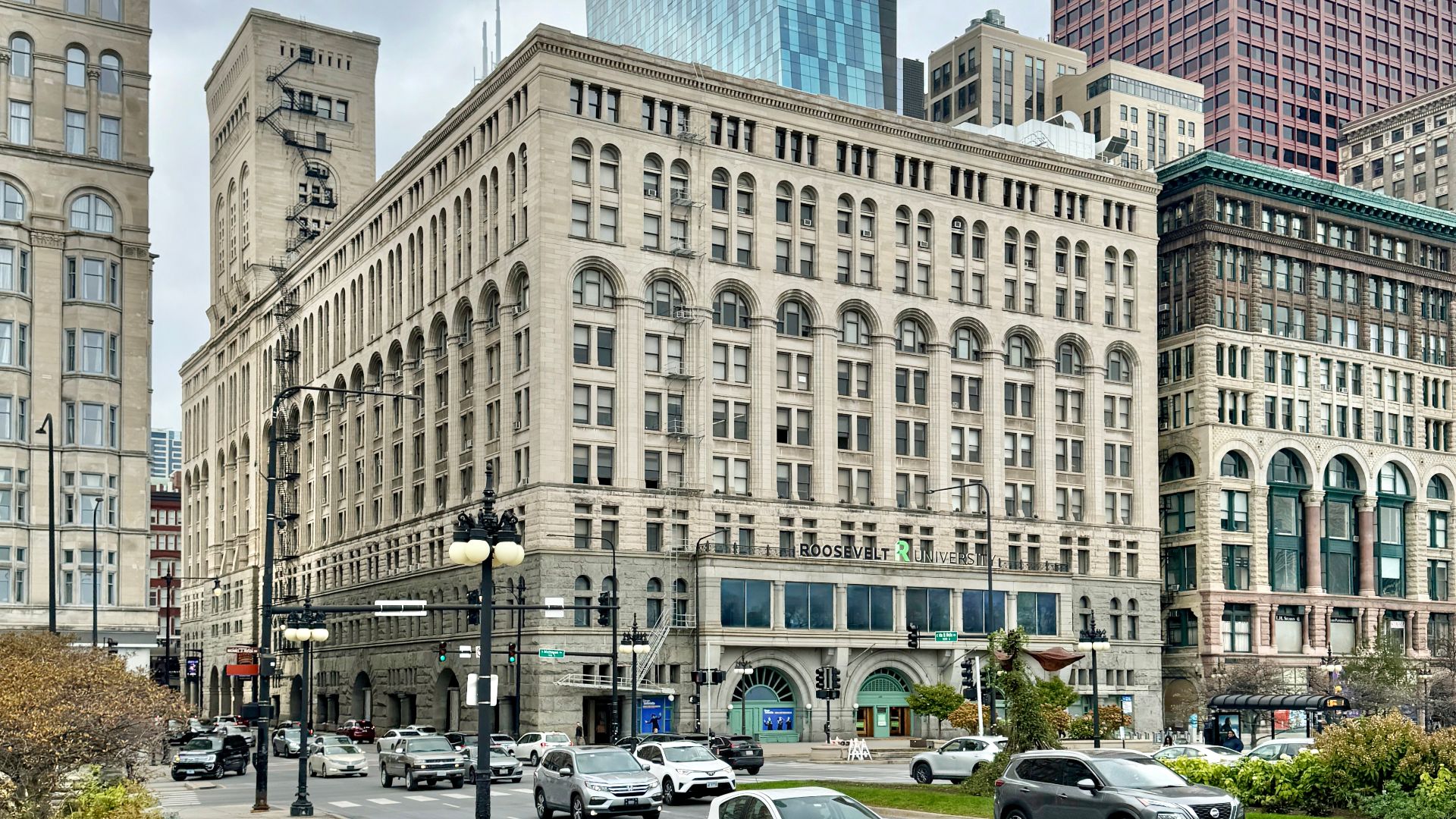 Warren LeMay from Chicago, IL, United States, Wikimedia Commons
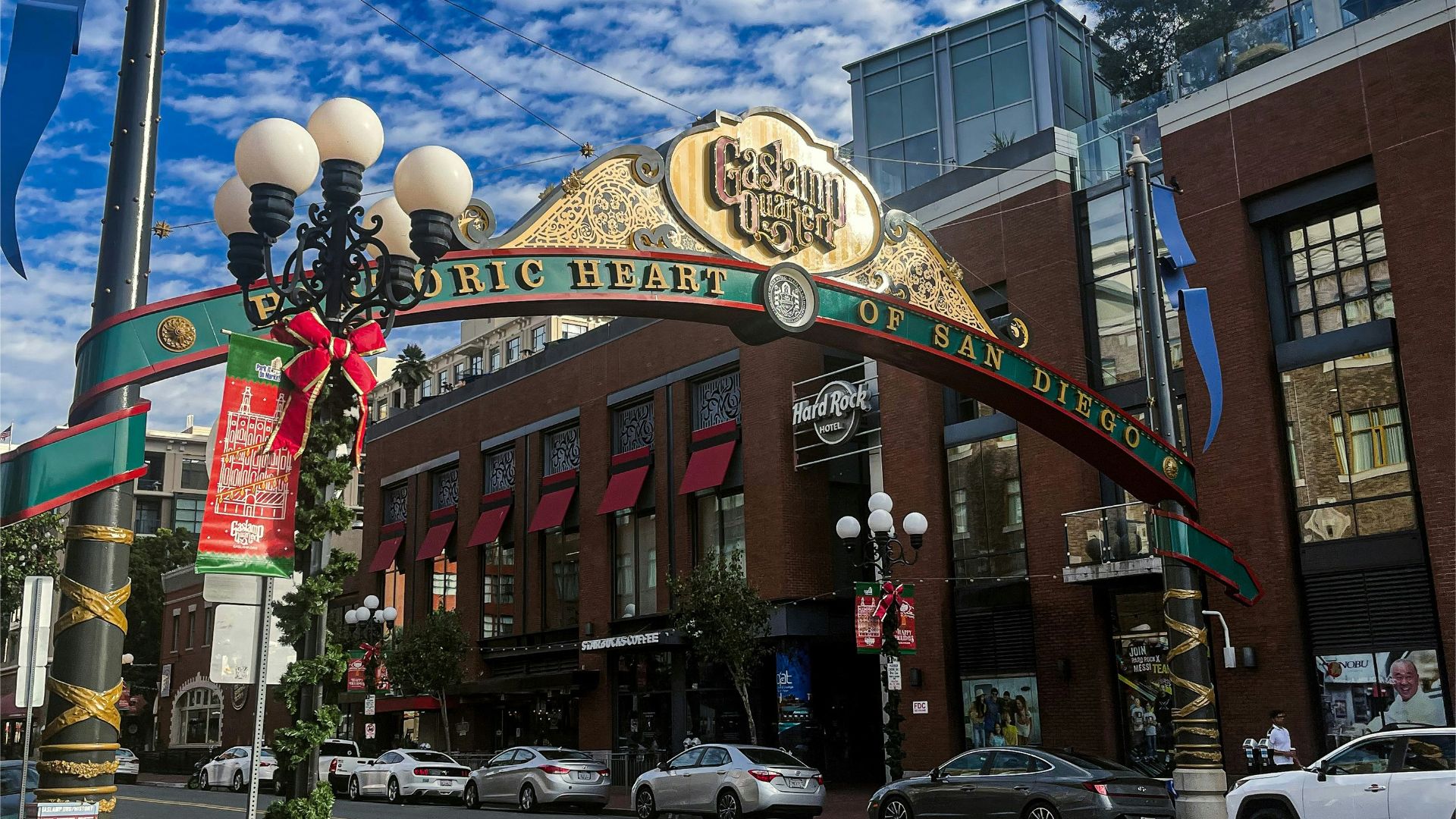
The Gaslamp Quarter
San Diego's Gaslamp Quarter was targeted for large-scale urban renewal during the mid-twentieth century. Preservation advocates successfully argued for restoring its Victorian commercial buildings instead of replacing them. Today, the district is one of the city's most vibrant historic neighborhoods.
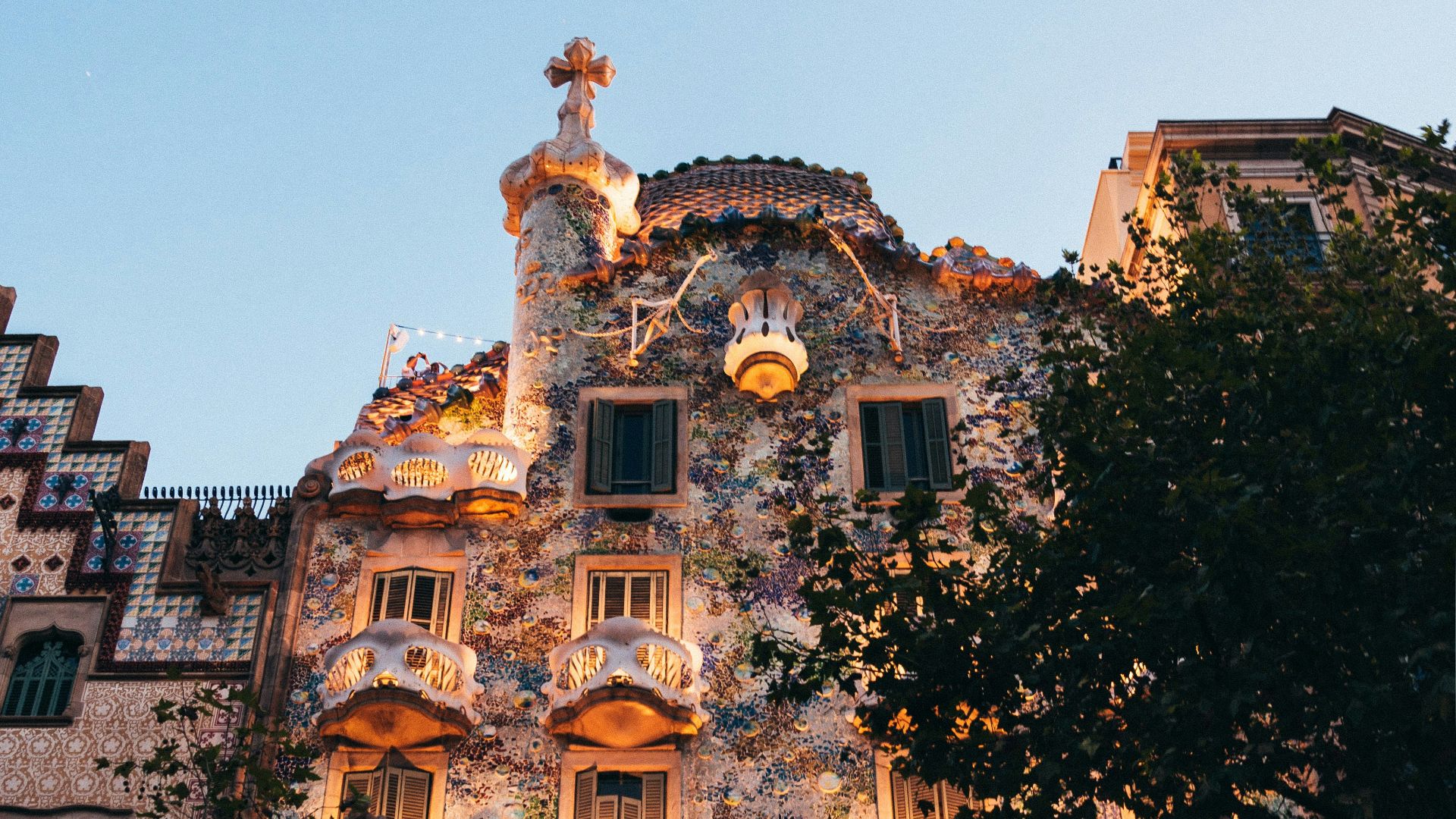
Casa Batlló
Antoni Gaudí's Casa Batlló experienced periods of neglect before appreciation for Modernisme architecture grew worldwide. Restoration efforts replaced thoughts of demolition, allowing the colorful Barcelona landmark to regain its original brilliance. It now welcomes visitors from around the globe as a UNESCO World Heritage Site.
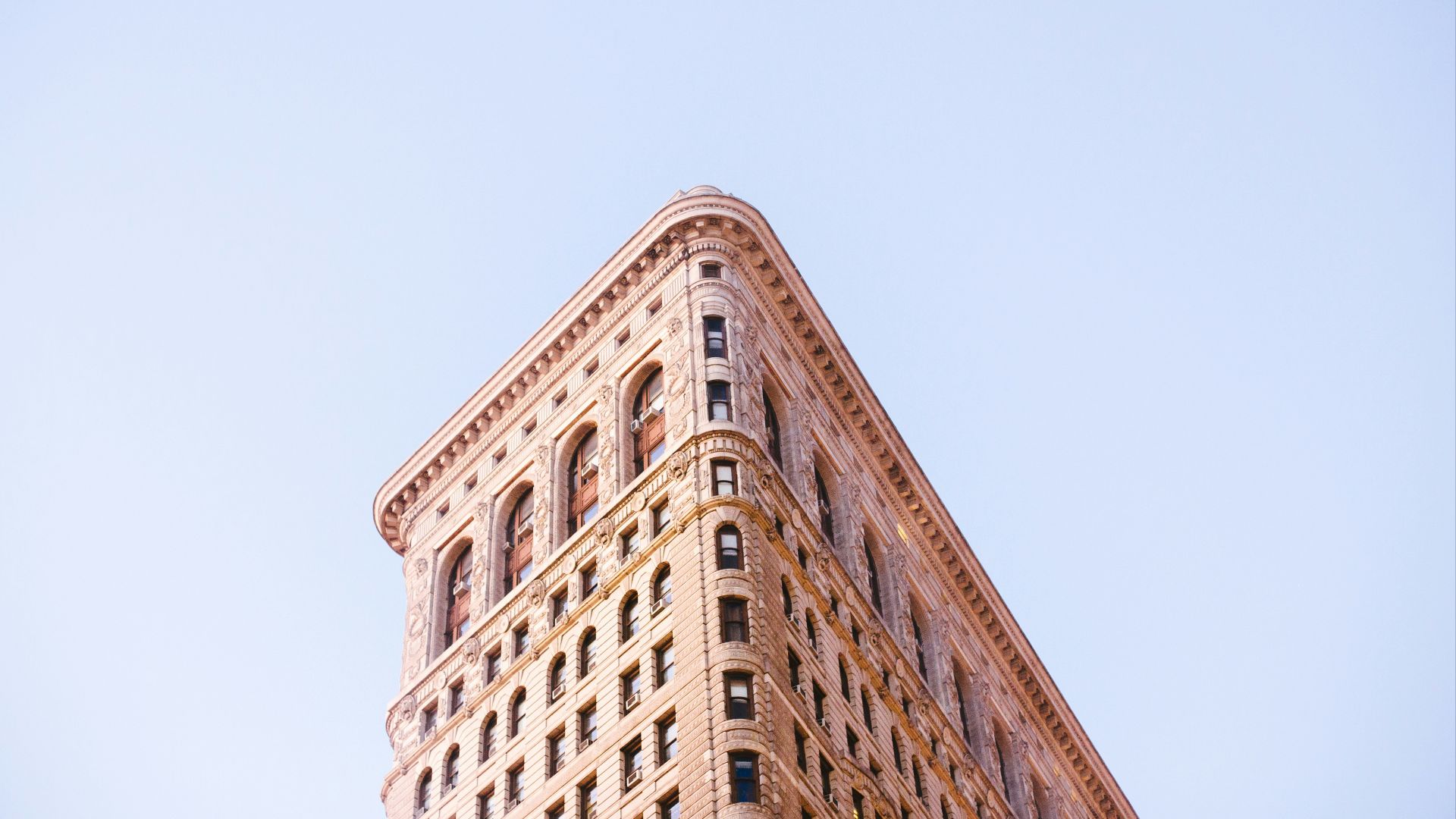
The Flatiron Building
New York's Flatiron Building has repeatedly faced redevelopment proposals throughout its history as surrounding property values climbed. Landmark protections and widespread public admiration helped ensure its survival. More than a century after opening, it remains one of Manhattan's defining architectural icons.
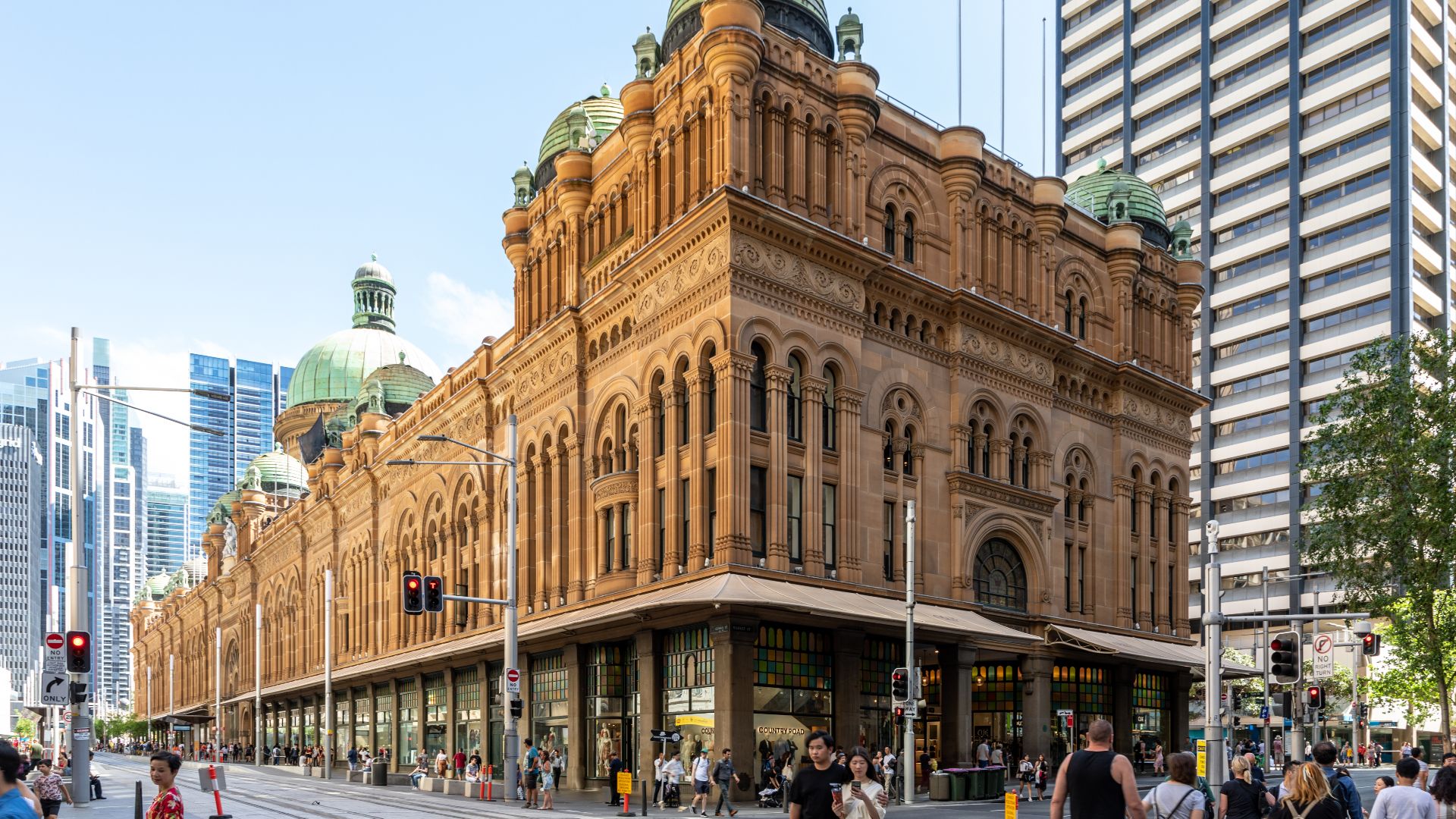
The Sydney Queen Victoria Building
Sydney's Queen Victoria Building narrowly escaped demolition during the 1950s and 1960s, when replacing it with a parking garage was seriously considered. Strong public support and changing attitudes toward heritage conservation led to a comprehensive restoration instead. The Romanesque Revival landmark is now one of Australia's best-preserved historic shopping arcades.
 Dietmar Rabich, Wikimedia Commons
You May Also Like: